Author: Mei Ling Tan

  • Inditex’s Budget Brand Lefties Makes A Comeback In France Amid Rising Online Competition

    Inditex’s Budget Brand Lefties Makes A Comeback In France Amid Rising Online Competition

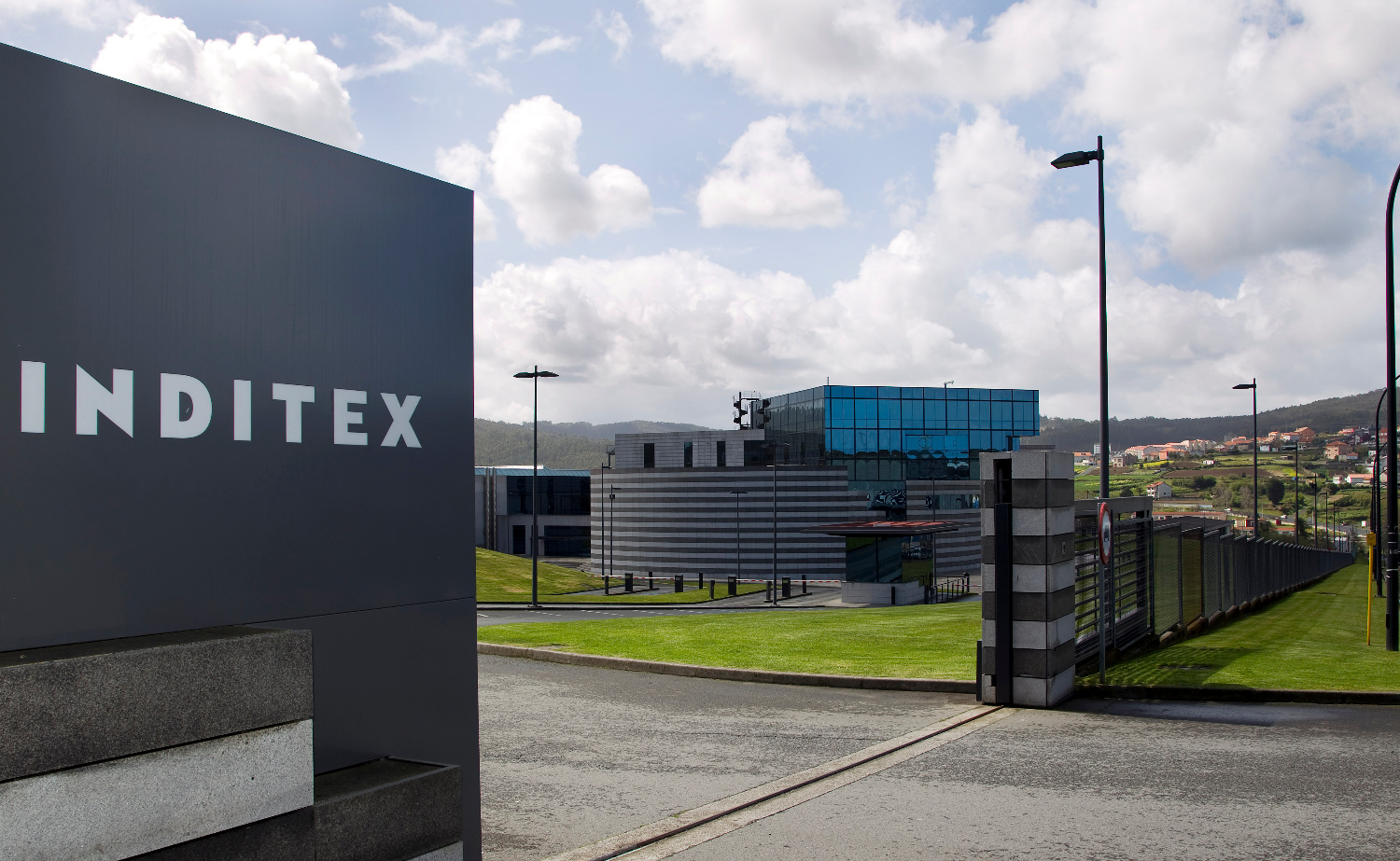
    In a recent announcement, the CEO of Inditex, the parent company of renowned fashion brand Zara, revealed plans to expand the company’s budget brand, Lefties, into France. The move is seen as an attempt to appeal to younger consumers and increase competition with low-cost rivals, including the popular online retailer Shein.

    Lefties Returns to France

    This new development signifies Lefties’ re-entry into the French market after a previous launch in 2009 that saw the closure of all its French outlets by 2012. Lefties, which was established a quarter of a century ago, began as an outlet for Zara’s leftover items. It has since blossomed into a significant player in the industry with a presence in 18 countries. The brand’s growth comes amidst increasing competition from online-only retailers such as Shein, known for their ultra-low prices.

    As part of its recent rebranding efforts, Lefties unveiled a new, all-capital letters logo in May alongside the slogan, “Lefties everywhere, on everyone.” While the brand’s main focus remains Spain and Portugal, Inditex CEO Oscar Garcia Maceiras recently stated that Inditex is currently “testing Lefties in new markets.”

    Pricing Competitive to Market Rivals

    Lefties offers competitively priced items, with dresses costing as low as 9.9 euros (US$11.55) and jeans at 12.99 euros. These prices are on par with those of Shein and Primark, and offer a more affordable alternative to Zara, which has seen price hikes in recent years.

    Expansion of Inditex’s Other Brands

    In addition to the expansion of Lefties, Inditex is also extending its range of other brands, as announced by Garcia Maceiras at the firm’s annual shareholder meeting. Bershka is slated to open its first stores in Denmark, Stradivarius in Austria, Oysho in the Netherlands, and Massimo Dutti in Brazil. In the United States, the Zara Man label is set to launch with a store in Costa Mesa, Los Angeles.

    The planned store openings, including Lefties’ expansion into France, are scheduled to occur this year and next, according to an Inditex spokesperson.

    Questions & Answers

    What are the expansion plans of Inditex for its budget brand Lefties?
    Lefties, the budget brand of Inditex, is set to expand into France as part of a strategy to attract younger consumers and compete with low-cost rivals.

    When did Lefties first launch in France and what happened?
    Lefties initially launched in France in 2009, but by 2012 all its French outlets were closed. The current plan signifies a re-entry of the brand into the French market.

    What other brands are Inditex planning to expand and where?
    Inditex is also planning to expand other brands, including Bershka in Denmark, Stradivarius in Austria, Oysho in the Netherlands, and Massimo Dutti in Brazil. Furthermore, the Zara Man label is set to make its U.S. debut with a store in Costa Mesa, Los Angeles.

  • China’s Smartphone Market Sees Contraction; Huawei Reclaims Top Spot Amidst Decreased Shipments

    China’s Smartphone Market Sees Contraction; Huawei Reclaims Top Spot Amidst Decreased Shipments

    After six consecutive quarters of growth, China’s smartphone market showed signs of contraction during the second quarter of this year. The International Data Corporation (IDC) reported a decrease in shipments from the top four out of five brands, attributing this to a dip in consumer demand.

    Apple, which holds the fifth position in China’s smartphone market, experienced a 1.3% year-on-year decrease in shipments in the second quarter, equating to a shipment of 9.6 million units. While still marking a decline, this represents a notably smaller decrease than the 9% drop witnessed in the first quarter of the year. This is believed to be due in part to adjustments in the pricing of specific iPhone 16 and 16 Pro models, which are eligible for government subsidies.

    Despite this, Apple’s share of the market increased, growing from 13.7% in the March quarter to 13.9% in the June quarter. However, this still marks the eighth consecutive quarter in which Apple’s market share has declined.

    Huawei, the Shenzhen-based technological powerhouse, regained its position at the top of the market after more than four years, seizing an 18.1% market share. Huawei shipped approximately 12.5 million phones during the second quarter, a 3.4% year-on-year decrease.

    Xiaomi, holding the fourth position in the market, was the only smartphone manufacturer to record an increase in shipments during the last quarter. Vivo, standing at second place, witnessed the most significant decline in the top five brands, with shipments decreasing by 10.1%.

    Overall, China’s smartphone shipments fell by 4.0% year-on-year to 69 million units in the second quarter. This decline came as the momentum spurred by government subsidies began to falter amid more wide-ranging economic weaknesses.

    Senior research analyst at IDC, Arthur Guo, commented on the broader economic challenges faced by the industry, stating that consumer confidence remains low. Guo suggested that a significant boost in smartphone demand is unlikely in the near future and projected a more multifaceted landscape for the market in the second half of the year.

    Questions & Answers

    What was the rate of decline in China’s smartphone market during the second quarter?
    The rate of decline in China’s smartphone market during the second quarter was 4.0%.

    Which brand reclaimed the top spot in China’s smartphone market?
    Huawei regained the top position in China’s smartphone market after over four years.

    What was the only brand among the top five to record growth in shipments during the last quarter?
    Xiaomi was the only brand among the top five to record growth in shipments during the last quarter.

  • Richemont Reports 6% Quarterly Sales Rise Thanks To Cartier, Van Cleef & Arpels Jewelry Brands

    Richemont Reports 6% Quarterly Sales Rise Thanks To Cartier, Van Cleef & Arpels Jewelry Brands

    The Swiss luxury conglomerate, Richemont, reported a six per cent increase in quarterly sales, attributing the growth to the continued popularity of its fine jewelry brands, Cartier and Van Cleef & Arpels, among affluent consumers.

    Quarterly Sales Figures

    For the first quarter, ending June, the firm posted sales of 5.4 billion euros. This figure mirrors the projected six per cent growth in accordance with the forecast set by financial analysts.

    The powerhouse behind the group’s expansion was the jewelry division, which reported an 11 per cent sales increase. However, the company’s watch division, which comprises esteemed brands such as Vacheron Constantin and Jaeger LeCoultre, did not perform as well. Watch sales were seven per cent lower on a year-on-year basis, although this represents a minor recovery from the 11 per cent decline witnessed in the preceding quarter.

    Global Market Performance

    The Swiss watch industry, currently grappling with potential tariff threats in the United States, is predicted to report its lowest wristwatch export volumes since the onset of the pandemic in 2020.

    Regionally, sales performance varied. In the Americas, primarily the U.S market, sales improved mildly – up 17 per cent, surpassing the 12 per cent growth forecast. Conversely, sales in Asia remained stagnant, as a seven per cent sales slump in China, Hong Kong, and Macau was counterbalanced by robust business activities in other parts of the continent.

    Questions & Answers

    Which Richemont division led the group’s growth? The jewelry division led Richemont’s growth, reporting an 11 per cent increase in sales.

    How did the watch division perform? The watch sales were seven per cent lower on a year-on-year basis.

    How did sales vary across regions? Sales improved in the Americas, particularly in the U.S, by 17 per cent. In Asia, sales remained stagnant due to a seven per cent sales decrease in China, Hong Kong, and Macau, offset by stronger business in other Asian regions.

  • Couche-Tard pulls $47 billion bid for Seven & I, cites lack of engagement

    Couche-Tard pulls $47 billion bid for Seven & I, cites lack of engagement

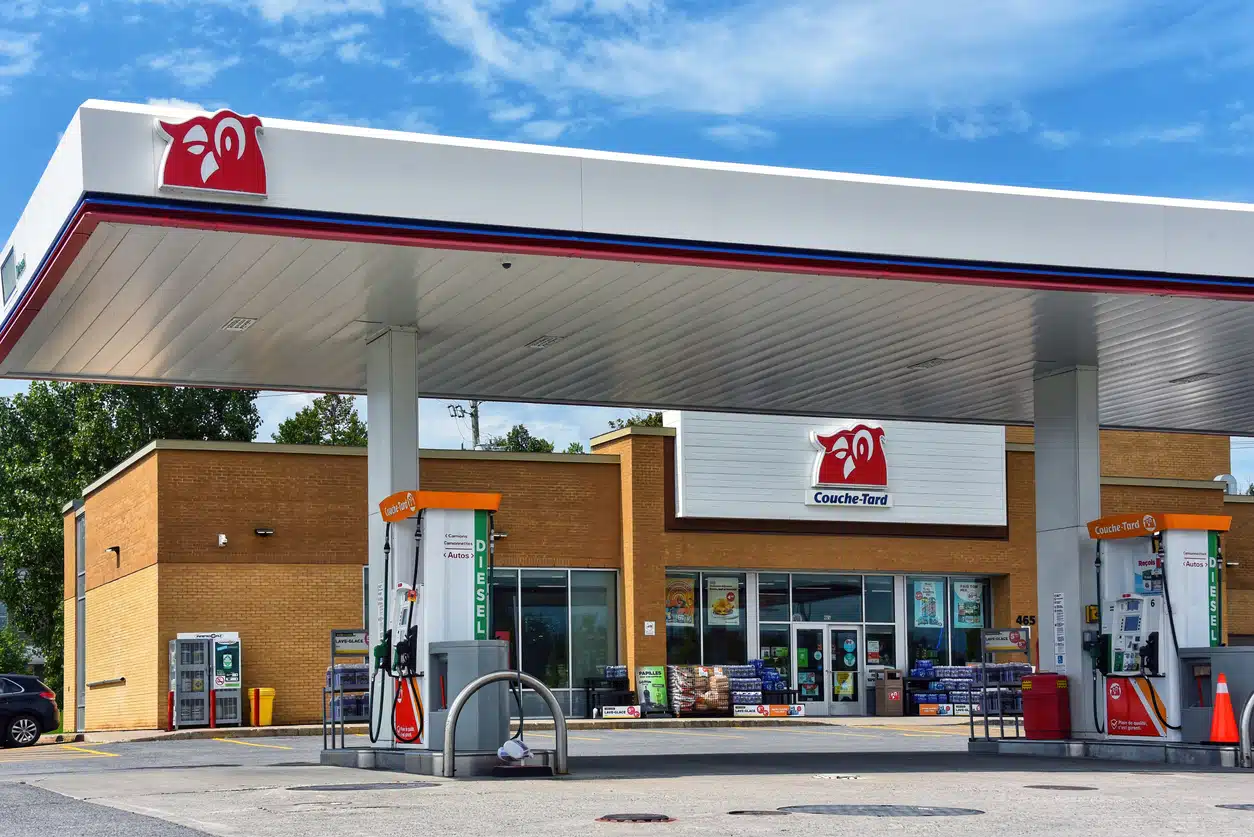
    Alimentation Couche-Tard, a Canadian retail company, announced its withdrawal from a $47 billion acquisition bid for Seven & I Holdings on Wednesday. Couche-Tard cited the lack of a cooperative exchange from the Japanese retail company as the reason behind this move.

    A Surprise Discontinuation

    The unexpected decision brings a year-long effort by Couche-Tard, the operator of Circle K, to a halt. The goal was to create a global convenience store powerhouse by taking control of the corporation that operates 7-Eleven. According to Couche-Tard, there has been no earnest or productive interaction from 7&i that would help progress any proposal, contradicting public statements made by 7&i representatives.

    Escalating Offers

    Couche-Tard had initially elevated its offer from $38.5 billion to $47 billion in October of the previous year. It also offered to raise it further in March if the Japanese firm was willing to cooperate and disclose more financial data. The Canadian firm had agreed to a store sale strategy to alleviate some regulatory obstacles.

    Couche-Tard’s acquisition efforts had gained momentum after a competing $58 billion bid from Seven & I Holdings’ founding family failed due to a lack of financing.

    Revealing the Breakdown

    Earlier in the year, both businesses signed a non-disclosure agreement (NDA). However, Couche-Tard expressed dissatisfaction with the limited extent and substance of the permitted due diligence which included two tightly controlled management meetings. The company stated that it had no insight into whether or when it would receive any additional information.

    Couche-Tard had proposed to buy all of 7&i’s business outside of Japan and only 40% of its business within Japan. Convenience stores in Japan play a significant role as key infrastructure, providing valuable support during natural disasters. The company stated that it could not effectively proceed with the merger without further and genuine engagement from 7&i leadership and its special committee.

    Questions & Answers

    Why did Couche-Tard withdraw its bid for Seven & I Holdings?
    Couche-Tard cited a lack of constructive engagement from Seven & I Holdings as the reason for withdrawing its bid.

    How high had Couche-Tard raised its acquisition offer for Seven & I Holdings?
    Couche-Tard had increased its offer to $47 billion from the initial $38.5 billion. It also expressed willingness to raise the offer further if the Japanese company cooperated and disclosed more financial information.

    Why did Couche-Tard want to purchase only 40% of 7&i’s business in Japan?
    Convenience stores in Japan are considered as key infrastructure due to their role in providing support during natural disasters. It is likely Couche-Tard took this factor into consideration in its proposal.

  • The Ordinary Debuts Flagship Store On Alibaba’s Tmall, Leveraging Ai For Personalized Skincare Experience

    The Ordinary Debuts Flagship Store On Alibaba’s Tmall, Leveraging Ai For Personalized Skincare Experience

    Canadian skincare label, The Ordinary, has recently announced the launch of its inaugural flagship store on Tmall, Alibaba’s e-commerce platform. This comes not long after it first ventured into the Chinese market in February of this year.

    Embracing Science-Led, Ingredient-Driven Formulations

    The Ordinary has built its reputation on its commitment to science-based, ingredient-focused products at affordable prices. With this new online store, the company hopes to extend its reach to a wider customer base in China.

    The digital shop also incorporates AI-driven technology, with the aim of helping shoppers identify the skincare products that will suit their specific needs.

    Co-founder of The Ordinary, Nicola Kilner, expressed her excitement about this new venture, highlighting its significance in the brand’s mission to make quality skincare more available to Chinese consumers. Kilner further iterated the brand’s intent to strengthen its ties with the Chinese market by embracing innovative practices and imparting vital skincare knowledge.

    Event Celebrating the Launch

    In celebration of the store’s launch, The Ordinary organized a gathering in Shanghai last month. The event saw the attendance of Kilner, Lulu Chang from Estée Lauder China, and high-level personnel from Tmall. The primary focus of this event was to discuss the pivotal role of technology and transparency in shaping the future of skincare.

    The Ordinary’s Growth and Expansion

    The skincare brand’s expansion comes on the heels of Estée Lauder Companies’ successful acquisition of Deciem, the parent company of The Ordinary, in the previous year. The transaction, worth US$1.7 billion, has given Estée Lauder full ownership of Deciem Beauty Group, a Canadian firm.

    Questions & Answers

    What is The Ordinary’s approach to skincare?
    The Ordinary is known for its science-led, ingredient-driven formulations. Their products are designed to address specific skincare needs at accessible price points.

    What is the purpose of the AI-powered tools on The Ordinary’s online store?
    The AI-powered tools are designed to help consumers identify the right skincare products for their specific needs.

    What was the primary focus of the event held by The Ordinary in Shanghai?
    The event centered around discussions on the role of technology and transparency in shaping the future of the skincare industry.

  • Singapore coffee chain Alchemist enters Japan with two Tokyo stores

    Singapore coffee chain Alchemist enters Japan with two Tokyo stores

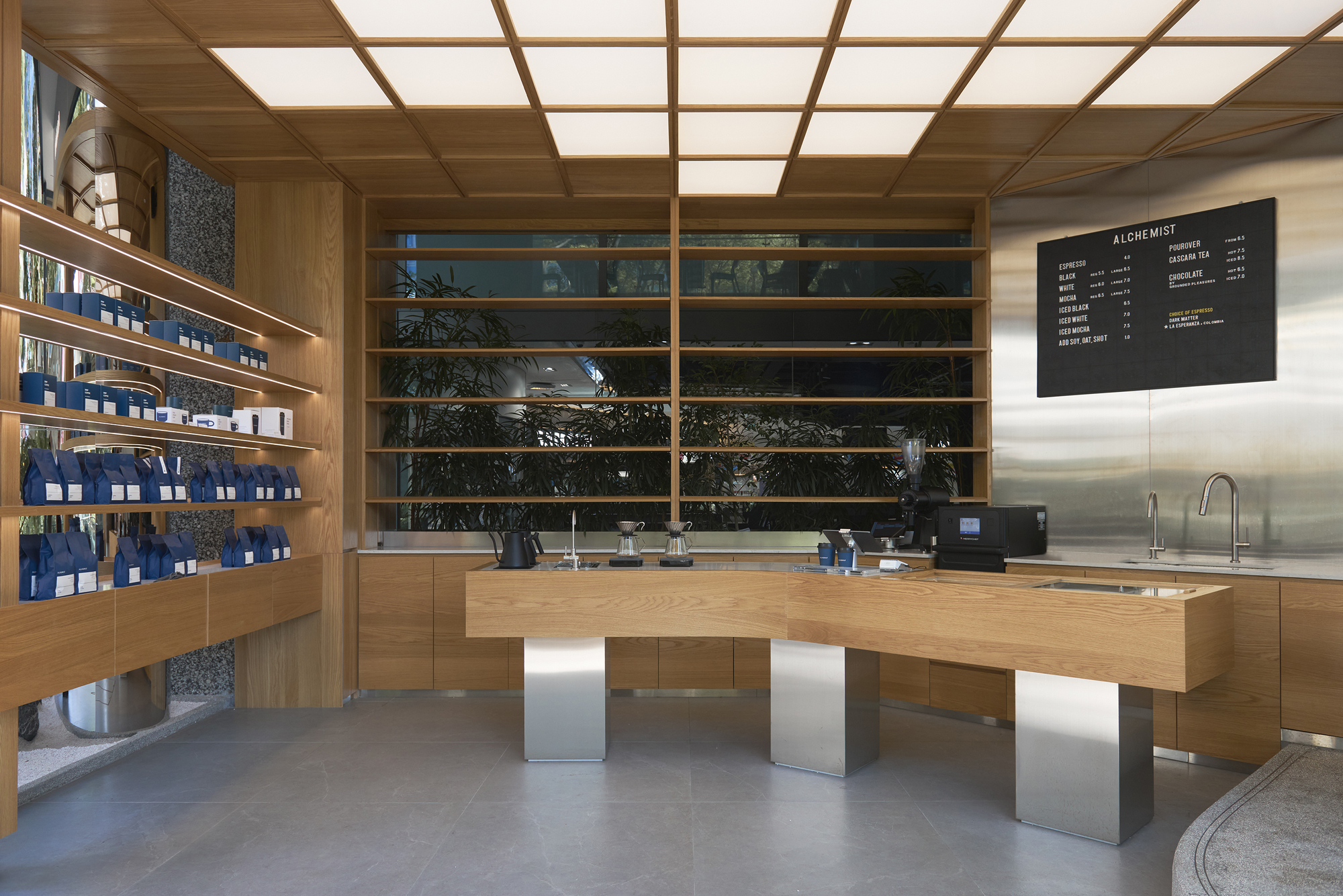
    Singapore’s well-known coffee brand, Alchemist, has successfully launched in Japan, marking its first venture outside its home country. The company inaugurated its two international outlets in Tokyo, thereby cementing its global footprint.

    New Store Locations

    The new store locations chosen are in the neighborhoods of Aoyama and Asakusa. The Aoyama outlet boasts a sprawling 140 square meters area and has a seating capacity for 30 people. On the other hand, the Asakusa branch covers a larger area of 200 square meters and can comfortably seat 70 patrons. The stores continue the brand’s tradition of minimalist design, allowing customers to appreciate the coffee brewed using beans roasted in Singapore.

    Alchemist’s founder, Will Leow, expressed his admiration for Japan’s entrenched coffee culture and meticulous attention to detail. “Our primary objective has always been forging connections through coffee. Establishing a presence in Tokyo was a logical progression for us, and we’re gratified by the warm welcome we’ve received from the local community,” he said.

    Alchemist’s Journey

    Alchemist was founded in 2016 by Will Leow, a barista and entrepreneur. The brand started as a modest coffee stand in Singapore’s Central Business District. Since then, it has expanded to 11 locations across the city-state.

    Future Expansion Plans

    As part of its long-term growth strategy, Alchemist aims to open 10 more outlets throughout Tokyo by the end of 2028. The company is excited about sharing its unique vision with the coffee aficionados of Japan, a country already revered for its exquisite quality and craftsmanship in the brewing sector.

    Questions & Answers

    What is the seating capacity of the new Alchemist stores in Tokyo?
    The Aoyama store can accommodate 30 customers, whereas the Asakusa store has a seating capacity for 70 patrons.

    When and where was Alchemist established?
    Alchemist was founded in 2016 by Will Leow. It started as a small coffee stand in Singapore’s Central Business District.

    What are Alchemist’s expansion plans in Tokyo?
    Alchemist plans to open 10 more stores across Tokyo by the end of 2028 as part of its long-term expansion strategy.

  • Patek Philippe Unveils Grand Store In Hong Kong With Unique Themed Zones And Local Art

    Patek Philippe Unveils Grand Store In Hong Kong With Unique Themed Zones And Local Art

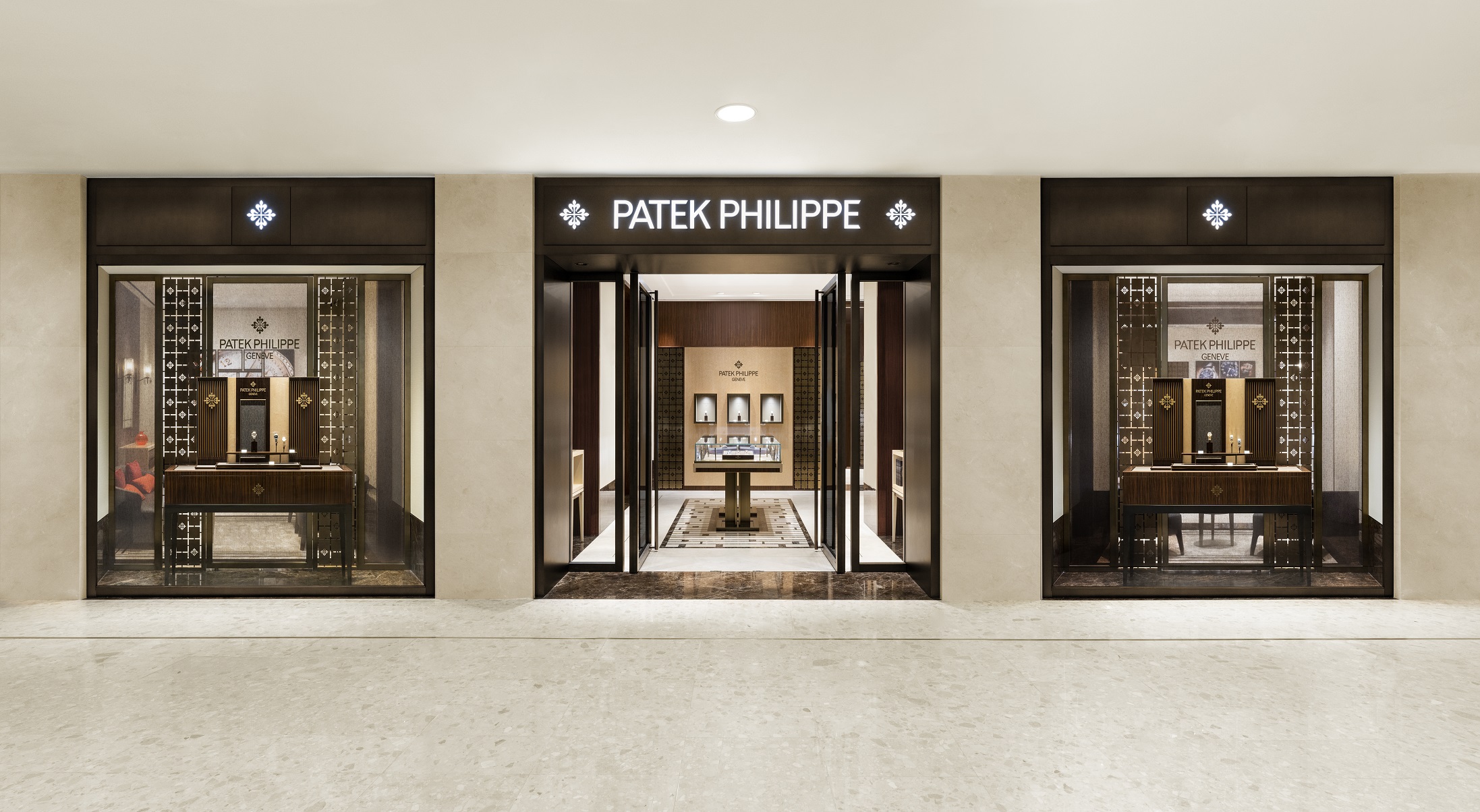
    Patek Philippe, the notable luxury watchmaker, has recently launched its grand store in the heart of Hong Kong, specifically at Queen’s Road.

    The Store’s Design and Features

    Stretched over an area of more than 3000 square feet, this new store is designed with meticulous attention to details. The shop features seven uniquely themed zones to provide a distinctive experience for its visitors. Among these zones, there is a museum dedicated to collectors, an elegant bar lounge, a private dining room, and a special ‘gold-leaf room’, a feature meant exclusively for the Hong Kong store.

    To incorporate a local flavor into its global brand, Patek Philippe has included a tailor-made art piece in the store design that is inspired by the scenic Victoria Harbour. This addition demonstrates the brand’s acknowledgement and appreciation of local aesthetics.

    Customer Experience

    This new store of Patek Philippe in Hong Kong is more than just a regular retail outlet. Rather, it is designed to provide an immersive experience for its customers and collectors. The aim is to transform the shopping experience into a memorable event, where customers can interact with the brand’s prestigious history, innovative design process, and superior craftsmanship.

    About Patek Philippe

    Patek Philippe, originally located in Geneva, is a family-owned, independent watch manufacturer. The brand is renowned for its innovative approach to watchmaking, which is evident from its ownership of more than 80 patents. The company takes pride in its commitment to the creation of timeless pieces that push the bounds of traditional watchmaking.

    Questions & Answers

    Where is Patek Philippe’s new store located?
    The new store is located at 12 Queen’s Road, Central Hong Kong.

    What unique features does the new Patek Philippe store offer?
    The store has seven themed zones including a collectors’ museum, a bar lounge, a private dining room, and a ‘gold-leaf room’ exclusive to the Hong Kong store.

    What sets the Patek Philippe brand apart from other luxury watchmakers?
    Patek Philippe, a family-owned company, is recognized for its focus on innovation. The brand has more than 80 patents and is dedicated to crafting timepieces that defy the limits of traditional watchmaking.

  • China’s Food Delivery Wars: Alibaba and Rivals Feel the Profit Pinch

    China’s Food Delivery Wars: Alibaba and Rivals Feel the Profit Pinch

    In the midst of a fierce food delivery war, China’s major players—Alibaba Group, Meituan, and JD.com—are locked in a high-stakes competition to capture consumer spending in the world’s largest economy. The stakes have just risen as JD.com recently amplified the battle, reporting an explosive surge in both orders and new users, propelled by substantial subsidies.

    This past weekend, excitement reached new levels. Many consumers reported delightful surprises in their deliveries—free bubble tea and coffee were offered to users over consecutive weekends, contributing to an enthusiastic uptick in orders. This unexpected beverage boon has not only sparked consumer enthusiasm but also sent shares of Hong Kong-listed bubble tea brands soaring to new heights, making investors perk up faster than a barista brewing their morning espresso.

    As these platforms race to dominate the market, the question remains: what will be the next thrilling tactic in a game that seems to be brewing stronger every day?

    Questions & Answers

    What are the three main platforms involved in China’s food delivery war?
    The primary competitors are Alibaba Group, Meituan, and JD.com, each striving to capture consumer spending in China.

    What recent event contributed to a spike in user engagement for these platforms?
    Over two recent weekends, users received free bubble tea and coffee with their deliveries, which significantly boosted both orders and user registrations.

    How have investors reacted to the rise in coffee and bubble tea giveaways?
    Investors took notice, as shares of Hong Kong-listed bubble tea brands experienced a sharp increase, reflecting the excitement generated by these promotions.

  • Shangri-La Asia Welcomes New CEO: Daughter of Malaysia’s Wealthiest Tycoon Takes the Helm

    Shangri-La Asia Welcomes New CEO: Daughter of Malaysia’s Wealthiest Tycoon Takes the Helm

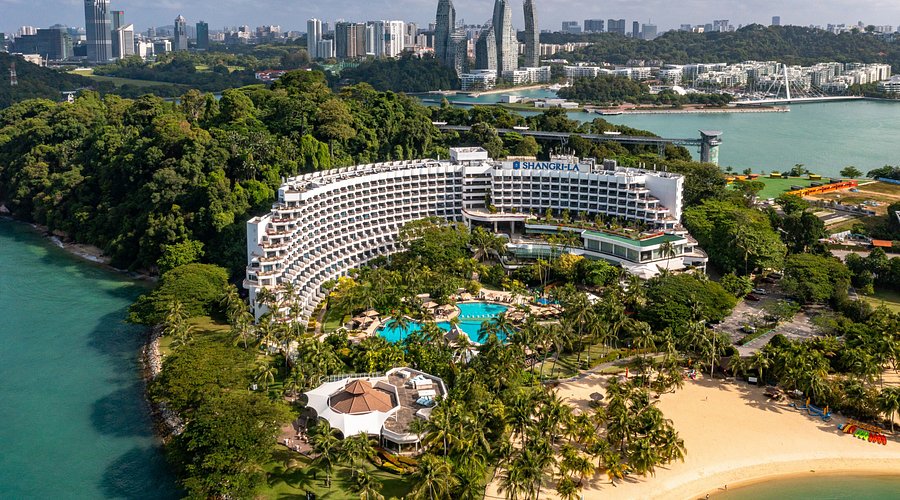
    Shangri-La Asia, a leading player in the Asian hospitality sector, has named Kuok Hui Kwong as its new chief executive officer, effective August 1. Kuok is the daughter of Robert Kuok, who stands as Malaysia’s wealthiest individual.

    Solid Leadership Experience

    At 47 years old, Kuok has been a pivotal figure within Shangri-La, having served as executive director since June 2016 and as chairperson since January 2017, as noted by Business Times. Holding a distinguished background, she boasts a degree in East Asian Studies from Harvard University and was previously managing director and CEO at SCMP Group, the publisher behind the South China Morning Post.

    Generous Compensation Package

    Her new role comes with considerable compensation: a monthly base salary of $73,377, along with potential discretionary bonuses and pension benefits, according to The Straits Times. Yet, it’s not just about the dollars; Kuok’s impressive business acumen has propelled her to 40th place on Fortune’s 2024 list of Asia’s most powerful women — a fitting title for someone stepping into the CEO role of one of Asia’s largest hotel chains.

    A Thriving Hotel Empire

    Shangri-La Asia’s recent 2024 annual report highlights the company’s robust portfolio, comprising 81 of the more than 100 hotels it operates across four prominent brands: Shangri-La, Kerry, Hotel Jen, and Traders. These properties hold a combined net asset value of $10.83 billion, reflecting not just a legacy of luxury, but also a definitive foothold in the competitive hotel landscape.

    Questions & Answers

    What experience does Kuok Hui Kwong bring to her new role as CEO?
    Kuok has been involved with Shangri-La Asia for several years as both an executive director and chairperson, and she previously held the position of managing director and CEO of SCMP Group, showcasing her extensive leadership experience.

    How is Kuok’s salary structured in her new position?
    Kuok’s compensation includes a monthly base salary of $73,377, complemented by discretionary bonuses and pension benefits, positioning her as one of the well-compensated leaders in the hospitality sector.

    What does Shangri-La Asia’s hotel portfolio look like?
    The company operates over 100 hotels under its four main brands, with a significant portion owned by the group, amounting to a robust net asset value of $10.83 billion, solidifying its strong market presence.

  • Bank of America Unveils New Leadership for Global Payments Solutions across APAC Region

    Bank of America Unveils New Leadership for Global Payments Solutions across APAC Region

    Bank of America’s (BofA) Global Payments Solutions (GPS) is ramping up its game in the Asia Pacific region with the recent appointment of three key leaders. Lin Guo has taken the reins as the head of GPS China, while Kitty Yen has been designated head of GPS Taiwan.

    In addition to her new position, Lin will continue her oversight of GPS corporate sales for China and Hong Kong, along with her role as deputy branch manager in Beijing. With a career at BofA that began in 2013, Lin boasts over 20 years of comprehensive experience in the financial services sector, including sales, client coverage, and management.

    Meanwhile, Kitty Yen, who joined BofA in 2012, will maintain her leadership of GPS corporate sales for Taiwan. Her impressive nearly 30 years of experience spans treasury sales and corporate banking, reinforcing her capacity to steer the firm’s ambitions in her new role.

    Both Lin and Kitty will report to Aziz Parvez, head of GPS Asia Pacific Corporate Sales, as well as to Winnie Chen, head of GPS APAC. They will also connect with their respective local management teams as they join the GPS Asia Pacific Senior Leadership Team.

    In another significant move, Olivia Anceau has been appointed the head of GPS Asia Pacific Specialized Product Sales (SPS). Based in Singapore, Anceau is expected to shape BofA’s strategy across various pivotal domains, including trade, card, core cash, sales readiness, bid management, and advisory services.

    With over 20 years in the financial services arena, Anceau previously held a position at Citi Commercial Bank, where he focused on cash and trade, as well as corporate and commercial banking. He will report to Galen Robbins and Tracy Stover, co-heads of GPS Specialized Product Sales, and to Winnie Chen.

    As the old adage goes, “A smooth sea never made a skilled sailor”—and with these appointments, it appears BofA is ready to navigate the fluctuating waters of Asia’s financial markets.

    Questions & Answers

    What roles have Lin Guo and Kitty Yen been appointed to at BofA?
    Lin Guo has been named head of GPS China, while Kitty Yen has been appointed head of GPS Taiwan.

    What experience do Lin Guo and Kitty Yen bring to their new positions?
    Lin Guo has over 20 years of experience in financial services, including roles in sales and management, while Kitty Yen brings nearly 30 years of experience in treasury sales and corporate banking.

    Who did Olivia Anceau replace at BofA, and what will his focus be?
    Olivia Anceau has been appointed head of GPS Asia Pacific Specialized Product Sales, where he will concentrate on strategy across trade, core cash, and advisory services.

  • Vietnam Gold Prices Dip as Global Markets Shine Brightly

    Vietnam Gold Prices Dip as Global Markets Shine Brightly

    Vietnam’s gold bar prices experienced a decline on Wednesday morning, even as global bullion rates showed an uptick.

    Local Prices Dip Despite Global Gains

    In Vietnam, the price for gold bars from the Saigon Jewelry Company fell by 0.41%, settling at VND120.6 million (approximately US$4,609.21) per tael. Meanwhile, the price of gold rings also decreased by 0.34%, now priced at VND116.7 million per tael. For context, one tael equals 37.5 grams or 1.2 ounces, a measurement that continues to hold significance in the Asian market.

    Global Market Trends Spark Local Fluctuations

    Across the globe, gold prices saw gains, driven by the latest U.S. consumer price data and mounting anticipation around U.S. President Donald Trump’s trade policies. Spot gold was recorded at an increase of 0.4%, reaching $3,334.12 per ounce, while U.S. gold futures climbed 0.1% to $3,340.90.

    “Gold at this moment is consolidating with a slight downward bias, particularly due to a stronger dollar,” commented Brian Lan, managing director at GoldSilver Central in Singapore. The ongoing negotiations concerning tariffs have injected further uncertainty into the market, leading many investors to seek refuge in traditional safe havens, like gold.

    Gold’s Role in an Uncertain Economy

    Gold’s longstanding appeal as a safe haven in economically turbulent times is expected to persist, especially in low-interest-rate environments. It seems investors are willing to dance with volatility while keeping a close eye on market cues—because in the world of gold, just like in the casino, fortune favors the bold, or perhaps it favors those who are careful!

    Questions & Answers

    What caused the decline in Vietnam’s gold prices despite global increases?
    Local gold prices in Vietnam fell as investors reacted to domestic market fluctuations, even though global prices rose due to changes in U.S. consumer data and trade policy expectations.

    How much did spot gold increase globally on the same day?
    On Wednesday, spot gold rose by 0.4% to reach $3,334.12 per ounce, reflecting broader trends in the international market.

    Why do investors consider gold a safe haven?
    Gold tends to perform well during economic uncertainties and low-interest-rate conditions, making it a preferred asset for those looking to safeguard their investments from market volatility.

  • Singapore Surpasses Hong Kong and London as the Globe’s Most Expensive City for the Affluent

    Singapore Surpasses Hong Kong and London as the Globe’s Most Expensive City for the Affluent

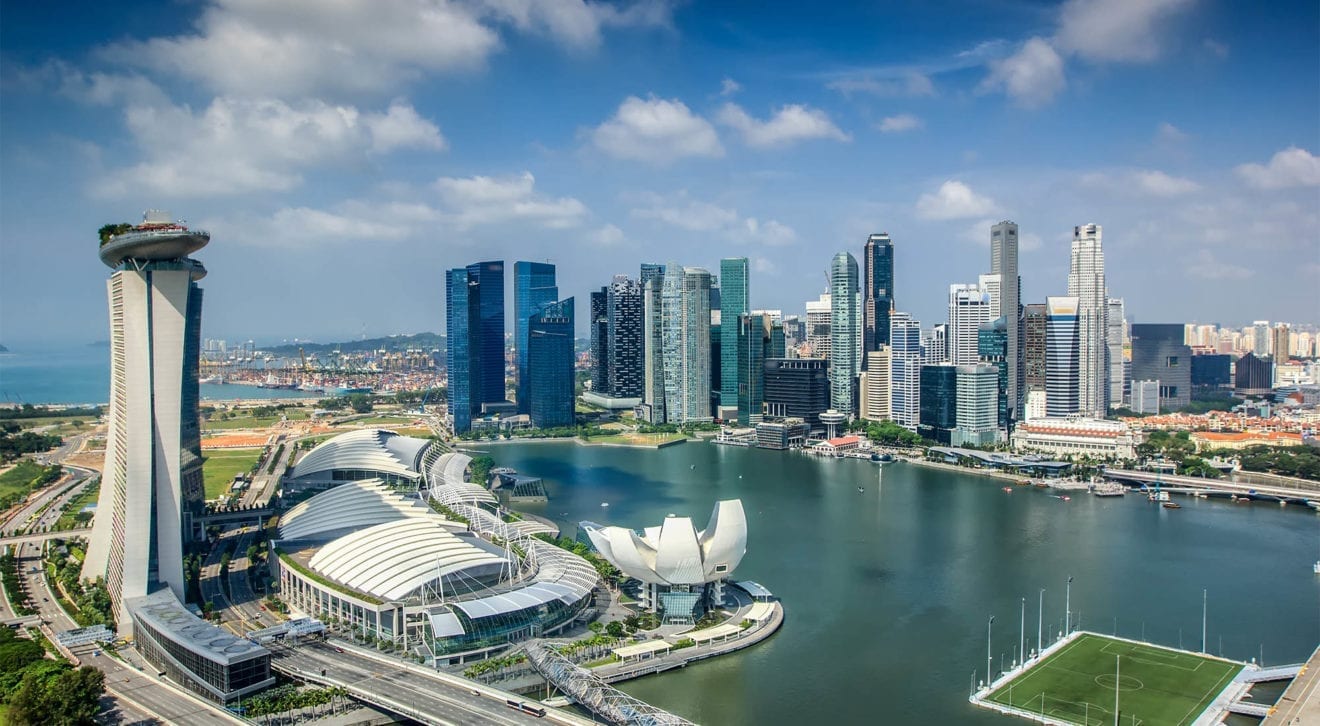
    Singapore is making waves in the luxury market, clinching the top spot for the highest prices in cars and women’s handbags, along with strong performances in women’s shoes and property costs, according to the Global Wealth and Lifestyle Report 2025 released by Swiss bank Julius Baer last Thursday. The city-state ranked second for women’s shoes and third for residential property and healthcare costs.

    The report highlighted significant price hikes in business-class airfares, which soared by 17% year-on-year. Additionally, the costs of bicycles and private school fees rose by 15.6% and 12.1%, respectively, as reported by the South China Morning Post. Despite these increases, Singapore remains an attractive destination for global businesses and high-net-worth individuals (HNWIs), defined as those with bankable household assets of at least US$1 million.

    “Given the unpredictable nature of the world today, Singapore is valued for its stability, security, and connectivity to Asia and beyond,” the report noted, showcasing why the city continues to draw interest from affluent expatriates and investors alike.

    To compile its rankings, Julius Baer examined a selection of 20 luxury goods and services across 25 cities globally, with an eye on the discretionary spending habits of HNWIs. These items include the likes of cars, watches, and handbags, along with essential services such as healthcare and private education, according to Bloomberg.

    A survey conducted among HNWIs between February and March 2025 further enriched the findings, shedding light on their spending habits and lifestyle preferences.

    Following Singapore, London secured the second position, while Hong Kong slipped to third, trading places from last year’s report. Hong Kong reported the highest legal fees among those considered, while London emerged as the priciest city for LASIK eye surgery, private schooling, and MBA programs.

    On a global scale, the luxury living index experienced a 2% decline over the last year in U.S. dollar terms, marking a shift from a 4% increase in 2024 and a 6% spike in 2023. This notable downturn can be attributed to a waning demand for luxury goods as consumers pivot their spending from material possessions to experiential pursuits, the report explained. In a world where the unexpected can make or break your financial plans, it seems luxury shoppers are deciding that a trip to Bali might be more worthwhile than that diamond-encrusted watch after all.

    In the Asia-Pacific region, HNWIs encountered more pronounced hikes in lifestyle expenses compared to their global counterparts. The region set the pace for price increases in women’s luxury apparel, upscale hotels, and gourmet dining options, as reported by the Business Times. Business-class airfares and luxury watches saw some of the steepest rises, increasing by 12.6% and 9% respectively.

    Questions & Answers

    What factors contribute to Singapore’s ranking in luxury prices?
    Singapore tops the list for the prices of cars and handbags, while also performing well in residential property and healthcare costs, driven by its appeal to high-net-worth individuals looking for stability and security.

    How do luxury living costs in Singapore compare to trends globally?
    While luxury living costs globally dipped by 2% over the past year, Singapore experienced significant price increases, indicating a divergence in consumer behavior and market dynamics in the region.

    What insights were gained from the survey of high-net-worth individuals?
    The survey provided valuable insights into HNWIs’ shifting spending habits, revealing a trend toward prioritizing experiences over material luxury items as personal financial circumstances evolve.

  • Vietnam Sets Ambitious Goal: Targeting $4.5B in Cashew Exports by 2025

    Vietnam Sets Ambitious Goal: Targeting $4.5B in Cashew Exports by 2025

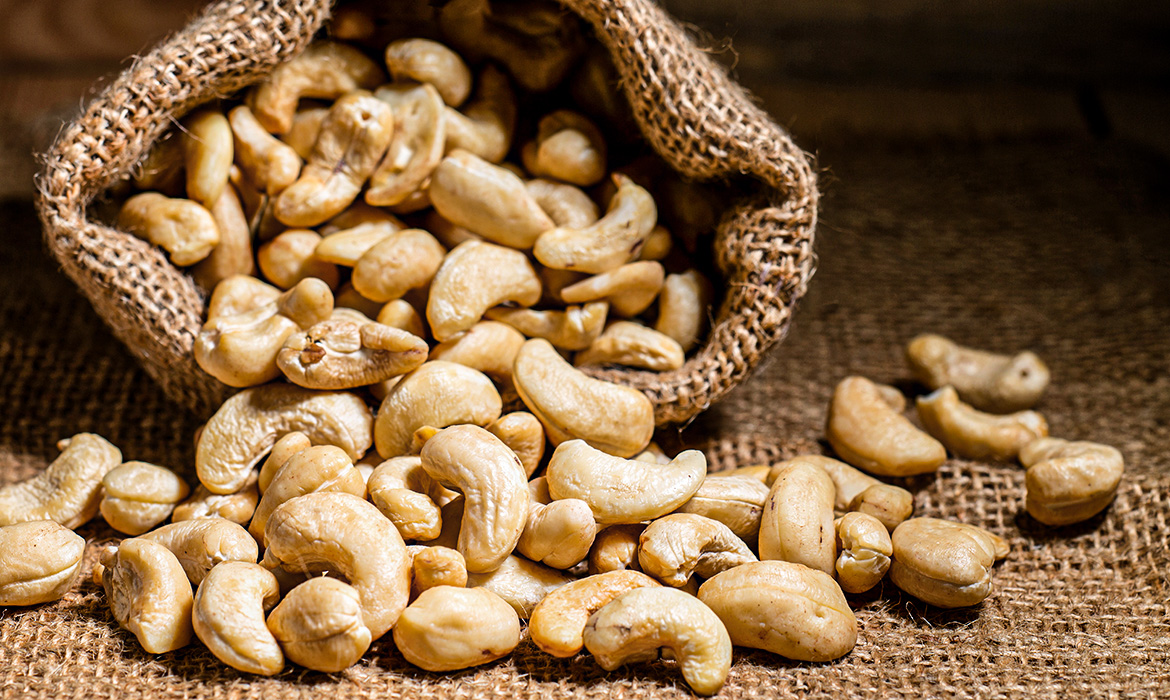
    Vietnam is setting its sights on exporting an impressive US$4.5 billion worth of cashew nuts this year, reflecting a 2.7% increase from the previous year, as reported by the Ministry of Agriculture and Environment.

    In the first half of 2025, the country shipped 346,800 tonnes of cashews, valued at $2.36 billion. While this represented a 2.7% decline in volume, the value surged by 20.4% compared to the same period last year. The spike in revenue was largely driven by a notable increase in export prices, with the average price per tonne soaring over $6,805—a hefty 23.8% rise from 2024.

    Vietnam’s top three cashew export destinations—China, the U.S., and the Netherlands—accounted for significant portions of the market, at 22%, 21.6%, and 8.4% of total export value, respectively. Notably, exports to these markets grew by 41.2%, a mere 0.1%, and 22.4% in value, underscoring a dynamic shift despite some fluctuations.

    To meet its ambitious target, the Vietnamese cashew sector needs to ramp up revenues to around $2.2 billion during the second half of the year. The ministry is advocating for intensified efforts to penetrate emerging markets like the UAE and Saudi Arabia, where demand for Vietnamese cashews is on the rise but the presence remains minimal. Additionally, exports to the EU have consistently climbed in recent years, signaling a fruitful opportunity for growth.

    In a sprightly turn of events for manufacturers, the recent drop in raw cashew prices—from $1,450 to $1,350 per tonne—is providing an advantageous cost structure as the peak season approaches, particularly with year-end festivals and the Lunar New Year on the horizon. The Vietnam Cashew Association anticipates the global market for cashews to expand at an average annual rate of 4.6% from 2022 to 2027. Last year, Vietnam recorded an unprecedented export of 730,000 tonnes, generating $4.37 billion, a striking 20.2% increase year-on-year, solidifying its reputation as a global cashew powerhouse.

    Questions & Answers

    What is Vietnam’s target for cashew exports in 2025?
    Vietnam aims to export $4.5 billion worth of cashew nuts in 2025, marking a 2.7% increase from the previous year.

    Which countries are the top buyers of Vietnamese cashews?
    The top three buyers of Vietnamese cashews are China, the United States, and the Netherlands, accounting for 22%, 21.6%, and 8.4% of the total export value, respectively.

    How does the recent decline in raw cashew prices impact manufacturers?
    The decline in raw cashew prices from $1,450 to $1,350 per tonne offers manufacturers a cost advantage as they prepare for the peak export season around year-end festivities and the Lunar New Year.

  • Cambodian Banks Struggle Amid Real Estate Challenges and Sluggish Tourism Recovery

    Cambodian Banks Struggle Amid Real Estate Challenges and Sluggish Tourism Recovery

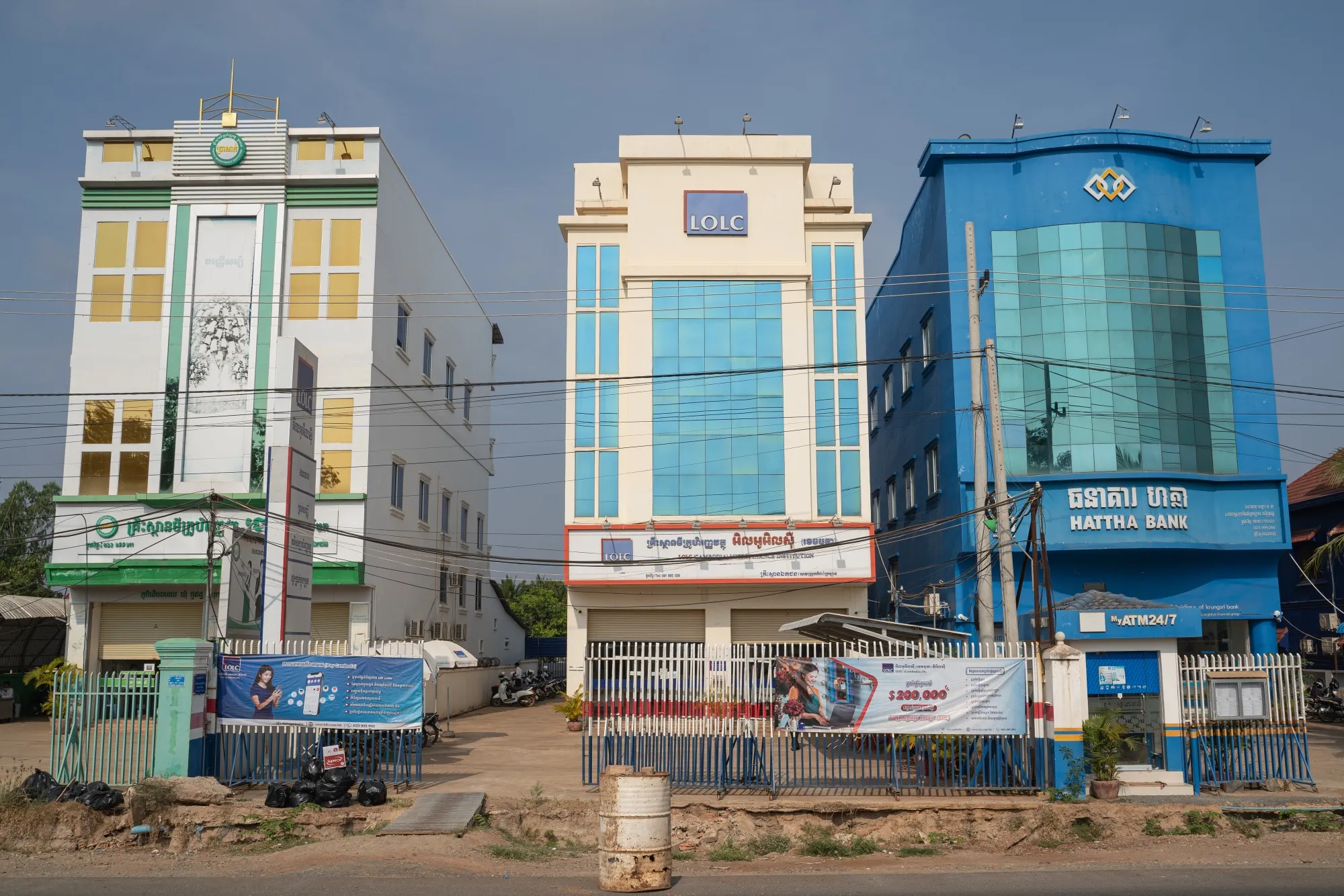
    Cambodia’s banking sector faces a challenging landscape as non-performing loans (NPLs) are projected to surge to between 9.5% and 10% of outstanding loans by 2026. S&P Global Ratings highlights a sluggish recovery in tourism and ongoing pressures in the real estate market as major contributors to this downturn.

    Struggling Profitability Amid Growing NPLs

    As NPLs climb, banks will be required to increase their provisioning levels, keeping profitability grim, according to Ruchika Malhotra, a primary credit analyst at S&P Global Ratings. She estimates that profitability will stagnate at around 0.3% in 2025 and 2026—just a slight improvement over an already dismal 2024. It’s a bit like trying to put a shiny coat of paint on a rickety old house; the underlying issues are hard to miss.

    External Pressures Complicate Recovery

    Additionally, the banking sector is grappling with the fallout of tariffs and significant exposure to the construction and real estate industries, which have been under severe stress. “Cambodia’s sizeable manufacturing exports to the U.S.—accounting for one-third of total exports—could face steep tariff hikes. This uncertainty inevitably casts a shadow on the economy,” Malhotra explained.

    A Stubborn Property Market

    Malhotra anticipates continued pressure on property prices and sales, attributing this to a persistent mismatch between supply and demand. With banks heavily invested in the construction and real estate sector—representing one-fifth of their total loans—banks could find themselves in a precarious position. “The absence of swift court settlement processes means banks may be left with substantial real estate collateral after foreclosures, which constitutes a considerable portion of their loan collateral,” she noted.

    Regulatory Relief on the Horizon?

    Given the dismal profit margins, regulatory bodies may be inclined to extend support measures. Malhotra suggests that this could involve prolonging the current restructuring schemes for distressed borrowers, especially if NPL levels continue to rise. The central bank might even consider delaying the normalization of prudential measures to provide banks with a much-needed lifeline.

    Questions & Answers

    What are the predicted levels of non-performing loans in Cambodia’s banking sector by 2026?
    Non-performing loans are expected to rise to between 9.5% and 10% of outstanding loans by 2026, according to S&P Global Ratings.

    How is the Cambodian banking sector’s profitability projected to change over the next few years?
    Profits are expected to remain bleak, with estimates at only 0.3% in 2025 and 2026, indicating a minor improvement over 2024.

    What measures might regulators consider in response to the rising non-performing loans?
    Regulators may extend restructuring schemes for distressed borrowers and delay the implementation of new prudential measures to help banks manage their challenges.

  • Hyundai Card Leverages Data Insights to Propel Global Expansion Plans

    Hyundai Card Leverages Data Insights to Propel Global Expansion Plans

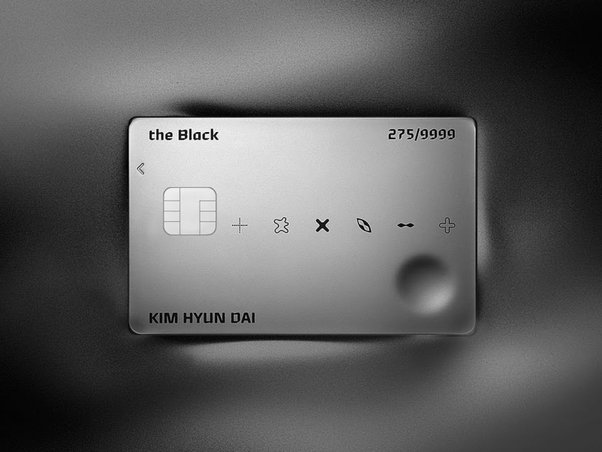
    Hyundai Card Co. Ltd., a pioneer in the South Korean fintech space, is steering its global ambitions with a sharp focus on data science, dedicating over 30% of its annual operating income to enhance its capabilities in this arena. The company is not just crunching numbers; it’s transforming them into actionable insights that predict and analyze customer spending patterns through advanced data structuring and artificial intelligence (AI).

    UNIVERSE: The Engine Behind Global Expansion

    At the heart of Hyundai Card’s international strategy is its innovative AI platform, UNIVERSE, which the company considers pivotal for its future growth. This powerful tool recently made waves in Japan by partnering with Sumitomo Mitsui Card Co. Ltd., a leading credit card issuer, following a six-month proof-of-concept trial that proved UNIVERSE’s mettle in a demanding market.

    UNIVERSE excels at tagging data into structured formats and employing AI to forecast consumer behavior — a function Sumitomo Mitsui Card plans to utilize across various operations, from credit assessments to fraud detection and merchant promotions. “Navigating the rigorous Japanese market has not only validated UNIVERSE but also paved the way for its expansion into additional territories,” commented Hyundai Card, emphasizing the platform’s potential to significantly bolster its global enterprise.

    Strategic Investments and Global Aspirations

    In a bid to fuel its global expansion, Hyundai Card is also pursuing credit ratings from major agencies including Fitch Ratings, S&P Global, and Moody’s Investors Service. Over the past decade, the company has poured more than $724 million (KRW1 trillion) into AI and data science initiatives, leading to a substantial increase in its workforce dedicated to these areas — from just 20 employees in 2015 to around 500 today, constituting a notable 25% of the overall staff.

    In 2023, Hyundai Card became the first in South Korea to launch Apple Pay, reaffirming its strong position in the mobile payments landscape alongside established giants like Europay, Mastercard, and Visa. It has also recently expanded its mobile payment services to Taiwan through a partnership with Line Pay.

    Dominance in South Korea’s Private Label Credit Market

    The company holds a commanding 78% share in South Korea’s private label credit card (PLCC) market, thanks to strategic alliances that enable it to offer co-branded services with major retailers such as Costco, Korean Air, Emart, and Olive Young. These partnerships have not just enhanced customer benefits but have also cemented Hyundai Card’s position as a leader in data utilization and collaborative marketing.

    With over 12 million cardholders, Hyundai Card is making significant strides in international markets. Its annual credit sales are projected to hit $120 billion in 2024, and overseas payment transactions have witnessed an impressive 32.6% year-on-year increase, reaching $2.4 billion.

    Questions & Answers

    What is Hyundai Card’s main strategy for global expansion?
    Hyundai Card is focusing on data science, allocating over 30% of its annual operating income to enhance its capabilities, particularly through its AI platform, UNIVERSE.

    How has Hyundai Card’s UNIVERSE platform been received in Japan?
    The UNIVERSE platform has been successfully adopted by Sumitomo Mitsui Card, one of Japan’s largest credit card companies, after passing a rigorous six-month proof-of-concept trial.

    What is Hyundai Card’s market position in South Korea’s private label credit card sector?
    Hyundai Card commands an impressive 78% share of the private label credit card market in South Korea, supported by strategic partnerships with major retailers.