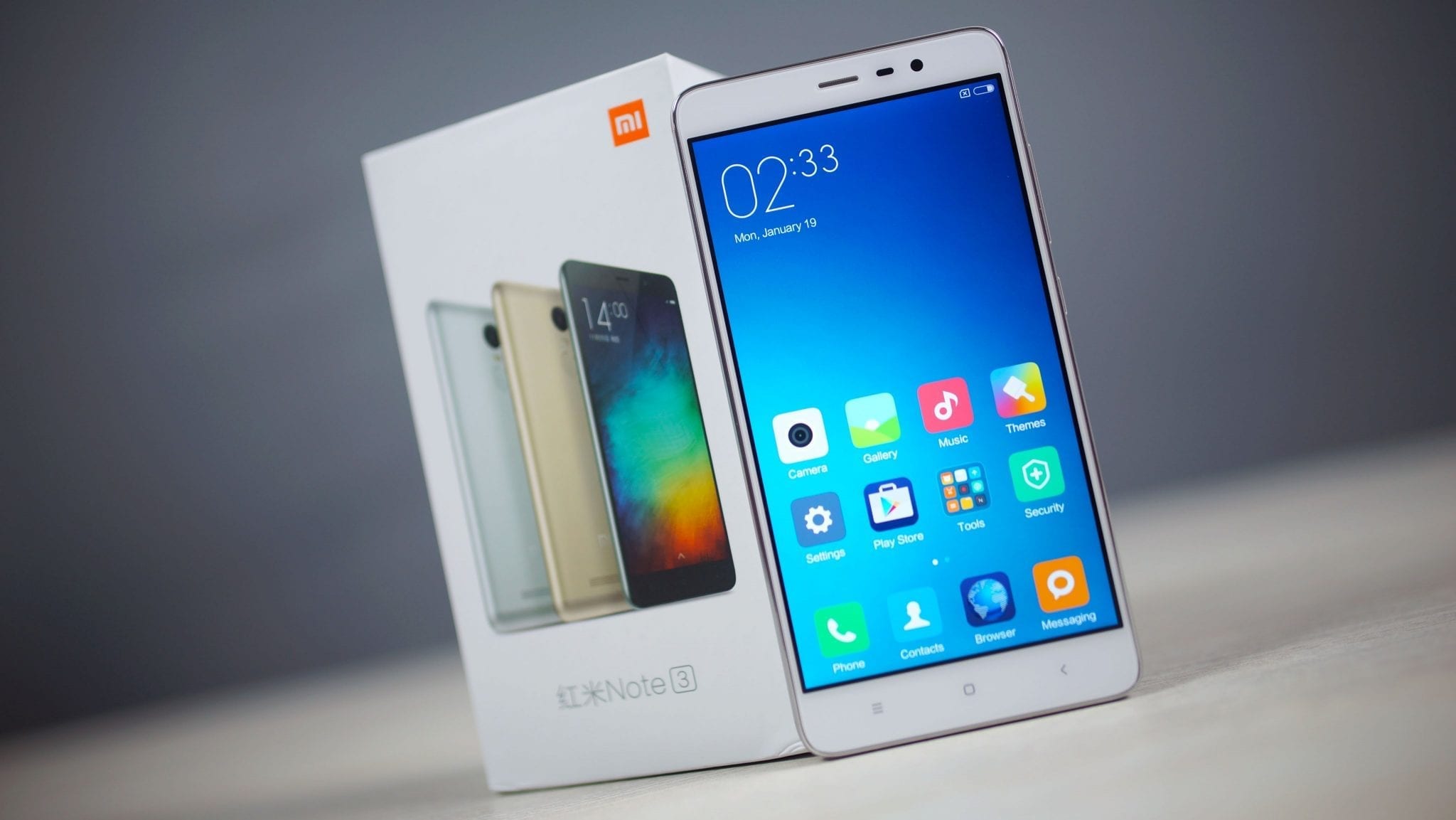
Chinese smartphone maker Xiaomi has teamed up with the country’s second largest mobile carrier, China Unicom, to expand its sales through offline retailing channels.
The partnership with Unicom signals a move to a more conventional sales operation for Xiaomi, whose sales have been heavily relied on internet channels.
Xiaomi launched a new customized 4G smartphone Redmi 3X for Unicom, as part of a strategic alliance the pair announced last Wednesday.
The Redmi 3X smartphone, powered by 1.1GHz octa-core Qualcomm Snapdragon 430 processor and a 4100mAh non removable battery, will go on sale for 899 yuan ($136) through Unicom’s 30,000 own retail stores and more than 230,000 retailing partners.
Xiaomi CEO and founder Lei Jun said so far more than two-thirds of the company’s smartphones have been sold through e-commerce platforms and the company’s official website.
“The proportion of online sales is too big,” Lei said. “To maintain the rapid growth we have seen in the past four years, expanding offline retailing channels becomes the key.”
Xiaomi said earlier this year it will open 200 to 300 of its own retail stores to bolster sales.
Xiaomi and Unicom will also expand their cooperation beyond handsets to a wide range of products, such as Xiaomi TV, routers, wearable devices and air purifiers.
China Unicom deputy general manager Xiong Yu said all of these Xiaomi products will be available at the operator’s offline retail stores across the country.
The move fits into the operator’s broad efforts to transform its abundant bricks-and-mortar assets into a big retailing platform of various electronic products, Xiong added.
Aeon Indonesia has ended its partnership with its local partner in the Ministop c-store chain.
The move will result in Aeon exiting the market temporarily while it seeks a new business partner.
According to local media reports, Aeon teamed with Bahagia Niaga Lestari (BNL) in 2012. But after four years, the joint venture has managed to open just six stores.
Aeon has meanwhile been expanding its Ministop network across Vietnam, the Philippines and South Korea.
Aeon says it is committed to Indonesia and hopes to form a new joint venture.
The deal is said to be worth about US$3 billion, and bids close on Monday.
Restrictions on the franchise agreement have discouraged such buyers as private equity firms, but others have entered the auction, reports CNBC.
McDonald’s China partner Beijing Capital Agribusiness Group has been reported to be among companies preparing first-round bids ahead of the deadline, but an official has said the company is not participating in the bidding.
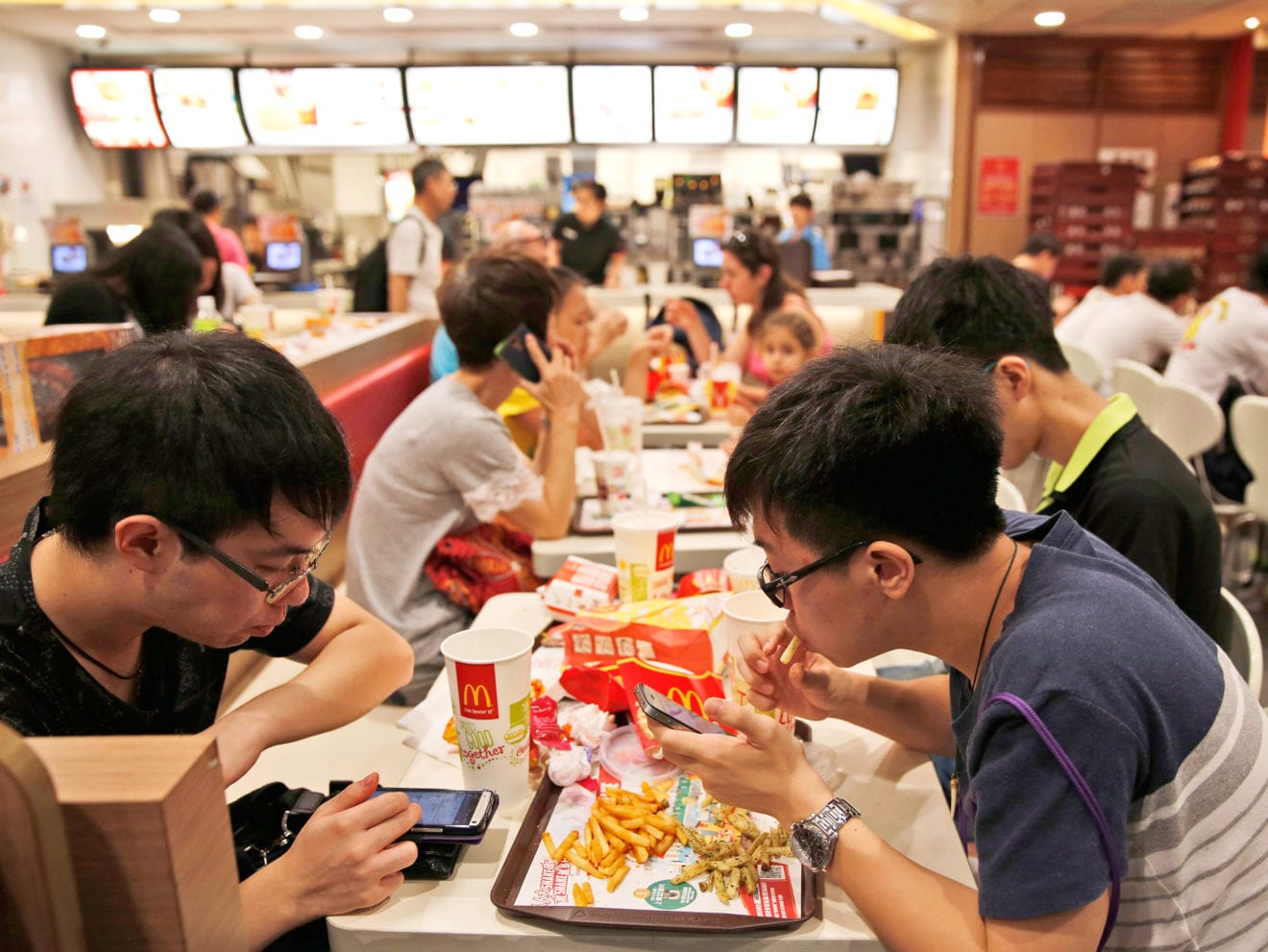
Illinois-based McDonald’s has hired Morgan Stanley to run the sale of about 2800 restaurants in China, Hong Kong and South Korea. The South Korea sale is being run separately.
McDonald’s announced in March that it was reorganising in Asia by bringing in partners to own restaurants within the franchise business. Competitor Yum Brands, which has the KFC and Pizza Hut chains, is also restructuring in China.
Domestic rivals are becoming more competitive, and the two international fast-food giants have had food-safety scares.
“Given the difficulties Western chains have had recently with public perception, local players have become a serious competitive threat,” says Euromonitor International foodservice analyst Elizabeth Friend.
Meanwhile, McDonald’s will draw up a shortlist of bidders for the next round in the coming weeks.
McDonald’s China and Hong Kong business posted about $200 million in earnings in its latest financial year.
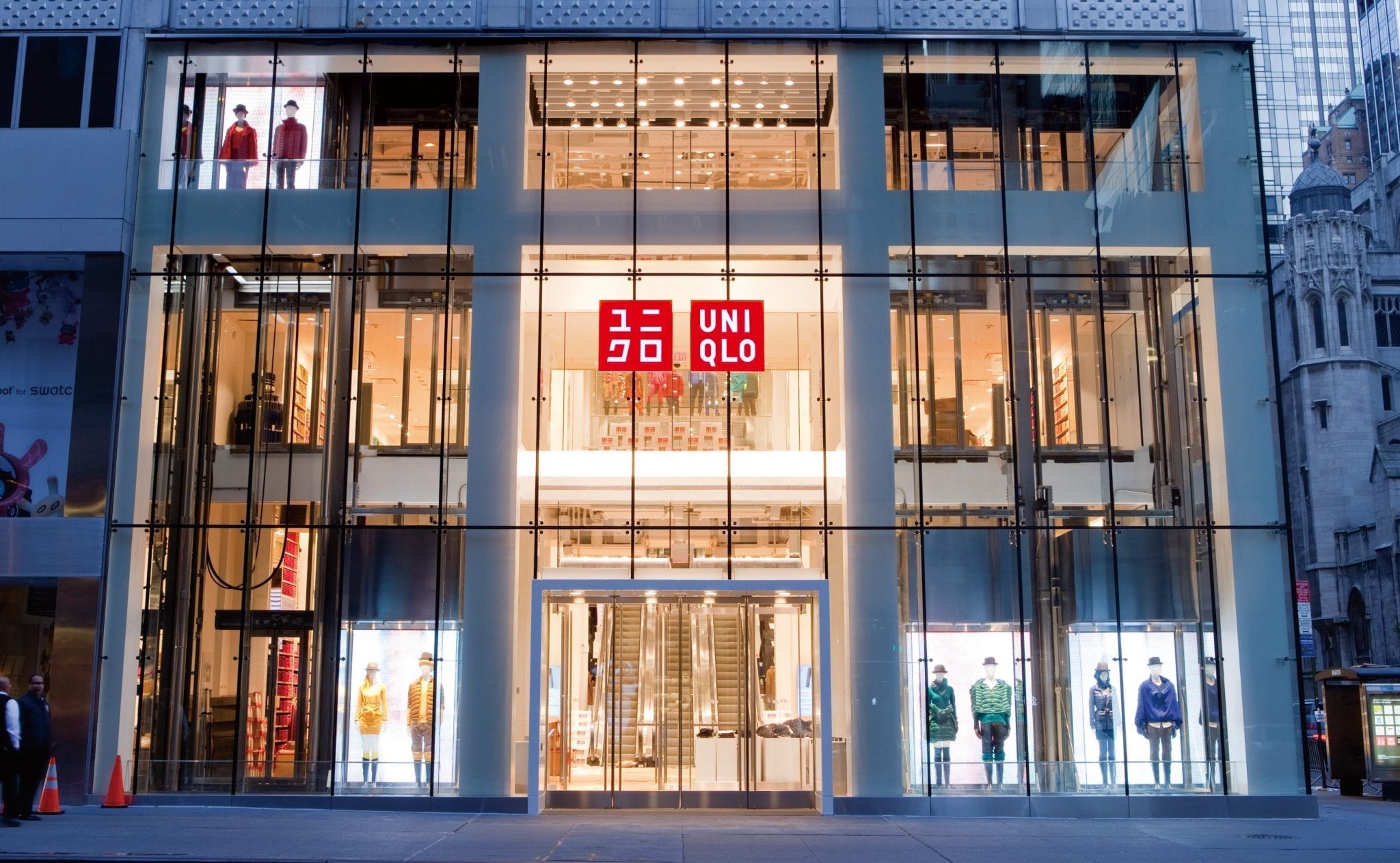
Tokyo-based fast-fashion brand Uniqlo US, a 1700-store global chain with 43 US outlets, has been retrenching amid slowing sales.
It has quietly closed five stores in the US since January, all in suburban shopping malls.
“The US is very important to the company,” says spokesman Aldo Liguori. “We are focussing on large cities where we can open large stores.”
As well as urban markets, Uniqlo is beefing up its customer service, says Liguori.
Chief executive Tadashi Yanai last year said brand penetration in big cities such as New York, San Francisco and Chicago was good, “but not in the suburbs”.
Owned by Fast Retailing, which has seven clothing brands, Uniqlo said last year that it would be scaling back its US expansion after opening 17 stores in 2014. It opened four stores last year, and has announced that three stores will be opened this year.
Meanwhile, the brand may face competition from Irish-based discounter Primark, which is expanding in the US.
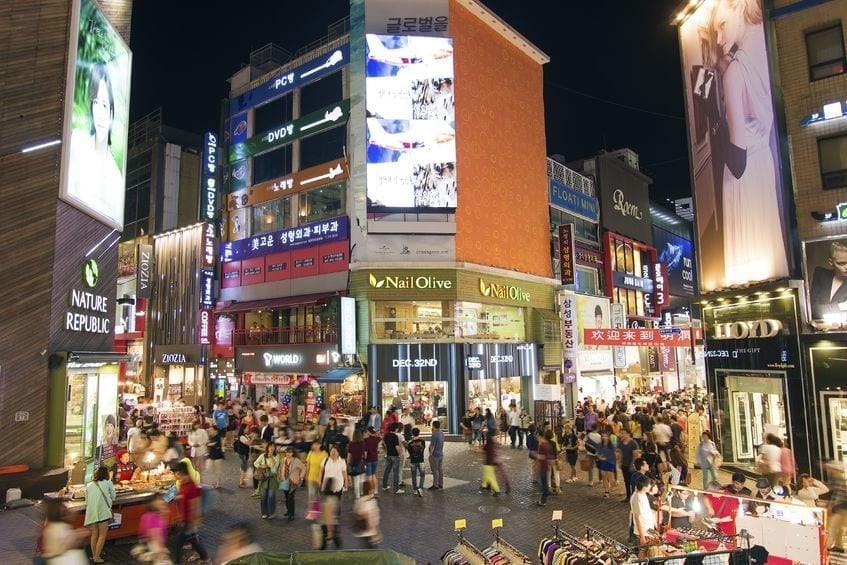
South Korea will hold a nationwide shopping festival involving major retailers, manufacturers and traditional markets in the fall to draw foreign travelers and jack up lackluster domestic consumption, the government said Tuesday.
The Ministry of Trade, Industry and Energy and the Ministry of Culture, Sports and Tourism jointly formed a task force to create the massive shopping campaign, called “Korea Sale FESTA,” scheduled from Sept. 29 to Oct. 31.
“The government consulted with major manufacturers in consumer electronics, clothing, cosmetics and food industries, and they were positive about offering discounts on various items,” the ministries said in a release. “As Korea Sale FESTA is prepared well in advance, more manufacturers are expected to participate in this year’s event.”
The ministries separately held discount events last year as part of efforts to prop up the national economy hit hard by the Middle East Respiratory Syndrome outbreak last May.
The culture ministry initiated a shopping festival called “Korea Grand Sale” from early September to mid-October during which retailers knocked down prices to woo back both domestic consumers and Chinese travelers during the long-haul national holiday.
Less than a month later, the trade ministry held another nationwide shopping campaign, called “Korea’s Black Friday,” during the first two weeks of October, to stimulate stagnant domestic consumption.
As last year’s discount campaign was criticized for hasty preparations and limited participation by retailers, the government formed a joint task force with industry officials this year to negotiate with retailers and manufacturers and offer shoppers better deals.
The culture ministry plans to provide support by hosting cultural and entertainment events with K-pop stars to attract foreign travelers, while the trade ministry will push for trade fairs and exhibitions to create a synergy effect.
The government will start promotion at home and abroad starting from late July and work with provincial governments and related organizations to link with local festivals during the period.
“We will combine shopping, tourism and culture to promote Korean culture and create a festive mood to bring in domestic and international consumers,” the ministries said.
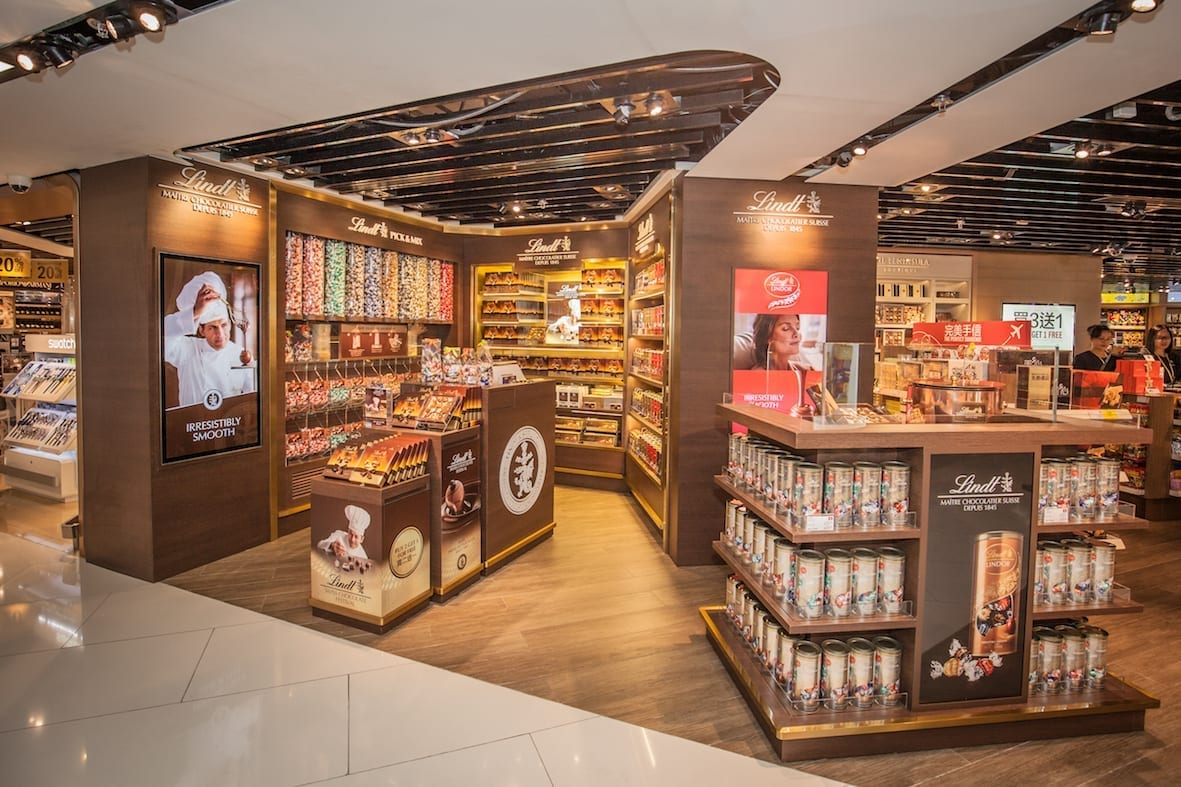
Following the success of TFWA Asia Pacific Exhibition & Conference in Singapore, Lindt has opened a shop-in-shop concept with DFS Group at DFS, Hong Kong International Airport.
The store features the latest Lindt pick and mix in Asia, which for the first time will take the form of an eye-catching wall feature. With clear visibility from across the terminal, the stunning new unit will attract footfall into the shop. The pick and mix concept enables travellers to discover a wide assortment of Lindor chocolate truffles and create their own ideal mix. Eminently suitable for gifting, customers will be able to choose from a range of gift cards to complement their selection and personalise their pick and mix bags. The gift cards are themed to highlight the Hong Kong destination and seasonal events.
The shop will also feature a bespoke space created for the Lindt Master Chocolatiers where live demonstrations will showcase the Lindt tradition of craftsmanship, artistry and innovation in the later part of 2016.
Commenting on the partnership, DFS Group’s Senior Vice President Food and Gifts, Thierry Canivet, said, ‘DFS continuously strives to create shopping experiences that surprise and delight our customers and we are proud to partner with Lindt to do just that with the new shop-in-shop at DFS, Hong Kong International Airport. This engaging approach to the food and gifts segment will provide travellers with a lasting memory of their travels and we look forward to what we are confident will be a successful new take on this exciting category.’
Peter Zehnder, head of the Lindt & Sprüngli global duty free division, said that the Asian market clearly presents the travel retail sector with considerable opportunities, and this new venture was the first of a series of innovative initiatives to capitalise on this potential. ‘We are delighted to have launched our latest shop-in-shop concept in Asia and believe that there is a huge opportunity for Lindt in the region. Our well-known brand of premium chocolate offers a wide range of bestseller products, a continual flow of innovations and strong activations beyond ordinary price-offs to drive category sales.’
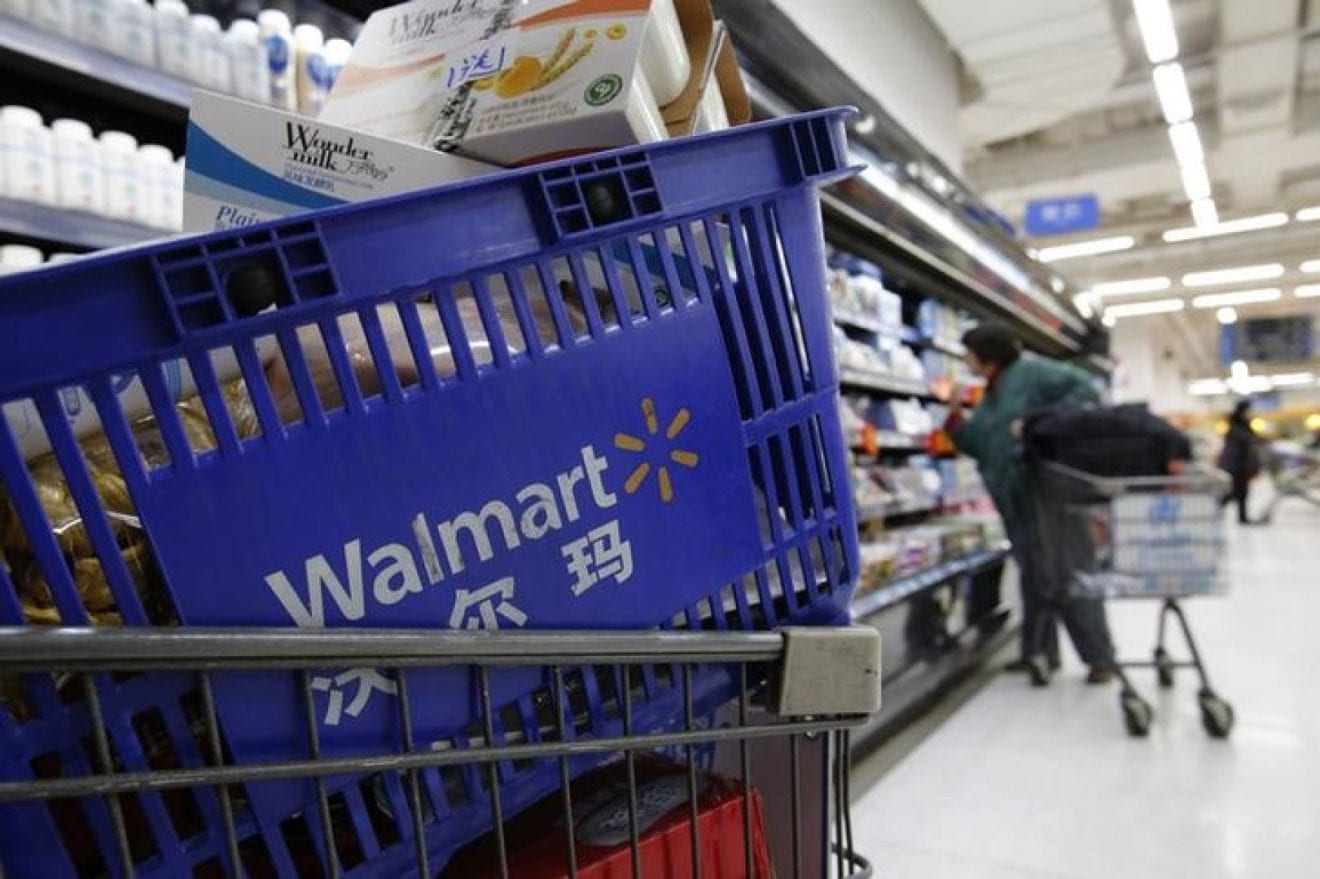
When the world’s largest retailer makes a move, other retailers pay attention. Wal-Mart Stores Inc.’s decision to enter into a strategic alliance with the second largest Chinese e-commerce retailer, JD.com Inc., may inspire others to seek out local partnerships to make inroads in this major market.
“For some in the industry, this will be a ‘Good Housekeeping’ seal of approval,” said Christian Magoon, chief executive officer of Amplify Investments, which recently launched the Amplify Online Retail ETF IBUY, -0.52% .
“If Wal-Mart is comfortable and, with their scale, couldn’t crack the Chinese market on their own, it will be a case study for others. It could be a bellwether moment to see if this strategic partnership is the best model.”
Wal-Mart announced Monday that it will sell its Yihaodian website to JD.com and receive about 5% of the company’s total shares outstanding. Wal-Mart WMT, +0.51% will open a flagship Sam’s Club China store on JD.com JD, +0.33% and leverage the online retailer’s supply chain assets.
Wal-Mart has had problems growing in the Chinese market, amid food regulatory and food safety controversies.
“Wal-Mart was trying to go on its own and I think this is kind of a throwing in the towel,” Magoon said. At the same time, it is an acknowledgment that Wal-Mart needs to grow in China to be in a good position for the future. “If Wal-Mart is going to compete, they’re going to have to go big,” Magoon said.
To compete in China, retailers have to go online, said Charlie O’Shea, Moody’s lead retail analyst.
“JD.com has a solid platform online in China, and we know China’s online business is expanding rapidly because they’re not at the level of brick-and-mortar like the U.S.,” said O’Shea.
JD.com also has a proprietary system that allows them to control the “last mile” with customers, or the final leg of the delivery process that gets merchandise into the buyer’s hands. O’Shea describes the last mile as “critical.”
Analysts at UBS view the deal as a “good move on many levels,” though Wal-Mart’s share price may not reflect that.
“While this deal isn’t a needle mover for Wal-Mart shares, it shows the retailer can be shrewd when the opportunity presents itself,” the bank wrote in a Monday note.
UBS believes there are more opportunities like this one in the retailer’s portfolio, which currently spans 28 countries.
“Wal-Mart has identified China as its highest potential international growth market,” they wrote. “We believe it remains fully committed to this geography, despite the sale.”
UBS rates Wal-Mart stock at neutral with a price target of $67.
Wal-Mart shares were up 0.4% in Tuesday trading, and up 16.5% for the year so far. JD.com shares are down 0.4% in Tuesday trading, and down 35% for the year so far. The S&P 500 is up 2.1% for the year to date.
The price-to-book (PB) ratio is a popular way to value a real estate investment trust (REIT).
The P/B ratio is calculated by dividing the market capitalisation of a REIT with its book value, or net asset value. Theoretically, having a P/B ratio that is less than 1 means that a REIT is trading for less than what it’s worth – an investor who buys the REIT could liquidate all its assets, settle all its obligations, and still end up with a profit.
A recent report indicated that the average P/B ratio for Singapore’s REIT universe (the local stock market has 27 REITs and six stapled trusts) was 0.9. The list of 33 trusts included eight Retail REITs, as defined by the Global Industry Classification Standard.
Here’re five quick highlights from the report on the eight Retail REITs (figures as of 8 June 2016, unless otherwise stated):
Lippo Malls Indonesia Retail Trust (SGX: D5IU) has a P/B ratio of 0.9. The REIT is home to 19 retail malls and seven retail spaces in Indonesia and offers a distribution yield of 9.9%. While the REIT’s yield looks high, it’s worth noting that its total returns over the past three years have been a negative 15%.
CapitaLand Retail China Trust (SGX: AU8U) also has a P/B ratio of 0.9. The REIT offers a distribution yield of 6.7% and has recorded a total return of 19.1% over the past three years. It is focused on the ownership of retail malls in China and currently has stakes in 10 shopping malls across six Chinese cities.
Meanwhile, Starhill Global Real Estate Investment Trust (SGX: P40U) is yet another REIT with a P/B ratio of 0.9. The REIT has stakes in Wisma Atria and Ngee Ann City in Singapore. In all, the REIT owns commercial as well as retail properties in four other countries, namely Australia, China, Japan, and Malaysia. Over the past three years, Starhill Global REIT has delivered total returns of 4.9%. The REIT offers a 6.5% distribution yield.
Not all retail REITs are trading below their book values. SPH REIT (SGX: SK6U), whose portfolio only has two properties right now (the retail malls Paragon and Clementi Mall in Singapore), trades at its book value. The REIT offers a distribution yield of 6.0% and has recorded a negative total return of 5.8% over the past year.
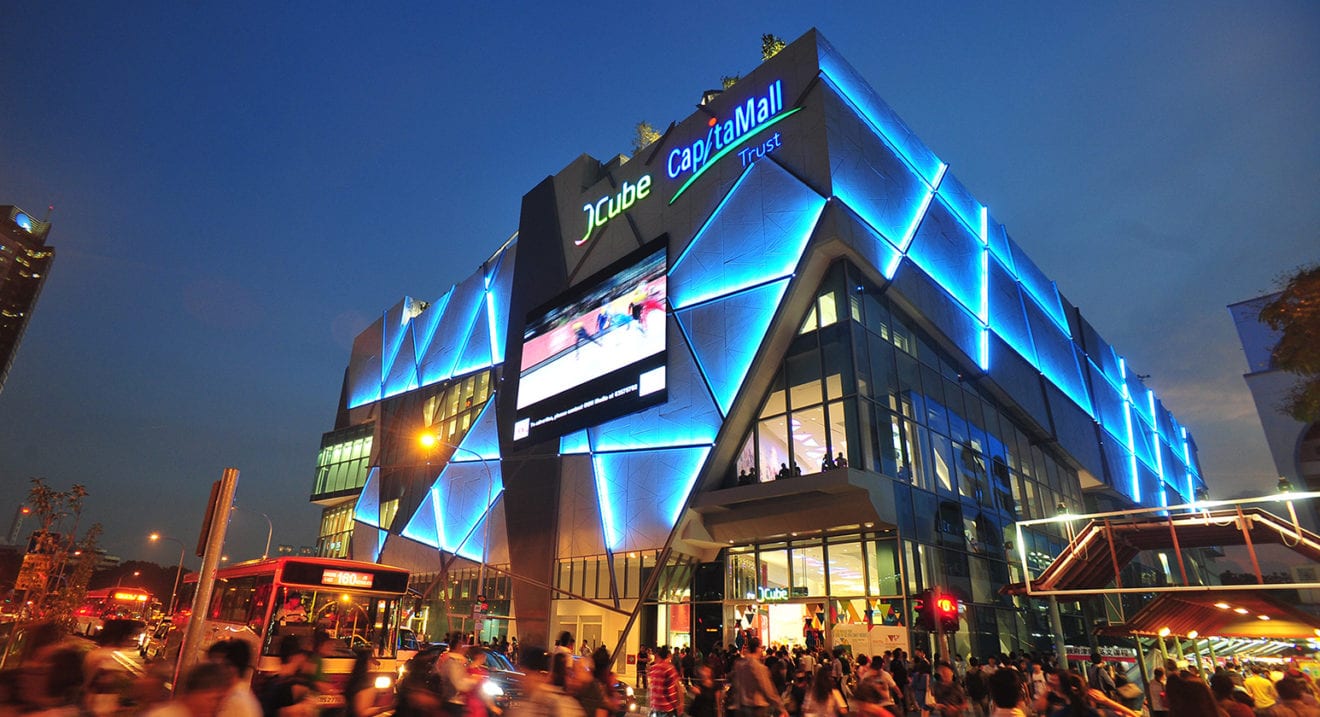
CapitaLand Mall Trust (SGX: C38U) is one REIT that has a P/B ratio of over 1 – more specifically, the REIT has a P/B ratio of 1.1. CapitaLand Mall Trust, which owns 16 retail malls here, is the Singapore stock market’s first and oldest REIT. It offers a 5.3% distribution yield and has total returns of 14% over the past three year.
The P/B ratio represents a starting point for investors who are looking for REITs that may be undervalued. Valuation, though, has to be complemented by understanding a REIT’s asset quality, the performance of the REIT’s portfolio in the past, and its future prospects, among other important things.
Aeon Vietnam will inaugurate its second shopping centre in Ho Chi Minh City, Aeon Mall Binh Tan, on July 1.
Larger than Aeon Mall Tan Phu Celadon, which opened in early 2014, it has an total investment exceeding US$120 million and covers 4.6 ha. at the Hi-Tech Healthcare Park of Hoa Lam Shangri-La. It will have four floors and a basement, with a parking lot designed to accommodate 1500 cars and 4000 motorbikes at any one time.
About 80 per cent of goods on sale at the mall, Aeon’s fourth in the country, will be made in Vietnam with the rest imported from Japan.
A feature will be a photo-taking area for children and families, plus painting classes for children.
Aeon targets 20 malls across Vietnam by 2020. The Japanese retailer owns 49 per cent of the Citimart store chain and 30 per cent of another local chain, Fivimart, and also runs Ministop convenience stores.
SGX Mainboard-listed Singapore Myanmar Investco (SMI) – engaged in consumer products and services in Myanmar – will be looking at investing in the retail and food & beverage vertical in the next three years.
Late last year, SMI inked an agreement with Royal Golden Sky Co Ltd to operate a retail space at the Yangon International Airport.
“We will continue to look at retail opportunities in the domestic market (Myanmar). We are in discussions with the Junction City (Shwe Taung Group’s $300-million mixed-used development project) and I think there will be opportunities in both retail and F&B space,” said Mark Bedingham, president and chief executive officer, Singapore Myanmar Investco.
About 10 international brands will be brought to the domestic market while the Yangon International Airport retail space will sport 30 brands by July 2016.
SMI is primarily targeting the downtown business district around Kandawgyi lake area and Mandalay for retail opportunities.
For the food and beverages sector, SMI has signed a franchise agreement with Crystal Jade group to bring in the Chinese restaurant concept and The Coffee Bean and Tea Leaf that will open soon at the new Yangon International Airport terminal.
“We want to be seen as a progressive company in Myanmar, bringing new products and services that have not been available here before, both for consumers and businesses.”
Chinese eCommerce giant JD.com has formed a strategic partnership with Wal-Mart China.
The agreement covers a range of business initiatives, both online and offline. For Wal-Mart, the alliance expands its eCommerce activities and gives its stores and Sam’s Clubs potential traffic from JD.com’s online customer base and same-day delivery network.
JD.com will leverage Yihaodian‘s strong brand and business in eastern and southern China and in key product categories such as high-quality grocery and household goods. JD.com customers will also gain access to new and imported items from Wal-Mart and Sam’s Club.
JD.com will now control the brand, website and app for eCommerce platform Yihaodian, while Wal-Mart will retain the subsidiary’s direct sales business. JD.com CEO Richard Liu says he looks forward to “further developing” the brand.
Sam’s Club China will also have a flagship store on JD.com. It will offer same- and next-day delivery through JD.com’s nationwide warehousing and delivery network, which covers a population of 600 million consumers.
“Sam’s Club’s unique, high-end product selection meets the demand from China’s increasingly affluent consumers for high-quality, imported products,” says Liu.
Wal-Mart president/CEO Doug McMillon says the two companies share similar values. “We also look forward to offering customers a tremendous number of quality imported products not previously widely available in China.”
Wal-Mart’s China stores will be listed as a preferred retailer on JD.com’s O2O JV Dada, China’s largest crowd-sourced delivery platform, allowing customers to order fresh food and other items from Walmart stores for two-hour home delivery.
Walmart will continue to run its own physical stores.
Walmart Stores has 11,527 stores under 63 banners in 28 countries, and eCommerce business in 11 countries.
Singapore’s real estate investment trust market is set to consolidate as smaller vehicles merge to cope with rising regulatory costs, according to Cambridge Industrial Trust.
“The wave of consolidation for Singapore REITs is about to begin,” Philip Levinson, chief executive officer at Singapore-listed Cambridge Industrial, said. The trust has a market capitalization of S$730.5 million ($536 million) and focuses on industrial real estate assets.
The city-state’s monetary regulator has tightened rules that could raise costs and lower revenues for REITs, making mergers between such trusts the most viable option for them to thrive, Levinson said. Morgan Stanley last year said consolidation in the Singapore REIT market was “unavoidable and necessary” to develop sufficient scale and stock liquidity for individual REITs to effectively compete on a global scale.
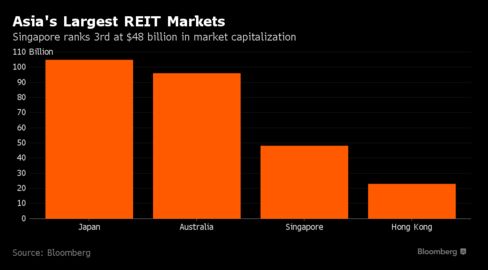
Since 2002, when they were first started, Singapore REITs have grown into a $48 billion market, the sixth-largest globally by market capitalization, according to data compiled by Bloomberg. More than half of the 35 REITs listed in Singapore have a market capitalization of less than $1 billion, the data show. The city-state’s largest REIT, with assets of $5.6 billion, is the CapitaLand Mall Trust.
New rules put in place last year by the Monetary Authority of Singapore, requiring higher levels of disclosures, especially on fees, entail higher compliance costs and lower revenue potential for REIT managers. The new rules are especially punitive for smaller-scale REITs and the gradual widening of the gap with larger REITs would make conditions even more conducive to consolidation, Morgan Stanley said.
REITs that are not part of a broader index are significantly disadvantaged, Levinson said. Markets are bifurcating to such an extent where investors will only look at REITs that are included in indexes, he said.
Shabby Sheds
Cambridge Industrial will continue to focus on its Singapore assets and consider selling some to reinvest in other markets such as Australia and Japan, Levinson said.
“We will look to buy ‘shabby sheds,’ B-grade assets in A-grade locations” in Australia, he said. Yields for its Singapore industrial assets range between 6.6 percent and 6.7 percent, while Australian assets may potentially yield about 7.5 percent to 8 percent, Levinson said.
“Japan is a very deep market with enormous spreads, but that’s the next step after Australia because it is expensive at the moment,” he said.
Industrial occupancy and rental rates in Singapore will remain under pressure in 2016 as new supply outpaces demand growth, according to Rachel Chua, a Moody’s analyst. Singapore REITs in the industrial space will continue their overseas acquisition spree in 2016 as they pursue asset growth, yield accretion and portfolio diversification amid challenging business conditions, Moody’s said in January.
Unit prices of Cambridge Industrial, with 51 properties located across Singapore valued at S$1.4 billion, dropped 17 percent last year and the shares were trading at a roughly 17 percent discount to the net asset value, or NAV, as of Dec. 31. The FTSE Straits Times Real Estate Investment Trust Index slid 11 percent last year, its biggest decline since 2011.
Levinson, who set up Blackstone Group LP’s Australia operations in 2009 before joining Cambridge Industrial, said he’s been meeting with investors who want to see the REIT work on lifting its unit price and the firm is exploring all options to help achieve that.
“Our real focus is to bridge the divide, reduce the gap between our current unit price and NAV,” Levinson said.
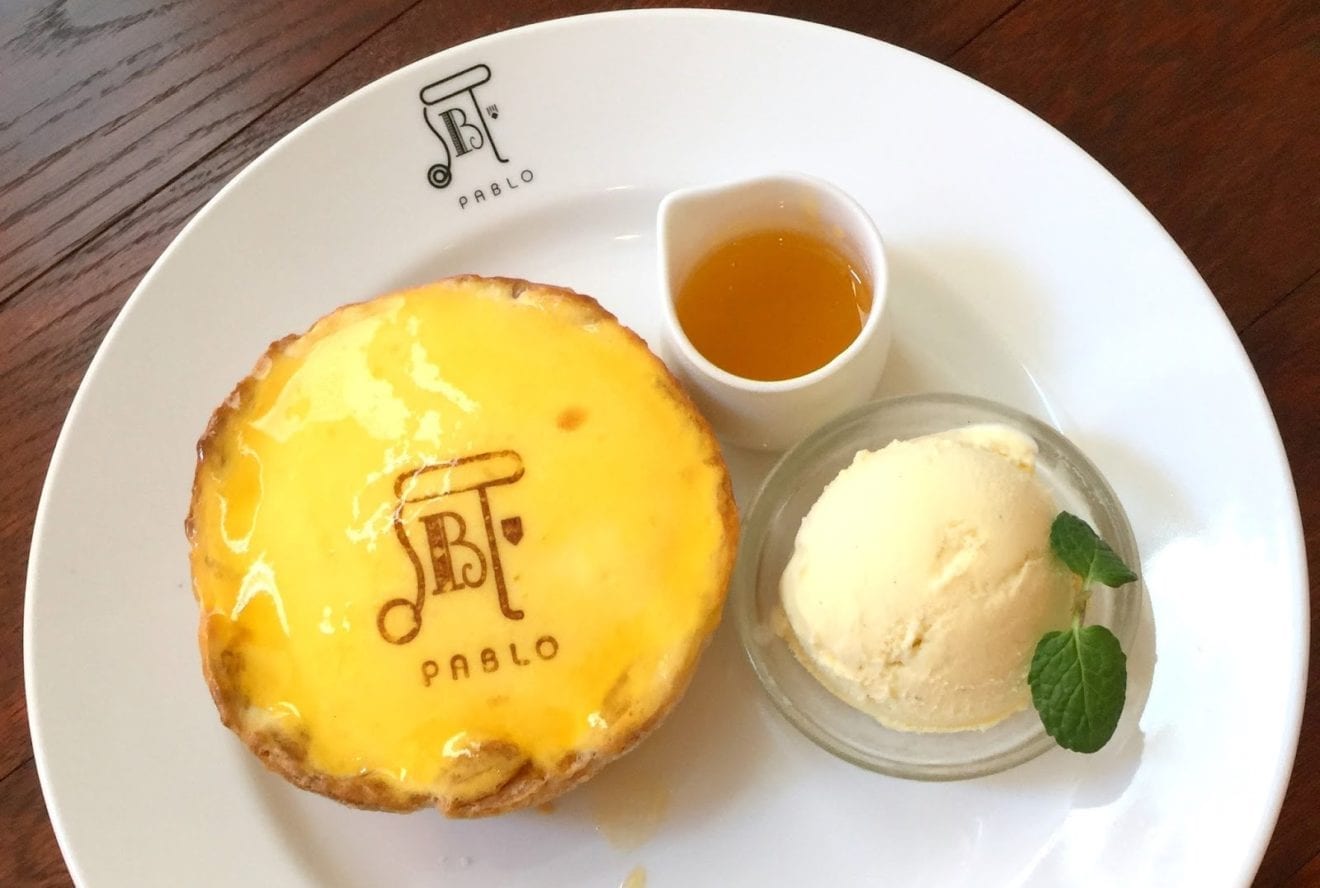
Japan’s Pablo cheese tart chain will open its first store in Malaysia in October.
Pablo Malaysia will make its debut with a flagship outlet inside 1 Utama shopping centre in Petaling Jaya with more cafes expected in other shopping centre in the Klang Valley later.
The Osaka-founded company is renowned for large size cheese tarts – generally 20cm in diameter, with a soft core. They’re sold in ‘rare’ or ‘medium’ format, which refers to the texture of the cheese filling.
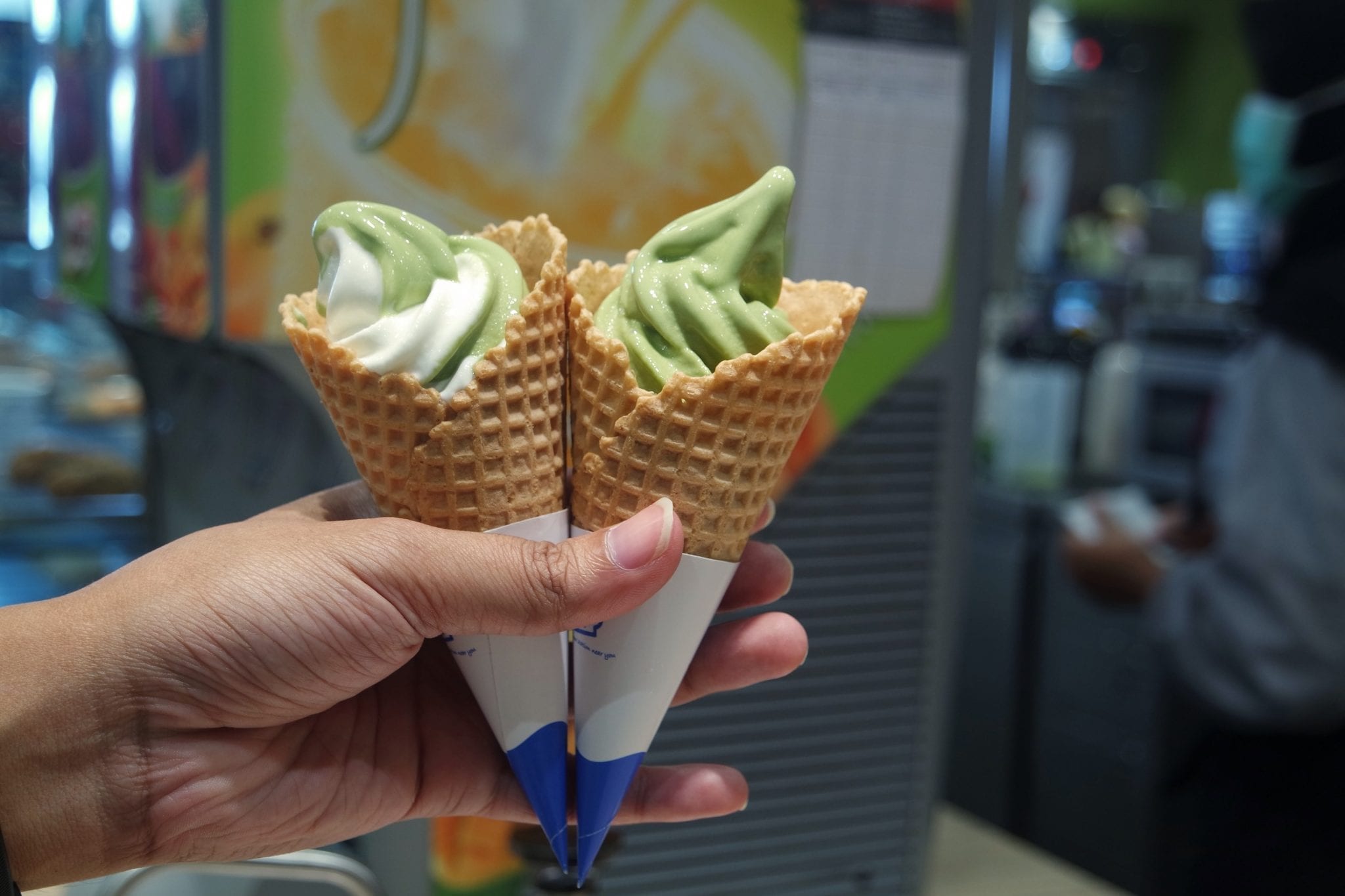
Flavours include apricot jam, matcha and chocolate glazes, with seasonal variants changed monthly.
In March, Pablo Japan introduced mini versions of the cheese tarts measuring 6.5 centimetres with a shortcrust shell, sold in plain, chocolate, strawberry and matcha.
Pablo has already opened outlets in Taiwan and South Korea and is headed for Singapore, also.
South Korea’s Lotte Group has come under suspicion of using a shell company that owns a mega mall in Vietnam to funnel money into a possible slush fund.
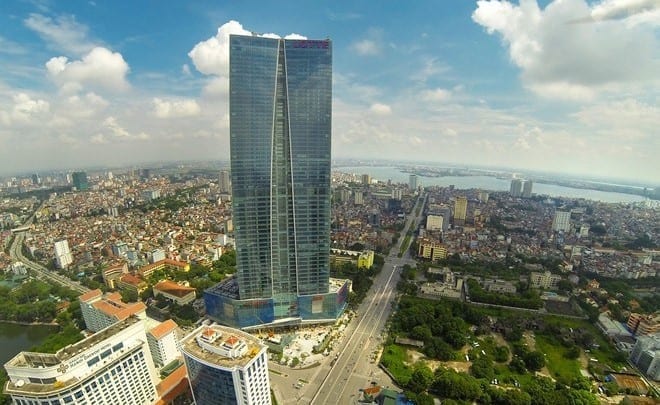
Luxembourg-incorporated Coralis SA, the company in question, developed Lotte Center Hanoi at a cost of around US$400 million. The 65-story shopping and leisure complex was opened in September 2014.
It recorded a net loss of 55.1 billion won ($47.31 million) last year, raising a suspicion that the conglomerate was exaggerating its losses to hide money, according to the report, citing sources from a Korean prosecutor’s office.
According to another theory, Lotte Engineering & Construction, the project’s contractor, may have overcharged the developer to hide funds, The Korea Herald said.
Coralis SA had been used for offshore tax evasion by Kim Seon-yong, the third son of former Daewoo Group chairman Kim Woo-jung, before being acquired by Lotte Asset Development in 2009 at 69.7 billion won ($59.86 million), according to The Korea Herald.
Lotte Asset Development later sold a stake of 45 percent in the company each to Lotte Shopping and Hotel Lotte, it said.
Lotte has denied the allegations, saying it bought Coralis SA to acquire the right to do business and lease land in Vietnam and that such practice is adopted by most companies when they invest overseas.
The report came as South Korea’s fifth-largest conglomerate was facing an ongoing investigation for alleged corruption, illegal intragroup deals and embezzlement, according to Korean media.
In Vietnam, Lotte has invested over $2 billion into more than 20 subsidiaries which operate in a wide range of sectors from retail to real estate.
Amended foreign investment rules clear the way for Apple India stores, and the possibility for the US technology giant to start manufacturing there.
Under the new rules, foreign retailers are exempted for three years from a requirement to locally source 30 per cent of the goods sold in company-owned stores.
This means Apple, which now sells its hardware through resellers and first applied for store licences in January, can set up its own shops in India, the world’s fastest-growing major smartphone market with sales expected to rise more than 25 per cent this year.
Apple, which has a less than 2 per cent share in India’s smartphone market, can resubmit its application for store licences.
India has been lobbying Apple and its partner Foxconn to start manufacturing in India as part of Prime Minister Narendra Modi’s agenda to bring in foreign manufacturers to create millions of jobs. The rule-change announcement comes a month after Apple boss Tim Cook met Modi to discuss the company’s plans for retail and manufacturing in India.
Meanwhile, India’s new look at retail rules may also help with expansion for Swedish furniture-retailer Ikea, which is setting up stores in Hyderabad and Mumbai.