Author: Mei Ling Tan

  • South Korea’s Woori Bank to form Vietnam unit by July

    South Korea’s Woori Bank to form Vietnam unit by July

    South Korea’s Woori Bank expects to establish a Vietnam unit this month or in July, a bank official said on Tuesday, as part of the lender’s plans to expand its network in the expanding market of Southeast Asia.

    Woori Bank, South Korea’s largest bank in terms of consolidated assets as of the end of March, is awaiting approval from relevant authorities to established a wholly-owned unit in Vietnam, the official said.

    A Vietnamese banking source said the State Bank of Vietnam, the country’s central bank, was expected to grant a licence for the South Korean lender shortly.

    South Korea is now the biggest foreign investor in Vietnam, with large investments placed to turn it into a Southeast Asian production hub by Samsung Electronics Co Ltd and LG Electronics Inc.

    Other major Korean companies in Vietnam include Kumho Construction, Posco group, Hanjin Logistics and Kumho Tire.

    A free trade agreement between South Korea and Vietnam that came into effect last December gives more incentives for Korean firms to invest.

    Woori Bank’s Vietnam unit, once licensed, would most likely be a vehicle to expand South Korean investment in a country where it has been limited to operating two branches. Other competitors include HSBC, ANZ, Standard Chartered Bank as well as Shinhan Bank.

    With the expected approval, Woori Bank would seek to strengthen its localised service to Vietnamese retail customers through channels including its mobile banking platform Wibee Bank and chat app Wibee Talk.

  • Pacifica Group plans $11m. expansion

    Pacifica Group plans $11m. expansion

    Thai importer and distributor of 14 fashion brands Pacifica Group plans to expand its free-standing shops from 80 to 140 over three years.

    Costing about Bt400 million (US$11.3 million), the store expansion will be 60 to 70 per cent mass-market fashion brands, with the balance luxury products, says chief executive Opra Lavichant.

    Pacifica’s fashion brands include American Eagle Outfitters, Camper, Coach, Keds and Max Mara.

    “Earlier this year we reshuffled our operations within the group with the buy-out of all minority shares in our subsidiary Pacifica Element, which is in charge of the import and distribution of premium fashion products,” says Lavichant. “The move will allow me and my family 100 per cent control over all subsidiaries.”

    Other subsidiaries include Go Retail, Pacifica Lifestyle and Pacifica Max.

    Lavichant says the reshuffle will also help the company cope with the fluctuating economic situation and the growth of the competitive lifestyle fashion sector.

    “We will focus on store expansion and our imported mass fashion brands because of their tremendous opportunity for growth in the domestic market, both in Bangkok and many first and secondary provinces throughout the country.”

    The group is also looking to expand outside Thailand, he says.

    Under its new three-year business plan, the group aims to increase its sales by 25 to 30 per cent every year, says Lavichant. It also expects its overall revenue to grow from Bt1 billion last year to Bt1.4 billion this year.

    “We expect to double the business for our mass-market fashion brands both in sales and the number of physical stores within the next three years. However, the sales of our luxury and premium products will increase by between 15 and 20 per cent every year.”

    To help growth in the mass-market segment, the company plans to expand its American Eagle Outfitters branches from five stores to between 15 and 20 over the next three years. The latest outlet has just opened at Fashion Island shopping centre in Bangkok, and another will open at Terminal 21 at the end of this year. The plan includes new stores at major tourist destinations such as Chiang Mai and Phuket.

    As well, the group will increase the number of stores selling NYX cosmetics, one of its fastest-growing brands, from 16 to 28 by the end of next year.

  • Hong Kong streets and malls see character change as F&B outlets move in with cheaper rents

    Hong Kong streets and malls see character change as F&B outlets move in with cheaper rents

    The character of Hong Kong streets and shopping malls is changing as more overseas food and beverage operators and retailers catering to local consumers move to the city to take advantage of sharp falls in rent, says Tom Gaffney, CBRE’s managing director for Hong Kong, Macau and Taiwan.

    He expects retail rents would hit bottom in 2017 after a further 15 per cent decline this year. In 2015, overall retail rents fell by 20 per cent.

    “The retail market is not completely dying, but rather undergoing a structural transformation from one that is highly driven by luxury consumption goods to one that is more relying on mid-market brands and products,” he said.

    Besides mid-market brands in fast fashion, cosmetics and banking services, food and beverage operators have become more active, said Gaffney, who brought Jamie’s Italian restaurant chain to Hong Kong before he joined CBRE early this year.

    Last year, about 37 food and beverage brands established in Hong Kong, while about 10 new brands have set up in the city so far this year, he said.

    F&B contributed 40 per cent of revenue to CBRE’s Hong Kong retail business last year, up from 15 per cent in 2014.

    One of CBRE’s leasing transactions was negotiating for Seafood Room, which is Bulldozer Group’s first restaurant in Asia, to secure the top floor of Tower 535 in Causeway Bay. Bulldozer is one of the biggest restaurant groups in Eastern Europe and the UAE.

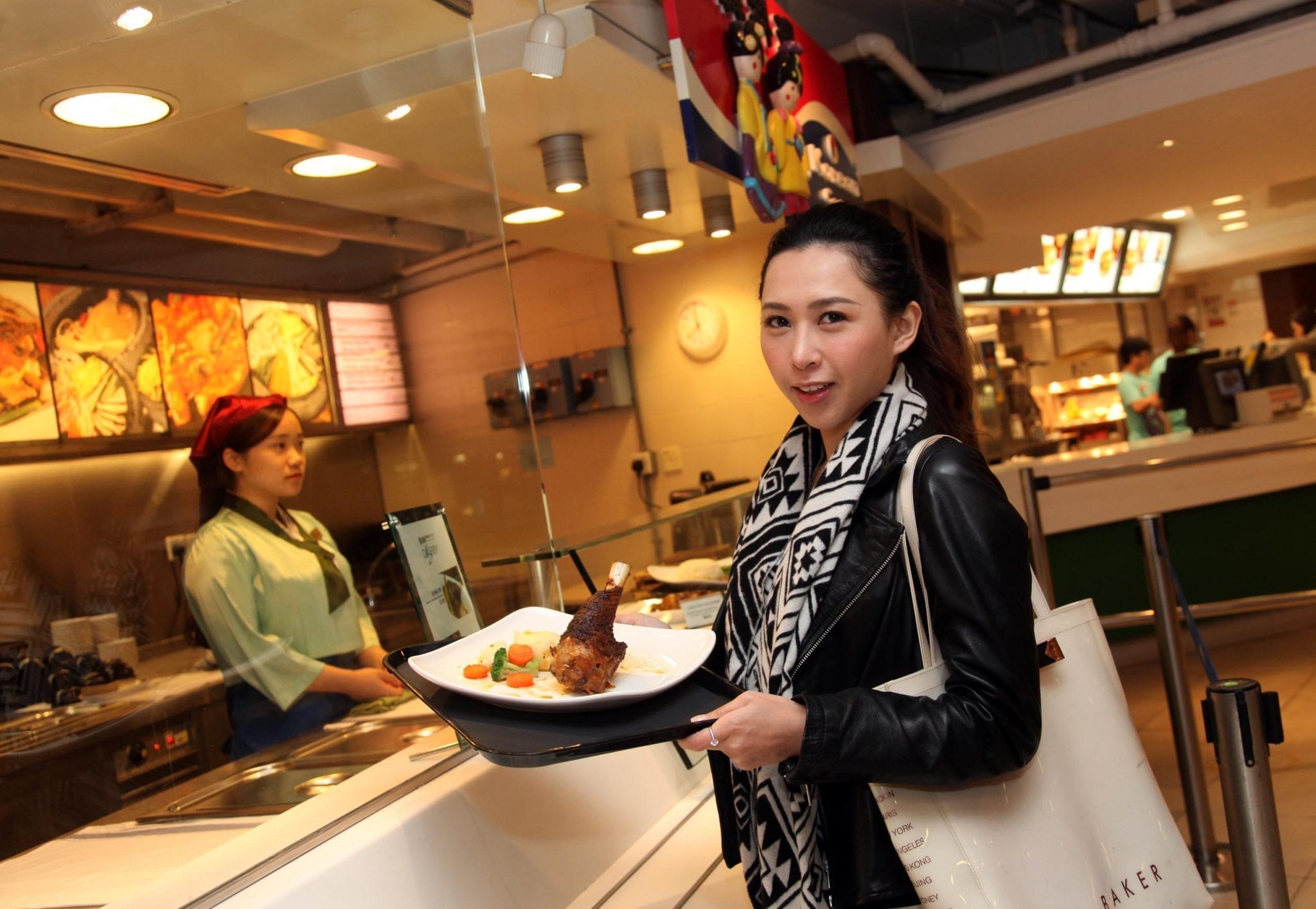
    CBRE is talking with some Korean cuisine operators that want to find new retail space in the city, Gaffney said.

    To tap the growing demand, CBRE plans to form an F&B business team to work with its offices in the US and London to bring new restaurants to Hong Kong. The new team is expected to start operating in September.

    “We have seen the [F&B] trend expanding into Hong Kong in the last six months,” he said.

    Most of the F&B operators specialise in European cuisine such as Italian and French, while some are Russian. Others include Asian restaurants serving Korean, Japanese and Thai dishes, Gaffney said.

    Given weaker spending on luxury items, Hong Kong shopping malls have been restructuring their trade mix to accommodate more restaurants and cafes as a way to retain shoppers.

    Sales of jewellery, watches and other luxury items – usually popular with mainland visitors – plunged by 16.6 per cent in April from a year ago, according to data released by the Census and Statistics Department. But sales of food, alcoholic drinks and tobacco saw a year on year growth of 5 per cent in April.

    The city’s total retail sales decline eased to 7.5 per cent, improved from a 9.8 per cent decline in March, to an estimated HK$35.2 billion, according to government data.

    During the retail boom in 2012 and 2013, Gaffney said F&B outlets only accounted for 10 per cent of space in shopping malls, but this has increased to 20 per cent and in some cases even 30 per cent.

    However, the rent payment ability of restaurants was just about a quarter or less than what a normal retailer could pay in terms of square foot. For example, a F&B tenant can afford HK$100 per square foot, while other retailers such as fashion could afford HK$400 per square foot with some even able to spend HK$1,000 per square foot, Gaffney said.

    “More F&B outlets will come to Hong Kong which will be overseas retailers’ first choice of expansion destination,” he said.

    In C-Suite on P3, Tom Gaffney shares his views on Hong Kong property market

  • Amazon chooses Oregon for latest offline store

    Amazon chooses Oregon for latest offline store

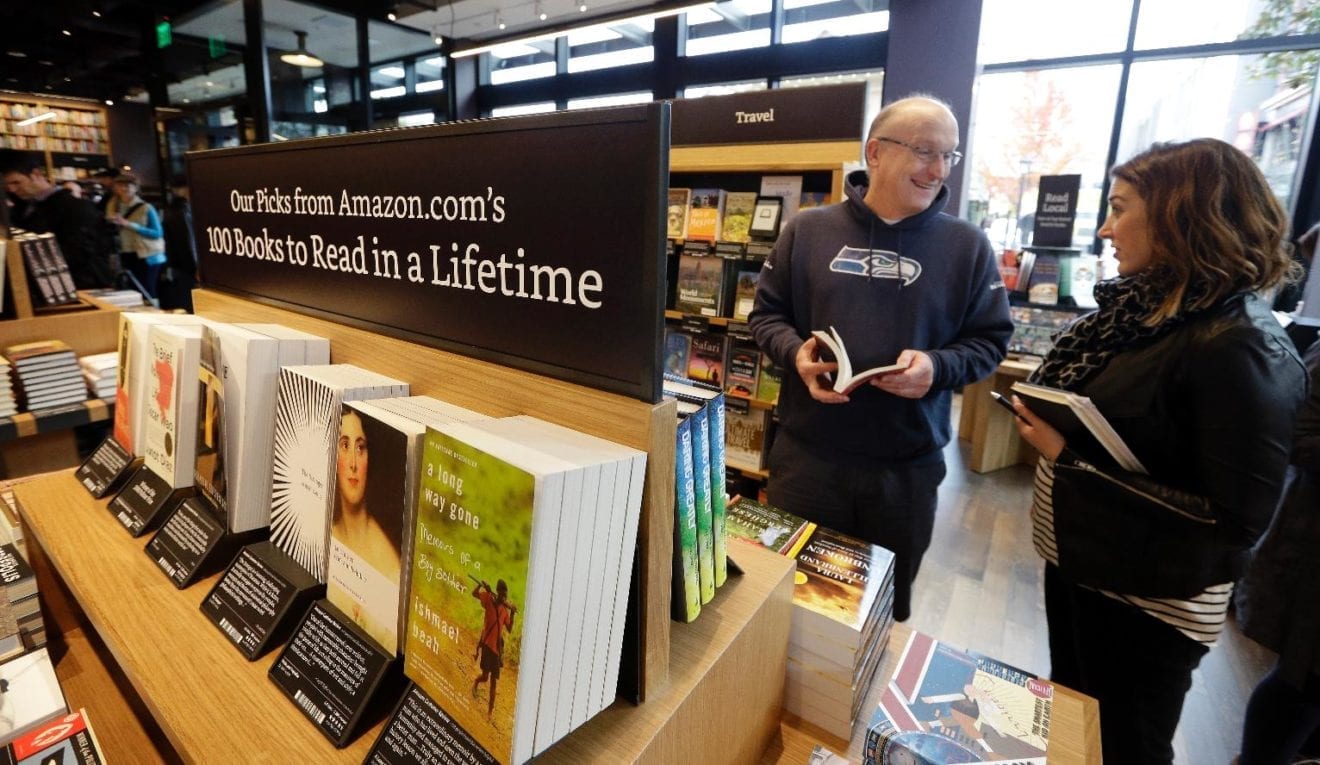
    Online retail giant Amazon has decided on Oregon as the location of its third brick and mortar store.

    The new store will open at the Washington Square mall just outside Portland, in what US media describe as a “bookish metro area” – Tigard.

    The retailer appears to be choosing sites which house Apple stores and are frequented by university students.

    Amazon’s first bookstore opened in Seattle’s University Village mall and its second in San Diego’s Westfield UTC mall.

    amazon-books-washington-squarejpg-8af21425db3e2dba

    While Amazon describes its stores as bookstores, John Mutter, editor of bookseller newsletter Shelf Awareness, prefers to call it “an electronics store that sells books”.

    “It has a very misleading name,” he said.

    One of the US’ much-loved specialist bookstores Powell’s Books is headquartered in Portland and CEO Miriam Sontz told USA Today it was no surprise Amazon should choose the city for one of its first physical locations.

    “When asked why he robbed banks, Willy Sutton reportedly replied ‘because that’s where the money is.’ I am certain that Amazon has the data to show that opening a store in the Portland area will be financially beneficial to the company,” she said.

    Mutter predicts Amazon will open 12 to 18 stores over the next two years or so.

  • Strong growth for Mulberry

    Strong growth for Mulberry

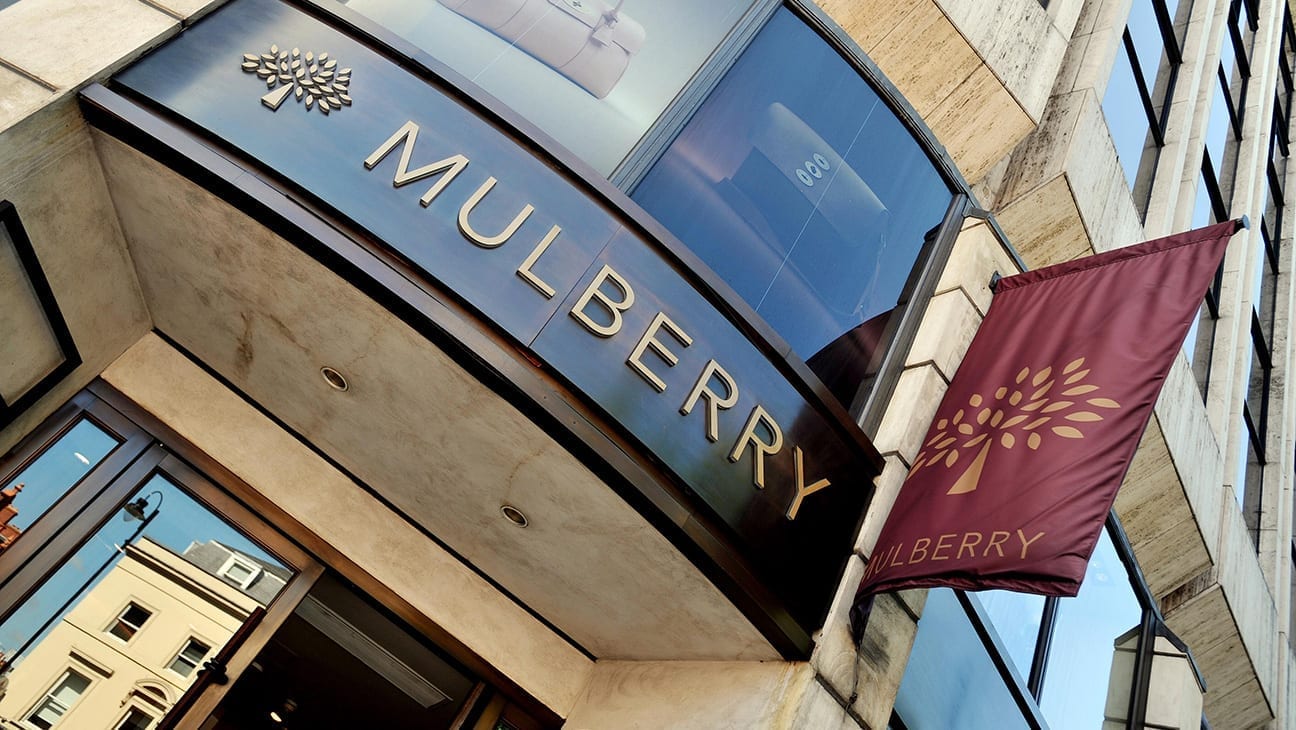
    British fashion retailer Mulberry has reported a strong set of results as it takes more direct control of its Asian distribution.

    With 2015/16 being the first full year with CEO Thierry Andretta and Creative Director Johnny Coca in charge, the results are a crucial indicator of the efficacy of their strategy. Thankfully, they did not disappoint, as the brand unveiled strong sales growth across both its UK and international divisions – though UK results are inflated due to weak comparatives. Retail sales led the way, with UK retail sales up 9 per cent to £97.4 million and international retail sales up 3 per cent to £21.3 million. Wholesale sales were down 4.1 per cent as Mulberry takes action to rationalise its wholesale distribution network in Asia – a positive step towards taking better control of its brand in the region.

    Digital sales were strong, boosted by a newly-upgraded website and improved fulfilment operations, following investment in its UK factories, but there is much more potential for growth especially as Mulberry plans to extend its digital offer into key international markets through local language websites and local fulfilment over the next few years.

    The brand’s overall strategy of limited but well-considered store openings and a strong focus on refining its multichannel experience is a wise one, and will allow the brand to better engage with its core customers and grow international sales.

    Mulberry reiterated its promise of sticking to its core £500-£995 price bracket in handbags, and alongside Johnny Coca’s continued efforts to modernise the brand while respecting its heritage, Mulberry is on its way to regaining its trademark ‘classic but cool’ credentials – essential for recruiting new shoppers as well as retaining loyalty among core customers.

  • Insect restaurant educating Korean palates

    Insect restaurant educating Korean palates

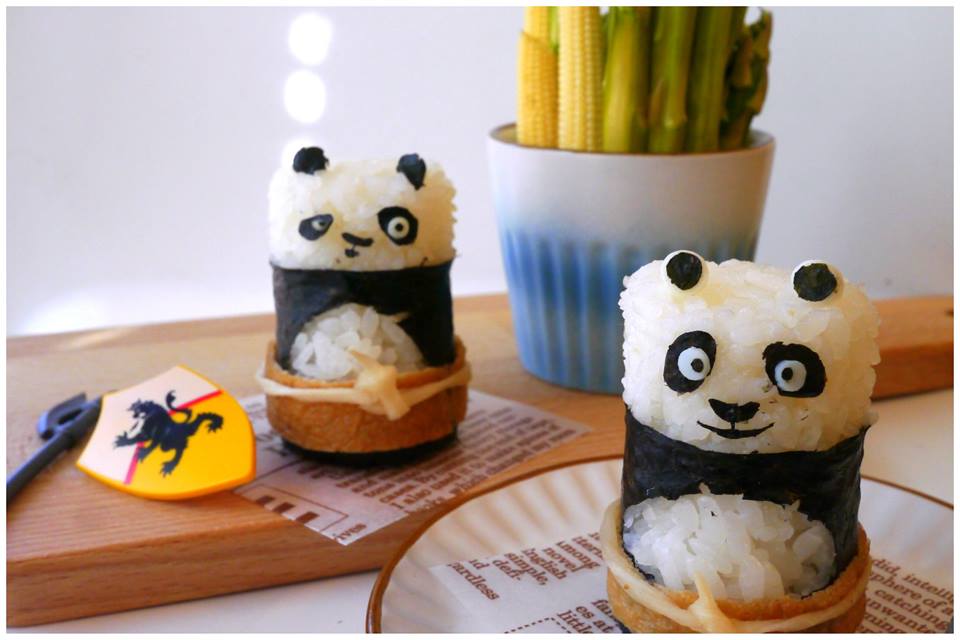
    Food researcher and marketing expert Kim Young-wook is helping educate South Korean palates with the country’s first insect restaurant, Papillon’s Kitchen in Seoul, with a menu including cookies, sandwiches and pasta.

    “The biggest challenge has been the ‘disgusting factor’ that is deeply lodged in people’s psyche,” says Kim, head of the Korean Edible Insect Laboratory. “They don’t even try it if any food looks unpalatable at first glance.

    “But once you make it look good and explain the nutritional value of insects, people would think differently – one reason we have focused our attention on developing food-processing technology.

    Kitchen Papillon 1His one-table restaurant is named after the 1973 US moviePapillon, in which an inmate in solitary confinement in a remote French prison eats cockroaches and centipedes to survive. The establishment is like a laboratory where Kim and his employees – mostly his pupils – devise ways to broaden the appeal of insects as food.

    Rather than focus on their ingredients, such as mealworms, silkworms and crickets, Kim has been promoting his food products as “low-carbon and high-protein”.

    The larval form of the darkling beetle, mealworms are powdered and used to make pasta, deep-fried rice balls, soup, macaroons, ice cream and sauces.

    Kim has taken his concept beyond Korea, last month participating in Eating Insects Detroit, the first US conference dedicated to edible insects.

    Meanwhile, Edible Inc, a food-tech startup in Seoul, has a coffee shop featuring the “mealworm 500 shake”, named for its key ingredient and the number of insects involved. The shop also has cookies and energy bars made from silkworms and grasshoppers.

    CEO Ryu Si-doo opened his company with the ambition of giving customers a “fresh and intriguing” experience and help them change their prejudices against food made of insects.

    In a report this year, the Korea Rural Economic Institute (KREI) estimated the size of the market for insects at 313.9 billion won (US$264 million) last year, up 90 per cent from 168 billion won in 2011. The government seeks to increase the size to 500 billion won by 2020.

  • Philippines is Southeast Asia’s fastest-growing smartphone market in Q1

    Philippines is Southeast Asia’s fastest-growing smartphone market in Q1

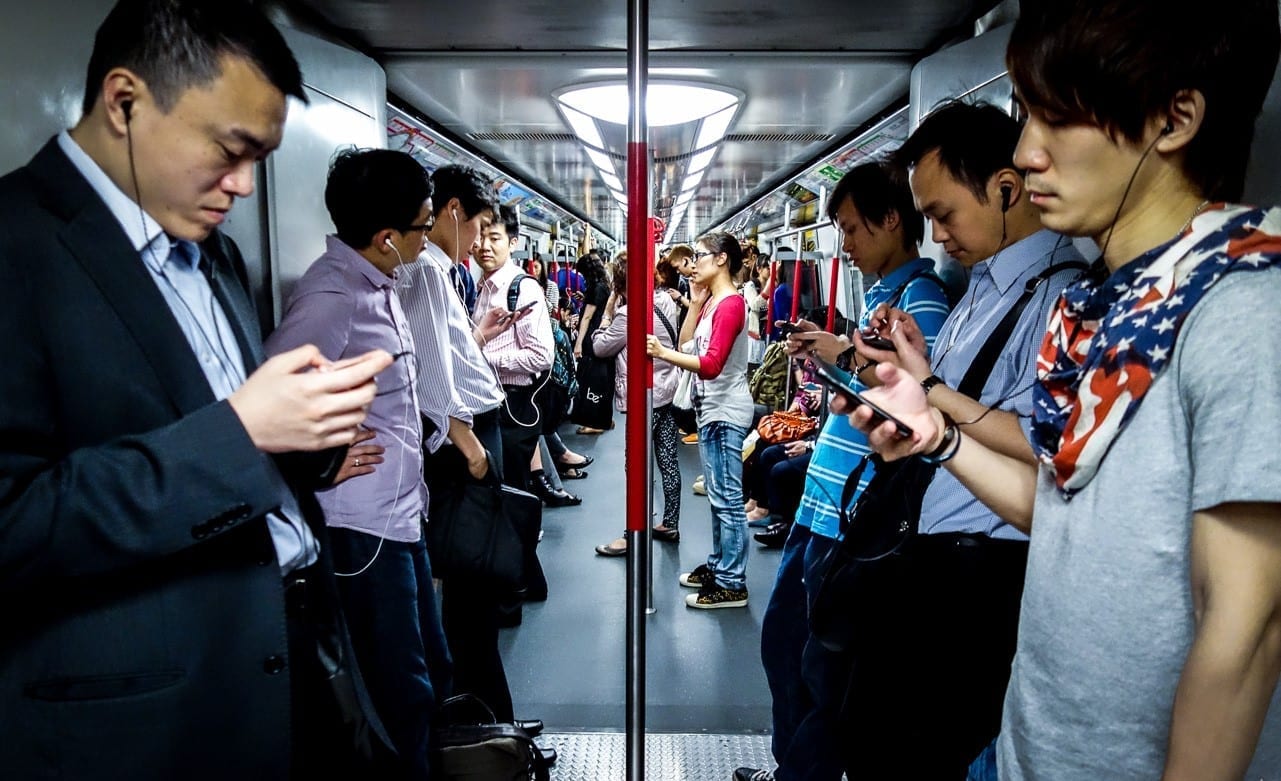
    IDC reported that the country saw a 20 per cent year-on-year increase, or 3.5 million smartphones shipped to retail stores in 2016.

    Indonesia’s growth was only 3 per cent during the quarter, while Malaysia was down 20 per cent, Thailand flat, Singapore down 13 per cent, and Myanmar down 1 per cent.

    Dominguez attributes the Philippines’ growth to “stronger support from telco operators” in the form of higher subsidies.

    “For instance, MyPhone’s partnership with Smart Communications paved the way for an affordable (US$19) prepaid smartphone kit that comes with mobile data allocation. Apple’s shipments also grew partly due to lower cash-out requirement and more attractive data and app bundles for iPhones offered by telcos,” IDC market analyst Jerome Dominguez said in an interview with Tech In Asia

    Read more about the interview here.

  • Beijing tells Apple China to withdraw phone

    Beijing tells Apple China to withdraw phone

    A Chinese tribunal has ordered Apple China to stop selling its iPhone 6 in Beijing, claiming the design is too similar to a Chinese-made smartphone.

    Apple has appealed, and is continuing to sell its iPhone 6 while awaiting the decision.

    The Beijing regulator found that the iPhone 6 and iPhone 6 Plus look too much like the 100C smartphone made by Shenzhen Beili, a small Chinese brand.

    If its appeal fails, Apple will lose ground to such Chinese competitors as Huawei and Xiaomi. China accounted for more than a quarter of Apple’s revenue last year, making it the second-biggest source of income for the company.

    This dispute follows a series of problems for Apple in China. A Chinese court last month decided a company can use the iPhone trademark on its bags, wallets and other leather products, and in April, Apple had to suspend iBooks and iTunes Movies after the Chinese government said the services were breaking the rules for foreign publishers.

    Apple has also been pushing against fake Apple stores in China.

  • Alibaba expansion plan targets 2 billion

    Alibaba expansion plan targets 2 billion

    Chinese eCommerce pioneer Jack Ma has unveiled an Alibaba expansion plan aiming to quadruple its customer numbers to 2 billion by 2036.

    Alibaba is also aiming for a record 6 trillion yuan (US$912 billion) in gross merchandise volume (GMV) in 2020 from 3.09 trillion yuan this year.

    Ma has also pledged to intensify the fight against counterfeit products and intellectual property rights violation, saying the company is more confident than ever it can solve the problem.

    Alibaba became the world’s largest retailer (by its own definition of retailer) in April, surpassing Walmart. The company says its online trading accounts for 10 per cent of all retailing in China and has generated 15 million jobs.

    Alibaba, whose gross sales totalled $9.3 billion in 2014, hit a record $14.3 billion in sales on Singles’ Day alone last year, a Chinese holiday in November. This is more than double the eCommerce sales in the US from Thanksgiving, Black Friday and Cyber Monday combined.

    The company also holds the title of the biggest IPO in history, raising $25 billion in four days in September 2014, $7 billion more than Visa and $9 billion more than Facebook and General Motors.

  • Marquee Brands takes Ben Sherman to China

    Marquee Brands takes Ben Sherman to China

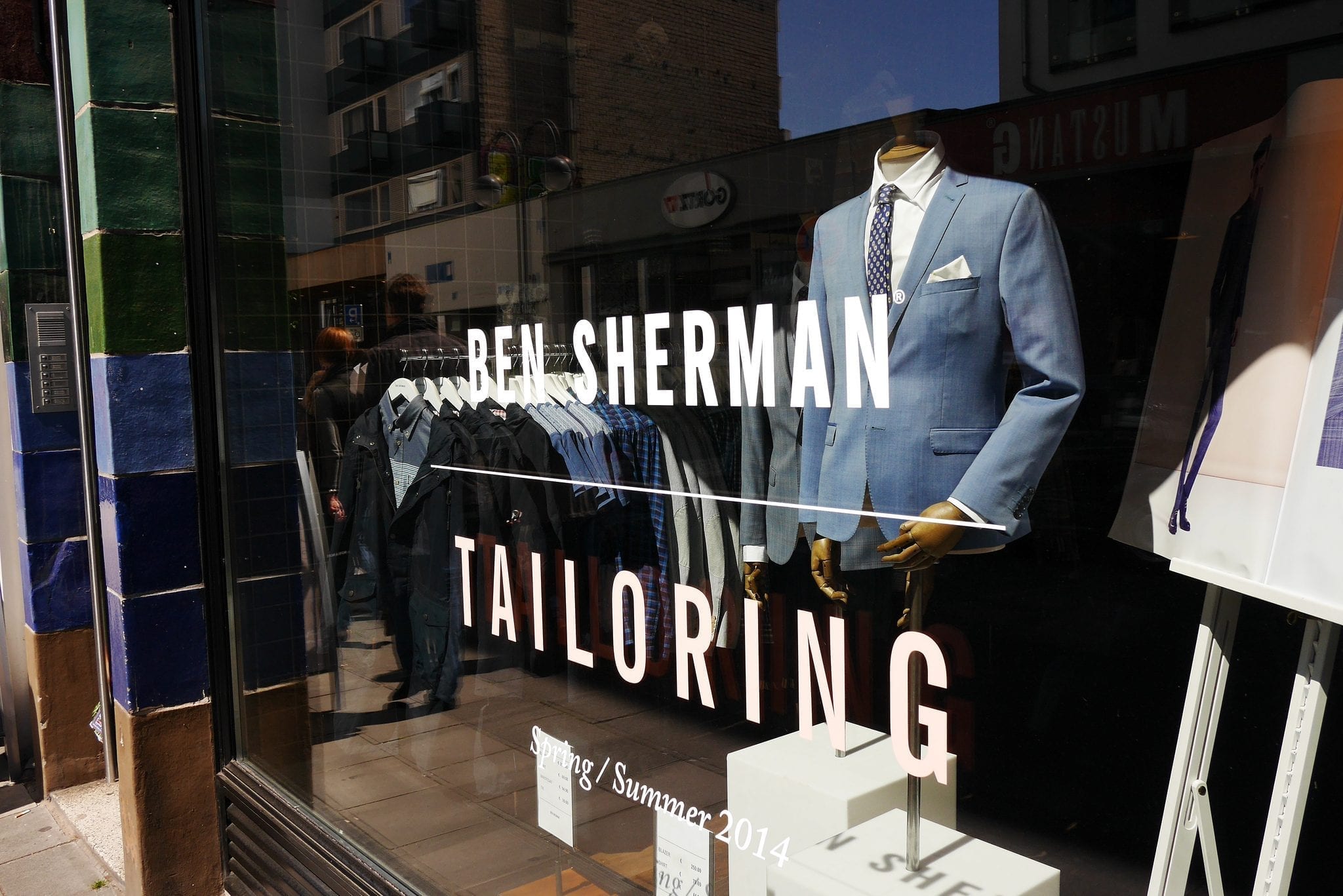
    A year after acquiring Ben Sherman, Marquee Brands has signed an agreement to have the British menswear brand distributed in China, Hong Kong, Macau and Taiwan.

    Its partnership with MRH SpaRotica Groupe encompasses both offline and online distribution, manufacturing and also the launch of a series of mono-branded Ben Sherman retail locations. Five shops will launch this year with at least 30 more planned. The first will be in Shanghai, opening by August, followed by Jiangsu, Hubei, Hunan and Sichuan.

    “Ben Sherman’s 50-plus years of British style and culture demonstrate the brand’s ability to stand the test of time,” says MRH president and CEO Richard Kisembo. “Our partnership with Marquee Brands is inspired by Ben Sherman’s iconoclast status among heritage brands. Heritage and culture continue to be a motivating factor in brands that have the ability to move generations at retail, a key factor to success in China.”

    Marquee Brands president Michael DeVirgilio says the demand for Ben Sherman is high in China where young consumers have become more global and sophisticated.

  • Puregold chairman named top Philippine retailer

    Puregold chairman named top Philippine retailer

    Puregold Price Club chairman Lucio Co has been named top Philippine retailer for 2015.

    He received the ‘Patron of Micro-retail Entrepreneurship’ award from the Philippine Retailers Association.

    Co’s contribution to the growth of micro-retail entrepreneurs, particularly through Puregold’s Tindahan ni Aling Puring program, fulfilled the PRA’s criteria for the country’s model of a successful retailer in terms of growth and good ethical practices.

    The recognition marks the PRA’s 19th ‘Outstanding Filipino Retailers & Shopping Centers of the Year’ awards.

    PRA president and COO of Duty Free Philippines, Lorenzo C. Formoso, presented the trophy to Co, together with tourism secretary Ramon Jimenez, trade secretary Adrian Cristobal, and Blims Lifestyle Group chairman Samie Lim.

    Formoso said during his opening speech that the association has awarded a couple of hundred retailers over the years, to encourage industry excellence that adopts world-class quality while maintaining local identity.

    “We can expect a brighter future ahead,” said Formoso, adding that the Philippine retail sector has become dynamic since it opened to foreign investors in 2000, citing Philippine Statistics Authority data on the increase in retail trade as percentage of national output.

    The PRA also recognised the most promising retailers, the best shopping centers and supermarkets, and the best retailers in specialty, home improvement, food and fashion categories. Ceremonies were held at the Marriott Grand Ballroom.

    Surplus and Bambu were named the best retailers under the fashion category (apparel and shoes & bags, respectively); Uniqlo Philippines, best foreign brand fashion retailer; Tropical Hut Hamburger best food; SM Hypermarket best hypermart, Robinsons Department Store best full-line department store, LCC Expressmart best regional retailer; and SM Megamall best large shopping center.

    Other finalists and winners include Robinsons Place Malolos, SM Sta Rosa, Ace Hardware, Krispy Kreme Stores, Dairy Queen, Philippine Pizza, Pacific Mall Legaspi, Newport Manila, Eastwood Mall, Lucky Chinatown, Urban Athletics, Grassroots Philippines, Runnr, Pet Express, The Travel Club, National Book Store, Abenson, Our Home, Mothercare, Esprit, Birkenstock, Clarks, Fitflop, Lacoste footwear, Karimadon, Freeway, Onesimus and La-Z Boy Gallery.

  • CenturyLink acquires cloud startup ElasticBox

    CenturyLink acquires cloud startup ElasticBox

    CenturyLink has announced the acquisition of ElasticBox, a multi-cloud application management service for an undisclosed amount.

    The acquisition combines the ElasticBox platform with the global network, hosting and delivery capabilities of CenturyLink.

    ElasticBox, a startup with offices in San Francisco and Madrid, enables enterprise IT organizations to orchestrate the deployment of applications and create a self-service catalog of applications and infrastructure.

    Aamir Hussain, CenturyLink CTO said the acquisition of ElasticBox strengthens and enhances CenturyLink’s development and deployment of multi-cloud services management capabilities, as well as the company’s ability to deliver end-to-end network and hybrid IT services to business customers globally.

    “The ElasticBox multi-cloud management platform frees businesses to focus on issues that are central to their organization rather than spending time and resources managing multiple clouds,” Hussain noted.

    ElasticBox enables application orchestration for more than 12 different cloud providers, including Amazon Web Services, IBM’s SoftLayer, Microsoft Azure and VMware. ElasticBox recently added support for CenturyLink Cloud and more feature support for Google Compute Engine and OpenStack. ElasticBox also supports Docker and Amazon ECS containers, and recently added Kubernetes as another destination for applications. These deployment options enable customers to package a range of applications into a container and manage it via ElasticBox.

    CenturyLink and Nxtra Data Limited, a wholly owned subsidiary of Bharti Airtel, meanwhile announced an exclusive business partnership to provide advanced hosting and managed IT services to enterprises in India.

    This exclusive partnership brings Nxtra Data’s Indiadata center management expertise together with CenturyLink’s cost-effective hosting, managed services and cloud capabilities to serve businesses and government organizations in India.

  • SingTel to launch VoWiFi in August

    SingTel to launch VoWiFi in August

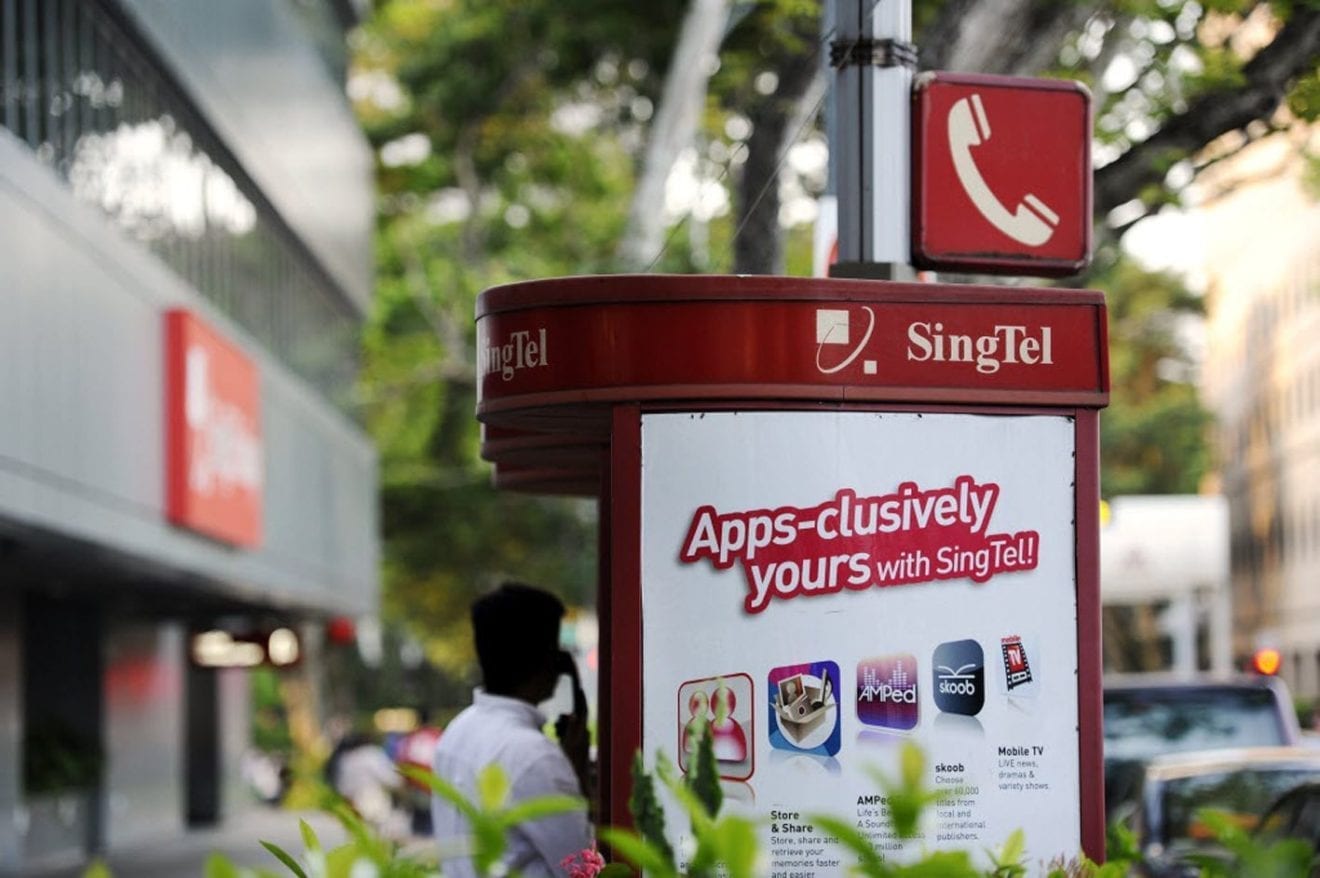
    SingTel has revealed plans to launch Singapore’s first commercial Voice over Wi-Fi service in August following the success of its recent HetNet trials.

    The trials, conducted in collaboration with IDA Singapore, confirmed that voice calls and texts can be sent over Wi-Fi in areas which are challenging for mobile signals.

    Service continuity can be maintained as smartphones transition between cellular and Wi-Fi networks, without the need of an installed mobile app. SingTel said this will allow its customers to make uninterrupted calls over Wi-Fi in locations including basements and the upper floors of skyscrapers.

    The trials also demonstrated the readiness of SingTel’s HetNet to support the IoT by providing reliable connections to sensors and other connected devices, the operator said.

    “In the near future, with millions of connected devices fuelling data demand, ensuring a consistent experience for multiple mobile customers across different locations is paramount,” SingTel CEO consumer Singapore Yuen Kuan Moon said.

    “With pervasive connectivity and higher data capacity set to become the norm, it was important for us to conduct a HetNet trial to gain further insights.  Given our positive trial results, we are ready to support the Internet of Things with our networks and provide SingTel mobile users with high-quality voice calls and SMS island-wide.”

    IDA co-managing director Gabriel Lim said 90% of HetNet trial users had an improved mobile experience, including superior connectivity, download and upload speeds and transitions between wireless and cellular networks.

    “We will use the lessons from the trial to work with our industry partners to further enhance the experience of Singapore mobile users,” he said.

  • Amazon To March Into Indonesia With $600 Million: Winners And Losers

    Amazon To March Into Indonesia With $600 Million: Winners And Losers

    Amazon.com has said it plans to expand its e-commerce empire to Indonesia, with a $600 million investment for the first year.
    It makes perfect business sense. Indonesia’s e-commerce space is only about $3.2 billion in sales, a tiny fraction of its $150 billion retail market. Indonesia is also the world’s 4th most populous country with 250 million population.

    When Amazon moves in, the market shudders. Who are the movers and shakers in the Indonesian e-commerce space right now?

    It turns out Amazon will be competing with start-ups backed by Alibaba Group and its buddy SoftBank.

    Lazada, a direct-sales marketplace that spans the entire ASEAN, has 75% of its transactions coming from Indonesia. It was founded by Rocket Internet and was recently valued at $1.5 billion through an investment from Alibaba. It generated $1 billion GMV last year and made $275 million in sales.

    Tokopedia is an Indonesian pure play. It is backed by SoftBank and Sequoia Capital.

    Bukalapak is smaller than Tokopedia and is 49% owned by local media conglomerate PT Elang Mahkota Technologi, or Emtek Group.

    Warehouse logistics companies can benefit if Indonesia’s e-commerce picks up. Mega Manunggal Property  is one stock we can look at.

  • Hogan Lovells launches mobile app for doing business in Indonesia

    Hogan Lovells launches mobile app for doing business in Indonesia

    Hogan Lovells (in association with Dewi Negara Fachri & Partners) has launched an innovative new app called “How To Indo” to help businesses navigate the legal landscape when doing business in Indonesia.

    The app will change the way that anyone doing, or considering doing, business in Indonesia can access relevant legal guidance.

    Anyone with an Apple or Android device will be able to access key guides on what you need to know about doing business in Indonesia. From M&A and infrastructure transactions to Hogan Lovellsfinancing arrangements, from restructuring and insolvency to managing a dispute, these guides cover the key legal issues in doing business in Indonesia.

    Mark Cooper, Corporate Partner, Singapore said:

    “We hope that this innovative product leads the way in helping clients to navigate the regulatory landscape in Indonesia and makes it easier for them to take informed business decisions.”

    The app is available to download today:

    Click here to download the Apple version.

    Click here to download the Android version.