Author: Mei Ling Tan

  • Alibaba makes unconventional strides in Korea

    Alibaba makes unconventional strides in Korea

    Alibaba Group is raising its profile here in a slow, yet unconventional way, as its business strategy is far from that of other companies whose primary goal is to maximize profit.

    China’s largest e-commerce company was not well known to Korean customers before it surprised the world in 2014 with its record-breaking initial public offering at the New York Stock Exchange.

    In the same year, the company made its first noteworthy appearance here, with Chairman Jack Ma visiting Seoul to meet President Park Geun-hye to discuss business collaboration with Korean companies.

    Alibaba and its key affiliates have since formed partnerships with local companies in what critics say is a move to diversify its revenue streams, as other overseas information and communication technology (ICT) giants have done.

    But revenue generation has not been the core of its business and partnerships, given its two-year operations here. The company, instead, has focused on building an environment in which small Korean companies can sell things abroad.

    This is in line with its corporate vision: Making transactions easier anywhere. The Alibaba founder identified the need to build such an environment in China when he established the firm in 1999. He said he wants to apply the same philosophy to other countries, including Korea.

    “Alibaba does not have any plans to directly open an online shopping platform in Korea, as our ultimate goal is to become a company helping other firms to benefit from e-commerce,” he said last year when celebrating the launch of the Korea Pavilion on its business-to-customer (B2C) retail site, Tmall.

    The Korea Pavilion was Alibaba’s first official country pavilion on its website, selling genuine Korean products to Chinese customers.

    He then dispelled concerns that the company may become a potential threat to local e-commerce operators. The Alibaba chief made it clear that Alibaba hopes to become a “facilitator” to help Korea’s e-commerce grow, allowing small companies to sell their products to Chinese customers.

    All of its partnerships in Korea have so far come under this corporate motto.

    Major collaborations include the Korea Exemplary Food Exhibition project, for which the nation’s Ministry of Agriculture, Food and Rural Affairs and 1688.com, Alibaba’s business-to-business (B2B) online trading site in China, joined hands. This was in October 2014, in the e-commerce giant’s bid to introduce Korean food to the Chinese B2B market.

    In May, its cloud-computing affiliate, Alibaba Cloud, partnered with two Korean firms ― SK C&C and Bankware Global. During the announcement, Alibaba allowed its two local partners to announce their visions through the collaboration.

    This symbiotic corporate management policy is part of Alibaba’s efforts to make the company last for more than 100 years, which will cross three centuries, according to the Alibaba chief.

  • Sales of Educational Products Popular among Korean Workers

    Sales of Educational Products Popular among Korean Workers

    Korea’s unyielding economic slump and more frequent corporate restructuring are driving employees to quickly prepare for a hazy future. These employees are referred to as saladents – a portmanteau of the words salaryman and student.

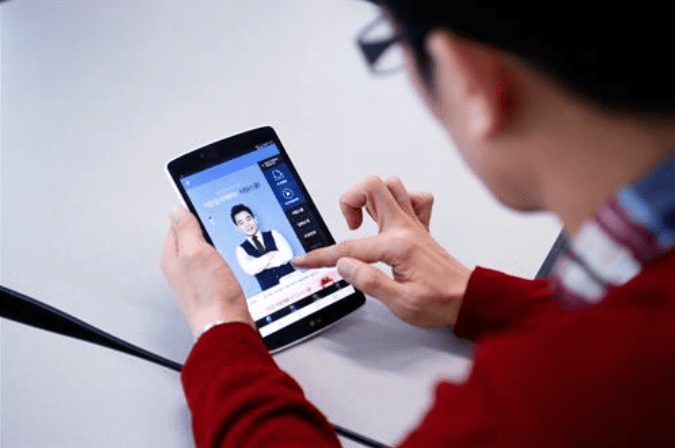
    According to a retail industry watcher, Hyundai Home Shopping generated 30 billion won in revenue from sales of the Siwon-school Tab, an English-learning device. The device was first introduced on its channel in January, and has been aired 31 times in the past five months.

    The device is based on LG’s G-pad 8.0 with an internal SD card, and offers its users a variety of English lectures without having to connect to any networks.

    However, the more intriguing part of its popularity is that 59.8 percent of the purchasers were men. In Korea, there are usually twice as many female home shoppers as male customers, with a male-to-female ratio of 22:78.

    Furthermore, 50 percent of all customers were in their 40s.

    Hyundai Home Shopping explained that there is a greater number of male customers who are studying prior to retirement, or with hopes of getting a promotion. And they tend to prefer such devices that offer more convenient and unrestricted means of study in contrast to visiting private academies before or after work hours.

    “In the past, parents would purchase learning devices for their children,” said Lee Sung-gu, senior merchandiser (MD) for Hyundai Home Shopping. “But more recently, it’s the saladents who want to improve their competitive advantage in society.”

  • Michael Kors acquires Greater China licensee

    Michael Kors acquires Greater China licensee

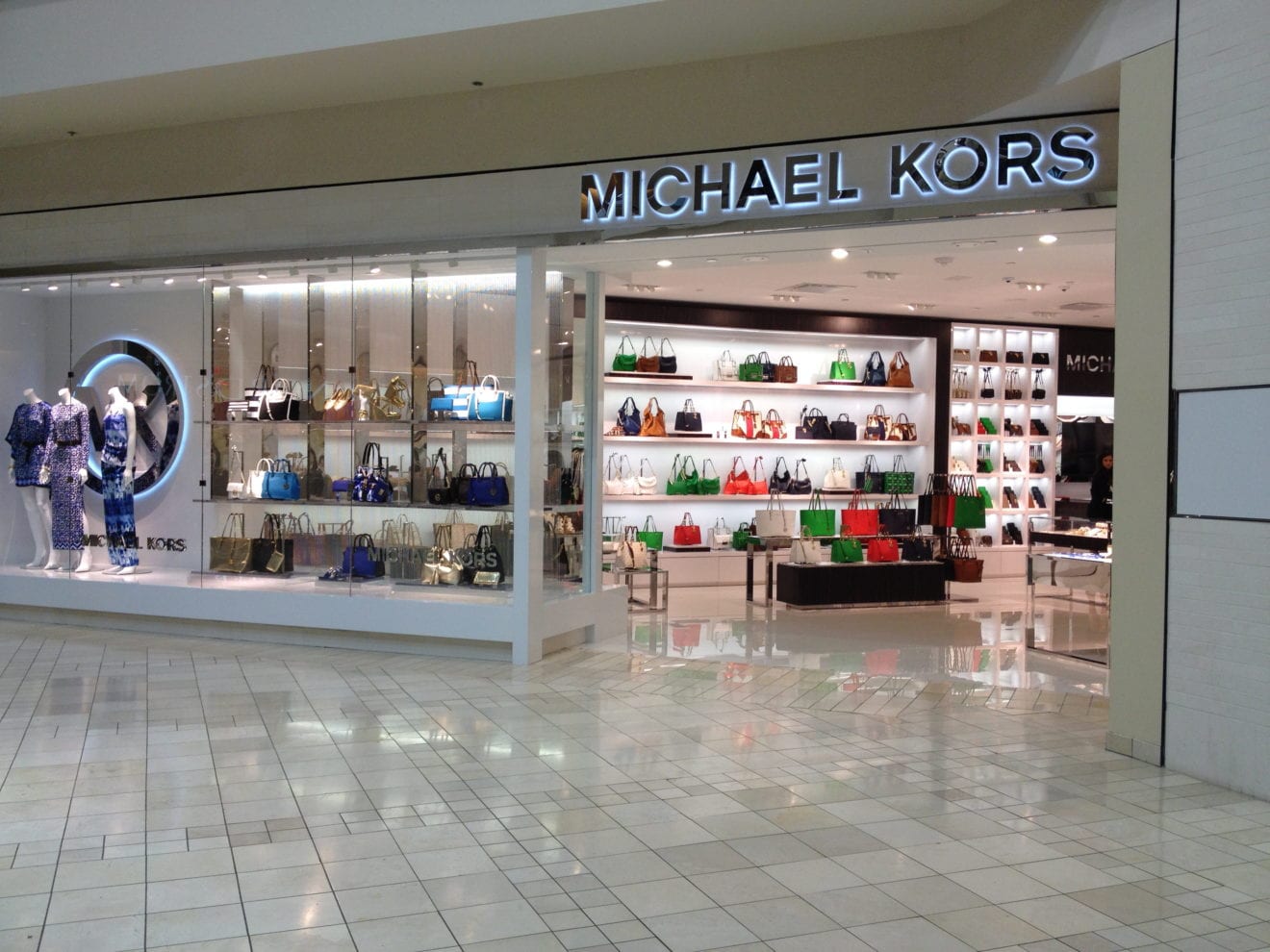
    Michael Kors is pleased to announce that the Company has completed the acquisition of Michael Kors (HK) Limited, the exclusive licensee of the Company in China and certain other jurisdictions in Asia, on May 31, 2016, for $500 million in cash, subject to certain adjustments.

    The acquisition was approved by the independent members of the Company’s board of directors, upon recommendation of a Special Committee, comprised of solely independent directors, which was responsible for evaluating the terms of the acquisition. The Special Committee retained independent legal and financial advisors to assist in evaluating and negotiating the terms of the acquisition and the Purchase Agreement. The Greater China business generated total revenue of $197 million for the year ended March 31, 2016, and had a network of 91 company operated retail stores and six travel retail locations, across China, Hong Kong, Macau and Taiwan. For fiscal year 2017, the Greater China business is expected to contribute approximately $200 million to retail net sales, reflecting sales for the ten month period following the closing of the acquisition. The acquisition is expected to be neutral to earnings per share on a GAAP basis, and accretive to earnings per share on a non-GAAP basis, excluding $15 million of one-time acquisition costs. The acquisition is expected to be accretive to earnings per share in fiscal 2018 and thereafter.

    “We are very excited about the acquisition of our Greater China licensee,” says John D. Idol, Chairman and Chief Executive Officer. “As you know, we have worked diligently over the past several years, with our licensed partner in this region, to build the infrastructure, establish the brand, and grow acceptance of Michael Kors in the Chinese market. We believe that our brand is gaining strong momentum in Greater China, making it the ideal time for us to integrate this territory into our business and capitalize on the enormous growth potential in this region.”

    USE OF NON-GAAP FINANCIAL MEASURES

    This release includes certain non-GAAP financial measures relating to certain one-time costs associated with the acquisition of the Greater China licensee. The Company uses non-GAAP financial measures, among other things, to evaluate its operating performance and in order to represent the manner in which the Company conducts and views its business. The Company believes that excluding non-recurring items helps its management and investors compare operating performance based on its ongoing operations. While the Company considers the non-GAAP measures to be useful supplemental measures in analyzing its results, they are not intended to replace, nor act as a substitute for, any amounts presented in its consolidated financial statements prepared in conformity with U.S. GAAP and may be different from non-GAAP measures reported by other companies.

  • Look to past for the reasons fewer tourists visit Hong Kong

    Look to past for the reasons fewer tourists visit Hong Kong

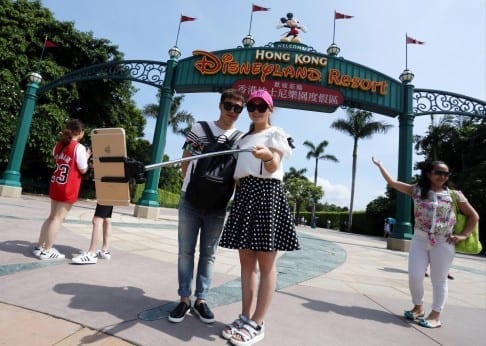
    In recent months, certain areas of Hong Kong have become noticeably less crowded with gaggles of visitors from China towing sizeable suitcases. Anecdotal observations indicate the local tourism industry is experiencing one of its periodic slowdowns. Official visitor arrival statistics – even with allowances for creative, vested-interest interpretations – suggest the same. Inevitably, prolonged wailing has gone up from Hong Kong’s tourist-dependent retail sector about the catastrophic effects of a reduction in Chinese visitor numbers.

    Blame for falling tourist numbers has been hurled variously at the 2014 Occupy protests, “anti-locust” demonstrations and the burgeoning nativist movement. All sorts of explanations are offered, but not a dispassionate analysis of the real, underlying causes.

    With Hong Kong’s unique local flavour increasingly replaced by manufactured attractions, is it any surprise visitors are choosing different destinations?

    Let’s face it, Hong Kong is a very expensive place to visit for what the experience affords. For the most part, the city offers poor value for accommodation and food if we make regional like-with-like comparisons. And if you’re very obviously from China – a fellow citizen of our “one country”, let’s not forget – Hong Kong’s natives can come across as distinctly cool, to say the least. So why bother coming, when there are plenty of better value, more welcoming destinations to choose from?

    These days, visitors – especially from China – “experience” a series of manufactured “attractions”, each more contrived than the last. In this respect, Hong Kong has followed the pedestrian tastes of global mass tourism, with little genuinely unique local flavour to offer.

    Once upon a time, however, Hong Kong itself was the primary attraction. Visitors from all over the globe came to see, experience and enjoy this most remarkable, unlikely place perched on China’s south coast. But no longer.

    Like much of the modern world, Hong Kong has become blandly homogenised and now China itself is open to visitors. The tangible frisson once obtained from peering across the border at forbidden, forbidding China – so close yet tantalisingly unattainable – is no more.

    One attraction has remained constant: shopping. Since the Roaring 20s – the first time Hong Kong figured significantly on round-the-world stopovers – the city’s duty- and sales-tax-free shopping regime has been a major, and heavily promoted, part of its attraction. Without sales taxes, items such as luxury goods retail in Hong Kong for less than the wholesale price in their country of manufacture.

    By the mid-1950s, affluence was growing globally, air travel was becoming more popular and China was largely closed off to the outside world. Combined, these factors provided an enormous boon to the fledgling tourist industry.

    In 1957, former British Army officer Major Harry Stanley was appointed to run the newly established Hong Kong Tourist Association, overseeing publicity campaigns that put the city on the world tourist map.

    In recent decades, sadly, chairmanship of the HKTA (rebranded the Hong Kong Tourism Board in 2001) has become a Liberal Party fiefdom. Successive heads have mostly combined that particular political faction’s curious, patronising, born-to-rule arrogance with the intellectual mediocrity and comprehensive lack of vision habitual to second-generation economic rentiers in their approach to Hong Kong’s contemporary challenges.

  • Radware opens new office in Thailand

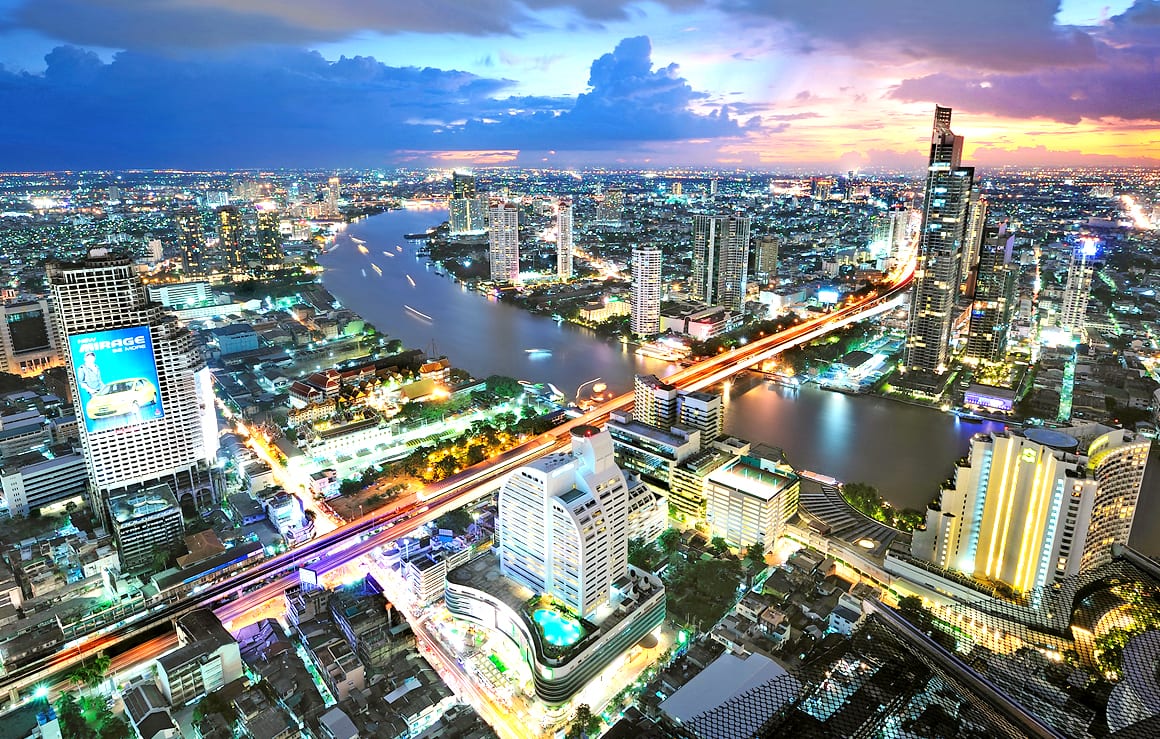
    radwareRadware, a provider of cyber security and application delivery solutions, has opened its new office in Bangkok, Thailand.

    Located in the Ratchada area in Bangkok, the new office equips training and demonstration facilities, and will support Radware’s operation across Thailand.

    Radware works with clients in industry verticals such as telecoms, banking, Government, retail and manufacturing sectors.

    Radware Thailand office has also added additional resources, including the appointment of a new Enterprise Business Manager focusing on Banking and Government customers and a new Systems Engineer.

    Paul Coates, VP of South APAC, Radware, said: “Asia Pacific continues to be a strategic region for Radware, and building out a new infrastructure in Thailand allows us to provide even faster technical and sales supports to our valued customers in various industries.”

    Radware has 16 offices in Asia Pacific region: Australia, China, Hong Kong, India, Japan, Korea, Singapore, Taiwan and Thailand — to support its customers and partners.

  • Shopping by phone keeps rising

    Shopping by phone keeps rising

    More Koreans are shopping online via smartphones and tablets than on their laptop or desktop computers.

    According to Statistics Korea Thursday, online shopping transactions rose 11.3 percent in April compared to a year ago, hitting 4.76 trillion won ($4.0 billion). Mobile shopping via mobile devices surged 31 percent during the same period, and accounted for 50.7 percent of total online shopping, or 2.41 trillion won.

    “Mobile payment services have been introduced to allow customers to purchase goods via mobile devices more easily than before, and retailers are improving their mobile apps to attract more customers,” said Sohn Eun-rak, a director at Statistics Korea. “Moreover, customers like to purchase goods via smartphone because retailers offer more promotions and discounts in their mobile apps.”

    Mobile shoppers accounted for only 29 percent of all online shoppers in April 2014. The figure exceeded the 40 percent-level early last year and finally surpassed 50 percent in December.

    Even though transactions rose from a year ago, they dropped from the previous month. Online shopping transactions dropped 8 percent in April compared to March and mobile shopping fell 9.2 percent. In March, overall online shopping transaction recorded 51.7 trillion won, but then fell back to the 40 trillion won-level.

    By sector, people purchased more cosmetics online, while the figure for travel and reservation services fell.

    People spent 32.5 percent more buying cosmetics in April compared to the previous year, while they spent 2.1 percent less for travel and reservation services.

    “The number of Chinese tourists visiting Korea rose 12.1 percent year-on-year in April, and they were interested in buying cosmetics at both brick-and-mortar stores and online retail shops,” said Sohn. He added that reservation service dropped because fewer people went to the movies.

    “In April 2015, there were more people visiting theatres due to hit movies such as ‘Avengers: Age of Ultron’ and ‘Furious 7,’” Sohn said. “Moviegoers in general fell by 2.72 million in April from a year ago, and I think this might have affected the reservation services sector.”

    About 60 percent of online shoppers bought goods such as clothes, shoes, cosmetics and baby supplies via their mobile devices, according to the data.

    Shoppers buying goods at online-only retailers rose 4.2 percent year-on-year in April, while it rose 23.3 percent for retailers that have both online and brick-and-mortar stores.

    Statistics Korea surveyed a total of 991 online retailers.


  • South Korea Now Fourth Biggest Foreign Investor in US Real Estate

    South Korea Now Fourth Biggest Foreign Investor in US Real Estate

    Over the past few years South Korea has invested billions of dollars in the real estate market in the United States. The country has always been a major investor but just recently the diversity and stability of the US market has made it increasingly attractive.

    Last year South Korea became the fourth largest foreign investor in office space in the United States but its interest isn’t confined to one particular type of property. Although commercial buildings are of major interest, investors are also putting money into data centres, retail and logistics.

    According to Commercial Property Executive, Koreans have been actively investing in foreign real estate since around the turn-of-the-century. Even though South Korea isn’t a small market, there is still a lot of interest in investing globally with investors looking to diversify their portfolio in order to get a better yield. Over the past year South Korean funds have made high-profile investments in the US market, attracted by the fact that the market in this country is very developed, offering more opportunities and more deals.

    night-1085845_1280

    Most of the interest from South Korean investors is from global brands such as Samsung SRA and from pension funds, and is mainly centered in gateway cities. These cities include Los Angeles, San Francisco, Washington DC and Chicago, but there is also increasing interest in secondary cities that include Seattle and Denver. While there is considerable interest in commercial properties, this isn’t to the exclusion of residential properties, provided they are of the right type. This doesn’t always mean they have to have a huge price tag, although this is often the case. For asset management companies, prices can go up to $400 million and may start at $150 million.

    In spite of the interest from South Korean investors, there are various challenges that have to be resolved during transactions. These are mainly due to the difference in cultures as transactions in Korea are conducted in the way that is very different from the US. Even with these differences, there is expected to be continued growth in the amount of South Korean funds being invested in the US as there just isn’t as much opportunity in Korea as in foreign countries. Although this growth may be set to continue there are signs the Koreans are becoming more selective in terms of asset types and yield requirements as they are becoming more cautious.

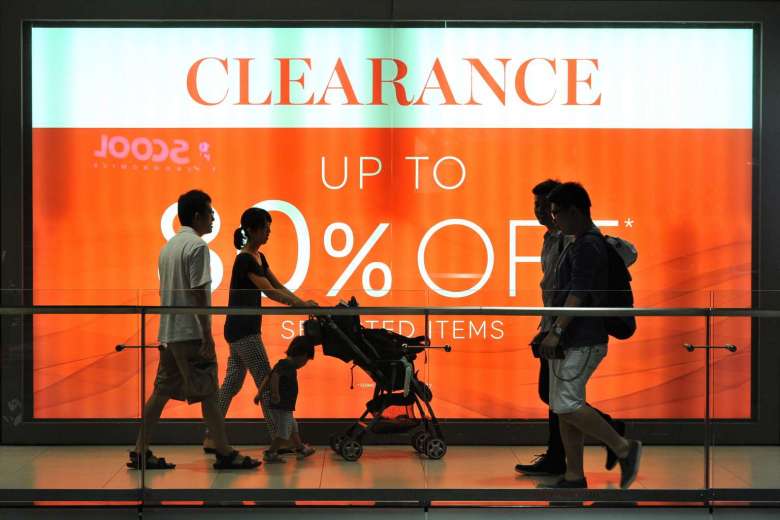
  • 10-week Great Singapore Sale starts last Friday

    10-week Great Singapore Sale starts last Friday

    The Great Singapore Sale (GSS), which starts on Friday (June 3), has been extended from eight to 10 weeks this year to cater to tourists from the region.

    And for the first time, UnionPay International cardholders will get extra perks during the sale, under a new three-year partnership between the payment network and GSS’ organiser, the Singapore Retailers Association (SRA).

    SRA said the sale, now in its 23rd year, has grown into an “all-encompassing” event with offers at both online and offline stores, ranging from fashion and dining to beauty and wellness, hotel stays, sightseeing tours and visits to attractions. The sale also stretches from Orchard Road to Marina Bay, Sentosa Harbourfront and the heartlands.

    There are no “official” participants of the GSS, as merchants do not need to formally register or sign up with SRA to take part. All merchants who offer special deals during the sale period are considered participants of GSS, said SRA.

    The extension of the sale period to 10 weeks – for the last 12 years, GSS stretched over eight weeks – is to better cater to tourists from Asia-Pacific countries whose summer holidays fall in the June to August period, said SRA’s executive director Anthony Gan.

    He added that the sale, which ends Aug 14, will still coincide with the school holidays in June and the regional peak travel seasons in July, as with previous years.

    UnionPay International also replaces MasterCard Singapore as the new official card of GSS. This means UnionPay cardholders can get exclusive privileges at over 100 retailers here during this year’s sale.

    “With a base of over 5.4 billion UnionPay cards issued worldwide and an acceptance rate of over 80 per cent at various retail, lifestyle and food and beverage establishments in Singapore, we are confident that our partnership with UnionPay International will bring substantial benefits to the GSS, participating merchants and consumers,” said Mr Gan.

    Consumers who shop at GSS stand to win a record of over $200,000, with SRA giving out $100 each – in the form of a UnionPay prepaid card loaded with the cash – to five shoppers daily, while those who pay with UnionPay cards stand to win an additional $500.

  • Ugg Asia to take on new store concept

    Ugg Asia to take on new store concept

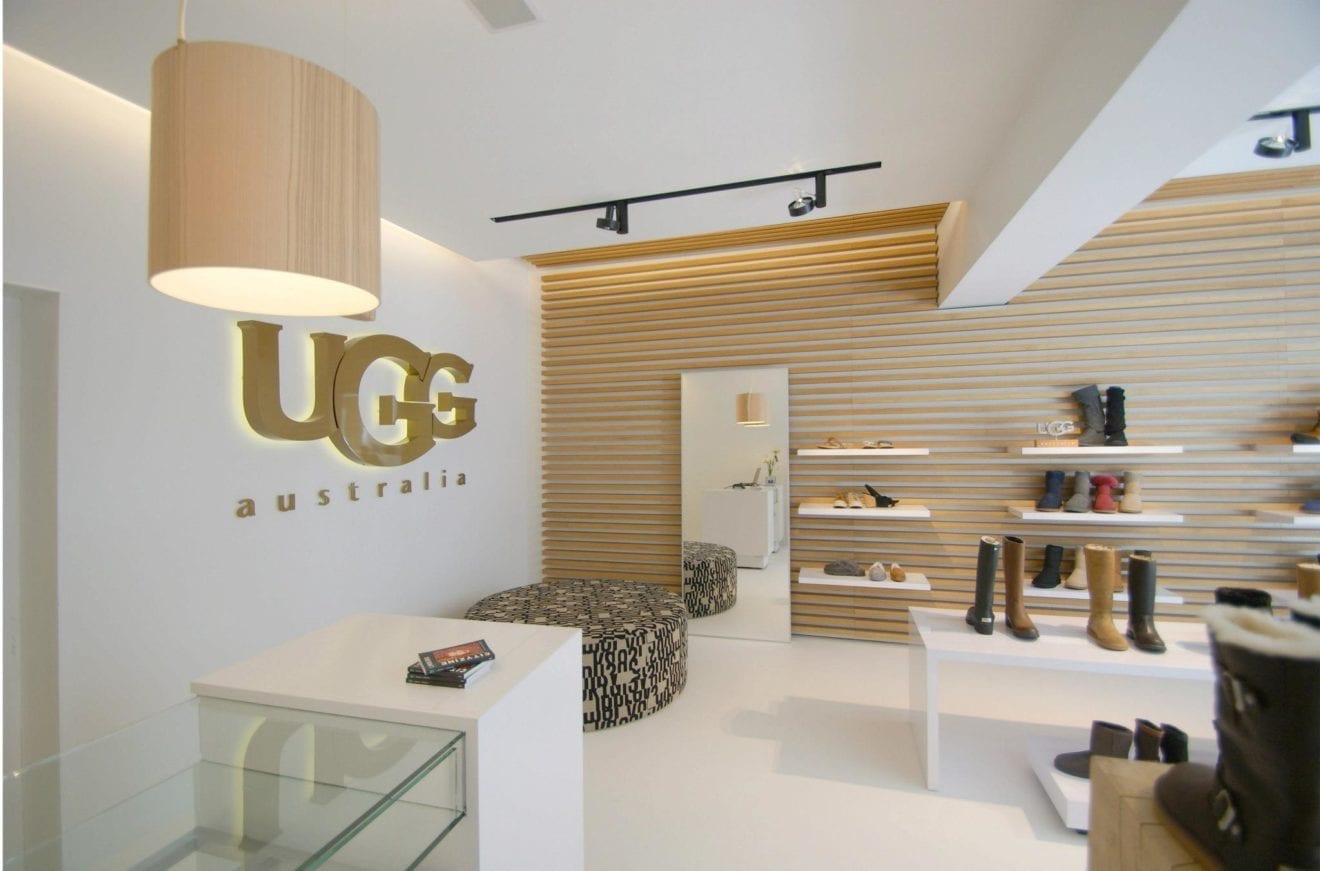
    American footwear retailer Ugg’s new global retail store concept – part of the brand’s largest re-launch in 37 years – will be introduced in Ugg Asia outlets this year.

    Coinciding with the 10th anniversary of Ugg’s New York flagship store in SoHo, the new 263 sqm retail concept store opened at Disney Springs, Walt Disney World Resort, Florida.

    The store was designed by Checkland Kindleysides to be scalable so it can fit different formats from wholesale to showroom spaces.

    The concept honours the footwear’s history, says Stefano Caroti of clothing/footwear giant Deckers Brands, which owns Ugg.

    UGG Disney Springs 1

    “The inspiration came from the Californian roots of the brand, its connections to nature and its modernist vibe – a sense of stylish living that’s both ‘off duty’ and ‘on air’,” says Checkland Kindleysides creative director Joe Evans.

    “The store offers a relaxing social environment that radiates the Ugg brand’s luxurious warmth, engages through sensorial brand storytelling and invites you to enjoy the good things in life with good people.”

    Meanwhile, the new look will roll out in Shanghai and Tokyo toward the end of this year.

  • Korean showcase for Luk Fook Holdings

    Korean showcase for Luk Fook Holdings

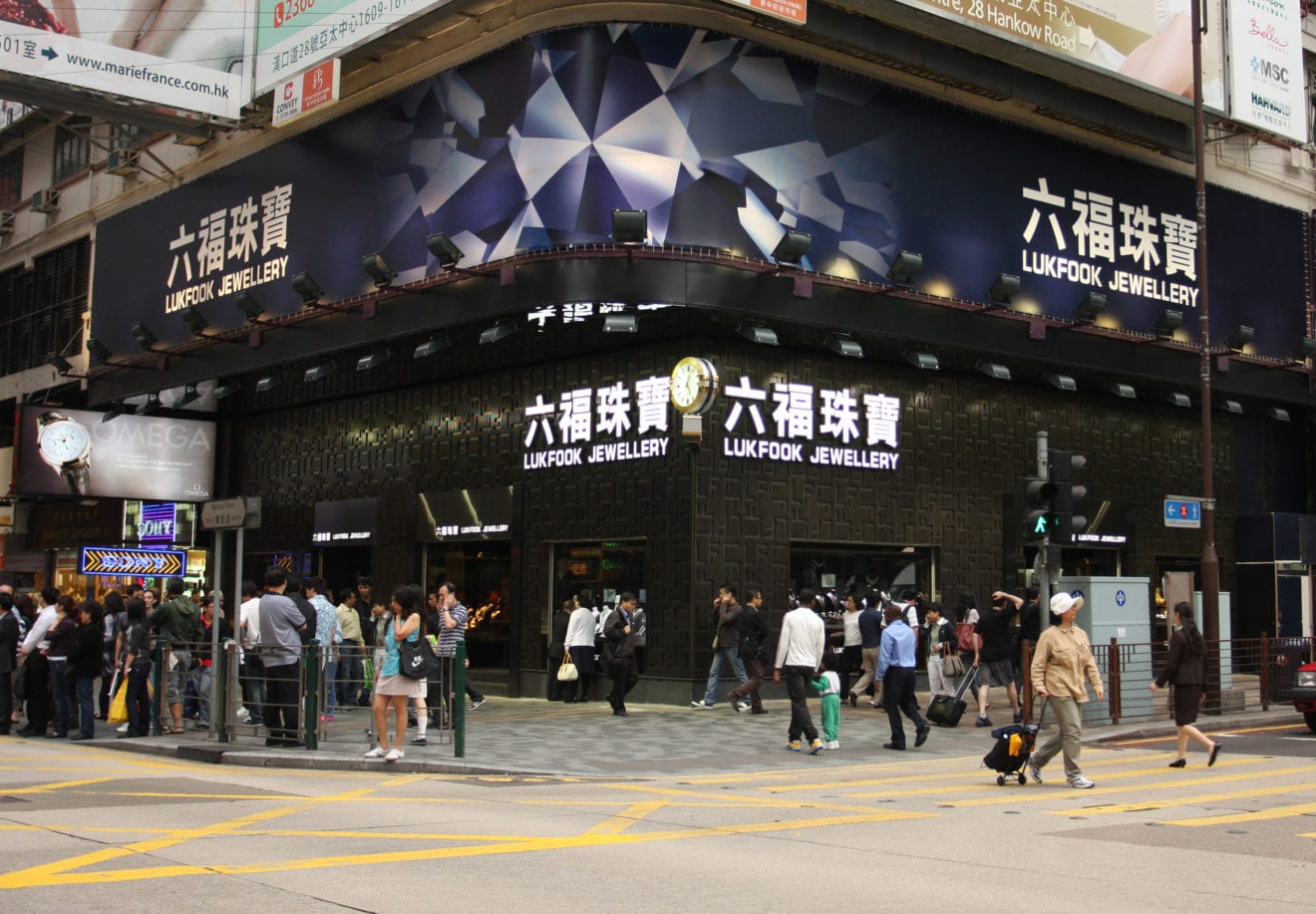
    Hong Kong jewellery group Luk Fook Holdings International has opened a retail outlet at the Shinsegae Main Store in Seoul.

    Korea’s first department store, Shinsegae opened in 1930 and has become a tourist attraction.

    Luk Fook chairman/chief executive Wong Wai Sheung says it is hoped the group’s outlet in the store will help develop overseas markets and further improve its brand recognition globally.

    Luk Fook has more than 1420 shops, in Australia, Canada, China, Hong Kong, Korea, Macau, Singapore and the US.

  • Chinese shoppers deterred by rising Japanese yen

    Chinese shoppers deterred by rising Japanese yen

    Japan is starting to lose its edge as a shopping holiday destination for Mainland Chinese.

    Mainland Chinese shoppers are likely to become increasingly discouraged by the rising value of the Japanese yen against the yuan, according to analysis by Nikkei and Nomura International.

    While the Chinese accounted for just 1 per cent of Japan’s total retail spending in 2015, the share was rising and the total Japanese retail market is huge, given the wealth of its population. By comparison, Mainland Chinese account for close to 50 per cent of retail sales in Hong Kong and 30 per cent in Macau, according to Nomura. (Those figures exclude categories like cars and fuel).

    Hong Kong luxury retail sales are down by as much as 25 per cent due to the absence of wealthy mainlanders who have chosen to visit Japan, Korea, Europe and even the US thanks to more favourable exchange rates last year. Last year 4.99 million mainlanders visited Japan, attracted by the value of the yen and relaxing of visa restrictions. The average spend per visitor rose 20 per cent.

    However the advantage Japan held is slipping as the yuan weakens against the yen. In January, 1 yuan bought 18 yen, at its peak last May it bought 20. Today it buys just 16.

    Chinese tourist spending in Japan fell 10 per cent in the first quarter, accounting now for just 0.8 per cent of the total market, according to data from Japan’s Ministry of Economy, Trade and Industry. Their spend has fallen two months in a row.

  • Michael Kors result ‘disappointing’

    Michael Kors result ‘disappointing’

    At headline level Michael Kors has ended its fiscal year on a strong note with total revenue up by 10.9 per cent, underpinned by a robust increase of 22 per cent in retail sales.

    However, most of the uplift is thanks to the fact the company opened some 142 new stores over the past year and has also expanded its online operations. When these are factored out, underlying growth is anemic – rising just 0.3 per cent over the prior year.

    Such a soft comparable number is disappointing, especially as it comes off the back of a very weak comparative in the prior year when same-store sales dropped by 5.8 per cent. Licensing revenue also shrank, down by 13.6 per cent on a year-on-year basis. That growth only came from expansionary activities rather than from underlying productivity gains shows on the bottom line where net income fell by 3.5 per cent.

    Michael Kors’ numbers are also something of a mixed bag on a regional basis. In North America, which remains the company’s biggest market, revenue rose by a respectable, but fairly modest, 4.6 per cent. Europe came in slightly stronger with a 15.6 per cent increase, but Asia was the star of the show with a 216.4 per cent increase over the prior year. This variance is no coincidence and reflects the differences in maturity of the Michael Kors brand in terms of both physical coverage and saturation levels with consumers. That said, even with the variances, Michael Kors is showing a much better growth story than many rival brands, including Coach.

    While North America remains in growth Michael Kors will struggle to boost its sales in the US over the next few years, mainly because consumer interest in the brand seems to have peaked. It is notable that Nordstrom has started to cut back on Michael Kors inventory, while a number of other department stores are offering heavy discounts on its product. This underlines the continued issues of saturation and ubiquity in the home market.

    This dynamic means it is fortunate that Michael Kors has other regions to turn to for growth, with Asia having the most potential. Here we are encouraged that Michael Kors has acquired Michael Kors (Hong Kong), which was previously a separate operation licensed to sell into China and a number of other Asian countries. This will, allow the business to ramp up the pace of expansion in the region and, over the medium term, boost earnings potential. That said, in the short term investments in new openings and marketing are likely to act as a brake on bottom line growth, as indeed will the continued impact of the strong dollar.

    Given that it will take time to ramp up growth in Asia, and that pressures at home continue, the start of the new fiscal year is likely to see a slight dip in comparable sales accompanied by a deterioration in profit.

    Longer term, the outlook is more positive as Michael Kors reaps the benefits of its growth program.

  • Digital edge for Retail Asia Expo

    Digital edge for Retail Asia Expo

    Trending technology and the fast-changing tastes and behaviours of consumers and the market will all be in the spotlight at the eighth Retail Asia Expo (RAE), the award-winning flagship industry event in Asia for retailers.

    Organised by Diversified Communications Hong Kong and at Hong Kong Convention & Exhibition Centre (HKCEC) from June 14 to 16, the event will explore such topics as B2C sales to China, mobile wallets, cloud-based retail technologies, cross-border eCommerce and ePayments, the digitisation of retail, re-platforming, proximity marketing, online retail strategy with global standards, and innovative technologies from Israel.

    Products, ideas, software and strategies will also feature in exhibits and seminars.

    For internet retailing, exhibitors will showcase advanced internet retailing technologies, back-end support software, supply-chain management technology, electronic payments, and online sales and marketing software. Providers that have confirmed their participation include Apsis, CCDI, Cegid, Intel, iSappos and Million Tech.

    Augment Paris HQ will showcase its innovative augmented reality technology, which is being developed into apps to provide a new shopping experience, while China’s online commerce giant Alibaba Group will host three seminars in the show’s new Internet Retailing Theatre.

    Rex Cheuk, head of Tmall Global – Hong Kong/Macau, Alibaba Group, will host a keynote session covering such topics as online merchant recruitment and store promotion; Thomas Chan, associate director of AliCloud International Hong Kong/Macau, Alibaba Group, will talk about integration of eCommerce and mobile shopping via the cloud platform; and Alipay senior business development manager Simon Leung will present case studies and insights into mobile wallet use.

  • CBRE Thailand: economy hits development

    CBRE Thailand: economy hits development

    Against an unfavorable economic backdrop, coupled with growing competition in the Bangkok retail market over the past couple of years, developers have been postponing projects, says property company CBRE Thailand in its retail market review for first quarter.

    Affected are mega-projects Bangkok Mall, Central M, EmSphere and Mega Rangsit.

    Instead, says the review, owners have been focusing on renovating and repositioning malls as well as selectively expanding upcountry.

    Newly completed retail supply in Bangkok has begun to slow down, with about 60,000 sqm coming onstream from nine retail developments in the first quarter. None of the projects were big scale, says the report, the largest being the Ratchadapisek Suam Lum Night Bazaar.

    Despite representing a small share of total retail sales, eCommerce has grown rapidly in Thailand over the past year, says the review, posing an up-and-coming risk to brick-and-mortar stores. This will spur growth in online shopping, forcing retail developers to create more attractions to lure consumers to their physical stores.

    “Looking forward, unless domestic demand recovers, we do not expect the delayed projects to start construction any time soon,” says the review. “With the combination of low future supply and the completion of refurbishment in major retail centres, we believe the occupancy rate will bottom out this year.

    “However, rental growth going forward is expected to be limited as competition remains fierce.”

    Meanwhile, domestic demand is still weak. The retail sales index in January, estimated by the Bank of Thailand, was at 200.7 points, increasing by only 0.02 per cent.

    Also, Thailand’s Consumer Confidence Index (CCI) dropped to 73.5 in March, the lowest level in five months, from 75.5 and 74.7 in January and February respectively.

    Thailand’s household debt level continues to be an issue at more than 80 per cent of total GDP, dragging down the spending power of consumers.

    Growing competition in the Bangkok retail market has seen several large-scale projects completed of the past year years, taking the total retail supply to 7.2 million sqm., up nearly 900,000 sqm from the figure in 2014.

    “Not all shopping centres will perform,” says the review, “and we have seen falling occupancy in some of the old or poorly managed malls.”

    First-quarter occupancy was at 92.9 per cent, down 0.3 percentage points from the previous quarter.

    Retail sales in central Bangkok have improved as international tourist numbers have grown, up about 15 per cent from last year.

  • Major Asia investment for Michael Kors

    Major Asia investment for Michael Kors

    Michael Kors has paid $500 million in cash to acquire Michael Kors HK, the exclusive licensee of the company in China and certain other jurisdictions in Asia.

    Approved by independent members of the company’s board of directors, the acquisition is subject to adjustment.

    The greater China business generated total revenue of $197 million for the year ended March 31, with a network of 91 company-run retail stores and six travel retail locations across China, Hong Kong, Macau and Taiwan.

    This fiscal year, the greater China business is expected to contribute about $200 million to retail net sales, reflecting sales for the 10-month period following the closing of the acquisition.

    Michael Kors chairman/CEO John Idol says the company is excited about acquiring its greater China licensee. “We have worked diligently over the past several years with our licensed partner in this region to build the infrastructure, establish the brand and grow acceptance of Michael Kors in the Chinese market.

    “We believe our brand is gaining strong momentum in greater China, making it the ideal time for us to integrate this territory into our business and capitalise on the enormous growth potential in this region.”
    CEO Neil Saunders of retail research agency Conlumino says the acquisition will allow the business to ramp up its pace of expansion in the region and, over the medium term, boost earnings potential.

    “It is fortunate Michael Kors has other regions to turn to for growth, with Asia having the most potential.”

    An award-winning designer of luxury accessories and ready-to-wear fashion, Michael Kors established his namesake company in 1981. Michael Kors stores can be found in Seoul and Tokyo.