Author: Mei Ling Tan

  • BRI Goes Digital for Cashless Society Program

    BRI Goes Digital for Cashless Society Program

    Bank Rakyat Indonesia (BRI) has been revamping its digital banking services as part of its “cashless society” program and in support of the central bank’s Non-Cash Payment Movement (GNNT), a senior BRI official said last week.

    BRI Consumer Director Sis Apik Wijayanto said the top small-business lender intends to reduce cash to a minimum for every transaction.

    “This is the digital era, tech support is crucial. The goal is to improve payment efficiency and offer customers  the utmost convenience,” Sis said.

  • Jakarta Fair 2016 begins June 10, will coincide with Ramadan

    Jakarta Fair 2016 begins June 10, will coincide with Ramadan

    The Jakarta Fair, an festival and exhibition, will be held at JIExpo Kemayoran from June 10 to July 17, coinciding with Ramadan, the fasting month and Eid.

    “Jakarta Fair coincides with fasting month and the Eid break, something that happens once every 3 years. It opens many opportunities for all the businessmen involved,” said PT JIExpo Marketing Director, Ralph Scheunemann, during a press conference in Jakarta on Monday.

    The exhibition that will be opened by President Joko Widodo has a target to attract 5 million visitors and at least Rp5 trillion in transaction value within 38 days of execution.

    Being organized under the slogan, “Lets celebrate Eid together at Jakarta Fair,” the organizers hope that the event offers an alternative to those wishing to spend their Eid holiday away from the usual tourism destinations in Jakarta.

    Even though most residents from the capital city will be going back to their hometowns during Eid, PT JIExpo organizers were confident that visitors number would not fall.

    “Only about 30 percent of the residents are expected to return home, which means approximately 5-6 million people will remain in the city from among its 9 million residents,” explained Ralph.

    Also, many people residing elsewhere are most likely to return to Jakarta.

    This year, the organizers are also preparing new rides, such as an ice skating rink, a snow playground and a vicious prison.

    The Jakarta Fair will open its doors everyday during Ramadan from 3.30 PM to 10 PM, Monday through Friday, and 10 AM to 11 PM on Saturdays and Sundays.

    Visitors will be able to enjoy the festivities at the Jakarta Fair 2016 by paying an admission fee of 20,000 rupiah on Mondays, 25,000 rupiah Tuesday through Thursday, and 30,000 rupiah Friday through Sunday and on national holidays.

  • Caffe Bene Korea losses soar

    Caffe Bene Korea losses soar

    Beancounting has taken a turn for the worse for Caffe Bene Korea, which has just reported a net loss of US$30 million.

    The coffee shop chain’s turnover was $97 million, according to a corrected annual report filed with South Korea’s Financial Supervisory Service. This was down from $122.5 million the previous financial year, when the net loss was $7.1 million.

    It has been three years since the company turned a profit.

    The chain – which specialises in iced desserts as well as hot and cold coffees – has culled its Mainland China network from 600 stores back to 400 during the last two years. It has apparently failed to find a partner with which to enter the Hong Kong market.

    For the quarter ending March 31, Caffe Bene had $15.6 million in sales, down from $23.7 million for the same period last year.

    According to the company’s latest count in April, its Korean outlets have fallen to 850, from a 912 peak two years ago. It is competing against about 30 coffee chains in Korea.

    “Too many menu items brought considerable operational burden to each outlet store,” says deputy-GM for Korea Jong Wook Kim. “To resolve this issue, Caffe Bene is reducing the number of items and focusing on what customers prefer most.”

    Founder Kim Sun-Kwon’s stake in Caffe Bene has dwindled from nearly 50 per cent to 4 per cent, and last year he stepped down as CEO in favour of Choi Seung-Woo, a former chief of Woongjin Food. In March, Kim was out as president.

    Meanwhile, Korean investment firm K3 Equity Partners converted enough preferred shares to take a 52 per cent stake in Caffe Bene, and in March, Hallyu Ventures – a joint venture between Singapore’s Food Empire and Indonesian conglomerate Salim Group – paid $13 million for an initial 38 per cent interest.

    Units worldwide, including a claimed presence in seven Southeast Asian markets, including the Philippines where it operates five stores after landing in 2008, and in Vietnam, stand at 1364, down from 1560 two years ago.

    Caffe Bene has also had a roasting in the US, where it has been the subject of several lawsuits by franchisees.

  • Demand for cash expected to rise during Ramadan

    Demand for cash expected to rise during Ramadan

    Demand for cash in Indonesia is expected to rise by 14.5 percent to Rp160.5 trillion during Ramadan and post-fasting holiday of Lebaran this year, a central bank official said here on Monday.

    “There are several factors that would make cash demand to increase this year,” Bank Indonesias executive director for money circulation management, Suhaedi, said.

    The forecast for the cash demand growth of 14.5 percent this year is in line with the trend in the growth of money in circulation in the community in the Ramadan-Lebaran period which has always increased by 14 percent every year for the past nine years, he said.

    Suhaedi said he predicted demand for cash would increase because of economic recovery, the disbursement of the 13th and 14th salaries of civil servants, police and military members and a longer period of the Lebaran holiday which this year will happen in concurrence with the school holiday.

    He said the central bank has prepared Rp160.5 trillion to meet the need of cash money and spread its supply across BI branches in the provinces.

    “Almost 100 percent of the cash money are newly printed bills,” he said.

    Bank Indonesia would send 26 of the money supply to Jakarta, 33 percent to Java, 20 percent to Sumatra, 7 percent to Kalimantan and 11 percent to Sulawesi, Maluku, Papua, Bali and Nusa Tenggara.

    Starting today Bank Indonesia Jakarta started opening service for people wishing to exchange their money for the new bills at the National Monument square in Central Jakarta.

    On June 10, 20 banks would help Bank Indonesia in carrying out the service at the square.

    “Besides Monas (National Monument) 200 branches of banks in Jakarta will also open the service,” he said.

    Bank Indonesias executive director for payment system Bramudija Hadinoto said during Ramadan especially from June 6 to July 1 the operational hours for non-cash payment system would not change.

    On July 4, however Bank Indonesia would only conduct limited operations for transfer of clearing funds.

    “It is limited because no debt clearing is to be carried out especially in Jakarta, Surabaya, Medang and Bandung while other cities it still continues,” he said.

    Regarding real time gross settlements (RTGS) he said Bank Indonesia would impose a new rule as of July 1, 2016 in which it would reduce the limit of the nominal value of RTGS from Rp500 million and over per instruction to over Rp100 million per instruction.

  • SC VivoCity Vietnam ‘trading well’

    SC VivoCity Vietnam ‘trading well’

    Singapore’s Mapletree has revealed how its SC VivoCity joint venture in Ho Chi Minh City is performing.

    The shopping centre, built in the heart of District 7, a area popular with expats from Korea and Singapore especially, opened in April 2015.

    In its recent annual results presentation, Mapletree said almost 90 per cent of SC VivoCity’s 440,000 sqft retail trading space was leased by March 31 this year. Cornerstone tenants include Vietnam’s first Hamleys toy store.

    Mapletree said its first shopping mall in Vietnam “has been enjoying strong footfalls since it first welcomed visitors”.

    SC VivoCity is the first phase of Saigon South Place, a 4.4-ha integrated mixed-use development project that Mapletree is developing in District 7. When completed, Saigon South Place will comprise retail, office, serviced apartments and residential space.

    Construction of the adjoining office complex has started and is expected to be completed by end 2016, while work on the serviced apartments and residential block will commence soon and both buildings are scheduled for completion by end 2017, Mapletree said.

    SC VivoCity is a joint venture between local company Saigon Co Op Investment Co, a supermarket operator, and Mapletree, bearing the same brand as the award winning VivoCity centre on Singapore’s waterfront.

  • Suning-Inter Milan is just a beginning of a Giant Dream

    Suning-Inter Milan is just a beginning of a Giant Dream

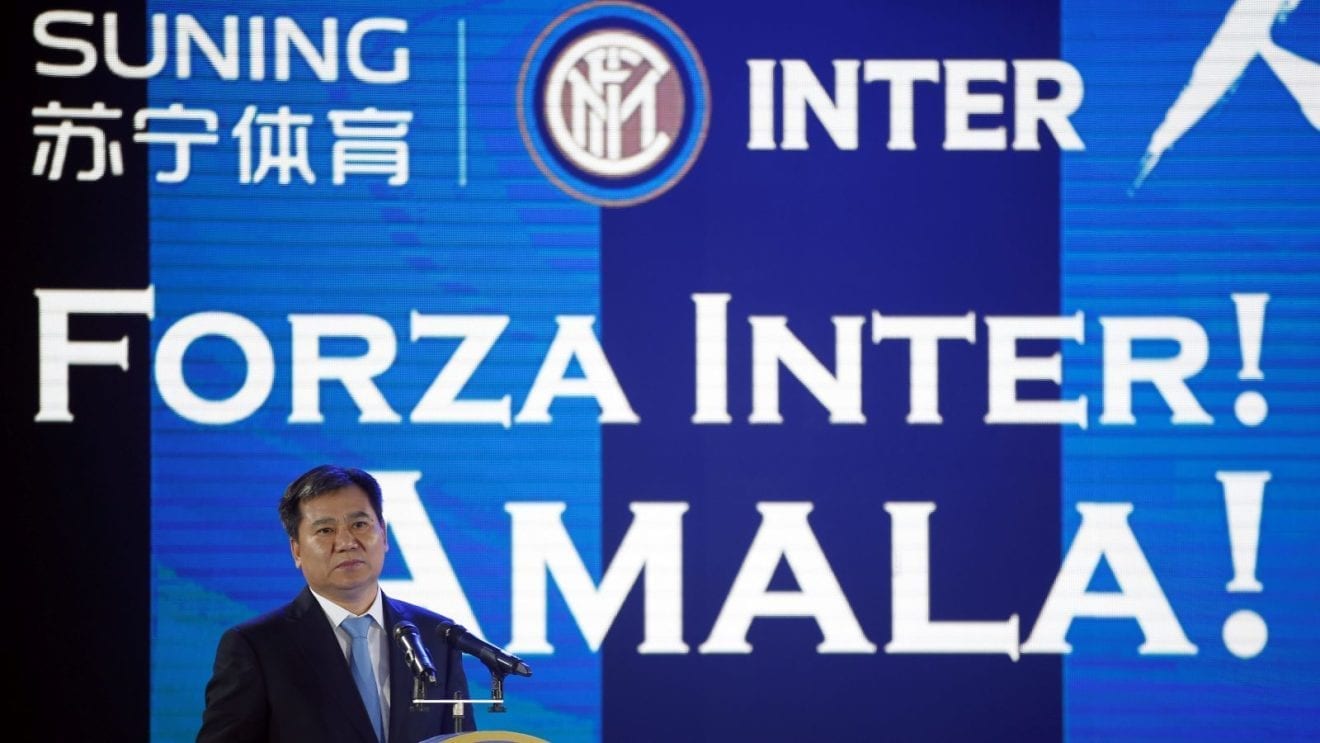
    The new Suning-Inter Milan deal marks just the first step in a far greater ambition for Chinese retail giant Suning, which plans to run a global sports empire including online broadcasting.

    Suning and Inter Milan are scheduled to make an announcement in Nanjing today, confirming the retailer will buy a majority stake in the soccer club. However, Reuters reports that Suning is seeking deals to help create a global sporting “ecosystem”, including not only club ownership, but sports media rights, player agencies, training institutions, broadcast platforms, content production and sports-related eCommerce.

    Having a majority stake in Inter Milan would make Suning the first mainland Chinese business to control a major European soccer entity. With annual revenues exceeding US$20 billion, Suning already owns local soccer club Jiangsu Suning and has spent millions of dollars bringing in players including Brazil’s Alex Teixeira and former Chelsea midfielder Ramires.

    It also has ties with Spanish champion FC Barcelona and England’s Liverpool FC, and has a stake in Chinese online content platform PPTV.

    Suning’s moves are echoed by other Chinese investors who have taken minority stakes in England’s Manchester City, Spain’s Atletico Madrid and New York City FC. Spanish club Espanyol and England’s Aston Villa are Chinese-owned, while Inter Milan rival AC Milan is discussing the sale of a majority stake to a group of Chinese investors.

    Inter Milan is currently owned by Indonesian tycoon Erick Thohir, while former owner Massimo Moratti retains a nearly 30 per cent stake.

  • Malaysia’s KFit buys Groupon Indonesia

    Malaysia’s KFit buys Groupon Indonesia

    Groupon Indonesia will become a wholly-owned subsidiary of KFit and Groupon Inc will be a strategic shareholder of KFit. The terms of the deal have not been disclosed.

    A report in the Chicago Tribune said Groupon announced the sale on Monday, the latest step in its ongoing shedding of international markets.

    Chicago-based Groupon, which operates in 26 countries, has exited several international markets since 2015 in favour of building up its North American business.

    KFit founder and Chief Executive Officer Joel Neoh is the founder of Groupon Malaysia. He later headed Groupon’s Asia-Pacific business.

    KFit gained popularity by offering unlimited access to gyms and fitness studios for a fixed monthly fee in Asia. It offers users the chance to book fitness classes at different locations through one app.

    The deal should close in the third quarter of 2016, KFit said in a press release, adding that Groupon Indonesia has more than one million subscribers and more than 15,000 local merchants. Groupon Indonesia will continue to function as usual, the release said.

    A report in Techinasia said, in February, KFit added more categories such as massages and beauty salons to its offering, an indication that the startup needed to add more revenue streams to its core product.

    A month later, KFit also tweaked its model, limiting membership to 10 activities per month, for the same rate.

    Neoh said: “While KFit will continue to focus on health and fitness services, this presents a strategic direction for us to enhance and broaden our offerings. In the long run, this acquisition will provide us with a strong platform for growth in Southeast Asia.”

  • Global telcos eye stake in Vietnam’s Mobifone

    Global telcos eye stake in Vietnam’s Mobifone

    A number of international telecoms operators have reportedly expressed an interest in participating in the privatization of Vietnamese state-owned operator Mobifone.

    Companies including Norway’s Telenor, Sweden’s Comviq and Australia’s Telstra have shown interest in acquiring stakes in the company.

    Mobifone has an estimated brand value of $539 million. Plans for the privatization of the company have been in consideration since 2005 but the process has been repeatedly delayed.

    Now the government is pushing to complete the process in 2016-2017 as part of a push to hasten the privatization of state-owned enterprises.

    Australia’s Telstra could be a key partner for the operator. Telstra had previously been involved in the Vietnamese market as part of a partnership with Viet Nam Post and Communications, but exited the market in 2003. Now the operator is looking to return to the market by participating in the privatization of Vietnam’s telecom enterprises.

    Comviq is meanwhile a former partner to Mobifone and so it also has history in the market, while Telenor has been aggressively pursuing Asian expansion.

  • PCCW’s Viu debuts in Indonesia

    PCCW’s Viu debuts in Indonesia

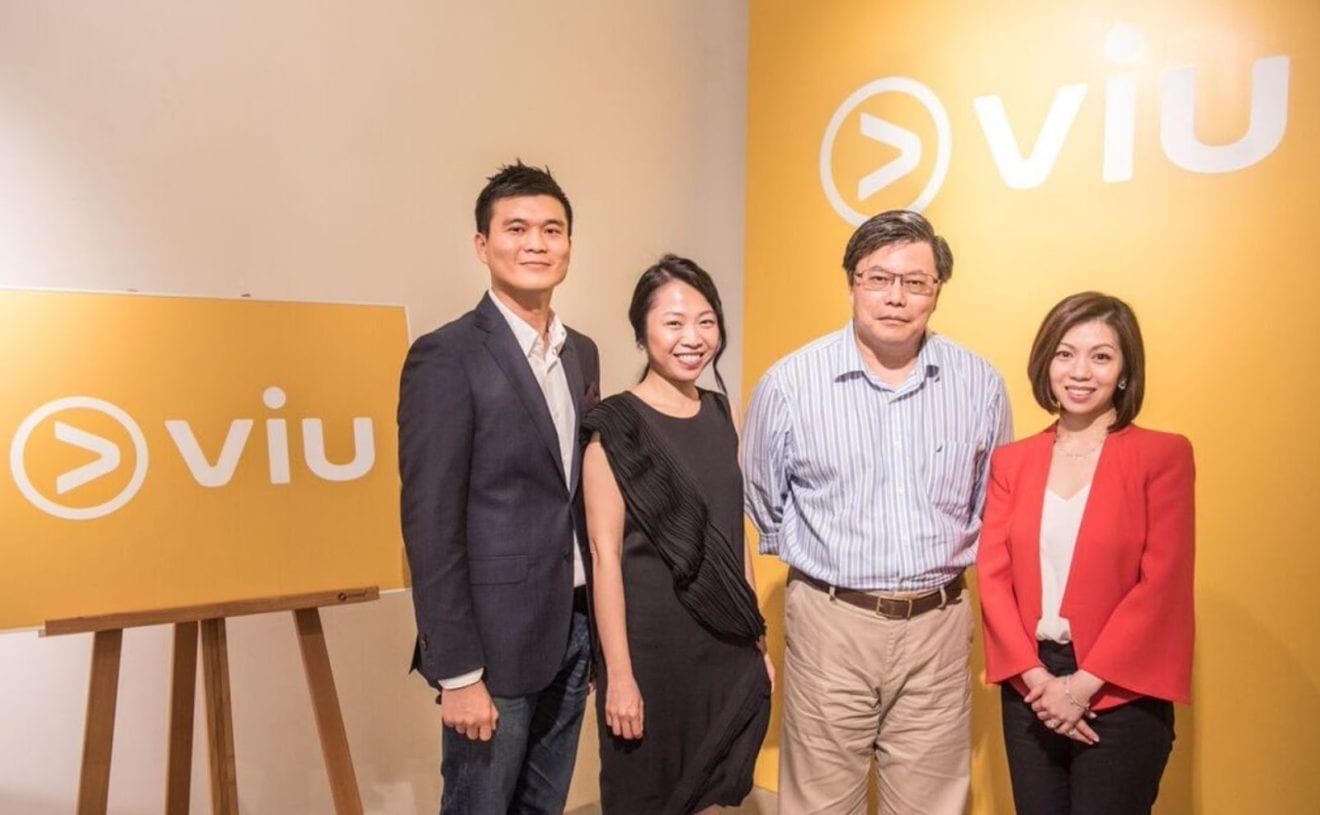
    Vuclip, a PCCW Media company launched in Indonesia the over-the-top (OTT) video-on-demand (VOD) service Viu, which has already rolled out in Malaysia, India, Hong Kong and Singapore.

    To amplify its efforts to deliver throughout Indonesia, Vuclip has entered into strategic partnerships with IndiHome Fiber, Telkomsel and Samsung.

    These partnerships enable Viu subscribers to experience content that is delivered “at the fastest speeds, through the most reliable networks, on a variety of devices, at the most competitive rates available.”

    For IndiHome Fiber-to-the-Home (FTH) subscribers, Viu content will be delivered through Telkom’s bundled speed plans on the FTH network.

    Telkomsel and Vuclip have strategically partnered for Indonesians to enjoy Viu content through Telkomsel broadband networks, and special bundled data package pricing for consumers.

    Through Viu’s exclusive device partnership with Samsung, Samsung Galaxy users with select smartphones and tablets can access all Viu content when they activate the “Viu partner offer” via their Samsung Galaxy devices.

    “Mobile devices have driven internet growth in Indonesia. The number of Samsung Galaxy users who enjoy video streaming has also shown significant growth,” said Denny Galant, head of product marketing at Samsung Electronics Indonesia.

    Through our partnership, our Samsung Galaxy users with selected Samsung Galaxy models will be pampered with the latest Asian serials and other unlimited contents for 12 months,” said Galant.

  • Voot picks Ooyala to deliver ads

    Voot picks Ooyala to deliver ads

    Ooyala is now the ad delivery provider for Voot, a new over-the-top (OTT) service from Viacom18, a joint venture between Viacom and the Network18 Group.

    The company is using Ooyala Pulse to manage and deliver video ad campaigns across its new mobile app and desktop experience.

    By moving its entire video library, including content from COLORS, MTV and Nickelodeon, to its new OTT service, Viacom18 now has a unified digital destination for the 100-million-plus viewers currently on its traditional channels.

    Voot is now the exclusive online destination for the network’s content, with a more personalized and engaging experience. It will also have the largest library of premium kids content in India along with a wide range of original series and films that Voot will create.

    With Ooyala Pulse, Viacom18 has a single platform to sell, manage and deliver ad campaigns across its entire inventory.

    Voot can use Ooyala Pulse to tailor ad campaigns with granular functionality, supporting all industry-standard ad formats as well as ad placements. With forecasting analytics pre-built into Ooyala Pulse, the customer can see in real-time the current status of all ad campaigns, adjusting details as needed to ensure goals are met.

    “As OTT offerings gain traction in India, it’s vital that content providers keep personalization in mind, tailoring services to their viewers, while maintaining a clear monetization strategy,” said Keith Budge, Ooyala VP and general manager of Asia Pacific.

  • 1 in 3 POS terminals to be mobile by 2021

    1 in 3 POS terminals to be mobile by 2021

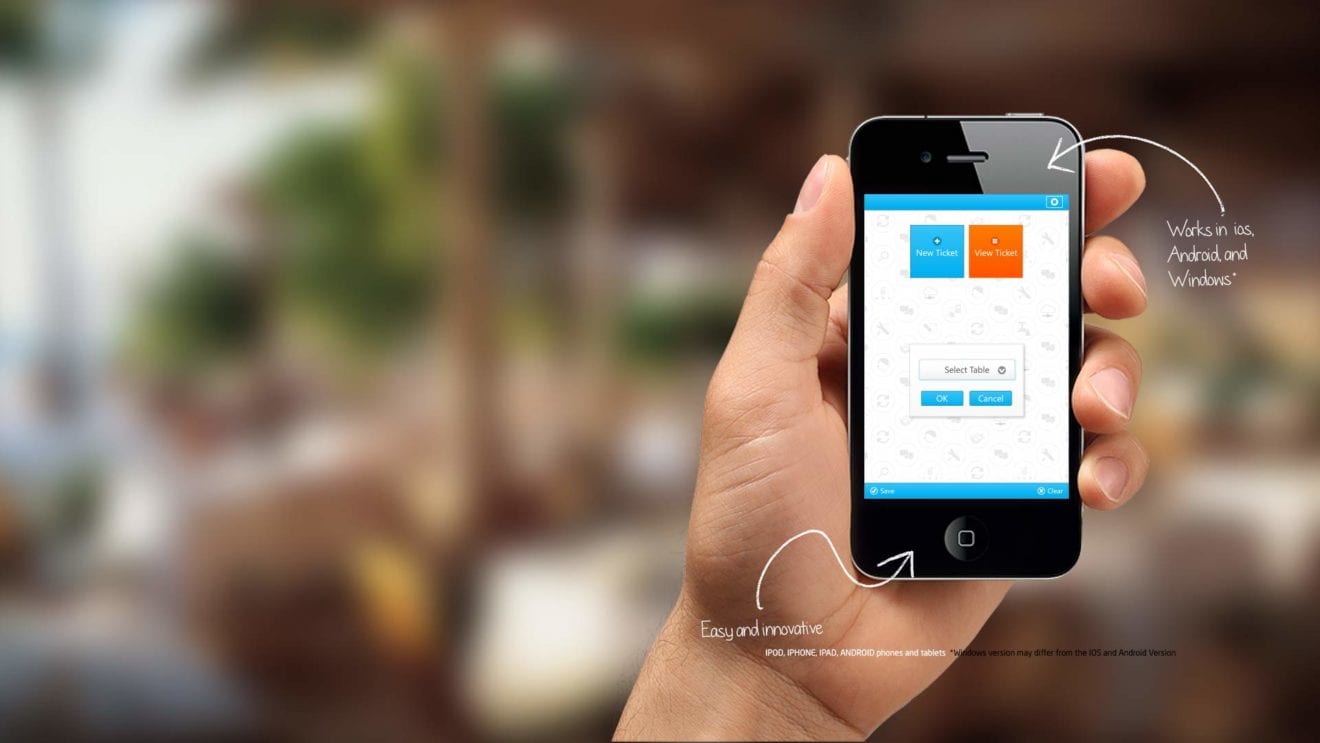
    Smartphone and tablet-based mobile point-of sale (POS) terminals will handle 40% of all retail transaction value by 2021, up from an expected 12% in 2016, a new study from Juniper Research showed.

    The research firm forecasts that the use of mPOS systems will account for more than 1 in 3 POS terminals by 2021, driven by larger retailers adopting mPOS as part of an array of point-of-sale options.

    The new research, “Worldwide mPOS Markets: Devices, Technologies & Growth Opportunities 2016-2021,” found that mPOS will enable retailers to ‘queue bust’ in stores, reducing lines and developing more targeted and situational campaigns as well as offering automatic ordering systems in restaurants.

    “We are seeing several vendors tailor their software to the needs of specific industries, integrating mPOS capabilities as part of broader cloud-based business software,” commented research author James Moar.

    “These additional services can then make use of the sales data directly to manage inventory, monitor staff performance and other functions, which can all add more value to a business and justify a higher margin.”

    The research has also found that mPOS is enabling smaller merchants in emerging markets, particularly across India, Southeast Asia and Latin America, to accept card payments and grow their businesses. Much of the growth in these regions being supplied mostly by local vendors, such as Banamex, Digio, PagSeguroand

  • Telenor launches digital health service in Bangladesh

    Telenor launches digital health service in Bangladesh

    Telenor Health, the digital health unit of the Telenor Group, has introduced a digital health service in Bangladesh.

    The company’s first digital offering, Tonic, is a mobile-based integrated digital service that includes: Tonic Jibon (life), the first Bengali-language services that provides free science-backed information on how to build a healthier and happier life; Tonic Daktar (doctor), which enables members to access medical advice on basic health topics via phone 24 hours a day; Tonic Discounts, which offers exclusive discounts up to 40% on key services at more than 50 popular hospitals across Bangladesh; and Tonic Cash, which provides members compensation if they have been hospitalized for three consecutive nights or more, paid directly to a member’s mobile banking wallet.

    Telenor said the service is being offered in the first phase exclusively to its 57 million Grameenphone customers.

    Bangladesh Health Minister Mohammad Nasim and State Minister of Posts & Telecommunication Tarana Halim attended the official launch in Dhaka.

    “Harnessing technology in order to address basic health challenges is an area of growing interest for Telenor, especially in countries like Bangladesh,” said Sigve Brekke, President and CEO of Telenor Group.

    Telenor has been present in the country since 1997 and now serves more than 185 million customers across Asia. The company established Telenor Health to scale Tonic and other digital health services to other markets upon success in Bangladesh.

  • SmarTone launches cyber security suite

    SmarTone launches cyber security suite

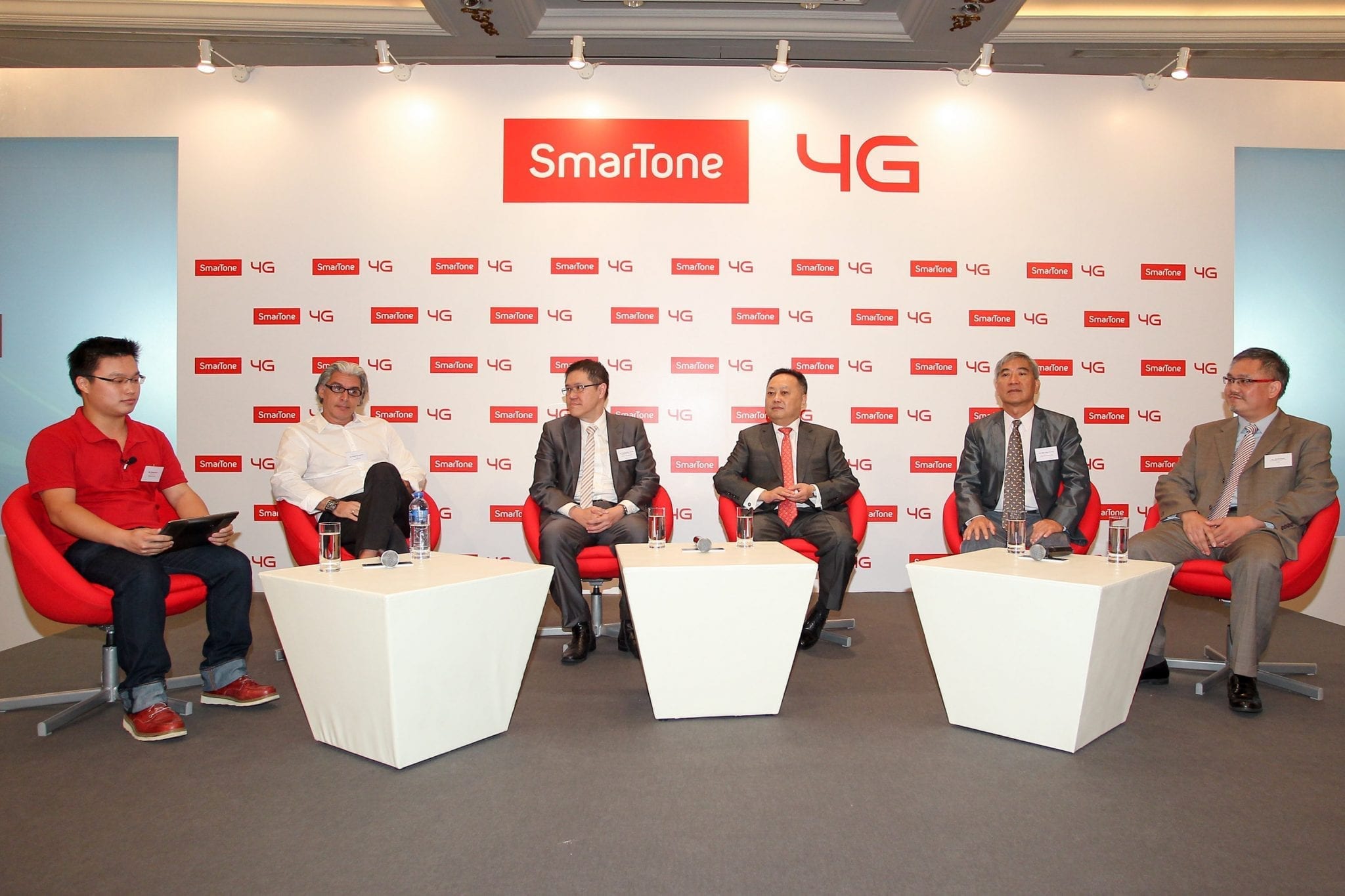
    Hong Kong operator SmarTone has launched ST Protect, an anti-cyberattack software with on-device AI and a Machine Learning behavioral engine designed to protect smartphones from known and even unknown threats.

    Cyberattacks have rocketed in recent years. In Hong Kong, there was an 86% increase in the number of security issues related to mobile devices in 2015 compared to the previous year. Globally, more than 87% of the top mobile apps have been hacked.

    Stephen Chau, SmarTone’s interim CEO, said the new product is design to help their customers to “actively combat” mobile security threats.

    “Recently we have observed the increasing trend of mobile threats and cyberattacks around the world as well as in Hong Kong, with WiFi attacks, viruses and malware continuing to become more prevalent,” he noted. “In many cases, these mobile security issues could lead to severe consequences for smartphone users – from financial loss to the exposure of their private data or personal communications to the public, and even ID theft. There is a pressing need for smartphone users to protect their phones.”

    ST Protect is powered by Zimperium, a US-based security and technology company that has invented the world’s first mobile AI intrusion prevention system. It provides continuous and real-time protection to smartphones against the following mobile threats.

    WiFi attacks and hacking, especially Man-in-the-middle (MITM) attacks, no matter whether users are in Hong Kong or overseas: ST Protect alerts users to immediately terminate unsafe WiFi connections if threats are found.

    ST Protect detects and stops abnormal app activities with patented behavioral analytics, and ensures apps only access permitted information. It also offers protection for known and unknown threats and even zero-day attacks. It also alerts users when their smartphone is under attack.

  • M1 launches carrier billing for BES12

    M1 launches carrier billing for BES12

    Singapore’s M1 has become the first operator in Southeast Asia to offer BlackBerry’s BES12 Cloud bundled with new or renewed business mobile plans.

    The operator is the first in the region to take advantage of BlackBerry’s Enhanced SIM-Based Licensing, which offers multi-OS support from a single console, including for personal and company-issued devices.

    The platform supports remote provisioning of corporate applications and the setting of usage rights over the portal.

    M1 will also offer upgrade options including more advanced EMM features, billed via a monthly subscription model using carrier billing.

    “M1 is pleased to be the first in Southeast Asia to bring the benefits of BES12 to customers with easy deployment through Cloud,” the company’s chief product development and corporate solutions officer Willis Sim said.

    “This partnership with BlackBerry simplifies the way customers buy and use mobility, driving efficiencies and ultimately helps businesses enhance the way they service their own customers.”

    Operators including Vodafone India, Taiwan’s Chunghwa Telecom, Malaysia’s Maxis and Celcom Axiata agreed to support carrier billing for BES12 last year.

  • McLaren leads new British entrants to PH

    McLaren leads new British entrants to PH


    McLaren sportscar (Photo: McLaren)

    McLaren sportscar (Photo: McLaren)

    McLaren, a British manufacturer of luxury, super high-end sports cars, is set to enter the Philippine market, completing the presence of all British car brands in the country while a huge British manufacturer will announce its huge entry into the Philippines next month.

    British Ambassador Asif Ahmad told reporters that McLaren officials came here recently to talk to 3 local car distributors, who could be potential exclusive distributor of the motor racing vehicles.

    According to Asif, he wrote to McLaren telling them they are the only UK car brand missing in the Philippines.

    “All the top brands including Bentley, Jaguar, Rolls-Royce are all here except you. So they come here and talk to potential distributors for exclusive distributorship deals,” he said.

    He hopes McLaren, which produces high end cars but more down to earth cars, would be able to set up local distributorship within the year.

    Asif believes there is a market for McLaren in the Philippines because Filipinos are not just buying one type of brand. Car sales in the country has been expanding robustly. In the first quarter this year, car sales went up — percent to —- units compared to the same period last year.

    McLaren, which leverages its successes in the Formula 1 and technology that promotes car racing, will all be imported from UK.

    McLaren’s retail network has also expanded bringing the total number of McLaren retailers to 71 across more than 30 countries. Growth was recorded across all four of the McLaren regional business units with Asia-Pacific seeing the biggest change with 11 new retail locations opening across the region, resulting in an 80 per cent rise in sales in 2014.

    North America remains the largest market for McLaren accounting for more than 30 per cent of sales, while Europe and the Middle East grew year-on-year by 10 percent and nine per cent respectively.

    Aside from McLaren, Asif also mentioned that a major high-tech British manufacturer will announce its huge investment in the Philippines in the first week of July, next month.

    The company, which Asif refused to identify, will bring in huge investment to establish a manufacturing operation in Batangas, which will be its second overseas manufacturing site. It is engaged in high-tech domestic electrical equipment and leading edge appliances like washing machines and dryers. Its brand is already being sold locally.

    Under the plan, the company will operate in the country in three ways. It will put up its own head office, establish a very high-tech manufacturing unit, and a third party contract  local contract manufacturer.

    “Combine all those together, it’s a hybrid. Three operations in one project,” he said.

    The company, which has chosen the Philippines over Mexico, has already talked with Lilia De Lima, director general of the Philippine Economic Zone Authority.

    “This is a huge boost for the Philippine jobs,” he said adding that its one plant in Asia has created 30,000 jobs.

    “They have chosen the Philippines because of the talented pool of people. In Batangas, they don’t have problem in power supply and they have local port if they want to avoid sending things in Manila,” he said. One thing, he said, the company also cited the Philippines strong protection for intellectual property rights.

    He cited the improving buying power of Filipinos to be able to afford top-end products and brands.

    In addition, Asif expects more British engineering firms to participate in the huge infrastructure projects of the government.

    The British Chamber is also lobbying for the government to open up the education sector to allow British universities to open schools in the country.