Author: Mei Ling Tan

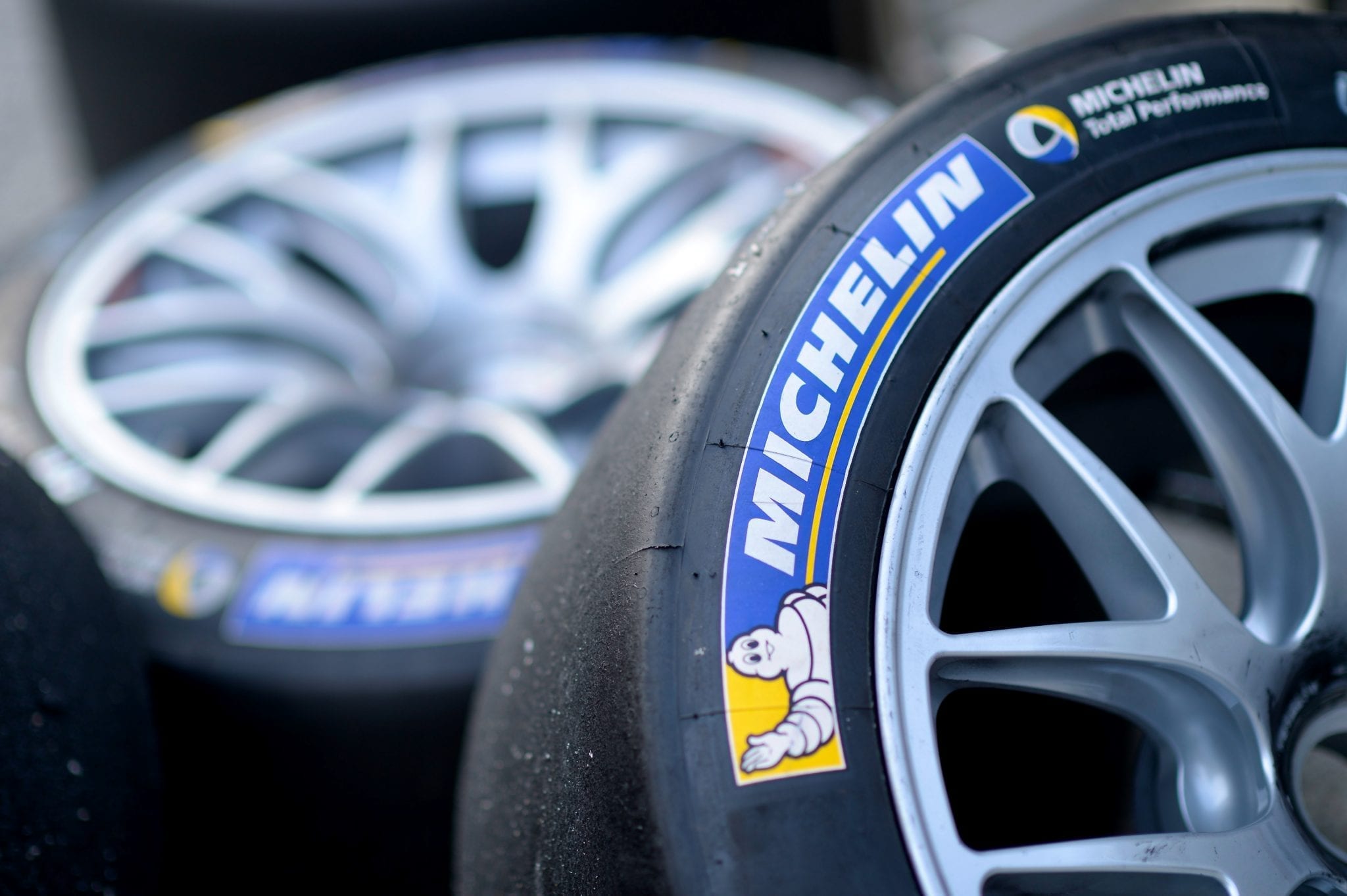
  • Michelin plans 20% increase in tyre sales by 2020

    Michelin plans 20% increase in tyre sales by 2020

    Michelin said ahead of an investor day on Monday that it aims to increase tyre sales by 20 percent by 2020, pledging to outpace the growth of the market.

    The group also said it aimed to double services and solutions revenue to 2 billion euros ($2.27 billion) over the same time period.

  • TomTom wins deal to provide Volvo Cars with maps, data

    TomTom wins deal to provide Volvo Cars with maps, data

    TomTom, the Dutch navigation company, said on Wednesday it had won a contract to provide Volvo Cars with real-time maps and traffic data for its vehicles.

    Terms were not disclosed, but the contract is a major win for TomTom, which competes with Google Maps and HERE, the former Nokia unit now owned by Audi, BMW and Daimler.

    TomTom, once known mostly for dashboard-mounted GPS systems, has won a string of contracts for its mapping technology, which it believes will play an important role as car driving becomes increasingly automated.

    Other TomTom customers include Volkswagen, Uber and Apple.

    TomTom’s shares are down more than 30 percent so far this year, declining sharply during the January market sell-off and again in February after issuing a forecast for 5 percent sales growth in 2016 that fell short of market expectations.

  • Dtac plans major prepaid brand revamp

    Dtac plans major prepaid brand revamp

    Thailand’s Dtac has announced a major prepaid brand revamp and introduced new promotional tariff plans as  part of efforts to attract at least 1 million digital consumers to its prepaid subscriber base.

    As part of the revamp, Dtac will replace its Happy prepaid brand as it moves to bring all its prepaid brands under the Dtac umbrella.

    The operator has allocated 200 million baht ($5.7 million) this year towards marketing the Dtac prepaid brand.

    Dtac has also introduced plans offering unlimited internet access and free calls within Dtac networks for 29 baht ($0.83) per day.

    Prepaid customers will also be offered free YouTube streaming from midnight to 8am and 24 hour music streaming.

    Around 80% of Dtac’s 25.5 million subscribers are prepaid customers, with the wide majority using the operator’s 3G network, statistics provided by the company show. Around 68% of Dtac’s prepaid customers own a smartphone.

  • Ford expands recall of vehicles with defective Takata airbags

    Ford expands recall of vehicles with defective Takata airbags

    Ford Motor said it would recall about 1.9 million vehicles fitted with defective airbag inflators made by Japan’s Takata, in North America.

    Ford said on Wednesday that the affected vehicles include 2007-2010 Edge, 2006-2011 Fusion, 2005-2011 Mustang, 2007-2011 Ranger, 2007-2010 Lincoln MKX and 2006-2011 Lincoln MKZ, Zephyr and Mercury Milan.

  • Chow Tai Fook takes it slow in China after profit slump

    Chow Tai Fook takes it slow in China after profit slump

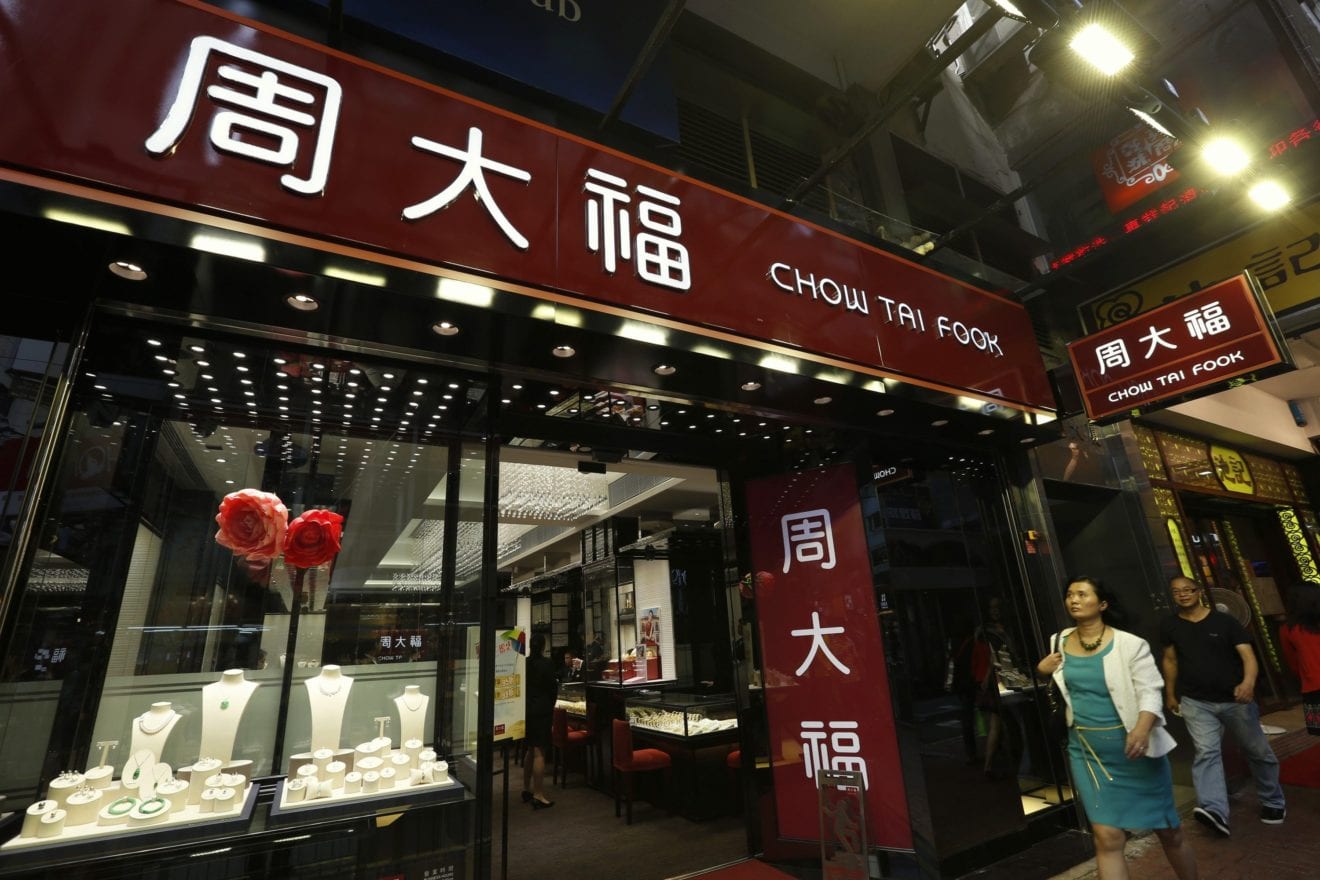
    Chow Tai Fook Jewellery Group, the world’s largest listed jewelry chain, will be more “selective” in expanding in mainland China, after it posted on Tuesday the steepest decline in full-year profit since it listed locally due to the economic slowdown.

    Listed in 2011, the jeweler saw its net profit plunge 46% to 2.94 billion Hong Kong dollars ($379 million) for the 12 months ended in March, in line with its profit warning issued on May 12. Full-year revenue fell 12% to HK$56.59 billion from a year ago. Its mainland business contributed more than half of its revenue.

    “The market is still subject to short-term volatility,” said Chairman Henry Cheng Kar-shun, son of Hong Kong billionaire Cheng Yu-tung whose business empire includes developer New World Development and transport companies. “But we are cautiously optimistic about the long-term growth prospects in the greater China market.”

    Chow Tai Fook’s retail network expanded to 2,300 points of sales in mainland China, Hong Kong, Macau, Taiwan and South Korea as of end-March, with a net addition of 62 from a year ago. Managing Director Kent Wong Siu-kee told reporters that net store openings will be similar to last year, but a majority of them will be in third- and fourth-tier Chinese cities, citing lower business costs there.

    The group will shut down seven to eight stores in Hong Kong and Macau to cut cost, although it does not have large-scale layoff plans this year. Last year, it lost about 9% of its staff in Hong Kong and 6% in mainland China. “The pie [of luxury retail] is so much smaller than before,” said Cheng, but added that the retail downturn was cyclical rather than structural.

    Hong Kong retailers still face challenges as sales fell for the 14th consecutive month in April, with a dwindling number of tourists from mainland China. Sales of jewelry and watches fell 16.6%, according to official statistics, although the decline has narrowed.

    Michael Cheng, Asia-Pacific retail and consumer leader at PricewaterhouseCoopers, expects the luxury sector to recover in 2017 due to a low base effect. “Luxury is a sector so much subject to volatility in the macro market,” he said on Tuesday, adding that more luxury retailers would offer deeper discounts and turn to the “affordable luxury” segment for opportunities.

    Other retailers have a more aggressive China strategy. Rival Tse Sui Luen Jewellery reported a 40% fall in net profit last year, dragged down by a slackening retail market in Hong Kong. The Hong Kong-listed jeweler is counting on the domestic mainland market to drive revenue growth.

    “At least half of our income will come from mainland China,” TSL’s Financial Officer Estella Ng told reporters in late May, adding that the group would open at least 100 sales points there in the next two years.

    Chow Tai Fook’s shares closed 4.8% higher at HK$5.87 on Tuesday before the earnings announcement. Their shares have plummeted 34% from a year ago, widely underperforming the benchmark Hang Seng Index. Analysts at JP Morgan gave it an “underweight” rating with a price target of HK$3.50 as of mid-May, citing “no positive catalysts” for the stock in the short term.

    Despite its weak earnings performance, the jeweler declared a special dividend of HK$0.22, bringing total dividends for the year — including its interim and final payout — to HK$0.8, up from HK$0.28 last year. Analysts said the special dividend was a sweetener to boost its share price, but the management justified it as a move to reward shareholders.

    Nikkei staff writer Joyce Ho in Hong Kong contributed to this story.
  • L’Occitane to expand to China’s lower-tier cities

    L’Occitane to expand to China’s lower-tier cities

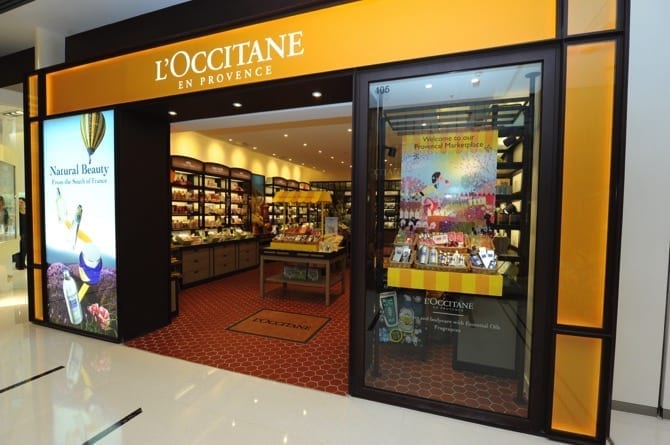
    French skincare brand L’Occitane has revealed its plans to expand into China’s lower-tier cities through e-commerce, in particular Tmall, an online platform for branded goods operated by Alibaba Group Holding.

    The company revealed that it has a marketing partnership with the online platform to meet China’s emerging middle class, who are creating growing demand for imported premium products.

    According to Andre Hoffmann, L’Occitane’s vice chairman and managing director of Asia-Pacific, opening new physical stores in China’s second and third-tier cities would help create brand awareness.

    The group reported that mainland China was its largest source of growth last year, with sales in the country growing 16.8 percent, contributing nearly 30 percent to the company’s overall growth. The company saw an 8.9 percent rise in sales to USD1.45 billon over the 12 months ending in March.

    Meanwhile, L’Occitane held off on plans to expand in Hong Kong and Macau due to the declining numbers of Chinese tourists visiting the two regions. The company revealed that it will be shutting down a store in Hong Kong in September, following a recent closure of one of its shops in Macau.

    “Now [that] mainland tourist numbers are shrinking, maybe we don’t need so many stores to do the same level of business,” said Hoffman in a Nikkei report.

    L’Occitane is planning to continue adding to its 187 stores in 65 cities across mainland China. Some 50 stores, which are set to open globally later this year, will be in mainland China, Japan and South Korea.

    While Hoffman noted that all stores in Hong Kong have been “profitable,” he admitted that the retail market has been “very challenging in the past 18 months.”

    The vice-chairman revealed that its current strategy is to focus more on local costumers, adding, “The mainland tourists are just like the cherry on top of the ice-cream sundae.”

  • Starbucks, Tata extend partnership beyond India

    Starbucks has more than 2,000 cafes in China alone and is opening about 500 new stores a year in the country. John Culver, president of Starbucks’/

  • Pop-up restaurants add diversity to Bangkok’s retail market

    Pop-up restaurants add diversity to Bangkok’s retail market

    POP-UP restaurants are a growing trend in Bangkok shopping malls and in suburban main streets.

    These are temporary restaurants that can operate from any location where there are customers and that is safe for cooking and serving food.

    While beer gardens operating during the cool season are probably the pop-up format that Thais are most familiar with, pop-up kitchens and food trucks are gaining popularity in Bangkok.

    The Mall Group recently introduced pop-up kitchens around its supermarkets. Patrons can buy fresh produce and ask for it to be cooked at these kitchens.

    Although seating is limited, the food fad has caught on and it is not surprising to find queues forming at these new eateries.

    Another trend that is transforming the street-food culture in Bangkok is the mobile food truck. Summer Street, which serves grilled seafood, and Daniel Thaiger’s burger truck are names that have gained a following.

    Potential patrons keep track of opening hours and the location of these trucks on social-media platforms – an indication that the digital age has fundamentally changed the way people dine and socialise.

    Pop-up restaurants can range from the simple to the ultra-high-end, but one thing they all have in common is the element of exclusivity.

    Because of their temporary nature, pop-ups intrinsically create a “moment in time” that cannot be replicated; this also ties in neatly with the experience trend and craving for new and exciting concepts.

    These food and beverage developments have given some of Thailand’s malls and retail streets a revival, adding diversity and vitality to the shopping experience and keeping people in the malls longer.

    The mobility of these pop-ups and food trucks means that empty spaces can be easily converted into food halls or markets, helping to breathe new life into sometimes derelict but architecturally exciting space, such as former factories, warehouses, office buildings and marketplaces that are in good locations.

    In Bangkok, mall operators have used car-park spaces to host food and culture festivals. Boosted by rising income levels and an insatiable demand for fresh culinary experiences, these food halls have become very popular.

    These pop-up restaurants because of their mobility and flexibility will continue to help mall operators pull in retail crowds even as they undergo renovations.

  • South Korea’s Lotte Chemical makes $3.1bn counter bid for Axiall

    South Korea’s Lotte Chemical makes $3.1bn counter bid for Axiall

    The two companies last year formed a joint venture to build an ethylene cracker plant together in the US, which is due to start production in 2018.

    Lotte declined to reveal the exact terms of its offer, but analysts said the bid would top Westlake’s $3.1bn approach. The counter offer could prompt Westlake to raise its bid after Axiall, a maker of polyethylene products, rejected the approach in April, the analysts added.

    “Lotte Chemical will be seen as a white knight for Axiall,” Park Young-hoon, an analyst at LIG Investment & Securities, told Reuters.

    If successful, Lotte Chemical would use the acquisition of Atlanta-based Axiall to diversify its product portfolio and secure a foothold in the US.

    Axiall said it has been in talks with several potential buyers after its rejection of the first approach prompted Westlake to launch a proxy fight to oust Axiall’s board.

    However, investors were unimpressed by Tuesday’s counter-offer, driving Lotte Chemical shares down 3.5 per cent to Won260,500 — their lowest in more than four months — while the Kospi benchmark index closed up 1.3 per cent.

    “The deal could be positive for Lotte in terms of securing a stepping stone in the US, but its shares were weighed down by concerns that the acquisition price could be much higher than expected,” said Lee Ji-Yeon, analyst at IBK Securities.

    The deal would be Lotte Chemical’s largest overseas acquisition. The company, formerly named Honam Petrochemical, took over Malaysia’s Titan Chemicals for Won1.5tn in 2010.

    South Korean chemicals makers are trying build scale to compete better with lower-cost Chinese rivals, with Lotte Chemical buying Samsung Group’s chemicals business for $2.5bn last year.

    South Korean petrochemical companies posted record profits last year as lower oil prices drove down material costs. Lotte Chemical reported a Won990.7bn net profit in 2015 on sales of Won11.7tn. The company said it could afford the cross-border deal, with its annual cash flow reaching $2bn.

    Almost devoid of hydrocarbon deposits, South Korea relies on oil imports but is also a big exporter of petroleum and petrochemical products. More than half of its processed output goes to markets including China, Japan and the US.

    Separately, South Korea’s Hanwha Chemical said on Tuesday its Hanwha Advanced Materials unit had submitted a letter of intent to buy US automotive materials supplier Continental Structural Plastics. The group declined to give the details of the offer but the Maeil Business Newspaper said the deal could fetch $600m.

    Axiall’s New York-traded shares, which have lost one-third of their value over the past year, were down 2.5 per cent on Monday at $23.30, before news of Lotte’s approach was made public.


  • Carrefour China beefs up distribution

    Carrefour China beefs up distribution

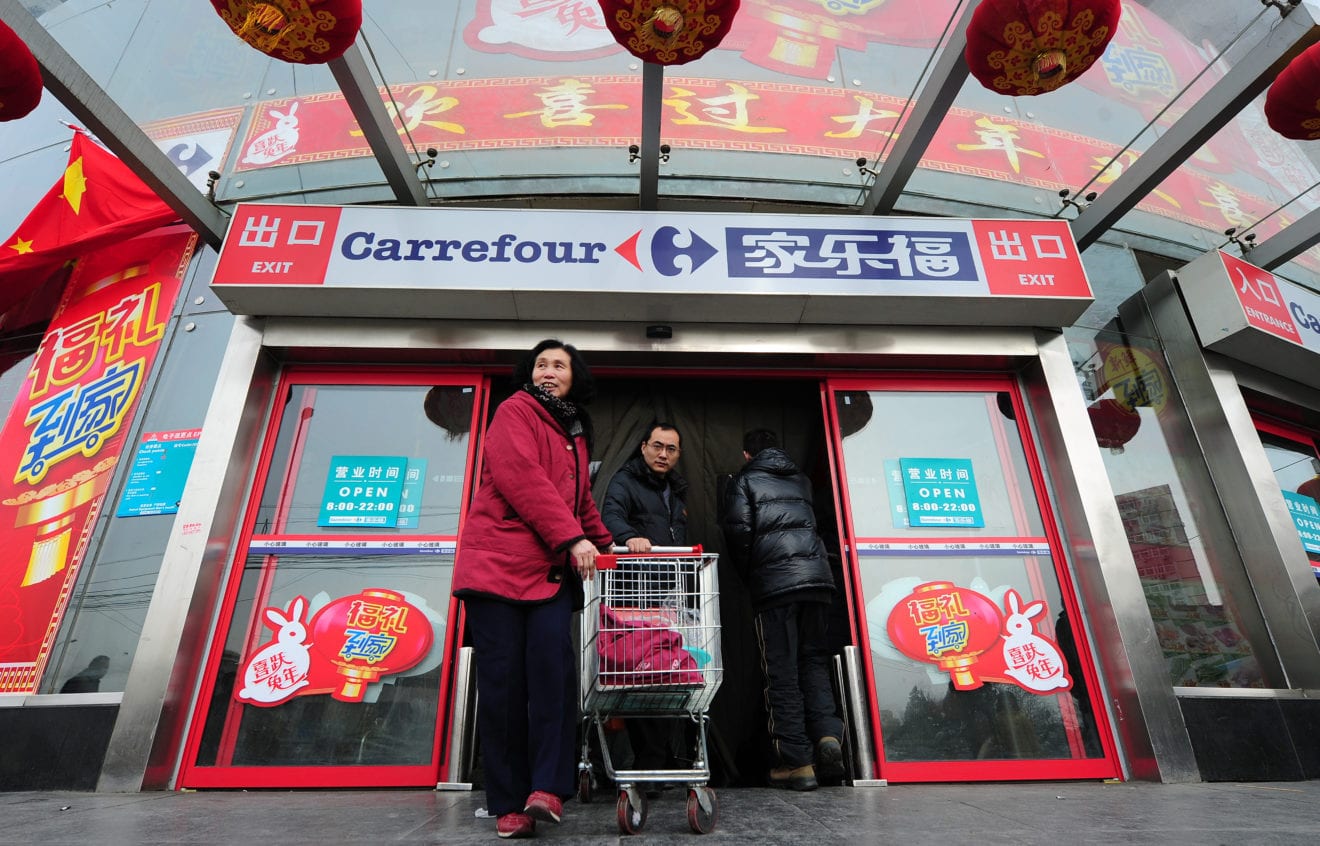
    Carrefour China has opened a new distribution center is in Hongmei Town, Dongguan, Guangdong province.

    It says the centre will play an important role in the supply chain of Carrefour China in South China area, by forming a logistics network covering the Pearl River Delta as well as Fujian and Hainan province, which can increase the logistics efficiency and support stores.

    Carrefour is focused on long-term development in China. Since a new development strategy was implemented in March 2015, Carrefour has  gradually introduced new formats and initiatives, such as an O2O business, convenience stores and opening hypermarkets in new cities. It says strengthening the supply chain network is the key to implementing the new strategy.

    The Carrefour China Logistics Center will provide full support to the 30 stores in Guangdong, Hainan and Fujian province.

    During the last two years, Carrefour China has established four distribution centers in eastern, western, northern and central China.

  • BT seals deal to manage Exact network

    BT seals deal to manage Exact network

    BT has won a new contract to design, build and manage a fully secure global network for Exact, a provider of cloud business software.

    The 4-year contract covers the creation of an integrated IT infrastructure supporting internal applications and services used by Exact’s 1,600 employees in 14 countries across Europe, North America, Latin America and Asia.

    Next to an optimized global network, BT will provide connectivity into the global data centers hosting Exact’s business applications and data. The contract also leverages BT Cloud Connect for a high performance network connection to Microsoft Azure.

    BT will provide extensive, cloud-based protection against cyber threats, blocking known and zero-day threats before they reach the network. Lastly, BT will take over and manage Exact’s in-office – fixed and wireless – networks and help drive employee productivity by providing voice, video, conferencing and remote access services.

  • Salesforce moves into eCommerce with $2.8b M&A

    Salesforce moves into eCommerce with $2.8b M&A

    Salesforce.com is moving beyond CRM and into e-commerce with the acquisition of cloud service provider Demandware.

    It will use the purchase to kick-start a new field of business, the Salesforce Commerce Cloud, it said Wednesday.

    The company already has its Sales Cloud, Service Cloud, Marketing Cloud, Analytics Cloud.

    By rebranding Demandware Commerce Cloud as its own, Salesforce will be able to combine e-commerce, order management, point-of-sale, store operations and predictive intelligence into its own platform.

    Commerce Cloud will allow Salesforce customers to connect with their own clients in new ways, the company said, while Demandware customers will gain access to sales, marketing and analytics functions from Salesforce.

    “There are so many ways it accelerates our mission to transform retail,” Demandware CEO Tom Ebling said in a conference call to discuss the deal.

    Being part of Salesforce will add to Demandware’s credibility when approaching large accounts, he said.

    It will also help the company expand to new countries. “We’ve just got started in places like Japan and Italy but there are many other untapped geographies for us,” he said.

    A third area where it will benefit is omnichannel marketing, helping retailers engage customers everywhere. “The combination of CRM capabilities, knowledge of the customer, with the commerce engine will be a way to accelerate that capability,” he said.

    Salesforce’s Chief Product Officer Alex Dayon said the deal will increase its customers’ insight into their business.

    “Our customers’ information systems are going to be powered by data. You need a complete view of your customers. Having commerce as part of the CRM platform is important,” he said during the same conference call.

    He hammered home the need for more data in response to a question about Salesforce’s ad targeting capabilities.

    “For us it’s all about the data, whether you use your own data, your own targeting, or whether you connect to companies like Google or Facebook,” he said.

    The companies expect to close the deal, worth around $2.8 billion net of cash acquired, before August.

  • Globe launches first 700-MHz base station

    Globe launches first 700-MHz base station

    Philippine operators Globe and PLDT have wasted no time in taking advantage of their newly-acquired 700-MHz spectrum holdings.

    Globe Telecom has announced it has activated the nation’s first cell site that utilizes the 700-MHz band, less than a week after Globe and PLDT each acquired half of San Miguel Corporation’s (SMC) telecom assets.

    Globe executive Joel Agustin said the company plans an initial rollout of around 200 sites using the 700-MHz band.

    “The intention is that the first batch of the 200 sites we plan to roll out will be in areas where connectivity matters most to our customers as well as in locations with high convergence of users like here in the National Capital Region,” he said.

    Agustin said the 700-MHz band will be essential for the company’s efforts to improve indoor data coverage and to deploy LTE-based broadband in rural areas.

    PLDT separately announced that its wireless broadband unit Smart Communications will start using the 700-MHz spectrum it acquired through the SMC transaction this year as part of the accelerated deployment of its LTE service.

    The operator revealed it has been holding discussions with device manufacturers to introduce more affordable LTE smartphones and tablets compatible with the 700-MHz band into the country.

    Around 45% of subscribers to PLDT’s two wireless brands – Smart and Sun Cellular – are now using smartphones, up from 30% in 2015. But at present the majority of these are 3G/HSPA only handsets.

  • New Zealand opens technology center in Vietnam

    New Zealand opens technology center in Vietnam

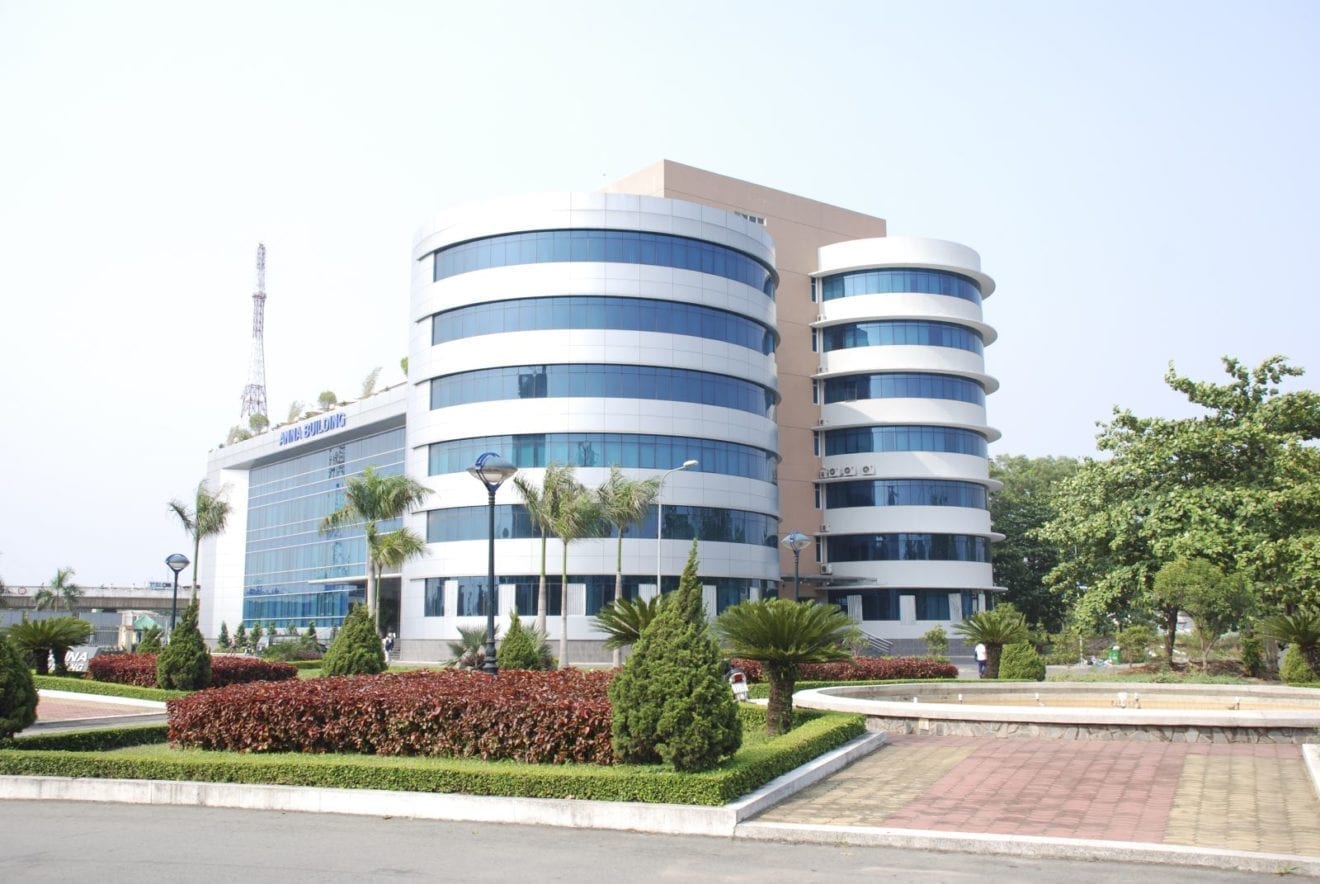
    New Zealand has opened a new technology center at Quang Tring Software City in Ho Chi Minh City.

    The Kiwi Technology Center is envisioned to be a hub for New Zealand tech companies investing and doing business in Vietnam and the ASEAN region.

    The first companies to set up shop in the center include software services business Augen Software Group which won the Vietnam IT Excellence award last year, healthcare technology companies Orion Health and HealthTech and apparel manufacturing optimization firm ShapeShifter.

    “This is a fantastic opportunity for New Zealand technology companies and I look forward to more of them utilizing the Kiwi Connection hub and meeting with businesses from around the region who want to work with New Zealand companies and use technology services from within ASEAN,” said New Zealand’s Economic Development Minister Steven Joyce in a statement.

    Joyce also announced last week a project to build a New Zealand-Vietnam friendship bridge in Ho Chi Minh City to celebrate the ties between the two countries.

    Vietnam is New Zealand’s fastest growing trade market in Southeast Asia, with merchandise exports reportedly doubling since 2007.

  • IP traffic set to nearly triple over next five years

    IP traffic set to nearly triple over next five years

    Global IP traffic is on track to nearly triple over the next five years as more than a billion new internet users come online, according to Cisco’s latest Visual Networking Index.

    IP traffic is forecast to grow at a CAGR of 22% over the period of 2015 to 2020 to reach 194.4 exabytes per month, Cisco said

    APAC will account for more than a third of global IP traffic in 2020, the study predicts. Total traffic in the region is expected to grow at a 22% CAGR to 67.8 exabytes per month.

    By 2020, the company predicts that there will be around 4.1 billion internet users worldwide, up from 3 billion in 2015. Smartphone traffic accounted for 47% of total global IP traffic in 2015, and is expected to grow to account for a wide majority (71%) by 2020.

    Due in part to the rapid growth of the IoT, global IP networks are expected to support up to 10 billion new devices and connections over the five-year forecast period, bringing the total up to 26.3 billion, or 3.4 devices and connections per capita.

    Internet video will continue to dominate traffic, accounting for 79% of global internet traffic by 2020, up from 63% in 2015. Global networks will relay the equivalent of one million video minutes per second, Cisco predicts. HD and ultra HD video will make up 82% of internet video traffic.