Author: Mei Ling Tan

  • Vietnamese broadcaster builds out OTT service offering

    Vietnamese broadcaster builds out OTT service offering

    Vietnam Television (VTV), Vietnam’s leading broadcaster, is using Harmonic equipment to support efficient delivery of high-quality content, including premium sports events, via its new live OTT offering. VTV has augmented its existing installation of Harmonic gear to accelerate deployment and the launch of new OTT services.

    “OTT TV has quickly become a popular choice among consumers in Vietnam, but the success of such services still depends on delivery of compelling content characterized by exceptional visual quality,” said Pham Anh Chien, MD, VTV Digital Center. “Harmonic addresses these requirements with its acclaimed portfolio of low-latency IP video products, which ensure that we can deliver even fast-paced live sports events with remarkable picture quality. As a result, we’re equipped to offer the best possible service to our OTT customers watching here in Vietnam and in overseas markets.”

    “Providing engaging content and ensuring exceptional video quality, VTV is setting a high standard not only for the Vietnamese market, but also for the markets worldwide that are tapping into its OTT services,” said Tony Berthaud, VP of sales, APAC, Harmonic. “As the company adds to its OTT offering, the readily scalable nature of Harmonic video infrastructure will facilitate smooth, cost-effective growth.”

  • Digital content revenues to exceed $180b by 2017

    Digital content revenues to exceed $180b by 2017

    A new study from Juniper Research has found that consumer spend on digital content will reach $180 billion next year, up nearly 30% on last year’s figure of $140 billion. The research indicates that revenue growth will primarily be driven by continued migration to streaming video services, with broadcasters and telco operators increasingly deploying their own on-demand and IPTV offerings to compete with OTT players.

    According to the study – Digital Content Business Models: OTT & Operator Strategies 2016-2021 – telcos also recognize the pressing need to invest in attractive, original content to compete with shows developed by Netflix and Amazon. It cited the example of Spain’s Telefónica, which is to produce 8 to 10 TV series per annum from 2017. Both BT and AT&T have indicated that they might commission original drama or entertainment in the near future.

    Meanwhile, several telcos have partnered with OTTs to offer consumers bundled ‘zero-rated’ content that does not impact monthly data allowances. The study shows that more operators might consider enhancing the relationship through the acquisition of a strategic stake in the content provider, as with TeliaSonera’s investment in Spotify.

    The research also highlighted Twitter’s recent acquisition of the online rights for the USA’s NFL as the first move by an OTT player into the sporting arena, and said that other players could follow suit. However, according to research author Windsor Holden: “The spiraling cost of most premium sporting rights means that bidders for exclusive live rights for must now pay several hundred million dollars per season. With most streamed audiences well under a million, this is likely to deter online-only players in the short and medium term.”

  • Naver uses VisualOn platform to power Line TV application

    Naver uses VisualOn platform to power Line TV application

    VisualOn’s OnStream MediaPlayer+ is now integrated into Korea’s Naver Player for Line TV service for iOS and Android devices.

    The aim is to enable scalable cross-platform media playback for global streaming media brands for a high-quality video playback experience,

    Naver Player enables Naver’s various live broadcasts and VOD videos to be viewed on iOS and Android devices with higher stability, quality, and scalability than the built-in device video player. Additionally, the platform features a one-touch notification function and an audio-only mode.

    Ranked one of the top 100 companies that matter most in online video by Streaming Media Magazine, VisualOn was chosen by Naver for the partnership for its market-proven multimedia software. Naver’s customers can now access high-quality, live TV streams and recorded shows on all the connected iOS and Android devices anywhere and at any time.

    “The Korean market is a crucial region for Naver and VisualOn due to its high volume of mobile consumers that expect a high-quality viewing experience no matter where they are,” said Andy Lin, CEO, VisualOn.

  • Mediacorp-Singapore launches Toggle Red Button

    Mediacorp-Singapore launches Toggle Red Button

    The Toggle Red Button, based on Hybrid Broadcast Broadband TV (HbbTV), has been launched by Mediacorp-Singapore for its OTT service. This will now together live broadcast TV and Toggle’s VOD services into a single seamless environment.

    Mediacorp is the first company in Asia to deploy HbbTV technology. The technology has been widely deployed across Europe, Australia and New Zealand with adoption rates up to 80% in some markets and a range of services such as games, voting and contextualized advertising

    The technology rides on Mediacorp’s Digital TV (DVB-T2) network and seamlessly combines broadcast with broadband TV. The service is delivered via HbbTV-enabled Smart TVs that are certified for the Toggle Red Button service, and available on selected models by major TV manufacturers.

    Key features of the service include direct access to Toggle’s catalogue of more than 12,000 hours of Mediacorp TV shows and Toggle Original content as well as an Electronic Program Guide (EPG), which provides program information, synopses, and schedules.

  • Korea clamps down on Chinese tour operators

    Korea clamps down on Chinese tour operators

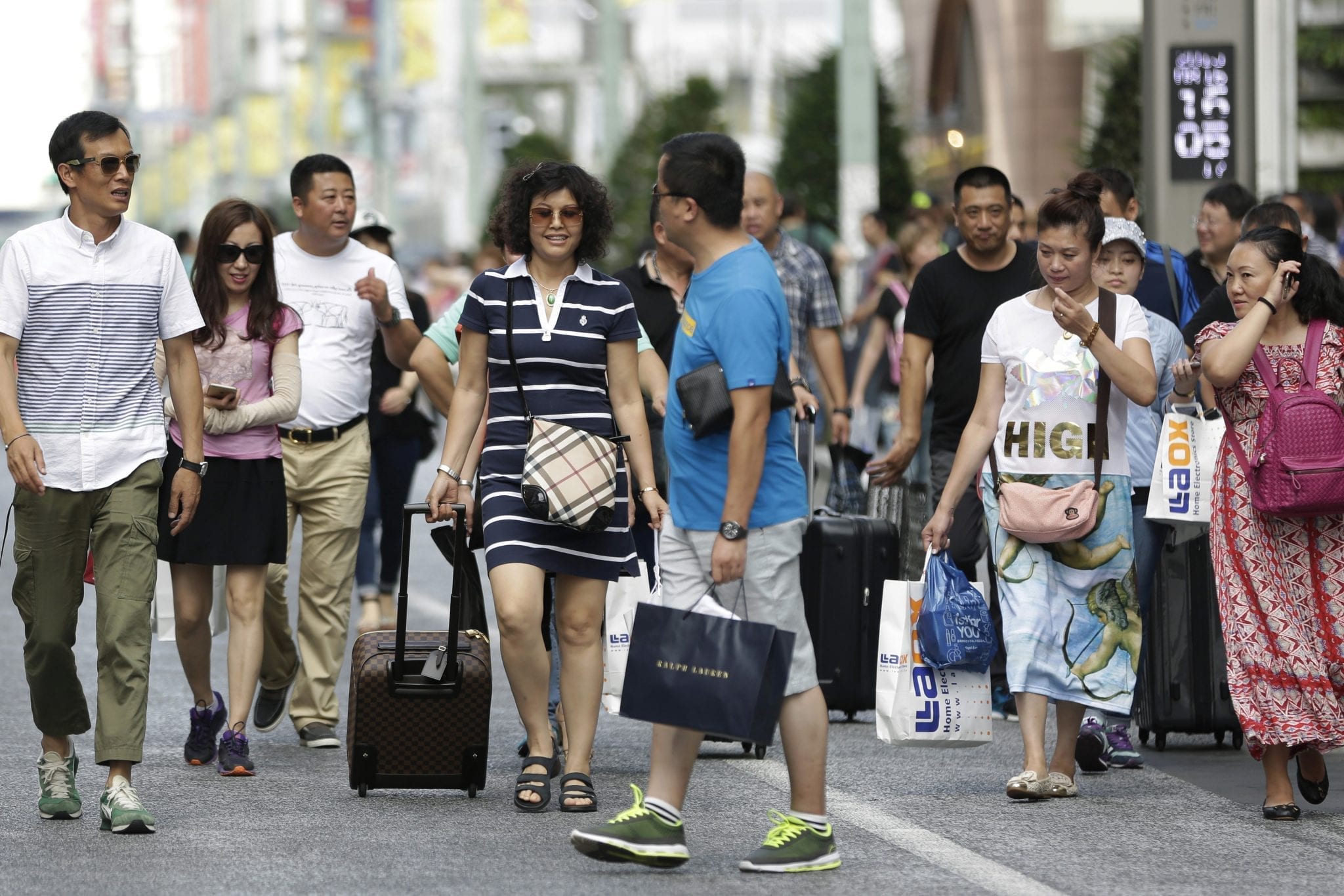
    An influx of dodgy Chinese tour operators has prompted the South Korean government to mount a clampdown.

    Authorities say they will tighten regulations on tour operators that lure Chinese travellers with cheap, low-quality packages to screen out substandard agencies and improve the tourism industry’s competitiveness.

    A key problem is the practice of forcing travellers to shop at particular retailers in return for brokerage fees.

    The Ministry of Culture, Sports and Tourism said Tuesday it will form a task force with related organisations to crack down on tour operators that offer low-quality programs.

    “As the inbound travel market is the key industry directly linked to the national image and interests, the government and industry should make concerted efforts to correct the market order and improve the quality of the overall market,” vice culture Minister Kim Chong said in a briefing.

    In March, the ministry revoked the licenses of 68 tour operators, about 40 per cent of the agencies specialising in Chinese travellers, for offering unreasonably cheap prices and employing unqualified tour guides.

    Tour agencies targeting the Chinese have sprung up in recent years as the popularity of K-pop and Korean dramas have attracted more visitors from the Asian neighbour. But cutthroat competition has prompted some agencies to offer cheap package programs that include filthy rooms and expensive options, and often force tourists to drop by several souvenir shops to reap commissions.

    A recent tourism survey revealed that overall satisfaction among Chinese travelers fell 0.7 percentage point to 94.1 per cent in 2015. In particular, group travellers were less content with dining experiences than individual tourists.

    The ministry will also step up monitoring on unqualified tour guides near shopping centres and offer customised tour guide training programs in the medical, heritage and sports sectors.

    To address growing complaints, top tourism officials of South Korea, China and Japan will have a trilateral meeting in August to discuss ways to enhance the quality of the tourism industry in the respective countries and screen out substandard operators.

    The number of Chinese tourists visiting South Korea had sharply risen since 2010, but it fell 2.3 per cent on-year to 5.98 million in 2015, hurt by the Middle East Respiratory Syndrome outbreak.

    South Korea aims to attract 8 million Chinese tourists this year by offering various specialised tour packages in fashion, beauty, culture and leisure; adopting eased visa regulations; and expanding air routes between the two nations.

  • Shiseido buying US-based Gurwitch Products

    Shiseido buying US-based Gurwitch Products

    Japanese cosmetics company Shiseido has agreed to buy US-based Gurwitch Products from Alticor.

    This move would add the Laura Mercier and ReVive brands as the 140-year-old cosmetics giant seeks growth overseas in the luxury anti-aging products market.

    Its American unit will lead the acquisition, Shiseido says, without disclosing terms. The transaction is scheduled to close in the third quarter of this year.

    Gurwitch had sales of US$175 million (about ¥19 billion) in its latest financial year.

  • Restructure for Rakuten Europe

    Restructure for Rakuten Europe

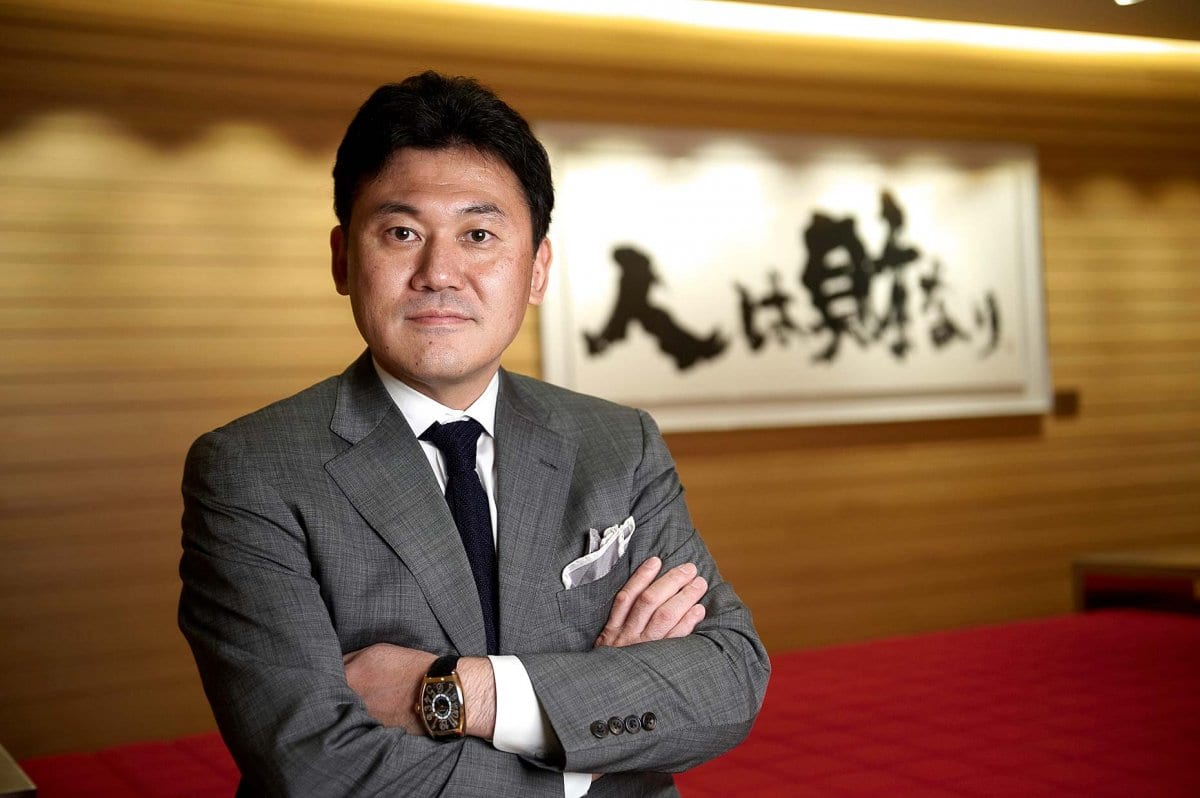
    A restructure of Rakuten Europe will see the Japanese eCommerce company exit two countries to focus on France and Germany.

    Following a strategic review of its operations in Europe, Rakuten has decided to close its operations in the UK and Spain, due to the high capital cost of growth relative to the size of the businesses. The company says the move will “ensure it is fit to capitalise on future opportunities in the region”.

    “Rakuten will focus its eCommerce marketplace investment in France and Germany as the businesses there have the scale and potential for sustainable growth,” it said in a statement.

    Rakuten has started to talk with employees around the its plans to close the Rakuten UK marketplaceand its Cambridge operations and the Rakuten Spain marketplace and its Barcelona operations.

    The company will also start serving Austrian merchants from its German operations base after closing its dedicated Austria portal, currently managed out of Vienna.

    Rakuten says the marketplaces will close by the end of August, subject to completion of the consultation process with impacted employees in relevant jurisdictions, as well as other legal processes.

    “Rakuten will continue to evolve the eCommerce business model in countries across Europe, including initiatives such as the launch of a new Price Club to enhance membership loyalty in France and Rakuten Pro in Germany, a low-commission model for merchants aimed at enhancing service quality,” the statement said.

    “Rakuten will also continue to grow its presence in Europe across its diverse business portfolio, from eCommerce to digital content businesses such as Wuaki and Kobo, to the Viber messaging platform and the adtech business Rakuten Marketing.

    Headquartered in Tokyo, Rakuten Inc is one of the world’s leading internet services companies, offering a wide variety of services for consumers and businesses with a focus on eCommerce, finance, and digital content. It is Japan’s largest online retail portal, long referred to as “Japan’s Amazon”.

  • Uniqlo sales bounce back

    Uniqlo sales bounce back

    Uniqlo sales have bounced back from decline, giving parent Fast Retailing a much-needed round of good news for May.

    Same-store Uniqlo sales in Japan rose 5.9 per cent year-on-year, even though customer traffic fell 3.6 per cent. The average purchase increased by 9.9 per cent to make up for the customer shortfall.

    Total sales including online increased by 7.6 per cent.

    The figures show only trading in Uniqlo’s Japan division.

    Analyst Masafumi Shoda of Nomura Securities said in a research note that Fast Retailing’s sales decline appeared to have bottomed.

    “While jogger pants remained strong, trendy merchandise such as women’s t-blouses and embroidered t-shirts also emerged as drivers. Another contributing factor was the successful expansion of the mainstay Airism line to bottoms. Even factoring out the boost from the customer appreciation sale at the end of the month, signs are beginning to emerge that the company is successfully asserting leadership on both price and fashion.”

    But Shoda said profitability will be likely to decline both overseas and in Japan in the March to May period, due to retooling, “but we think it will improve in June to August thanks in part to the likelihood of a rebound from prior-year results dampened by unseasonable weather”.

  • Lawson Japan eyes US for expansion

    Lawson Japan eyes US for expansion

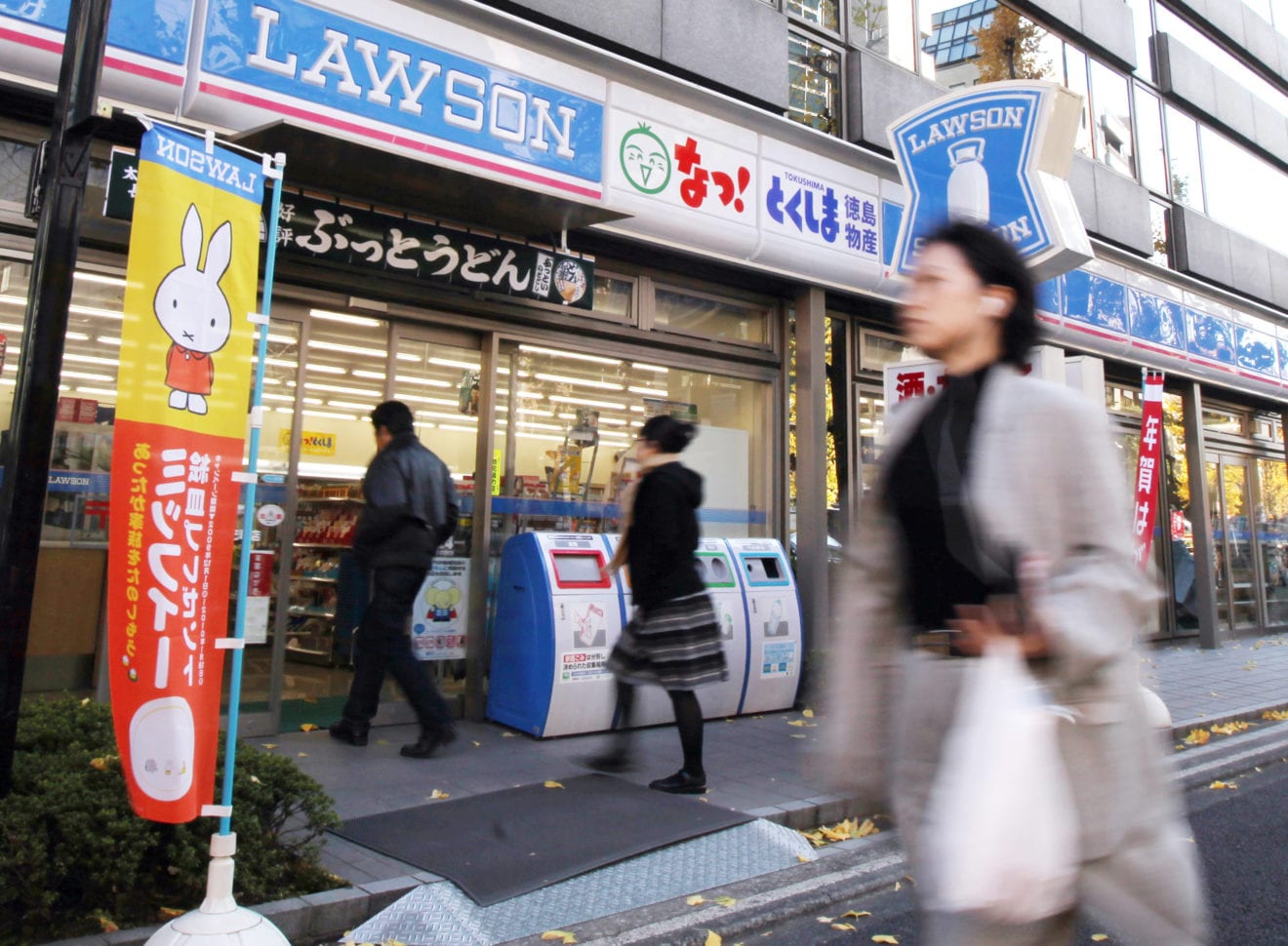
    Convenience store owner Lawson Japan is seeking to buy chains in the US with the aim of boosting its number of overseas outlets by about a quarter within a year.

    “In the US, where the market is mature, mergers and acquisitions are a simple and straightforward way for us to expand, which would also allow us to buy time to boost the number of shops,” says Sadanobu Takemasu, who became Lawson president and COO this week.

    He says the group will also focus on expanding in Southeast Asia.

    Lawson has about 12,500 stores in Japan and 793 outside the country, and is targeting a 26 per cent increase to 1000 overseas outlets by February.

    Lawson joins other chains such as Seven & I Holdings’ 7-Eleven and FamilyMart in seeking overseas expansion while competing to displace conventional grocery shops and restaurants domestically amid Japan’s economic malaise and falling population.

    Lawson has a 5.3 per cent market share of Japan’s grocery retail sales, second only to 7-Eleven’s 12.2 per cent share, according to data from Euromonitor International. The situation is the same in the fast-food market, with 7-Eleven holding a  33.8 per cent share followed by Lawson with 12.4 per cent.

    Prime Minister Shinzo Abe says he is postponing an increase in sales tax until October 2019 as the government seeks to avoid depressing private consumption.

    But Takemasu says any changes in sales tax timing would have had only a temporary impact on Lawson’s business.

    “In Japan, I want to focus resources on the existing businesses to strengthen them, so I’m not considering adding new businesses through mergers and acquisitions for now.”

    Trading conglomerate Mitsubishi Corporation, where Takemasu was an aide to the president before joining Lawson, is Lawson’s top shareholder with a 33 per cent stake.

    Lawson bought the Seijo Ishii supermarket group in 2014, and the United Cinema chain the same year.

    While Lawson has outlets in China, Indonesia and the Philippines, Seven & I has about 40,000 shops outside Japan while FamilyMart has about 6000.

  • Singapore home to unique online sake service

    Singapore home to unique online sake service

    Rare and seasonal editions stored in a snow cave for a year are being offered by a new online sake service in Singapore.

    Introduced by Sisi Limited, the Sakemaru service delivers premium sakes to customers every month. Subscriptions are priced from S$50 (US$37) a month, and to mark the launch a trial promotion is being offered at a 50 per cent discount for the first month.

    Benefits include special logistics and cold storage, product from specially selected breweries, and sake sommeliers.

    Leading the sommelier team is Japan International Trading CEO Tadashi Okushima, who first became a sake sommelier in 2007. He is a certified teacher of sake traditions, and in 2014 was appointed Japan’s first honourable sake sommelier.

    Sisi CEO Taichi Abe, who is also a sommelier, says sake has seasons. Breweries produce rare limited editions of sake every season. Unpasteurised and unfiltered, the limited-edition sakes have a taste that is totally different from the general line-up.

    Winter is the brewing season, and fresh sake nouveau is similar to a sparkling wine. Through spring and summer the sake matures, its taste becoming soft and smooth.

    By autumn, after nine months of maturing, sake becomes mild and rich.

    Sakemaru stores its rare sake in a specially designed room made entirely from snow. The snow cellar is an ancient Japanese way to keep food fresh. The advantage of storing the sake under snow is that there is no vibration from electricity, it is dark with high humidity.

    Japan has about 1500 sake breweries, each producing dozens of labels.

    Founded a year ago, Sisi is a platform for introducing Japanese culture worldwide. Its services include trading, promotion, branding and business localisation.

  • KFit Holdings moves into Indonesia with Groupon

    KFit Holdings moves into Indonesia with Groupon

    Malaysian health and fitness company KFit Holdings is about to enter the Indonesian market after signing a deal to acquire eCommerce company Groupon Indonesia.

    For an undisclosed amount, the acquisition will see KFit enter Indonesia with Groupon as a wholly owned subsidiary. The transaction is expected to be completed in the third quarter of this year.

    Groupon Indonesia has more than 1 million subscribers and 15,000-plus local merchants.

    “The combination of Groupon Indonesia’s established presence and KFit’s experience in building a mobile-first platform will propel us in a high-growth local commerce market, further accelerated by increasing mobile penetration,” says KFit CEO/founder Joel Neoh.

    “While KFit will continue to focus on health and fitness services, this presents a strategic direction for us to enhance and broaden our offerings. In the long run, this acquisition will provide us with a strong platform for growth in Southeast Asia.”

    KFit is an online subscription platform that provides users access to fitness studios, classes and gyms in various cities across Asia. Since its launch last year, it has extended its offering to include beauty and wellness, and launched its pay-per-use KFitGo. In the past six months, KFit users have reserved more than 400,000 activities. Today, one reservation is made every minute on the KFit platform.

    KFit founder Joel Neoh also founded Groupon Malaysia, in 2011, going on to head Groupon Asia-Pacific.

  • Two more Jollibee Singapore stores open

    Two more Jollibee Singapore stores open

    Jollibee Foods Corp has opened two more outlets in Singapore, driven by Filipinos’ demand for the popular Philippine fast food chain.

    The new stores of Jollibee Singapore are located at Square 2 Novena and Changi City Point, complementing the first one in Lucky Plaza.

    Aside from the usual fare, the new stores’ menu includes Spicy Chickenjoy, Crispy Chicken Burger and Chicken Tenders, to provide more options for Singaporeans.

    “We are delighted to further extend our presence in Singapore to further bring the joy of eating to more families. This is also in response to the growing demand of Singaporean residents who love our Chickenjoy and our Jolly Spaghetti,” said Dennis Flores, Jollibee Foods Corp VP for International Markets.

    “Our unique style of preparing our bestselling Chickenjoy was very well-received; crunchy and juicy fried chicken enjoyed with tasty gravy is a hit with local palates.”

    Jollibee has hit a milestone when it opened its 1000th global store at The Dubai Mall. The company now sets its sights on high-expansion growth in the US, Middle East, Europe, Australia and Southeast Asia.

  • Asian mPOS use booming

    Asian mPOS use booming

    The fast-growing population of smartphones and tablets are driving an Asian mPOS boom.

    Mobile point-of sale (POS) terminals will take on a significant role in businesses, handling 40 per cent of all retail transaction value by 2021, up from an expected 12 per cent in 2016, finds Juniper Research.

    The company says mPOS is enabling smaller merchants in emerging markets, particularly across India, Southeast Asia and Latin America, to accept card payments and grow their businesses.

    With larger retailers adopting mPOS in retail sales, Juniper forecasts the use of mPOS systems to account for more than one in three POS terminals by 2021

    “We are seeing several vendors tailor their software to the needs of specific industries, integrating mPOS capabilities as part of broader cloud-based business software,” said James Moar, research author.

    “These additional services can then make use of the sales data directly to manage inventory, monitor staff performance and other functions, which can all add more value to a business and justify a higher margin.”

  • DTI to showcase Filipino retail brands in Jakarta

    DTI to showcase Filipino retail brands in Jakarta

    The Department of Trade and Industry (DTI) is set to showcase Filipino retail brands at the “Lifestyle Philippines” event on June 10, 2016 at Shangri-La Hotel, Jakarta, Indonesia.

    In a statement, Philippine Embassy Trade Representative Alma Argayoso said Lifestyle Philippines is a branding initiative led by the Philippine Trade and Investment Center (PTIC) in Jakarta, which aims to promote Philippine-made products in the Indonesian market.

    “This initiative hopes to increase trade with Indonesia, which in 2015 stood at US$3.6 billion. The Philippines exported about US$628.27 million worth of goods and services to Indonesia, while the Indonesia had US$2.93 billion trade with its counterpart,” Argayoso said.

    The event includes a fashion show that will feature Karimadon and Rusty Lopez, two iconic brands in the Philippines that have begun to create a following in Indonesia’s fashion-forward clientele market. Other brands that will be featured are Plains and Prints and Cruzzini Barong Tagalog.

    Barong Batik, a known fashion innovation for many diplomats and dignitaries will also be exhibited at the said event. It is a fusion of Philippine barong and Indonesian batik designs into one.

    Apart from apparel, the event will also feature potential Filipino food products for exports under the Flavor Philippines such as Goldilocks polvoron, Mama Sita’s sauces and mixes, Leslie’s snack products, Destileria Limtuaco’s spirits and liquors, and other artisanal food products such as dried fruits and nuts, jams and marmalade, bottled sardines, and chocolate dipped dried mangoes.

    Moreover, hand-woven crafts will be featured under the special section, Woven Chic.  Indigenous textiles from the Philippines, traditional dresses, linens, and modern and traditional pieces of jewelry will be displayed for the Indonesian fashion-oriented consumers.

    “The regional integration in ASEAN presents opportunities for Philippine companies to expand to Indonesia and other ASEAN markets, and we certainly would like to actively take part in supporting Philippine companies in their regional expansion. We look forward to make Filipino products more available in the Indonesian market, particularly since there are many Indonesians, having visited or studied in the Philippines, who look for our products,” Argayoso added.

    The event will also highlight other Philippine products and services such as travel and tourism, educational services and pharmaceuticals.

  • BMW revamps “i” electric car division to focus on self-driving tech

    BMW revamps “i” electric car division to focus on self-driving tech

    BMW has transformed its “i” division into a development center for self-driving cars, a board member told Reuters, a major strategic shift for the unit previously focused on making a family of lightweight electric vehicles.

    While Tesla’s (TSLA.O) Model 3 will hit showrooms in 2017, and as rivals Porsche and Audi are working on all-electric cars for release by 2019, the German carmaker appears to have put such cars on the back burner. Its next fully-electric car is not due until 2021.

    The company has changed tack after its only fully battery-powered car, the i3, failed to gain traction with the public, with only 25,000 sales last year. By contrast, Tesla has already received more than 370,000 orders for its Model 3.

    Now, rather than seeking to match the likes of Tesla and Porsche with a new zero-emissions sports limousine for release within the next two years, its main focus will be on developing an electric car with the next generation of technology: autonomous driving.

    In an interview at the company’s headquarters in Munich, BMW board member Klaus Froehlich, who is in charge of development, said he had relaunched the i division in April as a unit devoted to producing cars that drive themselves.

    “It is now in ramp-up stage. We call it Project i Next.”

    The revamp also follows at least four high-profile staff defections from the division this year. Dirk Abendroth, manager of BMW’s “i” powertrain group, Henrik Wenders, vice president product management BMW “i”, and Carsten Breitfeld, vice president engineering, head of the i8 vehicle program, were poached by a Chinese electric vehicle startup.

    As part of its autonomous driving push, BMW is hiring experts in machine learning and artificial intelligence. It is also integrating the functions of existing computer driven assistance systems like cruise control, emergency braking, lane-keeping support and automatic parking.

    RIDE-HAILING

    With a fully autonomous vehicle, BMW could launch a ride-hailing business without having to pay drivers, Froehlich said, giving carmakers a competitive edge over new ride-hailing companies like Uber [UBER.UL] and Lyft which are eroding car sales by making part-time use as convenient as ownership.

    Earlier this month Toyota Motor Corp (7203.T) said it would invest in Uber, and Volkswagen (VOWG_p.DE) announced a $300 million investment in Gett, a smaller ride-sharing company.

    BMW too may partner with a ride-hailing firm, particularly in markets like China, but the Bavarian carmaker’s strategy on potential partnerships with companies in this space is still being worked on, Froehlich said.

    Sales of highly autonomous vehicles – ones where permanent active input from the driver is not required – are not expected to gain traction until 2020, but could then rise to around 9 million a year by 2025, according to analysts at Exane BNP Paribas.

    China, the world’s largest car market, is likely to be the market where autonomous cars will first emerge on a large scale, Froehlich said.

    “China is extremely fast implementing technology. Last year more electric cars were sold in China than in all the other global markets combined,” he added.

    BMW is also considering expanding in the area of reserving parking spaces and electric car charging stations over mobile phones, a market which is still fragmented within countries. The carmaker has already invested in ParkNow and Parkmobile, two digital parking and payment services.

    “We want to actively participate in a consolidation process,” Froehlich said.