Author: Mei Ling Tan

  • Niologie China receives RMB20m. boost

    Niologie China receives RMB20m. boost

    Hong Kong women’s apparel company Niologie Limited has received a capital injection of RMB20 million (US$3.034 million) for its wholly owned subsidiary Niologie China from one of China’s largest fashion brands.

    Shanghai La Chapelle Fashion gains a direct holding of 16 per cent of the shares of Niologie China through the investment co-operative agreement with its wholly owned subsidiary Shanghai La Chapelle Enterprise Management.

    Originating in Hong Kong, Niologie China’s Tanni brand is a mid- to high-end lifestyle store brand with romantic European styling encompassing women’s apparel, handbags, footwear and accessories as well as houseware products. A significant characteristic of the brand, which entered mainland China in 2010, is its floral prints, designed exclusively by a UK team.

    Shanghai La Chapelle believes the investment complies with its “product-oriented, fashionable and high-quality” brand philosophy, and will help it consolidate its leading position in China’s apparel market. Through the investment in Tanni, the group aims to enrich its mid-range to high-end product mix and accelerate the development of its multi-brand strategy, while the brand itself can leverage the group’s channels and supply-chain management capability for expansion and improved margins.

    “With the constantly changing fashion trends in apparel and the need to satisfy consumers’ requirements for a more sophisticated shopping experience, apparel retailers have to adjust their sales model in order to capture first-mover advantages and expand market share amid intense market competition,” says La Chapelle executive VP Wang Yong.

    “The Tanni brand has an independent design team, offers individualised products, stable domestic and overseas product channels, an excellent marketing system and speedy and stable logistics systems enabling a fast market response.”

    Founded in 1998, La Chapelle designs, markets and sells apparel products with a focus on mass-market women’s casualwear. Its retail network comprises 7893 outlets in about 2500 locations across China.

    Founded in 2010, Niologie China is the first women’s apparel brand chain in China to introduce European lifestyle-brand shops. The company has directly run shops in major business districts in Beijing, Nanjing, Hangzhou, Shenyang, Dalian and Harbin.
  • Starbucks Disneytown cafe opens

    Starbucks Disneytown cafe opens

    Starbucks has opened its first flagship store within a Disney resort in Asia.

    The new Starbucks Disneytown Shanghai cafe opened on Wednesday. It will employ 110 staff creating a destination for resort-goers to relax and recharge.

    “We will bring to life the craft of coffee in an immersive environment which will include new menu ordering options through a variety of mobile devices,” said Starbucks in a statement.

    Starbucks_Disneytown_China_(2)

    With the addition of this latest flagship store in Shanghai, China will be the only market in Starbucks China and Asia Pacific region to pioneer and operate four distinct flagship stores.

    “China today represents the most significant and exciting opportunity ahead for Starbucks and our aspiration is to delight our customers and partners throughout China with an extraordinary store experience,” said John Culver, group president of Starbucks China and Asia Pacific.

    “We expect the Starbucks Disneytown flagship store to be one of our busiest stores globally, serving and bringing the unique Starbucks experience to thousands of customers daily,” said Culver.

    “This store builds on our ongoing commitment to the China market, following the announcement of our plans to open a Starbucks Roastery and Reserve Tasting Room in Shanghai late next year.”

    “First of its kind experience”

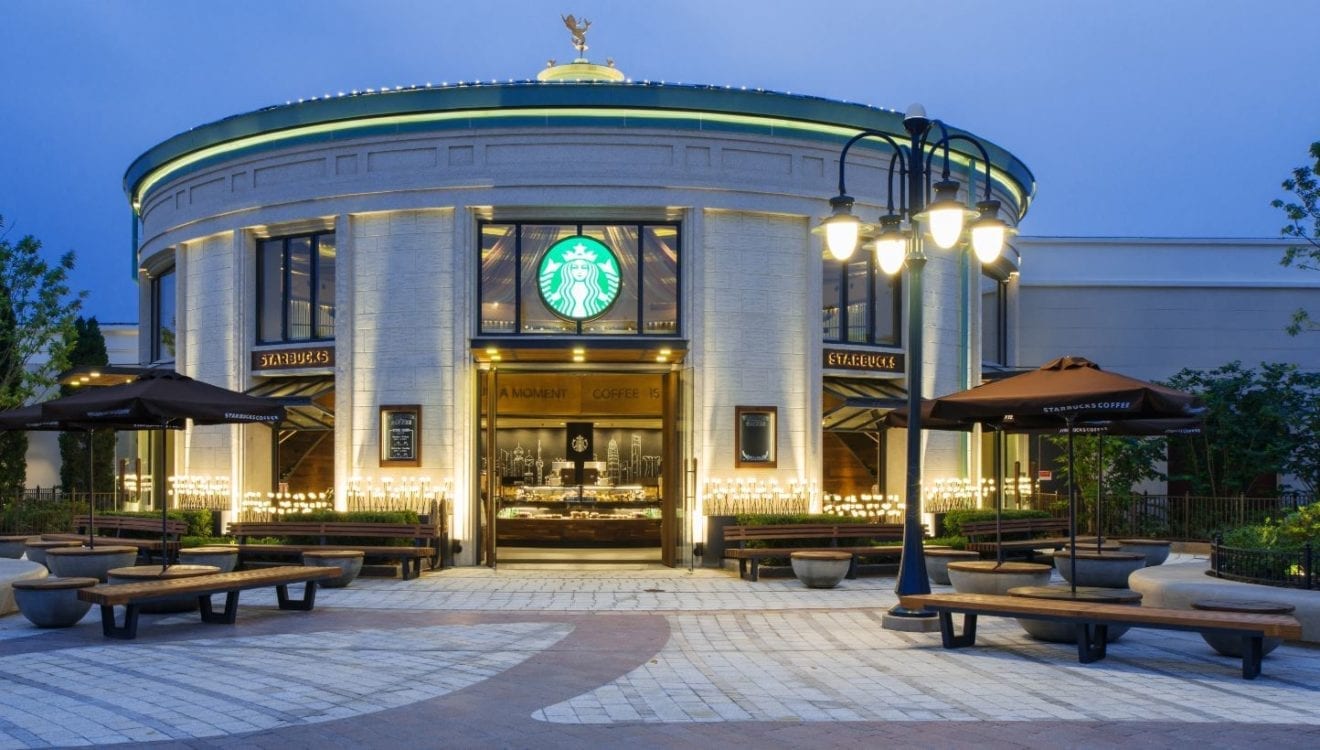
    Reflective of Starbucks unique, sophisticated and locally relevant design, customers will immediately recognise the two-story Starbucks Disneytown store located at the crossroads of the shopping, dining and entertainment district just outside the main entrance to the theme park, adjacent to the Wishing Star Park. Atop the store, a specially crafted wind vane will evoke the playfulness of Disney with the Starbucks siren.

    Starbucks_Disneytown_China_(3)

    Upon entering through grand, castle-like doors customers will be greeted by a Starbucks barista and a sweeping view of a warm, inviting environment created out of natural woods and materials reflecting the raw, agricultural roots of coffee. Seating will surround the cafe bar allowing families and friends to gather, creating connection and community as they immerse in the story of coffee.

    The first and second floors of the store will be joined by gently terraced stairs, and the copper wall panels celebrate the different degrees of coffee roasting highlighting the proud coffees in Starbucks portfolio.

    Starbucks_Disneytown_China_(5)

    Hanging from the ceiling is a delicately constructed piece of artwork designed from gold and white metal wiring inspired by latte art crafted by baristas, while a mural of the Starbucks siren is made out of Starbucks cups. A centerpiece, this mural includes intricately designed silhouette scenes inside a handful of cups designed by local artists representing China’s cultural heritage.

    Technology

    Starbucks_Disneytown_China_(1)

    For the first time in China, the traditional menu board is replaced by a digital menu. Customers can order their favorite beverages and food using a mobile handheld device available at the store or from their personal mobile device. This integration of technology offers a convenient experience that was inspired by Starbucks stores in the US, including its express format on Wall St in New York and the Starbucks Roastery located in its hometown of Seattle, Washington.

    “This new Starbucks Disneytown Flagship store will bring its own distinctive, unforgettable moments of connection while inspiring playful imagination for customers of all ages,” added Henry Xie, GM of President Starbucks Coffee Shanghai Co.

    This new Shanghai location is the 12th Starbucks store globally to open as part of a Disney resort.

  • Hong Kong’s Link REIT posts double-digit growth

    Hong Kong’s Link REIT posts double-digit growth

    Link Asset Management, which manages Link Real Estate Investment Trust, Link REIT, increased both its revenue and net property income by double figures during the year ended March 31.

    Revenue rose 13.2 per cent to HK$8740 million (US$1125.68 million), while property income rose 14.9 per cent to HK$6513 million.

    During the year, the value of its investment properties portfolio – including property under development and properties in mainland China acquired during the year – continued to improve, reaching $160,672 million, an increase of 16.1 per cent.

    “The past 10 years have seen the transformation of Link from being a passive manager of a portfolio of legacy assets to becoming an innovative and world-class real-estate investor and manager,” says the group.

    An active and productive financial year saw the group capitalise on high-potential investment opportunities, and it also launched its new brand, in development for two years.

    It was also an important year for improving its portfolio, refining tenant mix and enhancing properties in Hong Kong, disposing of non-core properties and adding two properties in mainland China.

    “The management of our retail and car park facilities has evolved to be our strength and expertise,” says the group. “Through scalable innovation, we continue to leverage on this competitive advantage. This strategy is supported by close monitoring and analysis of changes in district demographics and shopper preferences.”

    Retail growth

    Despite a challenging economic environment in Hong Kong, the group’s retail portfolio showed resilience. There was growth in nearly all areas of retail through the group’s leasing strategy to attract more productive tenants, especially in the food and beverage sector, and to cut down large shops into smaller ones.

    Occupancy rate for the portfolio reached 96 per cent, with a record 6.7 per cent year-on-year retail rental growth.

    Link segmented its Hong Kong portfolio into three groups – Destination, Community and Neighbourhood – for management and marketing tailored to different types of tenants and shoppers. Destination shopping centres contributed to 17.1 per cent of the portfolio’s retail rentals.

    During the year, the group acquired EC Mall in Beijing and Corporate Avenue 1 & 2 in Shanghai. In Zhongguancun, the “Silicon Valley of China”, EC Mall offers mass-market retail products, and reached 100 per cent occupancy by the end of the financial year.

    In February, the group acquired 700 Nathan Road in Mong Kok through a government tender. With its location and catchment, the property will be converted into a retail podium and tower.

    Five asset-enhancement projects were also completed during the year: Tsing Yi Commercial Complex, Temple Mall North, Long Ping Commercial Centre, Wo Che Plaza and Tin Shing Shopping Centre.

    Temple Mall North (previously Lung Cheung Plaza) in Wong Tai Sin was rebranded and upgraded to offer more space and shops. The atrium was revamped to cater for marketing activities.

    Also rebranded was Wong Tai Sin Plaza, connected to Temple Mall North by a footbridge, as Temple Mall South. The two shopping centres are now run as one mall.

    Given changes in demographics from new residential projects nearby, Tsing Yi Commercial Complex and Long Ping Commercial Centre were also improved, and Tin Shing Shopping Centre has been reconfigured with its fresh market repositioned as a regional fresh market.

    Already the group has 11 enhancement projects in progress with another eight to start, and more than 16 other projects undergoing review.

  • New Stradivarius flagship opens in London

    New Stradivarius flagship opens in London

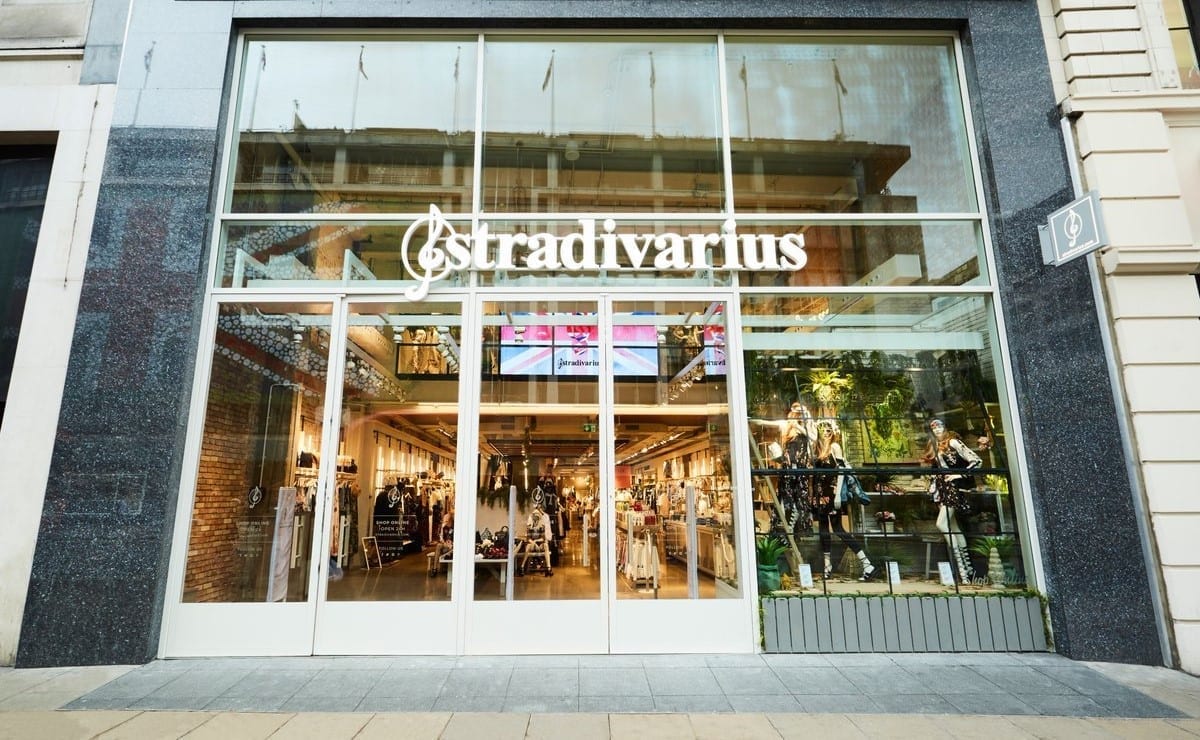
    Spain’s Inditex group has opened its largest global Stradivarius flagship yet on London’s Oxford St.

    The new store at number 309 has a total area of 1500 sqm spread over three floors and showcasing the entire range of the young fashion and accessories brand. The basement and first floor contains the women’s and lifestyle collections, while the first floor is scheduled to open in 2017 in time for Spring/Summer with the launch of Stradivarius’s first menswear offering.

    Stradivarius flagship London 6

    Stradivarius flagship London 4

    A prominent glass facade allows natural light to flow into the store helping to connect with the street outside. The atmosphere is one of industrial combined with natural aesthetics, with wood, textured fabric walls and strip lights. The original interior brick walls have been exposed and preserved to create a vintage feel and showcase the #stradivariuslondon hashtag.

    Stradivarius flagship London 3

    Stradivarius flagship London 2

    The new opening builds on the success of Stradivarius’s first UK store opened at Westfield Stratford in August 2014, as well as the launch of the brand’s UK eCommerce offering in September 2013.

    Stradivarius flagship London

    Stradivarius flagship London 1

    Stradivarius is one of the eight brands that make up Inditex Group. It designs thousands of feminine and creative garments and accessories in Spain which are distributed exclusively in its stores worldwide, especially targeting women between 20 and 35 years old. Including the new store at 309 Oxford St, the brand has 960 stores in 64 countries.

  • Xiaomi Korea opens first offline store in Seoul

    Xiaomi Korea opens first offline store in Seoul

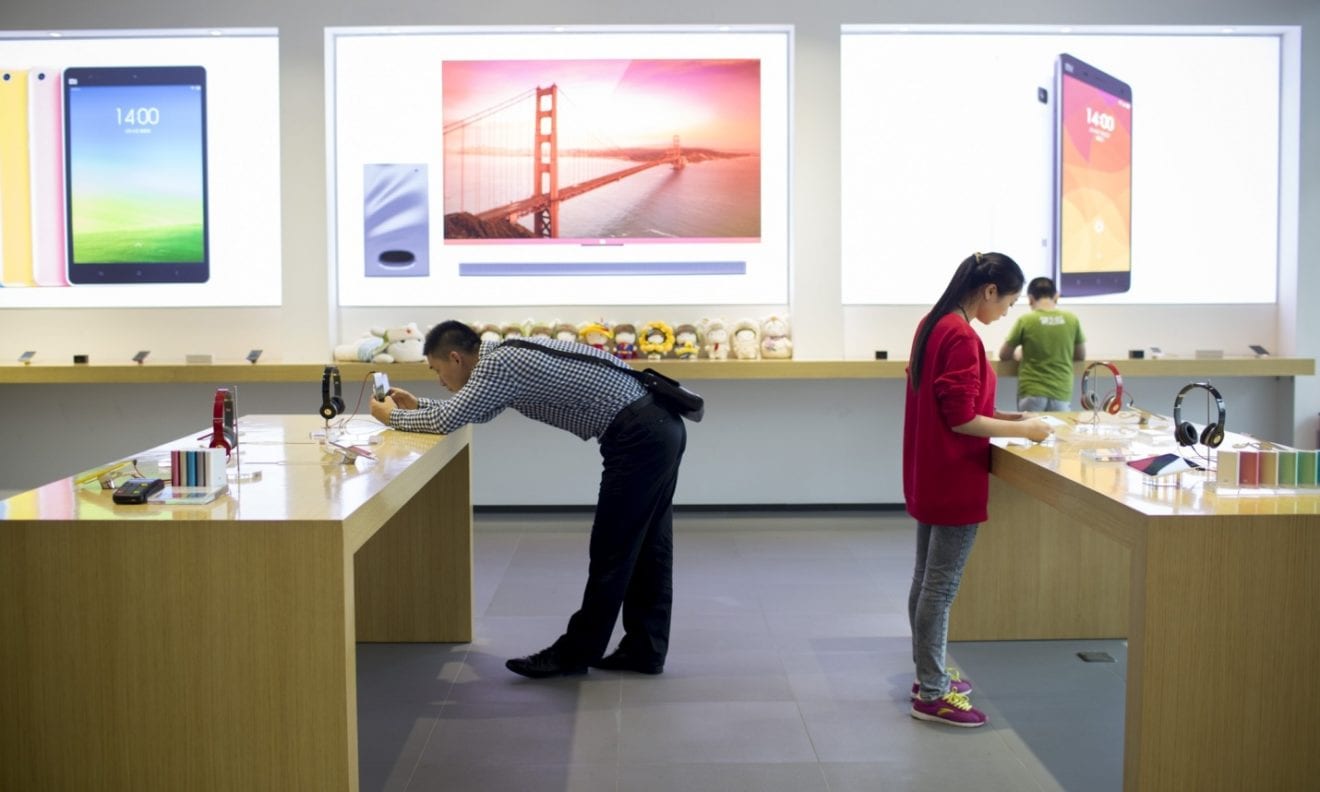
    Tech giant Xiaomi Korea took another step forward in its Korean operations by opening its first offline store in Seoul.

    The Chinese-headquartered smartphone and electronics brand has opened the store inside the Yongsan Electronics Market, one of the largest retail areas in Korea that houses some 5000 electronics stores.

    To celebrate its grand opening, Xiaomi has organised various events for visiting customers, which will last until June 12.

    Xiaomi Korea 1

    *Photo Credit: Yongsan Electronics Market.

  • Chinese etailer Globalegrow boosts authenticity promise

    Chinese etailer Globalegrow boosts authenticity promise

    Chinese etailer Globalegrow says it has taken steps to ensure what foreign customers order is what they get at a time foreign shoppers are increasingly wary of the authenticity of Chinese-sourced products.

    Globalegrow, whose full name is Shenzhen Global E-Grow Electronic Commerce Co, operates several eCommerce websites in the US, including SammyDress.com, RoseGal.com and Zaful.com, providing consumers direct access to “affordable, trendy fashion”.

    A company spokesperson said while its primary focus is on maintaining low prices, it considers it of equal importance that customers are assured its products and services meet their needs and expectations.

    “To that end, the company has developed a two-year plan to enhance its quality assurance and customer service procedures.’

    That plan includes:

    • In-house inspection of all Globalegrow products before shipping, to ensure all consumers receive the high-quality items that they expect.
    • In-house advertising, in which the company will photograph 100 per cent of the items sold on its websites to ensure accurate representation of its products.
    • Streamlined and clarified return policies.

    The company has already increased its customer services agent staffing levels by 150 per cent during the last six months and now has agents available 24/7 to respond to customers via email or on live chat.

    Globalegrow says it has also enhanced its vendor selection process and has ended relationships with vendors that “were not meeting its standards of honesty, quality, and trust”.

    “The company follows a four-step process that includes reviewing product quality, inspecting factories and production processes, verifying certifications and qualifications and instituting an ongoing process for continuing assessments and feedback.

    “Globalegrow is dedicated to honesty, quality, and trust, and welcomes feedback and suggestions as it continues to develop its international business offering direct-to-consumer affordable fashion,” the spokesman said.

    Founded in 2007, Globalegrow describes itself as a cross-border eCommerce enterprise that imports products to China and exports Chinese products all over the world.

  • Aqua City’s android has the answers

    Aqua City’s android has the answers

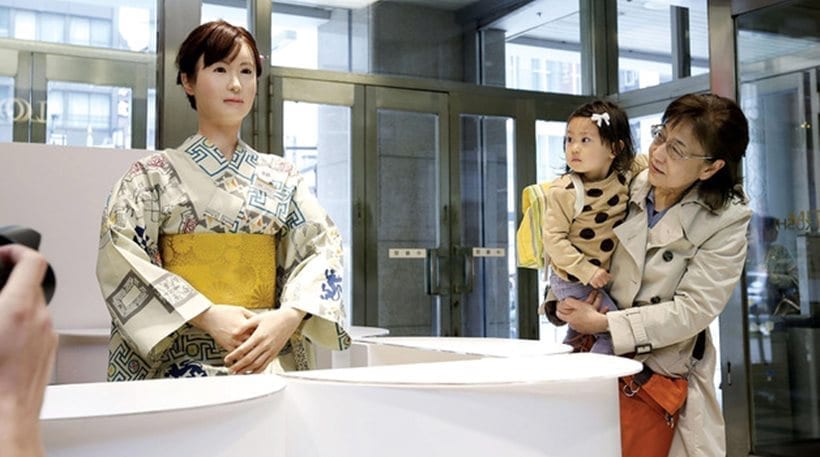
    Odaiba’s Aqua City waterfront shopping complex in Tokyo has an unusual lady on the third floor who waits patiently to answer visitor inquiries.

    Chihira Junco looks exactly like the type of polite, impeccably dressed and well-groomed staff attendant you’d find at a service desk in Japan, only she is not human at all – she is a robot, created by the Toshiba Corporation.

    Robot Japanese mal 1

    Junco gets her name from the fact she was “born” in June, reports Rocket News. Said to be 26 years old, she stands at 165cm and speaks Japanese, English and Chinese.

    Her facial features and hand movements draw large crowds daily. Next to her is an information desk staffed by three real-life female attendants who tend to be overlooked.

    Alongside the android at her desk is a futuristic device that lets visitors interact with her. A touch-screen panel displays options, and responds to mid-air “touch”, meaning customers do not have to actually touch any surface.

    Robot Japanese mal 2

    Once the selection has been made, Junco springs to life, offering guidance and directions in the language chosen, complete with lifelike gestures and a friendly smile. Visitors have a list of options for their inquiries, such as restaurants, transport access and tourist information.

    In the future, the company plans to have Junco respond directly to questions from customers rather than have them use a menu. They also hope to add more foreign languages, including Korean.

    When not responding to customer requests, Junco spends time speaking in Japanese, Chinese and British-accented English in rotation. On special holidays, like Christmas, she dresses up in appropriate outfits.

    * More photos here.

  • SM Retail consolidation set

    SM Retail consolidation set

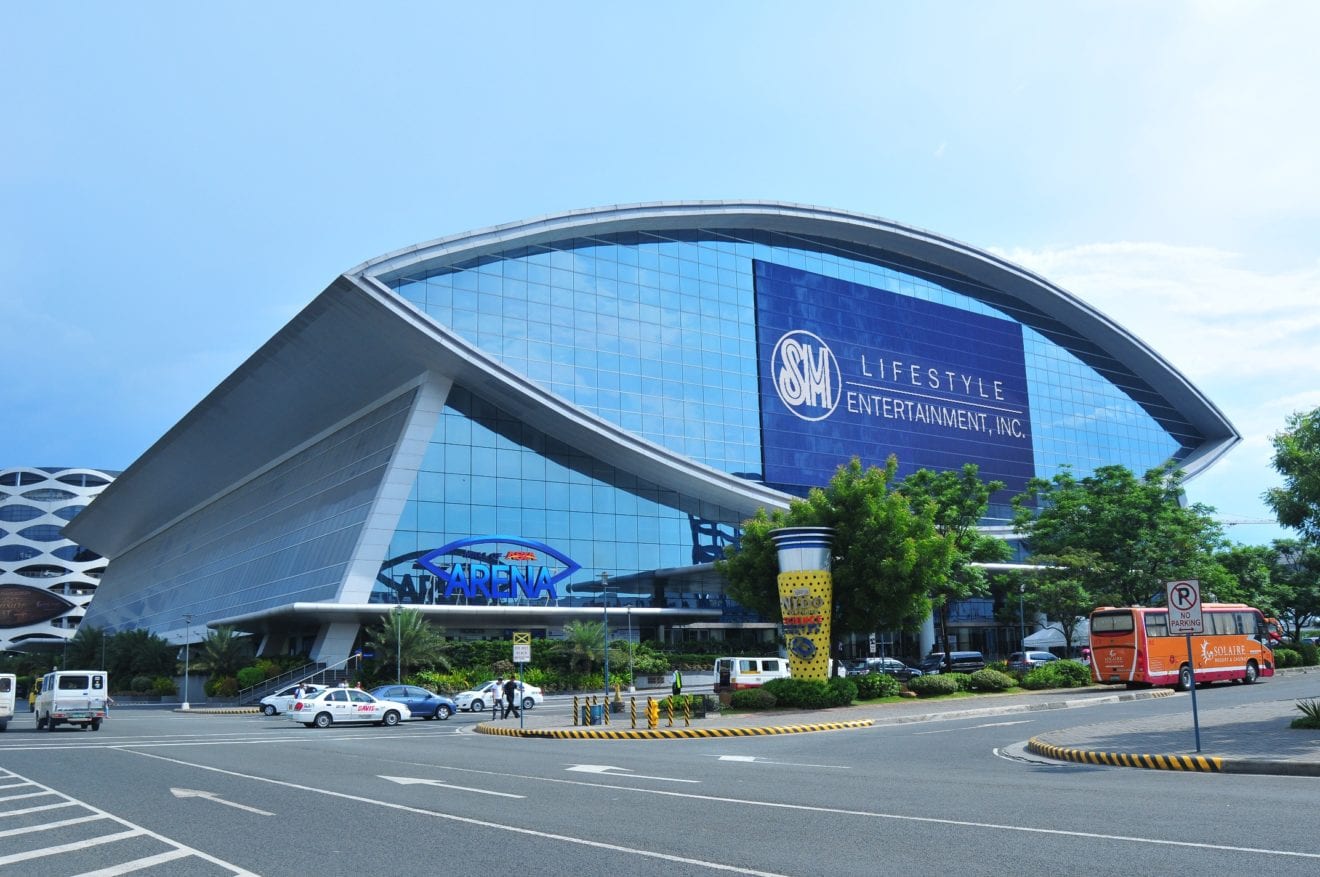
    Soon all SM’s retail-related businesses will come under a single umbrella company.

    The planned SM Retail consolidation is expected to boost sales by 16.6 per cent to Php251 billion.

    SM Investments Corp, Henry Sy’s holding company, said in an investor presentation that the merger of all retail-related businesses under SM Retail would ratchet up footprint and diversity in the group’s portfolio.

    Aside from higher revenues, the combined merger will result in 1927 outlets and 2.4 million sqm of GFA across a diverse portfolio of food, household appliances, DIY, furniture, apparel, footwear, pharmaceuticals, cosmetics and specialty retailing stores.

    Currently SM Retail has only 553 stores and 1.8 million sqm of GFA.

    SM Investments is also expanding its minimart concept store Alfamart. While Alfamart is in the testing phase, it now has 126 branches mostly in provincial areas south of Metro Manila and in residential areas.

    The conglomerate said the minimart concept was different to convenience store, as it offers supermarket pricing and ready-to-cook items versus ready-to-eat products.

    Prior to the merger, SM Retail operates 53 SM department stores, 44 hypermarkets and 213 supermarkets and majority stakes in the local operations of Alfamart, Forever21, Crate & Barrel and other specialty and apparel retailers in addition to a minority stake in Uniqlo.

    SM Retail brands include Ace Hardware, SM Appliance Center, Homeworld, Our Home, Toy Kingdom, Watsons, Kultura, Baby Company, Sports Station and several other specialty stores.

    SM Retail is one of the leading retail companies in the Philippines, along with Robinsons Retail Holdings of the Gokongwei group and Puregold Price Club.

  • Singapore retail rents: tenants’ market

    Singapore retail rents: tenants’ market

    With continuing restructuring in the Singapore retail sector it is a tenants’ market, but while rents are generally under pressure, well-located, well-managed suburban malls are in a strong position.

    Meanwhile, average prime retail rents in Orchard Rd and suburban areas continued to fall in the second quarter of this year, reports CBRE.

    “Our research shows a clear reduction of rentals, and it would not be accurate to report otherwise,” says CBRE SIngapore/Southeast Asia head of research Desmond Sim.

    Average prime Orchard Rd rents stand at S$32.50 (US$24) psf/mth, down 1.1 per cent from the first quarter – the sixth consecutive quarter of decline for the precinct.

    Average prime rent for the suburban submarket fell 0.7 per cent to $29.45 psf/mth from the first quarter. There rents began to fall only in the last quarter of last year.

    “There are still sparks of activity, particularly around well-located and well-managed suburban malls that have a strong positioning tilted toward families and the immediate catchment,” says Sim, citing Compass One, which has reported 90 per cent precommitment. “With the positive momentum continuing, I would not be surprised if Compass One achieves full occupancy ahead of its opening.”

    Compass One is about to reopen after an asset-enhancement exercise. It has seen a strong showing from returning tenants, attracted to its concept of a family mall.

    Malls near transport nodes with a good tenant mix and the guarantee of a day and night catchment will continue to be more resilient in terms of rents and occupancy under the current market climate, says the CBRE report.

    While general vacancy has been rising and more retail stock can be expected, the availability of prime space in good locations is scarce. This has deterred the expansion and entry of some retail brands as location, visibility and high foot-fall have become even more important factors than ever because of intense competition within the market.

    With no foreseeable new supply in Orchard Rd and Marina Centre in the next few years, at least until 2019, this should provide some support for prime rents in Orchard Rd for the next half of the year, says the report.

    F&B brands continued to be active in Singapore this quarter. Most new foreign cafes and restaurants that have opened or leased space in Singapore originate from the Asia Pacific region, such as Honolulu Cafe and the food-hall concept Itadakimasu by Parco.

    Cosmetics, streetwear and footwear are seeing signs of more activity, and flagship stores are also trending in tandem with the growth of eCommerce.

    “The market is particularly challenged by a mismatch of demand and supply at this point in the cycle. While most of the limits to expansion stem from consolidation activity, some retailers are constrained by the shortage of quality space,” says Sim.

  • Consistel said to pull ahead in Singapore telco bid

    Consistel said to pull ahead in Singapore telco bid

    Singapore’s Consistel is reportedly pulling ahead of MyRepublic in the race to secure funding to make a play to become the market’s fourth mobile operator.

    Consistel has so far lined up at least S$400 million ($293.8 million) worth of the S$1 billion in funding it plans to raise ahead of a planned spectrum auction in the third quarter, and expects to be able to raise the remainder by the end of the month, citing a Maybank analyst.

    Consistel is reportedly considering a range of funding options, including term loans, equity, and potentially vendor financing.

    By contrast, MyRepublic had aimed to complete an S$250 million funding round by April, but has so far not reported any progress with this goal.

    Consistel is a wireless networking equipment provider specializing in distributed antenna systems (DAS). The company first expressed an interest in becoming Singapore’s fourth MNO – through subsidiary OMGtel – in 2014, not long after MyRepublic announced its MNO ambitions.

    Regulator IDA plans to hold an auction to select Singapore’s fourth mobile operator in the third quarter, with a reserve price of around S$35 million. A dedicated auction for the potential new market entrants will be held ahead of a general auction open to all takers.

  • DoCoMo licenses wireless patents to Huawei

    DoCoMo licenses wireless patents to Huawei

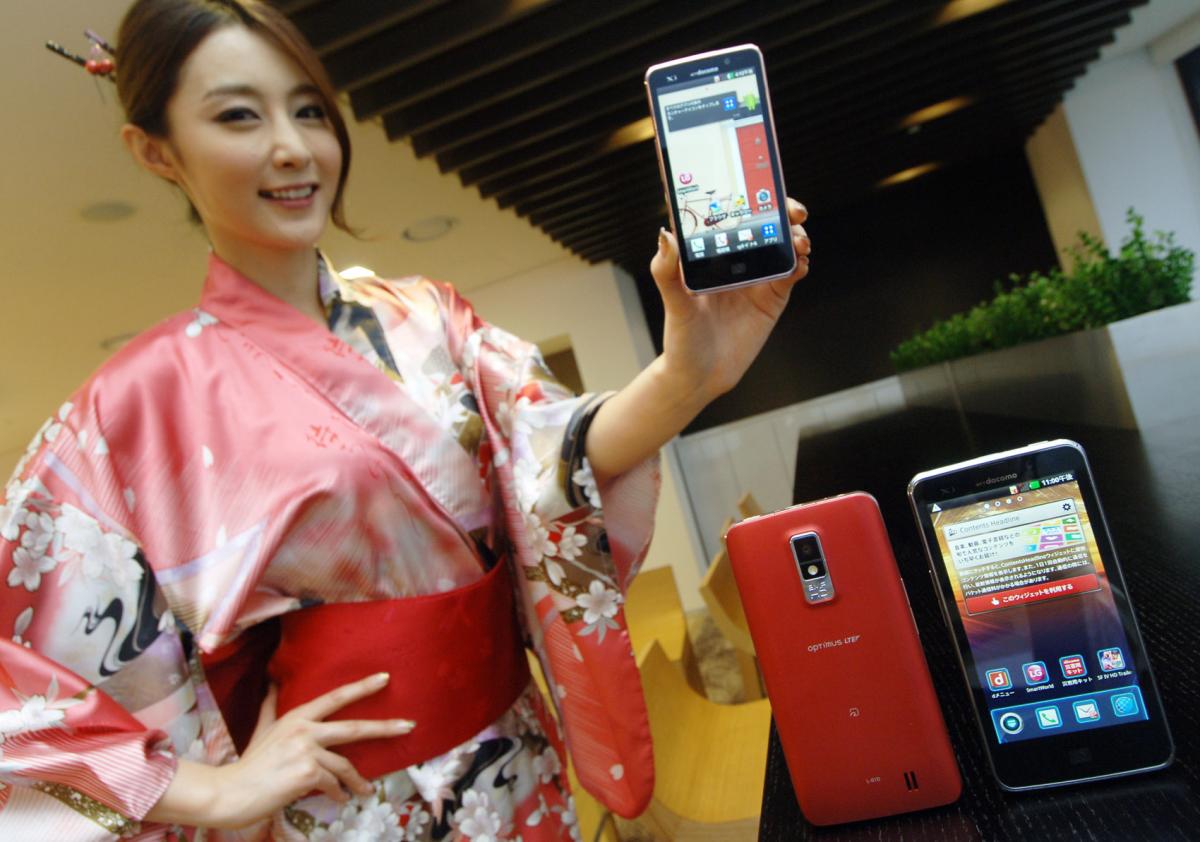
    Japan’s NTT DoCoMo announced it has granted a standards-essential patent license for its wireless technologies to equipment vendor Huawei.

    The operator has now granted patent licenses to more than 10 companies and plans to pursue more such licensing deals in the future.

    As a result of its extensive R&D efforts over the past two decades, DoCoMo currently holds more than 5,300 standards-essential patents for W-CDMA, LTE and LTE-A technologies, the company said.

    The company licenses its patents both as part of patent pools lumping together interrelated standards-essential patents from multiple vendors, and through direct deals with individual licensees.

    Financial terms of the licensing deal have not been disclosed. DoCoMo said it plans to build up 5G intellectual property as it continues to contribute to the development of the standard, and will continue to pursue licensing deals for its patents via patent pools and individual negotiations.

  • One of the final hurdles for biggest beer deal almost cleared

    One of the final hurdles for biggest beer deal almost cleared

    Anheuser-Busch InBev’s $107bn acquisition of SABMiller is nearing Chinese approval after the companies agreed to divest the maker of Snow beer, the world’s top-selling brand, according to people familiar with the matter.

    Approvals for both transactions could come as soon as this month based on typical review timelines, clearing one of the final hurdles for the biggest beer deal in history.

    DEBT BREWING: AB InBev agreed to buy SABMiller in October for about $110bn. Picture: REUTERS

    Though China’s Ministry of Commerce may attach some conditions to the deal, including the Snow divestiture, regulators see no major hurdles, said one of the people, asking not to be identified because the deliberations are private. Some local beermakers told the ministry that they don’t object to the takeover as it won’t have a big impact on the Chinese market, another person said.

    SABMiller shares closed up 3 pence to £43.06 in London, erasing an earlier decline. AB InBev shares fell less than 1% to €114.95 in Belgium.

    The merged company would redraw control of the global beer market. Following divestitures, the deal will keep Budweiser, Beck’s and Stella Artois under AB InBev’s roof, while ceding control of brands including Miller in the US and Peroni and Pilsner Urquell in Europe.

    In China, the companies agreed to sell SABMiller’s 49% stake in its joint venture with China Resources Beer, which controls Snow beer, back to its partner.

    Deals unravelled

    In clearing these global hurdles, the beer megadeal contrasts with other big proposed tie-ups that unravelled amid antitrust scrutiny, including Halliburton’s failed bid for Baker Hughes, Staples’s foiled merger with Office Depot and General Electric’s decision to abandon the sale of its appliance business to Electrolux. In the beer deal, the sides were aggressive in offering divestitures from the start — including the plan for SABMiller to sell Snow — which may have ultimately helped reduce regulatory resistance, antitrust lawyers have said.

    The US Justice Department may clear the tie-up as soon as this month, people familiar with the process have told Bloomberg News. SA has yet to bless the deal, which has hit some obstacles amid protests from local unions.

    AB InBev and SABMiller declined to comment. China Resources and the commerce ministry didn’t immediately respond to queries.

    The merger plan, which the two companies reached in November as a way to gain access to emerging markets, has already won antitrust approval in more than a dozen jurisdictions, including the European Union.

    In March, China Resources announced it would buy out SABMiller’s stake in their Chinese venture for $1.6-billion. That deal is also nearing approval from China’s commerce ministry, the people said.

    In the US, AB InBev has agreed to sell SABMiller’s stake in the MillerCoors joint venture. It may also have to agree to further conditions related to beer distribution, according to people familiar with the matter. Smaller brewers and wholesalers want officials to restrict AB InBev’s control and influence over how beer gets on to store shelves, according to the people.


  • Malaysia retail sales fall

    Malaysia retail sales fall

    While Malaysia retail sales for the first quarter have taken a tumble, a decline was on the cards following the introduction of GST on April 1 last year.

    This boosted sales of big-ticket items in last year’s first quarter, and a year after the introduction of the tax consumers are still holding back on spending, according to a report by retail consulting firm Retail Group Malaysia.

    “Further increases in the cost of living in the near future will worsen the situation,” says the report, which shows a 4.4 per cent fall in sales for the retail industry in the quarter compared to 4.6 per cent growth a year earlier.

    As well as the high pre-GST sales last year, weak Chinese New Year sales in February led to the dramatic comparison. While negative first-quarter growth was expected, the results were below the industry expectation of a 4 per cent drop, says the report, based on interviews with members of the Malaysian Retailers Association (MRA).

    Further undermining Malaysian consumer spending power has been a gradual increase in the prices of retail goods and services this year, partly attributable to the weak ringgit.
    “Retailers continued to depend on heavy price discounts,” says the report. “As a result, their profits were eroded.”

    During the first quarter, the only sub-sector not to record a decline in business was “Other Specialty Retail Stores”. The “Department Store cum Supermarket” sub-sector had negative growth rate of 7.3 per cent – the worst performance among the retail sub-sectors. Supermarkets and hypermarkets had their fourth consecutive negative quarter with a 4.2 per cent dip.

    Retail Group Malaysia says MRA members expect their businesses to return to black during the second quarter of this year with an average growth rate of 9.9 per cent. The estimated growth rates for the third and fourth quarters are 5 and 5.5 per cent.

  • Monster Employment Index shows 3% decline in online hiring for April

    Monster Employment Index shows 3% decline in online hiring for April

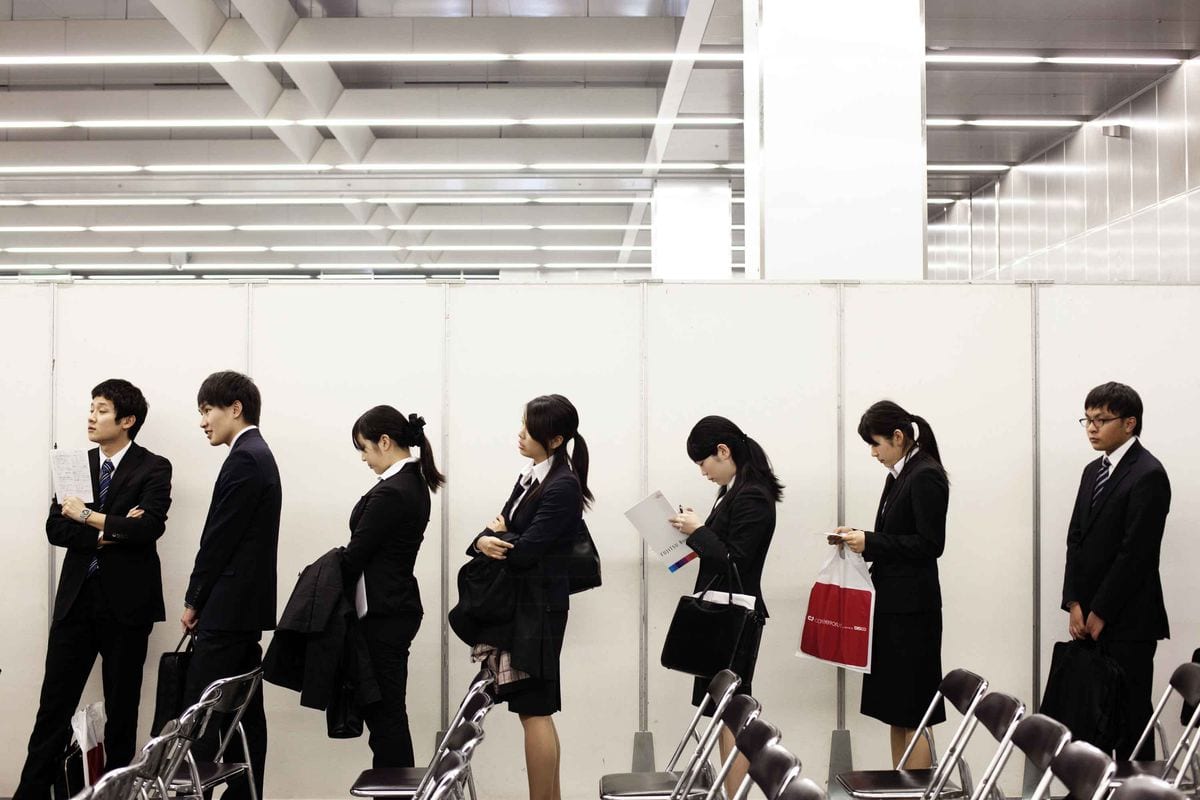
    Online hiring in the Philippines fell 3% year-on-year in April according to the latest Monster Employment Index.

    Despite the 3% year-on-year drop, online hiring improved over last month’s 24% decline.

    “The Philippine economy had expanded faster than analysts’ predictions in Q1, largely driven by jobs across the services sectors. This expansion has given rise to employee demands for various related roles, with the retail sector taking lead in hiring activities,” Sanjay Modi, Monster.com managing director for India, Middle East, Southeast Asia and India, said.

    The retail sector showed a 49% jump in online hiring activities, its first positive growth since March 2015. Among the occupations, showed a 33% year-on-year growth in April. Meanwhile, the hospitality and travel sector showed a 63% decline in online hiring year-on-year.

    “The Philippines is also likely to continue to lure more businesses, thanks to its business-friendly environment, which will continue to drive the labor market. Demands for financial analysts, BPO and IT professionals, web-developers and healthcare workers will be on the rise in the months ahead,” Modi said.

  • Bebe Stores forms global JV with Bluestar Alliance

    Bebe Stores forms global JV with Bluestar Alliance

    Bebe Stores has entered into a joint venture with Bluestar Alliance to take over its global marketing and store operations, including in Asia.

    Bluestar, a privately owned brand management company founded in 2006, has paid US$35 million to Bebe Stores for its minority stake in the new company. Until now, Bluestar has managed a plethora of little known brands spanning mass market to luxury, but with cumulative international sales of $1.5 billion through some 200 licensees. Those brands include Kensie, Nanette Lepore, Catherine Malandrino, Michael Bastian, English Laundry and Limited Too.

    Bebe founder, chairman and CEO Manny Mashouf says while Bebe is “one of the great global brands in the women’s fashion world”, the value of the brand, its reach and potential is clearly not reflected in investors’ current perception of the company and its valuation.

    “The strategic decision to aggressively pursue a licensing strategy allows us to capitalise on the value of our brand in all categories and channels on a global scale. We have seen significant demand from prospective licensees and expect to generate long-term, committed royalties.”

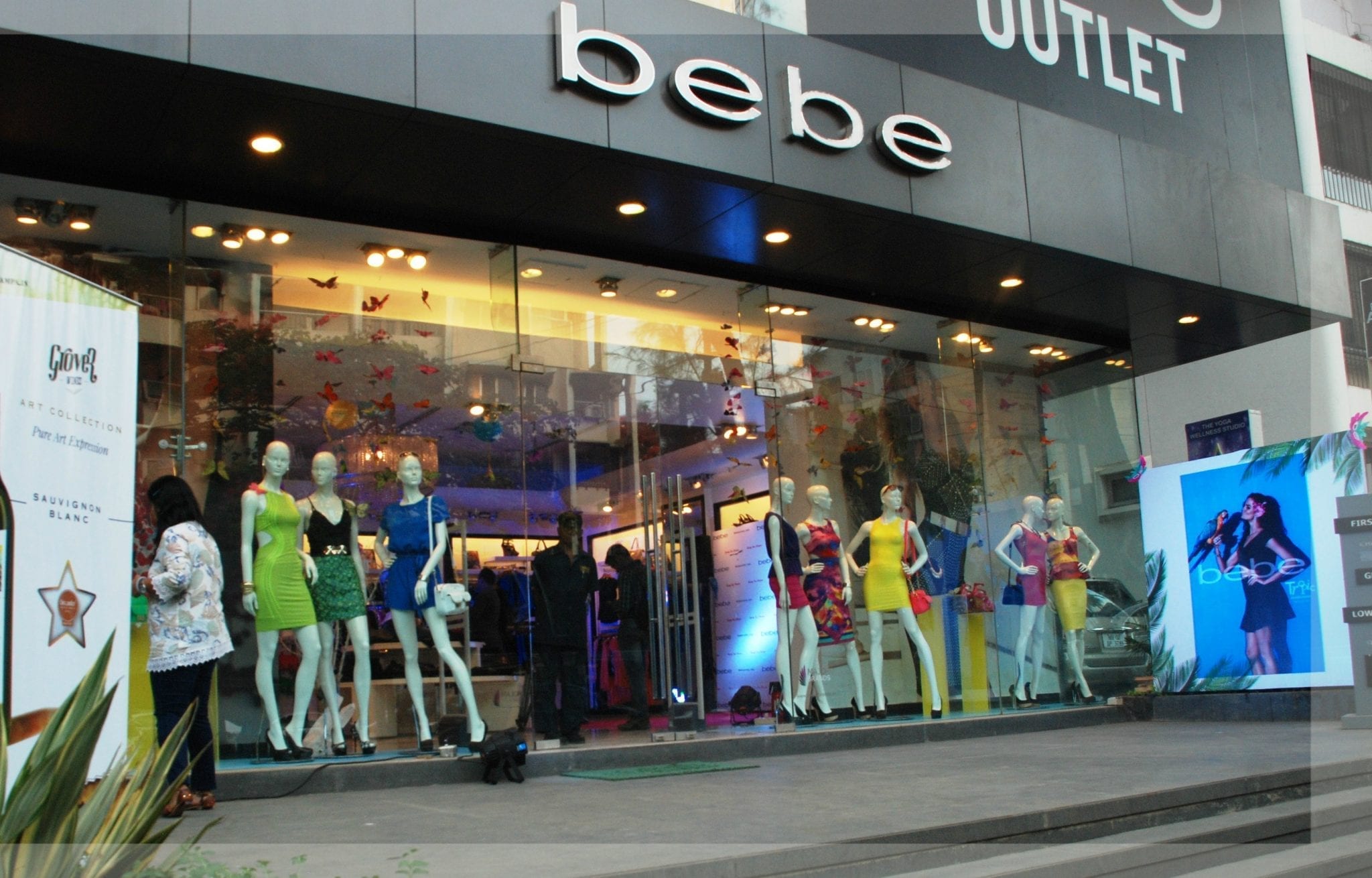
    The new JV will manage the brand in both domestic and international markets, including in China where Bebe has achieved rapid growth since forging a five-year partnership with Shanghai-based brand agency Longgoal LLC last August to open between 60 and 150 Bebe stores, shop-in-shops and third-party retailers in Greater China, Hong Kong, Macau and Taiwan. The first store is expected to open in summer 2016.

    Joseph Gabbay, Bluestar CEO said Bebe is an iconic contemporary women’s brand with a loyal customer base and growing international presence.

    “We believe the company has significant long-term growth potential given its distinct market position, multiple channels of distribution and growing international brand awareness. We see a tremendous opportunity to leverage our brand expertise and capitalise Bebe’s differentiated market position to build a global contemporary lifestyle brand.”

    So far, Bebe has licensees in just 20 international markets. It operates 147 retail stores under its own brand and the sister label Bebe Sort, bebe.com and 39 outlet stores in the US, Canada and Peurto Rico.

    The company embarked on a restructuring plan in February after announcing a second quarter loss, laying off 45 employees and replacing then-CEO Jim Wiggett with Mashouf.