Author: Mei Ling Tan

  • China online payments tightened

    Service providers and their millions of users are affected by a significant regulatory change to China online payments announced by the Chinese Central Bank.

    From July 1, third-party online payment service providers must ensure that all user accounts bear the real name of the account holder. In addition, accounts will be categorised into three types based on security requirements, capped with maximum annual payments.

    The policy was created with an aim of preventing large deposits of money into third-party payment accounts unprotected from bank deposit insurance.

    China’s third-party mobile payments market reached RMB9.31 trillion (US$1.4 trillion) last year, up 57.3 per cent from 2014. Analysts expect the industry will continue to grow at a fast rate in the coming years, reaching RMB52.11 trillion by 2018.
    Mobile payments have become a useful tool for companies in their China market strategy. The two largest third-party online payment platforms in China are Alipay and WeChat.

    Dominant player

    Dominating with roughly half of the market, Alipay is a subsidiary of Alibaba Holding Group, serving Alibaba’s B2B eCommerce network similar to how PayPal works with Amazon and eBay. Alipay co-operates with Visa and around 65 banks, including the Bank of China, China Construction Bank, the Agricultural Bank of China, and the Industrial and Commercial Bank of China.

    As well as being the primary payment method for Alibaba.com and Taobao, it serves more than 500,000 external merchants, covering online retail, gaming, communications, air tickets, commercial services and utility bill payments.

    Its international version, Alipay Global processes payments in RMB and automatically converts them to the merchant’s currency of choice. It supports 12 currencies, with exchange rates decided by either the Bank of China or China Construction Bank. Alipay Global’s transaction fee is 2 to 3 per cent.

    Account procedure

    To set up a service account with Alipay China, a company must first register an account, providing company information for verification. Once approved, an application can be made and a QR code issued.

    Applicants must provide a business licence, ID card information and public bank account details. If the applicant is not the company’s legal representative, a power of attorney must be provided.

    WeChat Payment was launched by Tencent Holdings in 2013. It is different to Alipay in that it serves as both a payment platform and an instant messaging service. It also differs from Tencent’s TenPay, which is similar to Alipay. WeChat Pay can be used to pay in stores, on websites, WeChat shops and third-party apps, with its payment procedure easier and for both customer and company alike.

    Paying through WeChat has revolutionised how retailers and customers interact, with a huge number of customers depending on its social media and instant messenger service.

    To set up a service account, a company first needs to apply for an official WeChat account, specifying reasons for the application and supplying the category or type of company.

    Applicants need to supply the full name of the contact person, phone number and email address; the website address of the company (not necessary for non-IT companies); full company name; description of the product; customer service number; and company bank account information.

    For non-financial entities such as Alibaba and Tencent to provide third-party online and mobile payment services in China, a payment business licence must first be obtained. Regulations stipulate that the business scope, qualifications and contribution ratio of foreign-invested institutions applying for the licence will be decided by the People’s Bank of China and State Council separately.

    Pile of documents

    Meanwhile, Apple Pay has entered the China market, partnering with China UnionPay and nearly 20 Chinese banks. In its first two days, more than three million bank cards were linked to its service, which uses Near-Field Communication (NFC) contactless payments as opposed to QR codes, which are used by Alipay and WeChat Pay.

    Apple Pay, along with Edenred and Sodexo, is among the few foreign-invested companies with a Chinese payment business licence.

    Applicants for the licence must be companies established in the China and must submit a pile of documents to a local branch of the People’s Bank of China – a written application specifying the name, domicile, registered capital and organisational structure of the applicant business, payment business being sought, a copy of the company’s business licence, articles of association, verification certification, financial and accounting reports audited by an accounting firm, feasibility study report, acceptance materials on anti-laundering measures, certification on technical safety testing and authentication, resumes of senior management personnel, certification that the applicant and senior management personnel are free of criminal records, relevant materials of major capital contributors, and an authenticity statement regarding the application materials.

    Entry into China’s lucrative third-party online payments can unlock huge market potential, but the requirements are strict and the application process and approval is by no means easy.

    In comparison, the process for obtaining an online payment QR code is relatively straightforward, but the recent restrictions imposed on payment account types and security checks might change both the way third-party online payment platforms work as well as consumer behaviour.

    • From China Briefing, published by Dezan Shira & Associates. Dezan Shira is a specialist foreign direct investment practice providing corporate establishment, business advisory, tax advisory and compliance, accounting, payroll, due diligence and financial review services to multinationals investing in China, Hong Kong, India, Vietnam, Singapore and other ASEAN countries.
  • Burberry COO steps down

    Burberry COO steps down

    Burberry COO John Smith has announced his resignation from the luxury retailer.

    The UK company said in a statement that Smith will leave the business next year after seven years to “pursue new interests”.

    John-Smith-CEO-Burbery

    “With the company’s future strategies now in place, I am ready to embark on a new challenge,” Smith said.

    “Having been the CEO of a fast growing international business in the past, I am exploring a number of exciting new leadership opportunities in that arena.”

    Burberry chairman Sir John Peace said Smith, who was first a non-executive director and later COO, would be particularly remembered for his success driving digital growth and optimising the potential of Burberry’s beauty and travel businesses.

    “John has been an important contributor to the company’s success and we wish him well in the future.”

  • Robinsons Retail Philippines eyes 200 stores

    Robinsons Retail Philippines eyes 200 stores

    Robinsons Retail Philippines has announced it will add 200 stores, mostly convenience stores and supermarkets.

    The boost in its retail chain will add to its existing 1506 stores.

    For 2016, Robinsons Retail Holdings has earmarked P5 billion in capital spending, nearly 60 per cent higher than the P3.14 billion in 2015.

    Robina  Gokongwei-Pe, president and COO of Robinsons Retail Holdings, said “2016 is expected to be a good year. With the national elections in May coupled with the rising purchasing power of consumers fuelled by low fuel prices, we expect same store sales growth to stay healthy for the whole of 2016,” Gokongwei-Pe said.

    “We however, foresee competition to remain intense as more retailers are expanding aggressively in areas outside Metro Manila to cash in on the still low modern retail penetration in these areas,” she said.

    robinsons storerobinsons supermarketRobinsons Townville facade 2

  • Critics slam Miniso for Japanese image

    Critics slam Miniso for Japanese image

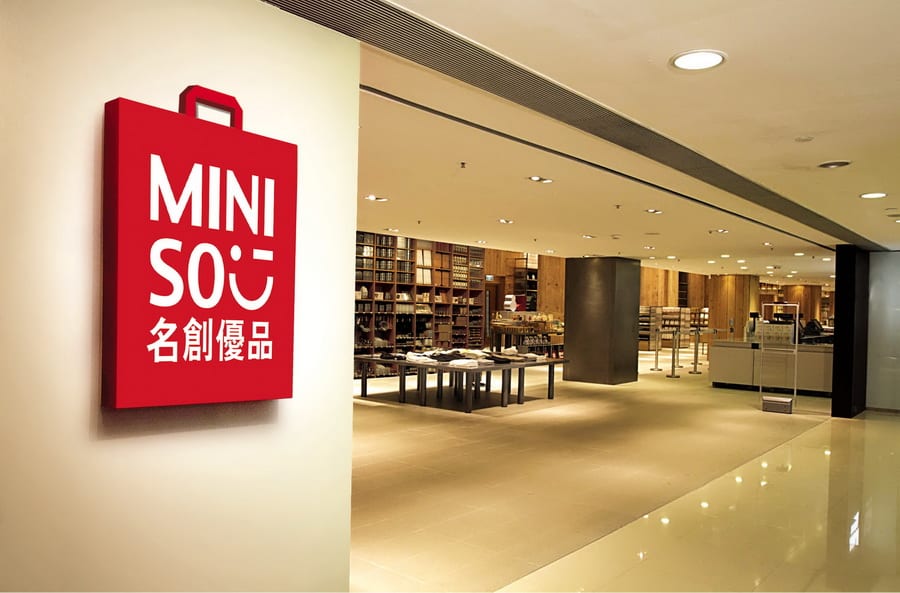
    Controversies continue to hound Miniso, a retail chain in mainland China that projects the image of a Japanese fashion brand.

    Critics have accused it of piggybacking on Japanese retail giants Daiso, Muji and Uniqlo, reports the Hong Kong Economic Journal Monthly.

    Also, the Guangzhou-based vendor of household and consumer items, which has already penetrated the Hong Kong market, has been accused by a Hong Kong designer of stealing his original design of stickers, which he says he found on smartphone cases sold in Miniso stores. But Miniso regional manager Mike Wong says there must be a misunderstanding as his company has no intention of infringing on others’ intellectual property as it can well afford the licensing fee.

    Miniso opened its first Hong Kong store in downtown Yuen Long in November 2014, expanding since into Tsuen Wan, Kwun Tong and Yau Ma Tei, boosting its network to 35 stores in less than two years. Its employee headcount is 450 and growing, with Wong aiming to double the number by the year’s end.

    By comparison, Muji and Uniqlo together have no more than 36 outlets in Hong Kong.

    A typical Miniso store is around 200 sqm and sells such goods as cosmetics, stationery, toys and kitchenware at prices as low as HK$15 (US$1.93). Most items are sourced from China.

    Sales are brisk enough that the brand needs less than eight months to recoup the initial investment, around HK$3 million, for each new store.

    Since 2013, Miniso has opened 1600 stores, with more than 1000 in mainland China and others in Hong Kong, Singapore, Taiwan, Thailand, the Philippines and the UAE. Aggregate sales will double from last year’s HK$5 billion.

    Wong, who once worked as a procurer for Swarovski, says the first time he visited a Miniso store he thought it was another brand under Muji. Now, with Miniso hiring Japanese designers and advocating a simple, low-carbon lifestyle, he says he sees no problem if customers “sometimes can’t tell us from other Japanese brands”.

    He also says that all items in its Hong Kong stores conform to intellectual property regulations. “You can’t say we are copycats.”

    However, he cannot deny the fact that customers in Hong Kong and the mainland trust a Japanese brand more than their homegrown offerings, and many find Miniso’s corporate identity misleading. Nevertheless, the group has four stores in Tokyo’s Harajuku, Ikebukuro and Shibuya districts.

  • Hotel complex to include Republic Plaza Saigon

    Hotel complex to include Republic Plaza Saigon

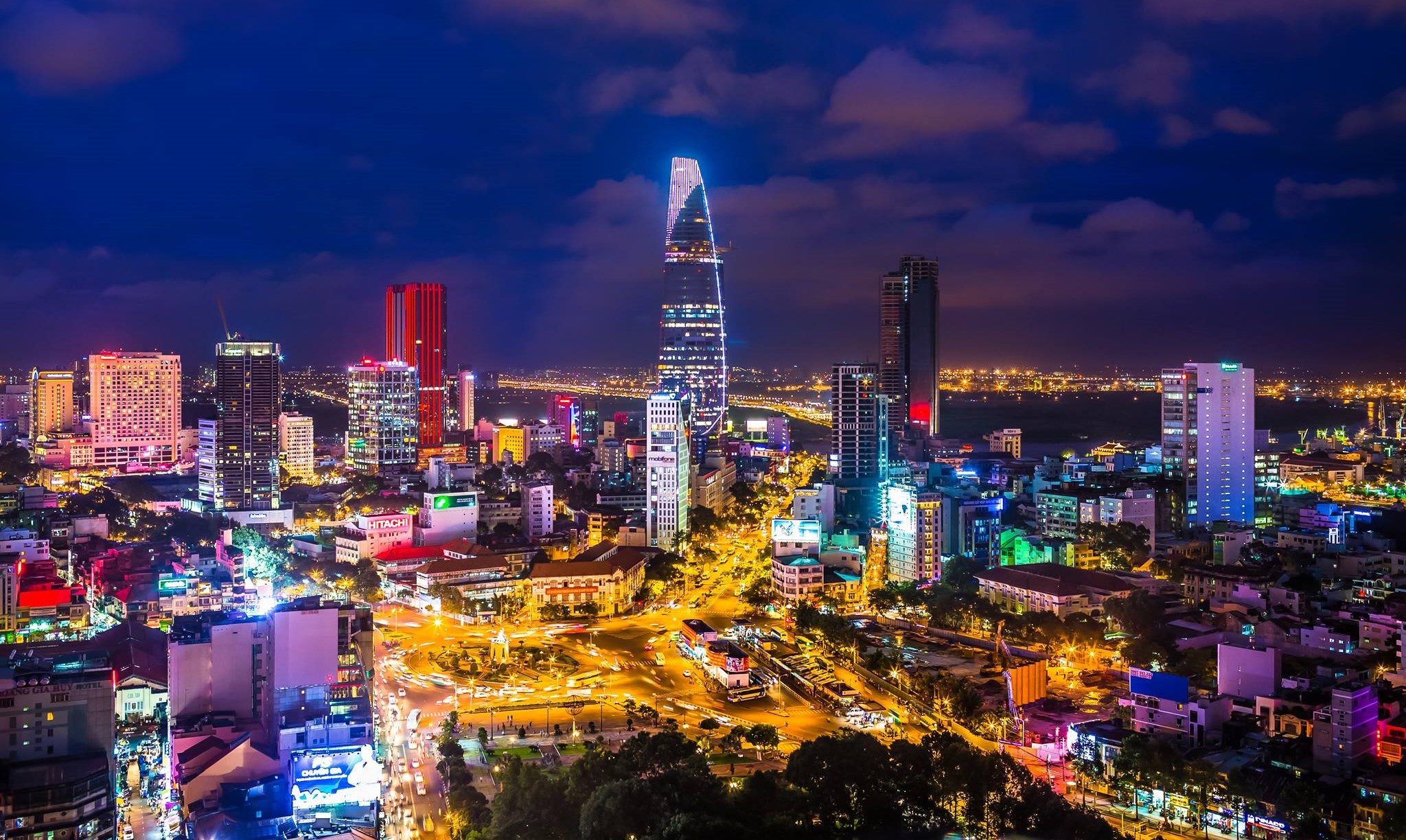
    A retail mall, Republic Plaza Saigon, will be part of a Ho Chi Minh City complex being developed byThuy Duong-Duc Binh Trading.

    Anchoring the project is a 350-room Holiday Inn & Suites hotel – the first of that brand in Vietnam.Holiday Inn is part of the InterContinental Hotels Group (IHG), which already has six properties in Vietnam including the award-winning InterContinental Asiana Saigon, InterContinental Danang Sun Peninsula Resort and Crowne Plaza West Hanoi.

    Another partner in the new project is low-cost carrier VietJet Air, along with HD Bank.

    Scheduled to open in 2018, the complex is close to Tan Son Nhat International Airport and major industrial park areas such as Binh Duong, Dai Nong and Saigon Hi Tech Park. It will be connected to the city via the upcoming metro system.

    There will also be apartments in the development, and the hotel will feature an all-day restaurant, cafe and pool bar. It will also have eight meeting rooms and a business centre.

    In the next three to five years, IHG plans to double its presence with another six hotels in Vietnam.

  • LeEco India moves into stores

    LeEco India moves into stores

    Chinese internet and ecosystem conglomerate LeEco India has ventured into the offline retail space to expand its consumer base in an increasingly competitive market on the sub-continent.

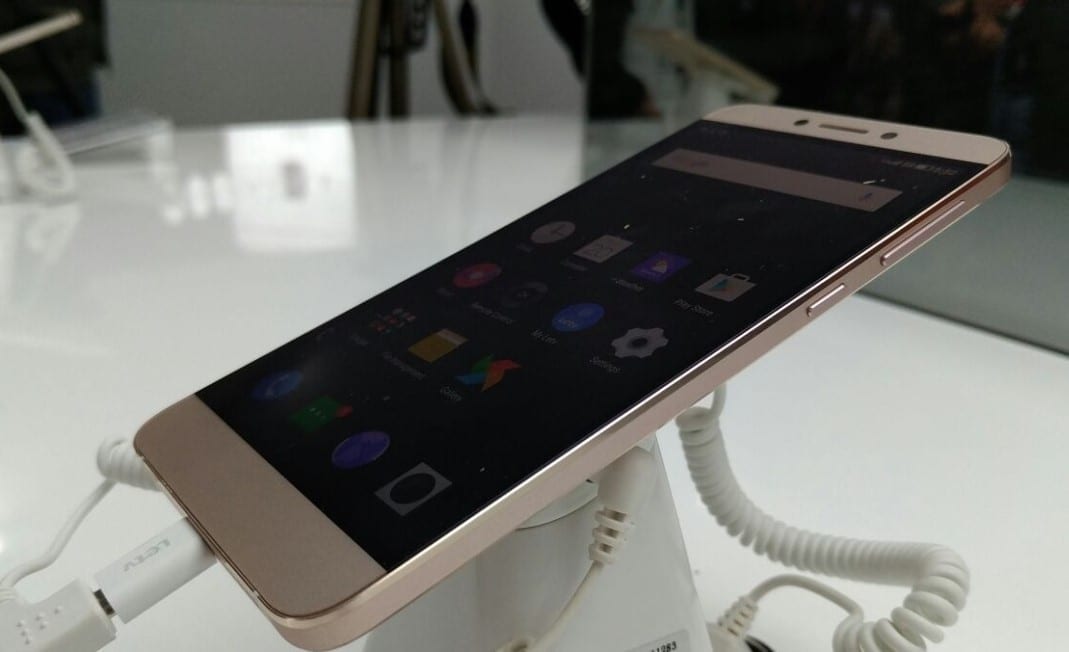
    It has started selling its Le 1s smartphone, initially available exclusively on Flipkart, through retail stores across prime locations in Delhi and Mumbai. In the second phase, LeEco plans to cover nearly 70 per cent of retail stores across India that sell mobile technology, by the end of September.

    “We have fast-tracked our growth trajectory in India, and our entry into the physical retail space affirms it,” says Smart Electronics Business of LeEco India COO Atul jain.

    LeEco has also just launched its eCommerce platform LeMall in India, and also has a new ecosystem membership program. As well as providing users with high-quality content, the program integrates personal cloud services (LeEco Drive), LeMall and after-sales services.

    Founded in China in 2013, LeMall is now available in Hong Kong and the US with a product range including smartphones, smart TVs, reverse in-ear headphones, all-metal earphones and Leme Bluetooth headphones. The company started in India in January with the Le 1s and Le Max, and now has 555 service centres in prime locations.

  • E-commerce firm Shopmatic launches in Hong Kong

    E-commerce firm Shopmatic launches in Hong Kong

    Following its recent investments in India and Singapore, e-commerce solutions provider Shopmatic launched its Hong Kong business operations recently.

    This move is expected benefit Hong Kong online stores, SMEs and entrepreneurs as the platform enables business owners to build and manage their businesses on one single platform.

    Services encompass an entire ecosystem from developing a unique web store to listing businesses on marketplaces and social media channels, to giving insights on how to sell online.

    At a fixed monthly subscription rate of only US$38 per month, businesses can conveniently and easily sell products and services online in Hong Kong and the region.

    As an incentive for new subscribers, Hong Kong merchants who sign up for Shopmatic for the first time will get to enjoy a 15-day trial period during which they can establish their site and experience the entire service.

    Industry analysts have estimated that almost 90 percent of Hong Kong consumers shopped online in the past 12 months, while one-third of the e-shoppers made online purchases within the same week a survey was conducted by Nielsen.

    Shopmatic said it will further strengthen its Asia network by expanding into other countries in this region such as Australia, Indonesia, Malaysia and the Philippines later this year.

    “We are confident that we can help the Hong Kong online stores expand into the region. We also see huge potential in the ways in which we can help Hong Kong SMEs expand their businesses from offline to online for its mature traditional retail model,” Anurag Avula, CEO and Co-Founder, Shopmatic, said.

  • Will Lotte Chairman Shin Dong-bin be questioned?

    Will Lotte Chairman Shin Dong-bin be questioned?

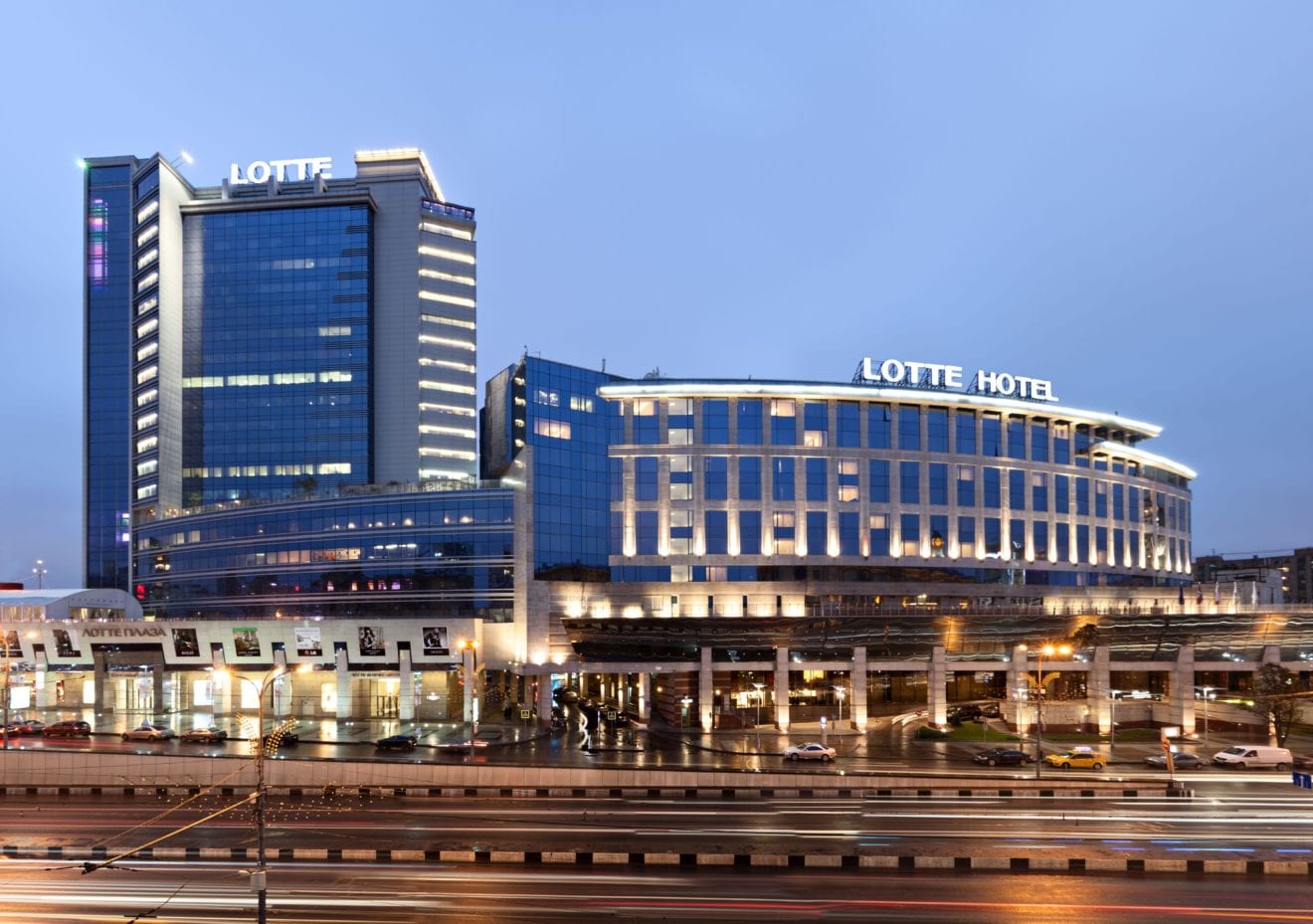
    A series of prosecution probes on alleged embezzlement and malpractice in subsidiaries of Korea’s retail giant Lotte Group hints that the nation’s fifth-largest family-controlled conglomerate’s chairman Shin Dong-bin may be questioned as well.A high-ranking official at Seoul Central District Prosecutor’s Office didn’t rule out the possibility that prosecutors may issue an arrest warrant; however, the time hasn’t ripened yet.

    “In prior cases such as SK and Hyosung, prosecution summoned a number of company officials and tracked the flow of funds to secure solid evidence before questioning group owners. I think it is too early to discuss whether or when to call Lotte chairman Shin,” a senior prosecutor told The Korea Times by telephone, Sunday.

    Key Lotte Group affiliates were being probed over their role to create a slush fund to bribe influential local politicians in return for winning advantages to push ahead the group’s fancy business projects and for massive accounting fraud.

    Prosecutors raided offices of Lotte Group, which were immediately reported to the chairman. Prosecutors issued an international travel ban on Shin’s confidants in what officials say is a preemptive measure before questioning the chairman.

    The official said Lotte’s senior executives “intentionally and systematically” destroyed evidence ahead of the raids, raising possibilities that the chairman was earlier informed of these actions.

    “Lotte Group attempted to destroy and hide related documents and evidence when it underwent a tax audit last year,” he said. “We confirmed that the group did the same this time but were able to secure most of the hidden documents.”

    Shin’s house was also raided while he was in the U.S. for business. The chairman is expected to be questioned by prosecutors upon his return to Korea, but some say it’s still uncertain whether the chairman will return next week, as scheduled.

    “The chairman will be notified of developments of the probe by prosecutors and his return date will be fixed according to the situation. The country’s top law firm Kim & Chang supports Shin,” said an official who is involved with the issue, by telephone.

    Prosecutors believe Chairman Shin has connections with his older sister Shin Young-ja, who allegedly coordinated bribery with failed business tycoon and lobbyist Nature Republic CEO Jung Woon-ho. Young-ja was said to take bribes from Jung in return for granting approval for Nature Republic to open its brand shops at Lotte Free Duty stores.

    No way out

    Due to growing uncertainties about the chairman’s destiny, Lotte’s key business plans have been stalled.
    In a statement, Lotte Chemical, the group’s key petrochemical affiliate, said it dropped its ambitious bid to purchase U.S. company Axiall. Lotte Chemical said the decision was mostly due to possibilities that the group may fall into managerial vacuum.
    More importantly, analysts say Lotte Group’s plan to put the Lotte Hotel for the listing in Korea, which has been slated for next month, may be delayed as the investigation is expected to be widen, hurting investor sentiment.

    The listing of Hotel Lotte is one of the reform pledges that Lotte Chairman Shin has made as part of his efforts to improve its corporate image overall.

    “It’s almost impossible to finalize the IPO by July. I don’t even think Lotte Hotel will be able to be listed this year. The initial IPO price for the hotel will be discounted further given the current market situation,” said a local analyst asking not to be identified.

    Meanwhile, the succession feud, which had seemed to come to an end, is seen to enter a second round with the latest prosecutors’ investigation as Shin’s older brother Shin Dong-joo preparing a fresh attack against the Lotte chairman over his alleged misconduct.

    Analysts say the latest probes are believed to hurt the credibility of Chairman Shin as group leader, and Dong-joo may bring up the issue at the shareholders’ meeting of Tokyo-based Lotte Holdings next week, which controls the group both in Korea and Japan.


  • Sylvie Chantecaille’s Favorite Hong Kong Restaurants and Shops

    Sylvie Chantecaille’s Favorite Hong Kong Restaurants and Shops

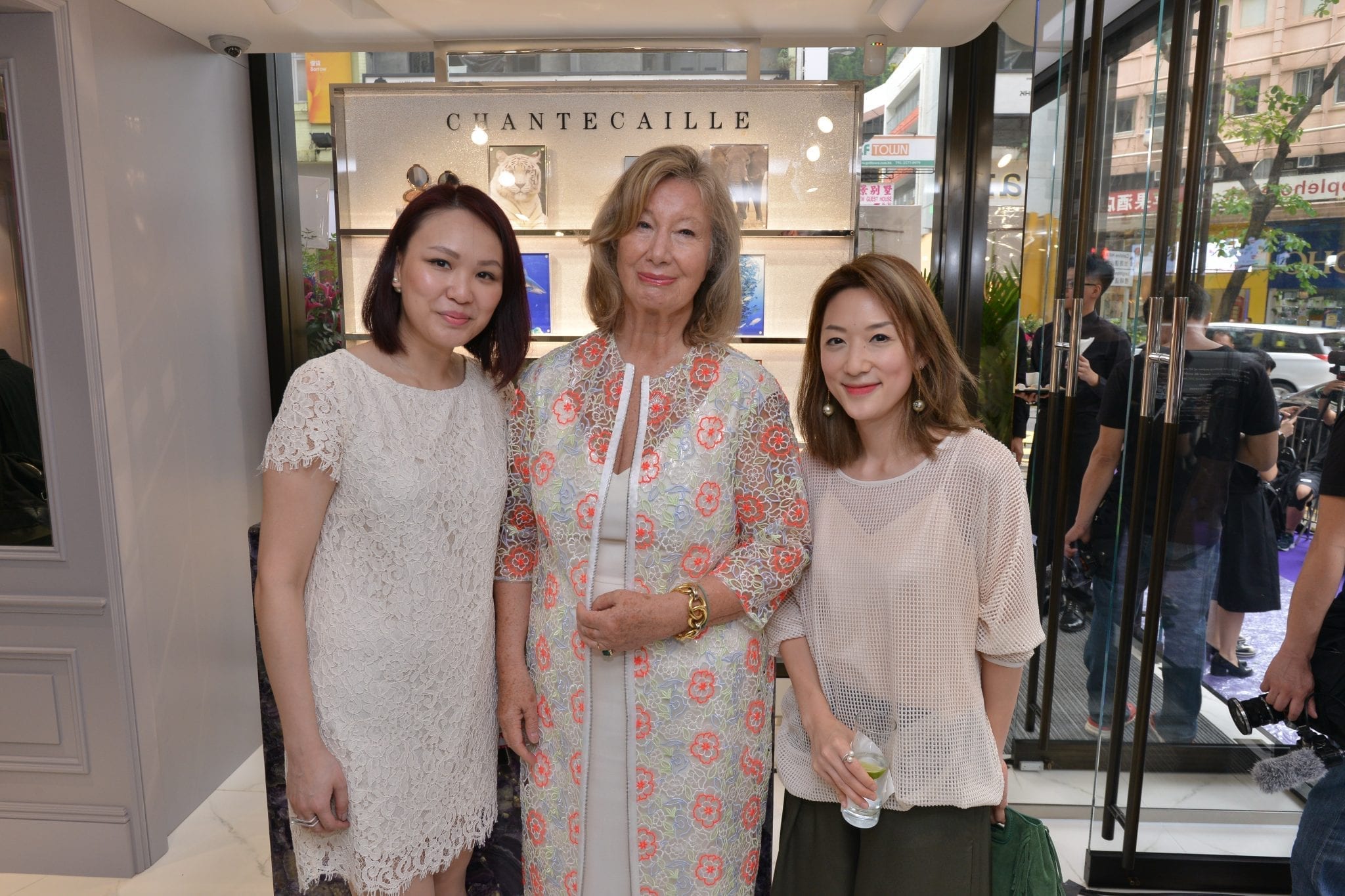
    Chantecaille, the botanical-based luxury skincare and beauty brand, has opened a shop in Causeway Bay, Hong Kong’s premier retail destination. The 1,600-square-foot La Boutique Hong Kong was designed in consultation with innovative French architect and designer Patrick Naggar. On the outside, oversize windows and a limestone façade channel Paris, while whimsical furnishings and bespoke fixtures create an elegant atmosphere inside.

    Aside from the store, there’s a skin clinic with two private rooms where clients can get signature Rose de Mai facials among other treatments. There’s also a salon that offers makeup consultations and brow-shaping services. “The city has been incredibly good to us—we wanted to give back and set up our first true flagship here, giving the women of Hong Kong a spa where they can get an excellent facial and a private salon where they can enjoy a quiet moment or share a macaron with a friend,” says company founder Sylvie Chantecaille. We asked the French skincare guru about her favorite places to eat, shop, and play in the buzzing city.

    Caprice at the Four Seasons Hotel

    “Caprice Bar is a very sexy and cozy spot I love to go with a friend. The atmosphere is sophisticated with mesmerizing deep earth and purple tones. It has an incredible selection of delicious cheese and wine. I like to sit by the window to watch the flickering lights over Victoria Harbour.” 8 Finance Street, Central Hong Kong; fourseasons.com

    Hutong

    “This is a gorgeous and romantic old-world Chinese restaurant designed by David Yeo. When the elevator opens, you are greeted by glistening red lanterns of all shapes and sizes that transport you back in time. It offers chic and fantastic food. Request a table by the window and get there by 8 P.M. to see the light show.” 28/F, One Peking, Tsim Sha Tsui; hutong.com.hk

    Aqua Luna

    “The Hong Kong junk boats represent the old values still present in this modern city. There aren’t that many traditional sampans [wood boats] in operation anymore, but Aqua Luna offers sightseeing trips across the bay on the red-sail vessels.” aqualuna.com.hk

    Chantecaille La Boutique

    “Ice, our facialist, has golden fingers. You will be rejuvenated and experience the best neck massage you have ever had. By the time she applies the third or fourth mask, your skin will be as soft as a baby’s bottom.” G/F 2-4 Hysan Avenue, Causeway Bay; chantecaille.com

    Sevva

    “This restaurant has an amazing terrace with a stunning view of the city—it’s on the 25th floor of the Prince’s Building. People sit there for hours, listening to music and enjoying the glamorous Hong Kong style. When the weather is nice, this is my favorite place.” 10 Chater Road, Central Hong Kong; sevva.hk

    Lane Crawford

    “I am partial to this iconic luxury department store because you can find everything there. They have an incredible selection of more than 800 international brands.” Several locations; lanecrawford.com

    Dries Van Noten

    “As a Dries devotee, I always find amazing pieces at this store that I don’t find anywhere else. It’s also conveniently located near the Marni boutique, which is my other obsession.” 215 Landmark, Queens Road, Central Hong Kong; driesvannoten.be

    Café Gray Deluxe at the Upper House Hotel

    “The best weekend brunch is at Café Gray Deluxe, located in the chic boutique hotel Upper House. It has wonderful city views. There is a big variety on the menu, and they also have decadent desserts.” Pacific Place, 88, Queensway; cafegrayhk.com

    Asia Society

    “I love to take friends visiting Hong Kong for the first time to experience the marvelous art and architecture of this peaceful oasis. There is an exquisite garden, and inside there is a labyrinth-like jungle of foliage that leads you to Chantal Miller Gallery, home to wonderful and unexpected art. They also have a theater with lectures and films.” 9 Justice Drive, Admiralty; asiasociety.org

  • The Bank of Korea Just Delivered a Surprise

    The Bank of Korea Just Delivered a Surprise

    South Korea’s iShares MSCI South Korea Capped ETF (EWY) slid on June 9 after the Bank of Korea cut interest rates by 25 basis points to 1.25%. This is a record low for the Korean policy rate, which is aiming to support the government’s plan for massive debt restructuring for highly indebted firms.

    Growing risks to the economy due to slow trade recovery worldwide also drove the dovish move. EWY had risen by more than 6.5% since the beginning of the month, leading to some profit booking by traders.

    The Bank of Korea Just Delivered a Surprise

    Chinese inflation falls

    Meanwhile, consumer price inflation across China rose by 2.0% in May on an annual basis against expectations of a 2.3% rise. Prices contracted by 0.5% in May, as compared to expectations of a 0.2% decline. Chinese ETFs (FXI) (MCHI) and (ASHR) were declining on June 9, prior to closing on account of the local holiday.

    Japanese indexes continue to correct

    The Japanese Nikkei 225 corrected by nearly 1% on June 9, 2016, after machinery orders added further disappointment to the Japanese economy. Machinery orders fell by 8.2% on a year-over-year basis in April, as compared to forecasts a 2% decline.

    Relatedly, the unemployment rate in the Philippines rose in the second quarter to 6.1%, despite the 5.8% rate last quarter. Thai (THD) consumer confidence in May came in marginally lower at 72.6, while retail sales in Indonesia came in slightly below estimates of 11.1% at 10.4%.

  • Jaunt launches major VR effort in China

    Jaunt launches major VR effort in China

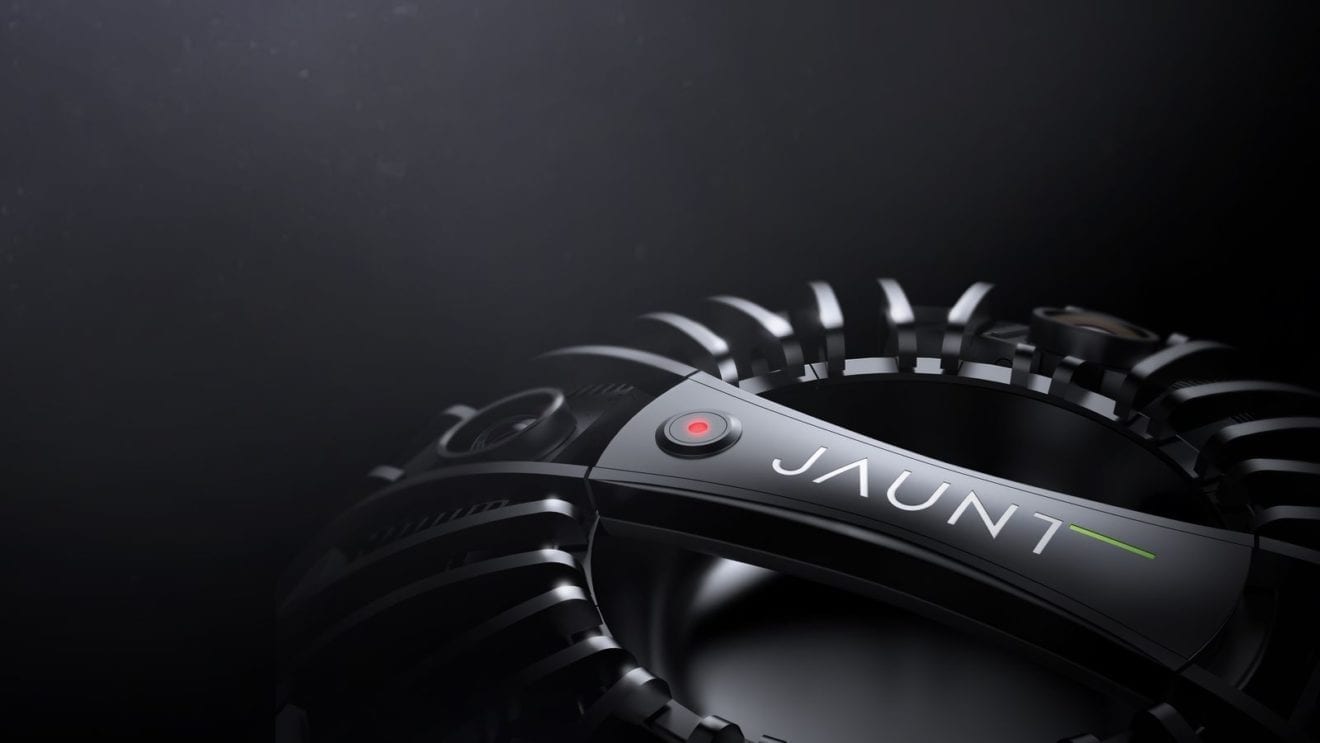
    Just days after its CEO stepped down, Silicon Valley virtual reality company Jaunt said it has started producing VR content in China for worldwide distribution. Jaunt has received $100 million in funding, including millions from Disney.

    The new operation was formed in partnership with Chinese media giants Shanghai Media Group and China Media Capital. The former will also invest in Jaunt’s U.S.-based efforts. Jaunt China will function, much like its American counterpart, as an end-to-end VR production and distribution platform, and will utilize the company’s high-end VR camera.

  • Nestle offers overseas products to Chinese consumers through new partnership with Alibaba

    Nestle offers overseas products to Chinese consumers through new partnership with Alibaba

    Nestlé has strengthened its global capabilities in e-commerce by signing a partnership with Alibaba in China, to grow online sales, build key brands and offer new products to millions of consumers.

    Nestlé has introduced products including Nido milk powder, Damak chocolate and Nescafé Dolce Gusto BMW MINI coffee machines on Tmall.com, China’s largest shopping website for brands and retailers. Using Taobao.com, the country’s largest shopping site overall, Nestlé is expanding its distribution in rural areas.

    Nestlé e-commerce successes to date include the Nespresso online boutique, and the recent global launch of super-premium chocolate brand Cailler using Amazon as the primary retailer.

    Sebastien Szczepaniak, Vice President of Group Sales and eBusiness, said that Nestlé’s online sales are growing more than 25% per year.

    “Moreover, offline purchases are increasingly influenced by what we see online, so brand building has gone beyond having good television advertising and nice packaging. Our ability to build brands on any touchpoint, be it digital or analogue, is vital,” he said.

  • Orchard Rd turns to WeChat to drive sales

    Orchard Rd turns to WeChat to drive sales

    A post on Chinese social media platform WeChat touts Orchard Road as a prime spot for a selfie, with its backdrop of high street brands and clean surroundings.

    Another post raves about the value of the dishes at seafood restaurant chain Fish & Co, where appetisers cost between $3.90 and $11.90.

    The Orchard Road Business Association (Orba) set up the WeChat account two months ago to promote the shopping street directly to consumers in China.

    “In China, without a WeChat account, it’s impossible to communicate with the consumers,” said Mr Steven Goh, Orba’s executive director.

    Like many businesses in Singapore, Orba is looking to the Chinese to provide a boost to the flagging retail and tourism sectors.

    The Orchard Road Business Association recently hired a marketing agency in China to come up with twice-weekly posts on its WeChat platform that use the lingo of the mainland Chinese to introduce the brands in Orchard Road. PHOTO: ORCHARD ROAD BUSINESS ASSOCIATION

    Competition from online shops and weak consumer sentiments have translated into lower retail sales. Tourism growth is expected to slow to a crawl this year, as tourists tighten their belts ahead of a weakening global economy.

    The Chinese, however, offer hope.

    Last year, Chinese visitor arrivals grew 22 per cent year-on- year to 2.1 million. Although their expenditure of $2.54 billion was a 4 per cent dip from the 2014 figure, they were still the top spenders among visitors here.

    In recent years, Orba has sent teams to different cities in China regularly to promote the street.

    Recently, it hired a marketing agency in China to come up with twice-weekly posts on its WeChat platform that introduce – in the lingo of the mainland Chinese – the brands in Orchard Road.

    Its efforts complement those of the Singapore Retailers Association (SRA), which roped in Chinese payments firm UnionPay International as a partner of its Great Singapore Sale this year.

    SRA extended the sale to 10 weeks and started it a week later than usual to coincide with most of China’s summer holidays.

    Other retailers are also taking the initiative to cater to the Chinese.

    Retail shop Taula Jewellery in Clarke Quay widened its range in March to include fashion jewellery and items with prices starting from $29, instead of $49 previously. Its Chinese customers prefer fashion jewellery to precious metal jewellery such as silver and gold, and like good deals, owner Kanika Mittal, 35, noted.

    Department store Takashimaya is “displaying more prominently” products that are more highly discounted and appealing to Chinese tourists, who make up 30 per cent of its foreign customers, said a spokesman.

    SRA executive director Anthony Gan said the Chinese tend to look for goods and services tax refund service, shops that accept UnionPay, Mandarin-speaking staff and special offers.

    The spending patterns of Chinese tourists have evolved, said UnionPay International South-east Asia general manager Yang Wenhui. He said it was “seeing spending on hotels, supermarkets, dining, airlines and retail grow at a much faster rate than luxury goods in general”.

    Tourism consultant Edward Chew said Chinese tourists no longer “purchase everything they come across”, with many international brands now available in China.

    The former Singapore Tourism Board regional director for Greater China said: “We need to distil what Singapore is good for and strong in and what’s unique about our retail scene, and actively promote them to the Chinese traveller in Singapore.”

  • The Philippines Set a New World Record Thanks to this Retail Brand

    The Philippines Set a New World Record Thanks to this Retail Brand

    As Swedish retail brand H&M continues to dominate the Philippine shores, it seems that they also got a prestigious award along the way.

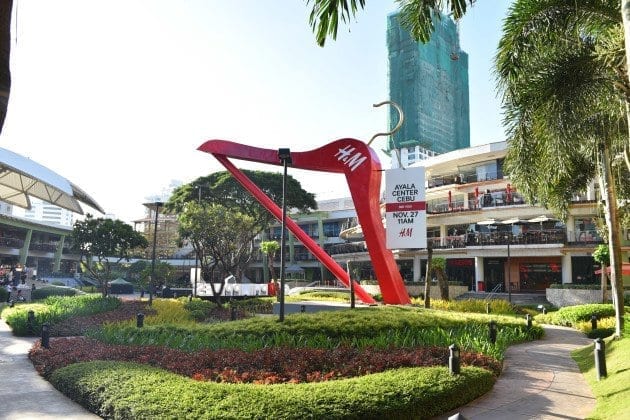
    Last year, H&M Philippines unveiled a 50 x 50 foot coat hanger in Ayala Center Cebu during the opening of their largest South East Asian branch to date. Not only was it a sight to see for local mall-goers, it also recently got the Guinness World Record for the World’s Largest Coat Hanger.

    Yes, there is such a record. I was as surprised as you. Also, I wonder how many clothes can we hang on that?

    What do you think about that? Leave your comment!

  • Samsung Pay e-wallet to launch in Singapore on June 16

    Samsung Pay e-wallet to launch in Singapore on June 16

    Samsung Pay, the Korean electronics giant’s e-wallet system, will launch in Singapore on June 16.

    At launch, those holding Visa and MasterCard credit or debit cards issued by POSB Bank, DBS Bank, OCBC Bank, Standard Chartered Bank and Citibank will be able to use a compatible Samsung phone to pay at almost all retail outlets that accept credit cards.

    Singapore will be only the fifth country to have Samsung Pay. It was launched in South Korea last August, followed by the United States in September. In March this year, Samsung Pay made its debut in China, while it was launched in Spain just earlier this month.

    “We are excited to bring this service to Singapore consumers and we hope to introduce value-added services to drive and lead innovation in mobile commerce,” said Mr Thomas Ko, vice-president and global general manager of Samsung Pay.

    Samsung Pay allows users to register their credit card details on selected Samsung smartphones with Near-Field Communication (NFC) wireless technology. Once registered, users can tap the phones for payment on almost all credit card payment terminals here.

    This is because Samsung Pay uses a proprietary Magnetic Secure Transmission (MST) technology that works with both traditional magnetic-stripe credit-card terminals and NFC contactless payment terminals.

    Unlike other contactless payment methods that are limited to transactions of $100 or less, Samsung Pay does not have this limit due to its MST technology.

    Four Samsung Galaxy smartphones – the S6 edge+, Note 5, S7 and S7 edge – are compatible with Samsung Pay at launch. Fingerprint authentication is required for each transaction.

    As of February this year, Samsung Pay has over five million registered users and recorded more than US$500 million (S$672 million) worth of transactions globally.

    Rival mobile payment service Apple Pay was launched in April with support for American Express-issued cards only. But as of last month, Apple Pay also accepts Visa and MasterCard credit and debit cards issued in Singapore from five major banks – POSB, DBS Bank, OCBC Bank, UOB Bank and Standard Chartered Bank.

    Apple Pay only works with contactless NFC payment terminals. This limits Apple Pay to only around 30,000 payment terminals in Singapore.

    It also has a $100 cap for most transactions. But UOB has lifted this limit for some merchants, such as Singapore Petroleum Company, Caltex, Metro and The Coffee Bean & Tea Leaf.