Author: Mei Ling Tan

  • Visa launches #notatourist platform to attract travelers to Thailand with the help of locals and social media

    Visa launches #notatourist platform to attract travelers to Thailand with the help of locals and social media

    Travelers looking to experience Thailand like locals can now find ideas and inspiration in Visa’s #notatourist platform. The “Visa #notatourist: See Thailand through Local Eyes” campaign aims to woo residents to share the many local experiences that otherwise might elude travelers on the conventional path.

    The campaign rallies residents in Thailand to share photographs of the different things to do, food to eat, and places to see on social media, namely Instagram and Facebook. With hashtags #notatourist and #VisaThailand, the selected photos will go on Visa’s dedicated website at www.visa-promotions.com/notatourist/TH/. A panel of judges will then select ten to print, creating a total of 100,000 postcards – the quintessential travel souvenir – to be distributed by Tourism Authority of Thailand (TAT) and Visa around the world. There will also be lucky draw for participants at the end of each month within the activity period.[1]

    As one of the most popular destinations in the world[2], with 28 million international visitors last year[3], Thailand’s famous sights and sounds are well-known. While the usual tourist attractions such as Grand Palace and dishes like Pad Thai are worth revisiting, Visa believes that Thailand has more to offer – particularly when recommended by locals.

    Suripong Tantiyanon, Visa Country Manager, Thailand said: “This is an opportunity for people of Thailand to share unique aspects of the country for visitors looking to venture off the beaten path. Visa recognizes the changing expectations of today’s travelers and their reliance on social media when visiting new places. The #notatourist platform will help unearth new ways to discover hyper-local experiences.”


    Complementing existing partnership with TAT, #notatourist platform aims to guide travelers to navigate local experiences, customs and cuisines – all things Thais hold dear but otherwise might be off the radar to some visitors. Residents of Thailand are encouraged to share their favorite places, restaurants, and activities on the social media platform.

    The campaign is part of Visa’s #notatourist initiative, launched globally this year. As one of the most popular travel destinations in the region, Thailand is the first country in Southeast Asia to run this platform.

    “This is our chance to redefine how Thailand will look to visitors in the next ten years and we at Visa are excited to open this up for everyone to participate,” added Mr. Suripong.

    [1] Terms and conditions apply

    [2] In 2015, Thailand ranks 14th in the world on number of international tourist arrivals and 9th in the world for international tourism revenue, according to the latest figures from the UN World Tourism Organization (UNWTO)

    [3] The number of tourist arrivals announced by Tourism Authority of Thailand in their official website on December 2015. (https://www.tatnews.org/thailand-tourism-hitting-record-highs-with-the-arrival-of-the-28-millionth-tourist-for-2015/)


  • WearYouWant establishes itself as a trusted digital partner

    WearYouWant establishes itself as a trusted digital partner

    WearYouWant, Thailand’s leading online fashion and beauty marketplace is fast becoming a trusted digital partner for industry brand names and distributors; creating a solid online presence in Thailand’s booming internet industry. Working with large, international brands and distributors, as well as smaller and more localized businesses, WearYouWant offers a uniquely customized e-commerce platform with a strong focus on targeted visibility and curation of merchants’ products.

    CEO and Co-Founder of WearYouWant Julien Chalte explains how the e-commerce site stands out for businesses.

    Brands want to go digital, and need to, but may lack the knowhow, time and resources to be hands-on and do so effectively. WearYouWant personalizes the experience, creating and servicing every aspect of a merchant’s outlet, from the graphic design of marketing materials to uploading pack shot images.  

    “When I look at our monthly pay outs to our merchants it is great to see that we are indeed delivering growth to both the smaller independent designer with only one storefront and the big international brands at the same proportional scale. The secret for us has been to keep the dual focus of B2B and B2C and grow the two at the same pace. That has made us and our big and small merchants successful.”

    Minor International PCL, one of Thailand’s leading and largest distributors of lifestyle brands such GAP, Esprit, Bossini and Red Earth, value the partnership with WearYouWant.

    James Richard Amatavivadhana, Chief Executive Officer of Minor International PCL, says, “Digital development is rising so fast in Thailand that it is important for us to incorporate the strongest digital sales channels. The future of retail is changing, but the core principles of trust, confidence and transparency still reign, especially when it comes to e-commerce. WearYouWant has empowered us to grow digitally and has enabled us to create a flagship online outlet allowing widespread visibility to our brands and products as well as an assurance to consumers that the products they shop are genuine.”

    Sam Naghi, owner and MD at Sam’s Sports shop, is another merchant on WearYouWant’s platform selling mainly sport shoes that applauds the e-commerce website for the tremendous impact it has created on the business, by creating visibility and increasing their sales volume online.

    Partnering with WearYouWant has made a huge difference for us. We have a whole new revenue stream and a digital storefront where both our products and brand gets noticed by customers we would have been unable to reach ourselves”, he said.

    WearYouWant recently received the Best e-Commerce Website Award 2016 from the Ministry of Commerce’s Department of Business Development in two categories:  Best in e-Commerce Management and Best in e-Commerce Trusted Website. The award was presented during the Thailand eCommerce Day held at e-Biz Expo 2016 at the Queen Sirikit National Convention Center.

    The first half year of 2016 ends 30th June and WearYouWant’s own forecast indicates at this point in time, a 120% growth in turnover in the first half of the year in 2016 compared to first half of the year in 2015.

  • Bolloré Logistics the Only Visionary in Gartner’s Magic Quadrant for Third-Party Logistics Providers, Worldwide

    Bolloré Logistics the Only Visionary in Gartner’s Magic Quadrant for Third-Party Logistics Providers, Worldwide

    Bolloré Logistics* is the Only Visionary in the 2016 Gartner’s Magic Quadrant for Third-Party Logistics Providers, Worldwide, published on May 5th.
    Gartner’s Magic Quadrants are a tactical tool used by decision makers to evaluate the largest third-party logistics providers (3PL) and their abilities to be a global preferred provider.
    “To be positioned as the Only Visionary in this year’s Magic Quadrant is a very positive result for us,” said Thierry Ehrenbogen, Chief Executive Officer at Bolloré Logistics. “We believe this recognition reaffirms our constant search for improvement and our determination to deliver the highest quality of customer service through innovative approaches.”
    Bolloré Logistics was one of 16 third-party logistics companies that meet Gartner’s criteria based on completeness of vision and ability to execute. This year marks the third consecutive year Bolloré Logistics has made it into the quadrant. In April 2015, Bolloré Logistics was recognized as a Leader in the Magic Quadrant for 3PL, Europe.
    *Bolloré Logistics formally SDV

  • China, Hong Kong shares fall as global investors flee risky assets

    China, Hong Kong shares fall as global investors flee risky assets

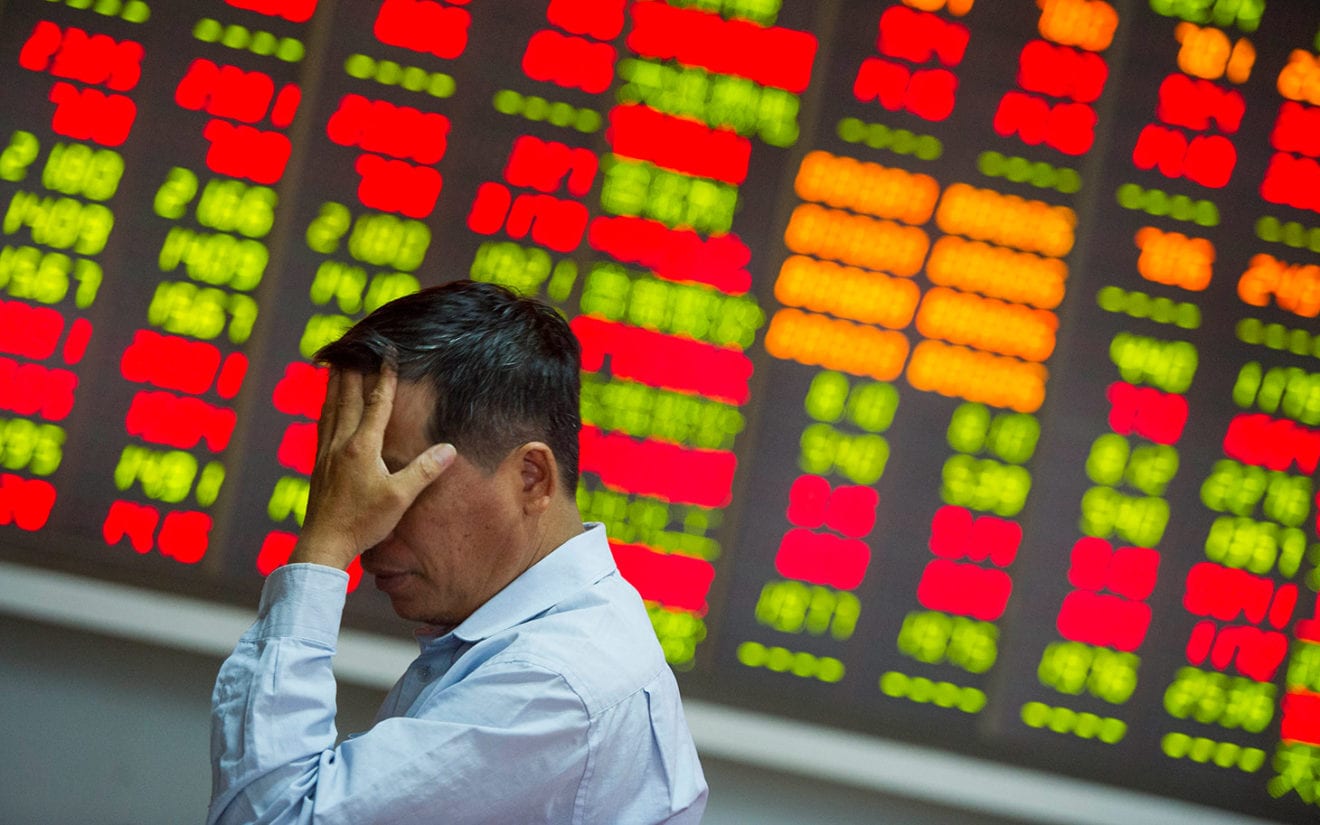
    China and Hong Kong stocks slumped on Monday morning, with investors joining a global flight from risky assets on lingering economic concerns and rising risks from the UK’s possible exit from the European Union.

    Sentiment was dampened by worries over China’s economic health after data showed slowing growth in fixed asset investments and retail sales, offsetting optimism that MSCI may add Chinese shares to its emerging market index this week.

    China’s blue-chip CSI300 index fell 0.8 percent, to 3,138.06 points by the lunch break, while the Shanghai Composite Index also lost 0.8 percent, to 2,904.23 points.

    Selling was more intensive in Hong Kong, where financial markets are more open and thus more vulnerable to global market volatility. The benchmark Hang Seng index dropped 2.5 percent.

    In June 2015, China’s “Great China Bubble” burst, triggered by the destruction of margin trades, and sending shockwaves across global financial markets.

    “One year after the crash, China’s stocks, bonds, property and currency are still expensive,” wrote Hong Hao, chief strategist of BOCOM International.

    He added that the Shanghai index was still roughly 17 percent above the theoretical support level of 2,500 even after almost halving from last summer’s peak.

    “Although Hong Kong is trying to heal, struggling global markets will be a drag.”

    Global market volatility surged lately as investors fretted ahead of this week’s central bank meetings as well as Britain’s June 23 referendum on whether to remain in the European Union.

    Sentiment was not helped by lacklustre Chinese data.

    Foreign direct investment (FDI) in May fell 1 percent from a year earlier, marking the first year-on-year decline since December, according to data published on Sunday.

    Data on Monday showed that China’s fixed-asset investment growth eased to 9.6 percent in January-May from the same period a year earlier, below market expectations. Industrial output and retail sales data were not encouraging either.

    “Given today’s data, there is higher risk for China to miss the growth target of 6.5 percent y/y in Q2,” ANZ wrote in a research note.

    Shares fell across the board in China and Hong Kong.

  • Card usage adds THB 113 billion to the Thai economy in the past five years – the largest increase in Asia

    Card usage adds THB 113 billion to the Thai economy in the past five years – the largest increase in Asia

    Increased use of electronic payments, including credit, debit and prepaid cards, added US$3.18 billion (approximately THB 113 billion) or 0.19% GDP growth to Thailand’s economy from 2011 to 2015, the largest weighted average increase in Asia, according to research conducted by Moody’s Analytics for Visa.

    Thailand’s growth triples that of the regional average GDP increase of 0.06% with Vietnam following at 0.14% and Singapore at 0.1%. Increased electronic payment usage also created the equivalent to an average of 75,730 jobs in Thailand per year in the same period.

    Suripong Tantiyanon, Visa Country Manager, Thailand said: “These findings reinforce the many positive benefits that electronic payments bring to local economies not just in Thailand but all over the world. This research also suggests that the right public policies can create an open, competitive payment environment, and contribute to economic growth and job creation.”

    “In Thailand, Visa has partnered with financial institutions, merchants, technology companies, and government agencies such as Tourism Authority of Thailand to make electronic payment accessible to everyone – accelerating electronic acceptance, growing commerce both online and offline, facilitating tourism, and in general bringing the benefits of card payments nationwide,” added Mr. Suripong.

    The Moody’s Analytics study analyzed the impact of electronic payments on economic growth across 70 countries between 2011 and 2015. The Visa-commissioned study found that increased use of electronic payment products, including credit, debit and prepaid cards, added US$296B to GDP, while raising household consumption of goods and services by an average of 0.18 percent per year.

    In addition, Moody’s economists estimate that the equivalent to 2.6 million new jobs were created on average, annually, over the five-year period as a result of increased use of electronic payments. The 70 countries in the study make up almost 95 percent of global GDP.

    “Electronic payments are a major contributor to consumption, increased production, economic growth and employment creation,” noted Mark Zandi, Chief Economist, Moody’s Analytics. “Those countries which saw large increases in card usage also saw larger contributions to overall growth in their economies.”

    Findings from the study were shared in the report, “The Impact of Electronic Payments on Economic Growth,” which also indicated that the electronification of payments benefited governments and contributed to a more stable and open business environment. Additionally electronic payments helped to minimize what is commonly referred to as the grey economy — economic activity that is often cash-based and goes unreported.  As a result, electronic payments provided a higher potential tax revenue base for governments, while also bringing the added benefits of lower cash handling costs, guaranteed payment to merchants and greater financial inclusion for consumers.


    Highlights of the global study include:

    • Growth Opportunities:

    Card Penetration: Real consumption grew at an average of 2.3 percent from 2011 to 2015, of which 0.01 percent is attributable to increased card penetration. This implies that card usage accounted for about 0.4 percent of growth in consumption. Since consumption growth is, on average, faster in emerging economies, those countries also have more to gain by increasing card usage.

    Card Usage: Countries with the largest increases in card usage experienced the biggest contributions in growth.  For example, big increases in GDP were recorded in Hungary (0.25%), the United Arab Emirates (0.23%), Chile (0.23%), Ireland (0.2%), Poland (0.19%) and Australia (0.19%). In most countries, card usage increased regardless of economic performance.

    • Contribution to Employment:

    Increased card usage added the equivalent to almost 2.6 million jobs on average, per year, across the 70 countries sampled between 2011 and 2015. Notably, the two countries with the greatest average job increases were China (427,000 jobs added) and India (336,000 jobs added), which both had large gains in employment due to the combination of fast growing labor productivity and increased card usage.

    • Emerging Markets and Developed Countries:

    Both emerging markets and developed countries experienced gains in consumption due to higher card usage. Increased card usage added 0.2 percent to consumption in emerging markets, compared with 0.14 percent in developed countries between 2011 and 2015. The corresponding figures for GDP were 0.11 percent for emerging economies and 0.08 percent for developed countries, and suggests that all markets, regardless of current card penetration rates, can benefit from increases in consumption due to increases in card usage.

    • Potential Future Growth:

    Across the 70 countries in the study, Moody’s found that every 1 percent increase in usage of electronic payments could produce, on average, an annual increase of approximately $104 billion in the consumption of goods and services. Assuming all future factors remain the same, this could result in an annual average increase of 0.04 percent to GDP attributable to card usage.

    The study highlights that expanding electronic payments alone will not necessarily increase a country’s prosperity — it requires the support of a well-developed financial system and healthy economy to have the greatest impact. The report recommends at a macro-level, to encourage the further electronification of payments, countries must promote policies that streamline regulation, create a robust financial infrastructure, and lead to greater consumption.

  • e-Biz Expo 2016 – Thailand’s largest exhibition and trade show on e-commerce, all aspects of e-Business and online technology

    e-Biz Expo 2016 – Thailand’s largest exhibition and trade show on e-commerce, all aspects of e-Business and online technology

    N.C.C Exhibition Organizer Company Limited or NEO, Thailand’s leading organizer of international trade and consumer exhibitions, is organizing the e-Biz Expo 2016, an exhibition dedicated exclusively to all aspects of e-Business and online  technology .

    Held for the second year, the theme of  e-Biz Expo 2016 is Digital in your Hand : Gateway To ASEAN e-Commerce & Digital Business, highlighting the importance of the digital economy. This year, the e-Biz Expo 2016 has received support from both the private and government sectors including the Ministry of Information and Communication Technology, the Department of Business Development, Ministry of Commerce, The Federation of Thai Industries (FTI), Electronic Transactions Development Agency (Public Organization) and Thai e-Commerce Association. Private sectors who have once again gathered this year to provide support to this event include Ascend Group, Kerry Express, Bank of Ayudhya Public Company Limited, Paypaid, Ready Planet , Chinese e-commerce giant Alibaba, and Facebook among others.

    Visitors will have the opportunity  to meet with more than 100 booths providing products and services from leading Thai online and IT companies, representing three essential elements of the online and commerce business: 1) e-Commerce & Cross-Border e-Commerce 2) e-Payment and 3) e-Logistic for Business.

    ssIn addition, this exhibition also features e-commerce seminars and workshops hosted by local and international speakers and experts, business matching activities, and the opportunity to network with people in the e-Commerce business.

    Guest speakers include Jerry Wu Zhu, Director of Alibaba.com Thailand market, Punnamas Vichitkulwongsa, CEO of  Ascend Group Co.,Ltd. and True Money Company Limited,  Ariya Banomyong,  Managing Director of LINE Thailand, Alex Ng, Director and GM of Kerry Express Thailand, President and Founder of  Thai Ecommerce Association Pawoot Pongvitayapanu and MD & Founder Rakuten TARAD.com, Ali A. Fancy, CEO ZALORA (Thailand) Ltd and  Rathiya Issarachaikul, Manager, small and medium business Facebook Thailand and many more.

    Entrance to e-Biz Expo 2016 is free. Tickets to attend seminars cost Baht 3500 for 2 days during June 10th-11th. Tickets at the door are Baht 3800, There will also be workshops on digital marketing and e-commerce which are free to attend.

  • Thailand still a hot destination for package bookings

    Thailand still a hot destination for package bookings

    During the 12 months ending in the first quarter of this year, on average, the booking window of international travellers to Thailand stretched over a month (36 days), |with an average length of stay per booking at three days, according to a survey by |online travel company Expedia group.

    Year-on-year growth shows top destinations in Thailand are Pattaya (up 70 per cent), Bangkok and Chiang Mai (up 60 per cent), Phuket (up 55 per cent) and Koh Samui (up 50 per cent).

    Smaller regions on the rise with eye-catching triple-digit growth include Koh Lipe, Northeastern Thailand, Rayong, Trat and Hat Yai.

    Data from the same period showed that package bookings generated a booking window more than 1.5 times as long as stand lone hotel bookings. In addition, cancellation rates of packages are also much lower compared with standalone bookings.

    Top package-generating markets include Malaysia, Hong Kong, Australia, Singapore and Japan.

    “Delivering global demand for Thai hoteliers is a mission for us,” said Pimpawee Nopakitgumjorn, director of market management at Expedia group. “In particular, Expedia package bookings are attractive because they are a great way for hotels to build a strong base of customers without eroding their retail rates. Last year alone, we sold [more than] 7.1 million packages globally.”

  • King Power buys 39% stake in Thai Air Asia

    King Power buys 39% stake in Thai Air Asia

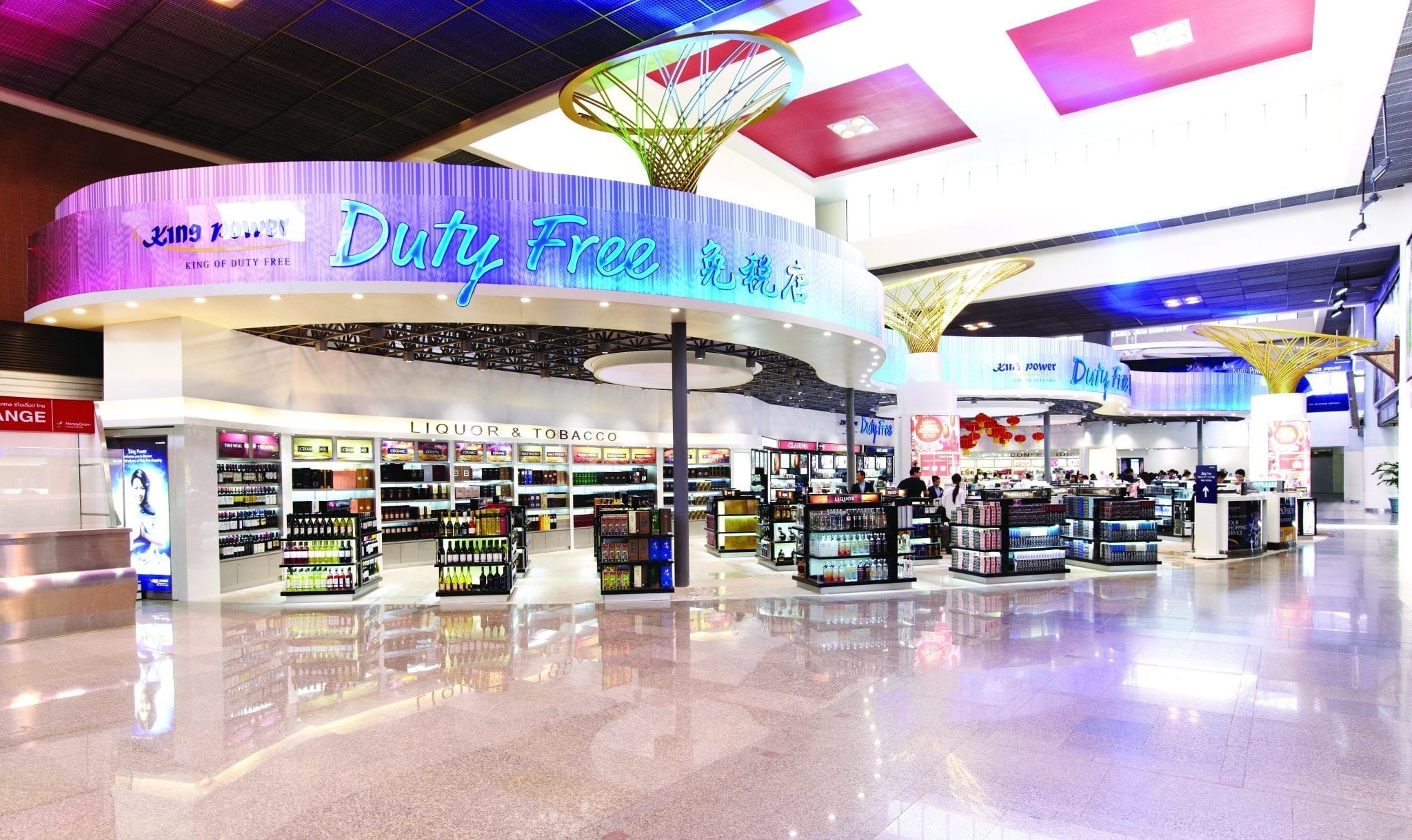
    King Power, the Thai duty-free conglomerate, has bought a US$225 million (S$305 million) stake in Thai Air Asia, the country’s largest budget airline.

    The purchase allows King Power’s billionaire owner Vichai Srivaddhanaprabha to further tap into Thailand’s booming tourism industry and expand beyond his duty-free and hotel portfolio.

    Thai Air Asia is 55 per cent owned by Asia Aviation, a Thai company, with the rest held by the Air Asia group founded by Malaysian entrepreneur Tony Fernandes.

    AirAsia Group Chief Executive Officer Tony Fernandes speaks during a press conference in Kuala Lumpur, Malaysia, Monday, Aug. 11, 2014. AirAsia launched its new "Premium Flex" services providing benefits to travellers.   (AP Photo/Vincent Thian)
    AirAsia Group Chief Executive Officer Tony Fernandes speaks during a press conference in Kuala Lumpur, Malaysia.

    King Power’s purchase of 39 per cent of Asia Aviation from its chief executive (CEO) Tassapon Bijleveld makes it the second largest shareholder of Thai Air Asia.

    Mr Bijleveld, who also serves as Thai Air Asia CEO, will keep 5 per cent of the shares and stay on as chief executive of Asia Aviation, King Power said in a statement yesterday, with the rest of Asia Aviation’s stock owned publicly.

    King Power CEO Aiyawatt Srivaddhanaprabha yesterday said the purchase represents new business opportunities.

    The group will join forces with Thai AirAsia to expand its distribution and retail business, he said.

    The King Power statement also said it was able to snap up the shares at a price “substantially lower” than the market rate because local airlines must legally be more than 50 per cent owned by Thais.

    “Given the restrictive nature of such rules, there are only a handful of Thai individuals who, realistically, would be interested in and could afford the purchase,” it said.

    Polo-loving Mr Vichai, 58, has carefully navigated Thailand’s treacherous political waters of recent years, while taking his King Power empire from strength to strength.

    He has built an estimated fortune of US$2.9 billion since establishing the firm in 1989 – starting with a single shop in Bangkok.

    He hit the jackpot in 2006 when King Power won a monopoly duty- free concession at Bangkok’s cavernous new Suvarnabhumi airport, and with it a captive market of tens of millions of travellers.

    He has since gone on to buy British football club Leicester City, which made history when it won this season’s Premier League.

    Last year, Thai Air Asia carried 14.8 million passengers, and it plans to serve 16.9 million this year. It has said it wants to expand in markets across South-east Asia, China and India.

    King Power said it plans to spend 12 billion baht (S$461.5 million) on buying the remaining 60 per cent of Asia Aviation.

    Mr Vichai’s group is required to make a mandatory offer for Asia Aviation shares it does not already own, the company said on Monday.

    Before the sale, the Thai management had a combined 45 per cent of Asia Aviation.


  • Japan’s Uniqlo targets global stature with fashion identity

    Japan’s Uniqlo targets global stature with fashion identity

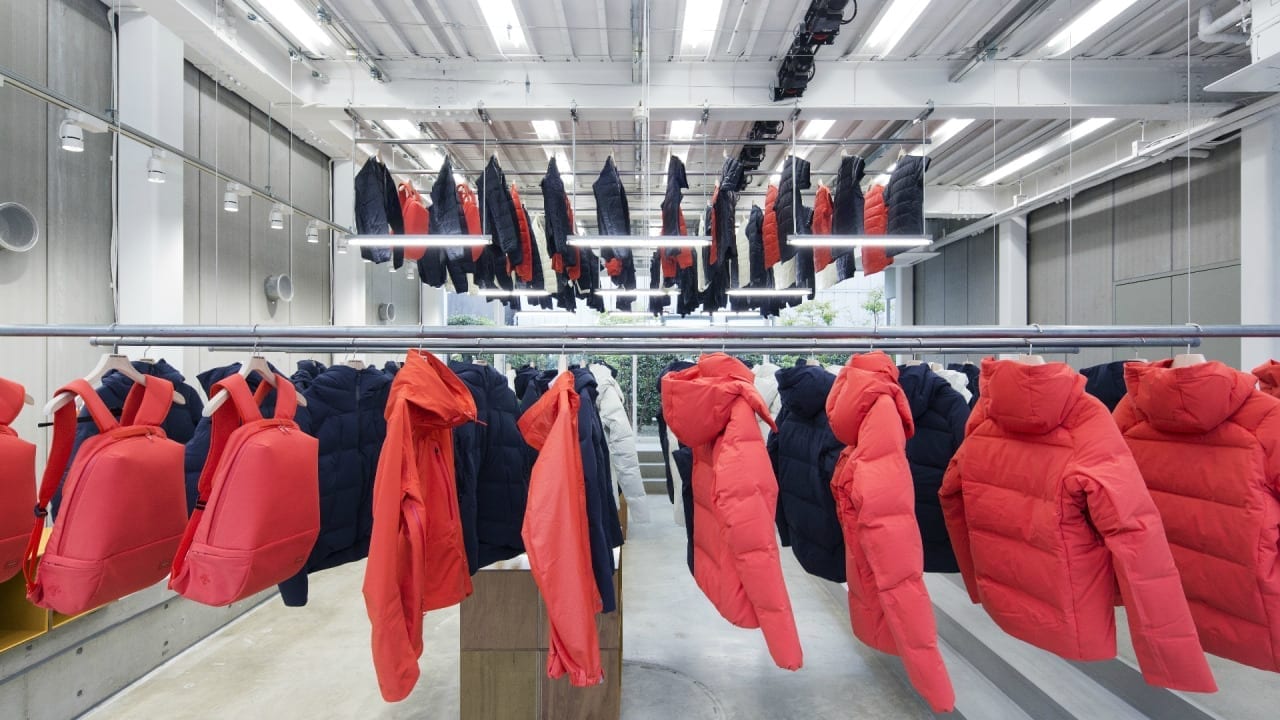
    Japanese clothing chain Uniqlo has leveraged its prowess in mass production to build a fashion empire filled with shelves upon shelves of affordable, good quality items like down jackets, underwear and T-shirts.

    Now the 17-nation, 1,734-store retailer is on a quest to beat Western giants like Gap, H&M and Zara to become the world’s biggest apparel maker.

    In the overcrowded, highly competitive casual fashion market, size is important but no guarantee of success: analysts say Uniqlo’s challenge is to carve out a brand identity of its own, going beyond its formula of delivering no-nonsense quality at good prices.

    “To win over consumers and break through the clutter, Uniqlo needs to get even more personal,” says Stuart Green, chief executive of Asia Pacific at Interbrand, which consults and ranks brands.

    “It will be critical for Uniqlo to maintain product quality and, most importantly, create a deeper, more emotional connection with its customers to drive brand loyalty,” he said.

    Interbrand ranks Uniqlo as Japan’s most valuable retail brand, and eighth among Japan’s global brands, including Toyota, Sony and Nintendo. The company’s founder and chief, Tadashi Yanai, is Japan’s richest man, according to Forbes magazine.

    Analysts say that to move it to its next stage of growth, Uniqlo also needs to beef up its digital presence and adapt to non-Asian markets. Winning over the huge market of suburban American shoppers will be crucial.

    Consumers these days are picking brands on digital platforms and social networks, as they increasingly shop online. To cope with the mind-boggling volumes of information online, consumers now rely on brands to serve as filters and curators, Green said.

    To help drive its global expansion, Uniqlo is tapping outside talent.

    It just hired Christophe Lemaire, formerly of Hermes and Lacoste, who started his own Uniqlo line last year, to head its Paris research center.

    In 2014, it brought in a global branding expert, John Jay. An American of Chinese origin, he who worked on ad campaigns for Nike, Coca-Cola and Microsoft, and a fleece campaign for Uniqlo, at U.S. marketing company Wieden+Kennedy.

    “Whether they’re in Beijing or New York, there is a commonality to young people and what they want in life,” Jay, whose title is president of Global Creative at Uniqlo’s parent company Fast Retailing, said at a recent Tokyo event, centered on Uniqlo’s second fashion show ever.

    “We have barely scratched the surface. Our potential is amazing,” he said.

    Uniqlo is still relatively small, with 44 stores in the U.S., 449 stores in China and 846 in Japan, its biggest market. Retail giant H&M of Sweden has 4,000 stores around the world, Gap Inc. of the U.S., 3,700 stores, and Inditex of Spain operates 7,000 Zara, Bershka and other brand stores.

    H&M and Inditex have posted healthy financial results recently, but Gap, which has the Old Navy and Banana Republic brands, is struggling, slashing prices to draw buyers and closing dozens of stores, including some in Japan. The Standard & Poor’s credit rating agency recently downgraded Gap’s debt to junk status.

    Uniqlo’s profits also have slowed recently, hurt by a warm winter that slowed sales of its down jackets, HeatTech underwear and other winter apparel.

    Fast Retailing, with 100,000 employees, forecasts a profit of ¥60 billion ($560 million) for the fiscal year through August, down 46 percent from the previous fiscal year, mainly because of falling profits at Uniqlo.

    Yanai’s turnaround plan includes sweeping cost cuts, improved efficiency, pricing reviews, and, perhaps most importantly, greater flair in the company’s fashion offerings, building on collaborations with designers.

    The company asked Nigo, a Japanese DJ with a reputation for innovation who created The Bathing Ape clothing line, to add more flair and edge to his T-shirts.

    Nigo added to the T-shirt line motifs from pop artist Andy Warhol, music producer and singer Pharrell Williams and from traditional Kabuki theater, in addition to old-time favorites like Mickey Mouse.

    A partnership with Carine Roitfield, former editor-in-chief of Vogue Paris, has brought into Uniqlo stores chic designs unlike most anything else you’d find.

    The company has strengthened its sportswear, signing on tennis stars Kei Nishikori and Novak Djokovic.

    Uniqlo also has partnerships with labels like Liberty London, with its colorful flower-pattern fabrics, and Hana Tajima, a designer who specializes in Muslim clothing such as head scarves and long dresses.

    “Uniqlo has a smart format, which stands out from most of the mass fashion retailers. Less concerned on fashion trends, and more focused on ‘basics’ or ‘investment pieces’ of good fabric and quality,” said Luca Solca, analyst with BNP Paribas. “They are trying to spice this up with designer collaborations.”

    Uniqlo executives believe fashion is globalizing, and people around the world, from China to New York, more or less want the same thing — quality for reasonable prices, and clothes that suit their lives.

    On a recent weekday, the company’s 12-story Ginza store was crowded, as tourists milled around snapping selfies in front of what has become a city landmark.

    Olga Symonenko, an IT worker from the Ukraine, said she had heard about Uniqlo from friends who had been to the store in the U.S.

    “The prices are good, and the quality,” she said, happily clutching two blue dresses. She said she and her husband planned to pick up 20 items.

  • Clevo to sell properties in China

    Clevo to sell properties in China

    Clevo will sell office space and residential units of its IT and consumer electronics retail chain Buynow in China and is poised to float REIT (real estate investment trust) certificates in Taiwan for commercial real estate in China including Buynow stores, department stores and hotels, according to the company.

    Clevo has also approved its 2015 financial report and will issue dividends of NT$1.10 (US$0.03) in cash.

    With growing demand for gaming notebook products, Clevo’s notebook shipments grew strongly in China, boosting its May revenues by 23.1% on year to reach NT$1.63 billion.

  • $14m boost for PMETs to start new careers

    $14m boost for PMETs to start new careers

    An extra $14 million per year has been set aside for two years to help professionals, managers, executives and technicians (PMETs) who want to start new careers in sectors such as retail, food services and events, Manpower Minister Lim Swee Say said yesterday.

    This means a total of $40 million per year, up from $26 million previously, will be available to fund course fees and salary support through Professional Conversion Programmes (PCPs) from now until mid-2018.

    Mr Lim said the PCP initiative will be “critical” in minimising the gap between job opportunities and workers’ existing skills, which will grow as economic restructuring picks up pace.

    “A growing number of PMETs will find that their job experience and their job expertise in some cases may no longer be directly relevant to the job opportunities of the future,” he said, speaking to media at a career fair at the Lifelong Learning Institute in Paya Lebar.

    “More and more of them will have to learn new skills and start a new career in areas they may not be familiar with.”

    PMETs tend to make up a higher share of laid-off workers than their share of the resident workforce, according to Manpower Ministry data. The average PMET also takes longer than the average resident to get back into a job after being laid off.

    Four new PCPs were launched yesterday by the Singapore Workforce Development Agency (WDA) to provide job placement and skills training support for up to 80 retail store managers, assistant chefs, restaurant managers, project executives and assistant project managers each year. Information about applying for the programmes can be found on the WDA website.

    The additions bring the total number of PCPs to 31 across 14 sectors. By 2018, there will be programmes in 20 sectors, as part of the Adapt and Grow initiative announced in this year’s Budget.

    The WDA said it aims to help a total of 10,000 Singaporeans and permanent resident PMETs by then, up from the 7,000 already placed through PCPs so far. More programmes in sectors such as aerospace and public transport will be rolled out over the next few months.

    Some 25 industries, which contribute around 80 per cent of Singapore’s gross domestic product, are being transformed, and both employers and employees must adapt, said Mr Lim.

    Yesterday’s career fair was part of the first Adapt and Grow Career Series of fairs and workshops running this month with 3,000 jobs for Singaporeans and PRs, 1,200 of which are for PMET positions. The series will be held quarterly.

    Several employers at the fair who are offering roles under the new PCPs said they would consider moving staff up to managerial positions if they performed well in the entry-level role they are initially hired for.

    “After three months, we will evaluate and if they are very interested in other aspects of the business such as outlet management, we will look at opportunities for them,” said Mr Wong Wei Teck, 59, managing director of Soup Restaurant Group, who was on the lookout for operations staff such as assistant chefs.

    www.straitstimes.com

  • eBay Korea Partners With GS25 to Offer Online-Offline Services

    eBay Korea Partners With GS25 to Offer Online-Offline Services

    eBay Korea has joined forces with nationwide convenience store chain GS25 to offer consumers a combined online-offline sales service.

    The partnership will see the launch of the “Smile Box” service, in which deliveries are made to an unmanned box for single-person households and female customers. The service is available 24 hours a day, and customers will be able to receive their deliveries ordered online from Gmarket, Auction and G9 at their nearest GS25 store.

    The service will begin in August with a trial installation of Smile Boxes across 50 GS25 stores in Seoul, with the plan to gradually expand it nationwide. The boxes will be installed in areas with a high number of deliveries (determined through analysis of Gmarket and Auction delivery information) that have a large concentration of single-person households.

    This “customer-centric endeavour is the future for online and mobile shopping,” said an eBay Korea representative. “We hope to build an enhanced, more convenient shopping environment for our customers.”

  • Descente China marching across mainland

    Descente China marching across mainland

    Sportswear maker Descente China plans to open 100 retail stores under its own name before March 2019.

    Unlike the 500-odd boutique stores with swimwear and golf goods being run already in China by a foreign subsidiary of the Japanese company, the new outlets will be large shops under the Descente banner offering a wider range of products.

    Descente’s plan is to open both roadside stores and outlets in shopping malls stocked with both functional gear for sports such as golf, skiing, running and triathlons, as well as fashionable sportswear for everyday use.

    Descente has set up a joint venture with Chinese sportswear giant Anta Sports Products. Tentatively named Descente China, the JV has been capitalised at 250 million yuan ($38 million), with 60 per cent held by a subsidiary of Anta, 30 per cent by Descente and 10 per cent by the Chinese subsidiary of Japanese trading house Itochu.

    Descente and Anta will share marketing channels and collaborate in the search for store locations.

    In late August, Descente will open four or five retails stores in northeastern China, including Heilongjiang province, famous for an annual ice and snow sculpture festival. Later, Descente will open stores in major urban areas like Beijing, Shanghai, Dalian and Chongqing.

    By teaming with a local sportswear maker, Descente believes it will have an easier time fending off fakes, says company president Masatoshi Ishimoto.

    He says the company aims to double Chinese sales from last year’s figure to about 22 billion yen ($207 million).

    As well as its China expansion, the company is opening golf apparel stores in South Korea.

  • Drone deliveries now possible in Korea

    Drone deliveries now possible in Korea

    Flying drones for business will become legal in South Korea from next month, allowing the possibility of drone deliveries.

    Laws about drone flights have been revised by the Ministry of Land, Infrastructure and Transport. Previously, aeronautical laws permitted only a limited number of businesses to use drones for work related to agriculture, photography and surveys.

    Now businesses will be able to use drones so long as their use does not pose harm to public safety, lives, property or national interests such as security and defence.

    Also modified is the stipulation for drones not needing approval and inspection from “below dead weight of 12kg” to “below maximum take-off weight of 25kg”.

    Drones that are flown at the same location will need only one approval for a maximum of six months. Within certain limits, flying drones out of sight and night flights will also be allowed.

    These amendments will allow business owners to grow their businesses through drone deliveries.

    Original reporting by Korea Bizwire.

  • Habitat Thailand thriving on return

    Habitat Thailand thriving on return

    A decade after its first aborted foray into Thailand, UK-founded furnishing and homewares retailer Habitat is thriving in Bangkok.

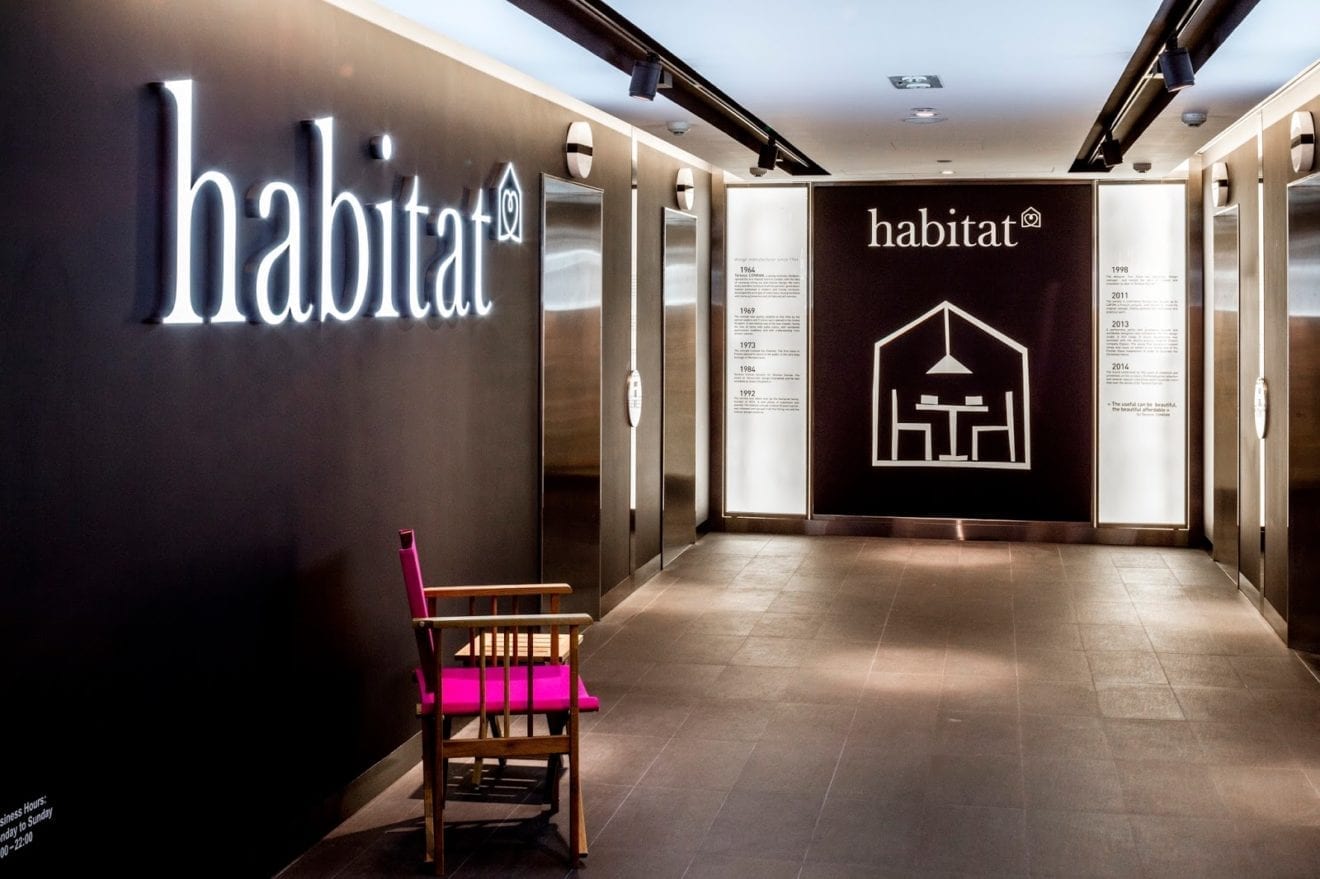
    Habitat Thailand has just opened what – for the time being – it is describing as its flagship store under the management of local brand partner SB Furniture. The new store, taking up 1400 sqm on the third floor of the revamped Siam Discovery shopping mall is the fourth in Bangkok, and the first stand-alone store. The others are stores-in-stores within larger SB stores: a 1400 sqm space at Crystal Design Center, a 1300 sqm site in Bangna and a smaller 840 sqm space at The Crystal SB Ratchapruek.

    Habitat @ Siam Discovery (6)

    “We wanted to stock exactly what a Thai person would see if they walked into a Habitat store in Paris,” said Suthida Vijitkulwongsa, executive director of Habitat Thailand.

    She says a fifth store is planned by the end of this year and the company is evaluating opportunities in larger cities outside Bangkok.

    Habitat Thailand is licensed by the French based company Cafom which bought Habitat Europe after the UK company was placed in administration in June 2011.

    Habitat @ Siam Discovery (5)

    Despite a 10 year absence from the Thai market, a number of loyal local customers have emerged since it made its return in June 2015. When the brand was reintroduced, some 80 per cent of shoppers were “Habitat lovers” familiar from the brand’s previous foray here, says Vijitkulwongsa.

    “They had known about Habitat in past years and were wondering what had happened to the brand and why it had disappeared. They think we have done well in terms of pricing.

    “Ten years ago our prices were equal to what they are now.

    Habitat @ Siam Discovery (16)

    Given the current stagnancy of Thailand’s retail sector – which has seen a number of shopping centre developments put on ice this year – is this really the time to reintroduce an overseas brand considered to be in the premium space?

    “When you have a very strong brand [the market] doesn’t really have much impact. People who are in the market now, who have influence and social status, they’re not really impacted. Instead of buying 10 pieces they end up with eight. But they still make the purchase, probably based on price and design.”

    Perhaps surprisingly, Habitat Thailand sources its stock from the French warehouse, rather than direct shipped from factories in Asia. About half the range is manufactured in Europe, mostly in the eastern nations. With a two month lead time for stock orders, Vijitkulwongsa maintains a large inventory in Bangkok to ensure the brand can meet customer demand without long waiting times.

    Habitat @ Siam Discovery (11)

    Cafom is bullish about its prospects in Asia, especially in China where a rapidly-rising middle class is aspiring to own European-designed products, even if almost 50 per cent of them are made in China. Besides Thailand and China it is now also present in Hong Kong and Singapore. In the Philippines, Habitat has partnered with the same company operating SB furniture stores under license.

    “The new French owners are very experienced in hypermarket operations and in French Polynesia. They have very strong sourcing skills and they have rejuvenated the design. The designers have done well. They have created products which are useful, beautiful and affordable.

    Habitat @ Siam Discovery (17)

    “France has been doing a great job taking over the brand, building it back up and adding value to its offer,” says Vijitkulwongsa.

    She believes her customers appreciate the simple yet functional design of the Habitat products.  “If the product is good enough in terms of function, if the price is right, then fashion is probably a plus.”

    For now, Habitat Thailand is not selling stock online, but it does maintain a website with its range and pricing information. If an eCommerce site is to come, it will most likely be developed by Cafom to serve all international markets.

    Meanwhile, SB Furniture has a dozen stores across Thailand and in partnership with local entities has stores in Vietnam, the Philippines and Indonesia. It also has a presence in Cambodia, Laos under different brand names and is carefully looking at the opportunities in Myanmar.