Author: Mei Ling Tan

  • South Korea prosecutors raid more Lotte Group firms

    South Korea prosecutors raid more Lotte Group firms

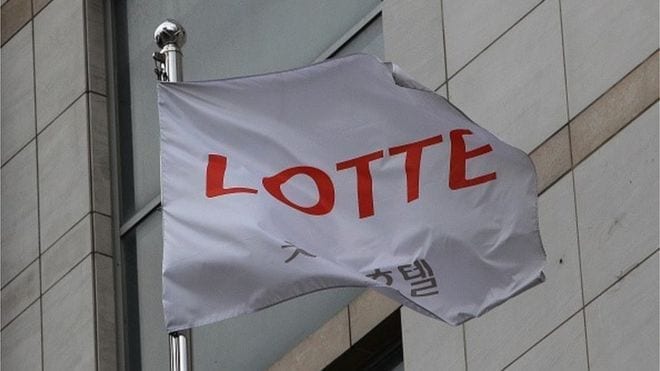
    South Korean prosecutors carried out further raids on businesses of the Lotte Group, a sprawling conglomerate at the centre of a bribery probe.

    At least 10 divisions were raided including its chemical and confectionery businesses, a spokesman said.

    The raids come after police swooped on the group’s headquarters on Friday.

    This caused the company to pull out of a stock market share sale worth as much as $4.5bn (£3bn).

    The allegations and police action also led Korea’s fifth largest conglomerate to pull out of bidding for the US chemicals company.

    Shares in both the chemical and confectionery group have fallen sharply since Friday’s raid.

    Bid withdrawn

    People familiar with the matter told Reuters that Friday’s raids, which involved about 200 prosecutors and investigators, were part of an investigation into a possible slush fund, although the Seoul prosecutors office could not be reached for comment.

    Lotte’s offer of shares to the public, known as an initial public offering, had been intended in part to simplify the ownership structure and improve corporate governance at the group.

    This followed a bitter feud over succession among the founding Shin family last year drew wide public criticism.

    The group has more than 90 firms in sectors as diverse as beer, hotels and chemicals, and annual revenues of around $60bn, according to the Korea Fair Trade Commission.

  • Benetton Group takes control of Korean operations

    Benetton Group takes control of Korean operations

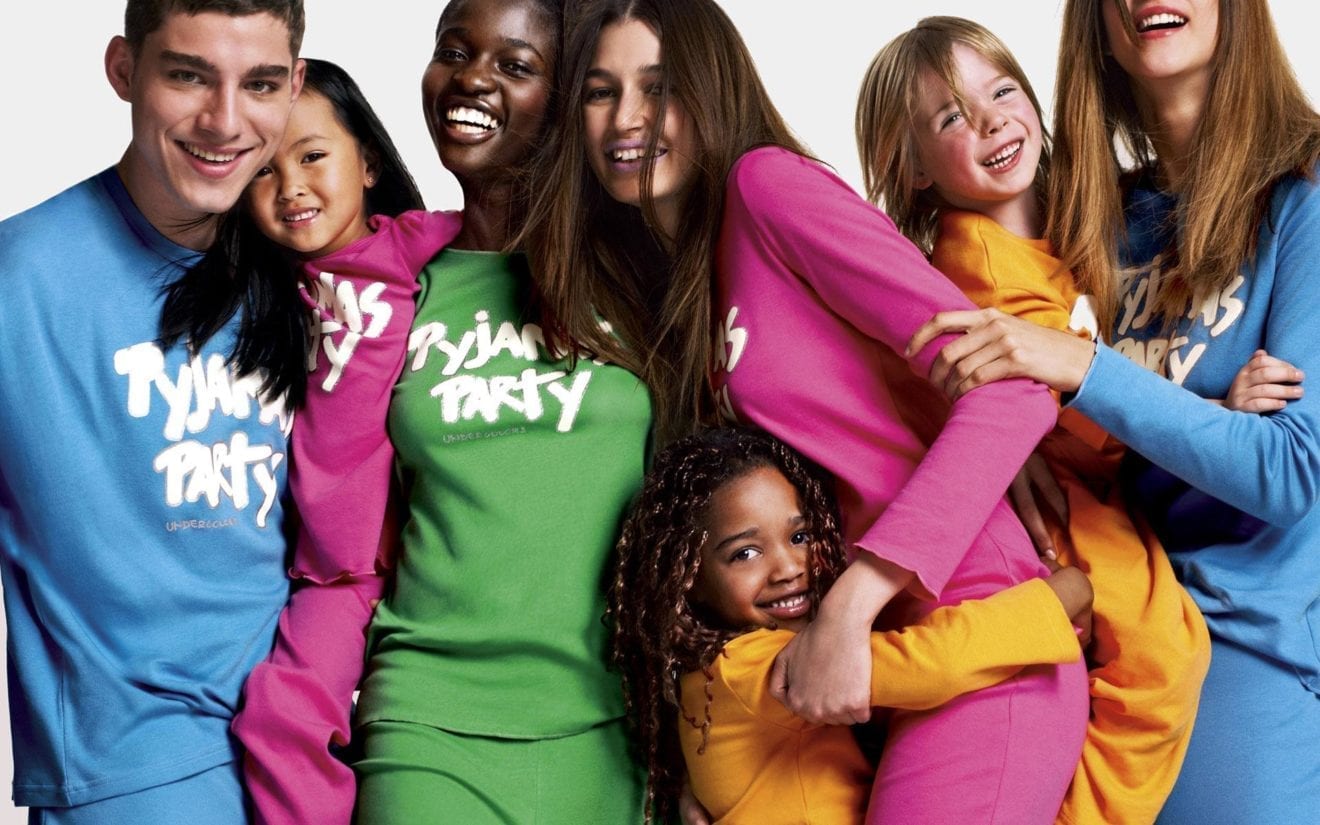
    In the midst of reorganisation to improve competitiveness, Benetton group has decided to take back its distribution arm in South Korea. Both Benetton brands and Sisley have for a long time been represented in the country via a 50/50 joint venture with a local distributor. The Italian group announced this week it now owns 100% of this structure with the latter becoming one of its subsidiaries.


    Hyung Rae Cho, CEO of the newly created Korean subsidiary – Benetton.

    South Korea is a very important country to the group, since it is the second export market for Benetton after India and the top export country for Sisley. The group’s annual brand sales are estimated at 150 millions euros in the region across 300 points of sale.

    It’s a strategic market too, influential in the Asian region as whole, becoming a sort of base camp for the Italian group.

    Benetton wants to continue in the right direction after taking back the distribution reigns. It revealed it has appointed the country manager of the former structure, Hyung Rae Cho, to the role of CEO of the newly created Korean subsidiary.

  • Samsung to launch cheapest smartphone Galaxy On7 in Korea

    Samsung to launch cheapest smartphone Galaxy On7 in Korea

    Samsung Electronics is expected to launch another budget smartphone Galaxy On7 in Korea in the coming weeks via SK Telecom, sources said on June 15.

    The model is the Korean tech giant’s cheapest smartphone that is sold at 10,190 rupees ($153) exclusively in India currently.

    Launched in November, the phone features a 5.5-inch HD Display, a 13 million pixel rear camera, a 5 million pixel front camera and a 3000mAh battery.

    Samsung’s cheapest smartphone Galaxy On7

    Sources said the Korean version could upgrade some features, with its retail price being slightly raised.

    In Korea, Samsung’s cheapest smartphone is Galaxy J3 with a price tag of 231,000 won ($196).

  • Cheesecake Factory China opens at Disney Resort

    Cheesecake Factory China opens at Disney Resort

    US food brand has opened the first The Cheesecake Factory China under a licensing agreement with its affiliate CCD China Operating Corporation.cheesecake_factory_counter

    Being run by Hong Kong-based Maxim’s Caterers, the restaurant is in Disneytown, the shopping, dining and entertainment precinct in Shanghai Disney Resort. The outlet has a menu of more than 200 items – all handmade in-house with fresh ingredients – featuring its signature cheesecakes and desserts.

    “China is an exciting new area of development for us and we are so pleased to be able to bring The Cheesecake Factory’s guest experience to Disneytown,” says The Cheesecake Factory founder/chairman/CEO David Overton, from California.

  • Narrow the range, increase retail sales

    Narrow the range, increase retail sales

    It’s counter-intuitive, but less choice, fewer options and a smaller range of products can often help increase retail sales and customer satisfaction. Who would have guessed?

    Simplified, narrower product ranges are contributing to accelerated customer and corporate purchase decisions, improved productivity, velocity and volume, and, interestingly, fewer instances of buyer remorse.

    Marks & Spencer in Britain has taken the plunge, being rewarded with enhanced performance outcomes. It simply followed the lead of several coffee lounge networks there that introduced a singular, standardised “medium”-sized cup of coffee, regardless of whether a customer wanted a latte, cappuccino, macchiato or something else. Some fast-food outlets are following suit with a single-size burger.

    Consumer responses have been overwhelmingly positive – queues at the ordering counters have shortened and the speed of service improved. There has been some resistance, though. Custom has been lost to those who prefer smaller or larger options.

    However, that leakage in sales was not because of the fewer choices, but rather a disagreement with the single choice imposed by management. There is little evidence of long-term brand damage or negative sentiment about quality or value.

    Fulfils demand

    Simplifying the buying process has long been valued by customers as it fulfils the demand for convenience. Moreover, the policy can be an effective means in the market positioning of brands, companies, products, services or applications. Importantly, it can be, and has proven to be, an effective way to differentiate between competitors and substitutes.

    Single-brand motor vehicle dealerships consistently attain and maintain higher key performance measures than multi-brand outlets. That is important in an industry where much of the “shopping” is done online, with the average time spent on the forecourt of a new-vehicle dealership by intending purchasers being as little as 46 minutes. One outlet visitation is now the industry norm.

    Making the buying process easier is often rewarded with typically higher conversion rates and volumes. Narrowing the range of throat lozenges from an average nine to just three at the pay consoles of service stations did not discerningly affect sales. Moreover, the sales from the freed-up space with alternative products were attractively high.

    Hardware, electrical appliance and toy retailer references to having and promoting the biggest range is seldom attractive to an individual whose needs will usually be fulfilled by one product, service or application – the right, specific product they have visited the store to purchase.

    Choice is, and should be, a measured and subjective assessment based on research, intelligence, judgement and experience.

    Attractive proposition

    Astute business owners and managers are taking the risk of narrowing stock ranges, brands and sizes. They are tolerating some leakage of revenue, but welcoming the increase in profits, customer satisfaction, productivity, velocity and volume.

    The measurement of stock turns is an established monitor of business efficiency. Sadly, too many people in retail are unaware of the principle, and therefore do not monitor and quantify sales and profits performance.

    Narrowing and simplifying choice, appropriately applied, can reduce inventory, shrinkage, insurance premiums, logistics costs and capital-servicing expenses. All round, it is an attractive proposition.

    Fear of the possibility of losses in marginal and incremental sales to isolated and tertiary customer groups can, and does, induce inertia. Decisions have consequences – good and bad, upside and downside. Those seeking to service and satisfy heighten their chances of failure. The alternative is to identify, isolate, analyse and relate to choice customers and choice clients. Most have narrow and specific preferences.

    • Barry Urquhart runs Marketing Focus in Perth, Australia, and is a business strategist, consumer behaviour analyst and keynote speaker. He can be contacted at [email protected].
  • Chinese retail sales surging ahead

    Chinese retail sales surging ahead

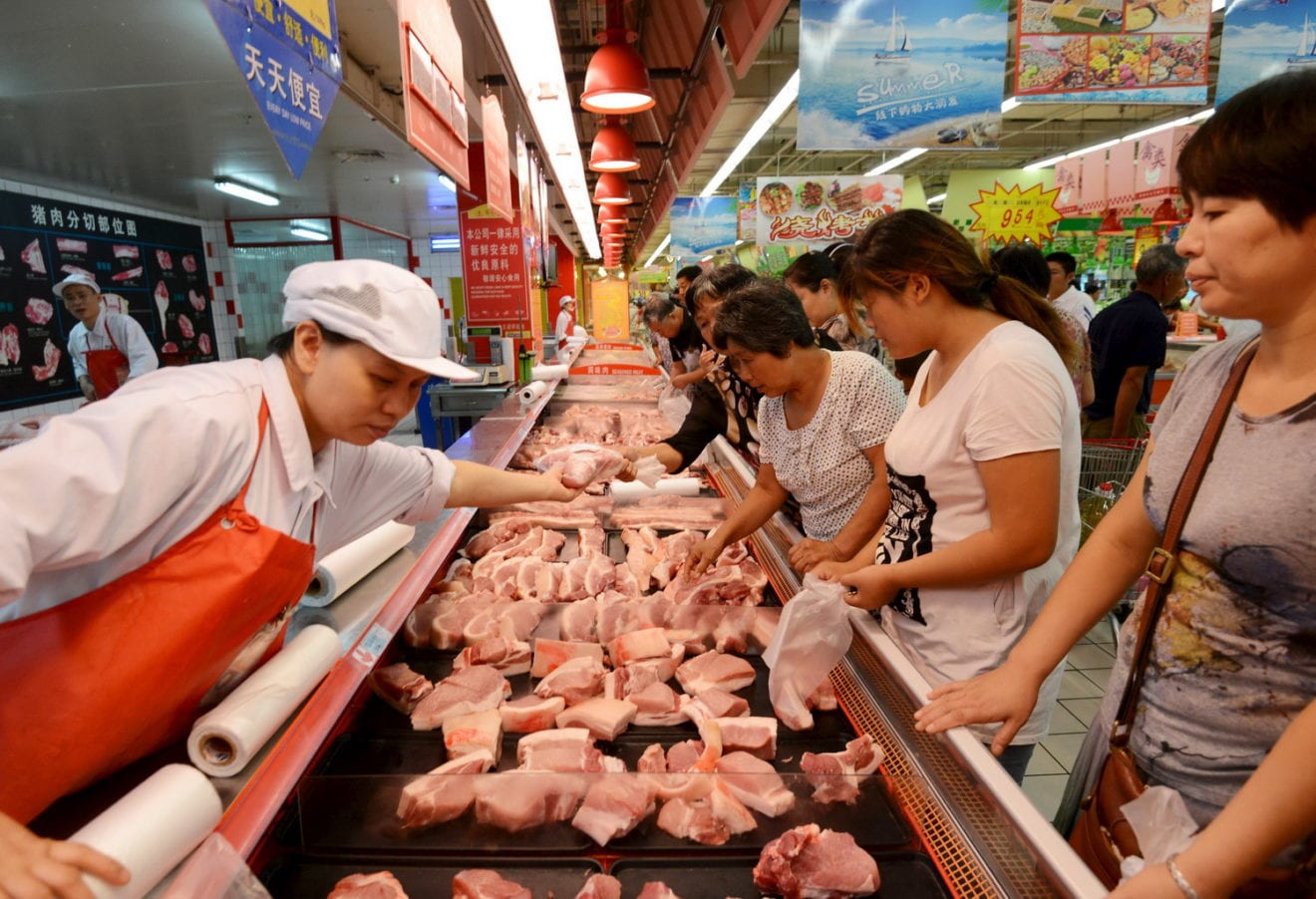
    Chinese retail sales of consumer goods are rising, reaching a total worth of 2661.1 billion yuan (US$403.9 billion) last month, up by 10 per cent year-on-year nominal growth rate (9.7 per cent real growth rate).

    In the first five months of this year, retail sales reached 12,928.1 billion yuan, an increase of 10.2 per cent.

    In urban areas, sales in urban areas were up 9.9 per cent to 2,297.3 billion yuan, while in rural areas sales were up 10.7 per cent to 363.8 billion yuan. In the first five months, urban sales were up 10.1 per cent to 11,116.7 billion yuan, and in rural areas were up 10.9 per cent to 1811.4 billion yuan.

    Catering services last month were worth 287.8 billion yuan, up by 10.9 per cent, while retail goods realised 4,725.9 billion yuan, up by 10.1 per cent.

    For the five months, the national online retail sales of goods and services was 1,808.9 billion yuan, growth of 27.7 per cent. Of this, physical goods earned 1,463.3 billion yuan, up 25.9 per cent and accounting for 11.3 per cent of the total retail sales.

  • Park to replace Tokyo’s Sony Building

    Park to replace Tokyo’s Sony Building

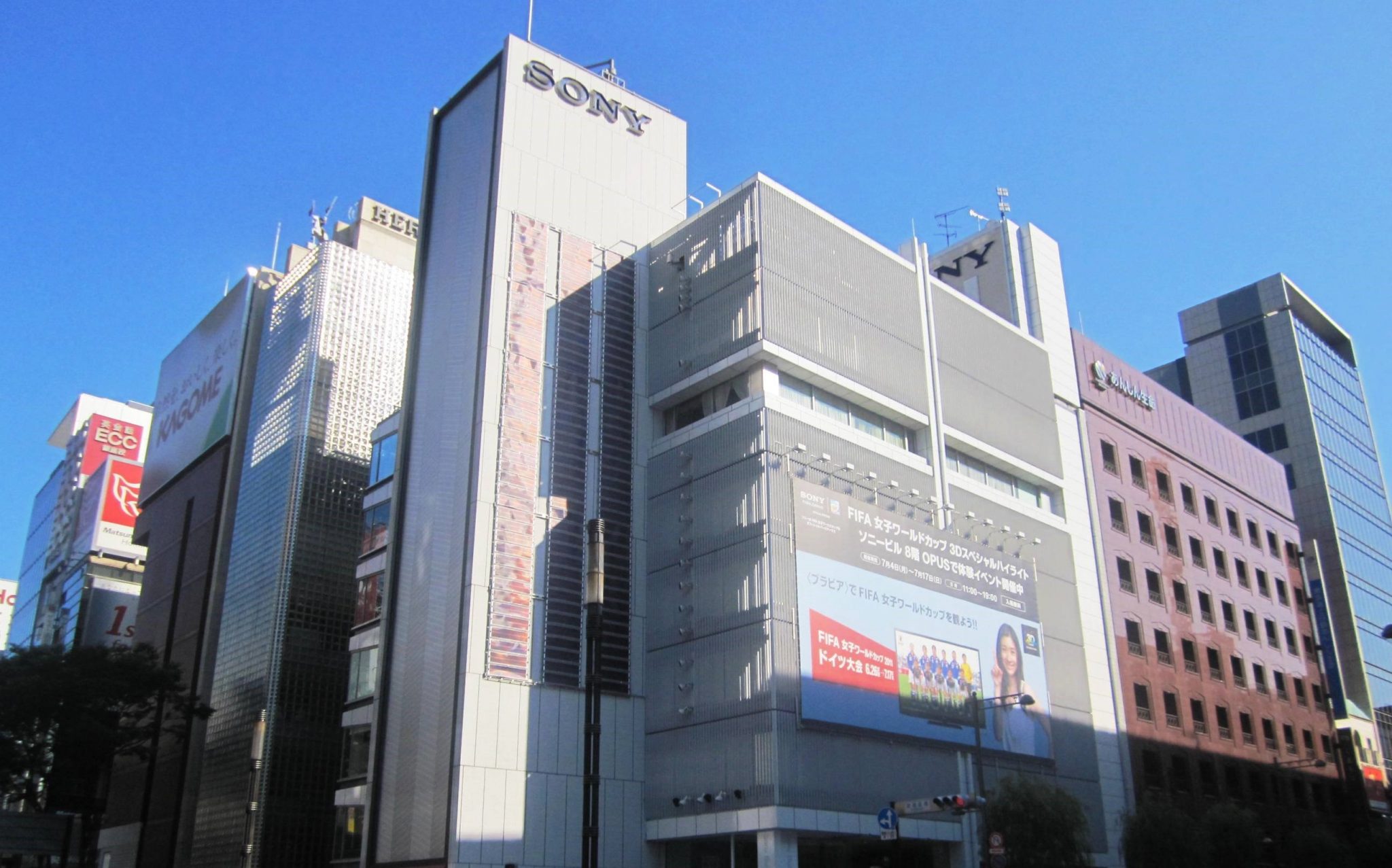
    The Sony Building, a landmark in Tokyo’s Ginza shopping district, will be torn down and replaced with a park.

    This is not the result of a green movement victory over a corporation – it is Sony’s idea, and it is hoping the park will be similar to New York’s Times Square.

    Demolition is scheduled to begin next year, and once the site is cleared it will be opened to the public and remain that way until after the 2020 Olympic Games.

    At the direction of Sony co-founder Akio Morita, the Sony Building opened in 1966 as the “gate of Ginza”. With eight floors above ground and five below, the building occupies a 707 sqm site at the Sukiyabashi intersection and has a total floor space of 8811 sqm.

    Its first to sixth floors are mainly occupied by Sony Store Ginza as well as showrooms for Sony products. The building attracts around 4 million visitors a year.

    After its complete closure in March, the building will be demolished over a period of about 15 months. Once the debris is cleared, Sony will open Ginza Sony Park, hosting concerts and charity events at the site through the autumn of 2020, the year of the Tokyo Summer Olympics. Sony Store Ginza will be relocated temporarily to Ginza Place, a shopping complex scheduled to open soon at the Ginza 4-chome intersection.

    After the Olympics, Sony plans a new building on the park site, expected to be complete in the autumn of 2022.

    Sony president/CEO Kazuo Hirai says the Ginza district rarely has this kind of open space. He says it is a chance to offer something reflecting Japanese culture to foreign visitors.

  • BFood sales rise despite consumer caution

    BFood sales rise despite consumer caution

    Malaysian food outlet group Berjaya Food (BFood) has had an 8 per cent rise in revenue to RM139.05 million (US$34.03 million) for its fourth quarter, ended April 30.

    BFood, which runs Jollibean, Kenny Rogers Roasters (KRR) and Starbucks outlets, says the increase is mainly because of higher sales in existing cafes along with income from new cafes.

    The group’s pre-tax profit dropped to RM7.67 million from RM10.06 million in the same quarter last year, mainly because of a lower contribution from KKR outlets as Malaysian consumers have been more cautious about spending after the implementation of the GST tax, plus the steep depreciation of the ringgit, affecting the profit margin of Berjaya Starbucks Coffee Company (BStarbucks).

    As well as this, during the quarter about RM600,000 was paid to Royal Malaysian Customs Department by BStarbucks for additional import duty and sales tax on purchases from its principal over the past few years.

    For the financial year, the group’s revenue grew 47 per cent to RM554.15 million from RM376.78 million the previous year. The higher revenue was mainly because of the full effect of consolidating BStarbucks, which became a subsidiary the previous financial year.

    With the weak consumer sentiment brought on by the introduction of the GST and various other factors, BFood will be working in a challenging environment in the next financial year, says the group. Nevertheless, it expects BStarbucks to maintain its revenue growth momentum.

  • Losses Likely To Continue For South Korea Market

    Losses Likely To Continue For South Korea Market

    The losing streak has hit four sessions now for the South Korea stock market, which has surrendered more than 55 points or 2.9 percent along the way. The KOSPI now rests just above the 1,970-point plateau, and the market is looking at continued weakness again on Wednesday.

    The global forecast for the Asian markets is negative ahead of key risk events – specifically today’s FOMC’s rate decision, and next week’s Brexit vote. The European and U.S. markets were down and the Asian markets are tipped to follow suit.

    The KOSPI finished modestly lower on Tuesday as losses from the retailers were tempered by support from the technology stocks and shipping companies.

    Among the actives, Samsung Electronics added 0.44 percent, while SK hynix jumped 2.65 percent, Hanjin Shipping surged 6.26 percent, Hyundai Merchant Marine advanced 2.75 percent, Lotte Confectionery skidded 2.54 percent and Lotte Chilsung tumbled 3.93 percent.

    The lead from Wall Street is soft as stocks were down on Tuesday, if well off their worst levels of the day.

    The Dow slipped 57.66 points or 0.3 percent to 17,674.82, while the NASDAQ edged down 4.89 points or 0.1 percent to 4,843.55 and the S&P 500 dipped 3.74 points or 0.2 percent to 2,075.32.

    Traders expressed trepidation ahead of the Federal Reserve’s monetary policy announcement later today. The Fed is widely expected to leave interest rates unchanged, but traders will keep a close eye on the accompanying statement.

    Ongoing concerns about next week’s referendum on whether Britain will remain in the European Union also weighed on the markets.

    In economic news, the Commerce Department reported stronger than expected retail sales growth in May. The Labor Department also noted that import prices surged more than expected in May amid another substantial increase in fuel prices.


  • World Class Treasury Management 2016

    World Class Treasury Management 2016

    Treasury’s world is growing increasingly more complex. Never has it been more important for companies to control cash, working capital and risk on a global basis. Over and above the mandate to excel in these traditional roles, Treasury is called upon to be more strategic in it’s’ activities and to develop a solid business partner relationship across the complex.

    Company Boards and Senior Management are demanding improved visibility and control over risk, optimization of cash and working capital to reduce requirements for external funding and lower cost of operation.

    Treasury departments are challenged to operate efficiently in a global market place in order to support the competitive position of their companies.

    Banks are being pressured to advise their commercial customers Best Practices in the management of risk and global cash.

    This 3 day interactive workshop is designed for two audiences with congruent learning objectives:

    • The workshop is designed to provide Corporate Treasury, Accounting and Finance professionals with current, practical knowledge of the essential elements of Treasury management in a best practices environment. They will learn practical ideas on how to transform their Treasury into a world class operation that operates with better control, improved efficiency at a reduced cost.
    • The workshop will also provide commercial bankers in Treasury sales, product development, internal operations and marketing with an in-depth understanding of their customer’s world, Treasury Best Practice tools and techniques. They will learn how to walk the Treasury solution talk in order to better support client requirements.

    Using case study methodology, computer simulations and worked examples to illustrate key points, the attendees will learn how to apply Best Practice tools and techniques in all areas of global Treasury management in order to improve control, optimize asset utilization, reduce cost and better leverage staff.

  • UnionPay Expansion Plan With Duty-Free Shopping Privileges

    UnionPay Expansion Plan With Duty-Free Shopping Privileges

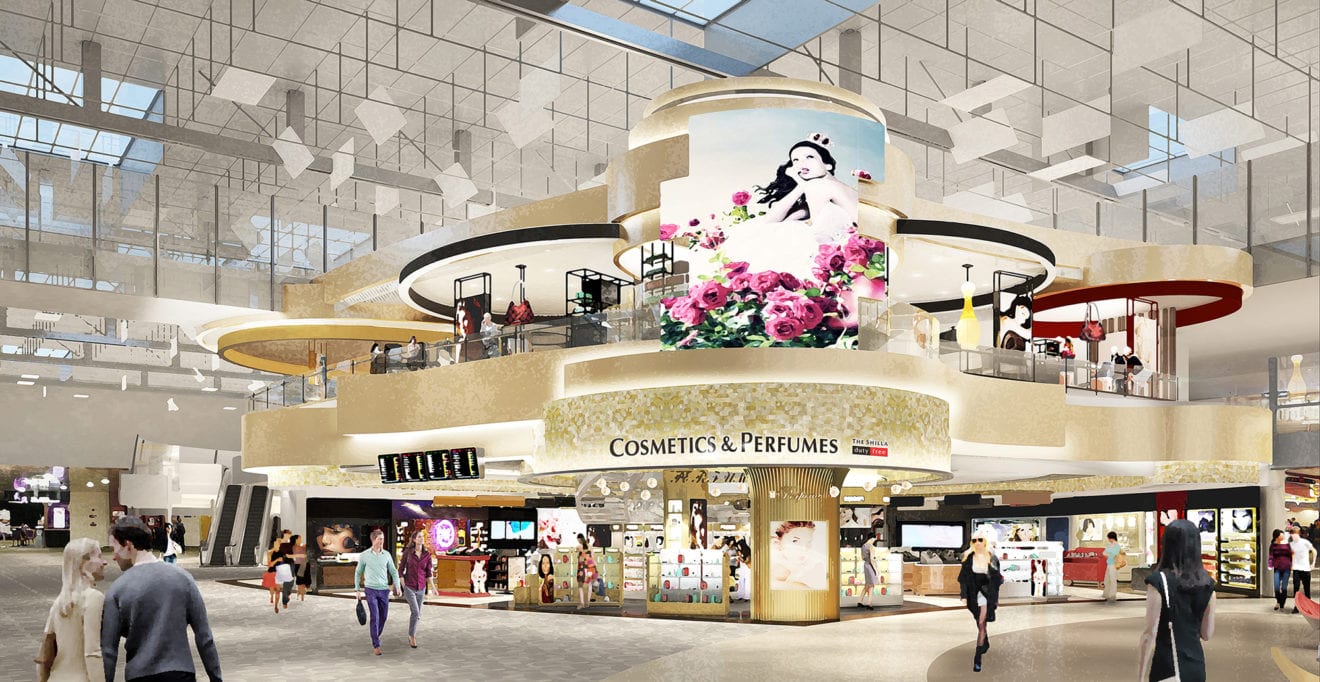
    UnionPay International (UPI), an international payment network, has launched the 2016 Global Airport Campaign, its third edition since the inaugural annual campaign in 2014. This year’s Global Airport Campaign is the largest to date, featuring 120 participating duty-free shops at 80 airports, including 16 of the busiest airports across the world. Duty-free outlets located at the Heathrow Airport in London, United Kingdom, Haneda International Airport in Tokyo, Japan, and Chicago O’Hare International Airport in the United States of America are some of the notable inclusions in this year’s campaign.

    As part of the 2016 Global Airport Campaign, UnionPay Cardholders with card numbers starting with “62” can enjoy exclusive shopping discounts, complimentary gifts and more at airports located in 28 countries and regions in Asia Pacific, the Middle East, Africa, Europe and America. Top duty-free groups in the world, including Dufry, DFS, Lotte Duty Free, World Duty Free Group, The Shilla Duty Free Group, Everrich Duty Free, King Power, Blue Sky and China Duty Free are also on board the campaign to offer special shopping privileges to UnionPay Cardholders at participating outlets across the world.

    “We are delighted to launch our biggest ever Global Airport Campaign this year, with participation by over 120 duty-free shopping outlets globally. Over the years, the Global Airport Campaign has seen tremendous growth in size and in scale. This year, the number of participating outlets has doubled that of 2014, with new duty-free groups such as Blue Sky and Loop Duty Free coming on board for the first time. This is testament to the effectiveness of the campaign in boosting traveler spending, and we hope that shoppers will continue to benefit from this campaign and enjoy wonderful shopping experiences at all their favorite destinations across the world,” said Wenhui Yang, General Manager of UnionPay International Southeast Asia.

    In Singapore, the participating duty-free outlets are DFS and The Shilla Duty-Free. Starting this month, shoppers can enjoy up to 5 percent in discounts and vouchers, and participate in lucky dips to win additional shopping vouchers when they pay with their UnionPay cards at Shilla Duty-Free and DFS stores.

    UnionPay Cardholders in Singapore can also enjoy special discounts and privileges at their favourite Asia Pacific destinations such as Bangkok, Bali, Hong Kong, Tokyo, Seoul, Taipei, Kuala Lumpur and London, just to name a few.
    Other participating cities offering exclusive duty-free shopping privileges for UnionPay cardholders include Barcelona, Cape Town, Osaka, Los Angeles, Madrid, Moscow, New York, Paris, Rome, San Francisco and Toronto.
    For the full list of participating duty-free outlets and details of the privileges.

    UPI focuses on supporting the growth of UnionPay’s global business. With an acceptance footprint covering 157 countries and regions globally, UnionPay serves the world’s largest cardholder base by providing quality, cost-effective and secure payment services to over five billion cardholders worldwide.

    In Singapore, UnionPay enables efficient and cost-effective payment services that are tailored to the needs of local businesses and consumers. UnionPay cards are accepted at over 80 percent of retail, lifestyle and food and beverage establishments locally, as well as at almost all the automated teller machines (ATMs) across the island.

  • ShopBack, Budimas, Kechara, NKF, and World Vision Launch #ShopBackGiveBack

    ShopBack, Budimas, Kechara, NKF, and World Vision Launch #ShopBackGiveBack

    ShopBack Malaysia, the top online Cashback site in the country, announces the launch of its inaugural #ShopBackGiveBack initiative today.  Shoppers are now able to channel the Cashback they get from online purchases to four non-profit organisations – Kechara Soup Kitchen (KSK), The Budimas Charitable Foundation (Budimas), The National Kidney Foundation (NKF) of Malaysia, and World Vision Malaysia, to support their projects.

    Each charity organisation is committed to a different cause. For instance, KSK offers the homeless and urban poor vegetarian food, basic medical, as well as job matching and welfare assistance; while Budimas devotes efforts to improving the children’s lives through education, better living environment and food supplies.

    Moreover, NKF Malaysia subsidises dialysis treatment for kidney failure patients; and World Vision Malaysia will dedicate funds toward their work on clean water and healthcare programmes, which will help over 16,000 people in 7 countries.

    To relieve burdens of underprivileged groups, #ShopBackGiveBack enables users to gain incentives in the form of Cashback via their travel, F&B, IT, beauty, healthcare, household and groceries purchases, and then donate it to charity organisations without forking out extra.

     Every effort helps to build a better future

     “The act of giving is embedded in ShopBack’s DNA as the core of our business involves giving Cashback to the online shoppers. Although we are a startup and may have certain resource constraints compared to bigger corporations, we are keen to help and contribute to the best of our capability,” said Gil Carmo, Country Head of ShopBack Malaysia.

    “We believe any effort that we can make today, will create a difference to someone’s world tomorrow. Every kind action counts. This is the same message that we wish to convey to every shopper. We sincerely welcome like-minded companies to join and support #ShopBackGiveBack,” Gil added.

    Established in February 2015, ShopBack Malaysia collaborates with over 500 international and online e-retailers such as Groupon, Lazada, Agoda, TaoBao, Hermo, HappyFresh, Taobao, Zalora and more to incentivise shoppers with up to 30% hard cash whenever they make a purchase online.

    Currently, there are more than 280,000 Malaysians benefiting from ShopBack’s daily Cashback offer and promotions. Anyone can sign up for free and cash out their Cashback once it exceeds RM10, or opt to transfer their extra savings to help the needy through #ShopBackGiveBack.


  • Amazon Named Top Retailer on Social Media

    Amazon Named Top Retailer on Social Media

    Web giant Amazon have been named as the top retail brand on social media, according to Social Insights on the Retail Industry, a report by social media monitoring firm Brandwatch. Making up the top three were two other retailers, Etsy (2nd) and Ebay (3rd), with Walmart the top Bricks & Mortar retailer in fourth. Target made up the top five.

    A comprehensive study analysing and scoring the world’s top retail brands and their visibility, sentiment and mentions on social media, the Retail Social Report examined over 10 million interactions over four months, giving each retailer a score across five categories: Social VisibilityGeneral VisibilityNet SentimentReach Growth and Social Engagement & Content.

    The key findings from the study, which awarded retailers a total score out of a possible 500, included the following:

    • The top five retailers all scored upwards of 300, with Amazon scoring 349, Etsy 336, eBay331, Walmart328 and Target 320
    • Positions 5-10 in the study were held by Toys R Us (with a score of 320), Lowes (315), Kohls (307), Sephora (299) and Bed, Bath & Beyond (292)
    • The individual category winners were: Amazon (General Visibility), Sanborns (Social visibility), Sams Club (Net Sentiment) Kmart (Reach Growth) and Debenhams (social engagement & content
    • Facebook is the clear leader in engagement, with consumers nearly three times as likely to share brands’ content on the platform than they would on Twitter.
    • Surprisingly, 99% of all content retailers share on Facebook is visual, with only 1% exclusively status copy.
    • The average response time from a retailer on social media is 7hours and 33 minutes, with Petco having the quickest average response time

    The study also found that when it comes to responsiveness, retail brands scored better than other industries, such as automotive and television networks with a retailers’ tweets a third more likely to be a direct response to a consumer.

    When it comes to gender, retailers’ online audiences are predominantly female and in terms of engagement, women are twice as likely to comment on a retail brand’s social media post than men are. As an illustration, Amazon’s online audience is 56% female and primarily interested in books and family, Etsy’s audience is 86% female with a core interest in fashion, fine arts and family while eBay’s online audience is 65% female and interested in shopping, fashion and family.

    The report has also identified that consumers have continued to adopt an additional step in their shopping routine, normalising the behaviour of ‘showrooming’. The art of ‘showrooming’ explores the decision making process that consumers implement before they make a purchase. However, pre-purchase research goes both ways with 80% of consumers researching products online before they buy in store, with 41% looking in store before they ultimately purchase items online.

    James Lovejoy of Brandwatch said: “Customer service has always been core to the reputation of the retail industry, but as the number of communications channels increases, providing a quality experience for consumers is increasingly difficult.

    Most retailers now will recognise the important part digital plays and that it is now imperative to develop a clear social media intelligence strategy if retailers want their customers to remain loyal advocates of their brand.”

  • Bo’s Coffee founder selected as high-impact entrepreneur

    Bo’s Coffee founder selected as high-impact entrepreneur

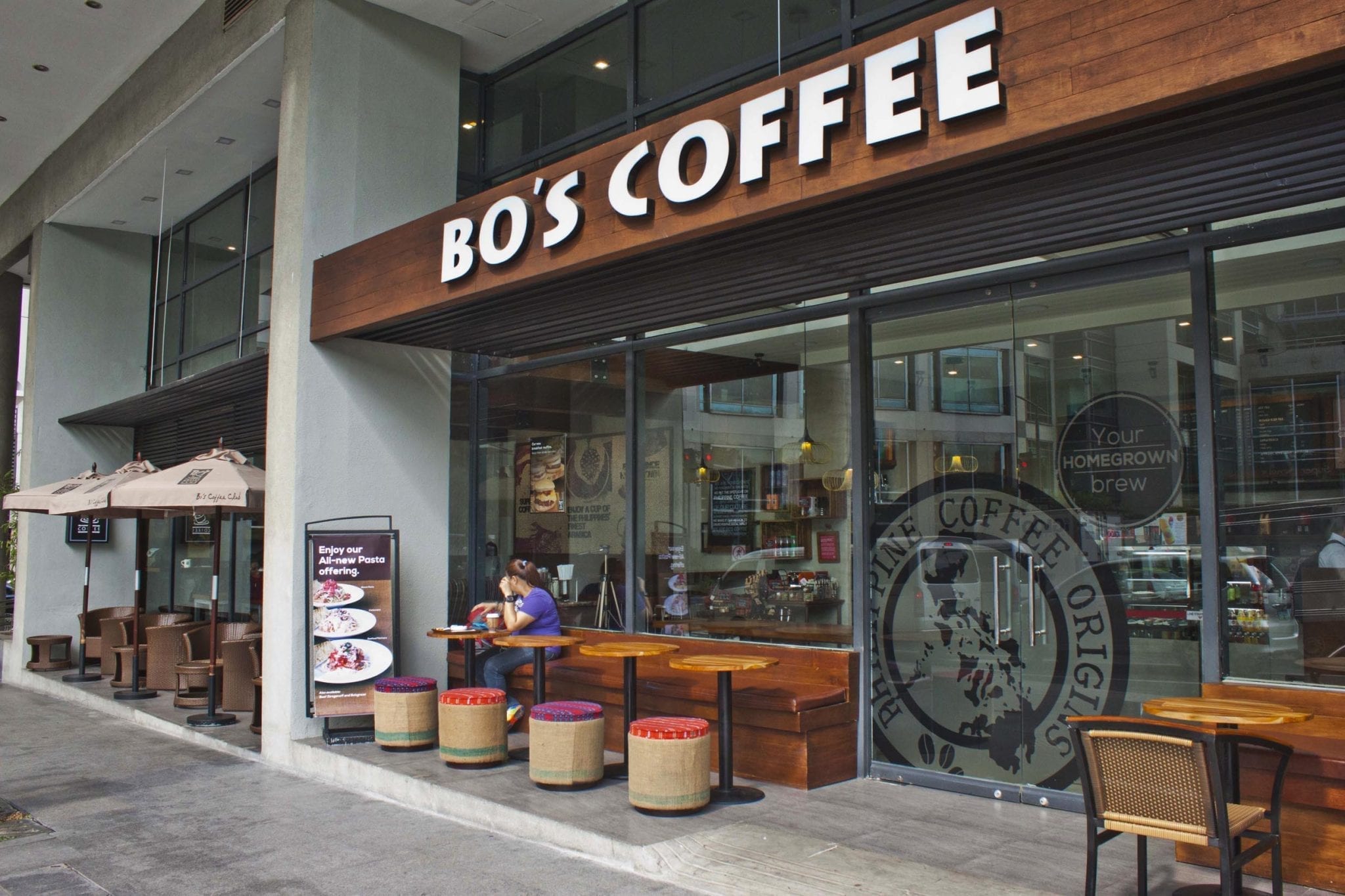
    Having traded a law degree to start a sustainable coffee shop,  is now set to make greater impact on Philippine development.

    Endeavor chose the founder of Bo’s Coffee as the latest Filipino high-impact entrepreneur during its 64th International Selection Panel in Madrid, Spain, held from May 25 to 27.

    A global non-profit group, Endeavor aims to transform emerging economies by providing support to local entrepreneurs capable of creating high-growth businesses. The aim is to help them build companies that others can feed off, creating a healthy job-creating ecosystem similar to Silicon Valley.

    Benitez joins a select group of globally-selected, Philippine-based Endeavor entrepreneurs that include Xurpas founder and president Nix Nolledo and PSG Global Solutions founders Brian Cotter and Vivek Padmanabhan.

    “As a high-impact entrepreneur, Steve convinced panelists of his ability to build a successful business, but just as importantly, he has also supported and mentored other entrepreneurs to grow their own businesses,” said Manny Ayala, managing director of Endeavor Philippines.

    Sustainable scaling

    Benitez recounted how his appreciation for coffee began when he was a law student – he realized that he would rather be a barista than a barrister.

    After a trip to a coffee trade show in the United States, Steve decided to put up his own kiosk in 1996, with an initial capital of P150,000. Bo’s Coffee has since grown to be the largest specialty coffee store in the Visayas and Mindanao.

    The ability to scale up is a major factor in the selection process which Bo’s Coffee continued to exhibit last year, Endeavor pointed out.

    Benitez grew the business to 75 chains with 500 employees in 2015, and the company is planning to at least double in size by 2020.

    Screenshot 2016-06-17 12.42.06

    The firm’s social impact was another consideration for its selection. The panel noted that Bo’s Coffee sets an example for Philippine retail by partnering with social entrepreneurs for its nationwide distribution channel, allowing them to grow alongside the firm.

    These social entrepreneur partners practice sustainability by working with, and sourcing coffee from, local communities.

    As a newly-minted Endeavor high-impact Entrepreneur, Benitez will have access to Endeavor’s global network of over 4,000 business leaders who can help him accelerate the process of scaling up.

    The benefits also extend to free consulting services from top firms Ernst and Young and Bain Consulting, and potential access to Endeavor’s investment fund, should Benitez require it.

    “Bo’s Coffee is well-positioned for growth with plans to expand distribution in Luzon and Metro Manila. Further, Bo’s Coffee will push their message of supporting local communities and sustainability as the Philippines’ best homegrown brew,” Ayala said.

  • China Daily Asia Pacific Retail Leadership Awards Winners Revealed  Retail Gurus

    China Daily Asia Pacific Retail Leadership Awards Winners Revealed Retail Gurus

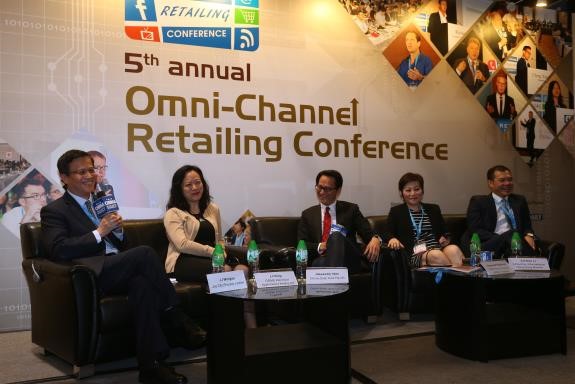
    Co-organized by the China Daily Asia Leadership Roundtable and the Omni-Channel Retailing Conference, the co-branded session, themed “Defining Next Generation Retail in Asia”, was held today at the Hong Kong Convention and Exhibition Centre. It was the fourth consecutive year China Daily has acted as the only Official Media Partner for this significant industry event. The forum drew more than 150 prominent retail industry players from across Asia.

    Defining Asia’s Next Generation Retail Industry: As Asia continues to drive and lead global economic growth, its retail industry is experiencing a phenomenal era of opportunities and challenges.

    Across Asia, online players are making waves on a huge scale, impacting the market at different levels. On the other hand, brick-and-mortar establishments are revising value propositions to stay competitive. Store design, merchandising, technology, logistics, exchanges, points of sale, and customer service offer up a cocktail that will see retailers taste success or failure in keeping with their mixing skills.

    Most importantly, retail consumers are changing not only in their demographics but also their behavior.

    Mr. ZHOU Li, Editorial Board Member of China Daily Group and Publisher & Editor-in-Chief of China Daily Asia Pacific, welcomed the distinguished session panelists from across Asia — Ms. Gunyarak PIYAKHUN, First Executive Vice-President, Department of Marketing Strategy & Business Intelligence, Siam Piwat Company Limited, Thailand; Mr. Carlson LI, General Manager, UnionPay International Hong Kong Branch; Mr. LI Wenyao, Deputy General Manager, Joy City Property Limited; and Ms. LI Hong, Head of Investor Relations, GOME Electrical Appliances Holding Limited.

    Ms. Gunyarak PIYAKHUN said the most important strategy for future retailers is to engage customers by providing customer experience, and using Omni-channel retailing as a tool to help retailers understand customers in a better way.

    Mr. LI Wenyao noted that as the Chinese mainland’s economy gains momentum, the country’s retail sector will continue to see a bright future. What matters is confidence.

    Ms. LI Hong believes that online shopping does not compete with offline shopping, rather, they complement each other.

    Mr. Carlson LI shared his insights from the online payment perspective. He said UnionPay, apart from offering a payment method to retailers, acts as a marketing platform providing retailers big data analysis to help them lower their marketing and promotion costs.

    This year’s “China Daily Asia Pacific Retail Leadership Awards” were presented at the “Hong Kong Retail Industry Trade Awards Presentation Ceremony” on June 14 in recognition of regional retailers with outstanding achievements which exceeded customers’ expectations through their strategic initiatives in creativity, technology, talent building and customer services.

    The winners of the China Daily Asia Pacific Retail Leadership Awards were:

    GOME Electrical Appliances Holding Limited
    Joy City Property Limited
    Siam Piwat Company Limited, Thailand
    UnionPay International Hong Kong Branch