Author: Mei Ling Tan

  • Charoen welcomes Salim Group into poultry feed business

    Charoen welcomes Salim Group into poultry feed business

    Salim Group’s decision to enter the poultry feed business in Indonesia in a bid to expand has yet to deter publicly listed poultry firm Charoen Pokphand Indonesia — whom currently holds 34 percent of the market share.

    Charoen Indonesia voiced optimism that its parent company, Charoen Pokhand Group will support the company, especially in terms of technology. The Thailand-based conglomerate is currently one of the biggest poultry business players in the world.

    “We have not prepared any special strategy to anticipate their entrance into the market. We welcome newcomers in the competition,” said Charoen Pokphand Indonesia president Director Tjiu Thomas Effendy on Wednesday.

    In December 2015, Salim Group purchased a controlling stake in Malaysia-based poultry firm CAB Cakaran Bhd. The conglomerate, through its shell company Plant Wealth Holdings Ltd, took 11.05 percent of shares in Cakaran.

    It plans to form a joint-venture in Indonesia this year. “Our Malaysian partner will do the technology transfer, while Indofood will support the operations,” Salim Group Chairman Anthoni Salim told thejakartapost.com recently.

    While Charoen is strong in poultry feed and day-old chicks, its poultry-based food business is low. This opens a door for Salim, as the big player in food industry, to enter especially as Salim has 35.8 percent shares in Fast Food Indonesia, the license-holder for the Kentucky Fried Chicken franchise in Indonesia.

  • Garuda re-exploring plans for flights to US in 2017

    Garuda re-exploring plans for flights to US in 2017

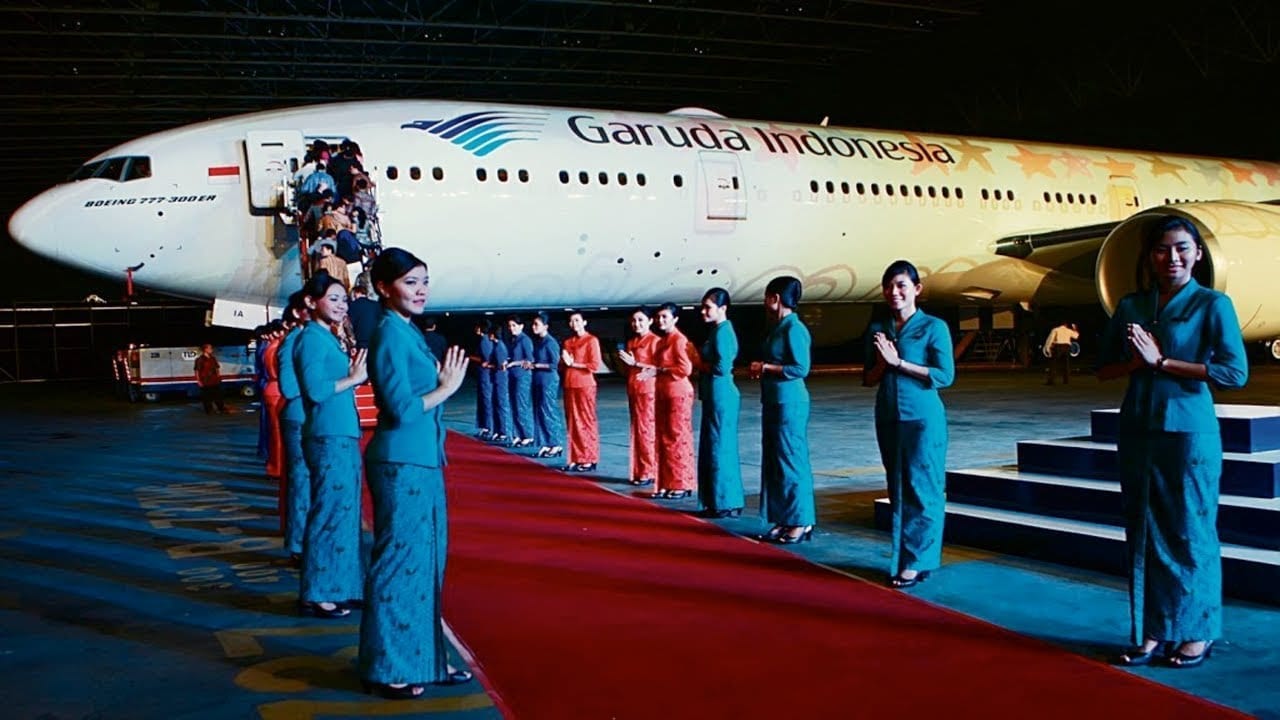
    Garuda Indonesia plans to re-explore the feasibility of starting flights to the United States in 2017 if the national flag carrier passes Category 1 test of safety and security standards as mandated by the Federal Aviation Administration (FAA).

    “Next year, we will try and clear this test as it is part of our five year plan, or this may be achieved even earlier,” the Garuda Indonesia President Director, M Arif Wibowo, said here on Wednesday.

    He noted that 400 thousand passengers travel from the US to Indonesia every year.

    The cities which receive maximum visitors are Los Angeles and New York, he added.

    “The number of potential passengers departing from Los Angeles is 120 thousand, while many more depart from New York,” Arif said.

    The flights will transit through Narita, Japan and will use two units of Boeing 777.

    “Actually, we want to start direct flights but that is not possible as of now. The option is to fly via Narita, Japan,” he said.

    Meanwhile, the Director General of Air Transportation at the Transportation Ministry, Suprasetyo, said the audit result of the FAA will be declared by July 2016 at the latest.

    “We have completed and reported all the documents and are optimistic that we can achieve our target,” he added.

    The Director of Airworthiness and Aircraft Operation at the Transportation Ministry, Mohammad Alwi, said the last seven documents related to flight inspection have been reported online to the FAA auditors.

    “All the documents have been accepted. God willing, this July we will receive the good news as Ramadan and Eid gift,” he said.

    According to him, if Garuda is awarded Category 1 status, then its aviation safety standards and security aspects must conform to international standards, in line with the flag carriers in the same category.

  • Indonesia’s Lion Air removed from EU air safety blacklist

    Indonesia’s Lion Air removed from EU air safety blacklist

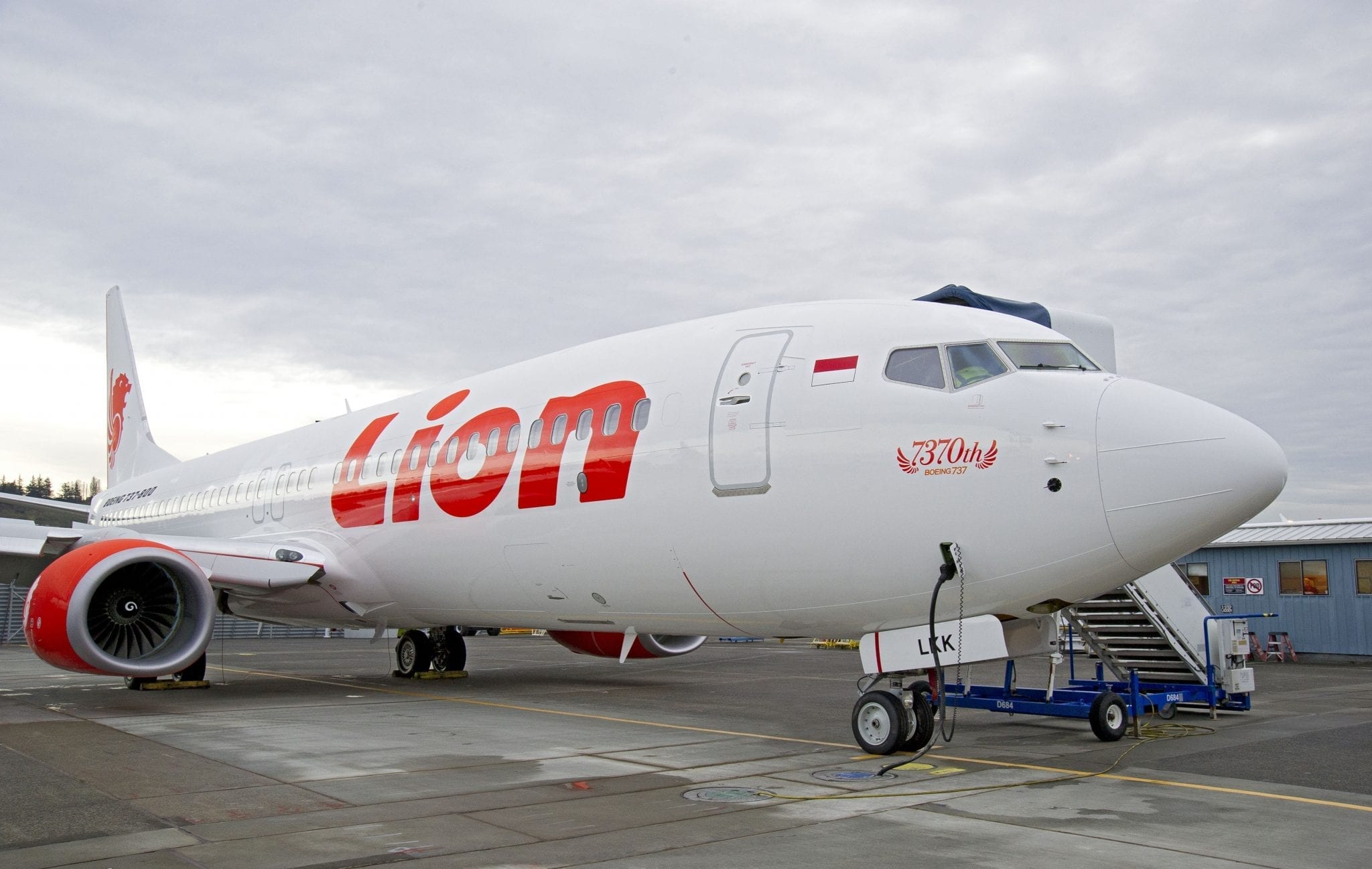
    Indonesia’s Lion Air, a major buyer of Airbus and Boeing jets, was removed from the European Union’s air safety blacklist, the European Commission said in a statement on Thursday.

    That means Lion Air is no longer banned from flying in the 28-nation EU.

  • Bank Indonesia cuts benchmark interest rate to 6.50 per cent

    Bank Indonesia cuts benchmark interest rate to 6.50 per cent

    Indonesia’s central bank cut its benchmark interest rate again by a quarter point to 6.50 per cent Thursday amid slow and uneven recovery of the global economy.Bank Indonesia spokesman Tirta Segara said the cut, the fourth this year, was decided at a two-day meeting of the Board of Governors.The key interest rate was lowered in January after staying at 7.5 per cent since February 2015. Cuts of another quarter point followed in February and March.Segara said the central bank will continue monitoring global economic developments that will have an impact in Indonesia.

    He noted that the country is expected to feel effects from the U.S. economy, which is not in solid recovery as indicated by weakening of consumption and employment as well as low inflation.The central bank believes that the easing of monetary and macro-prudential policies will strengthen the government’s attempts to boost sustainable economic growth through acceleration of structural reforms.Domestic economic growth in the second quarter of 2016 is expected to improve although not as strong as previously expected, the central bank said in a statement.

    It sees that various steps are still needed to boost domestic demand to continue to strengthen the momentum of economic growth, and with these developments, the overall economic growth for 2016 is estimated to be in the range of 5 per cent to 5.4 per cent.

  • Xiaomi teams up with China Unicom to boost offline sales

    Xiaomi teams up with China Unicom to boost offline sales

    Chinese smartphone vendor Xiaomi Corp has teamed up with the country’s second-largesttelecom carrier, China United Network Communications Group Co, to expand its offlineretailing channels.

    The move came as the country’s online smartphone sales has hit a ceiling and as Xiaomigrapples with declining shipments and mounting competition from rivals such as OppoElectronics Corp.

    Xiaomi launched a custom-made smartphone Redmi 3X on Wednesday. Equipped with alarge battery and a 13-megapixel rear-camera, the new phone will go on sale for 899 yuan($136) through China Unicom’s 30,000 offline stores and more than 230,000 bricks-and-mortar retailing partners.

    Lei Jun, CEO and founder of Xiaomi, said so far more than two-thirds of the company’ssmartphones have been sold through e-commerce platforms and the company’s officialwebsite.

    “The proportion of online sales is too big,” Lei said. “To maintain the rapid growth we haveseen in the past four years, expanding offline retailing channels becomes the key.”

    eca86bd9ddb418cc27c10c

    Xiaomi and China Unicom will also expand their cooperation beyond handsets to a widerange of products, such as Xiaomi TV, routers and air purifiers.

    “All of these Xiaomi electronic products will be available at our nationwide offline retail stores,”said Xiong Yu, deputy general manager at China Unicom.

    The move fits into China Unicom’s broad efforts to transform its abundant bricks-and-mortarassets into a big retailing platform of various electronic products, Xiong added.

    As China’s smartphone market is reaching saturation point, a number of vendors are bankingon bricks-and-mortar retailers to spur their growth.

    Xiaomi said earlier this year it will open 200 to 300 retail stores to bolster sales. Its major rivalLenovo Group Ltd also pledged more efforts to expand its offline retailing presence, which itssenior Vice-President Chen Xudong called the key to surviving intense competition.

    CK Lu, principal analyst at consulting firm Gartner Inc, said China Unicom’s sprawling offlineresources gave Xiaomi a ticket to enter into low-tier cities, which are dominated by its rivalsOppo Electronics Corp and vivo Mobile Communication Technology Co Ltd.

    In the first quarter of this year, Oppo and vivo made their way into the world’s top-five rankingof smartphone vendors for the first time, pushing out Xiaomi and Lenovo.

    “Xiaomi is an expert in online marketing, but lacks experience and talent to run offline stores.So it makes tons of sense to partner with China Unicom,” Lu said.

    According to Counterpoint Technology Market Research, telecom operators’ retail channelsaccount for 30 percent of China’s total smartphone sales, while e-commerce sites contributeanother 30 percent, with the rest managed by professional electronic retail stores.

    James Yan, a Beijing-based analyst at Counterpoint, said partnering with China Unicom willhelp Xiaomi quickly boost smartphone sales, but won’t necessarily deliver good profits.
  • Ministop closing up shop in Indonesia for now

    Ministop closing up shop in Indonesia for now

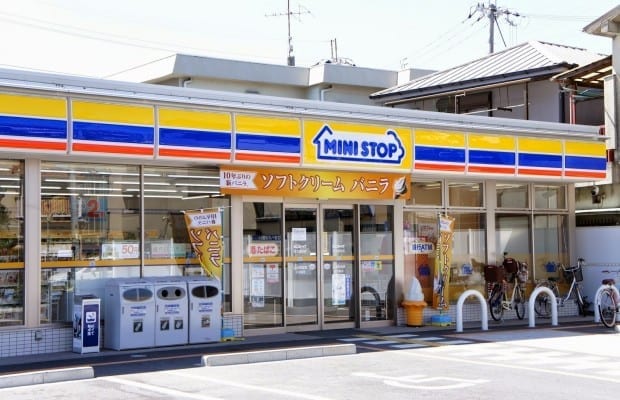
    Japanese convenience store operator Ministop is pulling out of the Indonesian market, at least for the time being.

    The company announced Friday that it is terminating a franchise agreement with local retailer Bahagia Niaga Lestari, which wants to concentrate resources in other areas.

    The retailer is Ministop’s sole franchisee in Indonesia. So when the six franchise stores it operates there are closed, the country will have no Ministops.

    Ministop said it will search for a new partner and plan a return to Indonesia, since the convenience store market there has growth potential.

    Ministop had inked the franchise agreement with Bahagia Niaga Lestari in 2012 because Indonesia bars foreign companies from investing in retail stores with less than 400 sq. meters of floor space. The first Ministop in that country opened in June 2013.

  • ASDP Launches Mobile E-Ticketing

    ASDP Launches Mobile E-Ticketing

    State-owned ferry operator PT ASDP Indonesia Ferry has launched a mobile e-ticketing service to facilitate passengers when buying ferry tickets during Eid holiday.

    “We launch this mobile e-ticketing service to anticipate the surge in the number of vehicles heading to Merak seaport,” said PT. ASDP President Director Danang S on Friday (17/6).

    He added that the e-ticketing service is applied at di km 43 and km 68 of the rest area on Tangerang-Merak toll road.

    The government also provides the same service during the returning season after Ied Day at Hotel 56 Kalianda, Lampung.

    Danang went on to say that the mobile e-ticketing services gives a one-stop service for the passengers by stopping at rest areas.

    He also predicted that the number of passengers crossing through Merak seaport this year would increase by 8 percent compared to that of the previous year.

  • Japan to invest in fire extinction technology in Indonesia

    Japan to invest in fire extinction technology in Indonesia

    The Investment Coordinating Board said a Japanese company engaged in fire extinction technology is interested in investing Rp600 billion in Indonesia.

    The Head of the Board, Franky Sibarani, in a press release received by Antara here on Monday, said the potential investors will build a forest fire prevention system and develop this technology in Indonesia.

    “This business will deal with ways to prevent forest and land fires by applying such technology,” he added.

    Sibarani informed that the company already has a local partner, a fact that will help them realize the investment.

    The Japanese company is currently reviewing two locations that could be used to set up its operations here. These sites are in Sei Mangke Industrial Area, North Sumatra and Tanjung Api-Api Industrial Area, South Sumatra.

    Sibarani explained that the raw material used in fire fighting technology can be procured from within Indonesia.

    “The Indonesian workers who will operate the technology would be first trained in Japan for at least six months,” he disclosed.

    An Indonesian official of the Investment Promotion Office in Tokyo (IIPC), Saribua Siahaan, remarked that this investment plan was quite interesting, considering that the Japanese investment in the country is largely in the automotive sector and its supporting components.

    “We are ready to help the company to realize its investment in Indonesia. This investment is also expected to contribute positively to the governments efforts to prevent forest fires,” he noted.

    Data obtained from the Investment Coordinating Board shows that in the second quarter of 2016, the realization of Japan investment in Indonesia had reached US$1.58 billion and covered 427 projects, providing jobs for 28,377 people.

    In 2015, the realization of Japanese investment amounted to US$2.87 billion with 2,030 projects and had absorbed 115,400 workers.

  • Indonesian coffee introduced in Southeast European market

    Indonesian coffee introduced in Southeast European market

    Indonesian coffee was introduced in Zagreb, Croatia, on June 8-10 during an event titled “Indonesian Specialty Coffee: From Cup to Cup” organized by the Indonesian Embassy in Zagreb in cooperation with local entity, Tanamera Coffee.

    During the program held in two locations — the Indonesian Embassy in Zagreb and a coffee shop in the Croatian capital — a representative from Indonesia introduced a variety of Indonesian coffee beans, including Gayo Aceh, Solok Sumatera, Toraja Sulawesi, Flores, and Malabar.

    “The last day of promotion in the cafe was open for the public, and some 600 people had the opportunity to sample the single origin coffee that our team had brought,” Dini Criddle, Tanamera Coffee owner, noted in a press release received on Monday.

    Tanamera Coffee, as the governments partner in promoting Indonesian coffee in the global market, also presented the process of coffee production, from the enhancement of farmers harvest results and the process of coffee production to the simulation of roasting techniques as well as brewing methods using filters or espresso machines.

    The Indonesian Embassy in Zagrebs Economic Functions Executive Widjoseno Sastroamidjojo remarked that the promotion efforts had drawn the interest of several coffee roasters, industry makers, and Croatian coffee importer to buy Indonesian coffee products and coffee beans that are deemed high in quality.

    This interest will boost the entry of Indonesian coffee into the Croatian market, as well as other European countries, he emphasized.

    “Not a lot of Croatians are familiar with Indonesian coffee. Seeing the high demand for Indonesian coffee and the potential to attract Croatian tourists that reached 12 million in 2015, we are confident that Indonesian coffee products can be successful in the southeast European market,” stated Sastroamidjojo.

    Coffee consumption in Croatia is high as its people prefer spending time in coffee shops in addition to the rapid growth in the number of such outlets in the southeastern Europe country.

    Despite having a total population of only 4.2 million, the coffee consumption rate in Croatia is rather high, reaching 15.9 tons, or 2.8 kilograms per capita in 2013.

    Based on the data retrieved from Euromonitor, Croatia was ranked 14th on the worlds coffee consumption index.

    Meanwhile, other Southeast European countries, such as Slovenia, Serbia, and Bosnia-Herzegovina, are also listed among the 15 countries, with the highest per capita coffee consumption rate, with each reaching 6.1, 5.4, and 4.3 kilograms.

  • Philippines to Market Fashion Products in Indonesia

    Philippines to Market Fashion Products in Indonesia

    The Philippines has expressed its intention to market branded retail products in Indonesia, particularly fashion products.

    To support the intention, the Philippine Trade and Investment Center (PTIC) in Jakarta has held an expo, Lifestyle Philippines, in Shangri-La Hotel on June 10, 2016, said the Philippines Embassy in Jakarta, Monday, June 13, 2016.

    According the Philippine Ambassador to Indonesia Maria Lumen B. Isleta, the expo is expected to strengthen the relationships between the Philippine and Indonesian people.

    “It is an effort to introduce the various Philippine products and services, which may interest many Indonesian consumers once they know more about it,” Amabassador Isleta said.

    Alma Argayoso, the Philippine trade representative in Jakarta, said Lifestyale Philippines is aimed at promoting and introducing products made in the Philippines.

    The expo was enliven by fashion shows that featured designs of iconic brands, such as Karimadon, Rusty Lopez, Plains and Prints, and Cruzzini Barong Tagalog.

    The trade volume of both countries reached US$3.6 billion last year with a significant surplus for Indonesia, having an export volume of US$2.93 billion. Whereas the Philippine trade to Indonesia merely amounted to US$628.27 million.

  • Singtel, Airtel to combine IP VPNs

    Singtel, Airtel to combine IP VPNs

    Singtel and India’s Bharti Airtel have announced a strategic alliance to provide high-speed connectivity to global enterprises through a single IP VPN.

    The operators have combined their infrastructure into one network providing coverage to 325 cities through 370 points of presence in APAC, MEA, Europe and the US. This will form one of the largest IP VPNs worldwide.

    The network will support MPLS and high-bandwidth business applications including unified communications, video conferencing and SDN.

    A single helpdesk and a single integrated operations and maintenance system have been jointly developed to support the combined networking operations.

    “We believe joining forces this way makes total sense. By tapping on one another’s infrastructure assets we enhance each other’s capabilities,” Singtel Group Enterprise managing director of global enterprise business Lim Seng Kong said.

    “With its wide coverage of cities in India, this network paves the way for our international customers to enter into one of the world’s most vibrant economies. Conversely, this partnership also opens the door for Indian companies to expand abroad, supported by Singtel’s high quality IP VPN network in major business cities in Asia, Europe and the US.”

    He said the agreement will allow Singtel to strengthen its lead as the largest IP VPN provider in APAC with domestic data networks in Australia, India and Singapore.

  • Telenor wins 4G license in Pakistan for $395m

    Telenor wins 4G license in Pakistan for $395m

    Norway’s Telenor has secured a 4G license in Pakistan for $395 million as the sole bidder for an 850-MHz spectrum block.

    Telenor Pakistan will join China Mobile subsidiary Zong in holding a 4G license following the auction. The operator is seeking to capitalize on burgeoning demand for mobile broadband in a market where smartphone shipments soared 123% in the first quarter of last year.

    As of the end of April, the number of broadband users in Pakistan grew to nearly 29 million, the report states, marking a higher population penetration than India, Nepal and Bangladesh.

    Telenor Pakistan was the lone bidder for the 10 MHz block of 850-MHz spectrum, even though the auction was open to both domestic and international participants. The government had been hoping to use the auction to attract a new entrant into the market.

    The operator will be allocated the spectrum within 30 days of making its payment.

  • McDonald’s Malaysia embraces Ramadan spirit

    McDonald’s Malaysia embraces Ramadan spirit

    McDonald’s Malaysia is marking Ramadan with a series of activities to commemorate the holy month of self-reflection and spiritual rejuvenation.

    For the third year running, the group is sponsoring McChicken burgers and apple pies once a week to 91 mosques across the nation for after-prayer meals (moreh). This time it is extending the sponsorship to the mosques of 15 universities.

    “In our 34 years in Malaysia, McDonald’s has seen that Ramadan brings out the best in us,” says MD Azmir Jaafar.

    Meanwhile, the group is offering 30,000 sets of dates and drinking water free to commuters during rush hour at five Putra LRT stations twice a week. Also, more than 100 children in need will be treated to an evening of festive cheer including a shopping spree for baju raya and school necessities, as well as an Iftar dinner.

    Ronald McDonald House Charities (RMHC) will be sponsoring the breaking-of-fast dinner at Hotel Vistana Kuantan, and also be making a donation of RM5000 (US$1215) to children’s homes. In turn, McDonald’s Kuantan will be handing out duit raya to the children while township developer Kotasas will foot the baju raya bill.

    Furthermore, McDonald’s and RMHC will join again to celebrate Ramadan at Pusat Lambaian Kasih in Kuala Lumpur next week. RMHC will contribute RM6000 to the charity home and McDonald’s employees will volunteer to spend quality time and break fast with the children.

    In Malaysia, McDonald’s serves more than 13.5 million customers a month at more than 260 restaurants.

  • Revlon buys rival Elizabeth Arden

    Revlon buys rival Elizabeth Arden

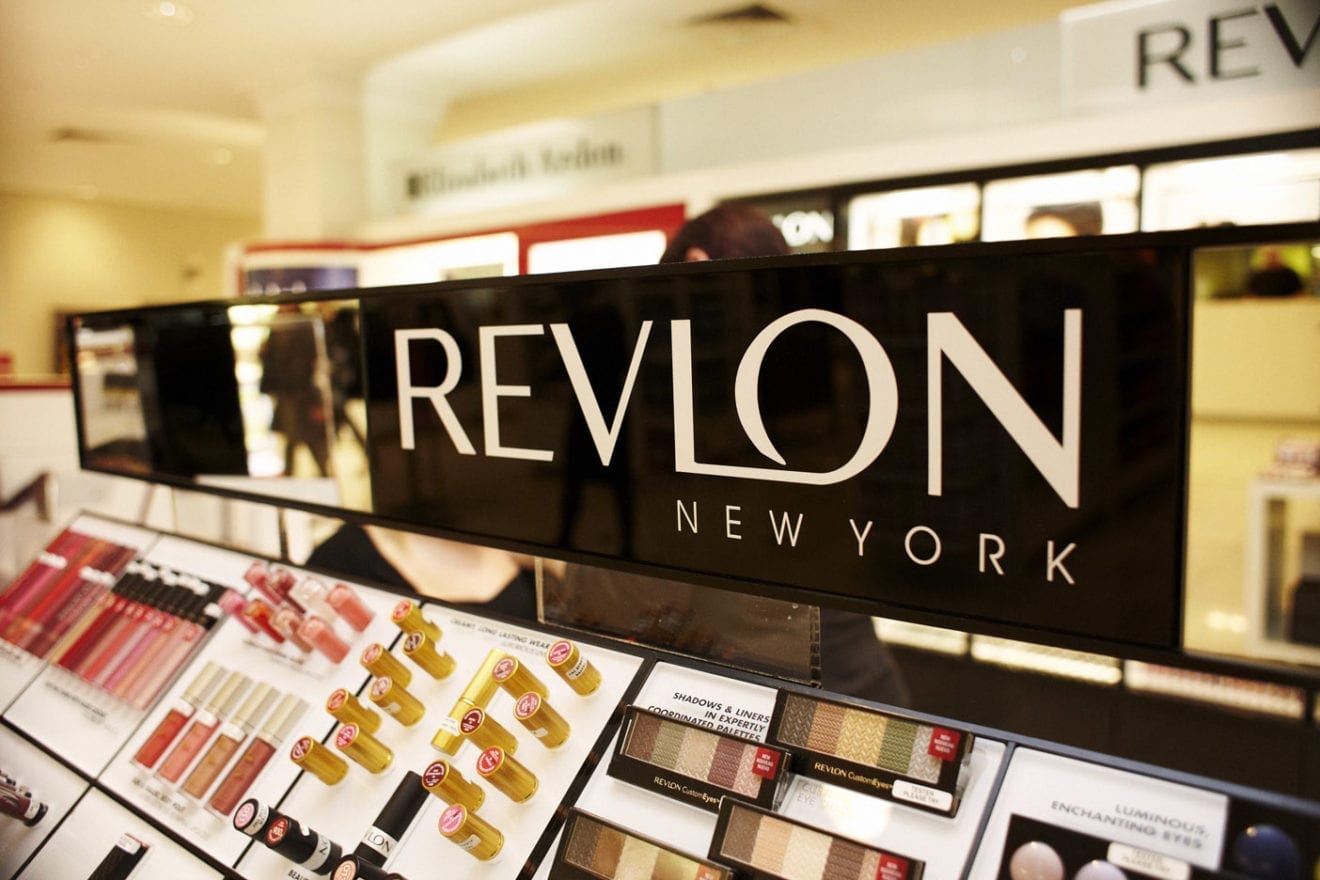
    Revlon is to take complete ownership of Elizabeth Arden in a deal valuing the target at US$870 million.

    The two companies say that by bringing together two highly complementary, iconic brand portfolios, Revlon will benefit from greater scale, an expanded global footprint, and a significant presence across all major beauty channels and categories, including the addition of Elizabeth Arden’s growing prestige skin care, color cosmetics and fragrances.

    “The combination will leverage Revlon’s scale across major vendors and manufacturing partners, improving distribution and procurement. Cost synergies of approximately $140 million are expected to be achieved through the elimination of duplicative activities, leveraging purchasing scale, and optimising the manufacturing and distribution networks of the combined company,” the two companies said in a joint statement.

    Revlon president and CEO Fabian Garcia described the deal as “strategically and financially compelling”.

    “Elizabeth Arden and Revlon are both known for their iconic brands, entrepreneurial spirit and commitment to innovation, quality and excellence. Revlon plans to build upon Elizabeth Arden’s ongoing transformation by further enhancing the brand, with even more vibrant and relevant product development and marketing, while carefully preserving its unique heritage within prestige.

    “Combining our brands, talent, and global distribution will give our company a significant presence in all major channels and categories, while accelerating sales growth in existing and new geographic regions. We look forward to bringing together our two top-notch teams to form a global leader in beauty,” he said.

    Elizabeth Arden president and CEO Scott Beattie said the takeover recognised the unique equity in the Elizabeth Arden brand, its impressive fragrance portfolio and global footprint, as well as the positive momentum and growth potential for our business.

    “We look forward to working with the Revlon leadership team to create a leading global beauty company, able to provide accelerated growth for the Elizabeth Arden-branded products as well as our prestige licensed fragrance portfolio, and broader opportunities for many of our employees.”

    Revlon’s strength and expertise in color cosmetics, hair care, men’s grooming, antiperspirants, deodorants and beauty tools will be complemented by the addition of Elizabeth Arden’s portfolio of licensed prestige fragrances and the internationally recognised line of Elizabeth Arden-branded prestige skin care, color cosmetics and fragrance products.

    The companies believe Elizabeth Arden’s strong global reach in prestige distribution and travel retail will complement Revlon’s strength in mass and salons, strongly positioning the combined company in all key beauty channels.

    On a geographical basis, Revlon currently sells its products in approximately 130 countries and Elizabeth Arden has a strong presence in important international growth regions, including Asia Pacific, positioning both brands to better compete globally.

    After the merger, Beattie will join Revlon’s board as non-executive vice chairman. He will also serve as a senior advisor to Garcia.

    The deal should close by the end of 2016.

  • Bangkok retail show schedule announced

    Bangkok retail show schedule announced

    With Asian retail sales projected to reach more than $10 trillion by 2018 – twice the figures for North America – trends and developments will be discussed at a three-day Bangkok retail show in August.

    Regional sales are projected to be the fastest worldwide over the next five years, and China is expected to overtake the US as the world’s biggest retail market, according to a PWC report.

    At RetailEx ASEAN 2016, at Impact Exhibition & Convention Centre in Bangkok, Thailand, from August 25 to 27, the ASEAN Retail & Shopping Mall Summit will enable businesses, regional associations and stakeholders of the retail ecosystem to network and discuss trends.

    Over two days of the expo, the conference includes expert speakers covering such topics as industry trends, business modelling, branding avenues, and retail architecture and design.

    Features of the annual expo include the POS & Auto ID Congress, a VIP hosted buyer program and site tours. It is the largest in-store equipment and solutions expo in Southeast Asia, featuring more than 200 local and international exhibitors over 5000 sqm of exhibition space.