Author: Mei Ling Tan

  • H&M collaborates with Caitlyn Jenner for its newest athleisure range

    H&M collaborates with Caitlyn Jenner for its newest athleisure range

    A new H&M athleisure wear range is to be launched in July, developed with input from the Swedish Olympic team and fronted by personalities including Caitlyn Jenner.

    The launch of For Every Victory makes H&M one of the first major multinational fashion brands to make a serious foray into the booming athleisure wear market, to date dominated by fast-growing specialist brands including Lululemon, UnderArmour and 2XU.

    H&M -For Every Victory

    H&M For Every Victory – described by the H&M as “high fashion performance sportswear made to inspire” has been developed with input from the Swedish Olympic team, and the campaign is fronted by inspirational personalities who have all achieved their own victories, whether in sport or life.

    H&M -For Every Victory 1

    The athletes advised on design, performance and wearability. H&M also designed outfits for the Swedish Olympic and Paralympic team for Rio 2016, including the opening ceremony uniform, selected competition pieces and the prize ceremony outfits.

    “This is a collection about performance with great style and the input of the Swedish Olympic team has been invaluable in the creation process,” said Pernilla Wohlfahrt, design and creative director at H&M. “The result is high fashion technical sports pieces for everyone to wear.”

    The For Every Victory collection has a similar visual expression and technical knowledge to the Swedish Olympic team collection, with its own colour palette in black, grey, dusty pink and gold. It is centered on performance T-shirts, running shorts and leggings, as well as sports bras for women.

    H&M -For Every Victory 3

    The quick-drying, breathable materials help to optimise performance and recycled polyesters prove that high-function sportswear can also be conscious and more sustainable − all showing that there’s no compromise on either fashion or performance.

    H&M -Olympic collection

    Among the personalities fronting the new range are Caitlyn Jenner with her Olympic gold medal in the decathlon; Chelsea Werner, a gymnast who has never let Down Syndrome halt her progress; surfer Mike Coots who still takes to his board even though he lost his leg in a shark attack and boxer Namibia Flores who has fought against prejudice to pursue her dreams.

    The new range and brand will be launched globally on July 21.

  • Meet RoBoHon : Sharp new smartphone robot

    Meet RoBoHon : Sharp new smartphone robot

    A walking smartphone robot has been launched in Japan by Sharp.

    Called RoBoHon, it has an Android smartphone for a body with tiny legs and arms.

    Ronohon Japan

    Sharp is producing 5000 RoboHon units a month, each selling for about US$1850, plus monthly charges.

    Sharp says the robotic phone was developed in collaboration with Robo Garage Co CEO Tomotaka Takahashi, who is also project associate professor at the University of Tokyo’s Research Center for Advanced Science and Technology.

    Ronohon Japan 3

    Sharp says users will be able to download apps to give RoBoHon more features. The company has even launched a RoBoHon Cafe where people can try out the robot as well as order robot-inspired dishes and beverages.

    Robohon cafe

    Standing 19.5cm high, the robot can walk, dance and answer calls. It weighs 390g. and can recognise people by their face and remember their names.

    RoboHon can hold small objects with its hands, and can also be used as a projector and broadcast video.

  • Indonesia shines for retail investment

    Indonesia shines for retail investment

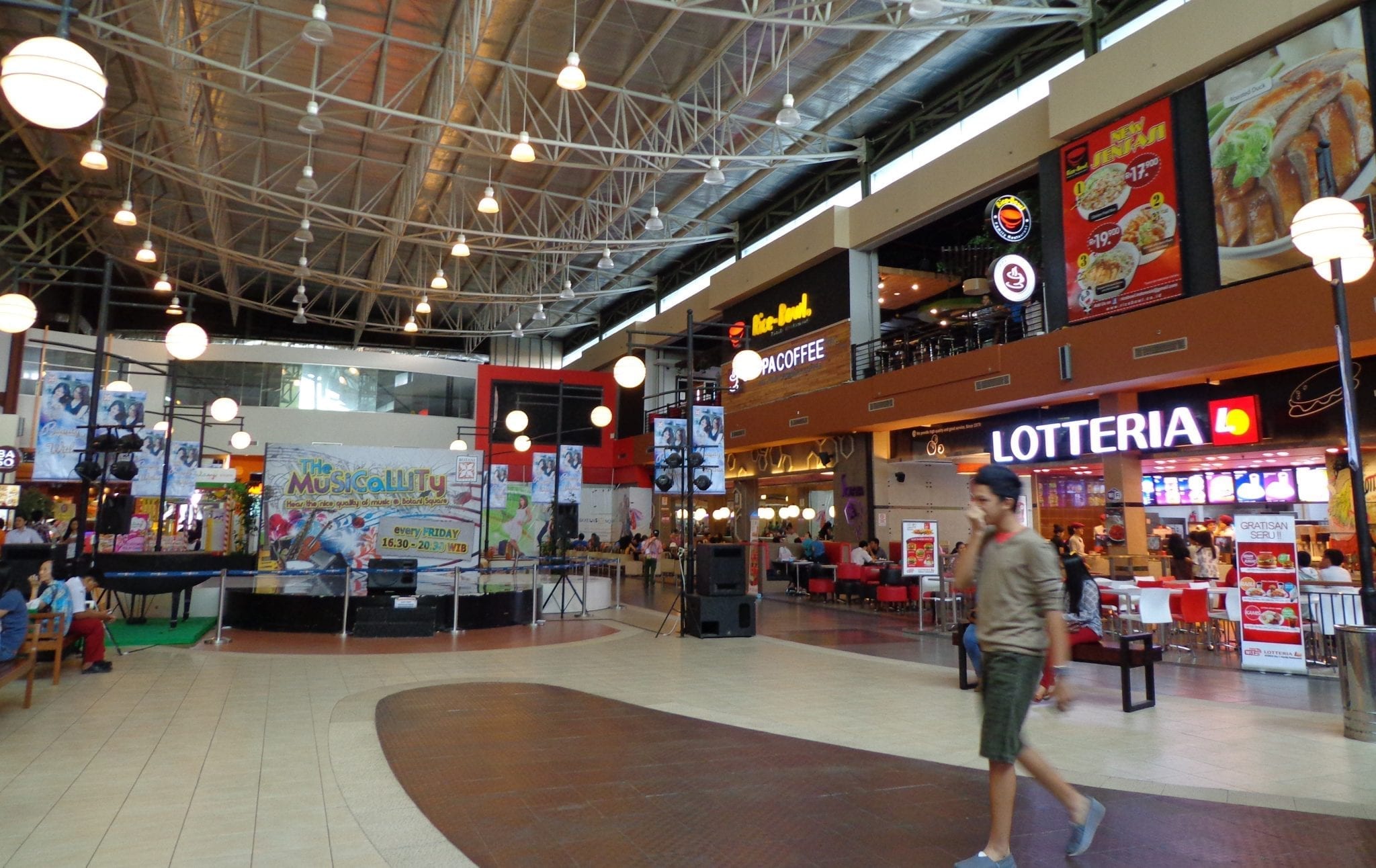
    Southeast Asia’s largest economy, Indonesia, is ranked the world’s fifth most-attractive market for retail investment in AT Kearney’s 2016 Global Retail Development Index.

    In previous years it has ranked in the top 20.

    It is an exciting time to be investing in Indonesia’s retail sector, the index says. The country scores 64.3 in market size (out of a 0-100 scale) and low in country risk (38.9) – lower than the top three markets, China, India and Malaysia. Urgency to enter the market is rated at 68.9, and the overall score of 55.6 is just one point behind Kazakhstan.

    “Despite its relatively low retail sales per capita and currency volatility, Indonesia’s huge population and cities make it quite attractive to foreign retailers, which see untapped potential in the country and are investing heavily in new development,” says the report, which covers 30 developing countries that represent more than half of total global retail sales.

    This is reflected by burgeoning foreign retail investments in the country, reports the Jakarta Post. It cites Dubai-based Lulu, which opened its first hypermarket in Indonesia this month with an investment plan of US$500 million covering nine hypermarkets and a warehouse. Meanwhile, Singapore’s Courts, South Korea’s Lotte, and Ikea and H&M from Sweden all have a presence and expansion plans in Indonesia. Courts plans to open four stores by next March to add to its existing five, and has seen its sales growth double since opening in 2014.

    Indonesian convenience stores Alfamart and Indomaret have also been expanding. Indomaret plans to add 1600 outlets this year to its 12,210 stores, while Alfamart is aiming for six-fold sales growth this year driven by its upgraded online presence.

    The government has opened up eCommerce to foreign ownership where the business value is more than Rp100 billion (US$7.49 million). According to the Indonesian eCommerce Association (Idea), eCommerce transactions are expected to reach $24.6 billion this year, three times more than in 2013.

    Indonesian retailers Matahari and Mitra Adi Perkasa have launched online shopping, while grocers Alfamart and Happy Fresh are extending their online offering.

  • Uniqlo Indonesian batik collection for good cause

    Uniqlo Indonesian batik collection for good cause

    Japanese apparel company Uniqlo has launched a special collection of items featuring traditional motifs of Indonesian batik, a heritage included on the UNESCO list of Intangible Cultural Heritages of Humanity in 2009.

    As part of a second program in the Uniqlo Factory Worker Empowerment Project, a portion of sales is be allocated toward helping with education for employees working in parent company Fast Retailing‘s affiliated factories in Indonesia. The special collection is available at five stores in Japan and on Uniqlo’s website.

    The batik patterns are part of Uniqlo’s LifeWear concept of offering clothes for a better life for everyone, every day. The collection of eight items includes men’s and women’s shirts as well as summer dresses. The batik patterns are original motifs jointly developed by Uniqlo and a designer recommended by the Indonesian Batik Foundation.

    The empowerment project was introduced last year, the first supporting female workers in sewing factories in Bangladesh through a women’s line featuring traditional Bangladesh clothing motifs. This sold in 14 markets worldwide, with a portion of sales being used for educational programs in such areas as nutrition, hygiene and health management.

    The education project is expected to run for about three years, and reach around 12,000 people.

  • Revenue up for Global Brands Group

    Revenue up for Global Brands Group

    Branded apparel, footwear, fashion accessories and lifestyle product company Global Brands Group Holding has had a US$4118 million revenue increase for its latest reporting period – covering 15 months because of a change of the financial year end date to March 31.

    Its revenue growth was partially offset by a decrease in the euro exchange rate, the tail-end impact of exiting underperforming brands, and an unseasonably warm winter in North America.

    The core operating profit and net profit for the period were $75 million and $25 million respectively, reflecting the typically weak first quarter.

    “Since Global Brands’ independent listing two years ago, our business has progressed along a steady growth trajectory,” says CEO/vice-chairman Bruce Rockowitz. “We have focused on leveraging our competitive strengths as we grow around our core segments. Today, we enjoy a unique position in our industry as no other company operates in the same space in the categories in which we specialise, at our vast scale, across so many countries and regions.”

    Its total margin has continued to trend up since 2013, reaching $1379 million, or 33.5 per cent as a percentage of revenue. As a result of the group’s investment in key controlled brands and adding new licences to the portfolio, running costs grew to $1304 million.

    “We continue to sharpen our focus on our key product categories and high-performing brands, while expanding our platforms where relevant,” says president/COO Dow Famulak. “Our kids category remains a highly successful franchise delivering consistently positive results, while our footwear and accessories business also performed well, particularly our key footwear brands.

    “We made excellent progress expanding the direct-to-consumer reach and increasing the product offering of our key controlled brands, such as Frye, Spyder and Juicy Couture. Under Seven Global, we extended the David Beckham brand to the menswear product category through a partnership with Kent & Curwen, and recently to the men’s grooming category through a partnership with the men’s skincare brand Biotherm Homme.”

    Rockowitz says the group is committed to global growth. “We will continue to expand our footprint in Europe and in Asia, as well as look for new avenues to further build upon our already strong presence in the US.”

  • Zara parent company boosted profit and sales

    Zara parent company boosted profit and sales

    Spanish clothes retailer Inditex, has reported its net profit for the first fiscal quarter of 2016 rose 6 per cent, after global sales lifted by 12 per cent.

    Inditex said profit for February through April was 554 million euros ($A843.61 million), up from 521 million euros for the same period last year.

    The company’s shares were up 2.7 per cent at 28.74 euros in Wednesday morning trading in Madrid.

    The company said sales reached 4.88 billion euros, a 12 per cent increase on the same period in 2015.

    Inditex says it opened 72 new stores in the period for a total of 7085 and added 11,900 jobs in the process. During the first quarter, the retailer expanded its reach to 90 markets, having opened inaugural stores in Aruba and Nicaragua. At the end of the first-quarter, the Group reported 7085 physical stores.

    Founded in 1975 by Amancio Ortega, Inditex operates eight store brands including Massimo Dutti, Bershka and Oysho.

  • Ericsson launches 5G plug-ins

    Ericsson launches 5G plug-ins

    Ericsson has launched a line of “5G plug-ins” designed to prepare today’s networks for the next generation of mobile technology.

    The vendor has introduced a range of software-driven plug-ins focused on capabilities operators can leverage within current networks to facilitate the evolution to 5G.

    Plug-ins include massive MIMO, multi-user MIMO, RAN virtualiztion, intelligent connectivity and latency reduction.

    The plug-ins cover use cases including mobile HD video, driverless buses, haptic feedback-enabled drones and residential wireless broadband services offering fiber-equivalent speeds.

    They are currently only available for operator trials but will be made available for commercial networks starting from next year.

    Ericsson SVP and head of radio Arun Bansal said the plug-ins are designed to “enable the evolutionary steps that operators need to take as they develop networks to secure their 5G future.”

    Current Analysis VP of consumer and infrastructure services noted that while 5G has gained considerable momentum over the past year, “without spectrum allocations or ratified standards, operators need a migration tactic allowing them to leverage current network investments in synch with their 5G evolution strategies.

    “Ericsson’s 5G plug-Ins deliver this flexibility, supporting the deployment of advanced access technologies in the near-term, and in preparation for 5G.”

  • Philippine competition watchdog to probe SMC deal

    Philippine competition watchdog to probe SMC deal

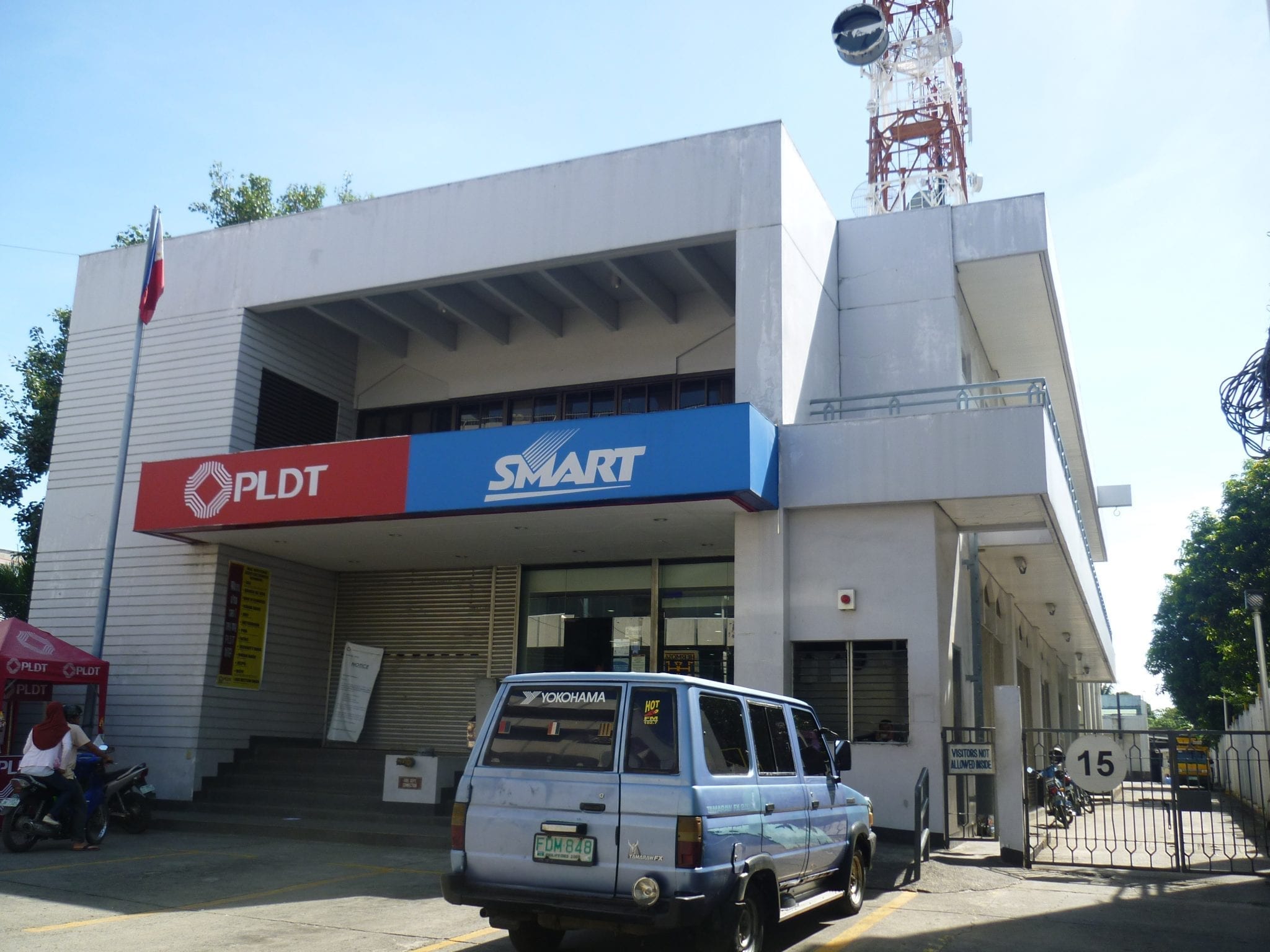
    The Philippine Competition Commission (PCC) has announced it will conduct a “comprehensive review” of the 69 billion peso ($1.49 billion) acquisition of San Miguel Corporation’s telecoms assets by PLDT and Globe Telecom.

    The regulator has sent letters to the operators informing them that a thorough review will be undertaken.

    Such a review includes an investigation into whether there will be substantial changes to the market structure and the potential impact of the transaction on public welfare.

    In a statement, the newly-formed PCC said it had decided to conduct the investigation “based on the totality of information available to us, including public statements made by the parties,” which led the authority to “believe there is a basis to conduct this review by virtue of the powers granted to the PCC by the Philippine Competition Act.”

    The PCC recently decided not to accept PLDT and Globe’s initial application for the merger, claiming it was “deficient and defective in form and substance.”

    The operators had recently resubmitted parts of their application to address the regulator’s concerns, while maintaining that their initial application was sufficient.

    PLDT and Globe announced in late May that they have arranged to acquire SMC’s telecoms assets, including its coveted 700-MHz spectrum holdings, in a deal worth a combined 69.1 billion pesos.

  • Tata Comms launches VR/AR prize for F1 racing

    Tata Comms launches VR/AR prize for F1 racing

    Tata Communications has launched a new competition focused on how VR and AR technologies can make Formula 1 racing more immersive for fans.

    The 2016 F1 Connectivity Innovation Prize is also designed to help the teams work more effectively together in the run-up to and during each Grand Prix.

    The aim of the $50,000 prize is to inspire fans worldwide to harness their technical know-how and passion for F1 racing to drive innovation in the sport through two technology challenges.

    Tata Communications is the official connectivity provider of Formula 1, enabling the sport to seamlessly reach its tens of millions of fans across the globe.

    The first challenge, set by Formula One Management, calls on technology enthusiasts to develop a solution that uses VR and AR to enable fans at home to experience a Grand Prix virtually.

    The solution should allow fans who are not at the live event to immerse themselves into the world of F1 racing, from the pit lane and the Formula One Paddock Club, to the drivers’ parade and the starting grid formation.

    “We want to give as many fans as possible the opportunity to experience first-hand the thrill of a Grand Prix – and VR or AR could enable us to do just that,” said John Morrison, CTO of Formula One Management and one of the judges.

    “These technologies represent the next big innovation opportunity for the sport. In the not-too-distant future, they could enable fans to get virtually transported to a Grand Prix, complementing and enriching the race experience,” said Morrison.

    Julie Woods-Moss, Tata Communications’ CMO and CEO of its NextGen Business, said that in the last two years, the F1 Connectivity Innovation Prize has grown into a major platform for showcasing the huge potential of data and superfast connectivity in boosting F1 teams’ competitiveness, and in bringing fans closer to the sport.

    “We now invite fans from all over the world to share their ideas for how VR and AR could take fan engagement to the next level,” she said.

  • India may import pulses from Myanmar, African nations

    India may import pulses from Myanmar, African nations

    Faced with the highest-ever surge in food prices in the past two years, the NDA government did some brainstorming on Wednesday to devise steps to check prices, especially of pulses.

    At a review meeting convened by Finance Minister Arun Jaitley here, it was decided to boost supply by increasing buffer stocks and imports.

    The Centre may look to Myanmar and Africa to import lentils and pulses, it is learnt. India has already submitted a draft agreement for import of tur from Myanmar via the government route.

    Many African nations have also evinced interest in supplying lentils to India.

    “The Finance Minister said imports via public and private agencies should be strengthened to meet the deficit,” Food Minister Ram Vilas Paswan told newspersons after the meeting. He added that the demand-supply gap of about 7.6 million tonnes of pulses was being met by imports and local procurement to create a buffer stock of 1.5 lakh tonnes this year.

    It is not only the runaway increase in prices of pulses, which have soared to as much as ₹170/kg, that has hurt the aam aadmi; even vegetable prices have shot up in recent weeks.

    Tomato prices in most retail markets have doubled to ₹80-100/kg in the last fortnight due to sluggish supply owing to crop damage. Potato prices have also been on the rise.

    Besides Paswan, the high-level meeting was attended by Agriculture Minister Radha Mohan Singh, Transport Minister Nitin Gadkari, Commerce Minister Nirmala Sitharaman and Urban Development Minister Venkaiah Naidu.

    Discussions involved releasing more pulses from the buffer stock whenever there is a demand from the States. However, Paswan passed some of the blame for high prices to the States.

    “If prices rise despite this move, the Centre is not responsible. In a federal structure, States have equal responsibility in controlling prices,” he said, adding that the Centre had created a buffer stock, but “not many States had shown interest.”

    Against this year’s procurement target of 1.5 lakh tonnes of pulses for buffer stocks, 1.15 lakh tonnes has been purchased, he added.


  • Lenovo eyes India as sales plunge in China

    Lenovo eyes India as sales plunge in China

     As part of its plans, Lenovo aims to increase its market share from less than 10% during the January-March quarter by expanding its reach of smartphones in retail outlets. (Reuters)

    As sales slide in its home country China, Lenovo Group is planning to ramp up its presence in India, the world’s second largest smartphone market including expanding its retail presence for its smartphones, extending apps for the local market, and increasing local manufacturing.

    “India for most of our product categories is a key strategic market” said Aymar de Lencquesaing, senior vice president, Lenovo Group, who also leads the Chinese company’s mobile business including R&D, product and supply chain management.

    “We believe this market will continue to grow not only in volume but also in the line-up of premium products,” he said.

    As part of its plans, Lenovo aims to increase its market share from less than 10% during the January-March quarter by expanding its reach of smartphones in retail outlets.

    The company had been predominantly focussing on selling through online channels to increase sales, since it gives better margins by saving on inventory and supply chain costs.

    Lenovo also plans to increase manufacturing of its handsets within India as and when the demand increases, he said.

  • CBRE: Hong Kong becomes the world’s highest-priced office market

    CBRE: Hong Kong becomes the world’s highest-priced office market

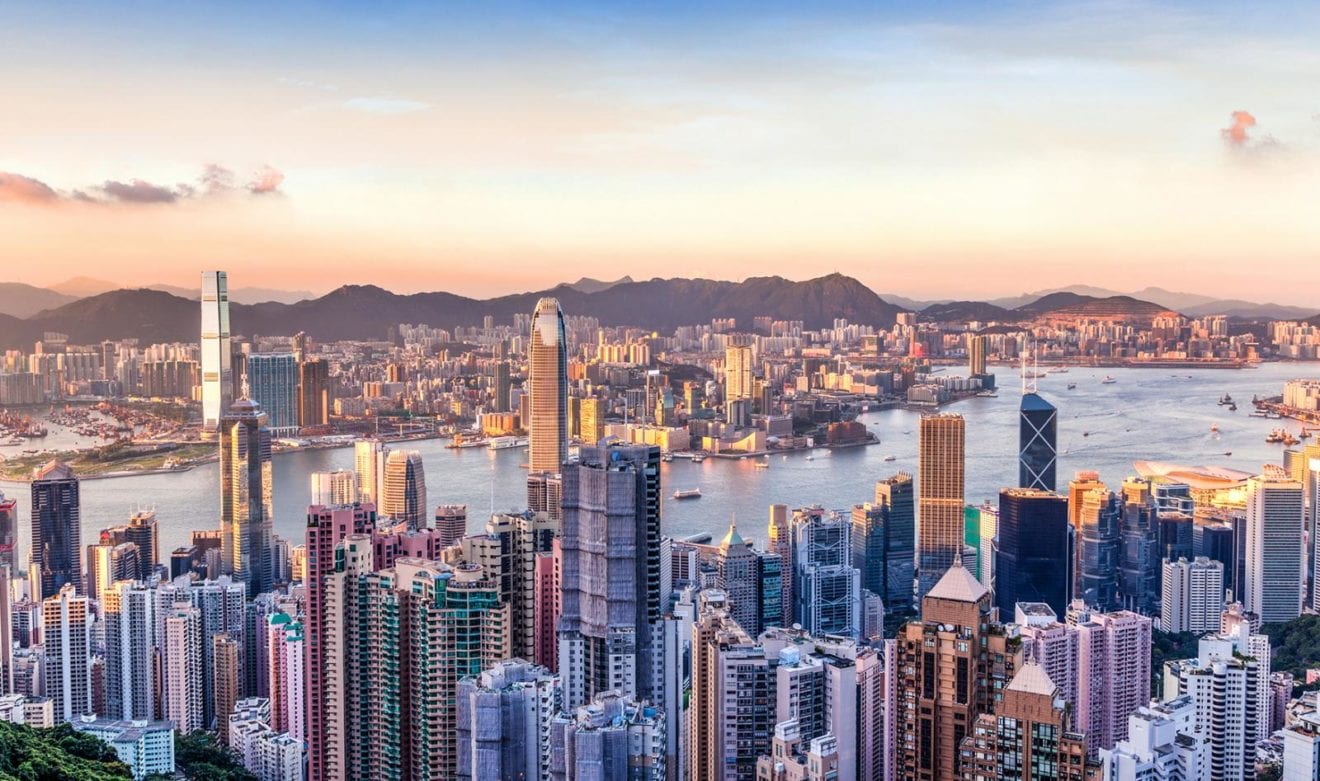
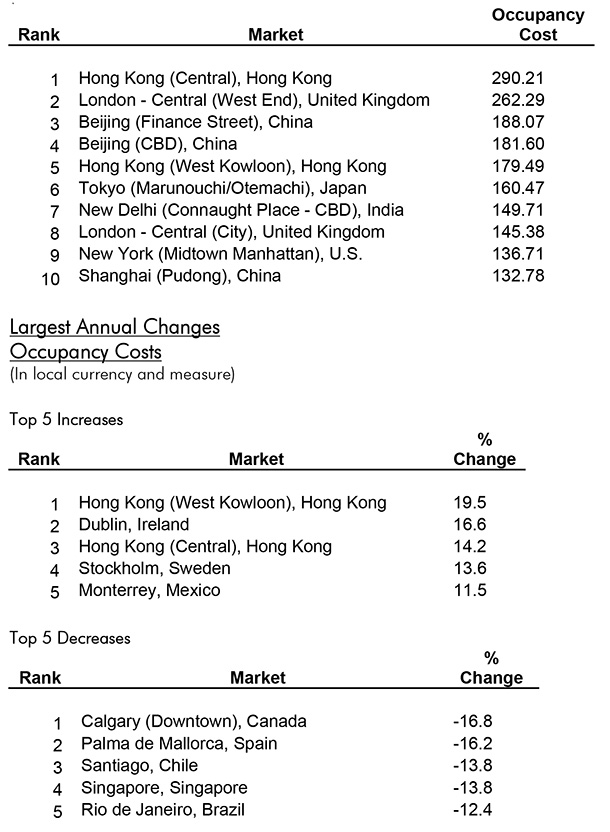
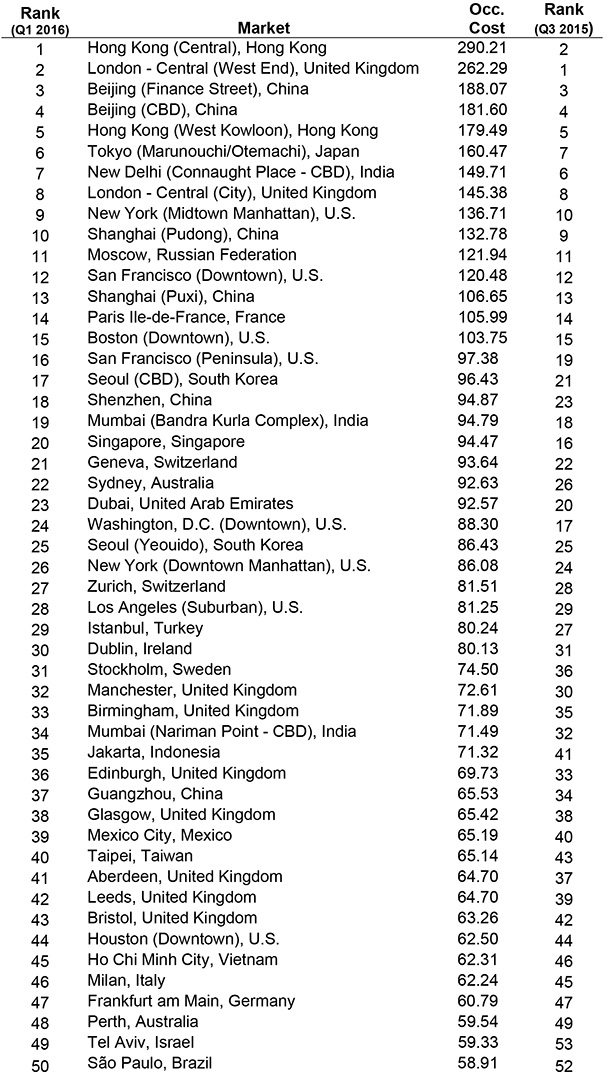
    Hong Kong’s (Central) overall prime occupancy costs of US$290 per sq. ft. per year topped the “most expensive” list, displacing London’s West End (US$262 per sq. ft.). Beijing (Finance Street) (US$188 per sq. ft.), Beijing (Central Business District (CBD)) (US$182 per sq. ft.) and Hong Kong (West Kowloon) (US$179 per sq. ft.) rounded out the top five.

    The study also found that the real estate recovery in Ireland continued to gain momentum, with Dublin, which experienced a 50 percent drop in rents during the downturn, showing the second-largest year-over-year prime occupancy cost increase among the 126 cities surveyed (up 16.6 percent year-over-year)—second only to Hong Kong West Kowloon (up 19.5 percent year-over-year). In North America, real estate fundamentals saw steady improvement with both Atlanta (Downtown) and Seattle (Downtown) among the 10 markets with the fastest growing prime occupancy costs.

    Global prime office occupancy costs—which reflect rent, plus local taxes and service charges for the highest-quality, “prime” office properties—rose 2.4 percent year-over-year, with the Americas up 2.3 percent, EMEA up 2.1 percent and Asia Pacific up 2.7 percent.

    “We expect the global economy to keep growing, and the global service sector, the primary occupier of prime office properties, will continue to expand through periods of volatility, “ said Richard Barkham, global chief economist, CBRE. “Since inflation is low, the growth in prime office occupancy costs is significant for both users and investors.”

    CBRE tracks occupancy costs for prime office space in 126 markets around the globe. Of the top 50 “most expensive” markets, 20 were in Asia Pacific, 20 were in EMEA and 10 were in the Americas.

    Europe Middle East & Africa (EMEA)
    Europe is benefitting from a cyclical pick-up in consumer spending and business investment, as well as a very competitive currency and intense monetary stimulus, which helped to make Dublin, Stockholm and Barcelona the fastest-growing markets in the region. Most Central and Eastern European markets were down year-over-year, including Moscow, which is still in the midst of a recession. Costs accelerated quickly in South Africa, with Johannesburg, Cape Town and Durban all seeing increases of at least 6.9 percent from year-ago levels.

    Only 11 out of 56 EMEA markets recorded a year-over-year decline in prime office occupancy costs.

    In addition to London West End, the other market from the region in the global top 10 was London City (US$145 per sq. ft.).

    Asia Pacific
    Asia Pacific was home to seven of the top 10 most expensive markets—Hong Kong (Central), Beijing (Finance Street), Beijing (CBD), Hong Kong (West Kowloon), Tokyo (Marunouchi/Otemachi), New Delhi (Connaught Place – CBD), and Shanghai (Pudong).

    The service sector will show particularly strong growth in Asia as pensions and insurance products gain market share. So occupancy cost growth will continue to trend upwards at a moderate pace.

    Hong Kong (Central) is the only market in the world—other than London’s West End—with a prime occupancy cost exceeding US$200 per sq. ft. Hong Kong Central’s double-digit growth in occupancy costs was fuelled by two factors: an ultra-low vacancy rate due to lack of new development and continued demand for high-quality space in prime locations by mainland Chinese companies.

    The most expensive market in the global ranking from the Pacific Region was Sydney (US$93 per sq. ft.), in 22nd place.

    A few key Southeast Asian markets registered decreases, including Singapore and Jakarta.

    Americas
    In the Americas, four markets—Monterrey, Atlanta (Downtown), Seattle (Downtown) and Atlanta (Suburban)—recorded double-digit percentage gains year-over-year.

    New York Midtown, number nine on the global list, remained the most expensive market in the Americas, with a prime office occupancy cost of US$137 per sq. ft.

    Several energy-centric markets experienced material drops in occupancy costs, including Calgary (Downtown and Suburban), Houston (Suburban) and Denver (Suburban).

    In the U.S., economic growth is expected to pick up in the next several quarters following a turbulent opening quarter. Overall, occupier activity sustained last year’s momentum, leading to an increase in occupancy costs in 17 out of 22 U.S. markets covered in this survey.

    Mexico City remained the most expensive market in Latin America, posting an office occupancy cost of US$65 per sq. ft. and ranking as the 39th most expensive market globally. Both Brazilian markets, Rio de Janeiro and São Paulo, saw declines.
    Microsoft Word - Press release - POOC June 2016_FINAL.docx
    Note: The full Top 50 Most Expensive Markets chart is located at the end of this press release.

    Notes

    1. The Global Prime Office Occupancy Costs report is a survey of office occupancy costs for prime office space in 126 cities worldwide.
    2. The latest survey provides data on office rents and occupancy costs as of March 31, 2016.
    3. The Largest Annual Changes rankings are based upon occupancy costs in local currency and measure. The Most Expensive ranking is based upon occupancy costs in US$ per sq. ft. per annum.
    4. The figures given in this release refer to occupancy cost. This represents rent, plus local taxes and service charges. The occupation cost figures have also been adjusted to reflect different measurement practices from market to market.
    5. Due to methodology changes, comparisons with figures in previously released reports are not valid.
    6. To obtain a full copy of the report or to arrange to speak with a CBRE expert, please contact Robert McGrath ([email protected]).
    Microsoft Word - Press release - POOC June 2016_FINAL.docx

    About CBRE Group, Inc.
    CBRE Group, Inc. (NYSE:CBG), a Fortune 500 and S&P 500 company headquartered in Los Angeles, is the world’s largest commercial real estate services and investment firm (in terms of 2015 revenue). The Company has more than 70,000 employees (excluding affiliates), and serves real estate owners, investors and occupiers through more than 400 offices (excluding affiliates) worldwide. CBRE offers strategic advice and execution for property sales and leasing; corporate services; property, facilities and project management; mortgage banking; appraisal and valuation; development services; investment management; and research and consulting. Please visit our website at www.cbre.com.

     

  • Conrad makes debuts in the Philippines

    Conrad makes debuts in the Philippines

    Last week, the inspired luxury of Conrad Hotels & Resorts makes its debut in the Philippines with the opening of Conrad Manila. Owned by SM Hotels and Conventions Corporation, a subsidiary of SM Investment Corporation and managed by Hilton Worldwide (NYSE:HLT), the 347 room Conrad Manila is located at the forefront of the Mall of Asia complex, in the heart of the 42 hectare Bay City development, a destination earmarked as a shopping, leisure, and business hub.

    “We are delighted to establish Conrad Hotels & Resorts in this vibrant capital of Manila. The award-winning Conrad Manila, which enhances our portfolio, underscores our commitment to delivering best-in-class hotels in key gateway locations that meet the growing needs of global luxury travelers. An inspiring destination, Conrad Manila will delight guests with intuitive and customized service, as well as provide them access to a world of connections and inspired experiences,” said John T. A. Vanderslice, global head, Conrad Hotels & Resorts.

    “The stunning Conrad Manila is an exceptional addition to the Conrad Hotels & Resorts portfolio and we are delighted to be partnering with SM hotels on this exciting project, who share our passion for excellence. Its opening underscores the growth of our portfolio across Asia Pacific and our continued commitment to the dynamic market of the Philippines. This landmark property perfectly complements the vibrancy of this amazing capital city and will set the benchmark for luxury accommodation in Manila,” Martin Rinck, president, Hilton Worldwide, Asia Pacific.

    “We are pleased to work with Hilton Worldwide in bringing the esteemed Conrad brand to Manila. Amidst the robust tourism outlook, the most anticipated opening of Conrad Manila will definitely be a game changer in the already exciting Philippine hotel scene,” says SM Hotels and Conventions Corp. President Elizabeth T. Sy. “We look forward to a fruitful partnership with Hilton Worldwide in further elevating the hotel industry in the country,” adds Ms. Sy.

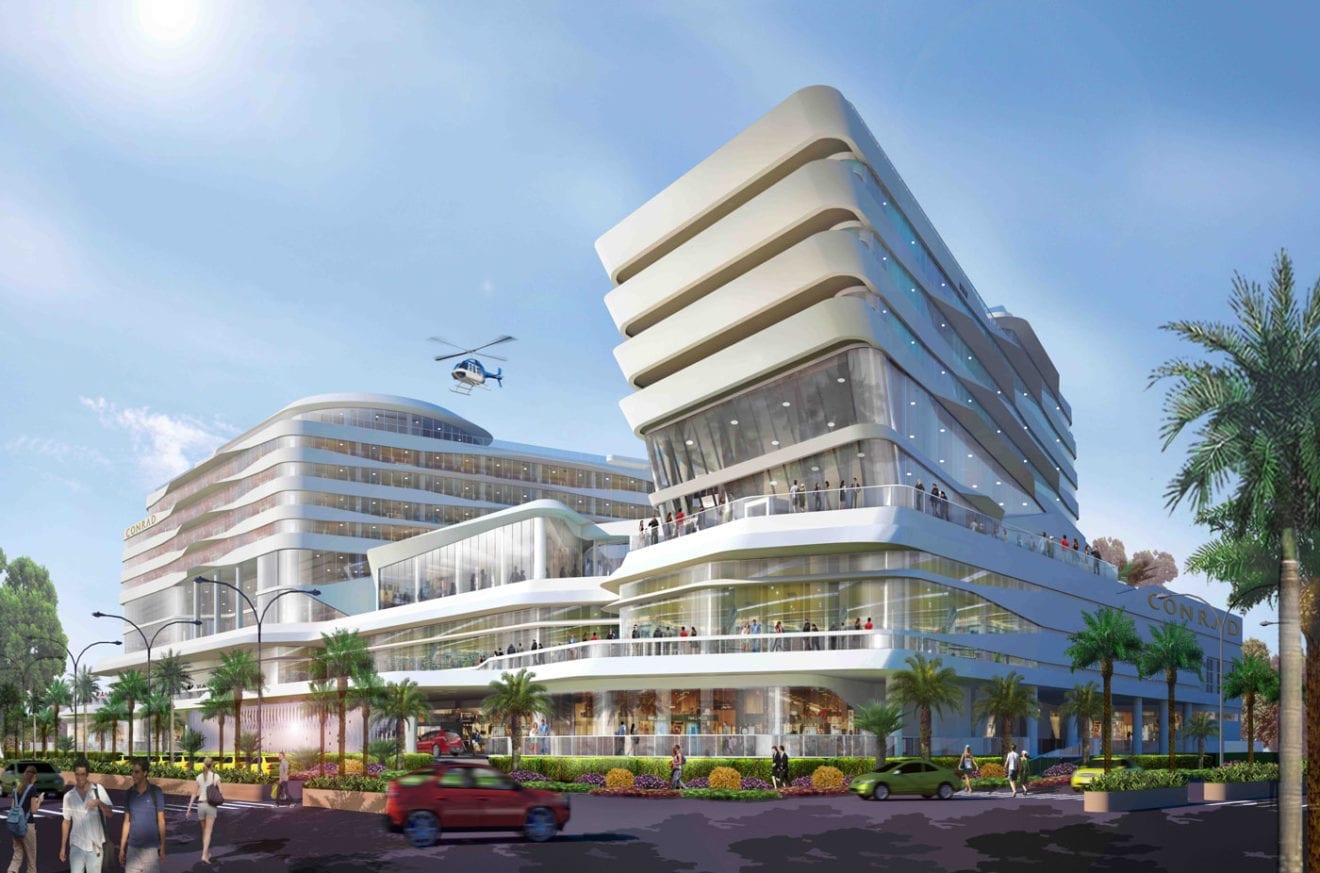
    Recently awarded the Best in Hotel Development, Best Hotel Architectural Design and Best in Hotel Interior Design at the fourth annual Philippines Property Awards, Conrad Manila’s distinctive architecture is inspired by the shipping vessels that ply the bay. The hotel sits atop the two-level S Maison, a high-end retail complex, and has direct connections via walking bridges to SMX Convention Center, the country’s largest convention space, and is adjacent to SM Mall of Asia, one of the country’s largest malls, as well as Mall of Asia Arena, a 16,000-seater indoor stadium where international shows, concerts and major sporting events are held.

    Poised to be the venue of choice for business, social events, and weddings, Conrad Manila offers four contemporary event halls and two sophisticated ballrooms, spanning more than 4,000 square meters, which are fitted with state-of-the-art audio-visual technology. For intimate al fresco parties, guests can also opt for The Veranda, an outdoor garden space overlooking the city scape.

    At Conrad Manila, all 347 guest rooms and suites are specially designed with an intuitive technology. Upon sensing motion in the room, the air conditioning switches from energy-saving mode to cool, the curtains in the room will automatically open with ambient lighting set to match the time of the day. Guests can instantly feel at home with a 42-inch flat screen HDTV with an IPTV menu, Wi-Fi and wired Internet access, Nespresso machine, Bluetooth-enabled entertainment technology and hydrotherapy rain showers. Suites and executive rooms offer picturesque bay or city views, with access to the Executive Lounge, and bathrooms that feature in-mirrored TV for an uninterrupted entertainment experience.

    Located on the third level of the hotel is the infinity swimming pool, inspired by the pristine coastal seas of the Philippines with its coral shape. Guests may also slip to the 24-hour Fitness Center or the Conrad Spa, which offers a variety of locally inspired treatments using organic ingredients. The spa has six treatment rooms with soaking tubs, a private sauna, and steam facilities.

    The hotel has six restaurants and lounges, including a coffee bar, pool bar, and in-room dining prepared by the culinary team led by Executive Chef Thomas Jakobi. The restaurants and bar at Conrad Manila feature:

    • Brasserie on 3 offers an eclectic mix of sustainable and organic dishes ranging from hearty to healthy dishes. The restaurant also features al fresco dining overlooking the bay, private dining rooms for intimate celebrations, and an exclusive chef’s table, where diners can enjoy a special tasting menu with a curated selection of organic wines.
    • China Blue by Jeremy Leung presents a modern interpretation of the traditional Chinese cuisine, artfully curated by Chinese celebrity master chef, Jereme Leung. A first for a Chinese restaurant in the Philippines to partner with a celebrity chef, China Blue by Jereme Leung takes Chinese dining experience to a new high with its authentic cuisine, modern interiors, and floor-to-ceiling glass windows that offer panoramic bay views.
    • C Lounge is inspired by the city’s distinctive culture and lifestyle, where guests can enjoy a wide selection of beers, liquors, and locally-inspired cocktails. With a laidback vibe during the day, it transforms into a sophisticated destination bar at night. Its al fresco area offers guests an awe-inspiring visual of the Manila sunset.

    Conrad Manila offers the popular Conrad Concierge mobile app, which gives global luxury travelers the ability to customize details of their hotel stay before, during, and after visit via a smartphone or tablet. Whether it’s pre-selecting bath amenities or checking-in while in-transit from the airport, guests can access a variety of features by using the app.

    Conrad Manila participates in the Hilton HHonors®, the only guest loyalty program where guests who book directly throughwww.conradhotels.com have access to benefits including an exclusive member rate that can’t be found anywhere else, free standard Wi-Fi and popular digital tools available exclusively through the industry-leading Hilton HHonors mobile app, where HHonors members can check-in and choose their room at over 20 Conrad hotels worldwide.

    Please visit www.conradhotels.com/manila or call +632 8339999 to learn more about or to connect with Conrad Manila. For more information about Conrad Hotels & Resorts, please visit https://news.conradhotels.com or follow us atwww.facebook.com/ConradHotels, www.instagram.com/ConradHotels, https://twitter.com/ConradHotels.

  • Retail sales surge in Singapore as demand for vehicles grows

    Retail sales surge in Singapore as demand for vehicles grows

    Singapore’s retail sales for the month of April surged 3.8 percent, taking cues from a boost in vehicle sales for the same period. However, the figures missed market expectations of a 6.1 percent rise in April.

    Singapore’s total retail sales rose 3.8 percent in April from a year earlier, helped by higher sales of motor vehicles, data released by the Department of Statistics showed Wednesday.

    The increase in retail sales moderated from a revised 5.2 percent year-on-year rise seen in March. On a month-on-month and seasonally adjusted basis, total retail sales rose 1.1 percent in April, an improvement from a revised 1.3 percent decline in March.

    Meanwhile, sales of motor vehicles jumped 43 percent on a year-on-year basis. Total retail sales value in April this year was estimated at SGD3.5 billion, higher than the SGD3.3 billion in April 2015. Motor vehicle sales experienced the largest increase, while mini-marts and convenience stores saw sales grow 3.9 per cent in April, year on year.

    Telecommunications apparatus and computers witnessed the sharpest decline, with sales falling 17.1 percent year on year. During the same period, sales of watches and jewellery also fell, declining by 11.3 percent. However, excluding motor vehicles, retail sales grew by a meager 0.1 percent compared to that in March 2016.

    However, sales of food and beverage services fell 1.7 percent from the previous year. The total sales value of food and beverage services in April was estimated at SGD658 million, higher than the SGD647 million the previous year.


  • Changi airport seeks T3 speciality retail partners

    Changi airport seeks T3 speciality retail partners

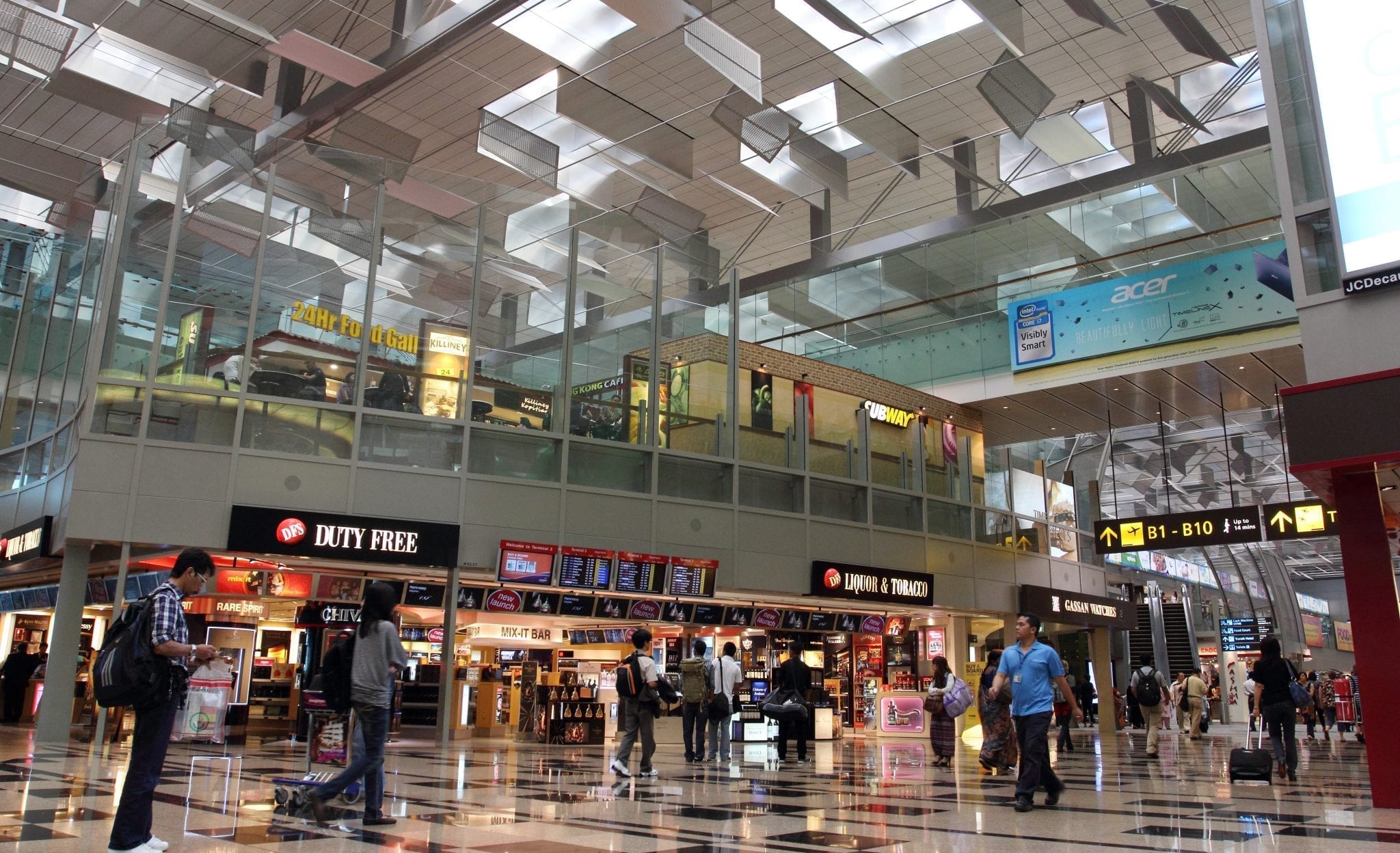
    Changi Airport Group (CAG) is seeking retail partners to operate speciality/brand name concessions at Singapore Changi airport terminal three departure/transit lounge north.

    Concession A spans around 78sq m, while Concession B covers 62sq m. The Concession A contract period is three years, beginning March 9 2017 and ending March 8 2020. For Concession B, the tenancy period is also three years, starting on May 9 2017 and ending on May 8 2020.

    According to CAG, all product categories may be considered, except liquor and tobacco and perfumes and cosmetics.

    CAG added: “We are looking for unique and exciting brands and concepts that are currently not represented at Singapore Changi airport terminal three and will inject buzz and differentiate the retail offerings.”