Author: Mei Ling Tan

  • Marine Gold reaping benefits of 2013 losses as shrimp production rebounds

    Marine Gold reaping benefits of 2013 losses as shrimp production rebounds

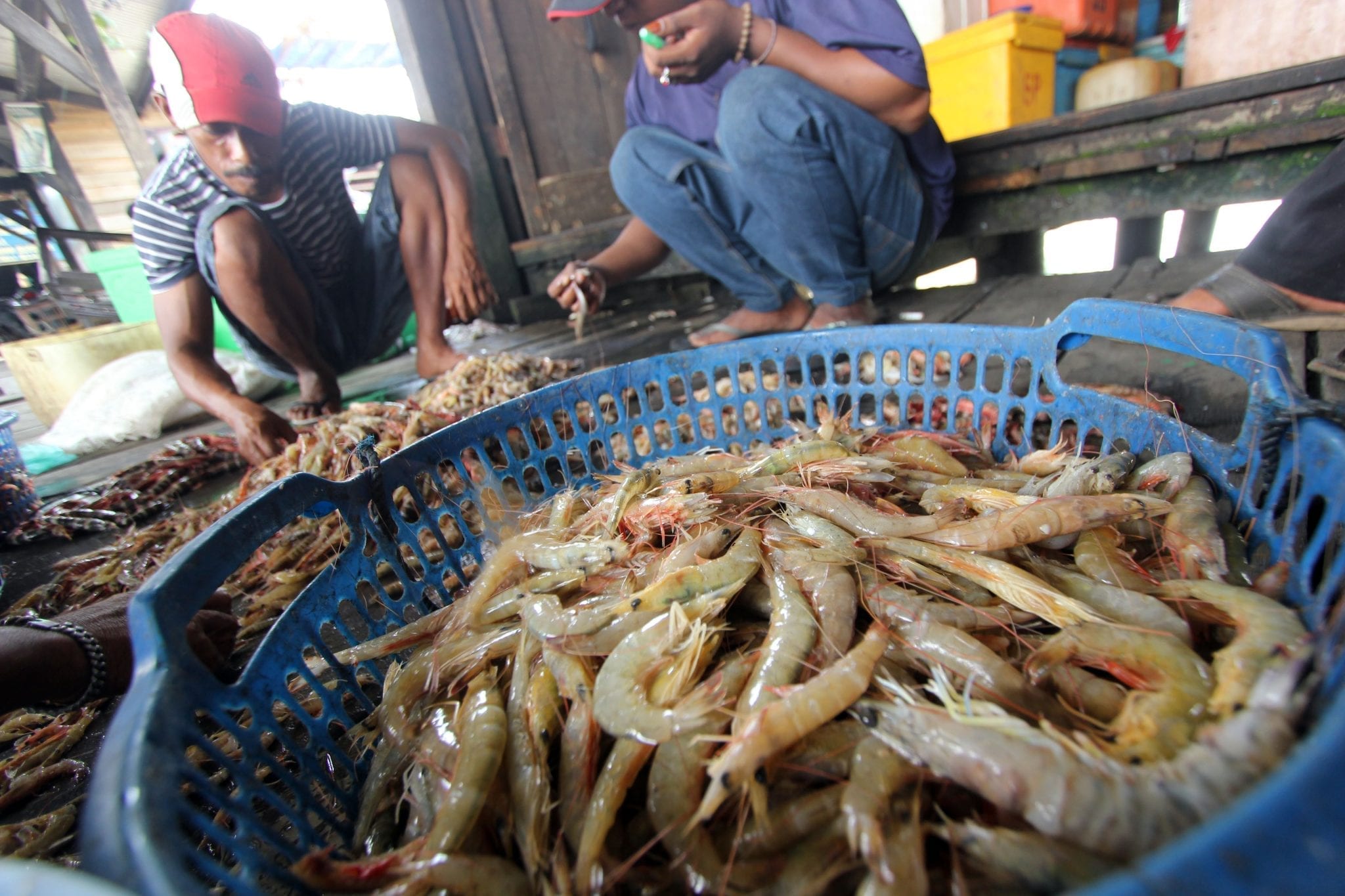
    In 2013, Marine Gold Products, one of the largest shrimp exporters in Thailand, lost big money on meeting its export commitments.

    As early mortality syndrome (EMS) caused Thai production to dive, raw material prices rocketed. EMS caused production to dive under 200,000 metric tons, compared to the peak of over 600,000t.

    This left packers fighting for shrimp for orders.

    “I shipped every container in 2013, so we lost $10 million,” Choopong Luesukprasert, Marine Gold’s managing director, said.

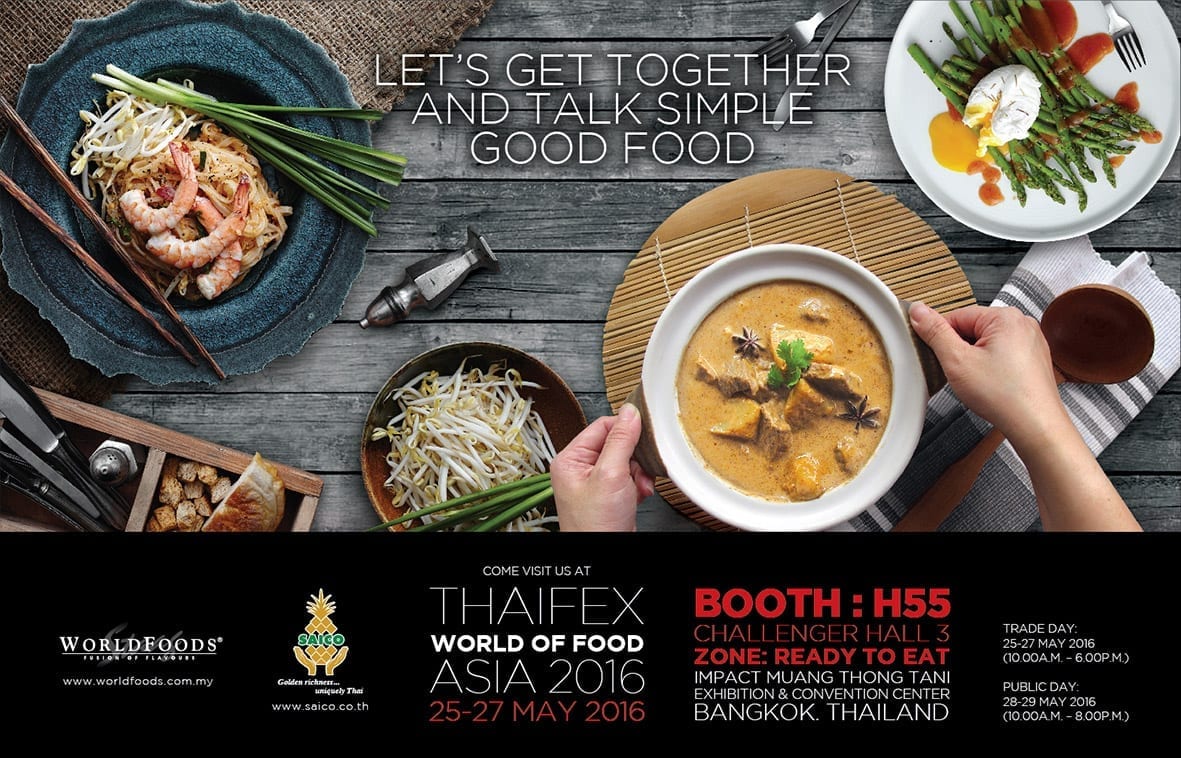
    The aim of continuing to ship containers at a crisis time for the Thai shrimp sector, was about maintaining business contacts, he said, during the Thaifex: World of Food Asia show in Bangkok.

    “But, since, we have kept this business and gained more, as we reliable,” Choopong Luesukprasert, Marine Gold’s managing director said.

    For 2016, shrimp production in Thailand is rebounding and prices for raw material are competitive with other sources, such as Indonesia, India and Vietnam.

    Production in 2015 is said to have been around 240,000t, up from 210,000t in 2014.

    For 2016, forecasts range from 260,000t, up to 300,000t.

    The later is attainable, said Luesukprasert.

    “I think 300,000t is realistic. Production hasn’t started like we expected, as we have had such a long drought in Thailand. But, we think it will start picking up from now,” he said.

    Selling shrimp to the US is the main export market for Marine Gold, with the export target for 2016 at 45 million pounds, he said.

    Due to the forecasted increase in Thai raw material output in 2016, Luesukprasert hopes Marine Gold can expand its output by 20-25%. This is ahead of the forecasted increase in production.

    The company has also launched a ready-to-eat brand for the domestic market.

    Luesukprasert said he plans to export the product range in the future, however.

    The range is being sold in Thai retail under the brand “Yummy Tale”; featuring products such as shrimp pad Thai and shrimp green curry with jasmine rice.

  • Hello Kitty Singapore officially opened

    Hello Kitty Singapore officially opened

    Set in a whimsical paradise setting, the first Singapore Hello Kitty Cafe, at Changi Airport’s Terminal 3, offers an array of food and beverage choices that will certainly leave all Hello Kitty fans sated.

    Hello Kitty Orchid Garden Singapore 3

    The Hello Kitty Orchid Garden is adorned with pots of fresh orchids, the national flower of Singapore. The cafe is specially designed to emulate the country’s “garden city” vibe for a uniquely Singaporean aesthetic which also resembles that of a glass house. The spacious interior is dotted with iron swings and splashes of greens, exuding an idyllic vibe which adds on to the fun and easy mood!

    Hello Kitty Orchid Garden Singapore 8

    You can also pose for pictures with the first double-bowed Hello Kitty, and also take home Singapore-exclusive Hello Kitty merchandise that will be launched seasonally. You can also expect Hello Kitty-inspired tea blends, plush toys, grow-it-yourself plant kits and also postcards.

    Hello Kitty Orchid Garden Singapore 6

    As for the food, expect a fusion of local and Asian influences. The cafe features a selection of all-day breakfast delights, mains and sharing dishes as well as Hello Kitty-inspired desserts.

    Hello Kitty Orchid Garden Singapore 1

    Hello Kitty Orchid Garden Singapore 10

    Most of the food is served with wood, ceramics and glassware to complement the garden theme. Some notable dishes include the Big Breakfast Surprise (S$18.50 – US$13.38), Cowabunga! Wagyu (S$24), which is a rendition of the Singaporean beef rendang Nonya dish, as well as Pandan Panna Cotta.

    Hello Kitty Orchid Garden Singapore 7

    Hello Kitty Orchid Garden Singapore 5

    A fun fact about the Hello Kitty Orchid Garden is that it imports gelatos exclusive to the cafe. Tan says her favourites were the Peanut Butter Fudge as well as the pistachio flavours.
    Hello Kitty Cafe is open 24 hour a day.

    Hello Kitty Orchid Garden Singapore 9

    Cassan Tan is a Singapore blogger specialising in food, fashion and beauty. Her blog is called C for Cassan.

  • Mary Buffett Launches Jitta.com for Bangkok Investors

    Mary Buffett Launches Jitta.com for Bangkok Investors

    Mary Buffett, the former daughter-in-law of famed investor Warren Buffett, helped launch Jitta.com last week, a platform aimed at retail stock investors in Thailand’s capital. Ms. Buffett brings the Buffett know-how to Bangkok to appeal to investors hoping to become as good as the famous stock picker.

    Co-author of the best-selling book “Buffetology,” Mary is putting her name behind the Jitta startup. After testing the platform for herself, Ms. Buffett found it to be an impressive tool for investors.

    Mary’s endorsement of Jitta.com is an obvious boost for the Thai-based startup, which is looking to make it big on the international retail investment scene.

    Ms. Buffett met with Jitta.com founder Trawut Luangsomboon three years ago, and was one of the initial investors in the project. The start-up launched in the U.S. in 2014.

    Jitta uses Warren Buffett’s investment style to simplify retail investment and make it easy for most individuals to get started. Buffett’s style is primarily focused on buying great stocks when they’re undervalued.

    When shares drop below Jitta’s “fair price,” investors are encouraged the buy the stock – just as Warren Buffet would do.

    Through the adoption of Buffetology’s key elements, this platform helps investors minimize risk while doing their due diligence.

    Jitta covers stocks in Singapore, U.S., Thailand, Vietnam and Hong Kong.

  • $25 smartphones + one year unlimited browsing = profit!

    $25 smartphones + one year unlimited browsing = profit!

    Ontario-based Datawind offers entry-level smartphones and tablets starting at $25 – including one year of unlimited web browsing. The service has launched in India and is in talks to expand to countries in Southeast Asia and Africa.

    Suneet Singh Tuli, CEO of Datawind, said that a large market segment is still not exposed to mobile data. Of Indonesia’s 250 million people, 50 million have no mobile phones, and 100 million handsets 2G feature phones.

    To achieve rock-bottom prices, the Datawind phones are designed to be “good enough” using last-generation ARM Cortex A7 1.2 GHz dual-core CPUs and 512MB of RAM. Tuli said that the system-on-a-chip costs $2.50 today compared to $15 just a couple of years ago. Yet this budget chipset packs more power than the 2nd generation Apple iPad.

    Datawind compresses web pages on a server before being delivered to the device. A typical 2MB CNN page is compressed to 70KB.

    Unlike Facebook’s Free Basics curated selection, the entire internet is available for users to browse. Nor does Datawind engage in ad-injection or substitution.

    The company partners with telcos to buy data wholesale. In India they started with Reliance and Telenor and are adding more partners. While one year of unlimited web browsing is included, once they’ve had a taste of smartphones, many users choose to add-on voice packages or data packages for video streaming – this is how Datawind can negotiate to buy data at such low rates.

    For the telco this is about customer acquisition, not ARPU.

    “While we are not yet overall profitable, we are EBITDA profitable,” said Tuli. “We are not selling at a loss. For it to be sustainable it has to make commercial sense.”

    In India, Datawind claims 34% overall market share and 74% for the under-$100 segment.

  • Starbucks Cambodia opens new and first mall outlet

    Starbucks Cambodia opens new and first mall outlet

    Coffee franchise giant Starbucks Cambodia has opened its second outlet, at Aeon Mall in Phnom Penh.

    Licensed as Coffee Concepts Cambodia, the outlet comes less than six months after the US chain made its debut at Phnom Penh International Airport. However, the mall store is the first fully accessible to the public.

    Starbuck PhnomPenh 1

    Despite its limited access, Starbucks has grown in reputation and cemented the brand, assuring long-term investment, says GM Por Lim.

    Its next store is scheduled to open in the Boeung Keng Kang district of Phnom Penh in October, with further expansion depending on brand pick-up, says Lim.

  • M&S profit to take a hit

    M&S profit to take a hit

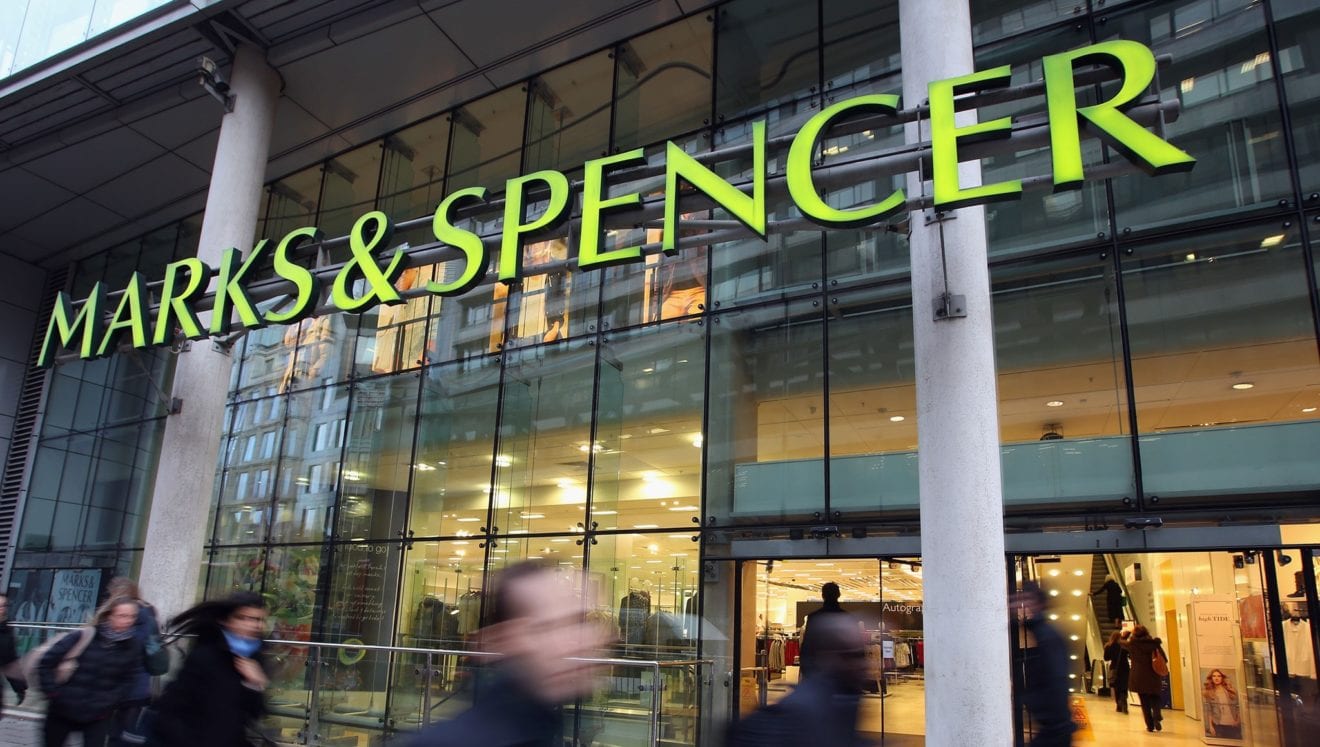
    After poor quarterly performances from Marks & Spencer’s general merchandise division, the full year results come as no surprise, with UK full-year like-for-like sales falling 1.1 per cent.

    That followed a drop of 1 per cent the previous year.

    Today sees the new CEO take to the stand to reveal his strategy to return M&S profit to growth and regain its position in the market, a tall challenge given the retailer’s share of the UK clothing market has been eroded year on year, falling from 10.5 per cent to 8.7 per cent between 2010 and 2015.

    The announcement that incoming CEO Steve Rowe is willing to take a short term hit on profitability in an effort to restore turnover growth is an essential action, which his predecessor was unprepared to implement. Investment in price, product quality, availability and customer service is a message we have heard before from M&S, but the sacrifice of profitability signals a stronger commitment this time round.

    As well as focus on price positioning and style authority to improve its clothing business, both of which are essential in driving footfall back into stores and online, M&S has put a large emphasis on the importance of customer experience. It hopes to slim down its clothing offer further and reduce duplication across ranges to remove shopper confusion.

    Again, this was addressed a few years ago but under Rowe’s new management structure and shift in its buying strategy (buying by product category, not by sub brand), issues of repetitiveness across collections should be prevented – though communication between product buying teams is vital to ensure final ranges are coherent and the sub brands target their core customer segments.

    Despite facing a tough economic climate and a potential weakening in consumer confidence in 2016, expect to see initial sales improvements filter through in M&S’ half year results in November.

  • Chains top China restaurant rankings

    Chains top China restaurant rankings

    Chains outperform independent eateries in China restaurant rankings, new research shows.

    A survey by global consulting firm OC&C Strategy Consultants shows that Chinese consumers dine out on average two or three times a week, with Hai Di Lao, Pizza Hut and Little Sheep ranking as their favourite brands.

    Western brands ranking in the top 10 are: McDonald’s (7), TGI Friday’s (8) and KFC (9). Others on the list are South Beauty (4), Shanghai Min (5), Waipojia (6) and Tairyo (10).

    Food quality, wide choice and service quality shows as the three critical factors in restaurant choice, while serving speed, convenience and pricing are rated as less important Chinese consumers actively seek out new restaurants and are receptive to new formats and concepts such as theming, healthy lifestyle menus and organic produce, as well as innovative, fusion cuisine.

    According to the report, Serving up a Winner – Establishing a Winning Proposition in China’s Restaurant Landscape, China’s restaurant market is more vibrant than ever, with growth outstripping other major markets despite higher volatility.

    “While other retail segments struggle in the face of ‘the new normal’, restaurants are becoming more innovative and reaping the benefits of the growing middle class,” says OC&C greater China partner Jack Chuang. “The arrival and rapid expansion of international chains in the past few years has increased the competitiveness of the market.”

    He says getting diners through the door of a restaurant is still challenging. “Restaurant staff need to ensure that service is authentic and make creative, personalised decisions to delight guests.”

    Chuang says restaurants should also offer a wide menu range with local flavour.

    The study canvassed 2600 respondents in 21 cities across China, with consumer surveys and restaurant audits in February.

    Founded in 1987, OC&C provides corporate and business strategy, channel, marketing, organisational and change strategy, as well as transactional support services. It has more than 400 consultants in 14 offices globally, including China and India. The greater China practice has offices in Hong Kong and Shanghai.

  • Leica camera store opens in Shanghai

    Leica camera store opens in Shanghai

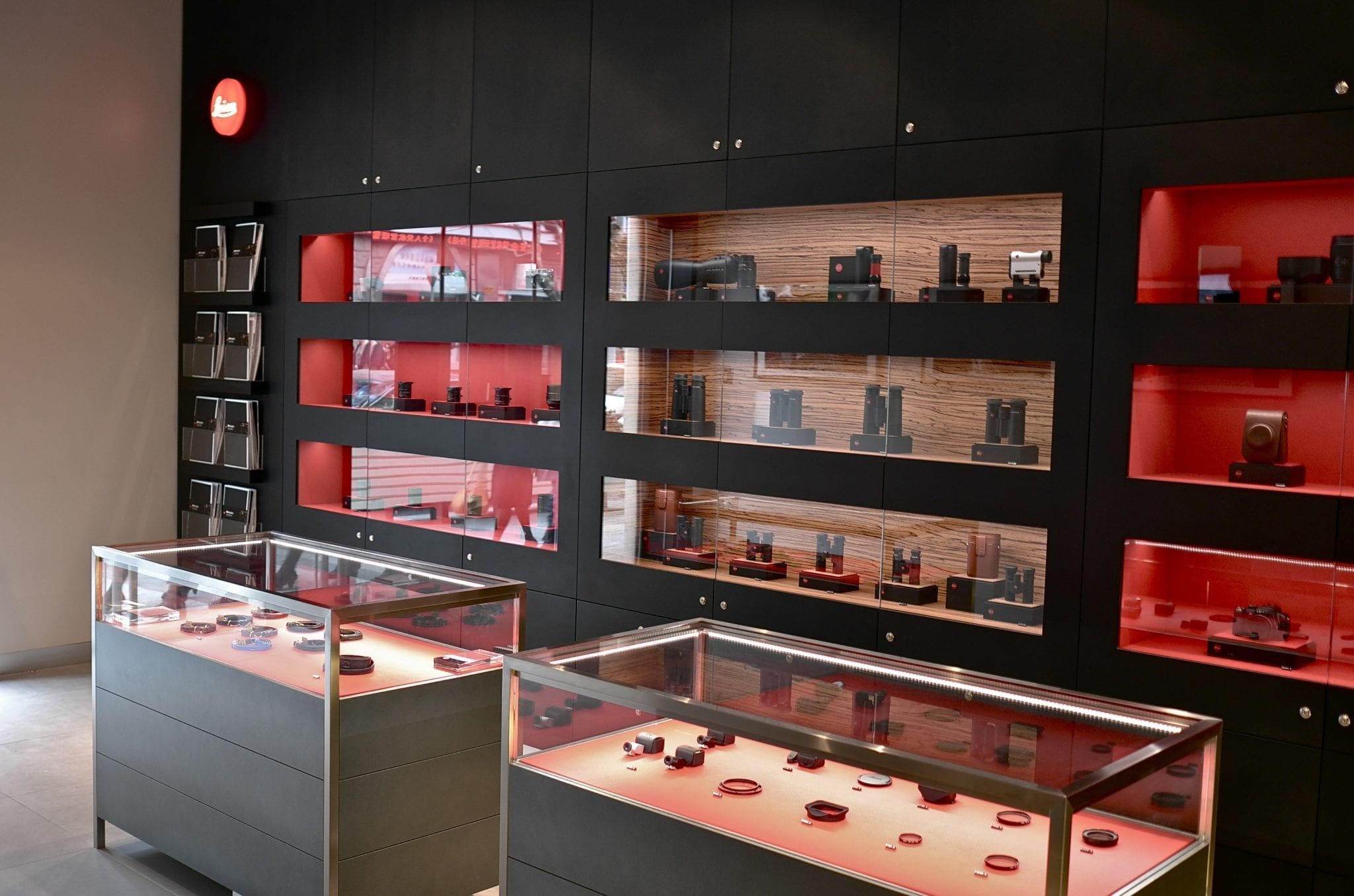
    A new Leica camera store in Shanghai has had a soft launch, with its grand opening scheduled for June 3.

    In West Nanjing Road, Leica Shanghai XinTianDi is surrounded by luxury brand boutiques.

    Leica-Store-Shanghai-XinTianDi-1-560x420


    It displays a full range of Leica products, including cameras as well as binoculars, and includes a gallery for exhibitions of the latest images and photographic works from Leica photographers.

    Leica-Store-Shanghai-XinTianDi-3-560x420

    The store will be open every day, from 10am until 9.30pm.

    Leica opened its first store in China at the Beijing China World Mall in 2010.

  • Sales still falling for Japan department stores

    Sales still falling for Japan department stores

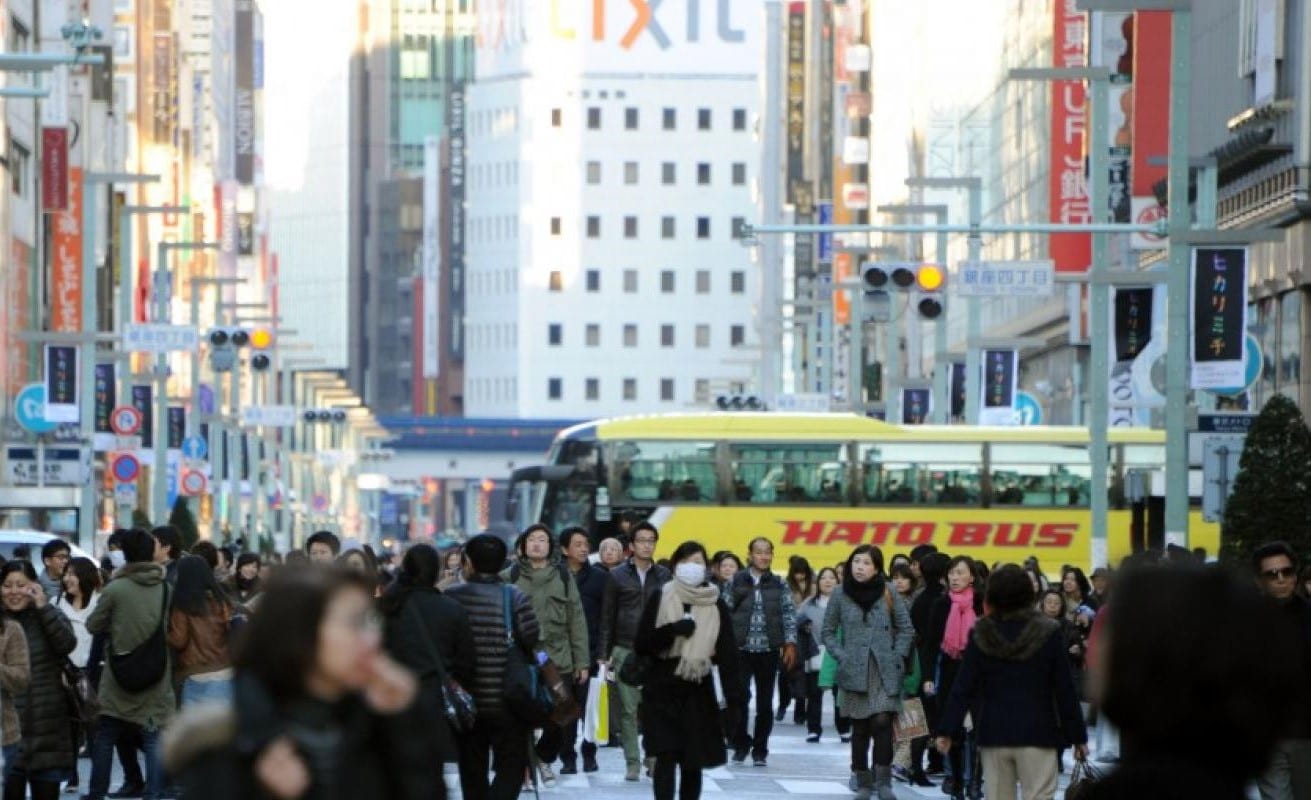
    Japan department stores saw their sales fall 3.8 per cent year-on-year last month, continuing the trend from March when sales fell back into negative territory after a short return to growth in February.

    According to the Japan Department Store Association, purchases fell in nearly all categories last month, with sundries and cosmetics reporting the best sales growth at a modest 0.7 per cent.

    Household electronics sales had the most dramatic reversal, from gains of 10.7 per cent in March to plunging 20.2 per cent last month. Furniture purchases fell 12.5 per cent.

    Overall, retail sales were down 1 per cent in March, the weakest reading since December.

  • American ice cream to the rescue

    American ice cream to the rescue

    American ice cream is coming to the rescue of a coal trader in Thailand, as the company diversifies in the face of volatility in its segment.

    Thai Capital Corporation (TCC) has diversified into F&B retail after totally acquiring NYC-Thai BD from its shareholders for 33.82 million baht (about US$950,000).

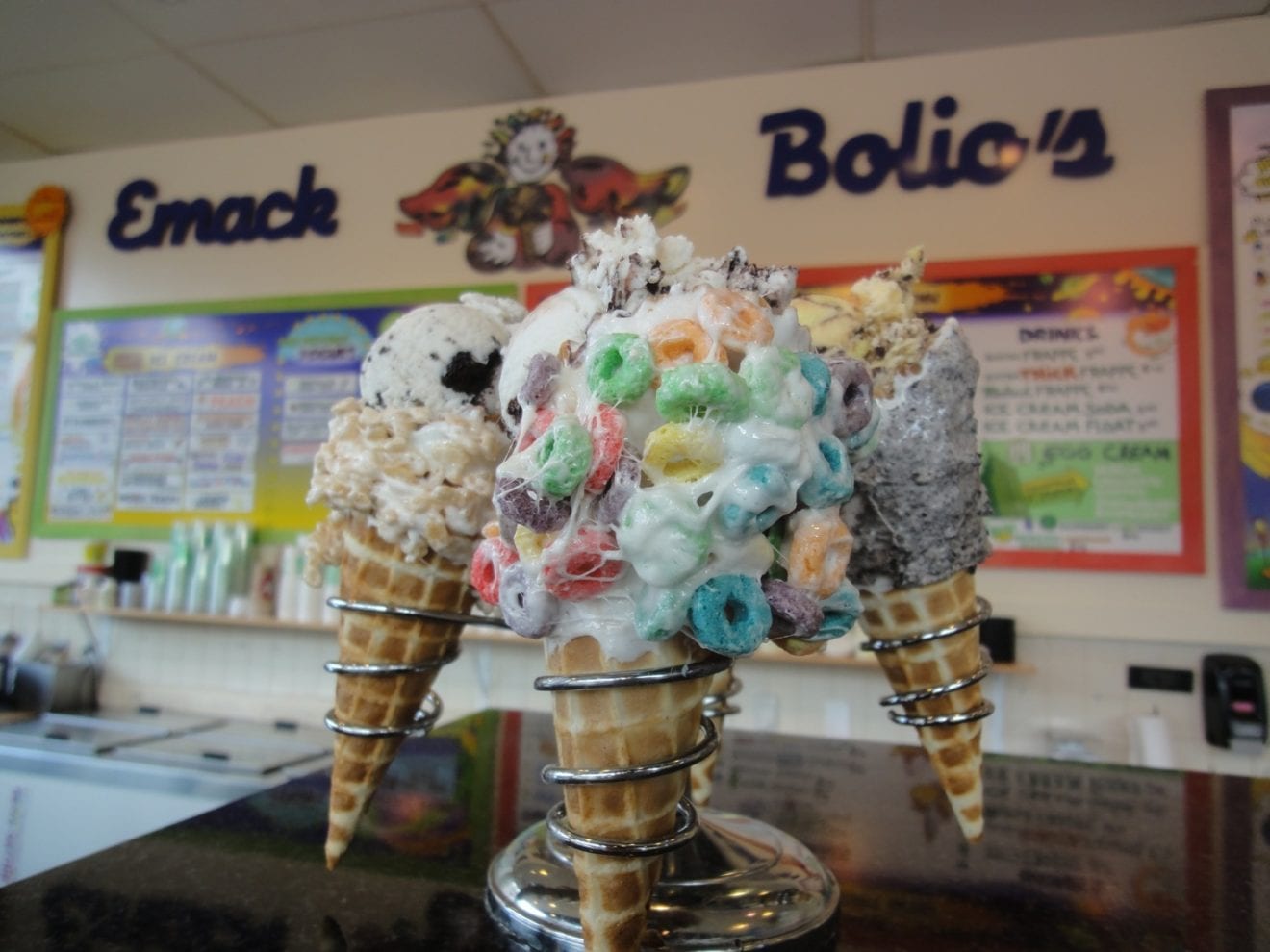
    It is TCC’s first foray into the F&B sector, while NYC has retail outlets specialising in frozen desserts, smoothies and ice creams under the Emack & Bolio’s trademark. This is an American brand founded in 1975 and brought to Thailand in 2012. It has six stores in Bangkok.

    TCC CFO Kamphol Patana-anukul says the company bought 400,000 shares of NYC with a par value of 10 baht each. After the transaction is complete, it will increase NYC’s registered capital from 4 million to 20 million baht, which will be used as working capital and for expansion.

    TCC had 203.7 million baht in sales revenue for the first quarter, down 27.4 per cent from the same period last year, hit by fierce competition in the coal business and a drop in global coal prices.

    Several other Thai companies have also diversified into F&B, including Impact Exhibition Management, which has expanded into the frozen bakery business.

  • Uniqlo price-rise tactic fails

    Uniqlo price-rise tactic fails

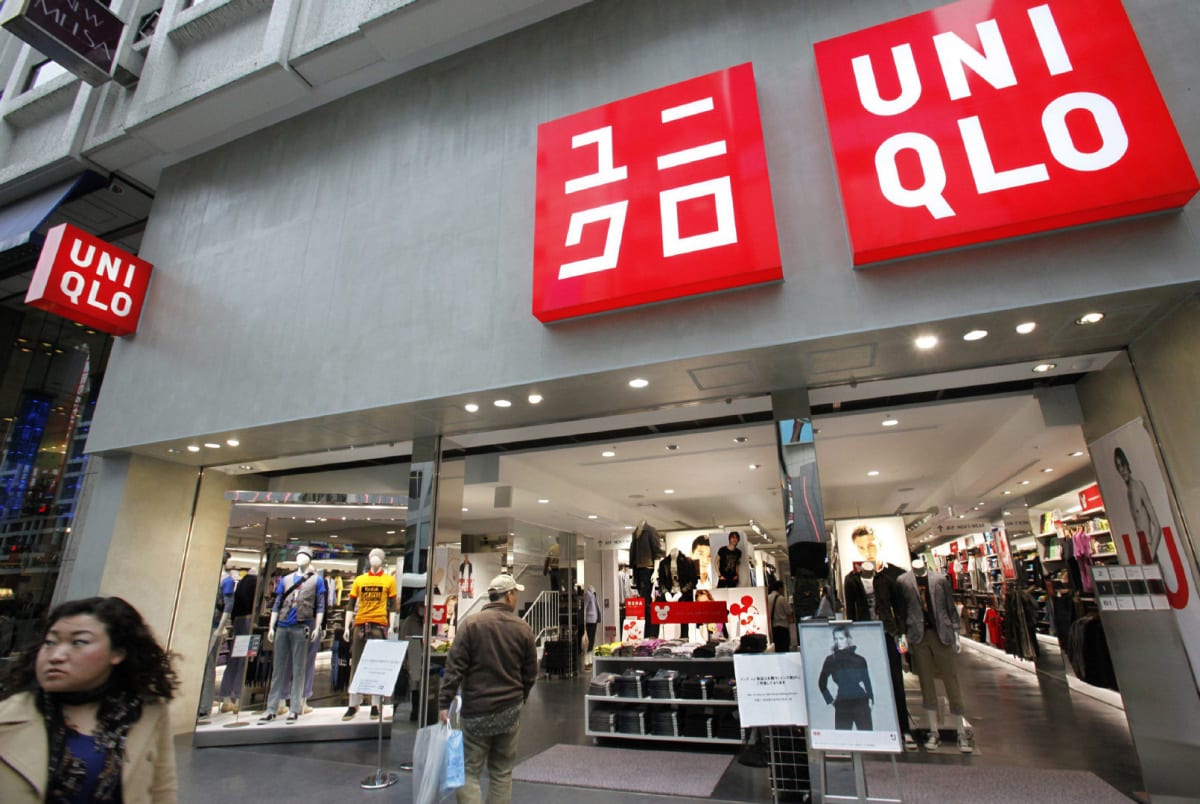
    A tactic to move to high prices over the past year has failed for Japanese casualwear chain Uniqlo, admits the chairman of its parent company, Fast Retailing.

    Japan’s richest person, billionaire Tadashi Yanai says the company is considering how to sell value-added products for the lowest possible price.

    “The world is flooded with clothes without added value,” he said at a fashion event in Tokyo’s Shibuya shopping district featuring Uniqlo’s latest seasonal styles.

    Japanese consumers are being cautious as the country’s financial situation tightens, and Fast Retailing has seen its overseas earnings hit by a stronger yen, compounded by China’s slowdown and losses in the US. Uniqlo lost some of its budget-minded customers in Japan after raising prices last year.

    Fast Retailing has cut back its operating profit forecast last month to 120 billion yen ($1.1 billion) for the year ending August, down 33 per cent from its estimate in January.

    In April, Uniqlo reported that its first-half year profits had plunged.

  • Alfa goes all-out in RI e-commerce battlefield

    Alfa goes all-out in RI e-commerce battlefield

    Publicly listed retail giant PT Sumber Alfaria Trijaya, also known as Alfa Group, is stepping up efforts to intensify its presence in the e-commerce industry with the relaunch of its e-commerce platform on Monday.

    Alfacart.com, an online platform that serves as a complementary feature to physical Alfa outlets, was introduced Monday as the new name for the group’s Alfaonline.com, which was established in 2013.

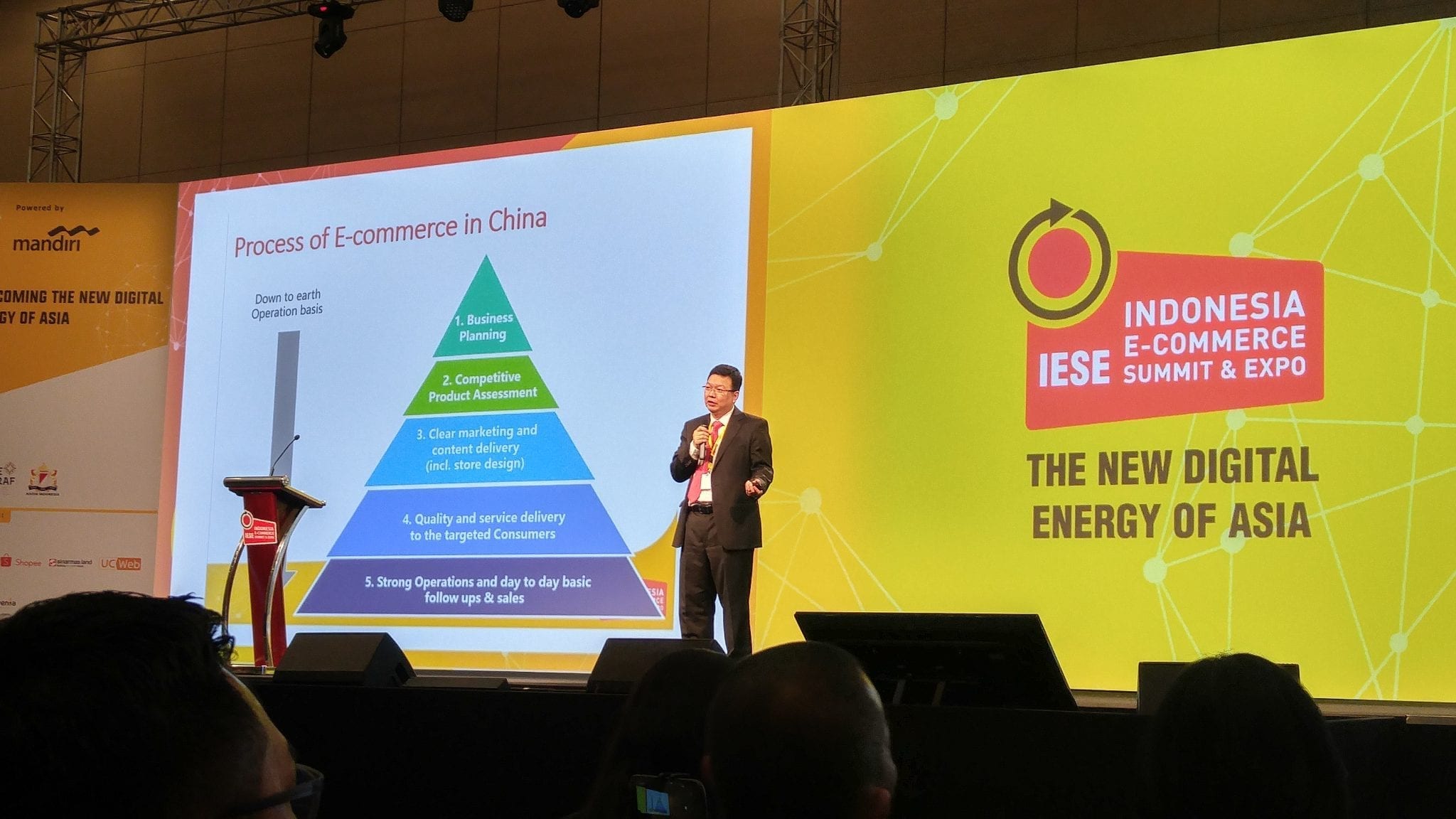
    “This rebranding strategy is necessary as we want to create a full-fledged e-commerce business,” Alfacart CEO Catherine Hindra Sutjahyo told reporters.

    As a subsidiary of Alfa Group, which also owns minimarket chain Alfamart, grocery store Alfamidi and drugstore Dan+Dan, Alfacart aims to see its sales increase six-fold this year, from its 2015 figures, resting its optimism on untapped e-commerce potential in Indonesia.

    Catherine, however, refused to disclose a specific 2016 sales target.

    Alfacart plans to offer four lines of products, namely fashion, gadgets and electronics, daily necessities and lifestyle items.

    The company is targeting middle-class females and males aged 25 to 35 years old in big cities who are concerned with practicality and time efficiency and prefer to make purchases online.

    As one of its strategies to expand its business, Alfacart, Catherine said, would apply the online-to-offline ( O2O ) strategy to cater to Indonesia’s unbanked: those do not have access to bank accounts, savings and credit cards.

    The feature will enable Alfacart customers to order goods online through an application or website and pick up their purchases at one of the 7,000 Alfamart stores nationwide that have been integrated with Alfacart.

    “Alfamart has about 11,750 outlets nationwide, 7,000 of which are already integrated with Alfacart,” Alfacart chief operating officer and chief marketing officer Haryo Suryo Putro said, adding that the company will concentrate on providing services in the country’s major cities before expanding to smaller ones.

    In addition, Alfacart also allows small and medium enterprises to partner with the company.

    “Although we are selective in choosing our partners, our requirements are simple,” Ernest Tjahjana, the company’s chief commercial officer said, explaining that applicants only need to attach a copy of their tax registration numbers ( NPWP ) and identity card ( KTP ) to apply as a partner.

    In recent years, a growing number of e-commerce fashion, retail, and other businesses have been racing to provide the best online services to Indonesian customers.

    Some of them include an affiliate company of Djarum Group, Blibli, online marketplace Lazada and grocery delivery app HappyFresh.

    Based on data from idEA, the number of online shoppers in Indonesia hit 7.4 million last year, out of a total 250 million people in the country. This shows that the opportunity for e-commerce businesses to grow is still huge.

    Despite the growing number of e-commerce businesses in Indonesia, some have struggled to turn a profit here.

    Many foreign giants, such as Japan’s Rakuten and Germany’s Lamido — who both sell consumer products — exited the market. Clothing site Paraplou, travel booking site Valadoo and financial technology firm Inapay did the same.

    Alfacart’s Catherine, which was also a former director of Zalora Indonesia, acknowledged this was one of the main challenges in the e-commerce industry.

    “One of the biggest challenges in sustaining an e-commerce business is how to make it profitable in the long run,” she said.

  • Indonesia Revises E-Commerce Regulation

    Indonesia Revises E-Commerce Regulation

    Indonesia has one of the biggest economies in the Asia-Pacific region and its rate of internet adoption is one of the fastest in the world. So naturally, e-commerce in the region is starting to boom.

    According to Alibaba Group Executive Vice Chairman Joseph Tsai, Indonesia’s per capita GDP is about the same as China’s was in 2009, when Alibaba’s marketplaces really began to take off. Alibaba has taken steps to get a stake in the region, investing US$1 billion in Southeast Asia e-commerce platform Lazada, a Singapore-based company with extensive operations in Indonesia.

    To help help drive e-commerce growth in Indonesia, the government has made moves to open the country up to foreign e-commerce investment and expertise.

    Indonesia’s Investment Coordinating Board (BKPM) is finalising guidelines for foreign e-commerce investment. The new BKPM regulations will allow 100 percent foreign ownership for e-commerce businesses with a minimum investment of Rp100 billion (about AU$10.3 million) or businesses that create 1,000 jobs.

    The guidelines, however, limit foreign ownership to 49 percent for businesses investing below the Rp100 billion mark. The moves are designed to encourage big e-commerce investment from major players, while offering some protection to Indonesia’s local SMB e-commerce players.

    The removal of e-commerce businesses from Indonesia’s ‘negative investment list’ (which outlines business activities that are either entirely closed or conditionally open to foreign investment) provides a significant opportunity for foreign investment into one of South-East Asia’s fastest growing e-commerce markets.

    “I think this is the right time for Indonesia to aim to become the largest digital nation in Asia,” said Rosan Roeslani, Chairman of Indonesian Chamber of Commerce and Industry.

    “What this country needs is not only money but also know-how, which is why we invited incubators to come to Indonesia,” he said.

    “We have also talked about how we can get more start-ups to go through seed stage. One of the possibilities is to encourage big e-commerce players to spin their people off their company… We have not come out with the conclusion yet, but the government is very open for solutions,” he said.

    Indonesian President Joko Widodo is looking to make the country South-East Asia’s largest digital economy by 2020. The lifting of foreign ownership restrictions has been praised by those in the industry who welcome the injection of foreign capital and expertise.

    The removal of e-commerce from the negative list is part of Indonesia’s e-commerce roadmap, which was released earlier this year. The roadmap includes a list or proposals aimed at making it easier for e-commerce firms to operate in the country. Key elements of the roadmap include:

    • Government financied developments of logistics facilities and improvements to communication infrastructure
    • Government financing for start-ups in the form of grants and funds, as well as regulation for crowdfunding
    • Streamlining business licensing processesand increasing consumer protection regulationE-Commerce Regulation
    • Tax breaks for tech start-ups
    • Increased cyber security
  • Indonesian retailers making sales again

    Indonesian retailers making sales again

    Following a lacklustre trading year, Indonesian retailers are starting to find their sales figures turning around.

    Electronics, automotive parts and clothes have all seen an uptick in demand, reports The Jakarta Post.

    Ramayana Lestari Sentosa, which runs department stores for low- to middle-income consumers, has targeted its sale to grow by 7 per cent this year to Rp8.3 trillion (US$640 million) after shrinking 2.7 per cent last year, when the country’s economy had its weakest growth, at 4.79 per cent, since the 2009 global financial crisis.

    The latest Bank Indonesia retail sales index (IPR) shows 11.6 per cent growth year-on-year in March to 196.7, the highest level since July last year.

    Ramayana has 114 outlets in 54 cities.

    In Bandung’s electronics centre, ITC Kebon Kelapa, west Java, mobile phone retailers are finally seeing their sales pick up after plunging by up to 50 per cent at the start of the year.

    Retailer Ronny Suryadi says his sales plunged in January and February before picking up by 20 per cent in March when new models became available, dragging down the prices of the older phones. “Both consumers who prefer new types, although pricey, and old types with lower prices gain from the momentum, and as sellers we reap more revenues.”

    The index for information and telecommunications device sales was the highest at 409.9 in March, with the fastest growth (33.9 per cent year on year). The broader non-food index improved 12.4 per cent, while the food index grew 11.1 percent.

    “As non-food recorded higher growth than food, it shows that middle- and upper-income classes buy more,” says economist Enny Sri Hartati at the think tank Institute for Development of Economics and Finance (INDEF). It’s not bad, because the segment accounts for 40 per cent of the population.”

    Other than electronic devices, auto spare parts and accessories also had positive progress with 4 per cent growth, sitting at 110.2 on the bank index.

    Meanwhile, Nielsen’s first-quarter Consumer Confidence Index survey for Indonesia shows that 82 per cent of the 500 respondents say this year is the right time to spend more. The index has risen from 115 in December to 117 at the end of the quarter.

  • Indonesia sells 35 containers of kerupuk at Thaifex 2016

    Indonesia sells 35 containers of kerupuk at Thaifex 2016

    Indonesia’s traditional kerupuk (crackers) have become the star among other food commodities displayed at the Indonesian booth during Asia Thaifex 2016 in Bangkok, which is known as Asia’s biggest food and beverage expo.

    The snacks registered total orders of 35 containers worth Rp 12.9 billion ( US$950,000 ) at the event held from May 25 to 29, said an Indonesian trade attaché member in Bangkok, Rita Tri Mutiawati. The Trade Ministry and Industry Ministry collaborated on sponsoring Indonesian companies joining the event.

    “Thanks to the sponsorship of the Central Java administration’s trade and industry service center, Indonesia Selamat Sejahtera booked orders from China for 15 containers of prawn crackers, and South Korea also ordered 20 containers of fish crackers,” she said.

    Aside from kerupuk, Rita further said Indonesian seafood products manufactured by Fresh On Time were able to gain international buyers from the US, Mexico, and the European Union ( EU ) while similar products by Medan Tropical sealed a distribution agent in Thailand and the EU.

    From the 41 Indonesian companies who joined Thaifex, 21 were sponsored by the Industry Ministry, 10 were sponsored by the trade attaché and four were sponsored by the Central Java administration. Only six companies joining the event were without government sponsorship.

    The companies showcased their products ranging from seafood, instant seasonings, confectionaries, hot sauces, coffees, herbal medicines, biscuits, snacks, wafers, green tea, to cashew nuts. Indonesia’s representatives competed with 964 other companies in the event.

    “Thaifex is the door to export food and beverages products to other countries. Indonesian food and beverage manufacturers should not miss this opportunity,” Rita said, adding that there were one-to-one business matchings being made between Indonesian firms with other countries’ firms.