Author: Mei Ling Tan

  • KinerjaPay Enters Partnership With Bitcoin Indonesia

    KinerjaPay Enters Partnership With Bitcoin Indonesia

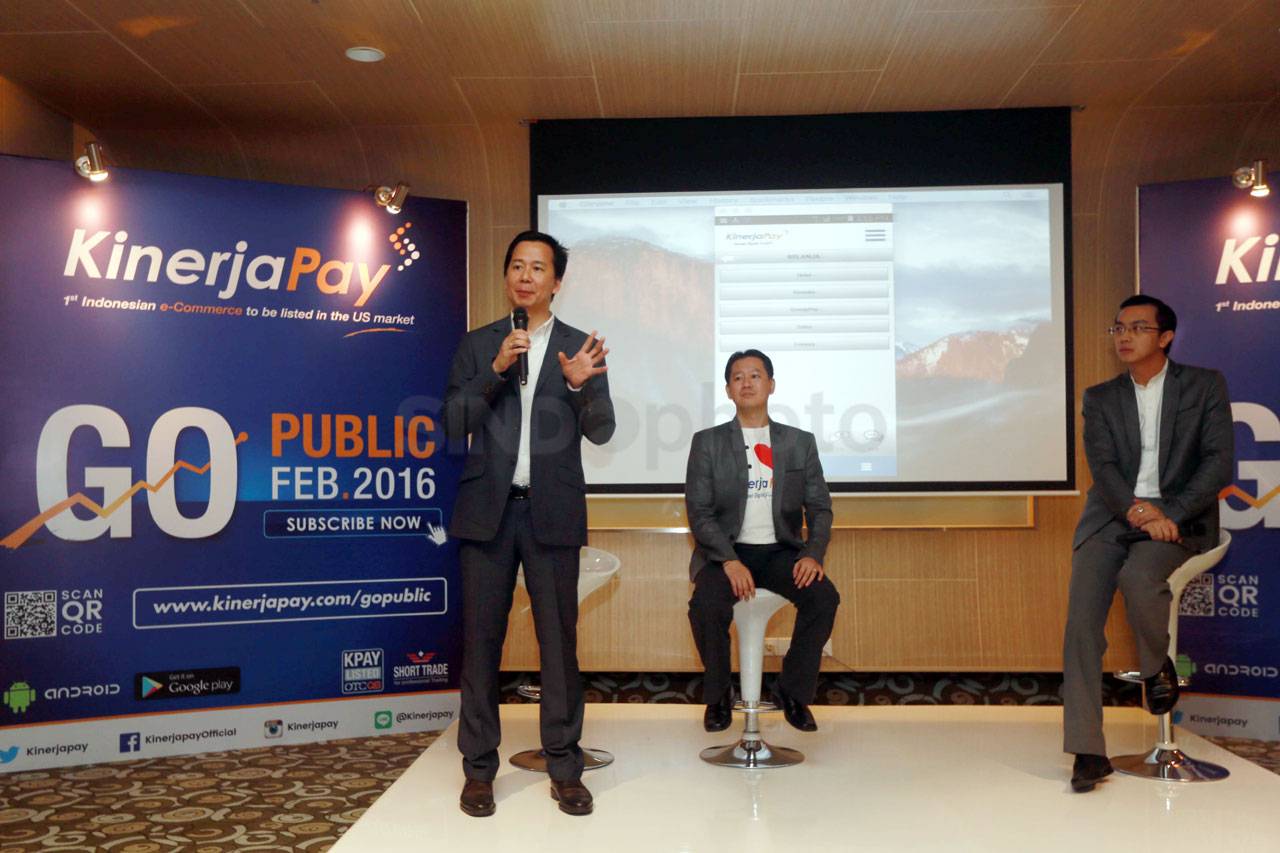
    Customers in Indonesia can now pay online with bitcoin as the country’s leading payment solutions provider KinerjaPay has added the digital currency as one of the payment options on its platform. KinerjaPay, in a recent press release, has announced its partnership with Bitcoin Indonesia to facilitate the Bitcoin option for its merchant partners.

    Apart from offering payment gateway solutions to online merchants, KinerjaPay also operates its own e-commerce portal where people can directly buy goods from the platform itself. By including Bitcoin payments, KinerjaPay has now become the first e-commerce platform in Indonesia to do so. Now customers can convert their bitcoin to Indonesian rupiah on the fly while making a transaction over the payment gateway to pay their bills, transfer money and purchase goods on the internet.

    KinerjaPay and the growth of e-payments in Indonesia

    KinerjaPay is currently one of the fastest growing digital payments platforms in Indonesia. In the past two months, the company has grown by over 300 percent as its user base has increased from around 12000 customers to 50,000. According to the company’s report, this has also led to an increase in the average number of transactions processed per day.

    With over 1500 transactions per day, compared to previous 300 transactions, the company can expect the numbers to grow further with the integration of bitcoin payments. Currently, there are not many online merchants who accept digital currency payments in Indonesia and now the partnership with Bitcoin Indonesia means that the company’s partner merchants will be able to accept bitcoin payments from their customers soon. This will open up a lot of options for bitcoin users in the country.

    In order to make bitcoin payments more popular, KinerjaPay has announced that it will be providing special offers to customers of Bitcoin Indonesia. With these special offers, the company intends to convert at least some of the 150,000 Bitcoin Indonesia customers into theirs as well. In a country where a majority of the population is hesitant to use online payment solutions due to concerns about credit/debit card fraud, KinerjaPay is working hard to build their trust by offering great deals and addressing their concerns. A currency like bitcoin where the user doesn’t have to share his/her bank account or card details will present an attractive option to the masses.

    As a part of its incentives galore, the company is also working on its own branded mining setup, where people can mine digital currency. While speaking about the new developments, the CEO and Chairman of KinerjaPay, Edwin Ng is quoted saying –

    “This partnership enables us to establish relationships with Bitcoin Indonesia’s membership, currently in excess of 150,000 accounts, which we expect will boost the volume of transactions on our platform going forward… We are also working to create a unique bitcoin mining element on our platform, something we believe will be very appealing to our users and will provide KinerjaPay with a real competitive advantage in the e-commerce sector.”

    KinerjaPay is constantly innovating to push the growth of online payments in Indonesia. Partnering with Bitcoin Indonesia is just one among the many which the company intends to follow in order to gain customer confidence and make them change their mind about online payments and digital currency. More developments in the sector can be expected soon.
  • Singapore probes Hyundai cars for sudden acceleration

    Singapore probes Hyundai cars for sudden acceleration

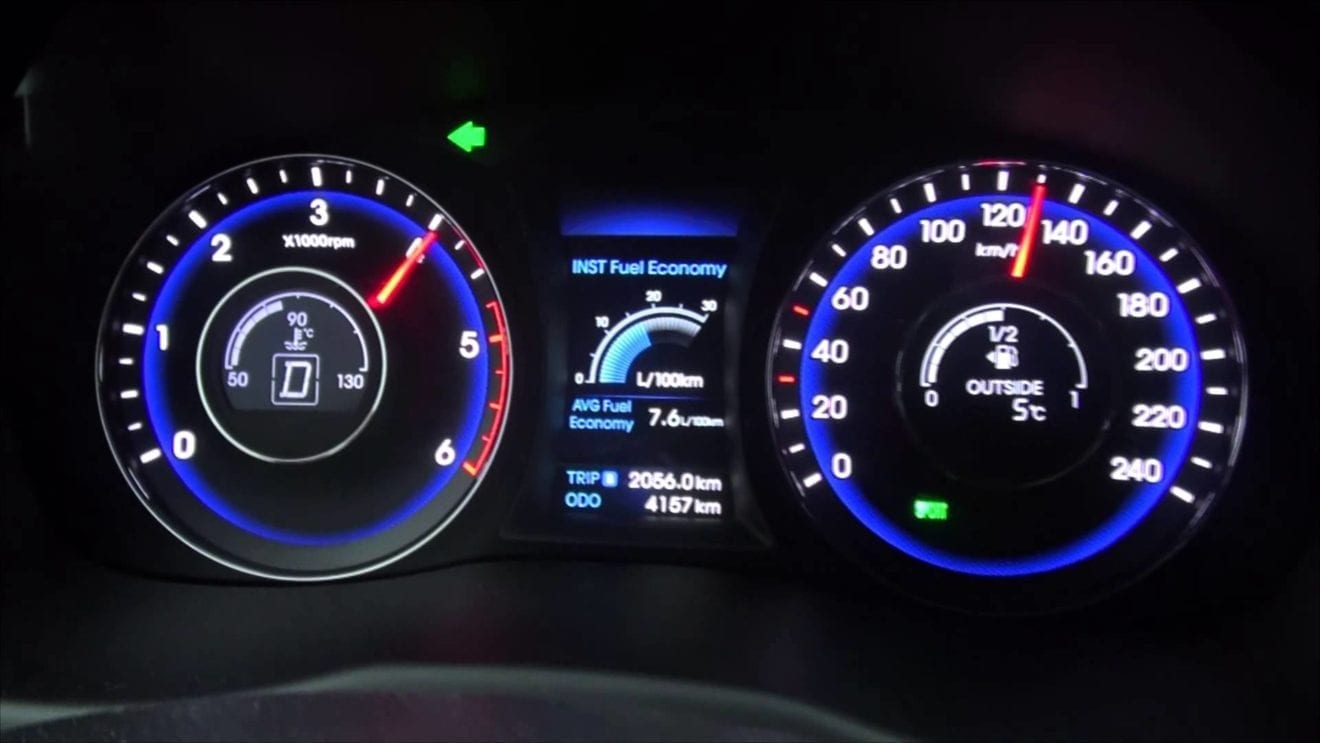
    Singapore’s Land Transport Authority said Tuesday it is investigating Hyundai vehicles following reports of accidents involving sudden acceleration while reversing.

    In a statement, the authority said it was looking into cases of Hyundai vehicles having “unintended acceleration in reverse gear.”

    “It is premature to draw any conclusions at this point in time,” it said.

    The statement gave no further details, but the local newspaper Straits Times cited recent incidents involving taxis from operator ComfortDelGro, which leases Hyundai Sonata cars, among other models. It is Singapore’s largest taxi operator with a fleet of 17,000 cabs.

    Hyundai Motor said it is looking into the matter.

    South Korean consumers have lodged complaints about accidents that they believed were caused by sudden unintended accelerations. But past government probes have found no evidence that this was linked to faulty vehicles.

    At a public demonstration in 2013, the government tried to reproduce conditions that were believed to cause cars to suddenly accelerate without intention but those attempts failed.

    The ministry concluded that it was “reasonable” to see the sudden unintended acceleration phenomenon does not exist.

  • Volkswagen awaits approval for its dieselgate fix in India

    Volkswagen awaits approval for its dieselgate fix in India

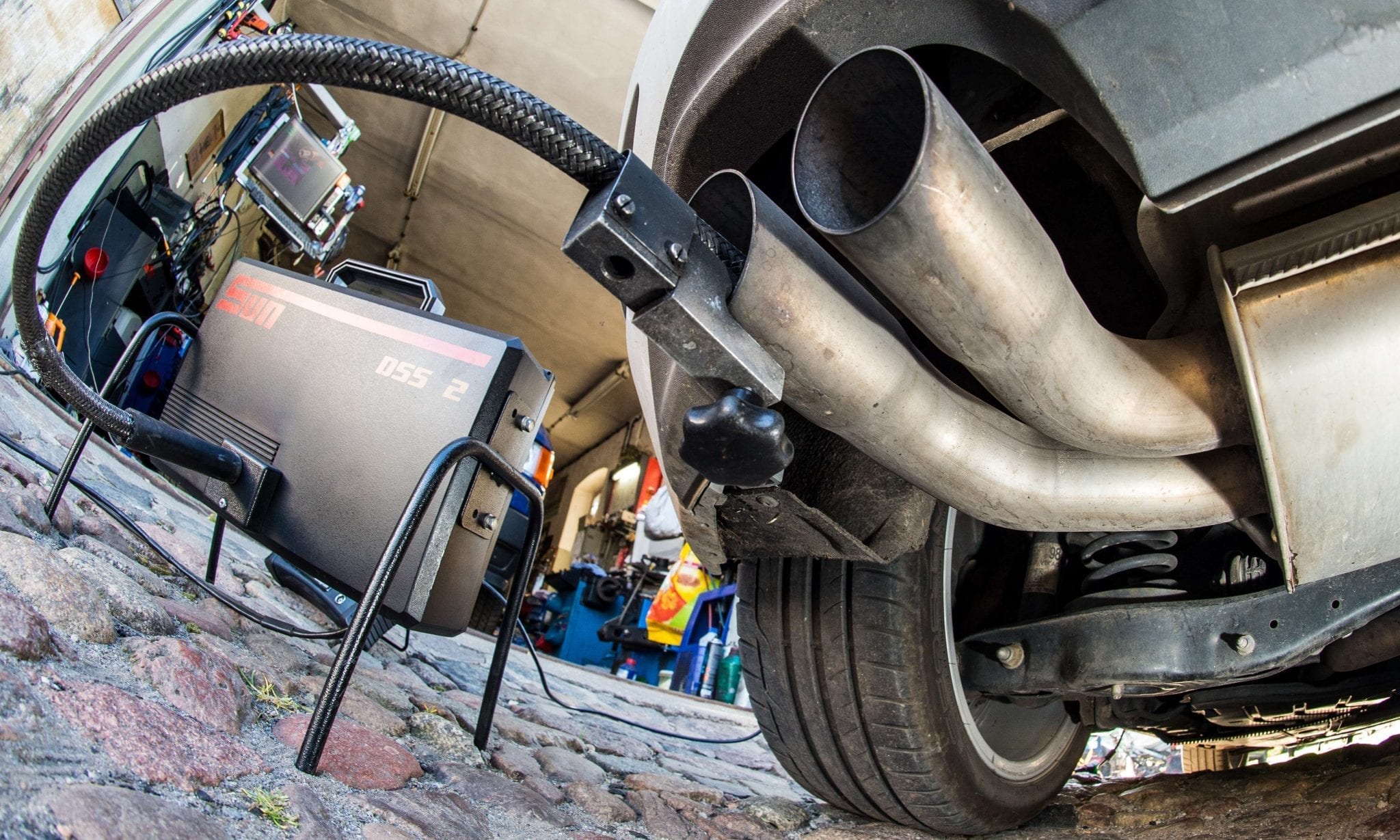
    Volkswagen, the European automotive major hit by the dieselgate scandal, said the company has found a fix for its EA 189 diesel engines in India and has sent it for approvals of the local authorities.

    Once it gets the clearance, the solution would be applied on 3.23 lakh vehicles that have been sold in the country with the EA 189 family of engines. The company said it has also found a software solution for the local Vento manual diesel model, production of which is currently stopped due to inconsistent emission of carbon monoxide. People in the know said Volkswagen could start recalling vehicles by the end of June or July to fix the problem. It is aiming to complete the process within six to eight months.

    “We are awaiting approval (for the fix) and will begin the recall process in the coming months and are hopeful that fixes on all vehicles will be concluded by the end of the year,” Volkswagen India managing director Andreas Lauermann told ETon the sidelines of an event to roll out the Ameo sedan from its factory.

    He said the company’s focus is currently entirely on the Ameo as VW seeks to make a strong comeback in the Indian market. The company’s image had taken a major hit globally following revelations that it had cheated on emission test results. Its sales were hit in India and elsewhere, even as it announced a massive programme to fix the problem.

    The recall process for vehicles fitted with the EA 189 diesel engines, which was to begin at the start of 2016, is yet to get underway. These EA 189 engines are of different displacements 1.2-litre, 1.5-litre, 1.6-litre and 2.0-litre TDI. The 1.2-litre and 2-litre engines need software updates in India, while the 1.5-litre and 1.6-litre engines will get both software and a hardware fix.

    Volkswagen India, which posted strong sales in the first nine months of 2015 with double-digit growth, got hit because of the controversy, with domestic volume declining 2.4% to 43,152 units in 2015. Thanks to the strong export offtake and incremental Ameo output, Volkswagen India is planning to grow its output 15% in 2016 to about 1.42 lakh units. Developed with an investment of Rs 720 crore, the Ameo sedan is a made-for-India product in the VW world.

    Ameo will be positioned in the subcompact sedan market, which sees sales of 25,000 to 30,000 units a month. It will take on the likes of Maruti Suzuki Dzire and Honda Amaze. The company aims to produce about 150 Ameos a day. With the Vento and Polo monthly volumes taking a hit, VW is now betting on Ameo to bring in decent incremental volumes.

  • Restaurant Review: Downtown Bangkok Cafe

    Restaurant Review: Downtown Bangkok Cafe

    This Phoenixville restaurant delivers Thai cuisine with unexpected elegance and an authentic experience.

    Spicy Thai Basil Chicken//All photos by Steve Legato

    “A best-kept secret!”

    Online critics are forever clinging to exhausted, simplistic superlatives. And yet, how else to describe Downtown Bangkok Café, other than to peg this Thai yearling as a quaint hidden gem or a surprising off-the-radar find on the outskirts of Phoenixville?

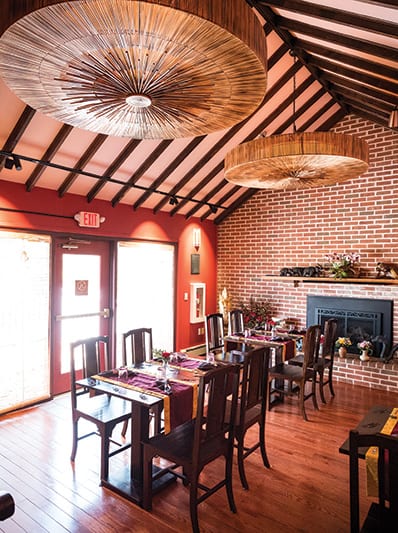
    From Left: Downtown Bangkok Café’s casually elegant interior; green curry

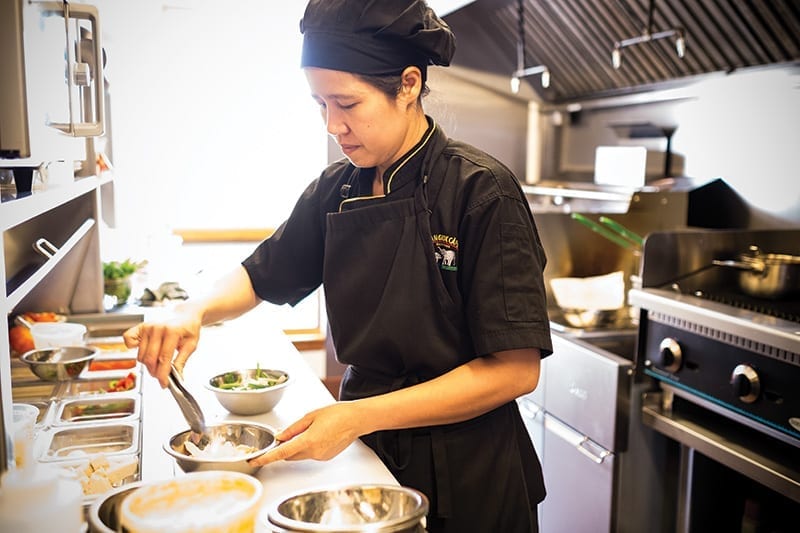
    Owners Yaowapa and Jerry Kowal—the chef and manager, respectively—didn’t set out to become restaurateurs. They first opened Yaowapa Thailand Treasures, a retail gift shop of handmade imports, in 2009. Six years later, they have an artfully decorated 48-seat eatery on the store’s second floor. It was inspired by a passion for cooking rooted in Yaowapa’s  heritage. It became a reality thanks to Jerry’s skill as an engineer and a direct merchants’ pipeline from Thailand.

    Impressive wall mountings and hand-carved statues from the Kowals’ native Chiang Mai region can be found through-out the café’s four tastefully appointed dining spaces and waiting room. That attention to authentic detail continues with the etched wooden tables and chairs, logo embroidered napkins and silverware handles bearing elephants.

    The grilled tofu cubes are the perfect accompaniment to Yaowapa’s fragrant curries. Her onion-pineapple-potato-and- peanut-studded massaman, in particular, is a pungently ruddy lava flow, gushing creamily over fluffy jasmine rice. Hot and crispy coconut shrimp top a chilled Thai salad, providing a unique contrast in flavor and temperature.The cuisine is well prepared and delicious. Our three skewered chicken strips came with an addictive peanut sauce. Another app, the Crying Tiger, combines tender slices of grilled beef and assorted crunchy veggies with a sweet chili-lime sauce. The “medium” spice offers just the right heat. The Pad Thai tastes authentic, as does the Drunken Man—a hearty tangle of flat soba noodles, egg, basil and vegetables, served with a choice of shredded beef, chicken, pork or tofu.

    From Left: Thai tea; the casual elegant interior

    Desserts are simple and sparse. The honeyed banana, rolled into fried wonton skins and served with vanilla ice cream custard is the best of the lot.

    THE SKINNY: Comprised of a series of lavish rooms nestled above Thailand Treasurers, this surprising find goes well beyond run-of-the-mill superlatives. Both the fare and the peaceful aesthetics are emblematic of Thailand.

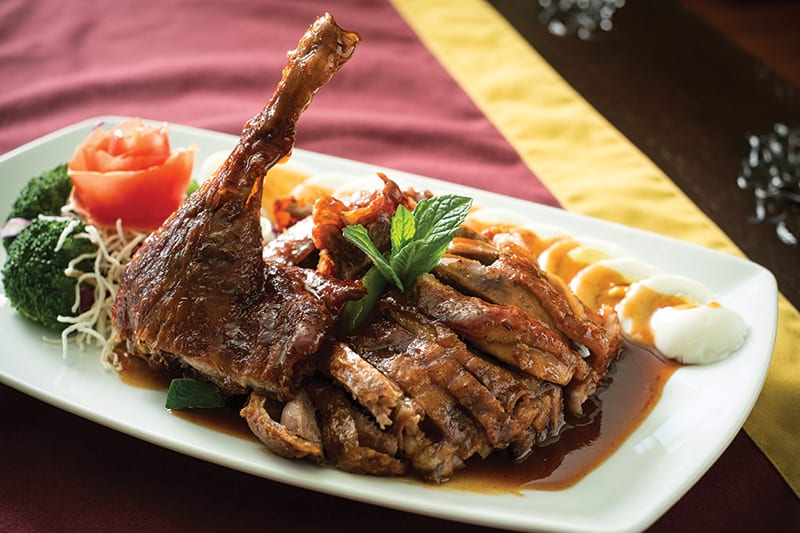
    Crispy duck with tamarind sauce.

  • Not The Ordinary: 5 Interesting Online stores You Shouldn’t Miss

    Not The Ordinary: 5 Interesting Online stores You Shouldn’t Miss

    eCommerce in Singapore is in full swing against the tide of fashion brands exiting the local market. Raoul, New Look and Celio, the most recent casualties of the highly competitive retail scene here, signal a shift away from brick-and-mortar stores. In 2015, the net retail space takeup was in decline as stores vacated 86,379 sq ft of retail space.

    In contrast, the size of Singapore’s online retail market has expanded to SGD4.4 billion in 2015, four times the size of the market in 2010. Lower costs of entry, mobile customer base and ease of accessibility are making selling online an attractive option for entrepreneurs, quickly transforming ideas into a manageable businesses.

    1- Personal Fruit Grocer Delivering To Your Doorstep

    shopify1

    Founder of Lazyfruits Ben Phua comes from a family with over 30 years of experience in the retail and wholesale business, and his trained eye for potential markets led him to set up his own premium fresh-fruit store in 2014. Lazyfruits solves an everyday problem of wanting a healthier lifestyle but not knowing how to pick fresh fruits from the market grocer or having the time to do so by delivering your fruits to you next-day and with assured freshness through personal checks.

    Image Credit: EcommerceSOS
    Image Credit: EcommerceSOS

    Their success story of zero-dollar marketing shows how rewarding great customer relationships can be as regular customers bring in more business through word-of-mouth recommendations. From just a humble facebook page in 2013 with posts about their products to a social web of constant referrals and reviews, you can definitely see the spirit of a warm family business beyond their store page.

    2- Top-Quality Handmade Treats For Pets

    shopify3

    Specialized treats galore for dogs at the Barkery brings not only novel dehydrated treats like anchovies and bak kwah into the mouths of our canine companions, but also cakes and dietary supplements for a long and active life for the urban dog! The creativity behind the designs of their novelty cakes make for an extra-special dog birthday, but what is impressive is the reach of their products, which appear on multiple stores like Loyalone, Nekojam, Redmart and more!

    3- Reinstating Mobility And Dignity In Aging

    shopify4

    Founded in 2011, The Golden Concepts have made their own market with active aging and elderly independence in mind. Starting off with only 4 products, their story of expansion and sheer determination is a cultural exchange between how the elderly age in Denmark and in Singapore. Today, their catalogue of over 300 products is a true expression of their commitment to enabling the elderly to live a more mobile lifestyle through the aid of technology in Singapore.

    Image Credit: eCommerceSOS Youtube
    Image Credit: eCommerceSOS Youtube

    Designer canes, colourful massagers and foldable wheelchairs brighten up the idea of aging as The Golden Concepts aims to dignify the need for such aids through sleek and lively product design. Eldercare has been re-imagined by The Golden Concepts, striking off ideas of dependence and liability from the dictionary of aging.

    4- Wholesome Organic Produce With A Digital Twist

    shopify6

    Visiting the farmer’s market is always on the checklist for Singaporeans touring European countries for the first time, and SimplyFresh gives us a taste of what farm-fresh organic produce from Europe is like from the comfort of our homes in Singapore. A wholesale market with a digital twist, SimplyFresh offers a variety of affordable organic vegetables through the box subscription model used by gift companies overseas such as Lootcrate, Birchbox and Helloflo to surprise the creative cook at home. Their selection of vegetables comes from family-run farms, making SimplyFresh’s products all the more wholesome than those found in big box stores.

    5- Staying Fit Without Breaking The Bank

    Image Credit: Hula Hoop Singapore
    Image Credit: Hula Hoop Singapore

    Ideas sometimes come from wants, and May Lim, founder of Hula Hoop Singapore, wanted a solution to combat an unflattering waistline that didn’t involve too much time or money. Her discovery of weighted hoops for exercise proved to her that fitness doesn’t have to be burdensome or time-consuming. Wanting to try out exercise hula hoops, she soon found out that there was a supply gap of exercise hoops in Singapore. This led her to set up Hula Hoop Singapore to provide weighted hoops to Singaporeans, thus spreading her idea of fitness to others.

    She remains as a one-woman team, but collaborates with ME-Retail Solutions to handle her storage and delivery. Her resourcefulness and hardworking attitude is one that should be emulated when it comes to setting up a new online retail store.

    More Than Just Numbers And Convenience

    Image Credit: imagesource
    Image Credit: imagesource

    Passion and personality are the key factors that separate the online retail store from traditional brick-and-mortar retail stores. Most online stores have some form of direct interaction from the founders behind the business to their customers, whether it is in the form of stories,facebook posts or even whatsapp messages, making the customers feel more connected to the business. Knowing the people behind the business also makes the product feel more personable, as the customer can relate with a face associated with the product better than with just a brand or a logo. Relatability transforms online retail stores into stories which people can share, bringing back the familiar feel of the neighborhood retail store.

    shopify9

    If you have a great idea for an online store, why not try your hand at Singtel-Shopify’s Build-A-Business Competition? With a top prize of $20,000 and an advanced eCommerce workshop worth $2,000 for the top 10 winners, Shopify will help you build your online storefront and much more in just a few clicks!

  • HKIA issues T1 luxury boutique tender

    HKIA issues T1 luxury boutique tender

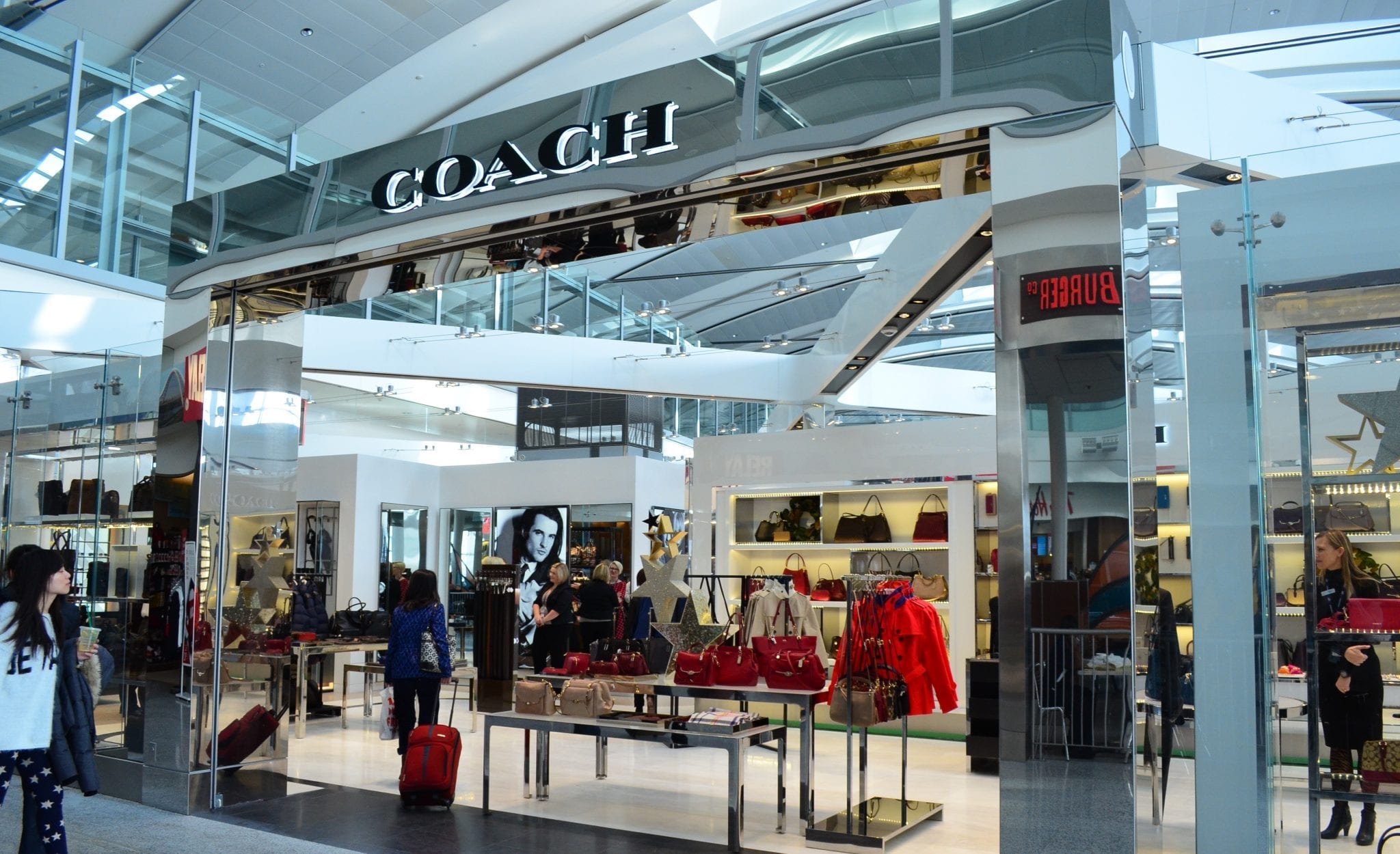
    HKIA T1Hong Kong International Airport (HKIA) has issued an invitation to tender for a luxury brand boutique concession.

    The proposition is for a global luxury brand retailer to operate a 170sqm unit, located airside in the T1 East Hall, Level 6.

    In the first two months of 2016, HKIA handled 11.6 million passengers and 67,820 flight movements, up 9% and 5% from the previous year respectively.

    On a rolling 12-month basis, HKIA has handled 69.5 million passengers and 409,255 flight movements, marking year-on-year increases of 8.4% and 3.8%, respectively.

    In February Airport Authority Hong Kong (AA) opened nine new retail shops and a café in the recently-inaugurated Midfield Concourse at HKIA. Additionally, eight retail and three catering outlets are soon to be opened at the 105,000sqm concourse, including a new multi-category store concept from DFS.

    HKIA said this new tender “presents a unique business opportunity for global luxury brand retailers to operate luxury brand boutique in this prestigious aviation hub in Asia”.

    The tender closing date is 28 July 2016 at 2.30 pm (Hong Kong Time).

  • Petron to open more than 250 gas stations in Malaysia and the Philippines

    Petron to open more than 250 gas stations in Malaysia and the Philippines

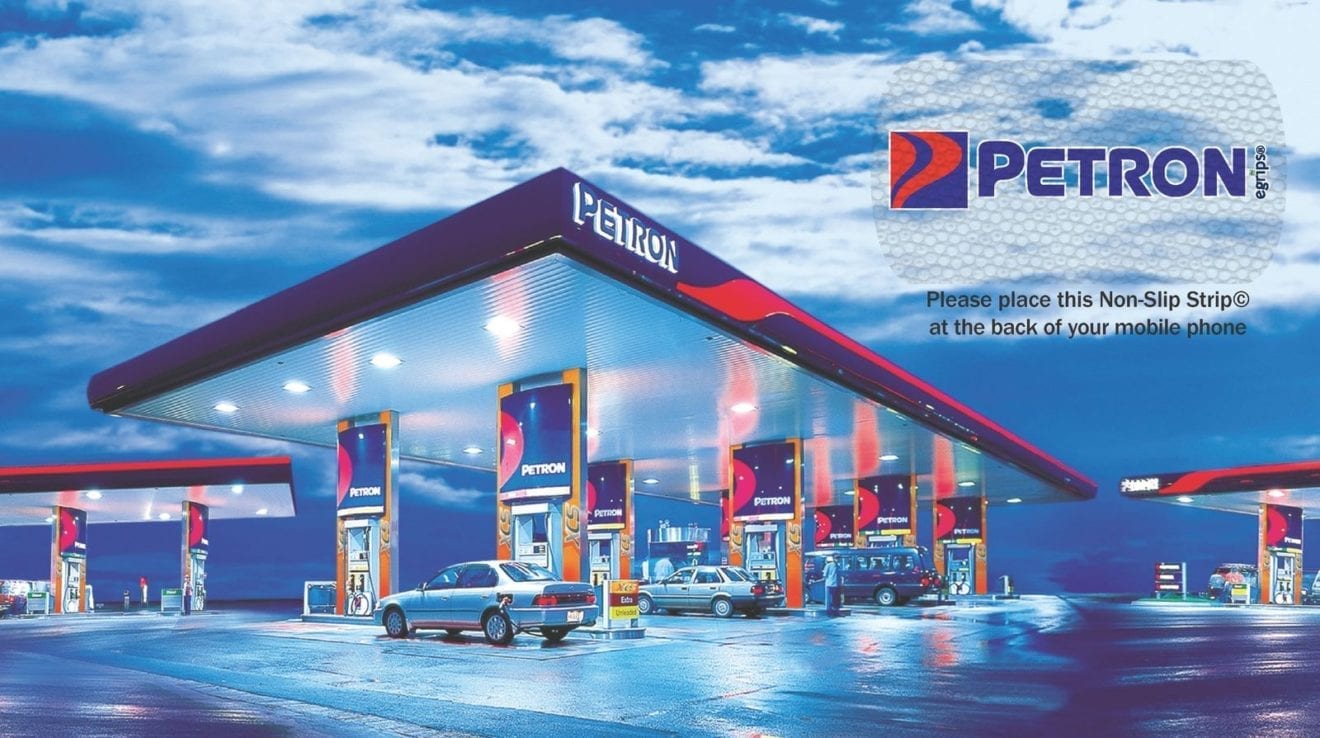
    The Philippines’ largest oil refiner and distributor Petron Corporation is set to further expand its retail business as it continues to enjoy stronger sales and positive growth potentials, reported The Standard.


    Source: Petron Corporation Facebook Page

    This year, Petron targets to add more than 250 gas stations to the existing 2,800 Petron stations in Malaysia and the Philippines.

    The company, in fact, has already carried out a significant gas station network expansion in Malaysia with the acquisition and rebranding of approximately 550 ExxonMobil stations.

    It also plans to upgrade its Port Dickson Refinery, according to Petron president and chief executive Ramon Ang.

    Ang also disclosed plans to put up 12 retail stations along the Philippines’ 88.5-kilometer, two-lane Tarlac-Pangasinan-La Union Expressway (TPLEX).

    TPLEx has a high traffic volume as it connects the central and northern Luzon provinces to Manila through the Subic-Clark-Tarlac Expressway and the North Luzon Expressway.

    Petron’s parent firm San Miguel Corporation (SMC), through the Private Infra DevCorporation (PIDC), the concessionaire in TPLEx, provides management services, toll collection, traffic safety and security management, toll road maintenance, and other related services along the expressway.

  • Nissan plans to establish 300 dealerships in India by March 2017

    Nissan plans to establish 300 dealerships in India by March 2017

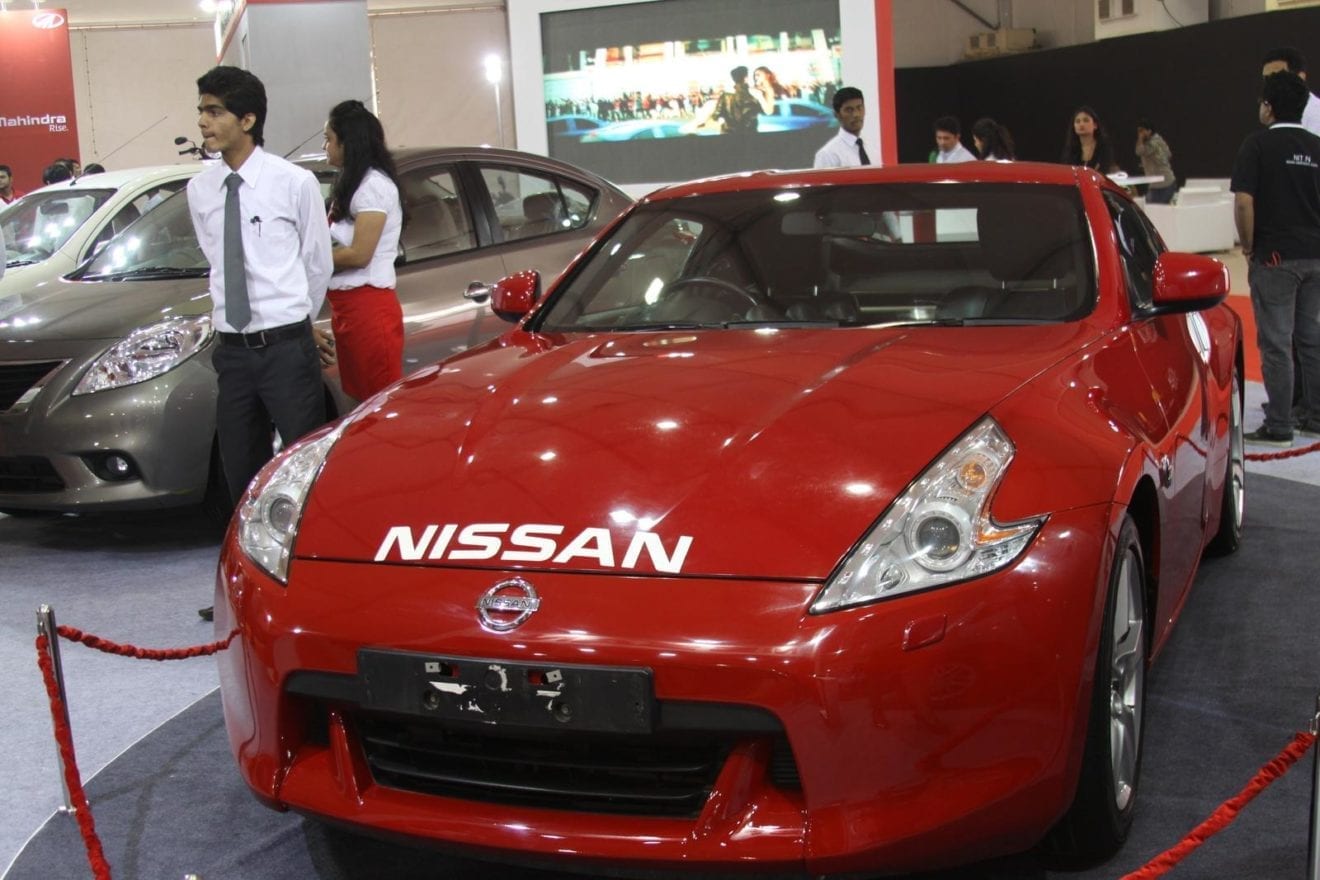
    Japanese car maker Nissan is gearing up to launch “Datsun redi-Go” in the entry level segment and was on course to establish 300 dealerships in the country.

    “We are gearing up to launch Datsun redi-Go, which will compete in the entry level car segment of the Indian market. With redi-Go, Datsun is pioneering a new segment – Urban Cross, combining the best of a hatchback and a cross over”, President of Nissan India Operations, Guillaume Sicard said.

    “As we expand our dealership footprint we are on course to meet our target of establishing 300 dealerships by end of March 2017 across the country,” he said here today.

    At present the company has 218 dealers across 165 cities, Sicard said, adding with new dealerships the company would cover 90 per cent of customers and “enable them with easy and immediate access to committed sales and after sales services”.

  • Maybank Islamic secures four awards

    Maybank Islamic secures four awards

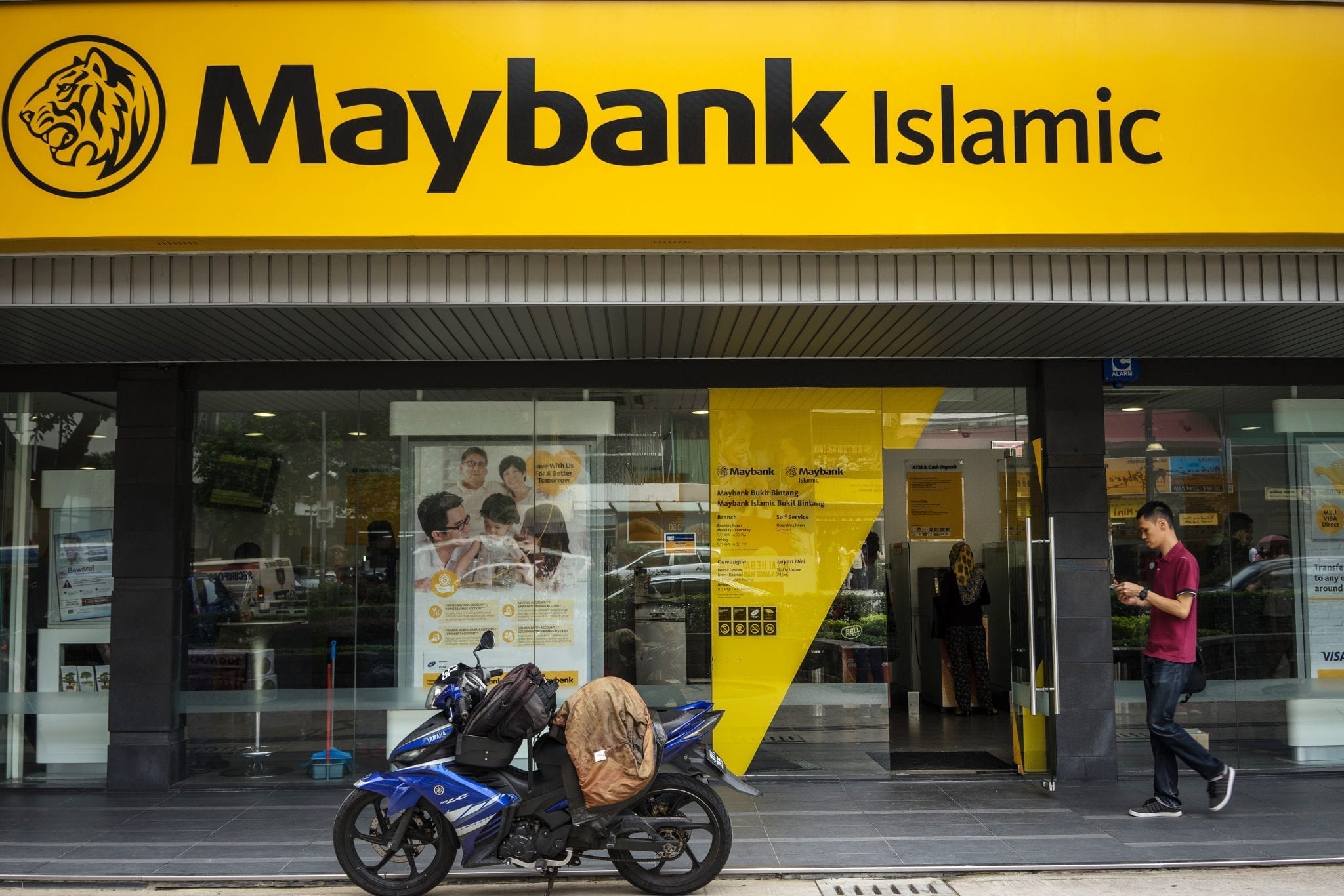
    Maybank Islamic Berhad has clinched the Leadership Issuer of the Year Award for a financial institution by the Asset Triple A Islamic Finance Awards 2015 for its RM1.5 billion Basel III-compliant subordinated sukuk murabahah, which was the single largest deal of its kind launched by an Islamic financial institution.

    The issuance was pursuant to a subordinated sukuk murabahah programme of up to RM10 billion in nominal value established in March 2014.

    The transaction received encouraging response from investors resulting in an oversubscription rate of 2.9 times, enabling Maybank Islamic to upsize the deal from the initial target of RM1 billion. Maybank Investment Bank Berhad acted as the Lead Arranger and Manager.

    “Proceeds raised from the subordinated sukuk murabahah are used to position Maybank Islamic for stronger growth domestically and regionally,” said Maybank Islamic Chief Executive Officer Muzaffar Hisham.

    He also thanked his team for their hard work in the sukuk issuance and The Asset for recognizing this effort.

    “The strong demand we received from investors for this programme is a testimony of Maybank Investment and Maybank Islamic’s leadership in the Islamic capital market space,” he said.

    The Sukuk programme also won an award in the category of Highly Commended Best Bank Capital Sukuk.

    In 2014, Maybank Islamic Berhad cemented its leadership position as it posted robust double-digit growth rates in financing, deposits and in asset size which stood at RM146.4 billion as at December 31 2014.

    Maybank Islamic also won 4 other awards. These were the Islamic Bank of The Year for Asia Pacific and Malaysia, Best Islamic Retail Bank, Best Islamic Trade Finance Bank. It also picked up 2 awards in collaboration with Maybank Investment Bank for Best Corporate Hybrid Sukuk and Best Local Currency Sukuk.

    Maybank Investment also won the following awards – Best Reit sukuk, Best bank capital sukuk-Highly commended, Best corporate sukuk, Best quasi-sovereign sukuk, and Best Islamic Deal.

    The awards ceremony took place here recently and Maybank Islamic was represented by its Deputy CEO, Nor Shahrizan Sulaiman and its Head of Corporate and Investment Banking Arshad Ismail.

    Maybank Islamic is currently the leading Islamic Bank in ASEAN and the largest Islamic Bank in Malaysia securing a 32.7 percent domestic financing market share and accounting for 43.8 percent of Maybank Group’s total domestic loans/financings.

  • Kerry Logistics Appoints New Managing Director

    Kerry Logistics Appoints New Managing Director

    Kerry Logistics Network Limited has appointed Daniel Hegwein as the new Managing Director for Belgium and the Netherlands.

    Effective immediately, Hegwein will oversee the company’s activities in the Benelux region from the Kerry Logistics office at Brussels Airport in Zavantem.

    Hegwein has more than 30 years of experience in the logistics sector, having previously worked for a number of international logistics providers in Hong Kong, Germany, Australia, Switzerland, Taiwan and most recently Belgium.

    The main business fields for Kerry Logistics in Belgium and the Netherlands are air and ocean freight logistics as well as warehousing services and fiscal representation.

    As the Managing Director for both countries, Hegwein will focus on streamlining the operations and sales activities for Kerry Logistics in the Benelux region.

  • FedEx Acquires TNT Express

    FedEx Acquires TNT Express

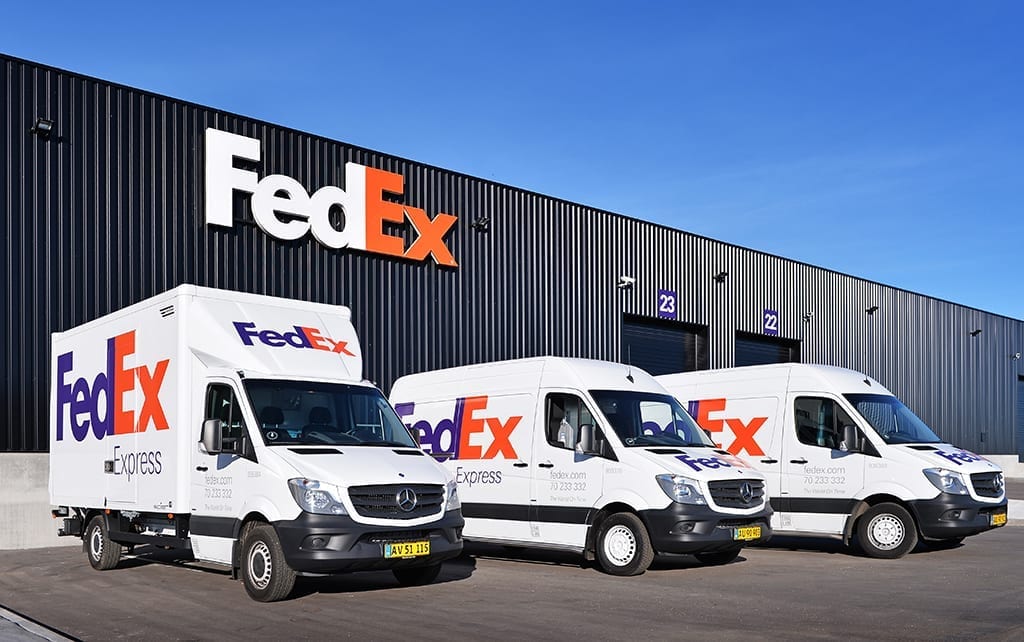
    FedEx Corporation, FedEx Acquisition B.V. and TNT Express N.V. have jointly announced that FedEx has acquired TNT Express. The €4.4 billion acquisition combines the strengths of the companies – the world’s largest air express network and an unparalleled European road network, which will expand the existing FedEx portfolio and reshape the global transportation and logistics industry.

    “This acquisition is a significant accomplishment and marks the beginning of a new era, filled with promise for our people, customers and shareowners,” said Frederick W. Smith, Chairman and CEO of FedEx. “We are proud to celebrate the joining of two iconic companies and the approximately 400,000 team members who are committed to serving customers around the world.”

    “The timing of this historic event is important, particularly in the current market environment where global e-commerce is growing at double-digit rates,” Smith added. “Adding TNT’s capabilities to our existing world-class suite of services, including GENCO and the recently re-launched FedEx CrossBorder, will further expand the ability of FedEx to support business connections around the world.”

    “Over our 43 year history, FedEx has repeatedly reinvented and revolutionized the industry, from the first overnight express service backed by a money-back guarantee to the invention of internet shipping. And just as we revolutionised the U.S. domestic parcel business through the acquisition and development of what is now FedEx Ground, the acquisition of TNT will change the way customers view FedEx around the world,” Smith continued.

    “We believe that this strategic acquisition will add significant value for FedEx shareowners, team members and customers around the globe, particularly in Europe where we will establish a strong new competitor,” said Alan B. Graf, Jr., FedEx Executive Vice President and Chief Financial Officer. “The TNT team members bring 70 years of diverse experience, which combined with that of FedEx team members, will make this integration a success.”

    Now that FedEx has acquired TNT Express, the integration process will begin immediately. The FedEx track record of successful acquisition integrations in the U.S. and globally will serve the combined companies well to leverage investments in technology, infrastructure, facilities and operational capabilities to position the combined companies for long-term growth and success.

    In the near term, customers can expect to interact with each company as they always have and receive the world-class service they have come to expect. Once the integration is complete, FedEx expects customers to enjoy an expanded global offering that draws upon the breadth of expertise from both companies.

  • eCommerce slows down international retail expansion

    eCommerce slows down international retail expansion

    Retailers are still looking for growth across borders, with Asia a particular interest to many. Nevertheless, high eCommerce investments have slowed down the international expansion, according to real estate consultant CBRE‘s “How Global is the Business of Retail?”‘s report.

    Hong Kong most appealing

    The annual study, in its 9th edition, analyzes 334 international retailers’ activities in 61 countries. In their quest for expansion, retailers target “established” shopping cities, according to the study. In at least 90 % of the cities, at least 1 new retailer appeared in 2015 (compared to 85 % of cities in 2014). 30 % of all markets in the study welcomed at least 10 new retailers.

    The top 20 of most popular cities for new retailers did feature some new cities: Asia is still the most important region in the top 10, with four of the five most attractive markets. Hong Kong was the most appealing market in 2015, with 73 new retail brands. Singapore is second with 63 newcomers, followed by Tokyo (57), Taipei (47), Moscow (40), London (39), Dubai (38), Beijing (37), Bucharest (35) and Doha (29).

    London is still the most international shopping city in the world, followed by Dubai, Shanghai, Hong Kong, Paris and Tokyo.

    Safeguard the right mixture

    CBRE expects international retailers’ attention to shift to growing cities in Africa and Latin America, especially if the economic situation in the East changes. Established markets like Germany, the United Kingdom, France, the United States and China seems to get priority over others, with retailers choosing a certainty over a gamble.

    International expansion is also slowing down slightly, a trend CBRE attributes to the fact many retailers have invested more in eCommerce platforms and multichannel environments. Retailers are looking at their store portfolio more diligently and are safeguarding the right mixture of locations. They will consider new formulas, like airport stores or stores in train stations.

    Shopping centers are also key for retailers looking to enter new markets. These will have to reposition themselves, in order to shift their focus to food, leisure or lifestyle.

  • Apple explores charging stations for electric vehicles

    Apple explores charging stations for electric vehicles

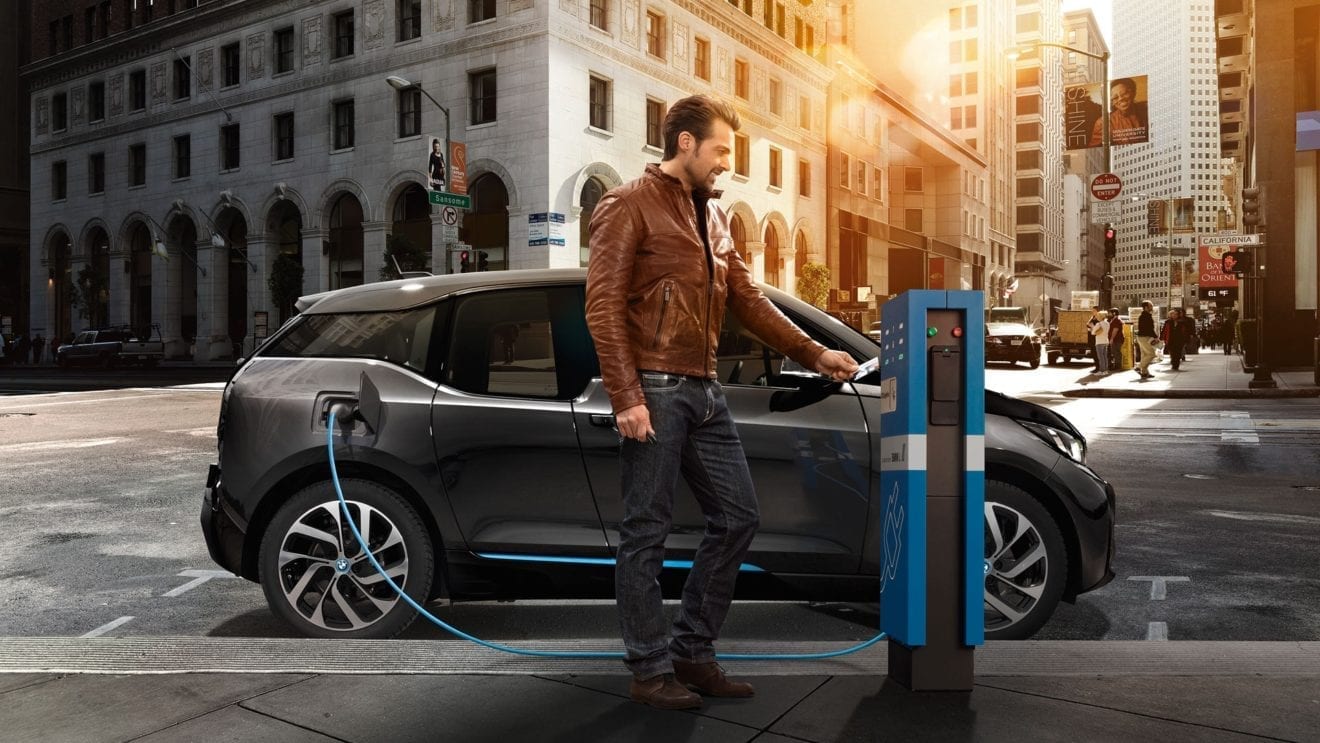
    Apple is investigating how to charge electric cars, talking to charging station companies and hiring engineers with expertise in the area, according to people familiar with the matter and a review of LinkedIn profiles.

    For more than a year, Silicon Valley has been buzzing about Apple’s plan to build an electric car. Now the company appears to be laying the groundwork for the infrastructure and related software crucial to powering such a product.
    The moves show Apple responding to a key shortcoming of electric vehicles: “filling up” the batteries. A shortage of public charging stations, and the hours wasted in charging a car, could be an opportunity for Apple, whose simple designs have transformed consumer electronics.

    Apple, which has never publicly acknowledged a car project, declined to comment for this story. Neither the LinkedIn profiles nor sources said specifically that Apple was building charging stations for electric cars.
    But automotive sources last year told Reuters that Apple was studying a self-driving electric vehicle (EV), as the Silicon Valley icon looks for new sources of revenue amid a maturing market for its iPhone.

    Apple is now asking charging station companies about their underlying technology, one person with knowledge of the matter said. The talks, which have not been reported, do not concern charging for electric cars of Apple employees, a service the company already provides. They indicate that Apple is focused on a car, the person added.

    Charging firms are treading carefully, the person added, wary of sharing too much with a company they view as a potential rival.
    It is unclear whether Apple would want its own proprietary technology, such as Tesla Motors’ Supercharger network, or would design a system compatible with offerings from other market players.

    Several charging station suppliers contacted by Reuters declined to comment about any dealings with Apple, which typically requires potential partners to sign non-disclosure agreements.

    Arun Banskota, president of NRG Energy electric vehicle charging business, EVgo, did not respond directly to questions about Apple, but said repeatedly that his company was “in discussions with every manufacturer of today and every potential manufacturer of tomorrow.”

    Apple has hired at least four electric vehicle charging specialists, including former BMW employee Rónán Ó Braonáin, who worked on integrating charging infrastructure into home energy systems as well as communication between EVs, BMW and utilities, according to a LinkedIn review.

    As recently as January Apple hired Nan Liu, an engineer who researched a form of wireless charging for electric vehicles, for instance. Quartz earlier this month reported that Apple had hired former Google charging expert Kurt Adelberger.
    Electric vehicle charging stations are manufactured, installed and operated under varying business models. Players in the space include Car Charging Group and privately held ChargePoint, SemaConnect and ClipperCreek, infrastructure companies such as Black & Veatch and AECOM as well as General Electric, Siemens and Delta Electronics.
    The three largest utilities in California also have plans to install charging stations.

    CHARGER SHORTFALL

    The electric car industry has faced a chicken-and-egg paradox with the installation of charging stations. Property owners have been reluctant to install the stations before EVs hit the road en masse, and drivers are wary of buying EVs until charging stations are widely available.

    Apple’s home state of California by 2020 will need about 13 to 25 times the roughly 8,000 work and public chargers it currently has, to support a projected 1 million zero-emission vehicles on the road, according to an estimate by the National Renewable Energy Laboratory.

    Tesla recently goosed electric vehicle demand, unveiling its more affordable Model 3 sedan, generating hundreds of thousands of reservations from potential buyers and leading many experts to calculate the number of EVs will soon outstrip the charging station supply.

    Tesla has led the way with a proprietary network for customers, who also can use public chargers. Tesla’s more than 600 “Supercharger” stations juice up a car in about 30 minutes, more than twice as fast as the standard “fast charger,” called Level 2.
    One global engineering and construction firm already has reached out to Apple to offer its services, a person at the firm said.
    “It would be natural to assume if Apple is going to have a full battery electric vehicle that creates a seamless consumer experience the way Apple does, the charging infrastructure and its availability would be of paramount importance,” the source said.

  • China the promised land for South African winemakers

    China the promised land for South African winemakers

    South African tycoon Koos Bekker sells wine from his vineyard all over the world, but a small detail offers a clue as to where his priorities may lie – all the bottles are labeled in Mandarin.

    Other producers along the Stellenbosch wine routes where his

    Babylonstoren farm is located are doing the same, looking to tap into soaring demand in China led by a growing professional class as Asia’s economic powerhouse in turn ramps up its investments in South Africa.

    “Babylonstoren’s export strategy to China is to be visible in Beijing, not only the city, but also the province,” said Naspers chairman Bekker’s cellar master Charl Coetzee.

    “We only want to conquer Beijing and if we conquer Beijing we will be happy,” he said as a young Asian couple sampled his produce in a tasting room overlooking rows of young vines.

    South African wine exports to China rose almost 30 percent in 2015 alone, according to statistics from South African Wine Industry Information and Systems (SAWIS).

    Alan Winde, minister for economic opportunities in the Western Cape region, says the aim is to double them by 2025.

    During his time as chief executive, Bekker helped turn Naspers into one of the world’s top e-commerce and media companies and established links with China via a stake in Internet service portal Tencent.

    Now he is joining a race to supply the world’s most populous nation that also features producers from France – which controls around 50 percent of the wine export market to China – and ‘new world’ rivals Australia, Chile and New Zealand.

    China’s retail wine market was worth around $15 billion in 2015 compared to $10.3 billion in 2010, with imports accounting for just over half, according to wine data analytics firm IWSR.

    It forecast consumption of about 13.5 million hectolitres in 2020, up from 11.3 million in 2010.

    REDS, OR STRONG WHITES

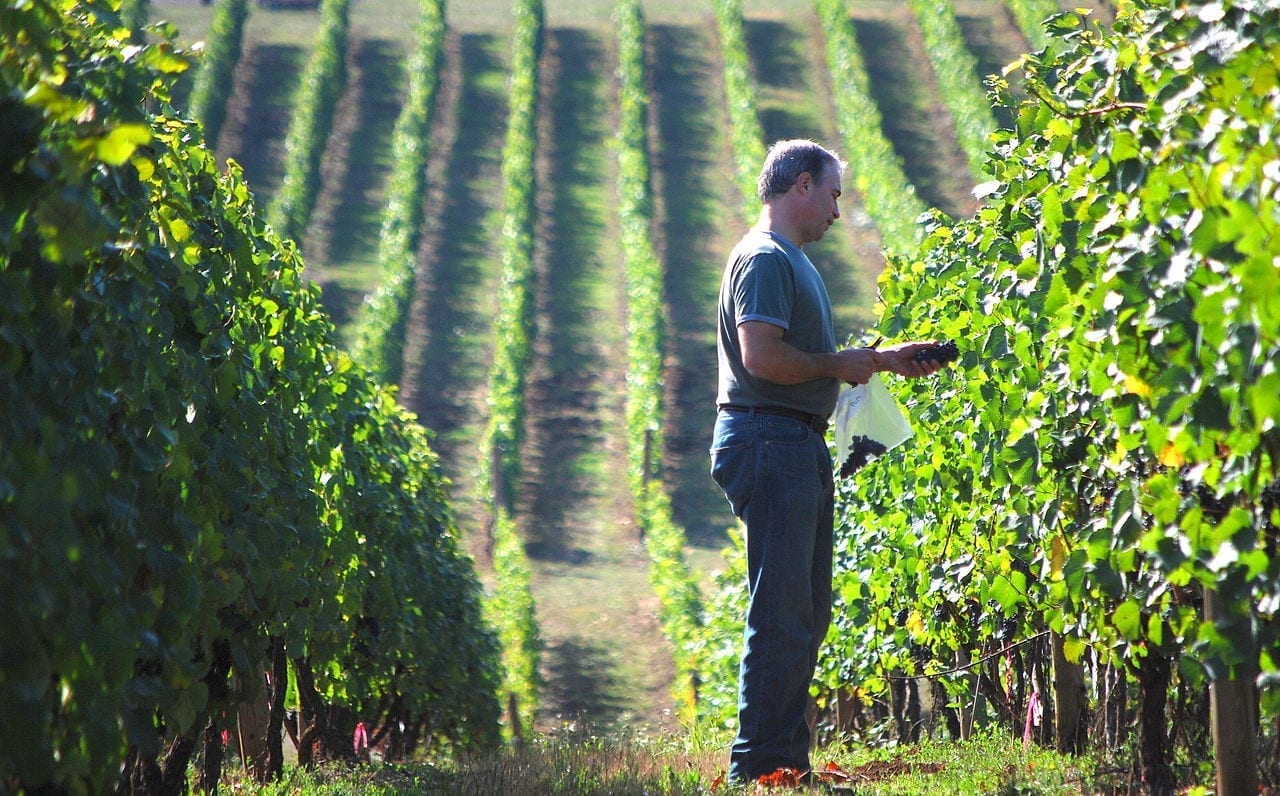
    Tapping into a national wine tradition dating back hundreds of years, Babylonstoren grows 13 different grape varieties and its bottles retail between 80 rand ($5) for a chenin blanc and 500 rand ($32) for a champagne-style sparkling white.

    In Coetzee’s experience, Chinese drinkers tend to prefer red, though they also go for stronger whites including a chardonnay the farm matures in French oak for 12 months.

    In March, Babylonstoren sold its largest consignment of wines to China, a 20-foot container with around 13,000 bottles.

    “We want … one day to be exporting a container a month,” Coetzee told Reuters.

    La Motte wine farm, one of dozens in the verdant hills outside Cape Town, sold around 3 million bottles to China last year, double the amount shipped three years ago.

    “The past 12 months there was big growth of South African wine to China,” its chief executive Hein Koegelenberg told Reuters from a wine cellar in the Franschhoek Valley, where Huguenots from France first planted vines in 1695.

    “South Africa has not unlocked the potential of that market yet.”

    La Motte, which has partnered with China’s second largest online direct sales network, Perfect China, to buy wines under the brand name L’Huguenot, says its pinotage red ranks among its best sellers in China.

    South Africa’s wine industry is worth around 26.5 billion rand ($1.8 billion) a year and employs 300,000 people. China has grown to become its sixth largest export market.

    “The nice thing is that China takes wine in (own-label) bottles and not in bulk, so we get jobs down the value chain,” minister Winde said.

    Demand is being driven by a booming number of young Chinese professionals who prefer buying over the Internet, rather than in stores. The rand’s 30 percent fall against the dollar in the last year has also helped.

    But the industry faces stiff competition if it is to take full advantage of new consumers in places like China.

    “We realize that the challenge is to keep getting trade and consumers to trial South African wines and more importantly to retain customers to ensure repeat sales,” said Michaela Stander, Asia marketing manager for Wines of South Africa.

    “If Chinese consumers are not well informed and not ready to accept our wines, the imports may soon die down again.”


  • Porsche launches digital business division for premium segment

    Porsche launches digital business division for premium segment

    Porsche AG, the sportscar unit of Volkswagen, launched Porsche Digital GmbH, a division dedicated to developing digital services for the premium segment.

    Porsche Digital GmbH will become a competence centre and an incubator to help find ideas which can be turned into businesses and services, the company said on Friday.

    The division will be based in Ludwigsburg near Stuttgart, and have offices in Berlin, Silicon Valley and China.

    It will be headed by Thilo Koslowski, a former digital mobility analyst at consulting firm Gartner.