Author: Mei Ling Tan

  • The smartphone boon and bane

    The smartphone boon and bane

    Feature phones are on their last days, if not their last breath. Consumers’ massive shift in preference for smartphones have decimated feature phone sales.

    The upward mobility of smartphones contrasted with the downward spiral of feature phones has been an intriguing trend to observe. After all, it was only a decade ago when feature phones were enjoying its peak in popularity.

    The upheaval of the mobile industry arrived when Steve Jobs introduced the iPhone to the world in 2007. Steve Ballmer, Microsoft’s chief executive back then, claimed it was the most expensive phone in the world.

    Nowadays, feature phones are not ubiquitous anymore as new players from China, led by Xiaomi, continue to enter the market. These new upstarts not only produce smartphones with industry standard software and applications, but also price them very affordably.

    Asia-Pacific smartphone prices are predicted to drop to an average of $215, making it the region with the lowest price. APAC will be the region with the largest increase in smartphone usage from 2013 to 2019 with approximately 2 billion new smartphone users, where Singapore ranks the highest globally in smartphone users penetration.

    According to a recent survey, 90% of respondents in Singapore say they have access to smartphones. Factors which help facilitate this rapid adoption are fast connectivity and the availability of real-time information access at users’ fingertips.

    As smartphones become increasingly affordable, businesses become more complex specifically the IT infrastructure. Apart from individual and personal use, businesses also encourage employees to use their own devices for work with initiatives such as “bring your own device” (BYOD).

    Enterprises have gained a significant advantage with the modern development of mobile, but these positives also come with new challenges.

    When it comes to devices for businesses, applications play a big role. More and more enterprises are deploying business applications on smartphones and adopting cloud-based business models.

    This enables increased mobility and productivity, making businesses more efficient than ever. Unfortunately, now with various applications installed on smartphones and critical data being so easily accessible, businesses are more prone to virtual threats.

    In 2014, 16 million mobile devices have been contaminated by scams, and hackers are increasingly targeting mobile applications. It has been said that mobile apps are considered “low-hanging fruit” since it is rather fast and easy to exploit the vulnerability of apps as apps exist in an unregulated ecosystem.

    In Singapore alone, mobile security threats have affected 70% of companies. The majority of organizations saying “yes” to employees using their mobile phones for business without giving proper education on BYOD policies also contributed to this number. This trend will cease any time soon as the hackers are expected to continue focusing on mobile devices.

    Given the changes of this behavior and the advancement of technology on smartphones, organizations and governments will need to be able to serve this increasing number of mobile customers and employees while delivering applications and services seamlessly and securely.

    Businesses have always demanded agility and availability without worrying about the security of critical data. That mindset must shift — application security needs to be a top priority for businesses.

    With the rise of smartphones and mobile devices usage for business, the risk of enterprises’ critical data is increasing as well. Business flexibility provided by smartphones comes with a greater responsibility that requires enterprises to step up to secure and manage the applications to keep preforming.

    This generation will see the end of “dumb” phones, and the next might even see them in museums. With such rapid changes in the technology scene, it will be no surprise if the next big thing comes faster than the shift of feature phones to smartphones.

    Asia Pacific holds the biggest stake for smartphones companies, and any respectable industry player must look to the East whenever there is a shift in the mobile telecom enterprise industry.
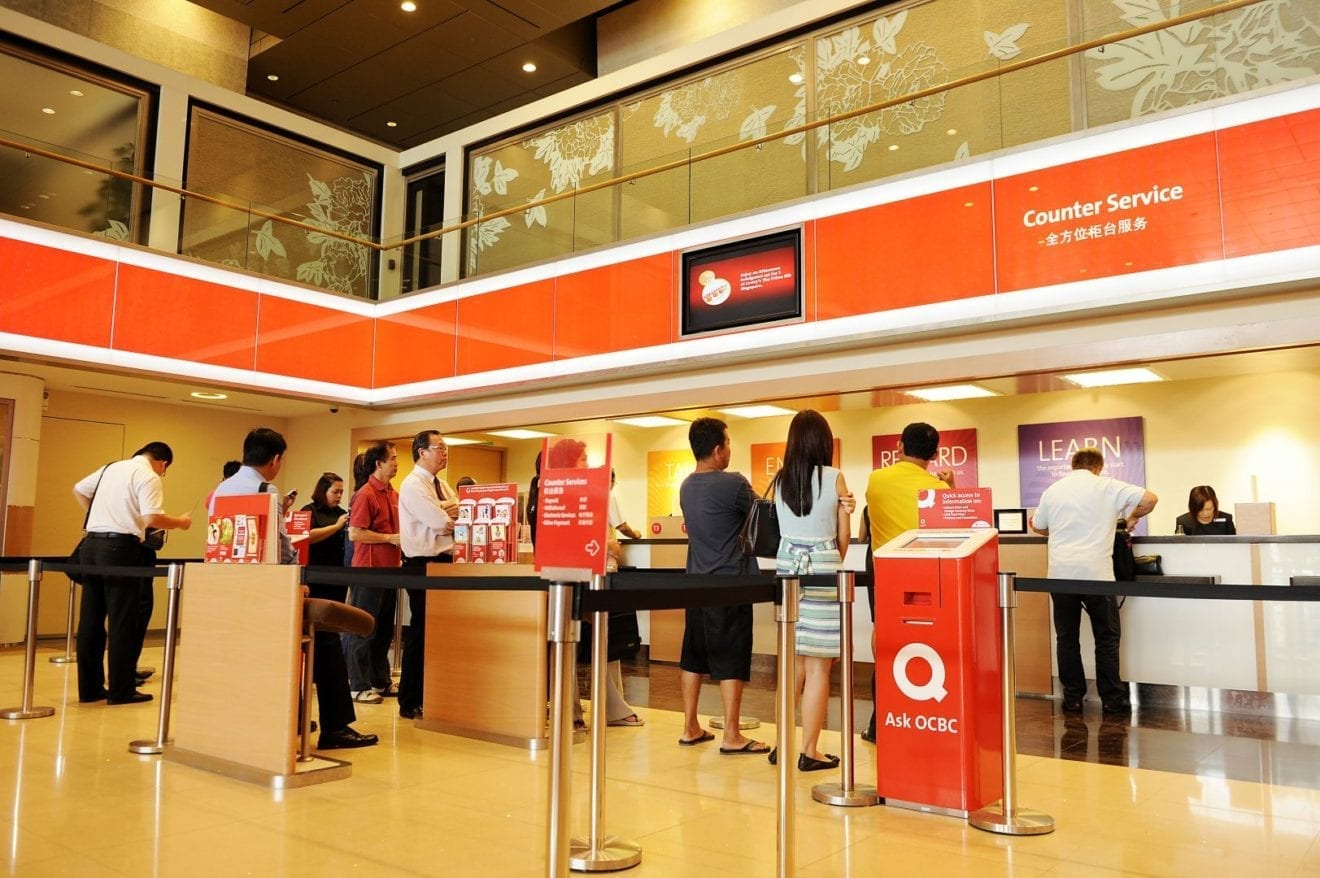
  • Five major banks lined up to support Apple Pay launch in Singapore

    Five major banks lined up to support Apple Pay launch in Singapore

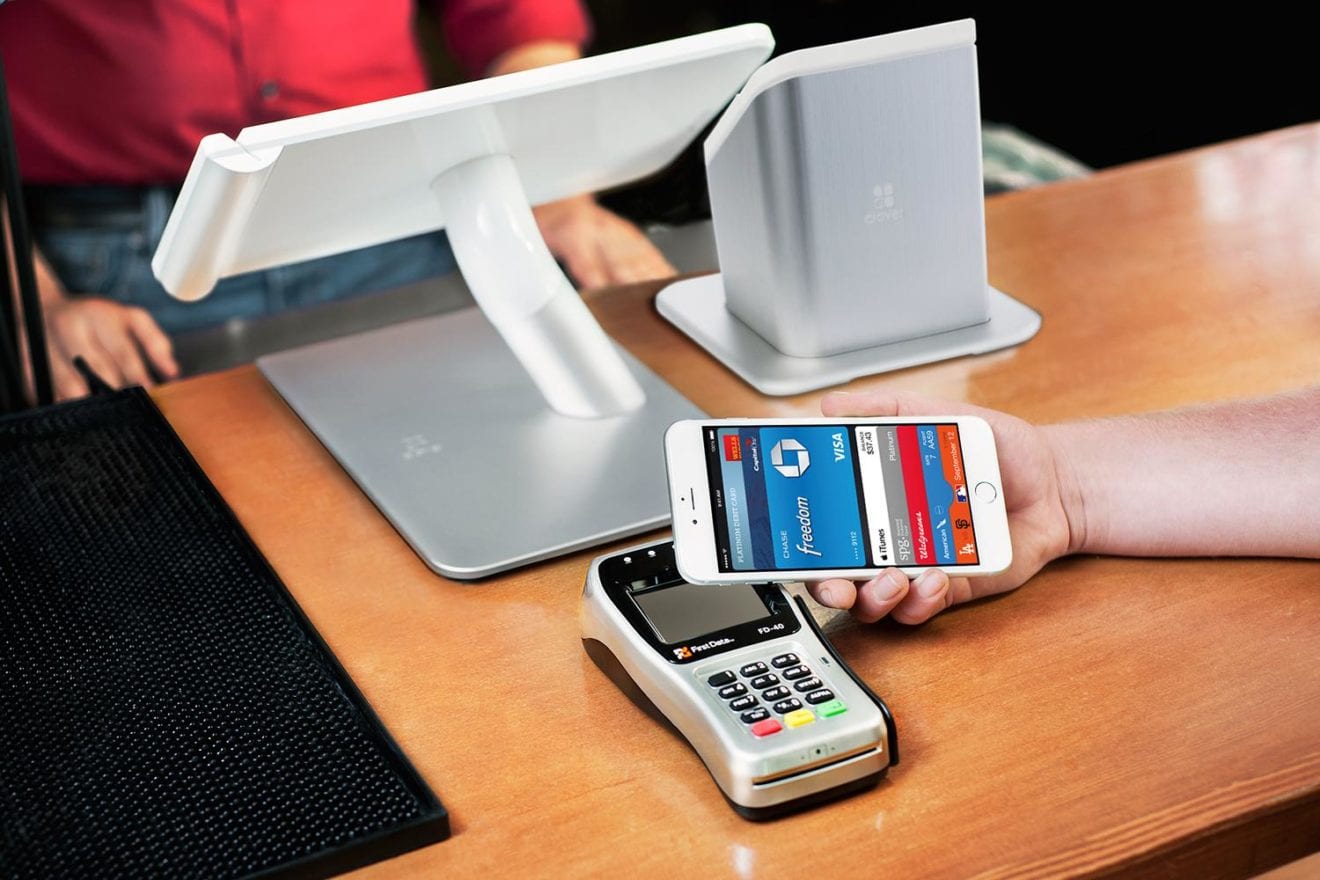
    Five major banks, representing 80% of Visa and MasterCard credit and debit cards issued in Singapore, have signed up to Apple Pay, extending the use of the mobile wallet beyond a limited earlier release for AmEx cardholders.

    MasterCard says it is working with DBS, OCBC, POSB, Standard Chartered and UOB, to enable iPhone and Apple watch users to make purchases in stores equipped with contactless readers.Recent figures from MasterCard indicate that consumers in Singapore are supportive of the idea of adopting contactless payments. Singaporeans are among Asia’s top three adopters of digital wallets and interest has been climbing steadily with one in four likely to use a digital wallet compared to just one in 20 three years ago.

    Apple Pay’s launch comes just a month after Samsung announced plans to roll out its rival mobile wallet with the support of DBS/POSB, OCBC Bank and Standard Chartered. Previously, Apple Pay had only been available for American Express cardholders in Singapore.

  • OCBC Singapore launches voice biometrics, speech recognition in contact center

    OCBC Singapore launches voice biometrics, speech recognition in contact center

    OCBC Bank in Singapore has launched voice metrics and speech recognition in its contact center to improve the retail customer experience.

    According to the bank’s head of consumer financial services Dennis Tan, the solutions launched reduce the time taken for customer verification, giving customers quicker access to services required. The voice biometric authentication replaces PINs, one-time passwords and security questions at the bank’s contact centre. Customers can use their voices as vocal passwords for authentication.

    Voice biometrics was launched by OCBC in September last year to a targeted group of retail customers. With the technology, customers could use their voiceprints to authenticate requests for account balances, latest transactions and the status of deposited cheques.

    Voice biometrics will be available to the bank’s retail customers in the fourth quarter of this year, with customers expected to be able to use their voiceprints to authenticate a majority of banking transactions.

    To enrol their voiceprint, customers are asked to say a specific phrase, called a passphrase, three times. A passphrase is an explicit sentence crafted by OCBC Bank to be spoken by the customer into the system to capture the customer’s voice. The voiceprint is created using the spoken passphrase and stored in the system’s database. A voiceprint is not a recording of a voice but a digital representation of a person’s vocal characteristics, so it cannot be disguised and is not affected by emotion or a blocked nose.

    To authenticate a banking transaction, the customer will be asked to say the passphrase that was used to enroll his or her voiceprint. If further verification is needed to confirm the customer’s initial vocal password is valid and is not a voice recording, the system will then ask the customer to say a different sentence from the enrolled passphrase. The customer’s voice is captured and is compared with the relevant stored voiceprint on the database. A verification result is then provided by the system. The authentication process is hassle-free and can be done in 15 seconds.

    Speech recognition

    OCBC Bank launched speech recognition at its contact center in April this year to all personal banking customers.

    While voice biometrics enhances customer experience by replacing PINs, passwords and security questions, speech recognition replaces the need to select service options via the phone keypad. The deployment also reduces the number of steps needed to enter the options sequentially on the keypad to access a particular service. Speech recognition technology recognizes and understands a customer’s spoken request, thereby enabling the customer to access the required service faster and more accurately.

    According to OCBC Bank, the top customer enquiries received via speech recognition are checking recent transactions and account balances, requests for fee waivers, and Internet Banking and statement enquiries. These requests amount to 30.4 per cent of all requests to the Contact Centre. The success rate of the speech recognition service has been extremely high, says OCBC Bank, with 90 per cent of customers having their spoken requests recognised by the system.

  • In-flight connectivity wants to be free

    In-flight connectivity wants to be free

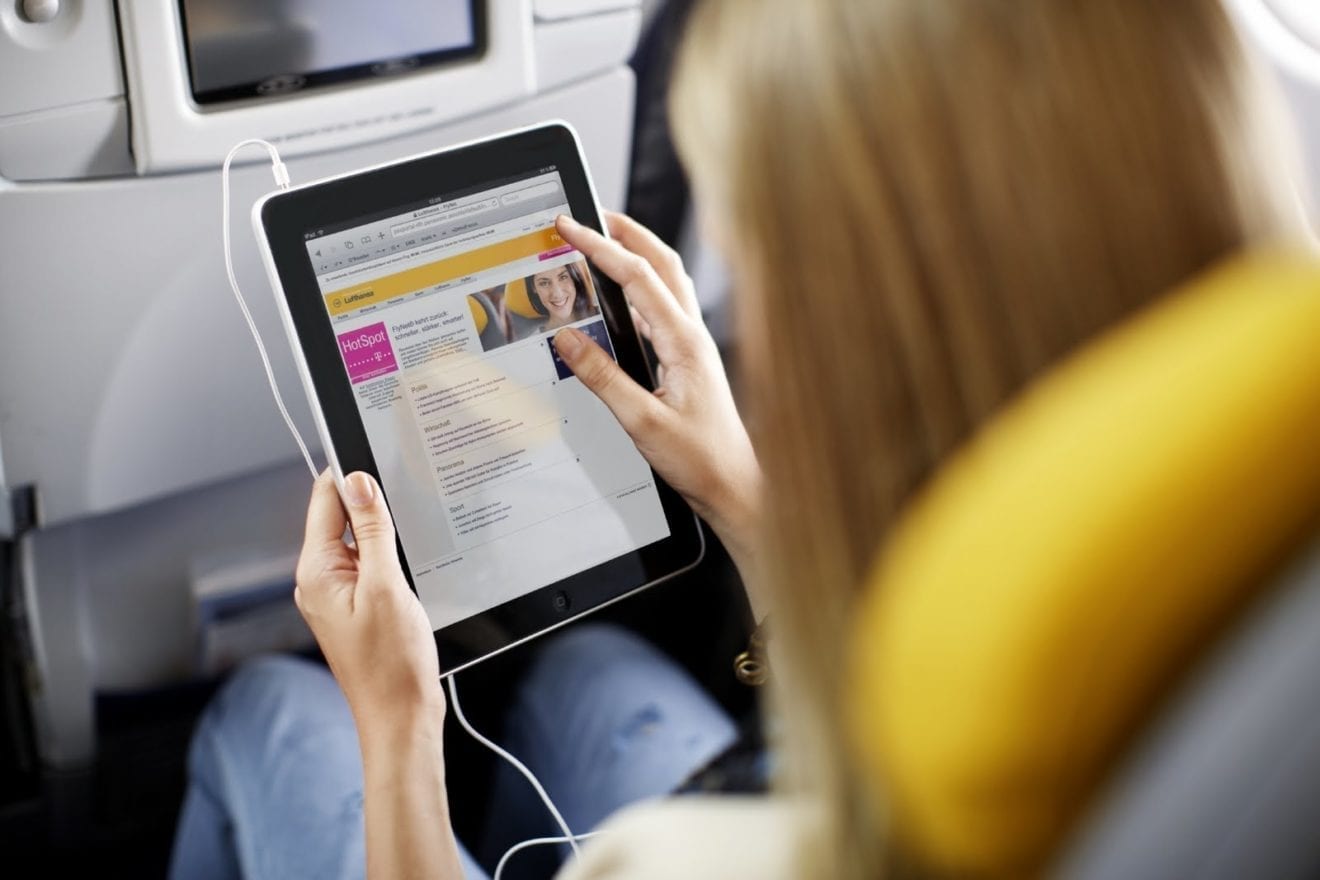
    In-flight connectivity (IFC) is in high demand from consumers, but depending on where you are in the value chain, it won’t be easy to monetize that demand, especially when many passengers expect it to be free.

    “Right now the satellite operators are the ones making the profit on in-flight connectivity,” says Todd Hill, senior director of GCS Satellite Services at Panasonic.

    Part of the problem has to do with the cost of aircraft antennas, which are hard to install, “although the technology is improving.” Hill says.

    The other issue is the cost of the actually connectivity itself. While HTS satellites and Ka-band are touted for their ability to bring the cost per megabit down, the problem is that Ka-band isn’t an all-purpose solution that will be available everywhere.

    “We’re building a global network, so one size is not going to fit all,” Hill says. “Ka-band doesn’t fit every need. HTS can bring the cost down, but you also get these spikes in supply whenever a new gigabit satellite goes up that affects pricing.”

    Erwin Hudson, VP/GM at ViaSat, says that everyone in the IFC value chain – satellite players, the service providers and the airlines – can make money, but that for the airlines, it’s as much about value creation as literally earning money from in-flight broadband. “For example, enhancing customer satisfaction – there’s great value there for the airlines.”

    Which is as well, because if airlines have learned anything about IFC, it’s that customers generally aren’t willing to pay for it, especially as they become accustomed to Wi-Fi as a complimentary service in hotels, airports and coffee shops.

    “Customers do expect this for free, which is to say they expect it to be included in the ticket price, and that’s the way we’d rather see it go,” Hudson says. “There are different business models out there, such as pay-as-you-go, freemium or free, and we’ll see all three in play. But when you charge money for it, your take-up rate is around 10% to 15%, whereas when it’s free the take-up rate is as high as 100% or even 105%, because we count devices, not people, and many people have more than one device. So we think free is where it’s ultimately going to go.”

    Hudson adds that IFC is a segmented market – commercial airlines, private jets, military/government, etc – with different requirements and business models for each, “so there’s a substantial opportunity there.”

  • Singapore to lead the way in tropical data centers

    Singapore to lead the way in tropical data centers

    Launching the Infocomm Media Business Exchange’s Ministerial Forum on ICT on Monday ahead of the official kickoff of CommunicAsia2016, Singapore Minister for Communications and Information Dr Yaacob Ibrahim (pictured) spoke of the progress that the country had made in becoming the world’s first Smart Nation – to include the world’s first data centers designed specifically for tropical climates.

    Dr Ibrahim explained how he has partnered with industry and academia to launch testbeds for green data centers and is now looking at whether it is possible to design and operate data centers at temperature and humidity levels that are double the current norm.

    The tests for these so-called Tropical Data Centers (TDCs) will target an ambient temperature of 38 degrees Celsius and humidity exceeding 90%. The trial will test how data servers react under various “live” situations, such as peak surges or transferring of data, and in diverse conditions, such as with no temperature or humidity controls. TDCs could reduce energy consumption by data centers by up to 40%.

    This would not only expand the geographical limitations of locating data centers, but also cut back on existing energy requirements of the running of such centers – all of which is part of the Singapore Smart Nation Vision.

    Data centers accounted for 7% of Singapore’s total energy demand in 2012 and is projected to reach 12% by 2030.

    On the cyber security front, Dr. Ibrahim said that Singapore has signed a number of bilateral agreements with France, the UK and India in the area of cyber security. It is also supporting the annual ASEAN computer emergency response team incident drill exercises.

    Earlier, the Cyber Security Agency of Singapore successfully completed a multi-sector exercise a few months ago to strengthen the ability of agencies to cooperate in handling cyber attacks. In October, Singapore will hold its inaugural International Cyber Week, which will also see the unveiling of the country’s national cybersecurity strategy document by the Prime Minister.

    Dr Ibrahim also stated that Singapore will complete its switchover to digital TV by the end of 2017, freeing up spectrum for mobile and mobile broadband services, and will be one of the first countries in the world to impose minimum standards for 4G QoS.

  • Lalamove Attracts Thai Investor Confidence

    Lalamove Attracts Thai Investor Confidence

    Hong Kong based on-demand delivery app Lalamove has successfully secured USD 10 million with the help of a new Thai investor, along with the company’s existing investors.

    Thai financial and investment services company, Asia Plus Group Holdings has invested in Lalamove to drive the app delivery company to profitability and to complete Lalamove’s third-round funding within the last 18 months.  The latest cash injection brings Lalamove’s total funding up to USD 30 million.

    The latest round of funding, attracting Thai investor Asia Plus Group Holdings, was led by existing investor MindWorks with participation from other existing investors including China’s Crystal Stream, Taiwan’s AppWorks and Hong Kong’s Aria Group.

    Following Lalamove’ s recent partnership with LINE to launch LINE Man app, the funding success reveals the speed at which Lalamove is growing, as CEO Shing Chow expressed.

    We began as a small start-up in Hong Kong working out of my apartment and have grown to 21 cities across Asia in the last two years.   When we began, we targeted lots of small businesses, but since then we have developed enterprise solutions to allow companies like Google, IKEA, and now LINE to make their delivery much faster and simpler”, said Chow. 

    Chow continued, “There is so much potential in making delivery more efficient as mobile internet is changing the way mobile assets are utilized.  This funding will be used to accelerate our leadership position and expansion efforts throughout China and other SEA countries.  It’s really a vote of confidence from our existing investors in our model and team.  It is our goal to be profitable this year, and it’s quite rare that you see a startup growing at our speed achieving that in less than three years. We are on track to deliver that.

    The investment of Asia PlusGroup Holdings is the first time the Thai company has invested in a tech company, demonstrating the company’s belief in Lalamove. 

    Asia Plus Group Holdings’ CEO Dr. Kongkiat Opaswongkarn is positive about the investment. “The fact that we are investing in an app company for the first time really demonstrates how much we believe in the success of Lalamove and the e-logistics market in Thailand and within Southeast Asia. We have followed the expansion, strategy and successes of Lalamove and we like what we see and the great potential for profitability. We are excited to be helping to make that happen and to be part of that success story.”

    Santit Jirawongkraisorn, Co-founder and Managing Director of Lalamove Thailand states that the investment from Asia Plus Group Holdings reveals great confidence in Lalamove. “We are involved in a fast-moving company in an expanding market with huge potential. The recent funding reveals investor confidence in our business plans, including Thai investor confidence. The app, logistics and mobile markets in the region are booming and Lalamove is at the forefront of that drive. Investors like Asia Plus Group Holdings are helping us steer where we want to go in the future, which is ultimately towards profitability.”

    With the largest footprint across Asia, Lalamove is well positioned to capitalize on the growing trend of businesses looking to out-source their delivery needs.  Additionally, with more and more consumers looking to have their items delivered faster, Lalamove’ s average delivery time of 46 minutes is changing the landscape of intra-city delivery in Asia.

    Lalamove can be downloaded for free from Google Play store and Apple Store.

  • Mercedes puts up fight in China

    Mercedes puts up fight in China


    BMW and Mercedes — China’s No. 2 and No. 3 luxury brands — were virtually dead-even in that market last month, selling roughly 35,000 vehicles apiece.

    But Mercedes sales jumped 32 percent year on year, while BMW deliveries fell more than 7 percent. Audi, China’s top-selling luxury brand, boosted sales 9 percent to 49,576 vehicles.

    Mercedes has been on a tear in China since 2013, when it shook up management and consolidated its two warring distribution channels.

    BMW is feeling the heat. In April, the company replaced its China sales chief, and now it’s hustling to introduce new models. BMW is introducing a long-wheelbase X1 in China to compete with the Audi Q3 and Mercedes GLA.

    Those three models are battling for share in China’s red-hot market for compact crossovers.

    For the first four months, Audi remained on top, with sales of 189,611 vehicles, while BMW delivered 162,221 units. Mercedes is still No. 3, with sales of 142,266, but it is steadily closing the gap.

    We suspect BMW realizes that objects in its rearview mirror are closer than they appear.

  • New Zealand’s Woosh Wireless enters administration

    New Zealand’s Woosh Wireless enters administration

    New Zealand wireless broadband provider Woosh Wireless has entered voluntary administration after burning through more than NZ$100 million ($67.7 million) in cash since it was founded.

    The operator has appointed local advisory and investment firm KordaMentha as administrators for the proceedings. The first meeting of creditors will be held early next month.

    Woosh was founded in 1999 and bought out by California-based Craig Wireless for $5 million in 2011.

    The company sold its fixed line network to rival Slingshot last year, and sold one of its three spectrum blocks – a 70 MHz lot of 2300-MHz spectrum – to Spark New Zealand for NZ$9 million in April.

    A KordaMentha partner said the company will be mindful of customers who rely on Woosh Wireless for their broadband services, particularly in remote areas in rural parts of Southland, where there is a strong concentration of subscribers.

  • San Miguel selling telco assets to PLDT & Globe

    San Miguel selling telco assets to PLDT & Globe

    Philippine conglomerate San Miguel corporation is selling its telecom business to incumbent operators PLDT and Globe following the collapse of its JV negotiations with Telstra.

    Under the agreement, San Miguel will sell its telecom unit Vega Telecom for 69.1 billion pesos ($1.48 billion) inclusive of 17.02 billion pesos worth of liabilities. PLDT and Globe will each acquire half of the business.

    Vega Telecom owns controlling stakes in multiple telecom-related units. These are BellTel, Eastern Telecommunications, Cobaltpoint Telecommunication (formerly Extelcom), Tori Spectrum Telecommunication (formerly Wi-Tribe) and Hi-Frequency Telecommunication.

    The acquisition will finally grant PLDT and Globe access to radio spectrum in the coveted 700-MHz band, which San Miguel currently holds a monopoly on.

    PLDT and Globe have been petitioning the government for years for access to this spectrum, but the regulator had so far declined to act to recall the spectrum.

    In addition to the 700-MHz spectrum the acquisition also covers frequencies in the 900-MHz and 1800-MHz bands, PLDT said in a stock market filing.

    But as part of the deal, PLDT and Globe have agreed to relinquish part of the 700-MHz, as well as 850-MHz, 2500-MHz and 3500-MHz bands to regulator NTC to allow the potential entry of a third operator into the market.

    “This transaction offers a breakthrough opportunity, not only for the companies involved but also for the industry and the country. This will enable existing operators to provide significantly improved Internet and data services to the public and to our customers in the shortest possible time,” PLDT CEO Manuel V Pangilinan said in a statement.

    “ At the same time, it leaves the door open for new entrants into the industry. Taken together, thiswill enable the industry to better support the country’s development efforts – especially significant with the onset of a new government.”

  • Airtel Digital TV powers HD offerings with Harmonic solution

    Airtel Digital TV powers HD offerings with Harmonic solution

    Airtel Digital TV has deployed a compression headend solution from Harmonic in an effort to substantially improve the HD viewing experience for its customers.

    The high-density, scalable and HEVC-upgradeable video infrastructure solutions from Harmonic is expected to help Airtel Digital TV increase bandwidth efficiencies and significantly improve video quality while lowering operating expenses.

    The deployment is also expected to enable Airtel Digital TV to expand its DTH HD portfolio to over 50 premium channels, making it one of the largest HD offerings in India today.

    “Harmonic’s compression solution allows Airtel Digital TV to deliver superior video quality at low bit rates while adapting to next-generation video compression standards such as HEVC,” said Dan Taylor, general manager in India at Harmonic.

    “Our video infrastructure solutions help customers like Airtel Digital TV reduce OPEX and drive new business growth by simplifying the launch of additional HD channels,” said Taylor.

    At the heart of the headend solution is Harmonic’s Electra X2 advanced media processor, which promises high-quality, low-bandwidth MPEG-2 and MPEG-4 encoding of SD and HD video content for live DTH services.

    The Electra X2 media processors support a wide range of video formats and codecs for satellite delivery, including HEVC, simplifying operations and future upgrades for Bharti Airtel.

    At Airtel Digital TV, the Electra X2 media processors will be integrated with Harmonic’s ProStream 9100 stream processor and ProView 7100 integrated receiver-decoder (IRD), and controlled by Harmonic’s NMX video network management solution.

  • Cignal TV deploys Actus monitoring platform in the Philippines

    Cignal TV deploys Actus monitoring platform in the Philippines

    Cignal TV in the Philippines has deployed Actus broadcast monitoring and media intelligent platform for TOA recording of MCR TV channels.

    Actus provides Cignal TV a broadcast recording solution as well as a system to support the marketing requirements. The recorded TV contents are available for simultaneous users, for clips viewing, clips creation and quality assurance.

    “With Actus recording and logging system, time consuming processes became immediate and efficient for all concerned teams,” said Gilbert D. Tan, TOC supervisor of Cignal TV. “The recorded contents are readily available 24×7 for review, clip creation and can be exported immediately when needed by our Channels and Marketing Team.”

    Actus View enables users with permissions to easily access recorded content with a user-friendly interface using web browsers. This aims to build trust and confidence with advertisers that Cignal TV is only delivering competitive and high-quality broadcast contents to its viewers.

    “Actus View is not only a reliable and cost-effective solution for recording TV channels, but also provides other integrated added values such as exporting clips, competitive monitoring and more,” said Raphael Renous, Actus CTO.

    Cignal TV awarded TechTwist the contract to deploy the Actus View solution for broadcast recording and media monitoring. The Actus team worked closely with TechTwist to design a winning workflow.

  • Imposium launches cloud-based ad platform

    Imposium launches cloud-based ad platform

    Imposium has launched a platform that provides marketers, advertisers, media planners, buyers, and creative directors to harness personalized, dynamic, contextualized video.

    The eponymous platform is a real-time video ad generator that promises to deliver algorithmic video for commercials and entertainment with a highly personalized, one-to-one viewer experience.

    The platform analyzes existing customer profiles and behavior data then dynamically generates relevant, personalized ads on the fly. These ads are then delivered in the form of a data-driven “video story” that features your product, brand, or narrative using Imposium’s proven backend technology.

    As a cloud-based dynamic platform, Imposium’s delivery of ads works inside browsers or mobile apps, and even on-site for experiential installments. It uses both context and relevance to deliver the most optimized advertising experience possible to audiences.

    These personalized ads allow marketers to hyper-target prospects by things like geography, social profiles, interests, or relevant real life events. These elements allow Imposium to generate highly informed, pre-educated candidates that result in greater conversions and sales.

    “With this type of contextual marketing, we connect brands and storytellers with target demographics like never before,” said Jason Nickel, president of Imposium.

    “In a world dominated by video marketing, Imposium enables online and experiential video campaigns to be very personal, with a format that uses elements made for many, but appears to be produced just for you,” said Nickel.

  • Alfamart to relieve Indonesia’s last-mile headache

    Alfamart to relieve Indonesia’s last-mile headache

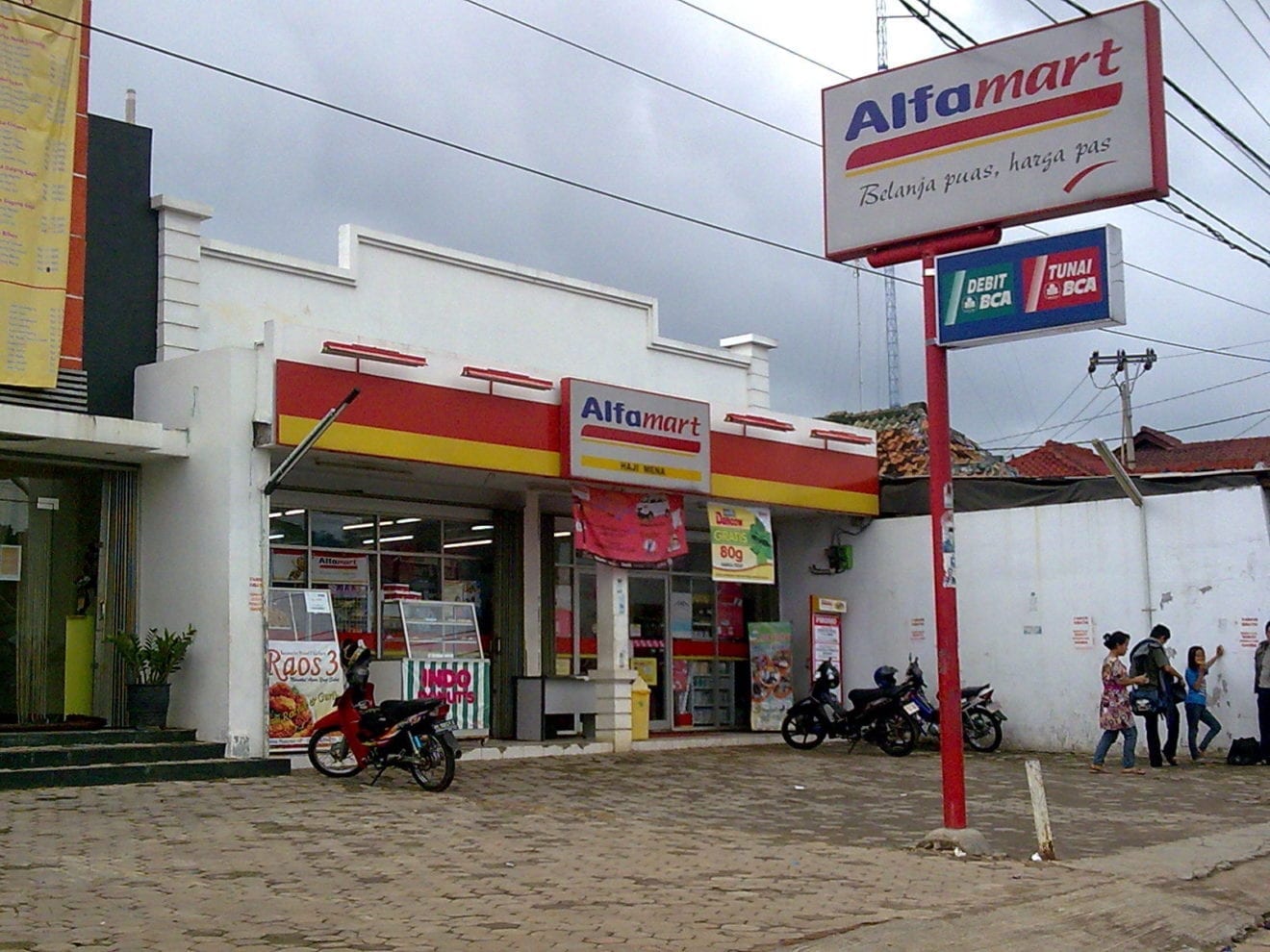
    Indonesian retail company Sumber Alfaria Trijaya is reinventing its online shopping service, utilizing its vast network of Alfamart convenience stores as pickup points to tackle the country’s logistical challenges.

    Alfacart is expected to be officially launched this week and will replace the company’s existing shopping site Alfaonline. Sumber Alfaria aims to list one million products from third party sellers, from electronics to clothes and groceries, and generate online transactions worth roughly one trillion rupiah ($70 million) by 2016. The company is investing $2 million to upgrade its IT system.

    To distinguish itself from existing players such as Lazada, Sumber Alfaria will enable Alfacart users to pay and pick up their purchases at Alfamart stores. Known for its distinctive red and yellow logo, Alfamart is of the top two convenience store chains in Indonesia with about 11,000 stores as of last December. 1,200 stores are expected to be added during 2016.

    “We understand there are some players in the market but the high cost of last mile [delivery] is still a concern,” said Sumber Alfaria president Hans Prawira, at a press conference on Friday. “We have presence in the market very close to shoppers.”

    Logistics are a significant challenge in Indonesia’s archipelago of more than 13,000 islands. In addition to poor infrastructure, home addresses are often chaotically numbered and unorganized, causing major headaches for courier companies, said IT director Bambang Setyawan Djojo. “We know the address of every Alfamart, so it will make delivery easy,” he said.

    E-commerce is booming in Indonesia but it is a costly business. Lazada recently received an investment of $1 billion from China’s Alibaba Group Holding, while Japan’s Rakuten shut down its online shopping site in the country. Sumber Alfaria only generated 451 billion rupiah in net profit on revenue of 48 trillion rupiah in 2015, a margin of less than 1%.

    Alfaonline failed to gain widespread popularity due to the perception that it only sells groceries, Bambang said. Sumber Alfaria will focus on promoting the convenience of Alfacart.

  • Indonesian weekend event in London successfully promotes tourism

    Indonesian weekend event in London successfully promotes tourism

    A two-day tourism event called “Indonesian Weekend” held in Potters Fields Park, London, Great Britain, on May 28 to 29 was considered successful in promoting the Wonderful Indonesia brand, an official stated.

    The Indonesian Weekend was part of the Wonderful Indonesia brand awareness campaign, Nia Niscaya, assistant to a deputy in the tourism ministry, noted here, Monday.

    Garuda Indonesia Airways also supported the event and offered special fares on certain routes, such as London-Jakarta, Yogyakarta, and Lombok.

    The ministry has always participated in the World Travel Mart, which is routinely held in London in November, according to Niscaya.

    The number of British tourists to Indonesia reached 230,315 in 2014 and increased to some 270 thousand in 2015.

    This year, Indonesia hopes to attract 300 thousand British visitors.

    During the January-March 2016 period, the country received a total of 67,750 British tourists, or an increase of 28.54 percent from 52,708 tourists during the same period last year.

    Niscaya was optimistic that this years target would be achieved through the promotion of the Bali and Beyond tourism program.

    Ambassador of Indonesia to the United Kingdom Rizal Sukma officially kicked off the Indonesian Weekend showcasing the countrys arts and culture, here, Saturday.

    Highlights of the event included performances of Javanese dances by famous artist Ninik Thowok, Silat traditional martial art by Cecep Arif Rahman, traditional bamboo musical instrument by Arumba Saung Udjo, East Nusa Tenggara traditional music instrument Sasando by Ivan Nestorman, Javanese gong ensemble gamelan by Lila Bhawa, and an Islamic fashion show.

    The festival also offered Indonesian culinary delicacies as well as handicraft and fashion products.

    Initiated by Bangga Indonesia Ltd and Ditali Cipta Kreatif, the event is supported by Elzatta Hijab, the tourism ministry, and the Indonesian embassy in London.

    Other sponsors were the industry ministry, cooperatives and SMEs ministry, and the education and culture ministry in cooperation with the regional administrations of Central Java, Central Kalimantan, Bandung, and Malang.

    Some of the Indonesian culinary dishes offered during the event were Soto Ayam (chicken soup), chicken and lamb satay, Padang satay, Bakso (meat ball soup), Somai, Rendang, and Yogya Gudeng.

    A cooking demonstration featuring Master-Chef Indonesias jury, Degan Septoadji, and Chef Gede Susila Yadnya of Balis Potato Head Club Bali was also the highlight of the tourism promotion event.

  • YCH inks pact with Indonesian food distributor

    YCH inks pact with Indonesian food distributor

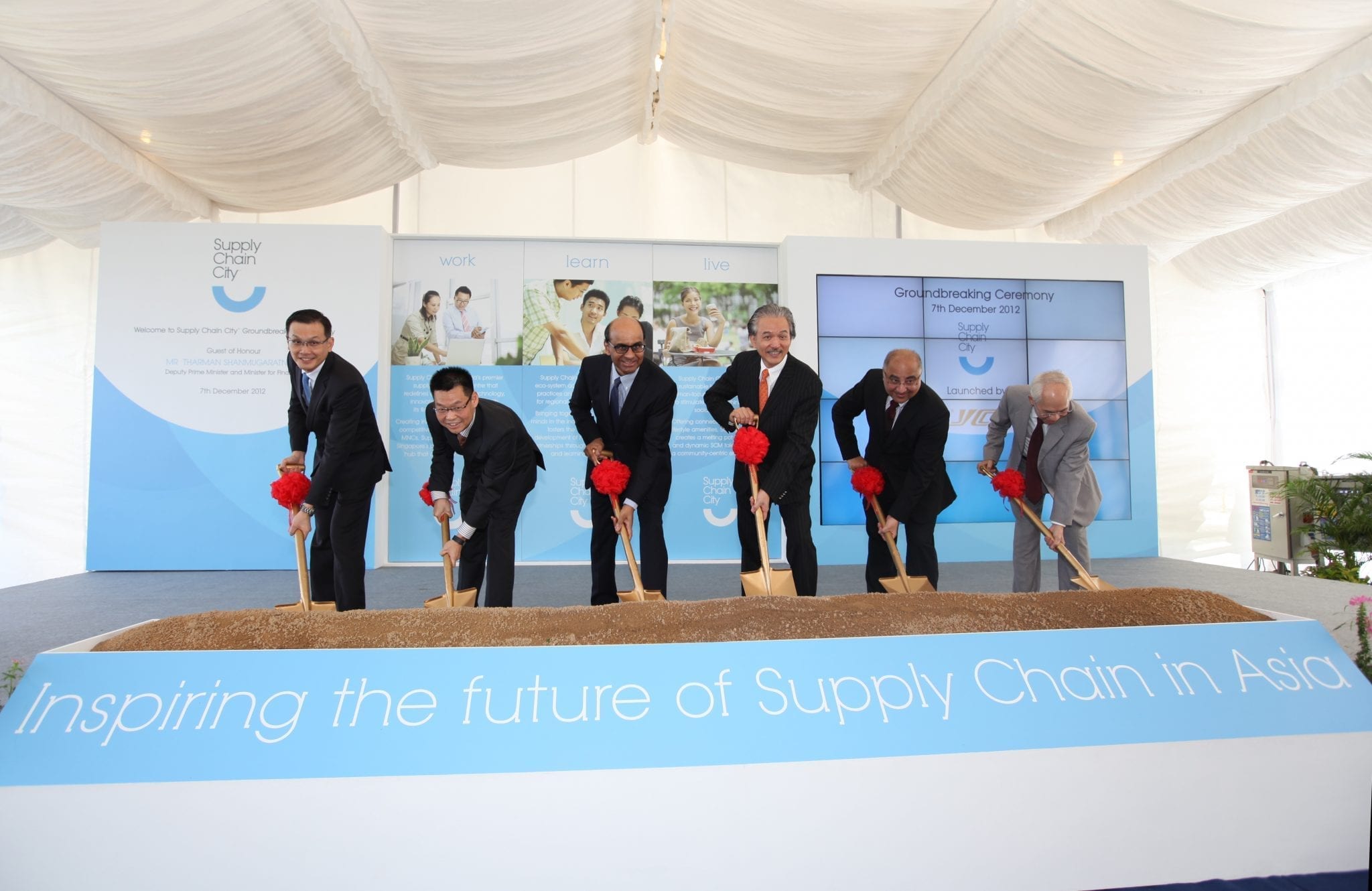
    Supply chain company YCH Group’s subsidiary YCH Indonesia has signed an agreement with a business unit of Sekar Group, one of Indonesia’s largest importers and distributors of food products.

    The memorandum of understanding (MOU) with Pangan Lestari was inked on the sidelines of a business mission co-organised by International Enterprise (IE) Singapore and the Singapore Business Federation.

    Announcing the pact in a statement yesterday, IE Singapore said it brought the two companies together last year, given Singapore- based YCH’s interest to expand further in Indonesia.

    Under the agreement, both companies will jointly develop integrated cold-chain supply management to facilitate retail, catering and distribution fulfilment.

    The MOU signing was witnessed by Ms Sim Ann, Singapore’s Senior Minister of State for Culture, Community and Youth, and Finance.

    Ms Sim, who also oversees issues related to small and medium-sized enterprises in the Committee on the Future Economy, is leading the business mission to Surabaya, Indonesia, which started on Wednesday and ends today.

    The mission comprises over 20 business representatives from 13 SMEs across business services, environment services, as well as the financial and manufacturing sectors.

    Ms Sim said in the statement: “Given the limited size of Singapore’s domestic market, many SME leaders are actively considering internationalisation as a means to bring their business to the next level.”

    She added that Indonesia’s young population and growing middle class present good opportunities for local SMEs.

    Indonesia is Singapore’s second- largest trading partner among Asean member states, with total trade at $59 billion last year. Singapore was Indonesia’s top foreign investor last year, with total realised investments amounting to $8 billion, IE Singapore noted.

    “Surabaya and East Java offer exciting growth opportunities, especially in sectors like trading, services and manufacturing,” said IE Singapore assistant chief executive Tan Soon Kim.

    Surabaya has a population of 3.2 million and its economic growth reached 6.7 per cent in 2014, exceeding East Java province’s growth of 5.9 per cent.

    Separately, IE Singapore also announced the signing of a “first-ever” MOU with business associations in Lombardy, Italy – Confindustria Lombardia and Assolombarda – to help SMEs access the region. The two groups have a combined reach of 17,000 Italian enterprises across diverse sectors, IE Singapore noted.

    The collaboration is aimed at helping local companies tap business opportunities in Lombardy via partnerships, as well as linking up enterprises in Lombardy with Singapore firms to jointly access the South- east Asian market.

    IE Singapore said the focus areas include design innovation, fashion and consumer products, technology development, urban solutions and hospitality real estate.