Author: Mei Ling Tan

  • Telstra invests in security company vArmour

    Telstra invests in security company vArmour

    Australian operator Telstra has formed a partnership with – and made an investment in – data center and cloud security company vArmour.

    Under the agreement, investment arm Telstra Ventures has participated in vArmour’s recent $41 million Series D funding round.

    Telstra will also add vArmour’s security offerings to its portfolio of enterprise services. In the long term, the operator said it will also be able to develop security consulting and managed services for its customers.

    The vArmour platform is designed to give organizations application-layer control over their networks to help stave off, detect and respond to cyber threats.

    Jeremy Howe, Telstra’s director of IP Data and Security Solutions, commented that the acquisition is aimed at addressing its enterprise customers’ evolving security demands.

    “We see a growing demand among enterprise customers for solutions that help them secure their data in a private, public and hybrid cloud mix. One of the main concerns companies have in embracing cloud services is data control and security,” he said.

    “vArmour’s distributed security software addresses the problem of traffic blindspots inside data centers. This helps businesses protect themselves from one of the critical emerging threats in the security environment, in addition to the benefits of having greater visibility of what is going on with your data.”

  • M1 will launch Apple Pay in Singapore

    M1 will launch Apple Pay in Singapore

    The operator will allow its customers to use the mobile payment service to make purchases at M1 Shop outlets and branches.

    Apple has meanwhile revealed it has extended the reach of Apple Pay to include holders of credit and debit cards issued by five banks in the country – DBS Bank, OCBC Bank, POSB Bank, United Overseas Bank (UOB) and Standard Chartered Bank.

    The five banks combined account for more than 80% of credit and debit cards issued in the country.

    Apple Pay, which launched last month in Singapore, was previously only available to holders of credit cards issued by American Express in the nation.

    The service is currently available in six markets – Australia, Canada, China, United States, United Kingdom and Singapore, with planned launches for Hong Kong and Spain this year.

    The service can be used on Apple’s iPhone SE, iPhone 6s, iPhone 6s Plus, iPhone6, iPhone 6 Plus and Apple Watch devices for payments at physical retail outlets.

    Banks are likely hoping Apple Pay transactions will increase adoption of contactless payments and eat into a chunk of the small payments pie currently dominated by cash transactions.

    OCBC Bank Singapore is offering its credit and debit card customers a 3% rebate for Apple Pay transactions island-wide in the first month of activation, with a cap of up to S$15 ($11).

    UOB is meanwhile aiming to lift the S$100 transaction limit for contactless payments at all its POS terminals island by the end of next year. The limit has been removed from 2,000 of the bank’s 10,000 terminals so far.

    Figures from a recent MasterCard study have revealed an appetite for digital wallets among consumers in the Asia Pacific, with 19.5% using such wallets, a two-fold increase from two years ago.

  • Axiata Q1 profit falls 37% on rising costs

    Axiata Q1 profit falls 37% on rising costs

    Malaysia-based Axiata Group has reported a 37% slump in net profit for the first quarter ending in March, due in part to higher capex, financing and depreciation costs.

    Net profit fell to 368 million ringgit ($90.1 million) despite a 5.4% year-on-year increase in revenue to 5 billion ringgit.

    Axiata’s domestic subsidiary Celcom Axiata had what the company called a “challenging quarter,” with revenue declining 13.4% year-on-year.

    As a result of new regulations, Celcom had to temporarily suspend almost all value added services during the quarter due to customer complaints, resulting in VAS revenue falling by 19.8%. Celcom’s normalized profit fell 22.3%.

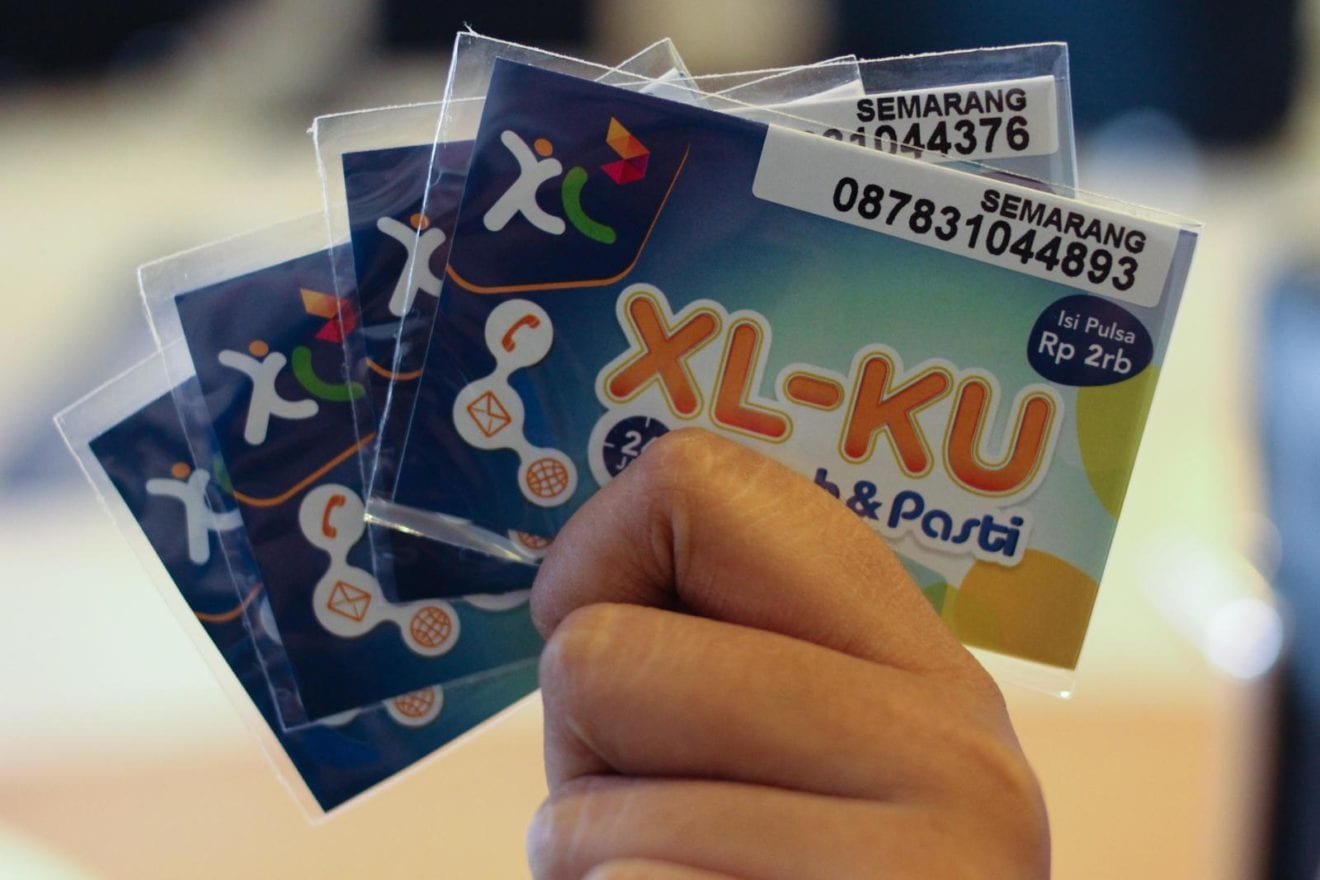
    But Indonesia’s XL Axiata had a strong first quarter, with net profit more than doubling and revenue growing 2.5% as a result of the strong performance of the Axis brand, acquired in 2014.

    Axiata Group also reported a steady performance in its emerging markets segment of Sri Lanka, Bangladesh and Cambodia. But the contributions from regional associates Idea Cellular in India nd M1 in Singapore both declined.

    “The first quarter showed mixed results with XL, Dialog and Smart performing exceptionally well while Celcom’s performance impacted the Group’s results,” Axiata Group CEO Dato’ Sri Jamaludin Ibrahim said.

    “However, I am pleased to note there are many positive signs; Celcom has been aggressively rolling out more LTE sites and a number of competitive and exciting data products and services over the last two months. I am confident with these initiatives in place, Celcom will be back on track to finish the year respectably.”

  • Macau Casinos Stung as Fewer Chinese Come and Spend Less: Chart

    Macau Casinos Stung as Fewer Chinese Come and Spend Less: Chart

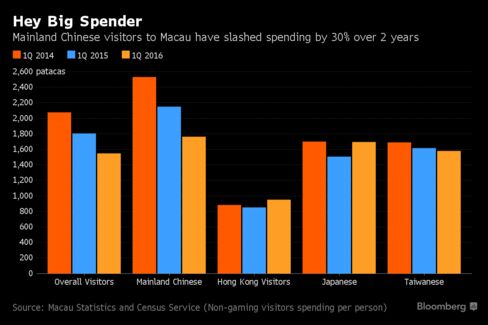
    Mainland Chinese have toned down their spending, shelling out 1,762 patacas ($220) per person in the first quarter on non-gambling purchases, down almost a third from 2014. That’s bad news for casino operators such as Wynn Macau Ltd. and Galaxy Entertainment Group Ltd. as they shift focus to casual gamblers and tourists to lift revenue from hotels, retail and conventions amid a two-year gambling slump. Chinese still make up about two-thirds of Macau’s visitors, even as their numbers last year fell for the first time since 2009 and eased a further 1 percent in the first four months of this year, according to data released Monday.

  • Central Group halts its acquisition spree in Vietnam, gets bridge loan for Big C deal

    Central Group halts its acquisition spree in Vietnam, gets bridge loan for Big C deal

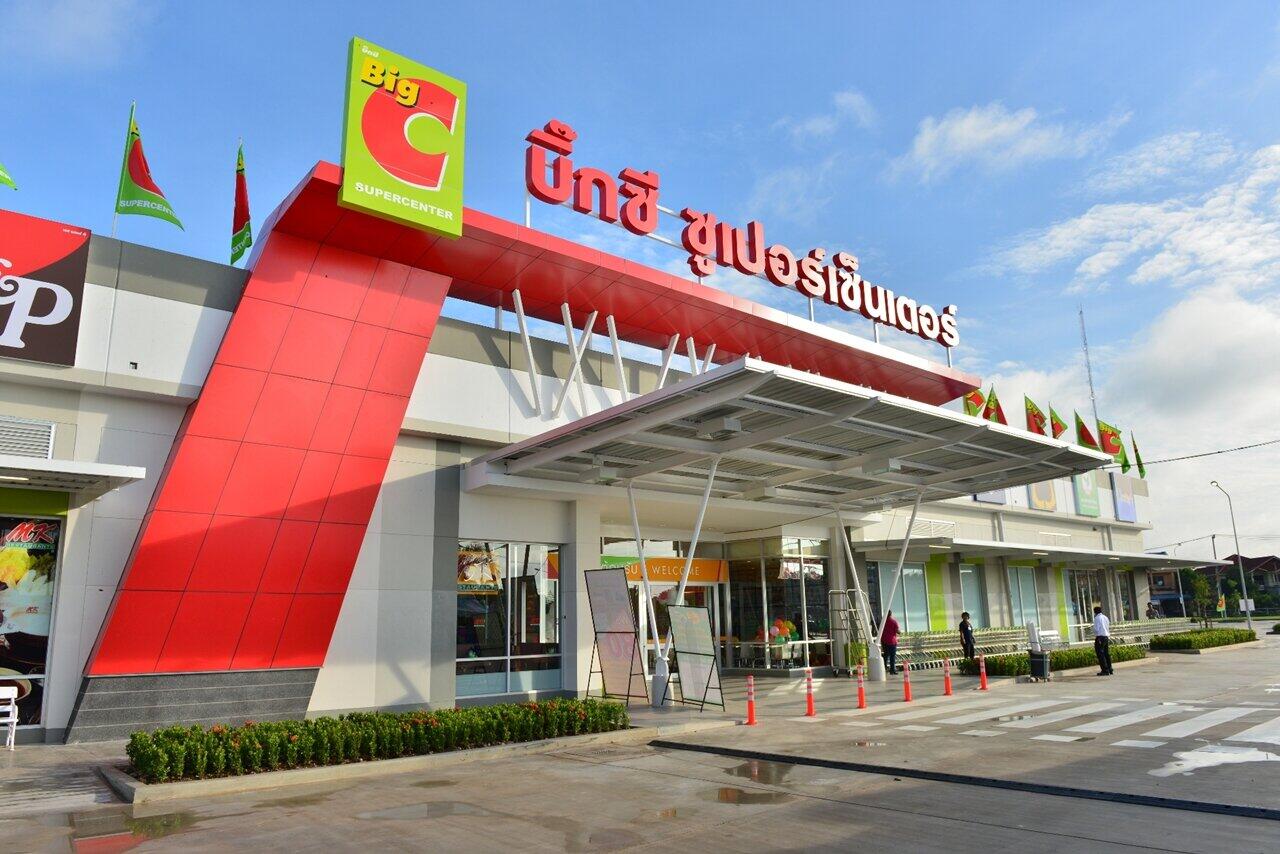
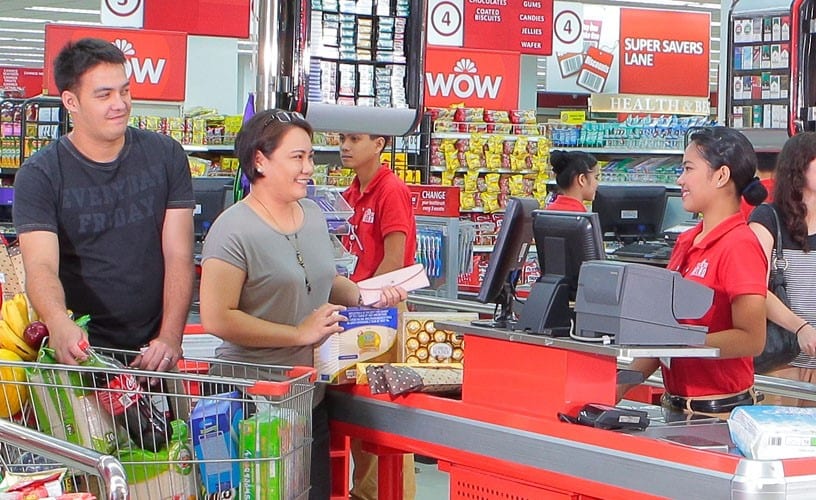
    The recent forays in Vietnam include the establishment of three Robins Department Stores, the acquisition of a 49 per cent stake at Vietnam’s largest electronics retailer Nguyen Kim, the takeover of fashion e-commerce site Zalora Vietnam from German group Rocket Internet, and a $1.1 billion buyout of Big C Vietnam.

    Vietnam was now shaping up as a second home for Central, Prin Chirathivat, deputy group CEO, reportedly said.

    He realised it was time to reap profit from the businesses in the neighbouring country, adding that the depreciation of fixed assets was enough to put pressure on profitability, despite the positive cash flow, according to a report on The Nation.

    However, according to the executive, Central Group will not want to miss any interesting inorganic growth opportunities in Vietnam even as it has decided to slow down the buying pace.

    Its biggest equity investment in Vietnam was the $1.1 billion deal to own over 30 Big C Vietnam supermarkets, which was reported to be accommodated by the sale of Big C Thailand unit to rival TCC Holding and its subsidiary Berli Jucker. But the 50 billion baht realisation from offloading the remaining 25 per cent in Big C Thailand will be used for other purposes, while Central Group secured a bridge loan from Bangkok Bank to finance the Vietnam deal, according to the Bangkok Post.

    Meanwhile, it will use Zalora to strengthen the channels of its local partner Nguyen Kim and Central Marketing Group’s unit in Robins, the media reports said.

    Despite the halt in further acquisitions, the Thai group still considers Vietnam as a very important market, buoyed by a growing economy and high purchasing power.

    “In Indonesia, we don’t have an opportunity to acquire retail businesses because there are no sellers unlike in Vietnam. Our expansion in Indonesia is slower than in Vietnam,” The Nation cited Prin as he compared Vietnam with Southeast Asia’s largest market.

    However, he also revealed the group’s plan to have five more department stores in Jakarta and Surabaya by 2017, as the retailer is currently operating only one store in the capital city.

    In Thailand, Central Group no longer has ownership in Big C Supercentre but has also acquired Zalora business in the country.


  • Japanese bank eyes bigger foothold in PH

    Japanese bank eyes bigger foothold in PH

    One of the more significant banking stories of the year is the acquisition of Bank of Tokyo Mitsubishi UFJ (BTMU) of a 20 percent share in a local bank. It’s a move that many predict will eventually lead to a larger ownership stake in the future.

    BTMU CEO Go Watanabe (Asia and Oceania Region) is not dismissing this possibility but one thing he is sure, if it should come to pass it will be a decision that both banks will reach at the same time, at the right time.

     

    WATANABE

    WATANABE

    Watanabe and officials of Security Bank Corp. announced in January this year of BTMU’s purchase of 20 percent of the bank for $782 million. BTMU, the investment banking arm of the Mitsubishi UFJ Financial Group, is Japan’s biggest bank while Security Bank is the sixth top bank in the Philippines.

    “I cannot disclose the details of the contract but at this moment, 20 percent is very comfortable. So, at this moment we have no plan to increase our share,” said Watanabe.

    The future though, is not set in stone. “(Do we want more share?) we don’t know yet,” he remarked. “Hopefully, our collaboration has been successfully expanding and if both sides will see further opportunity to change the ownership … in that case, we might think about it.”

    Watanabe said BTMU’s “purpose” in Security Bank is not just about making an investment. “We don’t have to limit ourselves to 20 percent as a collaboration. We have already started at 100 percent collaboration.”

    Watanabe said they value mutual agreements and their relationship with the owners of Security Bank and its management is “much more important”. “Due to the good relationship, I think if Security Bank or its owners will reduce their share (in the future), BTMU will be the best party to talk first.”

    Bigger market share

    BTMU is an ambitious bank, it wants global banking status soon and sees the Philippines as part of its plan of establishing a larger regional presence first before becoming one of Asia’s largest by 2020.

    For the Japanese bank, the Philippines is a high growth market based on sustained GDP expansion (66 quarters of above five percent growth), a developing infrastructure industry, a promising revival of the manufacturing sector, and a demographics profile that assures a tenable growth path for a long time.

    BTMU, in the Philippines since 1918, has one branch which they established in the 1970s.

    Watanabe said they have a strong client base here mostly Japanese corporations but their local clients are also growing. “We also have been working with a number of big deals with local conglomerates.” In 2015, its loan book in the Philippines amounted to $800 million.

    BTMU has been in business with Security Bank since 2011 as the latter has an expertise in cash management segment. When they bought shares in the bank – which was approved by the central bank in February this year – they quickly installed their representatives in the bank.

    During its recent annual stockholders’ meeting, and after ratifying the 20 percent equity infusion of BTMU, the Security Bank’s board elected three representatives from BTMU. One of them, Takahiro Onishi, is appointed executive vice president and head of alliance segment. This segment is a new position for exploring “opportunities for the growth of Japanese and related businesses for Security Bank.”

    Watanabe said the collaboration involves providing existing Japanese customers in the Philippines with services such as retail banking. “In addition, we can also provide global corporate business to local companies with services such as project finance, trade finance and tapping BTMU’s diversified global network.”

    “Our business collaboration is (mainly) based on corporate banking. We will be using Security Bank’s expertise in cash management for our Japanese clients (for payroll service, among others),” explained Watanabe.

    In BTMU’s current set up in the country it does not have retail banking. It is in this area that Security Bank will come in. “We are willing to collaborate, to walk together, to transfer our knowledge and support Security Bank’s retail banking.”

    And, since the Philippines is one of the “most important country” for BTMU’s plans to become a top Tier 1 bank in the region, Watanabe said they did not purchase their shares cheap, even offering a high premium. “Our investment is the biggest investment in the Philippine financial market,” he said.


  • Anti-hangover ice cream hits stores in South Korea

    Anti-hangover ice cream hits stores in South Korea

    South Korean retail chain Withme FS has started selling ice cream, which it claims can cure your worst hangover.

    The new product is called Gyeondyo, which can be translated as “Tough it out” or “Hang on”. Company officials explained that the message is addressed to Korean office workers who often have to endure a long day at work after a night of heavy drinking.

    In South Korea, it is hard for an employee to excuse himself from drinking in the evening with colleagues, especially superiors. Regular staff parties are a part of the country’s business culture. Workers often feel pressured to drink even if they don’t like alcohol so as not to be frowned upon. The ice cream is supposed to help such workers cope with the consequences of their attempts to fit in.

    A clerk arranges ice cream bars named Gyeondyo-bar, which translates to "hang in there" at a convenience store in Seoul, South Korea, May 20, 2016. REUTERS/Kim Hong-Ji

    The grapefruit ice-cream contains oriental raisin tree fruit juice — a popular anti-hangover treatment in South Korea, Reuters reported.

    South Korea tops the Asia-Pacific rating of countries regarding the consumption of alcohol. According to a 2014 World Health Organization report, individual South Koreans drink 12.3 liters of alcohol per year. The total annual sales of anti-hangover medicine in the country is nearly $126 million.

    Alcohol creates a huge industry of other products in South Korea, including special beauty care products for women, aimed at softening skin that gets dry because of drinking.

    On another note, ice cream seems to be getting a lot of attention all over East Asia. In April, a Japanese firm, Akagi Nyugyo Co. Ltd, released a video in which staff apologized for raising prices of the company’s ice cream for the first time since 1991.

    https://www.youtube.com/watch?v=J_2a_N4WVqg

    The video went viral, collecting millions of views. Akagi Nyugyo produced ice cream has unusual tastes, such as potato, spaghetti or soup.

  • Kitchenware boutique bags global honour

    Kitchenware boutique bags global honour

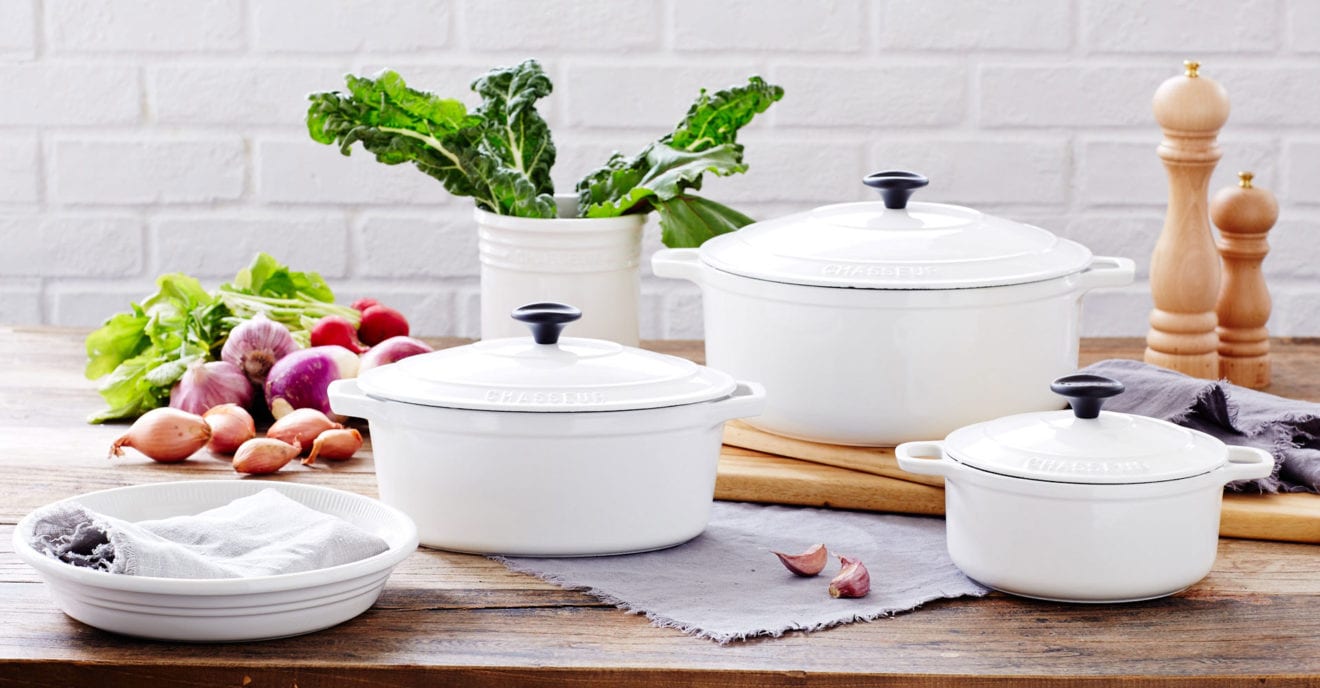
    KITCHEN Shop received the Global Innovation Award 2015 for Retail Excellence held in Chicago, making it the first global recipient from Malaysia.

    This also makes Kitchen Shop the first speciality shop to attain the award in this region.

    Katrin BJ Sdn Bhd managing director Jean Yeap said it was not only a triumphant success for the Kitchen Shop and Katrin BJ but they have also done Malaysia proud.

    “Since the launch of the IHA Global Innovation Award in 2000, there have been more than 320 Global Innovation Award retail award winners from 40 countries in six continents.

    “This is the first global award recipient from Malaysia.

    Inside the Kitchen Shop.

    Inside the Kitchen Shop.

    “Our Kitchen Shop at Great Eastern Mall competing against 25 great speciality shops in 23 countries achieved a landmark success for being the first for Malaysia and the first speciality shop to attain this award in this region,” said Yeap, in her speech.

    Their journey to win this award started in Chicago in 2013 when they were at the Chicago International Housewares Show.

    “Our group managing director M.H. Basri saw the newsletter on the GIA awards and he planted in his mind that he will build the next kitchen shop to win this award,” said Yeap.

    Apart from the physical store, Kitchen Shop was selected for this global award based on the following criteria – overall mission statement; vision and strategy; store design and layout; visual merchandising, displays and window displays; marketing, advertising and promotions; customer service and staff training and innovation.

  • Philippine GDP growth surpasses China

    Philippine GDP growth surpasses China

    The Philippines has surpassed China in terms of GDP growth, for the first time in three decades, making the country the best performer in Asia* in Q1 2016.

    From 5 per cent in Q1 2015, Philippine GDP surged by 6.9 per cent in Q1 2016, the highest since the second quarter of 2013, said the National Economic and Development Authority.

    Philippine GDP growth outpaced China’s 6.7 per cent, Vietnam’s 5.5 per cent, Indonesia’s 4.9 per cent, Malaysia’s 4.2 per cent, Thailand’s 3.2 per cent, and Singapore’s 1.8 per cent economic growth in the quarter.

    Luisito Abueg, economics professor from De La Salle University Manila, said many factors contributed to the Philippines’ growth.

    “GDP may have been record high, but we have to account for the increased consumption component due to elections spending. It has been documented that during election periods, consumption increases, and with more created temporary jobs, more income circulates in the market,” said Abueg.

    Abueg said credits should not only go to the Aquino administration. “Some underlying components of growth may have been realized today, but the work of previous administrations are just now bearing fruit – the so called ‘lagged effects’ in economics and statistics.

    “That is why it is important that we should always have continuity: to continue the good, and to correct the bad. Not just to change everything just for the sake of credit-grabbing, which is a usual problem in Philippine politics, affecting economic directions.”

    Recently, Robinsons Retail, Jollibee, 7-Eleven and other retail companies reported profit growth for Q1 2016 citing election-related spending among other factors.

    With the country’s population projected to have reached 102.6 million in the first quarter of 2016, per capita GDP grew by 5.2 per cent from 3.2 per cent in the same quarter of 2015. Per capita household spending grew by 5.3 per cent from last year’s growth of 4.3 per cent, reported the Philippine Statistics Authority.

    The PSA said main growth driver was the services sector, which accelerated to 7.9 per cent from 5.5 per cent, while industry grew 8.7 percent from 5.3 per cent last year.

    On the other hand, the agriculture sector declined by 4.4 per cent, the fourth consecutive quarterly decline, from a growth of 1 per cent in the first quarter of 2015.

  • Lion Air should not just return passengers` tickets

    Lion Air should not just return passengers` tickets

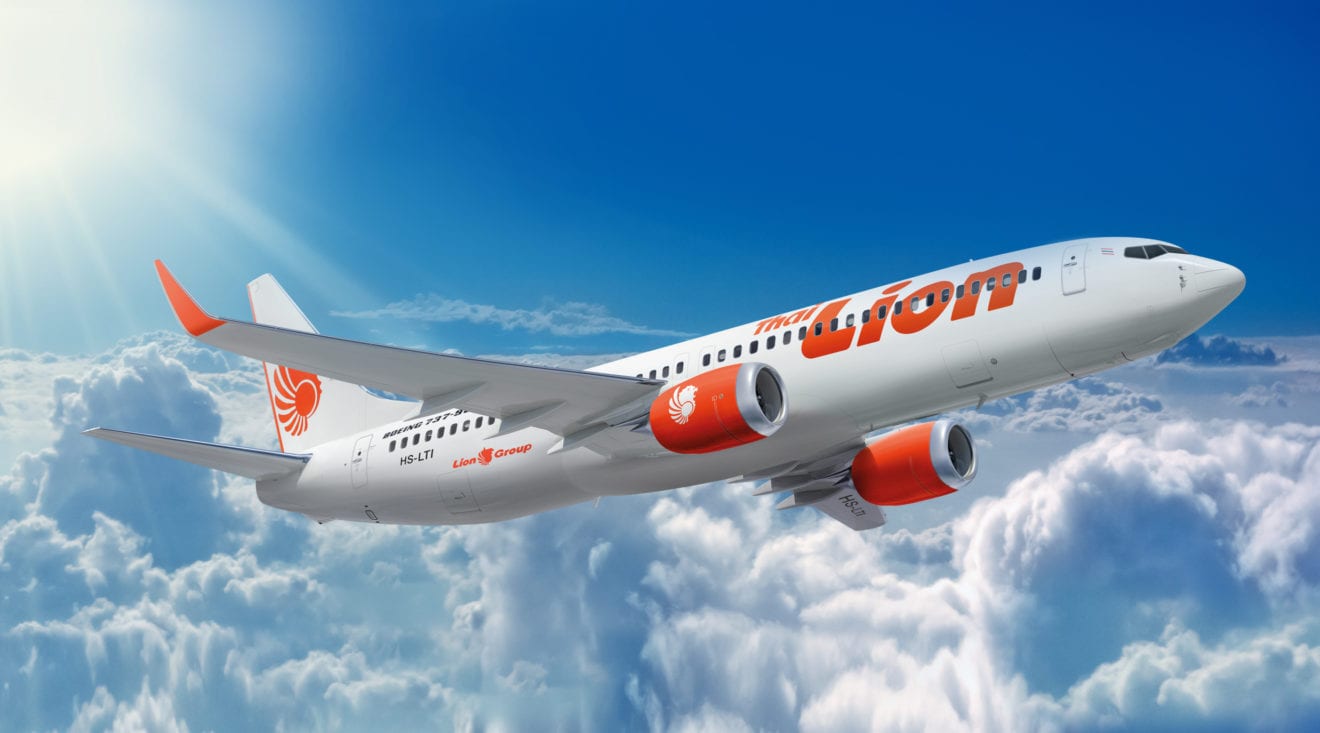
    The airline company, Lion Air, should not resort to merely returning passengers tickets after it postponed 277 flights following sanctions imposed by the ministry of transportation, a consumer institute has said.

    “The Lion Air management should transfer the passengers tickets to other airlines, instead of only returning the tickets purchased by them,” Chairman of the Indonesian Consumers Institute (YLKI), Tulus Abadi, demanded here on Monday.

    He argued that while the Lion Airs decision to postpone 277 of its flights for one month did not basically violate any rule, it should also not violate consumers rights.

    “The ministry of transportation should supervise this strictly to prevent the company from violating consumers rights,” he stressed.

    The ministry of transportation has imposed a sanction on the Lion Air, freezing its flights for five days for having recently disembarked international passengers from Singapore at the domestic terminal of Soekarno Hatta Airport.

    The management of Lion Air opposed the sanction by reporting the directorate general of air transportation to the police and postponed 277 of its flights for a month.

    Tulus was of the view that the Lions legal move to oppose the ministry of transportations sanction was rather awkward.

    “It is rather an anomaly. Probably this is the only case of its kind in the world where the operator is taking a stand against the regulator.”

    On May 10, Lion Air pilots went on strike at the Soekarno-Hatta Airport on Tuesday, leading to a delay in the low-cost carriers flights to several regions in Indonesia.

    The corporate secretary of state airport operator, Angkasa Pura I, Farid Indra Nugraha, explained in a press statement released on Tuesday that his side has been in close touch with the representatives of the Lion Air Group at the airport.

    Farid claimed that his side had made efforts to ensure that the airline is able to serve the passengers despite the delay in flights.

    “In response to the Lion Air pilots strike at several airports under the purview of Angkasa Pura I, we call on the passengers to understand the conditions and be patient,” he pleaded.

    The strike led to a delay in Lion Air flights from Sam Ratulangi Ariport in Manado, North Sulawesi, Sultan Hasanuddin Airport in Makassar, South Sulawesi, Lombok International Airport in West Nusa Tenggara, I Gusti Ngurah Rai Airport in Bali, and Adisutjipto Airport in Yogyakarta.

    Public relations manager of the Lion Air Group, Andy M Saladin, denied that the pilots had gone on strike because they had not received transport allowances.

    “There is no strike. The airlines operations have returned to normal,” he pointed out.

    Meanwhile, Lion Air President Director Edward Sirait insisted that the fact that some of the airlines pilots fell sick, coupled with an administrative problem, was what had led to flight delays.

    “We, on behalf of the Lion Air Management, apologize for the inconvenience,” he said.

  • Singapore e-commerce market to exceed S$7b in 2025

    Singapore e-commerce market to exceed S$7b in 2025

    The e-commerce market in Singapore is expected to be worth US$5.4 billion (S$7.46 billion) by 2025, according to a report by Temasek and Google released on Tuesday (May 24).

    This is larger than the casino industry in 2015, which was valued at about US$4 billion.

    The report found that Singapore’s e-commerce market was valued at US$1 billion in 2015, with online shopping making up 2.1 per cent of retail sales – the highest proportion of all Southeast Asian countries surveyed.

    Come 2025, Singapore’s e-commerce market is expected to make up 6.7 per cent of all retail sales, behind Indonesia’s 8 per cent, the report stated.

    Southeast Asian e-commerce markets in 2015 and projected figures for 2025. (Chart: Google, Temasek)

    Countries covered in the report included Indonesia, Vietnam, the Philippines, Thailand, Malaysia and Singapore.

    The report also highlighted the growth of ride-sharing services such as Grab and Uber. It noted that in 2015, the Singapore market was valued at US$800 million, tying with Indonesia. Overall, the region’s ride-sharing market was worth US$2.5 billion in 2015, with the figure expected to exceed US$13 billion by 2025.

    Ride-sharing market in 2015 and projected figures for 2025. (Chart: Google, Temasek)

    It added that Singapore will continue to record the highest fare per trip, three times that of the average fare in Southeast Asia.

    The report, which also looked at the venture capital and startup landscape in Southeast Asia, also found that as of 2015, Singapore is the most active country with 37 per cent of deal quantity and 72 per cent of deal value. Activity was mainly driven by two startups – Grab and Property Guru, which recorded investments of about US$350 million and US$130 million, respectively.

    It found that Southeast Asia is the world’s fastest growing Internet region, with an existing Internet user base of 260 million. This is expected to grow to 480 million users by 2020. Consequently, the Internet economy in Southeast Asia is expected to exceed US$200 billion by 2025, driven mostly by the growth of the e-commerce market, followed by online media and online travel, the report said.

    Driving growth are three factors unique to the region: A young population, with 70 per cent under the age of 40, a lack of big-box retail, as well as a rapidly growing middle-class, the report said.

  • Child labour used in Indonesian tobacco production, says NGO

    Child labour used in Indonesian tobacco production, says NGO

    International non-governmental organisation Human Rights Watch (HRW) said on Wednesday that child labour is used in tobacco plantations in Indonesia, whose harvest supplies local and foreign tobacco companies.

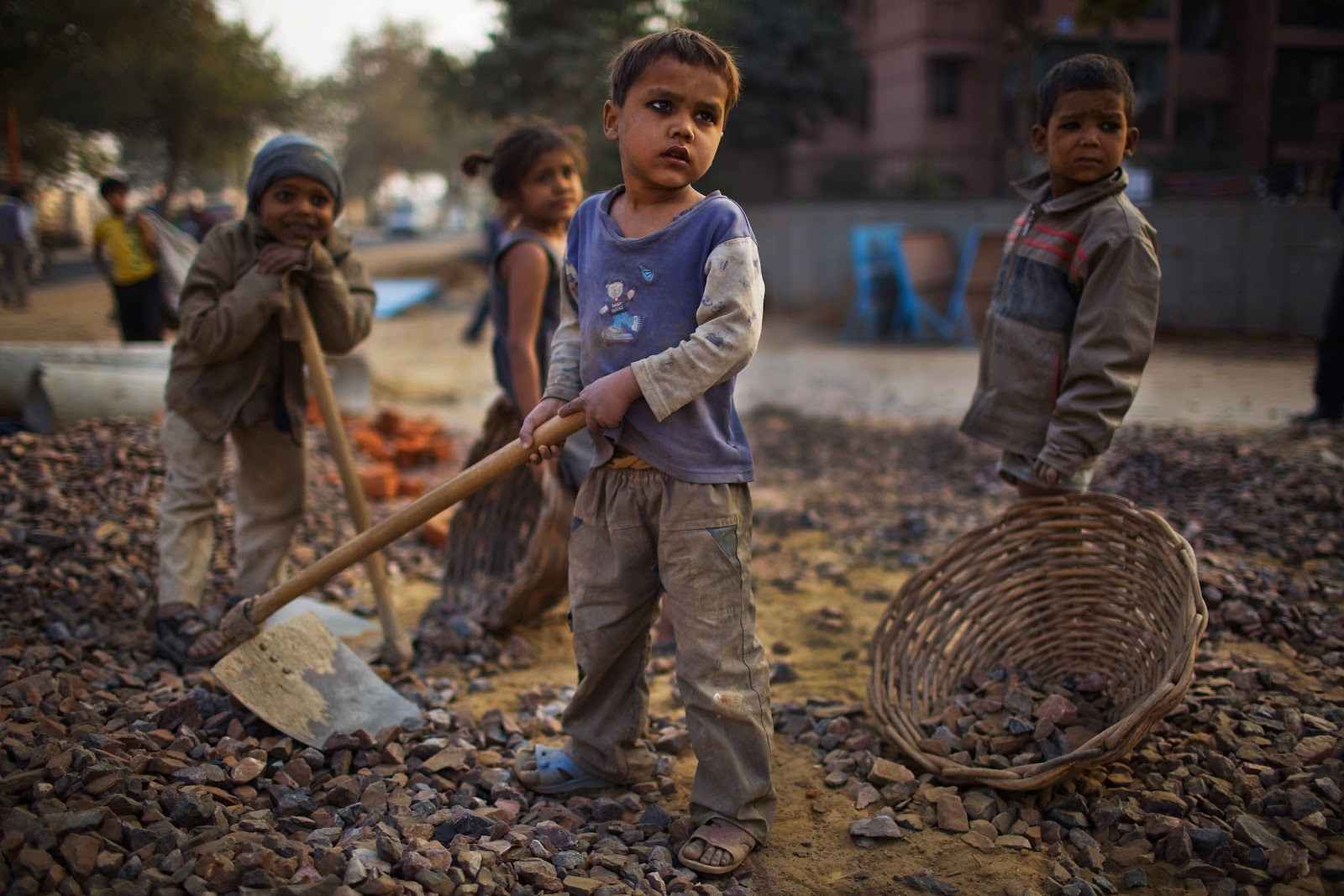
    Children, some of whom are just eight years old, are exposed to nicotine, handle toxic chemicals or use dangerous tools in extreme heat, HRW said in a report titled ‘The Harvest is in My Blood: Hazardous Child Labour in Tobacco Farming in Indonesia’, EFE news reported.”Tobacco companies are making money off the backs and the health of Indonesian child workers,” HRW researcher and report co-author Margaret Wurth said in a statement.Wurth and her team interviewed 132 children working in plantations in four Indonesian provinces, half of whom reported symptoms of acute nicotine poisoning from absorbing nicotine through their skin.The children are also exposed to pesticides and other chemicals which are linked to respiratory problems, cancer and depression.

    HRW urged companies to ban suppliers from employing children and called on the Indonesian government to regulate the tobacco industry and launch an education campaign to spread awareness about the health risks faced by children.Indonesia is the world’s fifth largest producer of tobacco, with over 500,000 plantations which employ more than 1.5 million children aged between 10 to 17 years, according to International Labour Organization data.Although Indonesia’s laws stipulate the minimum age for work at 15 and forbids those under the age of 18 from carrying out hazardous work, the tobacco industry still flouts these rules, according to HRW.

  • Panasonic Healthcare Indonesia Upbeat Over Export Opportunities

    Panasonic Healthcare Indonesia Upbeat Over Export Opportunities

    Panasonic Healthcare Indonesia, a local producer of equipment used in the health care industry, has set a target to increase sales by 70 percent over the next four years on the back of growing exports.

    The company, which is a subsidiary of the Japanese business group, eyes $88 million in sales by 2020, up from $51 million last year, it said in a statement on Thursday (19/05).

    Panasonic Healthcare also seeks to increase its workforce to 799 from 611 currently during the same period to raise production on blood glucose monitors, medical imaging monitors, dental intraoral cameras, heated incubators, and ultra-low temperature freezers.

    Parent company Panasonic Healthcare Holdings has acquired Bayer Diabetes Care, a leading global producer of blood glucose monitoring systems, earlier this year. The acquisition has opened more opportunities for the local unit to tap offshore markets.

    “Panasonic Healthcare Indonesia has great potential to increase exports,” the company said in a statement.

    Exports currently account for 88 percent of the company’s sales.

    Gobel International, which is controlled by former trade minister Rahmat Gobel, has a 5 percent stake in Panasonic Healthcare.

  • Ducati eyes gold in Indonesia’s big bike market

    Ducati eyes gold in Indonesia’s big bike market

    With the opening of its flagship store in Jakarta, Italian-based luxurious motorcycle manufacturer Ducati expects it will be able to tap into Indonesia’s growing big motorcycle market.

    The store, located in an elite area of Kemang, South Jakarta, opened up for the public on Monday and will serve as Ducati’s complete dealership, one-stop service, spare parts provider and certified used-bike re-seller in Indonesia.

    Garansindo Euro Sports, the new sole distributor of the Italian motorcycles, has allocated at least Rp 80 billion ( US$6 million ) in investment to finance the store and other sales supporting facilities including after-sale services.

    The store has started selling Ducati’s products such as the Monster 795, the Hypermotard, Multistrada, as well as Scrambler Ducati bikes like the Icon, Classic and Urban Enduro.

    The motorcycles carry an off-the-road price tag of between Rp 199 million and Rp 899 million. The Ducati Monster 1100, for example, sells for Rp 345 million, excluding taxes and other levies.

    Garansindo’s managing director Dhani Yahya said the 3,000 square-meter store was Ducati’s largest dealership in the world after the company’s distribution outlet in New Delhi, India.

    “This ambitious investment is expected to expand our market, which was previously considered inaccessible for our potential buyers and customers,” he said on Monday.

    Ducati’s service workshop is part of the flagship store and is able to handle up to 16 bikes per day. The workshop provides original Ducati spare parts imported directly from its plant in Thailand.

    Despite the country’s weak motorcycle sales, which continue to face pressures due to the country’s economic slowdown, Ducati is optimistic about the Indonesian market, given the country’s growing middle class.

    Dhani said that the market response toward Ducati motorbikes was positive so far as seen from the 2016 Indonesian International Motorshow, held in Jakarta last month. During the two-week exhibition, Garansindo managed to sell 52 Ducati motorbikes, a number Dhani said was a sizable one for premium bike sales.

    “The high number of purchased bikes last month proved that we can still generate large enthusiasm in this country,” he said.

    The opening of the flagship store is Garansindo’s first Ducati dealership after the distributor took over from PT Supermoto Indonesia last January. Dulcati’s sales declined last year and its old dealerships in Jakarta stopped operating after Supermoto Indonesia failed to maintain the business.

    To reverse Ducati’s mediocre sales history in Indonesia, Garansindo plans to open at least 12 branches across the archipelago by 2019.

    “Of course at present we will focus on developing this Kemang flagship store, but by 2019 we expect to add 12 more dealerships in places like Jakarta, Surabaya, Bandung and Bali,” Garansindo president director Mohammed El Abdullah said.

    One of Ducati’s customers, Firman Saladdin, said he expected better aftersales services after the dealership opening.

    “As a loyal customer, I want Ducati to improve its services and add more exclusive spare parts,” the Jakarta-based business consultant said.

  • Astra car sales down 2.7 percent to 208,804 units in Q1

    Astra car sales down 2.7 percent to 208,804 units in Q1

    The countrys largest automotive company PT Astra International recorded a 2.7 percent decline year-on-year in car sales to 208,804 units in the first four months of the year.

    Based on data at the Indonesian Association of Motor Vehicle Industries (Gaikindo), Low Cost Green Cars (LCGC) contributed 34,209 units to the total sales by Astra Group.

    The sales in the first four month, however, was on the rise from 47,159 units in January to 49,933 units in February, to 54,508 units in March and to 57,204 units in April.

    The Astra group produces and sells Toyota, Daihatsu, Isuzu, Peugeot cars and UD Trucks. Sales have continued to be dominated by Toyota with sales reaching 111,710 units in the January-April period.

    Peugeot sales were the lowest in number reaching only 14 units. Sales of Daihatsu cars totaled 56,854 units, Isuzu 5,490 units, and UD Trucks 527 units.

    Sales of motorcycles produced by PT Astra Honda Motor (AHM) reached 1,439,241 units, down 13.5 percent from 1,664,395 units in the same period last year.

    Sales of non Astra cars in the first four months of the year totaled 177,316 units down 1.67 percent from 180,340 units in the same period last year.

    Sales of non Astra motorcycles totaled 543,263 units.