Author: Mei Ling Tan

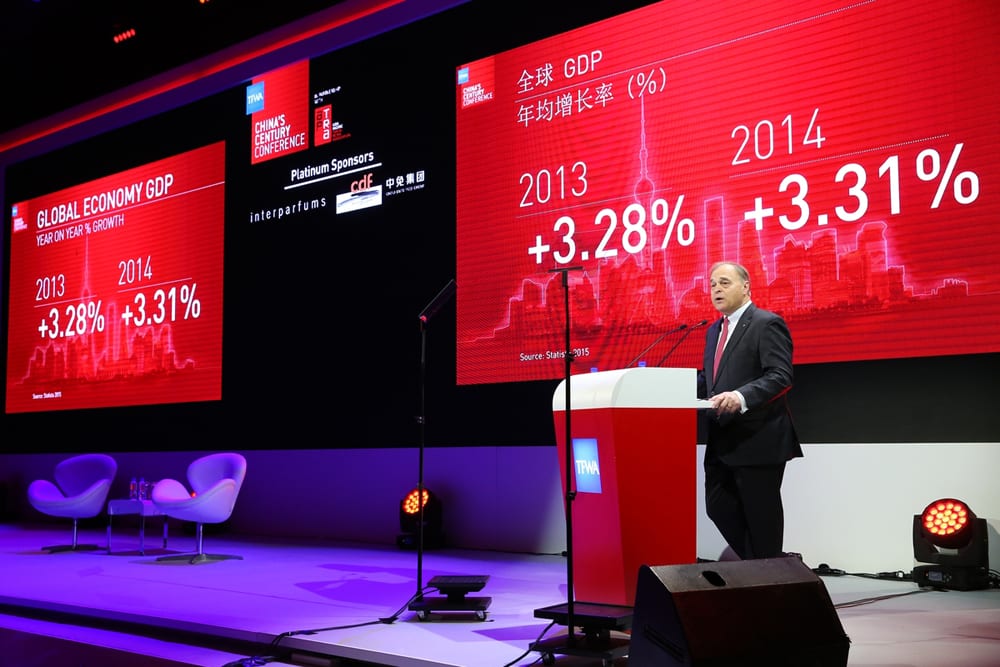
  • China’s Century 2017 to be hosted in Guangzhou

    China’s Century 2017 to be hosted in Guangzhou

    Erik-Juul-Mortensen-China's-Century-lead The TFWA China’s Century Conference will take place from 7-9th March 2017 in Guangzhou, at the port city’s Four Seasons Hotel. The official host of the event will be Guangzhou Baiyun International Airport Co.

    Erik Juul-Mortensen, president TFWA said: “TFWA China’s Century Conference is an essential diary date for anyone interested in the considerable commercial opportunities the Chinese market presents, as well as all those who want to gain a deeper understanding of the Chinese traveller both at home and outside China.”

    The city of Guangzhou – northwest of Hong Kong on the Pearl River – is the third largest city in China and is said to have played ‘a pivotal role in the country’s economic development.’

    CENTRAL BUSINESS DISTRICT

    Its Central Business District, where the event will be located, underwent a major renovation in preparation for the Asian Games of 2010. The city now boasts a rapidly developing international airport, which is home to China Southern Airlines, and connects Guangzhou to the rest of China, Europe, Asia Pacific and beyond.

    A spokesperson from Guangzhou Baiyun International Airport Co said: “Guangzhou Baiyun International Airport Co is delighted to be the Official Host for next year’s TFWA China’s Century Conference.

    “As the premier event for the duty free and travel retail industry in China, the conference brings together all the major companies involved in the market, and we believe Guangzhou is the perfect venue for such a gathering.

    “Our city is one of the historic centres of trade in China and is attracting increasing numbers of business and leisure travellers, partly thanks to the efforts we are making to develop Guangzhou Baiyun as an international hub airport. We are confident this conference will be a big success and we look forward to welcoming delegates to our airport and to this vibrant city.”

    SHANGHAI CONFERENCE DRAWS ALMOST 400 DELEGATES

    The Four Seasons is located in the centre of Guangzhou’s Central Business District, close to the famous landmark Canton Tower. Occupying the top third of the 103-storey Guangzhou International Finance Center, which is one of the world’s tallest skyscrapers, it can truly claim to offer visitors ‘a room with a view’.

    The first TFWA China’s Century Conference took place in 2013 in Beijing. The second conference, which was held in Shanghai in 2015, welcomed 388 delegates including senior executives from numerous airlines, airports and duty free and travel retail operators.

    Over the two days, 120 meetings took place between the industry’s airports, concessionaires and brands. TFWA China’s Century Conferences have featured speakers from leading airports, airlines and retailers, as well as high profile researchers, academics, authors, editors and specialist consultancies.

    TFWA’s unique ONE2ONE meeting service has played a key role in the event’s continuing success, while an exciting social programme with a range of glittering events held in the most impressive venues ensures that there is plenty of opportunity for more informal networking.
     

  • Belgian jewellery firm looks to Thai hub for Asian expansion

    Belgian jewellery firm looks to Thai hub for Asian expansion

    Thailand would be a hub to support and facilitate the growth of Roos’s business in Asia.

    “We’re originally from Holland. My great-great-grandfather founded the company in 1835, or about 181 years ago. I’m the sixth generation of the family. We [currently operate] more than 200 jewellery shops in Belgium and Holland,” said Rien Rozendaal, founder of and designer for Roos & Nijs.

    “We started selling our Roos jewellery ornaments last week in China through Derier’s retail network with 80 stores in major cities, including Shenzhen, Guangzhou, Chengdu and Ningbo. [By] coincidence, we also started last week in Thailand as well with the appointment of Market Access Co Ltd as our master distributor covering Thailand and all [of the] Asia region,” he said. “We’re from the original Dutch company and we didn’t find any necessity to expand further in my home market as well as in Europe as we’re at the high level already. I believe in Asia as a promising region to grow our jewellery business.”

    Rozendaal said starting to do business in China and Thailand arose from coincidences. In China for example, he was introduced by a Chinese friend in New York to the owner of Derier.

    “It is not that I’m looking for distributors. Finding the right people who will be my partners is not easy. We have to share the same way of thinking, the same vision and passion, and common interests,” he said.

    “They [distributors] should understand the European way of distributing the brand. In my way, doing business is not the first thing. My first thing is to get the same vision of how to market the brand.”

    Rozendaal said his business approach was quite different from setting up business targets and growth.

    “I like to design nice and beautiful jewellery. I have my target group in designing, that is my wife, not for the market. I design jewellery for the one I love, and appreciate that many women love this design too,” he said.

    Chanokphol Chaisuparakul, co-founder and director of Market Access, said Roos was not something people saw every day, because of its unique designs and long heritage of 181 years. The brand is also high-end jewellery that people can wear every day.

    “In five years, we think Roos could be a brand for sophisticated people who seek perfection in luxury jewellery. We aim to expand in Southeast Asia starting from Thailand, especially in Bangkok and big cities such as Chiang Mai, Pattaya and Phuket,” he said.

    He added that in the first year, the company would open one flagship store for Roos jewellery as well as one dealership in Bangkok.

    “We will start expanding Roos jewellery to some parts of CLMV next year,” said Chanokphol, referring to Cambodia, Laos, Myanmar and Vietnam.

    He added that the CLMV markets had a lot of potential, with people who are highly into networking, are well educated and have high spending power, and are fashion-oriented.

    Somkiat Chaisuparakul, chief executive officer of Market Access, said Thailand’s gem and jewellery market had high growth potential. The market value in 2015, especially diamonds, was about Bt78 billion, with imports accounting for Bt19 billion and domestic production the remaining Bt59 billion. With the economic situation getting better, entrepreneurs are more confident that the market will rebound.

    “This is a great opportunity for us to join forces with Roos in expanding their market from Europe to Asia,” he said.

    “Using Thailand as a hub to support the liberalisation of the AEC [Asean Economic Community] market, we will market Roos diamond jewellery to customers in Thailand and [elsewhere in] Asia. We aim to become the top jewellery brand in Thailand by 2017 with annual sales of Bt200 million.

    “We will expand Roos diamond jewellery to cover all potential markets in Asia, starting from CLMV, in the future,” he said.

  • Dubai retail sales to beat global cities in 5 years

    Dubai retail sales to beat global cities in 5 years

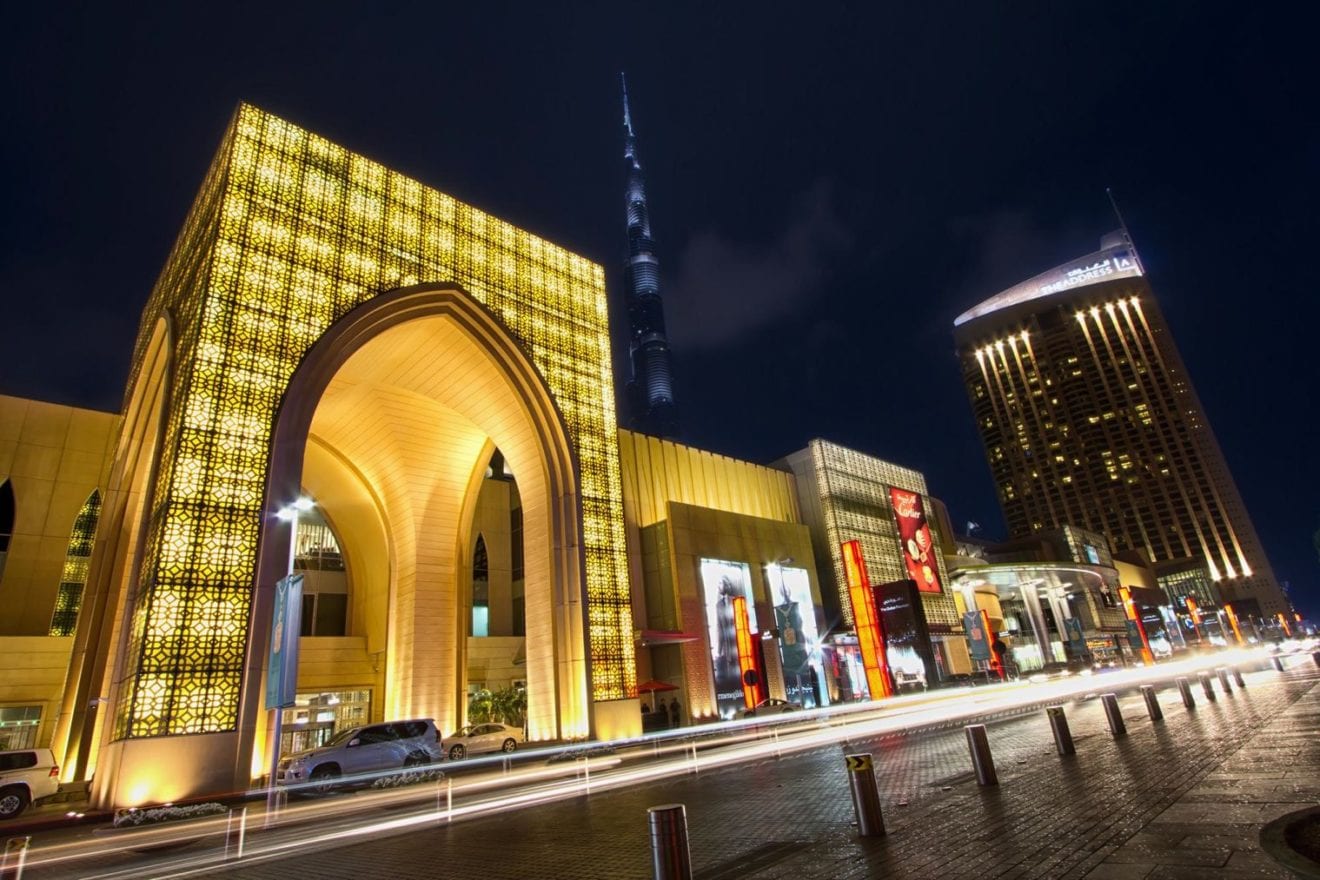
    The Dubai Mall ranks higher than London’s Regent Street and New York’s Fifth Avenue in the overall quality of its retail offerings. It’s also ahead of the Champs-Elysees in Paris, according to the latest Global Retail Destination from Savills, a UK consultancy.

    In terms of city rankings, New York leads the way, ahead of London and Hong Kong (tied in second place) and followed by Dubai.

    “Dubai is forecast to report the strongest growth in retail sales over the next five years of the seven global cities examined, potentially challenging London’s West End’s current global position,” the Savills report says.

    According to a survey in the report, 88.4 per cent of people said Dubai has the best choice and quality of shops in the world.

    The number of overnight visitors to Dubai, between 2016 and 2020, is expected to increase by 9.7 per cent.

    Mastercard’s Global Destination Cities Index 2015 estimates there were 14.3 million overnight visitors to Dubai last year, who spent $11.7 billion at an average of $819 per person. This is behind New York’s average spend of $1,416.

    “Dubai is now perceived as a top global retail destination,” said David Godchaux, who heads Core which is the local partner of Savills. “But this is only the tip of the iceberg as we now start seeing developers trying to improve the shopping experience not only for tourists as in the past 15 years, but also for residents.

    “This trend of moving away from the ‘bigger is better’ approach, to more user and resident friendly retail developments, bringing a real city experience and European-style shopping to areas of Dubai similar to those found in London, Paris and Milan.”

  • Hong Kong faces ghosts of Asian financial crisis

    Hong Kong faces ghosts of Asian financial crisis

    Hong Kong, which for years rode a wave of cheap capital and China’s economic boom, is as vulnerable now as it was before the 1990s Asian financial crisis as those drivers reverse, according to analysis by Daiwa Capital Markets.

    In a bearish take on the financial hub, Daiwa forecasts “enormous stress” ahead as money heads out amid a global US dollar debt deleveraging, China’s economy slows and currency weakens, US interest rates increase, and domestic property prices slump.

    “If the Asian financial crisis was preceded by a classic credit and housing bubble, we see another one now of a bigger scale,” the Daiwa analysts led by Kevin Lai, chief economist for Asia excluding Japan, wrote in a note. “Money inflows have been unprecedented; we expect this money to leave eventually on the back of global dollar debt deleveraging.”

    Daiwa flagged six metrics to gauge Hong Kong’s strength:

    Net money inflows: Inflated in recent years by easy US monetary settings and bullish bets on China’s economy and currency.

    Total credit expansion: Estimated at about 320% of gross domestic product.

    China or regional credit exposure: With an estimated $750bn in loan and bond exposure to China.

    Real estate lending: With more lending exposure and a longer and quicker period of house price inflation this time around than in the late 1990s.

    The direction of US monetary policy as policymakers consider further tightening Hong Kong dollar’s valuation after an estimated 30% appreciation on a broad, real-effective rate over the past four years Of those, the first four are flashing danger, Daiwa says.

    “Measures of macro and financial vulnerability indicate things are no better now than they were just before the Asian financial crisis,” the brokerage said. It isn’t the first time that Lai has warned on Hong Kong. In recent months, the Daiwa economist has highlighted vulnerabilities as the Fed keeps open the option of further rate increases after hiking in December for the first time since 2006.

    Because Hong Kong’s currency is pegged to the dollar, the former British colony effectively imports US monetary policy. Rising US interest rates increase the cost of servicing loans taken out in Hong Kong.

    Hong Kong was hit hard by the Asian financial crisis that started in Thailand in 1997 and spread across the region, forcing the Hong Kong Monetary Authority to spend HK$120bn buying up Hong Kong stocks and to use its foreign-currency reserves to defend the dollar peg. House prices tumbled 70%.

    This time around, Daiwa assumes the HKMA would “defend the peg at all costs,” eroding the monetary base and setting the stage for debt-deflation. In contrast to orthodox thinking, Lai says Hong Kong’s “sizeable reserves” are actually an indication of weakness, and the fact that the currency is pegged prevents a natural currency mechanism.

    Hong Kong’s outlook has dimmed as exports fall and big-spending Chinese tourists stay away, prompting an increasing number of analysts to turn cautious on the $300bn economy because of its exposure to China’s slowdown. Moody’s Investors Service last month lowered Hong Kong’s long-term debt outlook. Retail sales in February plunged the most since 1999 as fewer Chinese tourists visited the city during the Lunar New Year holiday. Chinese visitors are projected to fall 3.2% for the year, according to the Hong Kong Tourism Board, with average spending dropping 4%.

    Lai’s forecast for gross domestic product to slip towards recession territory this year is an outlier. A median forecast of economists surveyed by Bloomberg tips growth of 1.7% this year and 2.1% in 2017.

    And after an initial slump at the start of the year, the Hang Sang Index has rallied, the city’s dollar has rebounded from the weak end of its trading range, and interbank borrowing costs have tumbled after spiking in January.

    But that calm may not last long. According to Daiwa’s analysis, the global deleveraging process “has probably started, or at least could be about to begin,” and the first “real test” for Hong Kong could come in the second half, with pressure set to build next year, according to Lai.

  • Migme completes the acquisition of Shopdeca to fuel ecommerce expansion

    Migme completes the acquisition of Shopdeca to fuel ecommerce expansion

    Global digital media company migme Limited (ASX: MIG) (“migme” or the “Company”) confirms the completion of the acquisition of Indonesian ecommerce business Shopdeca. The acquisition sets the framework for migme’s continued expansion into social ecommerce and gives the Company access to Shopdeca’s Indonesian market expertise, business capabilities and experienced staff to grow its Indonesian business.

    migme refers to its announcements dated 18 December 2015 and 29 December 2015 regarding the acquisition of the ecommerce assets of Shopdeca and advises that it has today:

    • Paid the cash consideration of US$710,000
    • Issued 884,270 fully paid ordinary shares to the vendors of Shopdeca. Of these shares 123,608 shares will be held in voluntary escrow for the period ending 1 April 2017 and 760,662 shares will be held in voluntary escrow for the period ending 1 October 2016.

    The acquisition of Shopdeca will not only help migme grow its business in Indonesia, but will also fuel its expansion into social ecommerce across South East Asia (SEA). Social ecommerce is a key component in migme’s business strategy for building a platform business for SEA.

    Migme Limited CEO Steven Goh said: “Platforms are the next generation of online business. The fastest growing and most disruptive companies in history — Google, Amazon, Facebook, Uber, AirBnb and eBay— are platform businesses. migme is building a platform business focused on social engagement and interactions that can be monetised. We are building our platform specifically for the next half of the world coming online through low-cost smartphones, primarily in South East Asia. The Shopdeca acquisition helps us bolster the social ecommerce element of our platform.”

    The ecommerce market is growing rapidly in SEA. A report from Bain & Company estimates that the online retail market in SEA is currently worth US$6 billion, but anticipates this could grow to $70 billion by 2020. The report found that social media is highly influential in building consumer trust around product quality and the seller’s credibility, with more than 80% of consumers using social media and over-the-top content to research products or connect with sellers.

    Completion of the acquisition enables the Company to launch its own ecommerce operations in Indonesia and sets the framework for the expansion to a social ecommerce strategy. This will see migme leveraging its social user community and platform partners to grow user engagement and revenues for the ecommerce business.

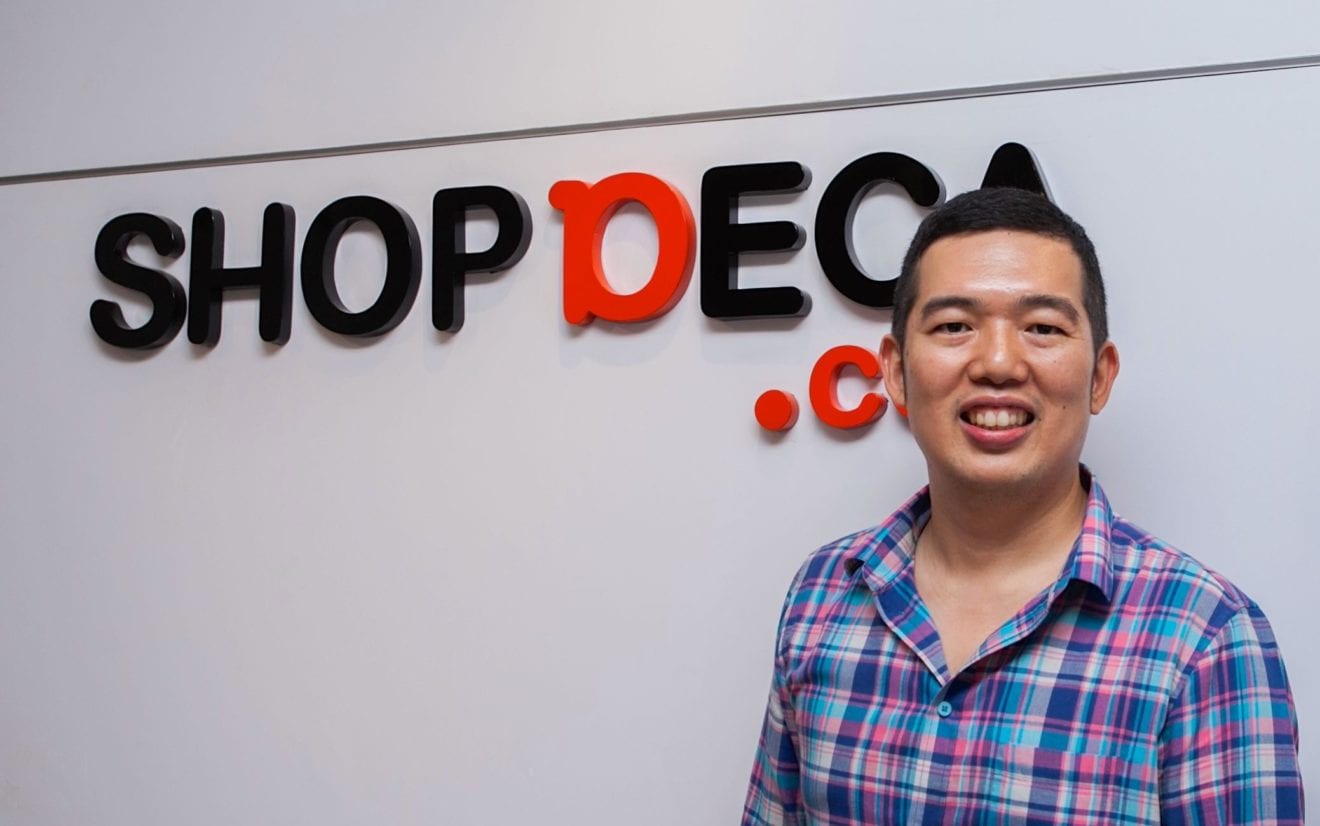
    As part of the acquisition, Shopdeca founder and successful ecommerce entrepreneur Andreas Thamrin has joined migme as Global Head of Ecommerce and will lead the expansion of migme’s ecommerce operations.

    The Company plans to extend the current pay-to-bid (via Sold) and B2C (business-to-consumer) (via Shopdeca) ecommerce operations to further add a C2C (consumer-to-consumer) social marketplace and B2C2C (business-to-consumer-to-consumer) affiliate sales program.

    This is the second completed acquisition for the Company in 2016, following social news site Hipwee in January. In addition, the Company established a strategic partnership with leading photo and video mobile app. developer Meitu in March.

    The Company has also completed the implementation of online payments with payment partner Paytm, India’s largest mobile payment and ecommerce platform, processing over 10 million transactions per month with their digital wallet. migme users are now enabled on Paytm’s digital wallet, joining over 15 million active wallet users. migme users will be able to shop through ‘Pay with Paytm’ channels at more than 1,500 leading merchants and via other platforms including web, mobile, apps, SMS and IV.

    Payments to add money to the digital wallet are accepted via internet banking, credit/debit/cash cards and Paytm cash.

  • New Braun Buffel Singapore boutique opens

    New Braun Buffel Singapore boutique opens

    German luxury brand Braun Buffel has opened a flagship boutique at Singapore’s Marina Bay Sands.

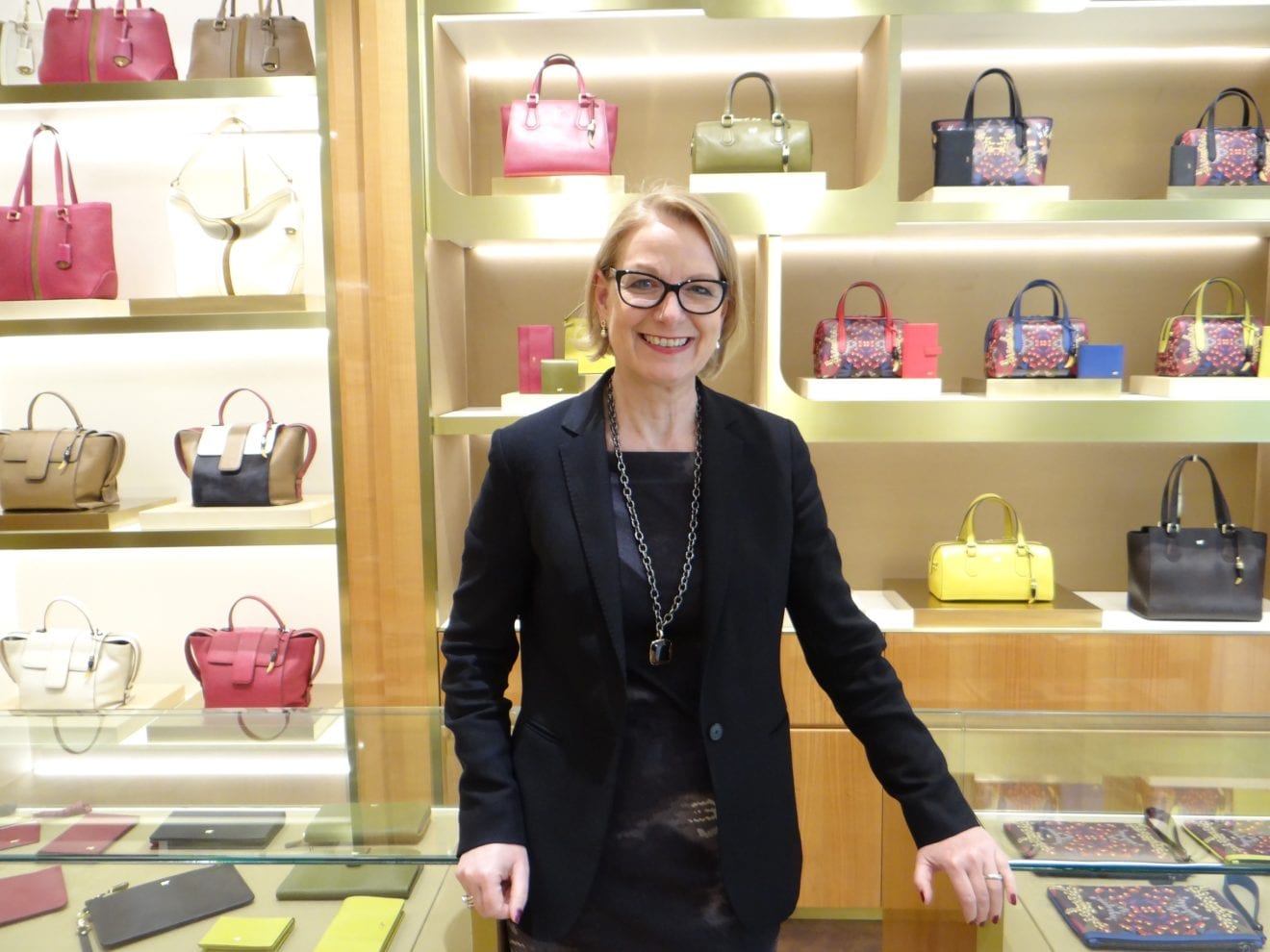
    Its official opening was attended by MD Christiane Brunk, great-granddaughter of Johan Braun who founded the company in 1887.

    Covering 1500 sqft (139 sqm), the Braun Buffel Singapore store features the brand’s trademark leather in the form of an Italian fine-grain leather wall and bespoke leather armchairs in the lounge area. It is the brand’s first flagship with the design concept, and was one year in the making.

    Singapore was Braun Buffel’s first Asian market, in 1982, and this is its fifth store in the Lion City. While known for its handcrafted leather goods and accessories, the brand has in recent years ventured into new segments such as sunglasses and watches. Its latest fall/winter collection is on display at Marina Bay Sands.

    Meanwhile, the company is seeking to expand in Indonesia and China, where it has nearly 200 retail outlets. It also has a presence in Hong Kong, Malaysia, Philippines, Taiwan and Vietnam.

    It also plans to introduce an online retail platform in Asia soon. It already has online shops in Australia, Canada, New Zealand and the US.

  • MSGM new boutique in Tokyo

    MSGM new boutique in Tokyo

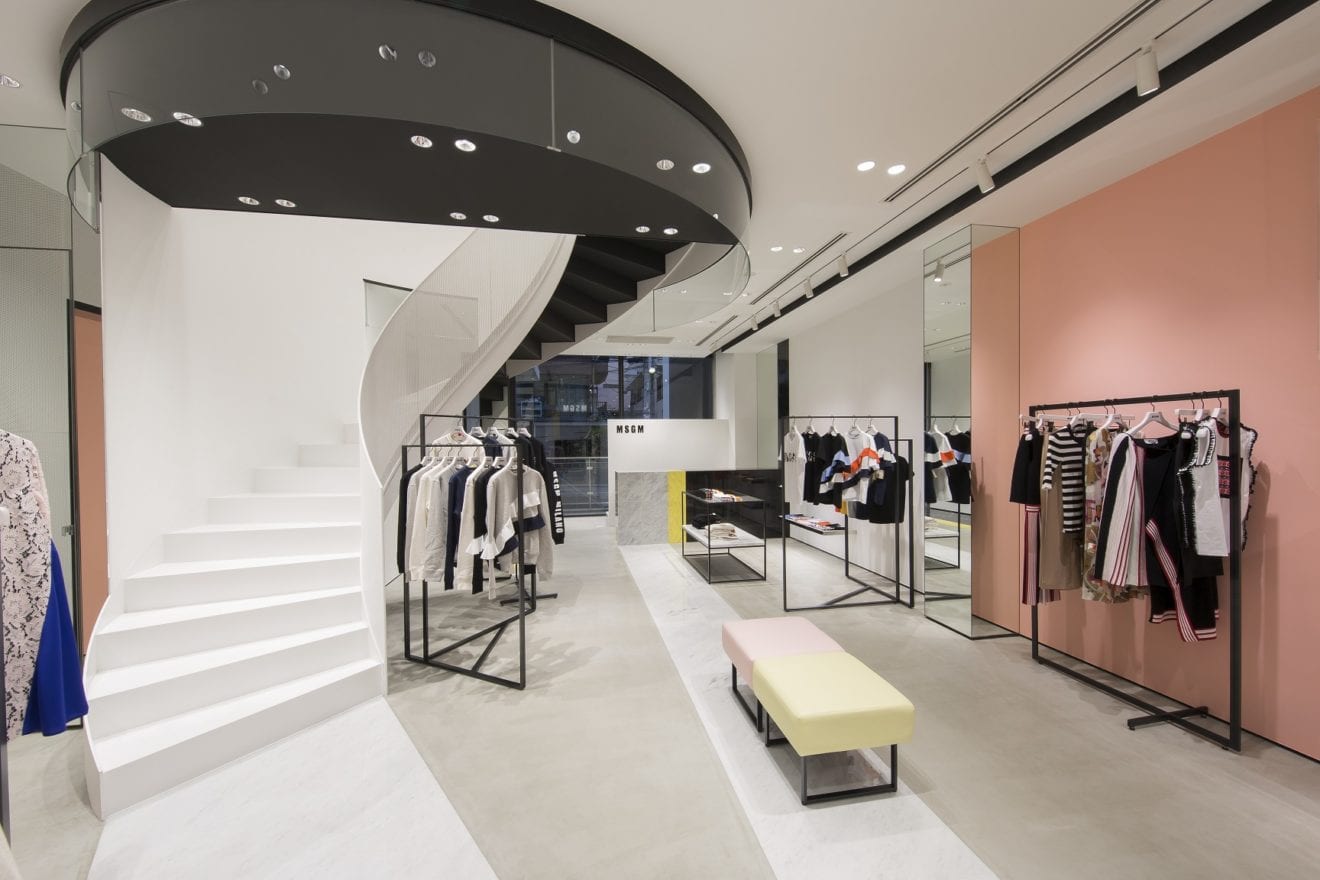
    Italian fashion label MSGM has opened its first boutique in Japan, in Tokyo’s Shibuya district.

    It is MSGM’s fifth monobrand shop in the world, again with its interior design concept being the brainchild of founder/creative director Massimo Giorgetti. He collaborated again with Milan-based architect studio CLS Architetti, as well as Tokyo studio Garde.

    Over two levels, the Tokyo store covers 2152 sq ft (199.9 sqm), and carries the brand’s men’s, women’s and accessories collections. It continues label’s street-style aesthetic with flexible iron structures and black-and-white marble surfaces with fluorescent yellow lines for exhibiting products.

    Another feature is geometrically shaped neon tubes on the ceilings, and there are two artworks, by Japanese-American artist Shingo Francis.

    MSGM’s other monobrand boutiques are in Singapore, Hong Kong, Milan and Dubai.

  • Septwolves flagship merges art and fashion

    Septwolves flagship merges art and fashion

    The new Chinese menswear brand Septwolves flagship in Xiamen was designed by Prospace Asia to offer a “stereoscopic fashion experience”.

    The idea was to merge the sales area with a fashion lounge/art gallery space for the Xiamen store, the same city where the design company is based.

    SEPTWOLVES-flagship-store-by-Prospace-Asia-Xiamen-China-02

    Septwolves was founded in 1990, positioning itself as a premium menswear designer and retailer with more than 3000 stores throughout China. It wanted its new flagship store to be transformed into an integrated space.

    SEPTWOLVES-flagship-store-by-Prospace-Asia-Xiamen-China-07

    As customers walk through the store they come across themed displays as multi-sensory experiences involving both arts and fashion as events. The store also includes a tailor zone, books, cafe and designer boutique. At its centre is a circular stage, with the other elements of the store becoming part of an open fluid whole, rather than having separated spaces for each category.

    The central round void creates a main hall that connects both floors, and it can be transformed for temporary events. There is a mirrored ceiling over the central glass walkway, lit from beneath, with low glass sidewalls and a living green feature wall on one side.

    SEPTWOLVES-flagship-store-by-Prospace-Asia-Xiamen-China-09

    Most of the store features dark brown hues to create a warm, intimate atmosphere. There are such features as suspended shelving and island display units for small pieces, like shoes and bags.

    One area, with low-level lighting, has sumptuous leather furniture that lends the air of a gentlemen’s club. In contrast, there is a brightly lit area with more casual seating and a glass-top coffee table, with garden walls in the background.

    The shop is over two levels, with a timber spiral staircase as a feature. The arched windows on the second floor are an extension of the ground-level windows.

    SEPTWOLVES-flagship-store-by-Prospace-Asia-Xiamen-China-05

    RFID technology is integrated with the physical environment, supporting a fluid O2O platform to evokes a multi-sensory journey. O2O, or online-to-offline, platforms involve technology that allows brands to take advantage of the convergence of internet/mobile technologies and product-inventory data for increasing in-store sales.

    SEPTWOLVES-flagship-store-by-Prospace-Asia-Xiamen-China-06

    Prospace was established in New Zealand in 1989 as a specialist retail design and interior fitout company that has worked on projects in Australia, the South Pacific, Singapore, Hong Kong, Dubai, Indonesia and Europe. Its sister agencies are Prospace China and, in Sydney, Prospace Design.

    SEPTWOLVES-flagship-store-by-Prospace-Asia-Xiamen-China-10

  • Philippine eCommerce to grow 101 per cent by 2018

    Philippine eCommerce to grow 101 per cent by 2018

    The Philippine eCommerce industry is expected to grow by 101.4 per cent by 2018 from $1.15 billion in 2013, according to the Philippine eCommerce Outlook.

    Prudencio Reyes Jr, undersecretary of the Department of Trade and Industry said

    eCommerce will help “connect domestic industry with the global economy.”

    The DTI said the country’s internet-connected population has grown by around 530 per cent over the past five years.

    Of the country’s 101.1 million population, 44 per cent are active internet users, 42 per cent are active social media users, 113 per cent have mobile connections, and 36 per cent are active mobile users.

    Philippine eCommerce sales reached P79 billion in 2012, equivalent to 0.6 per cent of the country’s total income during the year. More than 76.2 per cent or P60.17 billion came from the services sector, especially transport and storage, administrative and support service activities, and wholesale and retail trade.

    The DTI is encouraging micro, small and medium enterprises (MSMEs) to expand locally and globally by venturing into eCommerce.

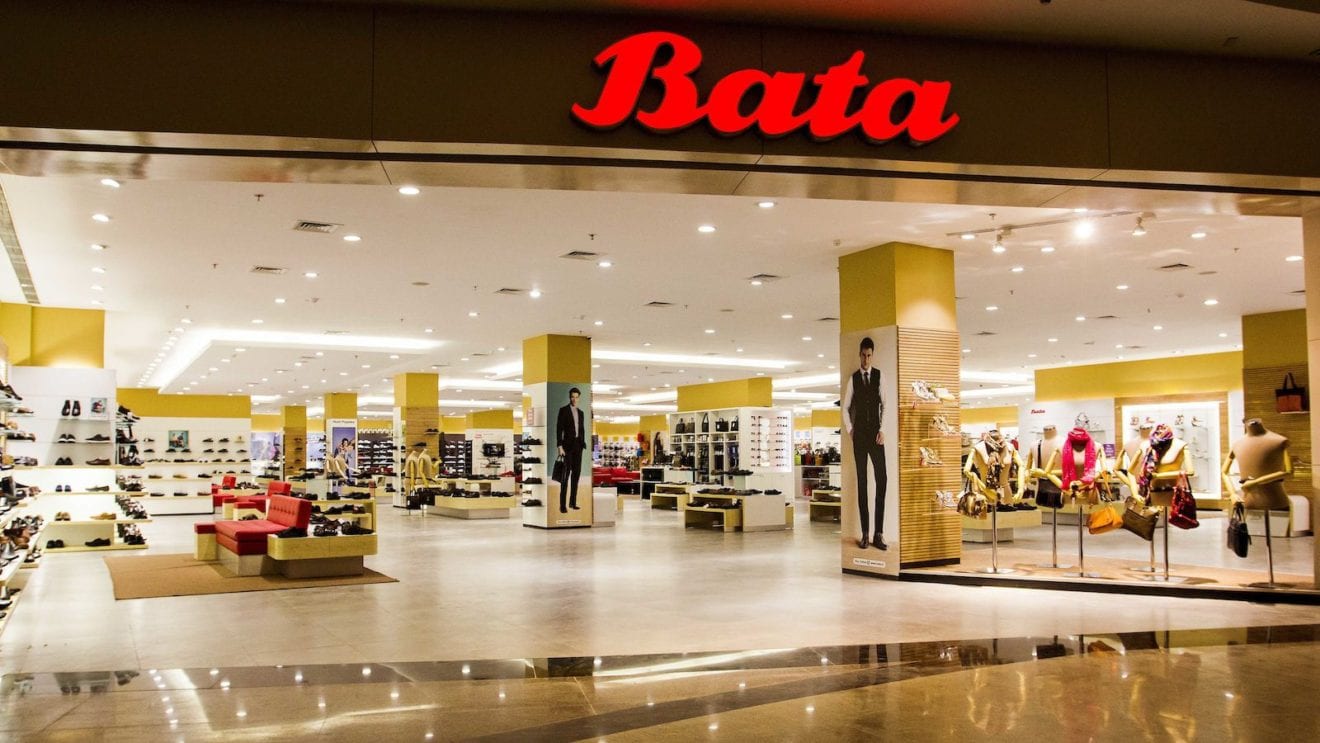
  • Bata Indonesia sales stagnate

    Bata Indonesia sales stagnate

    Bata Indonesia says it has missed meeting its sales targets despite the nation’s improving retail sales.

    Sepatu Bata, the local arm of the European shoe giant, owns and operates stores across Indonesia and manufactures sandals and shoes under brands Northstar, Power, Bubblegummers, Marie Claire and Weinbrenner.

    The company reported sales of Rp 1 trillion in 2015, 10 per cent short of the Rp 1.1 trillion target it set when it announced expansion into the middle and upper income market segments.

    However the company still posted a profit of Rp 129 billion (US$9.7 million), up 81 per cent, on the back of an unspecified one-off asset sale which raised Rp 121 billion.

    Bata Sepatu’s cost of goods rose 19 per cent and overheads by 8 per cent.

  • Amazon Payments goes global

    Amazon Payments goes global

    Amazon has launched a new global program designed to allow merchants worldwide to offer Amazon Payments to their customers.

    The Amazon Payments Partner Program offers tools and services to help retail partners grow their merchant business by offering easy integration with Amazon Payments.

    The program includes solution pre-integration and best practices to help ensure that merchants receive the most effective solutions. Merchants will be eligible to receive benefits and services from the program such as knowledge-sharing and ‘white glove integration services’. The program is free to participate in and available by invitation in the US, Germany, the UK and Japan.

    Patrick Gauthier, VP, Amazon Payments, said the company is working across geographies and industries to help merchants adopt its system.

    Members of the Amazon Payments Partner Program are eligible to receive account management, planning support, technical resources and training, a partner directory listing, partner designation with exclusive logos, and some partners may also be eligible for co-marketing activities.

    “The convenience and trust that Amazon Payments provides customers already attracts lots of our merchants. We are honored to participate in the Amazon Payments Partner Program,” said Yuko Hoshino, President of Future Shop.

    “Together, we will support the growth of our merchant business and contribute to the revitalisation of the eCommerce industry in Japan by combining the capabilities of FutureShop2 with the convenience of Amazon Payments.”

    “Amazon Payments extends the trusted and familiar experience of Amazon to our merchants across Europe and the US,” said Corinne Lejbowicz, CEO PrestaShop SA.

    “Our merchants want to offer their customers a payment solution that is trusted, easy and familiar,” added Brennan Loh, director of business development at Shopify.

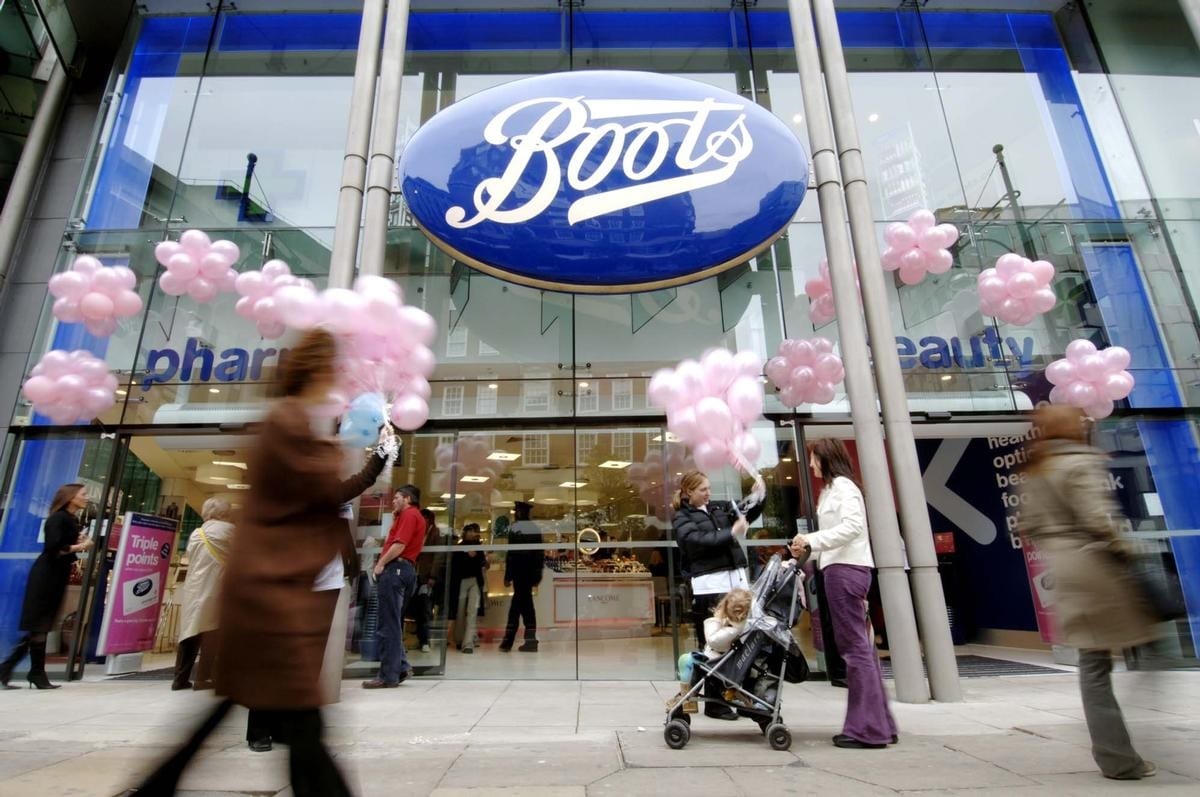
  • Why the Boots Alliance merger is a success

    Why the Boots Alliance merger is a success

    With a strong international business, a focus on driving productivity and investment in omnichannel, the Boots Alliance Walgreens business is on track to long-term success.

    The inclusion of Boots Alliance’s sales for the full quarter provided a fillip to revenue growth which was up by almost 14 per cent. Underlying sales, while up at headline level, were somewhat more subdued – especially within the US retail pharmacy division.

    The warmer weather in the US, especially during the early part of the quarter, was unhelpful – it meant the traditional cold and flu season did not strike with its usual vengeance. This, in turn, suppressed sales of key seasonal lines like flu, cold and cough medicines. This was noticeable in the front of store retail sales decline of 0.3 per cent on a comparable basis; something only offset by a strong prescription performance which pushed the retail pharmacy division’s overall performance into positive territory.

    Although cold remedies pulled down front of store sales, Walgreens is making encouraging progress in other parts of its retail offer. As a local retailer with a solid network of well frequented stores, Walgreens has a major opportunity to sell more product to existing customers, as well as drawing in a wider audience for products outside of the pharmacy and wellness space.

    Accomplishing this task requires a reinvigoration of the front of store proposition, especially in areas like beauty where Walgreens aim should be to be seen as much as a destination for higher end, more premium brands as it is for essentials and everyday beauty. This transformation has started, especially with the success of the group’s own brands like No. 7 cosmetics, and in the gifting category – which was an area of focus over the holiday period.

    In reshaping the front of store offering, Walgreens is ahead of its main rival CVS which has a lot more work to do in order to shift perceptions. Walgreens, of course, has an advantage as it is able to learn from Boots in the UK, which has, for a long time, been successful at selling both premium beauty and many other non-beauty categories. While Walgreens should not aim to simply replicate Boots, there are elements of the proposition – including the focus on lunchtime snacks and takeaway food – that can be adopted and adapted to the US market.

    Looking internationally, Boots in the UK had a successful quarter helped by a focus on Christmas gifting and also the strong performance of the ‘order online and collect from store’ service. Similar to Walgreens in the US, Boots in the UK has an extensive and localised store network which makes it a convenient option when it comes to picking up products purchased online. This, again, is something that the US operation can learn from and develop as the group looks to grow its omnichannel capabilities.

    Being part of a much bigger group isn’t only creating opportunities for the sharing of brands and ideas, it is also – as the Walgreens always planned – delivering savings. This quarter, synergies saved around US$329 million, and the group remains on target for $1 billion of savings across this quarter. This target is attainable and should help to provide an underlying boost to earnings moving into the second half.

    The successful integration of Boots Alliance and Walgreens has likely given the group confidence to pursue Rite Aid – the proposed acquisition of which was announced last October and approved by Rite Aid’s stockholders in early February. All being well, this transaction should close during the second half of this fiscal year.

    The deal makes sense on a number of levels – not least because Rite Aid has struggled to keep pace with its two rivals and we believe that Walgreens will be able to quickly make the chain more productive.

    Rite Aid has started this work with its Genuine Wellbeing format refresh, which creates a more engaging and enticing shopping experience with enhanced levels of customer service. This is something that Walgreens will be able to bolster, especially through its strong stable of own brands including Boots No 7 cosmetics.

    The potential synergy savings that will accrue from the merger are also attractive. These are estimated at $1 billion which, given the complementary nature of both businesses, are conceivable and go some way to offset the premium that Walgreens offered for Rite Aid.

    With a strong international business, a focus on driving productivity within the US, investment in omnichannel, and the boost from another acquisition, this looks to be a year of progress and change at Walgreens. While all of this activity may cause some short term fluctuations in earnings and sales, it will successfully position the group for longer term success.

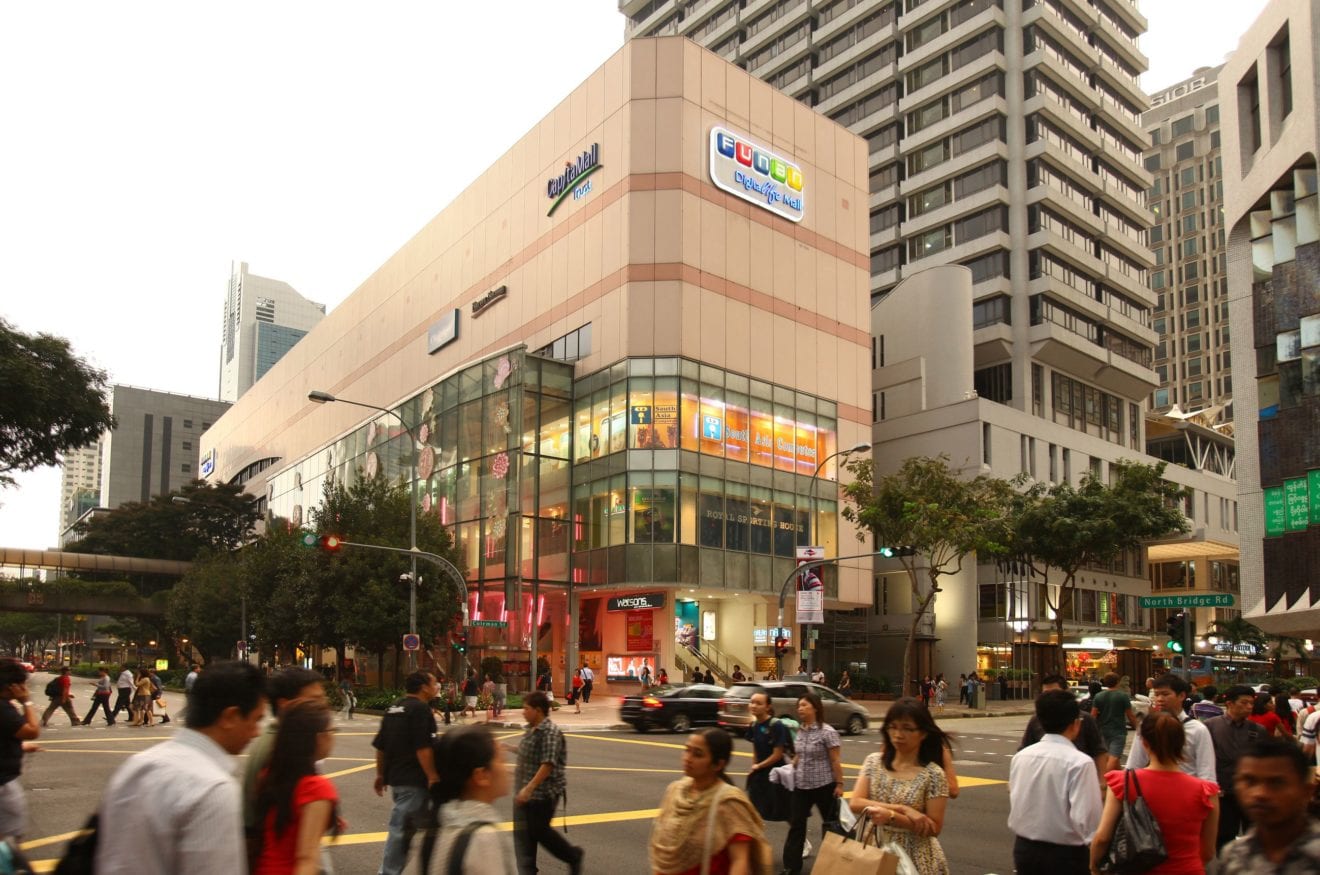
  • Singapore retail rents fall

    Singapore retail rents fall

    Singapore retail rents are falling according to the latest figures from real-estate company DTZ Southeast Asia.

    Average monthly first-storey rent across the island eased by 1.2 per cent quarter-on-quarter to about S$30.15 (US$22.22) a sqft in the first quarter this year, says the company – the fourth consecutive quarter of decline. This is 7 per cent down on a year ago.

    Headwinds continued in the retail market in Orchard/Scotts Rd, as average monthly first-storey rent there fell 1 per cent to about $37.65 a sqft..

    According to the latest Singapore Urban Redevelopment Authority (URA) statistics, the occupancy rate in the area fell by 2.1 points to 92.3 per cent last year, the lowest since 1996.

    Retailers in Orchard/Scotts Rd are expected to face pressure, especially in the face of regional competition from Bangkok, South Korea and Taiwan, which offer affordable shopping. Cheaper air fares coupled with a relatively strong Singapore dollar made shopping more expensive in Singapore, and also contributed to weaker retail sales.

    In the other city areas, the occupancy rate dropped by 1.6 points to 91.6 per cent, and average monthly first-storey rent fell by 2 per cent to $21.35 a sq ft.

    Rents were also pressured by the relatively large impending supply this year: mixed-use projects slated for completion include OUE Downtown Gallery, Tanjong Pagar Centre and Duo Galleria.

    In similar vein, the occupancy rate in suburban areas fell by 1.4 points to 92.0 per cent, and average monthly first-storey rent subsided 1 per cent to about $31.40 a sqft.

    Service critical

    DTZ director of retail Anna Lee says quality of service has become even more critical for onground retailers.

    “With competition from eCommerce coming at full force, retailers are placing greater emphasis on providing highly personalised services. Many have revamped stores to include private rooms and lounge areas with superior furnishings.”

    An example is the new Tiffany & Co outlet at Ion Orchard. Apart from being the brand’s first street-facing store in Singapore, the two-storey outlet also showcases a private viewing space with custom furnishings. Another example is Dior, which has also had a revamp at Ion Orchard. It now has lounge areas, marble features and luxurious carpets, and has added a personal stylist to provide shoppers with fashion advice.

  • Hard times for Emperor Watch

    Hard times for Emperor Watch

    Luxury timepiece retailer Emperor Watch & Jewellery is implementing an action plan to stay buoyant in the face of reversed fortunes due to the difficult trading environment.

    A member of the Emperor Group founded in 1942, the company posted a net loss of HK$120 million (US$15.48 million) for the 2015 financial year, following its $138 million net profit the previous year. Its revenues plunged 25.2 per cent to $4.43 billion from $5.92 billion in 2014.

    The company says this was caused primarily by weak consumption sentiment in Hong Kong resulting from a strong local currency and an unfavourable tourism environment.

    Store rental cuts, however, and an optimisation of its Hong Kong retail network during the year are expected to ease the rental pressure this year. The company says 78 per cent of its total revenue was supported by the Hong Kong market (83.1 per cent in 2014).

    Hong Kong retail space continues to rank as the world’s most expensive, although rents have started to moderate, says the company’s report.

    As well as streamlining its retail network in Hong Kong, during the year the group also reshuffled its jewellery business in Mainland China and extended its retail network in Singapore.

    It also launched new collections, including an exclusive “Baby” line to take advantage of China introducing a nationwide two-child policy in January.

    Synergies with other companies within the Emperor Group were also leveraged, such as leasing prime retail locations from Emperor International Holdings on an “arm’s length” basis. Another synergy is with Emperor Entertainment Group (EEG), which invites VIP guests to its movie premieres and sponsors jewellery for the artistes.

    Several strategies to mitigate risk are being implemented in the group’s action plan. Following the optimisation of its retail network in prime districts, the group plans to extend the coverage from traditional tourist shopping areas in Hong Kong to emerging shopping areas with resilient foot traffic.

    Other retail network reshuffles planned include expanding retail stores in second- and third-tier mainland cities, adding two stores in Singapore, and studying the feasibility of establishing footprints in Southeast Asian countries.

    Emperor also seeks to venture into eCommerce through such shopping platforms as WeChat Mall.

    As at December 31, the group had 100 stores (88 in 2014) – in Hong Kong (21), Macau (6), mainland China (67) and Singapore (6).


  • Zong Pakistan, Fortumo team for direct carrier billing

    Zong Pakistan, Fortumo team for direct carrier billing

    Mobile payments company Fortumo and China Mobile Pakistan (Zong) have entered into a direct carrier billing partnership in Pakistan.

    Digital content merchants and app stores using the Fortumo carrier billing platform can now collect payments from 26 million Zong customers in the country. Fortumo is the only global direct carrier billing provider in Pakistan, where the company has been working together with Telenor Pakistan since July 2014.

    “Millions of people in emerging markets are accessing the internet only from their phones,” said Gerri Kodres, chief business officer at Fortumo. “This new digital audience is connected to the world but cannot access paid content as a majority of them do not own credit cards.”

    An estimated 56 million Pakistanis now have a smartphone. The adoption of smartphones in the country is helped by both Zong and Telenor Pakistan launching 3G networks in 2014.

    Fortumo’s direct carrier billing platform allows users to make payments over a data connection by confirming purchases with one click on their phone. Payments are processed without any additional information required from the mobile user which provides a significant conversion improvement compared to any other online payment method.

    Fortumo’s direct carrier billing platform is currently available to over 1.3 billion people in 16 Asian countries. Globally Fortumo covers 95 countries and reaches over 3 billion end-users with its carrier billing solution.