Author: Mei Ling Tan

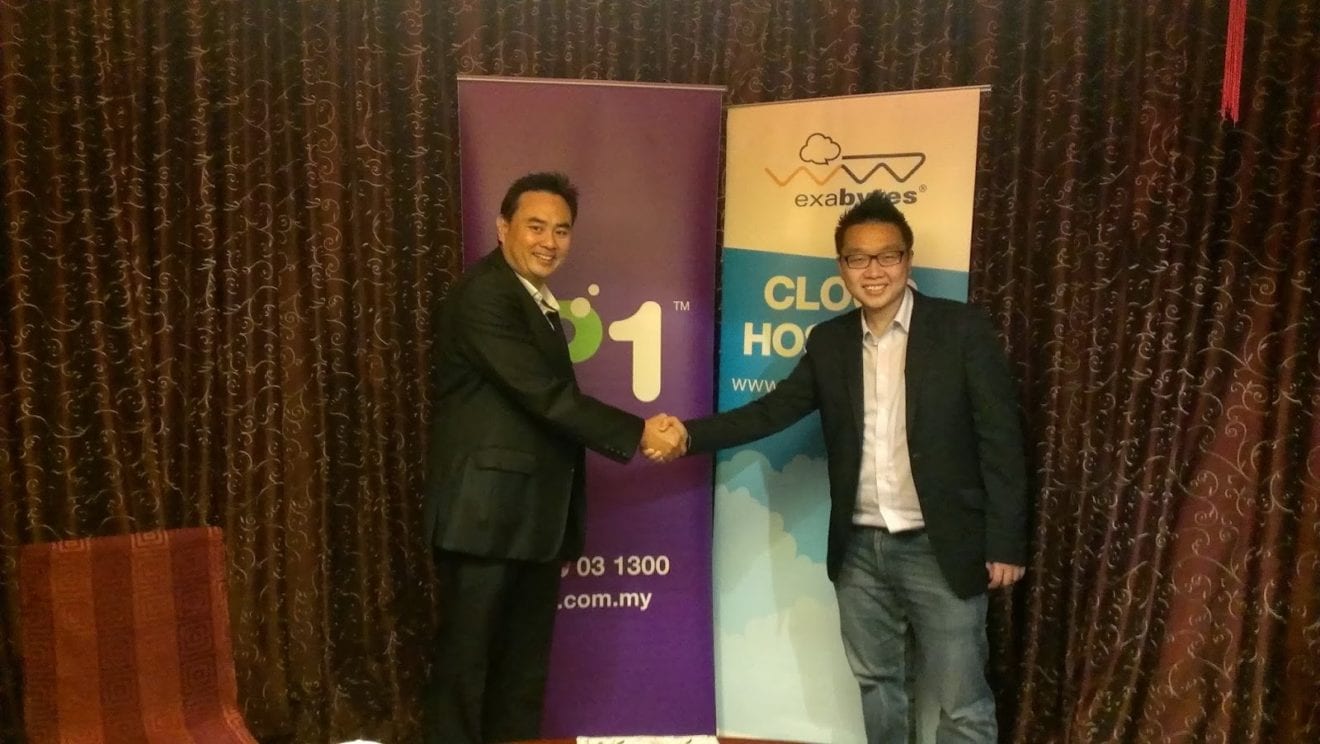
  • Malaysia’s P1 rebrands as webe

    Malaysia’s P1 rebrands as webe

    Malaysia’s Packet One Networks (P1) has rebranded as webe as part of its transformation into a digital mobility service provider.

    But the operator has not yet announced when it plans to launch mobile services or provide details on any mobile plans.

    The operator, which was acquired by Telekom Malaysia in 2014, plans to differentiate from its established rivals in the mobile network services market with a focus on being a community-driven brand.

    To support these ambitions the company has launched a mobile app to promote community projects. The initial seven projects include an app to highlight and alert uses on dengue prone areas, a project to create additional ICT classrooms for disabled students and the first Malaysian-made feature length zombie movie.

    Announcing the rebranding, webe CEO Puan Chan Cheong said the operator is last to market in the mobile industry and therefore needs to stand out by being significantly different.

    “Being last to market means we are also able to learn from mistakes – some our own, and some from others we’ve seen in the marketplace,” he said.

    “The past two years have been hard work for us as we sought to understand how we could build a better company and a brand you could love. The answer we arrived at: by having a higher purpose and a deeper connection with our communities.”

    He said the decision not to provide details on plans or products at the launch of the new brand was intentional as part of these promotional efforts.

    The launch will mark Telekom Malaysia’s re-entry into the mobile market following the demerger of its mobile unit (now Axiata Group) in 2008.

  • TOT to take charge of Thai rural broadband project

    TOT to take charge of Thai rural broadband project

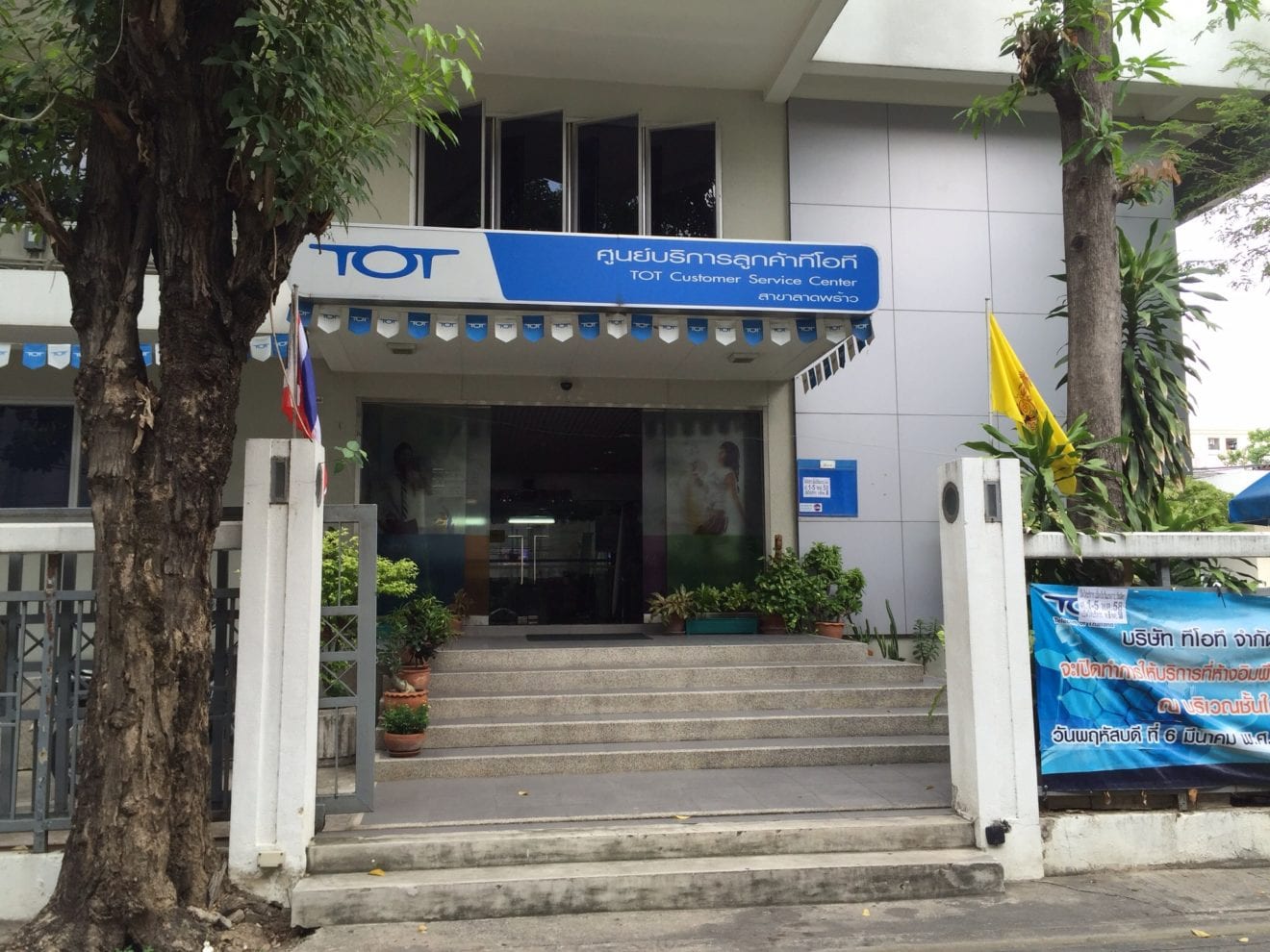
    Thai state-owned operator TOT has been instructed to go it alone in a project to build a national broadband network connecting 30,000 villages across the nation.

    TOT will take sole responsibility the project to bring broadband to the majority of Thailand’s villages that currently lack broadband connectivity.

    Initially the government had planned to have TOT and CAT Telecom jointly oversee the 15 billion baht ($427.5 million) project, but the ICT ministry decided that given TOT should take control of the project due to its existing extensive infrastructure.

    CAT has been told to focus on further investment in international internet gateway infrastructure to support the government’s policy of promoting Thailand as a digital hub for the Asean region.

    Construction of the network is expected to be complete by May 2017. The state will use the network to provide free broadband connectivity in public places in all villages, while TOT plans to offer at least 20Mbps plans with affordable tariffs.

    The national broadband project is expected to be partly funded from private sector investments. It forms part of the government’s five year master plan that aims to improve Thailand’s telecom infrastructure to lift the minimum standard for broadband speed across the nation.

  • Yooya exceeds 4b views

    Yooya exceeds 4b views

    Yooya said it has achieved over four billion lifetime views, with more than 2.75 billion added in the last seven months, driven by a combination of an increasing number of distribution partners and a growing stream of compelling new content.

    This development coincides with Yooya securing $3 million at a post-money valuation of $13 million in its Series Seed financing round.

    FastForward Innovations led the latest investment round, with previous investor Dream Incubator of Tokyo also joining the round.

    Yooya has been instrumental in helping content producers monetize China’s fragmented online video market by providing a single platform for content distribution, rights management, and advertising solutions.

    Yooya brings together many key components essential to the equation, including licensing at scale, automated ad sales, consolidated data and analytics, and simplified content distribution.

    For advertisers looking to tap into the large-scale engagement online video in China offers, Yooya provides a single point of contact to access distribution across all major video platforms and access to hundreds of channels, covering key advertising demographics and interest categories.

    “This growth means that finally there is a viable managed platform on which to build better monetization and more effective video-based advertising,” said Yooya CEO Rick Myers.

    Currently with over 200 million network views on average per month, Yooya predicts it will hit more than 800 million video views per month before the end of 2016, representing month-on-month growth of 40%.

  • Globe’s GCash adapted for tax payment

    Globe’s GCash adapted for tax payment

    The Philippines’ Bureau of Internal Revenue (BIR) has teamed up with Globe Telecom to improve tax collection via the GCash mobile money service.

    Under the partnership, Globe’s GCash and the BIR have relaunched the Philippines’ first electronic tax filing and payment system.

    Together with the USAID Facilitating Public Investment Project and the USAID E-PESO Activity, Globe relaunched the electronic filing and payment system on Tuesday with more enhanced features.

    The goals of the project are to improve tax collection and administration, curb corruption, and strengthen the business climate in the country.

    “The continuous payment of right taxes will continue and sustain the growth of the Philippines,” said BIR Commissioner Kim Henares in a statement. “The bureau aims to increase funding contribution for the country’s growing needs for basic infrastructure and social programs necessary to reduce poverty, thus, the government continues to push for the growth of the country’s fiscal space.”

    GCash was first introduced for national tax payments in 2005 when BIR’s thrust was to expand the provision of electronic services, most notably with the release of eBIRForms v6, an improved e-filing software that can serve all taxpayers.

    The use of GCash has now been expanded to allow payments for all types of taxes and also works with local and national government agencies to increase public’s awareness through the e-Bayad campaigns and enable usage of electronic payments in government transactions.

    GCash President Albert Tinio said GCash also helps the government utilize mobile money for collections and disbursements of social welfare benefits, government fees, and taxes. By limiting face-to-face transactions, the service is able to increase access to government services and reduce potential leakages especially in hard to reach areas.

    With the partnership in place, all Philippine taxpayers can use their mobile phone to pay for all types of taxes instead of going to BIR regional district offices or authorized agent banks with their cash or check.

    The Gcash mobile app can be downloaded from the Google Play Store for Android. Users need to register for the service and fund their Gcash account in any partner outlet.

  • Viettel to roll out 3G-only network in Myanmar

    Viettel to roll out 3G-only network in Myanmar

    Vietnamese military-run operator Viettel has provided details of its plans for entering the Myanmar mobile market, including a goal of connecting 95% of the country’s population within three years.

    Viettel was recently selected as the international partner for a consortium of 11 local technology and other companies selected to become Myanmar’s fourth mobile operator.

    As part of this consortium, Viettel announced plans to roll out a 3G-only network on the 900-MHz and 2100-MHz frequency bands. The operator also aims to launch 4G services on the 1800-MHz bands if it secures the required licenses.

    The consortium will have a total investment of $1.5 billion, and Viettel will take a 49% stake in the venture.

    “We enter Myanmar at this historic phase in the country’s reform era, when the country is forecast to witness accelerated economic growth, enhanced also through increased foreign direct investment,” Viettel deputy general director Le Dang Dung commented.

    “Advancing the country’s telecom infrastructure will help us drive a surge in mobile and smartphone subscription penetration, to achieve the government’s target of reaching 90% of the population by 2020. We believe that the role of telecommunications is fundamental in driving Myanmar’s next phase of economic growth.”

    The consortium will be competing with Telenor Myanmar and Ooredoo Myanmar, as well as the joint venture between Myanmar Posts and Telecom and Japan’s KDDI.

  • Why online retailers are opening Hong Kong pop-up stores

    Why online retailers are opening Hong Kong pop-up stores

    Numerous reports have been written on how eCommerce spells the death for brick-and-mortar stores in the retailing industry.

    But others have written on how the preference of customers taking in the whole in-store shopping experience will ensure that there will always be a need for real world stores.

    Unlike in other markets, eCommerce in Hong Kong has yet to gain a strong foothold. According to Euromonitor International, online retail sales accounted for only 3 per cent of the city’s total retail sales in 2015. The insignificant share of online sales has even seen the tables being turned, with online retailers opening offline stores to communicate brand value and as a means to convert bricks and mortar store shoppers to online platforms.

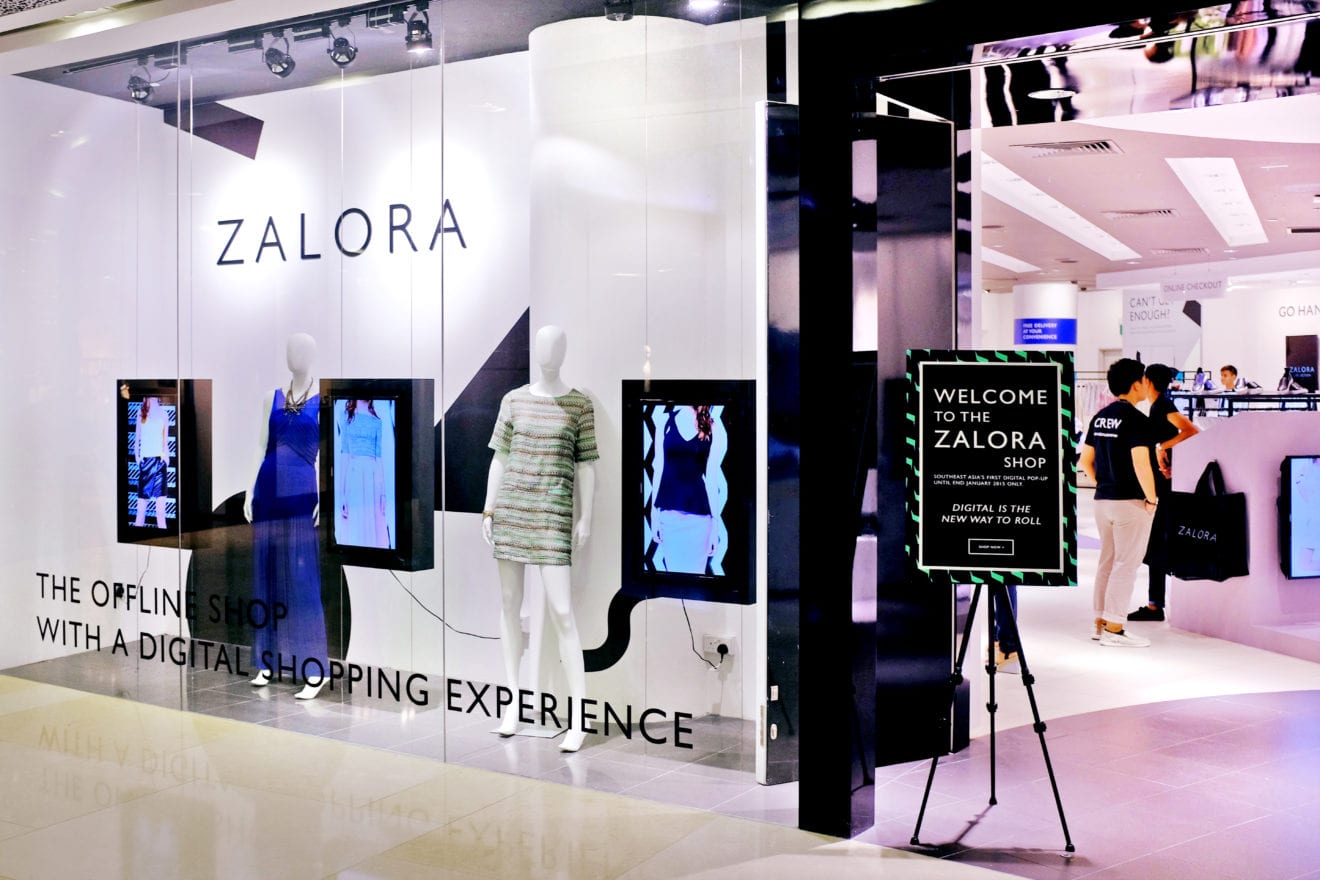
    Online fashion retailer Zalora is just one brand which opened Hong Kong pop-up stores last year to test the waters without committing to a long-term lease. Other than cost concerns, the use of a pop-up store also allowed the retailer to move the store around various shopping centres in the city to maximise exposure.

    Real world stores opened by online retailers are generally designed for experience and as a place to educate potential customers to buy online. Similarly, Line – the mobile social networking platform – also opened a pop-up store last year, before opening a more permanent store to sell Line character merchandise as well as build its brand image and customer base.

    While pop-up stores are the preferred format for Click-to-Brick retailers (at least at the market entry stage), when it comes to setting up a more permanent store, the overwhelming preference is to be located in prime shopping centres in core locations since they provide an all-weather shopping environment, controlled trade mix and a more focused customer base.

    For landlords, the allure of pop-up stores is that they can better utilise space within the shopping centre and minimise void periods; an important consideration given the current challenges facing the city’s retail sector. The ever changing goods offered by different pop-up stores can also freshen the shopping experience of customers.

    The Click-to-Brick trend is still at a nascent stage, hence it is too early to conclude whether it will establish as a key driver of demand in the city’s retail leasing market over the longer-term. In the interim, it will be a welcome addition to shopping centre landlords who continue to look for new means to differentiate against their competitors amid an increasingly challenging retailing environment.

  • Uniqlo Philippines to open six new stores

    Uniqlo Philippines to open six new stores

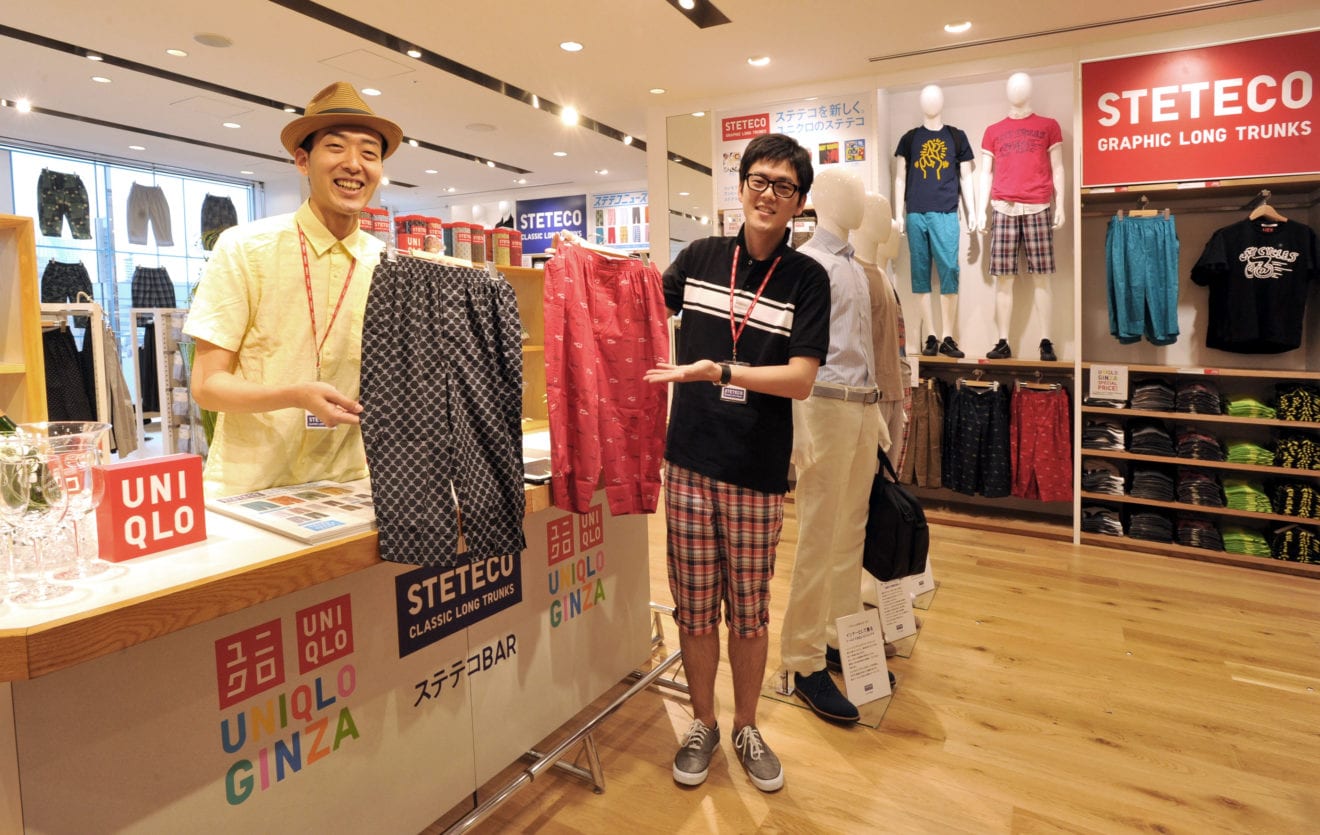
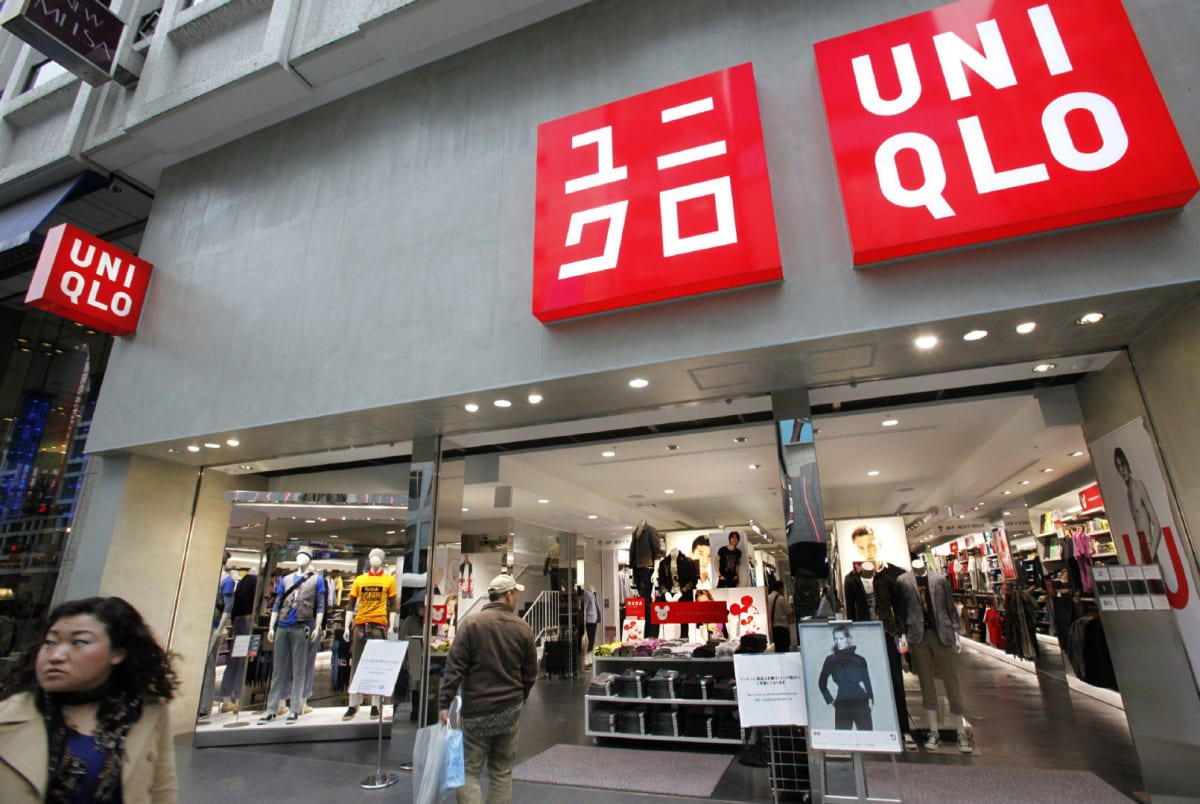
    Japanese fashion brand Uniqlo is opening six stores in the Philippines by June 2016.

    “We are thrilled to announce that Uniqlo will open four new stores in Luzon by May and two new stores in the Visayas by June, as we continue to bring high-quality and innovative clothing to Filipinos,” said Katsumi Kubota, COO of Uniqlo Philippines.

    The Luzon branches of Uniqlo Philippines will be in UP Town Center in Quezon City; Solenad 3 in Nuvali, Laguna; Evia Center Vista City in Daang Hari Rd, Cavite City; and SM City Cabanatuan in Nueva Ecija.

    The Visayas stores will be in Iloilo City and Bacolod City, adding to the existing outlets in SM City Cebu and SM Seaside City Cebu.

    Uniqlo is a brand of Japanese global retail holding company Fast Retailing, which designs, manufactures and sells clothing under seven main brands: Uniqlo, GU, Comptoir des Cotonniers, GU, Helmut Lang, J Brand, Princessetam.tam and Theory. It has global sales of about US$13.88 billion.

    There are more than 1700 Uniqlo stores in 17 markets, including Australia, China, Hong Kong, Indonesia, Malaysia, Philippines, South Korea, Taiwan and Thailand.

  • FamilyMart Malaysia rollout confirmed

    FamilyMart Malaysia rollout confirmed

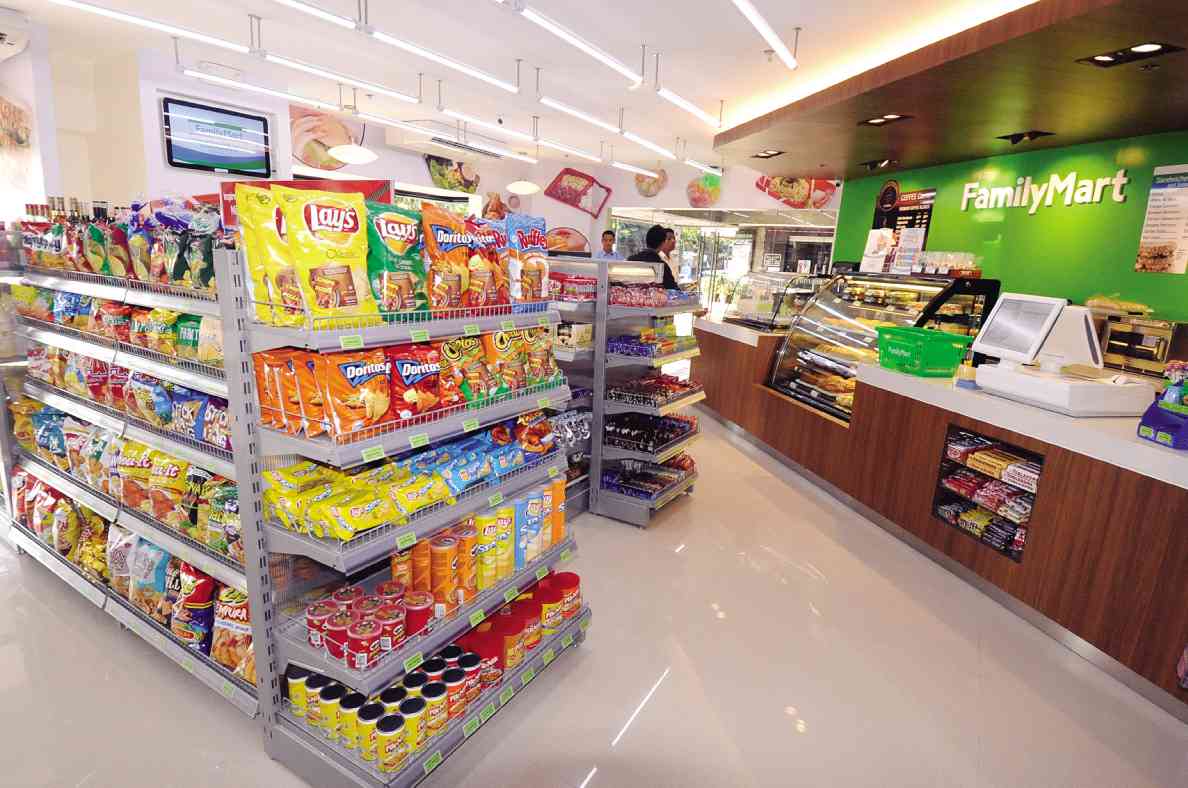
    QL Resources, which produces chicken eggs and seafood surimi, is set to launch a MalaysiaFamilyMart network.

    The company says it plans to open 300 outlets within five years, with the first to be up and running by the end of this year. That will trigger a battle with fellow Japanese convenience store chain 7-Eleven and local startup Bison Incorporated which plans to use the funds from an upcoming IPO to open 150 new stores by 2017.

    QL Resources says its wholly owned subsidiary Maxincome Resources has signed the area master franchise agreement for the development and running of FamilyMart convenience stores in Malaysia. The 20-year agreement is renewable for subsequent periods of 20 years, each at Maxincome’s option, and becomes conditional once the company has registered as a franchisee with Ministry of Domestic Trade, Co-operatives and Consumerism.

    FamilyMart sees the move into Malaysia as an “exciting opportunity” given the country’s growing economy and consumer spending.

    Both parties seem to agree the launch will have a long gestation period, understandable given the current state of the convenience store industry in Malaysia.

    7-Eleven Malaysia dominates the market, with a share of around 82 per cent, through  more than 1900 stores nationwide and with an expansion rate of about 200 annually at present..

    Smaller rival Bison has about 240 newsstands and convenience stores under its brands, which include myNews, Newsplus, MagBit and The Front Page. It also runs WHSmith outlets in Malaysia, in a joint venture with UK’s WH Smith Plc.

    QL Resources says the launch of FamilyMart will open up bigger growth opportunities in the consumer market for the whole group. “It fits into our strategy of strengthening and expanding integration of the group’s value chain.”

    It cites such favourable factors as Malaysia’s increasing urbanisation and per-capita consumption, young population demographic, and a growing trend of proximity and convenience retail.

    Globally, FamilyMart had 17,540 stores in seven countries as at March 31, and is known for its range of ready-to-eat food and beverage offerings as well as convenience items.

    “FamilyMart’s philosophy and values resonate with QL Resources’ mission of providing nourishing agro-based products,” QL Resources says in a statement. “Their emphasis of delivering quality food is also a value that QL Resources, as a food company, values and sees synergy in.”

  • Uniqlo profit drops

    Uniqlo profit drops

    Uniqlo profit has plummeted in the Japanese fast fashion chain’s first half year.

    Parent Fast Retailing has revealed a 33.8 per cent decline in year-on-year surplus, despite a 6.5 per cent increase in sales from September 2015 to February 2016.

    Consolidated revenue reached JP¥1.0116 trillion (US$9.385 billion) and profit ¥99.3 billion (US$1.535 billion).

    While Global Brands reported a rise in both revenue and profit, Uniqlo Japan reported declines in both revenue and profit, and Uniqlo International reported a rise in revenue but a decline in profit.

    The company blamed the Japanese decline on poor sales of winter ranges and lower gross margin, with same-store sales down 1.9 per cent.

    “Subsequent stronger discounting in January and February contributed to a 3.5 per cent fall in the first-half gross margin.

    Uniqlo profit was down on weaker sales in Greater China, South Korea and the US in the company’s international division. However sales and profit rose in Southeast Asia, Oceania and Europe.

    In the Global Brands division, revenue and profit both rose on strong sales of GU ranges. “GU’s widely advertised campaign items such as knitwear and trendy bottoms such as wide pants and jogger pants all generated strong sales, fueling double-digit growth in same-store sales,” Fast Retailing reported.

    The company is predicting a better second half but has revised its earnings forecast to a 7 per cent rise in revenue and a 27 per cent decline in operating profit.

  • Story-i Indonesia to open Apple Stores

    Story-i Indonesia to open Apple Stores

    Two more Apple Stores will open in Jakarta as part of Story-i Indonesia’s retail strategy to expand the network to 18 locations.

    Story-i has formed a relationship with Singapore-headquartered retail giant Courts to open an initial two Apple stores within its large-format Courts Megastores in Jakarta. Story-i will follow up with two further stores within Courts outlets this quarter. Courts has more than than 70 locations across Indonesia as well as Malaysia and Singapore.

    Like Story-i, Courts has an aggressive growth strategy, with a developed pipeline of up to 20 large-format stores. As part of this roll out, Courts has a marketing strategy including a storewide cash-back promotion on sales, extended to cover Story-i stores within its megastores.

    Story-i CEO Yulius Halim says the network provides an all-important physical infrastructure for device sales and servicing that underpins its eCommerce business. As well as more stores, Story-i has been appointed the IT service centrepoint for the Courts Megastore complexes.

    Singapore-incorporated Story-I has 14 Apple and related stores in Indonesia through its 95 per cent owned subsidiary Inetindo Infocom. Story-i branded stores retail Apple products and accessories, iConnect retails Samsung and Lenovo phones, computers and lifestyle accessories, and GeekZone provides software, equipment servicing and apps.

  • Asian retail leaders in Forbes most powerful businesswomen

    Asian retail leaders in Forbes most powerful businesswomen

    Two Asian retail leaders have been added to Forbes magazine’s annual list of 50 most powerful businesswomen in Asia – in The Philippines and Vietnam.

    They are Robina Gokongwei-Pe, the president and COO of Robinsons Retail Holdings, the second-largest multi-format retailer in The Philippines, and chairman/general director Cao Thi Ngoc Dung of Vietnam’s largest jewellery brand, PNJ, which she founded in 1998.

    Robinsons started as a department store in Manila in 1980, expanding into the supermarket business five years later. It entered the DIY business in 1994, the convenience store and specialty store businesses in 2000, and the drug store business in 2012.

    There are six business segments: supermarkets (Robinsons Supermarket and its two new subformats, Robinsons Easymart and Robinsons Selections); department stores (Robinsons Department Store); DIY stores (Handyman Do it Best, True Value, True Home by True Value, and the newly acquired big-box hardware subformat A.M. Builders’ Depot); convenience stores (Ministop); drugstores (South Star Drug and Manson Drug); and specialty stores (from consumer electronics and appliance retailer Robinsons Appliances and Savers Appliances to toys retailer Toys ’R’ Us, one-price-point retailer Daiso Japan, coffee chain Costa Coffee and international fashion brands such as Dorothy Perkins, Topman and Topshop, and international cosmetics brands such as Shiseido).

    Robina Gokongwei-Pe is also a director of Cebu Air, JG Summit Holdings, Robinsons Bank Corporation and Robinsons Land Corporation. She is a trustee of the Gokongwei Brothers Foundation, Immaculate Conception Academy Scholarship Fund and the Ramon Magsaysay Awards Foundation, and is also a member of the University of the Philippines Centennial Commission.

    After attending the University of the Philippines-Diliman, she obtained a Bachelor of Arts degree, majoring in journalism, from New York University in 1984. Pe joined the Robinsons group in 1984 as a management trainee. She is the daughter of the chairman and CEO of the company, John L Gokongwei Jr.

    Cao Thi Ngoc Dung founded PNJ as a store in 1998, and now has a 17 per cent stake of the company, which has more than 3000 employees in 200 stores. The group grossed $350 million in revenue and made a profit of $23 million in its latest trading year.

    Based in Ho Chi Minh City, PNJ opened its own jewellery factory in October 2012. A VND120 billion (US$ 5.38 million) investment, the factory has the capacity to produce 4 million items a year. PNJ’s national expansion started in 1994 with the establishment of a branch in Hanoi.

    This year’s Asia’s Power Businesswomen list represented 14 countries, with China and Hong Kong dominating (14 women), followed by India (8), Thailand (5) and Japan (4). Australia, Indonesia, Singapore and Vietnam each had three, while South Korea and The Philippines each had two. Macau, New Zealand and Taiwan had one each. There were 27 newcomers, about a quarter of them from the tech sector.

  • Amway Vietnam under investigation

    Amway Vietnam under investigation

    Vietnam’s Ministry of Industry and Trade (MoIT) is investigating seven multi-level marketing companies, including Amway Vietnam.

    With a focus on uncovering illegal pyramid schemes masquerading as business opportunities, the investigation is expected to be completed next month.

    In late March, the MoIT assembled a team to look into Amway Vietnam, Unicity Marketing Vietnam, Thien Ngoc Minh Uy, Tap Doan Lien Ket Vietnam, Lien Ket Tri Thuc, Lien Minh Tieu Dung Thang Long and Nhuong Quyen Thang Long.

    Amway Vietnam, Unicity Marketing Vietnam and Thien Ngoc Minh Uy have the largest revenues of multi-level marketing companies in Vietnam.

    In the investigation team are representatives from MoIT’s  Vietnam Competition Authority (the government’s management body for multi-level marketing businesses) and Market Management Department, which works in tandem with the Police Investigative Department on Economic and Corruption-related Crimes.

    Since March 9, the Vietnam Competition Authority has revoked the registration certificates of five companies for fraudulent activities, and the Hanoi Department of Industry and Trade has punished several companies for violating regulations on multi-level marketing businesses in the capital city.

    The investigations were launched after MoIT’s minister Vu Huy Hoang issued a directive requiring agencies to search out pyramid schemes falsely labelled as multi-level marketing companies.

    In February, the Lien Kiet Viet company was caught after swindling about 60,000 people in more than 27 cities and provinces, appropriating a total of VND1.9 trillion ($87.15 million) since 2014.

    Multi-level marketing firms were allowed into Vietnam at the request of foreign countries during Vietnam’s negotiations to join the World Trade Organization. Since 2009, foreign-owned companies have been permitted to run these businesses, and now nearly half of the 61 companies in this segment are wholly foreign-backed.

  • Double launch by Diesel Japan

    Double launch by Diesel Japan

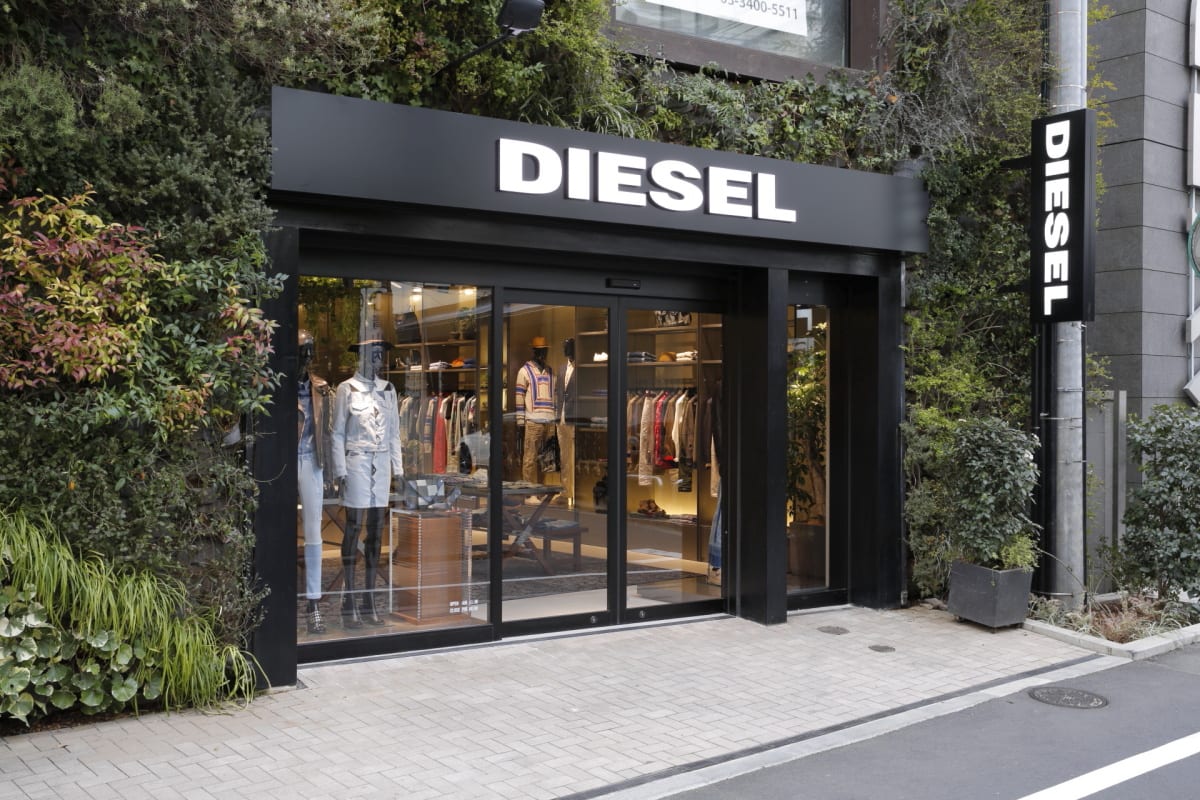
    Diesel has returned to the quiet fashion area of Aoyama in Tokyo with a double store opening – Diesel Aoyama and Diesel Black Gold Aoyama.

    Diesel Aoyama offers the label’s full collection of men’s and women’s denim, apparel, bags, shoes and accessories, as well as tableware from Diesel Living. It features the brand’s new retail design concept, with a highlighted denim area featuring stainless steel and glass. Design details include steel fixtures paired with rugs, concrete flooring with wooden ceilings, and antique furniture with technologically advanced materials.

    Diesel Aoyama store. 2

    Diesel Black Gold is the label’s first-ever monobrand store in Japan, showcasing a complete range of women’s and men’s collections along with accessories. Industrial and raw materials are used as a backdrop for the collection.

    Diesel Aoyama store. 1

    To mark the occasion, both Diesel and Diesel Black Gold have launched limited-edition items available only in the two stores, such as a Made in Japan denim collection for Diesel, and iconic items like a leather jacket for Diesel Black Gold.

    Diesel Aoyama store


    Diesel Aoyama store. 3

    Nearly 10 years ago, Diesel created a stir by opening Diesel Denim Gallery in Aoyama. The two-storey concept shop displayed denim items as artworks, and featured limited-edition items. There were also gallery spaces for in-store installations and art exhibitions, featuring creators such as video director Timothy Saccenti and architect Makoto Tanijiri. In 2011, the project moved and opened as Diesel Art Gallery in Shibuya, Tokyo.

  • Audemars Piguet Hong Kong boutique opens

    Audemars Piguet Hong Kong boutique opens

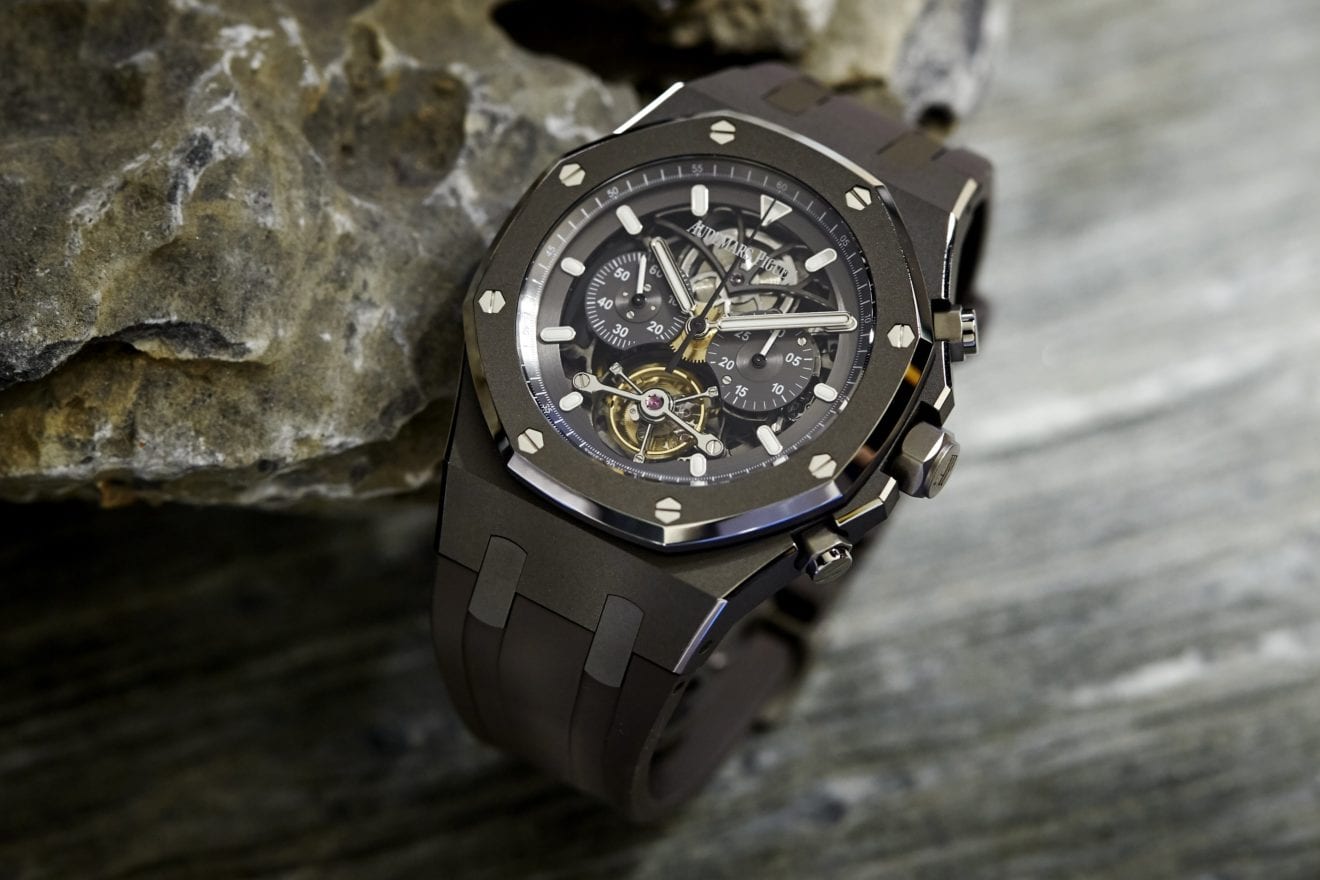
    Ultra-luxury Swiss watch brand Audemars Piguet has opened a standalone boutique in Hong Kong.

    event-20141008121335-AP_GrandOpening_2 (1)

    The Hong Kong store is one of only about 17 stand alone boutiques of the brand in the world.

    Hong Kong watch retailer Halewinner, owned by Early Light International, has opened the store and sells Audemars Piguet timepieces through others in its 30-strong chain of multi-brand watch stores across Hong Kong, Macau and Mainland China.

    Audemars Piguet Ambassador LeBron James visits Hong Kong’s first self-owned boutique 2

    Audemars Piguet Hong Kong April 2016

    The Audemars Piguet Hong Kong Boutique is located in Soundwill Plaza at No 38 Russell St.

    The Swiss brand has designed and manufactured highly complex mechanical watches since 1875, when it was founded by Jules-Louis Audemars and Edward-Auguste Piguet. Among others, Tiffany & Co, Cartier and Bulgari have used Audemars Piguet movements.

  • Price war scratches Korean espresso chains

    Price war scratches Korean espresso chains

    Major franchised Korean coffee chains saw their revenue fall in 2015 in the face of tougher competition with cheap take-out coffee amid economic slowdown, heading to another tough year, data shows.

    Homegrown coffee brands have sprung up in Asia’s fourth-largest economy over the past decade to capitalise on the growing population of coffee drinkers, but their growth has slowed recently in the saturated domestic market.

    Adding to their woes, low-cost coffees at convenience stores and mini take-out stalls have enjoyed growing popularity among price-conscious consumers, posing a threat to franchise coffee shops standing on every corner of major streets.

    Coffee Bean & Tea Leaf, an American franchise chain owned by Seoul-based Mirae Asset Private Equity Fund, posted 138.9 billion won (US$121.3 million)  in sales last year, down 5.1 per cent from a year ago, its regulatory filing showed. Its operating profit tumbled 68.5 per cent to 3.9 billion won, although the number of its shops increased by just nine to 234 during the period.

    Paul Basset, a specialty coffee house operated by Maeil Dairies Co, said it logged 48.4 billion won (US$42.3 million) in sales, but its net swung to a loss of 180 million won due to rising marketing costs and aggressive store expansion.

    Sales at Caffe Bene sank 14.9 per cent on-year to 121 billion won, expanding operating loss nearly four times to 11.4 billion won due to slumping businesses of other food franchise subsidiaries.

    While mid-end franchise stores had a sluggish year, brands at both ends of the price spectrum were largely unscathed by the latest consumption trend.

    Ediya, a low-end coffee shop with the largest number of outlets – over 1500 nationwide – raised 135.5 billion won in sales, up 16.5 per cent from a year ago. It plans to expand its network to 2000 this year.

    And sales at US coffee giant Starbucks also rose 25.4 per cent on-year to 773.9 billion won (US$675.7 million) in 2015 on the back of high-end specialty coffee service and bakery items.

    Another tough year is awaiting the major coffee brands as convenience stores have been aggressively expanding in-store coffee services nationwide. Their coffee is considered drinkable at a price as cheap as 1000 won, about a quarter of Starbucks’ tall Americano sold at 4100 won in South Korea.