Author: Mei Ling Tan

  • Hong Kong and Macau drag down Prada profits

    Hong Kong and Macau drag down Prada profits

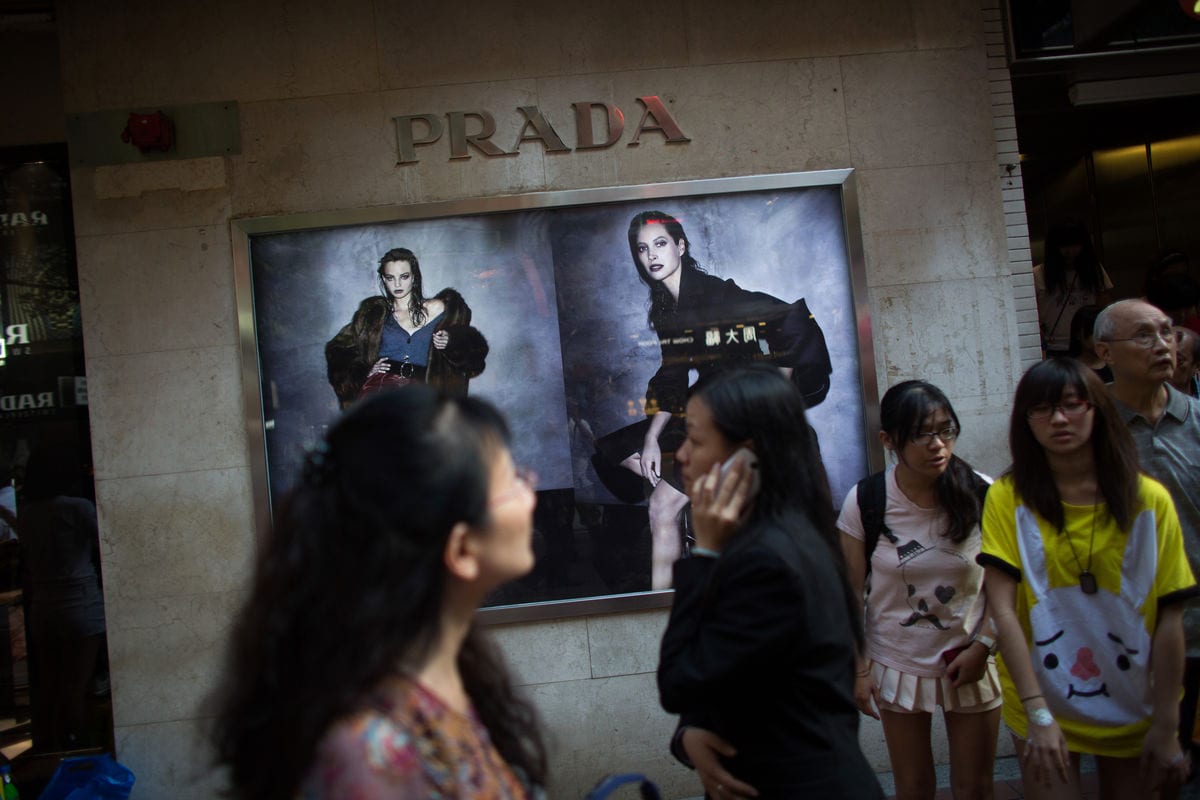
    Difficult times on Asian markets, especially in Hong Kong and Macau with lower local demand and fewer tourists, have impacted Prada profits.

    “At the same time, social and political tensions worldwide further contributed to a general decrease in willingness to consume and in tourist flows,” the Milan-based group says in its annual results.

    The company plans to offset new shop openings with selective closures this year and next in an effort to shield profit margins from weaker demand, according to Business Insider.
    Prada profits fell by a larger-than-expected 28 per cent in the 12 months to January 31 – to 14 per cent of revenue, down from 20 per cent the previous year.

    After listing on the Hong Kong bourse in 2011, the group expanded its retail outlets in the territory. Now it has been hit by China’s economic slowdown as well as a crackdown on extravagant gift-giving. Similarly affected, luxury goods industry leader LVMH has just posted first-quarter sales below forecasts.

    CFO Alessandra Cozzani, who took over the role in February after the sudden resignation of Donatello Galli, says Prada will balance new openings with closures and work to keep operating expenses flat.

    “The retail network will remain the same for sure in 2016 and probably also 2017. We’re working on increasing the productivity of stores.”

    Prada’s directly operated stores (DOS) increased from 594 to 618 in the 12 months to January 31.

    Head of strategic marketing Stefano Cantino says the group will bet on eCommerce with the aim of doubling revenues over the next two years. It will start working with partners such as Yoox Net-A-Porter to sell its products on multi-brand e-shops.

    Digital and marketing initiatives will also be used to strengthen relationships with clients.
    Meanwhile, the Asia Pacific is still the group’s leading market, generating new sales of €1080 million (US$1.23 billion) during the year. However, net sales fell by 4.4 per cent at current exchange rates and by 16.1 per cent at constant exchange rates.

    In Japan, where there was a strong flow of tourists, the brand ended the year with net sales of €403.7 million, a 10.7 per cent increase.
  • Gemalto launches applet for UnionPay wearables

    Gemalto launches applet for UnionPay wearables

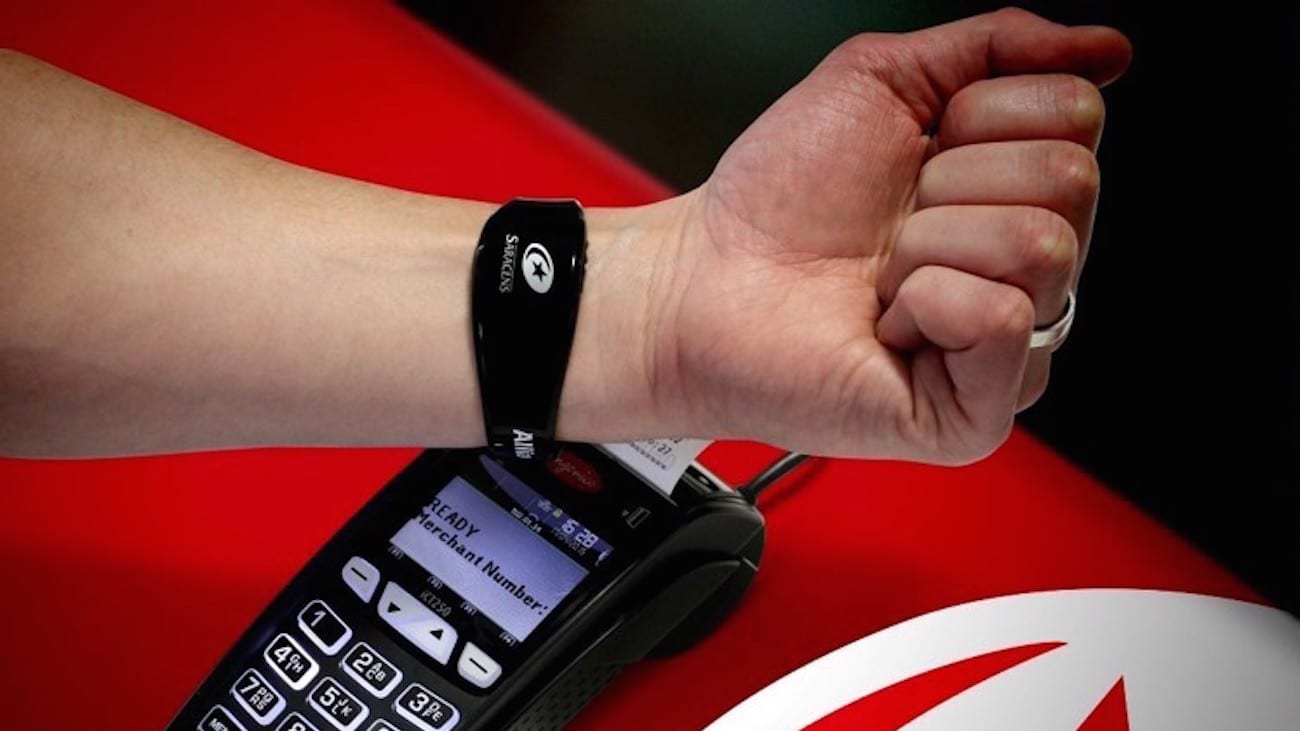
    Gemalto has launched a secure element based applet for smart wearables developed by China UnionPay (CUP).

    CUP had launched smart wearables with embedded secure elements based payment applications last year.

    The payment applet runs on the secure element, to provide online and offline payment capabilities on wearables.

    This is expected to eliminate the need for different card vendors to develop their own versions, simplifying deployment of payment applications on a range of secure elements and improving time to market.

    “Intelligent NFC-based wearable devices are set to disrupt our lives much beyond contactless payments – from user access and authentication to smart homes and cities, the possibilities are simply endless,” said Suzanne Tong-Li, president for Greater China and Korea at Gemalto.

    With extensive experience in NFC ecosystem and end-to-end security, we support CUP to not only simplify and speed up this launch for maximum outreach, but also provide consulting for next-generation solutions.”

  • Garuda Indonesia to receive 14 Airbus A330neo jets

    Garuda Indonesia to receive 14 Airbus A330neo jets

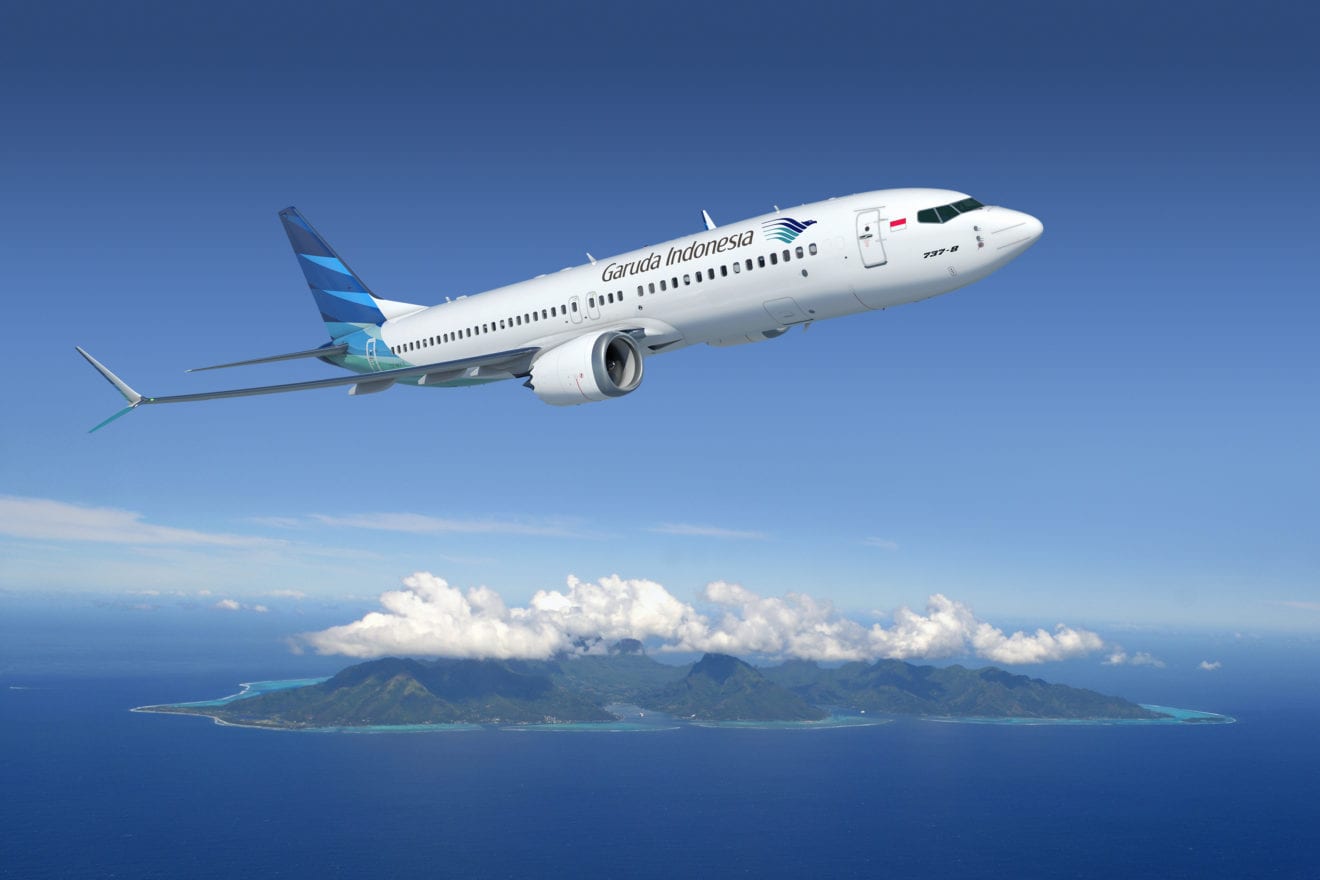
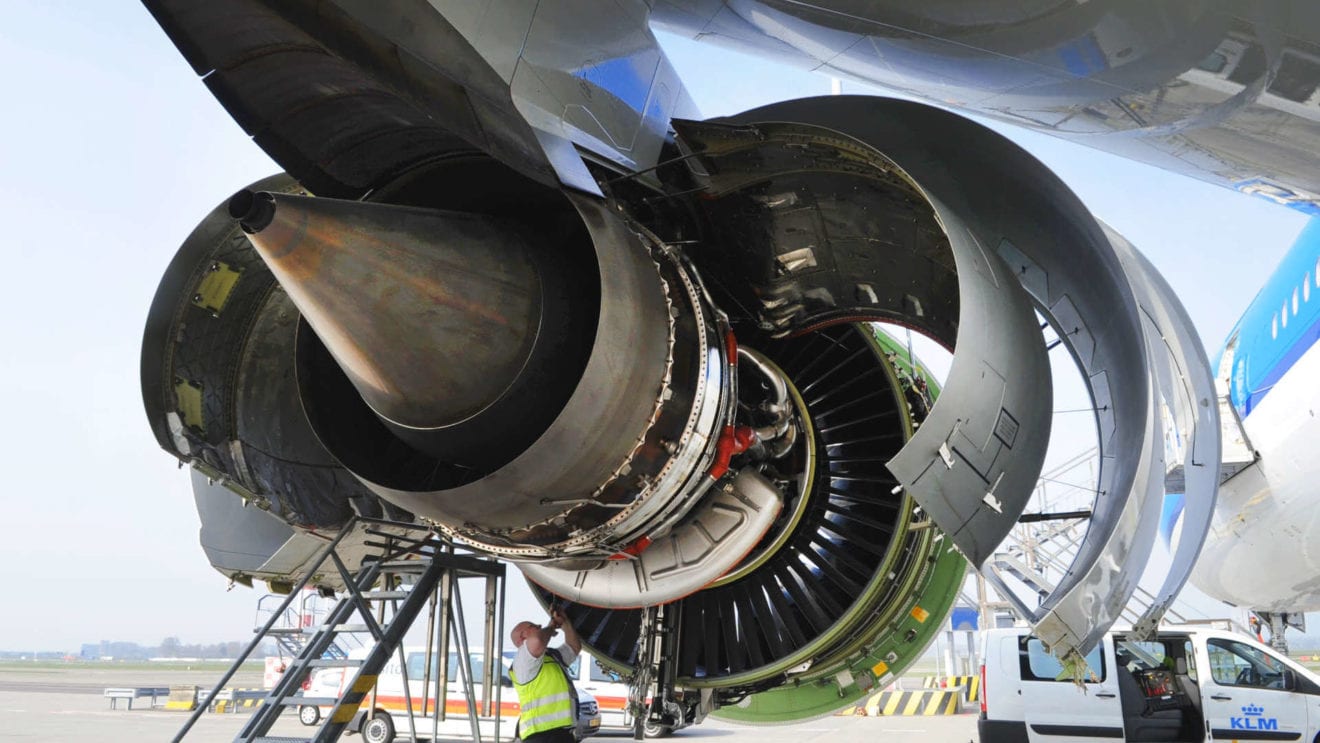
    Garuda Indonesia has confirmed an order with Airbus for the purchase of 14 A330-900neo, the new re-engined version of the best-selling A330 widebody airliner, to support the company’s growth and business expansion in the future.

    The deal was signed at a ceremony in London in the presence of the President of Indonesia, His Excellency Joko Widodo and British Prime Minister, the Rt. Hon. David Cameron MP.

    Garuda Indonesia plans to use the A330neo to develop its medium and long haul network, with the aircraft offering cutting edge technology along with more efficient operations. The order replaces and extends an existing order for seven A330-300 aircraft, and the A330neo will be delivered from 2019 onwards.

    “We are pleased to announce that we continue our long-standing relationship with Airbus. Both Garuda Indonesia and Airbus fully understand the aim of the deal as a long-term strategy to win the global challenge,” said Arif Wibowo, CEO of Garuda Indonesia.

    Arif explained, “The A330neo represents a more-efficient future for Garuda Indonesia. This order restructuring is believed to support our continued commitment to deliver the most modern, comfortable and excellent air travel service to all customers as well as to strengthen the sustained positive growth and business expansion of the company.

    “Furthermore, we are confident that this latest technology aircraft will support us to compete better in the industry.”

    Prime Minister David Cameron said: “This deal underlines the increasing importance of our ties with Indonesia – a fast growing economy and set to become the seventh largest in the world by 2030.

    “We are the fifth biggest investor in Indonesia and our relationship has more untapped potential. We want to encourage more British businesses to seize on these opportunities and we will continue to support them by banging the drum for British skills and expertise.”
    Airbus Chief Operating Officer Tom Williams said: “We are delighted to welcome Garuda Indonesia as a new customer for the A330neo.

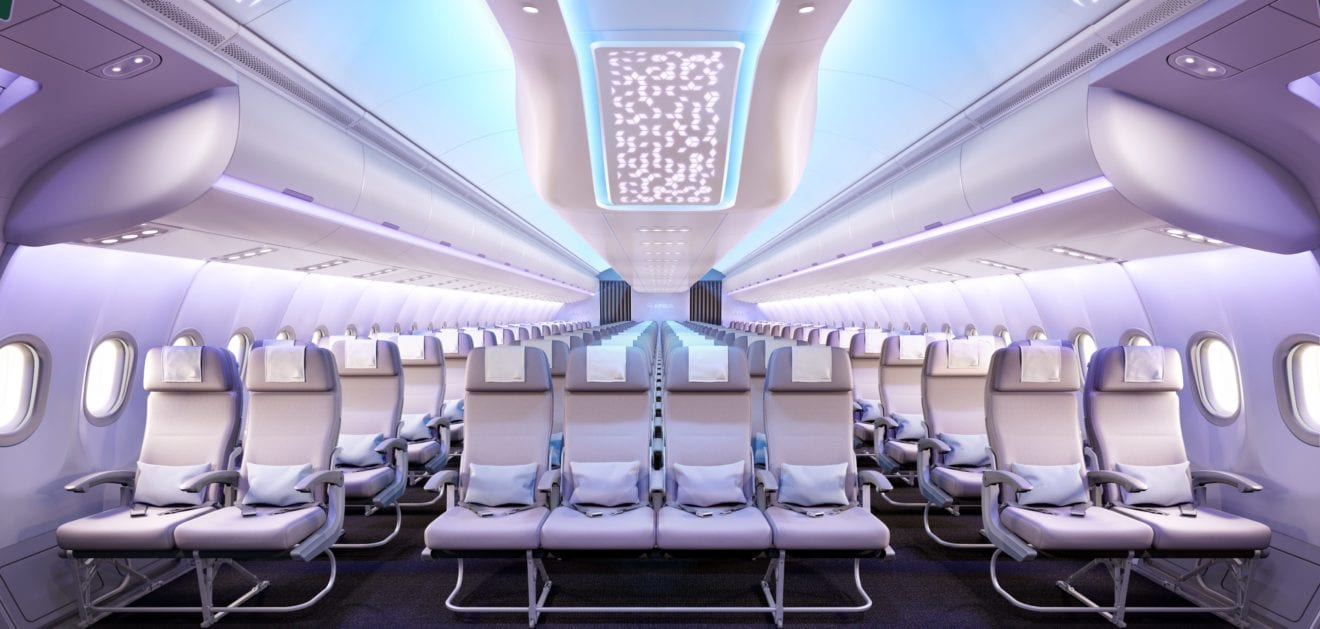
    “The A330neo will bring a range of benefits from unbeatable operating economics including significant reductions in fuel consumption, lower maintenance costs and extended range capability. The aircraft will have Airbus’ all new Airspace cabin which will ensure the A330 continues to be a benchmark for passengers and airlines alike.”

    The deal is the latest milestone in a long standing partnership dating back more than 30 years, when the airline took delivery of its first Airbus A300.

    The A330-800neo and the A330-900neo are two new members of the Airbus Widebody Family with first deliveries scheduled to start in Q4 2017. The A330neo incorporates latest generation Rolls-Royce Trent 7000 engines, aerodynamic enhancements and new cabin features. Benefitting from the unbeatable economics, versatility and high reliability of the A330, the A330neo reduces fuel consumption by 14% per seat, making it the most cost efficient, long range widebody aircraft on the market.

    In addition to greater fuel savings, A330neo operators will also benefit from a range increase of up to 400 nautical miles and all the operational commonality advantages of the Airbus Family.

  • South Tea exporters to double volumes to Malaysia, Indonesia

    South Tea exporters to double volumes to Malaysia, Indonesia

    Tea exporters from south are exploring opportunities to double their exports to Malaysia and Indonesia by joining hands with the tea industry in those countries.

    The exporters’ organisation has signed an MoU with trade representatives in Malaysia to double exports and to create a brand which will cater both domestic and export markets.

    With Indonesian industry the exporters are exploring to see whether they can create a new blended products suitable for that country.

  • Garuda Indonesia Denpasar Aims for 10% Growth

    Garuda Indonesia Denpasar Aims for 10% Growth

    PT Garuda Indonesia (Persero) Tbk. Denpasar Branch Office has targeted a 10 percent growth this year compared to 2015.

    Micky Irfandi, General Manager of Garuda Indonesia Denpasar Branch Office, said he is optimistic of achieving the target through a wide range of efforts, though he admitted that Q1 2016 sales has yet to show any positive signal.

    “In Q1 2016, we actually saw a decrease of 14 percent compared to the same period last year. One of the factor that affected the decrease was unstable global economy, which has made people and companies or agencies to be more efficient,” Micky said, Monday, April 18, 2016.

    Based on the data of Bali Statistic Agency, the number international departure from I Gusti Ngurah Rai airport in February 2016 was 2,423 flight departures. The figure was down by 2.73 from previous month of 2,491 flights.

    For domestic flights, the number of aircraft departed from I Gusti Ngurah Rai airport in February 2016 was 3,067 flight departures, or fell by 7.15 percent compared to the previous month of 3,303 flight departures.

    Moreover, Micky went on, another factor which has affected the growth figure was fuel price decrease which has forced his company to readjust ticket prices.

    “Fuel price decrease has resulted in lower ticket prices and it has reduced our revenue compared to previous figure,” Micky said.

    Garuda continues to launch various promotional efforts to attract foreigners to travel to Bali in line with the company’s support for the government program of 20 foreign tourist visits by 2019.

    “We continue to carry out various efforts to support the government programs also by opening new routes recently and increasing the number of seats for Denpasar-Hong Kong route. The route was previously using 737-800 aircraft with a capacity of 162 seats; we replaced it with A333 aircraft with 251 seats and adding 89 seats,” he explained.

    Micky added that Garuda is also mulling on increasing flight frequency of Denpasar-Beijing and Denpasar-Shanghai routes from three flights per week to four or five flights.

  • Garuda Indonesia set to achieve its cargo transport target

    Garuda Indonesia set to achieve its cargo transport target

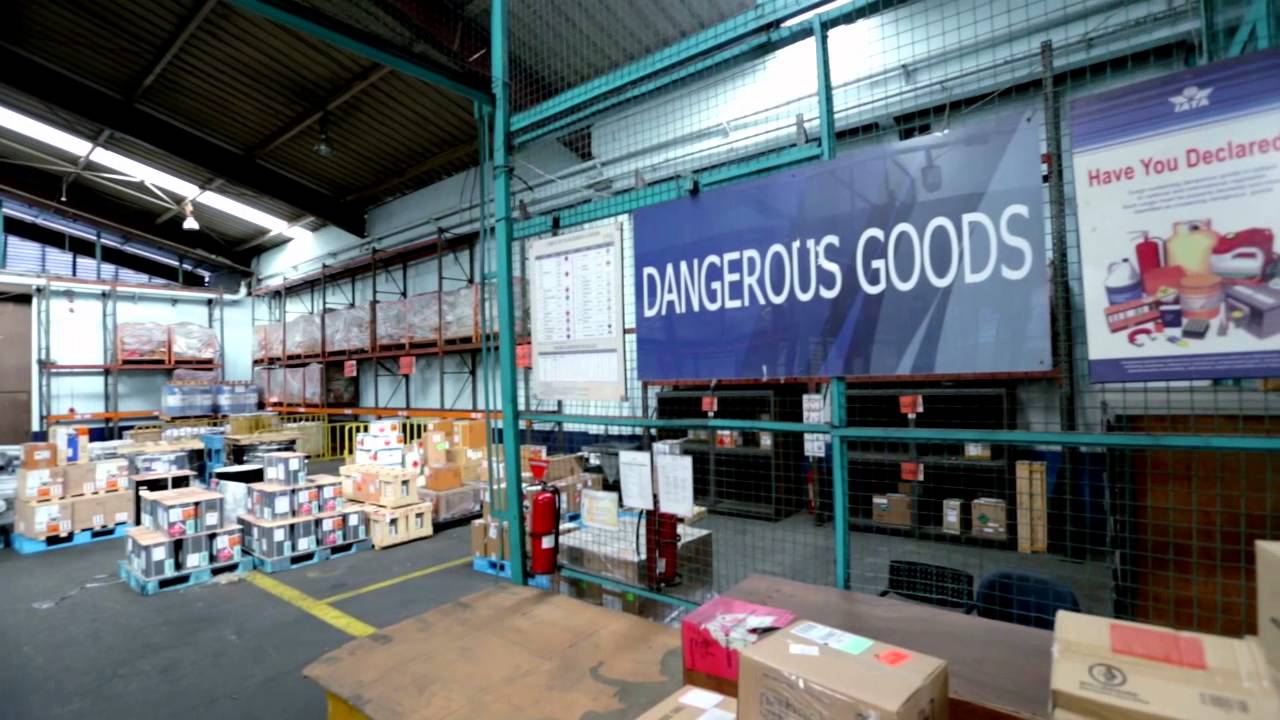
    The Indonesia’s flag carrier, Garuda Indonesia, said it is optimistic cargo transport service would contribute 20 percent to its income this year.

    “I think the target could be achieved. For that purpose we have named a director in charge of cargo transport,” Garuda Indonesia’s commercial director, Toni Soetirto, said here on Tuesday.

    The target has been set by the president director of the airline M Arif Wibowo.

    Soetirto said cargo transport markets in Indonesia include all destination areas in the country. The main cargo transport markets abroad include Middle East, China, Japan and South Korea.

    Garuda Indonesia hopes to raise its income from cargo transport to US$1 billion from around US$275 million a year at present.

    In order to reach the target , the airline hopes to cooperate with other companies in the form of “joint operation” or joint venture such as with state-owned post office company PT Pos Indonesia and international companies.

    The largest international cargo markets are Shanghai in China, Japan and Europe that could reach up to 13-15 tons per day.

    To be in charge of cargo transport, Garuda Indonesia in a shareholder meeting decided to form a new directorate under Sigit Muhartono.

  • LFC sponsor Garuda in 14-plane order with Airbus

    LFC sponsor Garuda in 14-plane order with Airbus

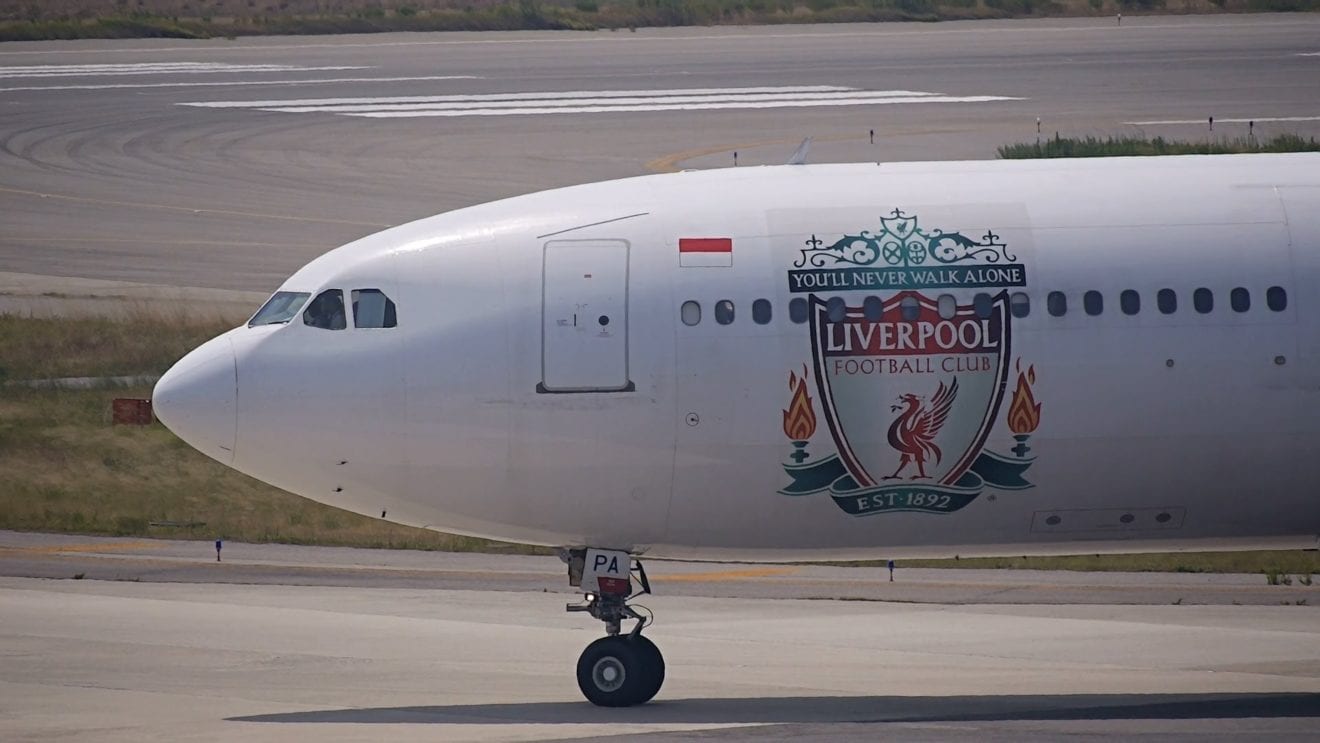
    Liverpool FC training kit sponsor Garuda Indonesia has confirmed an order with Airbus for 14 A330-900 aircraft.

    The planes, the new re-engined version of the best-selling A330 widebody airliner, will support growth and business expansion for the Indonesian airline.

    The deal was signed at a ceremony in London in the presence of the President of Indonesia, His Excellency Joko Widodo, and British Prime Minister, David Cameron MP.

    Garuda Indonesia plans to use the aircraft to develop its medium and long haul network, with the planes offering cutting edge technology along with more efficient operations.

    Airbus employs more than 6,000 staff at its Broughton plant, near Chester, making wings for all its commercial aircraft .

    The order replaces and extends an existing order for seven A330-300 aircraft, and the A330neo (new engine option) will be delivered from 2019 onwards.

    “We are pleased to announce that we continue our long-standing relationship with Airbus. Both Garuda Indonesia and Airbus fully understand the aim of the deal as a long-term strategy to win the global challenge,” said Arif Wibowo, chief executive of Garuda Indonesia.

    He explained, “The A330neo represents a more-efficient future for Garuda Indonesia. This order restructuring is believed to support our continued commitment to deliver the most modern, comfortable and excellent air travel service to all customers as well as to strengthen the sustained positive growth and business expansion of the company.

    “Furthermore, we are confident that this latest technology aircraft will support us to compete better in the industry.”

    Prime Minister David Cameron said: “This deal underlines the increasing importance of our ties with Indonesia – a fast growing economy and set to become the seventh largest in the world by 2030.

    “We are the fifth biggest investor in Indonesia and our relationship has more untapped potential. We want to encourage more British businesses to seize on these opportunities and we will continue to support them by banging the drum for British skills and expertise.”

    Airbus chief operating officer Tom Williams said: “We are delighted to welcome Garuda Indonesia as a new customer for the A330neo.

    “The A330neo will bring a range of benefits from unbeatable operating economics including significant reductions in fuel consumption, lower maintenance costs and extended range capability.

    “The aircraft will have Airbus’ all new Airspace cabin which will ensure the A330 continues to be a benchmark for passengers and airlines alike.”

    The deal is the latest milestone in a long-standing partnership dating back more than 30 years, when the airline took delivery of its first Airbus A300.

    The A330-800neo and the A330-900neo are two new members of the Airbus widebody family with first deliveries scheduled to start in the fourth quarter of 2017.

    The A330neo incorporates latest generation Rolls-Royce Trent 7000 engines, aerodynamic enhancements and new cabin features.

    It reduces fuel consumption by 14% per seat, making it the most cost-efficient, long range widebody aircraft on the market.

    Garuda Indonesia is already rated a five star airline in terms of comfort and passenger services.

  • Bag charge to reduce Indonesia’s plastic waste

    Bag charge to reduce Indonesia’s plastic waste

    The government has made it mandatory for retail businesses across Indonesia to charge customers 1.5 cents for each plastic bag they use.

    Supermarkets and vendors in cities across Indonesia have begun charging customers for plastic bags in a bid to reduce waste.

    The government has made it mandatory for retail businesses across Indonesia to charge customers 1.5 cents for each plastic bag they use.

    According to the Environment and Forestry Ministry, Indonesians consume up to a million plastic bags every minute.

    Indonesia is ranked the world’s second largest plastic waste producer, using more than 187 million tons each year.

    Watch the video to get more details over plastic wastw problem in Indonesia.

  • Technology drives Timberland sales

    Technology drives Timberland sales

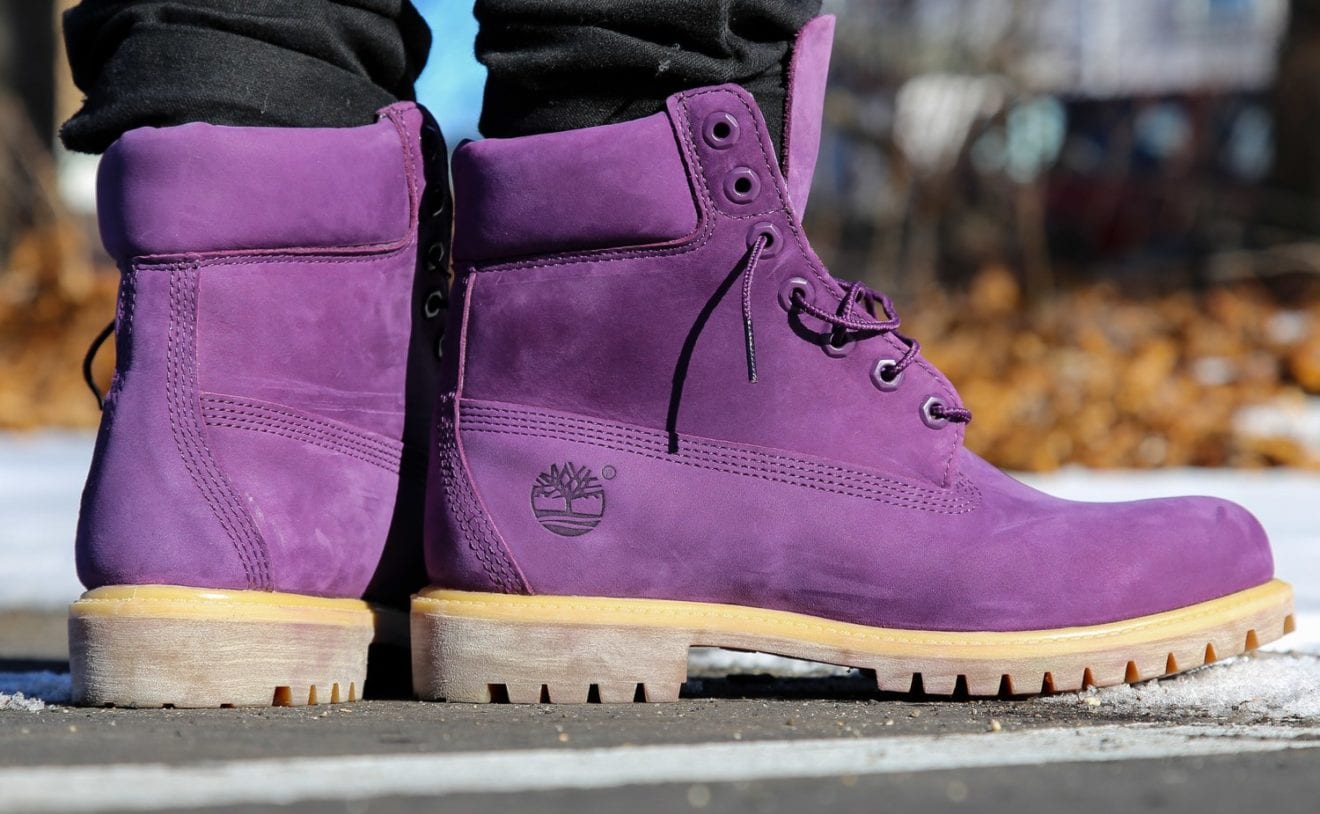
    In-store technology is helping brick-and-mortar stores like Timberland retain their relevance in a fast-growing online world according to leading US retailer VF Corporation (VFC).

    Todd Starcevich, Americas VP of direct-to-consumer with VFC, says his company is focused on growing its business at retail level and points to research from the International Council of Shopping Centers (ISCS) reminding etailers that brick-and-mortar stores continue to deliver the bulk of today’s total industry retail sales.

    VFC, which owns high-profile brands including Timberland, 7 For All Mankind and The North Face, achieves 85 per cent of its sales in its direct-to-consumer business through its onground stores.

    “We are building our sales by focusing on building our retail technology foundation while simultaneously experimenting and testing new technologies and experiences in-store,” said Starcevich.

    Consumer insights are woven into every aspect of VFC’s retail business. During testing periods, retail teams watch how consumers engage with various technology and process adjustments.

    In one recent experiment, Timberland deployed tablets to customers at its Herald Square store in New York City, allowing them to engage with every product in the store without having to sign up, download an app or initiate registration.

    As part of its Connected Store, which was introduced at the last National Retail Federation trade show, shoppers receive a guided Timberland sales experience with rich digital product information, styling options and recommendations for footwear, apparel and accessories. They can then choose to opt in via email to receive personalised content related to their store visit.

    Timberland’s Connected Store also offers “tap walls” featuring exclusive merchandise. Nimbus, CloudTags’ in-store recommendation engine, allows customers to shop from an extended range of styles, colours and sizing based on their location and interests.

    Meanwhile, The North Face and 7 For All Mankind brands have partnered with California-based Jaunt on innovative virtual-reality experiences. Shoppers at select The North Face stores could experience remote hiking or base jumping.

    Also partnering with Jaunt, 7 For All Mankind offered its customers Visions of California, filmed against the backdrop of a Paris chateau using 360-degree, stereoscopic 3D cameras and advanced 3D sound-field microphones. To amplify the content, Elle, the first fashion brand to collaborate with Jaunt, will promote the content across its digital platforms.

    Both The North Face’s and 7 For All Mankind’s virtual experiences are available via apps.
    VFC’s direct-to-consumer business accounts for about 30 per cent of its overall revenue. It includes 1520 retail stores and eCommerce sites.

  • McDonald’s Asia to sell 2800 restaurants

    McDonald’s Asia to sell 2800 restaurants

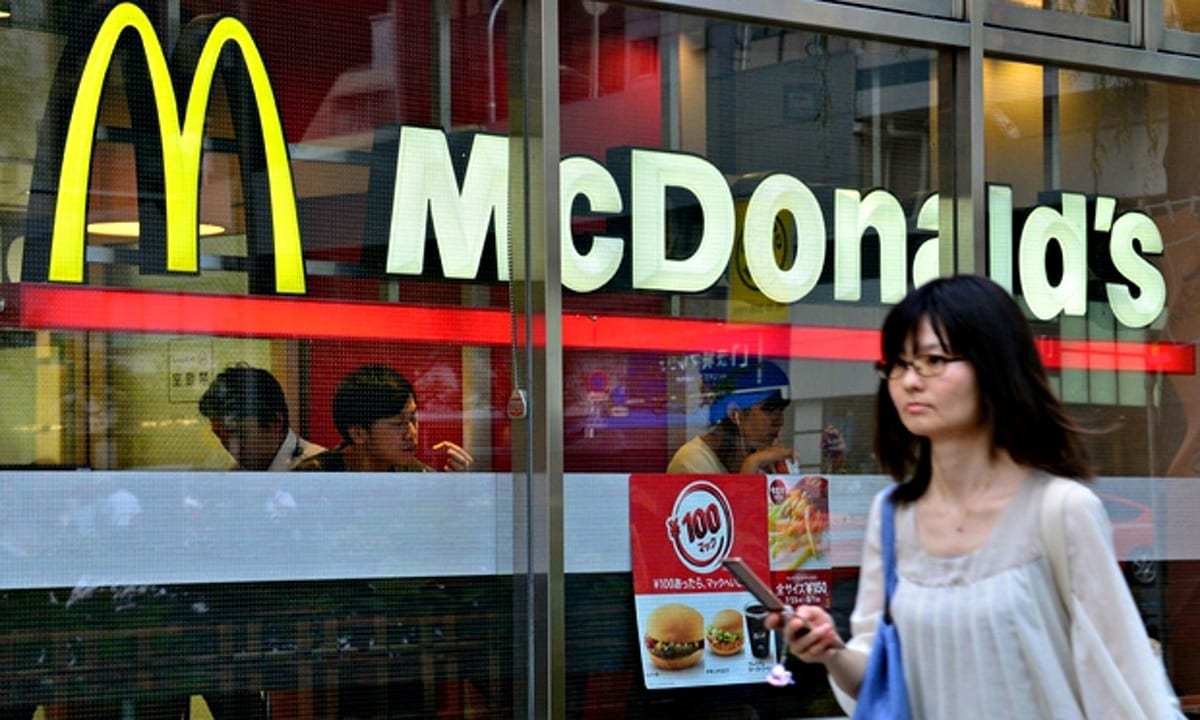
    McDonald’s Asia is preparing to sell some 2800 restaurants across Asia as it introduces a new business model in its fastest growing major market.

    And Reuters has named frontrunning investors in what looks to be a spin-off business in much the same nature as Yum! Brands is selling off its Chinese KFC, PIzza Hut and Taco Bell operation.

    Early contenders as partners with McDonald’s US include state-backed China Resources and private equity investors Bain Capital, TPG Capital, Baring Private Equity Asia and MBK Partners. China Resources already has street cred in the food sector, operating Pacific Coffee chains in Hong Kong, Macau, Singapore and China.

    McDonald’s is planning to create a new Asian business which would own restaurants as master franchisee, using local market knowledge and capital to expand networks in respective markets.

    Operations in China, Hong Kong, Macau and South Korea would be rolled into the new entity, although it is highly likely separate businesses could be created for each market – one for China, one for Hong Kong-Macau and another for Korea.

    McDonald’s has a stand-alone, listed business in Tokyo which encountered huge market problems several years ago and last year lost US$310 million after a major cull of its network. The company is trying to sell down its stake in that business from 49.99 per cent to 20 per cent.

    Inside Retail Hong Kong expects that McDonald’s Asia would likely be funded by a cashed-up investment partner for about five years before potentially being floated, most likely in Hong Kong.

    A fortnight ago, McDonald’s Chicago-based CEO Steve Easterbrook revealed plans to open 1500 new stores across China, Hong Kong and Korea within five years – 1300 of those in Mainland China. Globally, the company plans for 95 per cent of its restaurants to ultimately be franchised.

    In China’s mainland, McDonald’s already operates some 2200 restaurants – its new target is 3500.

    Easterbrook says strategic partners could “add value and unlock growth potential in key markets” in Asia.

    “This will allow McDonald’s to accelerate our growth and scale faster across diverse markets placing us closer to our customers and the communities we serve,” he said on March 31.

    Reuters quotes sources revealing McDonald’s has engaged Morgan Stanley to run the sale of the restaurants in China, Hong Kong and South Korea, with a formal, public sale process to be launched in mid-May.

    The final business model is subject to negotiations with potential buyers, but McDonald’s expects a one-time franchise payment and ongoing royalties based on sales – the typical industry rate running between 3 per cent and 5 per cent. Capital investment required to roll out new stores would be the responsibility of the franchisee.

    Reuters said McDonald’s declined further comment beyond its March 31 statement from Easterbrook and the private equity companies named, China Resources and Morgan Stanley all also refused to comment.

  • CapitaLand Malaysia has strong first quarter

    CapitaLand Malaysia has strong first quarter

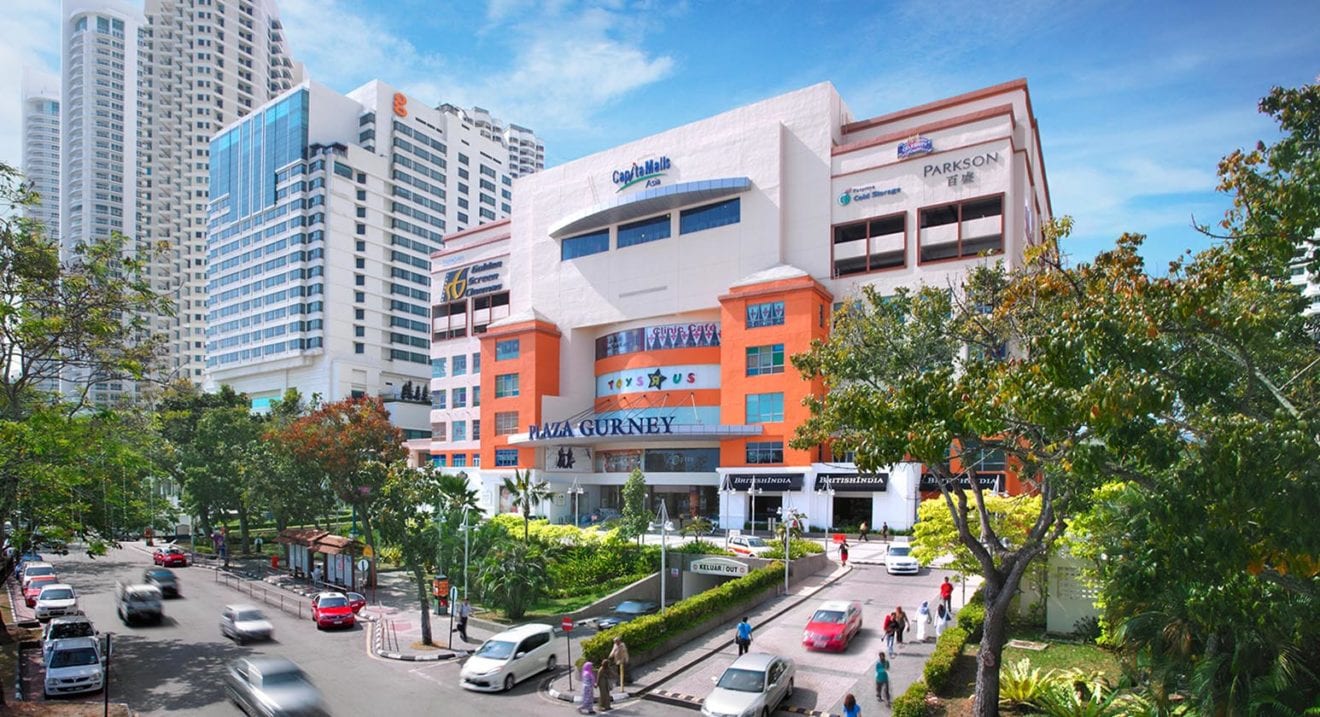
    New income from Tropicana City Mall and higher contributions from Gurney Plaza and East Coast Mall, CapitaLand Malaysia Mall REIT Management (CMRM) have propelled reported property income growth of 13.1 per cent for the first quarter.

    Tropicana City Mall and Tropicana City Office Tower were acquired in July last year.

    CMRM, which manages CapitaLand Malaysia Mall Trust (CMMT), says its net property income for the period was RM60.6 million (US$15.57 million), compared with RM53.6 million for the corresponding period the previous year.

    “Despite the challenging global economic environment, the Malaysian economy is forecast to grow 4 per cent to 4.5 per cent this year,” says CMRM chairman David Wong. “We expect consumer and business sentiments to remain cautious throughout the year as concerns over rising costs of living persist.”

    He says headwinds are also likely from intensifying competition as more retail space is scheduled for completion this year. However, the group is confident its portfolio of malls will continue to be resilient.

    Tropicana City Mall and the office tower accounted for 12.7 per cent of the group’s net property income, says CEO Low Peck Chen. This was also boosted by higher rates from new and renewed leases at Gurney Plaza and East Coast Mall.

    Despite the temporary impact of Mass Rapid Transit construction works on shopper traffic at Sungei Wang Plaza, the stable performance of other malls in the company’s diversified portfolio will help to cushion the effect, she says.

    “At Tropicana City Mall we embarked on asset-enhancement works, including the addition of a retail area on the ground floor next to the office tower.”

    Reconfiguration works will also create retail areas on Basement 1 and Level 7 later this year.

  • Affinity buys Burger King Korea

    Affinity buys Burger King Korea

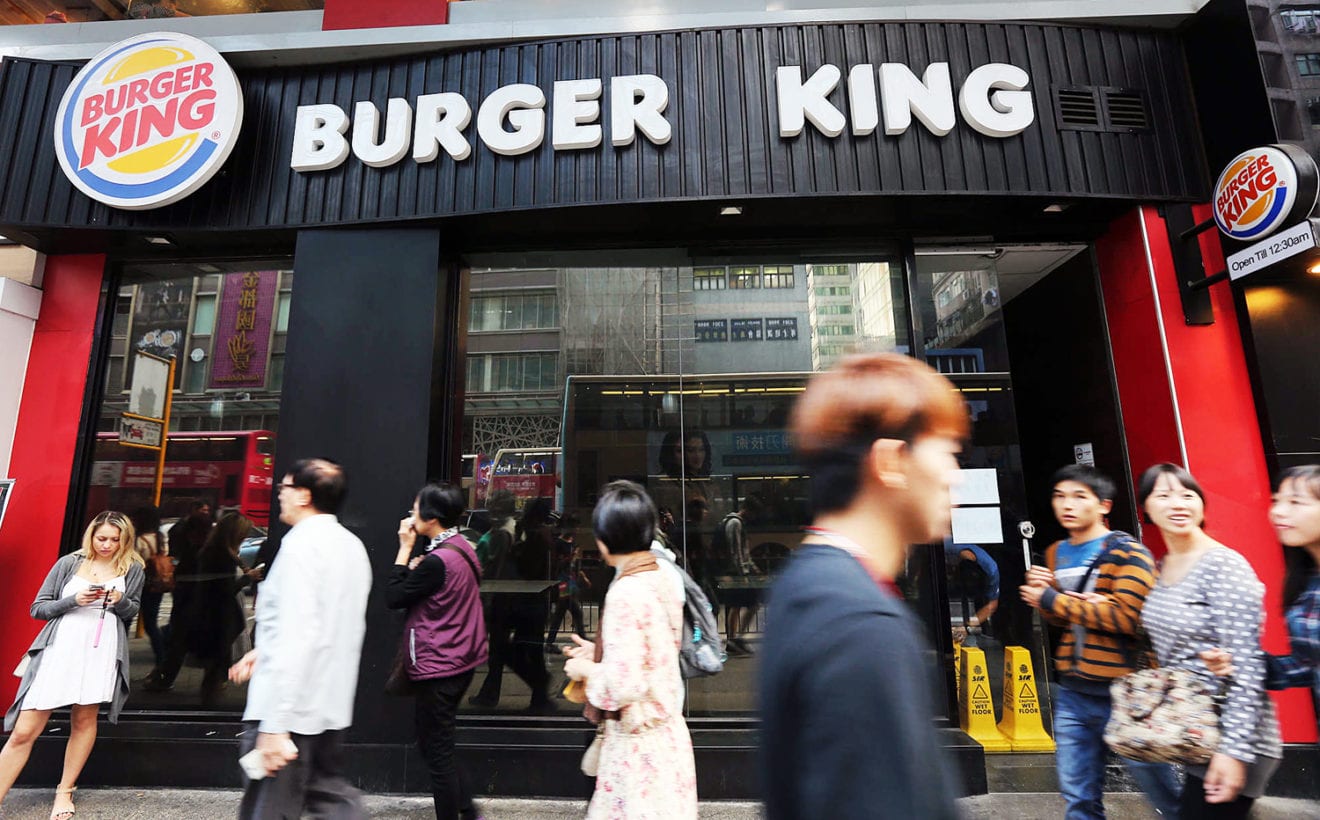
    Burger King Korea has been snapped up by private equity investors.

    Affinity Equity Partners has completed the buyout of the Korean business of the US fast food brand for 210 billion won (US$183.3 million), after agreeing to terms in February. The vendor was VIG Partners.

    Affinity is already planning to open new outlets as a first step in increasing sales.

    Meanwhile, Korean news media report rival fast food chain McDonald’s is seeking a strategic partner to run the local operation and speed up its network expansion.

    “We’re committed to Korea for the long-term and intend to combine our global brand with local insights and expertise,” said Steve Easterbrook, McDonald’s CEO and president.

    “This gives us the ability to enable faster decision-making, achieve restaurant growth and deliver a great restaurant experience for our customers in Korea.”

  • Muji India set to make history

    Muji India set to make history

    Muji India  is about to become the first Japanese retailer to open stores in the nation.

    One is planned for Mumbai, the commercial capital, and another in Bangalore, the hub of the IT industry.

    This follows the forming of a joint venture by Muji owner Ryohin Keikaku, Tokyo, with Reliance Brands, based in Mumbai.

    Ryohin Keikaku is also the first-ever Japanese retailer to receive individual approval for a direct investment from the Indian government’s Foreign Investment Promotion Board.

    Its first venture will be the Muji Palladium. Opening in 2009, Mumbai’s Palladium is one of India’s largest shopping centres, attracting more than 24 million visitors every year. It has luxury retail brands, restaurants and a food court, and is next to a five-star hotel and cinema complex. The Muji India store, scheduled to open in August, will cover about 207 sqm.

    Muji’s second outlet will be in the VR Mall next to Phoenix Market City, which has fashion stores as well as a cinema complex and restaurants. Covering about 485 sqm, the Muji store is scheduled to open in September.

  • Garuda signs 1 billion pound deal with Roll Roys

    Garuda signs 1 billion pound deal with Roll Roys

    The nations flag carrier PT Garuda Indonesia and British aircraft engine maker Roll Roys signed a 1 billion pound cooperation agreement here on Tuesday.

    “The results of the meeting between President Jokowi (Joko Widodo) and Prime Minister David Cameron included the agreement between Garuda and Roll Roys worth 1 billion poundsterling,” British Ambassador to Indonesia Moazzam Malik said here on Tuesday.

    Garuda would buy 14 units of aircraft produced in Britain and other European countries, Moazzam said after the meeting between Jokowi and Cameron.

    The units to be produced in Britain will use Roll Roys engines, he said.

    Under the agreement, Garuda would send mechanics and technicians for training in Roll Roys.

    The ambassador said that Jokowi and Cameron also discussed issue of extremism, adding that Cameron asked Indonesia to play a greater international role in controlling radicalism.

  • Vice President Opens Inacraft 2016

    Vice President Opens Inacraft 2016

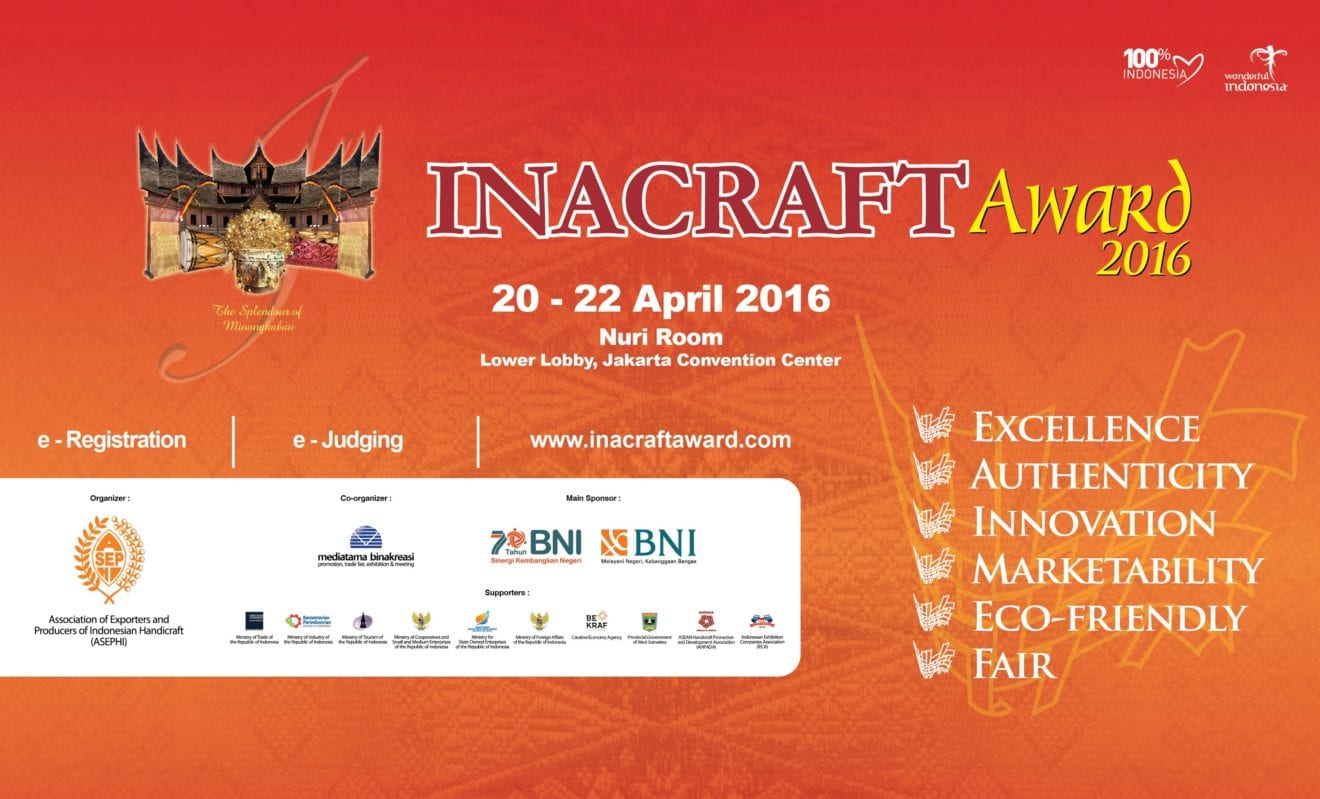
    Vice President Jusuf Kalla has opened Indonesian handicraft expo Inacraft 2016 held from today to April 24, 2016 in Jakarta Convention Center, Senayan, Jakarta.

    The largest Indonesian handicraft expo is participated by over 1,400 handicraft companies, consist of both manufacturers and exporters from 34 provinces in Indonesia that occupy 1,333 stands.

    The expo has seen an increase in individual participants with 849 stands. There are also 359 agency stands, 117 SOE stands and eight foreign participant stands from Singapore, Japan, Pakistan, Nepal, India and Syria.

    Adopting the theme “From Smart Village to Global Market”, Inacraft tries to facilitate Indonesian handicraft products to step up the level and standard of Indonesian handicraft products.

    The handicrafts being exhibited among others are various textile handicrafts such as batik, weaves, embroideries, songket, ikat weaving and various accessories, wooden handicrafts such as statues, carved furnitures, educational toys, jewelries from gold, silver and gem stones.

    This year, Inacraft provides free shuttle buses from a number of shopping malls and airport to the expo site, among others, Margocity, Mal Taman Anggrek and Sumarecon Mall Bekasi.