Author: Mei Ling Tan

  • Acer brings first PC phone to Philippines

    Acer brings first PC phone to Philippines

    Taiwan-based technology giant Acer has brought its latest flagship product, the world’s first personal computer phone, to the Philippines aimed at providing a new kind of platform and improved productivity for local consumers.

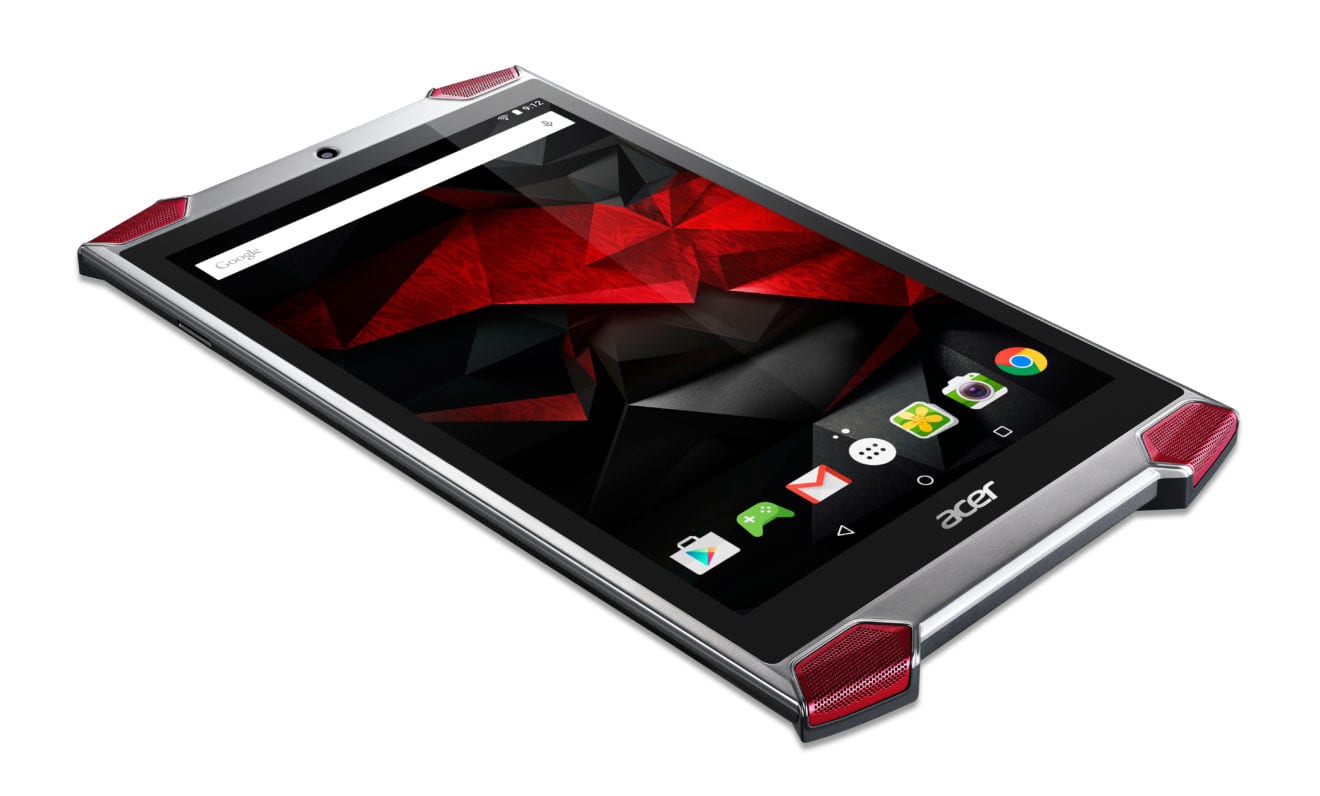
    The Liquid Jade Primo, the first PC phone, has a Windows 10 operating system and brings productivity to the next level with a Continuum compatible smartphone that doubles as a PC.

    In an earlier interview, Acer chief executive officer Jason Chen said he is confident the first PC phone would be warmly received in the Philippine market as the company continues to bank  on user excitement and innovation.

    “Excitement will become either hype then disappear or it becomes useful, create an ecosystem and then become a true business or industry segment,” he said.

    Acer targets commercial users, business travelers and millennials who want the convenience of carrying a single device but with the components of the normal computer set-up.

    “This 2016, we are centered on innovation and optimal and real end-goal solution. We want to come up with something that people will feel great but the most important thing is we want to enhance everything so consumers will enjoy the content,” Chen said.

    The Liquid Jade Primo, which would retail at P28,990, has an AMOLED 5.5-inch full high-definition display, 21-megapixel main and eight-megapixel front cameras, and zero air gap technology for better visual experience.

    It has an ultra-tough gorilla glass that strengthens the phone’s structure and protects displays and a storage memory of 32 gigabytes, expandable up to 128 gigabytes.

    Acer also boasts of its advanced cooling system consisting of metal piping that dissipates heat more effectively and BitLocker technology that allows for full encryption of all user data stored internally, protecting the device from offline hardware-level attacks.

    It also comes with a suite of accessories comprised of a dock, keyboard and wireless mouse, and can be connected to any screen and charge high definition multimedia interface (HDMI) output.

    In the local market, Acer has maintained its No. 1 position in the notebook computer category for 10 consecutive years.  It accounts for a 30 percent share of the Philippine computer industry.

    Acer entered the Philippine market in 2003.
  • Singapore’s SoftPay Mobile buys Vietnam MPOS

    Singapore’s SoftPay Mobile buys Vietnam MPOS

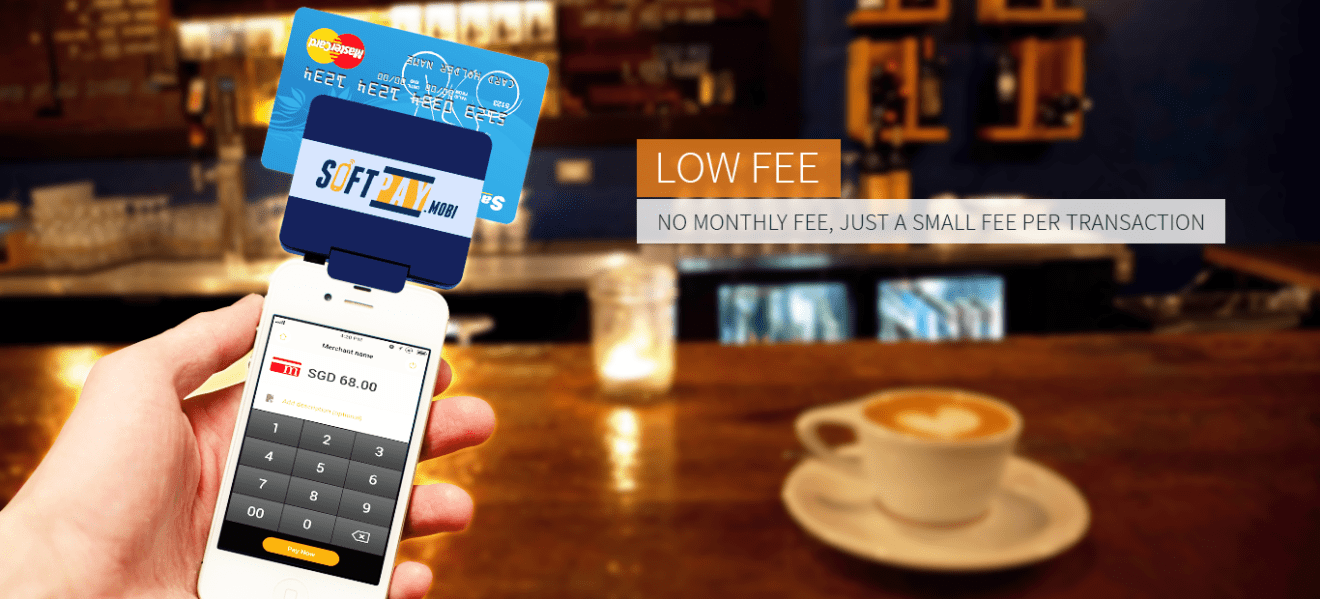
    Singapore-based mobile point of sale (mPOS) provider SoftPay Mobile International has arranged to buy out Vietnam MPOS Technology.

    Vietnam MPOS customers include Mai Linh Taxi Group, one of the largest taxi groups in Vietnam, as well as insurance companies. Lazada Vietnam, the largest e-commerce group in the country, is also a customer.

    mPos has proven incredibly popular in Southeast Asia where a vast majority of people living in rural areas have no access to traditional banking infrastructure.

    With the advance of mobile technology, mPos devices such as SoftPay’s mobile terminal are able to take advantage of these devices to provide merchants anywhere with a full suite of options for receiving payments.

    “With this investment, SoftPay Mobile will be able to work closely with our new Vietnam MPOS company to further consolidate our market position as the leading mPOS company in Southeast Asia,” said Christopher Low, CEO of SoftPay Mobile.

    SoftPay Mobile is a venture-backed mPOS company with a presence in Vietnam, Malaysia, Singapore and Indonesia. Since its incorporation in late 2014, it has been aggressively pursuing expansion in Southeast Asia.

  • Singapore’s StarHub adds support for Apple Pay

    Singapore’s StarHub adds support for Apple Pay

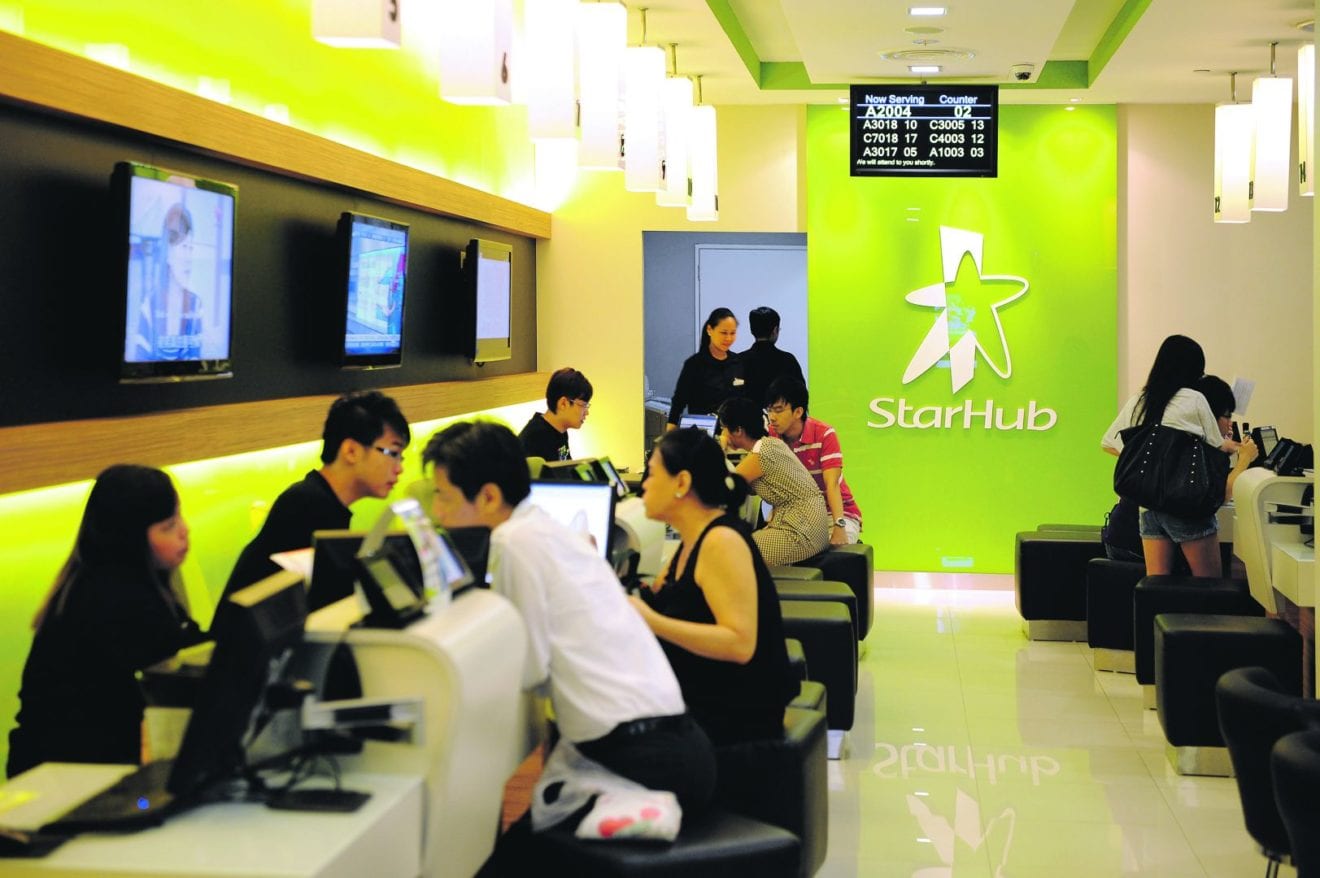
    Singapore’s StarHub has introduced the ability for its customers to use Apple Pay for secure mobile payments.

    When customers use a credit or debit card with Apple Pay, the actual card numbers are not stored on the device, nor on Apple servers.

    Instead, a unique Device Account Number is assigned, encrypted and securely stored in the Secure Element on the device. Each transaction is authorised with a one-time unique dynamic security code.

    “Digital commerce is fast catching on with Singapore consumers, and we want to be at the forefront of enriching our customers’ lifestyles using technology,” StarHub’s head of business strategy Yeong Mun-Ling said.

    “Being among the first Apple Pay-enabled merchants in Singapore, we are pleased that customers can now conveniently tap to pay at StarHub Shops using their iPhone and Apple Watch,” said Yeong.

    In stores, Apple Pay works with iPhone SE, iPhone 6s, iPhone 6s Plus, iPhone 6, iPhone 6 Plus and Apple Watch.

    Online shopping in apps accepting Apple Pay can be authorized with the touch of a finger with Touch ID.

  • What’s In Store For CapitaLand Mall Trust’s Funan DigitaLife Mall?

    What’s In Store For CapitaLand Mall Trust’s Funan DigitaLife Mall?

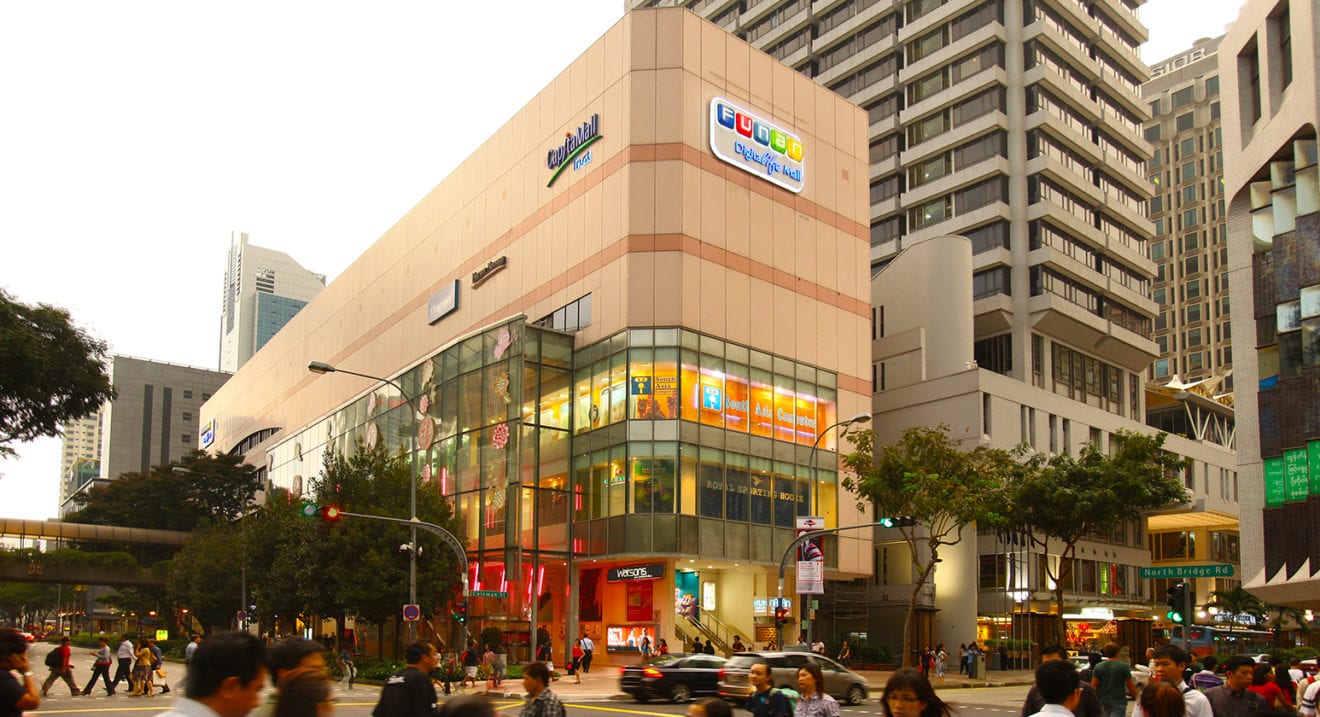
    The iconic Funan DigitaLife Mall, which belongs to CapitaLand Mall Trust, will be closed officially on 1 July 2016 for redevelopment works that is expected to last for three years.

    The redevelopment will add about 388,000 square feet (sq ft) of space to the mall’s current gross floor area of 482,000 sq ft, leading to a total area of 870,000 sq ft. For perspective, that is almost the size of ION Orchard, one of the newer malls along the Orchard Road shopping belt.

    Currently, Funan DigitaLife Mall is well-known for its focus on the retail of IT products. In its new incarnation, it will become an integrated development.

    Although the redevelopment of properties is a common thing in Singapore, what’s interesting here is that CapitaLand Limited, the manager of CapitaLand Mall Trust, is seeking input from the public to find new concepts for the redevelopment of Funan DigitaLife Mall along the theme of “Play.Create.Live.”

    CapitaLand, together with The Straits Times, are inviting members of the public to submit ideas for their vision of the new Funan DigtaLife Mall to the #BeyondIT digital platform. The idea is to transform the property into a “creative hub” that will include a ‘mall of the future’ that will bring experiential retail to a whole new level in Singapore. The window for submissions will remain open until 31 May 2016.

    Funan DigitaLife Mall is an important asset for CapitaLand Mall Trust, contributing 4.3% of total gross revenue in 2015. As such, the closure of the property for the next three years might have some negative impact on the trust’s revenue stream.

    But, the transformation of Funan DigitaLife Mall is essential given the growing importance of e-commerce among consumers. That might also be the reason why CapitaLand is interested to upgrade Funan DigtaLife Mall into an integrated development that (1) allows people to work, play, and live, and (2) help set a new benchmark for experiential retail in the Garden City.

    Summary

    Will the redevelopment of Funan DigitaLife Mall start a new era for the retail industry in Singapore? And would an increase of more than 80% in floor space for the mall help boost future rental revenue in a significant manner for CapitaLand Mall Trust? These are interesting questions to ponder.

    But, first things first, with the public competition ending on 31 May, we might be able to get our first glimpse of the future of retail in Singapore soon.

  • Indonesia welcomes first Hilton Garden Inn

    Indonesia welcomes first Hilton Garden Inn

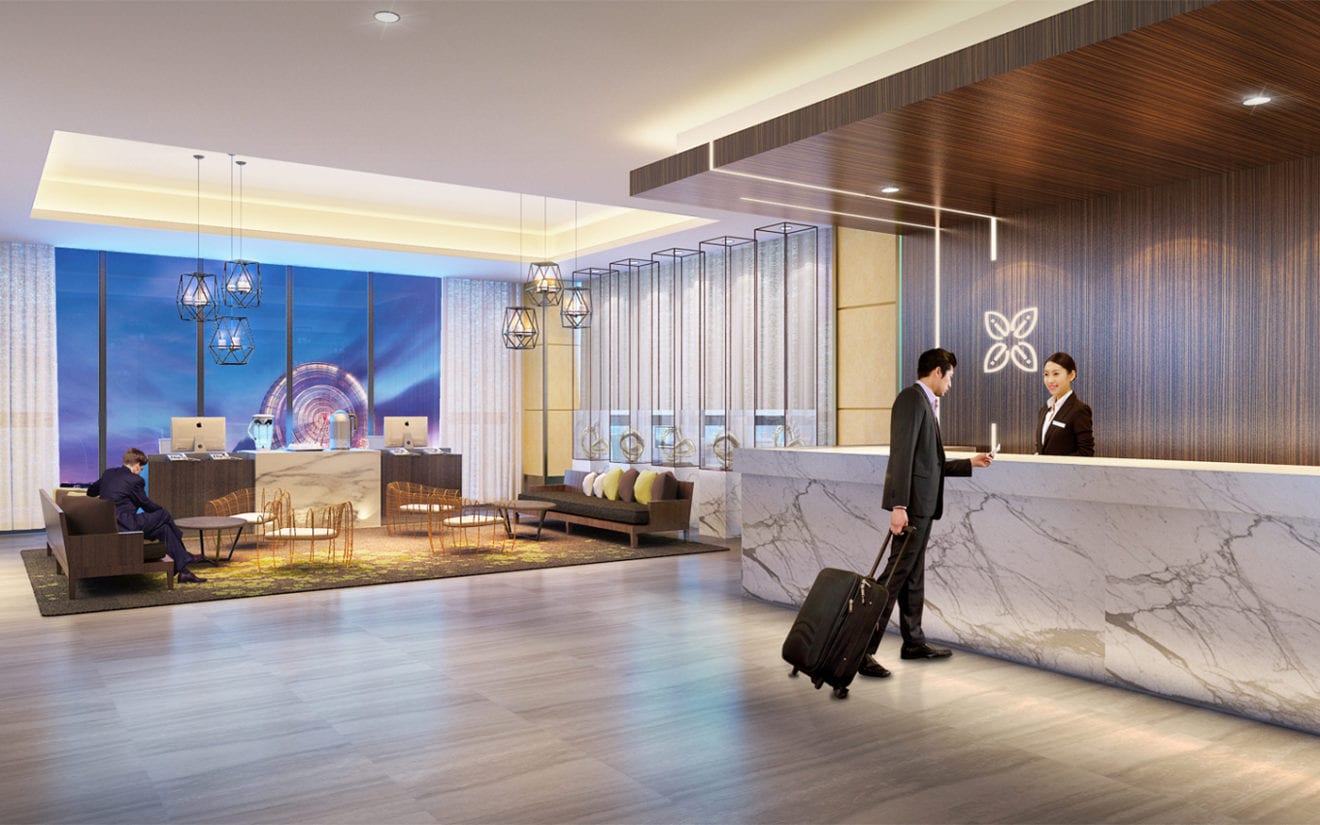
    Hilton Garden Inn, Hilton Worldwide’s upscale global brand of hotels, today announced its entry into Indonesia with the opening of Hilton Garden Inn Bali – Ngurah Rai Airport in Bali. Owned by PT. Anggada Duta Realty Tbk., the hotel brings 291 new rooms to the Hilton Garden Inn brand.

    ‘We are proud to open our first Hilton Garden Inn in Bali, Indonesia – one of the most popular business and leisure destinations – and welcome it to our global portfolio of over 665 hotels,’ said John Greenleaf, global head, Hilton Garden Inn. ‘We are committed to growing our presence in Asia Pacific and to providing a welcoming and dependable hotel experience for every guest, every time. Hilton Garden Inn Bali – Ngurah Rai Airport will do whatever it takes to ensure every guest to Bali is satisfied, or they don’t pay – that’s our Satisfaction Promise.’

    Only 500 meters away from the island’s international airport, Hilton Garden Inn Bali – Ngurah Rai Airport is situated at a prime location to offer travelers a great launch pad to discover Bali from the moment of arrival. Conveniently located at Jalan Legian, the hotel is approximately five kilometers’ drive away from the well-known Kuta beach precinct which boasts a wide array of retail, dining and entertainment options. Hotel guests arriving from the airport can expediently check in and immediately head out to Kuta, and the other famous enclaves such as Ubud, Nusa Dua and Seminyak, to explore the beauty of Bali.

    ‘Marking our fourth brand in Indonesia, the opening of Hilton Garden Inn Bali – Ngurah Rai Airport perfectly complements our existing portfolio in the country,’ said William Costley, vice president, Southeast Asia and India, Hilton Worldwide. ‘I am excited that Hilton Garden Inn has made its debut in this world renowned destination and am confident that the hotel will offer visitors to this vibrant island a peaceful and energizing stay experience.’

    Guests can dine on-property at The Garden Grille and Bar, which offers a full cooked-to-order breakfast and dinner, cocktails*, and evening room service. The Pavilion Pantry is open 24 hours and features a complete selection of salty snacks, sweet treats, cold beverages, and ready-to-cook meals.

    Outfitting to business purposes and MICE, the hotel also features a total of six small- to medium-sized meeting rooms, one multi-function hall, and one ballroom. Hilton Garden Inn guests will see why Life’s Better at the Garden through amenities and services offered at each location, including complimentary Wi-Fi throughout the hotel, 24-hour business center with Print Spots remote printing, a state-of-the-art fitness center, a bar and an outdoor pool.

    All 291 guest rooms boast the brand’s signature bedding featuring fresh, white duvets and crisp linens; a spacious and clutter-free work desk with an ergonomic desk chair; and an in-room ‘hospitality center’ with a mini fridge and coffee/tea maker.

    Hilton Garden Inn Bali – Ngurah Rai Airport participates in Hilton HHonors the only hotel loyalty program that allows members to earn Points & Miles on the same stay and No Blackout Dates on reward stays. To celebrate the hotel’s opening, Hilton HHonors members will receive Double Points per stay on the best available rate through stays completed between May 1 and July 31, 2016. HHonors members always get the lowest price with its Best Price Guarantee, along with HHonors Points, free Wi-Fi, digital check-in and no booking fees only when they book directly through Hilton.

  • Hong Kong’ s New World carves a retailer niche in Tsuen Wan with D.Park for children

    Hong Kong’ s New World carves a retailer niche in Tsuen Wan with D.Park for children

    Dwindling footfalls and intense competition in the Hong Kong retail market is prompting developers of shopping malls to tap unexplored areas for growth.

    New World Development has gone a step further and is using its revamped D.Park shopping mall in Tsuen Wan to tap the niche children’s market. The group has launched Multiple Intelligence Kids Malls targeting children under the age of 12, eight years after it introduced the K11 art mall concept in Tsim Sha Tsui.

    Adrian Cheng Chi-kong, executive vice chairman of New World, said the D.Park in Tsuen Wan will be the first mall in Hong Kong that will operate under the concept of “playing, learning and retailing” under one roof.

    “In Hong Kong, there is not enough spaces for (kids) to play and to learn. We see it as a demand, and therefore, we decided to create the world’s first children’s mall with a theme park and a multiple intelligence mall,” said Cheng.

    Although the government has projected that the number of children under the age of 15 will decrease from 11 per cent in 2014 to 9 per cent in 2064, industry experts believe that parents will not cut their spending on kids.

    Hong Kong’s population is estimated to reach 7.81 million in 2064, from 7.24 million in mid-2014, according to the Census and Statistics Department.

    The 630,000 square feet D.Park has set aside 40,000 square feet for the Multiple Intelligence Zones which will offer a series of ‘experience’ courses for children under the age of 12. In addition, it has also teamed up with 100 educational institutions and international educational groups to offer 1,000 courses for children of various age groups.

    “As we are the pioneers, we don’t see any competition,” Cheng said. New World has invested HK$700 million to revamp the mall since 2012. Rental income has increased by more than 30 per cent since the newly renovated mall was opened in January, with visitor footfalls reaching around 3 million per month.

    Jeannette Chan, regional director of the retail department at JLL said the decline in the number of children will have a limited impact on the market.

    “Parents prefer saving money on themselves, but never for children. They want to give them the best always,” she said.

    Such thematic malls will be hard for other landlords to copy as it needs a huge area and other related facilities, she said.

    Developers have already started becoming aggressive in areas like Tsuen Wan, which has a sizable number of malls. The area already has Sino Land’s City Walk and Sun Hung Kai Properties Tsuen Wan Plaza.

    Helen Mak, head of retail service at property consultant firm Knight Frank said Tsuen Wan has been gaining ground with retailers as an increasing number of extended families have moved back to the area after the opening of West Tsuen Wan Station.

    “The better infrastructure has transformed the area from an old district into an area with more new residential projects and created demand for children facilities,’ she said.

    Cheng said the concept would be expanded to mainland China with Wuhan likely to be the first city to have a children’s mall.

    “In China, about 13 million couples get married every year and this creates ample potential for future development,” he said.

  • Why Retailers Should Care About Google’s Eddystone Beacon Upgrade

    Why Retailers Should Care About Google’s Eddystone Beacon Upgrade

    Beacons have been mired in a no man’s land of emerging technologies ever since they came onto the scene, and their lethargic progress can’t be chalked up to any single deficiency. Developers don’t know all their use cases; retailers aren’t quite sure how to deploy them; shoppers can’t trust that the push notifications aren’t collecting information that’s only sent back to the merchant in question.

    At the very least, Google’s latest upgrade to its Eddystone platform promises to address that last one.

    Google — or Alphabet as the kids say these days — announced a new security protocol for its beacon format on Thursday (April 14) that goes by the name of Ephemeral IDs (EID). While that’s not a very sexy sentence for merchants on the hunt for new ways to create sticky experiences for in-store customers, the technology behind the EID protocol might.

    Instead of previously available security standards that variously had sensors and devices automatically and periodically scan their environments for all potential communicable nodes, EID uses a more targeted and personal approach. Sensors on the platform broadcast encrypted keys that autonomously change as frequently as every other second, depending on the owner’s preference, and only devices with access to that same platform can decrypt the key. Without proper access, there’s no way to unscramble the eight-bit identifier code and no way for snoopers to eavesdrop on digital conversations.

    Best of all, since the EID changes so often, Google says that there’s little to no chance it can be falsely reproduced or the signal tracked over time.

    While this still might not be enough to get retailers’ motors going, it’s important to note that EID protocols don’t require consumers to authorize apps or verify that the inanimate beacon is communicating the right information to the right users; during installation, retailers set the access parameters themselves. Yossi Matias, vice president of engineering at Google, told Wired that this EID update achieves something in beacon technology that’s eluded researchers from the outset: enhanced security without increased friction.

    “It’s very easy to provide security layers which compromise the user experience,” Matias said. “These are very easy to deploy from a technology point of view and are very bad experiences. The real challenge from a technology perspective is how to keep things simple but also add a security layer on top of everything.”

    The Eddystone EID protocol is already seeing some real-world use. Google touted how in Hong Kong, the part-art studio, part-retail mall K11 is employing EID-upgraded beacons to deliver information on installations and targeted promotions as soon as customers come within a certain range of sensors. Stateside, Washington, D.C.-based Monumental Sports has rolled out Eddystone’s newest update to sensors all over the Verizon Center, allowing personalized updates on seat upgrades and secure transactions within a crowded (both physically and digitally) 18,000-seat stadium.

    Matias himself has seen success with a somewhat new use case for beacons: personal belongings tracking.

    “As we started this project, my favorite use case was the suitcase, since I travel so much,” he told Wired. “You can think about many benefits; my favorite one was getting a notification once it’s near the carousel, so I don’t need to waste time watching other bags … But the question is: How can I do that knowing that I’m the only one that can recognize my suitcase and that it’s not recognized by anyone else’s mobile device?”

    It’ll likely take time to build up confidence in both consumers and retailers that a technology they can’t see is actually doing a better job of securing their data than all the previous architectures that have promised the same thing. But if beacons are ever going to work in the brick-and-mortar world, EID doesn’t seem like such a bad place to start.

    Or, in the case of beacons: a place to start again.

  • Orchard Road landlords reeling as key retailers exit

    Orchard Road landlords reeling as key retailers exit

    More shops are moving to the suburbs.

    More retailers are opting to vacate their prime spaces in Orchard Road and move to the heartlands instead, according to a report by CBRE.

    This trend exacerbates the problems ailing Singapore’s retail leasing scene, which has been hard-hit by a decline in both tourist and local spending.

    “As part of cost saving measures, more established retailers have opted to relocate out of prime corridors to secondary corridors, especially in the Orchard Road sub-market,” CBRE said in a report.

    Although exits have weighed on rents, CBRE noted that freeing up prime space has allowed landlords to pursue retailers seeking flagship space.

    “Demand is likely to stay patchy with retailers expected to be even more discerning about store location and openings as their operations evolve to include more retail channels. This does not bode well for overall occupancy with more supply dude to complete from now till 2019,” CBRE said.

  • Cortina opens South East Asia’s biggest Patek Philippe boutique

    Cortina opens South East Asia’s biggest Patek Philippe boutique

    The current downturn in the luxury watch business is not stopping Cortina Watch from pressing on with its expansion plans.

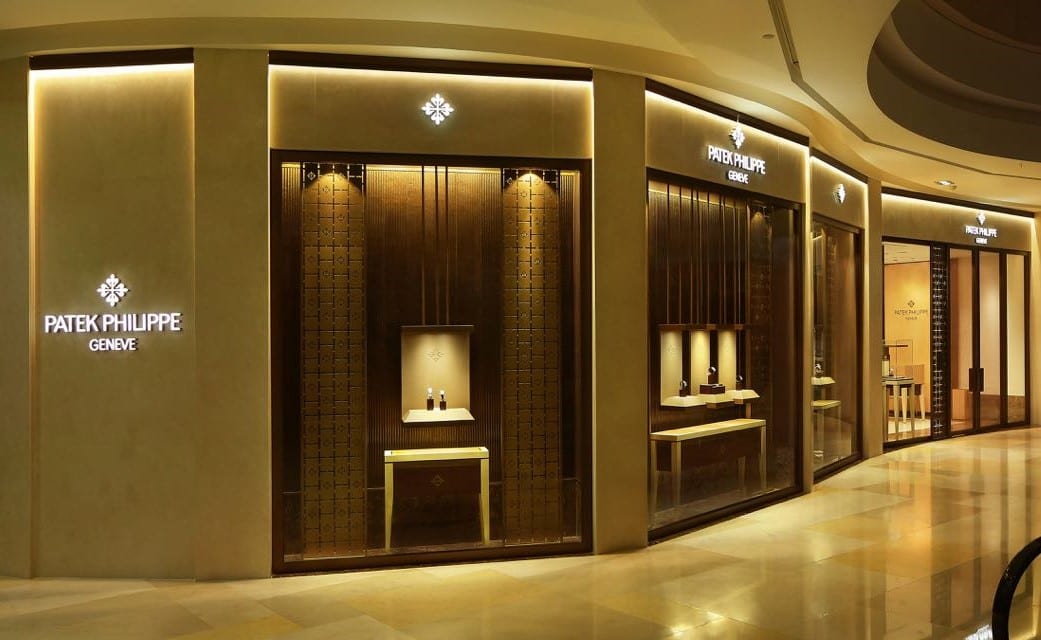
    Last week, Singapore’s second-biggest watch retail chain officially opened South-east Asia’s biggest Patek Philippe boutique in ION Orchard, Singapore’s premier shopping mall. Later this year, Singapore’s biggest Rolex shop run by Cortina will also open its doors at Marina Square.

    cortina_05

    “It’s all about location, opportunity and timing,” Cortina’s chief operating officer Jeremy Lim explains. “If we (had) worried that business is bad, then we wouldn’t have gotten this location,” he says of the Patek Philippe boutique in ION. “This kind of location doesn’t come all the time.”

    The Patek Philippe boutique in ION came just over a year after Cortina pumped S$4 million to unveil the world’s biggest Patek Philippe boutique in Taipei 101, a landmark building at the heart of Taiwan’s capital. It was conceived three years ago with the blessing of Patek Philippe’s president Thierry Stern.

    cortina_02

    Cortina, which both its sales and net profits fell in the first nine months of its financial year ending March this year, operated a smaller Patek Philippe boutique in ION then. After looking around the shopping mall and found it to be a good location, Mr Stern agreed that Patek Philippe should have a bigger presence there.

    The new 265.48 square metre boutique, over four times bigger than Cortina’s first Patek Philippe boutique at ION, is an extension of the earlier boutique first opened in 2009. The bigger space offers customers more personal service and a better showcase of the Swiss watch brand’s coveted timepieces.

    cortina_06

    Cortina, which also operates a Patek Philippe boutique in Marina Bay Sands, spent an estimated S$2.5-3.0 million renovating and remodelling the boutique, which has the novelty of having a “private” door for discreet and busy customers.

    The work on expanding the boutique took four months to finish, but the boutique only opened recently because Cortina had to wait for the leases of the adjoining space, occupied by other tenants, to expire before it could move in.

    The new Patek Philippe boutique in ION came when the dip in global sales of Swiss luxury timepieces last year, the first yearly drop since the 2009 recession, might have finally caught up with Singapore.

    While the export of Swiss watches worldwide slipped 3.3 per cent in 2015 to 21.5 billion Swiss francs (S$30.7 billion), shipments to Singapore still rose one per cent to 1.13 billion Swiss francs. But the latest numbers show retail orders of Swiss watches in Singapore, one of the 10 biggest markets for luxury timepieces, plunged 22.6 per cent in January this year – the second-biggest fall in the top 10 markets.

    “It would be a lie if I tell you we’re not affected,” Patek Philippe’s commercial and marketing director Jerome Pernici says.

    While 2015 was “the best year ever” for Patek Philippe, arguably the top Swiss luxury watchmaker, Mr Pernici discloses that this was largely in the first three quarters of the year. “The last quarter was more difficult and definitely 2016 will be challenging. We know it,” he says.

    Yet Patek Philippe, which celebrated its 175th anniversary last year, has weathered many crises in the past and came out of them stronger, Mr Pernici says.

    “We keep looking at the long term. I don’t know how long (this downturn) will be but once the market recovers, we will be ready.”

    The Rolex shop Cortina is working on will be the listed company’s single biggest project ahead, involving 5,500 square feet of space for watch displays and events. Renovation costs alone could work out to around S$4 million.

    Cortina, which also carries other brands such as Vacheron Constantin, Omega, Longines and Jaeger LeCoultre, is also likely to refurbish its multi-brand outlet at Raffles City this year.

    Last year, the watch retailer opened a S$2 million multi-brand boutique at The Capitol, a luxury hotel and shopping development. At the same time, its Paragon outlet grew from 2,000 to nearly 3,000 square feet.

  • Why Is Apple Opening More Retail Stores in Emerging Markets?

    Why Is Apple Opening More Retail Stores in Emerging Markets?

    Apple continues to remain optimistic about China despite the country’s economic slowdown. As a result of this optimism, Apple plans to open a number of retail stores in emerging markets such as China and India. Apple had 28 stores in China through the end of 2015, but it plans to add 12 more by mid-2016.

    In India, Apple had depended on subdistributors for the sale of its products until now. However, Apple has sought approval from the Indian government to open its own retail stores in India.

    Apple considers India to be an important market in the coming days, as the country is now the second-largest smartphone market in the world after China. Apple’s revenues in India grew by a healthy year-over-year (or YoY) rate of 38% in the quarter ended December 2015.

    Percentage of users buying iPhones from Apple US retail stores declining

    India has some positive macroeconomic factors that make it an attractive market. It is one of the fastest-growing economies with a huge young population. According to Apple’s CEO, Tim Cook, “The population of India is incredibly young. The median age there is 27. I think of the China age being young, at 36, 37 and so 27 is unbelievable. Almost half the people in India are below 25. And so I see the demographics there also being incredibly great for a consumer brand and for people that really want the best products.”

    The focus on retail in emerging markets is big for Apple, but it’s the opposite in the US. According to a report, citing research from Consumer Intelligence Research Partners, users are increasingly buying iPhones from telecom providers such as Verizon, Sprint (S), and AT&T (T) rather than its own stores. The above chart shows this trend. The main reason for this trend is that these providers offer consumers attractive leasing, installment plans, and exchange offers.

    Apple commands only 2% share of India’s smartphone market

    In the previous part of this series, we discussed the growing focus by Apple on India. According to Counterpoint, India recently overtook the US to become the second-largest smartphone market, behind only China. However, Apple still only commands a 2% share in India’s smartphone market.

    According to that report and as the chart below shows, Samsung led the Indian smartphone market last year, with Micromax, Intex, Lenovo, and Lava taking the up the remaining four positions among the top five players in this market. Microsoft lost its place among the top five players in this market due to the declining popularity of the Lumia line of smartphones.

    Apple Aims to Increase Penetration of India’s Smartphone Market

    Apple’s initiatives in India have yet to bear fruit

    Apple released the low-cost iPhone SE in March 2016, accompanied by high expectations. It released this smartphone in India in early March, but it has so far failed to garner much interest from users. The problem with the iPhone SE is that although it costs $430 in the US, it is sold at the higher price of $586 in India.

    iPhones cost more in India because Apple currently depends on third-party distributors to sell the devices in India, adding their commissions to the phone’s price. However, as discussed in the previous article, Apple plans to open its own stores in India, which could help bring down the prices of iPhones in India going forward.

    This isn’t the first time Apple has launched a cheaper version of the iPhone. In 2013, Apple launched the iPhone 5C at around $500.

    In 2015, Apple announced that it would slash the price of the iPhone 5S from $665 to $370, according to a report from the Times of India. However, all these efforts have still not helped Apple’s penetration of the Indian smartphone market. In our view, Apple would have to do much more to achieve that goal.

  • Tips on starting a business

    Tips on starting a business

    The fun really begins now, as there is so much to learn about starting a new business. There is a lot of preparation and risk involved in starting out in a new venture. There are a lot of options available for you to look into, as you start your venture as an entrepreneur. I must admit it takes a lot of courage and want, to succeed and to create a viable business. There is no point in creating a business if you are not prepared to give it your all. The risks involved are far too high, to take a step into a new business venture light heartedly. I’m not trying to scare you but merely emphasize, what to expect if you decide to take on the challenge.

    Create a Business Plan

    It is imperative that you create a business plan before you start your venture. A business plan is like a road map to your success. You will find that there are many different areas that you should have a firm understanding of. A few examples of this include a Marketing plan, Equipment list, suppliers list and a list of processes for your daily operations. These are just a few areas you should be looking into and there is a lot more preparation required for a successful business. There is a number of ways you can set out your business plan there issoftware and templates available. The main thing is that you have one!

    Don’t Over Capitalize

    The best way to start a business is to start out small and dip your toe in so to speak. The advantages to testing your market will ensure you do not end up in a hole, with nothing to show. There is a lot of successful businesses. Which have started out with a very minimal investment a great product and a great business strategy.

    Understand the Nature of What you are Selling

    It is a good idea to enter an area of business where you have experience. The obvious upside to entering a business that you know a lot about is the rate of failure will be lower. Imagine for a second that you have a great idea started investing your time and hard earned savings, to find that you had no idea what you were doing . You may not be able to sustain the business based on your turnover. A lot of your learning would be now coming from on the job learning, which can be quite costly.

    If you had experience already around certain areas of the business you were starting, you would eliminate a large part of the risk. So in basic terms the more you know in advance to your commencement, obviously the less risk involved. Business is all about eliminating the levels of risk associated with it. There will always be risk but you must manage it efficiently to succeed.

    Market your Business Effectively

    Your business obviously must be marketed to your audience. Now there is no point marketing to an audience that is not receptive to your product. For instances if your selling men’s business shoes, you want to market to business men. The chances of selling those men’s business shoes to truck drivers, will be quite minimal. I hope you understand the point I am trying to outline.

    Once you have indentified your market, then it’s time to test different ways of marketing. Most of the best entrepreneurs try small efforts, in different areas tweaking to maximize results. Marketing is a complete topic on its own and needs to be looked at very thoroughly if you are to succeed. In saying this there are some very cost effective ways, available to start marketing your business.

    Read as Much Literature as you Can

    If you are dedicated to your success and follow your dreams then you will succeed. We are in the information age and can access a great wealth of information from basically anywhere. The best part is a lot of this information is FREE. We must constantly learn from investing time, in advancing our knowledge to succeed. Remember that Rome wasn’t built in a day and that you don’t need to go it alone. Many people have already made the mistakes, you just need to learn from them and tailor it to your own situation.

  • PRG China expanding in confidence

    PRG China expanding in confidence

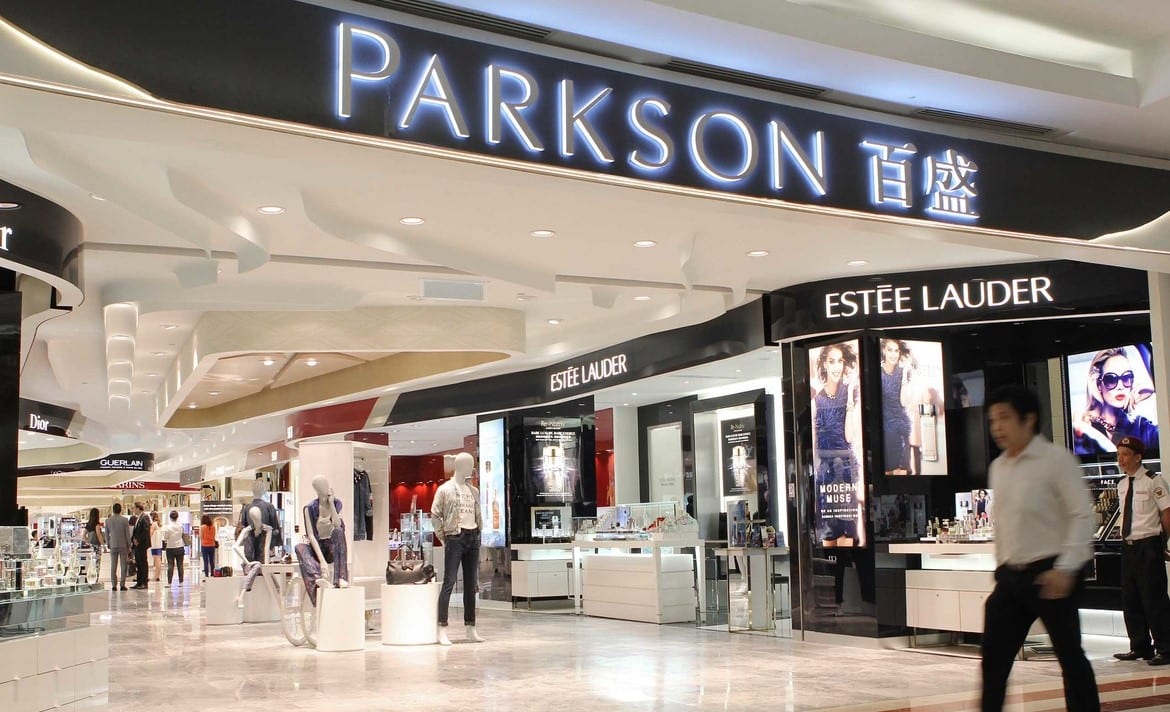
    Despite economic growth cooling, Parkson Retail Group (PRG China) is confident about its shopping mall opening this month in Qingdao.

    This confidence is underlined by an Asian Development Bank prediction that the Chinese economy will grow 6.5 per cent this year, with retail sales expanding 10.6 per cent in the first two months of this year.

    A unit of Parkson Holdings in Malaysia, PRG has 57 department stores in China, with one already in Qingdao. Its latest store is in the new Lion Mall, which the group has acquired for nearly RM1 billion (US$258 million) from Shanghai Industrial Qingdao Development via its indirect unit Qingdao Lion Plaza Retail Management.

    For the financial year ended June 30 last, the group’s China stores contributed about 70 per cent of Parkson Holdings’ revenue and profits.

    Parkson’s first store in Qingdao opened in 1998, its brand equity providing the platform for the group to expand its market share and strengthen its foothold in the fast-growing market. Lion Mall will offer a fully integrated shopping experience, with Parkson and Foodpark as anchor tenants. There will be cinemas, fast-fashion brands, international cosmetics and accessories, F&B, entertainment and other amenities.

    In the Laoshan district of Qingdao, a new financial and commercial hub, the mall is part of a fully integrated development known as the Beer City Project. It has a total gross floor area of about 230,000 sqm, of which about 130,000 sqm are for retail. There will be parking for 2000 cars.

    An exit gate is planned as a direct link to the M2 subway line, which is under construction and will come into service next year.

    On the group’s future plans, a spokesperson says a Lion Mall Phnom Penh in Cambodia is being developed, with the foundation works almost complete.

    “Another development is Parkson City Centre in Phnom Penh, where Parkson has taken a lease of 36,500 sqm and will open the first Parkson department store in Cambodia with sub-tenants in the fourth quarter of this year.”

    Parkson City Centre will include Golden Screen Cinema, making its debut in Cambodia, and Giant Supermarket’s second store.

  • Tesco result improved significantly

    Tesco result improved significantly

    Tesco’s statutory profit before tax improved from a £6.3 billion loss last year back into positive territory of £162 million as the impact of a deep write-down in the value of its stores last year eased off and it developed promising sales momentum and reduced its operating cost base.

    Although the full year Tesco result showed that core UK like-for-like sales were still negative, its performance has improved significantly. Like-for-likes grew 0.9 per cent during its fourth quarter, following on from a 1.3 per cent rise over Christmas.

    Having suffered persistently at the hands of discounters Aldi and Lidl, customers have responded well to its fight back and aside from Sainsbury’s, it is now firmly outperforming Morrisons and especially Asda.

    Over the last 18 months Tesco has reduced its food range by 18 per cent allowing it to improve availability, and developed its in-store service by introducing 9000 new roles. It has also cut the price of an average weekly shop by 3 per cent over the last year and has largely moved away from heavy promotions towards a more relevant everyday low price strategy.

    Since its year end it has also simplified its price match scheme and launched a new Farm themed entry-level own label. Furthermore, 60 unprofitable stores were closed during the year, which along with a 25 per cent cut in its management team benefitted operating profits.

    Elsewhere Eire like-for-likes turned positive in the fourth quarter for the first time since 2012, in reaction to price investments. European full year like-for-like sales improved 3.5 per cent amid a greater focus on price and fresh food and a consolidation of regional management teams.

    Asian full year like-for-likes stabilised at 0.6 per cent following a marked improvement over the fourth quarter, helped by the sale of the Korean Homeplus business in September which was clearly not profitable. The sale of Homeplus helped generate cash and reduced group debt.

  • Warburg Pincus takes Reiss stake

    Warburg Pincus takes Reiss stake

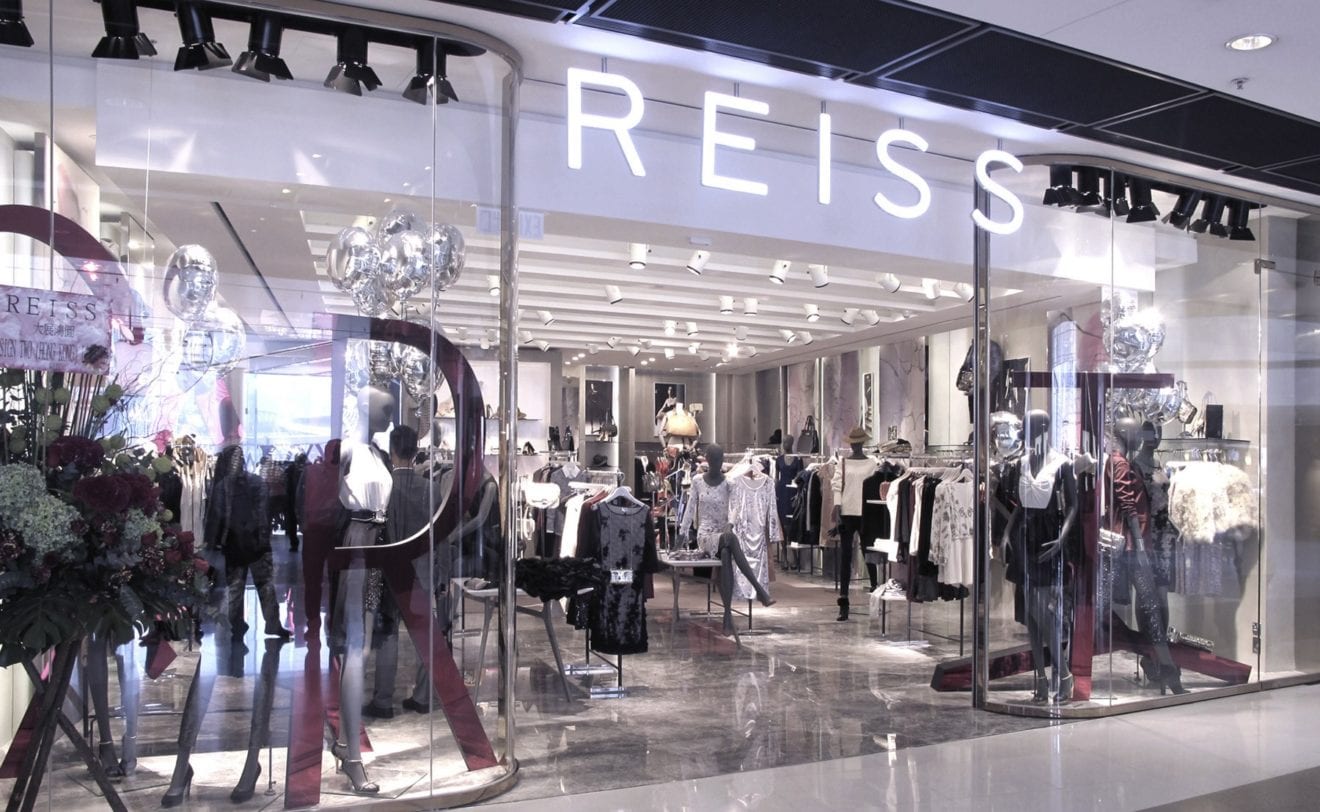
    A majority stake in UK luxury fashion retailer Reiss has been bought by private equity company Warburg Pincus.

    The transaction values the brand, which started out as a menswear store in 1971, at £230 million.

    Reiss has two stores in Hong Kong and four in Manila, Philippines; its only stores to date in Asia. The Hong Kong stores are located in IFC Mall and Ocean terminal, Harbour City. It also sells online, on its own website and on Asos. It has 160 stores globally.

    The sale ends more than six months of talks between founder David Reiss and several potential investors, one of whom was revealed as Permira, which is the private equity investor in Dr Martens.

    According to UK media, Reiss achieved total sales of £146 million in the year to January 31, up substantially from the £111 million of the previous year. Pre-tax profits soared from £3.6 million in 2013 to £10 million during 2014.

    Warburg Pincus MD Paul Best says he plans to expand the brand’s presence internationally.

    “The business has built an enviable position in its core UK market, with a broad and loyal customer base. We believe there is significant opportunity to build on this success,” he said in a statement.

    Reiss, who will remain as chairman and CEO, says the deal will allow the business to grow into a “truly global fashion brand”.

    “We have built a great business providing our customers with timeless luxury at affordable prices.”

    Reiss and Best said the company’s expansion strategy would be focused on the US, Canada, Asia and Australia.

  • Robi launches Wi-Fi in buses and taxis

    Robi launches Wi-Fi in buses and taxis

    Robi Axiata has introduced Wi-Fi services in 100 buses and 100 taxis in Bangladesh as part of a government-led project to improve internet availability in the nation.

    The network services will be available for all users with Wi-Fi enabled devices. Robi will offer its customers purchasing data packs of at least 1GB free Wi-Fi quota to use on the network, and plans to introduce bundles with Wi-Fi quotas in the near future.

    Robi has formed partnerships with local broadband provider Qubee and technology services providers AccessTel, and Aamra to deploy and maintain the hotspots. The rollout on buses and taxis is being conducted in partnership with e-commerce and e-business aggregator Coalesce.

    Over the next six months, the Wi-Fi project will be extended to a total of 500 restaurants and cafes, 100 educational institutes, 10 public places, 350 buses, taxis and trains, as well as airport and rail stations.

    Robi is partnering with the government on a project to realize the vision of a Digital Bangladesh, and improving internet connectivity in the nation is a key component of this initiative.

    The move comes soon after Singaporean operator M1 and the nation’s Infocomm Development Authority commenced a trial of their own Wi-Fi service for public buses operated by Singapore’s main public transport operator SMRT.