Author: Mei Ling Tan

  • Astro Malaysia chief eyes digital dominance in Southeast Asia

    Astro Malaysia chief eyes digital dominance in Southeast Asia

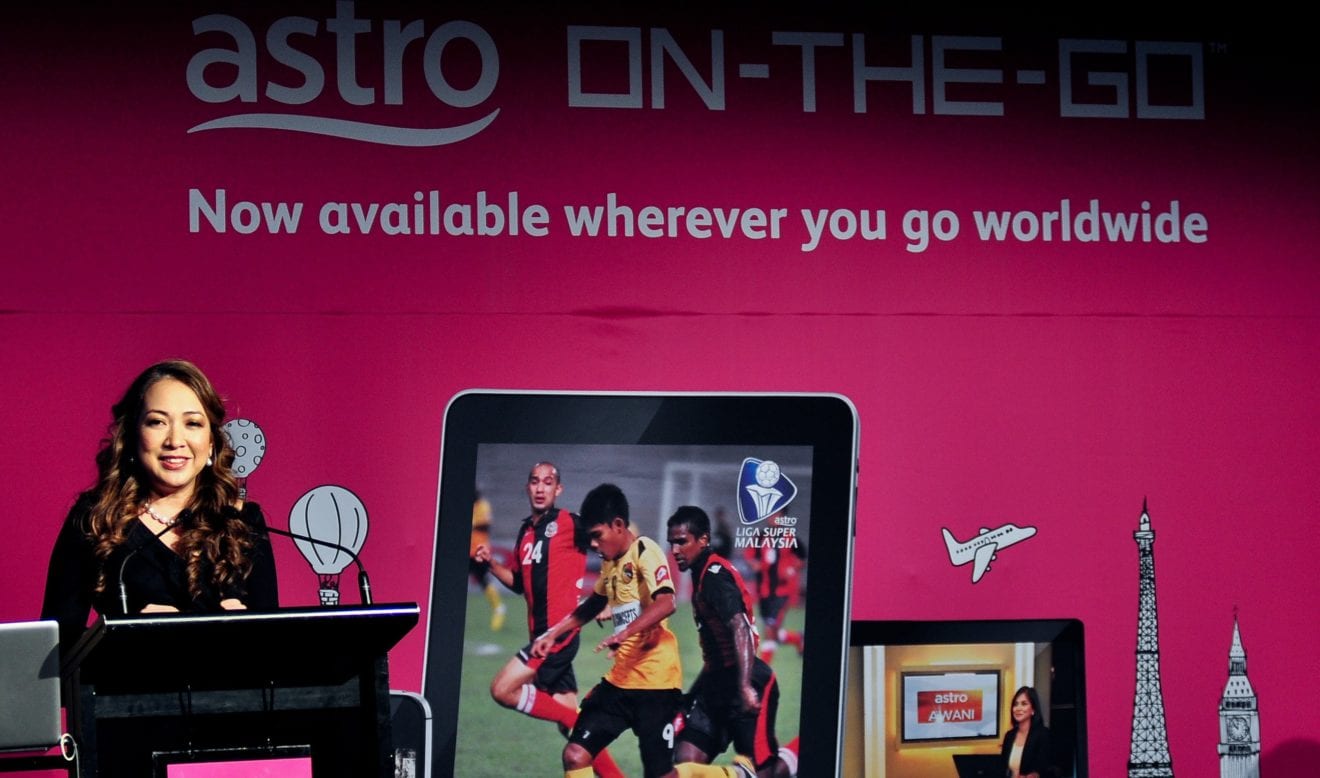
    Rohana Rozhan, the chief executive of Astro Malaysia Holdings, has never shied away from a challenge. As a young girl, she was determined not to be outdone by the boys she grew up with. Now, she is engineering an Internet-powered expansion for the pay TV operator.

    On March 18, Astro announced the launch of Tribe, its latest digital offering. “Tribe is going to differentiate [us] because it’s going to cater to fan bases,” Rohana said.

    Tribe is an over-the-top service, which delivers TV shows and other digital content directly over the Internet. The service debuted in Indonesia in partnership with Axiata Digital Services, a unit of Malaysian telecommunications giant Axiata Group. Astro is looking to launch Tribe in up to three Southeast Asian countries.

    In addition to such content as South Korean TV shows and Asian films, Tribe also offers live events, such as sports matches. Tribe is optimized for mobile viewing, so users can watch their favorite shows anytime on their smartphones or other devices.

    “I think we have slowly evolved,” Rohana told the Nikkei Asian Review at Astro’s headquarters in the suburbs of Kuala Lumpur.

    THE PINK “PIRANHA”   Dressed in pink and carrying a glittering pink smartphone, the 53-year-old Rohana cuts a striking figure in her black-paneled office. On the wall is an eye-catching caricature of her as a “Game of Thrones”-like character, complete with a dragon perched on her left shoulder.

    Nicknamed “Rohana the Piranha” by the neighborhood boys she grew up with, she is now one of Malaysia’s top female corporate leaders, whose ranks also include Aireen Omar, the chief executive of AirAsia, and Nur Qamarina Chew Abdullah, the managing director of the local unit of Japanese retail giant Aeon.

    Rohana has been involved in Astro’s growth from its early days.

    The company started out as a direct-to-home pay TV service in 1996 and now has radio stations, magazines and film production companies under its umbrella. A year ago, it partnered with South Korean multimedia retailer GS Home Shopping to enter the home shopping business.

    Before joining Astro, Rohana worked for a decade at consumer goods conglomerate Unilever in the U.K. and Malaysia. Before that, she studied accounting and economics at the University of Kent, and later completed the Advanced Management Program at Harvard Business School in 2006.

    Although normally an intensely private person, she gave a glimpse of what drives her in her acceptance speech for the Toastmaster’s Golden Gavel Award in 2014.

    She described how, as a child, she fought to be treated as an equal among the boys in her hometown in the state of Sabah, on the island of Borneo. “When you are young, you are quite arrogant,” she said. “Thinking arrogantly that I am as good as any boy and as good as my brothers, I couldn’t [accept] that they were sent to the U.K. at the age of 13 to pursue their studies whilst I was actively encouraged to stay at home to look after everyone and to consider becoming a teacher.”

    She eventually won a scholarship to study in the U.K.

    Rohana was the chief financial officer at Astro when the company was listed in 2003 as Astro All Asia Networks. In 2006, she was promoted to chief executive of the media group’s satellite division, MEASAT Broadcast Network Systems.

    For the fiscal year through January, Astro’s revenue rose 5% on the year to 5.47 billion ringgit ($1.4 billion), while net profit climbed 18% to 615 million ringgit.

    The company delisted in 2010 following a buyout by reclusive Malaysian billionaire Ananda Krishnan and Malaysian sovereign fund Khazanah Nasional, but it relisted at $1.5 billion in 2012 as Astro Malaysia Holdings. Today, Astro has a market capitalization of 15 billion ringgit.

    Astro is now watched in 67% of Malaysian households. “In terms of pay TV market share, we have about a 95% to 96% market share, so we are in a very strong position at the moment,” Rohana said. “In a couple of years, it wouldn’t be a stretch to say that we will be at 80% [of household penetration].”

    With the traditional pay TV market all but saturated, Rohana said she expects subscription-free satellite TV to play an increasingly important role in bolstering the company’s domestic business. Astro began offering this service in 2011 via set-top boxes sold separately from its regular services.

    The service has proved popular among the growing number of viewers who prefer to pay for only the programs they want to watch, rather than subscribe to bundles of channels.

    Rohana said the bulk of Astro’s revenue growth will eventually come from subscription-free satellite services as the company evolves to meet this “piecemeal” style of content consumption.

    “We have every intention of growing the traditional business,” Rohana said, “but it’s so much harder now to sustain our share of the customer wallet [and] most importantly, our share [of] our customers’ time.”

    In addition to market saturation, the company also has to deal with the fact that the emergence of Internet-based smartphone viewing has significantly eroded TV’s position as the “king of media.”

    Management consultancy McKinsey said the availability of  OTT often results in consumers canceling their pay TV subscriptions, known as cord-cutting, or else subscribing to a smaller and cheaper bundle of personalized services, known as cord-shaving. Both of these developments spell trouble for a traditional pay TV operator like Astro.

    Astro CEO Rohana Rozhan

    That’s where Tribe comes in. The new service should help Astro go head-to-head with other Internet-based services and provide the company with a springboard for regional growth.

    But the playing field is already a crowded one.

    In Malaysia, other providers of OTT services include Telekom Malaysia’s HyppTV, local startup iflix, which has already expanded to Thailand and the Philippines, global player Netflix and PCCW-backed Viu.

    Meanwhile, Singapore-based HOOQ, which currently operates in the Philippines, India, Thailand and Indonesia, is planning to enter Malaysia after it launches services in its home market this year. India-based TV channel and content producer Zee Entertainment Enterprises has established itself in Indonesia and Thailand, and is eyeing Philippines as the next step in its Asian expansion strategy.

    Nevertheless, Rohana, who has been Astro’s chief executive since 2011, is confident that her company still has room to grow as it prepares to celebrate its 20th anniversary in September. Her hopes for Tribe in this regard are particularly high. “If you look [beyond] Malaysia, if we are going to make it, we have to do original, local language, differentiated programming, and we are going to have to do more of it. If we are going to do more of it, we need to find bigger scale.”

    Such tailored content, she believes, is crucial to gaining local audiences. “If you take the Malaysian market, our view is Netflix is a complementary service to us. It is not in direct competition.” She explained that Netflix’s library largely consists of international programming, while Astro offers programs in the languages spoken in Malaysia — Malay, Chinese and Tamil — as well as live domestics sports and other events. It plans to produce local language content for Tribe in other regional markets.

    Astro estimates that its viewers spend five hours daily watching its programming, with 80% of that time spent on local language offerings. The company produces TV series, reality shows and films in-house or in cooperation with local vendors. Astro plans to use these existing capabilities and infrastructure as it expands into other regional markets in cooperation with telecommunication providers. “If we do our jobs right, we will not have and pay for the content that Netflix has and paid for. We will focus on what they are not offering,” Rohana said.

    She said that understanding shifts in technology and media consumption behavior is crucial to planning a future strategy. “All I need to do is to watch my son. By watching him, you can see how kids move away from that living room experience [of watching TV] with their parents.”

    Even in the digital age, however, Rohana’s priorities remain the same. She emphasizes three factors: customers, content and experience. Her time spent at Unilever, she said, has helped her in understanding consumers in-depth. “We’re no longer that young, and with that realization comes a lot of things, [like] consumption and how that shifts, we’ve seen [its] evolution,” she said. “We believe that in order for us to be sustainable, [and] to continue resonating with our customers, the best way is to simply reflect the customer base.”

    DIFFERENT STRENGTHS   The company’s 4,700-strong workforce reflects the ethnic makeup of Malaysia: Nearly half of its employees are Malay, 25% Chinese and 21% Indians. Almost half of them are under the age of 30, and the workforce is almost evenly divided between men and women, with women making up nearly 40% of the board of directors.

    Rohana has sought to make Astro a diverse organization in order to become regionally competitive. “We are quite proud of the fact that it’s not only about gender. We call it diversity and complementarity. Ultimately, my dream for Astro is to basically respect the fact that each of us can bring something to the table.”

    For Southeast Asia, the test is to understand the needs of each local market and for Astro to differentiate itself in each one. “It is not a static, one-size-fits-all proposition at all. The reality is we [ask] what do we need to do [and] how do we reinvent ourselves to be part of that conversation [for the next] generation.”
  • Ninja Van gets $30m capital boost

    Ninja Van gets $30m capital boost

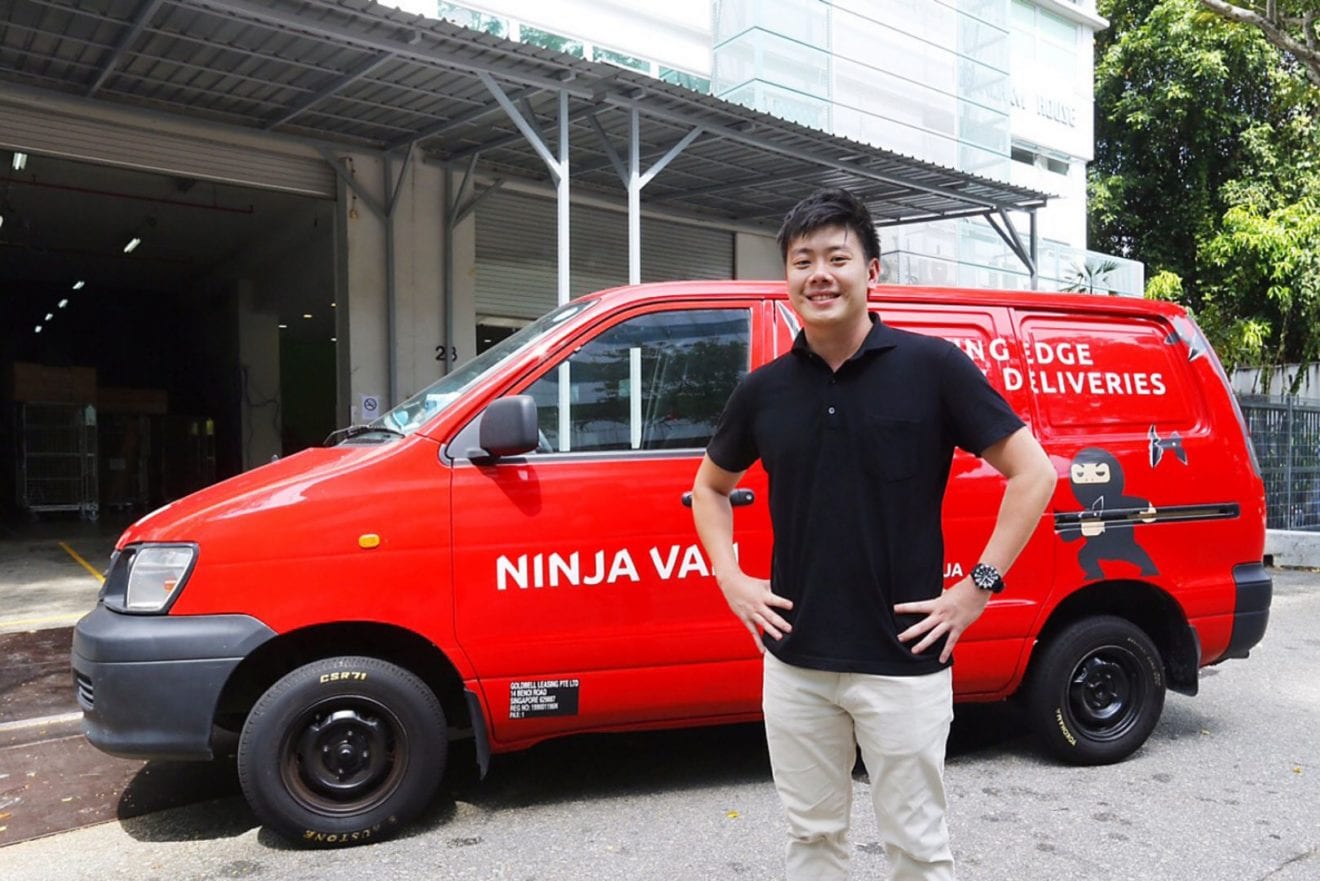
    Dubai-based Abraaj Group has led a US$30-million Series B round of fundraising for Singapore’s Ninja Logistics (Ninja Van), a technology-enabled last-mile logistics provider with a presence in Indonesia, Malaysia and Singapore, and just lately Vietnam.

    Ninja Van plans to use the fresh capital to roll out in the Philippines and Thailand this year, and to also upgrade its systems and triple its customer service headcount.

    Others in the funding round were existing investor Monk’s Hill Ventures joined by B Capital Group and YJ Capital. In its Series A in March last year, the startup raised US$2.5 million. This latest transaction is subject to customary closing conditions and is expected to wrap by the end of the month, according to Abraaj.

    Ninja Van uses algorithms to solve complex logistics issues and optimise delivery routes. It also forges partnerships with complementary transport fleets through a capacity-sharing model.

    While starting out as a logistics provider for eCommerce businesses, Ninja Van now supports more than 3000 clients across a range of industries, delivering about 15,000 parcels a day.

    “This vote of confidence from Abraaj and our other new investors will allow us to expand beyond tier-one cities in Southeast Asia,” says Ninja Van cofounder/CEO Lai Chang Wen.

    Abraaj is an investment firm specialising in private-equity investments in the Middle East, North Africa and South Asia. This is its 28th investment into Southeast Asia.

  • Belgian King praises Indonesia`s economic development

    Belgian King praises Indonesia`s economic development

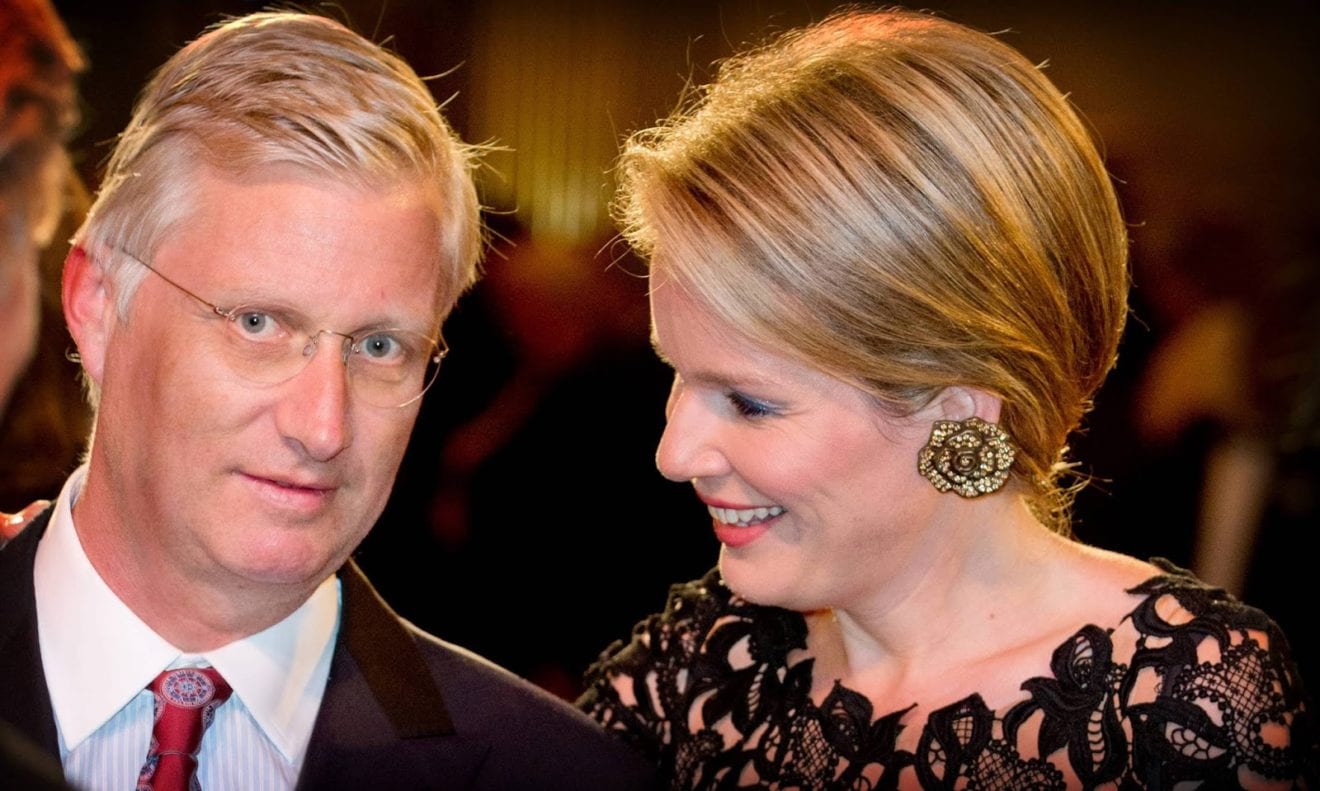
    “Indonesias economy is remarkable,” King of Belgium Philippe told President Joko Widodo (Jokowi) when they met at the Royal Palace in Brussels, the Belgian capital on April 21, 2016.

    He has followed the economic development of Indonesia closely, and he gave high credit to the progress, King Philippe claimed.

    He particularly expressed his support to the economic deregulation measures carried out by President Jokowi, who is expected to reveal his 12th economic stimulus package aimed at boosting investment and trade, in the very near future.

    Belgium is Indonesias key partner, in terms of trade and investment.

    Total trade between Indonesia and Belgium in 2015 reached US$1.67 billion, while investments amounted to US$7 million.

    The European countrys investments in Indonesia include those in diverse fields, ranging from power generation to the cocoa processing industry.

    Last March, the Belgian government sent a high-profile delegation to Indonesia, headed by Princess Astrid to strengthen bilateral economic relations, particularly in the fields of trade and investment.

    Princess Astrid, as representative of King Philippe, headed a 301-member delegation to Indonesia from March 12 to 18, 2016.

    In total, 127 companies and at least four ministers participated in the economic mission.

    The delegation is the largest-ever Belgian mission to come to Indonesia, and this is a landmark in the growing ties between the two nations, the Belgian government said on its official website.

    Some 25 Memoranda of Understanding (MoUs) and business contracts between business associations of both countries were signed during Princess Astrids visit to Jakarta.

    Jokowi and Princess Astrid, during their meeting at the Merdeka Palace in Jakarta, on March 15, 2016, agreed that the two nations should step up economic cooperation.

    The President expressed his optimism that Belgiums largest economic mission to Indonesia would help strengthen bilateral relations between both countries.

    The Head of State also called for expanding interactions between the business communities of both nations, and for expanding market access for Indonesian products, such as footwear, rubber, textiles, electronics and furniture, to enter Belgium.

    He also invited Belgian investors to start businesses in strategic sectors in Indonesia, such as infrastructure, telecommunications, the film industry, and raw materials.

    However, in the meeting with the Belgian King in Brussels, President Jokowi conveyed Indonesias worries on several discriminative measures from EU countries to Indonesian Crude Palm Oil products.

    “I believe Belgium will not take those discriminatory measures,” the President said.

    He also expressed his appreciation and gratitude for the decision to select Indonesia as the guest country for the 2017 Europalia Festival, as well as for the invitation to attend the inauguration of the festival.

    “The festival is an opportunity for Indonesia to show the richness of its culture. I hope Your Majesty will support us for the success of the event,” President Jokowi, who was accompanied by Coordinating Minister for the Economy Darmin Nasution, Minister of Foreign Affairs Retno L.P. Marsudi, Minister of Trade Thomas Lembong, and Cabinet Secretary Pramono Anung, said.

    Coinciding with the Presidents visit, a round-table meeting was organized and attended by CEOs of 15 Belgian companies in Brussels on April 21.

    Many people in the audience expressed interest in gaining insights into infrastructure development in Indonesia.

    Head of the Indonesian Investment Coordinating Board (BKPM) Franky Sibarani and Chairman of the Indonesian Chamber of Commerce and Industry (Kadin) Roesan Roslani briefed them on the progress of infrastructure development projects, such as seaports, toll roads, and airports.

    Most of the participating companies have invested in Indonesia and planned to expand their investments.

    “For instance, a company that produces steel fiber expanded its investment worth US$50 million in Karawang; a knife manufacturing company has planned to open a new plant in Bekasi; and a retail company has planned to expand its network,” Sibarani revealed.

    Belgiums investment in the country reached $132 million during the 2010-2015 period, placing the nation in the 27th position on the list of Indonesias foreign investors, according to the BKPM data.

    The European countrys investment commitment during the same period was recorded at $213.5 million comprising 64 projects.

    Furthermore, the BKPM identified a Belgian firm, which is keen to invest US$574.5 million, or some Rp7.1 trillion, in seaport development.

    The Belgian company had contacted a state-owned seaport operator to express its interest, Sibarani stated.

    “The company has also urged the investment board to facilitate its plan, including coordinating with other related ministries or institutions,” he remarked.

    Meanwhile, Trade Minister Thomas Lembong stated that a series of economic policy packages issued by the government had made Indonesia a favorite investment destination.

    “The policy packages have made Indonesia more attractive to foreign investors,” Thomas Lembong, accompanying President Jokowi on a European tour that covers Germany, Britain, Belgium, and the Netherlands, said.

    The policy packages had boosted trade cooperation between Indonesia and European countries, the minister believed.

    The Indonesian government has issued 11 economic policy packages over the past several months marked by massive deregulation.

  • Prince Albert of Monaco appreciates Wonderful indonesia

    Prince Albert of Monaco appreciates Wonderful indonesia

    Prince Albert II of Monaco appreciated Wonderful Indonesia, Indonesia’s tourism promotion branding initiative, during an Indonesia-Monaco Friendship Night in Monte Carlo on April 20.

    The Tourism Ministry Secretary, Ukus Kuswara, said in Monaco on Saturday that Monaco’s head of state expressed his appreciation for the campaign when he attended the friendship night, where cultural and arts performances were the highlight.

    Apart from Prince Albert II, the friendship night, an initiative of the Indonesian tourism ministry and the Indonesian Embassy in Paris, was also attended by government officials, the head of state palace, the head of Monaco Economic Agency, industrialists and tourism business players of the kingdom state.

    The tourism ministry presented the Paulus Surya Orchestra & Vocalia from Semarang, Central Java, featuring 10 musicians and five dancers. Dressed in Bali’s exotic costumes, they danced to traditional music as audiences joined the revelries, shaking their heads, their bodies jiving to keep up with the tempo.

    A medley of European songs, including the O Bambino Caro, a favorite of the mother of Prince Albert II, mesmerized the audience. Besides the orchestra, Indonesian textiles were also displayed by noted designer Oscar Lawalata.

    Oscar Lawalata displayed 60 personal classic textile collections from various regions in Indonesia.

    After the Wonderful Indonesia program, the event continued with a business meeting between the two countries.

    The Indonesian delegation was led by Kuswara, accompanied by Hirmansyah Sambudhy Thaib, the chairman of the working group for development acceleration of 10 national tourism destinations.

    On the Monaco side, the event was attended by the country’s businessmen and industrialists who were offered investment cooperation and a chance to visit Indonesia. They were offered investment opportunities in Indonesia’s Tourism Special Economic Zone, now being developed in 10 tourism destinations.

  • Dell launches IoT solutions partner program

    Dell launches IoT solutions partner program

    Dell is building an ecosystem of partners to help customers navigate the fragmented IoT landscape and identify the right technologies to develop IoT solutions.

    The Dell IoT Solutions Partner Program will provide participating partners with access to Dell’s  product portfolio and support.

    The program will combine a global network of experienced independent software vendors with the portfolio of Dell’s IoT assets. These include purpose-built, intelligent gateways and embedded PCs, security and manageability tools, data center and cloud infrastructure, and data integration and analytics software like Boomi and Statistica.

    The IoT partner program launched with more than 25 partners including GE, SAP, Software AG, Microsoft, OSIsoft and others, many of which are using the Dell Edge Gateway 5000 Series to power their own IoT solutions. Dell also continues to build relationships with systems integrators with vertical expertise and deployment scale.

    The Dell Edge gateway runs on Windows 10 for secure, reliable, and streamlined support and is Microsoft Azure Certified for IoT. Customers can depend on the Edge Gateway for seamless and security-enhanced data with the Azure IoT Suite, so they can get their projects running quickly.

    Dell, Kepware, and Software AG are collaborating to develop IoT-enabled predictive maintenance models using distributed analytics to address the industry’s biggest operational challenges, such as unplanned downtime, overall equipment effectiveness, maintenance cost and return on assets.

    With Microsoft and Blue Pillar, Dell is delivering Automated Demand Response solutions which help utilities maintain grid reliability and enable customers to realize significant value through dispatch of onsite power generation or reduction in consumption.

    Dell and SAP are also collaborating to bring business to the edge with models designed to help address the industry’s biggest operational challenges, such as business continuity, overall equipment effectiveness, maintenance cost and return on assets.

    Additional partners include Azeti, Blue Pillar, Datawatch, Eigen Innovations, Flowthings, Flutura, GE, Kepware, Lynx Software, Microsoft Azure, OSIsoft, Relayr, SAP, Software AG, and Thingworx.

  • Alibaba Cloud launches IoT platform

    Alibaba Cloud launches IoT platform

    Alibaba Cloud has unveiled a series of new products aimed at expanding its IoT, hybrid cloud, storage and security capabilities.

    At its Shenzhen Summit last week, Alibaba Cloud launched version 1.0 of IoT, its one-stop platform for IoT and cloud computing. The service will provide infrastructure for IoT deployments in areas including medical, energy, smart home and intelligent campus networks.

    IoT Version 1.0 combines an IoT foundation kit, an intelligence dissemination platform and smart device and ecosystem functionality. It is compatible with a range of protocols to allow devices to connect quickly to the cloud and other devices.

    At the event, Alibaba Cloud also launched Apsara Stack, a dedicated cloud platform for hybrid clouds. Apsara Stack can be used to obtain public cloud capabilities in a fully-isolated environment within an enterprise data center.

    For enterprise level database and storage needs, the company unveiled a number of services including data migration, storage engines, access protocols and usage models.

    The company also introduced a concept it calls “light computing”, involving providing a cloud storage application interface that allows users to create “instant-on”data processing applications or modules.

    Finally, Alibaba Cloud revealed it has upgraded its AliCloud CDN to support HTTPS encrypted communication, certificate authority services and other enterprise-class security services.

  • Dtac won’t participate in 900-MHz re-auction

    Dtac won’t participate in 900-MHz re-auction

    Thailand’s Dtac has decided not to participate in the upcoming re-auction of 900-MHz spectrum due primarily to the high reserve price.

    The operator has informed regulator NBTC that it does not plan to bid in the auction

    Dtac will instead rely on its 20 MHz of 1800-MHz bandwidth held under a concession agreement due to expire in 2018. The operator also has 15 MHz on the 2100-MHz band under a 3G licensing agreement.

    But Dtac CEO Lars Norling has urged the regulator to bring the 1800-MHz spectrum up for auction before its concession expires.

    Rival operators AIS and True Move have both expressed a strong interest in securing the spectrum, and have both picked up bid documents for the June auction, the report states.

    This is despite the military government’s decision to set the reserve price at the 75.65 billion baht ($2.16 billion) bid by Jas Mobile Broadband before it defaulted on its first instalment payment, triggering the need to reallocate the spectrum.

  • Thai telecoms regulator weakened in new frequency act

    Thai telecoms regulator weakened in new frequency act

    Thailand’s military cabinet has approved a new frequency act that puts the formerly independent regulator under the control of the new digital economy commission while the selection process now goes through the executive branch.

    The new National Broadcasting and Telecommunications Act calls for a single seven-member board (down from two five-member boards and one chair, one for broadcasting and one for telecommunications).

    Selection will be through a committee consisting of the president of the constitutional court, the president of the supreme court, the president of the administrative court, chairman of the national anti-corruption commission, the auditor-general, the chairman of the national human rights commission and the governor of the Bank of Thailand. The committee will select 14 individuals which are passed to new Digital Economy Ministry (previously the ICT Ministry) which will forward them to the senate for selection which will forward the final selection to the Prime Minister.

    The new NBTC act stipulates that the NBTC will have to follow the policy of the Digital Economy Commission and abide by the government policy statement. The new DE Commission is chaired by the Prime Minister.

    The DE Commission will have the final say if there is dispute whether the NBTC is complying with government policy or not.

    Matters of satellite and orbital slots are no longer a matter for the NBTC.

    Spectrum allocation for telecommunications will be by auction except for certain designated uses.

    In an earlier draft it was understood that the DE Commission could allocate spectrum for good causes and only let the NBTC handle commercial spectrum.

    Another key change is in the NBTC budget which must be efficient and economical and the NBTC must obey any orders given by the auditor-general.

    In the transition period, the existing NBTC will continue until their term is over in September 2017 unless there are less than four NBTC board members remaining in which case the entire NBTC board will be considered expired.

    Meanwhile the new computer misuse act was also approved and will be put to the military-appointed legislature later this week. Leaked drafts show the bill to be draconian with the Digital Economy Ministry having immense power.

    The DE Ministry will have the power in censoring websites without the need for judicial review. It can arrest and fine hackers without any recourse for appeal or review in a court of law.

    Elsewhere Deputy Junta leader and defence minister General Pravit Wongsuwan has ordered police to closely monitor social media and to report any political activities to the military’s cyber warfare division over the course of the next five years.

    Junta leader and prime minister General Prayuth Chanocha last Friday announced a five year transitional period to democracy.

  • XL Axiata swings back to profit in Q1

    XL Axiata swings back to profit in Q1

    Indonesia’s XL Axiata swung back to a net profit for the first quarter during what CEO Dian Siswarini said was a “promising start to 2016.”

    The operator reported a net profit of 20 billion rupiah ($1.5 million) during the period, which compares to a loss of 758 billion rupiah in the same quarter last year.

    Profit for 2016 was positively impacted by the strengthening of the rupiah against the US dollar this year, compared to a weakening in the first quarter of 2015.

    Revenue meanwhile grew 2% year-on-year during Q1 of 2016, with core usage revenue up 5%, driven by a 23% year-on-year growth in the data segment. Data traffic grew 94% year-on-year and total data users grew to 22.8 million, or 54% of XL’s total base.

    XL commented that LTE has become a key part of the operator’s mobile internet leadership strategy. By the end of the quarter, XL expanded its LTE footprint to cover 3,286 sites in 36 Indonesian cities and areas. The company’s total BTS footprint as of the end of March was 59,040.

    “We have made a promising start to 2016 with further improvements in our operating and financial performance, and we hope to build momentum as we execute on our transformation agenda,” Siswarini said in a statement.

  • Calvin Klein design chiefs axed

    Calvin Klein design chiefs axed

    Calvin Klein design will be overseen by one person from now on after a reshape which led to the departure of its two most senior designers.

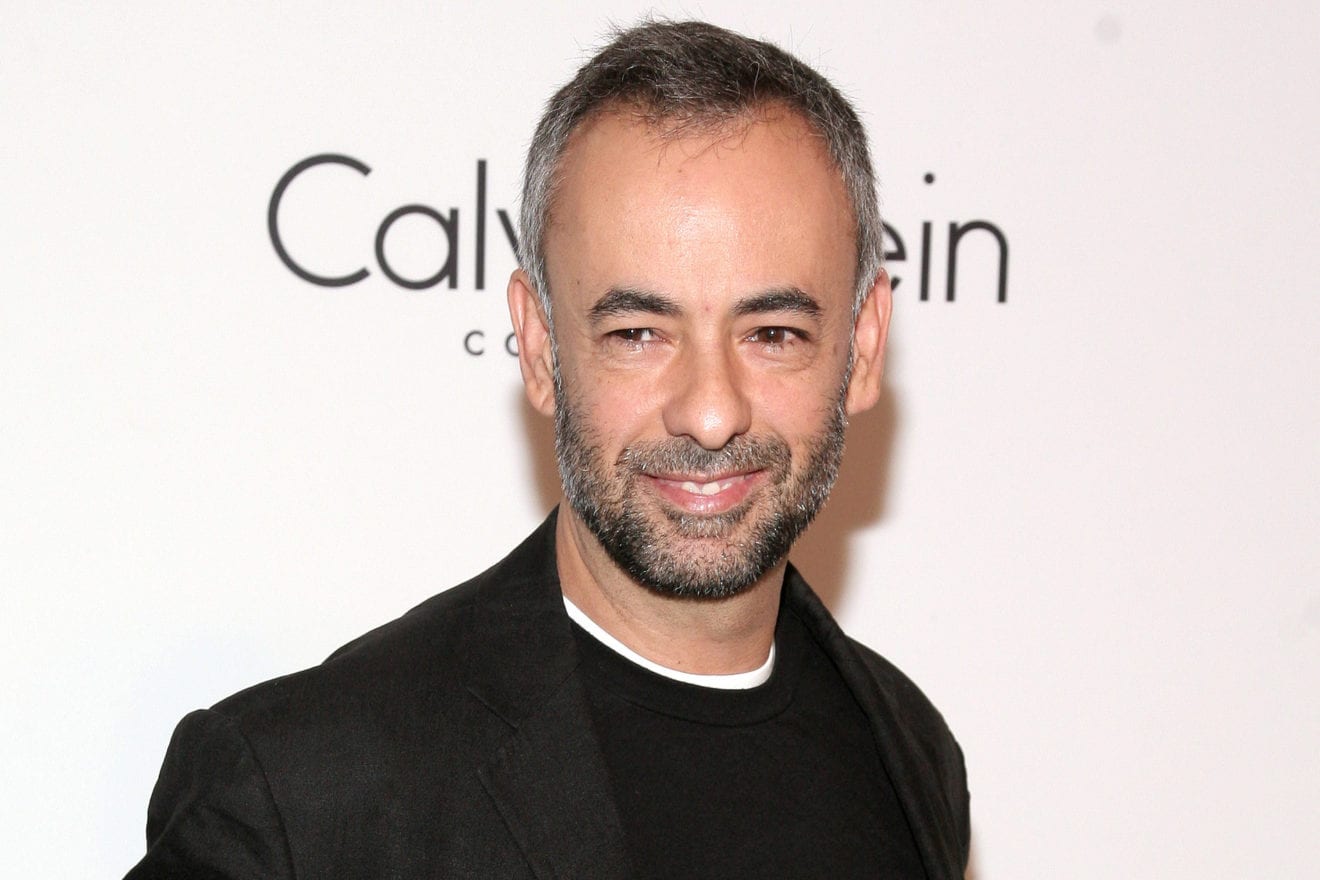
    The US-based global fashion brand, owned by PVH Corp, has announced that Francisco Costa, (pictured) the brand’s women’s creative director and Italo Zucchelli, the men’s creative director, will be leaving the company.

    It has not named the new creative head.

    “This creative strategy marks the beginning of another significant chapter in Calvin Klein’s brand legacy since Mr Klein’s retirement,” announced Steve Shiffman, Calvin Klein CEO.

    “I would like to thank Francisco and Italo for their unwavering commitment to the Calvin Klein brand and their accomplishments over the past decade. They have both contributed immensely to making Calvin Klein a global leader in the fashion industry, and they have done so with dedication, focus and creativity.”

    He said the strategy is part of “a global evolution” in the direction of the Calvin Klein brand, which began with the reacquisition of its jeans and underwear businesses in 2013. As the company continues to build itself into a $10 billion global retail sales business, this undertaking will further solidify the brand’s positioning worldwide and pave the way for future long-term global growth. The new brand direction will ultimately follow one creative vision across all categories of the business.

    An announcement on who will head design moving forward “will be made in due course,” the company said.

    Besides Calvin Klein, PVH Corp owns Tommy Hilfiger, Van Heusen, Izod, Arrow, Speedo, Warner’s and Olga brands.

  • Ikea Korea falls foul of regulator

    Ikea Korea falls foul of regulator

    South Korea’s antitrust watchdog has told global furniture giant Ikea Korea to revise its terms regarding refunds for cancelled deliveries.

    Ikea, which opened its first store in southern Seoul in 2014, is running a delivery service for South Korean customers who are familiar with free packaging and door-to-door delivery.

    The service costs between 19,000 won (US$16) and 159,000 won ($137) depending on the distance from its store in Gwangmyeong to the destination.

    Ikea Korea has never refunded the delivery fees for any cancelled items even if the item is cancelled before the delivery truck departs, according to Korea’s Fair Trade Commission (FTC).

    The FTC said the furniture company has to change its refund guidelines to enable customers to get a refund after omitting packaging and other costs upon the FTC’s recommendation.

    Ikea Korea also revised its assembly terms to pay back the money when the customer cancels the service, added the watchdog.

    “We’ve received many complaints about Ikea’s refund policies on its delivery and assembly services,” said Min Hye-young, director of the unfair contract examination division at the FTC.

    “We took action, as all customers have the right to get a refund for their cancelled purchases.”

  • 800 Degrees pizza outlet for Tokyo

    800 Degrees pizza outlet for Tokyo

    Customised pizza has arrived in Japan, thanks to American chain 800 Degrees Neapolitan Pizzeria.

    Its first outlet for the nation is at the south exit of Tokyo’s Shinjuku Station in the new Newomanbuilding complex, which features fashion boutiques and fancy eateries.

    800 Degrees Pizza res

    With an open-plan kitchen set-up, 800 Degrees features quick-baked pizzas that can be customised when ordering, including the style of base, cheese and sauce selection, and protein and vegetable toppings, even including renkon (lotus root). Side salads can also be customised, and specialty pizzas are also available.

    800 Degrees Pizza inside

    After assembly, the pizzas go into a wood-burning oven and are ready within a minute.

    Already there are queues at the outlet, with customers sometimes having to wait about 30 minutes to be served. However, after ordering customers will be given a pizza number if the restaurant is busy.

    Japan is the second international destination for 800 Degrees, which has four outlets in Dubai.

  • Dior Hong Kong opens Times Square boutique

    Dior Hong Kong opens Times Square boutique

    A Dior Hong Kong exclusive store has opened in Times Square mall, the boutique continuing the style of its Avenue Montaigne flagship store in Paris.

    Dior Hong Kong times squares.jpg 3

    Its design concept is a mix of 18th century and modern, says the Times Square Facebook page. The interior was designed by architect Peter Marino, who was also responsible for the Paris flagship.

    Dior Hong Kong times squares.jpg 2

    Dior exclusive shops feature women’s garments, leather goods, footwear and accessories. There are five zones in the new outlet, with two rooms devoted to bags (one features the complete range of Dior handbags, while the other has exotic bags). The other zones are the Footwear District, Ready-to-wear Salon and Ornaments/Accessories District.

    Dior Hong Kong times squares.jpg 4

    Dior Hong Kong times squares.jpg 1

    Features of the decor include a fireplace and table by Juan & Paloma Garrido, a film installation by Yoram Mevorach Oyoram, a circular bench by Christopher Schanck and tables by Christophe Delcourt and Thierry Lemaire.

  • Spar Asia flourishes

    Spar Asia flourishes

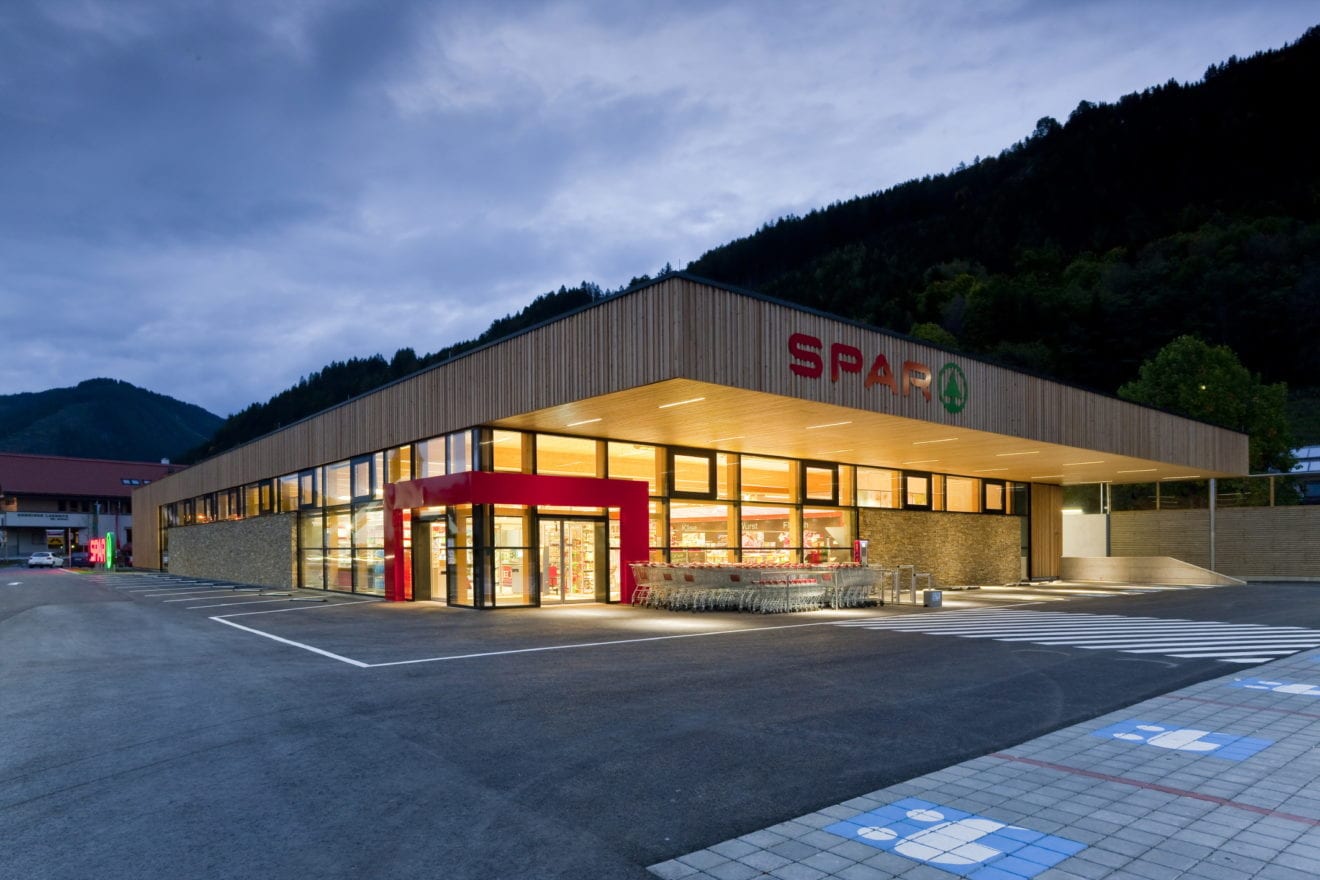
    Food retailer Spar Asia had “significant” developments during its latest financial year.

    In a partnership with Ramayana, the Amsterdam-based group opened 15 stores in Indonesia in nine months, had rapid growth in India after re-entering the market in 2014, and saw its China sales rise 6.8 per cent to €1.9 billion (US$2.14 billion).

    Internationally, its retail sales netted €33 billion for the year, a 3.5 per cent increase on 2014 – the group’s strongest sales growth in five years.

    During the year it entered four new countries, in Asia, Africa and the Middle East, taking its total to 12,100 stores in 42 countries serving 13 million customers a day. Spar International’s multi-format strategy includes hypermarkets, supermarkets, and neighbourhood and convenience stores.

    The fresh department is at the core of the Spar concept, with the stores also offering FMCG products and core non-food ranges. Value is underpinned through its low-priced, quality private-label products.

  • Apple Pay Singapore launched

    Apple Pay Singapore launched

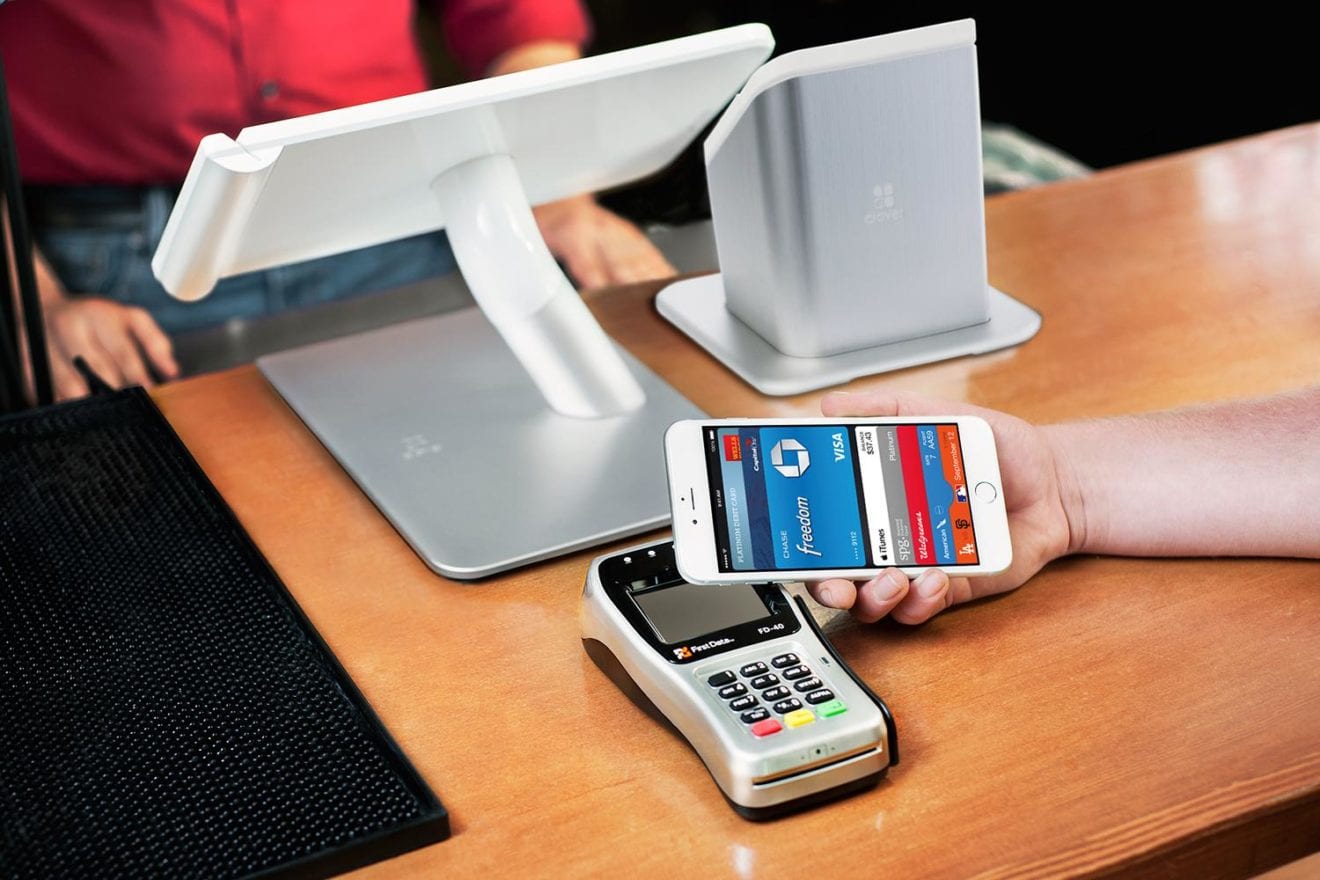
    Apple Pay Singapore is now live – the second Asian market in which the tech giant’s new payments system is now accepted.

    The cardless, cashless payment system debuted in China last month and more Asian markets are expected to follow after negotiations are concluded with partnering banks and card systems.

    Apple Pay allows shoppers to buy goods using their iPhone, iPad or Apple Watch – but in Singapore only American Express card holders can use the facility, for now.

    Apple pay

    “Credit and debit cards from Singapore’s most popular banks, including DBS, UOB and Standard Chartered will work with Apple Pay in the coming months,” Apple Singapore said in a statement.

    But Forrester researcher Zhi Ying Ng believes consumer adoption of Apple Pay will be slower than expected in Singapore.

    “The use of contactless card payments is increasing in Singapore, and consumers are comfortable with using it. While there are still significant barriers to consumer adoption of digital wallets today, it will take time before these wallets become more convenient for customers and as customers realise the benefits and additional value that digital wallets bring,” he said in a statement.

    Apple Pay is also now accepted in the US, Canada, Australia and the UK.