Author: Mei Ling Tan

  • AEON partners with Major Cineplex Group  to Enjoy Favorite Flicks and Free Snack

    AEON partners with Major Cineplex Group to Enjoy Favorite Flicks and Free Snack

    Mrs. Waraporn Nilpanich (Left), Assistant Vice President – Credit Card at AEON Thana Sinsap (Thailand) Public Company Limited and Mr. Niti Pattanapakdee (Right), Chief Media Officer of Major Cineplex Group Public Co., Ltd., announced the special joint promotion exclusively for AEON Royal Orchid Plus Platinum, AEON Gold and AEON Classic credit cardholders. With every movie tickets purchased, members can enjoy   a free Small Combo Set (22 Oz. drink and 46 Oz. popcorn) for the first 100 members per branch. The promotion is exclusive to Quatier Cineart and all Major Cineplex theaters on April 30th only.

    For more information about AEON activities, please visit www.aeon.co.th


  • Chow Sang Sang and Luk Fook eye new move to boost holiday sales

    Chow Sang Sang and Luk Fook eye new move to boost holiday sales

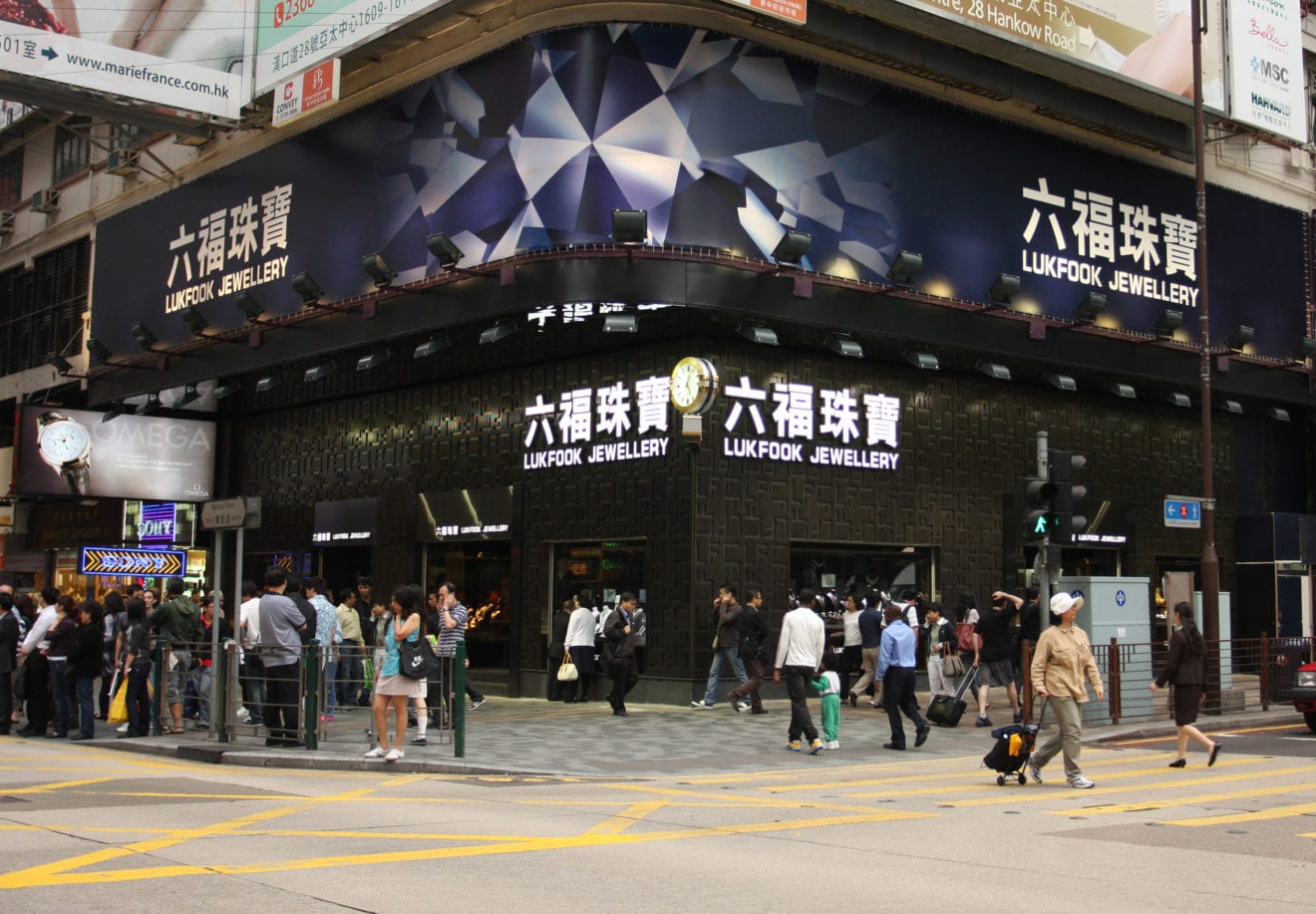
    Jewelry retailers Chow Sang Sang Holdings (00116.HK) and Luk Fook Holdings 00590.HK) are said to be waiving the craftsmanship fee on their gold products in a bid to spur sales during the upcoming Labor Day holidays.

    The promotional period will last for six days until May 2 at Chow Sang Sang, and until May 4 in the case of Luk Fook, according to the Hong Kong Economic Journal.

    Chow Sang Sang’s Greater China general manager for retail operations, Lau Hak-bun, was quoted as saying that the move is aimed at addressing a slowdown in business.

    The jewelry retailer has seen a 20-percent decline in revenue during the first quarter despite a 10-percent bounce in gold prices.

    With the waiver of the craftsmanship fee, customers can save HK$400 to HK$1,000 on wedding bracelets, according to Lau.

    A slowdown in tourist arrivals from the mainland has affected Hong Kong’s retail sector, with luxury goods shops particularly feeling the pinch.

    Export sales of Swiss luxury watches fell 16.1 percent in March, with sales to Hong Kong tumbling as much as 37.7 percent, according to data from the Federation of the Swiss Watch Industry FH.

  • Bangladesh to disconnect unregistered SIMs soon

    Bangladesh to disconnect unregistered SIMs soon

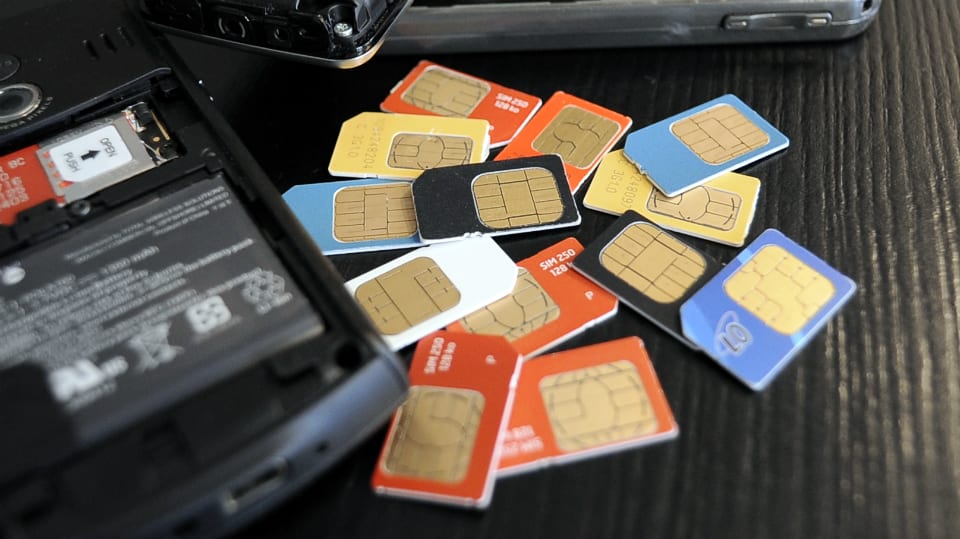
    Bangladesh’s telecom minister Tarana Halim has revealed that SIMs that remain unregistered with biometric authentication will be deactivated shortly after the April 30 registration deadline.

    The minister said the unregistered SIMs will at first be deactivated for three hours on May 1 as a warning.

    SIMs that remain unregistered will be deactivated permanently “in a very short time” thereafter, she said.

    Only around 70 million of the nation’s 130 million mobile users have currently reregistered their SIMs through the biometric authentication system. But Tarana expressed hope that the registration process will be complete by the deadline.

    Bangladesh introduced the requirement to register SIMs with biometric authentication as part of efforts to prevent criminal activities including the illegal operation of VoIP businesses. Nearby Pakistan has already introduced such a requirement.

    The government, regulator BTRC and operators are now working to raise awareness among mobile users about the need to reregister their SIMs in time for the deadline.

  • KFC owner Yum profits boosted by China sales

    KFC owner Yum profits boosted by China sales

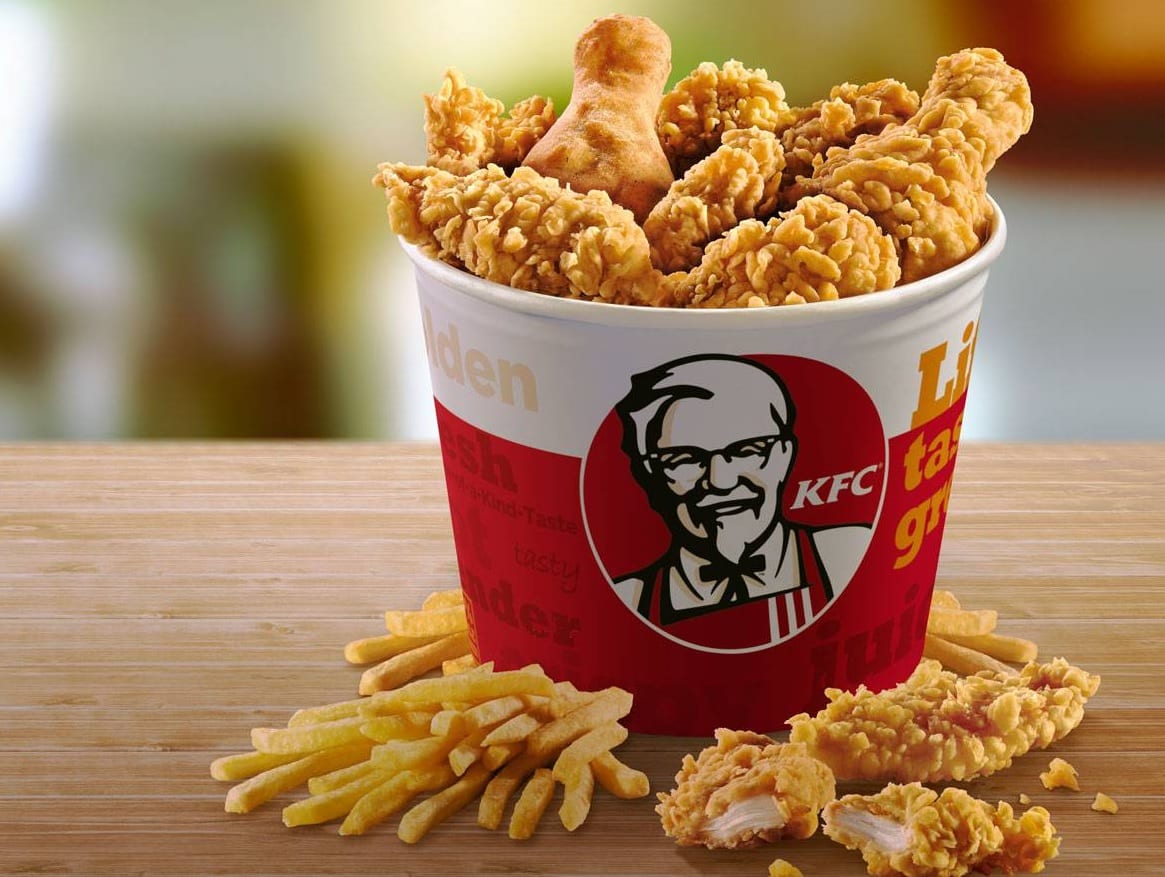
    Yum Brands, the parent company behind fast-food chains KFC, Pizza Hut and Taco Bell, has reported a surprise 8% rise in first-quarter net operating profit. One-time gains in the quarter from a Chinese New Year chicken bucket promotion helped boost sales in China and bring in profits of $391m (£273m; €346m) in the January to March period.

    Adjusted earnings per share came in at 95 cents, beating analyst forecasts for earnings per share of 83 cents. Sales at restaurants that have been open for at least a year in China — the company’s biggest profit-driving region — were up 6% from the same period a year ago, helped by a 12% sales jump at KFC China.

    Yum chief executive Greg Creed said 2016 was a “transformational year” for the company and announced that the China division would split into a separate business by the end of the year.

    The firm also upped its core operating profit growth forecast for the year to 12% from 10%. Yum shares jumped nearly 4% in after-hours trading in New York following the earnings release.

    Global sales up

    Worldwide same-store sales were up 2% in the quarter, with sales at KFC and Pizza Hut up 1% and 3% respectively. Same-store sales at the US Pizza Hut division were up 5%.

    “KFC China had an outstanding Chinese New Year bucket promotion,” Creed said in a statement. “While it’s early in the year and there may be bumps in the road, we’re confident in raising core operating profit growth guidance to 12% from 10% previously.

    Pizza Hut

    “This is a transformational year for our company as we remain on track to finalise the separation of our China business by year end. We look forward to establishing two powerful, independent, focused growth companies dedicated to building on our brand strengths and rewarding our shareholders.”

    Yum opened 68 new restaurants in China during the quarter, bringing the total number of its outlets in the country to nearly 7,000. It is the largest western restaurant brand in China and plans to spin-off the division into a separate publicly-traded company by year end to modernise services and streamline operations in other markets.

  • CE China makes debut

    CE China makes debut

    Brings together local and international retailers and suppliers.

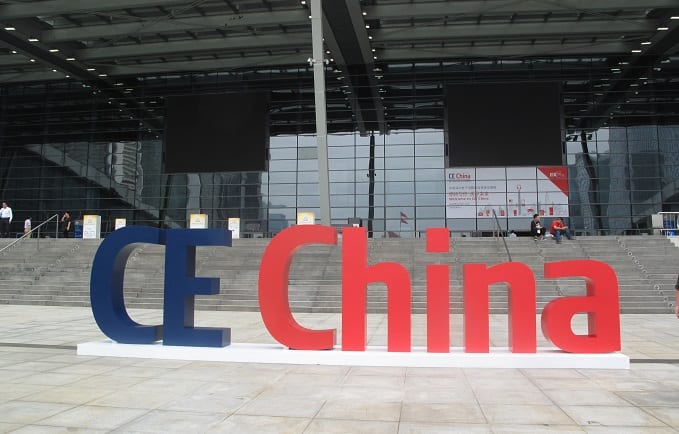
    The CE China exhibition launched in Shenzhen this week, created by the organisers of the annual IFA Berlin exhibition, has brought together retailers including Alibaba and Amazon China with leading Chinese and international manufacturers for a unique exhibition concept.

    There were over 150 exhibitors for the three-day event, concluding today (April 22) across an exhibition area of over 15,000 square metres at the Shenzhen Convention and Exhibition Center.

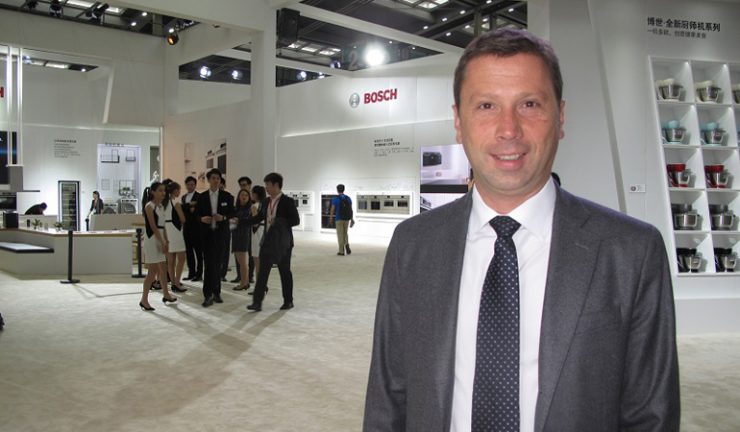
    According to Jens Heithecker (pictured below), the executive director of IFA at Messe Berlin, this new exhibition is designed to provide Chinese consumers and members of the trade with a local and international experience.

    Jens-Heithecker

    “Welcome to the very first edition of the new CE China trade show and you can see it is a retail brand show – this means we have Chinese retailers as well as Chinese brands and global brands from around the world here in one place. This is the newest show for the Chinese market, but with clear influence to the Asian markets as well.

    “We are proud that some of our largest exhibitors the very first year of the show are retailers such as Alibaba, Suning, Gome and Amazon China. In addition to this, from the industry side the dominating booths are from Bosch, Siemens, Karcher, Onkyo emphasising that this is an international show. It is not a trade show with a lot of small booths, it is a brand show that China has not seen so frequently in the past.

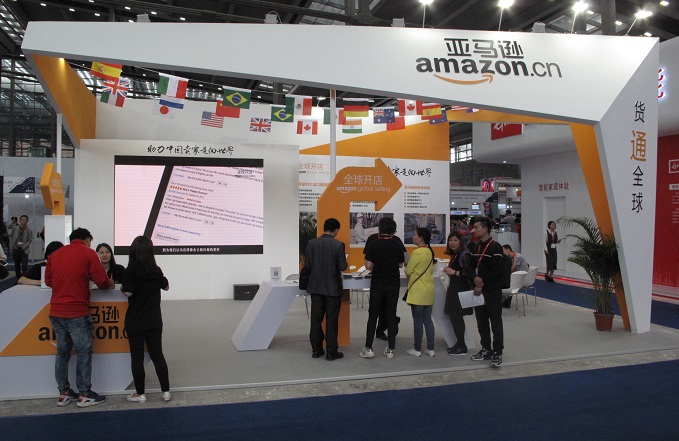
    CE China Amazon

    “It is a step for IFA to conquer the Asian market with our own show, but we have also realised in the last couple of months what influence this show has to Berlin. We have much better contact with the Chinese retailers and manufacturers who are better informed about IFA in Berlin.

    “We have also brought the Euronics and Expert buying groups from Europe and they will inform the industry in China that they act differently to other retailers worldwide, the influence is both ways. We bring over international and niche brands that is what the new Chinese middle class is looking for and of course the leading brands worldwide.

    “We have two kinds of trade visitors – the traditional Chinese retailers with central buyers who spread out the products through the shops, but also in this competitive environment of rising online retailers, it is clear that you have to train staff in a better way so the retail shops have better chance to survive.

    “The consumer experience in-store has to be an experience and not only a place to pick up products. And the manufacturers feel as though they need much more brand experience in the retail stores, bringing retailers and manufacturers together to train each other with the newest products for the best sales outcome. That is the basic idea here in China and we look forward to demonstrating how we do it in Europe.

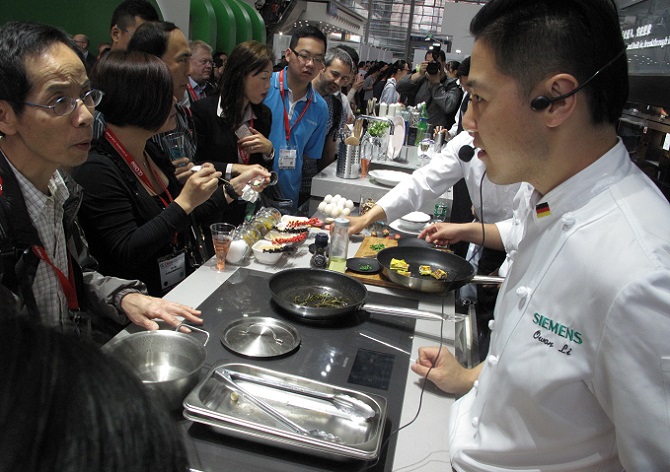
    CE China Siemens

    “The other point, is that here in the region of Shenzhen is the world’s largest hub for the electronics industry which means for all these companies developing, manufacturing and marketing these products they need to understand in a better way to work with international brands and international markets and this is the chance for them to see and learn about at CE China.”

    Dr. Christian Göke, CEO of Messe Berlin added: “As the Asian counterpart of the global IFA trade show, CE China is consciously aligned to the needs of Chinese distributors, and existing retail structures in particular. These distributors are interested in products manufactured by well-known international brands. It will be our task to successfully bring together these companies and distributors at CE China.”

  • Starbucks Corporation Growth Falters, but Remains Steady in China

    Starbucks Corporation Growth Falters, but Remains Steady in China

    Starbucks Corporation posted its second quarter financial results for the fiscal year 2016 (2QFY16), after the closing bell yesterday. The world’s leading coffee chain posted a 16.3% growth in earnings, as it continued to benefit from rapid expansion and growth.

    Earnings per share (EPS) for the second quarter came in at 39 cents, in-line with the Street’s expectations. Net income was registered at $575.1 million, higher from $494.9 million or $0.33 per share, reported last year.

    Even though sales missed analysts’ expectations, the company’s president claimed it to be a record quarter, as the reported revenues outdid all preceding non-holiday quarters. In total, the $4.99 billion sales registered a 9.4% growth, from comparable quarter last year, when the company reported $4.56 billion in sales. The company lagged behind analysts’ $5.03 billion revenue estimates, by $40 million.

    The company has aggressively worked to expand its physical footprint abroad; it recently disclosed plans to launch outposts, in Germany and Italy. Starbucks also opened its first store in South Africa, yesterday. For the quarter, the company opened a total of 350 stores globally, bringing the total to 23,921 stores worldwide.

    And yet, sales growth fell shy of the Street’s estimates. Global sales from stores established for at least a year, improved just 6% for the period ending March 27. This included 2% improvement in store traffic globally, and 4% growth in average ticket. The global comps, which reflect a 200 basis points deceleration from the last quarter, disappointed investors; the company recorded 8% growth in the metric in the previous quarter.

    Disheartened investors offloaded their holdings, as the stock took a downturn in the after-hours trade and tumbled as much as 5%, to $57.58 per share. The losses trimmed down in early market hours today; the stock is now down 2.7% to $59 apiece, as of 4:00 AM EDT.

    Sturdy Domestic Numbers

    Though global same store sales were slower than expected, region-wise growth was better than expected. “We posted 6 percent increase in comps globally, but if you go region by region, there is a story under each of those regions,” commented Starbucks’ president and chief operating officer, Kevin Johnson, in the earnings release.

    By region, the Americas and the US segment posted a 7% comp growth, which was the highest for the quarter, followed by a 3% growth in the China/Asia Pacific region. Europe, Middle East, and Africa (EMEA) region reported a 1% comps growth, as the foreign currency headwind against euros and pounds continued to affect international sales.

    Growth in the US and the Americas played out well, due to the company’s constant efforts in the region. The company targets to double food revenue, from domestic flagship revenues. In this regard, it has made efforts to get more people to sign up for its mobile app. Starbucks looks to diversify its menu and push food beyond the coffee lineup, to include salad boxes and breakfast sandwiches. This strategy has played out well, as food ascribed to more than 20% of total US sales, for the quarter.

    The company’s digital initiatives, including its mobile app, have helped Starbucks report a 9% growth in global revenues. According to the earnings call, the company’s investment in mobile initiatives, including the mobile order and pay app, has made it convenient for its users to make purchases at the store. This has resulted into significant growth, on the domestic front.

    Starbucks disclosed that mobile usage and orders have nearly doubled from the comparable quarter last year. The company has processed eight million mobile ordered and paid transactions, on a monthly basis. According to an analyst at RBC Capital Markets, a normal mobile app user spends nearly three times as much as a store going customer, which can play out nicely for the company’s future revenues.

    Doubling Down on China

    Despite a slight deceleration in global comps, the company has managed to report $5 billion in a record profit, for a non-holiday quarter. China outdid all other regions, as transactions in the country grew by 5%. This growth resulted in a remarkable 18% growth in revenues.

    “Starbucks recorded Q2 financial and operating performance – including a stunning 18% increase in revenues and a 5% increase in transactions in China – underscores the strength of the Starbucks brand and the resiliency of our global retail and CPG businesses,” stated the company’s chairman and CEO, Howard Schultz. “Loyalty, technology and innovation are continuing to fuel our digital flywheel and propel our business forward all around the world.”

    With hopes of continued growth in China, the company would add 500 stores each year in the country, in a move that could make the Asian country, one of the busiest Starbucks’ markets worldwide. A new store is set to be launched in mid-June, at the entrance of the newly opened Shanghai Disneyland. As it intends to cash-in on Disney World’s popularity, the company expects the launch to become the company’s “highest grossing retail store overnight.”

    While Starbucks continues to underscore the global nature of its rapidly expanding business, Mr. Schultz commented in the conference call: “Starbucks is only getting started” in China. Though the company didn’t divulge on profit contribution from the country, China and the Pacific Region in total reported 15% growth in profits.

    In fiscal year 2016, the coffee chain has plans to launch 1,800 new outlets globally. With nearly 700 outlets planned for the US, the company plans to open around 900 in the Asia Pacific region. For the year, consolidated revenues are expected to grow by 10%; the GAAP EPS is expected to fall anywhere in the $1.85-1.86 range. For the third quarter, EPS is expected to clock in between 47-48 cents apiece.

  • Thai Kasikornbank to cut retail and overdraft lending rates

    Thai Kasikornbank to cut retail and overdraft lending rates

    Kasikornbank Pcl, Thailand’s fourth-largest lender, will cut its minimum retail and minimum overdraft rates by 25 basis points (bps) on April 25, it said in a statement.

    The cut, which follows similar move by Bangkok Bank on Thursday, is aimed at helping the bank’s small and medium-sized (SME) business and retail customers who have been hit by the slowing economy, the bank said.

    Kasikornbank is among the top four lenders that cut their minimum lending rate (MLR) by 25 bps on April 5.


  • Singapore-based Luye Medical Group Completes Acquisition of Healthe Care, Australia’s Third Largest Private Healthcare Group

    Singapore-based Luye Medical Group Completes Acquisition of Healthe Care, Australia’s Third Largest Private Healthcare Group

    On April 18, 2016, Australia’s third largest private healthcare group, Healthe Care, officially became a member of Luye Medicals Group Pte Ltd (Luye Medical Group) after the acquisition from Australia’s Archer Capital Fund was completed. Through the acquisition of Healthe Care, Luye Medical Group has leapfrogged into the ranks of one of the largest international private medical groups in the region.

    Healthe Care will continue to expand its business operations in the Australian market, and work closely with Luye Medical Group to expand its footprint and building high quality healthcare services in Singapore, China and the other Asian countries.

    In the China market, driven strongly by aging population and emerging healthcare friendly policies, the China healthcare market has accelerated its development. According to statistics, the market size of China’s healthcare industry is approximately US 280 billion dollars and the compound annual growth rate of hospital income during 2009 to 2013 was 20%, of which that of private hospitals was as high as 28%. However, due to lack of adequate policy support and infrastructure, it has been difficult for private hospitals to specialize and extend its services to a wider population, resulting in the fact that Chinese private healthcare providers only cover about 10%(1) of the total patients population, notably lower than the 20% to 30% target(2) set by the government. Luye Medical Group believes that the acquisition of Healthe Care will greatly enhance its capabilities in China, enabling it to deliver high quality healthcare services with international standards.

    Mr Choo Kin Poo, Group Vice President, Strategy Planning & Business Development, Operations said: “This is our largest acquisition so far. As a medical group headquartered in Singapore with assets overseas, having Healthe Care on board will allow us to build on our business strategy and plans to expand in Singapore and Asia Pacific.”

    “The acquisition of Healthe Care represents an important milestone in the development of Luye Medical Group. It has great strategy significance and extensive influence on the development of healthcare services and lays the foundation for Luye Medical Group and Luye Group as a market leader both internationally and in China,” said Mr. Liu Dianbo, Chairman of Luye Group.

    Both Healthe Care and Luye Medical Group specialize in areas such as oncology, cardiology, neuropsychiatry, orthopedics, and rehabilitation and synergies with the key therapeutic pharmaceutical products of Luye Pharma Group, another member of Luye Group.

    (1) Statistical Communique on Development in Health and Family Planning of China in 2014, as released by the National Health and Family Planning Commission, in 2014 the patients of public hospitals were 134,150,000 (accounting for 87.3% of the total patients) and the patients of private hospitals were 19,600,000 (accounting for 12.7% of the total patients).
    (2) In 2013, the State Council proposed in the Plan for Deepening the Medical and Health System Reform during the 12th Five-year Plan Period and the Implementation Program, the beds and service quantity of non-public medical institutions shall reach approximately 20% of the total quantity in 2015.

  • Ribbit.me Rebrands as Loyyal

    Ribbit.me Rebrands as Loyyal

    Ribbit.me announces that it has renamed as Loyyal, in order to better reflect the underlying industry and the Company’s business objectives.

    Loyyal has built the first universal loyalty and rewards platform using distributed ledger and smart contract technology, introducing frictionless interoperability to the currently fragmented industry.

    “As our company has evolved in such a short period of time, we feel that the name Loyyal better represents who we are and what we do,” said Greg Simon, Loyyal CEO and co-founder.

    “We seek to increase loyalty program operator’s ability to dynamically incentivize each customer uniquely by removing technological barriers, so a twist on the word loyal is a perfect way to reinforce our message,” said Sean Dennis, COO and co-founder.

  • Shanghai Fashion Week wraps up after nine breathless and optimistic days

    Shanghai Fashion Week wraps up after nine breathless and optimistic days

    Shanghai Fashion Week was bigger than ever this year – almost too big, in fact. While it is the range of events beyond the catwalk shows that has made it such a success in so short a time, this year’s edition spread over a very long nine days and, for all its inclusiveness, could perhaps have been better curated.

    “There are a lot of shows taking place during Shanghai Fashion Week. Some of the shows are great, some of them less so,” says Richard Hobbs, co-founder of The HUB, a trade show that also hosted a series of catwalk shows for young British designers. “I like to think that what we do is more selective.”

    Still, there was an undeniable air of optimism around Shanghai this month.

    “The event is definitely one of the youngest, in terms of atmosphere, and is also the most vibrant one,” says Yichi Zhang, a creative consultant who has styled for Vogue Chinaand Harper’s Bazaar China.

    “Part of the reason comes from the fact that a lot of independent platforms and agencies are based here– so emerging brands work with them to get the kind of industry attention they would otherwise struggle to find by themselves.”

    One example was showroom concept Labelhood, which hosted a series of presentations by some of China’s emerging and most innovative designers on The Bund. One standout from the showroom was London-based Haizhen Wang, who showed a collection with elongated sleeves, structured coats and raw hemlines.

    Another big draw was the show by Shenzhen-based label Ffixxed, which has shown previously at Shanghai Fashion Week. The brand explored the idea of sustainability by weaving together leftover fabric from previous seasons to create new textures. Part presentation, part catwalk show, the event was held across a long corridor lined with office-style grey blinds.

    Back in the main tents, special attention was paid to Ban Xiao Xue, 2012 winner of the China Woolmark Prize. The designer showed a range of romantic looks in white and black, featuring textures and prints that were full of ideas. But with so many looks on offer, the show was a metaphor for Shanghai Fashion Week as a whole – a smaller and more cohesive collection would have been better.

    Among the brands showing at The HUB trade show were established British brand Henry Holland, up and coming British labels such as Sibling and Ryan Lo, and group from incubator Fashion East. Also taking part for the first time was Hong Kong brand Squarestreet – one of a number of Hong Kong brands emboldened by the city’s poor retail outlook to explore Shanghai Fashion Week for opportunities.

    “China represents a huge opportunity for expansion,” says Alexis Holm, founder of Squarestreet. “Comparing Hong Kong as a retail market to China would be like putting a pebble next to a boulder, and we’re not about to miss out.”

    He adds: “On paper, it looks like China as a whole is having a few financial issues. But the general feel on the ground is comparable to that of Europe 10 years ago – an insatiable appetite for everything new and a newfound appreciation for niche brands. Having said that, China is of course still emerging, which means the amount of quality retailers and customers is limited – but growing every day.”

    Squarestreet not only showed at The HUB but had a booth at trade show Ontimeshow. While positioned for the local market, this event had an impressive array of brands and saw plenty of traffic from store buyers and media on all three days of operation.

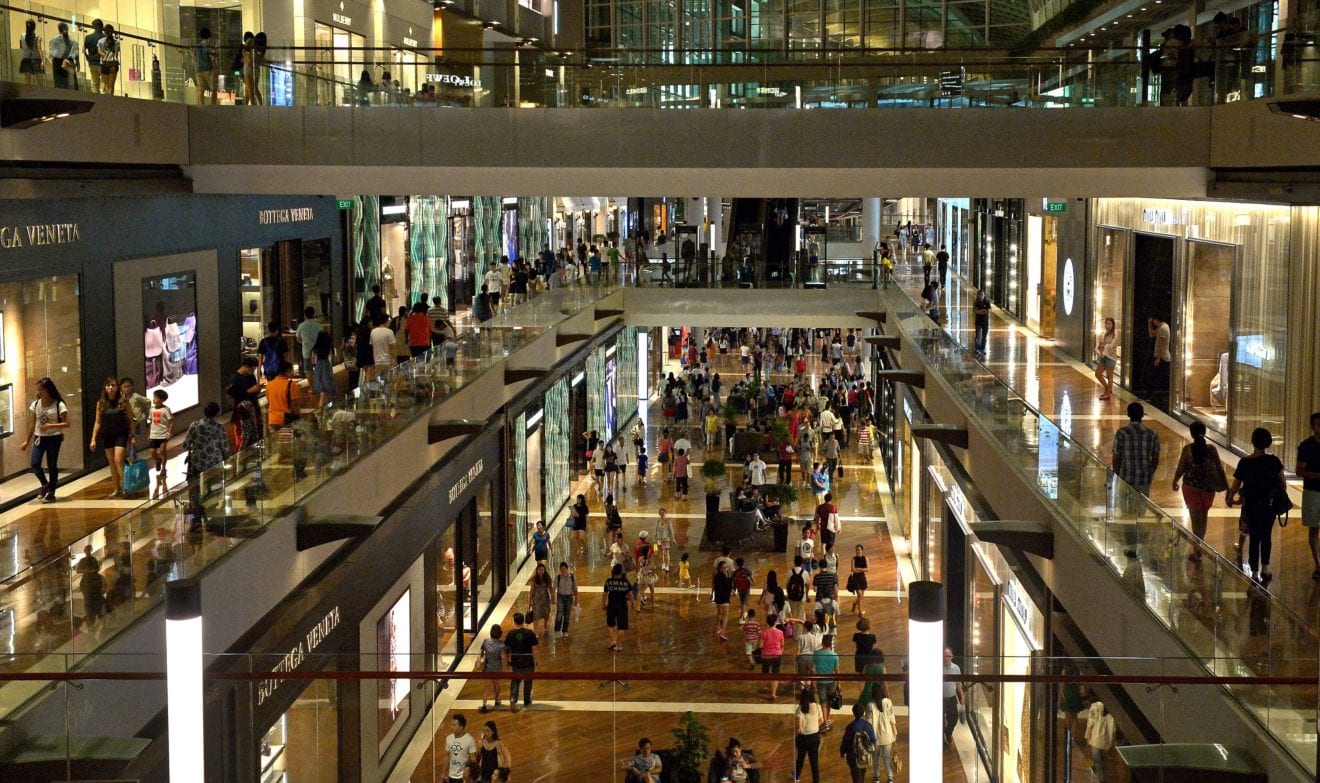
  • Prices of retail space, rentals in Singapore down 1.9% in 1Q as vacancies creep up

    Prices of retail space, rentals in Singapore down 1.9% in 1Q as vacancies creep up

    PRICES of retail space in Singapore continued to fall by 1.9 per cent in the first quarter of 2016, after declining 0.1 per cent in the previous quarter.

    Rentals of retail space also fell by 1.9 per cent in Q1, after declining 1.3 per cent in the previous quarter.

    The island-wide vacancy rate of retail space also creeped up to 7.3 per cent at the end of the quarter, from 7.2 per cent at the end of the previous quarter.

    Within the quarter, the amount of occupied retail space increased by 11,000 square metre (nett), while the stock of retail space increased by 19,000 square metre (nett), which led to the rise in vacancy.

    As at end-March 2016, there was a total supply of 783,000 square metres gross floor area of retail space from projects in the pipeline.


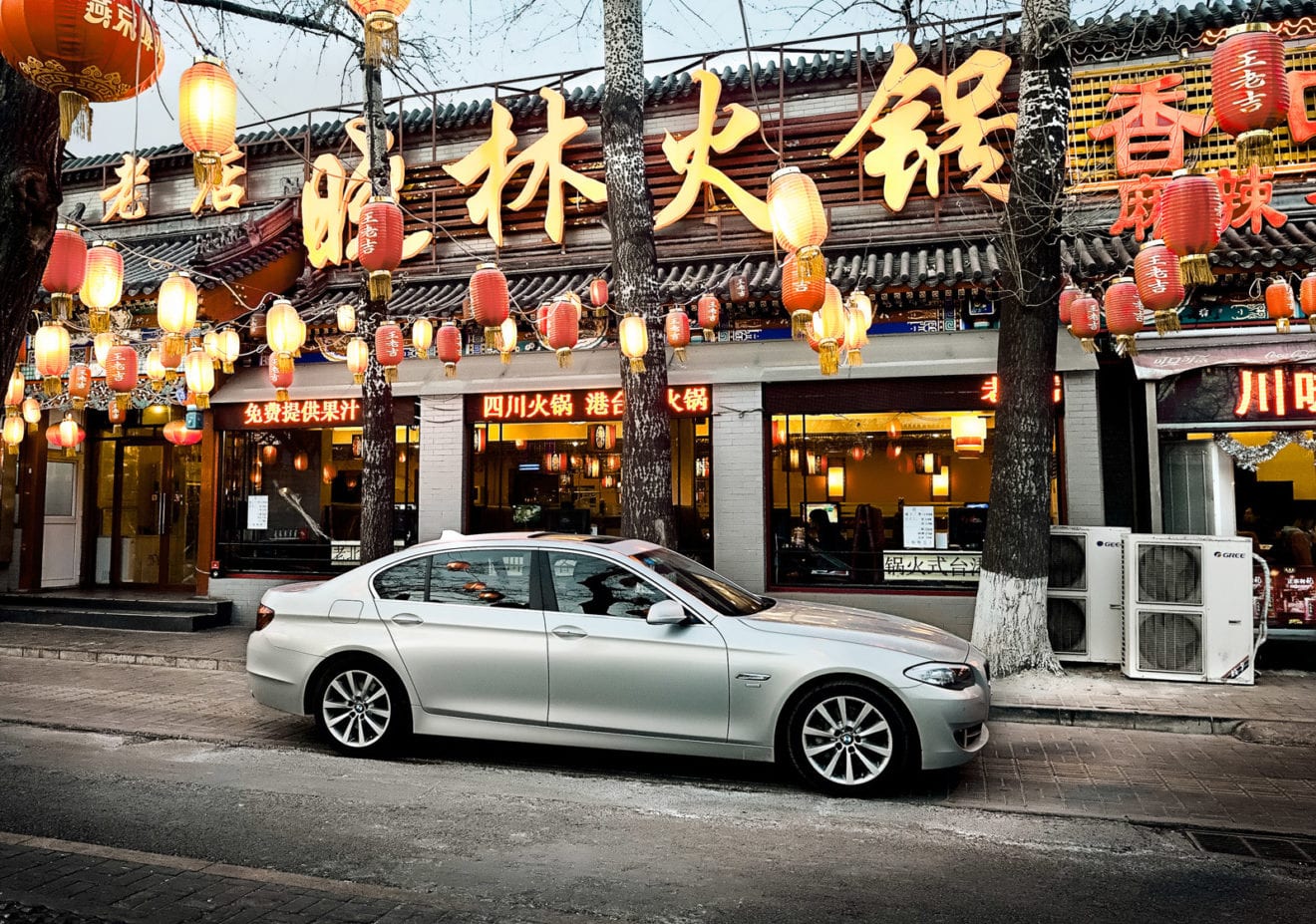
  • BMW expects China sales to rise by single digit percentage

    BMW expects China sales to rise by single digit percentage

    BMW expects its car sales in China to rise by a mid-single-digit percentage this year, in line with the overall growth of the world’s biggest passenger car market, board member Ian Robertson said on Monday.

    Last year, BMW sold 460,000 cars in China, marking a 1.7 percent rise, said Robertson, who is responsible for marketing and sales.

    Growth is expected to accelerate once the long wheelbase BMW X1 is launched, helping BMW to increase the number of locally manufactured vehicles to six, Robertson said.

    BMW expects its sales in the United States and across the globe to rise by a single digit percentage this year, Robertson said.

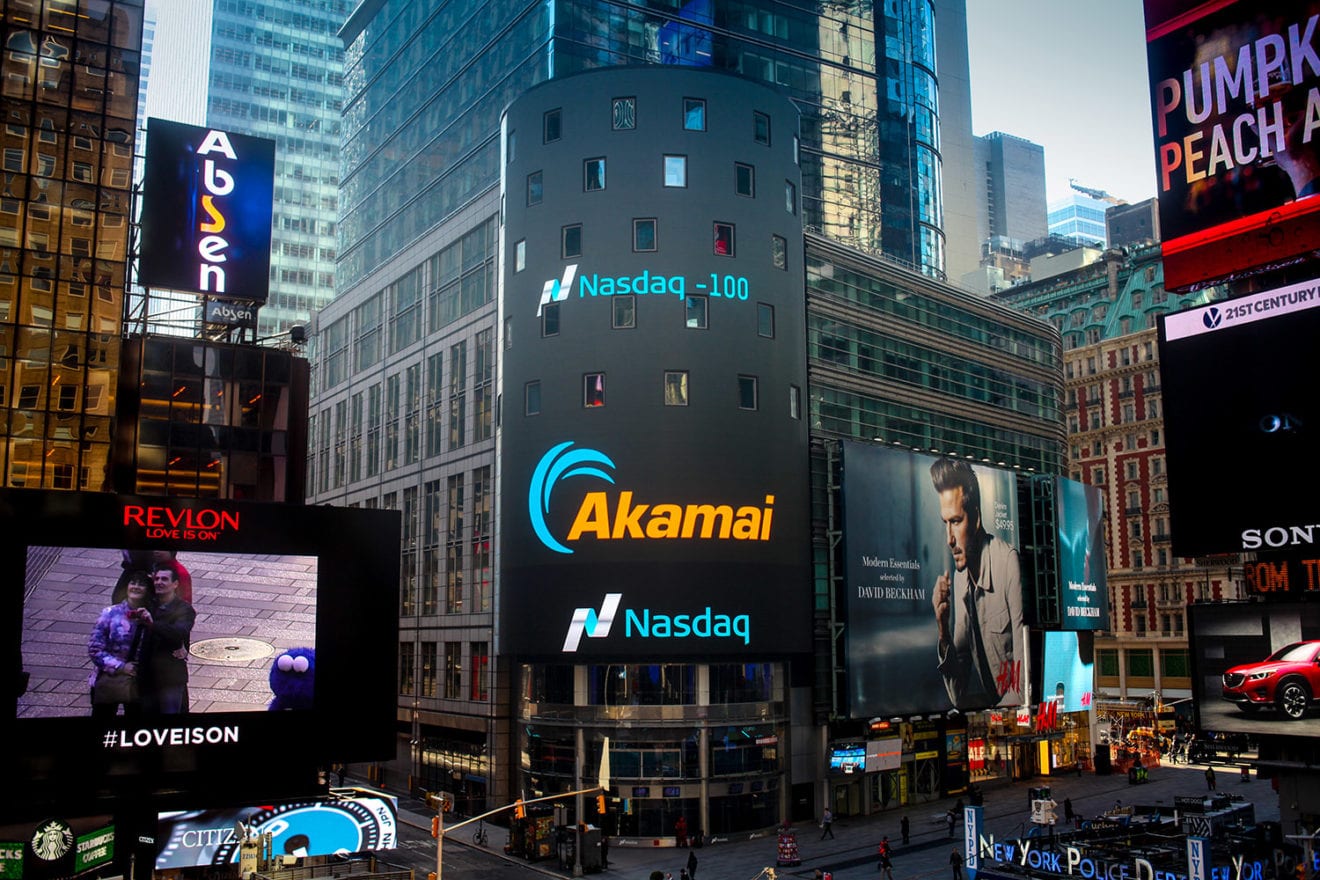
  • Akamai addresses mobile performance challenges

    Akamai addresses mobile performance challenges

    Akamai Technologies has upgraded its flagship web performance solution Akamai Ion to improve the platform’s mobile capabilities.

    Ion is designed to accelerate the delivery of websites, web applications and mobile apps over fixed and cellular connections. The new Ion release focuses on overcoming key problem areas, which can result in much faster experiences for all users.

    Ion offers optimizations that are designed to address the challenges imposed by the realities of today’s modern web. For example, the prevalent use of CSS in web design can result in poor mobile experiences because rendering web pages is dependent on when CSS files are delivered to browsers. Further, increasing amounts of third-party content, including links to social networks, advertising and sponsored content, can also create performance bottlenecks.

    The introduction of new web protocols and standards, such as HTTP/2, also means site owners will need to deliver content to all users and ensure the best possible experience independent of whether users’ browsers support these protocols or not.

    Ion also  features a number of new capabilities designed to deliver better and more consistent mobile experiences by addressing the unique challenges associated with mobile devices such as cellular connections and underpowered devices.

    Ion offers improved browsing experiences by focusing on the ability to re-sequence CSS files, so that mobile audiences can view and interact with mobile web pages sooner, even over cellular connections.

    Ion also introduces Preconnect to help prevent embedded third party URLs from becoming bottlenecks in web page performance by establishing connections with embedded third-party hosts even before the browser asks for those connections.

    Akamai is now making HTTP/2 support broadly available to all customers – the first CDN to offer such broad availability of the new standard.

    To help all users realize the best possible experience, the new version of Ion offers HTTP/2 aware Front End Optimizations (FEO). This means Ion can apply the most appropriate client-side performance optimizations whether the browser supports HTTP/2 or not – without the need for custom setup.

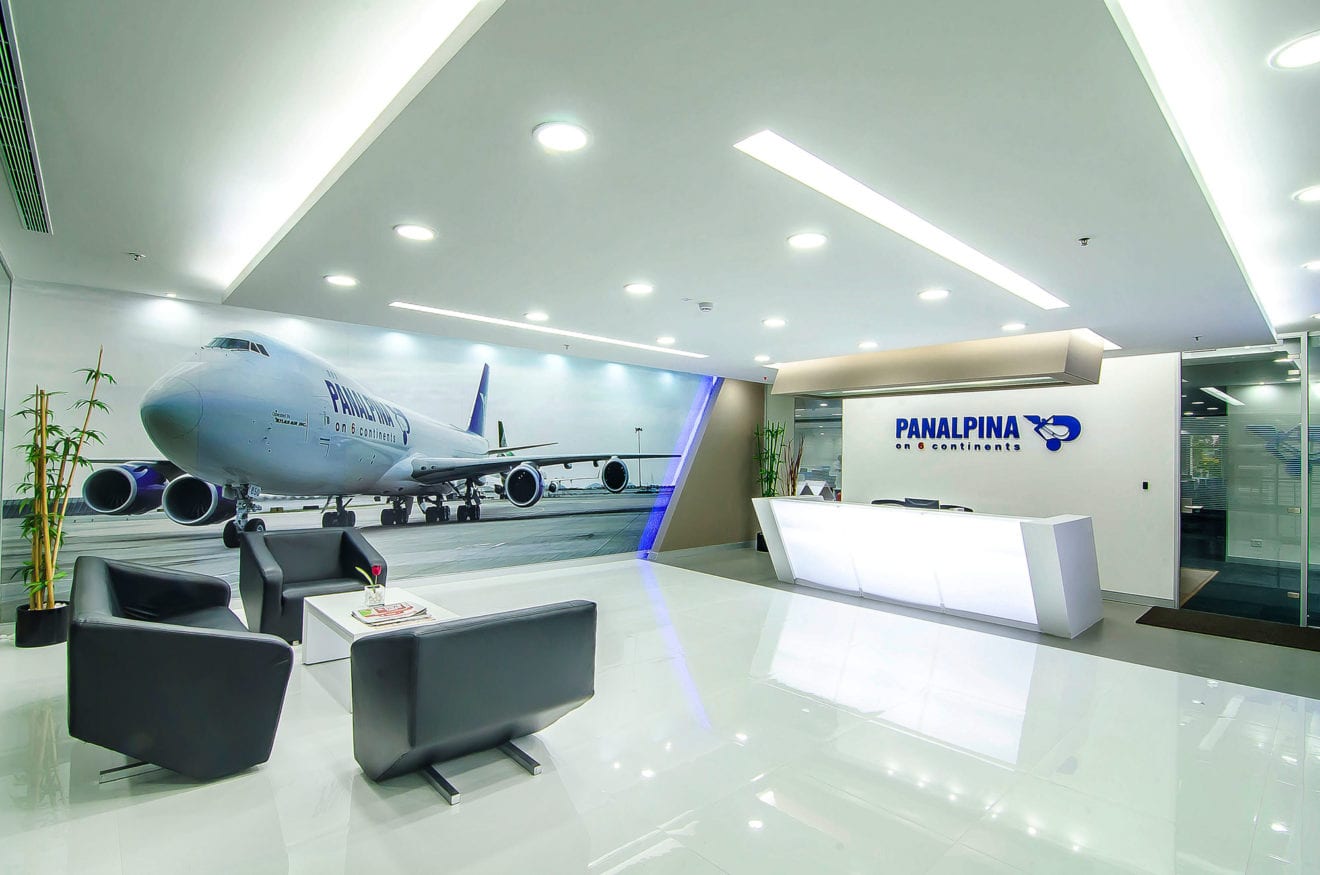
  • Panalpina Transforms Global Communications Infrastructure with BT

    Panalpina Transforms Global Communications Infrastructure with BT

    BT has announced a contract with Panalpina, one of the world’s leading freight forwarding and logistics companies, to transform and manage its global communications infrastructure. The transformation will enable Panalpina’s 15,000 employees to better communicate and collaborate internally and with their customers. This supports the company’s vision to work closer with its clients to build smart and efficient end-to-end logistics solutions.

    BT will overhaul Panalpina’s network infrastructure, currently sourced from more than a dozen domestic and regional providers, and migrate it into a single integrated platform, connecting 500 offices in more than 75 countries. BT will also provide services from its BT One Voice portfolio, to converge voice and data on a single platform.

    The new network will be a hybrid infrastructure, based on BT’s IP Connect and Internet Connect services, combining the reliability and security of IP-based Virtual Private Networks (VPN) with the flexibility of Internet connections. BT’s services will underpin the continued implementation of Panalpina’s new global enterprise resource planning (ERP) and transportation management systems, which require optimal end-to-end control of the infrastructure.

    Additional services, such as BT Connect Intelligence, will provide an application-aware network architecture designed to support strategic business applications.

    “This agreement with BT is a major milestone on our way to becoming the most customer focused global provider of freight forwarding and logistics solutions,” said Ralf Morawietz, Chief Information Officer at Panalpina. “As our single point of contact for communication services, BT will take away the burden of managing a multitude of different suppliers, and will make it easier for us to implement new services and to support our employees and customers around the globe.”

  • Thai government leans on AIS to surrender 8m users to True

    Thai government leans on AIS to surrender 8m users to True

    A newspaper report has accused deputy prime Minister Wissanu Krea-ngam, NBTC Secretary-General Takorn Tantasit and ICT Minister Uttama Savanayana of trying to strongarm AIS into handing over 8 million 2G customers to TrueMove in a meeting last week.

    In a report, Thai-language newspaper Manager said that the three – along with ICT Permanent Secretary Songporn Komolsuradej, AIS CEO Somchai Lertsutiwong and True CEO Supachai Chearavanont – recently held a meeting in which Takorn had drafted an MOU for the participants to sign.

    The MOU would force AIS to sign a new roaming agreement with True and scrap its current 2G roaming agreement with Dtac. Another key point was that it would also give the NBTC oversight and jurisdiction in number portability from AIS to TrueMove. The MOU allegedly stipulated that the NBTC’s judgement in this matter would be final and there would no appeal.

    The report said that Takorn kept trying to coerce the AIS CEO into signing the MOU but Somchai refused, saying he had to consult with his board first and that besides there was no need as of yet as AIS was going to bid for the 900-MHz spectrum and even if that failed, they had the 2G roaming agreement with Dtac.

    Manager quoted the MICT source as saying the NBTC-drafted MOU clearly was illegal not just under NBTC’s own laws, but under Thailand’s WTO obligations.

    Manager quoted another anonymous source in the NBTC saying that the meeting was called under the orders of the “big boss” who wants the matter to be done and dusted as soon as possible. The source also highlighted conflict of interest pointing out that Deputy Prime Minister Wissanu’s son was now working at one of AIS’ competitors.

    Wissanu’s son, Dr Witchaya Krea-ngam, is currently a specialist for government relations at True Corporation.

    The draft MOU has also been leaked online by someone calling themselves @NBTCnews on Twitter.

    Earlier the issue of number portability had descended into a fierce war with True launching an aggressive campaign and paperless MNP request system that Dtac and AIS refused to acknowledge as legally binding. The NBTC ordered Dtac and AIS to accept the paperless porting requests, to which the two telcos stood their ground saying they would obey the law.