Author: Mei Ling Tan

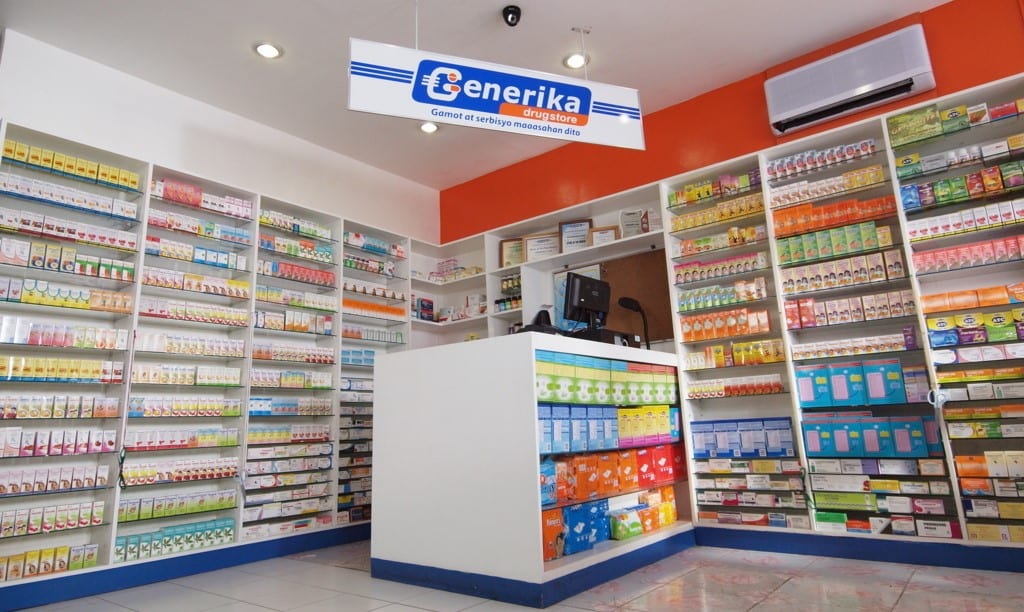
  • Generika Drugstore eyes aggressive local, overseas expansion

    Generika Drugstore eyes aggressive local, overseas expansion

    Generika Drugstore is eying aggressive expansion in the country’s far-flung areas – and possibly abroad into Southeast Asia.

    Generika is country’s third-largest player, half-owned by retail giant Ayala. In 2015 the Ayala group, through its Ayala Healthcare Holdings Inc., acquired 50 per cent of the pharmacy business from cofounder, Frenchman Julien Bello.

    Teodoro Ferrer, president of Generika, said the company plans to boost its 600 stores with 152 more in 2016, and an average of 100 stores annually over the next few years.

    “We need to grow further to more than 1000 stores in less than five years. We also need to focus the product line to include food supplements and also focus on healthcare and wellness, and not just on medicines,” Ferrer said.

    He said the aggressive strategy for a company the size of Generika, founded 12 years ago, could not be compared with opening a branch of a convenience store that sold mostly food and grocery items.

    “You need to have approvals from the local government, from the FDA [Food and Drug Administration]; hire a licensed pharmacist; and then look for the right franchise owner that will take care of your store.”

    Ferrer said the company will put branches in far-flung areas of the country where he believes its services are needed.

    Generika now owns about 42 per cent of its network, since previously it didn’t have the capital to own stores, which cost about P1.2 million to P1.5 million to build. The rest of the stores are operated as franchises.

    “Now that our profit is increasing and Ayala group has come in, we can now expand company-owned stores.”

  • Golden Pin Design Award Releases Stunning 2016 Call For Entries

    Golden Pin Design Award Releases Stunning 2016 Call For Entries

    As the call for entries deadline for Taiwan’s premier international design competition, the Golden Pin Design Award, draws close, organizers have teamed up with innovative local motion graphics studio, Bito, to create an insightful call for entries promotion video.

    The stunning production provides local and international entrants with invaluable insight into the concept of huaren design, or design created for and within Chinese-speaking communities, as they prepare to submit their design works by June 30, 2016.

    The video, dubbed “Earth.Heaven” by Bito, explores the Golden Pin Design Award’s 2016 theme of “Heaven and Earth” (天地 or Tian Di in Chinese), which is derived from the Chinese cosmological framework of the three universal elements of Heaven, Earth, and Humanity as highlighted in the ancient Chinese divination text, I Ching (also known as the Book of Changes in English). The dot (.) in the studio’s highly abstract creation represents the huaren designer flowing between the realms of Heaven and Earth on a constant search for inspiration.

    “Design exists in our everyday life, and so in turn, design exists inside these ancient concepts of Heaven and Earth,” says Keng Liu, Founder of Bito. “In Chinese culture, we emphasize that Heaven, Earth, and Humanity must coexist in harmony. We wanted to make a video that was very fluid in its motion, and this relates to the way in which deeper aspects of huaren culture are expressed in everyday life. We didn’t want to create a realistic vision of Heaven and Earth; instead, we wanted to create something very abstract that would explain this complex idea of ‘Heaven.Earth’ in a simple way.”

    Bito is intimately connected to the Golden Pin Design Award. In 2015, the undeniably successful studio took home five coveted Golden Pin Design Award Design Marks for their work for Acer, TedxTaipei, TedxTianhe, Planet Gift International, and their own animated company Chinese New Year message. Despite also being honored by numerous leading international award organizations, receiving recognition from the huaren community was particularly inspirational. “The criteria for the Golden Pin Design Award is born from the huaren perspective, which makes this award very special and very different to other design awards,” says Liu.

  • Superdry Retail Expansion comes to Queensland

    Superdry Retail Expansion comes to Queensland

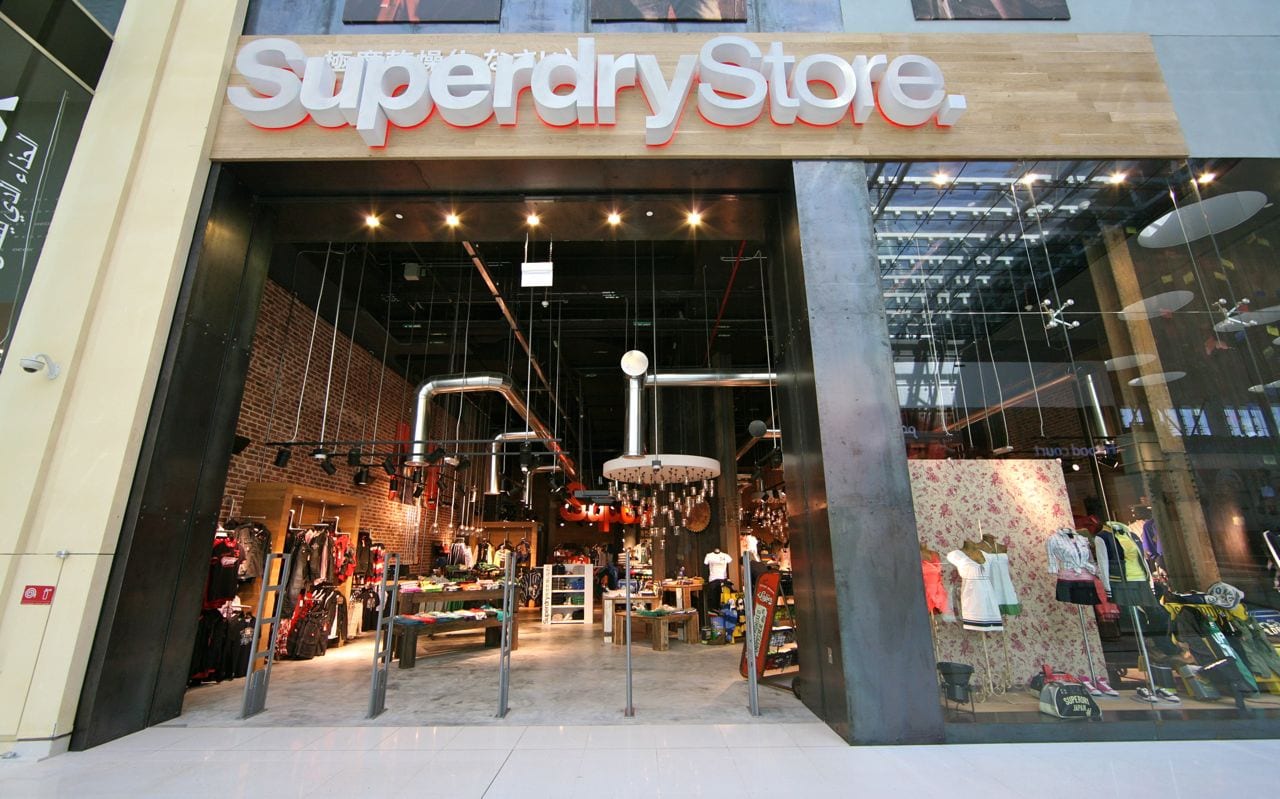
    Superdry is excited to announce the opening of its first Queensland store at Pacific Fair Shopping Centre in May 2016.  

    Housed in the newly renovated Pacific Fair complex, Superdry will have an in-store fit out consistent with the brand’s theme of industrial, exposed brick and vintage oak wood finishes, including steel framework, polished concrete floors and glass jam jar light features.  

    As a major brand milestone, Queensland’s first Superdry store will be 230square metres stocking key fashion pieces and exclusive international collections including SuperdrySport and collaborations with renowned British actor Idris Elba. 

    Superdry is an innovative British premium lifestyle brand with plans for rapid retail expansion across Australia.  

    Euan Sutherland, Chief Executive Officer of SuperGroup, said: 

    “Our strategy is to deliver sustainable growth, as we continue progressing towards our goal of creating a global lifestyle brand. Superdry represents British innovation, quality premium products at affordable prices sold to customers around the world. Superdry is an iconic brand with a strong heritage and we will continue to broaden and strengthen its appeal to customers across countries and age groups. We see significant growth potential in Australia with plans to roll out several stores nationally in the next 12 months. ” 

    On a global scale Superdry is opening an average of six new stores every month. Superdry is sold in over 46 territories with 516 branded locations in major cities from London to Milan, Mumbai to Sydney and New York to Hong Kong just to name a few. In Australia Superdry has 11 existing retail stores, with Pacific Fair being the twelfth. Superdry is stocked in 37 David Jones stores and 40 Myer stores nationally, with category expansion plans to roll out across wholesale channels including womenswear, underwear, swimwear and sport.  

    Superdry fuses design influences from Japanese graphics and vintage Americana, with the values of British tailoring. The result; unique men’s and women’s urban clothing with incredible branding and an unrivalled level of detailing.  Such distinctiveness has gained the brand exclusive appeal worldwide with a cult following amongst celebrities.  

  • Hong Kong leads Asia retail expansion

    Hong Kong leads Asia retail expansion

    Asia Pacific remains retail industry’s growth engine – with Hong Kong at the top of the Asia retail cross-border expansion rankings.

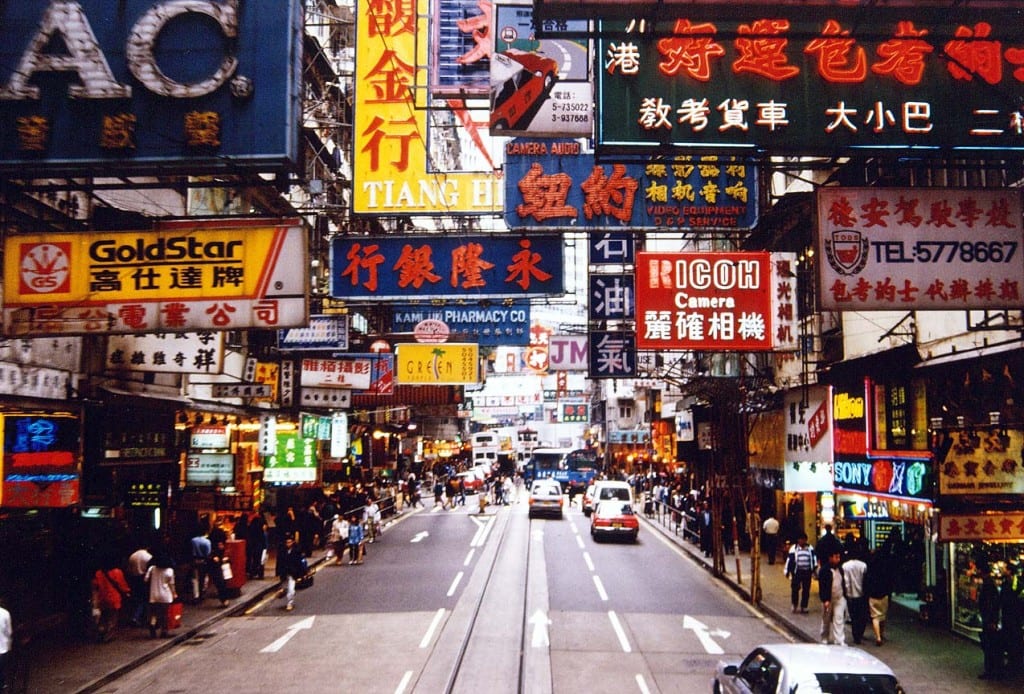
    Despite the sharp decline in Hong Kong retail sales during the last 18 months or so, Hong Kong is the second most favoured destination for global retailers entering new markets – top in Asia and second only to London internationally.

    JLL’s Destination Retail report, which looks at the top cities worldwide for retailing, reveals 50 major global cities which have risen to the top of the list for mainstream, premium and luxury retailers’ expansions. While the list is dominated by cities in Asia Pacific, those in the Middle East are coming on strong, propelled by an ever-increasing array of international retailers. In a battle between historic, established markets versus modern newcomers, JLL indexed the global cross-border retailer activity and attractiveness of 50 meccas and found:

    • London stands at the forefront of international retailing as a global retail powerhouse, and the Number 1 retail market.
    • One-third of the top 15 global retail cities are located in the Middle East (Dubai 4th, Kuwait City 9th, Abu Dhabi 11th and Jeddah and Riyadh tied for 12th.).
    • Asia Pacific outranks all regions with 18 cities making the cut driven by sheer market size.
    • Cities in the United States make up just over one-quarter of the top 50 cities, with only one city (New York 5th) in the top 15.

    “Structural change is sweeping the retail industry as technology and eCommerce platforms become more sophisticated; however, demand for the right physical space, in the right location, is stronger than ever,” said James Brown, director of global retail research for JLL.

    “Borders are becoming less of an issue for retailers pursuing opportunities overseas and we’re seeing the global retail landscape shifting fast to accommodate the change.”

    JLL’s report examines the presence of 240 international retail brands and 140 international cities, including the drivers of their growth, opportunity and barriers, and also ranks and assesses the vitality and attractiveness of cities.

    The top 10 ranked cities on the list are:

    Size matters

    The sheer size of Asia Pacific’s leading cities – in terms of population and economic might – is one of the most compelling drivers for retailers’ expansion into the region.

    “Many Asian markets benefit from a burgeoning middle class and growing levels of affluence, which are attractive in particular to a wide-range of retailers,” the report concludes.

    “The cities also benefit from large amounts of new, fit-for-purpose modern retail space.”

    Hong Kong remains Asia’s leading shopping destination, with top brands from luxury to fast fashion competing for prime locations. Across the region, cities are catching up to modern retail markets in Europe and the US.

    China is the second largest economy in the world, and its key cities, Shanghai and Beijing, have undergone a transformation in the last two decades driven by a swelling middle class and high concentration of high-net-worth individuals. Both are now firmly on international retailers’ maps as key locales for tremendous brand exposure and test markets. Key cities outside of Greater China that are also gaining attention from international retailers include Tokyo, Singapore, Seoul, Osaka and Bangkok.

    Europe’s retail powerhouse

    London has the highest presence of international retailers compared to its global peers, and edges out Hong Kong in terms of international luxury brand presence. London continues to be a magnet for new brands thanks to its unique blend of market size, maturity and high degree of transparency. The UK capital has a long history of success, driven by a diverse base of locals and tourists, and many retailers regard London as the entry point to Europe, including recent entrants J.Crew, Arc’teryx, Club Monaco, Kit and Ace, and John Varvatos.

    Middle East hotbed

    The Middle East’s top cities, including Dubai, Kuwait City, Abu Dhabi, Jeddah and Riyadh are emerging as business and travel hubs, and are increasingly catching the eye of global retail brands. The cities’ strong in-place tourism plays an important role in increasing the flow of foreign money, a key driver for retail spend. The markets each have large quantities of affordable retail space, supported by franchise structures, which present viable options for international retailers and reduce their operational risk at entry. Additionally, the domestic retail market in the Middle East is not as mature as other regions, allowing international brands to enter without too much competition from domestic brands. JLL’s report found that pent up shopping demand across the region has spurred some of the highest sales volumes for retailers.

    Stars, stripes and strong sales

    While the Americas region only captures one-quarter of the top 50 cities for attractiveness, 15 out of the 16 cities identified are located in one country, the US. The ‘Land of Opportunity’ has more retail space than any other country with 12.8 billion sqft, and presents retailers with several options for entry, either in malls, shopping centers, power centers or general retail space. While the US remains one of the most advanced retail markets globally, with significant amounts of retail spend, the market overall is daunting to international retailers. The portal cities of New York, San Francisco, Miami, Chicago and Los Angeles remain robust with global brands, but the 137 remaining key markets are largely untapped by international retailers.

    Looking forward

    “Expansion into new markets is catching on quicker than ever, but not without risk. International retailers that are focused on measured and balanced growth will find that the world’s mega-retail cities are a productive opportunity,” said David Zoba, chairman of JLL’s Global Retail Leasing Board.

    The acceleration of international brand expansion across the world’s best and most attractive cities in the next decade will continue, driven by fast-growing middle classes, new powerhouse economies and rising tourism.

    “Retailers who succeed in acquiring the right space and at the right time are expected to benefit from successful and profitable growth.”

  • Australians benefit from telco sector competition

    Australians benefit from telco sector competition

    Australian consumers are reaping the benefits of competition in the telecommunications sector in the form of increased data allowances, new services, and lower prices, according to a report from competition regulator ACCC.

    “Consistent with the trend in recent years, consumer demand for data is continuing to increase and is affecting both fixed and mobile networks. On fixed networks, data consumption grew by 40% to 1.3 million terabytes (TB) of data. On mobile networks, data consumption increased by 35% to 110,000 TB,” ACCC Chairman Rod Sims said.

    “The increase in demand for data is largely due to the popularity of audio-visual streaming services, including the introduction of subscription video on demand (SVOD) services such as Netflix, Presto, and Stan.

    Industry members have responded to the increase in demand by investing in their fixed and mobile networks to make sure that they have sufficient capacity to meet the data traffic.

    Service providers have also responded by increasing data allowances. During 2014-15, data allowances increased by over 70% for DSL internet services and more than doubled for post-paid mobile services.

    At the same time, overall prices fell by 0.5% in real terms from 2014 to 2015.

    “While a smaller reduction than in the previous eight years, which has seen a 3.3% fall each year on average, this indicates that competition on factors other than price has been a feature of the market,” Sims said.

    “Given this, the ACCC will continue to take a particular interest in ensuring consumers receive accurate information about network performance.”

  • Singtel launches a new cyber security institute

    Singtel launches a new cyber security institute

    Singtel has launched a first-of-its kind cyber security institute in APAC aimed at helping business and governments in the region enhance their cyber security skills and preparedness.

    The Singtel Cyber Security Institute (CSI) is designed as a hybrid between an advanced cyber range and an educational institute. It aims to test and train companies in dealing with sophisticated cyber threats.

    “Based on our engagements with companies in Singapore, more than 85% do not have robust cyber response plans nor the opportunity to conduct realistic drills to test and sharpen such plans,” Singtel CEO group enterprise Bill Chang said.

    “This lack of cyber preparedness is worsened by the severe global shortfall of trained cyber security experts, which Forbes puts at some 1 million in 2016. This is why we’ve stepped up to the plate. We know we have to help companies secure themselves against a potential slew of increasingly sophisticated cyber attacks.”

    Housed in a permanent space of over 10,000 sq ft, the institute provides cyber skills development and education programmes tailored to the varying needs of company boards, C-suite management, technology and operational staff. Boards and C-suite level participants will be trained in the areas of cyber threat awareness, risk management, business continuity planning and crisis communications preparation. The cyber operations team will be trained in defence and response capabilities to sharpen their skills.

    “Cyber security is no longer just a technical issue to be tackled only at the operational level. It needs to involve all levels within an organisation including boards and C-suite management, and even external stakeholders such as regulators. We hope to arm enterprises and public agencies with the necessary know-how to counter cyber threats in a holistic manner. This will help them mitigate the risks and costs associated with cyber disruptions,” Chang said.

    In conjunction with the launch of the CSI, Singtel announced that it is the first company in Singapore to work with the Infocomm Development Authority of Singapore on the Cyber Security Associates and Technologists (CSAT) program to train infocomm professionals in cyber security.

    Under this program, Singtel will train fresh infocomm technology professionals and equip them with basic cyber security skills. At the same time, Singtel will also provide experienced cyber security professionals with the opportunity to enhance their skills by training with leading cyber security experts. Through this two-prong approach, Singtel aims to build a cyber security talent pipeline to drive its cyber security initiatives.

    David Koh, Chief Executive of the Cyber Security Agency said, “A strong pool of cyber security talent is necessary to build a dynamic cyber security ecosystem that can support Singapore’s Smart Nation journey. With the introduction of the Cyber Security Associates and Technologists (CSAT) program and the setup of the Institute, we hope to encourage more to join the profession as well as enable cyber security professionals to hone their skills and stay a step ahead in the ever-evolving cyber security landscape.”

    The CSI can emulate the environments and operations of enterprises using state-of-the-art technologies. Like other cyber ranges the facility can simulate cyber attacks in order to test a company’s inherent vulnerabilities, defence and response capabilities.

    Unlike other ranges however, the new facility is designed to easily replicate any company’s operating environment and use the latest range of cyber threats, including an extensive library of viruses and malware, to simulate attacks.

  • Xuhui Vanke Centre landmark in Shanghai

    Xuhui Vanke Centre landmark in Shanghai

    Benoy has been commissioned to work on the design of the Xuhui Vanke Center in Shanghai.

    This is developer Vanke’s first large-scale commercial real estate project with a mixed-use program in Shanghai. Benoy, a global studio of architects, masterplanners, interior and graphic designers, has won a multi-disciplinary scope which includes tower and retail architecture, retail and office interior design and graphic design.

    The landmark development sits at a prime location adjacent to the Shanghai South Railway Station; the city’s second most prominent station after the Shanghai Railway Station. The overall scheme is being developed over three phases with Benoy as the chief architect delivering the final phase alongside Skidmore, Owings & Merill LLP (SOM).

    Benoy director Ferdinand Cheung said the scheme provides a rare opportunity to give the landscape back to the community on a significant scale.

    “As designers, we were drawn to the approach which intertwines nature and buildings and we look forward to seeing this development come to life over the next few years.”

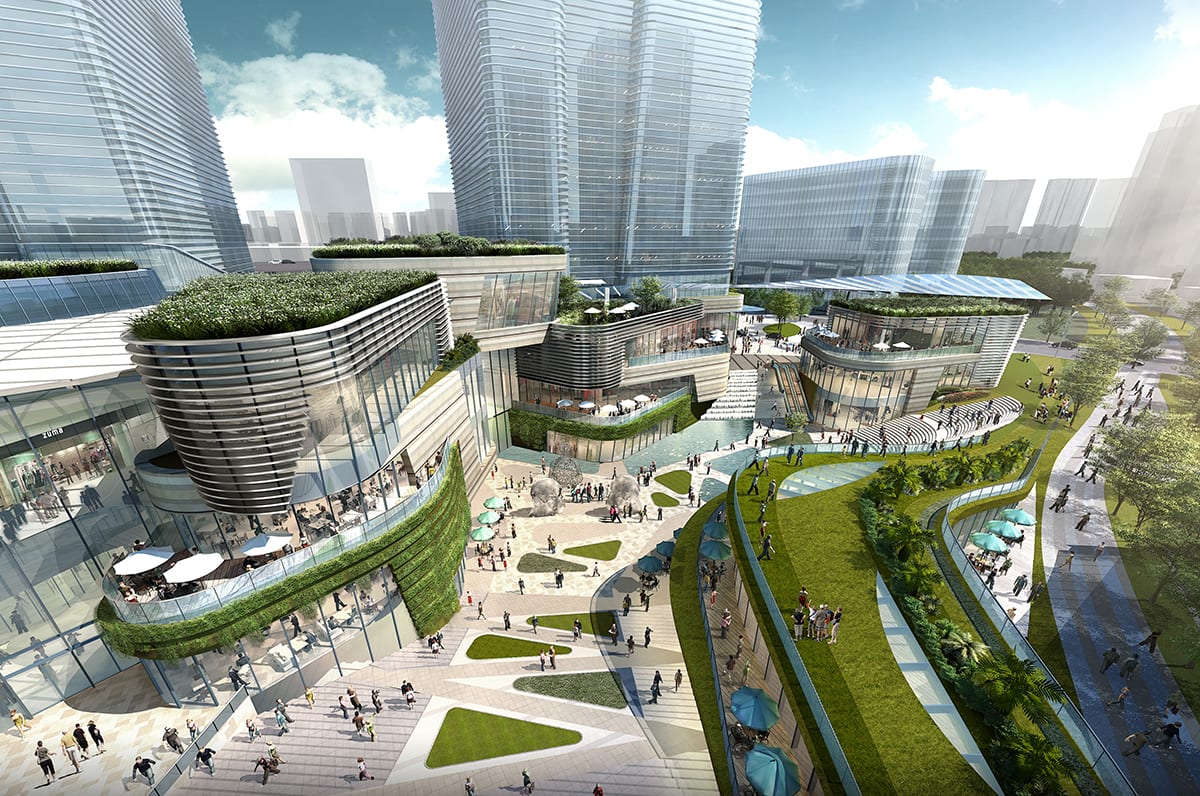
    Connecting six commercial blocks, the scheme aims to create a new urban complex set within a 70,000 sqm landscaped realm. The three phases are connected by a mile-long green valley which runs diagonally across the site. The wider development’s 12 buildings overlook and interact with the urban parkland which essentially brings a green streetscape experience into the heart of the development. The green belt begins at the Shanghai South Railway Station edge and continues through to a museum and arts complex which anchors the journey.

    “The green spine gave us the opportunity to bring a streetscape and smaller-scale environment to the commercial complex, and physically and visually unite Phase III with the earlier phases. We transformed the commercial components by blending the parkland into the architecture and interior design,” said Cheung.

    Mimicking the forms of the rolling landscape, the 100,000 sqm multi-level retail podium is a network of interconnected buildings. The podium has been fragmented into a collection of curved individual blocks, each carved out to create unique spaces for retail, F&B, leisure and arts tenants.

    “The result is an undulating internal streetscape which blends public and commercial spaces, landscape and building, culture and business.”

    The final phase of the development has commenced construction and is due to complete by 2019.

    Benoy established its Shanghai Studio in 2008 and has since grown an acclaimed portfolio in the city which includes built schemes such as the Shanghai ifc mall, Shanghai ICC and iAPM and Jing An Kerry Center.

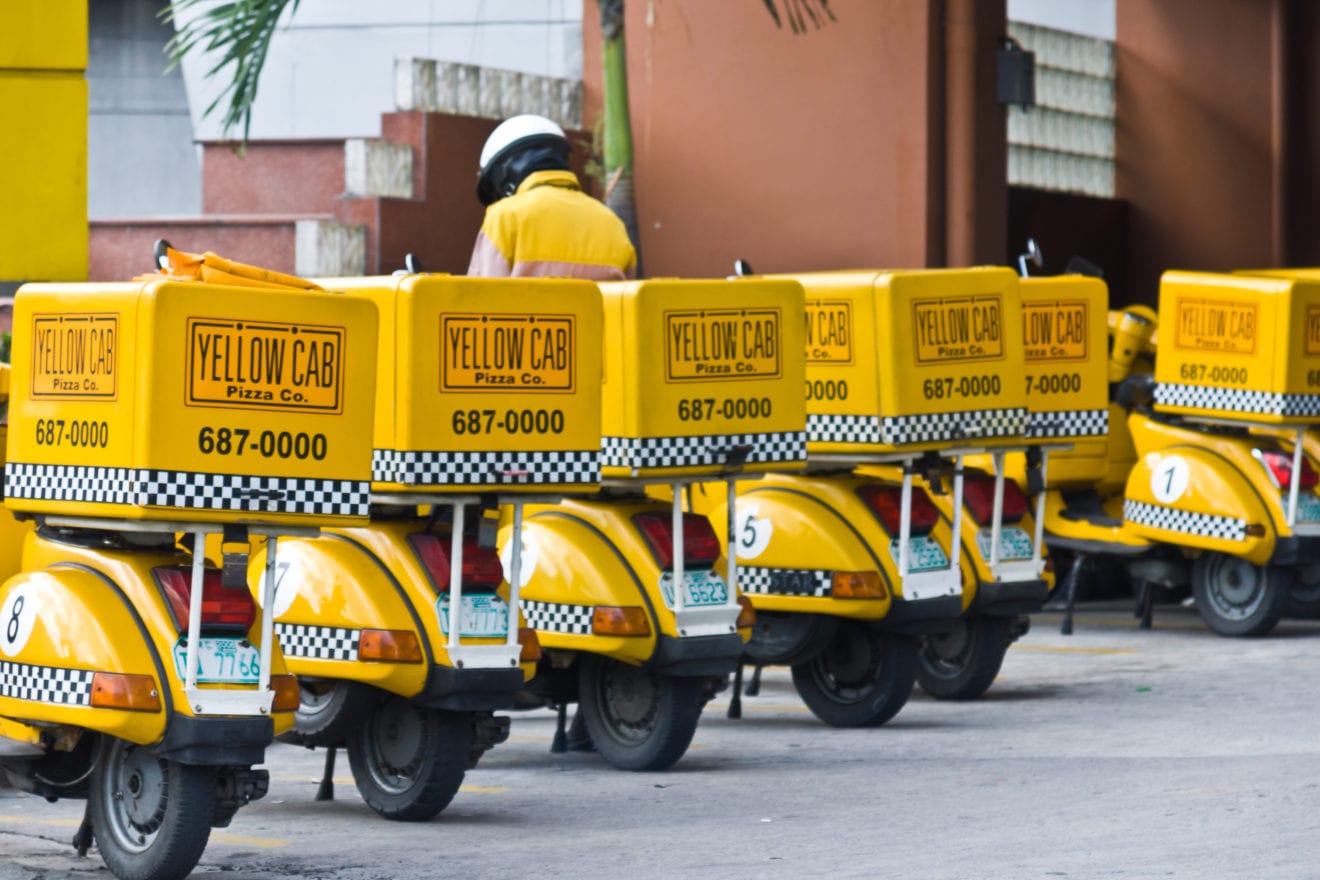
  • Yellow Cab Singapore debut nears

    Yellow Cab Singapore debut nears

    Yellow Cab Singapore is to open soon as a Philippine group sets out to take the pizza chain into the Little Red Dot.

    Max’s Group Inc (MGI), the leading casual restaurant operator in the Philippines,

    signed a deal with a family-owned company, Pagh Pte Ltd, to build at least five Yellow Cab stores in Singapore.

    “We are thrilled with the opportunity to bring Yellow Cab Pizza in a highly strategic market such as Singapore. We are confident that our mainstream offerings and value proposition will allow us to stay competitive alongside some of the biggest global food names,” said MGI president and CEO Robert Trota.

    Yellow Cab marks MGI’s fourth brand development deal inked this year. By 2020, the company hopes to have 200 international stores.

    pizza

    “We found the right partner in Pagh Pte Ltd for this venture. We can rely on their focus and determination to deliver best quality products and genuine service to Singaporeans,” Trota added.

    “We recognize that Yellow Cab Pizza offers a different, more exciting experience than the brands currently offered in Singapore. Singaporeans are discerning in their food experience. We are therefore confident that Yellow Cab Pizza will be the Singaporeans’ place of choice for American Italian casual dining,” said Pagh director Tiara Chopra.

    Pagh was set up to invest in the casual dining business.

  • Hong Kong and Macau drag down Sa Sa International

    Hong Kong and Macau drag down Sa Sa International

    Hong Kong-listed beauty products retailer Sa Sa International says its retail and wholesale turnover fell 15.1 per cent in the last quarter.

    And in the Hong Kong and Macau markets, turnover tumbled 17.9 per cent for the quarter ended March 31, while same-store sales dropped 17.6 per cent.

    There were 5.2 per cent fewer transactions, with average sales per transaction sliding by 13.9 per cent.

    However, in other markets – including Mainland China, Malaysia, Singapore and Taiwan, and on its online store – trade was a shade more buoyant, easing just 2.8 per cent.

    Fourth-quarter retail sales in Hong Kong and Macau market continued their slide because of further impact by Mainland China’s new “one-trip-a-week” policy on the retail market. There was also weaker sentiment with a rise in outbound travel by locals.

    Responding to the slower market, Sa Sa will optimise product offerings and adjust sales strategies, says the group, which closed one store during the quarter. This was either in Hong Kong or Macau, but not specified in its report.

    Its total of 291 outlets comprises 113 in Hong Kong/Macau, 66 in Malaysia, 57 in China, 32 in Taiwan and 23 in Singapore.

  • Lotte pulls out of Big C Vietnam race

    Lotte pulls out of Big C Vietnam race

    South Korean retail heavyweight Lotte has reportedly withdrawn from the bidding battle for Big C Vietnam.

    Reuters, quoting unnamed sources familiar with the matter, said the company was not keen to bid aggressively for the supermarket network. Lotte already has its own network of hypermarkets in Vietnam and will no doubt have costed a bid for Big C based on the value of the market share and assets it would acquire versus the cost of continuing its own organic store network growth.

    France’s Groupe Casino is auctioning off the Vietnam business having earlier sold its stake in Big C Thailand to Thai import and export firm Berli Jucker for about US$6.2 billion.

    Lotte Group, which controls Lotte Shopping, declined to comment on the report.

    Big C opened its first Vietnam store in 1998 and has 30 stores in cities across the country.

    At the time it put the business on the market, Groupe Casino said it hoped to be paid about US$813 million, which would be spent paying down debt.

    However based on current bids for the business, sources are now estimating the sale could net closer to $1 billion.

    Thailand’s Central Group, which is has been approached by Berli Jucker to buy its minority stake in Big C Thailand and has a growing portfolio of retail businesses in Vietnam, is thought to remain in the hunt, along with Berli Jucker which through an affiliated company bought Metro Vietnam from Germany’s Metro AG last year and is building a convenience store network in the country under the banner B’Smart.

    Reuters reports at least 10 offers were initially received for the business, with the final round of tender due this week.

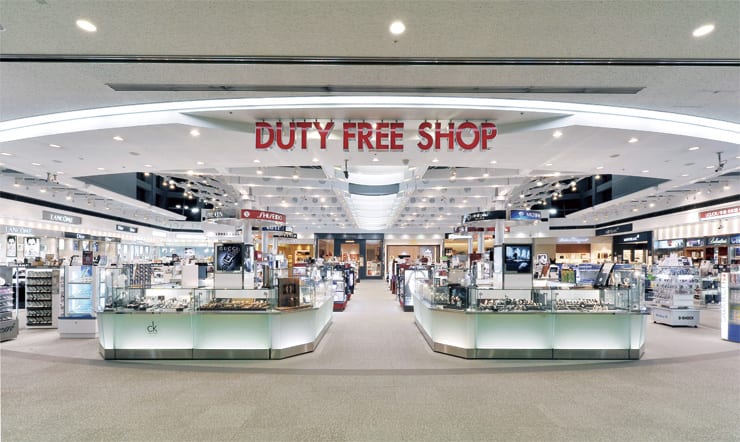
  • Duty free sales will recover, says Global Blue China report

    Duty free sales will recover, says Global Blue China report

    After 58 per cent growth last year, Chinese tax-free shopping has gone into reverse gear, according to the Global Blue China Shopper Report.

    However, China has retained its position as the number-one global shopper market, accounting for a third of tax-free shopping sales worldwide.

    Switzerland-based Global Blue says May and October are set to be busiest months for travel by “regular” Chinese travellers, offering opportunities for global retailers, who need to focus on value and convenience to attract them.

    Its China report combines data from more than 27 million tax-free shopping transactions with the opinions of 5000 regular Chinese travellers about their travel and spending plans for this year. Regular Chinese travellers are defined as survey respondents who have been on an international holiday in the past two years or plan to go on one this year.

    Despite the recent turbulence, Chinese global shoppers remain a lucrative market, says the report. Last month, Chinese tax-free shopping dropped into negative growth, falling 24 per cent year-on-year. This followed slow growth for the first two months of the year (11 per cent in January and 5 per cent in February).

    Reasons for the decline include the ability to obtain visas (an important consideration for 22 per cent of regular Chinese travellers), and terrorist attacks (safety and security were cited by 56 per cent of respondents as an important destination factor).

    Shopping important

    Fluctuation of the yuan on tax-free shopping sales is likely to be minimal, says the report, as the yuan weakened by just 3 per cent against the euro this first quarter. However, the research indicated that nearly half of those surveyed would reconsider their destination (46 per cent) or cut their shopping budget (47 per cent) because of exchange rates.

    Shopping remains a hugely important part of the holiday experience for regular Chinese travellers, says the report, as 81 per cent of those planning international travel this year will shop during their trip with an average shopping budget of 25,902CNY (US$3997) when travelling to Europe and 18,398CNY for Asia visits.

    May is expected to be the most popular month for travel to Europe, Japan and South Korea, while October will be attractive for visits to other Asia-Pacific destinations such as Australia and Singapore. These two key months coincide with major Chinese holidays: Labour Day (May 1-4) and Golden Week (October 1-7).

    Asia is the main destination for Chinese visitors throughout the year, with 73 per cent of those planning a holiday this year intending to travel within the region. South Korea is targeted by 26 per cent of Chinese travellers this year, followed by Japan (23 per cent).

    When it comes to Chinese tax-free shopping spend within Asia, Japan was the region’s strongest performer during the first quarter with 50 per cent growth. Chinese shoppers accounted for 54 per cent of APAC’s sales. Also, Chinese transactions in Asia increased by 32 cent during the quarter.

    What they like

    When asked what makes a good shopping destination, 35 per cent of respondents opted for a good selection of shopping malls or retail parks, while 33 per cent said they looked for a destination with famous international brand stores. For 31 per cent, the availability of products at better prices than in China was important.

    The research also revealed the top five services that should be offered by retailers looking to attract Chinese shoppers: tax-free shopping (65 per cent), ability to pay with China Union Pay (55 per cent), ability to pay in their home currency (46 per cent), retail staff who speak their language (39 per cent) and Wi-Fi in-store (26 per cent).

    Their main research points for international shopping include travel, shopping and fashion websites (43 per cent) and recommendations from friends and family (also 43 per cent), Social media also plays a key role, either through the brand’s own site (38 per cent) or via inspiration from friends’ pages (36 per cent).

    Opinium Research ran the survey, sampling 5005 Chinese travellers between January 22 and February 1.

    Global Blue came up with the concept of tax-free shopping more than 35 years ago and now creates value for retailers and partners through a range of products and services. It has a presence in 51 countries, employing more than 1800 people worldwide. Global Blue last year powered more than 27 million transactions involving 22 million dyna

  • Philippine brand Rusty Lopez heads to Indonesia

    Philippine brand Rusty Lopez heads to Indonesia

    Indonesia has welcomed Rusty Lopez into the market – and wants more Philippine fashion brands to follow.

    The shoe brand from Marikina City has opened its first overseas outlet in Jakarta’s Seibu Department Store in Grand Indonesia Mall.

    Other Philippine fashion brands that have established their names in Indonesia include Gingersnaps, Periwinkle, Penshoppe, and Karimadon.

    “The AEC [Association of Southeast Asian Nations Economic Community] is an exciting opportunity for Philippine companies to introduce established brands in Asean and beyond. We are optimistic that our local fashion brands can compete in the region because we are strong in design and we aim for the best quality,” said Philippine commercial representative to Indonesia Alma Argayoso.

    Rusty Lopez, known for high-quality footwear, took its classic and contemporary designs to the Indonesian market with a wide range of products from sandals to pumps.

    “We have carefully selected the best styles suited to the Indonesian market because we understand that fashionistas in Indonesia want more shoe styles that are fun, colorful, chic and fashionable,” said  PT Cruzzini Sejahtera president and director Sanny Cruz, who also serves as Rusty Lopez managing partner in Indonesia.

    Cruz said the company plans to open more stores this year.

    The Philippine Trade and Investment Center in Jakarta said it supports Philippine brands through trade shows and business development activities.

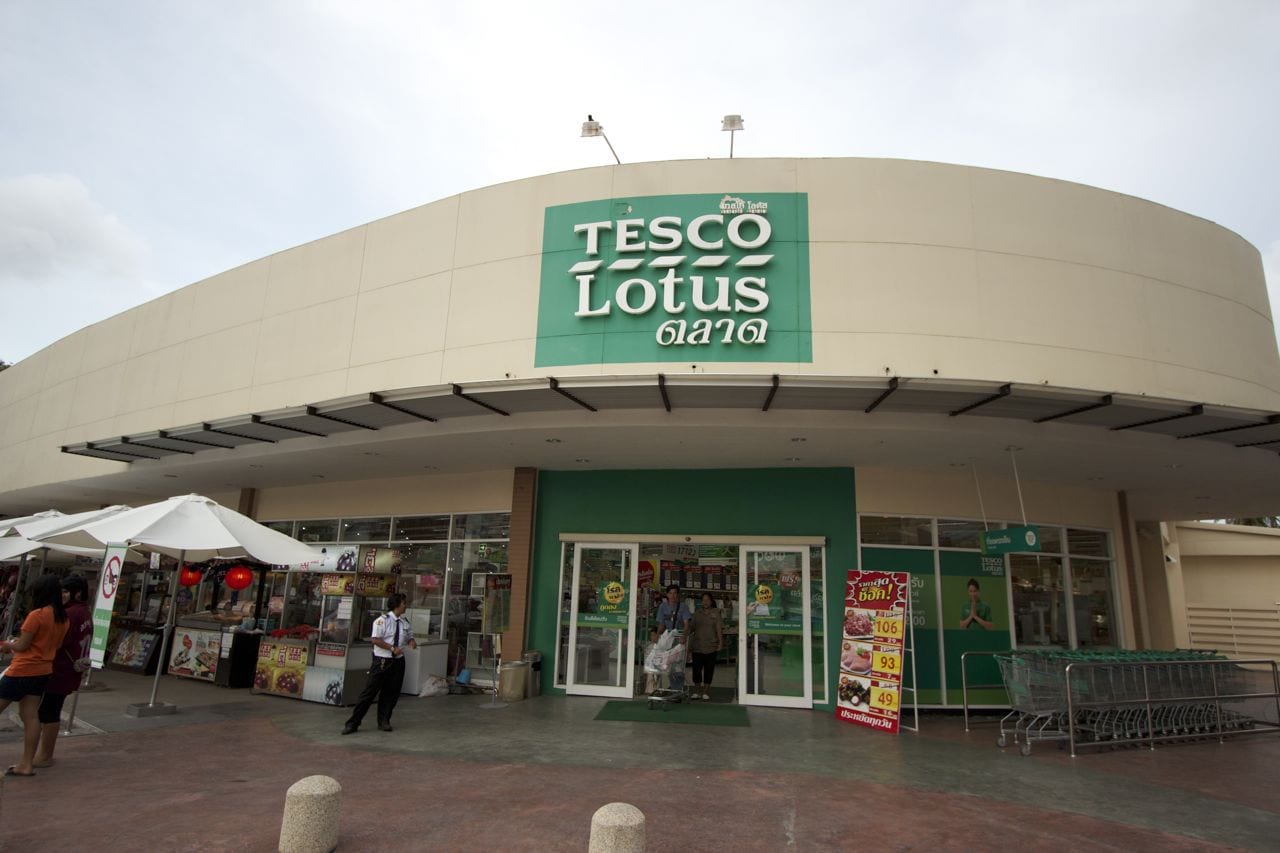
  • Tesco Lotus speeds expansion

    Tesco Lotus speeds expansion

    Thai retail chain Tesco Lotus plans to continue expanding with at least 65 new stores this year, despite the market being sluggish.

    “We saw a small improvement in the market in terms of local consumption, but we are optimistic the Thai market is still promising as it is the second-largest unit outside the UK,” CEO John Christie said in an interview with The Nation.

    He says the company will also work on enhancing the customer shopping experience and improving online outlets.

    Tesco Lotus opened 65 stores last year, and is looking for opportunity in medium-size provinces new to the brand. Smaller stores will be opened in Bangkok, while large ones will be opened in the provinces, and the company aims to employ at least 3000 more staff.

    Eighteen stores will be renovated, aiming to enhance the shopping experience particularly for children and family groups. The company hopes it will have more visitors than last year’s 15 million, which was 2 million more than the previous year.

    Also, Tesco Lotus plans to continue developing its online shopping platform with its partners this year.

    “We are now offering more than 8000 non-food products via Lazada,” said Christie. These include electronic devices, and beauty and healthcare products.

    And in co-operation with government agencies and local communities, the company plans to launch 22 Pracha Rath projects across Thailand so it can buy more farm products. It is planning 150,000 tonnes in purchases this year, up from 100,000 tonnes last year.

    There are 12 communities in the Pracha Rath scheme, which aims to promote the development of innovative products, human resources, and research and development in 10 business sectors, including logistics, food processing and innovative agriculture.

  • NET-A-PORTER headlines debut of ShopBack Premium

    NET-A-PORTER headlines debut of ShopBack Premium

    ShopBack switches up its style as the local Cashback site swaps its amicable look for a chic layout with the launch of ShopBack Premium, a sleek space carved for housing of international fashion and beauty labels.

    An exclusive capsule curated for fashion aficionados who splurge smart to stay at the forefront of fashion, ShopBack Premium debuts with its latest retailer NET-A-PORTER leading the red carpet glamour for the first time in Singapore.

    Designed as a fashion magazine for shoppers to shop the look off its pages, NET-A-PORTER brings luxury brands together at a single fashion destination. From coveted high-end labels like Miu Miu and Saint Laurent to cult favourites like Vetements and Jacquemus, shoppers can satiate their fashion desires all on one seamless platform.

    In partnership with ShopBack, shrewd fashionistas will be entitled to 3% Cashback for shopping on NET-A-PORTER via ShopBack Premium. Purchase of the newest vintage gown from Dolce & Gabbana (USD9,375) essentially translates to a saving of USD281.25 – just enough for a matching pair of gold-plated ring from Chloé to complete the look. All on NET-A-PORTER via ShopBack Premium.

  • India discounts narrow as jewellers reopen shops after strike

    India discounts narrow as jewellers reopen shops after strike

    Gold demand in India improved this week as jewellery retailers reopened stores after a strike, but the world’s second biggest bullion market remained at a discount to the global benchmark as purchases across the region were curbed by higher prices.

    Indian jewellers went on an indefinite strike since the start of March in protest over the reintroduction of a sales tax on gold jewellery after four years. They started opening shops from last week.

    “Demand is better than last week, but it is lower than expected,” said Harshad Ajmera, the proprietor of JJ Gold House, a wholesaler in the eastern Indian city of Kolkata.

    “We were expecting retail consumers’ rush as jewellery shops were closed for a long time. We couldn’t see that kind of rush.”

    Dealers were offering a discount of up to $8 an ounce to the global spot benchmark this week, down from a discount of up to $25 last week. The discount hit a record high of $53 an ounce in late February on weak demand.

    India’s gold imports in March slumped 80.5 percent from a year ago to $973 million, the government said earlier this week.

    “Gradually discounts will taper off and we could see market at parity or at premium by Akshaya Trititya,” said a Mumbai-based bullion dealer with a private bank.

    India will celebrate Akshaya Tritiya, the second-biggest gold-buying festival after Dhanteras, on May 9.

    For now, a rally in global gold prices has kept buyers away.

    The gold price hit a five-week high of $1,270.10 an ounce on Thursday, and was set to post a weekly gain of 1 percent. [GOL/]

    Dealers said they were seeing some investment demand for gold, though not robust purchases.

    “These prices are quite high for retail consumers so they are holding back,” said a bullion dealer in Hong Kong.

    “Banks and trading house are trying to reduce their gold inventory as there is no demand, so premiums are quite low,” he added.

    Prices in Hong Kong were at a premium of 50 cents an ounce to the global benchmark, their lowest since May 2015, traders said.

    In top consumer China, premiums were steady at around $1 to $2 an ounce. Tokyo prices were on par, with dealers reporting little demand. Singapore premiums also held near 50 cents.