Author: Mei Ling Tan

  • Government to boost export of automotive components to Eurasia

    Government to boost export of automotive components to Eurasia

    The Indonesian Ministry of Trade is working to boost the export of products such as automotives, components and accessories to markets in Europe and Asia (Eurasia) in a bid to strengthen non-oil exports.

    “Through the largest exhibition of products of components, automotives and accessories, Indonesia is determined to penetrate Eurasia. This is a big opportunity for us,” Director General of the National Export Development of the Trade Ministry, Nus Nuzulia Ishak, stated here on Tuesday.

    Ishak said his side is targeting the European and Asian markets, especially Turkey, by bringing seven companies through Automechanika Istanbul 2016 event, scheduled for April 7 to 10 in Tuyap Convention and Congress Center, Istanbul, Turkey.
    The Ministry of Trade expressed the hope that the exhibition will enable big time purchase of various products, especially vehicle batteries, oil filters and vehicle tires.

  • Filipino Business Community in Indonesia Launches Business Club

    Filipino Business Community in Indonesia Launches Business Club

    The Filipino business community in Indonesia has launched the Philippine Business Club Indonesia (PBCI), a business association representing private sector interests to promote and strengthen business, economic, and socio-cultural ties between the Philippines and Indonesia.

    “I am very optimistic about the potential of this business association, and we look forward to the activities and projects that the PBCI will undertake this year and in the coming years to ensure that its members can take advantage of new avenues for trade, investment, and economic cooperation between the Philippines and Indonesia,” Deputy Chief of Mission of the Philippine Embassy in Jakarta Robert Manalo stated at the launch here recently.

    The initiative signals the Filipino communitys greater commitment to building a stronger and strategic relationship with Indonesia.

    “Indonesia is the largest market in the ASEAN, representing almost half of its population. With the implementation of the ASEAN Economic Community, we are facing a historic opportunity to support a vital and growing Philippine private sector, one whose expanding interests show a more global outlook amid the economic integration in the region,” remarked Antonio Capati, chairman of the PBCI.

    The PBCI will endeavor to promote, strengthen, and foster cooperation and collaboration among its members in pursuing the commercial and social interactions of companies, individuals, and organizations dedicated to the development of trade, investments, and people-to-people cooperation between the Philippines and Indonesia.

    The PBCI will work closely with the Philippine Embassy and the Philippine Trade and Investment Center in Jakarta, business chambers, respective public and private sectors, and other key stakeholders in the Philippines and Indonesia to realize its objectives. The club will host seminars, conferences, trade & investment briefings, trade missions, matchmaking, and networking events.

    Additionally, the club will undertake special projects to contribute to business and social development in the Philippines and the ASEAN.

  • President Jokowi to Inaugurate 5 Ports in Eastern Indonesia

    President Jokowi to Inaugurate 5 Ports in Eastern Indonesia

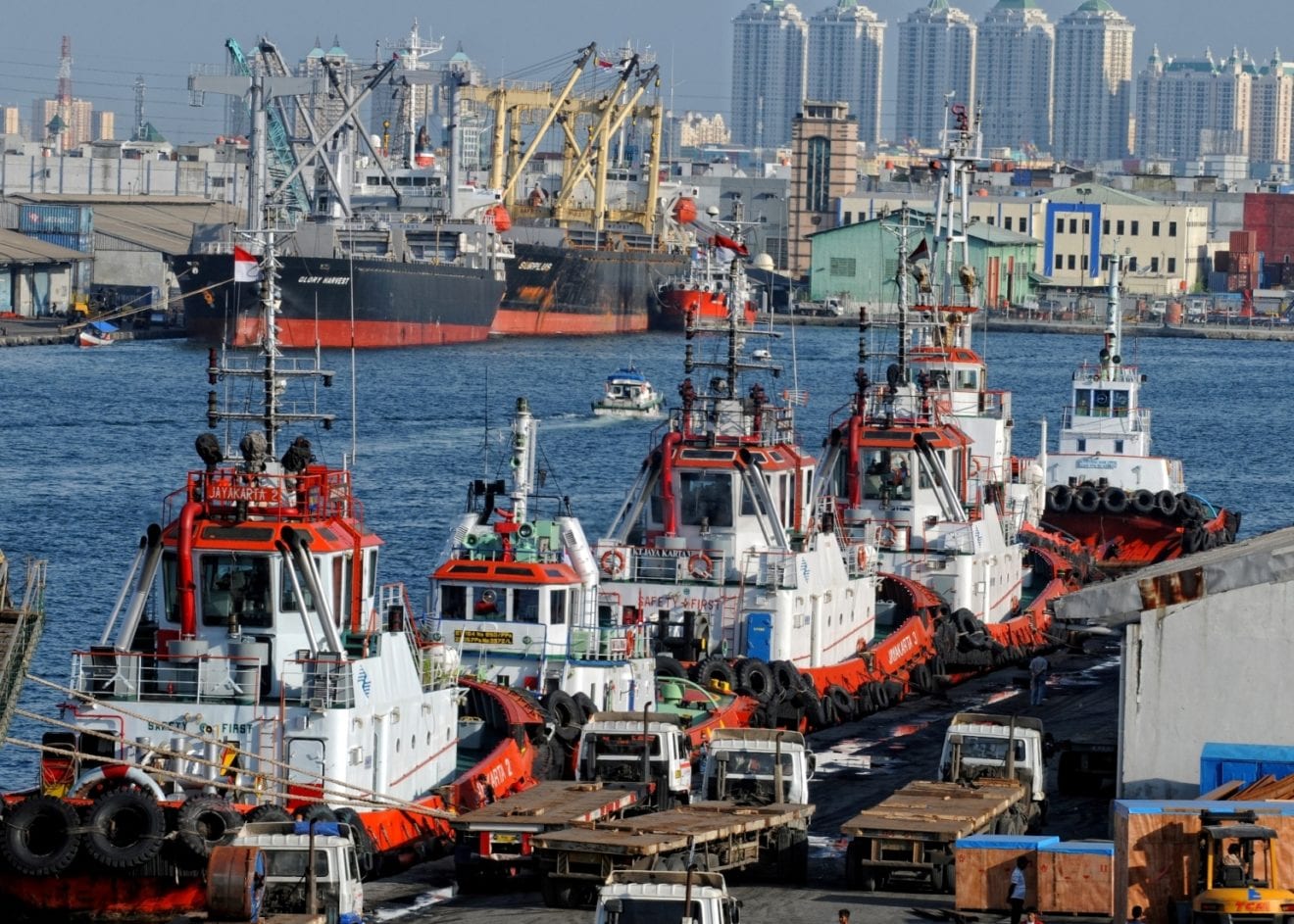
    Having inaugurated Wasuir Port at Wondama Bay, Teluk Wondana District, West Papua Province yesterday, President Joko Widodo today, Wednesday, April 6, 2016, will inaugurate five ports which connect Eastern Indonesia regions.

    Head of Transport Department of North Halmahera Yudihat Noya said that five ports to be inaugurated by Jokowi today is centered at Tobelo Port, North Halmahera, North Maluku Province. “All was built with multi-year budget amounted to Rp739 billion,” he said.

    Tobelo Port which has started to be built in 2008 is planned to be made as passenger and cargo port. The construction include Cargo General Pier and Passenger Pier.

    Other port to be inaugrated is Galela Port, which construction was started in 2006 and completed in 2015 with total budget of Rp35.4 billion. The port is made along with a pier, a causeway and a trestle.

    Galela Port is a local passenger port which is also located in North Halmahera District and functioned as a sea transport base for North Halmaher District residents. “Tabelo Port and Galela Port connect five districts in Halmahera Island,” Yudihat said.

    Jokowi will also inaugurate Tutu Kembong Port in Saumlaki Island, West Maluku Tenggara. The port is built to support passenger transport and local community economy.

    Other two ports are Wonreli Port and Teor Port. The two ports are also built for local passengers in Maluku waters. The functions of the two ports will be improved with the construction of container terminals in 2035.

  • Online booking platform Chope enters Indonesia with acquisition of MakanLuar

    Online booking platform Chope enters Indonesia with acquisition of MakanLuar

    Singapore-headquartered restaurant reservation startup Chope has acquired Indonesian counterpart MakanLuar, the company announced today. The value of the deal is undisclosed. The acquisition was made with a mix of cash and shares, although Chope co-founder and CEO Arrif Ziaudeen does not reveal the percentage of each.

    Through the deal, Chope adds Jakarta, Bandung, and Bali to its portfolio, bringing the cities it’s active in to eight. It’s been operating in Singapore, Bangkok, Hong Kong, Shanghai, and Beijing.

    Chope expanded in those territories organically, and every time it found it had to educate early adopters and find a product-market fit, Arrif says. “Jumping in at the stage MakanLuar is at, they’ve already crossed that threshold and are now in a position to hit the accelerator on sales and marketing, so we save valuable time,” he enthuses.

    MakanLuar’s founding team of Kunal Narang and Hiro Mohinani was also a major factor for Chope. “We were inspired by Kunal and Hiro’s drive, and with a proven track record we really feel confident in these safe pairs of hands,” Arrif explains.

    “Oddly enough, before we started MakanLuar, we spoke to Chope to seek ways to work together but we were too new at the time,” Kunal tells Tech in Asia. Once the team had some good traction in Indonesia, it made sense to get back in touch with Chope and become part of a bigger regional play, he adds

  • Cinemaxx to Open First D-BOX Theatre in Indonesia

    Cinemaxx to Open First D-BOX Theatre in Indonesia

    D-BOX Technologies and PT Cinemaxx Global Pasifik (Cinemaxx), affiliate of Indonesia’s Lippo Group, are pleased to announce the conclusion of an agreement to install D-BOX immersive motion systems into the first auditorium in Indonesia in 2016.

    “The addition of D-BOX reinforces our commitment to give moviegoers the best cinematic experience possible” declared Mr. Mohit Dubey, President of Cinemaxx. “The D-BOX brand has international notoriety and we are absolutely convinced that today’s agreement, which may expand over time, will be a tremendous success for our business and the satisfaction of our guests.”

    “This announcement marks yet another milestone in our international expansion. Teaming up with an exhibitor like Cinemaxx is an important step in our mission to build on our presence throughout Asia”, mentioned Claude Mc Master, President and CEO of D-BOX Technologies. “Indonesia, the fourth most populous country in the world, is on an upward growth path. It also has a relatively young population which enthusiastically responds to the type of entertainment we provide”, added Mc Master.

  • BNI chalks up Rp2.9 trillion in net profit in first quarter

    BNI chalks up Rp2.9 trillion in net profit in first quarter

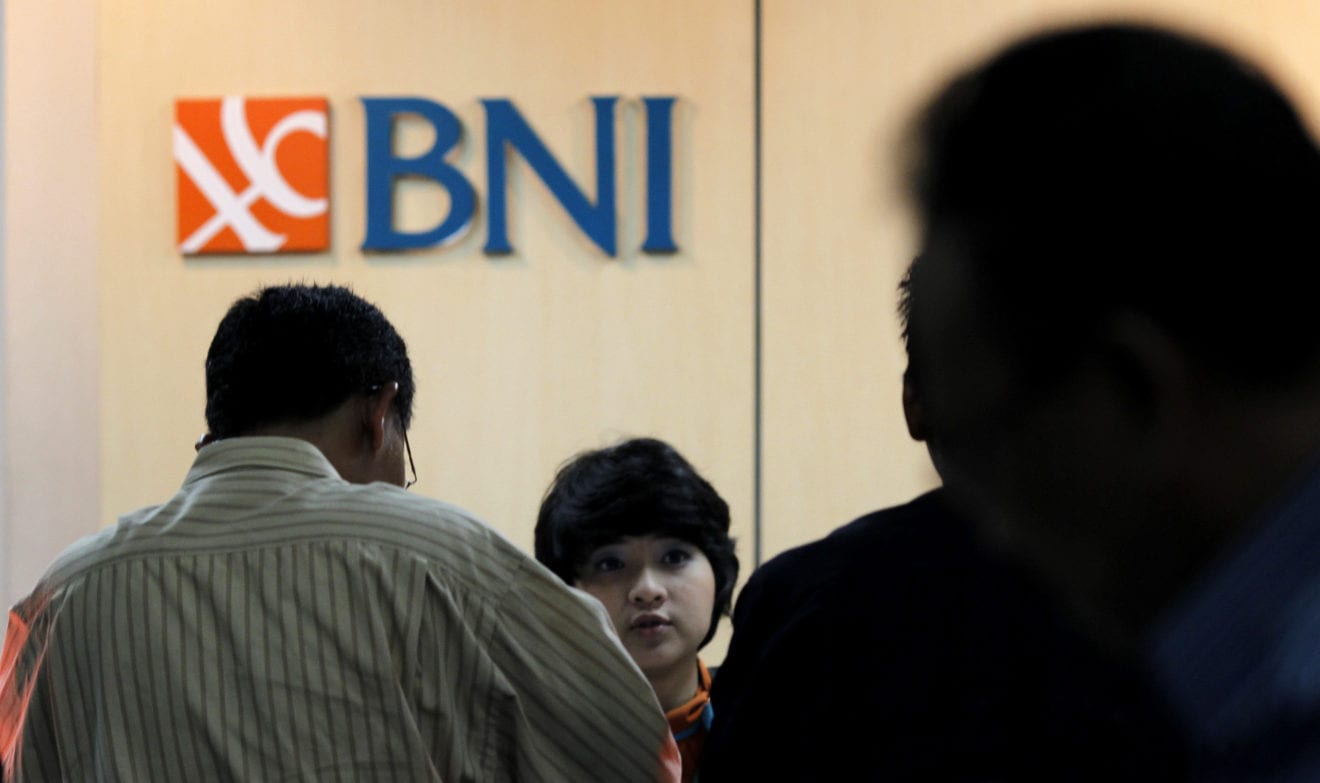
    Publicly traded lender PT. Bank Negara Indonesia Persero Tbk reported Rp2.9 trillion in net profit in the first quarter of this year up 5.5 percent year-on-year.

    The profit was attributable mainly to net interest income especially interest on infrastructure credits, Achmad Baiquni, the president director of the state owned bank said here on Tuesday.

    Its net interest income grew 13.3 percent to Rp6.91 trillion in the first three months of 2016 from Rp6.09 trillion in the same period last year.

    “The net interest margin (NIM) of the bank was 6.1 percent in the first quarter of this year,” Baiquni said.

    The NIM of the countrys fourth largest bank in asset, rose with a strong 21.2 percent growth in credits to Rp326.74 trillion in the January-March period of 2016 from Rp269.51 trillion in the same period in 2015.

    Credits for the business and consumption sectors were the largest contributors to its credit expansion, Baiquni said.

    Credits for the business, which grew 22.7 percent (yoy) to Rp234.2 trillion in the first quarter of 2016, accounted for 71.7 percent of the banks total credits.

    Credits for the construction sector surged 127.5 percent to Rp5.99 trillion and credits for the consumption sector rose 9.8 percent to Rp57.56 trillion in the first quarter of 2016.

    The bank also recorded an increase in fee based income , up 16.4 percent to Rp2.22 trillion .

    The third party funds held by the bank rose 21.8 percent (yoy) to Rp371.5 trillion in the first quarter of 2016 .

    Cheap funds accounted for 58.5 percent or around Rp217.5 trillion of the third party funds – or an increase of 12.9 percent (yoy).

    The credit expansion that grew 21.2 percent and the third party funds that increased 21.8 percent resulted in 25 percent rise (yoy) in its assets to Rp509.09 trillion in the first quarter of 2016 .

  • China, Indonesia, South Korea, Thailand bid for 2023 AFC Asian Cup

    China, Indonesia, South Korea, Thailand bid for 2023 AFC Asian Cup

    China, Indonesia, South Korea and Thailand have expressed interest in bidding for hosting the football Asian Cup to be held in 2023, the Asian Football Confederation (AFC) said here on Tuesday.During the meeting held in the Malaysian capital, the AFC Competitions Committee announced that the AFC had received expressions of interest from China, Indonesia, South Korea and Thailand by the deadline of March 31, 2016 to host the AFC Asian Cup in 2023, reports Xinhua.

    “The AFC will now send out the Bidding Agreement and the Host Candidate Questionnaire and seek government guarantees and legal opinion on the bids,” it said. China entered the final when the country hosted the Asian Cup in 2004, but lost to Japan 3-1.

  • Uber starts motorbike taxi service in Indonesian capital

    Uber starts motorbike taxi service in Indonesian capital

    Ride-hailing app Uber on Wednesday launched a motorbike taxi service in the Indonesian capital where Southeast Asian rivals Go-Jek and Grab are already battling for dominance.

    Jakarta is one of the world’s most congested cities and motorbike taxis ordered from a smartphone app have exploded in popularity in the past 18 months as a way to beat snarled traffic.Uber said that its “UberMotor” service would provide cheap and reliable transportation for hundreds of thousands of people.The company used a local social media and YouTube star Arief Muhammad to launch its service, saying he was the first person in Jakarta to use an Uber motorcycle taxi.

    Both Go-Jek, an Indonesian startup, and Grab, which operates in several Southeast Asian countries, claim to be the biggest provider of motorbike taxi rides in Indonesia.The popularity of motorbikes and regular taxis ordered from a smartphone has provoked a backlash in the taxi industry.Thousands of taxi drivers caused traffic chaos in Jakarta last month in a violent protest against what they believe is unfair competition.

    Drivers say the apps, which are using funding from venture capitalists to offer heavily discounted fares, have severely reduced their income. The app companies say the transport industry should adapt to new technology.The Indonesian government is drawing up new regulations to govern transport apps but has so far resisted calls to ban Uber and similar services.Officials estimate Jakarta’s traffic jams cause economic losses of about $3 billion a year.

  • Expansion Alibaba to Indonesia to Cause Rising Trade Deficit with China?

    Expansion Alibaba to Indonesia to Cause Rising Trade Deficit with China?

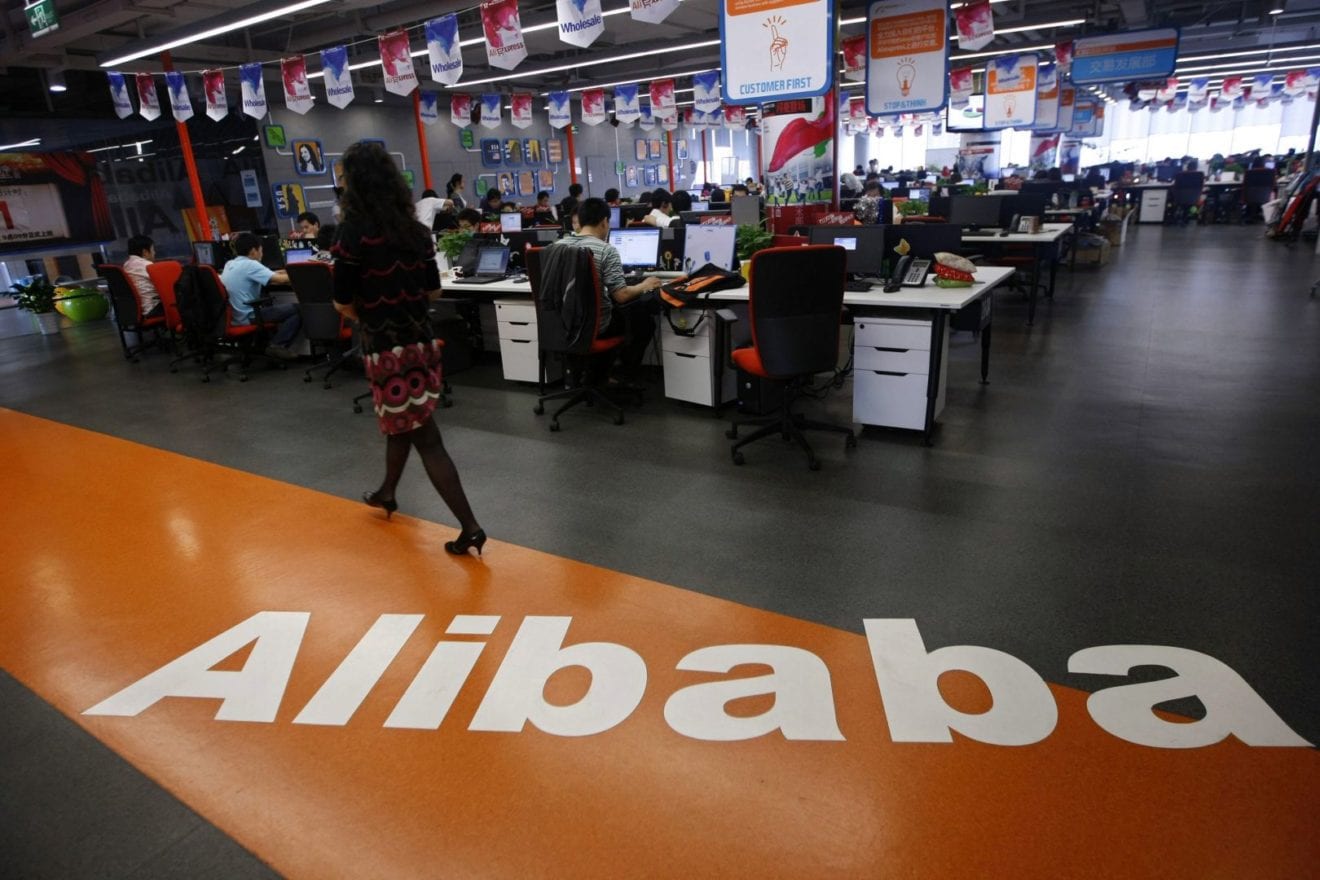
    Through the acquisition Alibaba is to have a firmer grip on the online retail business in Southeast Asia, including Indonesia, the region’s largest economy where Internet and smartphone penetration have been developing rapidly in recent years (although coming from a low base). The Southeast Asian nations where Lazada has been operating so far have a combined population of 560 million (of which an estimated 35 percent are online and thus potential online shoppers). However, Southeast Asia is also a challenging environment for online retail firms as the area is characterized by tough logistical issues (partly due to the relatively weak state of infrastructure) and there remains a lack of warehousing outside more advanced markets such as Singapor

    Through the China-ASEAN Free Trade Agreement (CAFTA), effective per 1 January 2010, about 90 percent of imported goods between Indonesia and China are subject to a zero percent tariff. Due to China’s higher developed manufacturing industry and lower logistics costs the implementation of CAFTA has caused a continuously rising flow of Chinese products into Indonesia. This has caused a rising trade deficit and also curtails development of Indonesia’s manufacturing sector (after all it is cheaper and quicker to import products from China than to invest in costly and long-term import-substitution industrialization).

    In 2015 Indonesia imported USD $29.22 billion worth of (non-oil & gas) products from China, while Indonesian exports to China only totaled USD $13.26 billion, implying a trade deficit of nearly USD $16 billion for Indonesia that year. This is in stark contrast to the years before 2008 when Indonesia had the upper hand in trade with China. The table below shows that Indonesia’s trade deficit with China rose significantly after the implementation of CAFTA in early 2010.

    Indonesia-China Trade Balance (non-oil & gas):

     2007  2008  2009  2010  2011  2012  2013  2014  2015
    Export to China
    (in USD billion)
      9.7  11.6  11.5   14.1   21.6   20.9   21.3   16.5   13.3
    Import from China
    (in USD billion)
      8.6  15.3  14.0   19.7   25.5   29.0   29.6   30.5   29.2
    Trade Balance
    (in USD billion)
      1.1  -3.7  -2.5   -5.6   -3.9   -8.1   -8.3  -14.0  -15.9

    Source: Indonesian Trade Ministry

    With Alibaba now owning a controlling stake in e-commerce platform Lazada, which has a rising costumer base in Indonesia, it could cause two developments: (1) due to the stronger ties between Lazada and China it gives rise to an increasing flow of Chinese products into Indonesia putting pressure on Indonesia’s trade balance, and (2) it threatens the position of local Indonesian start-up e-commerce businesses such as Bukalapak or Tokopedia because Lazada is expected to get a capital injection from Alibaba for expansion purposes and has easier access to cheap Chinese products (more competitive).

  • IDX Expresses Optimism in Economic Growth

    IDX Expresses Optimism in Economic Growth

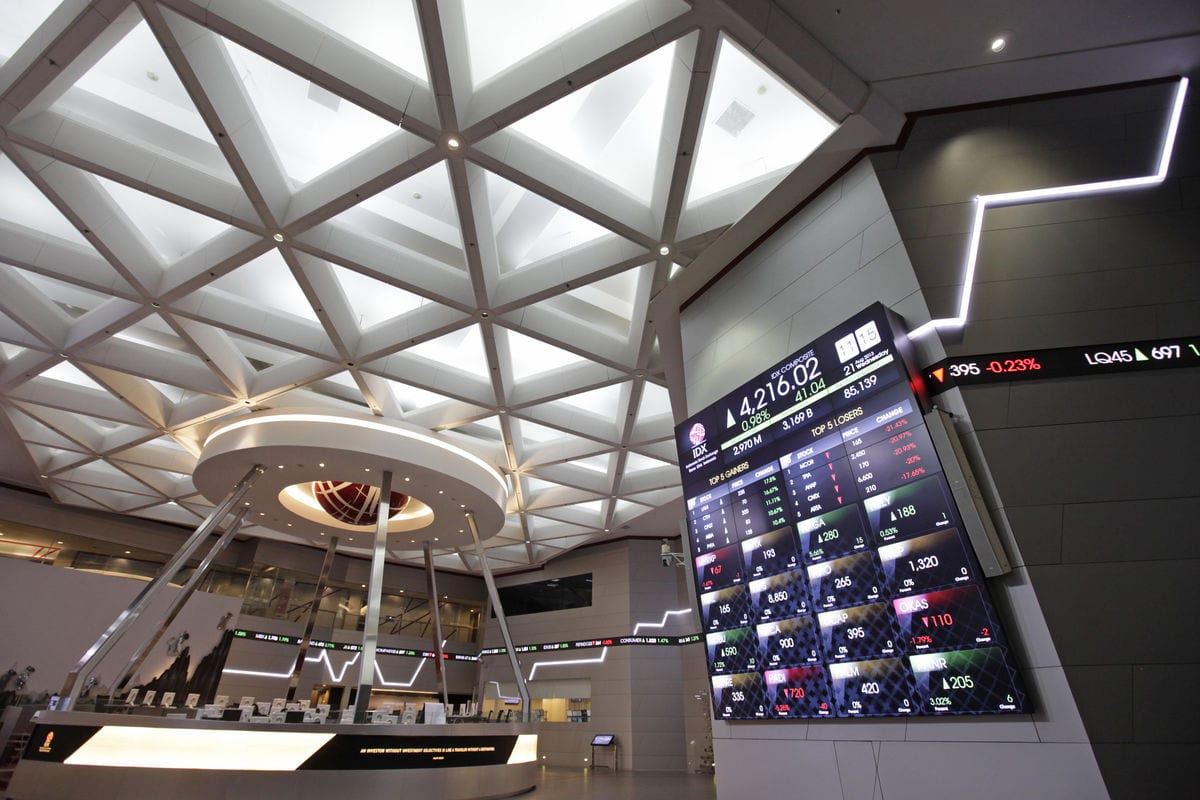
    The Indonesian Stock Exchange (IDX) expressed optimism that the companies listed on the IDX would provide positive results as the national economy was predicted to grow by above 5 percent.

    “In 2015, more than 75 percent of stock issuers at the IDX booked profits. Indeed, some of them in the commodity sector recorded somewhat significant drop. Meanwhile in 2016, we believe that the economic growth will be above 5 percent,” IDX president director Tito Sulistio said in Jakarta on Wednesday, April 13, 2016. Tito added that the Bank Indonesia (BI) rate cut to 6.75 percent and the potential of capital inflow following tax amnesty policy were among the factors that would support the national economic growth.

    “Hopefully, the tax amnesty [policy] will work. Therefore, it is expected that Indonesia will see a capital inflow of about Rp 3,000 trillion (US$220.6 billion) to build infrastructures that are important for the economy. The fund could also be invested in the capital market,” Tito explained.

    He promised that he would encourage domestic companies to obtain funds for expansion by, for instance, holding IPOs. Tito added that the IDX would call on state-owned companies to conduct privatization through the IPO mechanism.

    Earlier, IDX director of corporation assessment Samsul Hidayat said that a number of regional development banks planned to hold IPO in order to increase their capital and distribute credit to wider consumers. In addition to banks, Samsul revealed that a number of state-owned construction subsidiary companies, such as PT Waskita Beton Precast, mulled to hold an IPO.

  • Indonesia’s Visi Media says to remain controlling shareholder of Intermedia

    Indonesia’s Visi Media says to remain controlling shareholder of Intermedia

    Indonesia’s PT Visi Media Asia Tbk on Wednesday said it plans to remain a controlling shareholder of PT Intermedia Capital Tbk, and is considering options such as replacing foreign-denominated debt with rupiah debt.

    The media company, part of the Bakrie Group conglomerate, made the statement after the Indonesia Stock Exchange asked it to address reports in local media that said Visi Media planned to sell part of its stake in Intermedia Capital.

    On Monday, Bisnis Indonesia quoted Visi Media President Director Anindya Bakrie as saying the company plans to sell a stake of less than 10 percent in Intermedia Capital to repay debt and raise funds for expansion.

    Visi Media owned 90 percent of Intermedia Capital, which operates the ANTV television channel, as of November 2015, Thomson Reuters data showed.

  • Mentawai to have airport to accommodate wide bodied aircraft

    Mentawai to have airport to accommodate wide bodied aircraft

    Expansion of the Rokot airport on the island of Mentawai off West Sumatra is to be completed in 2019 to accommodate wide bodied aircraft.

    West Sumatra Vice Governor Nasrul Abit said the Rokot airport which has been in operation since 1980 is being expanded and modernized.

    The expansion of the airport is important for tourism development in the Mentawai island district, Nasrul said here on Tuesday.

    “Construction is expected to be finished in 2018 and it would be operational in 2019,” he said.

    Currently the project is still in the process of land clearing and preparation of analysis on environmental impact (Amdal), he said.

    Regent of Mentawai islands Yudas Sabaggalet said the district administration is set to finish the construction of the airport as scheduled to facilitate tourist transport to that district.

    Yudas said the district administration is also building Trans Mentawai roads in four major islands in Mentawai including Siberut, Sipora, Pagai Utara and Pagai Selatan.

    The roads are 170 kilometers on the island of Siberut, 105 kilometers on the island of Sipora, 110 kilometers on the island of Pagai Utara and 85 kilometers on the island of Pagai Selatan.

    The fund for the road construction is partly from the state budget and the rest from the regional budget, Yudas said.

    In addition, the district administration would build power generating plants under the program of Mentawai Terang (Bright Mentawai) and develop internet service facility in cooperation with the state telecommunication company PT Telkom.

    “All the facilities are expected to bring greater modernity to the islands and improve the welfare of the people,” Yudas said.

    A Mentawai Wonder Festival 2016 would be held at the Mapadegat beach in the sub-district of Sipora Utara to promote the culture of Mentawai to attract more tourist to the island.

    The festival will be held from April 19 to 24 highlighted with international surfing competition which is expected to draw 64 surfers from Australia, the United States, South Africa , Japan, Republic of Fiji and the Philippines.

  • Halal tourism in West Sumatra

    Halal tourism in West Sumatra

    The Indonesia Ministry of Tourism will develop Halal tourism in West Sumatra, a province that has a potential for such a concept just as West Nusa Tenggara province, known for similar tourism.

    “West Sumatra has a potential for Halal tourism development as culturally, it is known as a religious province,” the Deputy Assistant of Business and Government Market Segment Development, the Ministry of Tourism, Tazbir, said here on Saturday (April 2).

    He explained that Halal tourism is a universal concept which includes serving healthy food, providing clean accommodation and hospitability. Therefore, all the people find it suitable.

    “We want West Sumatra achieve a similar status as West Nusa Tenggara which has been awarded the Worlds Best Halal Tourism Destination award,” he said, adding that demand for Halal products is from the world community.

    Tazbir remarked that during his visit to a religious area, the hotel where he stayed did not inform him about the direction of Qibla in the bedroom, while hotels in Singapore provide such a facility.

    “Therefore, we need Halal standards for hotels, restaurants and tourist attractions,” Tazbir said.

    He added that the Ministry will continue to push for a campaign projecting Halal tourisms great potential in Indonesia, especially in West Sumatra.

    Nowadays, the concept of Halal tourism is being developed in Aceh, West Sumatra, West Nusa Tenggara, South Kalimantan and Gorontalo, he said.

    Meanwhile, Head of Tourism Office of West Sumatra, Burhasman Bur, assessed that there were no significant obstacles to implementing Halal tourism in the province.

    The tour players just have to follow the administrative procedures. For example, eateries will have to serve Halal meat certified by the authorities.

    He said a regulation needs to be put in place supporting the implementation of the Halal tourism concept and improving services for the guests.

  • Mei.com & Alibaba Launch the TMALL Luxury Flash-Sale Channel with Star-Studded Live-Streamed Fashion Show

    Mei.com & Alibaba Launch the TMALL Luxury Flash-Sale Channel with Star-Studded Live-Streamed Fashion Show

    A live-streamed fashion show featuring 42 looks has marked the launch of a luxury Tmall flash sales channel via app that makes the styles immediately available to shoppers.

    Alibaba Group’s B2C online marketplace Tmall.com has launched the channel through its mobile-phone app, allowing viewers of the live stream to “scan and buy” the runway looks.

    Soft-launched about three months ago, the Tmall channel is being managed by Mei.com, which since 2010 has run a website in China that provides a flash sales outlet for nearly 300 international luxury brands including Armani, Longchamp, Michael Kors, Tumi and Zegna, through exclusive partnerships.

    Mei.com CEO Thibault Villet with Olivia Palermo and Mei.com President Seamon Shi.

    Mei.com CEO Thibault Villet with Olivia Palermo and Mei.com President Seamon Shi.

    Alibaba invested an undisclosed amount in Mei.com in July, saying the site’s relationships with affordable luxury goods merchants would complement Tmall’s roster of high-end retailers such as Burberry, Coach and Hugo Boss. The new flash-sales channel gives Tmall.com shoppers direct access to discounted luxury goods from more than 3000 retailers and authorised distributors.

    “The launch of the channel will further the variety of brands on Tmall and offer China’s burgeoning middle class a one-stop shopping platform,” says Alibaba Group CMO Chris Tung.

    Millions of consumers across China watched the fashion show. It featured clothing and accessories, including 30 womenswear looks, 10 menswear looks, and a finale including two children’s looks.

    Actor Peter Sheng, famous for his role in the China web series Go Princess Go, made his runway debut in the show wearing a Carven suit. American socialite Olivia Palermo styled one of the runway looks and was a front-row attendee of the show wearing the look herself.
    Trendsetters and tastemakers attending the event also included singer Chris Lee and runway model and pop star Tia Ray, who also performed.

  • Philippine 7-Eleven profits surpass 1 billion pesos

    Philippine 7-Eleven profits surpass 1 billion pesos

    The Philippine 7-Eleven network of convenience stores recorded record profits in  2015, fuelled by new store openings.

    Parent, listed company Philippine Seven, says it surpassed 1 billion pesos (US$22 million) in profits for 2015.

    The 15.4 per cent year-over-year profit rise came on the back of an increase in stores from 1282 in 2014 to 1602 stores in 2015.

    Philippine Seven said retail sales of all stores rose by 25.3 per cent  to P25.8 billion from P20.6 billion compared with prior year.

    The company has been expanding its logistics infrastructure to support its

    unprecedented expansion in Visayas and Mindanao.

    “The rest of the country is relatively uncontested in comparison. We are virtually the only competitor with the critical mass to build out proper supply chains in areas logistically unreachable from GMA,” said Jose Victor Paterno, president and CEO.

    The expansion is  expected to support profitability in the medium term, through cashing in on underutilized warehouses and achieving dominant position in new markets.

    For 2016, the company plans to increase  capital expenditures budget to P3.5 billion to support its accelerated store expansion strategy. The bulk of this amount will fund new store openings, store renovations and equipment acquisition.

    Philippine Seven Corporation operates the largest convenience store network in the country. It acquired the master franchise licence from Southland Corporation (now Seven Eleven) of Dallas, Texas, in December 1982 and was listed in the Philippine Stock Exchange in February, 1998.