Author: Mei Ling Tan

  • Shandong Ruyi confirms SMCP deal

    Shandong Ruyi confirms SMCP deal

    Subject to regulatory approvals, Chinese textile and apparel manufacturer Shandong Ruyi Technology Group has acquired a controlling stake in fashion brand parent SMCP.

    The Chinese company has signed an exclusive agreement along with global investment firm KKR, with the expectation that SMCP’s founders and management will reinvest alongside Shandong Ruyi as minority shareholders, while KKR retains a minority interest.

    SMCP, with its brands Claudie Pierlot, Maje and Sandro, has more than 1000 stores in 34 countries, including China, Hong Kong, Indonesia, Korea, Macau, Singapore, Taiwan and Thailand.

    Shandong Ruyi says it intends to maintain the DNA and unique identity of the SMCP brands, with the SMCP design and creative teams continuing to work from its Paris headquarters. SMCP will retain its strategy and organisational structure while benefitting from Shandong Ruyi’s global retailing expertise.

    “We have been highly impressed by the success of Sandro, Maje and Claudie Pierlot, and hold great respect for the founders and management of SMCP both for their passion and their achievement,” says Shandong Ruyi chairman Yafu Qiu.

    “This would be a significant step for Shandong Ruyi Group in our continued endeavour to become a leader in the fully integrated textiles and fashion business, both in China and globally. By taking on board the expertise of SMCP, a group well-rooted with a strong Parisian heritage, we would combine their merits with our existing strength in Asia, in particular China … We also look forward to supporting SMCP in achieving its long-term objective of becoming a global leader in accessible luxury.”

    “My sister Judith Milgrom and I are delighted to embark on the next phase in the journey of our company alongside Shandong Ruyi Group,” says SMCP founder/MD Evelyne Chetrite.

    “After record results for 2015, with 33 per cent net sales growth, we are very excited by the opportunity to partner with Shandong Ruyi Group, which can support us in our global ambition,” says SMCP president/CEO Daniel Lalonde.

    “We will continue expanding in areas where our brands have significant potential: Europe, North America, the Middle East and particularly Asia.”

    Founded in 1972, Shandong Ruyi Technology Group is one of the largest textile manufacturers in China and ranks among the Top 100 Chinese multinational enterprises.

    The group has a fully integrated value chain from cultivating raw materials, processing textiles and designing and selling brands and apparel.

    In the accessible luxury sector, SMCP has 1118 point of sales, 906 of them being run directly and 212 through partnerships. Its brands are in 33 countries.

    Shandong Ruyi’s bid to buy SMCP has been an “on again, off again” affair. On March 9 it was reported to have collapsed, but by the end of the month it was announced as going ahead again. Rumours of takeover bids for SMCP surfaced in January.
  • FPT Vietnam to sell stake

    FPT Vietnam to sell stake

    One of Vietnam’s largest private tech firms, FPT Corporation is planning to sell a large stake in its retail and distribution units, providing an opportunity for regional players to buy into the fast-growing Vietnamese market.

    Funds from the sale will be used to help with mergers and acquisitions (M&A) in the information technology area.

    At a shareholder meeting, the company said it will reduce its holdings in FPT Shop, a mobile device retailer, and FPT Trading, which makes, imports and sells telecommunications and electronic products.

    FPT Shop has reached its target of having 250 outlets by this year, and the distribution arm’s profit margins are steady 46 per cent, the meeting was told. FPT still expects the major part of its revenue to come from retail and distribution, estimated at VND28.58 trillion (US$1.27 billion) – about 63 per cent of turnover.

    “The IT industry has a lot of potentials, and the opportunities are universal,” says deputy-CEO Nguyen The Phuong.

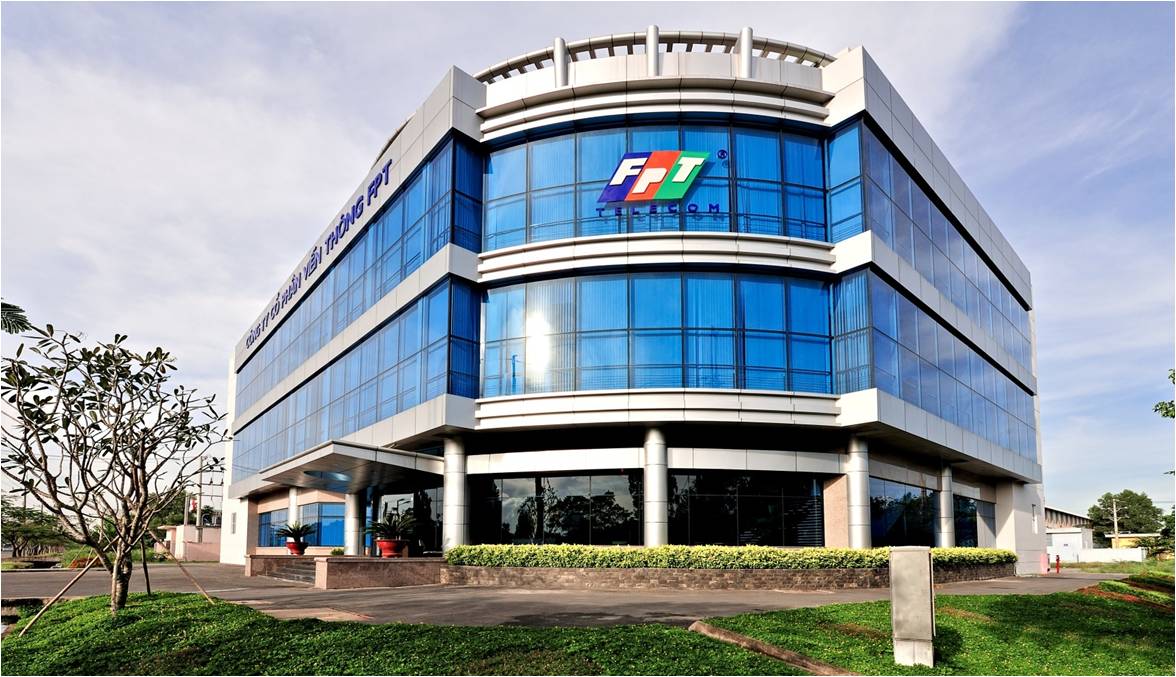
    He says some of the money raised will be used to increase the company’s stake in FPT Telecom.

    FPT chairman Truong Gia Binh last year unveiled his goal to invest US$50 million through M&A every year, in both local and international companies. The targeted markets include the US, Japan, Singapore and Europe. Two years ago, the company acquired RWE IT Slovakia for an undisclosed amount and rebranded it to FPT Slovakia.

    One of the main competitors of FPT Shop, Mobile World, has expressed an interest in buying the retail unit. Another candidate could be Thailand’s Central Group, which bought 49 per cent of Vietnamese electronics retailer Nguyen Kim early last year and reportedly wants to also acquire Pico, another local electronics store.

    FPT Vietnam has retained VietCapital Securities and Japan’s Nomura Securities for advisory services on the sale.

  • Thai junta takes control of 900-MHz re-auction

    Thai junta takes control of 900-MHz re-auction

    Thailand’s military junta has overruled the telecoms regulator for the 900-MHz auction, bringing it up one month to May 27, curtailing public debate on and possibly allowing TrueMove in for another chance to claim the entire 900-MHz band. The opening bid will be Jasmine’s winning bid of $2.1 billion (75.65 billion Baht). Jasmine failed to secure payment and defaulted, giving rise to the need for a new auction.

    The junta, formally known as the National Council for Peace and Order, issued its 16th decree under article 44 of the interim constitution, commonly referred to as the absolute power clause. This means that the order is final and cannot be appealed in any court. The order was signed by Prime Minister General Prayut Chanocha in his capacity as NCPO chairman.

    Earlier reports suggested that moving the auction up a month would mean there would be little or no public consultation as is required under the frequency act, though this was not made explicit in the order.

    The NCPO also ordered the National Broadcasting and Telecommunications Commission to amend the auction rules in order to ensure value for the country and healthy competition. Any changes will have to be agreed to by the NCPO. This puts the NCPO in direct control of the auction.

    While again this was not explicit in the wording of the order, earlier reports suggested that the junta was keen to allow TrueMove to participate in the auction, despite an NBTC ruling to exclude TrueMove from the new auction by imposing a spectrum cap as it had already won half the 900-MHz band in the December auction.

    The deadline for applying for the auction is May 18.

    The NCPO also ordered TrueMove’s 900-MHz licence to be extended to match the new expiry date of the new licence.

    The NCPO order allows AIS to continue using the 900-MHz spectrum for its 2G customers until June 30 or until the NBTC issues a new licence for the auction winner. AIS’ 900-MHz was originally scheduled to be turned off in a couple of days on April 14.

    AIS CEO Somchai Lertsutiwong thanked the NCPO for decisively using article 44 to settle the matter and to prevent 2G AIS customers from losing connectivity over the long weekend that is the Thai new year.

    “The NCPO has truly returned happiness to the people. I want to shout at the top of my voice, ‘The government is acting in the best interests for the people’”, he said.

    The AIS CEO said that the situation had changed and that the regulator has now made it clear that there would be no more cheap spectrum available, hence the starting price for the new bid is reasonable.

  • Singtel adopts web chat to improve customer service

    Singtel adopts web chat to improve customer service

    Singtel has improved its real-time customer engagement capabilities with the implementation of a web chat system from online and mobile messaging platform provider LivePerson.

    The cloud-based chat solution allows Singtel to take advantage of  predictive intelligent targeting and behavioural intent tools to enhance web assistance services and customers’ overall communication experience with Singtel.

    “As Singtel continually grows its suite of next-generation communications and digital services, we are also investing in new IT capabilities to support these services,” Singtel vice presiden of consumer operations Candy Chua said.

    “We want to give customers a seamless and effortless experience when they look for information or transact with us. For example, with the LivePerson web chat, we can proactively reach out to customers to render timely support when they are surfing our website.”

    Steven Fitzjohn, LivePerson’s APAC Regional Vice President added that “there is a gap between the way we choose to communicate with our friends and family – mostly through digital and social channels – and the way brands communicate with us, which is predominantly through outmoded voice channels. Singtel is differentiating itself by taking action to bridge this gap. It is presenting customers with a channel that is familiar and simple to use, and offers customers a better experience overall.”

  • Marui takes up half of Kitte Fukuoka

    Marui takes up half of Kitte Fukuoka

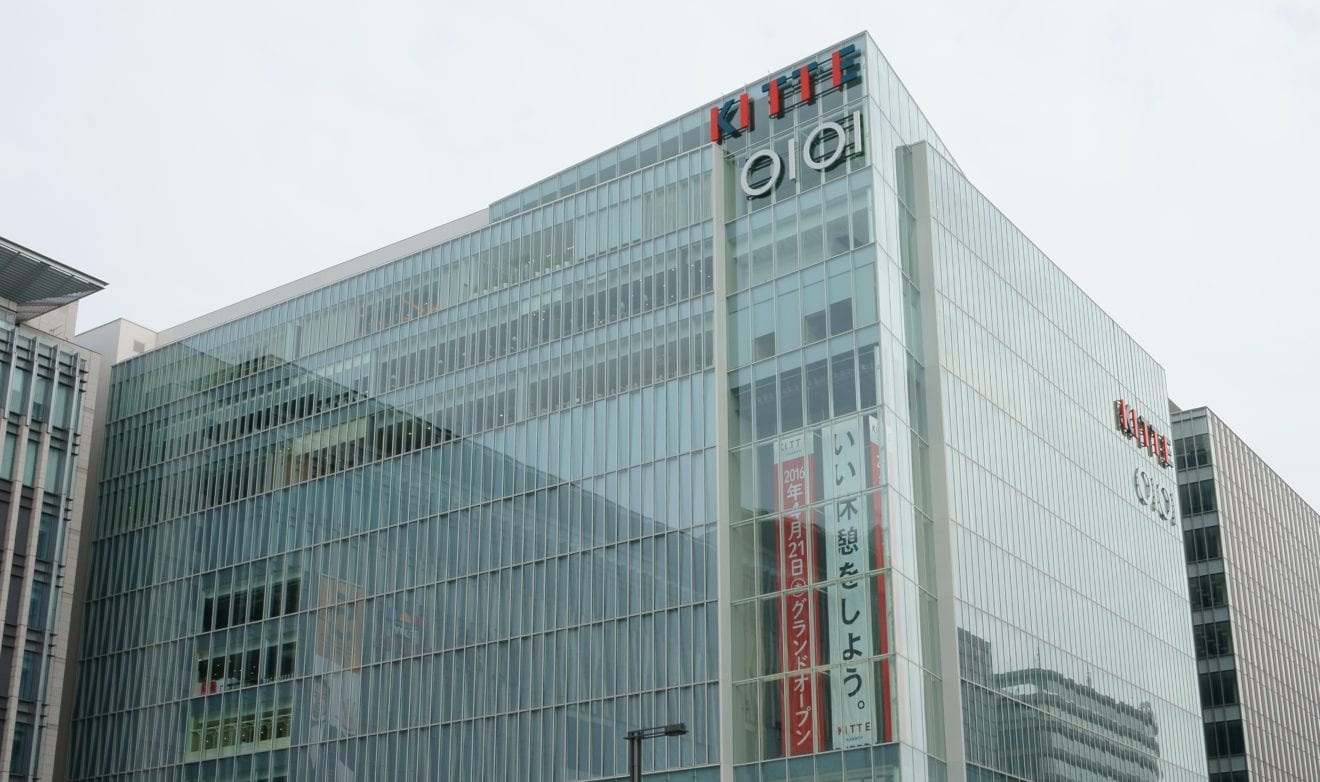
    Marui Group is opening a seven-floor retail centre that will take up half of the new Kitte Fukuokadepartment store.

    With its headquarters in Tokyo and known for its “OIOI” sign, the group will be launching Hakata Maruion floors one to seven at the 14-floor Hakataekichuogai area complex, run by Japan Post, on April 21.

    Covering about 15,000 sqm, Hakata Marui will have more than 130 tenants for food, general goods and fashion. The first six floors will feature cafes.

    A feature store will be 4 Dot Watch by OIOI on the sixth floor featuring such brands as Casio, Citizen and Seiko. It will cater for custom orders and overseas brands, such as Hamilton, La Mer Collections and Rosemont.

    There will also be three “stations” – the My Fit Station for shoes, the Customise Station for personalising products and the Gift Station for personalised gifts.

    Duty-free shopping is available, and discounts may be offered for customers using China’s UnionPay or Taiwan’s EasyCard or Chinatrust cards.

    Each section will feature specially designed environmental sounds.

    With the theme “Anyone, any time, every day”, the shopping complex will have 131 shops as well as Hakata Marui. The list includes HMV & Books’ second Japanese branch, and 30 per cent of the shops will specialise in clothing, such as Uniqlo, which will take up half a floor.

    There will be 50 restaurants and cafes, including Honolulu Cafe, Natural Dining Hakatagi (French/Japanese fusion cuisine) and Tsukiji Sushi Sei.

    There will also be an international clinic and rehabilitation centre, and a wedding hall.

  • Lower Prices for International Calls to Indonesia with TeleponIndonesia.com

    Lower Prices for International Calls to Indonesia with TeleponIndonesia.com

    TeleponIndonesia.com has great news for everyone making calls to Indonesia! The international calling website now offers more affordable rates for Voice Credit calls to mobiles and landlines in this country. With TeleponIndonesia.com, calls to Indonesia are now as low as 4.5¢/min.

    Voice Credit rates have never been lower! Calling a landline in Indonesia used to cost 4.9¢/min, but this price now dropped to 4.5¢/min. As far as mobiles are concerned, their rate decrease is even more spectacular, as it went from 6.9¢/min to 4.5¢/min.

    In order to benefit from this great calling rates, customers who want to call Indonesia have to buy Voice Credit. They can try the service for as little as $2, or buy $10 that will now offer them 222 min to landlines or mobiles in Indonesia.

    TeleponIndonesia.com offers a wide variety of calling options, to suit every need. Customers can call from:

    • any phone, through the use of local or toll free access numbers;
    • any computer, through the Web Call application;
    • any smartphone, as TeleponIndonesia.com offers a free app, for both iOS and Android devices, called KeepCalling.

    Beside Voice Credit, TeleponIndonesia.com also offers Mobile Recharge, a service through which customers can recharge mobile phones anywhere in the world. The process is fast and secure and the credit reaches its destination instantly. The mobile operators available for recharges to Indonesia are Telkomsel, Indosat, Axis, Ceria, Smartfren, Esia Bakrie Telecom, Three, and XL Axiata.

    TeleponIndonesia.com runs a policy focused on integrating superior customer service, while maintaining the highest quality standards at affordable rates. That is why TeleponIndonesia.com is the best solution for international calls.

    What makes the service even more reliable are the 100% transaction security, the 24/7 Customer Service available by phone, chat, and email in both English and Spanish, and the comprehensive Help Center.

  • Kao Group partners with Chinese e-tailer

    Kao Group partners with Chinese e-tailer

    Japanese consumer products group Kao Group has formed a strategic partnership with China’s largest online direct sales company, JD.com.

    Included in the deal is the opening of Kao Group’s cross-border flagship store on JD Worldwide in May, which will initially stock maternal and children’s products, with other product lines expected to be introduced later.

    Founded in 1887, Kao Group owns a range of consumer brands including Attack, Biore, Laurier and Merries. JD.com started co-operating with Kao China in 2014 for categories covering baby and maternity products, personal-care items and cleaning products.

    Leveraging JD.com’s bonded warehouse and self-built delivery network, customers of the new flagship store will be offered efficient delivery of Kao products directly from Japan.
    “JD.com is known for its authentic products and efficient logistics network,” says Kao Group senior managing executive officer Toshiaki Takeuchi.

    “The JD Worldwide platform will provide the safest and most reliable channel for Chinese consumers to buy Kao products, while helping group expand its reputation and footprint in the China market,” says JD.com FMCG business unit president Carol Fung.

    Since launching in April last year, JD Worldwide has attracted brands and merchants from more than 40 countries and regions, and features more than 2.5 million SKUs from 2000 international brands.

    With a history of more than 120 years, the Kao Group is engaged in business in Asia, Japan and Europe with bases in 33 countries and regions. It established a subsidiary in Shanghai in 1993.

    JD.com has seven fulfillment centres and 213 warehouses in 50 cities across China, as well as 5367 delivery pick-up stations.

  • Shanghai Village trading off Disney resort

    Shanghai Village trading off Disney resort

    Upmarket European outlet company Value Retail is opening a luxury shopping destination near the Shanghai Disney Resort, to be called Shanghai Village.

    Disney’s resort launches on June 16, but the village is getting in first with a planned opening date of May 19.

    SHV-rend-mark-up-123013_Page_27

    In the new 24.7 sqkm Shanghai International Tourism and Resorts Zone (SITRZ), across the manmade Wishing Star Lake from the Disney resort, Shanghai Village is the second mainland venture for Value Retail.

    Covering 55,000 sqm and with 140 boutiques, the Art Deco village features architecture styled after buildings in Milan, New York, Paris, Vienna and Shanghai. It has many lifestyle features aimed at catering to the Chinese demand for “shopping tourism”, a new concept defined by UNWTO in the wake of China’s outbound travel boom.

    While it will be Value Retail’s second location near a Disney park – the other is La Vallee Village near Disneyland Paris – it will have a difference in scale and architecture given that Shanghai Disney Resort is one of the largest destinations Disney has built, according to Value Retail Management CEO Desiree Bollier. “Shanghai Village is the same: it is our largest investment to date.”

    Value Retail Shanghai Village 2

    In addition, the village is run by a joint venture between Value Retail and Shanghai Shendi Group, the state-owned enterprise set up to manage the SITRZ, including the Disney Resort.
    “I think the government is moving to a consumer-led economy, and will want Chinese to spend money in China,” says Bollier.

    “They are looking at various ways to encourage Chinese to view China as a resort destination: hence the development of Hainan as a tourism destination, hence the development of SITRZ as an entertainment destination, hence investment in cinemas, Imax and major theatres. It’s a logical transformation in the Chinese economy.”

    Bollier says Shanghai Village will be following Value Retail model of offering goods at a minimum of 33 per cent off and an average of 40 per cent off full domestic price. It is targeting mainly upper-middle class and affluent consumers.

    Shanghai Village will offer “retailtainment” activities such as dining and exhibitions, as well as outdoor cafe seating overlooking the lake, ferry rides to and from the Disney park, and streets named after historical figures in the Art Deco movement in Mandarin and French. VIP services will include hands-free shopping, valet parking, concierge services and private lounges, as well as meeting spaces.

    A feature will be more niche labels and boutiques by Chinese designers. Brands available at the nearby Suzhou Village location, the group’s first China outlet, include Alexander McQueen, Armani, Givenchy, Gucci, Salvatore Ferragamo and Valentino.


  • McDonald’s China in massive expansion plan

    McDonald’s China in massive expansion plan

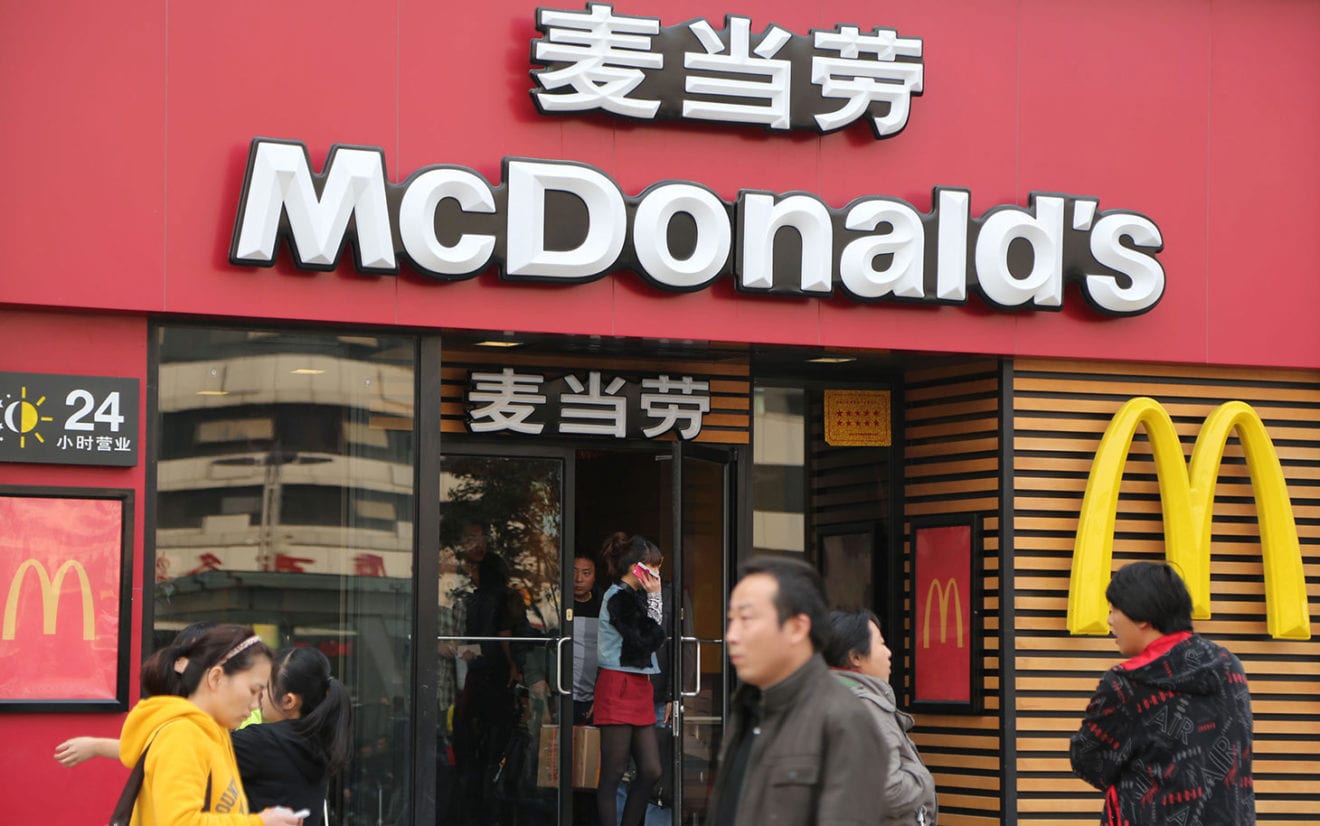
    McDonald’s China is set to be supersized as the US fast food giant pursues growth offshore.

    The company’s Chicago-based CEO Steve Easterbrook has revealed more than 1500 new stores will be opened across China, Hong Kong and Korea over the next five years. About 1300 of those will be in Mainland China.

    McDonald’s already operates some 2200 restaurants – its new target is 3500.

    In a clear strategic shift the company says it is seeking “strategic partners who will add value and unlock growth potential in key markets” in Asia.

    “This will allow McDonald’s to accelerate our growth and scale faster across diverse markets placing us closer to our customers and the communities we serve,” Easterbrook said in a statement.

    “We’re in the midst of transforming our business and taking a strategic and thoughtful approach to enhance our ability to grow around the world. These actions build on our turnaround efforts and will advance local ownership, enable faster decision-making and achieve restaurant growth.”

    Once the target is reached, China will become McDonald’s second largest global market after the US.

    It is not clear how many new stores will open in Hong Kong, where the company already has 230 outlets, but in an email to the South China Morning Post, Easterbrook indicated opening more McCafes will be a priority in the territory.

    The company is also actively seeking partners in Taiwan, and in Japan where it is midway through a major overhaul and repositioning of the brand after incurring massive losses.

  • US theme park debut for Sanrio’s Hello Kitty

    US theme park debut for Sanrio’s Hello Kitty

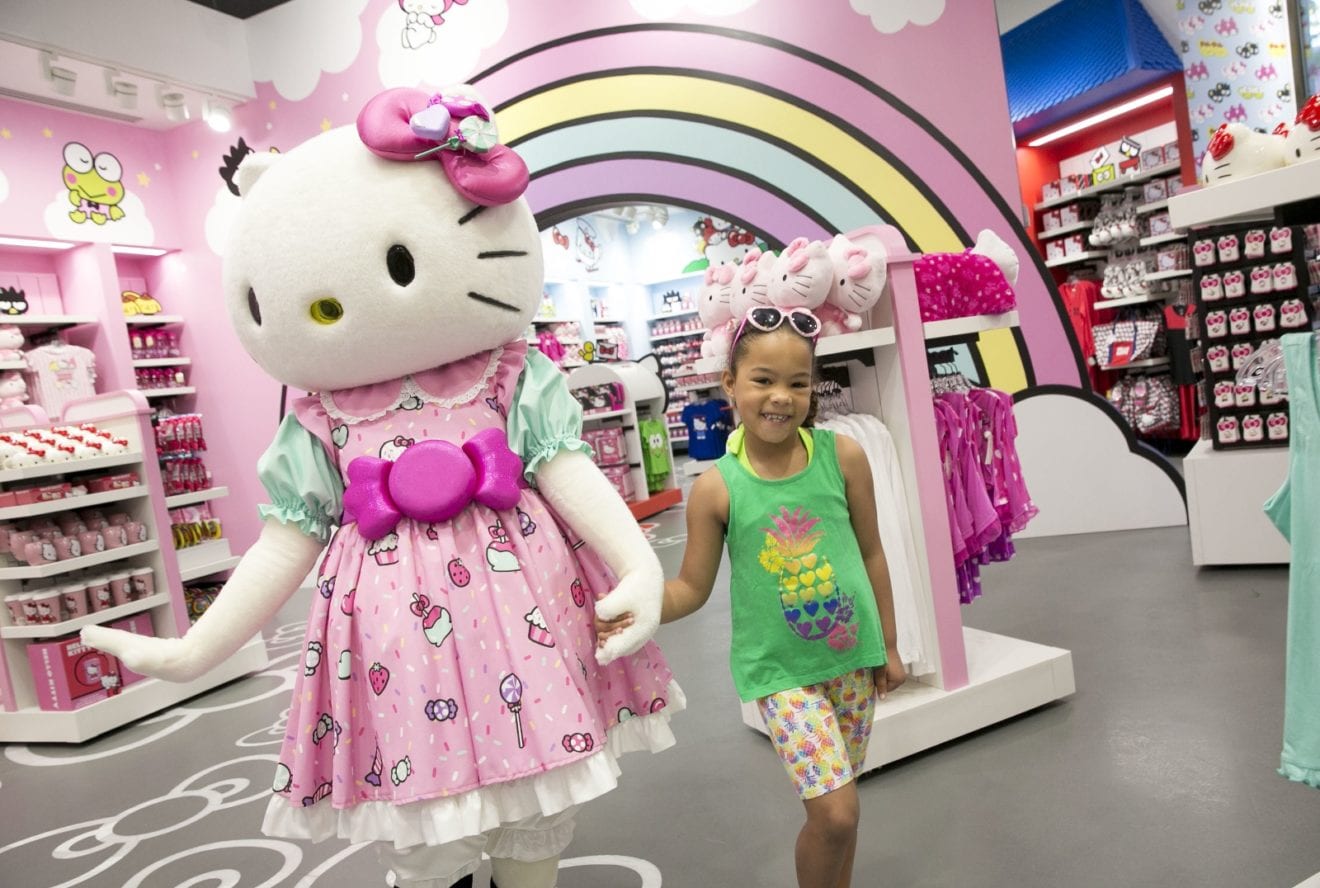
    Global lifestyle brand Sanrio has opened a Hello Kitty Shop at Universal Orlando Resort in the US.

    Opened in conjunction with Universal Parks & Resorts, the store marks Sanrio’s official retail debut and Hello Kitty‘s first appearance at a theme park in North America. On Hollywood Boulevard in the theme park, the outlet offers specialty merchandise including stationery, home goods, apparel, accessories, collectibles and confectionery. Most product is exclusive to the park.

    Other Sanrio characters including Badtz-Maru, Chococat, Keroppi, My Melody and Pompompurin are also be featured.

    “Our partnership with Universal delivers a new touch point for the brand through special products, unique merchandising and a fully branded store experience that incorporates many of our beloved characters,” says Sanrio senior VP of brand management and marketing Jill Koch.

    As well as shopping for exclusive merchandise, customers have photo opportunities at the show, can create souvenir versions of Hello Kitty’s signature bow, send letters and receive gifts.

    Hello Kitty StoreMerchinterior Talent CharacterAven

    With four specially themed areas within the Hello Kitty Shop, fans can find treats at the Hello Kitty Sweet Yummy Shop, loungewear and home goods in the Hello Kitty Lounge, multi-character accessories, stationery and gifts in the Hello Kitty and Friends Town, and collectibles featuring Sanrio characters reimagined with classic Universal properties in the Hello Kitty at the Movies area. New products and designs will be released regularly.

    Guests can also meet Hello Kitty herself, with the 40-year-old Japanese icon making regular appearances.

    Sanrio launched in 1960 and now has more than 50,000 branded items in more than 130 countries, and upward of 15,000 US retail locations including 80 Sanrio boutiques.

    Academy Award-winning director Steven Spielberg is creative consultant for Universal Parks & Resorts, a unit of Comcast NBCUniversal, which wholly owns Universal Studios Hollywood, including Universal CityWalk Hollywood. It also owns Universal Orlando Resort and its two theme parks (Universal Studios Florida and Universal’s Islands of Adventure), four resort hotels and Universal CityWalk Orlando. It also has licence agreements with Universal Studios Japan in Osaka, and Universal Studios Singapore at Resorts World Sentosa, Singapore.

    Comcast NBCUniversal also plans a theme park in Beijing and an indoor theme park in Moscow.

  • Here’s How CapitaLand Mall Trust Wants to Bring Shoppers to Its Malls

    Here’s How CapitaLand Mall Trust Wants to Bring Shoppers to Its Malls

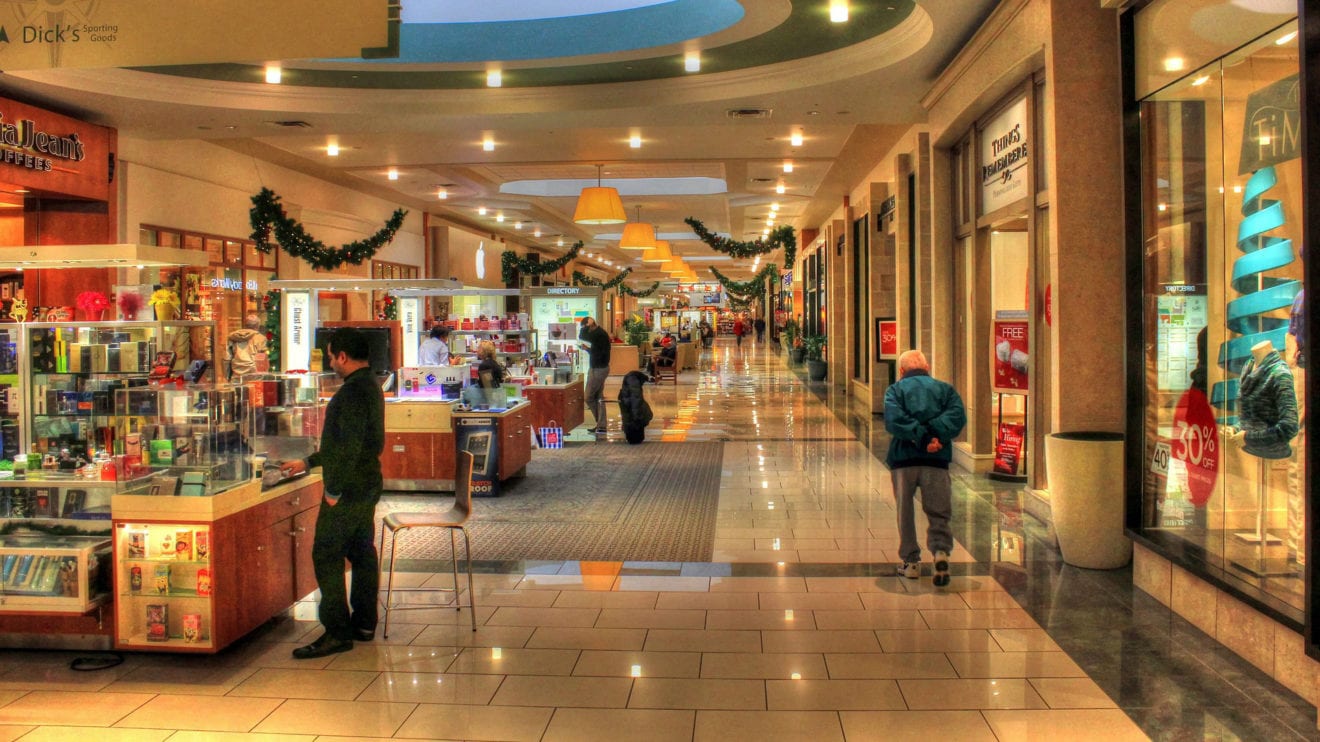
    CapitaLand Mall Trust, an owner of retail malls in Singapore, is the largest listed real estate investment trust (REIT) in Singapore.

    But, mere size alone does not guarantee that shoppers will keep coming back to its portfolio of malls. To ensure a steady stream of shoppers, the REIT has to keep itself plugged into the latest consumer trends.

    One big retail trend is online shopping.

    In my view, shopping online has three major benefits. One, there may be a wider variety of products. Second, the cost of similar products may also be cheaper online. Finally, there is the convenience of having items delivered to one’s doorstep. All three benefits could lead to lower shopper traffic to retail malls in general and thus potentially pressure CapitaLand Mall Trust.

    Threat or opportunity

    For malls, online shopping could be seen as a threat. But for Wilson Tan, the chief executive of CapitaLand Mall Trust’s manager, it is also an opportunity. He shared his thoughts on ecommerce in a recent interview conducted by bourse operator Singapore Exchange Limited  (SGX: S68):

    “We need to be digitally more savvy. We could consider the Internet as a threat, but the issue really is how we harness and ride this horse.”

    With the above in mind, Tan shared two key initiatives that CapitaLand Mall Trust is working on. The first one is a loyalty program that comes from CapitaLand Mall Trust’s sponsor and manager, the real estate outfit CapitaLand Limited (SGX: C31). The report of the interview explains:

    “CapitaLand’s CAPITASTAR loyalty programme – which boasts over 2.6 million members across the five Asian countries where CapitaLand malls operate, and includes more than 800,000 members in Singapore – is one approach to better understand shopper behaviour.”

    The CAPITASTAR loyalty program allows members to accumulate points and thereafter, claim discount vouchers to use in CapitaLand’s family of malls (this includes CapitaLand Mall Trust’s malls). This could encourage shoppers to shop at the REIT’s malls. Tan also said that the loyalty program gives the REIT deeper insight into shopper preferences.

    The number of CAPITASTAR loyalty card holders in Singapore – over 800,000 – can be considered impressive, given that Singapore has a population of only around 5.5 million people.

    There’re more plans on the way. CapitaLand Mall Trust is also testing an online delivery platform at Raffles City Shopping Centre, as the interview report mentioned:

    “Its online order and delivery platform Food to Go, which involves participating food and beverage outlets at Raffles City Shopping Centre, is another initiative. The current beta programme runs until 30 June, and plans for enhancements are underway.”

    Tan feels that this digital effort could help the REIT’s tenants increase their sales. Helping tenants achieve higher revenue could be beneficial for the REIT as it could lead to better rental rates down the line.

    Foolish takeaway

    In my view, online shopping is here to stay and might take up a bigger share of the retail market over time. It is up to Singapore malls to decide whether the trend is a threat, or as Tan sees it, an opportunity.

  • Ivanka Trump’s Made-In-China Scarves Recalled Over “Burn Risk”

    Ivanka Trump’s Made-In-China Scarves Recalled Over “Burn Risk”

    The latest headline involves eldest Trump daughter Ivanka, whose scarves have been recalled by Global Brands Group Accessories, a Trump licensee, for violating the federal flammability standard.

    According to the Consumer Product Safety Commission, roughly 20,000 scarves sold between October 2014 and January 2016 at retailers including Lord & Taylor, Amazon, TJ Maxx and Century 21 pose a “burn risk” to consumers. The scarves, which are 100 percent rayon, can now be returned for a full refund. Original retail price for the two styles involved — the Beach Wave and Brushstroke Oblong — falls between $12 and $68.

    Of the many scandalous headlines baring the name “Trump,” a generous handful have been related to both Donald and Ivanka’s fashion lines. Specifically, the pair have been criticized because a majority of their products are manufactured outside of the U.S. Of the 838 products under Ivanka’s line, none are made exclusively in America, according to Harvard professor Robert Lawrence. Most are imported, with 354 being produced in China.

    Donald has openly admitted that his neckties are made in China. However, the Republican candidate used this fact to make the point that “it’s very hard to have apparel made in this country,” implying that his reforms — including a tariff as high as 35-45 percent on apparel coming from China and Mexico — would encourage more production on U.S. soil.

    Speaking of Mexico, you may also recall Donald’s drama with Macy’s over his controversial comments regarding Mexican immigrants, another of the magnate/politician’s retail offenses. In July, Macy’s officially severed ties with Donald and phased out his merchandise from shelves. Ivanka’s line, however, continues to be sold at the department store.

  • Anbang to buy Allianz’s South Korean operations

    Anbang to buy Allianz’s South Korean operations

    China’s Anbang Insurance Group Co. reached a deal to buy the South Korean operations of Germany’s Allianz SE, just days after it walked away from a $14 billion bid for Starwood Hotels & Resorts Worldwide Inc.

    Anbang has exploded onto the international scene in recent years by spending billions to acquire insurers and hotels throughout the world. In February 2015, it laid out nearly $2 billion to buy New York’s Waldorf Astoria, the highest price ever paid for a single U.S. hotel. It is also a big player at home, with stakes in listed Chinese developers and banks, while also investing in a traditional Chinese medicine maker and a wind-turbine manufacturer.

    Anbang made a bid in March for Starwood Hotels after the U.S. luxury hotel owner had struck a deal to sell itself to Marriott International Inc. That sparked a bidding war for Starwood that culminated in a $14 billion offer from Anbang, which dropped the bid last week citing “various market considerations.”

    The deal with Germany’s Allianz marks the Chinese insurance group’s second acquisition in South Korea. Beijing-based Anbang bought a controlling stake in South Korean life insurer Tong Yang Life Insurance Co. for $1 billion a year ago from South Korea-focused private-equity firm Vogo Investment Group and other investors.

    Allianz agreed to sell Allianz Life Insurance Korea and Allianz Global Investors Korea to Anbang for an undisclosed amount, the two companies said in a statement Wednesday. The Allianz purchase is subject to local regulatory approvals and the parties expect to complete the deal in the second half of the year.

  • Zalora Thailand and Vietnam to be offloaded

    Zalora Thailand and Vietnam to be offloaded

    Rocket Internet is selling its Zalora Thailand and Vietnam eCommerce fashion sites.

    This follows the Alibaba Group investing in Rocket Internet’s Lazada, valued at US$1.5 billion. Zalora, which raised more than $250 million, was once on an equal footing with Lazada, according toTechCrunch.

    Southeast Asia did not have service from Amazon or eBay when Rocket started Lazada and Zalora in 2012, but the two outlets have posted heavy losses and experienced slow market growth.

    Zalora, part of the Global Fashion Group (GFG), covers 11 countries across Asia Pacific, including Australia, Indonesia and Taiwan. While its revenue rose 78 per cent to US$234 million last year, its net loss blew out 36 per cent to $105 million.

    Meanwhile, Rocket has announced a new strategy that takes it back to its roots, launching early-stage startups. It sold India-based Fab Furnish this month and Foodpanda Vietnam last year, and is said to be seeking buyers for Foodpanda India and eCommerce site Jabong.

  • Axiata Group buys Nepal’s Ncell for $1.36b

    Axiata Group buys Nepal’s Ncell for $1.36b

    Malaysia-based Axiata Group has entered the Nepal telecoms market with the acquisition of the nation’s largest mobile operator Ncell.

    Axiata has paid $1.36 billion for an effective 80% stake in Ncell from previous owners TeliaSonera UTA Holdings and Reynolds Holdings’ SEA Telecom Investments.

    Local partner Sunivera Capital Ventures will retain a 20% direct stake in Ncell, as required under Nepalese law.

    Axiata group CEO Dato’ Sri Jamaludin Ibrahim commented that Ncell represents a perfect expansion opportunity for the group.

    “One key ambition we have is to effectively offer high-speed data connectivity, and exciting products and services to meet the demands of a young and maturing Nepali market,” he said.

    “There are tremendous opportunities for us to grow with the nation for the longer term. As a Group respected for its commitment to corporate responsibility and governance, we will play an integral role with the Nepali government and civil society, and contribute towards the socioeconomic development of the country and her people.”

    Axiata is already exploring synergies including opportunities to serve Nepal’s overseas foreign workers segment, which number around 1 million in Malaysia alone.

    The operator plans to launch special products for Ncell customers offering discounted prices for Ncell customers roaming within the Ncell footprint.

    Axiata Group said its combined footprint in South and Southeast Asia now covers a total population of over 2 billion.