
Lees ook:
Lees ook:
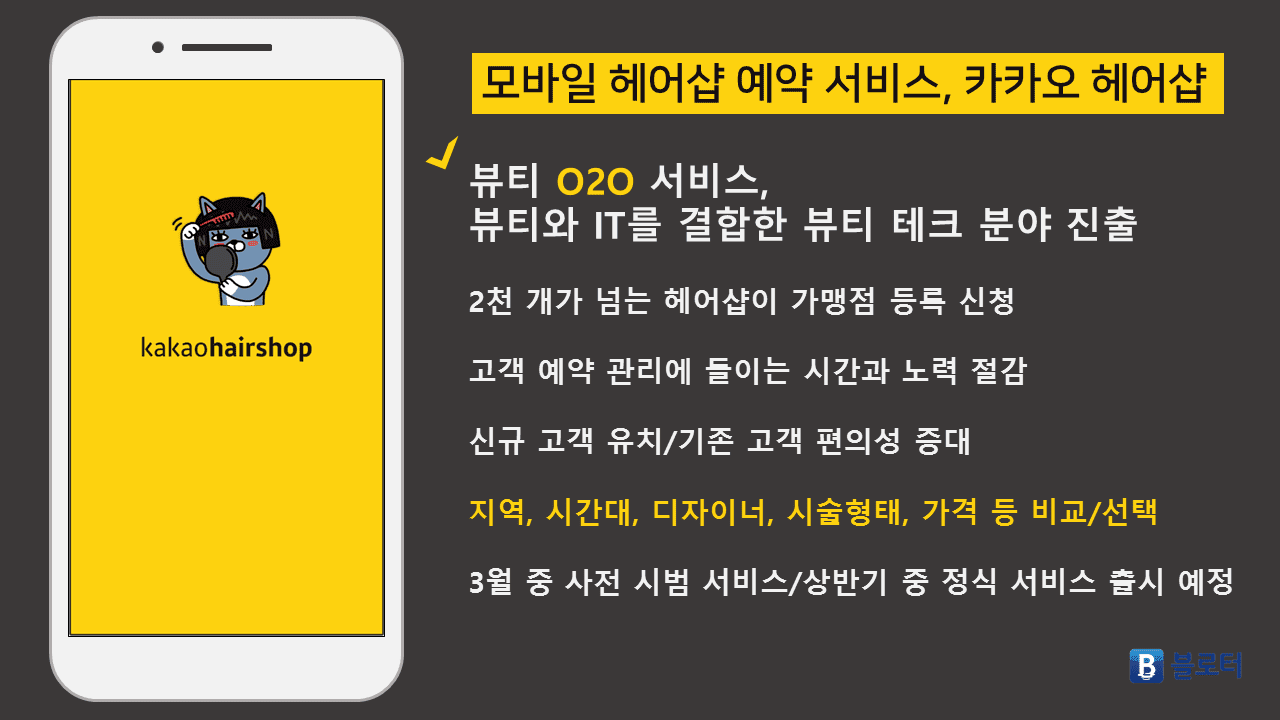
Kakao, the Korean internet pioneer, has selected ‘Hair Shop’ as its first O2O (online to offline) business in the beauty sector.
Kakao plans to expand its O2O business by releasing new services – relief drivers and the hair industry.
According to industry analysts, Kakao is planning to launch ‘Kakao Hair Shop’ (working title) during the first half of the year through its affiliate Hasys.
If Kakao’s Hair Shop is launched, related businesses could use Hasys solutions such as ‘Hair Zzang’ or ‘Beauty Zzang’ to easily build online and mobile reservation systems. Research on consumer satisfaction and marketing education could also be supported.
Customers could have access to information about various hair shops through a Kakao-based platform, and compare prices at each salon.
Some predict that Kakao will charge a commission for providing the platform when a user makes a reservation through the Hair Shop application and pays through Kakao Pay. However, Kakao claims that the details of the service have yet to be confirmed.
Hasys is a beauty solution business Kakao took over in October 2015 through K-Venture Group, an affiliate of Kakao specialising in investments. Hasys has developed and is providing solutions such as ‘Hair Zzang’ and ‘Beauty Zzang’, which manage clients of beauty salons, skin care parlors and nail shops.
Hasys has 10,000 beauty businesses as members, and ranks at the top of the industry with 69 per cent market share as of September 2015.
Kakao revealed its intentions to launch O2O services related to the beauty industry at the time it took over Hasys. As a first step, Kakao officially entered the hair industry.
Kakao officials said the company is planning to concentrate on the Hair Shop business, as it could be a service that is attractive to people of all genders and ages. “We have no other plans to expand our offerings into other beauty businesses.”
Hasys is currently meeting with owners of hair shops across Korea, explaining about the launch of Kakao Hair Shop. Currently 2000 shops have agreed to become members of the service.

Mark your social calendars as 50 gorgeous and talented ladies from all over the globe will sashay under the spotlight in the sixth edition of Miss SuperTalent of the World 2016. Pageant producer Sutal Group announced that the highly anticipated event will be held in Seoul, South Korea. The star studded grand finale will showcase the world’s most beautiful and talented contestants in a kick-off on April 27 and will culminate in a coronation night on May 13 at the K-Hotel Convention Center.
It’s going to be a dazzling coronation night as various performances are lined up—from heart-stopping martial arts, K-pop dance performances by the hottest Korean artists, to a unique spectacle of angels in collaboration with Korean wave stars and the pageant contestants.
This year, Miss SuperTalent of the World 2016 launches an engaging two-hour television special, to be telecast and live streamed via Internet worldwide, highlighting a different format of beauty pageant or supermodel search.
The event is widely watched worldwide, especially in Asia, where it is partnered with SGX-listed social commerce company YuuZoo Corporation. Through YuuZoo’s access to 110 million registered users and 800 million TV viewers, Miss SuperTalent of the World enjoys an unprecedented global audience reach.
It’s no surprise that Miss SuperTalent of the World is recognized today as the definitive platform where outstanding young women enter the exciting world of fashion, music, and entertainment to carve out successful careers. Past winners have risen to become influential icons, such as Egypt’s Meriam George and Ukraine’s Diana Starkova.
Sutal Group CEO Lawrence Choi remarks, “Unlike traditional beauty pageants and supermodel search contests, Miss SuperTalent of the World has its sights firmly set on superstars; film stars, pop icons, and supermodels. With its unique concept of discovering and nurturing talented beauties to become future stars in the global entertainment industry, it has launched the careers of its winners to become the faces of L’Oreal and Bollywood, among others.”
Check out more details by visiting www.misssupertalentworld.com, www.missstow.com (social site)
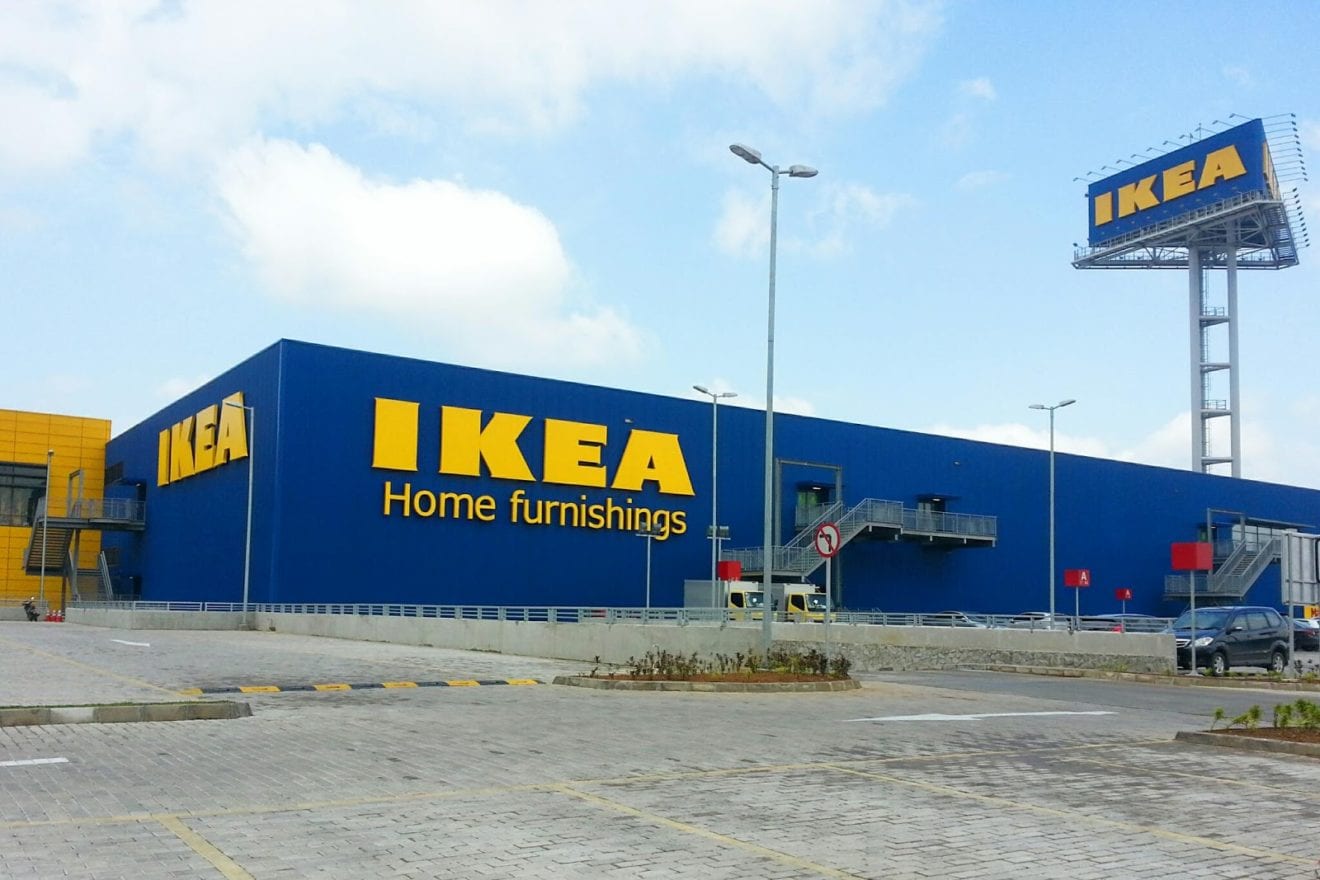
Ikea Indonesia has suffered a rude shock: Indonesian trademark laws have left the Swedish furniture giant without the right to its own name in the Southeast Asian nation.
A decision of the Central Jakarta Court granting Indonesian ownership of the Ikea brand name to a local business back in September 2014, has been upheld in a majority decision by the Supreme Court.
Commentators and critics of the Indonesian government and the country’s legal system say the court decision should be a warning of “the dangers facing foreign companies” who go to Indonesia.
The Supreme Court says the name Ikea is legally owned by PT Ratania Equator, a Surabaya company which registered the Ikea trademark as an acronym for ‘Intan Khatulistiwa Esa Abadi’.
The real Ikea trademarked its name in Indonesia on october 9, 2006 and again on October 27, 2010. But Ratania lodged claim to the name arguing that Ikea had not actively used its trademark in three consecutive years for commercial purposes. Under Indonesian trademark laws, this means its rights to the brand expire.
That’s why Ratania registered the Ikea trademark on December 20, 2013, and then sued IKEA of Sweden in the Central Jakarta District Court to get it to give up its claims to the trademark.
The September 2014 ruling ordered Ikea Sweden to stop using its own name. Ikea appealed, which led to the Supreme Court ruling this week in Ratania’s favour.
Ikea has yet to announce its next step. It seems likely it will have to either buy its name back or begin trading under another name in Indonesia, neither easily palatable options for a company of its international standing.
Motor vehicles lifted Singapore’s retail sales to a 2.9 per cent year-on-year growth in December 2015 from what would otherwise have been a 3.6 per cent decline, according to the Department of Statistics.
On a seasonally adjusted basis, retail sales in December declined by 2.1 per cent against November including motor vehicles. Excluding vehicles, retail sales would have declined by 2.8 per cent month on month.
Total retail sales in December were estimated at S$4.1 billion, compared to S$4 billion a year earlier.
The sale of food and beverages (F&B) declined by 5.7 per cent year on year, to S$665 million. On a seasonally adjusted basis, the F&B decline was 1.8 per cent versus November.
Motor-vehicle sales jumped 62.5 per cent year on year, the single largest growth among the retail sectors. Against November, motor-vehicle sales grew by 1.6 per cent.
Telecommunications apparatus and computers had the sharpest year-on-year fall, with retail sales dropping 26.4 per cent. Month-on-month sales fell 8.9 per cent for the sector.
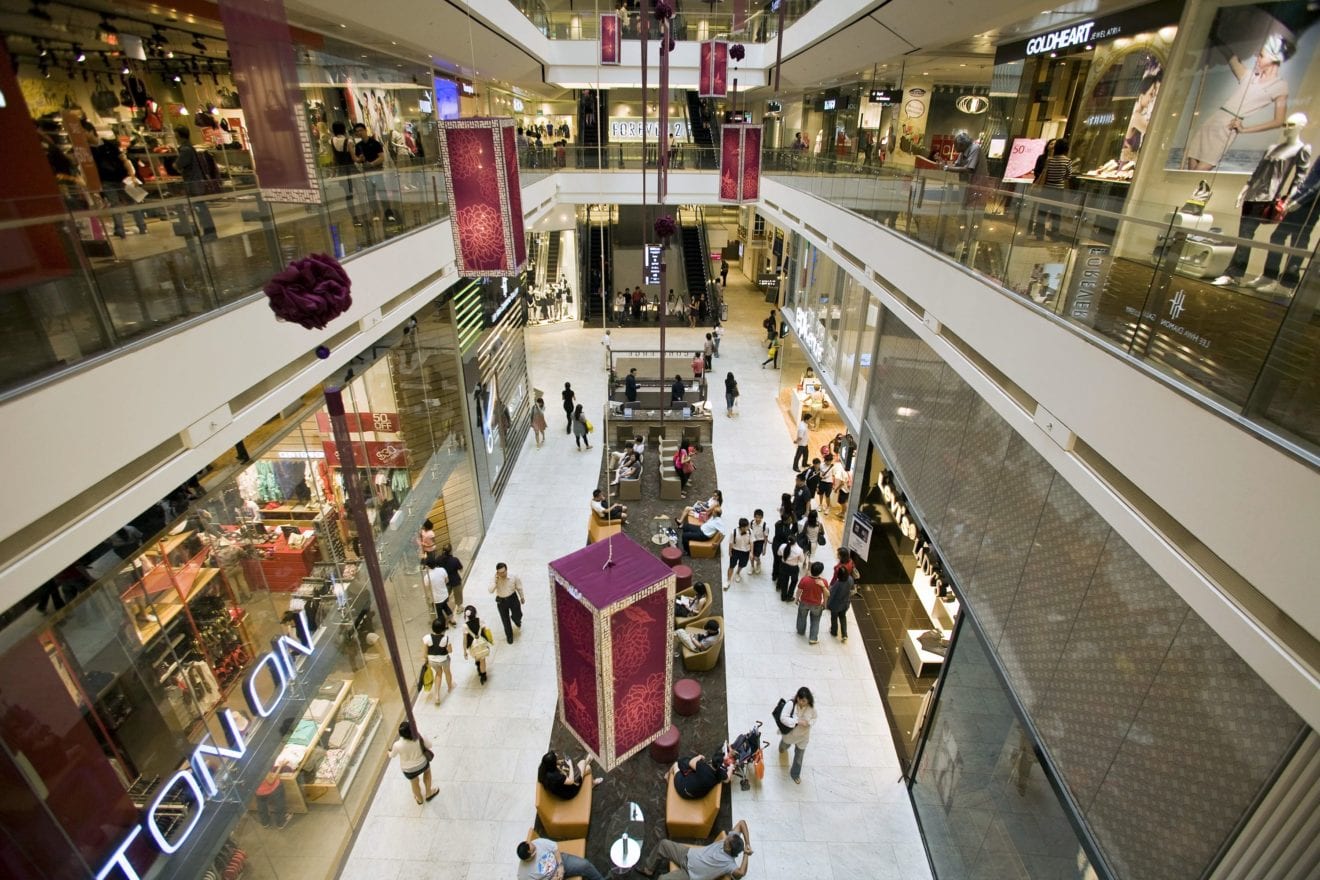
Singapore retailers are facing “dark days”, including store closures, according to Singapore real estate company CBRE.
With falling domestic demand and soaring costs, there will be more store consolidations and closures, it says in a new report.
It predicts the retail market to undergo further restructuring following a muted performance last year, with weak brands being elbowed out, reports the Singapore Business Review.
“This year will be marked by challenging conditions that could push weaker-performing brands to close or downsize.”
There will also become harder to hire staff, with the report warning it is “highly unlikely” the government will lift restrictions on hiring foreigners. However, the costs and time associated with innovation and revamp are likely to keep a lid on expansion plans.
CBRE says the fast-fashion segment will be particularly hit hard by manpower constraints and lack of suitable retail space. It says cheaper running costs in neighbouring countries have helped pull fast-fashion retailers’ attention away from Singapore.

The park posted a net loss of HK$148 million ($19 million)for the year, dropping into the red after three straight years of profits, Hong Kong’s Legislative Council Panel on Economic Development said in a report released on Monday.
Hong Kong has been hit hard by slowing economic growth in China, which has battered the number of big-spending Chinese tourists traveling to the city. Its retail sales saw their worst annual decline last year since 2002.
Hong Kong tourist arrivals fell 2.5 percent in 2015 to 59.32 million, the first decline since 2003 when the city lifted travel restrictions for some mainland Chinese. Mainland visitors account for about three quarters of visitors.
“The tourism industry of Hong Kong was greeted with great challenges due to external factors as well as overall market condition and sentiment,” the report, posted on China’s Tourism Commission website said.
The Hong Kong Disney park saw revenues of HK$5.1 billion in 2015, a decrease of 6 percent against a year earlier, the report said, the first revenue drop for the park since 2009. Visitor numbers also fell nearly 10 percent, the first decline since at least 2008, driven by a steep drop in mainland guests.
“Lower visitation from mainland China and the region largely contributed to softer overall theme park attendance,” Disney said in a statement emailed to Reuters.
The opening of the larger Shanghai resort could dent the fortunes of the Hong Kong park further, the panel said in the report, adding the park was looking at how to stay competitive in light of “intensifying competition” and “the opening of the Shanghai Disney Resort in June this year”.
Disney’s $5.5 billion Shanghai resort, a joint venture between the U.S. entertainment giant and Chinese state-backed consortium Shanghai Shendi Group, is slated to open on June 16. It had previously been set to open in late 2015.
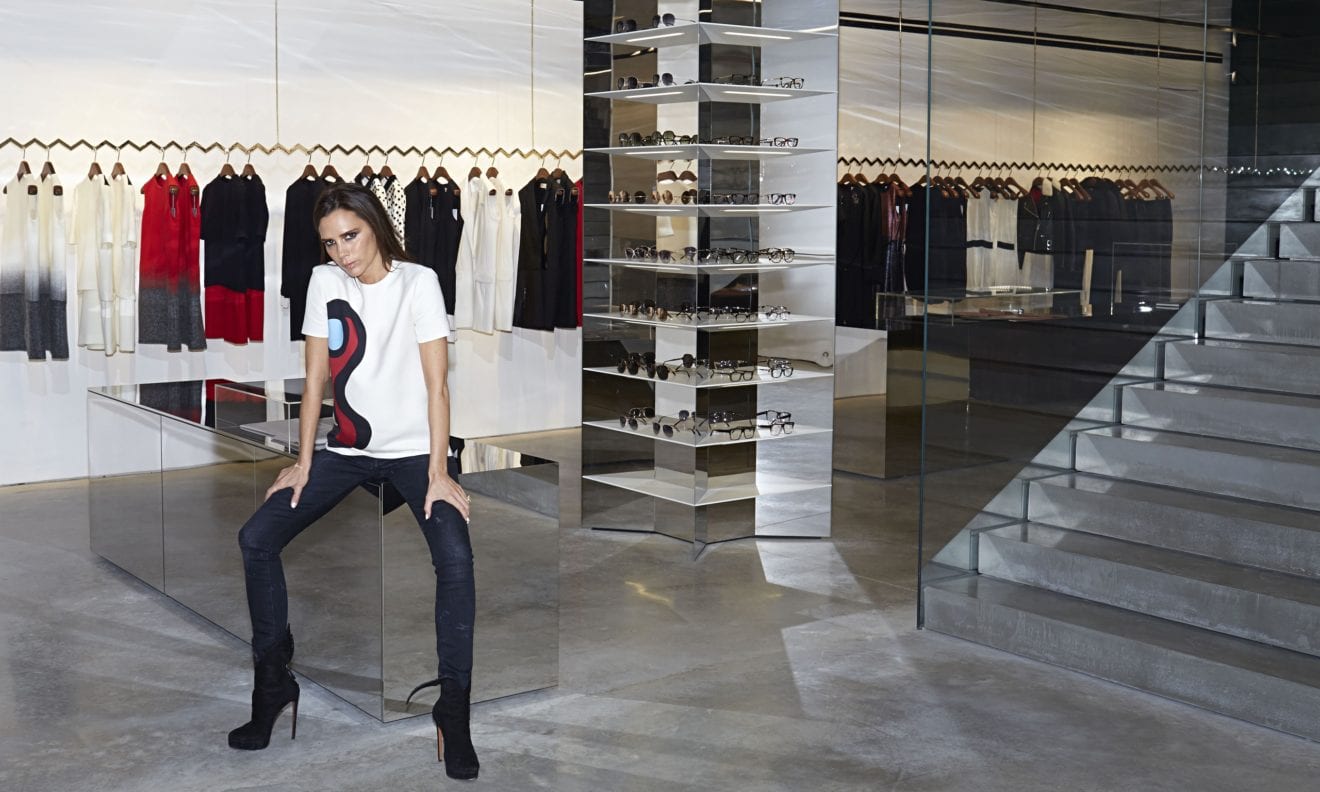
Earlier today, minutes after taking a bow at her autumn/winter ’16/’17 show during New York Fashion Week, Victoria Beckham announced that her burgeoning retail empire is officially on the rise with a Hong Kong storefront scheduled to open in March.
“The women in Asia really know how to dress,” Beckham said to BagSnob founder Tina Craig on a video that appeared on Vogue China’s Instagram account. During Art Basel last March, the designer (and apparent celebrity wedding dress consultant) told the South China Morning Post that she was in the process of scouting potential brick-and-mortar locations in the metropolis.
Beckham, who showed a thoroughly modern collection of contrasting stripes, tuxedo jumpsuits and one particularly sophisticated take on an evening wear kilt, opened her first freestanding boutique on London’s Dover Street in September 2014. The Hong Kong shop marks Beckham’s first freestanding location in Asia and second in the world.
“Super chic sophisticated, understand and appreciate fashion…” continued the former Spice Girl and mother of four on her newest customer base. Her brood — along with newly-minted photog son Brooklyn and dashing husband David — sat, as usual, in the front row of her runway show near Anna Wintour. “They love getting dressed up.”
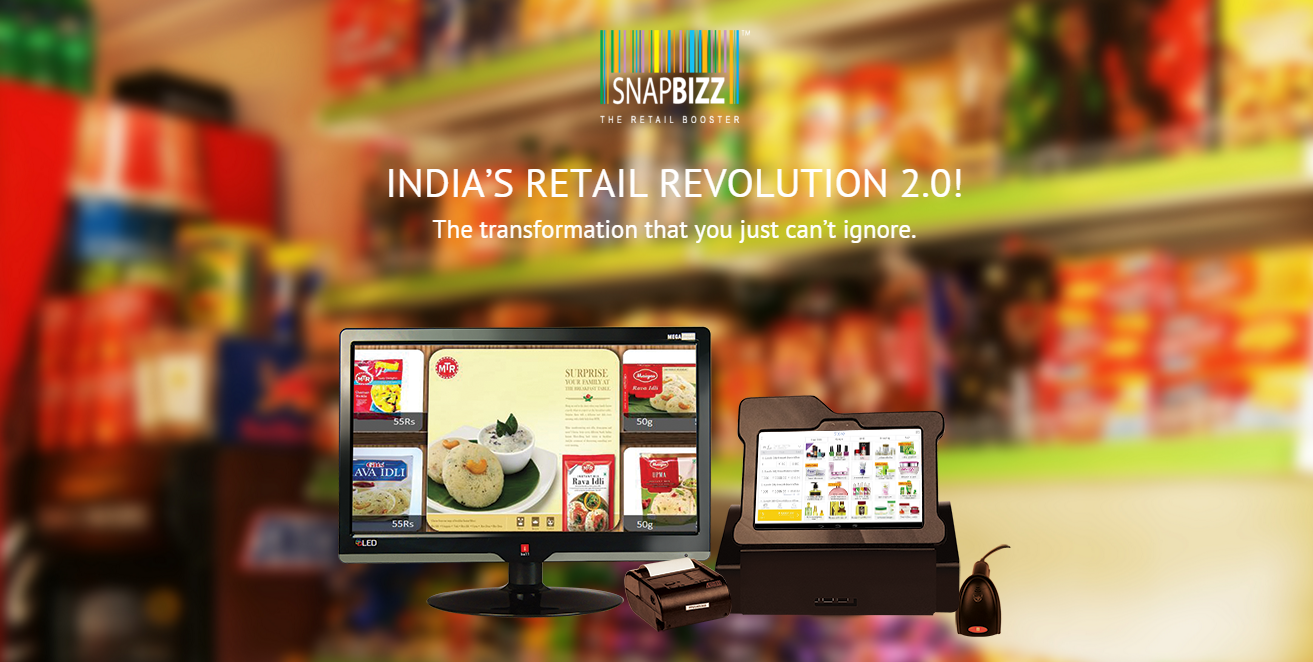
SnapBizz is now has presence in retail outlets in Mumbai, Pune, New Delhi, Bengaluru and Hyderabad through a technology solution addressing the key business challenges faced by them.
Commenting on the funding, Prem Kumar, Chief Executive, Snapdeal said, “Tata, as one of the most respected names in corporate India, brings a rich legacy of doing business with a human touch”.
The announcement comes less than a month after the Singapore- and India-based startup announced US$7.2 million in Series A led by Jungle Ventures, with participation from Taurus Value Creation, Konly Venture and Blume Ventures. “It comprises of tablet, barcode scanner, thermal printer and an intelligent external 22” consumer facing LED display for Hi-Definition consumer engagement.
SnapBizz had previously secured US$1.7 million in seed funding from Qualcomm Ventures, Jungle Ventures, National Research Foundation of Singapore, Taurus and Blume.
This is Mr Tata’s eighth investment in start-ups in 2016 so far.
In a diverse market like India, where the traditional kirana stores make 98% of store universe and 85% of retail business, the Snapbizz solution is revolutionizing kirana stores across the country by connecting all the dots of the fragmented FMCG ecosystem (brands, retailers, consumers, wholesalers and distributors) and addresses pain points of all stakeholders. This year, Tata has also invested in tea etailer Tea Box, coupons site CashKaro, baby products e-commerce site FirstCry, startup analytics firm Tracxn, animal lovers’ portal DogSpot, Invictus Oncology and Moglix.
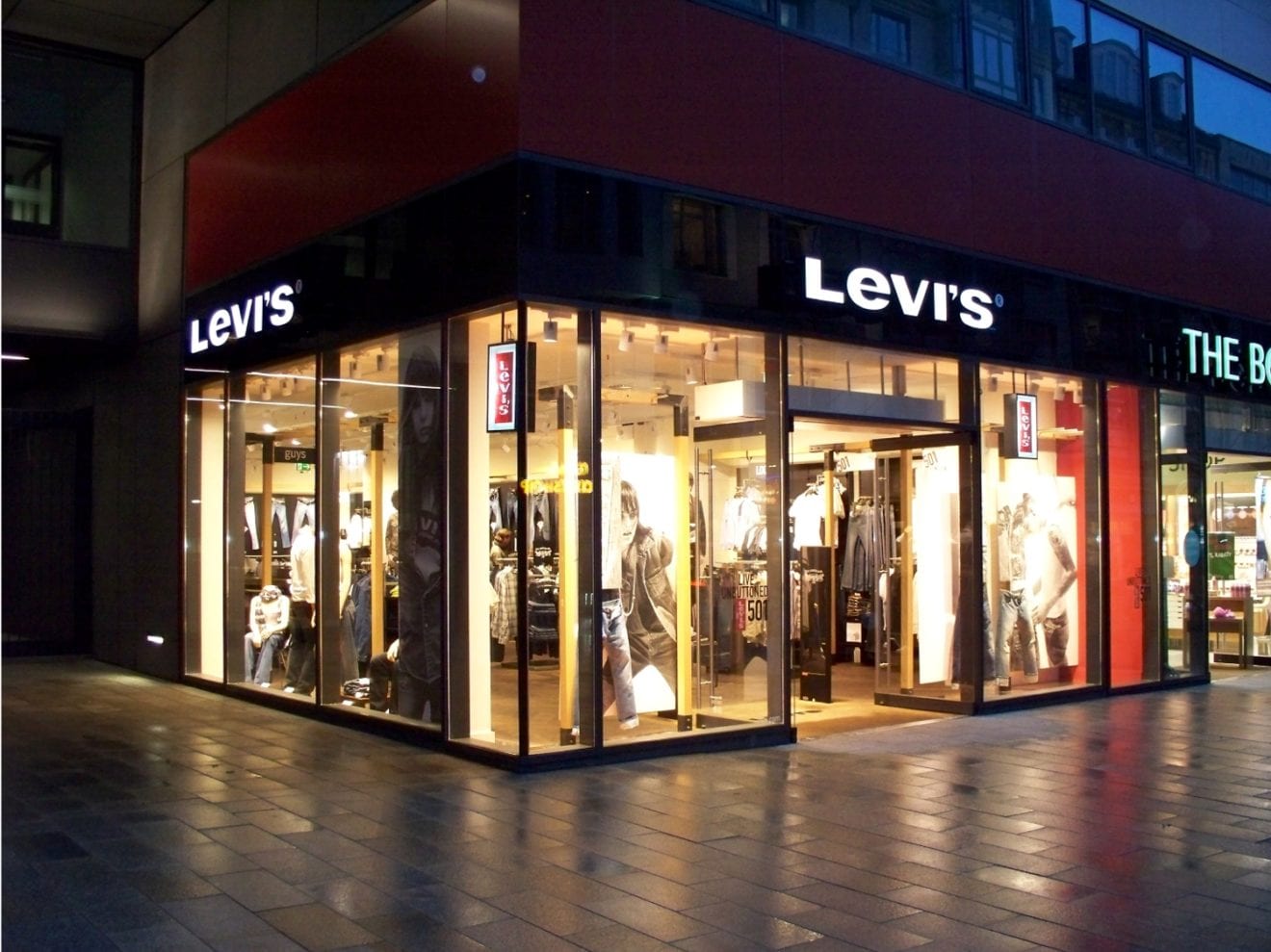
Asia will be the backbone of global denim wear brand Levi & Strauss growth in the short and long term according to its CEO.
Despite the slowing economic growth in the region, driven by China’s marked slowdown, Levi CEO and global president Chip Bergh says his company remains upbeat about consumer spending regionally.
“We are very optimistic,” Bergh told Channel News Asia in an interview, (you can read the full text and watch the video here).
“Despite the reported (growth) slowdown in markets like China, this is still going to be our fastest growing region, both short- and long-term.”
He says the main driver will be the rapidly growing ranks of young Chinese consumers joining the middle class, who have strong emotional attachments to brands and who are eager to buy branded goods.
“The demographics work to our advantage and we are strategically focused on Asia as a result of that,” Bergh told Channel News Asia.
The soaring value of the US currency has impacted on Levi & Strauss margins in the region – and its reported earnings in its home currency. As a result the company had adjusted product prices in some markets “to protect the long-term structural economics of our business”.
“At the same time, we are also working on the cost side of the equation to protect our growth margins and so we’ve been able to continue to grow and grow profitably,” said Bergh.
In the third quarter of 2015, Levi’s reported a 15 per cent jump in earnings to US$58.2 million, thanks to double-digit growth in its women’s apparel collection and continued strength of the international retail business, including Levi Asia.
Top 15 U.S. bedding producer Kingsdown announced the debut of its bedMatch system here. Kingsdown plans to use the retail launch as a starting point for further distribution of bedMatch systems, Kingsdown, and Sleep to Live bedding products throughout the region.
Kingsdown licensee Navijam partnered with Rentus, a retailer in Songdo, to launch the first bedMatch system in the country. The majority of the Sleep to Live mattresses on the store’s showroom floor are made in South Korea, with some products being imported from the United States.
“Looking to grow our brand in Asia, we are confident that South Korea is the right location due to their focus on advancements in technology, product quality and styling,” said Kingsdown President and CEO Frank Hood. “As Kingsdown continues to expand, we have seen great success and growth abroad through our innovations in sleep technology. We have also found a partner that not only believes in our product but also shares our company’s vision of providing retailers and their consumers with high quality products from an internationally respected brand.”
In addition to this South Korean location, Kingsdown is set to open 60 more bedMatch/My Side locations throughout Asia in 2016, the company said.
Navijam, founded in 2011, is a leading mattress manufacturer in South Korea, officials said.
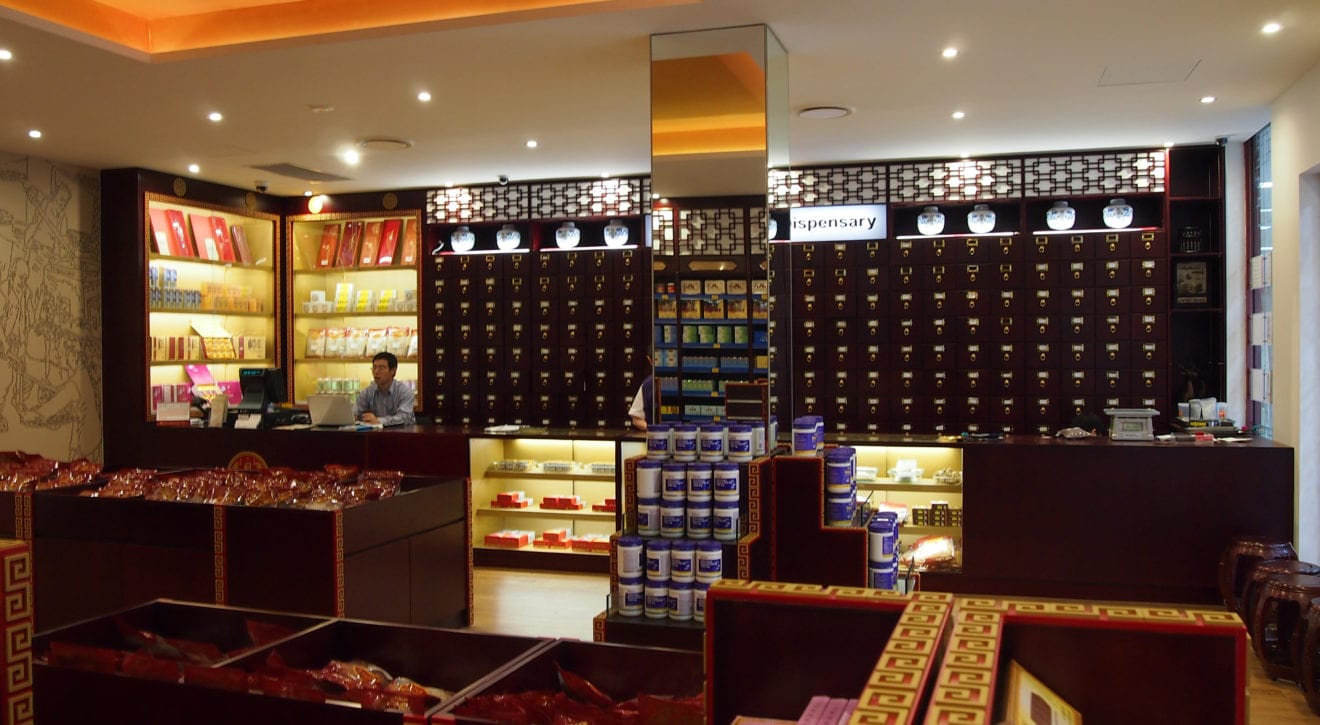
The time-honored traditional Chinese medicine brand Tong Ren Tang says it accelerated its overseas expansion and opened nine new stores in the overseas market in 2015.
In reporting the company’s results for last year, the company says it has developed 31 branches in 25 countries and regions outside China, operating 115 retail sites, traditional Chinese medicine clinics, and traditional Chinese medicine health centers. It served over 30 million patients in those countries and regions.
Mei Qun, chairman of Beijing Tong Ren Tang Group, said that based on the planning of Tong Ren Tang, its international development is divided into three steps. In 1993, the group started its overseas development in Hong Kong; in 2003, they established Beijing Tong Ren Tang International Co., Ltd. in Hong Kong; and in 2013, Beijing Tong Ren Tang Chinese Medicine Co., Ltd. was successfully listed in Hong Kong and started developing in major European markets.
Ding Yongling, deputy general manager of Beijing Tong Ren Tang Group, said that in 2015, the group opened nine new stores in six countries and regions, including Hong Kong, Germany, United Arab Emirates, New Zealand, Sweden, and the Czech Republic. Apart from Chinese medicine stores, the group also developed Chinese medicine clinics and health centers in foreign countries.