Author: Mei Ling Tan

  • Apple Pay to go live in China on February 18

    Apple Pay to go live in China on February 18

    Apple Inc’s Apple Pay mobile payment system will be available in China from February 18 for Industrial and Commercial Bank of China Ltd (ICBC) customers, bank representatives said in social media posts on Tuesday.

    The technology giant had previously said the system would launch in China in early 2016, making it Apple Pay’s fifth country as it accelerates development of a planned new revenue stream. ICBC is China’s biggest lender by assets.

    An Apple spokeswoman declined to comment on ICBC’s posts on the projected launch. The lender is set to be joined by a raft of peers: Apple’s China website lists 19 Chinese lenders as official Apple Pay partners, and state media reported two other lenders will also go live with the service from February 18.

    Greater China is Apple’s second-largest market by revenue, but the company faces an uphill battle to match that prowess quickly in mobile payments.

    Apple Pay’s beginnings have been less than auspicious in other markets, including scepticism from retailers in its home market. But in China, Apple Pay’s issue will be how to compete with dominant and entrenched players, serving shoppers well used to paying for goods and services with their handsets.

    China is the world’s biggest smartphone market. By the end of 2015, 358 million people, more than the population of the United States, had already taken to paying by mobile phone, according to the China Internet Network Information Center.

    Dominating those payments are China’s two biggest Internet companies: social networking and gaming firm Tencent Holdings Ltd and e-commerce company Alibaba Group Holding Ltd , through its Internet finance affiliate Ant Financial Services Group.

    Tencent operates WeChat Payment, while Ant Financial runs Alipay.

    Apple Pay has also struggled to gain traction with banks in some countries. In Australia, the four main banks are holding out against the new entrant. The company in Britain faced resistance from big banks over fees before relenting.

    Earlier on Tuesday, China’s state radio reported on its website that China Guangfa Bank Co Ltd and China Construction Bank Corp said on social media they would also launch Apple Pay on Feb. 18.

    A China Construction Bank spokesman declined to comment, while Guangfa could not be reached for comment.


  • China’s neighbourhood malls a bright spot in sluggish retail sector

    China’s neighbourhood malls a bright spot in sluggish retail sector

    While operators of luxury shopping centres in China are scratching their heads for ways to attract affluent buyers, property consultants say one-stop neighbourhood shopping malls have become bright spots in the industry.

    There are many such retail centres in the suburbs of Beijing and Shanghai, as well as in some 1.5 tier cities, said Steven McCord, head of research for JLL North China. These malls mainly serve the everyday needs of residents in local neighbourhoods, with amenities such as restaurants and entertainment facilities.

    “They are a one-stop shop [where] people can get what they need. These malls are close to where they live so the need to go to city centre is less frequent,” said McCord.

    Some neighbourhood malls that opened in the last two years include Jinyu Vanke Square, BHG Lippo Mall and Livat (Ikea Xihongmen).

    Property consultants said tenants might consider these malls as business opportunities.

    The juxtaposition of a building boom amid softening retail sales growth has sparked concerns about an oversupply of retail space in China.

    According to CBRE, tier-1 cities such as Shanghai and Guangzhou will see a peakin new supply. Almost half of new supply in these cities will be located in completely new areas. For example, Shanghai’s Hongqiao business district will experience a first wave of new supply, which is expected to reach 200,000 square metres this year.

    At the same time, the prevalence of online shopping has forced operators and retailers to rethink their strategies.

    The domestic economic slowdown and fast e-commerce growth are weighing on bricks-and-mortar retail, according to CBRE.

    Retailers continue to focus on expanding their e-commerce platforms. Online retail sales surged by 33.3 per cent year-on-year in 2015.

    Retailers of luxury brands and luxury mall operators also face other challenges, including mainland Chinese buyers shopping overseas and competition from discount outlet malls, according to McCord.

    CBRE said as the urban population continues to spread to the suburbs, tenants may see new opportunities arising from mature residential areas where modern commercial facilities are lacking, and in regions where there is an emerging population.

    In view of the rapid increase in consumer income in tier-2 cities, retail businesses in these cities will not only focus on setting up in traditional downtown areas, but will also take advantage of the rapid development of community businesses.

  • HappyFresh Indonesia optimistic

    HappyFresh Indonesia optimistic

    Indonesia’s middle- and upper-class consumers are set to propel the trend of online grocery shopping, according to Jakarta-based grocery-shopping app HappyFresh.

    “The outlook has never been more promising,” says CEO Markus Bihler.

    “Opportunities abound in this region with its sophisticated, food-loving consumers, growing wealth and rapid urbanisation. The continued increase in mobile adoption and broadband penetration has helped boost our online grocery sales.”

    Adding to the mix is traffic congestion, particularly in Jakarta and Surabaya, which HappyFresh Indonesia says is a big factor in enticing people to shop for groceries online.

    Bihler says the market for online grocery shopping in Indonesia and other Asian countries could see double-digit growth in market turnover by 2020 to reach S$19 billion (US$13 billion) by 2020. He says it is being driven by the rise of a young, working-class population in urban areas.

    Working mothers outnumber all other HappyFresh customers, with dairy products such as milk and eggs among the top purchases. They are followed by young professionals and expatriates who mainly buy tomatoes, spaghetti and chicken breast.

    Securing $12 million in funding as a start-up last year, led by Singapore’s Vertex Venture and Sinar Mas Digital Venture, HappyFresh allows users in Malaysia and Thailand as well to shop for groceries through an app. In Indonesia, HappyFresh partners with Lotte Mart and Ranch Market.

    “As a differentiator, HappyFresh partners with supermarket retailers, particularly small and medium-sized enterprises that do not have the capacity or ability to invest in technology and reach out to new set of customers,” says Bihler.

  • Toys “R” Us Opens Its 100th Store in China

    Toys “R” Us Opens Its 100th Store in China

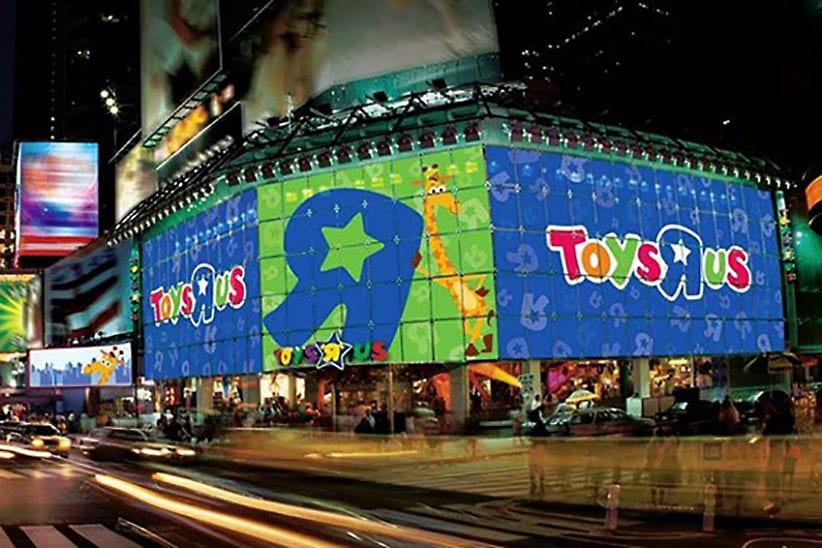
    Ten years after first entering the market, toy and baby product retailer Toys”R”Us has opened its 100th store in China. The new retail outlet is located in Beijing’s APM Shopping Mall in Wang Fu Jing, one of the leading retail districts in the city.

    China has been one of the most important markets for the company’s global expansion plans, and growth in this region is expected to continue with the planned opening of more than 30 new Toys”R”Us stores in 2016, according to Chairman and CEO, David Brandon.

    “The opening of the new store, he said, “represents a significant achievement for our business as it allows us to meet the increasing demand for high-quality children’s products and family entertainment experiences in this market.”

    “It’s our mission to be the best toy and baby products retail company in the world, and international expansion, particularly throughout China and Southeast Asia, continues to be an important part of our long-term growth strategy,” he said.

    The new store “showcases the very latest in retailtainment, digital technology and customer interaction, making shopping at Toys”R”Us a unique and fun experience for kids and adults alike,” said Andre Javes, managing director, – Greater China and Southeast Asia.

    “What differentiates Toys”R”Us as a specialty toy retailer is the memorable shopping experience we provide for our customers,” he added. “This includes a combination of the widest assortment of toys and baby products, including exclusive items not available anywhere else in the market, fun store layouts, interactive in-store experiences, product displays and demonstrations, activities and more.”

    The company opened its first store in Shanghai in 2006 and currently operates in 44 cities throughout the country, including six where the company established a presence for the first time last year.

    In 2011, New Jersey-headquartered Toys”R”Us formed a joint venture with Fung Retailing Ltd., its long-term license partner  in China and Southeast Asia, to develop businesses in the region.

    Since then the company has opened additional stores in Brunei, Hong Kong, Malaysia, Singapore, Taiwan, Thailand, as well as China, where the currently has a total of 100 stores in 44 cities.

    Toys”R”Us launched a worldwide presence in 1984 when the company opened its first international wholly owned store in Canada and licensed an operation in Singapore. Currently, the company operates more than 600 international stores and over 140 licensed stores in 35 countries and jurisdictions outside the U.S.

  • Inflight Sales Group captures Garuda Indonesia concession

    Inflight Sales Group captures Garuda Indonesia concession

    Inflight Sales Group (ISG) has reinforced its position in Asia with the addition of the inflight duty-free and duty-paid concession onboard Garuda Indonesia airline.

    The new programme will be launched April 1 under a partnership with parent company PT Garuda Indonesia (Persero) Tbk.

    Together with the current contract with Citilink, a low-cost subsidiary of the same group, ISG has strengthened its footprint in Indonesia and the agreement continues the growth momentum within ISG, said the inflight concessionaire.

    ISG executive director Vimal Rai said: “Winning a competitive partner selection process is always delightful! ISG now stands ready to deliver an exciting and dynamic inflight retail programme for Garuda. We are confident to take it to the next level, commensurate with Garuda’s five-star status as an airline. We, together with the PT Rodamas Wirasakti team in Indonesia, have had a long history of retail partnership with Garuda already, and after a short break, we are happy to be bringing new insights and innovations to the airline’s inflight retail offering.

    ISG managing director Tony Detter added: “While we are expanding in the European market, we continue to see great potential in the Asian market. With the extensive network that Garuda is flying and its forecasted growth, we foresee that there is an opportunity to further expand ancillary revenues through inflight sales.”

  • Manila FAME Expo To Feature Works of Famous Artists, Young Talents

    Manila FAME Expo To Feature Works of Famous Artists, Young Talents

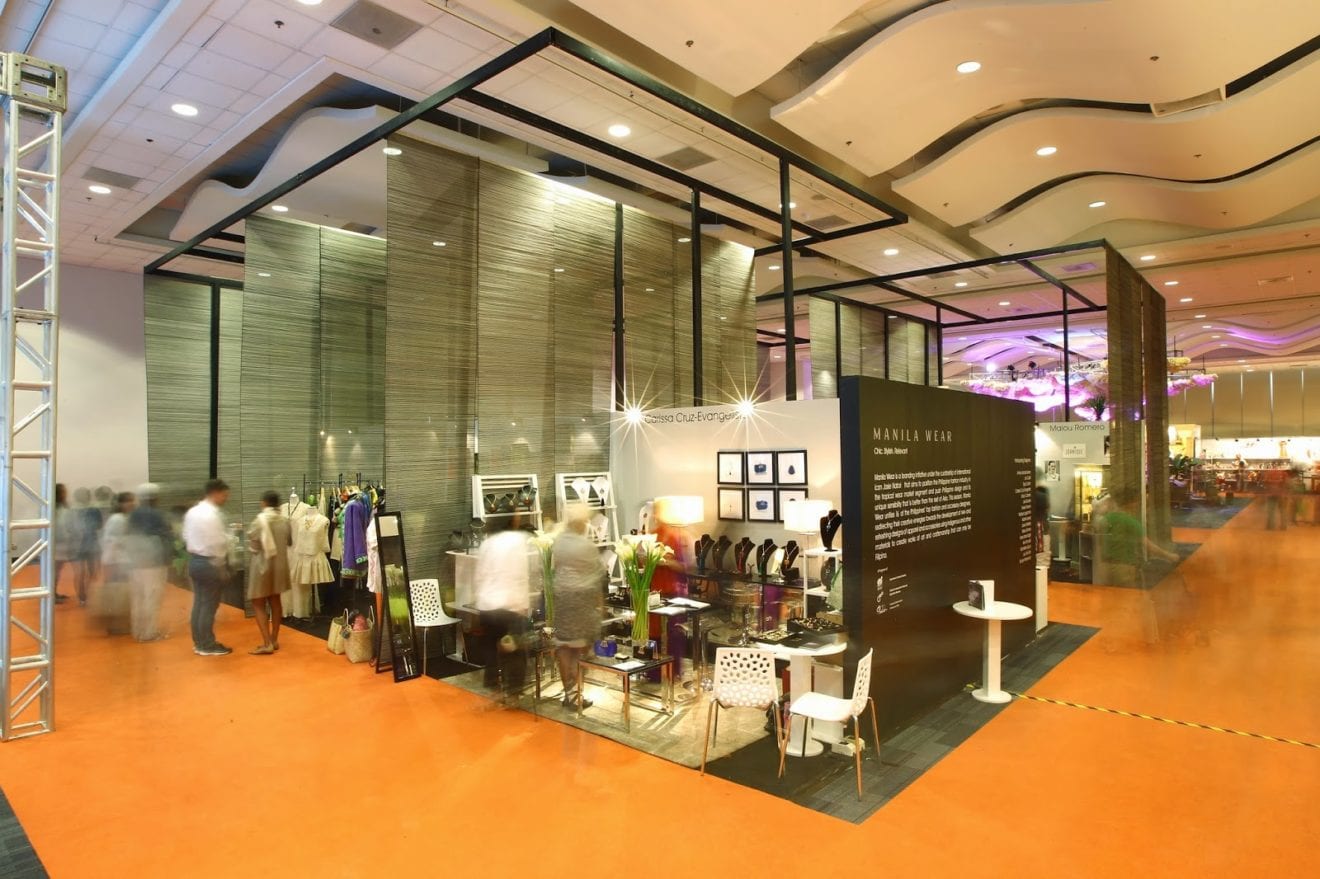
    Intensive preparations are underway for the holding of “Manila FAME: The Design and Lifestyle Event,” which will showcase the works of the Philippines young talents in the crafts and design field.

    The expo would be held in Manilas World Trade Center, from April 21 to 24, 2016, Alma Argayoso, Philippine Trade Representative to Indonesia, said here, Tuesday.

    The Philippine Department of Trades promotion arm, the Center for International Trade Expositions and Museums (CITEM) will unveil the creation of a distinct Philippine brand in the creative industry, she noted.

    She also said that this time FAME expects to welcome an even larger number of foreign buyers from Europe and the Americas as well as from Japan, China and Taiwan.

    Also to be featured in the Manila FAME exposition are the works of Kenneth Cobunpue, whose furniture designs have received so many international accolades in the United States and Europe that TIME Magazine has dubbed him “rattans first great virtuoso.” His works today grace luxury hotels and the residences of royalties and celebrities worldwide.

    Another Filipino artist whose works will be an attraction in Manila FAME is Mila Imson who won top prize in the ASEAN Jewelry Design Competition in Thailand in September 2015. Her winning design is called “The Serpent.”

    The competition was organized by the ASEAN Intellectual Property Offices in collaboration with the European Union.

    According to Philippine Trade Representative Alma Argayoso, the achievements of Kenneth Cobonpue and Mila Imson did not come by accident.

    They are the result of the following factors: 1) Both come from families with businesses that are already well established in the trade; 2) they passionately honed their natural skills; 3) the Philippine government, no matter how poorly it performs in other fields of governance, has consistently supported and guided the creative economy since 1983; and 4) the government, through the Department of Trade and Industrys Center For International Trade Exposition and Missions (CITEM), has instituted quality control measures that ensure Philippine crafts and designs match world standards. And then, aside from all these, there is the mentorship program.

    Called “Red Box”, the mentorship program simply aims at nurturing the next generation of designers of home accents, furniture, apparel, and accessories. Young talents are paired off with successful and celebrated Filipino designers.

    Under close supervision, the young talents go through total immersion in the creative fields they are passionate about.

    They are challenged to turn out fresh designs, concepts and innovations, and to refine them so that they reflect their artistic personalities. In brief, to achieve branding.

    As a mentorship program, Red Box is supported by a platform called FAME.

    The bi-annual “Manila FAME, The Design and Lifestyle Event” showcases the works of young talents every April and last quarter of the year. The event has flourished in recent years, as it has regularly attracted many buyers from all over the world.

    As to the regional context of Manila FAME, Argayoso has explained that Southeast Asia is a region of craftsmen and designers with an abundance of natural materials that they can convert into practical items that also evoke aesthetic pleasure.

    But Southeast Asian craftsmen and designers have had to struggle to gain international recognition and patronage – even among the regions collectors.

    This is largely because most Asian buyers have fallen for the allure of Western designs and brands, she remarked.

    But times are changing, she said. Technology and global trends have revolutionized lifestyles everywhere. This revolution in tastes has leveled the playing fields for craftsmen and designers, including those from Southeast Asia.

    The Philippines has been among the first countries in the region to seize the opportunities brought about by this revolution. For over three decades since 1983, with the encouragement of a succession of government administrations, the crafts and design sector of the country patiently nurtured the skills of its professionals and the entrepreneurial foundation for a creative industry.

    This endeavor was premised on a great confidence in the quality of the nations human resources, a confidence regularly vindicated by the amount of money that Filipino overseas workers remit home every year.

  • Garuda Indonesia Group to Join Singapore Airshow 2016

    Garuda Indonesia Group to Join Singapore Airshow 2016

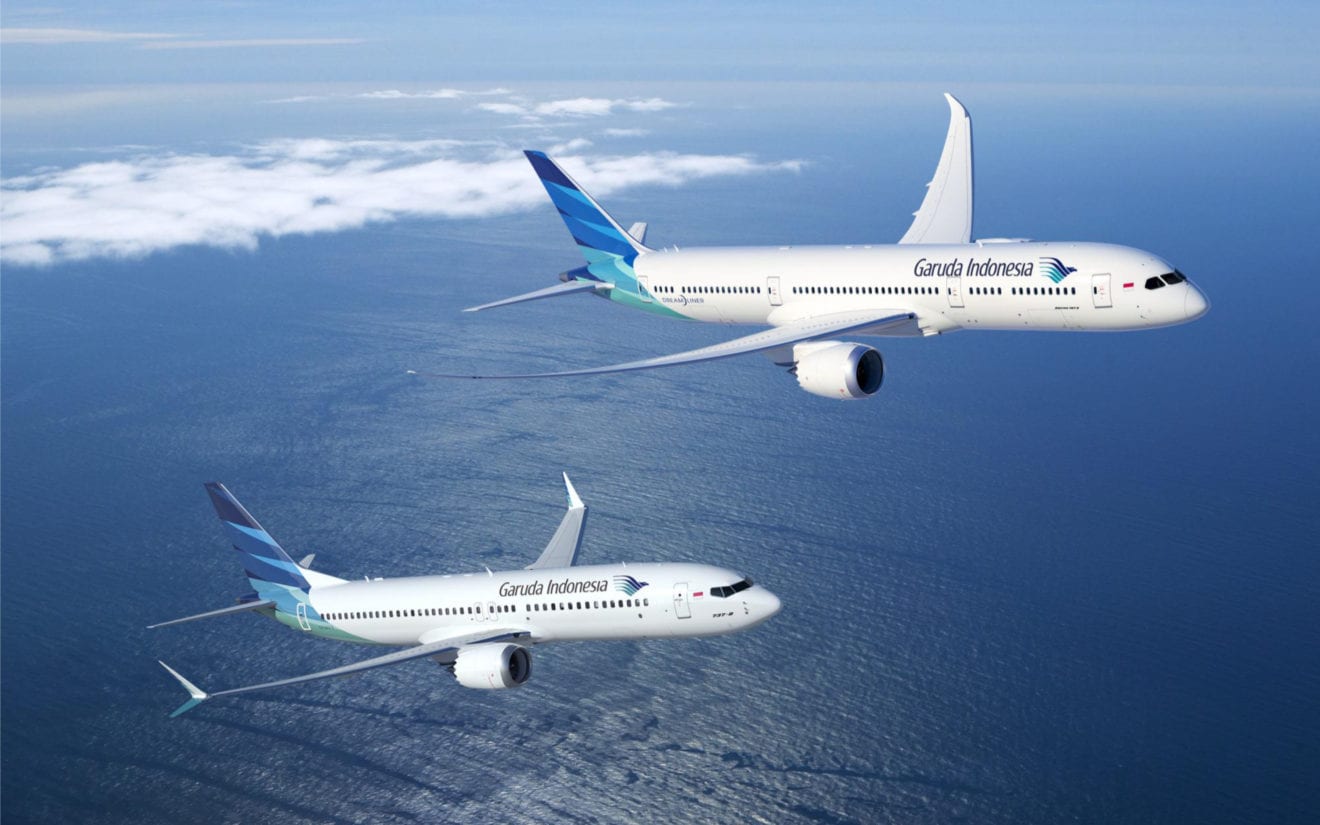
    As part of its company synergy, the Garuda Indonesia Group will for the first time join Singapore Airshow, Asia’s largest aerospace and defence event. This is Garuda Indonesia’s first participation as a Group, as only one subsidiary, the Garuda Maintenance Facility AeroAsia, had participated in the past.

    M. Arif Wibowo, President & CEO, Garuda Indonesia, feels the presence of the Garuda Indonsia Group at Singapore Airshow 2016 is inline with the company’s “Group Synergy” program, as detailed in its strategic plan 2016.

    “The Garuda Indonesia Group is delighted to present itself as an integrated whole, presenting our business synergies as group action in providing service excellence to all customers, through each member’s strengths and main businesses,” Arif added.

    The presence of Garuda Indonesia Group at the Singapore Airshow follows Group strategy to develop brand image, to elaborate potential business, to enhance business relations with stakeholders, and to boost up the awareness to Garuda Indonesia Group’s strategic role as Indonesia’s trade envoy in international level.

    At the Singapore Airshow 2016, Garuda Indonesia Group – through Garuda Maintenance Facility AeroAsia – looks to several short-term and long-term business contracts, of a value reaching USD 100 milions.

    Singapore Airshow is one of three prestigious airshows in the world, along with Farnborough Airshow and Paris Airshow. During the airshow, Garuda Indonesia Group will hold several partnership and business deal signings, including an announcement of attainment; which expected to promote and stregthen Garuda Indonesia Group’s value in global market.

    Garuda Indonesia currently has 6 subsidiaries with diverse business sectors, comprised of:

    – Garuda Maintenance Facility AeroAsia, specialized in integrated aircraft maintenance, including engine and aircraft components repair service;

    – Citilink, a low cost carrier (LCC) airline projected for budget traveller;

    – Aerowisata, specialized in hospitality, transportation, catering and travel agent service;

    – Gapura, specialized in ground handling service, supported by cargo and warehousing service;

    – Asyst, specialized in IT and consultation service;

    – Abacus – which now has transformed to Sabre Travel Network Indonesia – specialized in technology provider service for global travel and tourism.

    As part of the fleet revitalization program, throughout 2016, the Garuda Indonesia Group will receive 16 new aircraft in total; 1 Boeing 777-300ER, 4 Airbus A330-300, 4 ATR72-600, and also 8 Airbus A320 to be operated by Citilink. By the end of 2016, Garuda Indonesia Group will operate a total of 188 aircraft; 144 aircraft for Garuda Indonesia and 44 aircraft for Citilink.

    To continue the positive growth reached by its “Quick Wins” program in 2015, Garuda Indonesia will execute a “Sky Beyond” strategy in 2016 for short-term company expansion, focusing on three ‘core strategies’ – company group synergy, effectiveness and efficiency, and service enhancement – to accelerate company achievement and performance.

  • Nakheel to double size of its Dubai retail complex catering to Chinese businesses

    Nakheel to double size of its Dubai retail complex catering to Chinese businesses

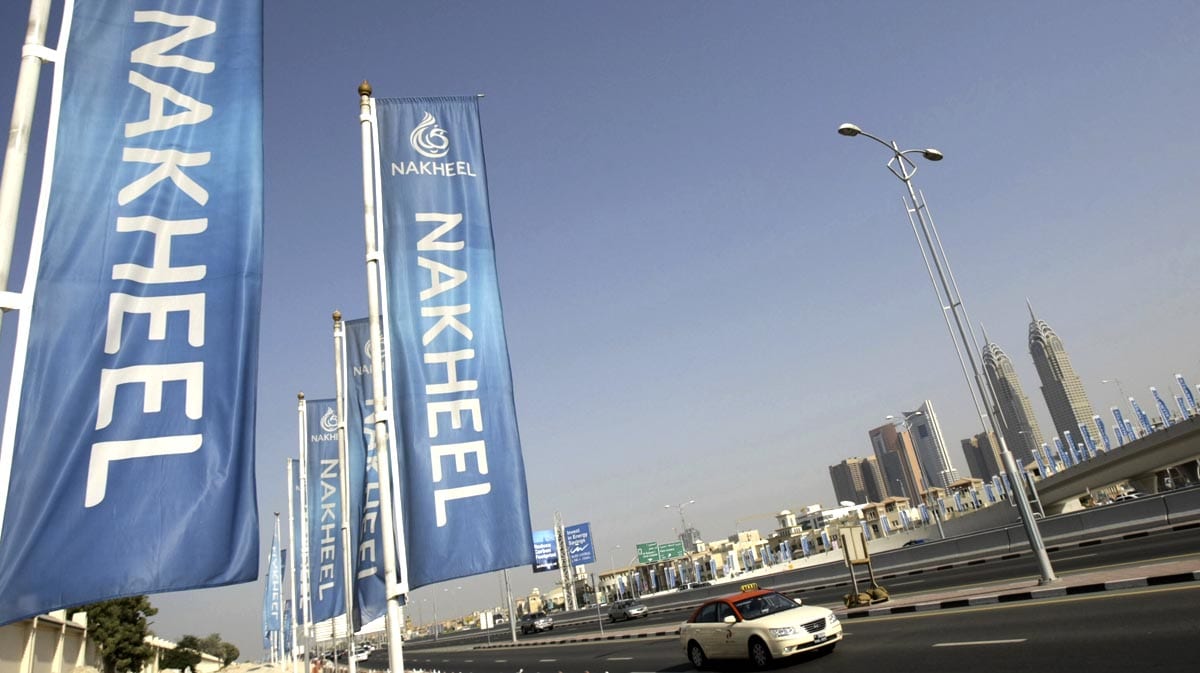
    The government-owned developer plans to expand the current 4,000-shop retail complex into a community named Dragon City by adding an extra 6.5 million square feet of shops, residential housing and hotels, increasing the total gross floor area to 11 million square feet.

    The expansion comes after the successful launch of the Dragon Mart phase one development which opened in 2014, and phase two of the development which opened in November last year.

    “Today, Dragon Mart is the world’s biggest Chinese trading hub outside mainland China with more than 5,000 Chinese businessmen operating there,” said chief executive Sanjay Manchanda, who declined to disclose the total investment cost.

    There are more than 4,000 shops, restaurants and entertainment outlets handling an average of 80,000 visitors daily, he said.

    In view of the strong demand for retail space at Dragon Mart phase one and two, which was built in the shape of a Dragon to appeal to Chinese investors, Manchanda said businesses were keen to lease the new retail space.

    According to the proposed expansion plan, the developer will add an extra 1.3 million square feet of showroom-style retail units, with sizes from 500 square feet to 10,000 square feet, as part of Dragon Mart phase three to phase six. The annual rental cost is from as low as US$75 per square foot.

    Located on Hatta Oman Road and easily accessible from Sheikh Mohammed bin Zayed Road, the entire development will comprise 5,700 stores when completed.

    Besides retail, Dragon City will include two residential towers housing 1,120 apartments and two 250-room hotels, plus 12,000 car parking spaces. The whole project is due for completion in three to five years.

    The developer participated in a three-day Dubai property exhibition last month to woo Hong Kong investors amid a slump in Dubai home prices which have declined for five consecutive quarters.

    But Manchanda rejected suggestions that home prices would undergo a downward adjustment due to an increasing supply of flats. For the latest launch of its 960-unit residential tower Warsan Village, 70 per cent of the units were snapped up by Chinese investors, according to Manchanda.

    Currently under construction, Warsan Village is located on a 47.5 hectare site about three kilometres from the recently expanded Dragon Mart retail hub. Each town house covers 2,000 square feet and comes with a maid’s room, three bathrooms, powder room, two balconies, private garden and parking for two cars. Prices start at around HK$3.7 million.

    Industry consultants Cluttons said in a report that Dubai home prices had recovered to near peak values in 2014 after falling by about half from 2008 highs.

    Cluttons is predicting residential prices will fall 3 to 5 per cent over the following 12 months because of a faltering global economy and an increasing supply of residential units.

    “We have even seen some Chinese buying plots of land near Dragon Mart and they plan to build homes for renters who are doing business there,” said Manchanda.

    In C-Suite on P3, Manchanda talks more about the property investment market in Dubai

  • Indonesian bank opens branch in Seoul

    Indonesian bank opens branch in Seoul

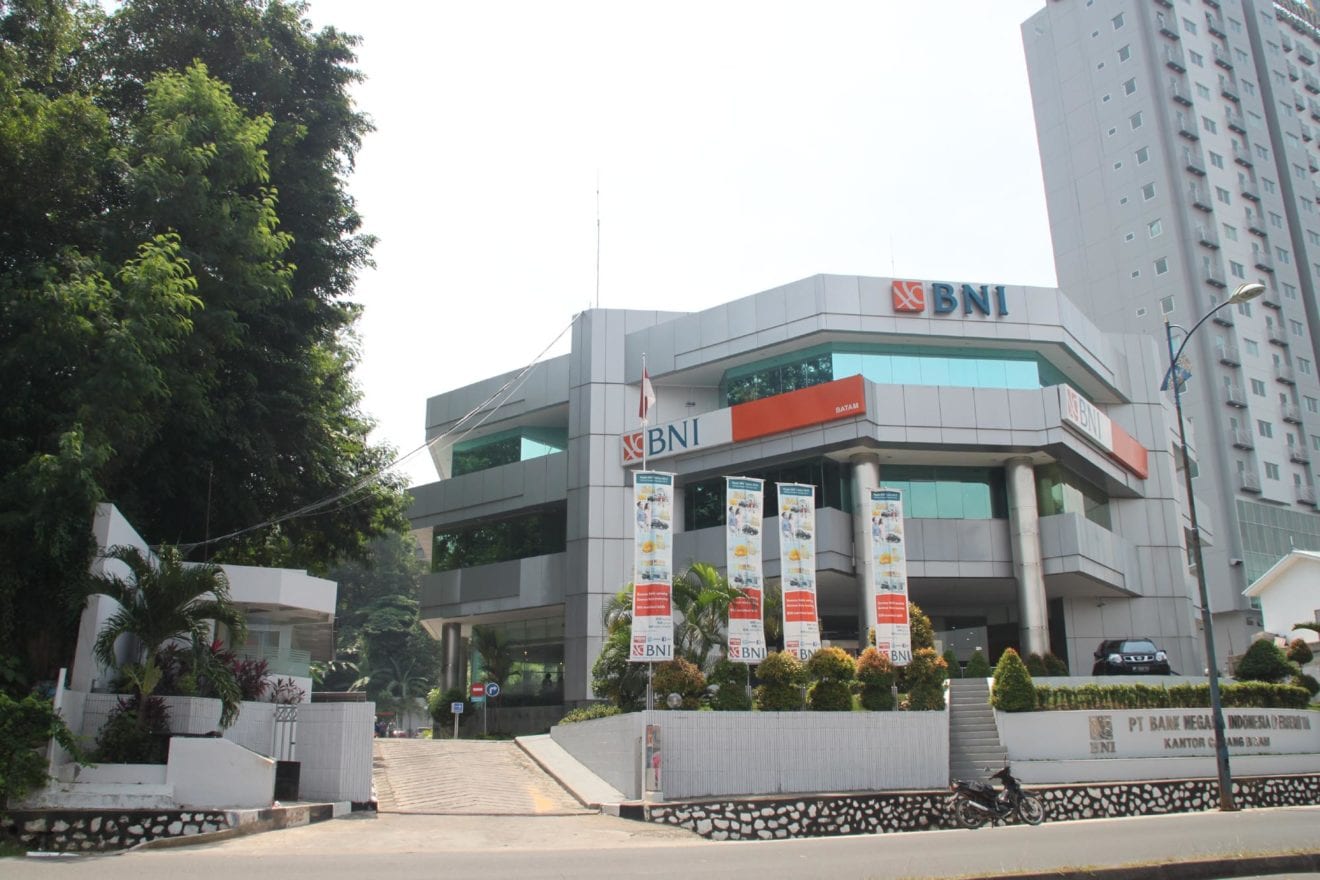
    An Indonesian bank, Bank Negara Indonesia (BNI) 46, opened a branch office in Seoul, South Korea, in Wise Tower, on Monday. It was inaugurated by the Ambassador of Indonesia to South Korea, John A Prasetio and Manager of BNI46 Seoul, Wan Andi Aryati. “The banking industry in South Korea is already shaken, but BNI46 still sees market potential,” Wan Andi said in a statement received by ANTARA here Monday. The BNI46 targets the domestic trade market according to her. “BNI Seoul wants to be a bridge to establish cooperation between Indonesia and South Korea by providing loans and other related banking services,” Wan Andi said.

    The BNI46 also provides services for South Korean businessmen who want to invest in Indonesia, she added.
    “We are also targeting the Indonesian labor market in South Korea, which now reaches 40 thousand people. We are committed to providing the best service for the Indonesias foreign exchange heroes,” she said.

    Meanwhile, Ambassador Prasetio stated that the world economy is still in a state of collapse. The stock market and the value of currency in some countries against the US dollar continues to decline.

    “This shows that the global sentiment has not been encouraging. Uniquely, the Indonesian economy is relatively solid in the middle of the uncertainty shocks,” the ambassador said.

    Cooperation in trade and investment between Indonesia and South Korea are still positive. The demand for Indonesian products and South Koreas investment in the country are progressive, according to him.

    “They respond positively on the economic policies of President Jokowi (Joko Widodo). I believe that the presence of BNI46 in Korea is very important to bridge cooperation between the two countries,” the ambassador said.

    Data from the Investment Coordinating Board (BKPM) shows that South Koreas direct investment in the country in the last five years is ranked fourth with a value of more than US$7 billion. Currently, there are 2,700 South Korean companies in Indonesia.

  • e-money transactions reach Rp5.2 trillion

    e-money transactions reach Rp5.2 trillion

    Electronic money (e-money) transactions conducted in the country in 2015 reached Rp5.2 trillion in value, up from Rp4.3 trillion in 2014, Governor of Bank Indonesia(BI) Agus Martowardojo said.

    “In 2009, electronic money transactions were valued at about Rp520 billion only, and now they have reached Rp5.2 trillion,” the central bank governor said while opening the National Non-Cash Movement (GNNT) in Kupang, the provincial capital of East Nusa Tanggara (NTT) here on Saturday.

    Agus said the non-cash transaction system, either using prepaid cards, credit cards or electronic money, is very useful because it makes the financial system more efficient.

    With non-cash transactions, the state could reduce the use of banknotes and coins, making transactions more efficient and saving money on printing currency.

    “We are convinced that the non-cash system would be safer, more practical and more efficient,” Agus said.

    After all, the non-cash payment system can be used widely, such as while purchasing cellular phone minutes, shopping at malls or paying electricity and tap water bills.

    He said the e-commerce and non-cash transactions are predicted to continue to increase.

    “Non-cash payments could also be for online-transactions, resulting in efficient usage of time and economizing,” he added.

  • Indonesia`s coffee output up 1% last year

    Indonesia`s coffee output up 1% last year

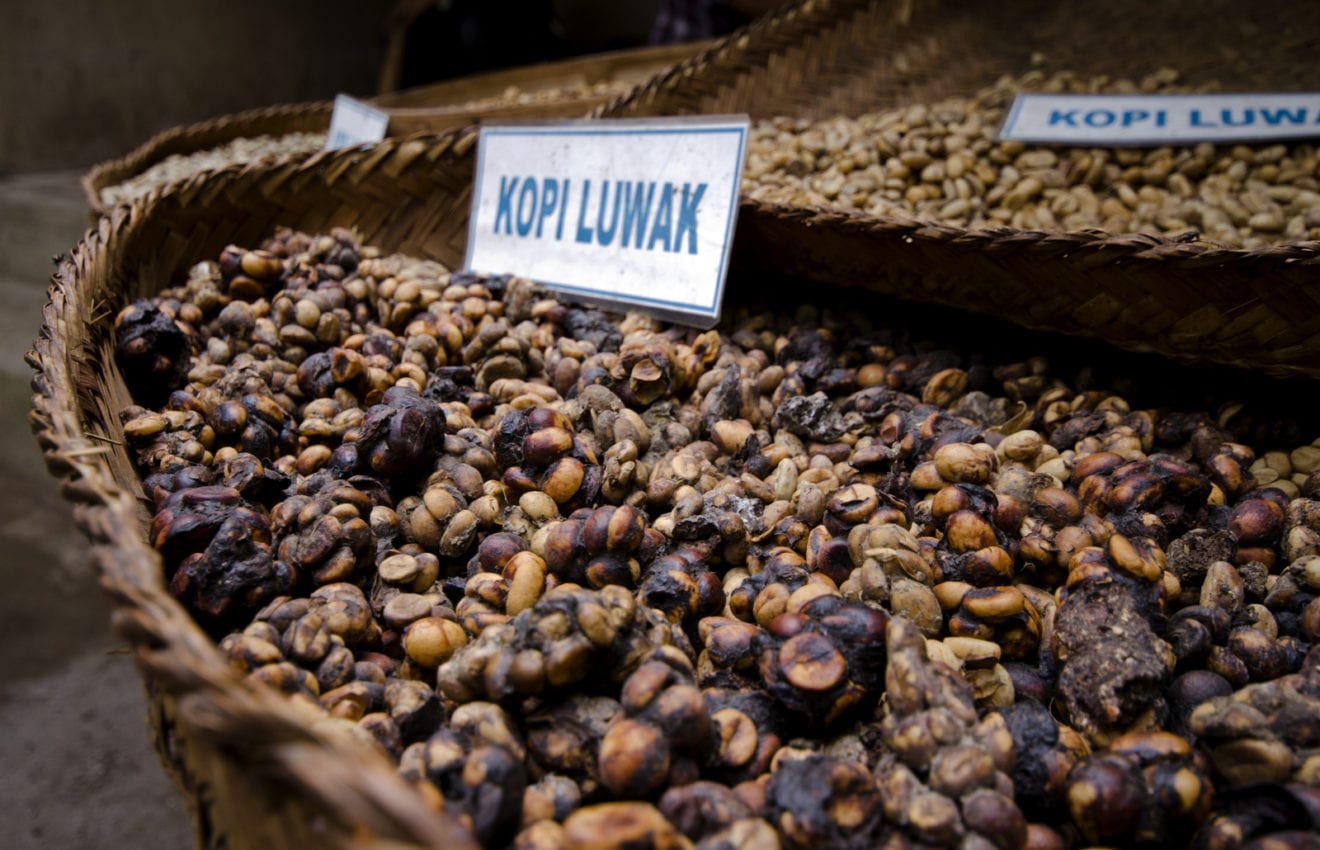
    Vice President M. Jusuf Kalla said Indonesias coffee production only rose one percent to 500 thousand tons last year.

    “Our coffee production has been stagnant. It only reached 500 thousand tons last year, just one percent increase,” he told a meeting convened to develop national coffee here on Saturday.

    Indonesia produces an average of 600 thousand to 700 thousand tons of coffee per year compared to Vietnam, whose coffee output reaches more than 2 million tons, he said.

    As a matter of fact, Vietnam once learned coffee farming from Indonesia, he said.

    He said Lampung province is the countrys largest robusta coffee producer with an annual production of 100 thousand tons per year.

    Also present at the meeting were Agriculture Minister Andi Amran Sulaiman, Lampung Governor M Ridho Ficardo, and a number of officials.

  • Debenhams poaches Body Shop Asia boss for international role

    Debenhams poaches Body Shop Asia boss for international role

    Smith will join Debenhams in May. He will also be appointed to the department store group’s executive committee. Smith, who is currently based in Singapore, has been with The Body Shop for five years and previously held the same position at Pepe Jeans. He has also spent time at VF Corporation, which owns fashion brands including Lee, The North Face and Vans.

    Outgoing chief executive Michael Sharp said that Smith’s “wide range of experience in growing International brands will play a key role in building our overseas presence”.

    Smith added: “The opportunities for global growth are very exciting for Debenhams. I look forward to building on what is already a well-established international business.”

    Former international director Francis McCauley left the retailer in June 2015 and was not part of the executive committee.

    In the eight months following his departure the role has been covered by directors within the international team including director of international franchise operations Phil Topham and director of business development John Scott.

    Debenhams’ management team has seen several changes at the top level in recent months.

    Sharp announced his intention to leave the business after five years at the helm last October. Since then, there has been no announcement regarding his replacement.

    The department store appointed former Kingfisher chief executive Sir Ian Cheshire as chairman last month.

    It announced a better than expected Christmas trading update last month. It has suffered volatile trading in recent years after a focus on discounting damaged margins.

  • Grana nabs $3.5 mln in seed funding

    Grana nabs $3.5 mln in seed funding

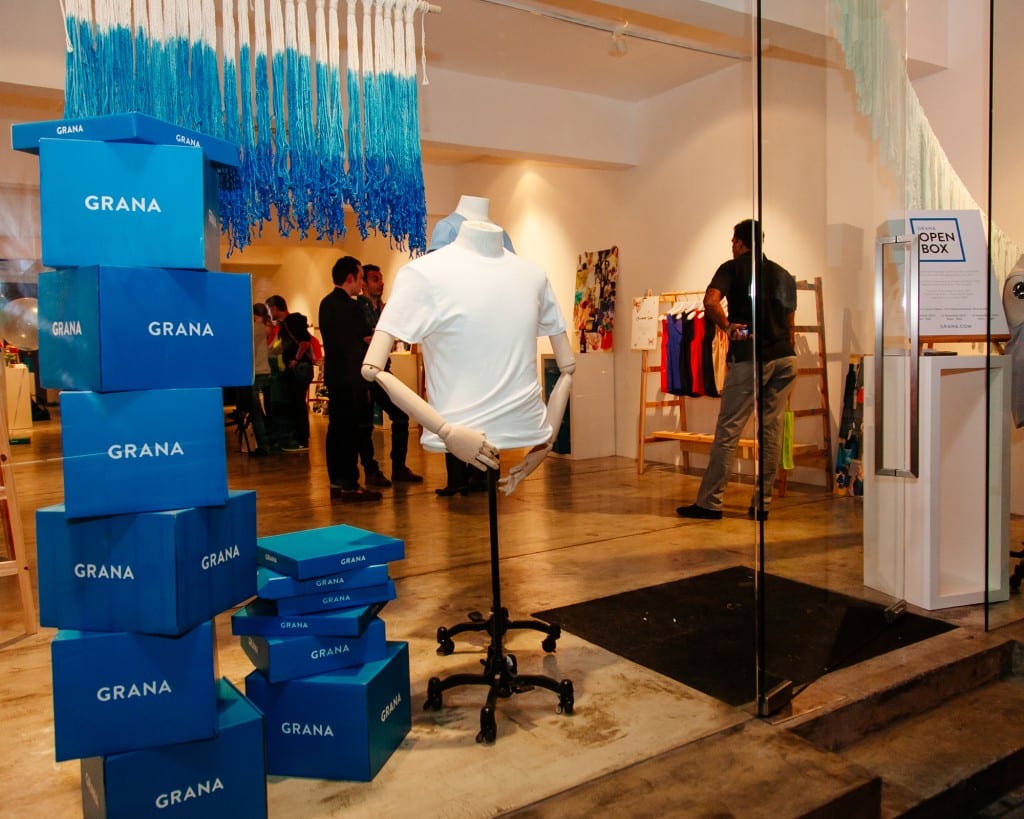
    Grana (grana.com), an online clothing retailer creating luxury fabrics and wardrobe essentials at guilt-free prices, announced today it has secured an additional $3.5 million U.S. dollars in seed funding. The lead investor is Golden Gate Ventures, along with investments from MindWorks Ventures and Bluebell Group, bringing their total funding to date to $6 million U.S. dollars, with additional Series A funding pending. Grana recently launched in the U.S. market, and the additional funding will help the brand continue its international growth and expansion.

    Grana offers timeless wardrobe essentials created from fabrics found around the world, including Chinese Silk, Mongolian Cashmere, Irish Linen, Japanese Denim, Peruvian Pima Cotton, French Poplin, Chinese Cotton Twill, Italian Merino Wool and Japanese Chambray. Grana designs its merchandise in-house and works directly with fabric mills in order to bring the highest quality clothing to customers at the best possible prices.

    Grana has grown extensively since its March 2014 beta launch, during which the brand sold 2,000 Peruvian Pima Cotton t-shirts in three weeks, shipping to eight countries directly from Hong Kong. Month-over-month sales are currently increasing by 40 percent since Grana launched in October of 2014.

    The new round of funding will expand Grana’s shipping to new markets as well as aid the entry into the U.S. and China markets. The funds will play a critical role in new product category launches such as leather goods, undergarments and activewear.

    “We’re pleased to receive financial backing from Golden Gate Ventures and MindWorks Ventures,” said Luke Grana, CEO and co-founder of Grana. “The support is critical to our U.S. expansion, a priority market that already represents 20 percent of our global sales. This new investment allows us to further disrupt the online clothing market and provide consumers with luxury-quality wardrobe essentials without the luxury price point.”

    Since launching, Grana has brought a number of “Fitting Rooms” to consumers across Sydney, Singapore, and Hong Kong, and mostly recently opened a U.S. location in San Francisco in December 2015. Designed as a showroom instead of a retail shop, customers can experience the brand personality in the space, interact with Grana Cheetahs (customer service representatives), and discover the website. Retail showroom spaces are increasing in popularity, and Grana’s Fitting Room model is helping to lead this global trend. The new funding will also allow Grana to open additional Fitting Room locations in the U.S. and provide support for a technological upgrade to the shops, reinventing the way people buy clothes in-store.

    “In a world were startups are disrupting established industries, Grana is disrupting how to build a global brand with bottom-up marketing from their biggest fans, city by city,” said Vinnie Lauria, Managing Partner at Golden Gate Ventures.

    “We envision Grana’s model of providing the highest-quality modern essentials at revolutionary price points as the future of retail,” said David Chang, Partner at MindWorks Ventures. “This investment round provides Grana with greater capacity to expand its growing Fitting Room network, and product range and develop its omnichannel strategy.”

    As part of its international expansion and growth in existing markets, Grana will also use the newly acquired funds to build out a global world-class team. Currently, Grana has more than 40 employees in Hong Kong, and most recently has added team members in San Francisco.

  • Thai fashion e-commerce goes from rags to riches

    Thai fashion e-commerce goes from rags to riches

    WearYouWant’s site has 500 fashion merchants offering some 14,000 products. The company plans to release a native mobile app next month as 50% of its website traffic comes from mobile phones.

    The online fashion sector in Thailand is drawing massive interest from global players eager to cash in on one of the fastest-growing markets.

    Competition in the interactive fashion stores is expected to be more intense this year, says Thai fashion marketplace WearYouWant.

    But it will be increasingly difficult for newcomers to find a place in the Thai market because existing players have established a strong foothold here, said Julien Chalte, co-founder and co-chief executive of WearYouWant, a four-year-old website.

    E-commerce accounts for about 1% of retail sales in Thailand but the market is expected to see steeper growth this year.

    Mr Chalte said e-commerce was an immensely motivating sector because of its versatility.

    Thai consumers are very conscious of shopping behaviour both offline and online, so it is essential to provide the best and widest selection of products, good prices and efficient delivery, he said.

    WearYouWant’s site has 500 fashion merchants including boutiques, distributors and brands that offer 14,000 products.

    Online merchants can sell directly to consumers but delivery is handled by the site, which earns revenue through commission on purchased products.

    WearYouWant secured Series B investment funding of US$3.5 billion last September, led by the leading fashion e-commerce player in Japan, Start Today, which operates Japan’s largest fashion e-commerce portal Zozotown.

    Mr Chalte said Bangkokians were no longer driving the growth of online fashion shopping.

    “The fastest-growing provinces are Nonthaburi and Chon Buri, and the trend seems to be continuing into 2016,” he said.

    WearYouWant plans to release a native mobile app by March because 50% of its website traffic comes from mobile phones.

    The company will also introduce new feature apps including an image recognition engine that allows user to take a photograph of an item in a store and instantly be presented with a good offer on the same or similar product.

    The trend this year will move towards more mobile payment options, but cash on delivery will remain the preference.

    Mr Chalte said the average age of the company’s customers was 32. They mainly live in Bangkok, with 65% of customers female.

    Customers spend an average of 3,000 baht on the website. Beauty products remain the best-selling product, with clothing, shoes and accessories experiencing significant growth.

    In 2015, WearYouWant’s annual revenue rose 200% from 2014, with a 150% hike in turnover generated by mobile devices.