Author: Mei Ling Tan

  • CapitaLand China growth outpaces economy

    CapitaLand China growth outpaces economy

    Singapore-based shopping mall investment company CapitaLand Retail China Trust (CRCT) grew its income last year by 10.3 per cent to S$89.2 million ($63 million) from S$80.9 million.

    With China’s economy growing 6.9 per cent last year, the company’s retail sales drew 10.7 per cent of RMB30.1 trillion ($4.58 trillion), reports CRCTML chairman Victor Liew (CRCTML manages CRCT).

    “China’s slower growth is reflective of an economy undergoing transition, but it is expanding from a much larger base now and its growth is still considerably faster than those of most other economies,” says Liew. “CRCT’s family-oriented shopping malls are well-placed to benefit from China’s growing urban population and rising retail sales as domestic consumption becomes the country’s new growth engine.”

    It was the first time CapitaLand China’s gross revenue had crossed the RMB1-billion mark, says CRCTML CEO Tony Tan. “Portfolio occupancy remained high at 95.1 per cent  as at December 31, while rental reversion for the full year was 8.1 per cent.

    “Annual tenants’ sales increased 11.6 per cent and shopper traffic rose 1.8 per cent year-on-year.

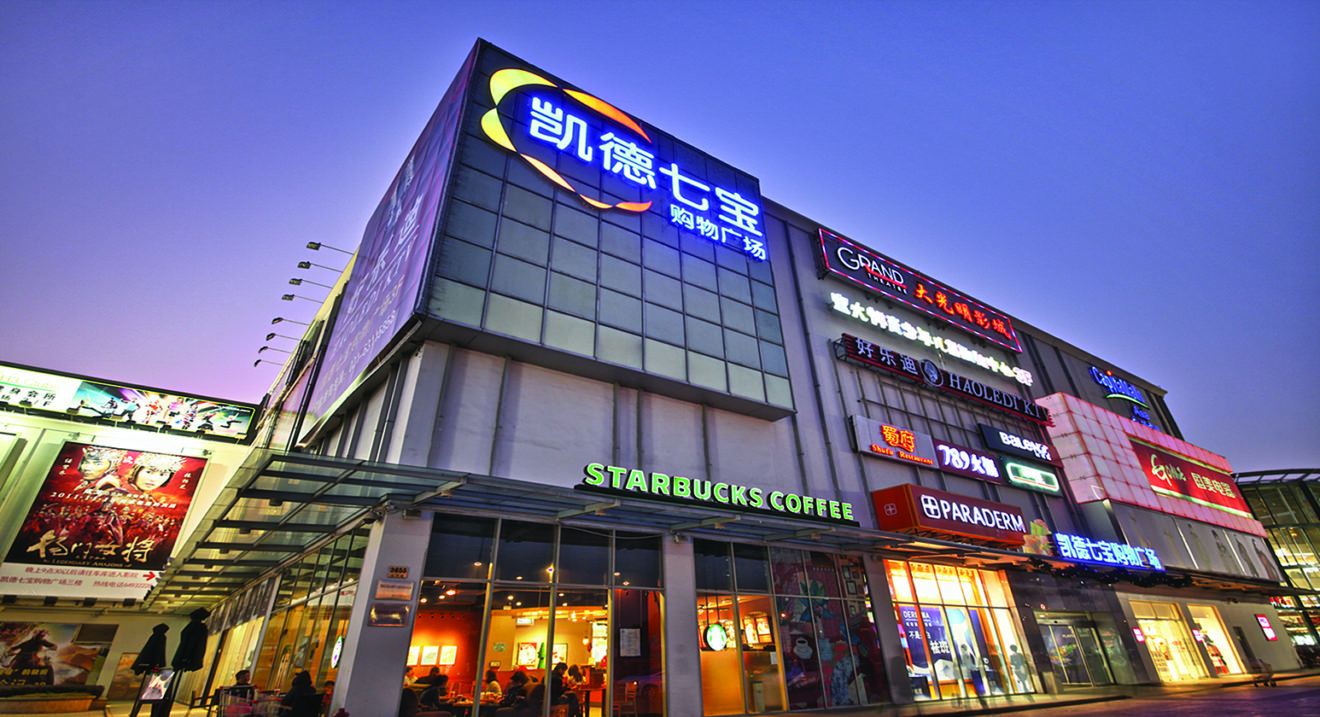
    “We continually refresh our mall offerings to stay relevant to our shoppers’ evolving preferences and needs. For example, CapitaMall Xizhimen (pictured) brought in the popular Jing Ge Steamboat to increase the variety of its F&B offerings, while CapitaMall Qibao introduced a water park.

    “To improve sustainability and the shopping experience, CapitaMall Grand Canyon installed energy-saving LED lights in common areas and upgraded its car park with new flooring.

    “CapitaMall Wangjing is carrying out renovation work to rejuvenate its façade, and is on track to unveil its new look by June.

    “We will continue to strengthen our malls’ tenant mix and uplift the shopping experience through continual asset enhancement initiatives.”

    Gross revenue for the year increased RMB17.5 million, or 1.8 per cent, over the previous year. This was attributed mainly to rental growth from the multi-tenanted malls, partially offset by lower revenue fromCapitaMall Minzhongleyuan, which was impacted by road closure for the building of a subway line, and from CapitaMall Wuhu, where tenancy adjustments are being introduced to achieve stronger positioning and better trade mix.

    CRCT is the first China shopping mall real estate investment trust (REIT) in Singapore, with a portfolio of 10 malls. Listed in Singapore in 2006, its objective is to establish long-term investments in a diversified portfolio of real estate used primarily for retail in China, Hong Kong and Macau.

    A significant portion of CapitaLand China’s properties’ tenancies comprises major international and domestic retailers such as the Beijing Hualian Group, Carrefour and Wal-Mart. The anchor tenants are complemented by specialty brands such as BreadTalk, Innisfree, KFC, Nanjing Impressions, Nike,Sephora, Starbucks, Uniqlo, Watsons and Zara.

  • Yum! China fortunes rebound

    Yum! China fortunes rebound

    Yum! China has showed progress with a system wide sales increase of 3 per cent in the latest quarter – or 7 per cent on a constant currency basis.

    Same restaurant sales are now in positive growth, although by a fairly meagre 2 per cent given the 16 per cent decline in the same quarter last year. Nevertheless, the strong pace of 743 new restaurant openings, combined with some good productivity gains, helped to swell operating profit by 200 per cent.

    Given the big differential in growth prospects and the fact that China faces a very different set of problems and opportunities, it is hardly surprising that Yum! is looking to split its business into two separate companies. This is a sensible step that will allow Yum! and Yum! China to focus on their respective priorities. However, without the boost to growth provided by China, the legacy business will need to work much harder to reestablish its relevance if it is to grow in a much more competitive market.

    Globally, Yum! produced a set of results that exactly mirrors those of last quarter.

    KFC has ended its fiscal year with a fairly solid set of numbers. That said, the growth figures are expressed on a constant currency basis and so exclude the negative impact of the strong US dollar. When this is factored in the outcome is a little less rosy with total revenue for the quarter falling by 1.2 per cent over the prior year.

    Behind the numbers, both KFC and Pizza Hut continue to struggle with system wide sales, including the impact of exchange rates, falling by 5 per cent and 2 per cent respectively. Fortunately this has been somewhat offset by the rebuilding of restaurant margins, but not by sufficient enough a degree to prevent profits at KFC dipping and profits at Pizza Hut virtually flatlining. Across the quarter, these two traditional engines of growth simply failed to propel the company forward.

    One of the key issues for both brands is the relatively slim growth within the US, which in the case of KFC is the division’s single largest market, and in the case of Pizza Hut accounts for the majority of the division’s sales. In our view both suffer from the challenge of maturity and, while they remain popular, the rather tired nature of the brands and a lack of meaningful menu innovation means they struggle to compete against rivals like Chick-Fil-A which are seen as more interesting by consumers. In many ways, both brands need to take a leaf out of the McDonald’s playbook in terms of reinventing themselves to become more relevant to diners.

    In contrast the Taco Bell division saw a strong rise in sales on at both total and same restaurant level. Restaurant margins also increased thanks to some favorable cost changes for commodities. While the combination of these things should have resulted in a good uplift in operating profit, a number of one-off costs – which included investment spending, legal fees, and the creation of a scholarship program – put pay to that. For the quarter Taco Bell operating profit declined by 7 per cent.

  • Burger King Vietnam ‘not shutting down’

    Burger King Vietnam ‘not shutting down’

    Burger King Vietnam has refuted media claims the company is planning to exit the Southeast Asian nation.

    The US fast food chain entered Vietnam in 2012, initially opening in Ho Chi Minh City’s Tan Son Nhat international airport, before progressively moving into suburban locations in the city.

    At the time the company projected it would open 60 stores within five years, but three-quarters of the way into that timeline, it still has just 16.

    The closure of three stores in recent months has fuelled speculation the brand may exit the market. But CEO Nguyen Gia Thanh told news website Dau Tu this week that was not the case.

    He said two stores in Ho Chi Minh City were closed to relocate in better sites with more affordable rents.

    The third store closed was in the capital, Hanoi.

    Thanh said Burger King will continue to expand in both cities and is not closing down in Vietnam.

    Vietnamese are not known as big consumers of burgers and Burger King arrived in the market with higher price points than established rivals Jollibee from the Philippines, Lotteria from Korea and fried chicken and burger chain KFC from the US.

    Rival Carl’s Jr has also struggled to make an impression in the market, largely targeting the expat market in districts of Ho Chi Minh where foreigners reside.

  • 2016, a crunch year for China luxury retail

    Fears of an economic slowdown in China, the devaluation of the yuan, and persistent turmoil in the stock market throughout January have grabbed media headlines.

    All raise questions about the continuing strength of demand for luxury goods among Chinese consumers in the year ahead.

    Global Blue data for December shows growth in Tax Free Shopping (TFS) spend by Chinese shoppers worldwide slowed to 16 per cent, after a peak of 42 per cent in November. Despite concerns around Chinese luxury spending worldwide, however, there are positive signs for luxury brands in 2016, provided they respond to modern consumer preferences and behaviour.

    Slower growth, continued travel

    China’s economy grew 6.9 per cent in 2015, following a 7.3 per cent rise in 2014, according to the Wall Street Journal. Economists predict growth of more than 5 per cent in 2016.

    “[This] may seem weak compared to the past, but it is still far above what other countries are experiencing,” said Philip Guarino, European director at China Luxury Advisors.

    “More people are becoming part of the country’s middle class every day, and millions more Chinese are travelling abroad each year, learning about new brands and purchasing luxury goods,” he added.

    According to a Consumer Life survey by market research firm GfK, more than 109 million Chinese travelled overseas in 2015, up from 100 million the previous year. By 2020, this figure is set to rise to more than 200 million.

    Travel bookings for the upcoming Spring Festival 2016 (Lunar New year) in February indicate strong demand from Chinese travellers. Online travel service Ctrip reports that more than 60 per cent of those Chinese taking holidays during the festival will do so overseas.

    Spending in China

    Despite expectations of a slowdown in global luxury sales and the impact Chinese consumers may have on worldwide sales, analysts at Goldman Sachs have backed the luxury market, upgrading investor advice on global luxury conglomerates LVMH and Kering, according to the Financial Times.

    One of the themes driving Goldman Sachs’ endorsement of the global luxury market is spending in China.

    Recent trading updates by luxury brands show a rebound in demand within mainland China. In Q3 trading, both Burberry and Richemont Group highlighted a reversal in the decline of luxury sales in China, attributed in part to a new breed of middle-class shoppers.

    Luxury spending in China should rise by 6 per cent in 2016, noted Goldman Sachs, the slowest rate since the Chinese luxury market opened up a decade ago, and less than the 10 per cent of 2015.

    Despite slower growth, the investment bank said: ”The emerged and emerging middle class have a lower propensity to spend on luxury, but the desire for branded, status luxury brands remains unchecked.”

    This means a greater focus on affordable luxuries to a more mass customer base, reducing the emphasis on status-driven purchasing. Three quarters of total growth in 2016 is expected to come from 70 million middle-class consumers in China with an annual disposable income of US$30,000-$65,000.

    Chinese consumers are also starting to buy more frequently, something that should benefit brands with a strong footwear, cosmetics and ready-to-wear offering, said Paul Swinand, analyst at investment firm Morningstar.

    “We believe Chinese consumers will behave more like their Western counterparts, with more frequent lifestyle purchases of aspirational luxuries on a per household basis and fewer purchases of status symbol goods that were often a store of wealth,” said Swinand.

    SHANGHAI, CHINA - MAY 28: Nanjing Road street night view on May 28, 2012 in Shanghai, China. Nanjing

    Chinese millennials

    Chinese outbound travel is dominated by millennials. More than 50 per cent of Chinese outbound travellers are aged between 15 and 29, according to GfK, while 37 per cent are aged 30 to 44, and just 10 per cent are aged 45 to 59.

    The behaviour of millennial travellers differs from that of older generations. They are increasingly likely to be looking for travel and dining experiences as well as products, especially as their income rises. This has given rise to a number of designer brand/gourmet crossovers within mainland China itself, as well as in other Asia tourist hotspots.

    Sharing on social media is central to any overseas travel experience for young Chinese travellers and is an opportunity that luxury brands are yet to fully leverage.

    Luxury purchases remain a big part of overseas trips, with just over half (51 per cent) of Chinese millennials aged 18-29 likely to buy luxury goods when travelling overseas, according to MasterCard research. This group is the biggest purchaser of luxury goods in Asia Pacific, and its members are set to spend an average of US$4362 per head on luxury goods in 2016, twice as much as the average across nationalities.

    Global Blue believes that despite concerns around Chinese luxury spending worldwide, there are positive signs for luxury brands in 2016, provided they adjust to modern consumer preferences:

    • A growing Chinese middle class and a shift away from conspicuous luxury consumption is opening up opportunities for affordable luxury goods purchases. Chinese millennials are the dominant age group for overseas travel and for luxury goods purchases on trips.
    • Luxury brands should not underestimate the quickly changing behaviours and preferences of millennial travellers; a desire for unique cultural experiences combined with luxury lifestyle opportunities is high on their agenda.
    • 2016 is an important year for luxury brands as they reexamine how they engage with Chinese consumers both at home and abroad.
  • E-commerce expansion primed for Indonesian market

    E-commerce expansion primed for Indonesian market

    As smartphones become more commonplace in Indonesia, apps are enjoying a surge in popularity, suggesting that e-commerce – for both goods and services – is filling market voids and strengthening its economic foothold.

    Online trading and transport apps in particular are generating interest, offering a solid foundation for other start-ups, and attracting international players and financiers to the country.

    However, technology companies will be looking to further improvements in related services, such as logistics, and changes to foreign investment regulations to support continued expansion.

    The era of the app

    Since launching its mobile app in early 2015, Go-Jek, the Indonesian two-wheeled motorbike taxi service, has seen its market value rise as high as $400m and the number of registered drivers jump from 500 to 200,000.

    Also seeing the opportunity in the market, in May Malaysia’s Grab expanded into Jakarta, launching its GrabBike service, before introducing a car-based service several months later. The company is now active in at least five cities around the country, with plans to expand further in the coming year.

    The scale of the popularity of e-services was evidenced by the major backlash that Ignasius Jonan, minister of transport, faced last December when he attempted to ban transport apps like Go-Jek. Amid a public outcry and #SaveGojek trending on Twitter, the government quickly reversed its decision.

    Voicing his support for ride-hailing apps, President Joko Widodo told local media, “Innovation among the younger generation should not be stifled. Applications such as Go-Jek exist because they are in demand.”

    The growing use of ride-hailing apps signals a wider expansion under way across the country in e-commerce and mobile transactions.

    According to the Indonesian eCommerce Association, the country’s online market is projected to triple between 2014 and 2016 to reach Rp283trn ($20.8bn).

    While online sales represented around 1% of all retail sales in Indonesia in 2015, research firm eMarketer expects this share to grow to 4.4% by 2019, with e-commerce spending forecast to rise from $3.2bn to $10.9bn over the period.

    Major players moving in

    With a population of around 250m, Indonesia’s e-commerce potential has captured the attention of global technology and investment giants.

    In late January US-based e-commerce platform eBay confirmed plans to open an office in Indonesia, following in the footsteps of Twitter, which has had a base in the country since March. The move will see eBay build on its local partnership with state-owned telco Telkom, through which it operates the online shopping portal Blanja.

    For its part, the Chinese internet search company Baidu announced plans to boost investment in Indonesia, where it operates the MoboMarket app store with more than 500,000 products available for download.

    Major new domestic players are also entering the e-commerce scene. MatahariMall.com launched its operations in early September with $500m in backing from Indonesian real estate developer Lippo Group. Describing itself as the Alibaba of Indonesia, the firm said it hopes to become a driving force for e-commerce in the country.

    Hadi Wenas, the company’s CEO, suggested the site was created to mimic a brick-and-mortar shopping experience.

    “Just like an offline supermall, you enter, walk around and shop by floor. Each floor focuses on different categories,” he told media at the launch.

    Leading start-ups in Indonesia are also benefitting from international venture capital interest. Go-Jek, for example, attracted $6m in seed funding in mid-2014, with another $15m raised from US-based Sequoia Capital in April of last year.

    Further investment in the industry is likely to be spurred by the easing of foreign ownership limits in the e-commerce segment. Previously included on the country’s negative investment list, the government recently ruled to allow up to 33% foreign ownership of e-commerce ventures.

    More to be done

    However, some obstacles to sector growth remain. While internet connectivity is rapidly growing, it is coming from a smaller base than other countries in the region.

    The number of internet users in Indonesia reached 73m in 2015, or approximately 29% of the population, according to the Ministry of Communications and IT, significantly less than Malaysia (67.5%), Thailand (55.9%) or the Philippines (43%).

    A fragmented logistics landscape and underdeveloped payment infrastructure also present hurdles to expansion, with just 6% of Indonesians holding credit cards, according to a 2014 report by UBS.

    App developers will need to keep the characteristics of the market in mind when planning expansion. For example, a targeted approach is likely needed to attract Indonesia’s traditionally risk-averse and brand-loyal shoppers. A survey by McKinsey last year found that 63% of Indonesian consumers only buy products from brands they already know, suggesting word of mouth may be an important tool for growing local market share.

    E-commerce solutions are increasingly being used to bridge gaps in Indonesia’s infrastructure, with some start-ups helping firms extend their reach to rural areas.

    Start-ups looking for innovative ways of reaching rural customers are also employing a tactic known as assisted e-commerce, which uses technology to connect local stores with product distributors, helping to minimise geographic challenges and overcome low penetration of credit cards.

    Kudo, for example, which was founded in early 2014, offers online shopping through physical point-of-sale kiosks in public places.

  • Samsung’s 18.4-inch Galaxy View taps rise of OTT content

    Samsung’s 18.4-inch Galaxy View taps rise of OTT content

    With global demand rising for online video streaming on over-the-top (OTT) devices, Samsung Electronics expects consumers to welcome its new 18.4-inch tablet as a new means to consume streaming content – especially users in Hong Kong.

    “Hong Kong people are moving from broadcast and cable television to on-demand video services,” Paulona Cheung, associate director of Samsung Hong Kong’s telecoms business, said on Wednesday.

    “Hybrid devices like our new Galaxy View are more suitable in this changing market,” she added at a product launch event Wednesday, referring to gadgets that fall somewhere between a tablet and television.

    The device will go on sale in the city from January 29 with a retail price of HK$4,598 (US$587), the company said. It went on sale in the United States in November.

    It weighs 2.7kg, three times that of Apple’s newest MacBook laptops. This could make it cumbersome for travelling, but certainly light enough to traipse around the home or office with.

    “Portable devices have small screens, and big-screen TV limits where and how we watch video,” said Alfred Tsang, one of Samsung’s product managers.

    “The Galaxy View eliminates these problems.”

    It could also find a special place in the hearts of Hongkongers given their relatively cramped living conditions.

    “Hong Kong is so small and many families do not have room for a big-screen TV or additional TV for different family members,” said Cheung.

    Samsung is not the first tech titan to make super-sized hybrid tabs. US personal computer maker Dell and Taiwan’s ASUS have also both done so.

    But “those all-in-one computers are for sophisticated users”, said Cheung.

    “The Galaxy View aims to satisfy the entertainment needs of average users.”

    Local and global streaming services are expanding quickly in Hong Kong.

    Viu, an online streaming service owned by Hong Kong’s telecom giant PCCW, started streaming free TV dramas and animations through its website and mobile app last October.

    Moreover, China’s Letv entered Hong Kong in 2014. It snapped up the broadcasting rights for English Premiere League football matches as well as the popular US drama House of Cards in 2015.

  • WeChat replaces waiters at Chinese restaurant

    WeChat replaces waiters at Chinese restaurant

    A Chinese restaurant in Beijing has replaced its front-of-house staff and diners use messaging app WeChat to order and pay.

    Diners at Renrenxiang Restaurant launch the app on their smartphone to browse the menu and place their order. They then pay for their meal using the messenger service, and are given an order number, reports Springwise.

    Their meal is prepared in the kitchen and their number called out over a loudspeaker when it is ready. The customer can then collect their food. After eating, they leave their crockery on a cleaning table.

    Customers do not even need to be in the restaurant to order. One frequent diner who works nearby says she orders while still in the office, then strolls to the restaurant. By the time she arrives, her meal is ready.

    Meanwhile, the noodle restaurant’s owner is looking at cutting his overheads even further, reports CNN.

    “There will be four ‘no’s in the restaurant – that is, no waitress, no cashier, no merchandiser and no chef,” says Renrenxiang founder Liu Zheng. “I did this because I’m following the technology development trend in China.

    “Thanks to the app, we can cut out unnecessary expenditure, simplify management and focus more on taste and quality.”

    The app also collects customer-related data – such as what dish is most popular, and what age groups visit more frequently. Renrenxiang uses the data to improve its marketing strategy. But despite its high-tech approach, the restaurant does not have its own website.

    Also, it is not the first restaurant to offer waiterless service. In 2007, a restaurant in Nuremberg, Germany, began to offer fully automated order and table services. There are also similar eateries in Japan and the US.

    Using robots to cook, serve and clean is also becoming more common in China.

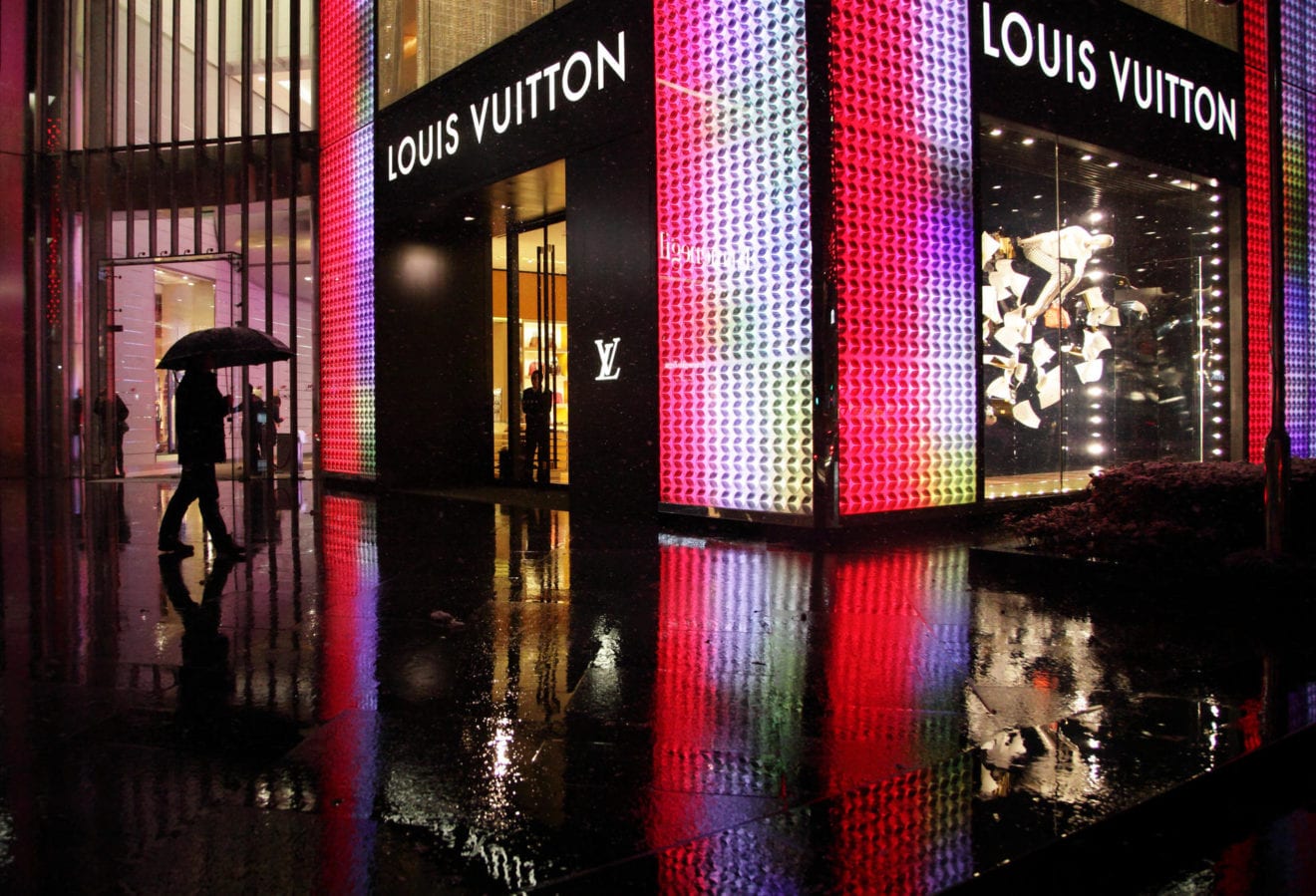
  • Louis Vuitton Hong Kong problems ‘cyclical’

    Louis Vuitton Hong Kong problems ‘cyclical’

    Louis Vuitton is committed to the Greater China market and the company’s chief believes Hong Kong’s challenges are of a short term nature.

    And the company has announced it will soon commence renovations of its Louis Vuitton Hong Kong flagship store at Landmark Central.

    Chairman and CEO Bernard Arnault told the company’s annual meeting in Pairs that the current downturn in Hong Kong is just a “cyclical” problem.

    He said the luxury retailer will be keeping all of its stores in the territory, apparently referring to all the group’s brands which also include Celine, Loewe, Kenzo, Givenchy, Fendi, Donna Karan and Marc Jacobs.

    “In Hong Kong, [there] is no question of closing the few shops that we have,” he said.

    “Hong Kong is a cyclical city. As you know, you have ups and downs there. Right now, Hong Kong is going through a trough,” Arnault told shareholders.

    “Hong Kong will remain one of the high points in Asia and one of the drivers of our growth.”

    In the mainland, where Louis Vuitton has been culling about one in five of its stores, the company was planning to maintain the same number of stores – just in different locations.

    “If we [close stores], it is only because Louis Vuitton will open shops elsewhere,” he said.

    “The retail picture is evolving rapidly in China, you have some areas of the country that may be attractive one day, less attractive the next day.”

    The company will continue to close stores which were not performing when their leases came up for renewal.

    “When new malls are built, the leases are very attractive.”

    Arnault said it often made sense for the brand to leave a mall where the business was not performing well in order to open in another centre where the company might secure two or three years free rent.

    “Of course we will take the opportunity” he concluded.

  • Asians to invest more in properties beyond the region

    Asians to invest more in properties beyond the region

    Real estate markets in Asia will likely remain less appealing than those in the US and Europe this year, with Asia plagued by anaemic economic growth and waning rents and capital values amid a supply deluge.

    In a recent interview with The Business Times, CBRE head of global research Nick Axford flagged that there will be greater outbound capital flow from the region this year by Asian real estate investors, who snapped up some US$39.7 billion (S$55.3 billion) of properties outside the region last year, a 26.8 per cent jump from 2014.

    He said: “If you look at parts of Europe and North America, there is strong economic growth, recovering demand, rising rents and not much developments. In many Asian markets like Singapore and Hong Kong, it is almost the opposite – strong pricing, but weakening economic growth and demand.

    “The balance of attractiveness has shifted towards Europe and North America.”

    Asian investors invested US$14.3 billion in real estate within the region last year, a 12.3 per cent rise from 2014, going by CBRE’s preliminary estimates covering office, retail, industrial, hotel and mixed-use projects; the figures exclude residential projects and development sites.

    Rising interest rates will generally fuel upward pressures on capitalisation rates – the ratio of a property’s net operating income to its market value. With the spread between interest rates and property yields near historical highs in many markets in Europe, Dr Axford noted that it is possible that rising interest rates will be “absorbed” in the normalisation of spreads.

    Sovereign wealth funds (SWFs) in the region such as Singapore’s GIC have trained their eyes on Europe and North America as they re-balance their portfolios. CBRE estimates that some US$8.1 billion was invested outside the region by Singapore-based investors, compared to the US$6.6 billion they ploughed into properties within the region.

    Based on preliminary data from real estate data and analytics firm Real Capital Analytics (RCA) as at Jan 12, Singapore-based investors purchased a record US$26.3 billion in overseas real estate in 2015, up 49 per cent from US$17.6 billion in 2014.

    These outbound Singaporean investments were driven by big-ticket purchases by heavyweights such as GIC and Global Logistic Properties (GLP), Temasek Holdings, Mapletree, ARA Asset Management Group and Ascendas Real Estate Investment Trust.

    RCA’s database covers transactions above US$10 million in asset classes such as development sites, office, industrial, retail, apartment, hotel and serviced apartments.

    Dr Axford said that while rental declines are seen across all property segments in Singapore, investors can make opportunistic buys with a time horizon of five to 10 years.

    In Hong Kong, the retail and logistics segments have softened; the office sector is holding up. Last year, Hong Kong Central Business District office rents rose 14 per cent, with prime office rents hovering at levels more than double those in Singapore.

    Dr Axford said: “There is still demand from the Chinese in good-quality office space in central Hong Kong. We are expecting rental growth of 5 to 10 per cent for Hong Kong office this year.”

    He views the recent volatility in the Chinese stock markets as an over-reaction to negative news from China – even though there has been no significant change to its economic outlook over the past six months.

    But with the probability of further weakening of the renminbi against the greenback, there will be sustained interest from Chinese investors wanting to put their capital to work outside China, in European and North American real estate, he added.

    Capital outflow from China was evident last year. CBRE’s estimates indicate that real-estate investments outside Asia by Chinese investors jumped 35.9 per cent to US$13.1 billion, against a 7.5 per cent drop to US$9 billion which they sank into domestic real estate.

  • Hong Kong stocks extend sell-off as banking giant HSBC tumbles to 7-year low

    Hong Kong stocks extend sell-off as banking giant HSBC tumbles to 7-year low

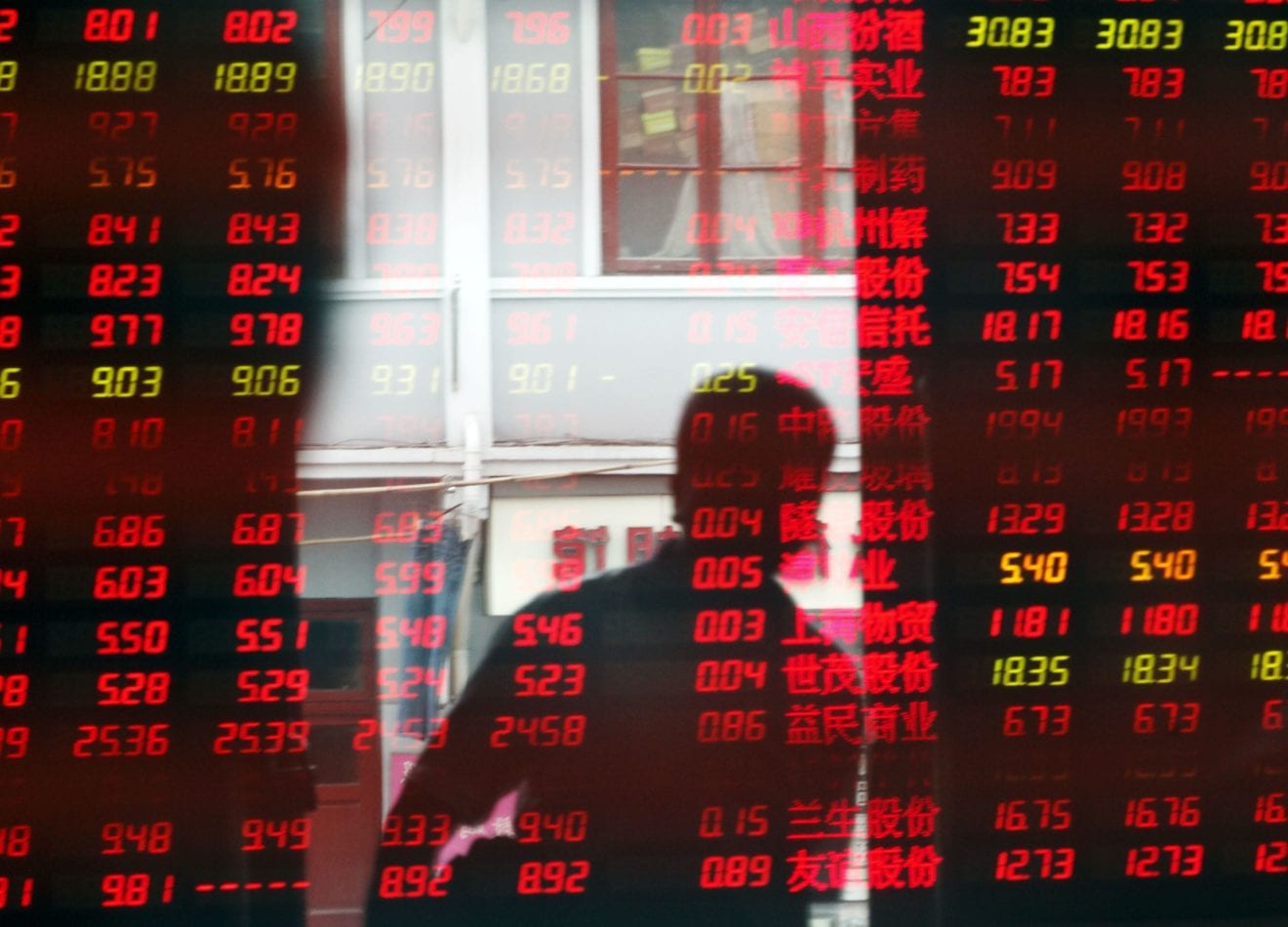
    Hong Kong stocks closed at their lowest level since mid-2012 on Friday, extending steep declines from the previous day in a holiday shortened week, as index heavyweight HSBC tumbled to a seven-year low after the company decided to scrap a pay freeze plan aimed at cutting costs due to staff protests.

    The Hang Seng Index was down 1.2 per cent or 226.22 points at 18,319.58, the lowest close since June 2012. The index fell 3.9 per cent on Thursday after returning from the three-day Lunar New Year break, posting the worst loss to start a Chinese new year since 1994.

    For the week, it was down 5 per cent.

    So far this year, the Hang Seng Index has plunged more than 16 per cent, already more than doubling the annual loss of 7.2 per cent it rang up in 2015.

    The Hang Seng China Enterprises Index, or the H-shares index, settled 2 per cent lower at 7,505.37.

    Sino-British banking giant HSBC Holdings, one of the most-widely held stocks by Hong Kong retail investors, tumbled 2.7 per cent to HK$48.1, the worst level it has seen since April 2009.

    HSBC’s chief executive Stuart Gulliver wrote Thursday in a memo that the company would drop a pay freeze announced recently to cut costs, following feedback from its employees.

    Gulliver said the company would use the cash from the 2016 bonus pool to fund the pay rises, while also expressing his concerns for the bank’s revenue outlook in 2016 due to uncertainty around the global growth outlook and the interest rate environment.

    Among other market movers, Asian life insurer AIA Insurance fell 2.4 per cent to HK$37.25, and Chinese online major Tencent Holdings dropped 1.9 per cent to HK$133.3.

    Ben Kwong Man-bun, executive director and head of research of KGI Asia, said the Hong Kong market lacked clear direction and was taking its cue from hobbled overseas markets.

    “The global equity market is still under selling pressure. It’s because of the fearful sentiment of investors. They prefer to hold cash rather than assets,” Kwong said.

    The broader weakness in regional markets also added to the selling pressure on Hong Kong stocks. Japan’s Nikkei Average finished below 15,000 for the first time in 16 months, down 4.8 per cent at 14,952.6, as the yen, a traditional safe-haven currency, soared against the US dollar.

    On Thursday, global stocks entered a bear market, as the MSCI All-Country World Index, a gauge of global stock markets, had fallen more than 20 per cent from its most recent high in May 2015. US and European equities both took a hard hit, spurred by heavy selling in the banking sector on worries negative interest rates and low economic growth could hurt banks’ earnings.

    Going forward, analysts said stock markets still face a battery of threats ranging from slow growth, interest rate uncertainty, emerging market turmoil and heightened bad loan risks.

    “The global economy is really weak. Even after they did quantitative easing, it seems the central banks have failed to stop the slowdown,” Kwong said.

    However, Macau casino stocks bucked the weak trend, after Wynn Macau reported its operating revenues dropped by a less-than-expected 37 per cent in the fourth quarter of fiscal 2015. Shares of Wynn Macau jumped 3.6 per cent to HK$7.77, rival Galaxy Entertainment climbed 3.1 per cent to HK$23.25, and Sands China advanced 2 per cent to HK$24.75.

    Offshore oil producer CNOOC also recovered 0.4 per cent to HK$7.48 after crude futures bounced back in international markets.

    Chinese stock markets were still closed for the holiday on Friday and will reopen on Monday.

    However, some analysts expressed concerns A-shares may catch up with the global stock rout and fall sharply when they start trading next week.

    “It’s concerning,” said Li Tao, an analyst for Citic Securities. “The external markets were quite volatile during the Chinese new year break, particularly in the US, where stocks continued falling. The depressed state of the global economy may have a negative impact on the A-shares market.”

  • Korean Manufacturers Witnessing More and More Idle Production Facilities

    Korean Manufacturers Witnessing More and More Idle Production Facilities

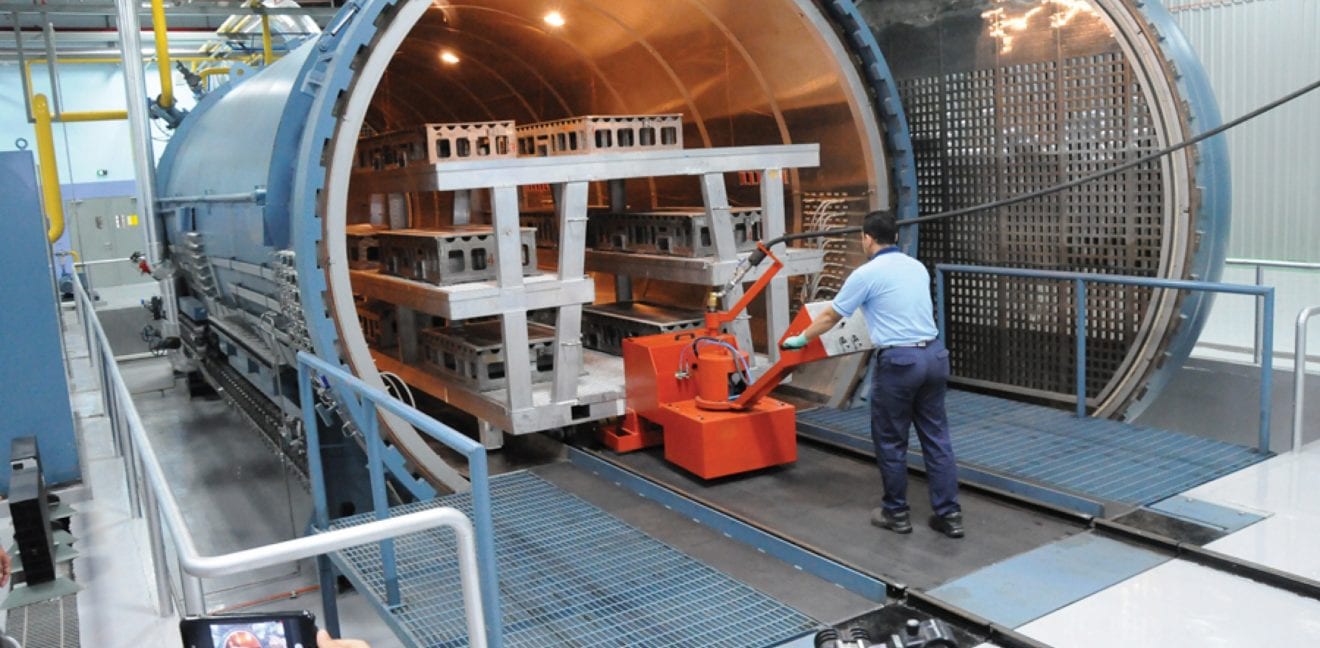
    It has been found that Korean manufacturing companies’ rate of operation reached a record low since the IMF bailout in 1998 due to the sluggish exports and domestic consumption.

    Under the circumstances, the manufacturers’ investment is forecast to decline to cause an increase in unemployment and the slowdown of the national economy as a whole.

    The Statistics Korea announced on February 11 that Korean manufacturers posted an average rate of operation of 74.2% last year, down 1.9 percentage points from a year ago, with their exports showing no signs of recovery amid the global economic recession. The percentage of 2015 was the lowest since 1998.

    According to the Bank of Korea, Korea’s total exports decreased by no less than 10.5% year-on-year to US$548.93 billion last year. Besides, Korea’s exports to the emerging markets including China, which account for 60% of the total exports, showed a decline of 7.9% in 2015.

    Sluggish domestic consumption is another reason for the low operating ratio of the manufacturing firms. According to the Statistics Korea’s report that was released on January 29, Korea’s retail sales index fell 1% from a month ago in November last year and 0.1% in the following month.

  • Rakuten to shut Singapore website, cuts 30 local staff

    Rakuten to shut Singapore website, cuts 30 local staff

    Japan’s largest online retailer Rakuten is closing its Singapore website after two years, and trimming its staff.

    On Friday, the fifth day of Chinese New Year, about 30 local employees were given the pink slip .

    While the company will continue to keep its regional HQ here, a notice on the website posted on Friday evening said no new purchases can be made from its online portal from next month.

    Earlier that afternoon, around 30 staff at its Market Street office at Raffles Place were told that they would be laid off. They included sales, marketing and customer service staff who were directly involved in running the website.

    They were among the 150 employees who were laid off in Singapore, Malaysia and Indonesia. The company is closing its websites in the other two countries as well.

    Most of the Singapore staff were told to immediately return their staff passes, and their e-mail accounts were deactivated on the spot. They were escorted out of the office and told that they did not need to turn up for work any more, said a source.

    “All were in shock,” the source said. “They were told that Friday was their last day (of work).”

    A handful can continue to work until the end of the month, when the website finally goes offline.

    The Sunday Times understands that the individual severance packages are tied to how long the staff have worked there. The company will make the payouts only next month.

    When contacted yesterday, a Rakuten spokesman in Japan declined to give details of the Singapore retrenchments, but he said that the firm will compensate workers “above and beyond legal requirements” and help them find jobs.

    Rakuten Group, which is listed on the Tokyo Stock Exchange, announced in Japan on Friday a five-year business plan that includes overhauling its business model in South-east Asia by closing down its online retail websites and starting a customer-to-customer trading application.

    Experts were surprised that the retrenchments were carried out over the Chinese New Year celebrations that span 15 days.

    “We usually tell unionised companies to avoid retrenchments during festive seasons. This is good industrial relations practice,” said labour MP Patrick Tay, who chairs the Government Parliamentary Committee for Manpower.

    The firm is not unionised but the affected professionals, managers and executives can turn to the National Trades Union Congress (NTUC) for job placement help, said Mr Tay, who is NTUC’s assistant secretary-general.

    “The timing is a little brutal,” said Singapore Human Resources Institute president Erman Tan, adding that the speed at which retrenched staff were shown the door within hours was “very fast”.

    “This reflects the culture of the e-commerce sector. Things move very fast online and perhaps retrenchments too,” said Mr Tan.

    Association of Small and Medium Enterprises president Kurt Wee said the retrenchments signal the start of a phase of consolidation by companies as they respond to the global slowdown and local economic conditions.

    “When companies consolidate, some staff retrenchments are inevitable,” said Mr Wee.

  • HSBC setting up local subsidiary to handle retail and wealth business

    HSBC setting up local subsidiary to handle retail and wealth business

    HSBC’s Singapore branch is spinning off its retail banking and wealth management division into a local subsidiary.

    This locally incorporated unit, which will be operational from May 9, will oversee the running of all operations of the retail banking and wealth management business here.

    All other lines of business of HSBC in Singapore, which include commercial banking, private banking and global banking and markets, will continue to operate under the existing Singapore branch.

    Mr Guy Harvey-Samuel, HSBC’s chief executive officer for Singapore, said the move reflects the success of the bank’s retail business here.

    “More importantly, this move demonstrates HSBC’s strong and long-term commitment to the Singapore market,” he added.

    “Singapore is a top-seven priority country for the HSBC Group globally and we will continue to invest in our business here. We are excited about new opportunities to further expand our presence.”

    The move to locally incorporate the retail banking and wealth management business follows an announcement by the Monetary Authority of Singapore (MAS) in April last year that HSBC is considered one of seven domestic systemically important banks in Singapore.

    Such banks could have a significant impact on the Singapore financial system’s stability and the proper functioning of the broader economy.

    All banks here have to undergo an annual assessment of their systemic importance.

    Banks with a significant retail presence are required to locally incorporate their retail operations.

    In line with this, HSBC’s new subsidiary will be subject to additional MAS regulatory requirements aimed at strengthening the resilience of the banking system and boosting protection of retail customers.

    The subsidiary will hold a full bank licence with qualifying full bank privileges. These privileges include being able to open more branches than other foreign banks.

    Qualifying full banks are also allowed to conduct the full range of banking businesses permitted under the Banking Act, including taking retail deposits.

    Once the new subsidiary is up and running, it will be business as usual, HSBC said.

    Mr Matthew Colebrook, the head of retail banking and wealth management for HSBC in Singapore, added: “Our customers remain central to HSBC and we will ensure that the transfer of customer accounts to the subsidiary is a seamless and largely behind-the-scenes process.

    “More broadly, HSBC aims to be a primary bank for affluent and aspirant Singaporeans and those with international needs.”

  • Wing Tai’s Q2 net profit falls 85% to $1.08m

    Wing Tai’s Q2 net profit falls 85% to $1.08m

    Earnings plunged 85 per cent at developer Wing Tai Holdings in the second quarter due to the absence of a one-off gain in the corresponding quarter last year.

    The group had recorded a gain of $21.1 million on the disposal of a property subsidiary in Indonesia in the same period a year ago.

    Net profit this time came in at $1.08 million for the three months to Dec 31 while revenue fell 5 per cent to $120.6 million.

    The decline in turnover was due mainly to progressive sales of units recognised from The Tembusu, additional units sold at Le Nouvel Ardmore in Singapore, The Lakeview in China as well as contribution from Phase 2 of Jesselton Hills in Penang.

    The group’s share of profits from associated and joint venture companies fell by 25 per cent to $15.8 million, largely due to the lower contributions from Wing Tai Properties in Hong Kong.

    Distribution expenses fell 20 per cent to $22.2 million from $27.7 million due to lower rental and depreciation from its Singapore retail outlets. Administrative and other expenses rose 12 per cent to $23.8 million from $21.3 million a year ago due to the closure of Singapore retail outlets.

    Earnings per share tumbled to 0.40 cent from four cents, while net asset value per share rose to $4.09 as of Dec 31 from $4.07 as at June 30.

    No dividend was declared.

    The firm said the effect of the cooling measures will continue to weigh on market sentiment here this year while economic conditions in Malaysia will likely keep sales soft.

    In China, residential sales are expected to improve with the relaxation of home purchase restrictions in certain cities.

    Wing Tai shares closed 0.3 per cent or 0.5 cent up to $1.525 yesterday.

  • HKIA celebrated the new Year of the Monkey

    HKIA celebrated the new Year of the Monkey

    Hong Kong International Airport (HKIA) is celebrating the Year of the Monkey with a series of promotional activities and offerings, including cash coupons for shoppers of up to HK$5,000 ($642).

    From today through to February 15, travellers spending over HK$2,000, HK$5,000, HK$10,000 and HK$50,000 by electronic payment can redeem HKIA cash coupons of HK$100, HK$300, HK$700 and HK$5,000 respectively.

    Airport Authority of Hong Kong adds that during this period ‘designated retailers’ will also offer free red packet redemption on a first-come-first-served basis.

    Commenting on the promotion, Airport Authority stated: “To spread the festive joy, HKIA’s mascot will dress in the Year-of-the-Monkey costume at Terminal 1 of HKIA and will send warm blessings to travellers by giving out specially-designed Fai Chuns [traditional decorations-Ed] for free.

    “The joyous atmosphere can also be experienced on Level 6 of the Departures East Hall, where travellers will find a grand display box with a special selection of Chinese New Year products and an interactive-game booth.

    “Passengers with boarding passes and any purchase receipt from HKIA can participate in the game. Among the top of [more than] 12,000 prizes are suitcases, massagers and necklaces, while others include HKIA cash coupons and HKIA red packets.”

    Chinese New Year traditions that will also be celebrated include lion dances and various musical performances over the two-week period.

    In addition, HKIA is also offering a free local delivery service for all travellers spending over HK$1,000 in a single transaction at HKIA. Free delivery also applies to Mainland China, Macao and Taiwan for travellers spending more than HK$2,500 on clothing, bags and accessories in a single transaction.