Author: Mei Ling Tan

  • HSBC to locally incorporate its Singapore retail operations in May

    HSBC to locally incorporate its Singapore retail operations in May

    In order to follow new MAS regulations.

    HSBC will transfer its local retail banking and wealth management business, which is currently under the HSBC Singapore Branch, to a locally incorporated subsidiary, HSBC Bank (Singapore) Limited.

    The transfer of HSBC’s retail banking and wealth management business is expected to take effect on 9 May 2016, subject to the receipt of regulatory and court approvals.

    The move comes after Monetary Authority of Singapore tagged HSBC as one of seven domestic systemically important banks (D-SIBS). Under a new regulatory framework announced in April 2015, all D-SIBS should locally incorporate their retail operations to allow the MAS to set targeted and appropriate policy measures specifically for the systemically important banks.

    The other D-SIBS are DBS, OCBC, UOB, Citibank, Malayan Banking and Standard Chartered.

  • Fall in JLR sales in China dents Tata Motors’ Profits

    Fall in JLR sales in China dents Tata Motors’ Profits

    Tata Motors – the owner of Jaguar Land Rover – said today that net profit for the last quarter fell by 2%, hit by lower JLR sales in China. This was better than many analysts had expected.

    JLR’s retail sales in China fell by 10% percent in China in the period. Local production of Range Rover Evoque and Discovery Sport SUVs in China and the ending of an annual tax rebate there also lowered margins, JLR said.

    But strong JLR sales in Europe and North America offset the slowdown in China. The firm posted a near 50% increase in US and European sales, with sales up by 47% in the UK. Other overseas markets were up 6% overall. In volume terms it was the firm’s best ever quarter.

    Total revenues were £5.8 billion, 2% down on the same period of in 2014. JLR reported Earnings Before Interest, Taxes, Depreciation and Amortisation (EBITDA) of £834 million, representing an EBITDA margin of 14.4% for the quarter (up from 12.2% in the previous quarter, which pleased analysts), although this was still down from a near 20% in earlier quarters.

    Profit Before Tax came in at most £500m, including a £30 million favourable exceptional item relating to the initial insurance payments for thousands of cars damaged in the 2015 Tianjin Port explosion.

    This compares to a profit before tax figure of £685 million for the same period of 2014. Yet the £500m figure was still a good result as it was up significantly from the (exceptional) pre-tax loss that the firm reported in the previous quarter.

    The challenges that JLR faced in China in 2015 have been the subject of recent Birmingham Post blogs, see here for example.

    Despite opening a new plant operating in China in late 2014, the firm saw a sharp decline in sales there in 2015 as the economy cooled and the impact of the stock market crash was felt on premium car sales. China accounted for about a quarter of JLR’s retail sales in 2014 and a much higher proportion of its profits given the high prices the firm had been able to command there.

    Despite the Chinese slowdown, JLR still has impressive growth potential according to many analysts. Its new products – including the Discovery Sport, XE and XF, are expected to drive strong growth and profits. And the Chinese premium market is already showing signs of picking up.

    New models will help. For example, Jaguar will launch its F-Pace ‘crossover’ (or SUV) model shortly, which could really boost Jaguar sales in the US and China. The SUV/crossover market is set to expand rapidly in coming years around the world. Even in China, while car sales rose slowly at the back end of 2015, SUV sales jumped. The F-Pace may be just the first of a range of Jaguar crossovers.

    JLR wants to release some 50 new or updated products over the next five years and recently signed a deal to build a new plant in Slovakia. JLR does not publicly discuss long-term sales goals, but it’s thought to want to achieve at least 1m in sales by 2020 — which would be about half the current annual volumes of BMW. JLR is on course to top 500,000 sales this fiscal year.

    What’s important here is that the firm now has strengths across different markets and with its impressive product line up, can – probably for the first time in its history – ride out shocks in different parts of the world. There’s no room for complacency, of course; indeed the Chinese slowdown in part stimulated the launch last year of an ambition cost reduction programme at the firm, as part of a programme called ‘Leap 4.5.’

    Overall, after a difficult period in mid-2015 owing to the sharp slowdown in the Chinese premium auto market, Jaguar Land Rover (JLR) has returned to form on latest figures.

  • Worst post-Lunar New Year sell-off in 22 years

    Worst post-Lunar New Year sell-off in 22 years

    The Hong Kong stock market saw the worst post-Lunar New Year session in 22 years on Thursday, a day after U.S. Federal Reserve chair Janet Yellen confirmed fears of a global slowdown in her testimony to Congress.

    Yellen raised the likelihood that U.S. interest rate hikes will be put on hold and possibly even cut over concerns about external risks to the U.S. economy and convulsions across stock markets worldwide.

    “Foreign economic developments, in particular, pose risks to U.S. economic growth,” said Yellen, referring to the debilitating effects of China’s economic slowdown, most remarkably, in dragging commodities prices down.

    On the back of those comments, the Hong Kong bourse reopened after a three-day break to a sharp sell-off, with the benchmark Hang Seng Index shedding 3.8% to close at its lowest level since June 2012 at 18,545.80. The Hang Seng China Enterprise Index of Hong Kong-listed mainland companies fell 4.9% to end at 7,657.92.

    The city’s blue chips fell almost across the board, with technology company Lenovo Group, which recently posted disappointing top-line growth, leading the decline with a 6.7% drop to 6.35 Hong Kong dollars.

    Financials and oil stocks bore the brunt of the selldown. China Life Insurance slumped 6.6% to HK$16.44. Other insurers such as Ping An Insurance Group and AIA Group lost 5.6% at HK$39.15 and 3.7% at HK$37.95, respectively.

    HSBC fell 5.44% to HK$49.50. Its Chinese counterparts Agricultural Bank of China, China Construction Bank, Bank of China, and Industrial and Commercial Bank of China all dropped about 4% over worries about a mounting credit crisis on the mainland.

    China’s largest oil refiner China Petroleum & Chemical (Sinopec) skidded 6.4% to HK$4.10, while other mainland energy giants, PetroChina, CNOOC and China Shenhua Energy slipped more than 5%.

    Of all the property stocks, China Vanke took the deepest plunge to close 8.92% lower at HK$1.58, while China Overseas Land & Investment was down 4.3% to HK$21.10.

    Consumer stocks such as Belle International, Hengan International and Tingyi Holding all lost around 6%. A fierce riot in Mongkok, one of the most popular shopping districts in Hong Kong, during the holidays has hurt sentiment toward the city’s already-battered retail sector.

    Mainland internet and telecom heavyweights such as Tencent Holdings and China Mobile were not able to escape the selling pressure, falling 5.4% to HK$136.10 and 3.1% to HK$82, respectively.

    Bad news from China also contributed to the sell-off. Before the holiday, the People’s Bank of China reported that the country’s foreign exchange reserve had fallen to $3.23 trillion in January, the lowest level since 2012, depleted by the central bank’s defense of both its currency and stock market.

    On Wednesday, Yellen’s comments were scrutinized for clues about future interest rate direction. She said that “monetary policy is not on a pre-set course,” suggesting that a rate cut could be considered if necessary. Overnight, the Dow Jones Industrial Average and the S&P 500 indexes ended slightly down, posting their fourth consecutive day of losses, while the Nasdaq ended three days of decline.

    Investors looking for safe havens in the risk-off environment pushed the spot gold price up to $1,207.6, the highest level since May 22.

    While mainland China and Taiwan markets remained shut for the Chinese New Year holiday until next week, most bourses across Asia faltered.

    South Korea, which also reopened after a long Lunar New Year break, saw its benchmark Kospi Index lose 2.9%. Singapore’s Straits Times Index and Thailand’s SET index dropped 1.7% and 1.84%, respectively. India’s Sensex Index closed 3.3% lower to its weakest level since May 2014.

    The Indonesian and Philippine markets were the only ones bucking the trend, rising 0.9% and 0.3%, respectively.

  • Regent Asia eyes double-digit growth in busy 2016

    Regent Asia eyes double-digit growth in busy 2016

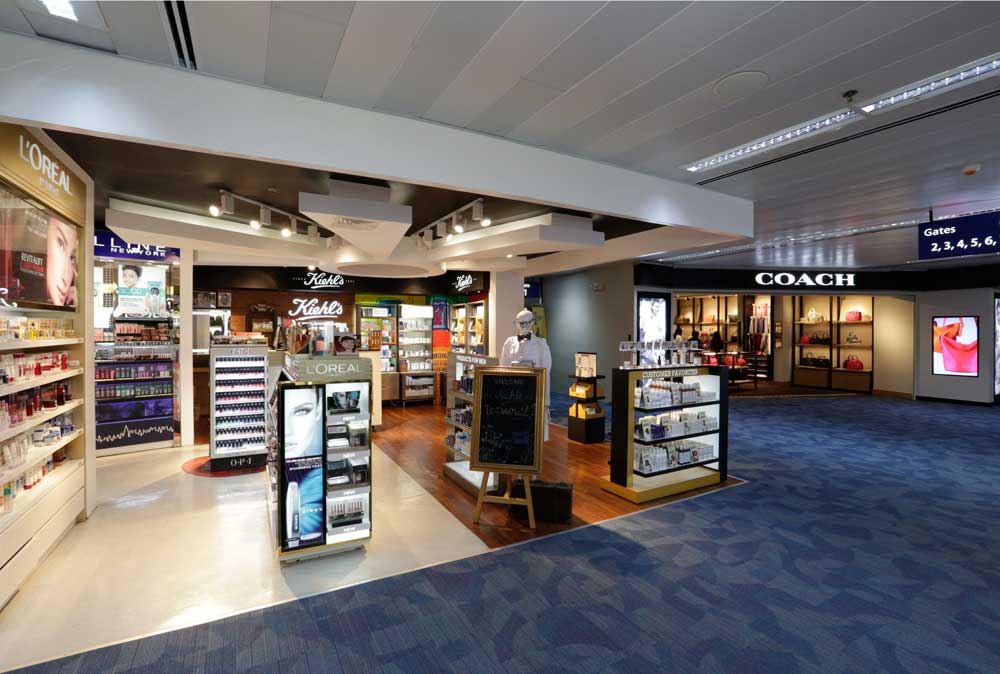
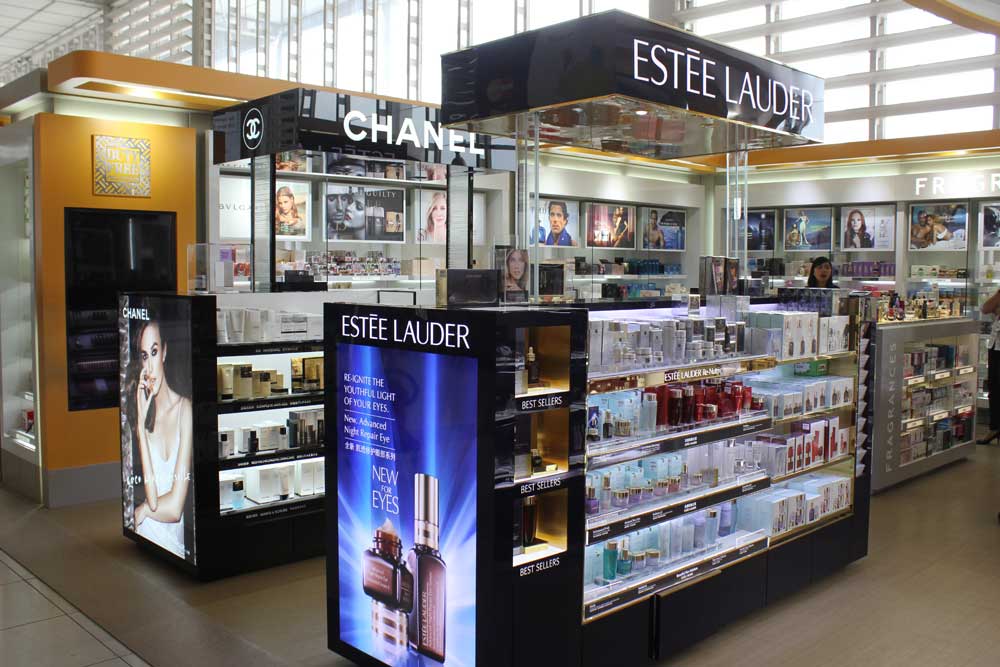
    Regent Asia Group Ltd is anticipating a strong increase in duty free revenue over the next few years and expects to double sales by 2018. With the company’s number of luxury duty free brand boutique outlets due to grow quickly over the next 12 months, Regent Asia is targeting a double-digit increase in duty free revenue this year following a Q4 2015 upturn.

    Last year’s duty free revenue growth follows a flat year in 2014 due to the first quarter impact on the Philippines tourist industry of super Typhoon Haiyan Yolanda that struck the central Visayas region on 8 November, 2013.

    After reaching an estimated US$45m in 2015, duty free sales are expected to rise this year as new airport and downtown arrival duty free stores begin trading.Regent reported total travel retail revenue of about US$60m in 2014 by its subsidiary Landmark companies, of which two thirds was generated by duty free sales and one third from duty paid travel retail operations.

    “I predict we will double our duty free sales by the end of 2018,” Regent Asia Group Ltd Managing Director, Jose Maria ‘Chim’ Esteban told TRBusiness.

    “Currently we are 60% perfume and cosmetics and 40% fashion but probably fashion growth will be stronger as we will have more brands with our luxury downtown store opening; the T3 landside downtown store will include aspirational fashion brands.”

    Manila-NAIA-T1-departure-2-Regent-Asia

    Regent Asia departure stores at Manila Airport’s T1.

    The duty free market in the Philippines appears to be on the cusp of a very productive period, with new projects initiating all over the Southeast Asian country. These include airside and landside duty free shops and boutiques at Manila’s Ninoy Aquino International Airport and the planned opening of the capital’s first luxury downtown duty free store in early 2017.

    Manila-Airport-T2-departure-2015

    “Currently we are 60% perfume and cosmetics and 40% fashion but probably fashion growth will be stronger as we will have more brands with our luxury downtown store opening; the T3 landside downtown store will include aspirational fashion brands,” says Chim Esteban.

    New facilities scheduled to open in Manila Airport this year include a parade of luxury boutiques in Terminal 3 and the first phase of Duty Free Philippines’ new T3 landside downtown duty free arrival store.

    Close to the airport, work continues on upgrading facilities at Duty Free Philippines’ Fiesta Mall downtown duty free arrival shop, as reported in the January issue of TRBusiness. Elsewhere outside the capital a number of new duty free and tax paid travel retail outlets are preparing to open in some of the Philippines’ smaller provincial international airports.

  • The power of Western brands in China

    The power of Western brands in China

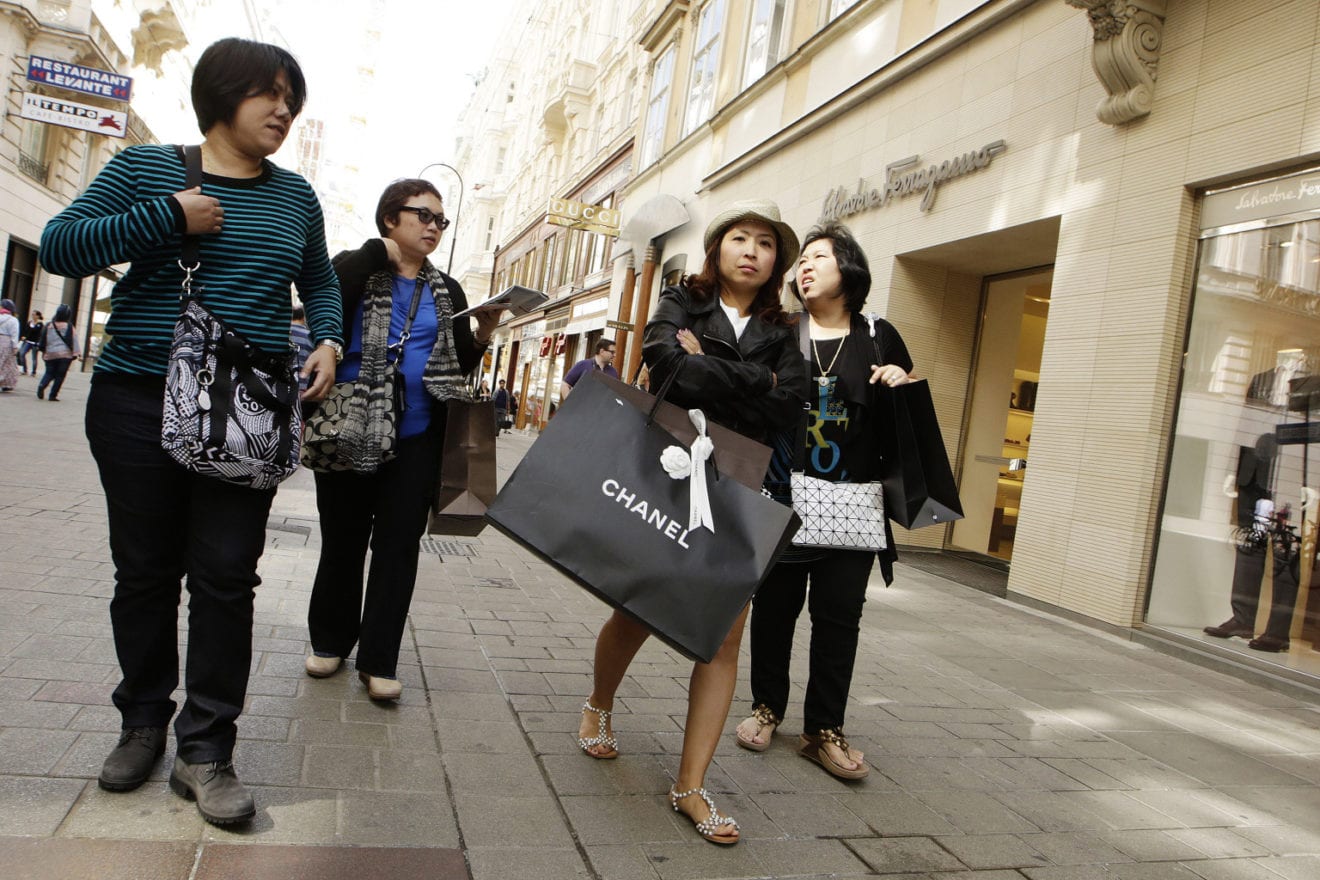
    Jimmy Choo increased their annual global revenue in 2015 by 7 per cent to £318m thanks in part to its eight new stores in China.  This demonstrates the continuing popularity with western brands in the country. Retail sales in China for December 2015 were up 10.1per cent year on year despite the worries about the overall economy as the nation continues to be a hotbed for retailers.

    To sell successfully online it is critical that retailers offer a localised online service for the country, as 32 per cent of Chinese consumers’ state they shop online to access a wider range of brands, highlighted particularly amongst those who live away from the major cities.  This is key given the vast size of China.

    And we know they love to buy from abroad. A recent payments report stated that thirty-five per cent of online shoppers in China are now buying cross-border.  This is driven by consumers wanting the guarantee of high quality goods that is ensured from buying direct from foreign brands. This quality assurance is the reason that 51 per cent of consumers in China use eCommerce. For businesses, developing a direct eCommerce strategy reinforces this brand integrity, while offering a localised  website for the Chinese economy allows for convenience, easy access and simple payment acceptance.

    Andy Muldoon CEO of PowaWeb, a leading eCommerce provider to global retailers’ comments: “It’s great to see how resilient the Jimmy Choo brand has been in the Chinese market, yet by adopting a direct online retail approach, they can also significantly increase their potential consumer-base. With the high-street store having a relatively limited reach due to the size of the country, retailers must take full advantage of the penetration rate of online shopping which stands at roughly 55.7 per cent.”

    Online purchasing in China is not limited to low-cost goods, on average 17 per cent of consumers spent RMB1515 on their most recent purchase, with another 17 per cent having spent at least RMB2000 on a single product. With total eCommerce sales about to reach $1 trillion in China by 2019, it is of vital importance that retailers establish their strategy and avoid falling behind competitors in this fast growing market.

    Andy Muldoon continues: “With such large amounts being spent online in China, retailers need to offer a direct to consumer eCommerce solution that compliments the brick-and-mortar stores to create a dedicated omni-channel environment for their consumers. To not offer this is damaging to retailers  particular as the rising middle-class are often the biggest spenders on high-quality products, are located away from the major cities.”

  • $100m deal for RedMart?

    $100m deal for RedMart?

    A $100 million investment aimed at funding pan-Asian expansion is on the cards for Singapore’s online grocer RedMart.

    Discussions involving the Series C investment are said to be at an advanced stage, reportsTechCrunch, citing two sources. While closure is expected in this first quarter, the grocery company has not issued any public comment on the development.

    Launched in late 2011 by Vikram Lupani, Rajesh Lingappa and Roger Egan, the venture introduced online and on-demand shopping in Singapore. So far, the company has raised $55.1 million from 19 investors. These include, according to Crunchbase, gaming company Garena, SoftBank Ventures Korea, Visionnaire Ventures and Facebook co-founder Eduardo Saverin.

    In August, RedMart raised a $26.7 million bridging round from its investors.

    Potential targets for RedMart’s expansion include Hong Kong and Jakarta, reports DealStreetAsia. However, the firm wants to establish its market leadership in Singapore, where Egan estimates the grocery market to be worth $16 billion a year. The company’s strategy is to maintain its own logistics system and warehouses so as to have greater control of the customer service cycle and enable rapid expansion later into other verticals.

    RedMart’s Asian competitors, HonestBee and HappyFresh, have raised significant equity financing and have adopted a model relying on third-party logistics and delivery services while expanding across South-east Asia and establishing a presence in Hong Kong and Taiwan, says DealStreetAsia.

  • Thailand gains DHL eCommerce

    Thailand gains DHL eCommerce

    Thailand has been identified as a key market in Southeast Asia for the launch of the DHL eCommerce domestic delivery service.

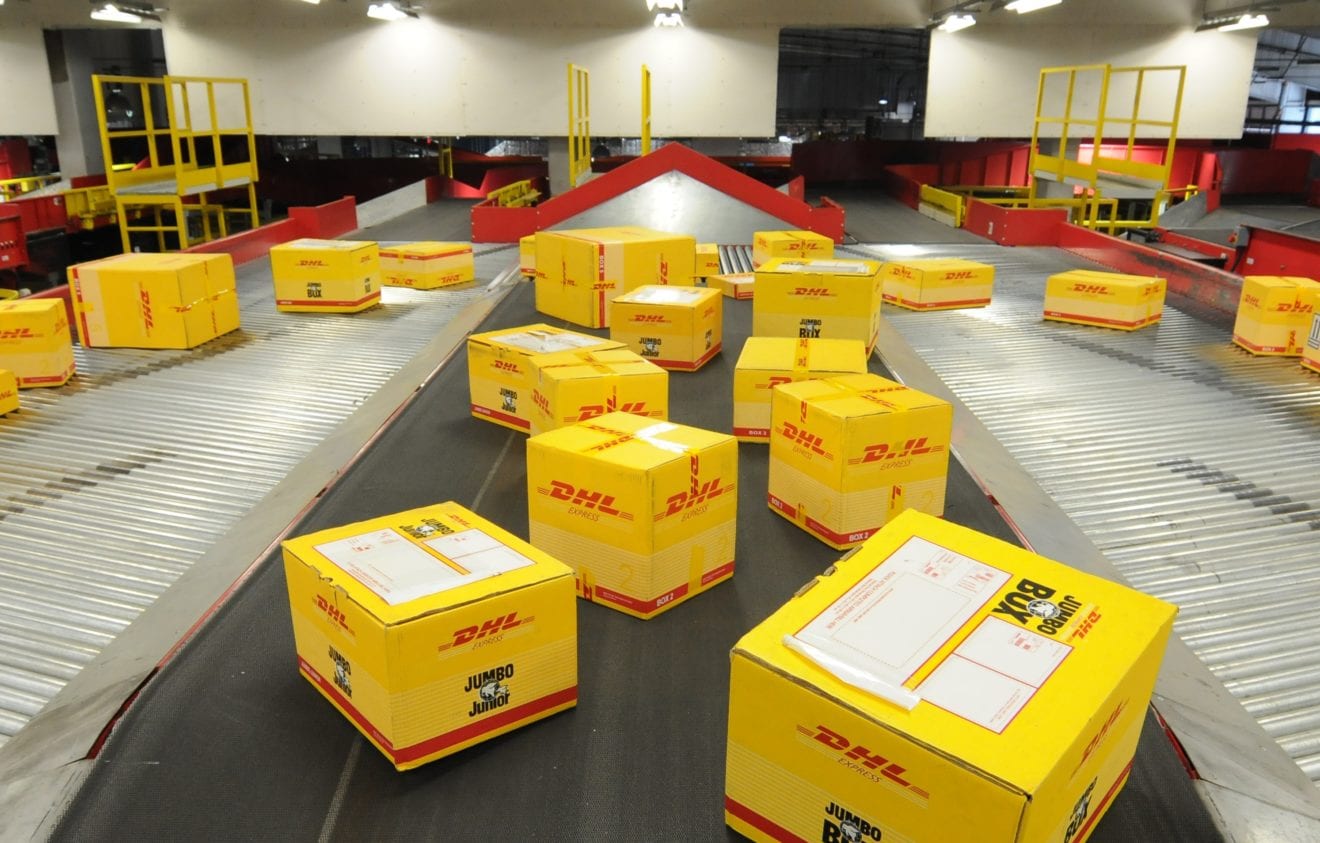
    The end-to-end service for Thai eCommerce merchants offers next-day delivery to key urban centres with an easy-to-use portal for preparing shipments and full tracking visibility for consumers. It has been introduced as Thailand’s eCommerce market gathers strength.

    DHL eCommerce, a division of global logistics company Deutsche Post DHL Group, says it aims to enable a better eCommerce experience for both consumers and merchants through efficient logistics and a seamless online shopping experience.

    Major additions will be made to DHL’s delivery infrastructure in the country, including a 3000 sqm central distribution centre in Bangkok and a network of more than 20 depots throughout the nation to ensure full coverage.

    DHL plans to more than double the number of depots in Thailand by next year, and expand its fleet, primarily using two-wheel vehicles to deal with the traffic in major cities.

    DHL eCommerce’s fleet of vehicles will provide next-day delivery to all urban areas, and a two- to three-day delivery to other locations. All merchants have access to cash on delivery (COD) with daily remittance and access to a multilingual call centre.

    Launching in Thailand is seen by the company as a showcase for Strategy 2020, the corporate strategy of Deutsche Post DHL Group, which has renamed its mail division as “Post – eCommerce – Parcel”. DHL has been in Thailand since 1973 with its other business units – DHL Express, DHL Global Forwarding and DHL Supply Chain.

    “The Thai eCommerce market is expected to more than triple in size to EUR 3.6 billion ($3.94 billion) between now and 2020, and with this investment we are well positioned to support the growth of eCommerce businesses in Thailand,” says DHL eCommerce CEO Thomas Kipp.

    “We see major strategic opportunities for eCommerce growth in Thailand, particularly with the ASEAN Economic Community, which is expected to increase the movement of goods within the region.

    “Despite eCommerce already being a billion-dollar sector with extremely rapid adoption, Thailand’s share of the market is still relatively low compared to other high-growth economies,” says DHL eCommerce Asia Pacific CEO Malcolm Monteiro. “Only 1.7 per cent of total sales in Thailand are from eCommerce, compared to more than 10 per cent in China.

    “Thailand is ranked as one of our top-priority markets in South-east Asia: its expected annual market growth of more than 20 per cent (from 2014 to 2020) is likely to be largely driven by significant numbers of SMEs beginning to extend their business models into online marketplaces.”

    DHL eCommerce Thailand MD Kiattichai Pitpreecha says businesses need logistics services that keep up with extremely rapid changes in consumer expectations.

    “This makes the need for a tailored eCommerce delivery service greater than ever before so merchants, especially SMEs, can focus on their core business and grow faster.”

    Monteiro says the company’s success in India and China have proven that customer service bolstered by robust and scalable end-to-end delivery networks are essential for winning eCommerce market share.

  • GrabJobs Launches Singapore’s First Job Review App for Part-Timers

    GrabJobs Launches Singapore’s First Job Review App for Part-Timers

    Singapore’s tight labour market has resulted in Retail, F&B establishments and event organizers facing issues of inconsistent service levels.  To cater to the demand for reliable and capable part-timers, Emmanuel Crouy, Mark Melo and Ke Liang co-founded review app GrabJobs which was launched last month. A first in Singapore, GrabJobs’ objective is to offer a rating and review system for each part-timer that completes a job with a designated employer.

    “One of the major pain points of the F&B industry in Singapore is finding reliable staff,’ says Emmanuel Crouy, co-founder of GrabJobs who has investments in several F&B establishments and understands the predicament that the industry faces with regards to hiring part-timers. With this new app, every employer who engages a part-timer will review their performance once their assignment is completed.

    Job seekers can view available jobs in real time and filter them by type of industry, schedule, salary and location. Upon receiving applications for a job posted on the app, employers are able to filter out non-performing part-timers based on reviews and ratings, along with other filters such as years of experience and visa status.

    To incentivize part-timers to perform better, GrabJobs offers cash bonuses when part-timers complete five jobs that are rated positively. This is a unique feature of GrabJobs, which similar apps in the market currently do not offer.

    The system works for both employers and job seekers – not only does it enable employers to hire reliable staff quickly, but it also enables part-timers to make more money than they normally would when they perform well.

    Another key feature of the app is the automatic reposting of jobs when a staff cancels. “Another pain point for employers is staff not showing up for work” says Emmanuel Crouy. GrabJobs tackles this issue with regular notifications sent to hired Part-Timers reminding them of their upcoming job. In the event that they cancel it, the job is automatically reposted on behalf of the employer, allowing them to find an immediate replacement.

    There are currently over 6,000 restaurants in Singapore and this number is set to keep growing. Mark Melo, co-founder of GrabJobs says, “One of the major issues we see in the F&B and Events industries is staff retention and there isn’t an effective solution for the industry to resolve staffing issues. If a restaurant needed to resolve a staffing issue immediately, they would be limited to using a job board, which can get costly, or rely only on their own personal networks. In addition Job boards only work effectively if restaurants have lead-time in knowing they need extra manpower. It is this gap in the market that sparked the idea to create GrabJobs. “

    With the app now launched in Singapore, Emmanuel, Mark and Ke see big potential for it to grow regionally in countries such as Australia, Thailand, Malaysia, Indonesia and Hong Kong that have a vast and dynamic FB and Events scene.

    Singapore based companies and job seekers can now download the app for Android on the Google Play Store. The Apple iOS version is currently in development and launching in March.

    Statistics after 6 weeks of launch:

    Number of downloads: 2500+

    Part-Timers:

    • 1500 registered Part-Timers
    • Average age: 25 years old
    • 54% male / 46% female
    • 92 % Locals

    Employers:

    • 120 registered Employers
    • Famous brands: Starbucks, Salad Stop, Muddy Murphy’s Group, Brotzeit, Drinks & Co, Mex Out
    • Average response time from Part-Timers after a job is posted: 5 minutes


  • Korean department stores offer instant tax refunds to tourist

    Korean department stores offer instant tax refunds to tourist

    South Korean department stores will start offering instant tax refund services to foreign customers from this month as part of an effort to boost sales.

    Under the new program, foreigners can buy products without paying the mandatory 10 per cent value-added tax (VAT) if the item costs 30,000-200,000 won (US$25-166), observers said. Each person can be exempt from VAT for up to the first 1 million won in purchases. Products that cost more than 200,000 won require the buyer to pay the VAT and get a refund later on.

    Seoul announced last year that it would implement changes to the way all local tax-free shops operate in 2016 by making it easier for tourists to spend in the country without the need to hold onto purchase receipts that must be shown at departure to get tax refunds.

    Lotte Department Store, South Korea’s No. 1 luxury retailer, said the instant tax refund will be given at its main Sogong-dong flagship store in downtown Seoul.

    Shinsegae Department Store said its main store in Jung-gu will offer the service to customers, while Hyundai Department Store plans to give immediate tax refunds at its main Apgujeong store and its Coex outlet in southern Seoul.

    Department stores said they picked the stores because they are the most frequented by foreign visitors, with more stores to be added later.

    “Foreign shoppers can buy products minus the 10 per cent VAT so there is no need to keep tabs on receipts or show the product they purchased at the airport when they leave the country,” a Lotte official said. “This can greatly reduce the hassle at airports and should fuel sales at our store.”

    In addition, local department stores said they will kick off promotion sales to attract Chinese tourists who are expected to arrive in large numbers during the Chinese Lunar New Year holiday. The traditional holiday runs from February 3 through February 13 this year.

    Lotte said it will give 50,000 won discounts for purchases exceeding 1 million won, with gift cards equal to 5 per cent of the purchase of the total to be given if the total tops 10 million won. Shinsegae said it too will give upwards of 30 per cent discounts and gifts to foreign tourists that buy items at its stores in February. The retailers said that to get the benefits the shopper needs to show his or her passport when making the purchase.

  • Orders soar for iTrueMart parent

    Orders soar for iTrueMart parent

    “Exceptional” growth has been reported by eCommerce provider Ascend Commerce in its latest fourth-quarter, as it seeks to draw on its winning strategy in Thailand to expand into new markets.

    Part of the Ascend Group, it comprises online stores iTrueMart and WeLoveShopping, which reported 65 per cent more orders for the final quarter of last year.

    While seeking to attract new customers through brand partnerships, Ascend Commerce reported an average of 14,000 orders a day, with a peak of 30,000 orders in a single day. There were also repeat sales among as much as 50 per cent of its customer base.

    “With our category-by-category approach proven in Thailand, we are now expanding throughout Southeast Asia,” says Ascend Group CEO Punnamas Vichitkulwongsa. “Based on the strength of the customer response so far, we are confident we will be able to provide access to the same shopping experience that people in urban areas enjoy to improve the standard of living for the millions who live in rural areas.”

    While iTrueMart is a business-to-consumer retailer, WeLoveShopping is an online marketplace for small business, entrepreneurs and consumers. Both businesses originally launched in Thailand.

    Ascend Commerce invested in its own fulfillment centres last year as a way to retain control over the whole process, from purchase to delivery. Punnamas cites this investment as key to giving customers an excellent experience, resulting in repeat purchases.

    At the same time, iTrueMart has been successful in terms of speedy delivery, with 98 per cent of orders being delivered the next day in Bangkok, or within two days for rural addresses.

    During the year, iTrueMart also launched in The Philippines.

    WeLoveShopping’s orders grew nearly 300 per cent in Q4, with the number of new sellers rising by 1300. The outlet also signed agreements with new brands, helping drive new business.

    “In the first days of 2015, we launched with just a few hundred orders per day and we have grown 700 per cent to achieve great results by the end of the year,” says Ascend Commerce GM Seubsakol Sakolsatayadorn.

    “We will continue with our strategy of winning on a category-by-category basis. We will introduce a new category only when we are sure of the strength of the product offering.”

  • Uber strategy that will change retail face

    Uber strategy that will change retail face

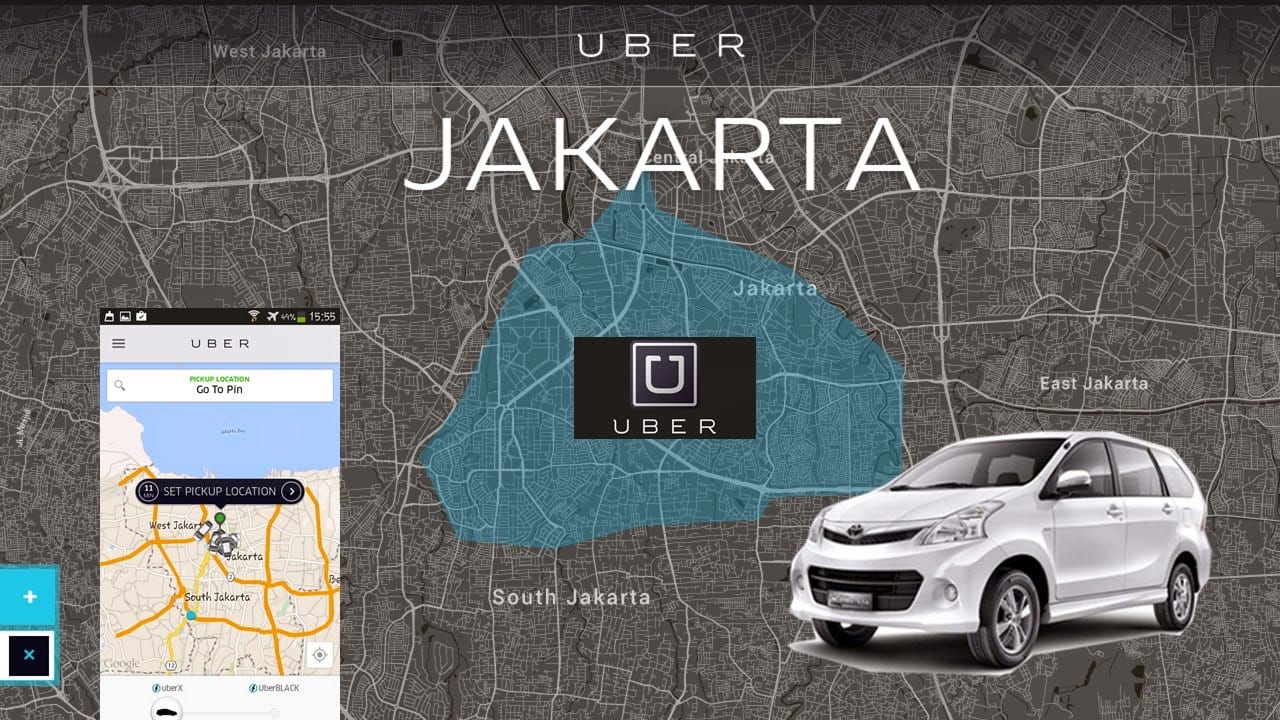
    Isn’t it fascinating that the world’s largest accommodation provider doesn’t own a room, or that the world’s largest retailer doesn’t own a shop (for the time being) and here we have the world largest taxi company that doesn’t own a taxi.

    So what might some of the lessons of Uber show us as retailers? The past five years have seen the logistics and transport app, Uber, grow from a start up with big ambitions based out of San Francisco into a global disruptive business operating in more than 350 cities, 64 countries and over six continents. Such rapid unheralded growth, underpinned by technology disruption and adaptation and above all challenging the normal or established models and just being disruptive, yet focussed on one central competency.

    As a natural-born disruptor of the transport sector, of course Uber has naturally asked how do we build at transporting people? After all, Uber is not narrowly interested in transportation; instead, the company is building a logistics platform that captures and predicts supply & demand so well that it can be applied to many other commercial domains. However at the heart of the Uber offer is one common foundation offer – one great “glue” that transcends and links all their offers globally.

    We live in an on-demand economy, where consumer’s ‘need it now’ tendencies dictate the retail strategies of retailers around the world. Smart or “fit” businesses are partnering their offers in collaborative models as distinct from attempting to “be all things and to simply attempt to acquire”

    The horizontal integration model, in a world increasing without boundaries is becoming yesterday’s approach. Today’s Uber-like approach is to disrupt and collaborate with other specialists enabling global growth and far greater efficiencies in all forms of the business operations.

    So where does Uber sit in the future of the retail sector in Australia and how is partner collaboration showing the way forward?

    Last October Uber launched Uber Rush in Chicago, New York and San Francisco. An on-demand delivery service for retailers, and while it’s launch coincided with partnerships with some big name retailers such as Rent The Runway and Nordstrom, the potential this service offers to small retail businesses is huge.

    Entering this on-demand delivery market aligns Uber alongside logistics giant Amazon.com and in particular Amazon’s program Flex, which pays independent drivers to deliver orders locally.

    However it also aligns independent brick and mortar retailers alongside the big e-commerce giants. While in the past it may have seen like a long lost dream to small independent retailers to be able to compete on the same level as the e-commerce giants who own their own complex logistics models allowing for same day and next day delivery, Uber Rush makes this dream a reality at very little cost. Retailers signed up to Uber Rush are given their own merchant platform to book the cars or bike couriers live as the orders come in, and all they pay for is the trips they use.

    According to Jo Bertram, regional general manager for the UK, Ireland and Nordics at Uber at a WIRED retail conference in London last year, the goal of Uber Rush is to make getting anything in your city more convenient, affordable and reliable than picking it up yourself.

    UberRush is particularly exciting for small independent retailers, allowing them to cater to today’s consumer’s ‘need it now’ tendencies’, boost customer loyalty and satisfaction, and ultimately provide customers with the same cost effective and efficient shopping experience when shopping local that they would get online. This platform also provides the small retailers the opportunity to grow and scale by reaching customers further away than they may have been able to before.

    Research by Uber suggests 60 per cent of customers would pay more to get same day delivery. Add this to today’s consumer journey to a brand or retailer often beginning and ending on mobile, the potential growth and adoption of this service all around the world is huge.

    Retailers who understand this disruptive positioning coupled with smart partnering and who don’t define the market by geography, rather by customer catchments are trailblazing the new frontier of retail.

  • H&M suppliers’ Bangladesh factories ‘unsafe’

    H&M suppliers’ Bangladesh factories ‘unsafe’

    Labour rights groups are calling on H&M to do more to protect garment workers in Bangladesh, after a review of strategic H&M suppliers revealed “severe delays” in urgent building repairs.

    The Clean Clothes Campaign, the International Labor Rights Forum, the Maquila Solidarity Network and the Worker Rights Consortium say the lack of action leaves “tens of thousands of workers at risk of death and injury”.

    The agencies were witness signatories to the Bangladesh Accord on Fire and Building Safety, and have published an update to an initial report into delays in safety repairs at 32 of H&M’s most strategic Bangladesh suppliers. The update, based on a review of publicly-available documentation carried out in January 2016, shows that all but one of H&M’s strategic suppliers remain behind schedule in making repairs and that over 50 per cent of them are still lacking adequate fire exits.

    “More than two and a half years into the process of the Bangladesh Accord every single mandated repair at H&M’s suppliers should have already been completed. However, the sad reality is that hardly any of H&M’s supplier factories in Bangladesh can be called safe,” said Scott Nova of the Worker Rights Consortium.

    The report does demonstrate some progress. Although the overall number of outstanding fire, electrical and structural renovations remains high at 37 per cent, the number of items reported as “behind schedule” at these 32 factories has decreased. However, the authors point out that, while this reflects actual progress in some cases, it is largely the granting of deadline extensions to factories rather than the completion of renovations that explains the improvement.

    “We are pleased that the pressure placed on H&M following our last report has resulted in some recent improvements, but are shocked that so much remains left to do,” said Liana Foxvog of the International Labor Rights Forum.

    “We urge H&M to provide meaningful funding for lifesaving safety renovations in order to put an end to the persisting delays.”

    Furthermore, the renovations required to ensure workers can safely exit a factory in the case of a fire are still subject to some of the most severe delays. In 13 per cent of the factories (compared to 16 per cent in September) lockable doors have not yet been removed; 38 per cent of the factories (compared to 55 per cent in September) still have not removed sliding doors and collapsible gates; and 55 per cent have failed to install fire-rated doors and enclosed stairwells (compared to 61 per cent in September. Any of these hazards could result in garment workers being trapped in a burning building, as has happened repeatedly in Bangladesh, including at H&M supplier, Garib & Garib, where 21 workers died.

    “H&M is able to increase profits in an extremely competitive climate, but yet the company is apparently incapable of getting all of its suppliers to carry out even simple actions such as removing a lock,” said Sam Maher of the Clean Clothes Campaign. “This is totally unacceptable.”

    Further information on the Accord on Fire and Building Safety in Bangladesh can be read here.

  • Lotte launches smartphone app for Chinese tourists

    Lotte launches smartphone app for Chinese tourists

    Lotte Group has launched a smartphone app for Chinese tourists visiting Korea.

    The application is called ‘TianTianLeTian’, and provides visitors with information on shopping, tourism, and other services offered by Lotte companies.

    Department stores and large discount stores have already launched mobile solutions for Chinese tourists, but Lotte Group’s new software marks the first time an app was developed by an entire group.

    In addition to tourism information, TianTianLeTian also provides users with mobile coupons for Lotte Members, Lotte Duty Free Store, Lotte Department Store, and Lotte World.

    The app also provides suggestions for places to dine, popular tourist spots, the latest travel information and content from Hallyu stars. Maps are provided in Chinese, and translation services are also provided.

    In collaboration with Zai Seoul, a startup company specialising in travel information targeting Chinese tourists, the location and information of 1800 small shops are listed.

    Lotte will provide small businesses who subscribe to its service with big data related to keywords frequently used in searches by Chinese tourists, human traffic, and shopping habits, helping companies develop marketing strategies to attract Chinese tourists.

    Lotte’s decision to develop a new app was the result of a change in travel habits for Chinese tourists, and a move towards independent travel instead of group packages.

    According to data from the Korea Tourism Organization, the number of Chinese tourists visiting Korea individually nearly doubled in 2015 to 3.5 million compared to the 1.64 million visitors in 2013. The organisation expects 5.5 million individual Chinese tourists to visit this year.

    To target individual travelers who get most of their information through mobile devices while traveling, Lotte started development of the application in April 2015. The beta version was released on January 6, and the number of downloads has already reached 40,000.

  • MatahariMall.com Embraces Foreign E-Commerce Investment in Indonesia

    MatahariMall.com Embraces Foreign E-Commerce Investment in Indonesia

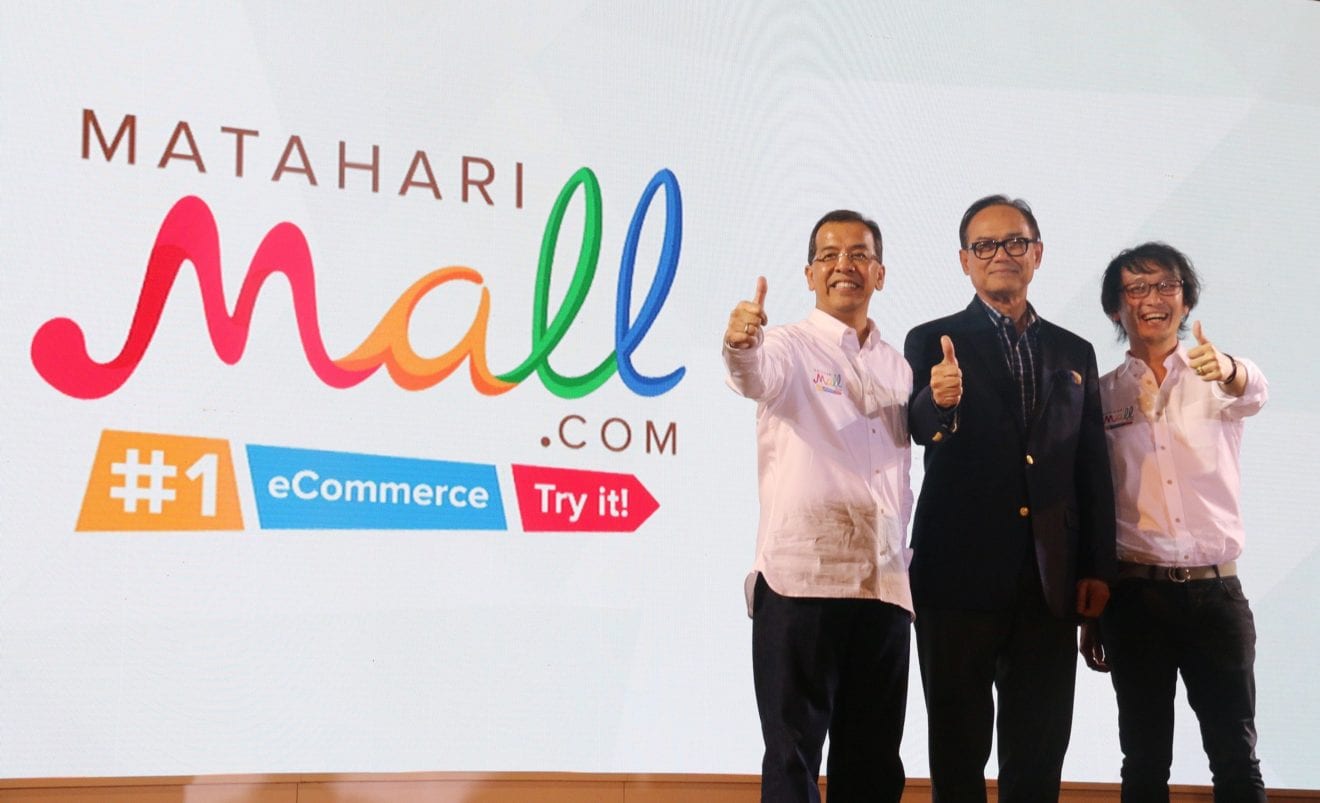
    When asked for his views on the issue, Hadi Wenas, the chief executive officer of MatahariMall.com, told reporters on Wednesday (10/02): “We are very optimistic. It will be business as usual for us, we are not afraid, not shocked or confused.”

    For foreigners, Indonesia is an attractive market for investment, particularly in the e-commerce sector, according to Indonesian E-commerce Association (idEA).

    The association estimated that the number of online shoppers in Indonesia could reach 10 million this year as the country’s middle class continues to grow. The e-commerce business is projected to rake in Rp 20 trillion ($1.49 billion) this year, double from last year’s estimated Rp 10 trillion.

    At the office launch of MatahariMall.com, Wenas noted that the same practice is common in Brazil, Russia, China and India, where local e-commerce firms are able to succeed in the market, supported by global investors, without the companies losing their identity.

    “With the support of Lippo Group, the biggest retail group in Indonesia, and the team we currently have, we are super solid now. Look at our campaign breakthrough. Foreigners won’t match our local taste in our ‘Lu mau apa?’ [(‘What do you want?’)] campaign,” Wenas said, referring to the company’s catch phrase.

    The Jakarta Globe and MatahariMall.com are both affiliated with the Lippo Group.

  • Tweetwars: the social challenge in Twitter ‘capital’, Indonesia

    Tweetwars: the social challenge in Twitter ‘capital’, Indonesia

    Indonesia has long been the Twitter capital of the world, but rival apps and rancorous political debate are driving users away, illustrating the challenges the microblogging service faces even in markets once considered strongholds.

    While Twitter doesn’t break down country figures, Global Web Index data shows Indonesia remains joint first with Mexico in active users among the 34 countries the UK-based metrics company monitors – and significantly ahead in terms of penetration, at 74 per cent of all Internet users.

    But that masks a deeper shift, analysts and users say, as changing tastes, culture and politics push Indonesians to rival services.

    The proportion of active Twitter users in Indonesia has dipped 10 percentage points in the past two years, to about one third of Internet users, the Global Web Index data show.

    “Unless Twitter makes changes or there’s some new exciting things on Twitter that can’t be found on other platforms then I don’t think people are coming back to Twitter,” said Enda Nasution, a blogger and entrepreneur who has nearly 200,000 followers on his Twitter account.

    A Twitter spokesman declined to comment on the data, saying he had not seen it, but said younger people in major markets like Indonesia and India were eager users. He said the company was expanding in Indonesia and working with airlines, banks and celebrities to add services and content.

    He noted Indonesia was one of the top markets for Facebook’s recent acquisition Periscope, which allows users to stream live video.

    Twitter on Wednesday reported its first quarter since going public with no growth in users, and announced changes to its global service.

    Among younger users – active Twitter users in the 16-24 year age range – Indonesia lags Spain, Mexico and the UK. JakPat, an Indonesian survey company, found last month that teenagers were less likely to use Twitter regularly than those aged 26 and above, and were switching to other apps such as Facebook and its photosharing sibling Instagram.

    But there’s also a push factor: Indonesians are leery of Twitter’s core appeal; its default public feed, where everything a user posts is visible to everyone on the network. What was once an attraction in Indonesia’s sociable culture became a liability in 2014’s fractious presidential election.

    FISTICUFFS

    As politicians saw the power of Twitter to mobilise support, the network was flooded by digital armies of volunteers and automated accounts, or bots, spawning what Shafiq Pontoh, chief strategic officer at Jakarta-based social media consultancy Provetic, described as a “tsunami” of “black campaigns, hoaxes, prejudice, racism, spam, harassment, anonymous accounts and political action to frame topics, issues (and) spin doctoring.” “Twitter,” he said, “became an uncomfortable place to be.”

    This antagonism hit rock bottom when two Twitter users took a dispute over government car-making policies offline and slugged it out near a sports stadium. Cellphone footage of their fist-fight was broadcast on TV. “After that it felt like that if you don’t want to get into trouble, people would retreat and find a more comfortable space online,” said Nasution, the entrepreneur.

    Those online spaces include Facebook’s WhatsApp and Messenger apps, South Korean Kakao’s Path, Japan’s Naver Corp’s LINE and BlackBerry’s Messenger.

    Mr Nasution said students he has spoken to use WhatsApp to communicate with their lecturer, and LINE to chat with each other. Or Facebook and Path, says student Jeremiah Mandey, who joined Twitter in 2010. “I used Twitter to interact with friends, but now I use it to get news,” he said.

    MISSING A CULTURAL BEAT

    Government departments, companies and even President Joko Widodo have embraced Twitter as a public announcement service. The Jakarta police traffic feed, alerting commuters to jams, accidents, potholes and protests, has over 5 million followers.

    This provides a service, but is too passive for younger people, says Aulia Masna, an editor. “People are on social media to have fun and be entertained,” he says. “Twitter in Indonesia is better known as the place for news, debate and politics. So it attracts the more serious, older crowd.”

    The company spokesman said Twitter opened a Jakarta office last year and added staff, in part to expand its user base beyond the capital. The recruits included a government relations expert. It was also working with local bank BNI to allow customers to transact via Twitter. “We see great potential in Indonesia, it’s one of the top markets,” he said, adding Mr Joko was due to visit Twitter’s headquarters in San Francisco next week.

    Simon Kemp, regional managing partner of social media marketing agency We Are Social, said Twitter should focus more on understanding how people in places like Indonesia use their service before tweaking things.

    “People are still looking at these things as a technology base,” he said, “while it’s the cultural driver that determines what you use and when you use it.”