Author: Mei Ling Tan

  • Slower sales for Chinese New Year goodies, say Chinatown retailers

    Slower sales for Chinese New Year goodies, say Chinatown retailers

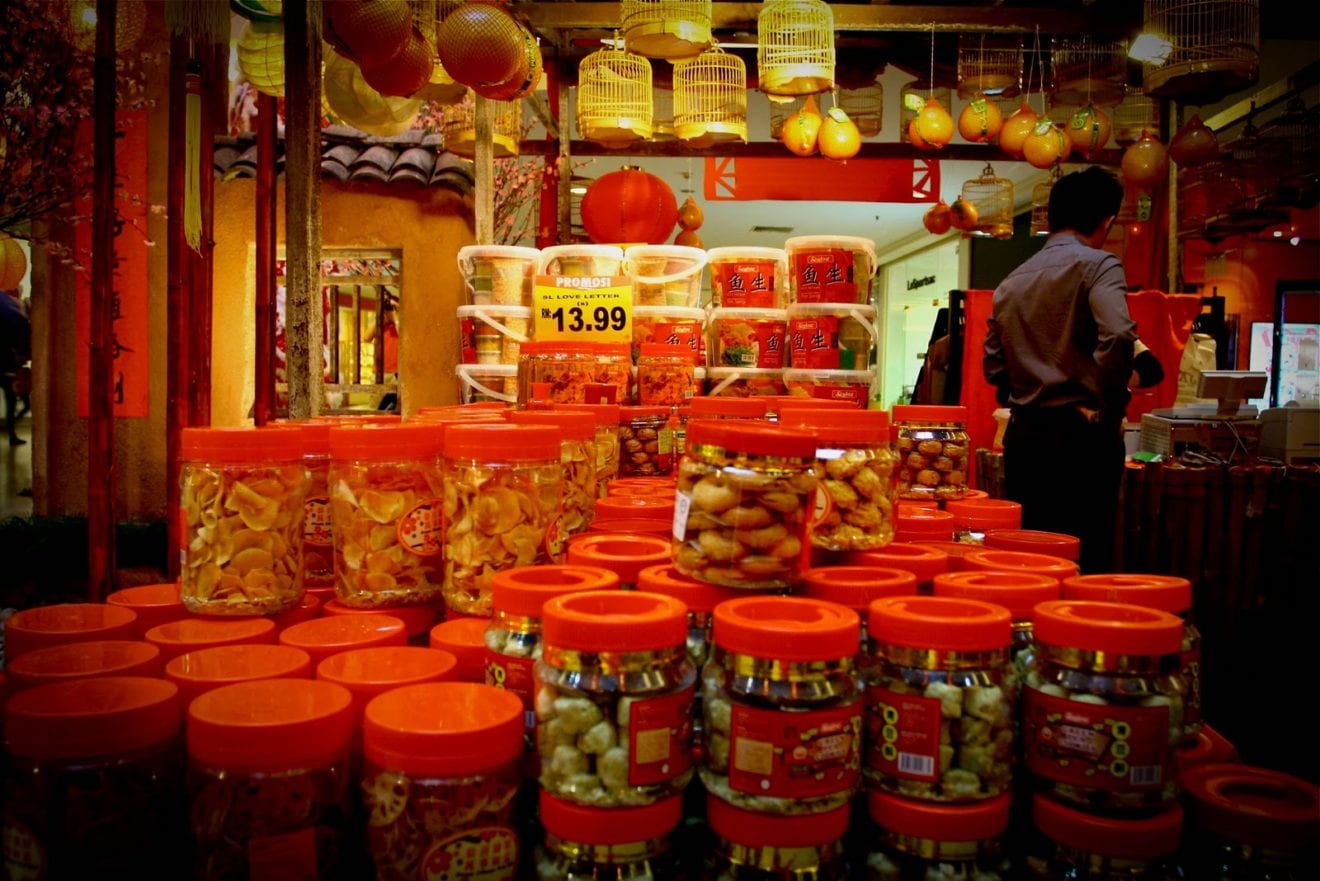
    Food takes centrestage during Chinese New Year, like most festive celebrations. But in the lead up to the occasion this year, retailers selling festive goodies say business is more lacklustre compared to 2015.

    Family-run bak kwa (sliced barbecued pork) stall Bee Kim Heng has seen festive retail sales drop by 10 to 20 per cent compared to last year. Based at People’s Park Food Centre, Bee Kim Heng — which is run by Mr Teo Ah Thin, 81 — has been in operation for almost 50 years.

    “We suspect it’s the economy, (it’s) because of the retrenchments that are going around in the market,” said Mr Damien Teo, who helps his father out during busy periods like Chinese New Year.

    Mr Teo, who is in his 30s, added: “A lot of our business is very dependent on regular customers. Some of the regular customers, for example — in the year before, they’d buy 3kg, maybe 5kg. This year, some of them have cut down in terms of the quantity they buy. They just want to save up a bit, I guess.”

    Similarly, fruit and nut supplier Tian Ran has experienced a 30 per cent drop in sales for the festive period. “A lot of people are browsing and tasting, but fewer are buying. I think it’s due to the bad economic situation,” said a Tian Ran employee, who only wanted to be known as Mr Fang.

    Mr Fang has been selling peanuts and melon seeds — traditional Chinese New Year snacks – for the past eight years. While this year’s takings are poorer than last year, the 40 year-old said he feels things are not as bad as in the aftermath of the 2008 global financial crisis.

    Less than a few hundred metres away, in the annual Chinatown Festive Street Bazaar, employees running a temporary waxed meat stall also opined that buying sentiment is poor.

    “We’re mainly in distribution, but we have set up a stall at this bazaar for many years. This year, sales are down about 30 per cent,” said a stall employee, who only gave his name as Mr Liang.

    The 56-year-old who has been in the business for 30 years, believes that shoppers have held back due to the rainy weather, and a poorer economic climate.


  • The new globetrotters Hong Kong and Macau work to rekindle their tourism spark

    The new globetrotters Hong Kong and Macau work to rekindle their tourism spark

    A stroll down Queen’s Road Central reveals the changes that the drop-off in mainland Chinese tourists has wrought in this once-exclusive shopping area.

    U.S. luxury handbag maker Coach shut down its four-story shop here last August, and its place was soon taken by Adidas, which is preparing to open its first Hong Kong flagship store by June. The German sports brand has also rented a two-story space in Causeway Bay, a prime shopping district, for 3.5 million Hong Kong dollars a month ($449,000), some 30% less than what analysts say the previous tenant paid.

    Mass-market brands like Adidas are fast filling up the space vacated by luxury brands. Spanish fast-fashion chain H&M Hennes & Mauritz opened a four-story outlet in Causeway Bay in October, and a few streets away, HMV has rented a 40,000-sq.-foot (3,716-sq.-meter) space for a crossover music store/cafe.

    PERVASIVE GLOOM

    Hong Kong and Macau have long been the top destinations for mainland Chinese going abroad. With those visitors keeping a tighter hold on their purse strings, the two markets have had to adapt on a dime.

    The change in tourism trends comes against the wider backdrop of China’s economic slowdown, the weakening of the yuan against the U.S. dollar, and Chinese President Xi Jinping’s anti-corruption campaign. In the last two years, China has also tightened rules on the frequency of visits to the two cities, their use as transit stops and visitors’ use of mainland payment cards. Protests in Hong Kong against cross-border bulk shoppers and the death of a visitor during a tour group stop at a jewelry store have put off some would-be travelers from the mainland, as well.

    Three-quarters of Hong Kong’s visitors come from the mainland, but their arrival numbers last year fell almost 3% from 2014. Macau, similarly dependent on China, saw a 4% drop.

    Chinese tourist traffic to the two cities began to soar in 2003 after Beijing opened up the flow of individual visitors from designated mainland cities to compensate for a decline in arrivals related to that year’s outbreak of severe acute respiratory syndrome. Most mainlanders were previously required to travel with tour groups. A year later, the opening of the Sands Macao casino launched an era of gambling competition in Macau.

    Soon, luxury goods stores, pharmacies and other tourist-oriented shops were crowding out those serving local needs. Real estate services company Jones Lang LaSalle estimates mainland visitors now account for a third of Hong Kong retail sales and that they spent an average of HK$3,900 per visit in 2015.

    HARD REVERSE

    The recent downturn is hitting luxury retailers hard because it comes after years of booming sales that saw them open ever more and bigger stores. Burberry said its Hong Kong sales in the October-December quarter fell 20% from a year earlier. The British fashion brand plans to shrink its largest store in Hong Kong from two floors to one.

    Overall sales of jewelry, watches, clocks and similar gift items in the city fell 20.6% in November, according to government figures, while retail sector employment has fallen by 2,663 positions since peaking in late 2014.

    “Christmas sales were already worse than expected,” said Thomson Cheng, chairman of the Hong Kong Retail Management Association and executive director at retailer Lane Crawford Joyce Group. “It will be worrying if we don’t see much recovery during the Chinese New Year [in February], which is a traditional shopping season.”

    Chow Tai Fook Jewellery Group reported that sales in stores in Hong Kong and Macau that have been open for at least a year fell by a quarter in the October-December period. This compares with a drop of 6% for outlets in the mainland. Managing Director Kent Wong Siu-kei said retail conditions will remain “very challenging” and that as a result, the company will close six regular stores and open three discount outlets in Hong Kong and Macau. “Opening outlets will be our future strategy,” he said.

    One factor behind the fall in spending is that prices in Hong Kong and Macau are no longer competitive, due to the Hong Kong dollar’s peg to the U.S. dollar and the link, in turn, of the Macau pataca to the Hong Kong dollar. According to brokerage CLSA, a popular Louis Vuitton handbag costs about 20% more in Hong Kong than in Japan and South Korea and 40% more than in France or the U.K. And unlike those countries, Hong Kong doesn’t levy any sales tax.

    “Hong Kong is not as attractive as I thought,” said Huang Danqin, who was visiting the city for the first time from her hometown of Ningbo, in China’s eastern Zhejiang Province. “Hotels are expensive. The diversity of shopping is also not very interesting compared with Japan and South Korea. I’d rather shop online for handbags these days for better deals.”

    Growing tension between locals and mainland tourists is another headwind for retailers. Protesters in Hong Kong have complained that visiting shoppers cramp the city’s already crowded streets and transport system.

    “This is a capacity issue because of the limited space we have,” said Qiu Hanqin, a tourism professor at Hong Kong Polytechnic University. A slowdown in mainland tourist arrivals could be a chance for Hong Kong to “take a break” and rethink its tourism policies, she said.

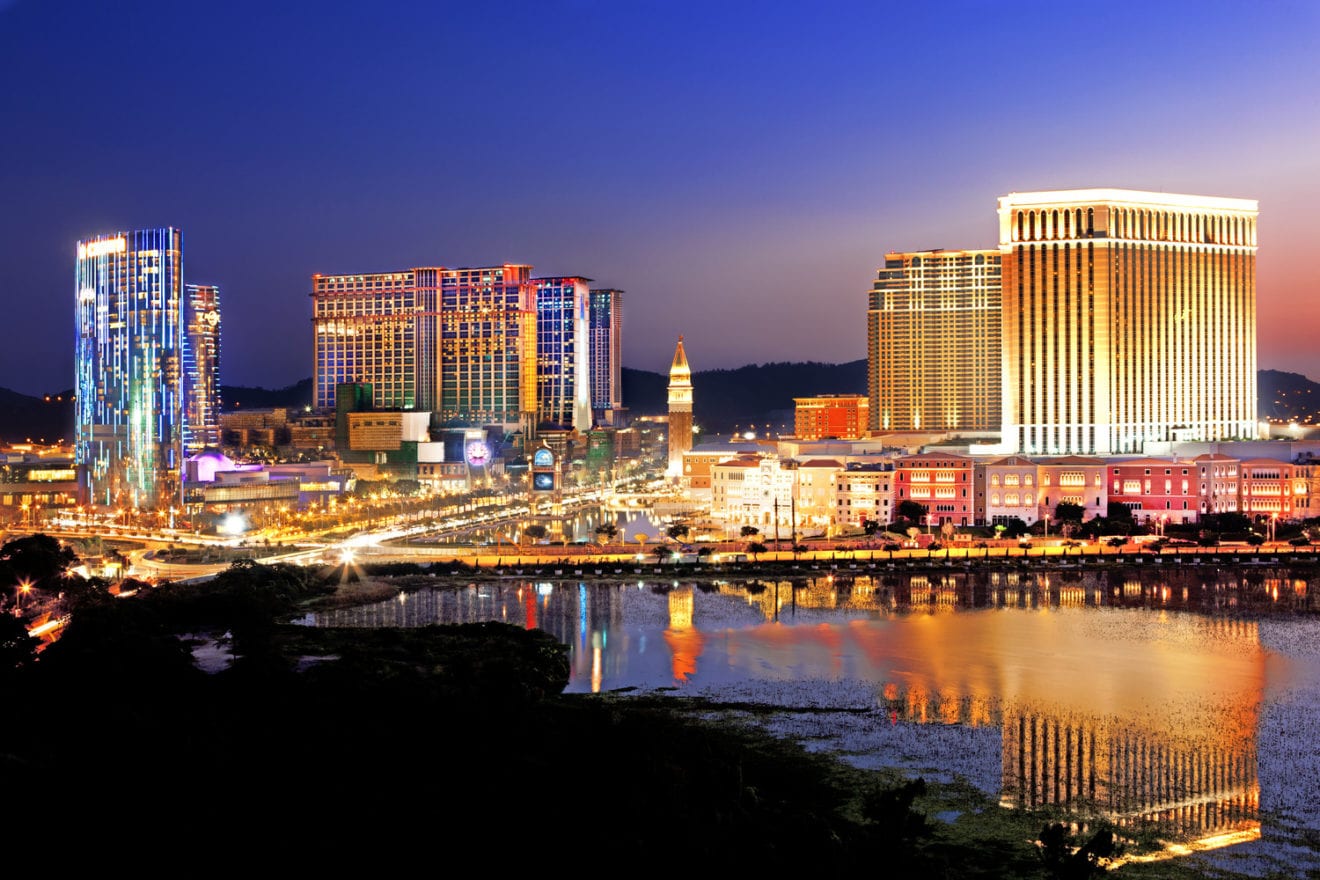
    Just an hour’s ferry ride west, Macau, too, is suffering. Gaming revenues declined for the 20th straight month in January and were down nearly a third for all of 2015, to 230.8 billion patacas ($29.6 billion), according to official data.

    With mainland high rollers staying home or heading elsewhere, many of the so-called junket companies that handled their trips to Macau have closed up shop. The government, which depends on casino taxes for most of its income, announced budget cuts of 5-10% on most spending in September, and officials reported a 24.2% decline in third-quarter real gross domestic product from a year before. Li Gang, China’s top representative in Macau, has signaled Beijing is preparing measures to support the city’s economy once again.

    MORE TO OFFER

    Analysts expect the heavy declines in gambling revenue to continue through the first half of 2016. But some think new openings could help stem the slide.

    “We feel like a lot more happening in Macau will attract tourists,” said Aaron Fischer, regional head of consumer and gaming research at CLSA. He expects year-on-year monthly gaming revenues to turn positive by June and ultimately grow 1% for the year.

    The brokerage has a “buy” rating on the Hong Kong-listed shares of Wynn Macau. The developer is set to open the $4 billion Wynn Palace this year, its second casino resort complex in the city.

    In addition to Wynn Palace, three other casino resorts are scheduled for completion this year. But this time, the mantra of “build it and they will come” may not hold true.

    On a weekend visit in January to the newly opened $3.2 billion Studio City casino resort, operated by Melco Crown Entertainment, dealers beckoned visitors to take a seat at one of the many empty baccarat tables. Spots on ferries to and from Hong Kong, which previously needed to be booked in advance, were available on demand.

    Some analysts think Hong Kong could use new draws, especially once the mainland’s first Disneyland theme park opens in Shanghai in June, potentially dampening interest in Hong Kong’s smaller park. “Policymakers in some other destinations have been more active in trying to grab a larger piece of the Chinese tourism pie,” said Mervyn Tang, associate director of Asia-Pacific sovereign ratings at Fitch Ratings in Hong Kong.

    Instead, Financial Secretary John Tsang Chun-wah has signaled that he will include measures to support the local tourism industry in the city’s annual budget to be unveiled Feb. 24.

    Not everyone is discouraged about Hong Kong’s prospects. Tokyo-based Tokyu Malls Development in December opened a HK$20 million Shibuya 109 department store in the tourist district of Tsim Sha Tsui. The company projects sales volume of HK$100 million this year, as it expects Chinese tourist traffic to remain heavy even after recent declines.

    “There is still ample room for selling Japanese brands [in Hong Kong],” said Hiroyuki Wada, president of Tokyu Malls. “Hong Kong will keep its position as Asia’s shopping capital in the long term.”
  • Hong Kong International Airport Expands Retail and Catering Options

    Hong Kong International Airport Expands Retail and Catering Options

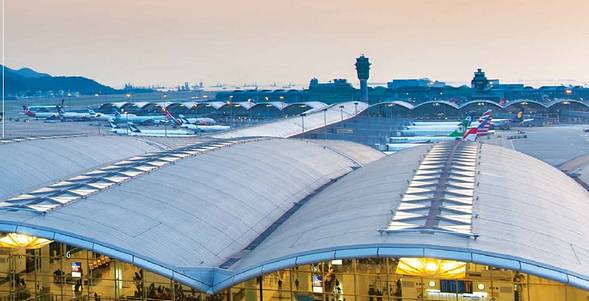
    Nine retail shops and a café have opened in the recently-inaugurated 105,000-square-metre Midfield Concourse of Hong Kong International Airport (HKIA).

     In addition to the new shops, there are also outposts and a money-exchange kiosk.

    “The Midfield Concourse will be able to serve an additional 10 million annual passengers in order to meet the increasing passenger volume at HKIA,” said Cissy Chan, Executive Director, Commercial, Airport Authority Hong Kong. “We are proud to offer extended retail and catering options throughout the concourse, which will let the passengers have a pleasant and enjoyable last-minute shopping and dining experience.”

    Soon to be opened are eight retail and three catering outlets, including world-renowned travel retailer DFS, which will introduce a new multi-category store concept.

    The catering outlets will offer café and casual-dining options to departing passengers who have limited time before boarding.

     The Midfield Concourse also marks MX’s first entry to HKIA

  • Sistema floats $50M Asia fund to invest in niche retail technology

    Sistema floats $50M Asia fund to invest in niche retail technology

    sistema

    Russia-based Sistema has floated a $50 million Asia Fund to invest in startups in India and Asia, reports ET. The company will focus on making Series A to Series C investments in the technology and niche consumer retail sectors.

    Sistema mentions that the size of the fund is expected to be increased once the startup financing business grows. The fund will be advised by Insitel Services, a fully owned subsidiary of Sistema. Andrey Terebenin, former Sistema executive board member, has relocated to India as senior managing partner of Insitel to oversee the Asia Fund.

    Last month, Reliance Communications (RCOM) received permission for its merger with Sistema Shyam Teleservices Limited (SSTL), which operates as MTS in India, from the BSE and the NSE. The merger was first announced in November, under which MTS would hold 10% equity stake in Reliance Communications.

    In April last year, the company said it would provide free WiFi access for travelers at Varanasi, Ahmedabad, Agra, Mumbai CST, Howrah and Secunderabad railway stations.

    Some of the other funds in India:

    – Last month, VC firm Norwest Venture Partners (NVP) announced its latest fund Norwest Venture Partners XIII at $1.2 billion.

    – The same month, we reported that Storm Ventures had launched a new fund for software-as-a-service (SaaS) startups in India, with an allocation of at least $10 million for the fund.

    – In January, Unicorn India Ventures finished a first close of Rs 40 crore on its Rs 100 crore fund, which plans to invest in verticals like mobile, social media, analytics, cloud tech and Internet of Things (IoT).

    – In December, Mumbai-based seed fund investor Blume Ventures raised $30 million for its Fund II. The firm is targeting to raise an overall fund of $60 million by March.

    – In the same month, industrialist Sudhir Menon and digital marketer Atul Hegde set up a new $50 million early stage start-up fund called Rainmaker Ventures

    – The same month, China’s APUS Group launched a fund in India worth Rs 300 crore to invest in startups.

    – Tiger Global Management raised $2.5 billion for a new global fund. Read more here.

  • Will escalating China woes derail CRCT’s growth story?

    Will escalating China woes derail CRCT’s growth story?

    It will benefit from increased consumption.

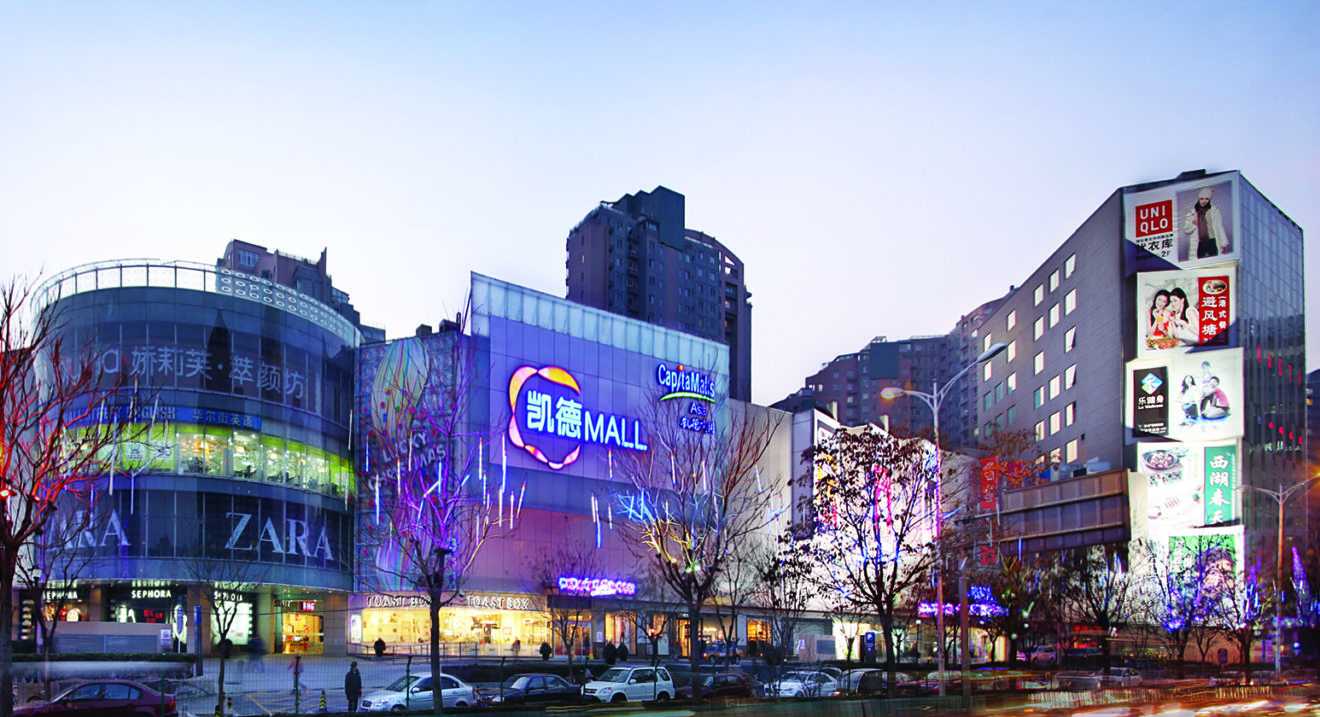
    CapitaLand Retail China Trust is still poised for growth despite China’s slowing economy, according to a report by DBS.

    Although investors are currently fearful of the slowdown in China’s GDP growth, DBS said that RCT should remain well positioned as it should benefit from China’s move towards a consumption-based economy. This trend is illustrated by the 10.7% jump in retail sales for FY15, faster than the overall GDP growth of 6.9%.

    “Going forward, we understand CRCT remains confident of generating positive rental reversions (in the “single-digit range), although lower than the 15-20% achieved over the past few years,” DBS said.

    The lower level of rental reversion is also due to CRCT making a strategic decision to attract certain tenants as part of its constant tenant remixing to sustain the performance of its malls in the long term, DBS noted.

    “CRCT’s earnings have been negatively impacted by the road closures surrounding Minzhongleyuan over the past two years. As these works are scheduled to be completed by end-2016, we believe we are approaching an inflection point for the mall’s earnings,” the report added.

  • UK retailers fail to capitalise on burgeoning e-commerce in China

    UK retailers fail to capitalise on burgeoning e-commerce in China

    ‘Retailers are falling short in serving both Chinese shoppers and others overseas by not providing the seamless shopping experience they offer here in the UK’

    Although 71% of the UK’s largest online retailers are selling internationally, almost half (45%) are completely ignoring China’s burgeoning e-commerce market, new research has found.

    China’s total e-commerce market is expected to increase by 50% to $6.5 trillion by 2020, with online transactions accounting for nearly half of that growth.

    China’s Centre for International Economic Exchanges predicts the nation’s international online retail will account for 30% to 40% of total world trade by 2025.

    Meanwhile, recent research by Worldpay revealed that 44% of people in China shop on overseas websites.

    But while many UK retailers, such as Selfridges and John Lewis, have taken steps to make the shopping experience in-store more welcoming for high-spending visitors from China, relatively few retailers have made similar improvements online.

    Just 55% offer shipping to China – and among those that do, the shopping experience offered to shoppers varies wildly.

    New research by Global-e, which assessed more than 150 of the UK’s largest online retailers, found that just one in ten (10%) retailers that ship to China offer shoppers a Mandarin language option.

    Across all retailers, just under a fifth (17%) offer non-English language options, with retailers that offer international language options offering 5.7 languages on average.

    And while more than a third (36%) of retailers offer prices in other currencies, just 26% of UK retailers that ship to China present prices in Chinese Yuan, and only 22% accept Chinese local payment methods, such as AliPay, UnionPay and TenPay.

    Of retailers that do accept Chinese payment methods, 42% offer a single option, barring some prospective customers from making a purchase.

    Furthermore, almost all (98%) retailers that ship to China do not provide full duties calculations and prepayment, which means that shoppers may be stung by unexpected charges or taxes.

    Not only does this put the retailer’s reputation at risk, but these companies will also be unlikely to generate brand loyalty in China.

    “Shoppers expect more from the online retail experience but very few retailers can claim to offer ‘global shopping’,” said Nir Debbi, co-founder and CMO at Global-e. “Our research shows that retailers are falling short in serving both Chinese shoppers and others overseas by not providing the seamless shopping experience they offer here in the UK.

    “To boost conversions abroad and harness untapped opportunities, retailers need to remove the frictions in the customer experience by providing effective shipping and returns, localised pricing, local currencies, and payment methods with guaranteed landed cost.”

  • Thai conglomerate buys Big C for $3.4bn

    Thai conglomerate buys Big C for $3.4bn

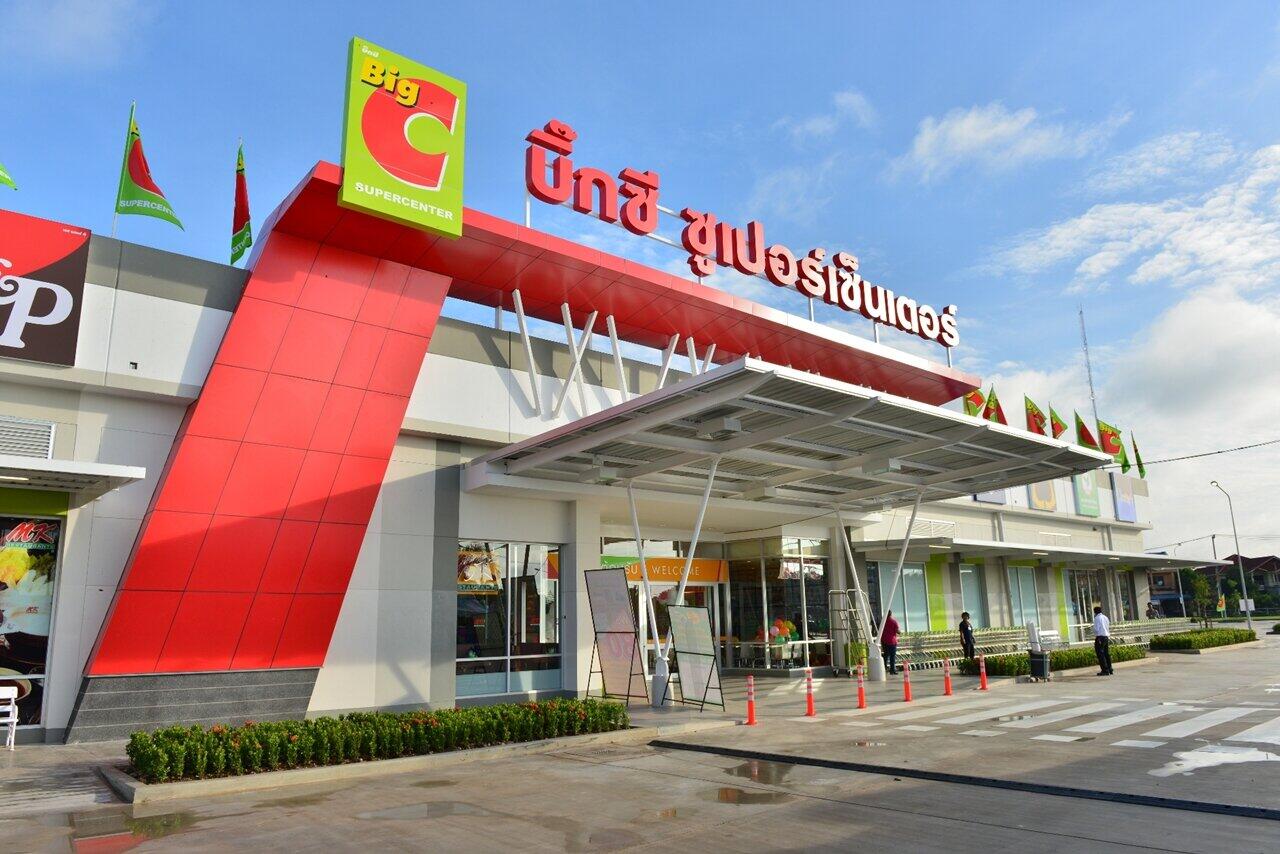
    BANGKOK — Marking its first full-fledged step into the retail market, Thai conglomerate Thai Charoen Corporation (TCC) Group, owned by alcohol tycoon Charoen Sirivadhanabhakdi, has agreed to buy a majority stake in supermarket operator Big C Supercenter for 3.1 billion euros ($3.4 billion), excluding debts, from France’s Casino Group.

    Big C operates roughly 700 supermarkets, including 125 hypermarkets, throughout Thailand and is the second largest supermarket operator after Tesco Lotus, owned by the U.K.’s Tesco.

    According to a Casino Group release, Big C shares are valued at 252.88 baht ($7.1) per share, a 28% premium to the share price on Jan. 14 when Casino Group initially announced the disposal of its 58.56% stake, currently held through two local subsidiaries. The deal is to be closed by the end of March.

    TCC Group is the parent company of Thai Beverage, the flagship alcohol and beverages company known for its Chang beers.

    Billionaire Charoen has been expanding his reach within the Association of Southeast Asian Nations, including the 2013 takeover of Singapore beverage company Fraser and Neave, but until now his retail operations have been relatively small. In January, the group completed its acquisition of German cash-and-carry chain Metro’s Vietnamese unit.

    The Big C acquisition in Thailand, where consumers have a higher purchasing power than neighboring countries, will likely boost the conglomerate’s retail operations. Big C is expected to become a channel for the promotion of products of other companies within the group, such as Thai Beverage, F&N and Berli Jucker.

    The 28% premium may seem a somewhat high, but analysts say that this was one of the few chances left for Charoen to make a move into the Thai retail sector.

    After Carrefour’s Thai business was acquired by Big C in 2011 and Siam Makro, another cash-and-carry chain under a Dutch trading company was purchased by Charoen Pokphand Group in 2013, Big C and Tesco were the only foreign-owned retailers whose stake holdings could be put up for sale.

    “All the big family conglomerates are eager to acquire these foreign holdings,” Anuwat Srikajornratkul, analyst with Asia Plus Securities, said. “The retail market is already saturated and the best way to expand is to acquire an existing brand instead of building new brands,” he explained.

    Agribusiness conglomerate Charoen Pokphand Group, which runs Thailand’s Seven Eleven stores, is reportedly seeking to acquire Tesco Lotus.

    Casino Group, meanwhile, is expecting to reduce its debt by 3.3 billion euros through the sale. As part of its restructuring plan, it is also considering the disposal of its stake in Big C’s Vietnamese unit. Analysts speculate that TCC Group will likely compete for that acquisition too.

    Following the announcement, Big C shares shot up by 10% to 251 baht, a one-year-high during Monday’s trading hours. Berli Jucker shares soared nearly 20% also closing in to a one-year-high. Thai Beverage had no trading Monday as it is listed on the Singapore bourse, which was closed for the Lunar New Year holiday.

    According to Thai regulations, TCC Group will have to conduct a tender offer for all the remaining Big C shares after the deal is closed.

    Local media had reported that Thailand’s largest retailer Central Group was also interested in purchasing the Big C stake. Central initially founded Big C in Thailand and opened its first store in 1994. However, in the wake of the Asia Financial Crisis, it sold most of its stake to Casino Group in 1999.

    Central is also reportedly interested in bidding for Big C Vietnam.

    Central owners the Chirathiwat family currently hold a minority stake in Big C Thailand. Analysts say that the family could sell off all its remaining stake through TCC’s tender offer.

  • Apple Inc Set to Infiltrate India with Famed Retail Outlets

    Apple Inc Set to Infiltrate India with Famed Retail Outlets

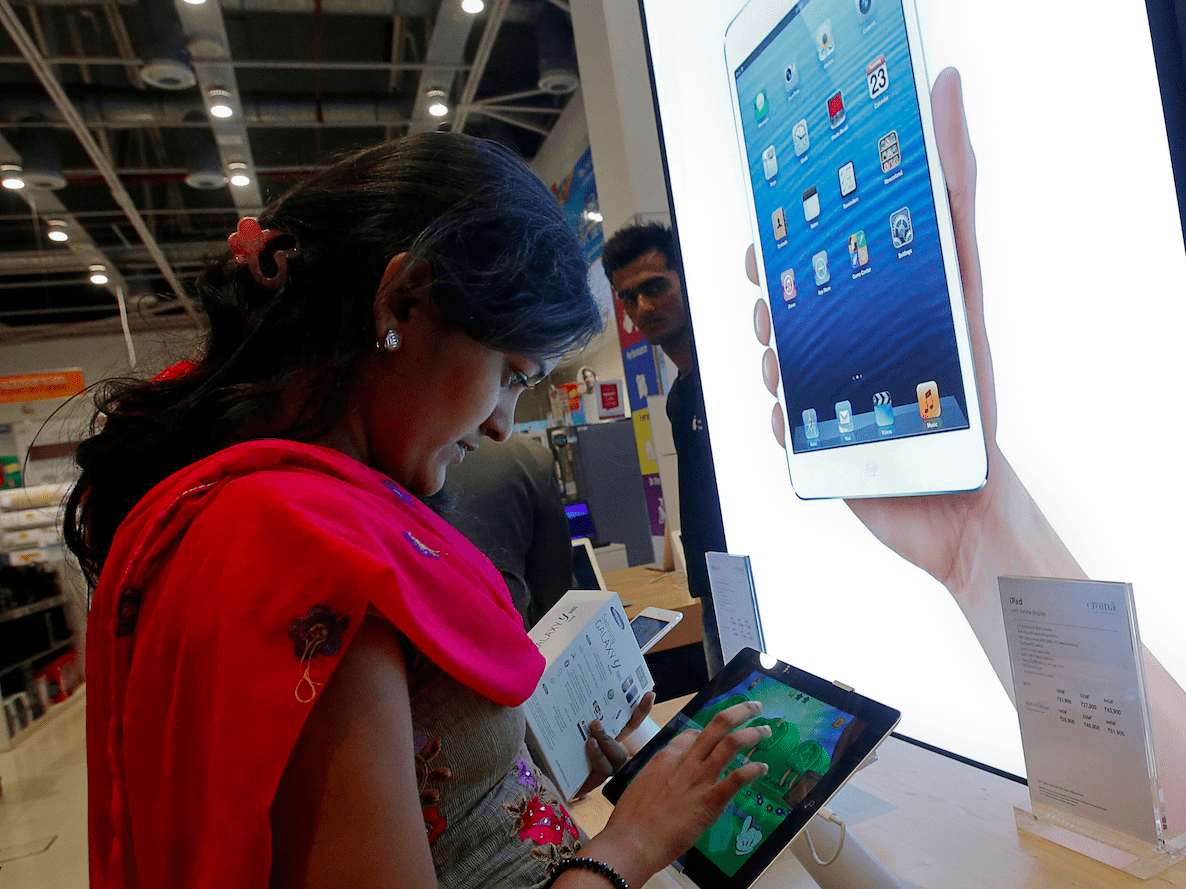
    Imagine being in the hustle and bustle of everyday Mumbai traffic, and spotting an Apple Store across the street. This is about to get real, as Apple Inc. is on course to open its first single-brand retail outlet in India. Sources told Bloomberg that applications for retail business are already under process, with no approval date finalized as of yet. In his recent town hall meeting, CEO Tim Cook personally confirmed that the tech giant is going to open Apple Stores in India.

    Such a deal is believed to exempt Apple from local regulations, according to which, single-brand stores need to assemble products comprising 30% of locally-manufactured components. Currently, the company sells its iPhones, iPads, and other devices in the country via third-party distributors. The company’s push into India has been part of Mr. Cook’s turnaround strategy, as he aims to target the 1.3 billion Indian citizens and exploit the inherent growth potential in the country.

    This target market may be even more lucrative than China, as India’s population is relatively younger and has relatively low smartphone penetration. The country possesses a vast 4G connectivity network, unlike other emerging markets; this presents a lucrative opportunity for Apple, as it would be able to promote its latest gadgets in the region. Last year, India surpassed the US as the second-largest smartphone market, in terms of global unique active users.

    Apple reported a 38% year-over-year (YoY) sales increase in India in its latest quarterly earnings; the company sold over 800,000 units in the region during the quarter ended December 31, 2015. Sales in other emerging markets had shown stagnant growth for the same period, while China experienced a comparatively lower growth rate than India at 14%. Sales volume for the iPhone alone experienced 76% growth in India, compared to 45% in the Middle East, South Korea, and Africa, 18% in China, and 20% in Europe. Moreover, the India’s population has a median age of 27 years, as opposed to China, where the median age is 37 years.

    Such high-growth numbers indicate that now may be the perfect time for Apple to open its famed single-brand retail stores in India. Apple Stores are known for their distinctive setup, excellent customer experience, and strong brand association, which is known to deliver superior products. Such a setup is likely to attract the country’s youth, who helped raise India’s smartphone sales by 23% to 220 million in 2015.

    A major roadblock to Apple’s business, however, comes in the shape of local smartphone makers and other cheaper brands, as the country has a relatively lower income-scale than most of Apple’s other markets. But the tech giant has so far successfully weaved past this issue by enforcing aggressive price cuts on some of its older devices, such as the iPhone 5s. Even the iPhone 6s/6s Plus models were sold under various discount packages, and this pricing flexibility helped increase product availability across all third-party distributors.

    With the company reporting stagnant growth in global smartphone sales in its earnings release, due to increasing consumer product upgrade lifecycles, India may just be the bailout it seeks. The company aims to turn around faltering handset sales with the new iPhone 7. Establishing stores in major population centers such as Delhi and Mumbai can help it attain greater traction when the smartphone launches.

  • Emperor Akihito’s visit to Manila

    Emperor Akihito’s visit to Manila

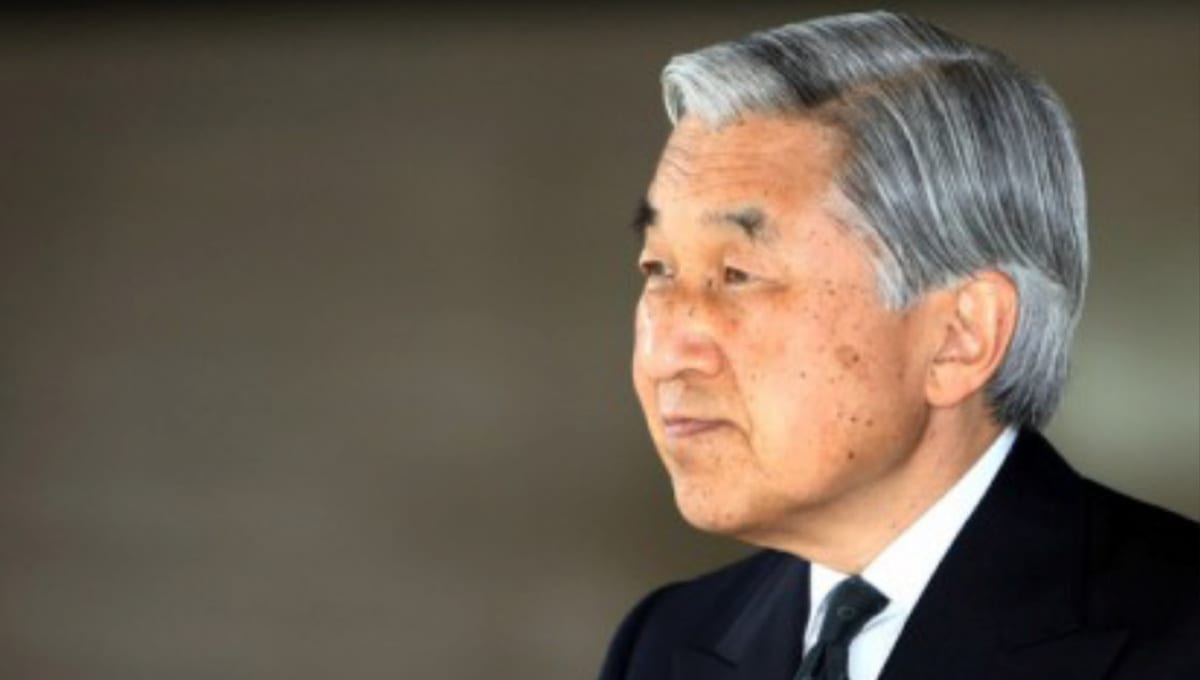
    At the State Dinner in his honor hosted by President Aquino at Malacañang, Japan’s Emperor Akihito offered a toast to President Aquino for the “good health and happiness of the Filipino people” and said that Japan must never forget the loss of Filipino lives in World War II.

    The 82-year-old Emperor’s last trip to the Philippines was 52 years ago, when he was still Japan’s Crown Prince. This time he came with his wife, Empress Michiko, for a five-day visit which included side trips to the International Rice Research Institute at Los Baños, and to Baguio and Tagaytay. On each of his trips to the Philippines, the Emperor has included a visit to the Tomb of the Unknown Soldier at the Libingan ng mga Bayani at Fort Bonifacio. “Japan will never forget the loss of Filipino lives during World War II,” he told his audience at the State Dinner. “And I continue to enhance mutual understanding and friendly ties with the Philippines.”

    Referring to his earlier visit a half century ago, the Emperor said: “To this day the memory of the warm smiles we received from His Excellency, President Macapagal, and the First Lady, as they stood by our plane when we arrived at Manila Airport and the warm welcome we received from the people of the Philippines remain deep in our hearts.”

    The Emperor recalled that the Philippines’ National Hero, Jose Rizal, who spent a month and a half in Japan, and later wrote that he envisioned that the two nations would eventually engage in a full-fledged relationship.

    At a private meeting in Malacañang, President Aquino and the Emperor discussed the Emperor’s earlier visit to the Philippines in 1962, when he was still the Crown Prince. They also talked about Japan’s vast automobile sales to the Philippines, and the establishment of Japan’s retail store, Uniqlo, here in Manila.

    President Aquino and Foreign Secretary Albert del Rosario also spoke of the significant increase in the number of visitors from Japan to the Philippines, and from the Philippines to Japan.

    Today, Japan is the Philippines’ largest trading partner and its top donor of foreign aid.

    This was the first visit by an Emperor of Japan to the Philippines.

  • Lotte launches Paul & Shark in Korea

    Lotte launches Paul & Shark in Korea

    Italian lifestyle brand, Paul & Shark, has opened its first boutique in South Korea, at Incheon International Airport (ICN) in partnership with Lotte Duty Free – with a further two on the way.

    Commenting on the mid- December opening: Catherine Bonelli, Global Travel Retail Director at the brand, says: “This store makes a wonderful first step into the South Korean travel retail market for Paul & Shark.”

    “In the first quarter of 2016 another two openings are planned in Seoul, which will truly cement Paul & Shark’s presence in Korean travel retail. I would like to thank Lotte Duty Free for their support with the opening of this new store, which looks amazing.”

  • Lippo-Sponsored Investment Trusts to Acquire Property Assets in Yogya, Bali

    Lippo-Sponsored Investment Trusts to Acquire Property Assets in Yogya, Bali

    They are held under one “right to build” title certificate as the local government is not allowed to subdivide the property and issue separate strata title certificates.

    Siloam Hospitals Yogyakarta offers 240 hospital beds, while Lippo Plaza Yogya offers a 66,098-square-meter gross floor area (35,965 square meters for the mall area and 30,133 square meters for parking), which is already occupied by various tenants, including a movie theater operator, food sellers and a hypermarket. This mall has been in operational since June 2015.

    Separately, LMIRT alone will acquire Lippo Mall Kuta, a retail mall component worth Rp 800 billion, situated on Bali Island, Indonesia’s most popular tourism destination.

    Lippo Mall Kuta has been in operation since 2013, offering 21,132 square meters of commercial space occupied by tenants selling international and local brands such as Nike, Bata, Quiksilver, Planet Sports, Matahari Department Store, Hypermart and Cinemaxx.

    “I’m pleased to report that we have signed a contractual sales and purchase agreement for two of our malls and one of our hospitals to our REITs, which will yield up to Rp 1.7 trillion [worth of transactions],” Ketut B. Wijaya, president director of Lippo Karawaci, said in the company’s statement.

    REITs are investment funds that own, operate and profit from real estate through property or mortgages.

    They are also traded on exchanges, such as the Singapore Stock Exchange.

    The move, according to Ketut, is part of the company’s “light assets program” in which the property developer recycles capital that has achieved sustainable income in order to reduce operating costs and maximize profits.

    Since the funds are listed in Singapore, the plans are still pending approval from regulators in Singapore, the Monetary Authority of Singapore and Singapore Exchange Securities Trading Limited, according ot the statement.

    The Jakarta Globe is affiliated with LMIRT and First Reit through the Lippo Group.

  • Downturn won’t dent H&M China confidence

    Downturn won’t dent H&M China confidence

    Despite feeling the pinch from an economic slowdown in China, Swedish fashion giant Hennes & Mauritz (H&M) says it plans to continue to bet big on the country.

    It blames an 11 per cent drop in quarterly net profit on adverse currency swings and mild November weather across several divisions, especially H&M China.

    This fell to 5.53 billion Swedish kronor (US$649 million) for the three months to November 30 from 6.22 billion kronor for the same period a year earlier. Revenue grew 14 per cent to 56.5 billion kronor in the fiscal quarter from 49.7 billion kronor. Excluding value-added tax, sales totaled 48.7 billion kronor.

    While acknowledging that sales growth in China has slowed dramatically – coming in a 4 per cent in local currencies for the quarter compared with 34 per cent – CEO Karl-Johan Persson says his faith in the country’s long-term prospect is unshaken.

    “We will open most new stores in China this year,” he says. The company plans 425 new stores globally in the fiscal year, with China and the US its main expansion markets.

    Persson says his confidence in China is based on the belief that the country will gradually pivot toward a consumer-driven economy, creating vast opportunities for retailers.

    Affluent shoppers 35 years and younger as well as internet users are still propelling the consumer market there, which is expected to jump to $6.5 trillion in sales by 2020, an increase of 54 per cent from last year, according to the Boston Consulting Group.

    H&M also plans to continue online expansion, with plans to open online stores in Japan and in eight other markets this year.

    The group’s gross margin has slipped to 57.5 per cent from 60.4 per cent, mainly because of the stronger dollar. H&M sources most of its clothes in Asia, where it pays in dollars.

  • Foodpanda answer to rumors

    Foodpanda answer to rumors

    Foodpanda India has rubbished reports it will close down, parent Rocket Internet saying the market is one of its fastest growing internationally.

    “We are extremely happy with the development of our business in India,” Saurabh Kochhar, CEO, Foodpanda India said in a statement emailed to Inside Retail Asia.

    “We are a global player in food ordering business, backed by a group of renowned investors. Whenever we have felt the need for investments we have invested and we will continue to do so.”

    Kochhar said the company is market leader in India’s online food sector.

    “We have achieved an outstanding rate of automation in India and have built incredible technological innovations that have dramatically improved our order processing, vendor management and delivery rider allocation.

    “Marketplace businesses generally require many years to turn profitable,” he continued. “We are happy to see this happening even faster at Foodpanda. Online food ordering is one of the most profitable internet business models and we are proving so in India as well.”

    Further, Kochhar told the Times of India the country is expected to be one of its top three globally by 2019.  Currently, its top markets are Russia, Singapore, Hong Kong, Saudi Arabia, India and Malaysia.

    “We have no plans to exit from the Indian market. We are best placed to grow and consolidate our leadership in the Indian market,” Kochhar said.

  • Tata Group sees Vietnam, Myanmar as potential markets to power growth

    Tata Group sees Vietnam, Myanmar as potential markets to power growth

    At least seven companies of India’s oldest conglomerate, Tata Sons, have zeroed in on Vietnam and Myanmar as markets that need to be penetrated into. Growing economies and an expanding middle class, as well as pacts with global powers and tax incentives have made these countries important for firms that seek to reach out further into the Asean and global markets.

    “The demographics and the economic development stage of these countries represent a market for several products and services from the Tata group,” a Tata Sons spokesperson said. “Tata companies like Tata Power, Tata Projects, Tata Chemicals, Titan, Tata Motors, Rallis (and) Tata International among others are either active or are exploring opportunities in the Vietnam and Myanmar markets,” the spokesperson said in an e-mail, responding to ET’s queries.

    For the business house, Singapore is the nodal country for its Asean markets that include more than 660 million people with a $2 trillion economy. Asean members include Indonesia, Malaysia, the Philippines, Singapore, Thailand, Brunei, Myanmar, Cambodia, Laos and Vietnam.

    “The region has recorded more than 5% GDP growth on average since the year 2000 and, when combined, Asean nations would represent the world’s seventh largest economy. The region is therefore regarded by many as the third pillar of economic growth within Asia, after China and India,” said Shashank Tripathi, leader at PwC’s strategy&.

    In an interview to its quarterly in-house magazine, Tata Group Resident Director for the Asean region KV Rao said: “From a group perspective, we have identified two focus markets: Vietnam and Myanmar.” The group has a memorandum of understanding each in the two countries for power projects. “We are now working on deepening the engagement with these markets from a strategic and operational point of view,” he added.

    The Vietnam-EU Free Trade Agreement (VEFTA), signed in Brussels on December 2 after nearly three years with 14 rounds of negotiation, will remove nearly all tariffs between the Southeast Asian country and the EU once implemented by 2018. The country becoming a global trade partner for the US, EU and China in exports makes it important for Indian firms.

    While recent years have been a bit sluggish for many Asean countries affected by global economic conditions, Vietnam was among the few to record robust GDP growth – 6.0% in 2014. Recently released government figures further estimate 6.7% growth in 2015, its highest since 2007, due to a significant increase in industrial production and a strong push by the government to improve the business environment and reform its state-owned enterprises.

    Indian companies have been investing in sectors such as oil and gas exploration, mineral exploration and processing, sugar manufacturing, agrochemicals, IT and agricultural processing in Vietnam. Some of the companies that have a foothold there include ONGC Videsh, Tata Power, KCP Industries and Tech Mahindra.

    Coming out of junta rule with promises of economic reforms has made Myanmar an important geography for businesses. Major Indian companies there include ONGC Videsh, Jubilant Oil and Gas, CenturyPly, Tata Motors, Essar Energy, RITES, Escorts, Sonalika Tractors, Zydus Pharmaceuticals, Sun Pharmaceutical Industries, Cadila Healthcare, Shree Balaji Enterprises, Shree Cements, Dr Reddy’s Laboratories, Cipla, Gati Shipping, TCI Seaways, Apollo and AMRI Hospital.

  • Asia drives Jimmy Choo sales

    Asia drives Jimmy Choo sales

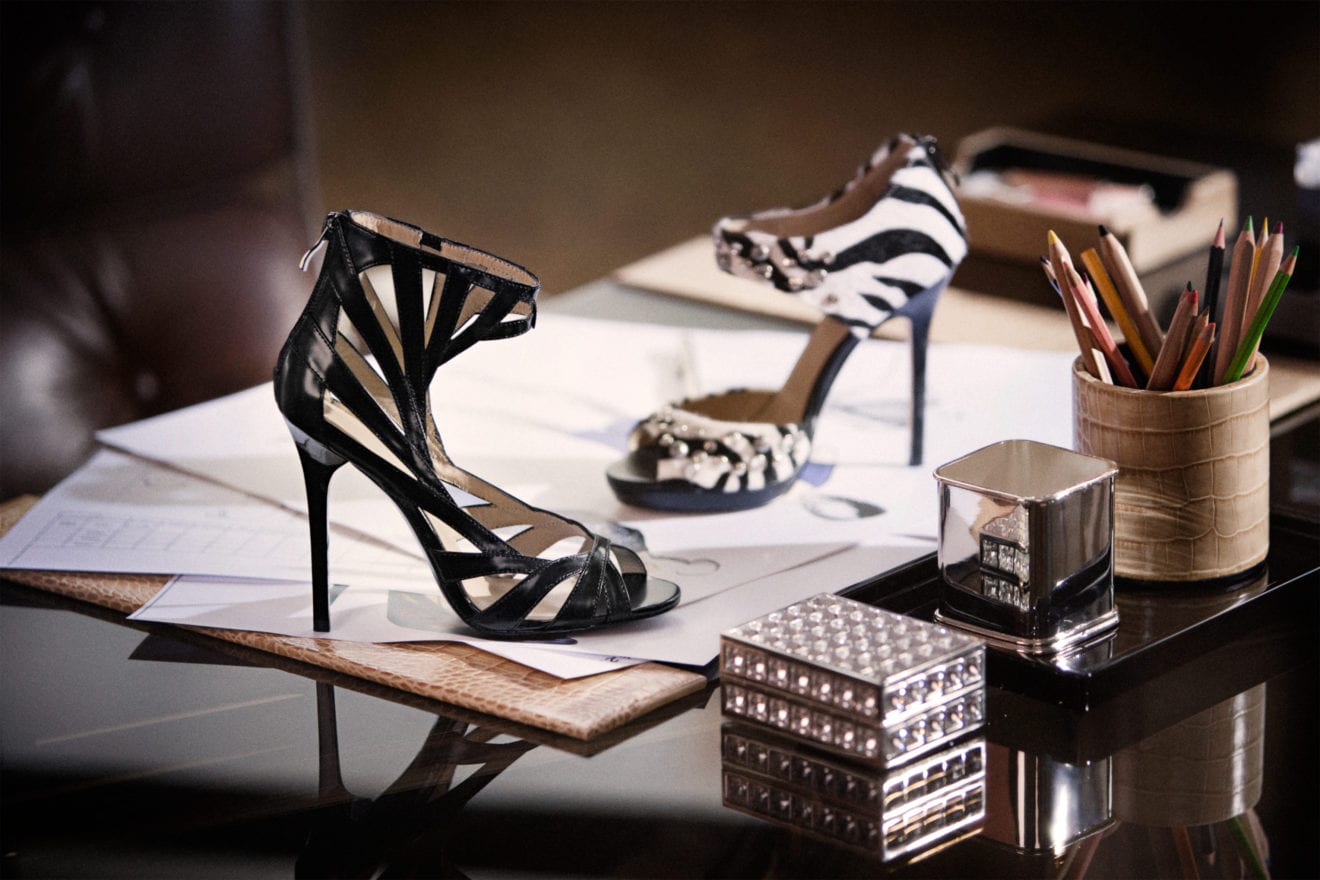
    Shoe label Jimmy Choo has reported a 7 per cent increase in 2015 sales – all on the back of strong Asian growth.

    The British-based shoemaker, which has been actively increasing its Asian footprint during the past year,  said it remains “confident” it can grow even faster in the market despite the slowdown in China’s economy.

    While a large share of the growth has come from Japan, the company says it does not expect a slowdown in China to affect its performance.

    Men’s footwear was the fastest growing category in the last quarter, but it still accounts for just 7 per cent of Jimmy Choo sales.

    The company’s net revenue rose 7 per cent to £318 million. Retail sales rose 9 per cent to £208million, while wholesale sales rose one per cent to £100 million on a constant currency basis.

    “Jimmy Choo continues to outpace the sector despite the challenging competitive environment,” said chairman Peter Hard.

    “The company successfully reversed the first half decline in wholesale revenues and is on track with growth forecasts in Asia and Japan where brand awareness continues to grow strongly.”