Author: Mei Ling Tan

  • SGX flags potential trading fraud in Zhongmin Baihui Retail Group

    SGX flags potential trading fraud in Zhongmin Baihui Retail Group

    Over 90% of trading volume came from a small group of investors.

    Singapore Exchange (SGX) urged investors and potential investors to exercise caution when dealing in the shares of Zhongmin Baihui Retail Group Limited (ZMBH).

    The SGX said that the share price of ZMBH remained steady from 26 October 2015 to 4 February 2016, despite a decline in the broad market. In particular, despite the STI falling 11.25% between 4 January 2016 and 4 February 2016 (relevant period), ZMBH’s share price remained relatively stable.

    SGX’s review of the trades in ZMBH shares during the relevant period showed that a small group of individuals was responsible for over 90% of the on-market buy volume of ZMBH shares. This group of individuals appears to be connected to each other.

    SGX is currently reviewing the trades in ZMBH shares and will take the necessary actions.

  • Ofee jewellery enters Asia

    Ofee jewellery enters Asia

    Established in 2006, French jewellery brand Ofee has launched its first boutique store for Asia, in Hong Kong.

    Ofee Earring Bar - Hong Kong boutique

    Featuring gold and diamond creations, the store has more than 30 outlets in its home country. The opening of its flagship store in Causeway Bay was attended by its designer and founder, Anne Bougon-Scelo, who built the brand alongside Valerie de Mazieres, who has a background in interior design.

    Ofee Hong Kong - Grace and Anne

    Bringing a touch of Paris to Hong Kong, the store has a facade of charcoal grey with white moulding. A feature is an earring bar where women can buy single earrings rather than pairs, offering up to 8000 potential combinations.

    Ofee Hong Kong - jewelry

    Often encrusted with pure white diamond, Ofee jewellery uses 18-carat gold in four rare colours: yellow, rose, white and black.

    Ofee has 50 retail outlets worldwide.

  • Shinsegae Group in massive expansion plan

    Shinsegae Group in massive expansion plan

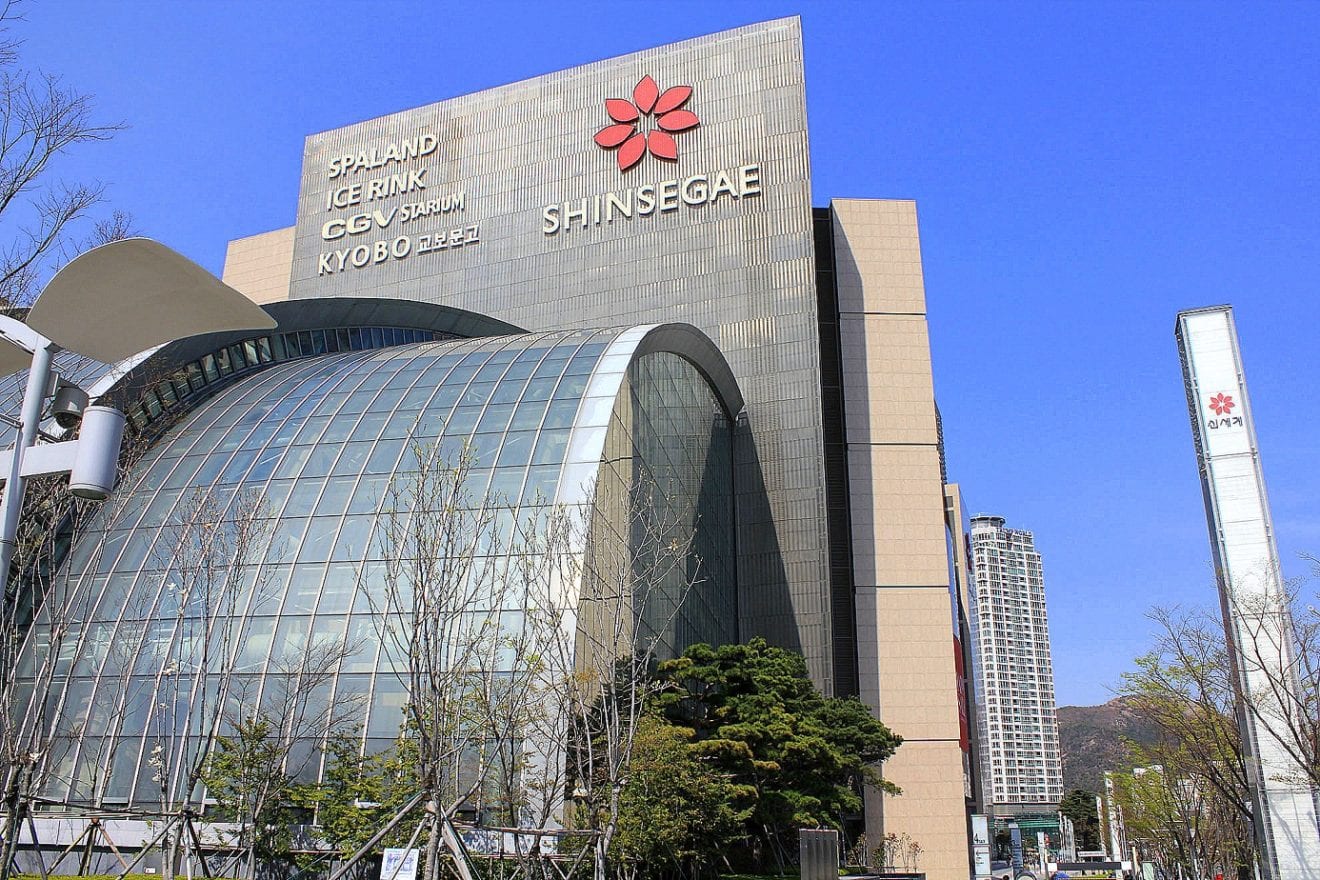
    Shinsegae Group says it will invest 4.1 trillion won ($3.4 billion) this year and hire 14,400 new staff to expand its retail business and revitalise the “sagging domestic economy”.

    “The overall retail sector has been struggling to deal with continued sluggish domestic consumption,” a Shinsegae Group official said. “But we decided to invest more and hire more workers to find new growth engines and help inject vigor into the stagnant domestic market.”

    Shinsegae, Korea’s largest retail group, will open 10 shopping centres across the country in 2016, including the massive Hanam Union Square southeast of Seoul, built on a 117,000 sqm site and employing 5000 staff. That project is worth 1 trillion won alone,  (US$832 million).

    The company’s discount arm E-Mart, is building a logistics centre in Gimpo, in the Gyeonggi province, to support an expanded online business as it ramps up competition with rivals including Coupang. It also plans to increase the size of many of its existing stores as well as opening new shops in Vietnam and other Southeast asian markets.

    Three new Shinsegae department stores will open their doors – in Hanam, Gimhae (in South Gyeongsang Province) and in Daegu. Stores in southern Seoul and downtown Busan will be expanded.

    And the company’s Shinsegae Duty Free operation is putting the finishing touches on an upmarket duty free store inside its downtown Seoul department store. That shop is scheduled to open in May.

    “Business conditions at home and abroad have largely been unfavorable for us,” said Shinsegae Group vice chairman Chung Yong-jin.

    “We expect to bear fruits this year from our investments in multipurpose shopping centers, duty free shops and department stores. We will continue to invest and hire workers as a leading retailer to help bolster the domestic economy,” he said.

  • H&M Mong Kok flagship opens doors

    H&M Mong Kok flagship opens doors

    Fashion fans formed a queue outside the new H&M Mong Kok flagship store before it opened its doors for the first time on Friday.

    H&M Gala Place Mongkok HK-Ribbon Cutting - Fish Chan, Magnus Olsson, Anna Rathsmann (Left To Right)

    And as our photos show, it’s an eye-catching design for the fast fashion giant.

    H&M Gala Place Mongkok HK-Ladies Department (1)

    H&M Gala Place Mongkok HK-Ladies Department (2)

    Staff members of the Hennes & Mauritz store gathered outside to welcome the early visitors, who applauded as Greater China country manager Magnus Olsson cut the ribbon to open the 3700 sqm store. In attendance were regional sales manager for Hong Kong, Taiwan and Macau, Anna Rathsmann, and Gala Place Mong Kok store manager Fish Chan.

    H&M Gala Place Mongkok HK-Ladies Department - Divided

    To mark the grand opening, the three-level H&M Mong Kok store’s opening hours have been extended from 10am until midnight on Friday, and 11am until midnight on Saturday and Sunday. Normal hours (11am-11pm seven days a week) resume from Monday.

    H&M Gala Place Mongkok HK-Mens Department

    H&M Gala Place Mongkok HK -Kids Department (1)

    The second and largest H&M home store for Hong Kong, if offers not only clothing but also Scandinavian-designed homewares such as bed linen, tableware, cushions and decorations.

    H&M Gala Place Mong Kok Flagship Store-Home Department (1)

    H&M Gala Place Mong Kok Flagship Store-Home Department (2)

    The first 100 customers in the queue on Friday were awarded a HKD100 ($12.85) H&M gift card and a limited-edition giveaway.

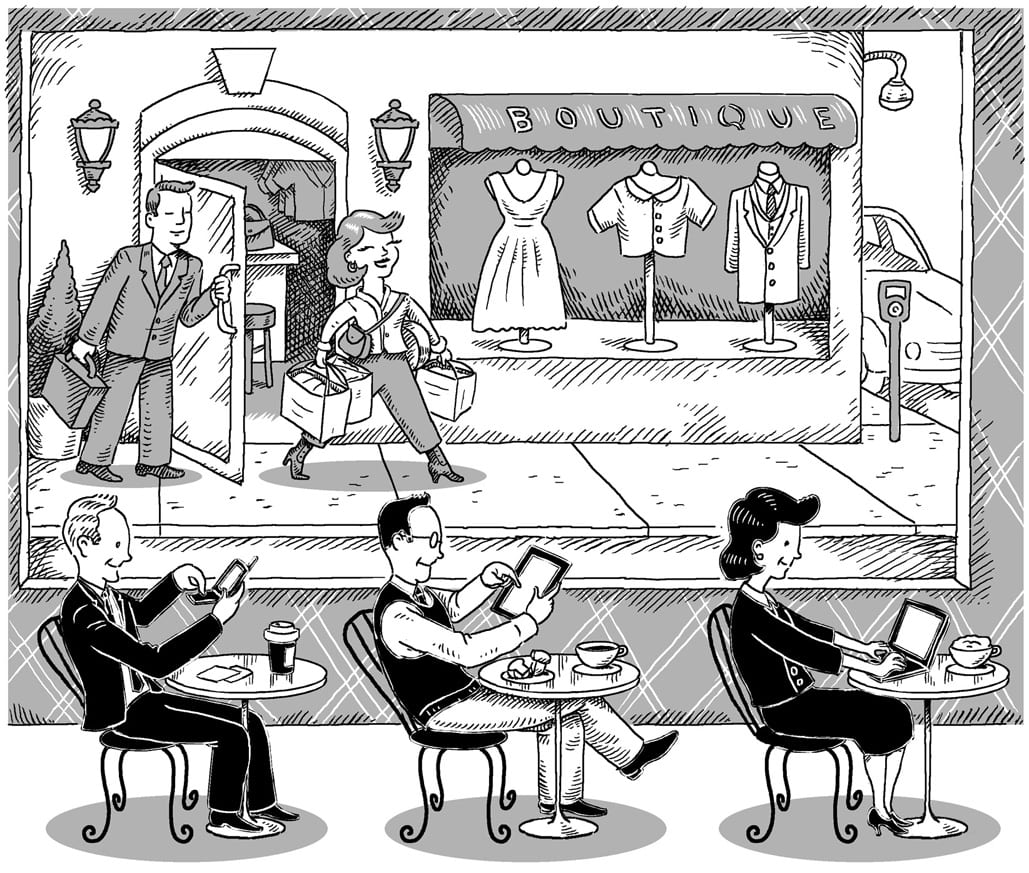
  • China’s cross-border e-commerce boom is a boon for small retailers abroad

    China’s cross-border e-commerce boom is a boon for small retailers abroad

    After years of tepid growth, sales at several Australian vitamins, minerals, and supplements companies suddenly shot up by 20, 30, or even 40% in 2015. For those who know what happened that in China in late 2014 the source of this growth probably isn’t a big mystery: Regulators expanded a tax exemption to cross-border e-commerce.

    The resulting growth in trade has been dramatic, and for firms who have long eyed the big Chinese market but are too small to invest in finding a distribution partner or building a physical presence on their own, the boom of 2015 has delivered a revelation: They, too, can access the mainland market.

    E-commerce has of course been big in China for years, and in 2014 online retail sales totaled nearly US$430 billion, accounting for roughly 10% of all retail sales.  (The same figures for the United States were US$300 billion and 6.4%, respectively.)  Until recently, however, this activity was nearly all domestic – i.e., goods produced in or already shipped to China being sold to Chinese consumers.

    That makes perfect sense in light of the retail explosion of recent years:  China has more than 300,000 pharmacies, more than 2,000 mid-to-high end department stores, and supermarket catchment areas in urban areas are even smaller compared with the United States because of smaller formats and the lack of parking (and, until recently, widespread car ownership). Within this rapidly-developing retail landscape, however, some factors are driving consumers to prefer foreign products, whether bought once in China or ordered from abroad.

    Driving demand

    Food scandals are well-known and heavily publicized, from the baby-killing melamine-laced formula scandal of 2008 to the discovery this year of decades-old “vampire” meat.  In September, fake rice made from tiny pieces of rolled-up paper was even uncovered in Guangdong.  In light of such underhanded tactics, it is understandable that consumers might perceive foreign brands as safer and of higher quality.

    Price pressures pushing up consumer prices is another key issue.  Commercial rents, especially in first-tier cities such as Shanghai and Beijing, rival those in developed nations.  At the end of 2014, rents in Beijing’s Wangfujing averaged $480 per square foot per year vs. $360 for Singapore’s Orchard Road.  Wages, while still lower compared to western economies, are also rising quickly.

    Finally, Chinese consumers are becoming more sophisticated and better able to differentiate between local brands trying to pass themselves off as foreign and the real thing.  With travel increasing and the transparency in commerce that the internet can bring, tastes in products are becoming more global.

    Historic developments

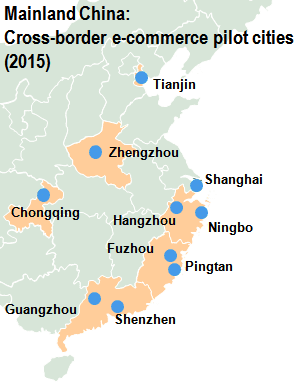
    By as early as 2005, a Chinese consumer could order an album on Amazon and wait a few weeks for it to arrive—though naturally taxes and shipping often added to the price of the CD itself. But it wasn’t until the fourth quarter of 2014 that cross-border e-commerce really exploded.  The impetus was the application of a previously obscure piece of the tax code to cross-border e-commerce, implemented in a number of pilot cities.

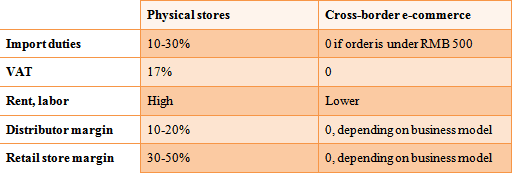
    The personal effects tax originally targeted Chinese travelers who had emigrated abroad and were bringing back gifts – such as small appliances – for relatives.  Small items were exempt, but the tax was set at 10% for nearly everything else.  In late 2014, though, the government proclaimed that this personal effects tax also applied to cross-border e-commerce in certain pilot areas.  The effect was dramatic, as can be seen in the price differentials illustrated below.

    Obviously some costs, such as freight and insurance, are incurred whether selling through physical stores or cross-border e-commerce.  However, the price differential can be observed in following key areas, demonstrated with VMS products as an example:

    The nuts and bolts

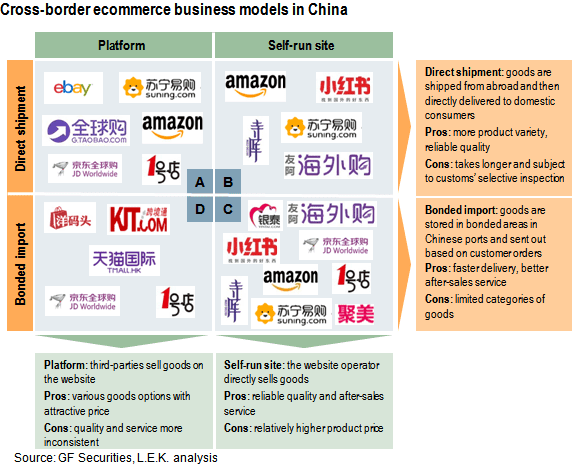
    Business models for cross-border e-commerce can be viewed across two main dimensions: Whether the site serves as a platform that aggregates multiple sellers or sells its own products, and whether delivery to the consumer is made from the source country or from a bonded warehouse.

    Each model has its own quirks (see graphic below), and it is not yet clear whether there is an obvious winner.  It is likely that multiple models will co-exist –for example, a self-run, bonded import model could work for goods with the highest turnover (such as diapers and infant formula), while direct shipment models might better suit the long tail of less-frequently ordered items.

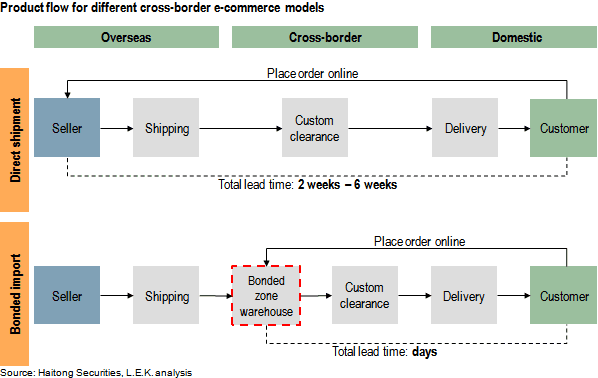
    In terms of product flow, though, the bonded import model has the clear advantage in terms of speed.  Consumers can receive product within days – sometimes only one or two – rather than weeks.

    With both models the seller can choose how much to take on internally, and how much to either outsource or hand over to a partner.  Hundreds of cross-border e-commerce companies have already sprung up in China, providing services that run the gamut from simple customs clearance all the way to a full consignment model.

    Local interests

    While e-commerce, including the cross-border variety, is here to stay, the advantages that it has over traditional imports may not last forever, depending on the product category.  In June of 2015, for example, China’s government lowered import duties on skin care products, which harmonized online and offline prices to an extent.  In 2016, import duties on additional products including handbags and suitcases are also slated to be slashed.

    Regulatory vacuums will likely be filled step-by-step as well.  For example, vitamin potency levels are regulated for products registered and sold in China, but currently these rules are not applied for cross-border e-commerce imports.  Local players are crying foul, and regulators will no doubt feel pressured to act.

    For now, though, cross-border e-commerce is helping to level the playing field by allowing smaller-scale companies to profitably access the vast China market while providing a huge boon in the form of savings and product diversity to Chinese consumers as well. Chalk one up for the little guys on both sides of the border.

  • Lush ends ‘exceptional’ year

    Lush ends ‘exceptional’ year

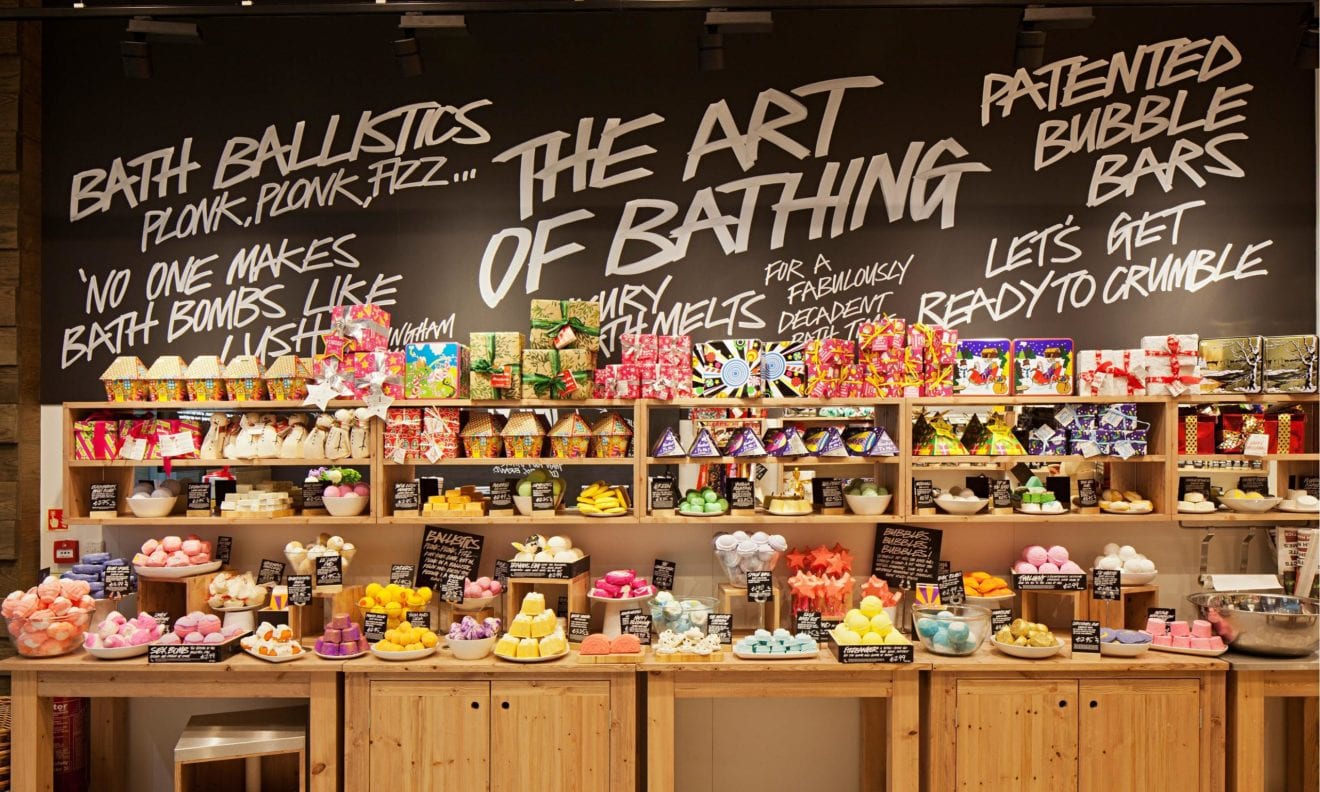
    Ethical cosmetic brand Lush has reported exceptional results for their 2014-15 financial year, with brand sales accelerating 26 per cent to £574 million.

    Strong like-for-like growth of 22 per cent has been achieved via the combination of its store estate and digital outlet, driving sales growth of 21.4 per cent and 27.8 per cent respectively. Despite Lush’s sales growth, profit figures were negatively influenced by currency volatility, particularly in Brazil – profit before tax dropped £900,000 on last year. Further dampening profits, exceptional costs in Japan heavily impacted group operating profit, plummeting by £9.2 million on last year.

    Store portfolio management remains a key focus of its strategic initiative, focusing on prime sites with larger selling space. The brand increased its store numbers to 933 in the financial year, having opened 93 shops and closed 58 throughout the year – UK current store numbers stand at 106, including its 9500 sqft flagship on Oxford St which opened in April 2015. Striving for higher turnover and basket sizes, 115 of its stores now have the ability to generate annual sales of over £1m, a 46 per cent increase in two years.

    Lush’s triumph stems from the growing number of consumers requiring cruelty-free and sustainably sourced cosmetics and skincare, which is in-turn enhanced by Lush’s capability in ensuring its staff can offer a high level of product knowledge and customer service in store.

    Lush has a way to go before reaching its 25 per cent online penetration rate, having increased marginally by 0.1 per cent to 8 per cent in its full year 2015-16, marginally outperforming the UK health & beauty market in 2015 estimated at 7 per cent. Online growth is far more challenging compared to sectors such as clothing, with lower prices and the essential nature of products driving traffic to stores, while consumers also like the instore experience and customer service element – especially in skincare items.

    While its two largest markets, US and UK, experienced resilient like-for-like growth of 37.2 per cent and 38.8 per cent respectively, its performance in Japan continued to disappoint at -11.2 per cent for the full year, with its turnaround remaining Lush’s greatest challenge. However, group sales for Q1 2015-16 have continued with an outstanding performance in both physical and digital outlets, up 21.7 per cent and 26.5 per cent, demonstrating the brand’s growing appeal among its loyal shoppers and strength in acquiring new customers.

  • Myntra India pins hopes on sportswear

    Myntra India pins hopes on sportswear

    Adding more products and international brands to its portfolio, online fashion retailer Myntra India aims to grow its outdoor and sports range revenue by 20 per cent over the next 15 months.

    Owned by Flipkart, the company earns about 15 per cent of its revenue from sportswear and has just introduced apparel and footwear from US brand The North Face (TNF), reports The Times of India.

    “The North Face is an important addition to our list of international exclusive brands,” says Myntra head of eCommerce Prasad Kompalli.

    He says the outdoor category is expected to double its growth in 2016-17.

    TNF’s range went on sale this month. Part of VF Inc, it was founded in California in 1966 and specialises in outerwear, fleece and coats. It competes directly with Columbia Sportswear, which entered India in December 2013.

    VF Asia executive Bruno Feltracco says India offers a huge opportunity as a market.

    “Our experience in China helped us decide to first go online and understand the market. There is nothing that prevents us to go offline after we reach a certain stage,” he says. “We already have some of our other brands here doing really well.”

    VF Asia’s other brands include Lee, Wrangler and Nautica.

  • Parkson Retail Asia profit down 71.6% in Q2

    Parkson Retail Asia profit down 71.6% in Q2

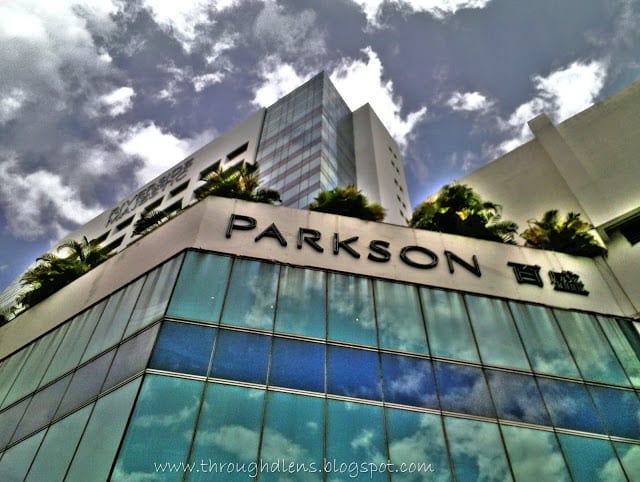
    Department store operator Parkson Retail Asia has posted a second quarter net profit of $2.9 million, down 71.6 per cent from the same period a year ago.

    Revenue in the three months to Dec 31 fell 12 per cent to $103.5 million, driven by a 7.3 per cent fall in same store sales growth in Malaysia and 5.2 per cent fall in same store sales growth in Myanmar.

    Some new stores were also in their first year of operations, which is an initial loss-making period, the group said.

    Earnings per share stood at 0.43 cents, down from 1.51 cents a year ago.

    Net asset value per share was 27 cents as at Dec 31, up from 22 cents as at June 30 last year.

    “The Malaysia operations for the next reporting quarter may encounter muted consumer sentiment, however, this drag will be buffered by progressive normalisation of sales post-GST (Goods and Services Tax ),” the group said in a statement to shareholders after market close on Feb 3.

    It said that it expects Vietnam’s retail environment to improve in the second half, while demand from Indonesia’s middle class will remain robust.

    “The Myanmar operations may be affected by the possible closure of FMI Centre, where the store is located, for re-development. However, the landlord has not confirm on the timing for the redevelopment,” the group added.

  • South Korean home shopping channel to launch in Thai market

    South Korean home shopping channel to launch in Thai market

    South Korean High Shopping Co, a joint venture between InTouch Media and Hyundai Home Shopping, is set to become the third South Korean home shopping operator to enter the Thai market, with a launch in Vietnam slated for the second quarter of 2016.

    High Shopping’s goal is to be among the top three players in Thailand’s 20-billion-baht home shopping market by 2020, according to the Bangkok Post. “Thailand’s home shopping market has a lot of potential, with annual 20 percent growth to reach 20 billion baht in 2020, double the revenue last year,” explained Lee Hae-seung, High Shopping’s Chief Executive.

    Home Shopping currently represents just 0.5 percent of Thailand’s retail industry, compared to 4 percent in South Korea. High Shopping is predicting that, of the 2,500 products it will offer for sale by mid-2016, cosmetics and kitchenware will be the best-sellers.

    The inventory will initially be made up of premium Korean brands, with international brands once the channel is established. The shopping channel is hoping to achieve sales of THB4.5 billion by 2020, with a 25 percent market share.

    The company is planning to broadcast on satellite TV platforms initially before expanding to cable and mobile devices.

  • Alibaba Beats, Changyou Beats on Earnings

    Alibaba Beats, Changyou Beats on Earnings

    Markets experienced another volatile week, gaining and losing on alternate days ahead of the Lunar New Year holidays next week. The Shanghai Composite Index declined on Monday after the official purchasing managers index suffered its sixth consecutive monthly fall. The benchmark index increased on Tuesday, moving up 2.3% after the People’s Bank of China moved to raise liquidity in the financial system.

    The Shanghai Composite Index moved lower on Wednesday as investors turned cautious and oil prices declined heavily. The benchmark index increased 1.5% on Thursday closing at its highest level since Jan 25.

    Alibaba Group Holding Ltd. reported third-quarter fiscal 2016 (ended Dec 30, 2015) earnings of 73 cents per share, which exceeded the Zacks Consensus Estimate of 70 cents. Changyou.com Ltd. reported adjusted fourth-quarter 2015 earnings of 73 cents per share, which exceeded the Zacks Consensus Estimate of 54 cents.

    Last Week’s Developments

    Last Friday, the Shanghai Composite Index surged 3.1%, reducing its monthly loss to 23%. Despite the day’s gains, the decline for the month was the worst since Oct 2008. Stocks moved up for the first time in four days following speculation that the worst selloff in over a month was excessive in nature. Industrial and financial stocks led gains.

    Additionally, China’s central bank announced it will undertake open market operations on every working day around the Lunar New Year holiday. The number of these operations will be increased from their normal biweekly pace to increase liquidity in the banking system ahead of the holiday. This statement also boosted stocks.

    The CSI 300 added 3.2%. A gauge of brokerages and banks increased 3.2%. A measure of industrial shares increased 3.6%, the highest among the 10 industrial sectors. The Hang Seng increased for a third day, moving up 2.5%. The Hang Seng China Enterprises Index increased 2.7%. The H-share index increased after the Bank of Japan lowered interest rates into the negative zone in order to stimulate its flagging economy.

    Markets and the Economy This Week

    The Shanghai Composite Index declined 1.8% on Monday, increasing January’s selloff. The official purchasing managers index declined to 49.4, the sixth consecutive monthly fall. This is the lowest level experienced in three years. Additionally, the country’s most established companies issued warnings about a fall in earnings.

    Among other economic reports, official non-manufacturing PMI fell from 54.4 in December to 53.5 in January. In contrast, Caixin China Manufacturing PMI increased from 48.2 to 48.4 in January.

    The CSI 300 declined 1.5%. A sub index of energy stocks declined 2.8%, emerging as the largest decliner among the 10 industry groups. PetroChina Co. lktglost 2.8% after stating that falling crude and gas prices would hurt full year earnings.  The Hang Seng declined for the first time in four days, falling 0.5%. The Hang Seng China Enterprises Index moved down 1.2%.

    The benchmark index increased on Tuesday, moving up 2.3% after the People’s Bank of China moved to raise liquidity in the financial system. The central bank injected 100 billion yuan ($15 billion) into the country’s banks via reverse repurchase agreements ahead of the new year holidays.

    Tech and industrial stocks led gains. A measure of tech stocks rose to its highest level in seven days. The CSI 300 advanced 2.1%. All of its sub-indexes increased while measures of tech and industrial stocks increased by a minimum of 2.7%.  The Hang Seng declined 0.8% The Hang Seng China Enterprises Index moved down 1.1%.

    The Shanghai Composite Index lost 0.4% on Wednesday as investors turned cautious and oil prices declined heavily. A measure of energy stocks declined 1.6% as oil prices moved to around $30 a barrel following the steepest two day decline in seven years. PetroChina declined by 1.4% in Shanghai and lost 4.2% in Hong Kong.

    Positive economic data provided little comfort to investors. The Caixin China Services PMI increased to 52.4 in January from 50.2 in December. This was the highest level witnessed since July. A measure of energy stocks declined 1.6% due to the drop in oil prices.

    A sub-index of property stocks increased 0.4% on the Shanghai exchange. This was primarily due to the central bank’s decision to reduce down payments on mortgages for first time home buyers. The CSI 300 declined 0.4%. The Hang Seng fell for a third successive day, declining 2.3%. The Hang Seng China Enterprises Index sank, losing 2.5 percent, to its lowest point in more than a year.

    The benchmark index increased 1.5% on Thursday closing at its highest level since Jan 25. Commodity stocks surged and the People’s Bank of China intensified its efforts to reduce shortage of cash before markets close for the new year holidays. A gauge of energy stocks moved up from record low levels following the longest rally in crude futures in nearly two weeks.

    The central bank pumped 80 billion yuan ($12 billion) into the monetary system utilizing reverse repurchase agreements lasting 14 days. This open market operation is part of the monetary authority’s efforts to control rising borrowing costs even as capital outflows and demand for funds rise.  Meanwhile the People’s Bank of China increased yuan fixing by the highest extent in two months.

    The CSI 300 added 1.2%. A sub-index of material stocks within the CSI 300 gained 2.8%, the highest among its industry groups. PetroChina gained 0.6% during the session. The Hang Seng China Enterprises Index rebounded, moving up 1.5%.

    Stocks in the News

    Alibaba Group Holding Limited reported third-quarter fiscal 2016 (ended Dec 30, 2015) earnings of 73 cents per share, which exceeded the Zacks Consensus Estimate of 70 cents. The adjusted figure excludes one-time items but includes stock-based compensation expense.

    Alibaba reported revenues of RMB34.54 billion (US$5.3 billion), up 55.8% sequentially and 31.9% year over year, driven by strong mobile revenues. Also, revenues surpassed the Zacks Consensus Estimate of $5.08 billion.

    Total China retail marketplaces GMV came in at RMB964.0 billion (US$149.0 billion), up 23% year over year. China retail marketplaces had 407 million annual active buyers in the 12-month period ended Dec 31, 2015, representing a 22% year-over-year growth.

    Mobile GMV was RMB651.0 billion (US$101.0 billion), a 99% year-over-year surge. Mobile GMV accounted for 68% of total China retail marketplaces GMV as against 62% last quarter and 42% in the previous year. Mobile MAUs grew to 393 million, improving 48% year over year, driven by increased promotion of mobile apps.

    Changyou.com Ltd. reported adjusted fourth-quarter 2015 earnings of 73 cents per share, which exceeded the Zacks Consensus Estimate of 54 cents. This was also a significant improvement over earnings of 21 cents per share reported in the same period last year. However, this was lower than the adjusted earnings of $1.55 cents reported in the third quarter of 2015.

    Changyou.com reported revenues of $162 million, down 14% from third quarter 2015. Additionally, revenues declined 25% compared to the same period last year. Revenues from online games came in at $127 million, falling 31% on a year-over-year basis.

    For fiscal year 2015, Changyou.com reported revenues of $762 million, an improvement over 2014’s figure of $755 million. Revenues from online games came in at $637 million, declining from $652 million reported in 2014. .

    TAL Education Group reported adjusted third-quarter 2015 earnings of 12 cents per share, in line with the Zacks Consensus Estimate. This is marginally lower than the 13 cents reported in the year-ago period. However, this is significantly lower than the adjusted earnings of 72 cents reported in the second quarter of 2015.

    TAL Education Group reported revenues of $142.2 million, representing a 43.1% increase over the same period last year. However, revenues declined significantly from the $173 million reported in second quarter 2015.

    For the nine months ended Nov 2015, TAL Education reported revenues of $ 444.9 million, which represents a 43.2% improvement on a yearly basis. During this period, total student enrollments increased by 53.4% on a yearly basis.

    JD.com, Inc. has inked an agreement with DHL per which they will collaborate across a number of cross border supply chain activities. These initiatives will utilize each company’s unique capabilities, of ecommerce and logistics and widen their existing relationship.

    Earlier, in July last year the two companies had revealed that DHL was becoming the preferred logistics service provider for delivery of certain orders made on the Chinese ecommerce giant’s U.S. Mall. The agreement related to deliveries would pertain to those products delivered to China as well as across that country.

    DHL will be the preferred logistics provider for JD.com’s International Business Group per the terms of the new agreement. This unit concentrates on consumers placing orders from outside China. Further, JD.com will now be a strategic customer per the Fast Growing Enterprises initiative of DHL. This will provide the ecommerce company access to a number of logistics solutions from all of DHL’s business units.

    CNOOC Ltd. said it has started production at two offshore projects. These are the Weizhou 12-2 oilfield joint development project and the Weizhou 11-4 North oilfield Phase II project. Both of these projects are located in South China Sea’s Beibu Gulf Basin.

    With an average water depth of around 36 meters, the Weizhou 12-2 project has three oilfields. Production facilities include three wellhead platforms, including 18 wells on all of which production has started. Total production has touched a daily rate of 16,000 barrels, achieving the peak production of its overall developing plan.

    The Weizhou 11-4 North Project’s average water depth is around 40 meters. It has two wellhead platforms and 15 producing wells. At present, one well is producing oil at a daily rate of 500 barrels and is projected to touch peak production of 8,000 bpd by end 2016.

    Performance of Most Actively Traded US-Listed Chinese Stocks                              

    The table given below shows the price movements of 10 Chinese companies with the highest three-month average trading volume on U.S. exchanges. Price movements over the last five days and during the last six months have been included.

    Ticker Last 5 Day’s Performance 6-Month Performance
    BABA -9.2% -19.6%
    JD -7.2% -30%
    VIPS -6.4% -41.3%
    CTRP -5% +1.6%
    SFUN -5.3% -19.2%
    BIDU -5.5% -10.1%
    YOKU -0.1% +41.3%
    JMEI -8% -67.9%
    QIHU -0.8% +12.4%
    TSL +1.2% +4.6%


  • IFC to provide $25m funding for Myanmar’s largest retail group City Mart

    IFC to provide $25m funding for Myanmar’s largest retail group City Mart

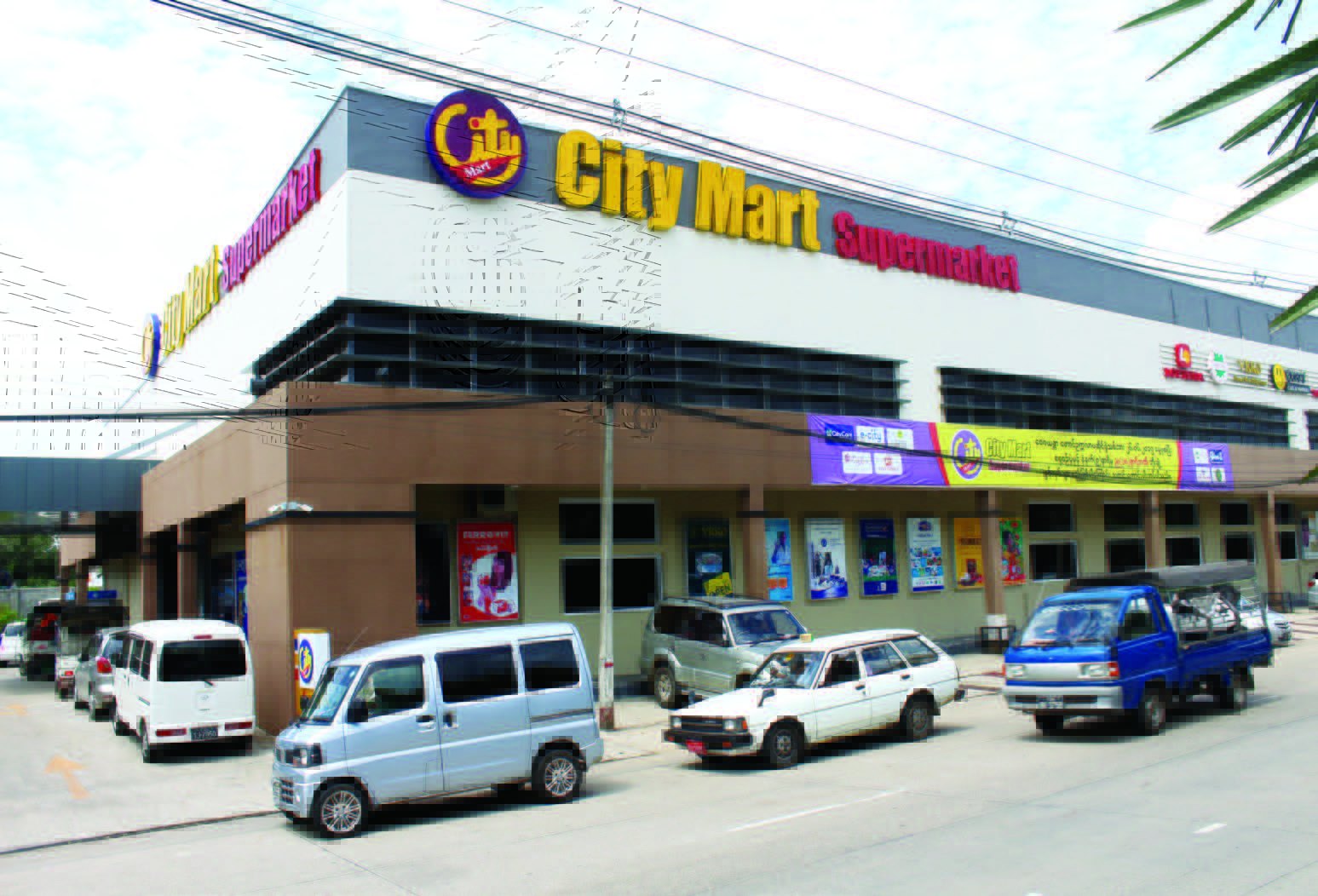
    Currently, CMHL has over 150 retail outlets in the country and plans to construct about 20 more supermarkets and hypermarkets over the next three years.

    Its plans are “to increase its purchases from domestic suppliers six fold, reaching around $150 million by 2021, and create nearly 4000 new jobs, half of which will be for women,” according to the filing.

    IFC hopes that CMHL’s expansion in the retail sector in the country, will help create jobs, develop supply chain and logistics infrastructure and support smaller businesses.

    “With our global expertise and industry knowledge, we will be delighted to work with CMHL to improve efficiency and standards to become a model retailer in Myanmar,” said Vivek Pathak, IFC’s regional director for East Asia and Pacific.

    CMHL’s shareholders are Win Win Tint, the founder and managing director and her relatives.

    “IFC’s investment is a sign of confidence in our business plan as well as in Myanmar’s retail sector potential,” said Win Win Tint. “In addition to funding, IFC’s expertise and advice on food safety, good social and environmental practices and corporate governance will also help us take the company to the next level.”

    Myanmar has a $12 billion retail sector that is predominantly informal with formal retailers holding less than 10 per cent of the market, according to the filing.

    IFC is supporting reforms and investments in Myanmar, to strengthen the private sector and create new jobs for poverty reduction and boost shared prosperity. IFC works together with the government, private sector to improve the investment climate, access to finance and infrastructure. Their initial focus is on power and telecommunications.

  • Christian Dior opens its largest boutique in China

    Christian Dior opens its largest boutique in China

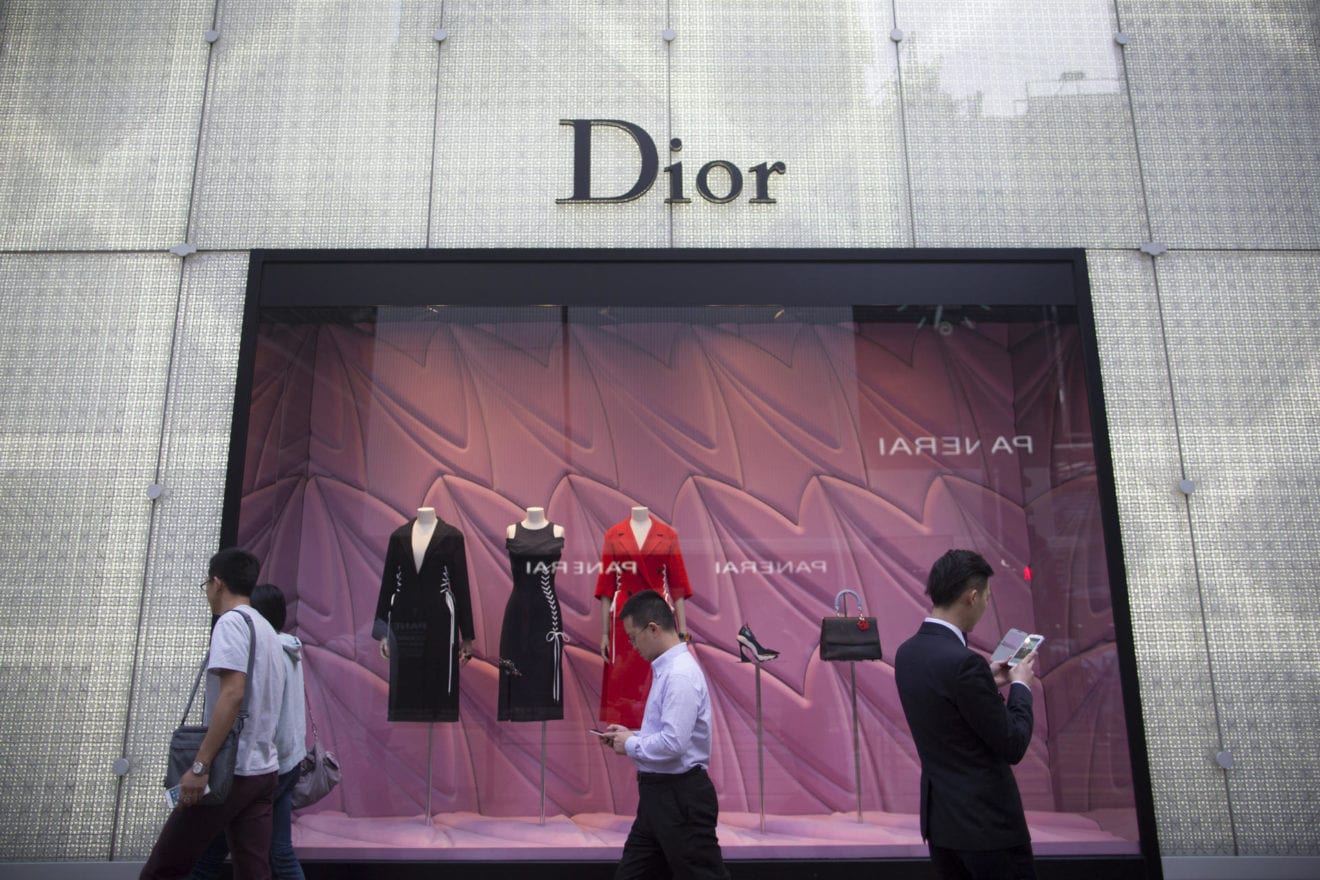
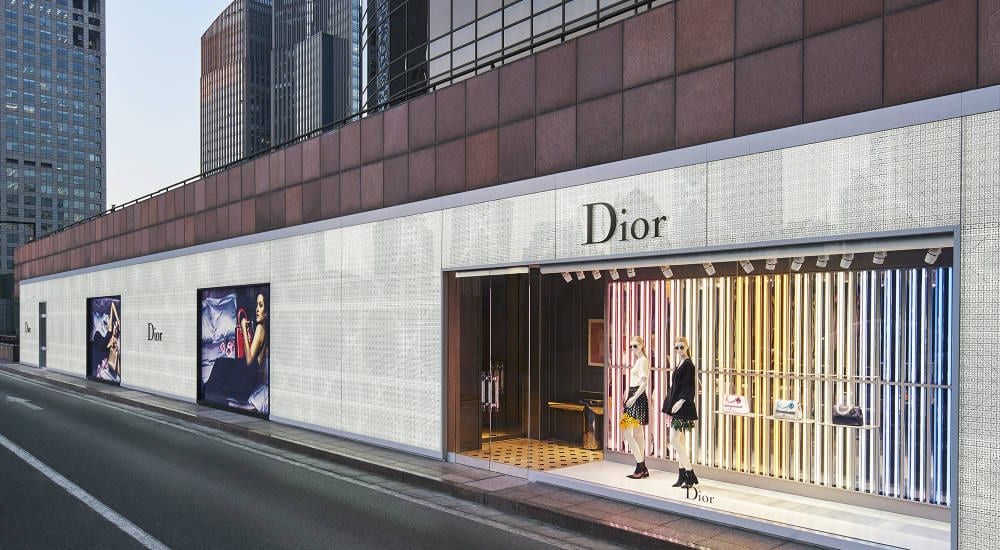
    Designed by American architect Peter Marino, the two-level store reflects the timeless elegance of Dior, with a double-layer glass façade that emulates the iconic “cannage” motif of the couture house. Inside, the refined atmosphere is enhanced by wall art and designer pieces, part of a curated selection of a dozen contemporary art pieces.

    To celebrate the opening of the Dior Beijing China World flagship, the House presented its Spring-Summer 2016 collection at a runway show in a sumptuous blue-hued setting at the Phoenix Center. The show was attended by Christian Dior Couture CEO Sydney Toledano and A-list Chinese celebrities and artists.

    Christian Dior opens its largest boutique in China
  • S-Reits are safe havens amid uncertainty

    S-Reits are safe havens amid uncertainty

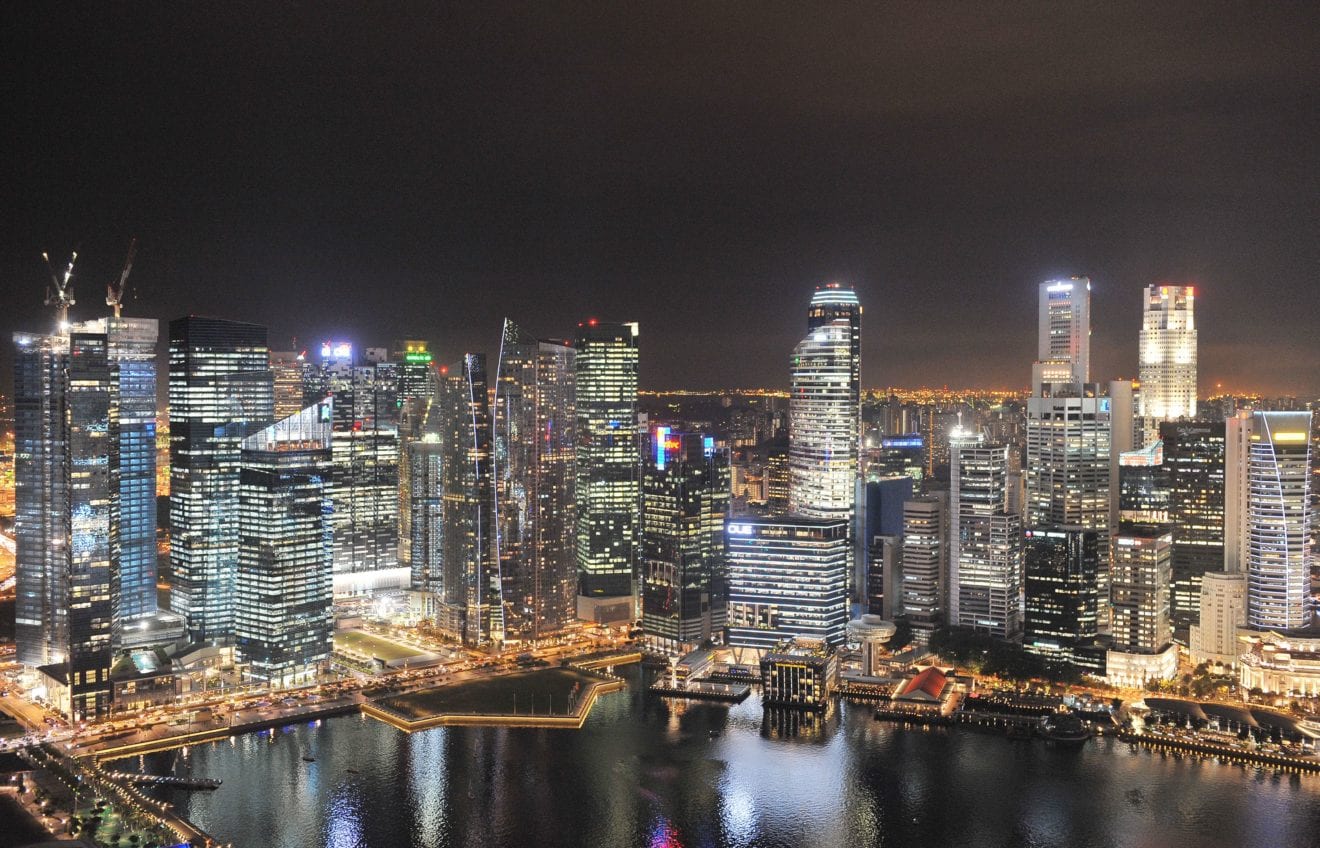
    Amid the economic uncertainty caused by falling oil prices and slowing growth in China, Singapore-listed real estate investment trusts (S-Reits) are safe havens, DBS Group Research said yesterday.

    S-Reits have outperformed the local benchmark Straits Times Index and real estate developers so far this year, DBS analysts Derek Tan and Mervin Song wrote in a report.

    Like many sectors, S-Reits have fallen in value, but not as sharply as most others. S-Reit unit prices are down by about 3 per cent overall since the start of the year, while the STI has plunged by a much more dramatic 11 per cent.

    These trusts are likely to continue putting in a “firm” performance in the near term, the analysts wrote, especially as increasing expectations of a delay in further interest rate hikes by the United States Federal Reserve will have a positive impact on share prices in general.

    The Fed lifted interest rates in December for the first time since 2006, and the DBS forecasters expect the central bank to raise rates four times throughout this year.

    But the Fed has indicated that it has grown cautious after its December move, as the slump in oil prices has made it harder for it to meet its inflation targets, implying that the next rate hike could be delayed.

    The longer the Fed takes to raise rates, the better for Reits as it will keep their borrowing costs low.

    “While higher interest rates are a potential risk in the medium term, we remain comforted by S-Reits’ conservative capital strategies… which will mitigate the impact of higher refinancing costs when it occurs,” the DBS analysts said.

    On average, locally listed Reits have a gearing of 34 per cent, which is “manageable”, they noted.

    S-Reits are trading at attractive valuations, which make it a good time for investors to jump in and lock in some yields, they added, saying that S-Reits are trading at 0.9 time price to book and offer investors a yield of 7.1 per cent.

    “We believe current valuations are attractive re-entry levels and believe that large caps are likely to benefit as investors turn yield-hungry in a tepid growth environment,” they said.

    Their favourite S-Reits are “those with the opportunity to surprise on the upside through acquisitions or portfolio-specific catalysts”, the DBS analysts added.

    Their top picks are Ascendas Reit, Mapletree Greater China Commercial Trust, Mapletree Commercial Trust, Frasers Centrepoint Trust and CapitaLand Retail China Trust.

  • Capitaland Retail China Trust sees 4.4% rise in Q4 DPU to 2.59 cents

    Capitaland Retail China Trust sees 4.4% rise in Q4 DPU to 2.59 cents

    Capitaland Retail China Trust (CRCT) reported on Thursday (Feb 4) a 4.4 per cent rise in distribution per unit (DPU) to 2.59 Singapore cents for its fourth quarter ended Dec 31, 2015 from 2.48 cents for the year-ago quarter.

    Gross revenue increased 6.7 per cent to S$56.2 million while net property income rose 5.2 per cent to S$35.3 million.

    The rental growth came mainly from CapitaMall Qibao and CapitaMall Saihan. This increase was partially offset by lower revenue from CapitaMall Wuhu due to lower occupancy rate as the mall is undergoing tenancy adjustments and a one-off forfeiture of security deposits at CapitaMall Xizhimen.

    The bottomline in Singapore dollar terms was stronger than in yuan terms due to the appreciation of the Chinese currency against the Singapore unit during the quarter.

    Said Mr Tony Tan, CEO of the trust’s manager: “For FY 2015, CRCT’s gross revenue crossed the RMB1.0 billion mark for the first time. Portfolio occupancy remained high at 95.1 per cent as at Dec 31, 2015, while rental reversion for the full year was 8.1 per cent. Annual tenants’ sales increased 11.6 per cent and shopper traffic rose 1.8 per cent year-on-year.”

    “We will continue to strengthen our malls’ tenant mix and uplift the shopping experience through continual asset enhancement initiatives to remain relevant and attractive to the communities we serve,” he said.

    DPU for the full-year was up 7.9 per cent to 10.60 cents from 9.82 cents a year ago.

    Based on CRCT’s closing price of S$1.460 on Feb 3, the distribution yield for FY 2015 was 7.3 per cent.

    Unitholders can expect to receive their DPU of 2.59 cents for the fourth quarter along with their DPU of 2.64 cents for the third quarter, totalling 5.23 cents, on March 30. The book closure date is 16 February 2016.

  • Monkey See, Monkey Do

    Monkey See, Monkey Do

    The Chinese New Year – the Year of the Monkey – has passed. The Gregorian calendar year has gotten off to a somewhat inauspicious start – certainly as far as commodities are concerned (although diamonds seem to have bucked that trend somewhat), so what is in store over the next 12 months?

    People born in the Year of the Monkey are characterized as quick-witted, curious, innovative and mischievous – all important traits (yes, including the mischievous) in running successful businesses. However, and this information might not be welcome news, it is also considered one of the unluckiest years in the Chinese calendar – if only we could go back to the Year of the Dragon, considered the luckiest of all the Chinese signs.

    The Chinese New Year comes at a bit of a crossroads as far as retail is concerned, both in mainland China and on the island city of Hong Kong. Recent stock market turbulence and a devalued yuan, which has hit retail sales in Hong Kong, causing a second consecutive annual decline, have contributed to a degree of uncertainty.

    Hong Kong has seen its dollar strengthening against the yuan, making it more expensive for mainlanders to shop there, with sales of jewelry and watches slumping 16 percent over the year. The Lunar New Year celebrations herald peak tourism season – with as many as 5 million visitors during the month =  with day trips from the mainland accounting for more than half of those.

    However, despite what might seem like slightly gloomy economic news, a growing middle class and increased disposable income has led to projections of Chinese consumption topping $2.3 trillion by 2020. A recent Forbes article estimated that according to the Hong Kong Trade and Development Centre (HKTDC), China’s share of diamond consumption is expected to increase 20 percent to 25 percent over the next 10 years.

    The HKTDC also said that more than 50 percent of jewelry sales are driven by weddings, with the bridal market being a unique segment in the jewelry retail industry. A surprising statistic also emerged from a recent De Beers survey; that 67 percent of men in China between the ages 30-44 said that they wanted to own diamonds. There is an opportunity here if brands can not only tap into the existing market, but push the idea of his and hers wedding bands. Interest and receptivity is already high, and perhaps it only needs a gentle nudge to really expand the bridal market further.

    In general, as Chinese consumers are increasingly exposed to luxury goods they have become more discerning about brands and the message they project – with exclusivity being a big selling point. According to a LuxuryDaily report, Hermès is considered the most exclusive brand, measured by a range of factors including the consistent quality of goods, brand prestige, valuation of the brand’s customers and its ability to justify a high price point. Although Hermès was considered the most exclusive brand, Chanel was thought to be the most desirable – a result that may have been influenced by Chanel’s brand exhibitions within China.

    So, with positive predictions about Chinese consumption and growing brand awareness and appreciation for luxury goods, perhaps the Year of the Monkey will turn out alright in the end. Its lucky colors can all be found in diamonds and jewelry – blue, gold and white. Famous monkeys include Julius Caesar, Charles Dickens and Elizabeth Taylor and if their successes can be mirrored, the Year of the Monkey won’t be half bad at all.

    Happy belated Chinese New Year.