Author: Mei Ling Tan

  • “IKEA Effect” Hits South Korea with Boom in Furniture Retail Market in 2015

    “IKEA Effect” Hits South Korea with Boom in Furniture Retail Market in 2015

    The furniture market in South Korea has seen a surge in sales since IKEA entered the retail sector last year, stimulating consumer tastes for trendy home furnishings and competing with local retailers, South Korean news agency Yonhap reported on Monday.“The rising interest in home interior items has boosted demand for new furniture, driving up sales of furniture makers,” said Kim Kwang-seop, an official at Statistics Korea.

    According to Statistics Korea, retail furniture sales have jumped 7 percent since 2014 – the highest growth rate since almost a decade ago – with five trillion won ($4.15 billion) in earnings in 2015.

    Though local South Korean furniture retailers initially voiced concerns about losing business to the Swedish-headquartered furniture conglomerate that set up base in the outskirts of suburban Seoul in January 2015, the healthy competition has been a boom for the industry, according to Yonhap, which terms the industry’s revival the “IKEA effect.”

    The five largest home furnishing retailers – including Hanssem, Hyundai Livart and Enex – reported a 20 percent upsurge in sales in 2015, with experts also attributing the consumer boom to aggressive advertising by retailers through showrooms in major cities as well as the rising popularity of home renovation TV shows.

    IKEA, which has earned $308 million since its launch and has had over 6.7 million visitors, now plans to open up five more stores by 2020, according to Yonhap.

  • Super retail network adds speed for Pizza Hut Hong Kong

    Super retail network adds speed for Pizza Hut Hong Kong

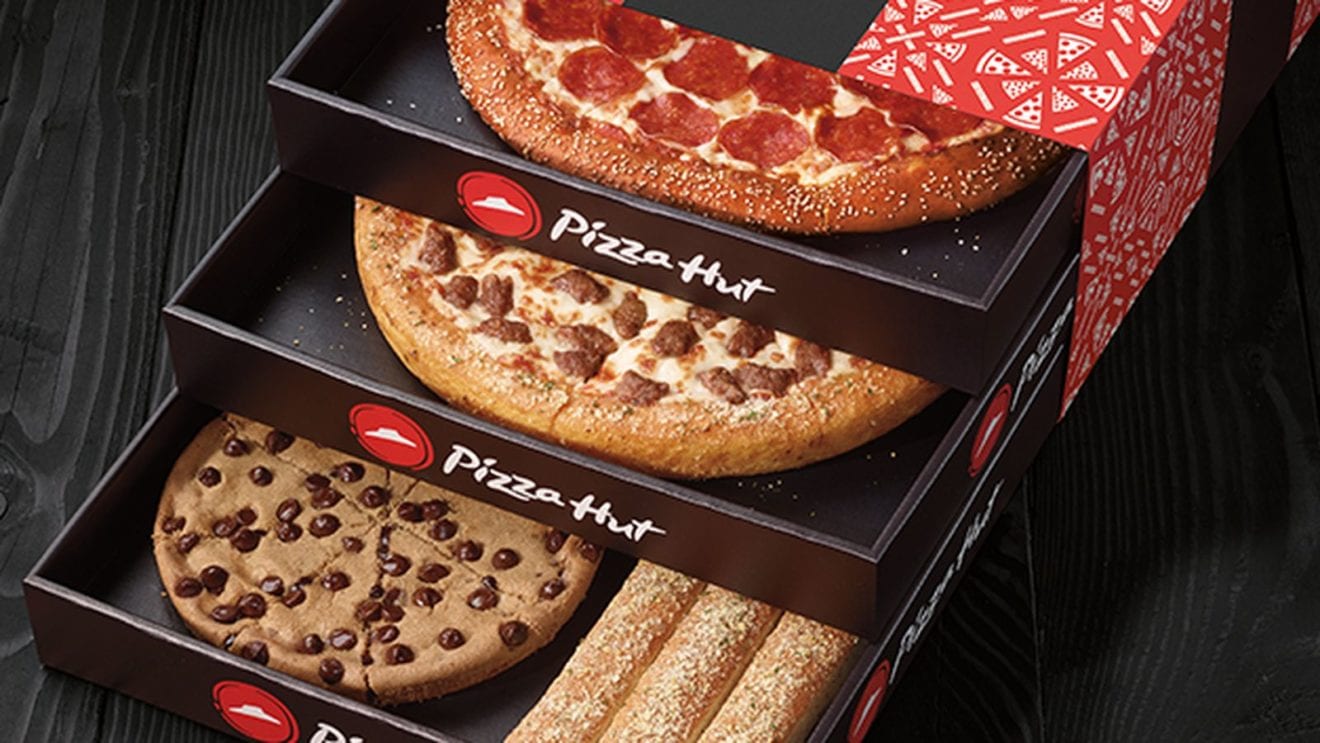
    Pizza Hut Hong Kong has is implementing a super retail network solution from Hutchison Global Communications to connect more than 100 outlets to the company’s data centers.

    Pizza Hut says the solution – a next generation metro Ethernet data capability characterised by bandwidth of up to 10Gbps and super-low latency of less than one millisecond – has enabled it to accelerate online ordering via mobile apps, the website and phone calls.

    The orders are sent to HQ which then tasks outlets closest to delivery locations.

    Super retail network (SRN) runs over a dedicated optical private network, eliminating bandwidth bottleneck issues.

    MPLS and VLAN technology and automatic network-level failover, provide high level security.

    Based on a dual-core network design, SRN delivers full core network resilience and allows quick access to company applications such as those for point of sale and online catalogue functionality.

    Howard Wong, Pizza Hut information technology director, says deployment of HGC’s SRN enabled the company to shorten the time it takes to process online ordering and boosts the restaurant’s overall operational efficiency.

    The offering also provides the capacity to expand the company’s armoury of in-store applications.

    Hutchison Telecommunications Hong Kong Holdings, of which Hutchison Global Communications is the fixed line division, says it is creating vertical retail solutions based on the next generation network’s capabilities.

  • Singapore firms capitalise on opportunity in China market

    Singapore firms capitalise on opportunity in China market

    China’s economic growth may have been at its weakest rate in a quarter of a century last year, but some Singaporean firms with operations there are finding pockets of opportunity as the world’s No 2 economy matures from one based on industry to one fuelled by consumption.

    Among them, warehouse operator Global Logistic Properties (GLP) yesterday reported a 64 per cent rise in third-quarter net profit to US$184 million (S$257.4 million), helped by a strong performance from its China operations, while CapitaLand Retail China Trust (CRCT) — the first China shopping mall real estate investment trust in Singapore — said its distributable income for the quarter ended December rose 6.5 per cent to S$21.8 million, highlighting China’s growing urban population and rising retail sales.

    Singapore-headquartered GLP, which operates warehouses in China, Japan, Brazil and the United States, said its China earnings were up 50 per cent on higher asset values, growth in rent, new leases and renewed lease contracts.

    Analysts expect the company to continue to benefit from demand for logistics facilities due to booming e-commerce, as well as the Chinese government’s attempts to guide its economy to a more sustainable path led by domestic consumption.

    “Within China, the domestic economy is being stoked by increasing urbanisation. There are geographies within the country that are growing well above the national average, particularly in Tier 2 and Tier 3 cities,” said Barclays senior regional economist Leong Wai Ho. “Logistics is one area of growth there. Logistics hubs have moved westwards. There’s been continuous investment in the sector itself,” he added.

    China’s growth has been steadily falling for the past half-decade as Beijing attempts to wean the economy away from exports and infrastructure investment and towards domestic consumption and services. The economy grew 6.9 per cent last year, its slowest expansion in 25 years.

    Chinese equities are slumping, too — the Shanghai Composite Index is down about 21.5 per cent this year. The yuan has weakened steadily since Beijing devalued the currency in August.

    The country on Wednesday announced an economic growth target of 6.5 per cent to 7 per cent this year.

    But the Chinese stock-market swings and capital outflows do not reflect trends in the economy, which is still expanding well amid efforts to rebalance growth, according to the head of the European Bank for Reconstruction and Development (EBRD).

    “The stock market issue, the currency issue in China, is a bit divorced actually from economic issues,” the EBRD’s president, Suma Chakrabarti, told Bloomberg in an interview on Monday. While the advance in China’s gross domestic product has slowed, 6.5 per cent “growth in the world’s second-biggest economy is pretty good actually for the rest of us”.

  • Is HK still a ‘cool’ place for luxury shopping?

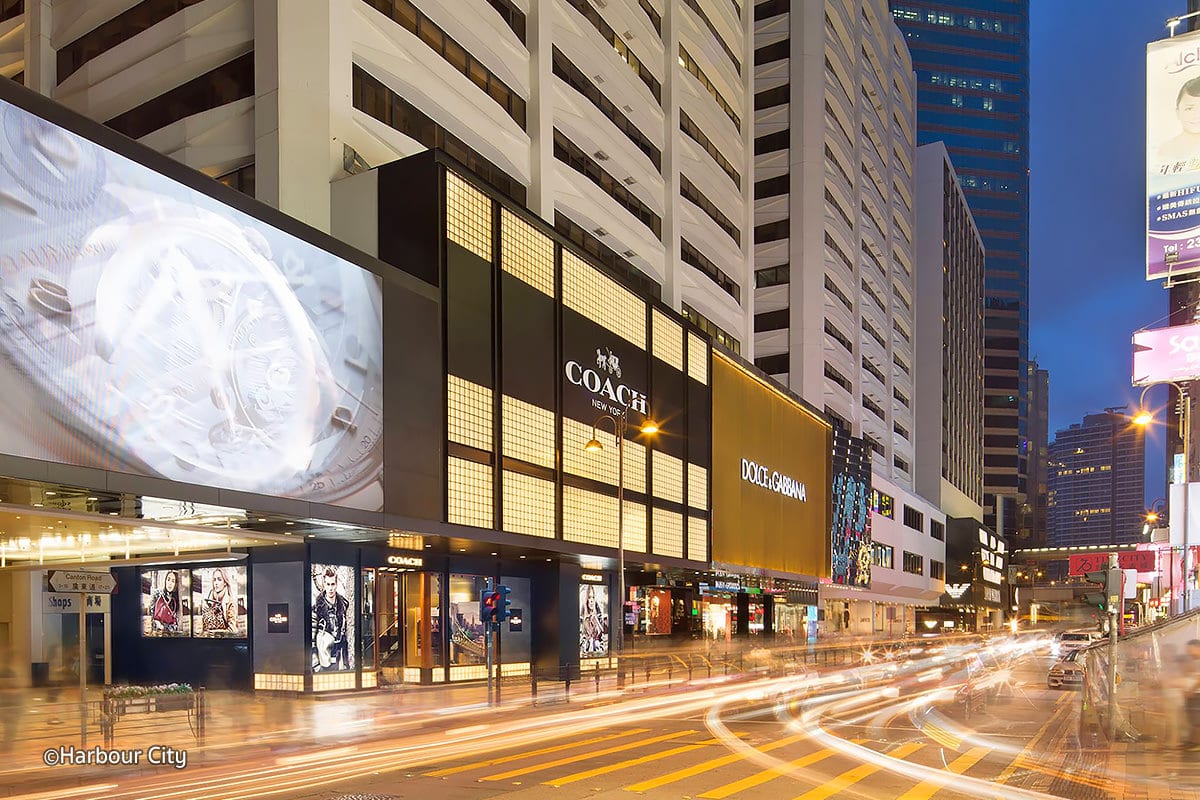
    Is HK still a ‘cool’ place for luxury shopping?

    Retailers in Hong Kong preparing to welcome Chinese mainland tourists over the Lunar New Year festive period face a real crisis: Canny shoppers don’t think the special administrative region is cool enough.

    HSBC’s global co-head of consumer and retail research, Erwan Rambourg, said luxury goods are now cheaper in other markets, bringing the wealthy, sophisticated Chinese travelers to places such as Japan, Korea, and Australia.

    “There were a lot of attractions in Hong Kong for mainlanders to come in and purchase here,” Rambourg told CNBC’s “Squawk Box”. “It used to be cheaper than a lot of other places in the region. That’s not the case anymore, given the strength of the Hong Kong dollar.”

    The Hong Kong dollar is pegged to the U.S. dollar, which implies if the latter strengthens, the former follows.

    “Price arbitrage doesn’t work anymore [in Hong Kong],” Rambourg said. “It’s actually cheaper to buy in Seoul, in Tokyo, and elsewhere.”

    Between Hong Kong and Japan, and the strength of their respective currencies, he said “the difference is you reclaim VAT [Value-added tax] when you go to Japan,” which makes luxury goods slightly cheaper there.

    Retail sales were also battered in Hong Kong as a result of lower consumer spending, mostly from mainland Chinese tourists. Sales were down 8.5 percent on-year in December to HK$43.7 billion ($5.62 billion) in value terms, the biggest percentage decline since January 2015. In volume terms, sales declined by 6.1 percent.

    Hong Kong’s lack of entertainment and diversity outside of shopping is also an issue as it sends wealthy tourists to other, more exciting locations, added Rambourg.

    A quick look at tourism numbers in Hong Kong show tourist arrivals fell 2.5 percent in 2015 to 59.32 million.

    Chinese mainlanders, who comprise a bulk of Asia’s luxury consumers, purchase mostly personal items such as handbags and apparels, according to David Dubois, an assistant professor of marketing at business school INSEAD.

    “This is because of the importance of luxury as a social signal, which puts focus on a product’s conspicuous features – example, it’s logo,” Dubois told CNBC by email. “The strong gift-giving culture also fuels such a drive for highly recognizable goods.”

    Rambourg noted in a recent report there are several factors that propel Chinese shoppers to make their luxury purchases abroad, instead of at home. Consumption taxes, moves in the foreign exchange market, and price differences in different geographies for a single product are motivations for travel.

    Most luxury companies have wide pricing discrepancies, the report noted, and on average, prices in mainland China are at a 37 percent premium compared to euro zone prices.

    For example, data compiled by HSBC show a Hermes plain silk twill tie costs 160 Euros ($177.69) in France and Italy; it costs 1,600 Yuan in China ($243.37) – a 36.9 percent premium -, $180 in the United States, 25,920 yen ($219.74) in Japan, and HK$1,650 ($211.79) in Hong Kong.

    HSBC also calculated how different products cost across regions relative to the euro. Here’s how a few of them stack up:

    Many brands are dealing with price gaps through new products whose prices will not vary much among regions. “The Prada brand, for instance, is set to launch collections for the spring, which will have prices in mainland China at a [estimated] 10 [percent] premium to Italy vs. a current [estimate of] 40 [percent],” the HSBC report said.

    There are non-economic considerations too.

    Easing of travel regulations, authenticity of the product, validation – such as buying a Hermes tie in Paris instead of Kunming – and perception that in-store experience will be better also factor in, the HSBC report noted.

    But overall luxury consumption in China, Dubois said, has slowed in the last two years over weaker growth prospects while luxury consumers from newer engines of growth such as Malaysia, Vietnam, and Thailand are emerging with better access to luxury products.

    “This was expected as there is a well-known correlation between GDP growth and luxury consumption,” he said.

  • China’s Alibaba seeks sporting gold

    China’s Alibaba seeks sporting gold

    Chinese e-commerce giant Alibaba is looking to turn its hundreds of millions of users into sportsmen as it seeks to cash in on the country’s growing sporting market, an executive said.

    The comments by Zhang Dazhong, chief executive of its Alisports unit, come as Chinese football clubs rank second only to English in spending during the winter transfer window and President Xi Jinping harbours dreams of winning a World Cup, and with the country set to host the 2022 Winter Olympics.

    Alibaba, which owns a 37 per cent stake in Asian football champions Guangzhou Evergrande Taobao, launched Alisports in September to develop the sporting economy in “an innovative way with digital thinking”, according to its website.

    “Alibaba would like to convert their nearly 500 million people or users into sportsmen and to utilise its strengths to help them,” Zhang told Hong Kong’s South China Morning Post newspaper.

    “Consumption power in China is huge and gigantic — the consumption of sport is about to burst in China,” he said.

    Alibaba in December agreed to buy the English-language newspaper in Hong Kong for USD 266 million.

    In the months since its establishment, Alisports has signed deals to stream NFL American football games in China, sponsor FIFA’s Club World Cup, and partnerships with both world amateur boxing body AIBA and the governing organisation for basketball FIBA.

    Zhang also met with football agent Jorge Mendes and his client, former Chelsea manager Jose Mourinho, in Shanghai last month to discuss partnerships, the SCMP said.

    adidas-Women_running

    The Chinese government said in 2014 that it aimed to grow the country’s sports market to more than five trillion yuan (USD 760 billion) by 2025 to become “a vital driver for sustainable economic and social development”.

    Many Chinese companies are seeking to ride the wave, with high-profile deals including property behemoth Wanda’s acquisition of Swiss sports marketing group Infront and a share of Spanish football club Atletico Madrid, as well a consortium led by state-backed China Media Capital buying a USD 400 million stake in Premier League giants Manchester City.

    But Zhang told the SCMP that Alisports would prefer to sponsor a big league as a whole: “It’s not our direction to buy a club or team, but to create a platform for clubs and teams.”

    Alibaba’s sports drive can help modernise the industry in China and fulfil Xi’s hopes for the country to qualify for a World Cup, host one and win one, he added.

    “I believe the World Cup will definitely come to China sooner or later. With the emergence of Alisport (that) dream… will come even earlier,” the paper quoted him as saying.

  • How South Korea is hurting European shares

    How South Korea is hurting European shares

    Seoul hosts largest and most liquid market in the world for options on single stocks. What links a European benchmark equity index, the Hong Kong dollar and a group of blue-chip Chinese stocks? Apart from the early-year pain shared by investors in all three, Seoul may not be the first answer that springs to mind. But it appears South Korea’s outsized derivatives market, dominated by retail investors, has a lot to answer for.

    Korea hosts the largest and most liquid market in the world for options on single stocks — bigger than the US, even, according to bankers — and retail interest in derivatives does not stop there. In what looks like the latest example of a “butterfly effect” in global markets, last year Korean investors bought record amounts of so-called “autocallables” — a structured product offering an attractive yield. About $40bn are outstanding.

    Markets Insight

    This year stock market losses have forced the sellers of those deals to hedge their exposure — that has damped volatility for Euro Stoxx-linked products, pressured the tightly-pegged Hong Kong dollar and crushed the Hang Seng China Enterprises Index. On Wednesday for example, the sliding oil price prompted a weakening of stocks across Asia. While in mainland China benchmark indices closed 0.4 per cent lower, the HSCEI — consisting of many of the same stocks — dropped 2.5 per cent.

    Autocallables contain features that have blown up previous products, from “target redemption forwards” — once dubbed kill-you-later-accumulators — to “knock-in-knock-out”, or Kiko, deals. Asian investors have reason to know: the former blew a $2bn hole in the balance sheet of Citic, China’s foremost conglomerate in 2008. And Kikos caused such problems for Korean companies that had wrongly hedged the South Korean won that regulators in 2009 had to stress test banks to gauge the depth of the issue.

    Since these autocallables are two- or three-year deals, and most were sold last year, the final reckoning over who has lost what is some way off. The area of interest for now is their effect on other markets.

    The products in essence sell volatility. They work by offering investors a “worst of” basket of two or three reference securities — typically indices. The sales pitch is that investors get a yield on top of their capital if the reference securities stay within a specified range. If they rally above it, investors are “knocked out” and get their money back with a bonus. If it falls below a specified point — usually between 40 and 50 per cent of the level, when the product was sold — they are “knocked in” and lose some capital.

    Holders can be made whole if the index recovers all lost ground before the autocallable ends — hence it being difficult to gauge losses at this point. However, the nearer an index falls to that strike price, the more product sellers have to hedge, which they do via selling futures. This is what is weighing on the HSCEI, which was a popular inclusion in the first half of last year because of China’s soaring markets. But it is now down 46 per cent from its May 2015 peak — putting it right in the zone where issuer hedging will be at its highest.

    Hong Kong indices are even more popular in Korean products because of the 32-year unchanged link between the Hong Kong dollar and its US counterpart. So imagine the fear among Korean sellers of autocallables last month on seeing the Hong Kong currency suddenly spike higher after Chinese authorities quashed speculative shorts in the offshore renminbi market. The result was additional weakening pressure on the Hong Kong dollar as Korean groups rushed to hedge.

    “The bottom line remains that investors should be aware of this additional market dynamic that could drive Hong Kong dollar volatility, forwards and swaps higher,” says William Chan, head of Asia-Pacific equity derivatives research at Bank of America Merrill Lynch.

    Before the financial crisis, most autocallables would have referenced South Korea’s benchmark Kospi Composite. But as the autocallables market grew and volatility in Korea stayed low, issuers had to look elsewhere. The Euro Stoxx 600 is down about 20 per cent from last year’s peak. In the current febrile environment, that could be enough to see Korean issuers wanting to hedge early — reportedly suppressing volatility in two- and three-year options.

    Korea’s derivatives habit does not yet look big enough to cause systemic stresses. But as an example of the unexpected and little-explored links between markets, it should be watched closely.

  • Jakarta Economy Slows Down in 2015

    Jakarta Economy Slows Down in 2015

    Data from the Central Bureau Statistics (BPS) of Jakarta revealed that the Jakarta economy grew by 5.88 percent, slower than in the previous year at 5.91 percent. The economic growth was measured based on the regional gross domestic product (GDP).

    “The regional GDP per capita in Jakarta last year reached Rp194.87 million or US$14,570,” BPS Jakarta head Syech Suhaimi said on Friday, February 5, 2016.

    From the production, Suhaimi explained, the highest growth was achieved by the financial services sector at 10.72 percent. From the spending, the household consumption gained the highest growth by 5.04 percent.

    The Jakarta economy structure is currently dominated by three sectors, namely car and motorcycle reparations (16.65 percent), the processing industry (13.84 percent), and construction (13.16 percent).

    The Capital’s economic growth had been slowing down over the last three years. In 2013, the Jakarta economy grew by 6.07 percent, and dropped to 5.91 percent in 2014.

    “The trend continues to decrease. Since 2011, the government and the business community have been watching this trend,” he said.

  • Amber Road and USFIA Facilitate Educational Seminar in Hong Kong

    Amber Road and USFIA Facilitate Educational Seminar in Hong Kong

    Supply chain leaders and service providers will convene again on March 1, 2016 in Hong Kong to provide major brands, manufacturers, retailers, agents and suppliers insight into the challenges and strategies to prepare for increased globalization of supplier bases and retail channels – spurred by many factors including preferential trade agreements.

    “We chose Hong Kong as the location for this event again this year because of its prominence as Asia’s major sourcing hub,” said Thomas Ng, General Manager, Supply Chain Solutions for Amber Road.

    This year’s keynote speaker is Therese Randazzo, U.S. Customs and Border Protection Attaché, Hong Kong. Ms. Randazzo will share her deep customs and trade expertise with the attendees, but also focus in her presentation on the progress of the ACE Single Window initiative for US customs entry.

    Amber Road and US Fashion Industry Association have teamed to deliver a full-day agenda with six panel discussions that address global trade policy, product testing regulations, China customs, social compliance and supply chain visibility. Each panel will include speakers from industry organizations along with of the industry’s leading service providers and consulting firms. Along with the support of USFIA, PwC Worldtrade Management Services (Shanghai), Worldwide Responsible Accredited Production (WRAP), APL Logistics, Asia Inspection, and Amber Road are sponsoring this educational forum.

    The event is open to any retailer, brand, manufacturer or supplier working in the compliance, global trade, logistics, sourcing, commercialization and management team for a cost of $1,600/HKD and lunch will be provided.

    Amber Road is offering limited discounts and free passes to its customers and its close connections in the industry.

  • Slower sales for Chinese New Year goodies, Chinatown retailers say

    Slower sales for Chinese New Year goodies, Chinatown retailers say

    Food takes centrestage during Chinese New Year, like most festive celebrations. But in the lead up to the occasion this year, retailers selling festive goodies say business is more lacklustre compared to 2015.

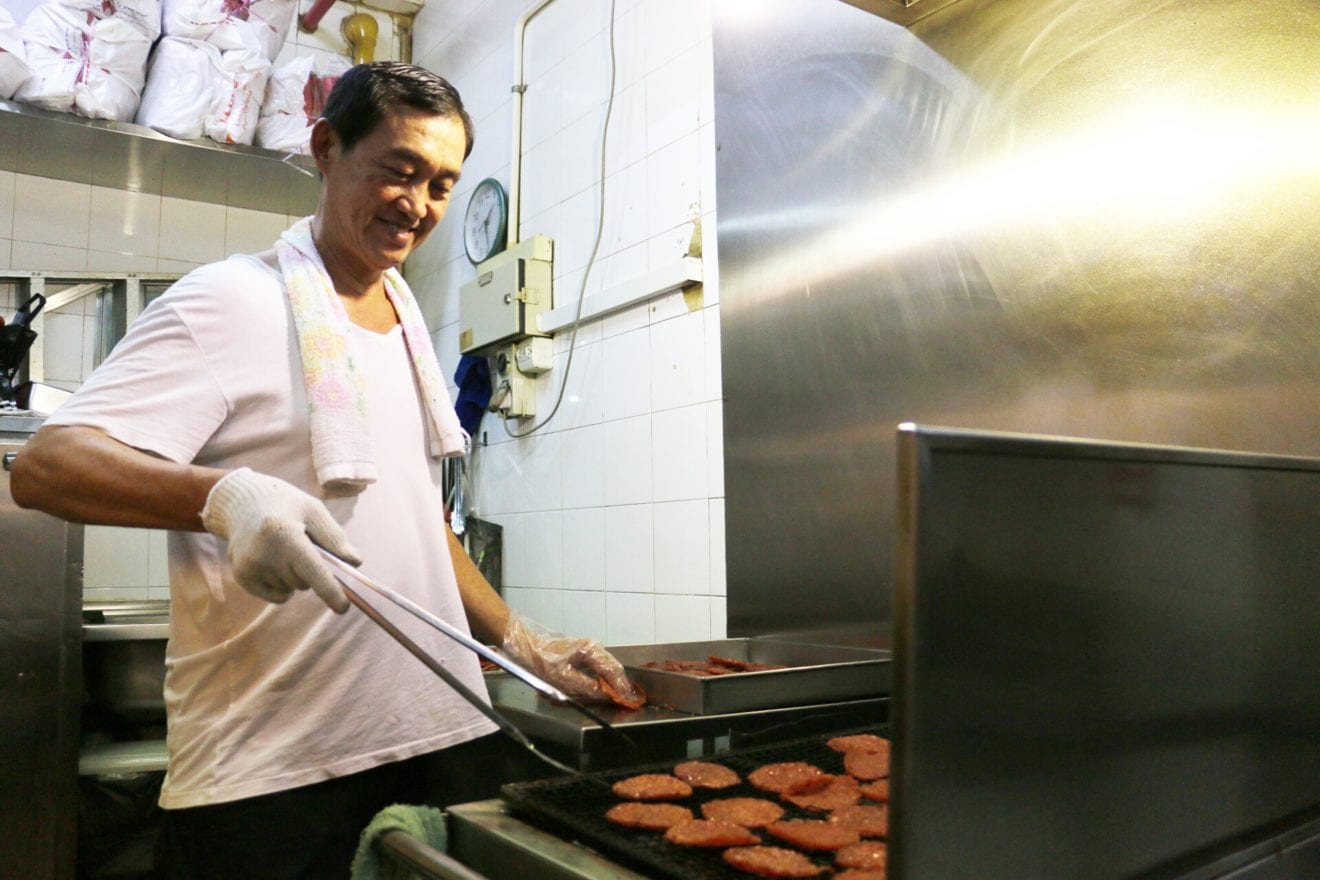
    Family-run bak kwa (sliced barbecued pork) stall Bee Kim Heng has seen festive retail sales drop by 10 to 20 per cent compared to last year. Based at People’s Park Food Centre, Bee Kim Heng – which is run by Mr Teo Ah Thin, 81 – has been in operation for almost 50 years.

    “We suspect it’s the economy, it’s because of the retrenchments that are going around in the market,” said Mr Damien Teo, who helps his father out during busy periods like Chinese New Year.

    Mr Teo, who is in his 30s, added: “A lot of our business is very dependent on regular customers. Some of the regular customers, for example – in the year before, they’d buy 3kg, maybe 5kg. This year, some of them have cut down in terms of the quantity they buy. They just want to save up a bit, I guess.”

    Similarly, fruit and nut supplier Tian Ran has experienced a 30 per cent drop in sales for the festive period. “A lot of people of browsing and tasting, but fewer are buying. I think it’s due to the bad economic situation,” said a Tian Ran employee, who only wanted to be known as Mr Fang.

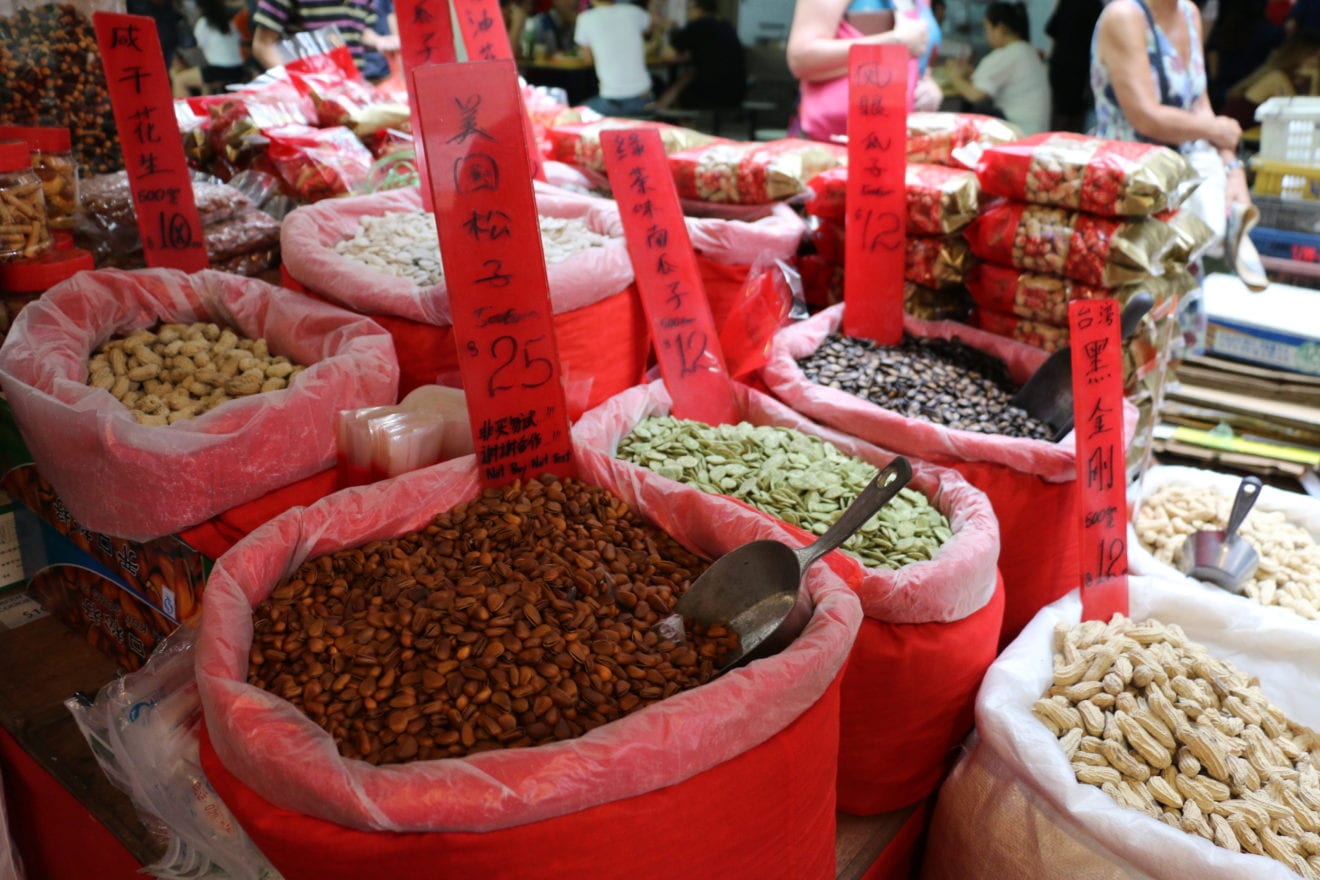
    Mr Fang has been selling peanuts and melon seeds – traditional Chinese New Year snacks – for the past eight years. While this year’s takings are poorer than last year, the 40 year-old said he feels things are not as bad as in the aftermath of the 2008 global financial crisis.

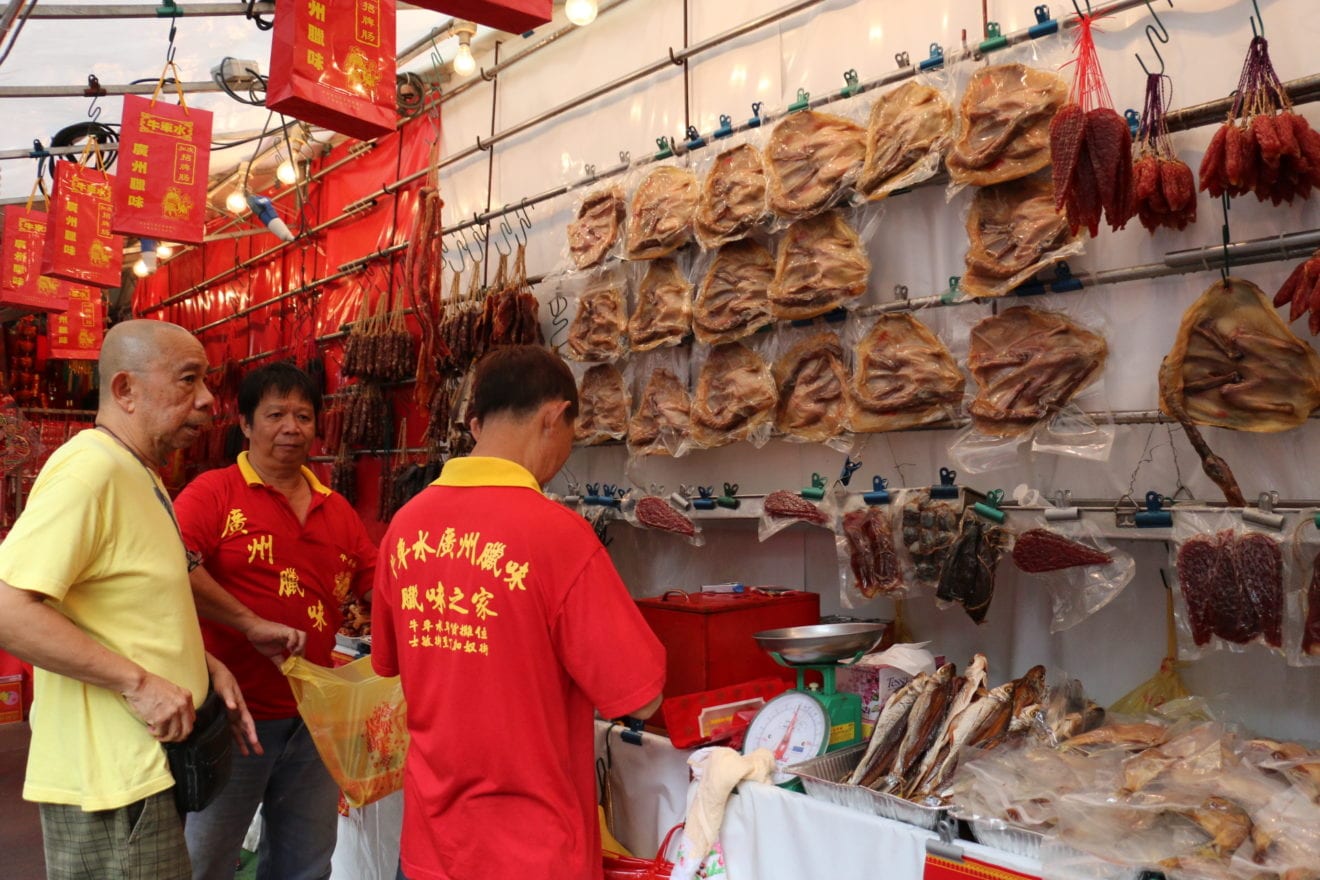
    Less than a few hundred metres away, in the annual Chinatown Festive Street Bazaar, employees running a temporary waxed meat stall also opined that buying sentiment is poor.

    “We’re mainly in distribution, but we have set up a stall at this bazaar for many years. This year, sales are down about 30 per cent,” said a stall employee, who only gave his name as Mr Liang.

    The 56-year-old who been in the business for 30 years, believes that caused shoppers have held back due to the rainy weather, and a poorer economic climate.

    A MIXED PICTURE, OVERALL?

    Outside of the Chinatown area – the epicentre of Chinese New Year shopping – other consumer businesses appear to be faring a little better.

    For example, Paradise Group, which will have over 20 restaurants in operation on the first and second day of the Chinese New Year period, told Channel NewsAsia these restaurants are already 80 to 90 per cent booked for the first day.

    Hotel Fort Canning also expects to “sell-out for the season”, as it caters to both foreign visitors and local staycationers. In an email reply, a hotel spokesperson said: “Demand for our rooms are typically higher during this extended period of festivities and the hotel usually runs at full capacity.”

    Meanwhile, online travel agency ZUJI has recorded a 17 per cent year-on-year increase in staycation hotel bookings during the Chinese New Year period, with an average spend of S$190 to S$220 per night.

    “We’re also seeing more 4-star hotels being booked on ZUJI this year, as compared to last year which had an almost even split of both 4 and 5-stars bookings. This could possibly be due to Singapore travellers being more budget conscious,” said Ms Chua Hui Wan, CEO of ZUJI Singapore.

  • Chinese shoppers in South Korea shun luxury for local brands

    Chinese shoppers in South Korea shun luxury for local brands

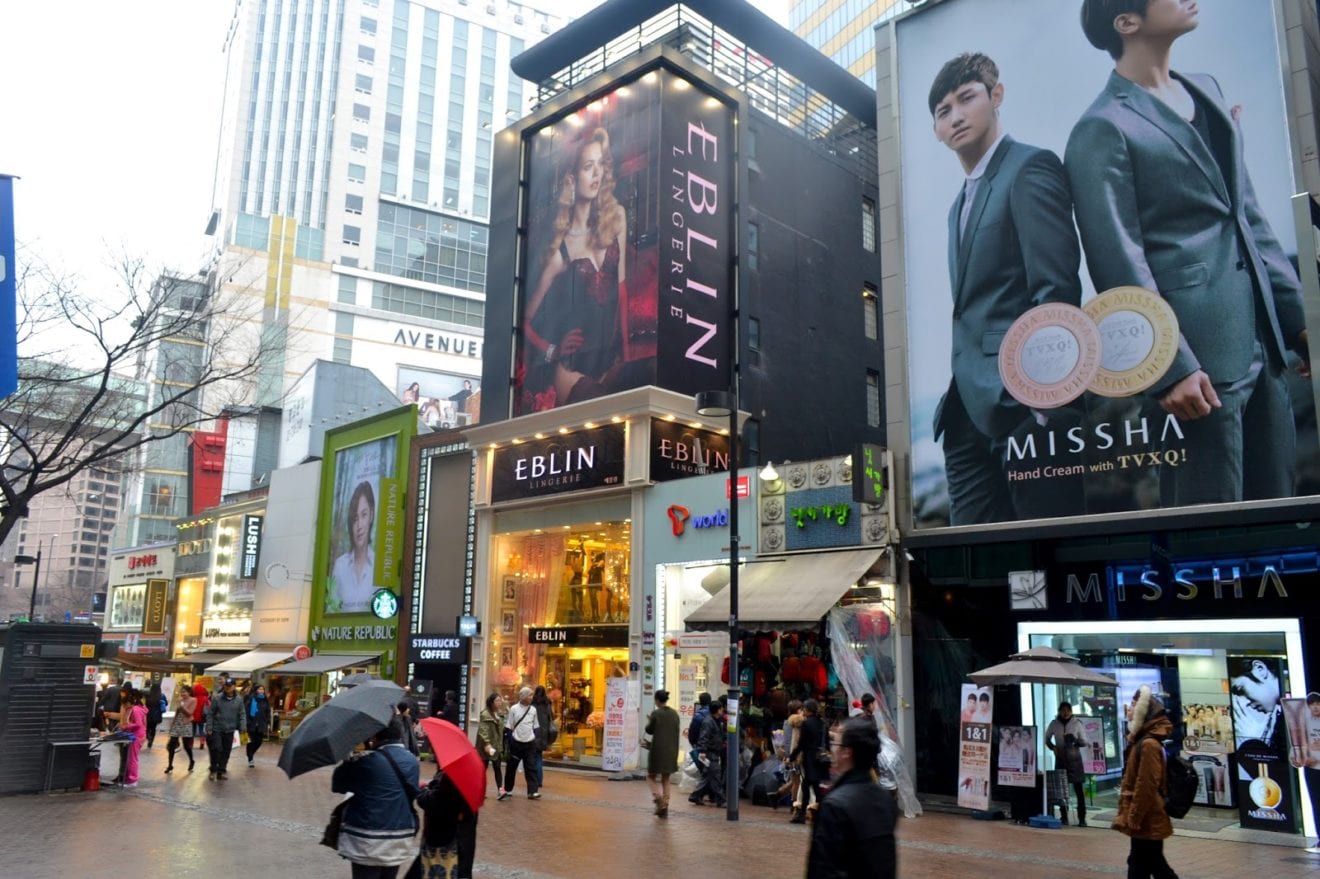
    Chinese visitors to South Korea are buying less from global luxury mainstays like Louis Vuitton and Chanel in favor of cheaper homegrown brands, as young, independent travelers make up a bigger share of tourists.

    Lured by the “Korean Wave” of culture exports, from soap operas and K-pop music to food and fashion, price-conscious younger Chinese visitors are seeking a more authentic and less expensive shopping experience.

    South Korea trails only Thailand as an overseas destination for Chinese travelers, whose heavy retail spending has helped make South Korea the world’s largest duty free shopping market.

    The emphasis on value will put further pressure on global luxury retailers already grappling with slowing sales in China after years of skyrocketing growth, as a government crackdown on graft and lavish spending bites.

    “You can buy those big brands everywhere, and it is actually cheaper to buy those brands in other countries compared to the prices in South Korea,” said 21-year-old Zhu Xin, who was shopping at the Stylenanda store in Hongdae, a Seoul neighborhood popular with young adults.

    “Now that we are here, we should buy local brands,” she said.

    Average prices on best-selling items from global luxury brands in South Korea are cheaper than they are in mainland China, but still cost more than in Europe, Singapore and Dubai, according to HSBC data.

    At downtown Seoul duty free shops run by Hotel Lotte’s, Lotte Duty Free and the Samsung Group’s Hotel Shilla, LG Household & Healthcare’s Whoo and Amorepacific’s Sulwhasoo cosmetics were the top-selling brands in 2015, overtaking Louis Vuitton, Chanel and Richemont’s Cartier, store data shows.

    “This doesn’t necessarily imply that luxury retailers have to launch cheaper stuff but it does necessarily imply that they have to be more relevant at every price point,” said Erwan Rambourg, an analyst at HSBC in Hong Kong.

    The number of Chinese tourists to South Korea dipped 2.3 percent in 2015 to about 6 million due to the deadly Middle East Respiratory Syndrome (MERS) outbreak. However, brokerage CLSA says Chinese inbound traffic growth rebounded from September and should jump by 28 percent in 2016. The South Korean government expects a record 8 million Chinese visitors this year.

    NEW GENERATION

    Chinese tourists to South Korea are getting younger: the share of those in their 20s and 30s rose to 46.1 percent last year, from 40.9 percent in 2013, according to the government-run Korea Culture and Tourism Institute.

    While older Chinese tourists typically travel in groups where they are ferried between shops catering to them, Chinese millennials tend to be better-informed about what they want, travel independently and spend less on shopping.

    “I use my mobile phone to research what products to buy in South Korea,” said 20-year-old Chinese tourist Liu Yuting. “Many Chinese girls like South Korean products, because most of them are cheap and cute.”

    At Lotte Department Stores, a chain owned by Lotte Shopping Co Ltd, average spending per Chinese visitor fell to 500,000 won ($412) in 2015 from 900,000 won in 2013, although the surge in overall visitors made up the difference, an official with the chain said.

    “Whereas past generations blindly purchased luxury goods, the younger generations have a more price-conscious consumption pattern,” KB Investment & Securities analyst Yang Ji-hye said.

  • H&M expected to account for 10 per cent of Hang Lung Properties

    H&M expected to account for 10 per cent of Hang Lung Properties

    Fast fashion chain H&M is estimated to contribute 10 per cent of Hang Lung Properties’ rental income in Hong Kong this year but the developer faces a decline in retail rents in the mainland.

    The US investment bank estimated the developer’s rental income in Hong Kong would edge up 4 per cent to HK$3.7 billion this year.

    H&M alone would boost Hang Lung Hong Kong rental income by 3 per cent, it said.

    The Swedish fast fashion chain opened two outlets at two shopping malls owned by Hang Lung Properties in three months.

    The chain opened its largest flagship store in Asia, with shop area of 47,000 square feet, at Hang Lung Centre in Causeway Bay at a monthly rent of HK$11 million, or HK$213 per square foot in early November, according to market sources.

    The chain also opened a 55,000 square feet shop at Gala Plaza in Mong Kok in January at an estimated monthly rent of HK$9 million, or HK$194 per sq ft, people familiar with the deal say.

    However, the developer, which owns eight shopping malls on the mainland, would see its retail rental on the mainland fall 7.3 per cent from last year to HK$3.88 billion this year, Morgan Stanley said. It owns shopping malls in Shanghai, Shenyang, Wuxi, Dalian, Tianjin and Jinan.

    Morgan Stanley attributed the fall in mainland rental income to negative rental reversions in second-tier malls and said renovation of Hang Lung’s two Shanghai malls could affect sales.

    In Shanghai, renovation at Plaza 66 started in September and is scheduled for completion by mid-2017, while Grand Gateway 66 will start refurbishment later this year.

    “The two Shanghai malls accounted for 50 per cent of mainland rental income in the financial year 2015,” Morgan Stanley said in a report.

    No new mall opening until 2018 would also affect short-term revenues and earings per share growth.

    The next mall due to open will be Spring City 66 in Kunming, which is scheduled for completion in 2018.

    In addition, rental income at Forum 66 in Shenyang fell 21 per cent year on year in the second half of 2015 and Center 66 Wuxi registered a fall of 37 per cent.

    Both malls saw negative rental reversion and retail sales declined 3 per cent year on year , it said.

    Morgan Stanley said it expected Hang Lung Properties’ core earnings would fall 6.6 per cent to HK$4.09 billion this year.

  • A jar of British fresh air sells for 80 pounds in China

    A jar of British fresh air sells for 80 pounds in China

    A British businessman is shipping something insanely unique to China and making fortune out of it. It might sound insane for some but not for Leo De Watts, who is believed to have made thousands of pounds by exporting fresh British air to China. Report suggests that the elite and well to do Chinese customers are more than happy to buy fresh air for a cost of £80 per jar. The business started off just a week back has till date sold more than 200 jars of fresh air, which, considering the nature of the business, is a huge success.

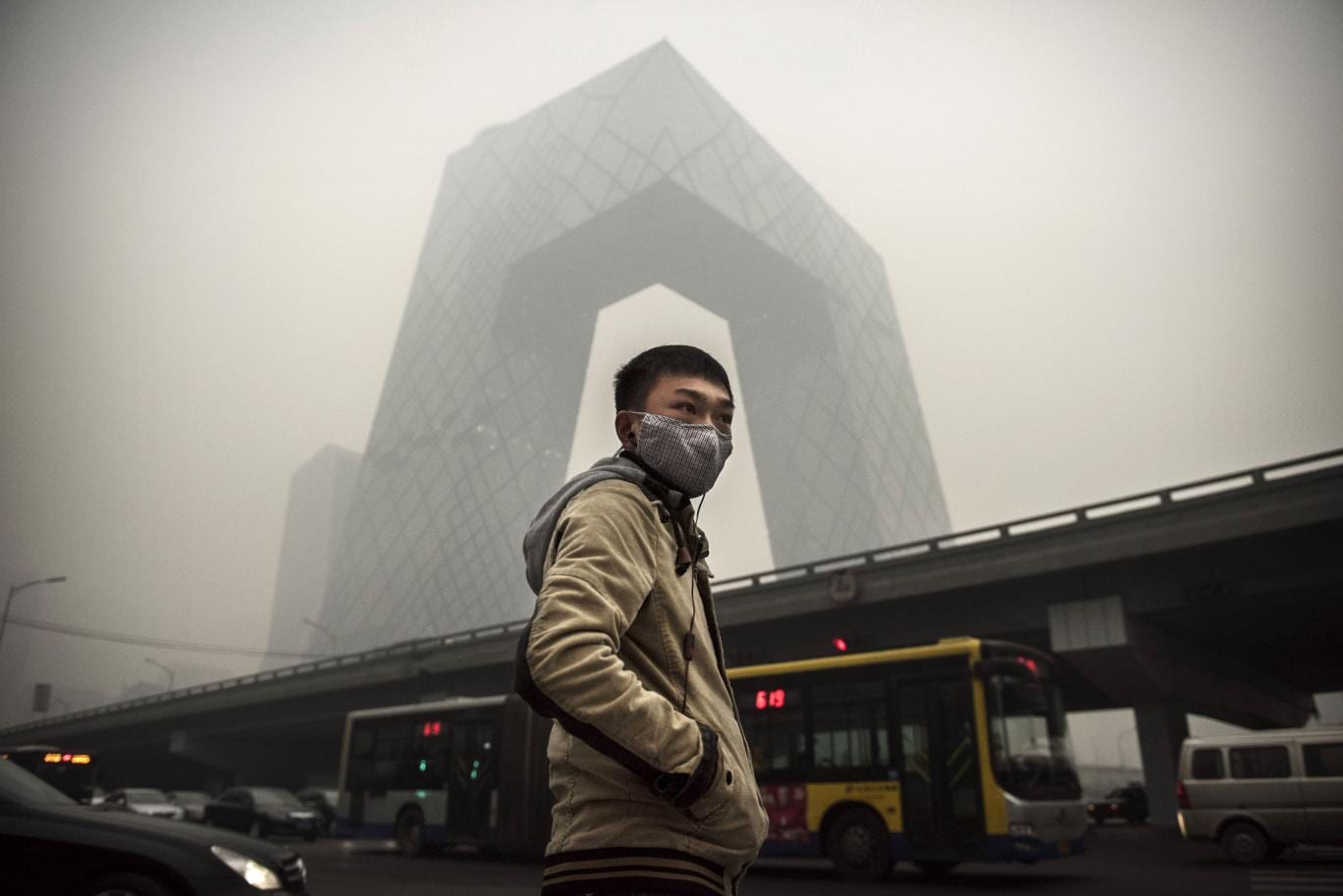
    The 27 year old Leo De Watts collects his ‘raw material’ from British countryside and ships to Beijing and Shanghai which are among the most polluted cities in the World. Wealthy Chinese are willing to buy packaged fresh air despite the fact that each jar could only offer them a few seconds of fresh air.

    The air products that are put on sale include fresh air collected from Dorset, Somerset and Wales, each one having unique qualities, Leo De Watts claims in his website. Fresh air jars are been branded under the label Aethaer. His website says: “Aethaer is filtered organically by nature as it flows between the leaves of woodland trees, absorbs pristine water as it passes over babbling brooks and forest streams, and is lovingly caressed as it rolls over and between mineral rich rock formations, after which it is blown up over vistas of untouched beauty to where the Aethaer is collected and bottled.”

    There are many who buys the product just to treasure it as a memorabilia. Makeshift nets are used to collect the air which are later packaged using a process Watts describes as ‘air farming’. Watts is planning launch a ‘Chinese New Year special’ fresh air pack which contains 15 jars and sells for £888.


  • Alibaba and Amazon China gear up for the Chinese New Year

    Alibaba and Amazon China gear up for the Chinese New Year

    Feb. 8 will be the most important holiday this year in China, as it marks the Chinese New Year. Family members will come together to celebrate with holiday feasts and most workers will enjoy a one-week vacation, many returning to their rural homes from big cities for the festivities. A lack of delivery personnel during this period is leading many sellers on China’s biggest e-commerce marketplaces to shut down, but Amazon China says it will keep delivering in big cities.

    Many merchants on Alibaba Group Holding Ltd.’s marketplaces Taobao and Tmall have announced that they will stop taking orders Feb. 4-Feb. 14 because shipping companies are unable to deliver orders.

    But Alibaba, whose online marketplaces account for more than three-quarter of online retail purchases in China, organized a major promotion in advance of the New Year’s vacation, the Ali Chinese New Year Shopping Festival, which lasted from Jan. 17-23.

    Alibaba reports consumers purchased 2.1 billion holiday items from its websites during the sale, mostly food and gifts. 15% of the orders came from rural residents, a focus of the promotion, and sales at the 12,000 Taobao service centers in rural areas were 331% higher than average, the company says.

    “By hosting this online shopping event, we enabled rural customers to access an extensive range of New Year goods from home and abroad, while making agriculture products from rural China more available among urban customers.” Alibaba Group CEO Daniel Zhang said at the event kickoff meeting.

    Meanwhile, Amazon China, No. 5 in the Internet Retailer 2015 China 500, says it will continue to fulfill orders during the holiday period in 20 big Chinese cities, including Beijing, Tianjin and Shanghai. In fact, the largest overseas e-retailer operating in China says it will extend delivery hours to midnight during the holiday in order to allow Chinese online shoppers to get their orders on time.

    Amazon China operates 13 fulfillment centers in China and employs its own fulfillment staff. The subsidiary of Amazon.com Inc. offers same-day delivery in 123 Chinese cities and second-day delivery in over 1,400 Chinese cities and towns.

    For a fuller report on the openings for foreign companies to sell online in China, see “Open Door Policy” in the November 2015 issue of Internet Retailer magazine.

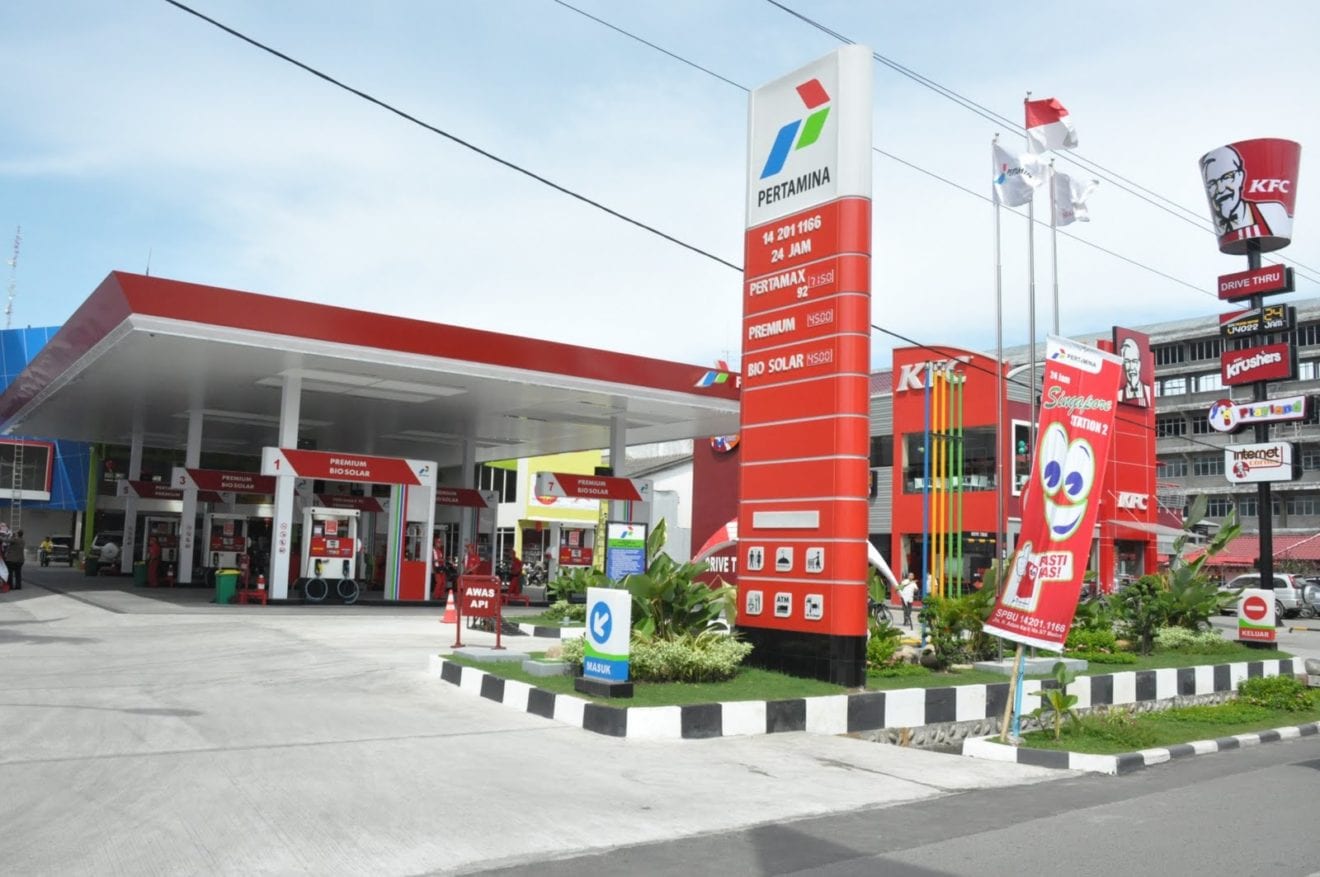
  • Pertamina Woos Myanmar Retail Fuel Business

    Pertamina Woos Myanmar Retail Fuel Business

    Under the bidding proposal, Pertamina and MPPE would establish a joint venture to sell co-branded oil fuels.

    Pertamina would operate 18 fuel depots and 12 fuel stations across the Mekong country through the joint venture, Ahmad said.

    “We would invest $33 million for the project,” he said, adding that the deal would also open an opportunity for Pertamina to sell fuel to other independent fuel stations across Myanmar.

    Pertamina is also considering an offer from a Cambodia firm to sell fuel in the country. In Cambodia, Pertamina could sell its fuel under Pertamina brands and operate its own fuel station, but it could not have a fuel depot, Ahmad said.

    The state energy company have been trying to expand its downstream business abroad, in particular in the Southeast Asian countries.

    “Our targets is the developing countries because it’s easier to secure permits there compared to the more developed countries,” Ahmad said.

    Rini Soemarno, the State-Owned Enterprise Minister, said earlier that she targeted Pertamina to branch out to at least one of the Mekong countries by 2018.

    Pertamina has Pertamina International Timor, a joint venture with 4-Consortio Timor Progresso, to sell oil fuel, lubricants and liquefied petroleum gas in Timor Leste.

    The state energy company virtually controls Indonesia’s retail oil fuel market, thanks to its vast distribution network across the archipelago. That despite the government has opened the sector to foreign firms like Dutch’s Shell, Malaysia’s Petronas and French’s Total for more than a decade.

  • Alarming fall in holiday restaurant bookings

    Alarming fall in holiday restaurant bookings

    Fewer people are planning to eat out on the eve of the Lunar New Year, a restaurateur said. The bill per table is expected to be about HK$4,800 on the eve of the holiday down from HK$5,300 last year Hong Kong Federation of Restaurants and Related Trades chairman Simon Wong Ka-wo said.

    He also described a drop in reservations as “alarming.”

    Wong added: “We annually see an 8 to 10 percent increase in reservations, but this year we are seeing a drop of around 5 percent.

    “This is due to a drop in consumption, with many consumers opting for cheaper meals.” Wong said owners have adopted a conservative approach in ordering their supplies after noticing that overall consumption has been affected by the mainland’s economic slowdown.

    Association for Catering Services Management chairman Yeung Wai-sing feared that some restaurants may have to close as sales are expected to drop further after the holiday is over.

    “This is likely to happen in April when the spring dinners of companies are over and the so-called off- season begins,” Yeung said. “I will not be surprised if some restaurants close down then.”

    Hong Kong Inbound Tour Operators Association chairman Ricky Tse Kam-ting said the weaker economic outlook is also based on the 60 percent plunge in mainland tour groups for this Lunar New Year.

    “This is the coldest year I have experienced in the industry. The figures might be shocking to you but the estimation is pretty conservative,” Tse said.

    “We had around 400 to 500 groups in the past but only around 100 groups this year.”

    The number of mainland arrivals was 45.62 million last year 2.9 percent lower compared with 2014, according to the Immigration Department. Many mainlanders are now heading for Japan and South Korea due to the exchange rate, while the younger ones prefer Europe, Tse said.

    “Most of the visitors are middle-aged or older they have already visited Hong Kong and are looking for something new,” he said.

    “Social media plays a big role with the younger generation. They see pictures and news about other countries and it is understandable that they want to go beyond [Hong Kong].”

    A jewelry retailer also claimed that this is “the most difficult” year. Government data showed total retail sales in December last year dropped 6.1 percent, and the value of sales of jewelry, watches, clocks and valuable gifts shrunk 17 percent.

    Jimmy Tang Kui-ming, chief of Prince Jewellery and Watch, expects sales in February to drop 20 percent from last year.

    “The devaluation of the yuan, the stock market plunge and decreasing home prices are like a trio hitting the retail sector,” he said.