Author: Mei Ling Tan

  • Airport Authority Hong Kong opens Midfield Concourse retail outlets

    Airport Authority Hong Kong opens Midfield Concourse retail outlets

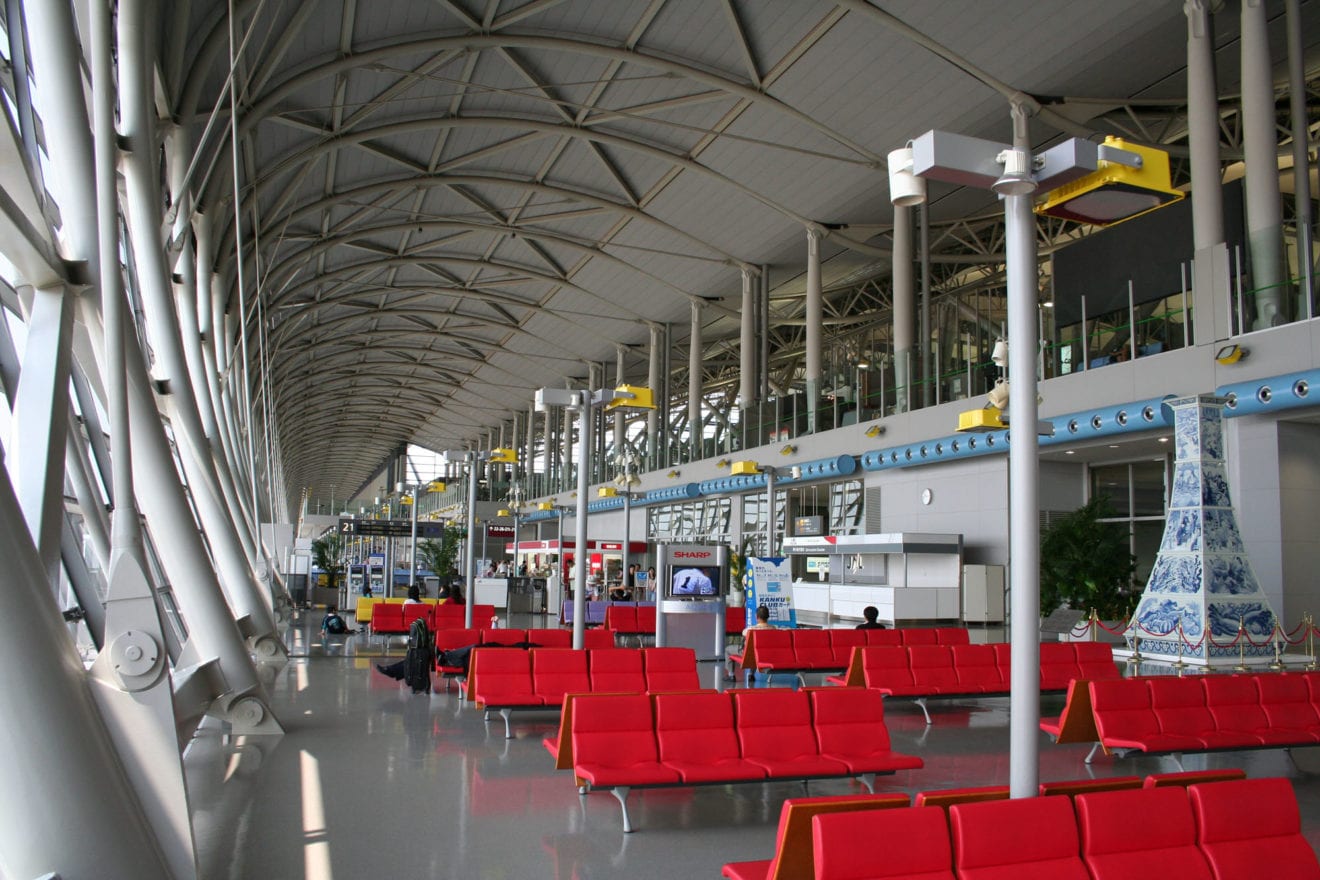
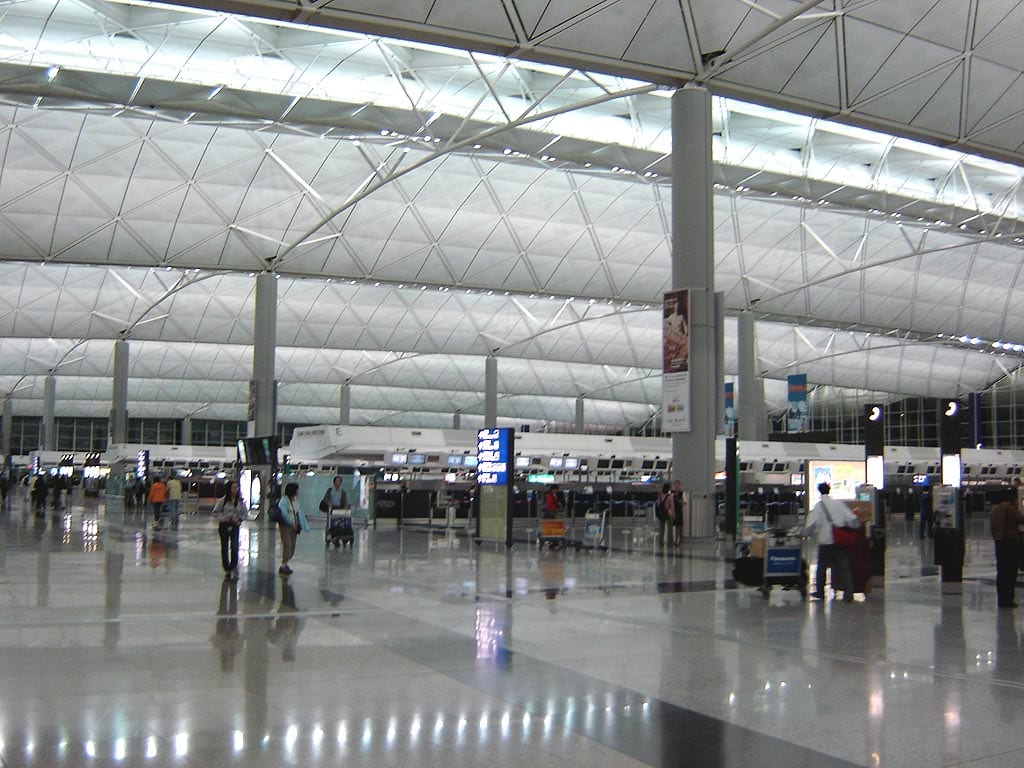
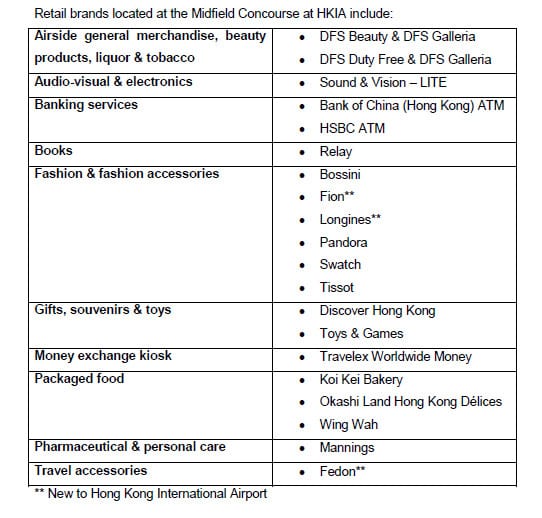
    Airport Authority Hong Kong (AAHK) has welcomed nine newly-opened retail shops and a café to the recently-inaugurated Midfield Concourse at Hong Kong International airport. In addition to the new shops outposts there are also outposts and a money-exchange kiosk.

    Positioned as a one-stop shopping destination, the Midfield Concourse offers a range of products and services catering to travellers’ needs. Travellers can find liquor and tobacco; beauty products; fashion and fashion accessories; audio-visual and electronics; packaged food; gifts, souvenirs and toys; and pharmaceutical and personal care items in the 105,000 sq m concourse.

    Soon to be opened are eight retail and three catering outlets. DFS Group will introduce a new multi-category store concept. These new DFS outlets at the Midfield Concourse will offer an abundance of brands for better shopping convenience, according to AAHK. The catering outlets will offer café and casual-dining options to departing passengers who have limited time before boarding. The Midfield Concourse also marks fast-food company MX’s first entry to HKIA.

    “The Midfield Concourse will be able to serve an additional 10 million annual passengers in order to meet the increasing passenger volume at HKIA,” said Airport Authority Hong Kong executive commercial director Cissy Chan. “We are proud to offer extended retail and catering options throughout the concourse, which will let the passengers have a pleasant and enjoyable last-minute shopping and dining experience.”

    Photo of

  • Perennial hints at changes afoot at Capitol Singapore

    Perennial hints at changes afoot at Capitol Singapore

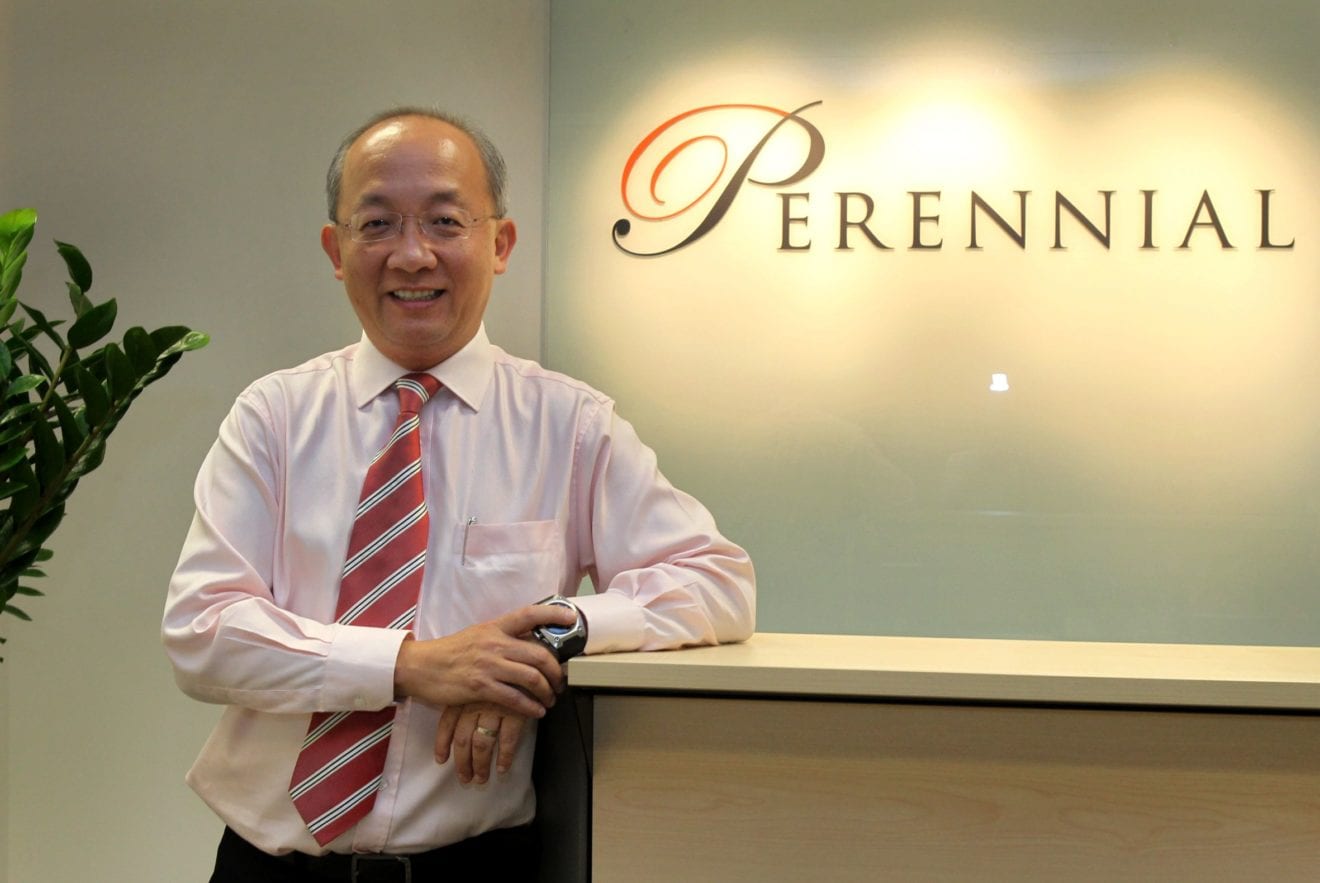
    Some changes could be afoot at Capitol Singapore after it has been hit with a depressed retail environment. Landlord Perennial Real Estate on Friday (Feb 5) said it is looking at ways to help tenants.

    CEO of Perennial Real Estate Holdings Pua Seck Guan, said: “The retail sector is not easy now, because a lot of retailers are faced with the problem of labour shortage and also in this volatile market.

    “As a landlord, we therefore have to adopt a strategy to find the right tenant and a win-win rental structure, and some of the rentals we may have to get it on a turnover basis rather than insist on a very high base rent.”

    The announcement comes as Capitol Singapore integrated development is edging closer to completion. The 157-room The Patina hotel has been completed, although it has not yet opened its doors. Meanwhile, the luxury Eden Residences expects to receive its Temporary Occupation License by end-February. The retail complex has been opening in phases since May 2015.

    Concerns about Capitol’s retail tenants aside, Perennial presented a strong report card for the three months to December at a briefing on Friday, with net profit almost doubling up 93 per cent to S$41.1 million.

    Property consultant, Chestertons, said Capitol could get a boost when the hotel starts operating. “One potential catalyst that might come out for Capitol’s retail centre would be the opening of Patina Hotel,” said managing director of Chestertons Donald Han.

    “The Patina is almost ready to open its doors and it would welcome high-end or business tourists. So effectively, that could be a crowd puller to be able to support some of the high -end offering in Capitol. This year might potentially might see some footfall traffic. I think it might see higher occupancy settling in, as the year moves on. ”

    Turning to its other Singapore properties, Perennial said it hopes to start selling office space and medical suites at TripleOne Somerset sometime in the second quarter, and it is awaiting final approval to do the same for AXA Tower.

    Perennial’s other properties in Singapore include Chinatown Point and CHIJMES. The Singapore properties account for 21 per cent of the group’s total assets, behind China whichs accounts for around 73 per cent.

  • Vietnam’s retail sector to see M&A frenzy riding on free trade pacts

    Vietnam’s retail sector to see M&A frenzy riding on free trade pacts

    The sector has turned attractive due to the free trade pacts the country has reached, as part of WTO, according to a government report.

    When Vietnam negotiated to join the WTO, it committed to let investors establish 100 per cent foreign-owned retail businesses from January 2015. In addition, the report attributed the increasing number of retail M&A deals to deeper integration of the country through the Trans-Pacific Partnership (TPP) and the ASEAN Economic Community (AEC), which will see tax exemption for thousands of commodities delivered into each member state.

    “Systematic retail chains account for only 25 per cent of the total market share, while it is 33 per cent in the Philippines, 34 per cent in Thailand, 51 per cent in China, 60 per cent in Malaysia and as much as 90 per cent in Singapore,” the report cited.

    The government expects that with the free flow of goods, human and capital resources within the region, Vietnam’s retail market will become more competitive.

    It projects that the market share will touch 45 per cent by 2020, proving Vietnam to be fertile ground for retail investment.

    Thai retailers are probably the most aggressive in building their presence in Vietnam. Central Group made a debut in 2015 with the acquisition of a 49 per cent stake in electronics stores Nguyen Kim, then later in the year, Berli Jucker, whose parent TCC Holding paid for Metro Cash&Carry in Vietnam, announced its keenness to acquire Big C supermarket operations of French player Groupe Casino. Other interested bidders are Singapore’s Dairy Farm and South Korea’s Lotte Shopping.

    “Both of the two new potential investors are financially strong,” said the report, “Dairy Farm is the second largest retailer in Singapore and Hong Kong, owning popular brands of Cold Storage, Guardian, Wellcome Giant and Hero.” Its revenue hit $13 billion in 2014.

    Meanwhile, Lotte Shopping is South Korea’s biggest retailer with $23 billion turnover in the same year.

    According to the report, Japanese retailing firm AEON, which acquired local peers Fivimart and Citimart last year, is also keen on the deal.

    This year might also be strategic for Japan’s 7-Eleven, as the chain is planning to open its first stores in Vietnam in April 2017.

    “Not only foreign retail giants use M&A deals to enter the market, Vingroup has also, through the M&A route, forayed into the retail industry,” the report said.

    The country’s largest homegrown retailer, Vingroup took over Vinatexmart and Maximark in 2015.

  • TSS Revs up the Bangkok Auto Salon

    TSS Revs up the Bangkok Auto Salon

    Thailand Super Series (TSS) is thinking big these days so it was no surprise that its booth at the 3rd Bangkok International Auto Salon last week was packed out with ambition, menace and muscle. The biggest motorsport series in Thailand was right under the spotlights.

    Leading out the display was the monstrous Camaro GT3 of Vattana Motorsport, the big machine raced by Czech former F1 driver Tomáš Enge to double victory last December in Bangsaen. Next up was the unique ‘Australian V8 Supercar’ Holden that is raced by Craig Corliss. The New Zealander bagged a sensational win in the car (which was shipped to Australia at the end of last year for a total rebuild) at the season opener and he has his eye on the title.

    Then there was the Porsche 997 GT3 Cup of Sarun Sereethoranakul, the drift star turned circuit racer is the joint Super Car championship leader after the first round thanks to two consistent drives and he’s another aiming for the title. Not to be missed was the high-tech Audi R8 LMS Cup of Henk Kiks, the B-Quik Racing machine dazzling onlookers in its customary yellow and black colours, while the booth was wrapped up by the first car to be built for the series’ new ‘Racing Academy’ that aims to teach drivers the art of racing.

    ‘TCR Thailand’ promises to be one of the most exciting new categories to be introduced to Thai motorsport in recent years and the build up to the launch of the series in 2016 is well underway. In Buriram Khun David Sonenscher, CEO of Motorsport Asia, the promoter of TCR Asia Series, explained the exiting new concept in full detail during a well-attended Q&A session.

    Super Car Class 2-GTM regular Khun Paul Kanjanapas has officially launched his team for the 2015 championship with a new title sponsor and a new supporting crew during a prestigious mall ceremony and he has ambitions to keep improving as he undertakes a full season of top level racing.
    Finally, in amongst the many motorsport industry companies supporting the new breed of state-of-the-art racecars in TSS is MCS. Khun Jerome van Gool, President of Worldwide Operations, was in Buriram at the season opener to keep an eye on the Ferrari and Porsche entries from Singha Motorsport Team Thailand and A Motorsport, respectively.

    TSS in the spotlights at the Auto Salon

    TSS had an imposing presence at the 3rd Bangkok International Auto Salon, ASEAN’s biggest tuning and modified car show, which ran from Wednesday to Sunday last week at Muang Thong Thani’s Impact Exhibition Center.

    The strategically located official TSS booth packed a real punch with four stunning ‘Super Car’ machines on display, each one residing at the top the horsepower stakes – as well as at the business end of the racing grids. The TSS display was certainly one of the most popular with visitors to the show over the five days.

    VIP guest during the show’s official opening ceremony was TSS Vice President Khun Preeda Tantemsapya and he reckoned it was a natural ‘fit’ for the series to be seen at this glamorous event. “The reason for being here is that the Auto Salon is mainly about modification and all the cars in TSS are modified to a certain extent as far as the regulations allow them to,” he said.

    “We bring the cars to show so people who are interested in high performance cars and parts see that we exist in Thailand we have top racecars from all over the world in TSS,” Khun Preeda explained. “As we can see we have an Australian V8 Super Car on show all the way to Porsche and Camaro GT3 cars. We hope our display will encourage people to learn more about what we are and become interested in TSS.”

    Khun Preeda also reckoned that is was important for TSS to support this budding show, which is just three editions old but already growing rapidly in stature, not just here in Thailand, but right across the whole of South East Asia.

    Leading out the power packed display was the monstrous Chevrolet Camaro GT3, which is entered in Super Car Class 1-GT3 by Reiter Vattana Motorsport. Former F1 driver Khun Tomáš Enge raced to a superb double victory in the big black Reiter Engineering-built machine in Bangsaen last December and he was straight back onto the front running pace during the season opener in May. The Czech will be targeting more victories in the Camaro when TSS returns to Buriram for Round 3 & 4 at the end of this month.

    Next up was the unique ‘Australian V8 Supercar’ Holden Commodore VE that is raced by Craig Khun Corliss. The New Zealander bagged a sensational Super Car Class 2-GTM win in the big lurid-green car (which was in fact shipped to Australia after Bangsaen for a total rebuild in time for 2015) at the season opener and he’s another driver that has his eye on the title.

    Then there was the striking #55 Porsche 997 GT3 Cup of Khun Sarun Sereethoranakul. The ‘drifting’ star turned circuit racer is already the joint Super Car Class 2-GTM championship leader after the first rounds of the year thanks to two very consistent drives onto the podium and he’s another driver aiming for the title.
 
Then there was the high-tech #26 Audi R8 LMS Cup of Henk Kiks, the B-Quik Racing machine dazzling visitors to the booth in its customary standout yellow and black colours. The Dutchman had a tough start to the season in May but he’s ready to bounce back when racing resumes at the end of the month.

    The booth, laid out in the form of a ‘racing grid’, was completed by a Honda Jazz, the car that will form the backbone of the new TSS Racing Academy (TRA). That was one of a batch of eight examples that have already arrived at the school and which will initially operate from the Pathum Thani Speedway. More ‘learner’ racecars are following. The show was an ideal way to raise the Academy’s profile and plenty of interest followed the Jazz’s public debut.

    Khun Preeda reckoned the Auto Salon was the perfect event to use to bring the TRA to public attention for the first time. “We want people to learn about the TSS Racing Academy which we will launch [this coming weekend] with a soft opening,” he said. “So by having the car on our booth now we have a very good sense that the Academy exists although we won’t fully promote it yet but will wait until we have had a run in, got the concept full honed and then in a few months time we will officially launch it. By carefully honing it we should be able to create a good and solid foundation.”

    The presence of TSS racecars at the show didn’t stop with the official booth either; in fact there were machines from right across the series’ multiple categories on display throughout the Auto Salon. On the official Toyota booth, for example, was the Super Car Class 2-GTM ‘86’ of Khun Nattavude Charoensukhawatana. This car has a superb pedigree, winning the 2013 Drivers’ title while finishing runner up last year.
 
Next door on the Mazda booth the Innovation Motorsports-run cars from Super Production took pride of place. The new Mazda2 turbodiesel hatchback, which debuted at the season opener back in May, sat alongside the brand-new sedan version, which will be seen in TSS for the first time when the racing action resumes at the end of this month. Joining them was the sleek Mazda RX-8 that Khun Michael Freeman ran in Super Car Class 2-GTM at Bangsaen last December.

    Appearing in the big racing car display in the Challenger Hall was the Porsche 997 GT3 Cup of TSS President, Khun Sontaya Kunplome. He’s had a cracking start to the season and two strong results in Buriram in May have put him in command in the points’ standings in Super Car Class 3-GTC.

    H.Drive Racing hosted the new Porsche 991 GT3 Cup that Khun Pitsanu Sirimongkolkasem is using for his graduation year in Super Car. It’s the first of the new ‘991 generation’ to arrive on the racetrack in Thailand and is quite unmistakable as it’s wrapped in a striking gold livery. Alongside the #90 Porsche on the H.Drive stand was the Honda Civic FD that the same driver used to win Super 2000’s ultra-competitive Class B title last year; it was shown in the colours it ran in at Bangsaen last December where Khun Pitsanu wrapped up that title.

    The official Singha booth showcased a real line up of winners from Super Car and Super 2000. Leading the charge were the two Ferrari 458 Challenge machines of reigning Super Car Class 2-GTM champion Khun Voravud Bhirombhakdi and Singha Motorsport Team Thailand’s newest signing, hotshot youngster Khun Kantasak Kusiri.

    The two Prancing Horse machines were complimented by a trio of the team’s Honda Civic FDs, including the examples of Khun Kittipol Pramoj Na Ayudhya and Khun Thamrong Mahadumrongkul, two fast-emerging front-runners in the highly competitive world of Super 2000.

    Finally, the Ginetta G55 of Khun Naputt Assakul made a piece of history at the season opener when it gave the tiny British marque its first ever win in Thailand, the victory coming in Super Car Class 3-GTC. That noteworthy achievement was celebrated at the show as the black and gold car, with its long sweeping bonnet and its compact low-slung glasshouse, was on display in front of visitors.
  • Lotte aims for $109m with new Osaka DWT store

    Lotte aims for $109m with new Osaka DWT store

    This new store will have a sales turnover target of W130bn ($109m) in the first year and will also complement Lotte’s existing small joint-venture retail presences at Kansai Airport and also at the Tokyo Ginza Mitsukoshi downtown store – as reported back in September 2014.

    Lotte Duty Free said it will now open its Osaka downtown duty free shop next year, as it also unveiled the basic details yesterday at a press conference alongside its partner, New Kansai International Airport Company and KAA, its Kansai Airport Agency retail subsidiary company.

    The new 4,400sq m store will be located on the sixth and seventh floors of the Big Camera Namba, in Namba, Osaka and will feature ‘global luxury brands, cosmetics, perfumes, fashion accessories’.

    Lotte said that the attraction of Osaka’s Namba district is its large transient population where shopping malls and restaurants that tourists prefer are ‘concentrated’.

    For its part, the NKIAC Company said it is working with Lotte because it is a major player. The company said: “Lotte Duty Free is the leading duty free company in Korea; [it] is equipped with the successful know-how and experience in operating downtown duty free shops as a global top three duty free shop [player]; and is the duty free shop brand which Asian customers like the most.”

    Sunwook Jang, President of Lotte Duty Free added: “Based on the successful experience to operate the duty free shops in Korea, we are expanding our shops in Asian countries like Japan, Thailand and Indonesia.

    “We will do our best to globalize the Korean duty free shop by global expansion, to help the Korean brands to expand overseas and to induce foreign tourists to Korea by making connection with the stores in Korea.

  • HSBC Singapore plans to transfer retail, wealth business to local subsidiary

    HSBC Singapore plans to transfer retail, wealth business to local subsidiary

    The Hongkong and Shanghai Banking Corporation (HSBC) Singapore is planning to transfer its retail banking and wealth management (RBWM) division to a locally incorporated subsidiary named HSBC Bank (Singapore).

    Expected to become operational from 9 May this year, the subsidiary will be responsible for managing all the accounts, assets and security arrangements associated with the RBWM unit.

    The transfer of operations is subject to regulatory and court approvals.

    HSBC Bank (Singapore) will possess a full bank license with qualifying full bank privileges, which will allow the subsidiary to open more branches than other foreign banks, straitstimes reported.

    The move follows an announcement by the Monetary Authority of Singapore (MAS) in April last year that HSBC is considered one of seven domestic systemically important banks in Singapore, according to media sources.

    According to MAS, banks with a significant retail presence must locally incorporate their retail operations, a move that could help the Singapore financial system to function properly.

    HSBC Singapore CEO Guy Harvey-Samuel was quoted by Channel NewsAsia as saying: “The transfer of our retail banking and wealth management business in Singapore to a locally incorporated subsidiary reflects the success, scale of growth and significance of our retail business in this market.”

    HSBC’s other activities including commercial banking, private banking and global banking will continue to operate under the existing Singapore branch.

    “Singapore is a top-seven priority country for the HSBC Group globally and we will continue to invest in our business here. We are excited about new opportunities to further expand our presence,” Harvey-Samuel was quoted by straitstimes.

  • Cold Weather Bears Down Once Again on Laos

    Cold Weather Bears Down Once Again on Laos

    Laos is bracing for another potentially devastating cold snap following one in January that brought a rare snowfall to the tropical nation and was blamed for the deaths of thousands of livestock and fish, government meteorologists said on Thursday.

    The Lao Department of Meteorology and Hydrology predicted today that the western Houaphan and Xiengkhouang provinces and the central Xaisomboun province could see lows reaching four degrees Celsius over Feb. 5 to 8.

    “The temperature will drop throughout the country, especially in the north and northeast, Xaysomboun and the areas of the plateaus,” weather forecasting and aeronautical meteorology division chief  Vanhdy Douangmala, told RFA’s Lao Service. “Other parts of the country will also face cold weather.

    Weather in the Vientiane is expected to be cloudy and cold, and a resident of the capital city told RFA that the temperature was already dropping.

    Laos was hit with unusually cold weather and a rare snowfall on Jan. 24-25. The temperature in Houaphan province hit 1.5 degrees Celsius and was blamed for the deaths of more than 1000 cattle. The cold was also blamed for killing three tons of fish in ponds in Xiengkhouang province.

    People bundle up

    “From 24-25 January, it was so cold that people couldn’t go out,” the Vientiane resident said. “We just stayed home and sat in front of our stove. I have never seen it freeze like this before. I had to wear three sweaters and many retail shops were closed.”

    The Lao government is campaigning to raise funds to aid rural people suffering the cold weather and is opening bank accounts for donations, according to information from the government office.

    It is difficult to determine if the bitter cold set records in the secretive nation, but the average low temperature in Vientiane hovers around 16.5 degrees Celsius in January and 19 degrees in February.

    Cold hits Asia

    In Vietnam, authorities said more than 8900 cattle died during a cold snap that damaged 6000 hectares of  rice paddy and more than 4600 hectares of vegetable plots.

    Many parts of Asia have been hit with rare cold weather which is being blamed for more than 65 deaths, and disrupted transportation, according to the Associated Press.

    Subfreezing temperatures in North Korea’s northern provinces this month caused water main pipes to freeze and burst, cutting off tap water to local residents, sources inside the country told RFA.

    Meteorologists blame the intense cold on a polar vortex – the large area of low pressure and cold air surrounding both of the earth’s poles. While the vortex always exists near the poles it tends to weaken in summer and strengthens in winter. Many times during winter in the northern hemisphere, however, the polar vortex will expand, sending cold air southward with the jet stream.

  • Saté Kampar Opens Next Week

    Saté Kampar Opens Next Week

    East Passyunk Avenue has very little to do with Asian cooking. Besides two Chinese-American take-out joints, Bing Bing Dim Sum is as “Far East” as Passyunk goes, operating under deliberately inauthentic pretenses. Saté Kampar (1837 East Passyunk Avenue) is Malaysian through and through, and conversely, authenticity runs through its veins.

    Ange and John Branca are officially opening Saté Kampar next Wednesday, February 10 — a date decided by Ange’s grand aunt. “She decides the opening date. That’s also a way of involving her. Everyone in my family contributed to the restaurant in one way or another.”

    The Brancas’ restaurant is a family affair, Ange’s godmother was a recipe writer and preservationist, her aunts and uncles were restaurant owners back home, though owning a restaurant is a little different in Malaysia. “It’s more casual, a communal effort. If one member of the family cooks, then they cook for the whole town.”

    Ange wants to do the same for Philly. Born in Kampar (she visits often), Ange and her family moved to Kuala Lumpur when she was two years old. She received her college degree in Scotland, moved to the States to pursue a career in business accounting, and met her husband, John, rock climbing at her brother-in-law’s gym. After climbing to the top the corporate ladder at Deloitte and IBM, Ange decided to retire to pursue her dream of owning her own Malaysian restaurant in Philadelphia.

    “I wanted to do something that isn’t work, something I’m passionate about. When I retired I wanted to bring home the idea of family, my background, this food.”

    And she really brought it home. Almost everything in the restaurant is imported from Malaysia, from the marble-topped custom tables typical of a Malaysian restaurant, to an ornate wooden cabinet in the front of the restaurant, containing Malaysian goodies available for retail purchase. Plates and silverware are common to that of the markets and carts that line the streets back home. A mural by Jared Bader depicts a street food scene on Jalan Alor in Malaysia’s capital Kuala Lumpur. “We wanted to bring the street food scene inside.”

    The restaurant’s namesake item, saté — skewered and grilled marinated meats — will be flamed over custom grills loaded with coconut shell briquettes (again, imported from Malaysia). And since southeast Asia has an enormous Muslim population, there will be a separate halal grill for practicing guests searching for a taste of home. But while saté is the focus, the rest of the menu is meant for sharing. Back in December, the Brancas gave Eater a sneak peek of those share items as preliminary guidance for a cuisine mostly unfamiliar to those that stroll the Avenue known primarily for French and Italian restaurants. With a new cuisine, comes a new education, and the Brancas are ready to teach.

    Despite being BYOB, Saté Kampar will offer specialty drinks at the bar: pulled teas, “kopitiam” (traditional coffee house drinks), mix-your-own Ribena sodas, Milo (a regionally popular chocolate malt drink), and most impressively, freshly-hallowed coconuts, poked with straws.

    Stay tuned for pictures and menus, and mark your calendars for next Wednesday’s unveiling. With Perla’s impending opening just down the street, East Passyunk’s dining scene is primed for a heavy dose of diversity.

  • Waitrose café replaces China cups and plates with paper crockery

    Waitrose café replaces China cups and plates with paper crockery

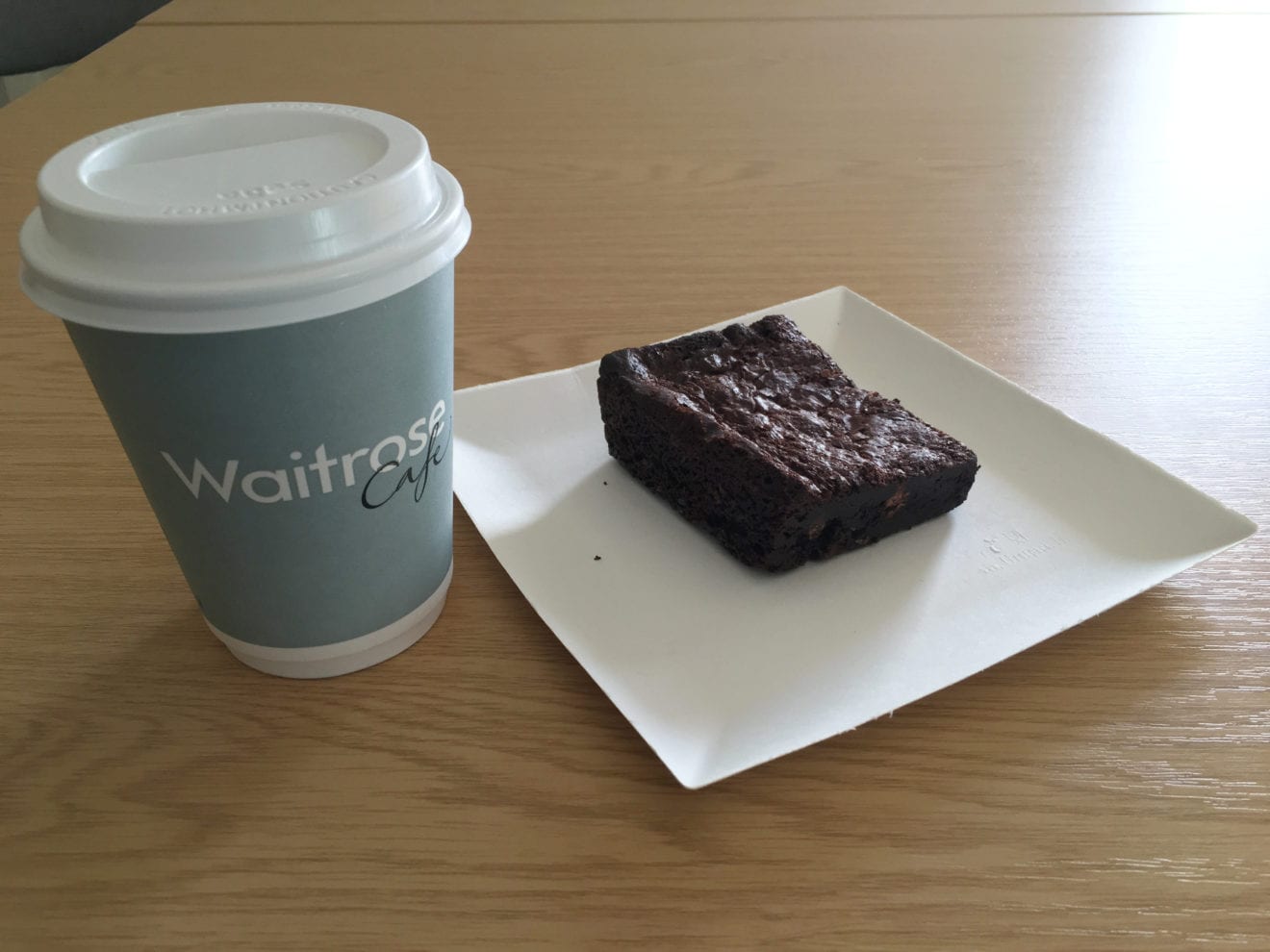
    Waitrose customers have furious to boycott a store over its plan to ditch china plates and replace them with paper crockery. Clients of a branch of the general store in Chichester, West Sussex, have apparently complained to administration in what has been named the most middle class row ever.

    As though that wasn’t sufficiently horrifying, the branch additionally picked to swap out its couches for wooden seats.

    The issues all started when the bistro moved from inside the Waitrose grocery store to the adjacent building, which previously housed a Costa espresso.

    Because of reasons of convenience, the café started to serve its hot beverages in paper glasses and replaced its “shocking” couches with simple to-clean plastic seats.

    A cafe staff part said that a dishwasher would need to be introduced at the new site before china mugs could be used.

    A Waitrose representative said: ‘The criticism of our clients is importent to us and the remarks we have gotten will shape any future arrangement.’

  • China Jo-Jo Drugstores launches remote hospital network in Zhejiang

    China Jo-Jo Drugstores launches remote hospital network in Zhejiang

    China Jo-Jo Drugstores has launched the first Internet-based Remote Hospital Network platform in Zhejiang Province, China.

    The virtual physician platform will be offered onsite at its retail pharmacy locations.

    This would allow the company to partner with virtually any accredited physician or hospital in providing medical consultation to customers who would then have immediate access to printed prescriptions and pharmacy dispensary services at the drugstores.

    China Jo-Jo said it is currently in discussion to secure exclusivity for the Internet hospital platform in Zhejiang province and is in negotiations with an accredited regional hospital to provide physician services on the platform through a profit sharing agreement.

    Lei Liu, Chairman and CEO of China Jo-Jo, said roughly 90 percent of China’s pharmacy prescriptions are handled by hospital dispensaries. The goal of the program is to increase transaction volume at China’s Jo-Jo retail locations while driving healthcare reform and innovation in the retail and online pharmacy business in China.

    “In alignment with the recent healthcare reform in China, we continue to meet the needs of consumers by increasing products and services that expand prescription dispensary services from the hospital system into local communities,” he said in a news release. “As the Chinese government pushes for healthcare reform we will continue to provide ways to increase access and to provide competitive pricing for prescription drugs, especially for residents who do not live in major cities.”

  • Citi’s exec sees clear focus on target clients

    Citi’s exec sees clear focus on target clients

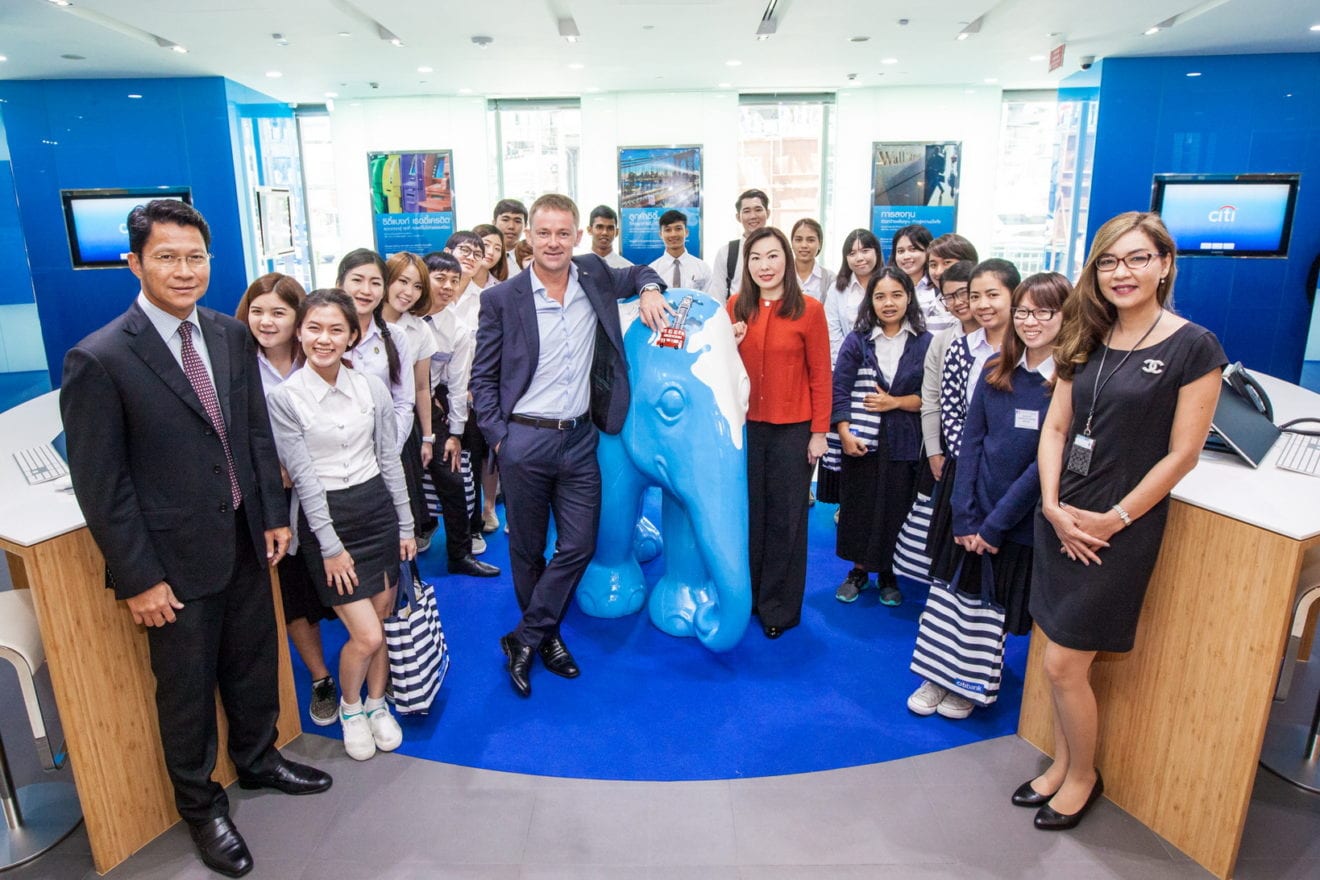
    Vira-anong Phutrakul was promoted to the post of consumer business manager in November, making her the first local executive to lead Citi Thailand’s consumer-banking business, overseeing functions including credit cards and loans, retail-banking wealth management, e-business and consumer lending.

    The bank has set itself a challenging growth target of 10-15 per cent in terms of customer numbers and revenue, given the prevailing economic conditions, she said.

    To achieve the high growth target, the strategy this year is to make Citi Thailand the bank for its main target segment, that is, people with a family, those doing business overseas and/or who are globally minded, she explained.

    In Thailand, Citi has a customer base of almost 1 million accounts, comprising credit-card holders, personal borrowers and wealth-management customers.

    Wealth-management clients have total assets under management of around US$1 billion (Bt35.7 billion).

    The executive said individual investment provided the main potential growth area for Citi Thailand, as credit cards were the mode of transaction payment for this type of business.

    As a global bank, Citi has the strength to serve globally minded consumers and the Bank of Thailand last year allowed individuals to invest in offshore markets, she said.

    The bank will be the first commercial bank in the Kingdom to offer an offshore-investment service to retail investors, with the facility set to become available this quarter.

    Citi Thailand will also launch a new mobile-banking service for retail customers, through which they can buy offshore mutual funds.

    “We and six fund managers globally will announce the service in the next two weeks, which will be offered to Citigold customers who have assets under management of Bt3 million,” she said.

    The bank has seen a growing trend of retail customers allocating investment to the offshore market, Vira-anong said, adding that the trend of borderless investment should be an opportunity for wealth-management at Citi this year.

    Wealth-management business is forecast to grow by 10-15 per cent after launching the offshore mutual-fund service.

    The bank will also upgrade all benefits offered via its existing products this year, in order to gain market share and ensure that growth in both credit cards and personal loans outpaces the industry, even though double-digit expansion in these areas might not be possible, she explained.

    The loan portfolio at Citi Thailand stood at around $2 billion at the end of last year.

    Meanwhile, Phatra Securities yesterday announced wealth-management services for “mass affluent” customers with the launch of Phatra Edge.

    “Over the last 15 years, Phatra has offered its expertise in wealth management for high-net-worth individuals and therefore has a good understanding of their needs,” said Kulnan Tsanthaiwo, managing director of the company’s Private Client Group.

    “The number of ‘mass affluent’ individuals [with at least Bt2 million in investable assets] in Thailand is growing continuously, and these persons tend to place great importance on financial planning,” she said, adding that these clients need to optimise their money by investing.

    “White-collar workers, employees paying income tax of 20 per cent or more, and people who invest in LTF/RMF [long-term equity fund/retirement mutual fund] products need help and advice with their investments, and Phatra Edge offers a complete range of features and services to help our clients achieve their life goals,” the managing director said.

  • Car wash more than just a job for Minds trainees

    Car wash more than just a job for Minds trainees

    For 15 years, Ms Lim Sock Leng, who has intellectual disabilities, has been travelling from her home in Woodlands to a car wash in the southern part of Singapore for work. The trip takes her more than an hour, but she looks forward to seeing her friends at the car wash each day.

    “The customers buy drinks and food and I’ve friends here. I’m not bored,” she told The Straits Times, a big grin on her face.

    Ms Lim, who is in her 30s, is one of 30 trainees with intellectual disabilities who have found work at the car wash opened by the Movement for the Intellectually Disabled of Singapore (Minds) in 2001.

    Minds chief executive Keh Eng Song said: “I think it is very successful that we’ve sustained Minds Wash for 15 years.”

    This is something that the voluntary welfare organisation could not have done without the support of SPC, which provides Minds with the car wash facilities, he added.

    Minds Wash was started in 2001 at a BP petrol station in Pasir Panjang with funds from Merrill Lynch.

    Three years later, SPC acquired BP’s retail network in Singapore.

    In 2007, SPC moved Minds Wash from Pasir Panjang to Telok Blangah “where the station is more prominently located and in clear view of the customers”, said SPC managing director Xia Hongwei.

    “Since 2004, SPC has been providing the venue to Minds Wash at no cost, with the aim of helping them integrate into society and encourage their development as independent and self-supportive individuals,” he said.

    In 2001, the aim of Minds Wash was to increase public awareness and social acceptance of the group. Then, the car wash serviced 14 cars a day on weekdays.

    Today, it services an average of 70 customers a day and Minds Wash project officer George Koh estimated that 80 per cent are regular clients who come by with food and drinks for the trainees with intellectual disabilities.

    This helps Minds pay the trainees allowances of $250 to $350 per month. Any leftover funds are channelled to the other 1,100 trainees in Minds’ three vocational centres.

    Retiree Yat Ah Kwok, 66, has been visiting Minds Wash weekly from his home in Punggol since he stumbled upon it four years ago while pumping petrol. Now, this is the only car wash he visits because he wants to support the cause.

    “I won’t go to other places. These people are all my friends. I’ve also told my friends who live nearby to wash their cars here,” he said.

    Asked if Minds will consider opening another car wash, Mr Keh said he would do so if any other kiosk wants to provide Minds with the space. He said Minds wants its trainees to go out of the sheltered workshops if possible.

    “And if you ask me, this is much better than public education, public awareness, exhibitions and roadshow. You actually experience people with intellectual disabilities doing the work, you experience their capabilities,” he added.

    “That’s why we always remind them to smile!”

  • Will *Scape 2.0 be youth haven at last?

    Will *Scape 2.0 be youth haven at last?

    *Scape, a youth hangout which opened next to Orchard Cineleisure just six years ago, has been given a $2.5 million makeover.

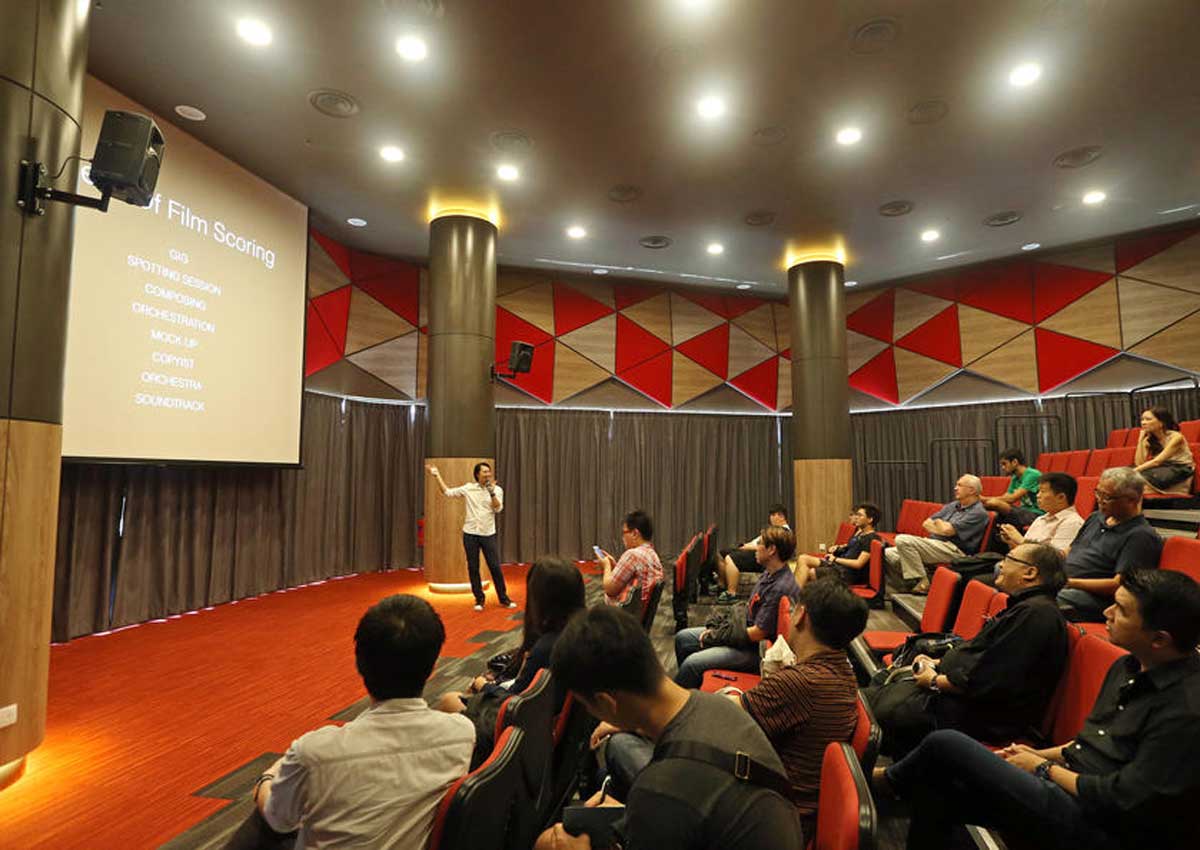
    After completing the revamp late last year, it now offers facilities such as a 100-seater indoor gallery to host film screenings, recitals and talks. It also has an outdoor stage with seating areas for music and other performances, and a walkway to showcase street performances and wall art.

    A new hub where media groups can gather to hotdesk or run events is also ready. The Singapore Film Society and media community group Project Unsung Heroes have started using the space.

    Events slated for this month include open mike sessions at the outdoor bandstand this Saturday, and an interactive play that explores mental disorders at the media hub the following weekend.

    Plans for the makeover of the five-storey hub and outdoor space, which also houses shops and restaurants, were first announced in 2014 by the Ministry of Culture, Community and Youth (MCCY).

    “*Scape, conceived by youth 10 years ago and opened in 2010, is a popular youth hangout,” said then MCCY Minister Lawrence Wong of the hub run by a non-profit organisation of the same name. “But the youth landscape has evolved over the years and we need to keep up with the changes,” he added.

    While *Scape has seen footfall pick up by 8 to 10 per cent a year, its average monthly footfall of 492,000 is lower than that at other malls, which can be over a million.

    *Scape also offers affordable retail spaces to encourage young entrepreneurs. And interest groups also use the space for sports, performing and visual arts, and projects.

    The mall has 70 youth start-ups, 73 institutional and commercial tenants and seven interest groups.

    While *Scape’s focus has been on developing young people in areas such as music, media and dance, its executive director, Christopher Pragasam, said last year it plans to move towards providing them with more platforms for volunteerism.

    For instance, it has a workshop this month to help youth understand the strengths of different communities and use these resources to create projects for social good.

    Some observers say it has had limited success because of its lack of focus. “It suffers from an identity crisis and is trying to do everything at once, from retail to entrepreneurship to arts and media to community service,” said Mr Delane Lim, chief executive of Agape Group Holdings, a youth training and development consultancy.

    He said spaces elsewhere, such as the Youth Square in Hong Kong and Youth Hub in South Africa, are more of a hit because they are commercially run by youth entrepreneurs: “They do get government funding but when they run the place themselves, they bring in fresh ideas and have more say in shaping the space for their peers.”

    *Scape is overseen by MCCY and its team reports to a board of directors made up of government representatives and leaders from the private and public sectors. There was a change in some board members in October last year.

    Ms Elim Chew, founder of fashion chain 77th Street and a former director on the board, said: “With the new board and expertise, I am sure they will bring in even more relevant programmes.”

    Student Magdalene Low, 18, who hangs out at *Scape with her friends once a week during school holidays, said: “There is some good food there but the shops are not very attractive… It offers the space dancers need to practise but, overall, with all the new shopping malls next door, it’s becoming dull and needs to keep up.”

  • General Motors China Sales Up 7.3 Percent In January 2016

    General Motors China Sales Up 7.3 Percent In January 2016

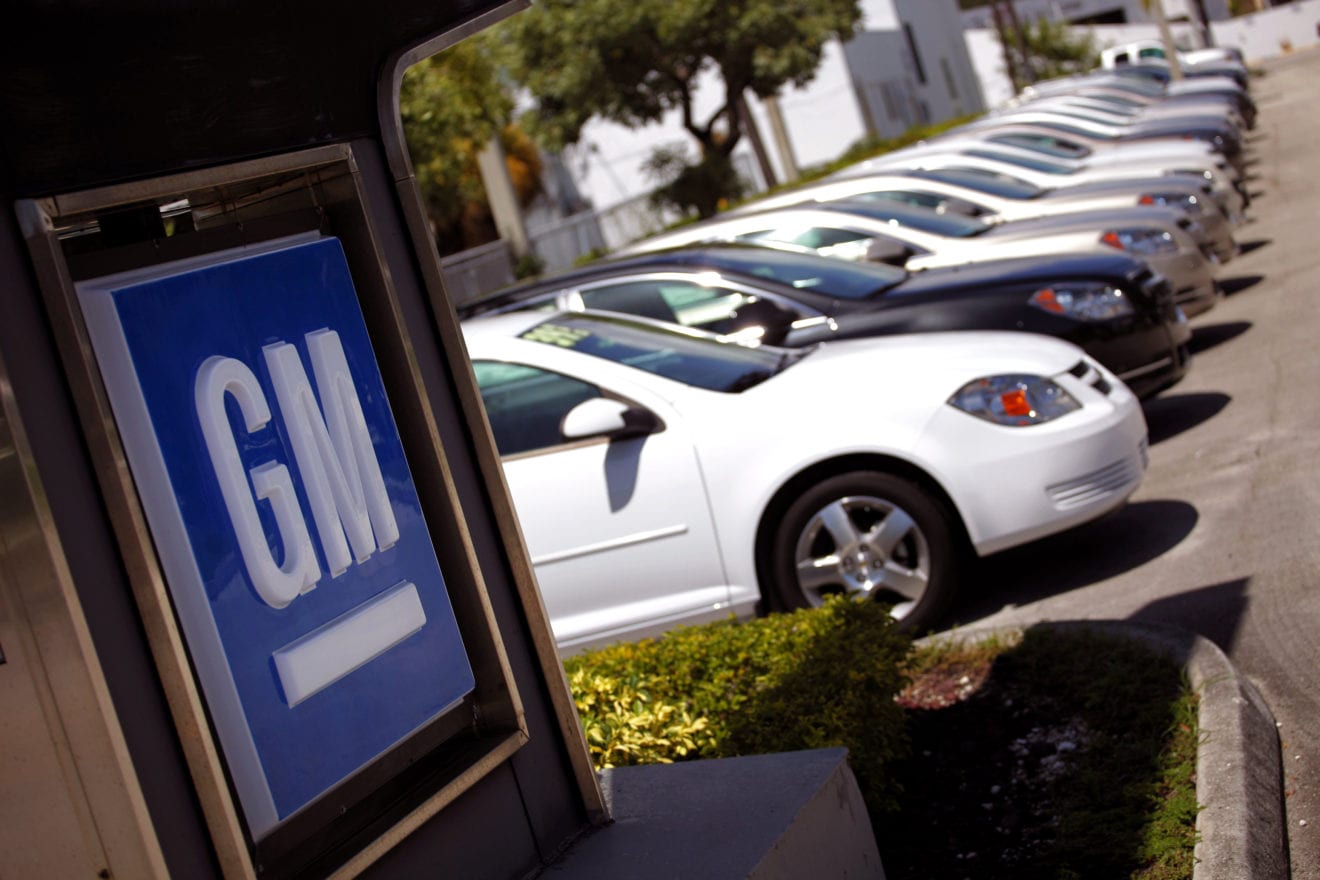
    General Motors and its joint venture partners in China reported 421,023 new retail vehicle sales during January 2016, a 7.3 percent increase on a year-over-year basis.

    “This year, GM and our joint ventures will continue to offer an unmatched choice of products across market segments along with new services to meet the needs of China’s car buyers,” said GM Executive Vice President and GM China President Matt Tsien. “Our new models, such as the Cadillac CT6 and Chevrolet Malibu XL, will be strong additions to our portfolio.”

    Increasing demand for SUVs and luxury vehicles continued to support GM’s robust sales last month. The Buick Envision and Baojun 560 led the growth in sales of GM’s SUVs in January, with demand growing 188 percent-year-over-year.

    Chevrolet

    Chevrolet sales in January declined 27 percent year-over-year to 56,133 units.

    The automaker attributes the drop to the end of the fuel economy subsidy for the Sail. Chevrolet sales are expected to improve with the arrival of several new models in 2016, including the Malibu XL on February 27.

    Buick

    Buick sales in January grew 39 percent year-over-year to 138,907 units.

    Sales of the brand exceeded 130,000 units for the first time, led by the Excelle GT and Envision SUV. Sales of the Envision more than doubled on a year-over-year basis.

    Cadillac

    Cadillac sales luxury cars increased 16 percent from a year earlier to 8,337 units, making January the sixth consecutive month of double-digit sales growth.

    Sales of the ATS-L advanced 14 percent. The Cadillac CT6 full-size prestige sedan is the full-size top-of-the-range prestige sedan was launched on January 27th and is offered at Cadillac dealerships across China. It is first model manufactured at SAIC-GM’s new Cadillac plant in Shanghai.

    Baojun

    Sales of Baojun vehicles jumped 101 percent from a year earlier to 78,367 units.

    The Baojun 730 MPV and Baojun 560 SUV led their respective segments, while the 2016 Baojun 630 family sedan with enhanced styling and upgraded performance was launched at the end of last month at a lower price.

    Wuling

    Wuling sales in the Chinese domestic market decreased 17 percent from a year earlier in January to 139,227 units. The brand was impacted by continued contraction of the mini-commercial vehicle market.

  • Tokyu Hands pops up in KL

    Tokyu Hands pops up in KL

    Innovative Japanese lifestyle store Tokyu Hands is testing the Malaysian market through a pop-up store in Kuala Lumpur.

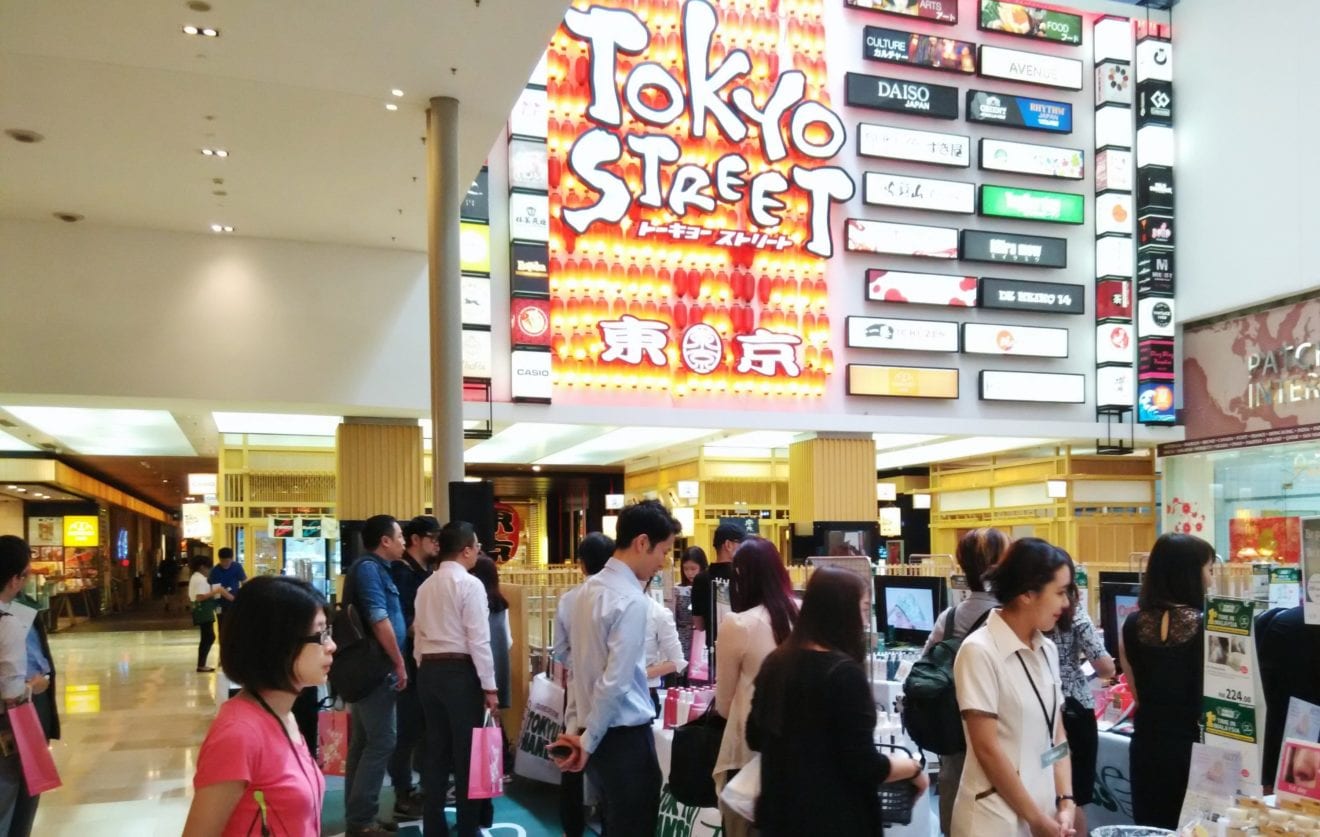
    Open for two weeks until February 3, the pop-up store at Tokyo Street in the Pavilion shopping centre in downtown Kuala Lumpur is introducing more than 500 lifestyle products to Malaysia. The items range from household, stationery, skincare and cosmetics products to items that are particularly Japanese.

    Tokyu Hands GM Shinji Fujikawa says the company wants to explore the retail market and understand consumer trends in Malaysia, reports The Star.

    “This will be a great platform to build our brand.”

    pavilion-tokyu-hands-live-demostration

    Store manager Takuya Furumaki says it is also a good opportunity for the brand to gauge the viability of its products.

    “As Malaysians are quite familiar with Japanese culture, we are confident our products will do well.”

    Tokyu Hands opened its first store in Shibuya, Tokyo, in 1976. It now has 40 stores throughout Japan, plus a presence in Singapore and Taiwan.

    At the pop-up store’s launch, guests learned more about some of its stock through demonstrations and presentations featuring the most popular or useful items favoured by Japanese buyers, according to Tokyu Hands International Business Division buyer Marie Kusumoto.

    Pavilion Kuala Lumpur marketing director Kung Suan Ai says that shoppers at Tokyu Hands do not just buy a product.

    “You buy into an experience that enriches your life.”