Author: Mei Ling Tan

  • What businesses occupy the most expensive retail space?

    What businesses occupy the most expensive retail space?

    At least 51 strata retail transactions have crossed the $10,000 psf mark, based on URA’s caveat data so far. These transactions took place as far back as 2005 at just nine developments: Alexandra  Central, Centrepoint, Far East Plaza, Lucky Plaza, Novena Regency, Pavilion Square, People’s Park Complex, Sim Lim Square and The Arcade.

    A 43 sq ft, ground-floor unit at The Arcade is by far the most expensive on price psf terms. The unit changed hands for $1.4 million, or $32,516 psf, in December 2015. The shop is prominently located at the entrance facing Raffles Place Park and enjoys high footfall. It is currently occupied by a money changer. Only two transactions at The Arcade crossed the $10,000 psf mark. The second transaction was that of a 65 sq ft shop on the second floor that fetched $780,000, or $12,077 psf, in February 2015. It is tenanted by a florist. The Arcade is a 99-year leasehold office-cum-retail development, with three levels of retail space, located within walking distance of Raffles Place MRT station. The Edge Property could not trace the profitability of these two transactions at The Arcade as there were no prior caveat records for the units.

    A new-sale transaction for a 161 sq ft unit at Alexandra Central that sold for $2.87 million, or $17,820 psf, in January 2013 ranks second on The Edge Property’s list of most expensive strata retail space psf. The unit is currently leased to an F&B business. According to the business’ director, who wished to remain anonymous, the monthly rent is $7,000 and the business is stable despite the low occupancy rate at the mall. Based on this, the monthly rent is $43.48 psf and gross rental yield is 2.9%.

    Transactions at Alexandra Central accounted for eight of the 51 top-dollar deals. All eight were new-sale transactions for ground-floor units that were sold in 1Q2013 at between $10,498 and $17,820 psf. Six of the eight units were unoccupied when The Edge Property visited Alexandra Central on Jan 5; two were occupied by F&B businesses Toast Box and 1-Box Bento.

    The third-most-expensive shop in terms of price psf is a 151 sq ft unit located on basement one of Lucky Plaza. The unit changed hands for $2.65 million, or $17,550 psf, in May 2011 and is occupied by a jewellery business.

    Based on the matching of caveats, the previous owner enjoyed a profit of $1.79 million, or 19% annualised capital gains, from the sale of this unit bought at $860,700 in April 2000.

    Lucky Plaza plays host to 14 of the 51 top- dollar cases that crossed the $10,000 psf mark. There were 58 transactions at Lucky Plaza between 2011 and 2015, with 11 above the $10,000 psf mark. The price ranged from a low of $1,490 to $17,550 psf, with the average at $6,994 psf.

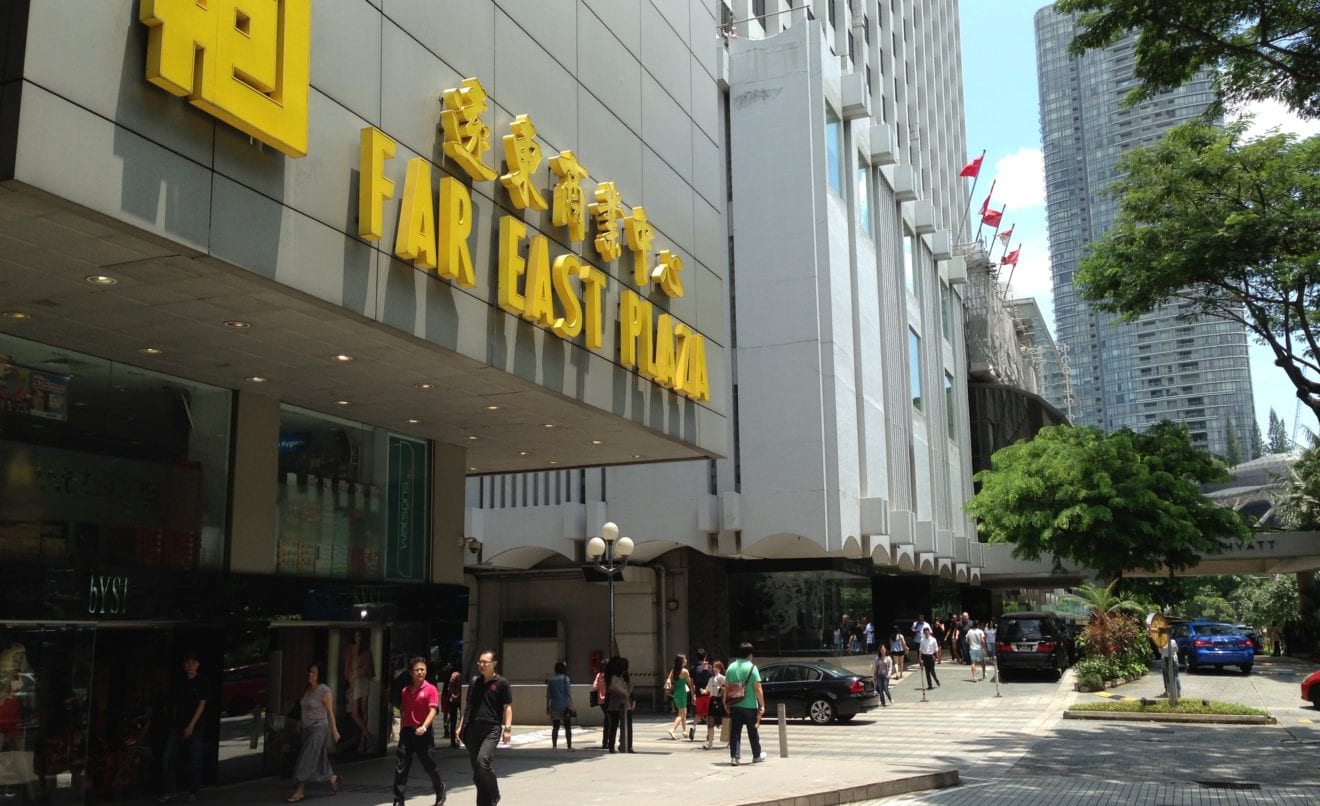
    Far East Plaza is another location with some of the priciest retail space, with 14 transactions crossing the $10,000 psf mark. The most expensive is a third-storey, 344 sq ft unit sold at $4.45 million, or $12,919 psf, in December 2012. Along with the two adjacent units, which are also on our list of pricey units at $12,533 and $12,514 psf respectively, the space is occupied by a consignment store offering micro retail “cubes” and shelf space.

    Of the 14 transactions at Far East Plaza, 13 were for units located on the third floor. The sole exception was a second-storey, 215 sq ft unit transacted at $2.65 million, or $12,310 psf, in April

    2014. According to the tenant, Suresh of Master Tailors, the monthly rent is $8,200. This puts the monthly rent at $38.14 psf and gross rental yield at 3.7%. “This location close to the escalators is important for my business as tailored suits are impulse buys. Although we have many repeat clients, we cannot move to another unit, as they will think that we have closed,” Suresh says.

    The most expensive unit at Far East Plaza is occupied by a consignment store. 
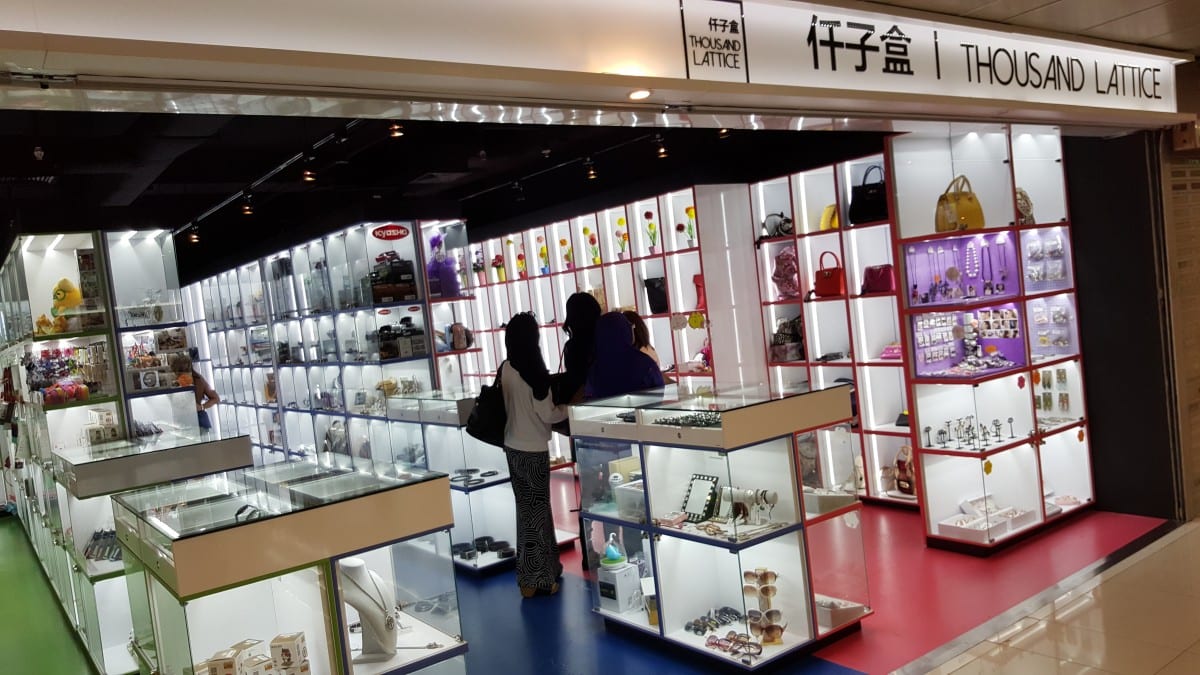
    far east plaza shop thousand lattice

    Six of the entries on the list of priciest retail space are at Pavilion Square, a residential and commercial development located on Geylang Road and slated for completion later this year. All six were new-sale transactions for first-floor units that took place in April 2013. The most expensive was a 118 sq ft unit sold at $1.29 million, or $10,879 psf. There have been 25 new-sale transactions for first-floor units at Pavilion Square, with the lowest price being $7,000 psf and the average at $8,658 psf. For the 25 second-storey units that were transacted, the price ranged from $5,097 to $5,791 psf and the average was $5,523 psf.

    Of the 51 transactions that crossed the $10,000 psf mark, 24 were resale cases whose previous caveats can be traced.  All 24 sellers reaped profits ranging from $132,000 to $11,680,000, or $3,047,871 on average.

    The transaction with the highest profit in absolute quantum was for a 1,281 sq ft, third-floor unit at Far East Plaza that is currently occupied by a fashion boutique. The previous owner bought the unit for $1.32 million in April 2005 and sold it for an $11.68 million profit in October 2014, resulting in an annualised profit of 93%.

    Among the 24 transactions, the highest annualised profit of 155% was for the 549 sq ft, third-floor unit at Far East Plaza occupied by the consignment store. This unit was purchased at $600,000 in March 2006 and subsequently resold at $6.88 million in December 2012.

    Three most expensive retail units over $10,000 psf mark per development

    No. Location Floor Type of business Area (sq ft) Type of sale Price ($ psf)  Price ($) Contract date
    1 Alexandra Central 1 F&B 161 New Sale        17,820 2,869,000 Jan-13
    2 1 Unoccupied 140 New Sale        17,221 2,411,000 Feb-13
    3 1 Unoccupied 161 New Sale        15,646 2,519,000 Feb-13
    1 Centrepoint 1 Department store 344 Resale        15,988 5,500,000 Jun-14
    1 Far East Plaza 3 Consignment store 344 Resale        12,936 4,450,000 Dec-12
    2 3 Accessories/Salon 549 Resale        12,750 7,000,000 Nov-12
    3 3 Consignment store 549 Resale        12,532 6,880,000 Dec-12
    1 Lucky Plaza B1 Jewellery 151 Resale        17,550 2,650,000 May-11
    2 B1 Perfume 151 Resale        17,351 2,620,000 Jul-11
    3 B1 Souvenir 151 Resale        16,424 2,480,000 Oct-10
    1 Novena Regency 1 Unoccupied 161 New Sale        10,298 1,658,000 Apr-13
    1 Pavilion Square 1 Uncompleted 118 New Sale        10,916 1,288,128 Apr-13
    2 1 Uncompleted 118 New Sale        10,492 1,238,048 Apr-13
    3 1 Uncompleted 118 New Sale        10,492 1,238,048 Apr-13
    1 People’S Park Complex 1 Bakery 291 Resale        10,997 3,200,000 Feb-13
    1 Sim Lim Square 1 Electronics 420 Resale        12,024 5,050,000 Nov-12
    2 1 Electronics 355 Resale        11,268 4,000,000 Jun-11
    3 1 Unoccupied 420 Resale        10,714 4,500,000 Mar-13
    1 The Arcade 1 Money changer 43 Resale        32,558 1,400,000 Dec-15
    2 2 Florist 65 Resale        12,000 780,000 Feb-15
    Source: URA, The Edge Property
  • Logistics operators intensify e-commerce focus in Thailand and China

    Logistics operators intensify e-commerce focus in Thailand and China

    Global logistics companies continue to pile into the Asia e-commerce market, with Damco launching a China solution and DHL expanding its growing presence in the region deeper into Thailand.

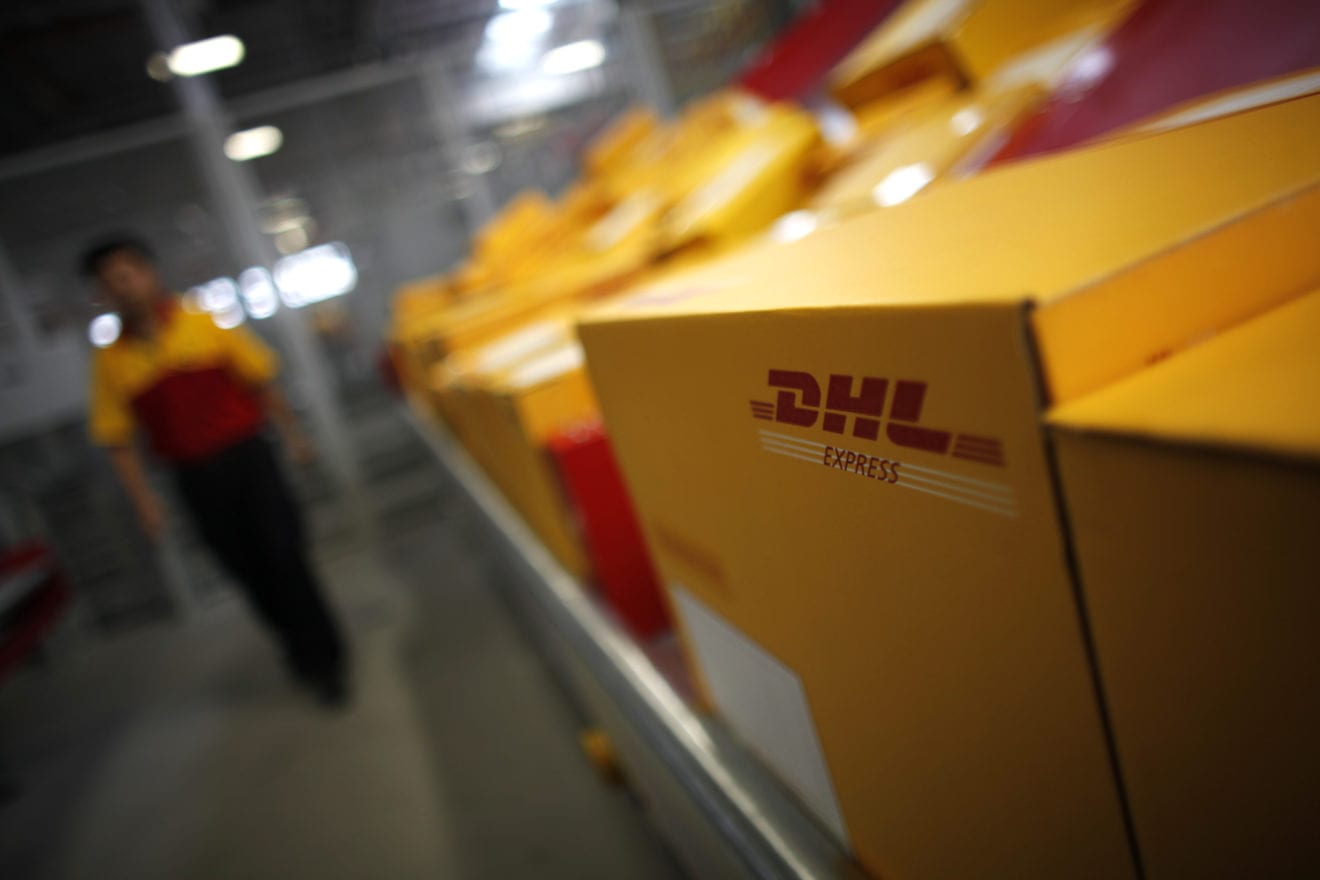
    DHL is building a 32,000 square foot, central distribution center in Bangkok and a network of over 20 depots located throughout Thailand to provide full coverage across the country. To meet increasing business demands, the integrator plans to more than double the number of depots in Thailand by 2017 and expand its fleet primarily in two-wheel vehicles that can operate more efficiently in the traffic situations in Thailand’s major cities.

    “The Thai e-commerce market is expected to more than triple in size to $3.93 billion between now and 2020 and with this investment, we are well positioned to support the growth of e-commerce businesses in Thailand,”  said Thomas Kipp, CEO, DHL eCommerce.

    Only 1.7 percent of total sales in Thailand were obtained from e-commerce, compared to more than 10 percent in China, said Malcolm Monteiro, CEO, Asia Pacific, DHL eCommerce.

    “We see major strategic opportunities for e-commerce growth in Thailand, particularly with the Asean Economic Community which is expected to increase the movement of goods within the region,” Monteiro said.

    “Despite e-commerce already being a billion-dollar sector with extremely rapid adoption, Thailand’s e-commerce share of the retail market is still relatively low compared to other high-growth economies.”

    Damco has focused its latest service offering in China where it is launching an end-to-end e-commerce solution, from inbound goods management and consumer order receipt to final delivery.

    Damon Gu, Damco’s head of supply chain management for Asia, said the large and rapidly growing Chinese market for online shopping was a magnet for both importers and domestic producers.

    “Online shopping events such as China Singles Day are already creating world-beating levels of activity for e-retailers locally in China, as well as globally,” he said. “Discerning Chinese consumers in this highly competitive marketplace expect the highest standards of fulfilment. This new program helps companies to guarantee that level of service.”

    Using its 1,500 local staff and 26 locations in China, Damco will arrange delivery to end-consumers in more than 1,600 Chinese cities.

  • Suitors for Casino’s Asia assets will have to face off against Thai tycoons

    Suitors for Casino’s Asia assets will have to face off against Thai tycoons

    French retail group Casino’s sale of its Thai and Vietnam units has drawn the eye of Singapore’s Dairy Farm International Holdings and South Korea’s Lotte Shopping but they’ll need punchy bids to go up against deep-pocketed Thai tycoons, bankers said.

    The auction represents a rare opportunity for cashed-up Asian companies to expand into what analysts say are two of Southeast Asia’s most profitable retail markets, but they also warn there is a risk of overpaying, particularly in Thailand where the economy is slowing.

    Central Group, Thailand’s biggest retailer led by tycoon Tos Chirathivat, has pole position as it already owns a quarter of Big C Supercenter Pcl, the nation’s second-largest discount retailer which it founded in 1993.

    Central has said it is keen to buy Casino’s 58.6 percent stake in Thailand’s Big C, worth around $3.1 billion at current market prices, and Casino’s wholly owned unit, Big C Vietnam, which bankers have valued at between $800 million and $1 billion.

    “Whoever is going to buy this will have to pay a high price to get Central out or they will have to co-exist,” said a banking source familiar with the matter.

    A separate banking source said Casino was keen to sell both units to the same bidder.

    In addition to Dairy Farm and Lotte Shopping discussing potential bids with banks, Japanese retail conglomerate Aeon Co Ltd (8267.T) is weighing an offer, the sources said but added it was unlikely to bid aggressively.

    The sources declined to be identified as they were not authorized to speak about the matter.

    Dairy Farm, the second-biggest retailer in Singapore and Hong Kong, and Lotte Shopping, South Korea’s largest department store operator declined to comment. Aeon and Casino also declined to comment.

    The bidder seen most likely to give Central Group a run for its money is Thai business magnate Charoen Sirivadhanabhakdi, who is keen to expand further in retail.

    Berli Jucker Public Co, the listed retail arm of Charoen’s TCC group, has said it is interested in Casino’s Vietnam unit and bankers also expect TCC to make an offer for the Thai unit.

    Asked whether TCC would bid for the Thai business, Charoen told Reuters in Bangkok on Wednesday: “Not yet, we haven’t done anything. We need to have a look first.”

    PREMIUMS NEEDED

    The first source said that to outbid Central for the Thai asset, other suitors would likely have to pay 270 baht per share, a 14 percent premium to Thursday’s close that would value Casino’s stake at $3.6 billion.

    Bangkok-based AEC Securities said in a note to clients it expects bidders to pay 238-298 baht per share. Thailand’s Big C shares have jumped as much as 17 percent since Casino said on Jan. 15 it has received expressions of interest..

    Casino’s surprise plans to sell the Thai unit came after a December report by short-seller Muddy Waters that said the French firm was “dangerously leveraged”, prompting its worst stock slide in seven years. The Vietnam unit sale had been planned beforehand.

    Preliminary bids for the Thai unit, which had 734 stores including 125 hypermarkets at the end of 2015, are due on Feb. 5. Bids for the Vietnam unit are due in late February, one source said.

    Thailand’s retail market is worth $93 billion annually, according to research firm Euromonitor. The sector trades at a price-to-earnings ratio of 24, the highest in Southeast Asia, and is no stranger to rich deals.

    In 2013, CP All, backed by Thailand’s richest man Dhanin Chearavanont, bought cash-and-carry wholesaler Siam Makro for $6.6 billion, valuing it at 53 times earnings in Asia’s most expensive consumer sector deal by multiple.

  • Al-Futtaim and Chalhoub Group sign deal to bring Robinson across Middle East

    Al-Futtaim and Chalhoub Group sign deal to bring Robinson across Middle East

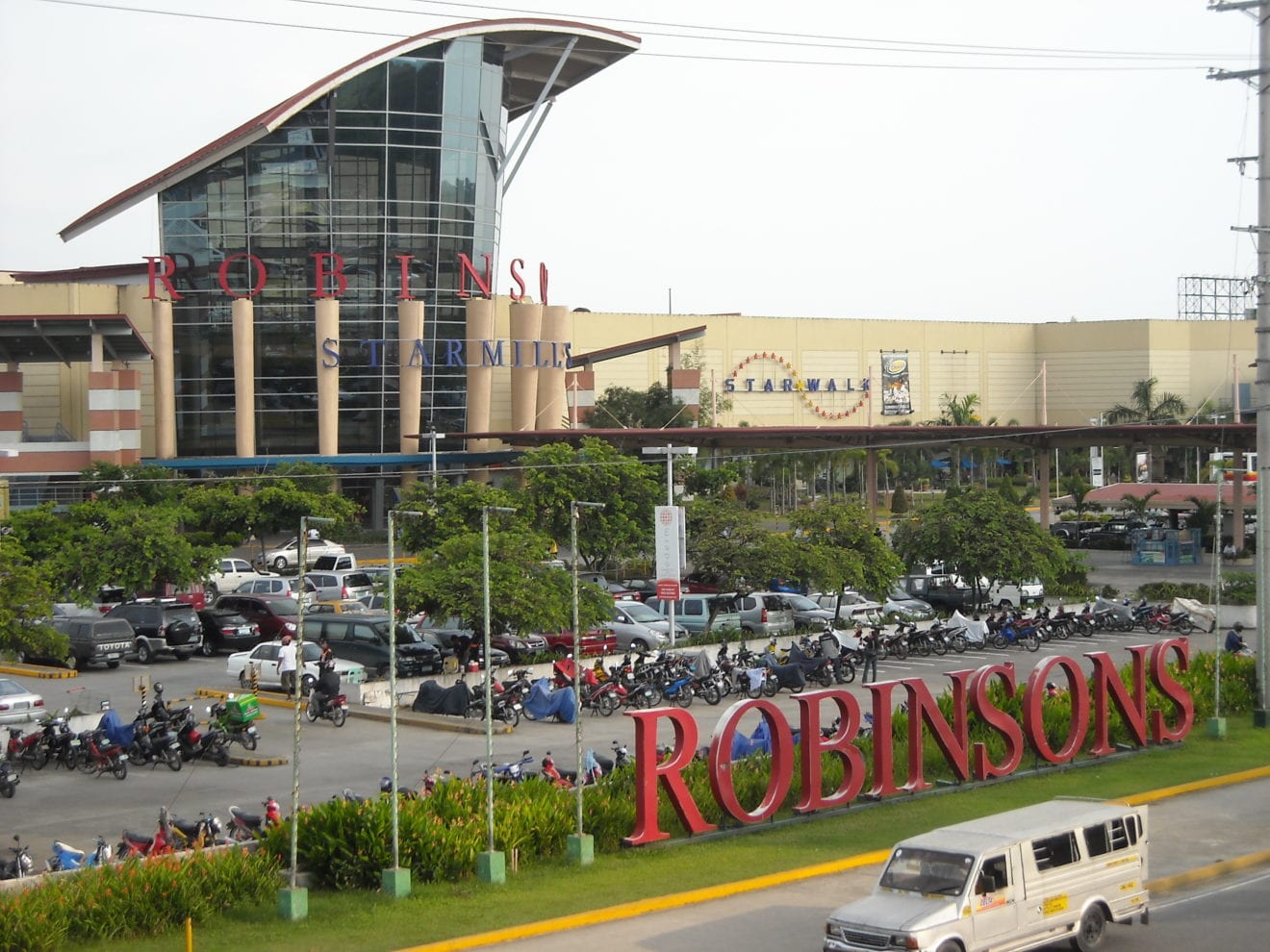
    Al-Futtaim, a business houses headquartered in Dubai, has signed a joint venture agreement with the Chalhoub Group to bring Singapore’s leading fashion department store Robinsons to the GCC and the Middle East region.

    The first Robinsons department store will open in spring 2017 at Dubai Festival City Mall, which is currently undergoing a major expansion programme.

    Spanning a total of 18,000sqm across three levels, the store will be the first of many to follow in the GCC.

    Paul Delaoutre, President – Retail, Al-Futtaim said: “Al-Futtaim has already been operating four Robinsons department stores in Singapore and Malaysia and through our partnership with the Chalhoub Group we will bring this unique format department store to the Middle East expanding the brand’s footprint and strengthening its international appeal.

    “Robinsons department stores in the GCC will be offering contemporary fashion covering the full spectrum, from accessible to luxury in a relaxing environment where fashion is alive. We will focus on novelty and style, a large part of the offer will be completely new to the Middle East.

    In 2008, Al-Futtaim acquired the Robinsons Group, regarded as Singapore’s legacy retailer. The Group is currently operating three Robinsons stores in Singapore and one in Malaysia. Over its 150 years of operation, Robinsons department store has become synonymous to Singapore and its fashion retail industry.

    Patrick Chalhoub, Chief Executive, Chalhoub Group said: “We are excited about this partnership as we will be combining Al Futtaim’s vast experience of operating over 200 companies with our intimate knowledge of the Middle-East luxury market and consumers, in order to deliver the most relevant offer of the Department Store adapted to the Middle East customer who is now knowledgeable and assertive.”

    Thierry Prevost, Managing Director – Fashion and Department store, Al-Futtaim Retail said: “The Robinsons department store in Dubai Festival City Mall will offer customers exclusive fashion brands across categories for  women, men, kids, beauty, home and lifestyle, food and beverages in addition to unique services.”

    The store will also feature a number of restaurants and views overlooking the Dubai Creek and the emirate’s skyline.

  • Which is the best Home & Electronics retailer in Singapore?

    Which is the best Home & Electronics retailer in Singapore?

    Furniture, home appliances and electronics. These are just some must-haves in every home but where’s the best place in Singapore to get them? AsiaOne wants you to tell us where is the best to go.

    AsiaOne People’s Choice Awards 2016 is constantly seeking to honour the best brands, services and products in Singapore. This year, five new categories including Best Home & Electronics Retailer were added to reflect changing consumer trends in Singapore.

    Members of the public have helped to shortlist a number of companies and nominees Best Denki, Challenger Singapore, Courts, Crate and Barrel, Gain City, Harvey Norman, IKEA Singapore and Mustafa Centre are seeking for your votes to be named the winner in the first Best Home & Electronics Retailer category.

    Top retail players from overseas

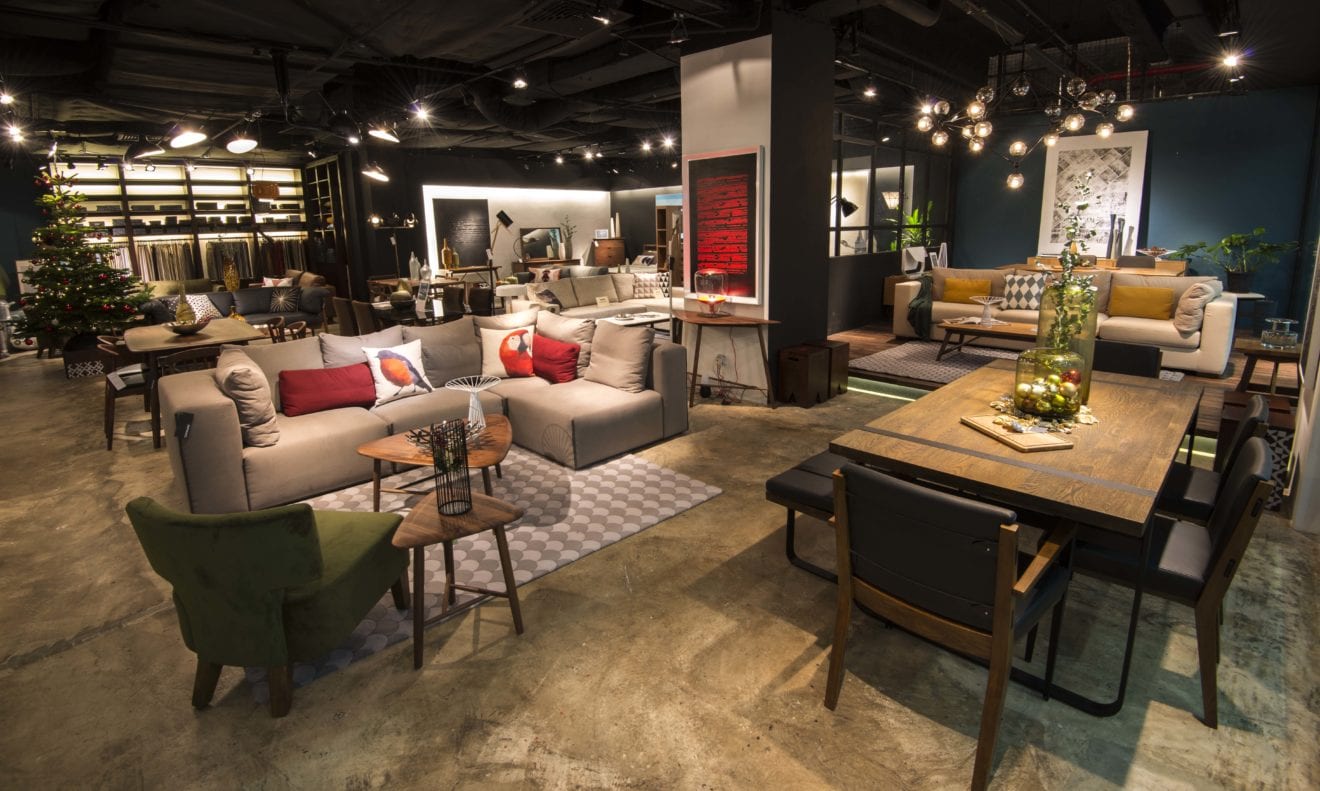
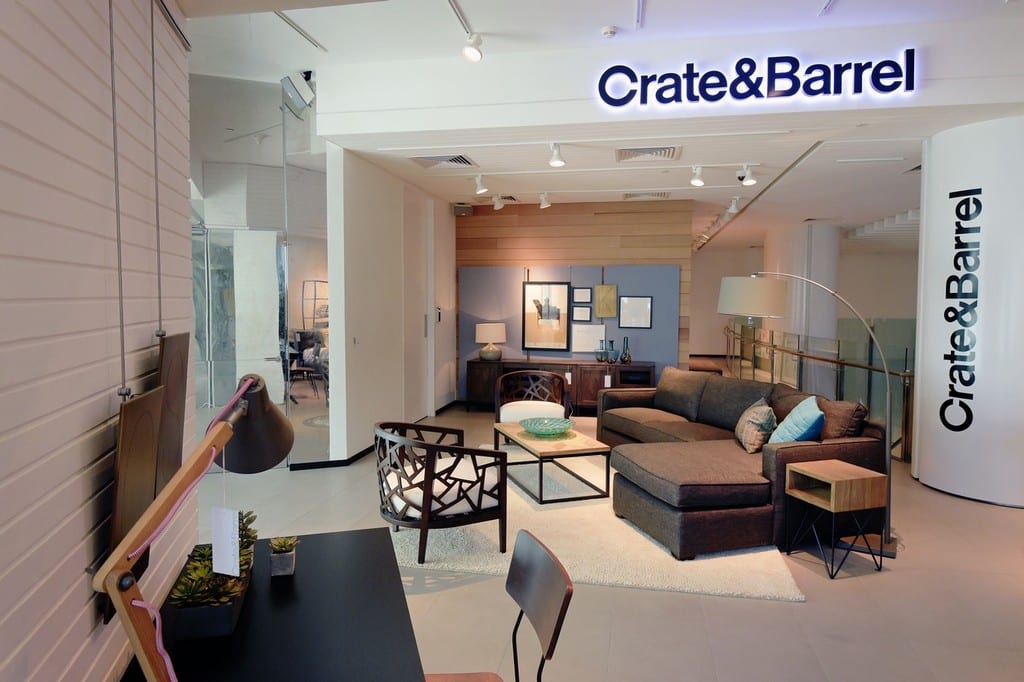
    High-end lifestyle brand Crate and Barrel is a retail chain offering a variety of stylish furniture, kitchenware and other home essentials.

    Started in Chicago by Gordon and Carole Segal in 1962, the company grew into an international brand with outlets in the United States and Canada, a far cry from its humble beginnings with just one employee and not even having a cash register, according to its website.

    The brand opened its five-storey flagship store at Orchard Gateway in April 2014, drawing customers in with its exquisite furniture and quirky kitchen gadgets. Their first Singapore outlet opened the previous year at ION Orchard.

    With a focus on furniture and home interior design, IKEA is another tough international competitor to beat under this category.

    The Swedish store has two massive outlets in Singapore and is a popular place for families to go to on weekends, thanks to its array of delicious and affordable food selection.

    The one-stop furniture shop aims to fulfil all your housing needs from sofas, work tables, mattresses, bed frames, decorative mirrors to even kitchen wares and plants. Even if you’re not looking for anything in particular, you just might end up with a useful kitchen tool, a set of new bedsheets and a basket full of Swedish biscuits and candies.

    IKEA is an establishment that also excites shoppers with their annual catalogues which are filled with colour photographs and home decor ideas.

    Local brands stake a claim on home ground

    Not to be beat, home-grown brands Challenger Singapore, Gain City and Mustafa Centre with their affordable pricing, friendly services and wide selection of goods, can seduce readers for their votes.

    If you need anything IT-related, Challenger may probably be the first place you will think of.

    At its outlets in town and in the heartlands, you can talk to store consultants and figure out which product best suits your needs at your own pace.

    Other than selling hardware, the shops also have an inventory of products you might not expect to find like lamps, cameras, mobile phones, audio speakers and toys.

    You might be familiar with Gain City, as advertisements featuring their latest promotions are regularly carried in newspapers .

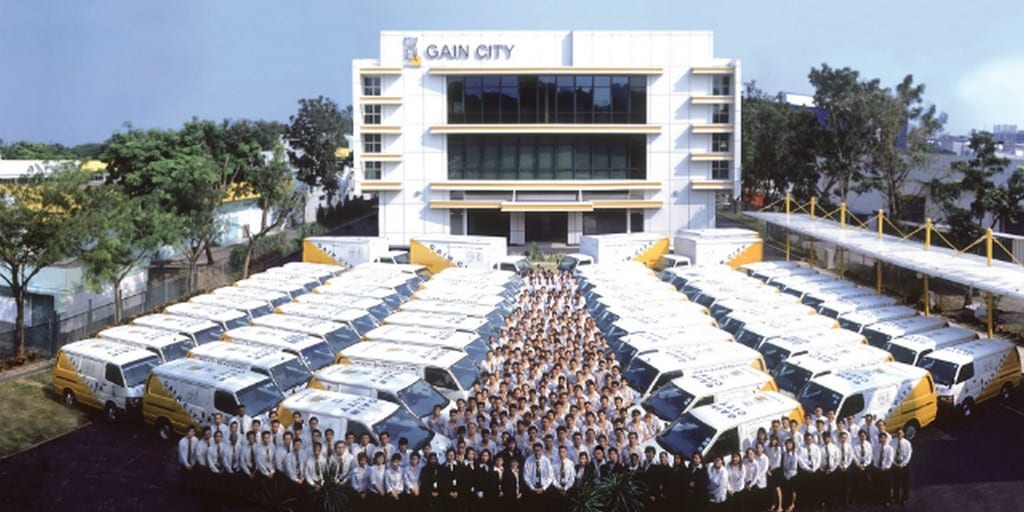
    Starting out as a company for commercial and residential air-conditioning needs in 1981, the business grew to become a retail giant incorporating electronics products and lifestyle goods.

    If you’re looking furnish a new home, a visit to their Sungei Kadut outlet might be a good place to start . But take heed, this new outlet is a whopping 11 storeys high and can be daunting for the uninitiated.

    Cheap and good is what comes to mind when we talk about home-grown Mustafa Centre. Started in 1973, the company began as a humble 900 sq ft shop and expanded to what it is today – a 150,000 sq ft space offering shoppers 24 hours of retail therapy.

    Unbeknownst to many, Mustafa at one point even sold cars which were parallel-imported, according to its website. Today, the company which is housed in a multi-storey building with its own supermarket, also offers foreign exchange and travel services.

    Which is your favourite place for all your home and electronics shopping needs? Let us know through your votes in the AsiaOne People’s Choice Awards!

    Cast your votes here and stand a chance to win $200 vouchers, an Apple Watch, a Dyson Pure Cool Purifier or a Microsoft Surface Pro 4 in one of our weekly lucky draws.

    Winners will be announced at an awards ceremony to be held in April 2016.

  • Hang Lung Properties’ net profit sinks 56 per cent on lower property sales in Hong Kong

    Hang Lung Properties’ net profit sinks 56 per cent on lower property sales in Hong Kong

    Hang Lung Properties chairman Ronnie Chan Chichung said on Thursday the developer cut its final dividend for the first time in 16 years amid weak sales in Hong Kong and the poor retail outlook in China would be a headwind over its prospects going forward.

    On Wednesday, Hang Lung said core earnings plunged 56 per cent last year -the largest fall in terms of percentage points since 2011 – to HK$4.38 billion.

    It owns a portfolio of eight shopping malls in the mainland which are occupied by high to mid-end retailers such as Apple, Prada, Louis Vuitton.

    “The cut in dividend was not because of the question of cash flow as we have cash reserve of more than HK$30 billion. The board wanted to send out a message to our shareholders about the grim market outlook,” he said.” We do not know when spring will come back.”

    The cut in dividend will only save HK$44 million.

    His remarks come a day after Apple forecast its first revenue drop in 13 years and reported the slowest-ever increase in iPhone shipments as the critical Chinese market showed signs of weakening.

    IPhone sales were expected to fall for the current quarter compared with the same quarter last year, chief executive officer Tim Cook said on a conference call with analysts on Wednesday.

    Hang Lung is the first to kick off result announcement among developers and analysts said its performance could provide a guide for the prospects of the retail industry in the months ahead.

    Other major developers who own and operate shopping malls in China include Sun Hung Kai Properties, Wharf (Holdings) and Henderson Land Development.

    Mainland Chinese rents account for 54 per cent of Hang Lung’s HK$8.94 billion revenue, down 47 per cent from 2014. It declared a final dividend of 58 HK cents, 2 per cent lower than 59 HK cents in 2014.

    The last time it cut its dividend was in 1999.

    Chan said he was told by clients that sales in the second half were worst than the first-half of last year.

    “It is not an encouraging sign as the track record shows sales in the second half year used to be better,” he said. Many high-end brands in the second-tier cities were facing difficult operating environments with decreasing sales.

    “Some even exited from the market entirely, causing occupancy of our Forum 66 in Shenyang and Center 66 in Wuxi to retreat to 87 per cent and 72 per cent , respectively,” the company statement said.

    Its mainland portfolio recorded a revaluation loss of HK$266 million mainly due to lower valuation of the malls at Forum 66 and Center 66 in Wuxi.

    Thomas Lam, head of valuation and consultancy at Knight Frank attributed the lower revaluation reflected the malls generated less rental income from previous year.

    “Landlords of mainland malls are reeling from a double whammy,” he said.

    During the year, Hang Lung said property sales plunged 88 per cent to HK$1.19 billion from the sale of 63 apartments and some car parking spaces.

    Chan, however, said Hang Lung gross rental income in Hong Kong and on the mainland still edged up 7 per cent to HK$7.75 billion last year due to the benefitting from various asset enhancement.

    Net profit declined 56 per cent to HK$5.09 billion as a result of smaller revaluation gains on investment properties.

  • Isobar and Unilever Invite Chefs to Have a Taste of Home this Chinese New Year

    Isobar and Unilever Invite Chefs to Have a Taste of Home this Chinese New Year

    Unilever’s prestigious catering brand, Unilever Food Solutions (UFS) has been committed to delivering specialised food solutions to various restaurants in China since 1994. With more than five million catering businesses in China, it is a major challenge for UFS to penetrate the huge and saturated market and establish a leadership position in the industry.

    To overcome this, UFS has launched a campaign for the upcoming Chinese New Year (or Spring Festival) season that aims to create emotional bonds with their key target audience: chefs. The question is, how does UFS fully leverage social media not just to increase engagement and sales, but also boost brand preference and emotional connection with chefs?

    Together with Isobar, UFS conceptualised “The Taste of Reunion Is Not Complete Without You”, a social marketing campaign that leverages the true meaning of Chinese New Year, which is all about celebrating family reunions. The campaign enables chefs, who cannot go home, to still be able to share the happiness and warmth of family time.

    The Spring Festival is a time when family members would all come home and enjoy a well-prepared feast with their loved ones. However, on such occasions, chefs need to work hard in the restaurants, and it is nearly impossible for them to have home-cooked dishes with their families. After much in-depth conversations with many chefs, UFS and Isobar found that what they wanted the most during the Spring Festival is to get together with their loved ones.

    On the basis of this core emotional appeal, Isobar developed a three-phased communications plan to meet the needs of UFS’ target audience this Spring Festival season.  

    Phase One

    In late November 2015, a new packaging was launched in the marketplace with a prize code. Extensive exposure on social media planned to appeal to and inform chefs regarding prize redemption. With a few simple steps of mobile interaction, users could easily redeem their “Treasure of Reunion” using the pin code on the packaging as well as share the activity with their friends and families.

    Phase Two

    In the months leading up to the 2016 Spring Festival, the campaign planned to resonate with its target audience through heart-warming interactive webpages within WeChat, videos, and relevant topics so as to connect emotionally with more chefs and to boost prize redemption and sales volume.

    Nothing feels like home more than home-cooked dishes and cherished family voices. Therefore, Isobar also launched a WeChat webpage that featured the sounds of hometown dialects, in addition to spotlighting hometown specialties, covering more than 34 provinces and municipalities. After selecting their hometown and hitting the “Visit Home” button, users will receive a virtual home-cooked dish, accompanied by caring voices in their hometown dialect, giving them the authentic feel of being at a family reunion.

    A wide range of hometown specialties is displayed dynamically in the corresponding hometown dialects, not only generating emotional resonance among users but also driving them to share on social, extending the communications effort.

    Phase Three

    February 1 is the day when chefs usually have time to take a breather, which is when the “Time-Limited Red Pocket Rush” was launched to encourage consumer engagement and social sharing. From January to February 22, the day of Lantern Festival, which marks the end of the Spring Festival, interactive WeChat webpages featuring “Voices of Wishes” and a commercial named “Heart Together” was pushed out on social platforms.

    Focusing on the campaign theme, the “Heart Together” video communicated homesickness, a feeling that chefs can easily identify with. The video was promoted through innovative live feeds in WeChat and QQ Space, the two social channels that chefs visit the most.

    Isobar also pushed out communications with target groups via an interactive WeChat website. The site allows users to choose from one of three symbolic dishes for Spring Festival (dumpling, fish and New Year cake), select a greeting or record their own, and send it to families and friends to express their sincere wishes for the coming new year.

    The Spring Festival campaign initiated by UFS was the result of collaboration between Isobar and the Tencent Big Data platform. With more insight into the online digital behaviours of chef groups, Isobar was able to categorize the chefs under different tags so as to launch the ads more precisely. In this way, Isobar helped the brand reach their target audience more effectively and connect emotionally with them. That is how Isobar addressed the challenges of market penetration for the brand, making UFS the first B2B brand in China to release an organic commercial on the Moments live feed in WeChat.

    To date, the campaign has increased the brand’s followers on social, crossing over the one million mark. Meanwhile, communications efforts on WeChat have yielded outstanding results, evidenced by the record 300,000 views for one post.

    Amanda Jia, Senior Trade Marketing Manager, Unilever Food Solutions said: “On the basis of the genuine emotional insights we received from chefs, the campaign covers heart-warming initiatives, which not only touches tens of thousands of chefs, but also ourselves. The insights of our target audience are always the focus of our marketing, even for a B2B campaign. Only through this, can we fully engage with our target audience. No matter how evolved communication tools are, the true essence of marketing remains centred on content creation that’s based on the right insight.

    Joyce Zhou, Marketing Director of Unilever Food Solutions added: “As UFS is the first condiments brand to express the genuine feelings of chefs on a social platform (WeChat organic ads), we feel that our job goes beyond promoting superior products and food solutions, but also in helping chefs get more understanding and recognition. One highlight of the campaign is the cooperation with Tencent on data mining. The precise content distribution enables us to communicate with target audience more directly, so as to address the market penetration challenge of the traditional B2B industry effectively. This is a new move, way ahead of the curve even for B2C brands, and we are very proud of this campaign.”

    Rohan Lightfoot, Managing Director of Isobar Shanghai said: “We’re thrilled to be part of this campaign for Unilever Food Solutions. One of the amazing things about the scale of digital in China is that you can reach niche audiences, like professional chefs, at a mass level. For this campaign we worked with Tencent’s big data platform to reach our audience of chefs effectively and directly. In the age of Brand Commerce it’s important that we combine the art of storytelling with technology not just to reach our audience, but also to touch their emotions. We’re showing the audience that our client understands what they’re giving up to make everyone else’s Chinese New Year banquet special. Chefs across China already seem to be responding to that effort.”

  • Alibaba Beats Profit, Sales Estimates on Rural China Push

    Alibaba Beats Profit, Sales Estimates on Rural China Push

    Alibaba Group Holding Ltd. beat analysts’ estimates for revenue and profit after an online-sales extravaganza and expansion into rural China helped the nation’s biggest e-commerce operator defy a slowing economy.

    Sales rose 32 percent to 34.5 billion yuan ($5.2 billion) in the three months ended December, the company said Thursday, compared with the 33.2 billion-yuan average of estimates compiled by Bloomberg. Net income more than doubled to 12.5 billion yuan, topping estimates of 10.3 billion. Shares rose more than 5 percent in premarket trading in the U.S.

    Record revenue during November’s annual “Singles’ Day” promotion drove transaction growth as Alibaba captured more sales from mobile e-commerce, which is replacing shopping from computers. Billionaire Chairman Jack Ma is trying to tap the spending power of the countryside with the Internet expected to blanket all of rural China by 2020, according to the China Academy for Rural Development at Zhejiang University.

    “Alibaba continues to grow as urbanization and an ever more ambitious middle class continues to drive up China’s cost of living and consumption,” said New York-based Brian Buchwald, chief executive officer of Bomoda, a consumer intelligence company with a focus on the Chinese market. “At the heart of it, is continued investment in mobile and simplifying payments for virtual and actual purchases.”

    Mobile Monetization

    Longer-term, Ma is investing in video content, media, on-demand services and cloud computing to generate new sources of income as he takes the e-commerce company global. Shares of Alibaba closed Wednesday at $69.54 in New York. The stock has declined 14 percent this year after a 22 percent slump in 2015.

    Gross merchandise volume in its China retail marketplaces rose 23 percent to 964 billion yuan in the quarter, while mobile GMV almost doubled to 651 billion yuan.

    More than half the purchases through Alibaba’s e-commerce platforms were done from mobile devices. While it’s crucial that Alibaba serve the growing ranks of consumers acquiring a taste for shopping through smartphones and tablet computers, smaller mobile screens typically generate less advertising revenue.

    “Alibaba is on track to gain more shoppers in rural areas and smaller cities in China,” said Li Yujie, an analyst at RHB Research Institute Sdn in Hong Kong. “The sales promotion in November also gave the company a boost.”

    The Nov. 11 Singles’ Day promotion logged a record 91.2 billion yuan in sales, a 60 percent increase from the year earlier. A third of buyers made purchases from merchants and brands outside of China during the one-day event.

    Overseas Push

    Ma has set a goal of getting 50 percent of the company’s revenue from beyond China with Michael Evans, a former Goldman Sachs Group Inc. partner, named president in August to lead the global push.

    Cloud computing revenue rose 126 percent to 819 million yuan, Alibaba said. Its AliCloud unit is staking $1 billion on the belief that demand for processing and storage from governments and companies will boost growth during the next decade as its tries to compete with Amazon.com Inc. in computing services. It plans to work with Nvidia Corp. on services and artificial intelligence, recently opened a second U.S. data center and plans its first in Europe this year.

    Alibaba is also expanding in the online-to-offline services market. Tencent, Alibaba and Baidu Inc. are competing for supremacy in a local-services industry primed for growth as more people turn to their smartphones or the Web to order food, schedule beauty treatments or hire domestic helpers. Users of those services could rise 29 percent to 400 million by next year, with sales expected to reach 7.28 trillion yuan by 2017.

    Last year, the company backed the merger of Didi and Kuaidi to create China’s biggest ride-hailing application.

    Investors have highlighted escalating scrutiny about the sale of counterfeits on its websites, such as Taobao Marketplace, as a key risk for 2016. Though the company has said it’s committed to combating fakes, cleaning up its image next year is crucial to Alibaba’s goal of winning the trust of merchants and shoppers overseas.

    In December, the U.S. Office of the Trade Representative warned the company it had to do better to stay off the “Notorious Markets” blacklist it escaped only in 2012. The federal agency issued a stern warning that Alibaba’s efforts to fight piracy and respond to complaints would be monitored in the coming year.

  • Apple turns to India as Chinese market weakens

    Apple turns to India as Chinese market weakens

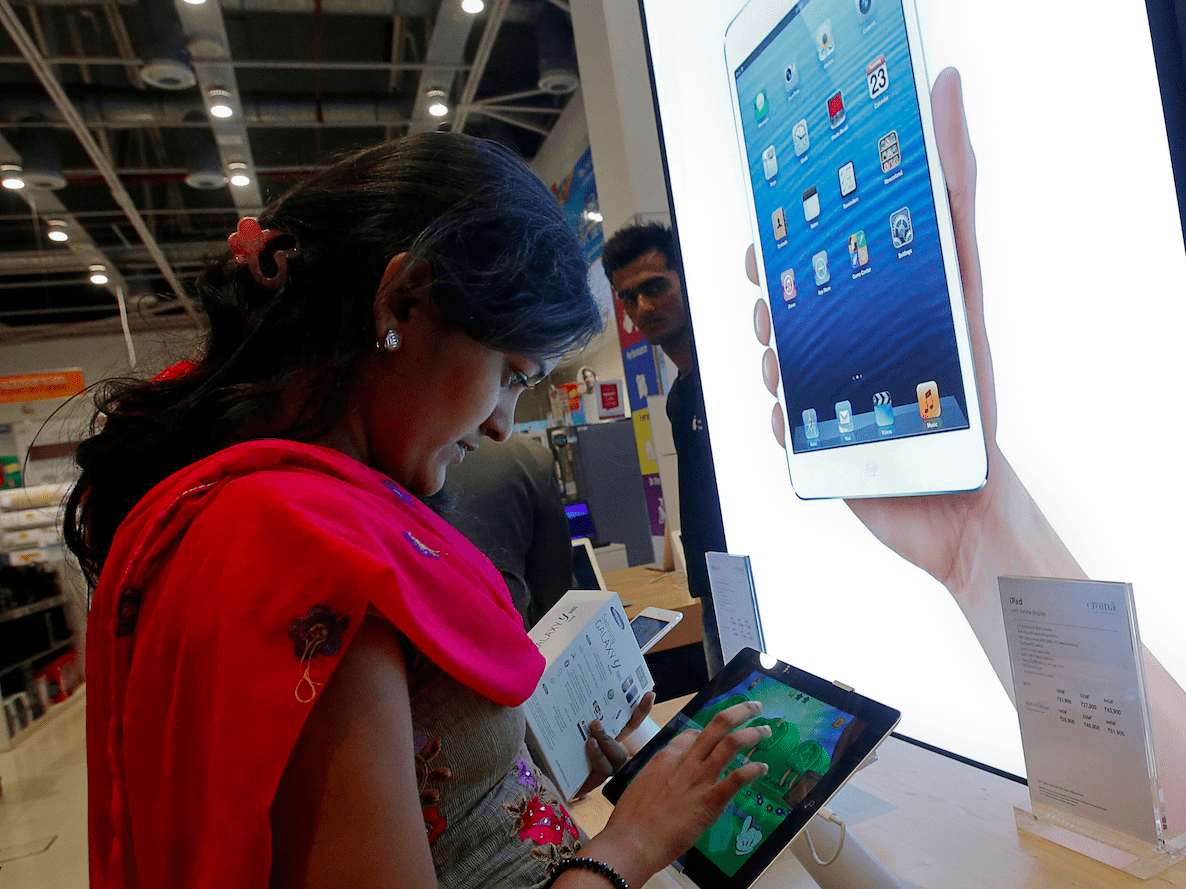
    As red-hot sales in China show signs of cooling, Apple Inc executives are touting India’s growing appetite for iPhones.

    In an earnings call in which the company reported meager iPhone growth and forecast its first revenue drop in 13 years, the Indian market stood out as a rare bright spot for Apple.

    Sales of the company’s flagship smartphone climbed 76% in the country from the year-ago quarter, Apple CFO Luca Maestri said on the call.

    And Apple CEO Tim Cook suggested more growth is on the horizon, noting the median age in India is just 27.

    “I see the demographics there also being incredibly great for a consumer brand, and for people that really want the best product,” Cook said. “We have been putting increasingly more energy in India.”

    Growth in India is a tantalizing prospect as Apple grapples with the economic downturn in China, its second largest market. While revenue in Greater China rose 14% in the last quarter, Apple is beginning to see a shift in the economy, particularly in Hong Kong, Maestri told Reuters in an interview.

    India cannot immediately offset Apple’s woes in China, said analyst Neil Shah of Counterpoint Technology Market Research. The company averaged only about 450,000 smartphone shipments per quarter in India in 2015, compared with more than 15 million per quarter in China, Shah said.

    What’s more, nearly 70% of smartphones sell for less than $150, leaving just a sliver of the market for Apple’s high-end phones. The company’s smartphone market share stands at less than 2%, Shah said.

    But the Indian market seems to be turning in Apple’s favor. With 4G coverage spreading, Indian consumers will likely be more open to investing in smartphones, Shah said.

    Young consumers are already willing to spend heavily on the device at the center of their digital lives. As in China, Apple products are coveted status symbols.

    “The love for the iPhone is there,” said Carolina Milanesi, chief of research and head of US business at Kantar Worldpanel ComTech, a consumer research firm.

    Apple’s next task is expanding distribution in India, where its products are sold through third-party resellers. The company has filed an application with India’s Department of Industrial Policy and Promotion to open its own stores, an Indian official told Reuters earlier this month.

  • Uber Tests Cash Option For Bangkok

    Uber Tests Cash Option For Bangkok

    Thailand has become the latest country where Uber taxi drivers can take cash from a passenger instead of a credit card.

    Uber tested its cash payment scheme in Bangkok on Wednesday as an alternative to the credit card option.

    Passengers have to tell the firm before the ride about their cash option and pay the driver at the end of the trip, it said on the website.

    “Bangkok, as a global business, cultural and tourist hub with a sophisticated rider and driver base is the right environment to conduct this cash experiment,” it said.

    Thailand follows nine other countries where cash is a choice for its passengers, Uber spokesman Karun Arya said. The other countries are India, Kenya, Nigeria, Saudi Arabia, Egypt, Peru, Vietnam, the Philippines and Indonesia.

    The test run is being held only in Bangkok and does not cover all customers. But the firm said it planned to expand the option for more passengers in the future.

    Uber was launched in Thailand in 2014. Bangkok is regarded as one of the three fastest-growing cities in Southeast Asia for the firm.

  • Alibaba’s global marketplace attracts 5400 foreign brands

    Alibaba’s global marketplace attracts 5400 foreign brands

    U.S. goods are among the best sellers on Alibaba’s Tmall Global shopping site. More than 5,400 foreign brands from 53 countries are selling goods on Tmall Global, an online marketplace Alibaba Group Holding Ltd. launched in 2014 to take advantage of China’s relaxed rules on consumer purchases from foreign websites.

    Of those 5,400 brands, 4,300 have never sold in China, according to a just-released 2015 China Cross-Border Consumption Report from Tmall Global and Chinese consulting firm CBN Data. Tmall Global allows retailers and brands without a China business license to take orders from Chinese consumers and then send the products through Chinese customers.

    Sales on Tmall Global increased 179% in Alibaba’s fiscal third quarter ended Dec. 31, according to Alibaba’s recent quarterly report. Alibaba did not report the value of sales on the marketplace for foreign goods.

    The new report says U.S. companies are most often ranked among the top 10 in various products categories on Tmall Global, followed by brands from Japan, Germany, Australia and Korea. The fastest-growing categories on Tmall Global are children’s products, nutritional items, cosmetics and snacks.

    Among the retailers selling on Tmall Global are U.S. department store chain Macy’s Inc., the U.K.’s House of Fraser and Sainsbury’s, and Metro Group of Germany. Consumers can also buy Huggies diapers from Kimberly Clark, food products from Danone of France (whose products are marketed under the name Dannon in the United States) and cosmetics from Japanese brands Kao and Shiseido.

    Alibaba has worked with government agencies in 13 countries to set up “pavilions” featuring goods from those nations. For example, the U.S. Department of Agriculture has cooperated with Alibaba on a program to sell cherries from the northwestern United States on Tmall Global.

    During the big Singles’ Day sales that Alibaba promotes every Nov. 11, 95 million consumers visited Tmall Global and 30 million made purchases, the report says.

    Alibaba’s chief rival in China, JD.com Inc., also has created an online shopping mall for foreign brands called JD Worldwide. Among the companies to recently launch on the JD site are luxury brands Tod’s and TAG Heuer.

    China in recent years has made it easier for Chinese consumers to buy goods for their personal use online from foreign companies. The government recently increased the maximum purchase allowed under these cross-border e-commerce regulations from 10,000 yuan ($1,519) to 50,000 yuan ($7,597) per transaction, according to a report on the Chinese luxury market by U.S. consulting firm Bain & Co.

    JD is No. 1 Internet 2015 Retailer China 500, which ranks retailers by their online sales in China. While Alibaba’s China marketplaces account for more than three-quarters of online retail purchases in China, it’s not ranked in the China 500 because Alibaba is not the merchant of record for those sales, instead providing a platform for other merchants to sell.

  • Retail in India, The opportunities and challenges retailers can expect

    Retail in India, The opportunities and challenges retailers can expect

    The country presents retailers with growth opportunities, including some advantages that can’t be found in China

    Lately there’s been much talk and worry about China’s long-term growth prospects and what that means for retailers counting on expanding in the country. Certainly, China seems to be in a time of transition, in which consumption seems destined to fall after years of strong and steady surges.

    Meanwhile, India also presents retailers with growth opportunities, including some advantages that can’t be found in China.

    Already, American brands constitute a large 35% of all foreign brands in India, followed by U.K. brands, at 12%, Italian and French brands at 8% each, and Japanese, Swiss, and German brands at 5% each, according to a 2015 Indian retail report from London-based real estate consultancy Knight Frank.

    In fact, Apple Inc. just last week confirmed that it has applied to India’s Department of Industrial Policy and Promotion to open and run its own stores there, a sign that it sees potential in the country.

    “I expect to see a lot of action in the next 10 years in India,” Venkat Viswanathan, founder-CEO of LatentView Analytics Corporation, told Retail Dive. “I believe we are still at a very early stage of realizing the potential of a market the size of India, and that it’s only a matter of time that India becomes an equally big part of the [business] ecosystem.”

    Language, just the beginning

    English is an official language in India, and serves as a common language for many of the sub-populations there. Therefore, language isn’t the barrier for businesses doing business there, including retailers selling to Indian consumers.

    Furthermore, while in China there’s a Chinese equivalent to Facebook, Twitter, and other social media platforms, the most widely used ones in India are the very ones that are widely used in the U.S. India gives Facebook its second-largest membership base, after the U.S. That means brands have one less barrier to bust through when reaching Indian consumers.

    And, while the Indian government’s official statistics aren’t quite as credible as those released by U.S. government agencies, says Viswanathan, they’re deemed by most as more solid than numbers released by the Chinese government, which are widely seen as untrustworthy and even confusing. (Something that has only served to increase the level of uncertainty and worry about China’s future.) India’s equivalent of the Federal Reserve is considered highly credible, says Viswanathan, and what he calls the “reasonably strong English press,” a strong judiciary, and the open and democratic parliamentary system that supports questioning and debate—plus the strength of the private sector—all help give companies doing business in India some solid ground to build on.

    Growth potential

    But above all, our experts say, India, with a population that includes a large young, mobile-first generation and a growing middle class, presents a lot of growth potential for retailers.

    A study from the Internet and Mobile Association of India last year found that there were 52 million new internet users there in the first six months of 2015, bringing the country’s total user base to 352 million as of June. And of those, 213 million, more than 60% accessed the web through their mobile devices.

    As internet and mobile use has exploded, not surprisingly, so has e-commerce. India’s top 25 retail websites took some 62% of all traffic there, according to digital market intelligence company SimilarWeb. While e-commerce is still a small fraction of retail in India—some 4% to 6%—it’s growing rapidly and expected to scale up exponentially in coming years.

    How Amazon is changing the game

    Amazon, as it has done here, is giving retailers in India fits. India’s best known online marketplace, Flipkart, looks like it’s being overtaken by Amazon, even though Amazon India wasn’t established there until two years ago. In December, for example, Amazon India registered 163.1 million monthly web visits (mobile plus desktop) compared to Flipkart’s 122.8 million, according to SimilarWeb. However, Flipkart still dominates via its mobile app, which is installed on 35% of mobile devices in India, according to SimilarWeb, at least for now.

    “Amazon is giving all the India players a run for their money,” says Viswanathan. “Step by step they’ve introduced all the new concepts have in the U.S., including Prime, which this year is expected to change the way all these marketplaces operate.”

    Challenges in India

    While many startups in India have garnered attention and money, Viswanathan says that some of that will ease up as investors get pickier about where they put their money (a smaller version of the tech bubble that many expect will burst before long, or at least deflate).

    But a more concrete challenge for retailers is the reality that, while mobile is well established and e-commerce is growing, the physical infrastructure needed to get goods from point A to point B is in need of further development, says Viswanathan.

    While retailers are used to being able to offer two-day shipping to just about anywhere in the U.S. or Europe, he says, that’s just not possible in many parts of India.

    “Many retailers assume such things exist in India and then have to completely reinvent their logistics,” he says. “Anyone with physical goods will encounter the real India, and have to adapt to the logistics realities in India.”

    However, that could also mean that state-of-the-art fulfillment capabilities like drones could do well there, especially as demand for such goods heats up.

  • H&M Conscious Foundation 2015 Gift Card Holiday campaign raised 4,9 million

    H&M Conscious Foundation 2015 Gift Card Holiday campaign raised 4,9 million

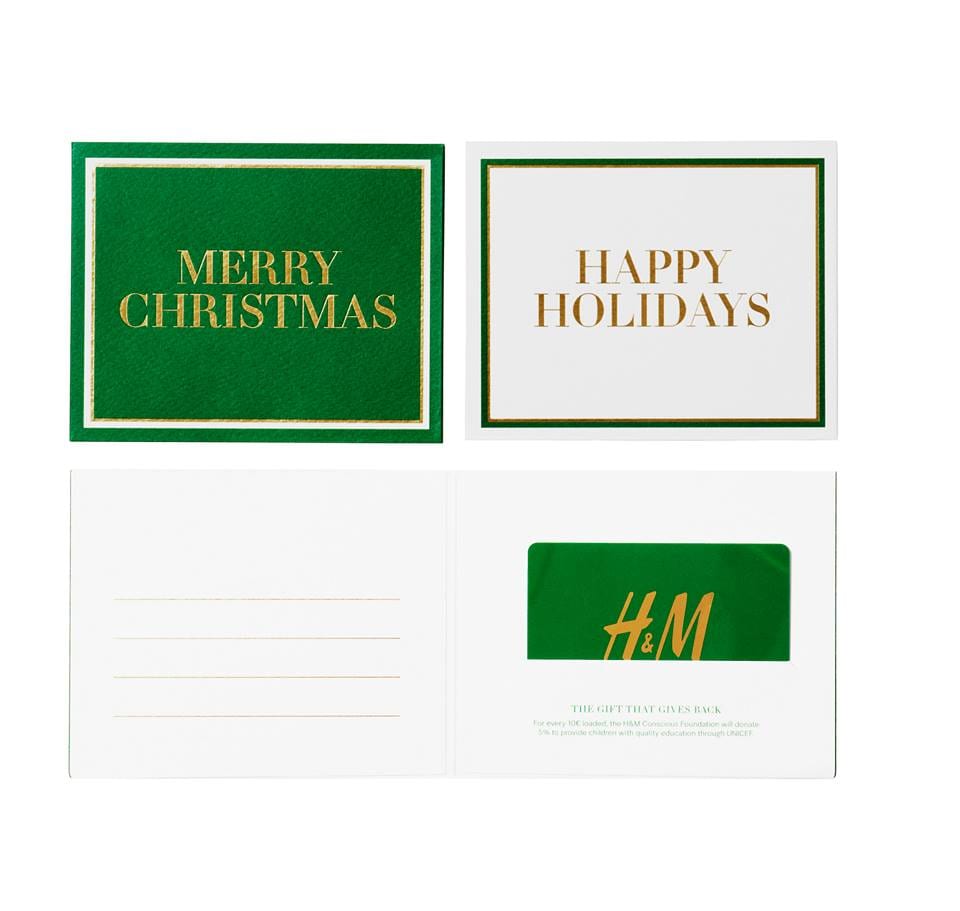
    The Gift Card Holiday campaign 2015 is now completed and thanks to our customers, the donation amounted to a total of €4,9 million! This donation from the H&M Conscious Foundation will go to a program run by UNICEF and will benefit 480,000 marginalized and vulnerable children, aged 5-14 in Myanmar. These children will get increased access to school and improved quality of education.

    “This fantastic result would never have been achieved without the substantial engagement of H&M customers! Through a simple mean; the purchase of a gift card, we will be able to give 480,000 vulnerable children a better future. It shows that small means certainly can take you far!”, says Diana Amini, Global Manager of H&M Conscious Foundation.

    The program includes children in formal schooling, children living in camps for internally displaced people and children who will be reached through non-formal education initiatives. UNICEF will work on multiple levels to influence changes in policy, in education management and in schools and communities. Children, parents, teachers, head masters and policy makers will be involved in creating better schools for children.

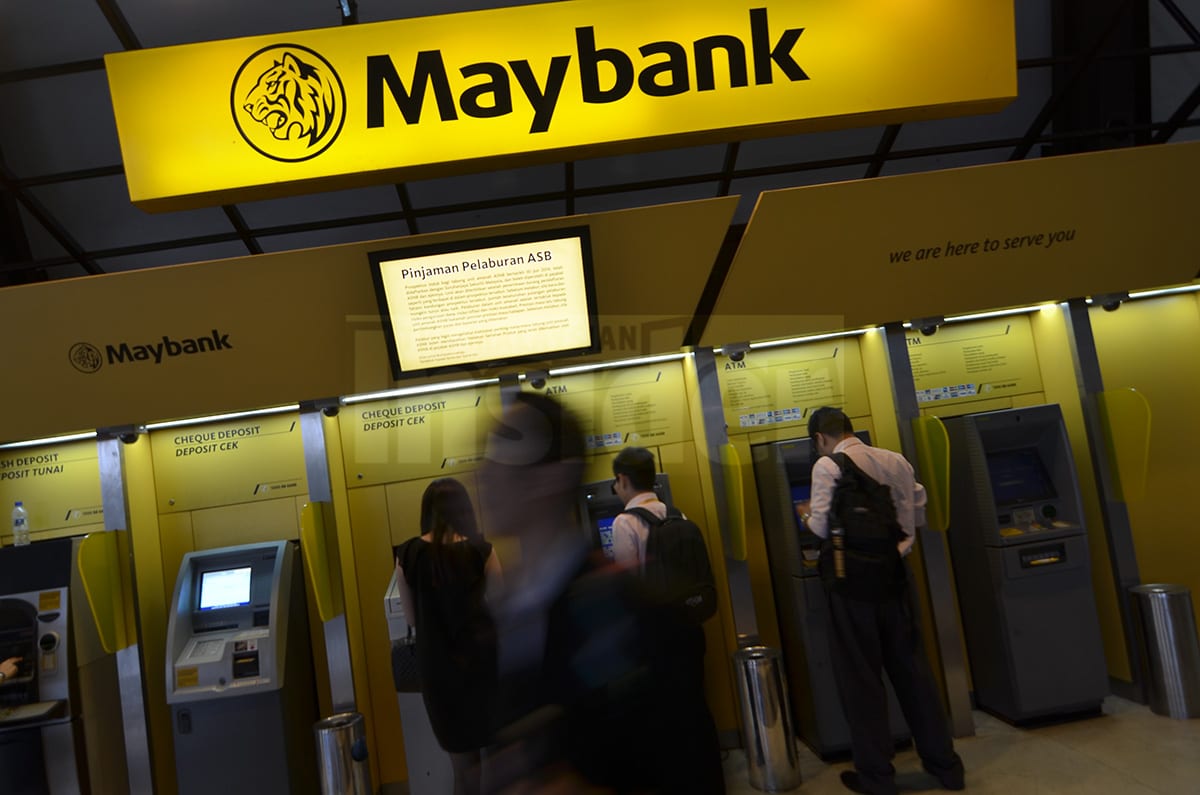
  • Maybank Singapore in ongoing talks with MAS over incorporation here

    Maybank Singapore in ongoing talks with MAS over incorporation here

    Maybank Singapore on Thursday said it has had ongoing consultations with the Monetary Authority of Singapore (MAS) on the incorporation of its operations in Singapore, and “reaffirm our commitment to this”.

    It did not offer a date for the incorporation of its retail business here, and remains the only one of seven domestic systemically important banks (D-SIB) in Singapore that have not incorporate the business, or confirmed a timeline for this.

    A framework unveiled by the MAS in May 2015 listed seven banks – DBS, OCBC, UOB, Citibank, Standard Chartered, Maybank and HSBC – as lenders that are effectively deemed “too big to fail” in Singapore, mainly because of their significant retail presence here. These banks will face additional supervisory measures, and this includes locally incorporating their retail operations.

    This means the local deposits are ringfenced from the group’s operations, and it provides protection against a potential loss of Singapore-based consumers’ money when the overall group runs into trouble.

    HSBC has announced that it expects to incorporate its retail operations this year. All but Maybank and HSBC have ringfenced their retail business here.

    “Maybank sees Singapore as a key market, and an important gateway to the rest of the region. The local incorporation signifies a further deepening of Maybank’s roots in Singapore, cementing its unwavering commitment to the local community after 55 years in the country,” Maybank Singapore said.

    “Singapore is an important part of the bank’s strategy to continue growing its international business and we look forward to forging even closer ties with our customers in Singapore and the region.”

    Relating to banks that have to locally incorporate their retail operations, MAS has said that “where appropriate, MAS will provide such D-SIBs with an adequate transition period to comply with this requirement”.

  • Hong Kong sales slump as mainland shoppers stay home

    Hong Kong sales slump as mainland shoppers stay home

    Hong Kong retail sales posted a second straight annual decline despite sharp discounting, the Census and Statistics Department said, reflecting a sustained decrease in visitors from mainland China and the diminished buying power of a weaker yuan.

    Retail sales fell 3.7 percent to HKD475 billion (USD61 billion) last year, while volume dropped 0.3 percent. In December, when the tourism board counted nearly 11 percent fewer visitors, retail sales value fell 8.5 percent from a year earlier, worse than the 4.3 percent drop projected by analysts. The slump widened from 7.8 percent in November and was the largest since last January.

    Sales of jewelry, watches, clocks and valuable gifts were among the hardest hit, slumping 17 percent in December and 16 percent for the full year. Clothing and department store sales also declined. Erwan Rambourg, a retail analyst at HSBC Holdings Plc in Hong Kong, said high-­end watch and jewelry sellers suffered as shoppers from mainland China avoided lavish purchases and falling currencies in other Asian nations reduced prices for goods bought elsewhere.
    Hong Kong Tourism Board Executive Director Anthony Lau said late last month that same-day visitors to Hong Kong were “a bit weaker” than the same time last year, portending an inauspicious start to the Chinese New Year holiday next week.

    The Lunar New Year celebration is a peak season for tourism in Hong Kong, bringing in more than 5 million monthly visitors compared with about 4.5 million in an average month. Day trips before the holiday usually account for more than half those visits.
    Visits from the mainland fell 16 percent in December from a year earlier, the tourism board said last week. Total visits to Hong Kong fell 2.5 percent last year to 59.3 million.

    Hong Kong retail sales are down on an annualized basis every month from March through December, according to data compiled by Bloomberg Intelligence. The Hong Kong dollar has strengthened against the yuan, making it more expensive for mainlanders to shop.

    Chow Tai Fook Jewellery Group, the world’s largest listed jewelry chain, said last month that sales during Chinese New Year would be challenging. Emperor Watch & Jewellery Ltd blamed a preliminary 2015 loss on a drop in foot traffic caused by the strong Hong Kong dollar, high rental pressure in the city and austerity initiatives in mainland China.