Author: Mei Ling Tan

  • Indonesia to ease foreign ownership rules in e-commerce, retail & power but with curbs

    Indonesia to ease foreign ownership rules in e-commerce, retail & power but with curbs

    In a bid to enhance investments, Indonesia is planning to relax ownership rules in the retail sector even though foreign players will still not be allowed to hold majority stakes.

    According to the head of Indonesia investment board (BKPM) Franky Sibarani, the government will also allow foreign investors to fully own e-commerce businesses provided their investment value is beyond Rp 10 billion ($726,745). Investments below Rp 10 billion in startups or SMEs (small-medium enterprises) is prohibited.

    “The purpose of this policy is to protect our SMEs,” Sibarani said.

    The caps placed on minimum investments could limit inflows of foreign venture capital firms, who typically invest seed stage funding in the sub-million dollar stage in startups.

    Even in retail, the government is keen to open up only the large retail operations, especially outlets with land size above 2,000 sq metres. Foreign ownership in retail, that operate in the below 2,000 square meters (sqm) area, remain closed.

    The proposed rules will be included in the upcoming foreign negative investment list (DNI), scheduled to be issued in March this year.

    Tackling another sector requiring huge capital, Indonesia will allow full foreign ownership in geothermal power plants of more than 10 megawatt (MW), and 67 per cent for smaller power plants.

    Sibarani said, the government plans to partly open foreign direct investment in electricity transmission business, an area which was previously closed.

    Foreign ownership in companies developing high-voltage (HV) and ultra-high voltage (UHV) grid will be partly opened up to 49 per cent from zero per cent foreign investment, while low to medium voltage grid remains closed for foreign investment.

    Investment commitment in January

    Investment commitment in Indonesia reached Rp206 trillion ($15.04 billion), up 119 per cent in January compared to the same month last year.

    “This shows that investors’ confidence remains high and investment climate is still conducive despite slowdown in the world economy,” BKPM Chairman Franky Sibarani said at a press conference. Given the positive trend, he expects this year’s realized investment target of Rp545.4 trillion will be achievable.

    Majority of the direct investment commitments came from foreign investors (FDI), amounting to Rp168 trillion, while the remaining Rp38 trillion were domestic investments, representing an increase of 261 per cent and 101 per cent respectively.

    The largest investment commitment came from Singapore amounting to $7.5 billion, followed by China $2.8 billion, South Korea $280 million, Japan $132 million and Malaysia $105 million.

  • The key transformation of Indonesia’s economy

    The key transformation of Indonesia’s economy

    Industrial production was transformed by steam power in the nineteenth century, electricity in the early twentieth century and automation in the 1970s. These waves of technological advancement did not reduce overall employment, however. Although the number of manufacturing jobs decreased, new jobs emerged, and demand for new skills grew. Today, another workforce transformation is on the horizon as manufacturing experiences a fourth wave of technological advancement: the rise of digital industrial technologies that are collectively known as Industry 4.0.

    The industrial transformation will create a critical juncture affecting almost every country. Countries that allow and incentivize their citizens to invest in new technologies could grow rapidly. Indonesia is still at a relatively early stage of economic development. Its markets have progressively opened, and a lot of basic infrastructure has been put in place, but its business environment is still raw and volatile.

    The government’s Master Plan for the Acceleration and Expansion of Indonesia’s Economic Development (MP3EI) 2011–2025 seeks to address challenges that persist due to Indonesia’s geographical spread and rapid urbanization. Its main goal is to ensure sustainable development of resources and labor, aiming to grow per-capita income to US$15,000. This goal calls for an average economic growth rate of 8-9 percent from 2015 to 2025 while seeking to rein in inflation of 5-6 percent currently to an average 3 percent in the next decade.

    The government recently restated the importance of reorienting future economic development from a consumption-led economy to one driven more by production. That message recognizes that the industrial sector’s contribution to gross domestic product (GDP) has been declining over the past 20 years. Indonesia needs to actively encourage e-commerce, industrialization and entrepreneurship.

    Inclusive economic institutions will enforce economic dynamism and culminate in the industrial transformation. Without changes to the development strategy, there will be little chance for Indonesia to benefit from Industry 4.0 innovation and new technologies. There are at least three challenges to Indonesia’s Industrial transformation: human capital development, financial inclusion as well as political inclusion and bureaucracy reforms.

    The Indonesian school system is immense and diverse. With more than 50 million students and 2.6 million teachers in more than 250,000 schools, it is the third-largest education system in the Asian region and the fourth-largest in the world.

    Indonesia has made impressive progress on many fronts in the education sector since the 1997-1998 Asian crisis, such as coverage of basic education.

    Many challenges remain, including expanding enrolment in secondary and tertiary education, increasing the quality and relevance of subjects taught and making governance and finance more responsive.

    In order to achieve its goal of becoming a developed economy, Indonesia must be an innovation power. While the government commits 20 percent of state budget funds to education, the quality of teachers, the standard of educational facilities and the quality of research and development remains a problem. The ratio of engineers in the population is low compared to other ASEAN countries at only 2,671 per 1 million inhabitants. Neighboring countries have achieved ratios of 3,337 engineers per one million. The Central Bureau of Statistics reports that only 2 percent of business operators in the industrial sector are graduates of higher education, a large group has only junior to high school education, and the largest portion only graduated from elementary school.

    This suggests that the capacity of business people to absorb new science and technology to drive their companies forward is very limited. Only with reliable education and good training can good industrial development be achieved.

    The level of financial inclusion in Indonesia is at a critical level. Fifty-three percent of the Indonesian people are excluded from banking deposit products and 83 percent are excluded from financing products. Micro, small-and medium-sized enterprises (MSMEs) dominate business units with up to 99.9 percent of total business units and employ around 97.7 percent of the total labor force.

    Unfortunately, the contribution of MSMEs to GDP is still relatively low, at only about 57.8 percent. Meanwhile, large enterprises, which account for only 0.01 percent of the total number of enterprises, contribute 42.2 percent to GDP and receive loans of more than Rp 3.2 quadrillion (US$230 billion) or 82 percent of total bank loans.

    Moreover, MSMEs still get a small portion of bank financing. Based on Bank Indonesia data, outstanding loans of MSMEs total Rp 716.37 billion or 18 percent of total outstanding bank financing. Medium-scale enterprise loans dominate MSME credit with a share of 49.51 percent of total MSME loans. Micro enterprises, which account for 98 percent of all business units, take a share of just 3.8 percent of total bank loans, equivalent to Rp 153 trillion.

    Inclusive economic institutions foster economic activity, productivity growth and economic prosperity. Inclusive economic institutions create inclusive markets, which not only give people the freedom to pursue the vocations in life that best suit their talents but also provide a level playing field that gives them the opportunity to do so. Those with good ideas will be able to start businesses, workers will tend to go to activities where their productivity is greater, and more efficient firms can replace less efficient ones.

    Indonesia adopts an economic planning approach under the purview of several competing agencies, notably the National Development Planning Agency and the Office of the Coordinating Economic Minister. Interdepartmental communication has been growing in recent years, allowing for the formulation of coherent long-term planning that takes into account the broad scope of Indonesia’s national economy. However, problems central to economic policymaking remain: a lack of civil service reform, a lack of strong oversight in the planning process, a high incidence of corruption and difficulty in coordinating between the regions and the center.

    The key leadership skill today is the ability to identify long-term, large-scale opportunities and build the capabilities to turn them into reality. Countries differ in their economic success because of different institutions, different rules influencing how the economy works and the different incentives that motivate people.

    The critical juncture of Industry 4.0 has very different effects in different parts of the world. Societies that have already taken steps toward political and economic institutions have taken advantage of these new economic opportunities and started a process of rapid economic growth.

  • Equinix doubles capacity of Jakarta Data Center in partnership with DCI Indonesia

    Equinix doubles capacity of Jakarta Data Center in partnership with DCI Indonesia

    Equinix a global interconnection and data center company has announced the expansion of its data center in Jakarta, known as JK1, through its partnership with DCI Indonesia (DCI).

    Coupled with its alliance with DCI and a premium connection with the Indonesian Internet Exchange (IIX), the second phase of development at JK1 is an indicator of Equinix’s continued commitment to the region, where market demand from the cloud and financial sectors for world-class data center services is flourishing.

    “Our partnership with Equinix has helped to fast track the expansion of JK1 and has bolstered our commitment to bringing in more carriers to further enrich network density. We will be collaborating with the Indonesian Internet Service Provider Association (APJII) for direct peering connection to the IIX,” said Marina Budiman, CEO, DCI Indonesia.

    “This will provide companies looking to expand or establish themselves in Indonesia with more opportunities to interconnect with other service providers to help grow their business,” added Budiman.

    JK1 phase two will add approximately 400 cabinets to the data center, doubling the available capacity to a total net size of 800 cabinets. The expansion is scheduled to be completed by the end of February 2016.

    Through the DCI and Indonesian Internet Service Provider Association (APJII) collaboration, JK1 enables direct peering connection to the IIX. Companies can also access Equinix’s highly interconnected International Business Exchange (IBX) data centers across strategic global markets via existing major network providers.

    “We are delighted to have partnered with DCI Indonesia to present direct peering to the Indonesia Internet Exchange (IIX) which is managed by APJII in the DCI data center,” said Jamalul Izza, President & Chairman – APJII.

    “This is in line with our vision and mission which is to be actively participating in building and developing the Indonesia Internet governance to enhance the potential of human resources in the field of internet technology and in one of APJII’s programs in increasing local traffic,” added Izza.

    JK1 is located at Cibitung, approximately 30 km from the Sudirman Central Business District (SCBD), offers a full range of premium colocation, interconnection and support services.

    The carrier-neutral facility will be bringing more carriers into the data center to enrich network density by partnering with Indonesian Internet Service Provider Association (APJII) to provide more options for direct peering connection to the IIX.

    The JK1 phase two will further extend Platform Equinix to cater to the increased demand for premium interconnection and data center services in Indonesia and the Asia-Pacific region.

    The expansion will give existing customers the added capacity to easily scale when required, ensuring high-performance, network reliability, redundancy, and low latency. It is in line with the steady growth of the company’s leading global interconnection platform, in which Equinix has invested more than $7.5 billion over the last 17 years.

    “The phase two expansion of JK1 does more than just cater to ongoing demand from our financial services customers. Access to IIX will provide greater connectivity for customers, especially cloud and content providers, who will benefit from interconnection to other network providers,” said Clement Goh, Managing Director – Equinix South Asia.

  • Indonesian Housing market showing positive signs in 2016

    Indonesian Housing market showing positive signs in 2016

    The increase in housing sales in several regions of Indonesia is a positive sign of growth in the countrys property sector, according to Indonesia Property Watch (IPW).

    “Research conducted by the IPW on the housing sector in the fourth quarter of 2015 revealed a 16.6 percent growth compared to that in the previous quarter,” Ali Tranghanda, the executive director of IPW, stated here on Wednesday.

    He admitted that the growth in sales could not yet be taken for granted as a consistent upward trend in sales, but at least it is a positive signal for the housing market.

    This is because the growth rate in annual sales is still 10.87 percent lower than that in the previous year, he reminded.

    However, based on its research, the IPW found that the sales of houses in the potential areas in Bekasi, a Jakarta buffer town in West Java, had increased significantly by 72.01 percent in the fourth quarter compared to that in the previous quarter.

    The sales in other areas of Jakartas satellite towns, such as Bogor, recorded a growth increase of 15.44 percent but dropped by 8.52 percent in Tangerang, which is another Jakarta buffer city in Banten.

    “The satellite towns of Bekasi, Bogor, and Depok in West Java are expected to contribute positively to the increase in housing sales in Jakartas areas and Tangerang,” noted Ali.

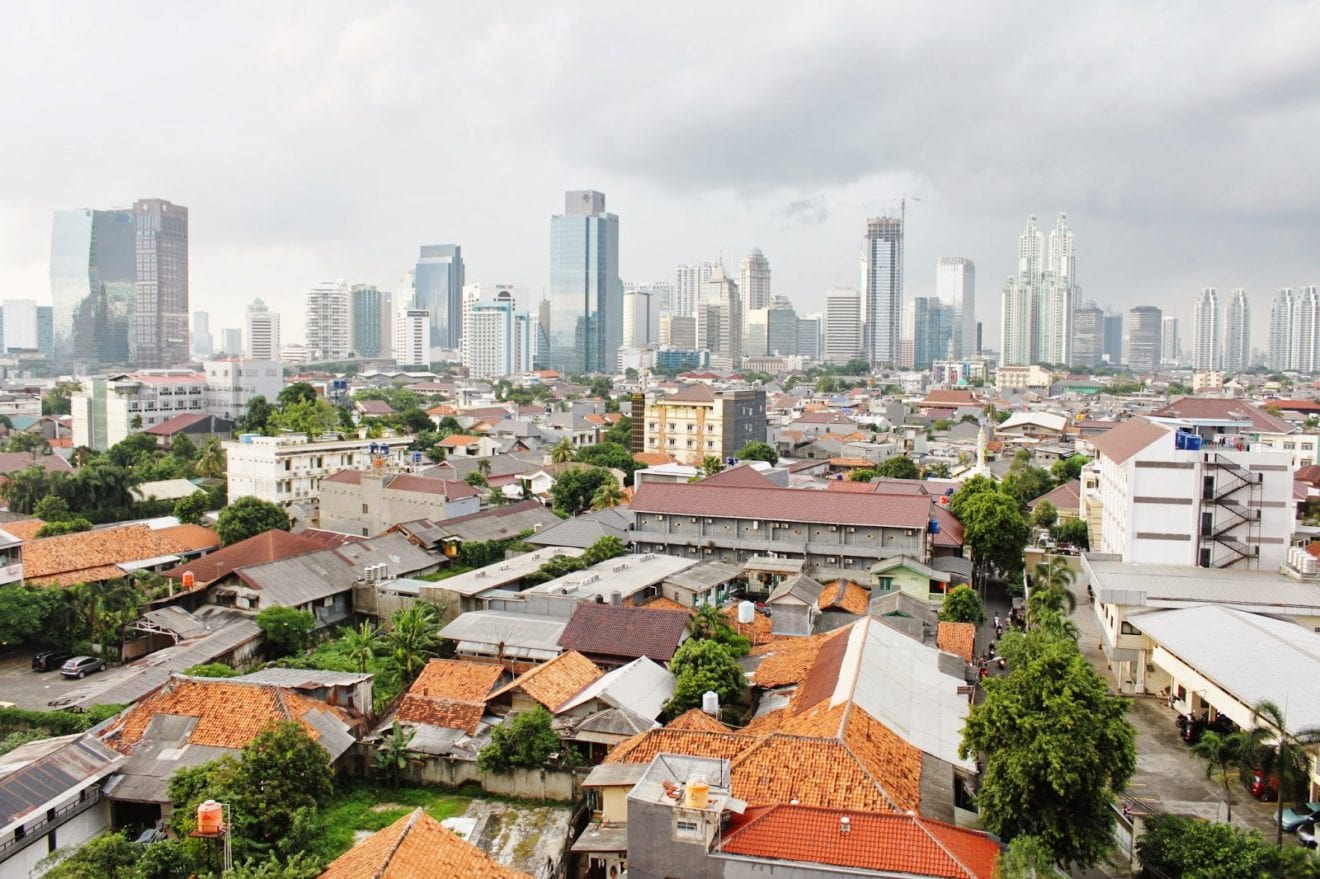
    He reminded that the ongoing construction of public mass transportation projects such as the Mass Rapit Transit (MRT) and the Light Rail Transit (LRT) would increase the added value of houses in the areas.

    It was forecast that 2016 would be the year of rising optimism in the property sector in Indonesia, but property businesses should also continue to maintain high vigil, international property consultant Jones LaSalle (JLL) had announced earlier.

    “The interest of our investors and residential clients remains high, and we look at 2016 with consistent optimism and vigilance,” Country Head of JLL Indonesia Todd Lauchlan remarked.

    Todd noted that 2015 could be viewed as a year full of challenges for the property sector in Indonesia as the economy grew below the predicted target, among other factors.

    Moreover, he pointed out that the other factor was the fluctuations in the rupiah and other currencies, which weakened significantly against the US dollar. The drop in the prices of commodities had triggered concerns in Jakarta.

    “This year, however, there will be an increasing market demand for offices and residences, while the production sector is also expected to remain stable,” he added.

  • Unicef Indonesia Urges Private Sector to Protect Children’s Rights

    Unicef Indonesia Urges Private Sector to Protect Children’s Rights

    “Unicef calls upon all companies to ensure that their operations and other business activities do not harm children. Government policies should support companies in this regard including by making sure that children are protected from possible rights violations by the private sector,” she said.

    Olsson expressed the desire to have comprehensive guidelines for companies on how to respect and support children’s rights in the workplace and marketplace included in Indonesia’s national frameworks and action plans that deal with human rights and business.

    The Ministry of Justice and Human Rights suggested children’s rights should feature more prominently in the government’s National Action Plan on Human Rights (Ranham) and in the Business and Human Rights Action Plan (Ranham Bisnis) currently being developed.

    “One of the key pillars of the UN Guiding Principles on Business and Human Rights highlights the state’s obligation to respect, protect and fulfill human rights. However, other actors, in this case, the business community, also have the responsibility to respect human rights in all its operations and practices,” said Mualimin Abdi, director general for human rights at the Ministry of Justice and Human Rights.

    Nur Kholis, chairman of the National Commission on Human Rights (Komnas Ham), highlighted the key role of the Ranham Bisnis in minimizing possible negative impacts of business operations on human rights and in strengthening private companies’ role in Indonesia’s development.

    Save the Children, the UN Global Compact and Unicef in March 2012 presented the Children’s Rights and Business Principles. Numerous corporations, organized in an Association of Child-Friendly Companies (Apsai), have since assessed their practices regarding their impact on children’s rights.

    “Unicef hopes many more companies will join the initiative and review their operations against the Children’s Rights and Business Principles,” said Olsson, the Unicef representative. “Corporate social responsibility with a focus on child rights that goes beyond philanthropic investment will strengthen companies’ sustainability, reputation and risk management and will ultimately foster a stable, inclusive and sustainable business environment. In the end, it’s in the companies’ own economic interest.”

    “One third of the world’s population are children; they are the future leaders, employees and customers of companies,” added Shinta W. Kamdani, president of the IBCSD. “In striving towards a sustainable business environment this issue should take the center stage of business sustainability. Children’s Rights and Business Principles serve as a tool for companies who are willing to go the extra mile to ensure a viable business future.”

  • Indonesia tipped as potential largest carmaker in Southeast Asia

    Indonesia tipped as potential largest carmaker in Southeast Asia

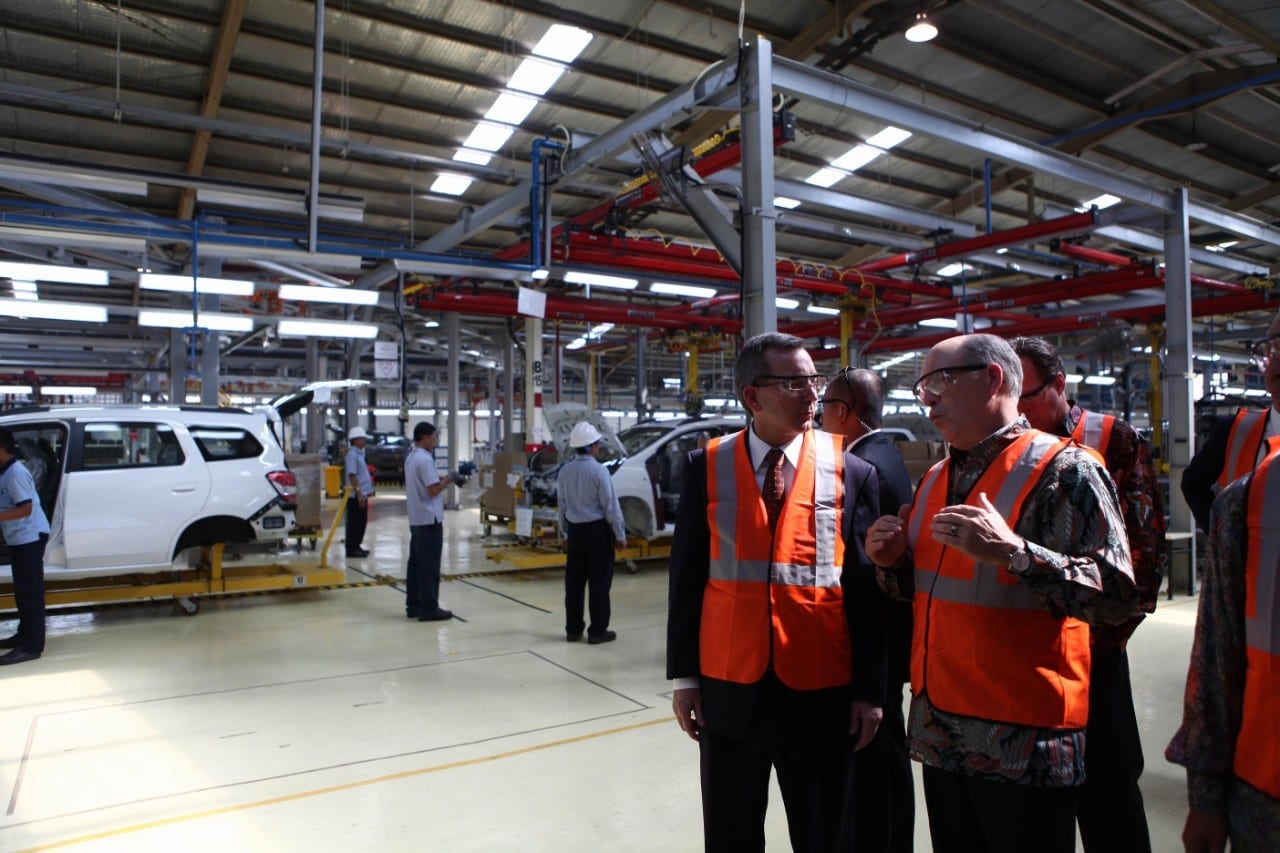
    Indonesia has the potential to become the biggest carmaker in Southeast Asia within the next five years, the country’s automotive industry association Gaikindo said on Wednesday (Feb 3).

    Indonesia can compete, and overtake Thailand’s automotive industry if the government gives the right incentives to boost production, said Gaikindo’s co-chairman Jongkie Sugiarto.

    “Indonesia has a good potential in ASEAN. In the coming years, Indonesia is going to be the leader in the automotive industry,” said Mr Jongkie. “It’s really a pity that (companies like) Ford are (pulling) out of Indonesia.”

    Ford is the second American carmaker to exit the Indonesian market in the past year, after General Motors stopped its manufacturing operations in 2015. Ford had been struggling to maintain profitability.

    However, Mr Jongkie is convinced Ford’s pullout will not affect Indonesia’s automotive industry. Currently, about 1 million cars are for domestic production, but only 0.2 million units are produced for exports.

    With Indonesia’s automotive industry having the annual production capacity to build 1.9 million cars, this leaves 0.7 million units in excess capacity. Gaikindo believes the country needs to expand its production base to make the most of this.

    “We have to add the production base of MPVs, plus sedans, plus pick-ups, plus SUVs,” said Mr Jongkie.

    “How? It’s easy. We have to lower the luxury tax of small sedans, small SUVs, pick-ups from 30 per cent today to 10 per cent. There will be a demand. So, when these models are growing, then the principals will come and say why don’t we produce the cars in the country?”

    Gaikindo submitted its proposals to President Joko Widodo in October 2015, and the government is considering changing the tariff regime in the automotive industry.

    Analysts believe the government is serious in attracting more foreign manufacturers as it tries to move away from a commodity-based economy.

    “Our government’s commitment to increase manufacturing is very strong,” said Myrdal Gunarto, an economist at Maybank Indonesia. “The government has released some stimulus packages that aim to attract foreign investors to come here through deregulations, and to make it easier for foreign companies to invest in Indonesia.”

    Gaikindo predicts car sales this year will increase by 5 per cent, in line with the government’s target to achieve 5.5 per cent economic growth in 2016.

  • KAI to be single operator of LRT

    KAI to be single operator of LRT

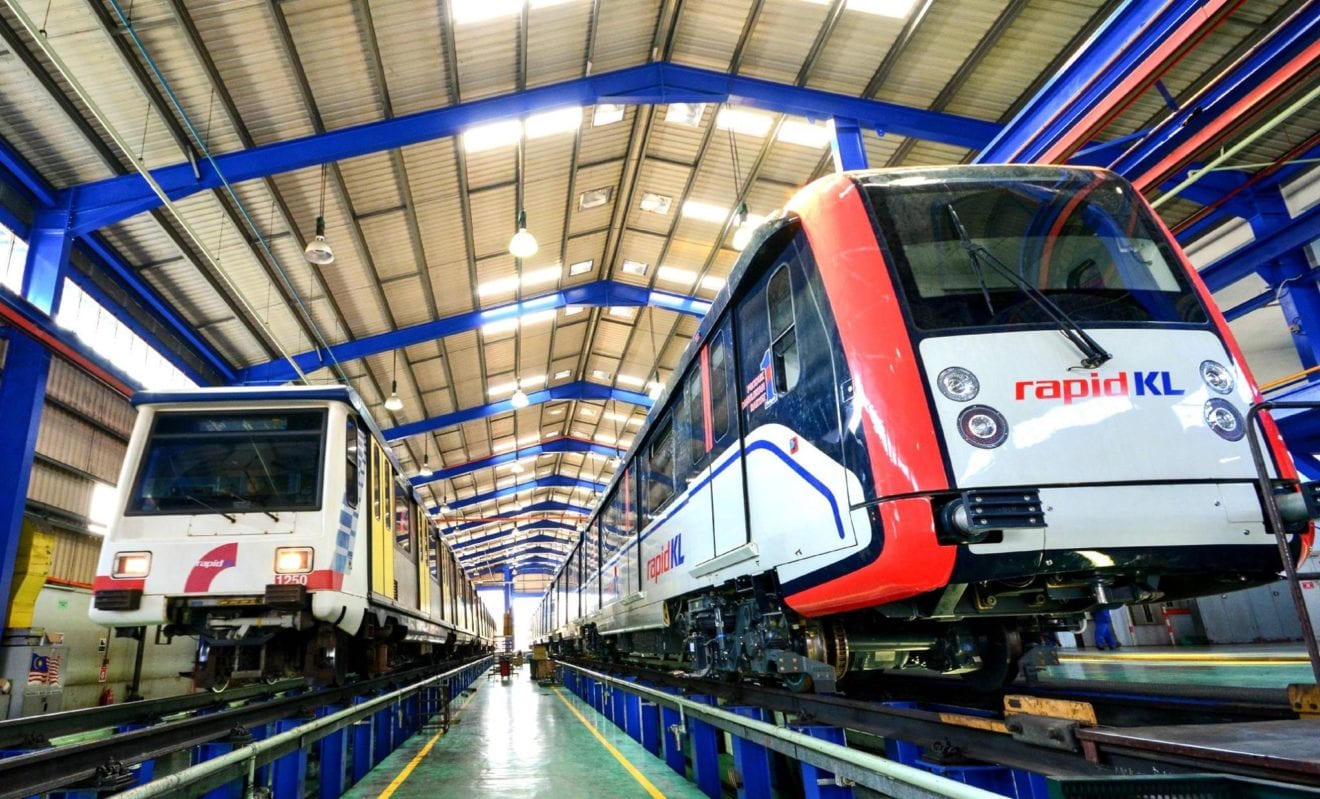
    State railway company PT Kereta Api Indonesia will be the single operator of Light Rapid Transit (LRT) system in and around Jakarta (Jabodetabek), Transportation Minister Ignasius Jonan said.

    “PT KAI is assigned to operate LRT in Jabodetabek according to the presidents directives. So, there is no need to put it to auction because that will take a long time,” he said after a coordination meeting at the Coordinating Ministry for Economic Affairs to discuss LRT here on Wednesday.

    The meeting, led by Coordinating Minister for Economic Affairs Darmin Nasution, was also attended by Coordinating Minister for Maritime Resources Rizal Ramli, National Development Planning Minister/Head of the National Development Planning Agency (Bappenas) Sofyan Djalil, and West Java Vice Governor Deddy Mizwar.

    Jonan gave the assurance that the state budget-funded project will run on schedule although several technical problems will still have to be resolved.

  • BRI records net profit of Rp25.2 trillion

    BRI records net profit of Rp25.2 trillion

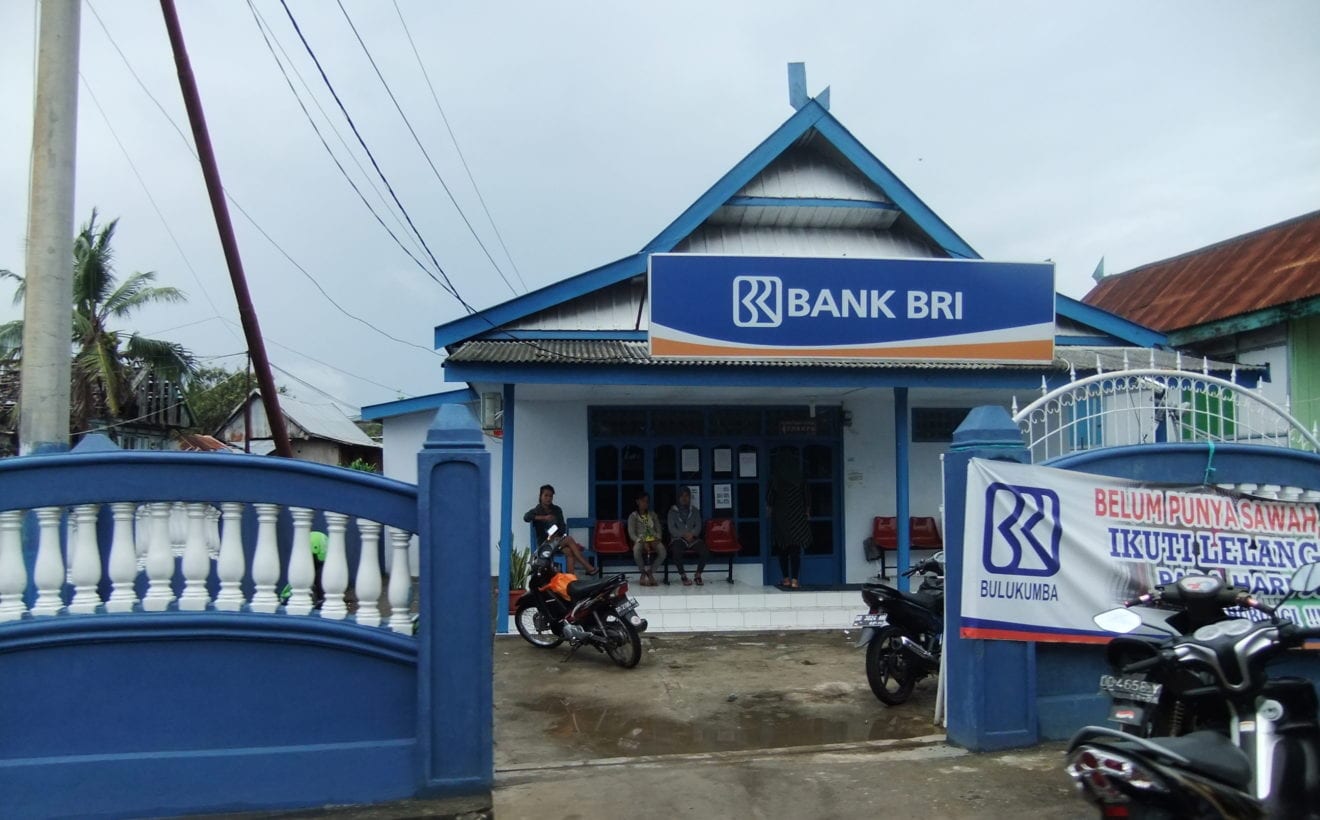
    PT Bank Rakyat Indonesia Tbk. made a net profit of Rp25.2 trillion in 2015, representing a 4.5 percent growth from Rp24.2 trillion it made in the previous year.

    “The growth is driven by an increase in the interest income that reached Rp82.2 trillion, reflecting a growth of 13.5 percent from the previous year,” the state-owned lenders president director, Asmawi Syam, said here on Wednesday.

    The banks non-interest income reached Rp14.2 trillion, up 21.4 percent from the previous years figure, taking the total income of the lender to Rp96.4 trillion, 14.6 percent above the previous figure.

    Outstanding loans distributed by Bank BRI till 2015-end reached Rp558.4 trillion, reflecting a growth of 13.9 percent year-on-year compared to the same period of the previous year. These loans were given across all business sectors.

    Credits to the micro-sector, which is the core business area of the bank, grew by 16.8 percent year-on-year to reach Rp178.9 trillion with the number of customers increasing to 7.8 million from 7.3 million, year-on-year.

    “Credit growth in the micro-sector was driven by the re-launch of a smallholder credit program (KUR) by the government in the middle of August 2015,” he said.

    Since its launch on August 18 2015, Bank BRI has extended Rp16.2 trillion in credits to more than 920,000 businessmen across the country through the KUR program.

    Credits to non-state-owned companies in the corporate segment grew 31.5 percent year-on-year to Rp75.1 trillion while credit to the consumer segment grew 9.8 percent to Rp88.5 trillion.

    Credits to state-owned companies were up 9.6 percent to Rp81.2 trillion and to small commercial and medium businesses rose 7.5 percent to Rp134.7 trillion.

  • Apple sales stumble shrouded by record profit

    Apple sales stumble shrouded by record profit

    While it seems harsh to be negative about a company that has just taken $75.9 billion in revenue, the focal point of today’s quarterly update from Apple is inevitably the year-over-year growth rate. Here the rather lackluster 2 per cent uplift represents something of a misstep for a company that has built its reputation on impressive performances.

    It is certainly the case that a strong dollar diminished Apple sales growth, but even the increase of 8 per cent on a constant currency basis is fairly anemic when set against previous quarters. Of particular concern is the 4 per cent decline in revenue in the Americas, which remains Apple’s most important region in terms of sales.

    In our view, the fact that the weakest performance came from the most mature region with the highest levels of product penetration is no coincidence. The blunt truth is that Apple failed to persuade consumers to buy into its holiday product lineup in the way it has done in previous years.

    While there is no doubting Apple’s technical and design prowess, some consumers simply overlooked its new iPhone, seeing too few benefits over and above their existing models to convince them to upgrade.

    The new iPad, which even by virtue of its name was aimed at a more professional audience, also received something of a lukewarm reception among consumers.

    This translated into soft sales growth. Our own data show that this holiday was one of the weakest for personal electronics in recent history. Indeed, a number of players like Best Buy saw their own results dragged down by lower than normal demand for things like tablets – something that underlines the fact that when Apple sneezes, other retailers catch a cold.

    None of this is to diminish the impressive numbers, which continue to indicate that Apple is an immensely popular brand with desirable products, but it perhaps serves as an early warning that the company needs to work much harder at creating a step change in the new devices it launches. It must also ensure that these are squarely aimed at satisfying real consumer demand rather than internal egos: while Apple engineers may be excited about shaving a millimeter off the depth of a phone, such technicalities are far less appealing to everyday users.

    Fortunately for Apple, the lack of growth in the Americas was offset by continued strong growth in China, where product penetration is far lower and there is a much larger base of new consumers to capture. The same is also true of parts of Europe, although here the advancement in Apple sales was somewhat depressed by the strength of the dollar against local currencies.

    Nevertheless, the fact remains that 2016 is year when Apple needs to come up with revolutionary rather than evolutionary product. If it fails to do so, its growth is likely to be diminished still further.

  • Hong Kong Airlines wins international acclaim awarded Airline of the Year at ISPY2016

    Hong Kong Airlines wins international acclaim awarded Airline of the Year at ISPY2016

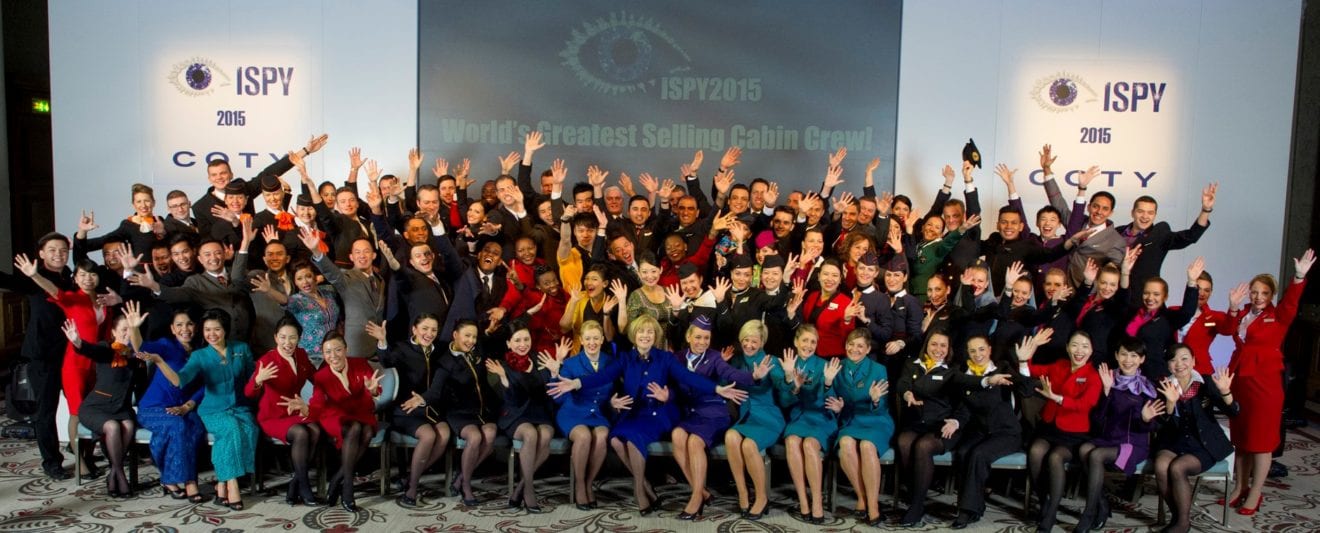
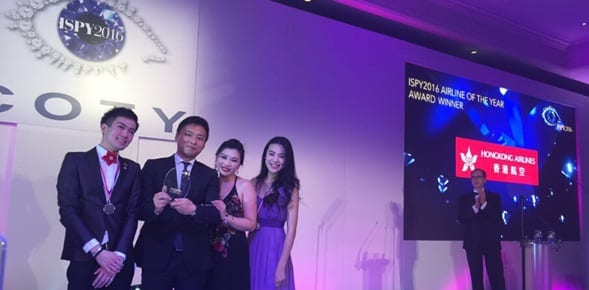
    The spectacular ISPY Gala Awards is a core part of the ISPY programme originated in 1999, an annual four-day event for all inflight retail stakeholders groups.At the ISPY (Inflight Sales Person of the Year) 2016 Gala Awards ceremony held in London, full-service airline Hong Kong Airlines won the much-coveted Airline of the Year Award. The airline’s cabin crew Mr Oscar Cheng and Ms Minerva Tam were awarded silver medals in the category of Product Merchandising Team Award, as well as recognized as the World’s Greatest Selling Cabin Crew 2016.
    The spectacular ISPY Gala Awards is a core part of the ISPY programme originated in 1999, an annual four-day event for all inflight retail stakeholders groups. Before the announcement of the winners, each of the Airline of the Year finalists is required to have an hour-long workshop including a 30-minute presentation followed by a panel discussion and questions from the audience, while the cabin crew are trained and assessed to compete for team and individual awards. This year, 28 world-class airlines including Cathay Pacific, Dragonair, Singapore Airlines, Virgin Atlantic and Air Canada participated in the event to compete for the awards.

    Mr Stanley Kan, Director of Service Delivery of Hong Kong Airlines, said, “Last time, Hong Kong Airlines was the only legacy carrier in Asia amongst the top 4 finalists for Airline of the Year Award, while this year, we are thrilled to be crowned as Airline of the Year – a remarkable progress indeed. Partnering with inflight retail concessionaire DFASS, Hong Kong Airlines has achieved significant improvement in inflight duty free sales services with the launch of innovative initiatives such as professional training and the introduction of the Brand Ambassador Scheme.”

    Aside from the ISPY award, in recent years Hong Kong Airlines garnered a bunch of international acclaims including Asia’s Leading Inflight Service 2015 at the internationally renowned World Travel Awards in October 2015. The airline has been rated as the 4-star airline since 2011 by international specialist research consultant Skytrax. Hong Kong Airlines also won Skytrax World’s Most Improved Airline in 2014, and enlisted the top 10 World’s Best Regional Airline for the first time in 2015.
  • Soilbuild Construction secures US$9.4m contract in Myanmar

    Soilbuild Construction secures US$9.4m contract in Myanmar

    Soilboild Construction Group announced on Tuesday that it has attained a design and build contract worth about US$9.4 million to carry out addition and alteration works at St John Shopping Center in Yangon, Myanmar.

    The project was awarded by a joint venture between two companies in Myanmar which have activities in retail and real estate development.

    Construction on the project is expected to commence in the first quarter of this year and will likely be completed within eight and a half months.

    Executive director of Soilbuild Construction Ho Toon Bah said: “We are hopeful that Myanmar will continue with its economic reforms that would create significant growth opportunities to various industrial sectors whereby the group could offer our construction expertise and contribute to the country’s well-being. The group will strive to strengthen its business presence in Myanmar and to execute its expansion plan there progressively.”


  • Shanghai Disney Resort Launch of huge Disney theme park in China lifts stocks

    Shanghai Disney Resort Launch of huge Disney theme park in China lifts stocks

    The launch this coming June of Shanghai Disney Resort, which will be one of the largest theme parks in mainland China, is the first upbeat topic in a long time for the country which has been swayed by economic slowdown and the stock market plunge.

    Meanwhile, Hong Kong Disneyland — some 1,200km southwest of Shanghai and which celebrated its 10th anniversary last year — is concerned that the new Disneyland in mainland China could result in a decline in visitors in its home turf.

    Walt Disney of the U.S. and Shanghai Shendi Group of China, which are jointly building Shanghai Disney Resort, said Jan. 13 that the first phase of the theme park will open on June 16. The announcement boosted shares in Shanghai Jinjiang International Hotels Development, the operator of nearby hotels, and real estate developer Shanghai Jinqiao Export Processing Zone Development. These companies are expected to benefit greatly from the launch of the theme park. The stock price of Shanghai-based China Eastern Airlines, which partners with Shanghai Disney Resort, also soared on the Hong Kong stock market.

    Nearly 10 years from the plan, five years from the start of construction and two years behind the original plan, the dream of the Shanghai economic community will finally come true. Shanghai Disney Resort — which will be the sixth in the world and the third in Asia after Tokyo and Hong Kong — will be equipped with hotels and commercial complexes, with the construction cost totaling $5.5 billion.

    Structural shift

    Stock market players predict the theme park will see more than 12 million visitors in its first fiscal year, easily surpassing Hong Kong Disneyland’s 7.5 million in 2014. The numbers are expected to jump to 40 million a year once the third phase of the park is complete. The numbers could top the 31.3 million visitors to Tokyo Disneyland and Tokyo DisneySea in 2014.

    Major Chinese brokerage Haitong Securities expects Shanghai Disney Resort will “boost the city of Shanghai’s annual retail sales by 4%,” on the assumption of 15.6 million visitors and the daily average spending of 700 yuan ($106) per visitor in the first fiscal year. The theme park will also been seen as a test of whether China can shift from a manufacturing- and infrastructure-based economy to a service-driven economy.

    Meanwhile, the Hong Kong stock market was once buoyed by the Disney boom. During the period from the end of October 2004 to the opening of Hong Kong Disneyland on Sept. 12, 2005, the stock prices of luxury hotel operator Shangri-La Asia and jewelry store operator Chow Sang Sang Holdings International surged 37% and 48%, respectively, on expectation that the opening of Hong Kong Disneyland would help boost tourist numbers. The share price of Macau casino operator Galaxy Entertainment Group also jumped 120%, and the benchmark Hang Seng Index rose 16%.

    However, the share prices of retail and leisure companies in Hong Kong have remained sluggish, as the number of mainland visitors to Hong Kong has declined due to the Chinese government’s anti-corruption campaign and growing anti-China sentiment in Hong Kong.

    In a survey of mainland Chinese members conducted by U.S. travel information website operator Travelzoo on their most preferred travel destination in 2016, Hong Kong was ranked 32nd, down from 23rd place, losing out to the 31st-ranked Africa.

    Mainland-dependent

    In addition to such unfavorable trend, officials of Hong Kong Disneyland are concerned they may have to compete with their Shanghai counterpart for customers.

    Hong Kong Disneyland posted its first profit in fiscal 2012, hit by the 2008 global financial crisis and the 2009 swine flu pandemic. Its revenue base is not stable and is becoming more dependent on mainland visitors. The total number of visitors was up more than 60% to 7.5 million in 2014, from 4.6 million in 2009. The number of mainland visitors surged more than 120% during the same period, with their ratio to total visitors up from 36% to 48%.

    Comparing the share prices of Shanghai Disney Resort-related companies and retail and leisure companies in Hong Kong with the end of 2012, when the construction of Shanghai Disney Resort began full swing, property developer Shanghai Jinqiao Export Processing Zone Development and Shanghai International Airport, the operator of the two international airports in Shanghai, saw their stock prices jump 70% and 110%, respectively. On the other hand, the stock prices of Shangri-La Asia and cosmetics retailer Sa Sa International Holdings in Hong Kong fell about 60% to 70%.

    A spokesman for Hong Kong Disneyland stressed to Nikkei Quick News that the company is proud to be one of the top tourist attractions in Hong Kong over the last decade, and they strive to provide customers from around the world with a whole new experience. All eyes are on whether the two Disneylands in Hong Kong and Shanghai can coexist and prosper.

  • Oppo, Vivo snap at Apple’s heels in China mobile market

    Oppo, Vivo snap at Apple’s heels in China mobile market

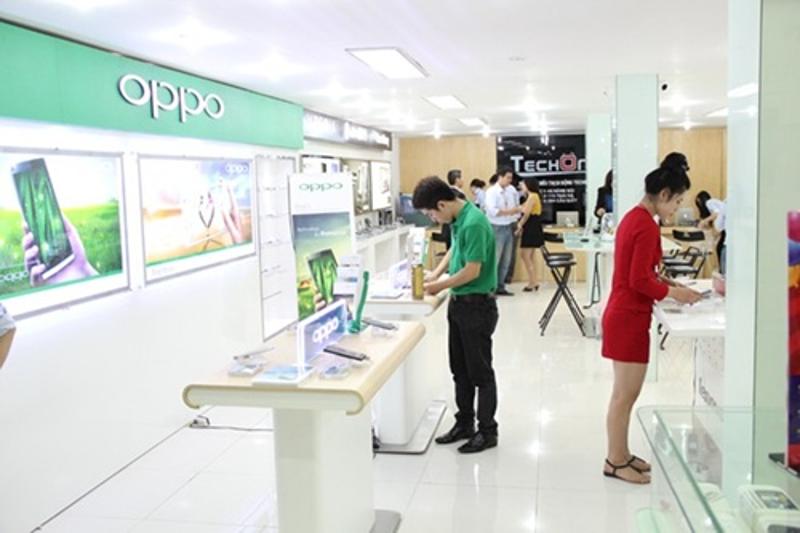
    Beyond China few may have heard of Oppo or Vivo, but these local handset vendors are rising up the rankings in the world’s largest smartphone market, using local marketing savvy and strong retail networks in lower-tier cities.

    Industry experts say these cities – there are more than 600 of them and some are bigger than many European capitals – are the next smartphone battlefield as China’s major cities are saturated.

    International brands such as Apple and Samsung Electronics have mostly not yet reached this part of the market – which accounts for more than 56 percent of China’s overall consumption, according to Beijing All China Marketing Research.

    In an economy growing at its slowest pace in a quarter of a century, buyers in these smaller cities – with populations of up to 3 million – tend towards cheaper phones, which is good news for Guangzhou-based Oppo and Vivo, as well as Meizu Technology, an affiliate of Alibaba Group Holding Ltd .

    “Oppo and Vivo have already overtaken Samsung and ZTE Corp in China, and are working to chase down the big three of Huawei, Xiaomi and Apple in 2016,” said Strategy Analytics analyst Neil Mawston.


    Oppo sold 10.8 million smartphones, giving it a 9 percent market share and a top-5 ranking, in the fourth quarter of last year, according to Strategy Analytics – even as the overall China market slipped 4 percent (Oppo) To be sure, these lower-priced newcomers lack the firepower of the premium brands, and operate on razor-thin margins or at losses. They need mass volume sales to keep going, the industry experts said.

    Oppo sold 10.8 million smartphones, giving it a 9 percent market share and a top-5 ranking, in the fourth quarter of last year, according to Strategy Analytics – even as the overall China market slipped 4 percent.

    Oppo’s R7 smartphone, priced at 1,999 yuan ($304), touts itself as a “selfie expert”, with a bigger screen than the iPhone 6S and competitive camera resolution.

    Vivo ranked fourth with 10 percent market share, below Apple’s 13 percent.

    The growth among these younger vendors comes as Apple, Xiaomi and others struggle to maintain momentum in a market swamped with smartphones and fading economic growth.

    Analysts say the newcomers run eye-catching marketing gimmicks, including sponsorship with local TV shows, and have extensive retail networks in lower-tier cities.

    “There’s only so much the international firms can do when it comes to localized marketing in China,” said Nicole Peng at Canalys. “For foreign companies like Samsung, their marketing strategies don’t really cater to the Chinese consumer.”

    Sixth-ranked Samsung declined to comment.

    Apple last week forecast a first revenue drop in 13 years and posted the slowest-ever increase in iPhone shipments as the Chinese market showed signs of weakening.

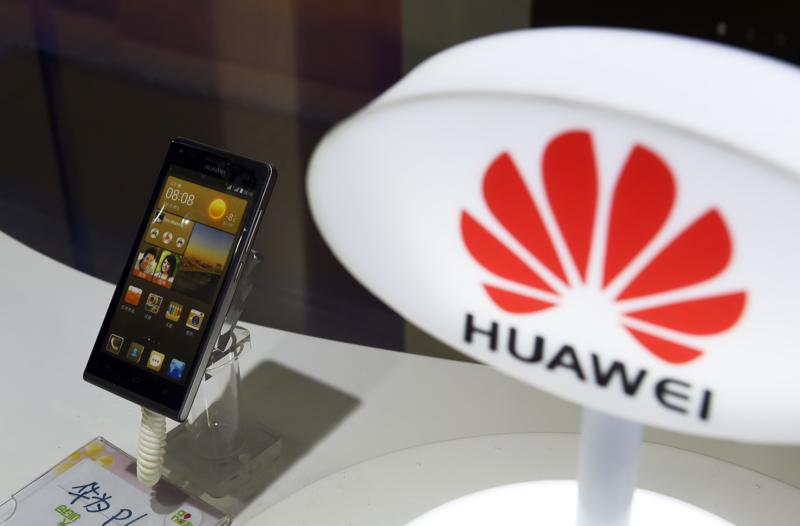
    A mobile phone made by Chinese telecom equipment maker Huawei is displayed in a store in Beijing. (AFP)

    CHALLENGES AHEAD

    China has nine of the world’s top-12 smartphone brands, with nearly a quarter of the market share, according to CounterPoint Research, but turning that into volume sales beyond China will be a challenge.

    Overseas, Chinese brands lack strong distribution networks and can run into intellectual property issues. Oppo is already in several Asian and Middle East markets, while Vivo is in Malaysia and India.

    And at home, Chinese device buyers are notoriously fickle, switching between brands in a cut-throat market. Regular price wars have seen ZTE and Lenovo Group frequently swap places in the sales rankings.

    “The lines between ‘high-end’ and ‘low-end’ devices is blurring, which leaves price as the sole differentiator for most mass market buyers,” said Sameer Singh, an analyst who blogs at Tech-Thoughts.net.

    “Brand image tends to be a lagging indicator of customer experience, i.e. as the latter improves, so does word-of-mouth and consequently brand image. I think that’s what we’re seeing with Chinese brands today.”

  • Benoy’s Portfolio Expands in the Philippines

    Benoy’s Portfolio Expands in the Philippines

    Benoy, the global studio of Architects, Masterplanners, Interior and Graphic Designers, announces its expansion across the Philippines as the firm’s portfolio grows with new and built projects. Benoy is excited to confirm five new appointments as well as welcome the completion of two schemes in the island nation.

    Benoy Director Stephen Chow commented on the firm’s expanding portfolio, “The Philippines is one of the strongest economies in Southeast Asia and it has been an incredibly dynamic market for Benoy. Working in the region for more than ten years, we have seen the opportunities increase as the country grows and competes on an international scale. Our experience within global markets balanced with our local understanding has therefore been an attractive offer.”

    New Appointments

    Benoy’s growing order book is mainly concentrated in the Metro Manila area, the country’s most populous region. Working with leading developers such as Ayala Land and Filinvest, the firm is involved in multiple sectors and across the full complement of its services, from Masterplanning and Architecture to Interiors and Graphic Design.

    In the City of Taguig, Benoy has been appointed as the Podium Architect and Interior Designer on West Super Block, the latest edition of an integrated urban plan known as Bonifacio Global City. The development will consist of a four-storey retail podium, an all-suite residential tower and a Grade A office block where the Philippines Stock Exchange will be located.

    At the heart of Manila’s commercial and financial centre, Benoy is masterplanning and completing the architecture for the future Makati Mixed-use Development. The scheme will include a commercial podium, 15-storey office tower and 39-storey residential tower which will be one of the tallest in the district.

    In Balintawak, a major gateway from the north into Metro Manila, Benoy is delivering an 11ha mixed-use masterplan. Positioned at the intersection of two highways, the Balintawak Masterplan will include Retail, Residential, Commercial Offices, a Hospital and act as a regional transportation hub. Benoy is also the Architect for the regional mall situated on the site.

    The full scope for One Binondo, a new mixed-use development in the heart of Manila’s Chinatown, has also been appointed to Benoy. The four-storey podium will feature, among many offers, ‘Micro Retailing’, a trading form famous within the district. A Grade A office tower and three residential towers with landscaped gardens, club house, pool and recreation facilities will be seamlessly integrated above the retail scheme.

    To conclude Benoy’s new appointments, the firm is delivering a visionary redevelopment plan for Alabang Town Centre, one of the most successful retail destinations in southern Metro Manila. As part of this development, the firm will also complete the Architecture, Interior Design and Landscape Design of a new Lifestyle Centre sitting at the heart of the scheme.

    “We are thrilled to be building such a diverse portfolio in the Philippines. It is very exciting to have the opportunity to help shape the future of the country and we look forward to delivering creative, intelligent and considerate design solutions to these projects,” said Stephen.

    Completed Developments

    The firm has also seen the completion of two recent projects in Quezon City, U.P. Town Center and Fairview Terraces, both developed by Ayala Land.

    U.P. Town Center has opened at the University of the Philippines campus. The development is a lively combination of indoor and outdoor retail, dining and commercial uses integrated within a landscaped setting. The scheme covers a GFA of over 88,000m2 and 40% of the site area has been designated as open space. As Masterplanner and Architect, Benoy is overseeing the three phase project. The first two phases have opened and the final phase is due to complete in 2016.

    Situated in the city’s north, Fairview Terraces is a 135,000m2 retail-led, mixed-use development. The mall is spread over five levels and features around 420 retailers and a ‘Boutique Super Market.’ The focal point of the scheme is the generously landscaped central promenade which is surrounded by pocket gardens and al fresco dining. A natural gathering place for residents, shoppers and workers, the design has established this project a thriving community hub. Benoy completed the Architecture and Interior and Graphic Design.

    During the construction phases of both schemes, careful attention was made to protect the existing trees on the sites; preserving the character of the areas. In the case of Fairview Terraces, a long-standing mango tree has now become the very heart of the design, sitting at the centre of the development.

    With the completion of these two schemes, Benoy adds to its growing built portfolio in the Philippines which already includes the extensive renovation of Ayala Alabang Town Centre. With new appointments under construction, the firm looks forward to expanding its offer across the country and creating thriving future hubs for the Philippines community.

  • Mobile shopping soar 42% as retail sales hit record high in Dec.

    Mobile shopping soar 42% as retail sales hit record high in Dec.

    Retail sales in South Korea hit a record high in December aided by brisk demand for furniture, food and beverages, and cosmetics, a government report showed Tuesday.

    Retail sales amounted to 33.19 trillion won ($27.6 billion) in December, up 2.7 percent from the 32.3 trillion won tallied the previous year, according to the report by Statistics Korea. It also marks a 2.8 percent gain from November’s 32.3 trillion won.

    The December figure marked the highest monthly amount since January 2010 when the state statistical bureau started to compile related data.

    Sales of furniture jumped 6.4 percent on-year to 423 billion won in December, with food and beverage sales rising 4.1 percent to 6.8 trillion won. Demand for cosmetics grew 3 percent to 1.5 trillion won over the cited period.

    However, sales of home appliance goods, computers and mobile phones dropped 2.2 percent on-year to 3.2 trillion won, while sales of clothing fell 3.7 percent to 5.2 trillion won.

    Department stores saw their sales fall 2.7 percent on-year in December, while large discount outlets and supermarkets basked in a 3.1 percent and 1.1 percent rise, respectively.

    Convenience stores saw their sales jump 21.5 percent from a year earlier, the data showed.

    Online shopping sales, which have been growing swiftly in recent years, jumped 15.3 percent on-year to reach a record 5.33 trillion won in December on the back of the strong sales of food products, cosmetics and clothes.

    Online shopping accounted for 16.1 percent of all retail sales in December, up from 15.3 percent the previous month.

    Purchases made through mobile devices, meanwhile, soared 41.73 percent on-year to 2.65 trillion won, accounting for 49.6 percent of all online sales in the period, according to the report.

    For the whole of 2015, Statistics Korea said the amount of retail sales reached 366.5 trillion won, up 1.9 percent from a year earlier.