Author: Mei Ling Tan

  • Thailand’s airports set new passenger records

    Thailand’s airports set new passenger records

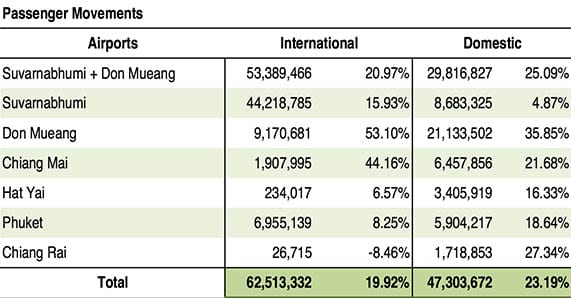
    Airports of Thailand has reported 2015 calendar year ending international passenger traffic of $62.5m passengers across all six airports. Added together with the 47.3m domestic passengers last year, this set a new record of nearly 110m passengers for the 12-month period according to Airports of Thailand (AOT).

    All but one of the six airports reported positive international numbers, with Suvarnabhumi Airport in Bangkok generating a +15.93% increase to 44,218,785, followed by Don Mueang with 9,170,681 (+53.10%); Phuket with +8.25% to 6,955,139; Chiang Mai +44.16% to 1,170,681; and Hat Yai +6.57% to 234,017 and Chiang Rai -8.46% to 26,715.

    All six airports were also in positive territory in terms of domestic passenger numbers, with Don Mueang leading the rest up 35.85% to 21.2m (see table for full list).

    Suvarnabhumi New Year

    Thai airports traffic 2015 copy

    Above: Suvarnabhumi International Airport, Bangkok. (Data source: Airports of Thailand).

    Meanwhile, in the last declaration of AOT’s financial results dated 27 November 2015, the publicly listed AOT reported a rise of more than 20% in operating performance for the year ended September 30 2015.

    Reported net profits were up by 53%, thanks to a 15.97% increase in flights and a 21.94% rise in passengers in this quoted period. This, in turn, resulted in aeronautical revenues increasing by 18.87% and concession revenues rising by 19.99%.

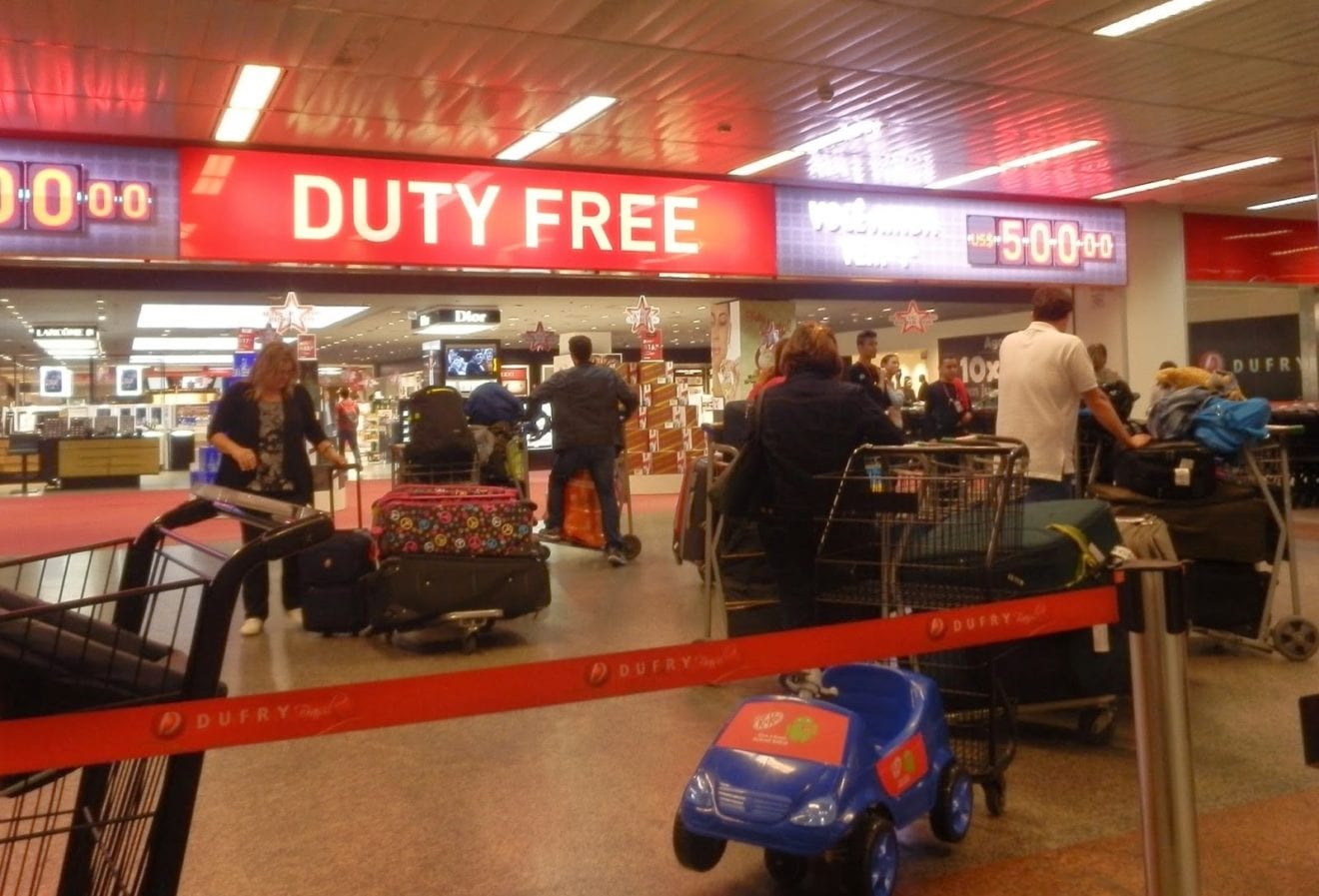
    AOT’s exclusive duty free concessionaire is the King Power International Group, which operates airport shops at Suvarnabhumi, Don Mueang, Phuket and Chiang Mai.

  • Online shopping is killing department stores in Singapore

    Online shopping is killing department stores in Singapore

    Even grocery items are being bought online now.The rise of e-commerce is sounding a death knell for Singapore’s once-ubiquitous department stores and gadget shops, according to a report by property consultancy group JLL.

    The number of shoppers buying groceries and computer equipment rose around 70% in the last two years, while over 60% of shoppers already buy some clothing or footwear online. The report said that shoppers are buying lower value goods online and higher value goods over $500 in a physical store.

    “We expect online sales of groceries and electronic goods to grow exponentially in the next three years,” JLL said.

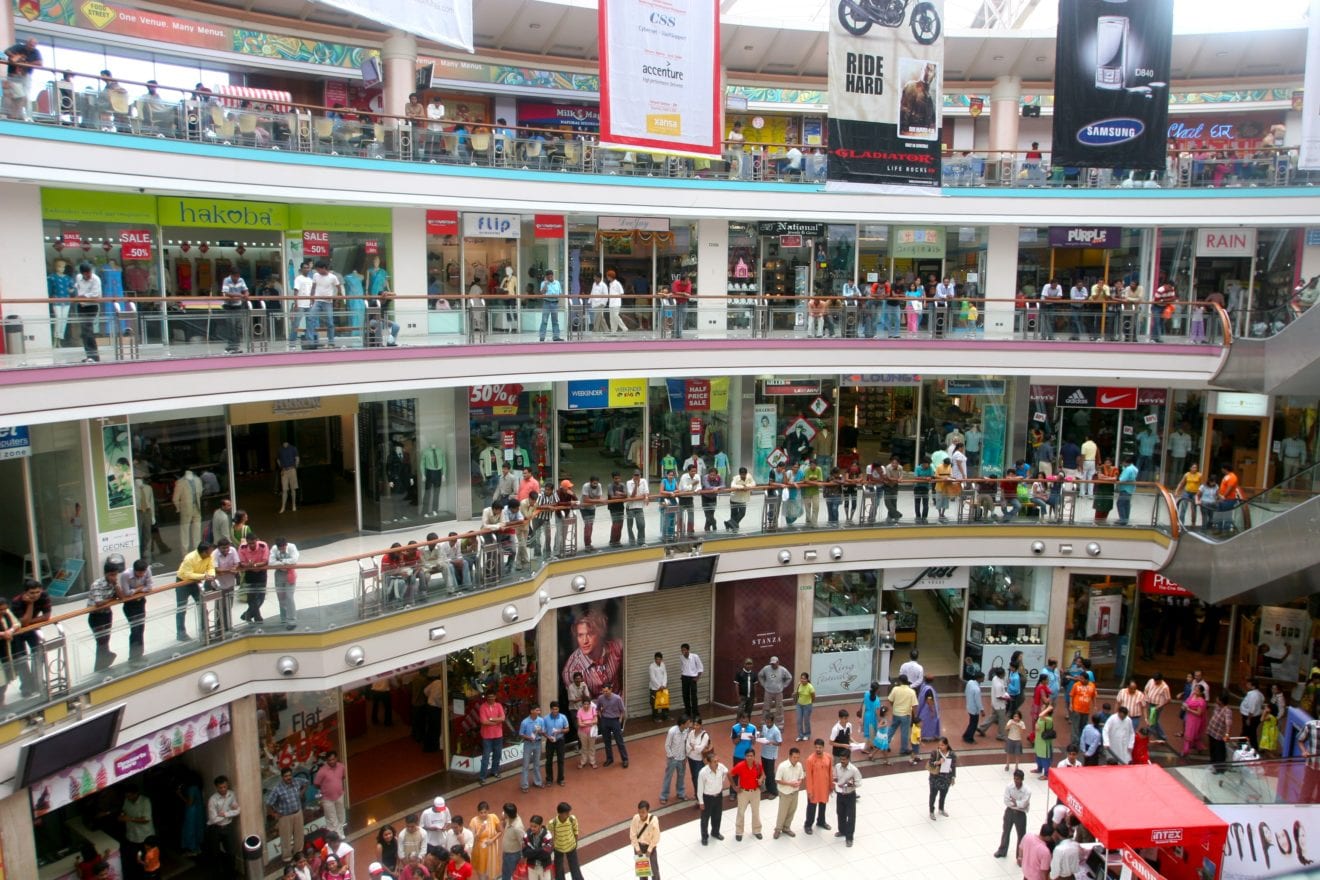
    As a result, department stores, supermarkets and houseware shops have reduced in size over the past few years, particularly in suburban malls. In contrast, food and beverage, fashion, beauty and health trades have taken up more space in the last seven years.

    “As shoppers tend to buy lower value goods online, malls are likely to attract higher-priced fashion and beauty brands, even in the suburbs. We expect to see electronics and grocery stores cutting back further in the next three years as more shoppers buy these goods online,” JLL said.

    Latest data from the InfoComm Development Authority (IDA) showed that about 1.44 million Singapore residents shopped online in 2014, 30% higher than in 2012.

    The sharp increase came from shoppers above 35 years old, as those in this group that used portable devices to access the internet rose 50% over two years. Over 70 per cent of those below 35 years old already shop online in 2012.

  • Retail forex broker FBS opens third office in Thailand

    Retail forex broker FBS opens third office in Thailand

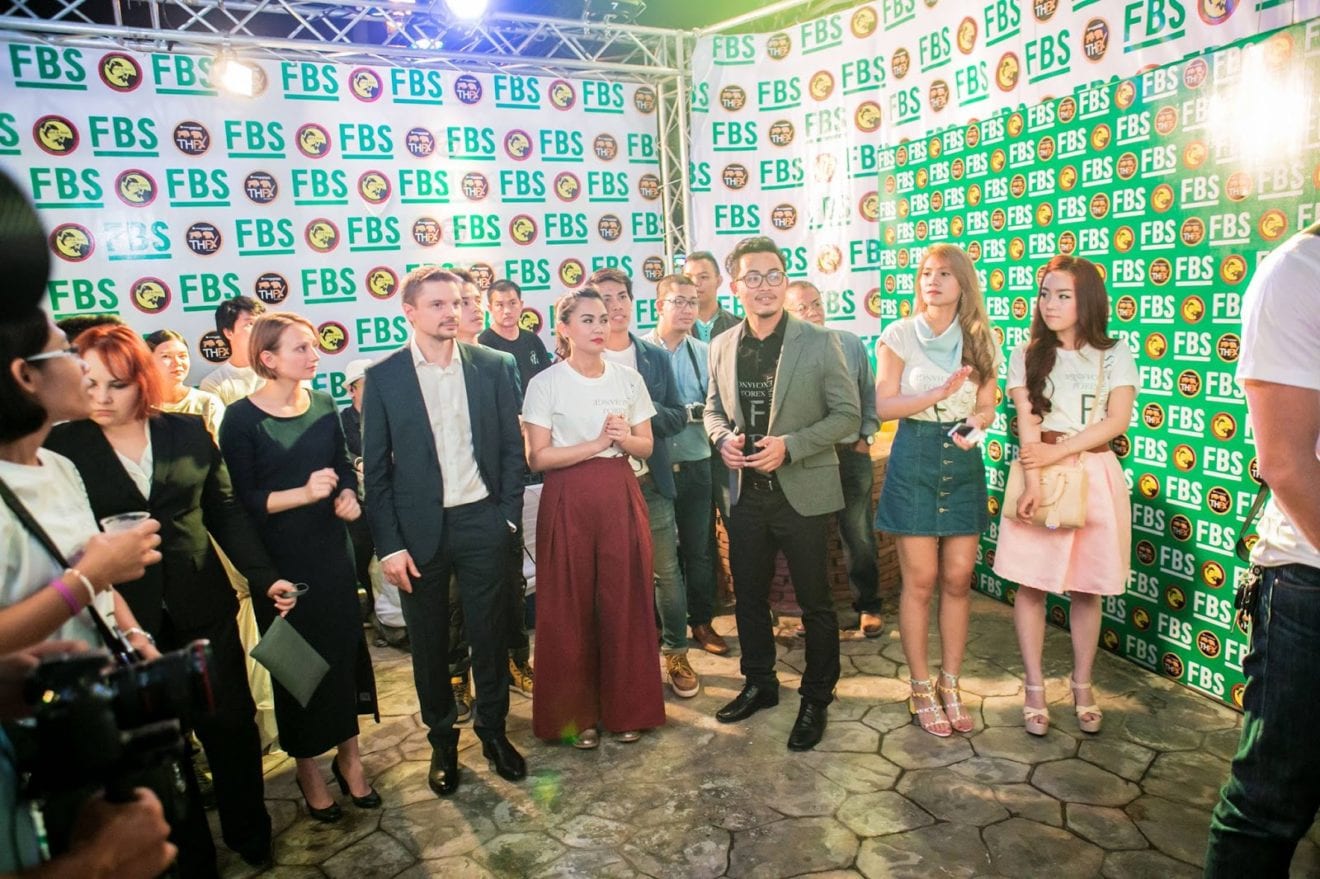
    The retail forex broker FBS announced the opening of its third office in Thailand. It is the second office of the company in the country’s capital Bangkok. The first one was opened in July 2015. Since October 2015 the broker also has an office in the city of Chiang Mai.

    FBS is present in more than 120 countries and has 13 international offices.

    Besides the usual business activities with current and new clients and partners, FBS is planning workshops for beginner and professional traders, hosted by Forex experts. It reminds its customers that it provides 24/5 customer support and consultation in Thai language.

    FBS was established in 2009. It is regulated by the international Financial Services Commission (IFSC) in Belize and the Russian self-regulation organisation Centre for Regulation in OTC Financial Instruments and Technologies (CRFIN).

    FBS offers trading in the major currency pairs, metals and CFDs. The minimum deposit is $1 and the leverage is up to 1:2000. The broker also offers spreads from 0 pips.

  • DFASS delight at Hong Kong Airlines ISPY2016 award

    DFASS delight at Hong Kong Airlines ISPY2016 award

    Duty Free Air & Ship Supply (DFASS) has praised the efforts of partner carrier Hong Kong Airlines which won the coveted Airline of the Year prize at the recent Inflight Sales Person of the Year event. The 2016 year’s version of the event, consisting of 72 cabin crew, took place at the Radisson Blu Edwardian Hotel, Heathrow airport.

    In order to be considered for the Airline of the Year prize, participants had to demonstrate their commitment to creating and developing crew sales culture over the past year. This was achieved by sharing their top three initiatives which delivered the biggest return on investment. Two initiatives had to be crew related alongside one other.

    Each airline was given 30 minutes to present at the airline management workshop on January 25 followed by a panel discussion and questions from the audience. Management attending the workshop received one vote per company for the winner.

    Jointly presented by Hong Kong Airlines head of ancillary revenue Pacino Qin and DFASS director sales and marketing Sandra Ng Chaffey, the presentation initially focused on the development of the core sales team to strengthen crew sales culture. The team introduced cross-airline competition on the airline’s dedicated Facebook page to enable experience sharing and cultural exchange. A sales achievement dinner and brand specific training were also introduced.

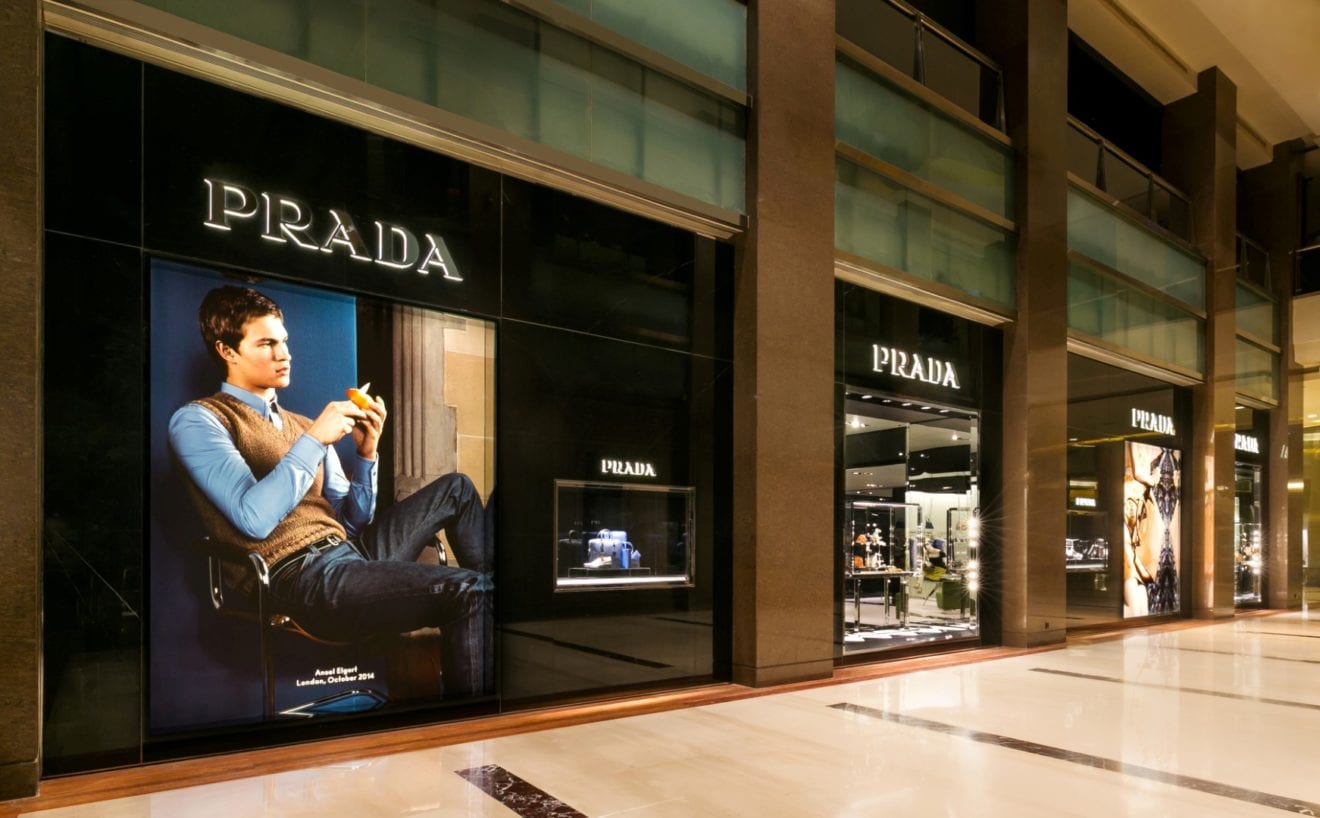
    In addition, a brand ambassador programme was born with support of 14 brands including Chloe, Gucci, Jill Stuart, Lifetrons, Marc Jacobs, no!no!, Paco Rabanne , Philip Stein, Prada, Salvatore Ferragamo, SK-II, Talika, Valentino and Veld’s. The programme allows brands to train their top sellers with specific knowledge and selling skills and on the provision of product samples onboard.

    DFASS deputy chairman and president Asia/Pacific John Garner said: “This was a challenging field with many worthwhile competitors. The Hong Kong Airlines crew were recognised for their skills and determination, but the most important part of the award was the way it recognises the partnership between the airline, and DFASS as its concessionaire. They are an amazing business partner.”Despite the deflection of the Chinese yuan at close to 7% in 2015, the Hong Kong Airlines and DFASS team ended the year with a strong 12% surge.

    Oscar Cheng and Minerva Tam from Hong Kong Airlines also won silver medal in the Product Merchandising Team Award category.

    Hong Kong Airlines director of service delivery Stanley Kan said: “Last time, Hong Kong Airlines was the only legacy carrier in Asia among the top-four finalists for the Airline of the Year Award. This year, we are thrilled to be crowned Airline of the Year.

    “Partnering with inflight retail concessionaire DFASS, Hong Kong Airlines has achieved significant improvement in inflight duty-free sales services with the launch of innovative initiatives such as professional training and introduction of the Brand Ambassador scheme.”

  • Mumbai has highest potential for modern retail in India

    Mumbai has highest potential for modern retail in India

    Mumbai Metropolitan Metro has the highest potential for modern retail in the country at Rs 1.05 lakh crore, followed by Delhi-National Capital Region, which has total potential of Rs 77,900 crore, according to Knight Frank & Retailers Association of India’s ‘Think India. Think Retail. 2016’ report.

    Bengaluru is third in the list, with potential of Rs 48,600 crore.

    As part of the city-level analysis, the report has identified zone level supply-demand gap for apparel, F&B, entertainment and grocery across India’s top markets.

    It says the penetration of modern retail is set to increase from the current 13.5% to 50% by 2036 in Mumbai, from 26% to 50% by 2028 in NCR and from 24% to 50% in 2026 in Bengaluru.

    While the market potential of daily needs supermarkets and hypermarkets is pegged at Rs 58,800 crore in Mumbai and Rs 51,200 crore in NCR, it stands at Rs 24,300 crore in Bengaluru.

    The report says that modern retail penetration in India is extremely low at 19% compared to US, Singapore and China, where the figures are 84%, 71% and 63% respectively.

    According to the report, 69% of the total retail spending comes from Mumbai Metropolitan Region, NCR and Bengaluru out of the top seven cities in the country.

  • Korea retail sales slide

    Korea retail sales slide

    Korea retail sales took a surprise turn for the worst in December after three consecutive months of solid growth.

    Reported sales by department stores run by Hyundai Department Store, Lotte Shopping and Shinsegae Co show a 5.7 per cent fall year-on-year, according to figures released by the the Ministry of Trade, Industry and Energy on Tuesday.

    For the whole 2015 year, department store sales fell a modest 1.2 per cent, mainly due to the outbreak of Mers mid-year, and a rise in online shopping.

    The government attributed the December fall to warmer weather compared with the previous year, which may prompt one to speculate on January’s figures given the unusual cold snap hitting the country this month. The warmer climate meant fewer sales of winter clothing.

    Sales of luxury watches, jewellery and household electronics also fell.

    The December fall was the largest monthly year-on-year drop since 6.5 per cent last August. Sales rose by 1 per cent in November.

    Sales at South Korea’s major discount department stores fell 5.1 per cent, the third consecutive monthly decline and the largest since August.

    For the whole of 2015, discount department store sales fell 2.1 per cent.

    The Ministry said discounters’ December performance was affected by the warm weather and softening demand for food products.

  • Bluetooth Beacons – Malaysia’s Retail Future

    Bluetooth Beacons – Malaysia’s Retail Future

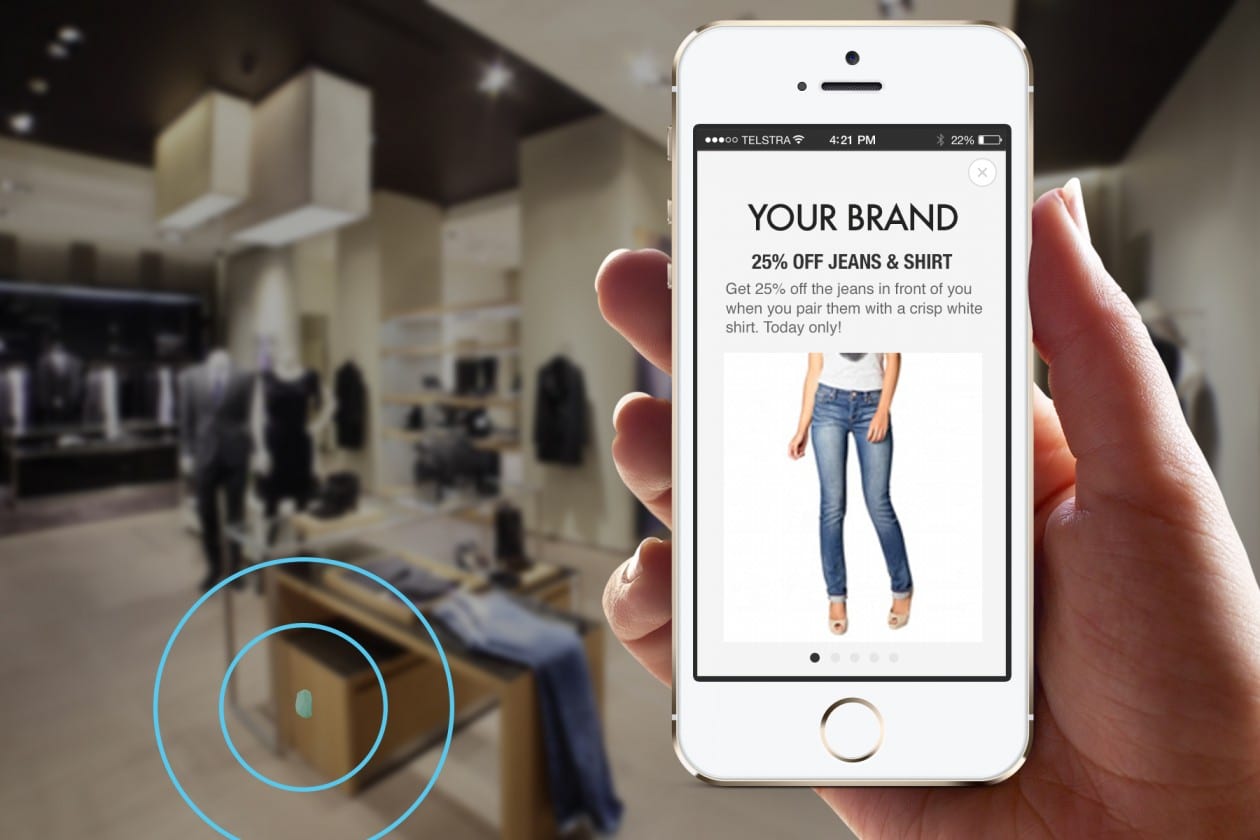
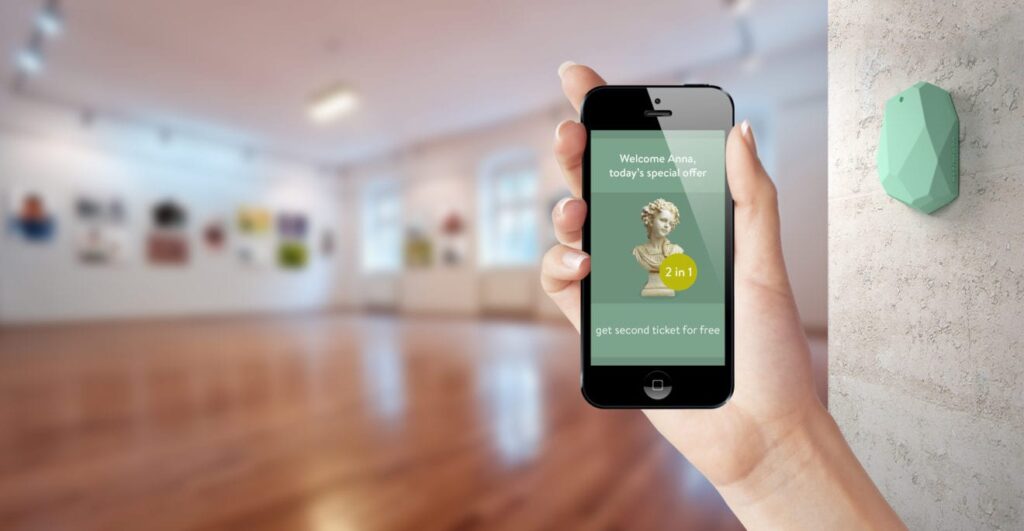
    Picture the following scenario: You walk into your favourite apparel store and your smartphone beeps with a push notification “Welcome back Linda! Only for today, we are giving you a 20% discount on all skirts”. You decide to finally get that blue skirt you have your eyes set on for weeks and decide to take a stroll through the accessories section when you stop to admire a particular necklace, after a few seconds of contemplation, your smartphone beeps again with the message “Hey Linda! Get a necklace to match your outfit, we’ll throw in a 30% discount on any necklace of your choice”. You leave the store with a new skirt and necklace at a bargain.

    You end up a happy customer, and the apparel store makes additional sales –  a win-win situation for all involved.

    The above situation may sound like a utopian future where the Internet of Things (IoT) have become a reality. However, the future is closer than we know it with the arrival of iBeacons by Apple in 2013 and Google unveiling Eddystone Beacons in July 2015.

    What Are Bluetooth Beacons?

    Beacons are transmitters which have the ability to sense nearby portable smart devices and “talk” to them via push notifications. Beacons are the most accurate form of locational based tracking device and may work with existing GPS and WiFi tracking capabilities to further enhance location tracking via triangulation.

    How Do They Work?

    Beacons use Bluetooth Low Energy (BLE) proximity sensing to broadcast universally unique identifiers (UUID) which are picked up by compatible apps and operating systems (OS). This means that users will need to have beacon-compatible apps (a relatively simple process can enable any app to be beacon-compatible) installed and have their Bluetooth switched on in order for their smartphones to interact with these beacons.

    Why Would Users Leave Their Bluetooth Switched On?

    This is a question which frequently surfaces during discussions with potential beacon adopters. It is true that a majority of smartphone users never and might even hesitate to turn on or leave their Bluetooth switched on due to the concern that the Bluetooth would contribute to a huge drain on their battery life.

    That is until 2011 when the new BLE technology were incorporated into the new iPhone 4S smartphones and subsequently, all smartphones released after that period. With the new Bluetooth Smart standard, worries of Bluetooth drainage on phone battery life were a thing of the past as the power needed to power Bluetooth is now so low that it is negligible.

    Other than that, most smart devices that are making their way into our everyday life such as smart wearables (e.g. FitbitJawboneApple Watch), Bluetooth-enabled car audios, and smart kitchen appliances require the use of Bluetooth-enabled smart devices.

    With over 10,000 Bluetooth-enabled products listed with Bluetooth SIG along with the immense growth (>100% in 2014) of the Smart Home, Consumer Electronics and Beacons markets, coupled with the growing number of users coming to understand the new Bluetooth technology as well as the growing need of users to have Bluetooth-enabled to run their everyday smart lifestyles, 24/7 Bluetooth-enabled devices will soon be a lifestyle choice much like the 24/7 WiFi-enabled devices which are part of everyday life now.

    What It Means For Retail Businesses

    With the ability to understand what interests consumers and know when they are in the proximity, brick and mortar retailers can now interact digitally with potential customers to encourage more foot traffic into their outlets and achieve higher sales conversion by sending the right message, to the right people, at the right time.

    However, the use of beacons in retail businesses does not stop at pushing promotional messages and general information. With beacons, retailers are also able to provide a personalised shopping experience to each individual customer as seen in the aforementioned story above. Depending on the nature of the business, beaconised businesses will have a a plethora of uses for beacons such as, helping customers navigate a store and providing in-store concierge services by utilising the tracking abilities of beacons. Think shopping on Amazon or Zappos, but in real life.
    press-beacon-product-2.ae0092e2

    The longer a retailer adopts the beacon technology, the more they will begin to understand their customers – who they are, what their preference is, where they like to shop, are they high or low spending customers. This is all possible as more and more data on these users are collected and analysed -allowing businesses to produce individualised ads and engage in behavioural retargeting.

    With the arrival of beacon technology, retailers with physical outlets will finally be able to gather data on their customers in real life in real time and run the most effective and efficient campaigns to target the most relevant consumer segments while providing a highly personalised shopping experience. The future of retail globally, especially here in the South East Asian region and in Malaysia, is in beacons and any retailer slow to adopt this breakthrough tech as part of their arsenal will be at a huge disadvantage moving into the future.
  • Short term lease boom

    Short term lease boom

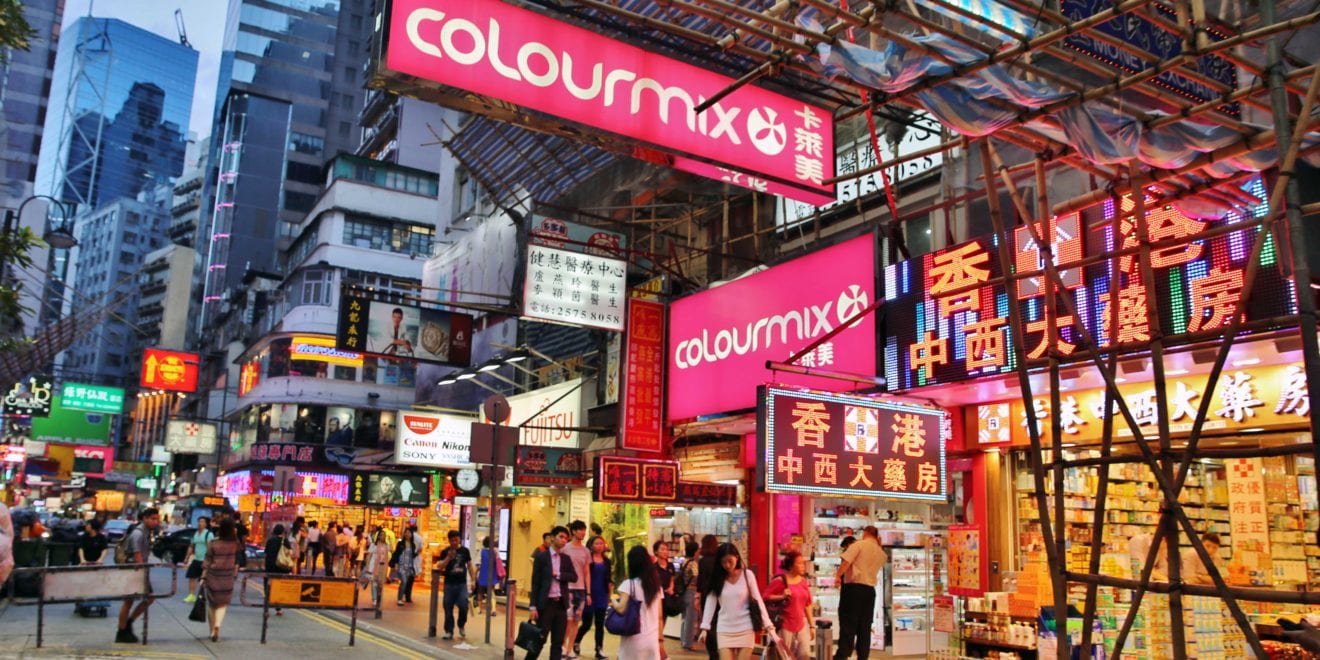
    Growing ranks of Hong Kong landlords are renting out retail space for as little as 90 days to ride out the downturn.

    The number of short term Hong Kong leases has risen sharply since November, according to property agent Midland IC&I.

    The trend began in the lead up to the Christmas-New Year retail peak when landlords opted to have tenants for a short term in preference to forgoing any rent at all.

    Now, in the lead-up to Lunar New Year, the trend has continued as retailers look for opportunities to optimise sales in a peak spending season – and landlords are happy to achieve a return on otherwise empty space.

    The most likely retailers to sign up are jewellers – the hardest hit by the changing demographic of Mainland Chinese tourists – and apparel brands creating pop up stores.

    Retailers are securing space for as little as three months while landlords are achieving about 70 per cent of the normal rent they would have received prior to the retail downturn kicking in.

    Midland IC&I CEO Wong Hon-shing told the Hong Kong Economic Journal retail tenants liked the flexibility of being about to exit the space with as little as seven days’ notice.

    The HKEJ said brands to take advantage of the new environment include Bossini, Tse Sui Luen Jewellery and Colombia. It reported TSL was paying about $350,000 a month for space in a three month lease set to end in February after the Lunar New Year.

  • The Simpsons store: a new retail phenomenon?

    The Simpsons store: a new retail phenomenon?

    The Simpsons is about to expand offscreen into a retail store network, with two flagships confirmed as the first global outlets for the popular animated US TV series.

    Beijing and Shanghai will be home to the world’s first The Simpsons stores because the 27-year-old show is familiar to Chinese audiences and Simpsons products have already been a success, reportsChina Daily. A network of 100 retail stores is planned to follow.

    Opening in the fashion district of Sanlitun in March, the Beijing store will be the first bricks-and-mortarSimpsons store in the world. The second store will be launched in Shanghai in June, according to 20th Century Fox Consumer Products president Jeffrey Godsick. Its location has yet to be announced, but it is expected to be in a high-traffic mall similar to the one in Beijing.

    Fox launched Simpsons products in China in collaboration with fashion brands nearly three years ago. It started to team up with Chinese retailers 18 months ago before deciding to open the stores last year to tap growing interest.

    Godsick says the products released in China sold out quickly, and there were routinely a three-hour queue for people to enter the fashion brand store in Shanghai that launched Simpsons products.

    Already, Walt Disney has led the way by opening its first flagship store in Shanghai’s Pudong New Area in May last year. The world’s largest Disney store, it offers more than 2000 categories of products.

    “China’s movie and television industry will bring a lot of investment opportunities for derivative product sales,” Professor Zeng Hongshan of Zhongnan University of Economics & Law has told theChina Economic Herald.

    Derivative products of Star Wars have created about $30 billion worth of business, and in 2013 and 2014 alone generated about $4.6 billion for Disney, China National Radio has reported.

    Meanwhile, the Simpsons stores will cover about 250 sqm and offer about 200 products including T-shirts, hats, jackets, pants, cellphone cases, lifestyle accessories, stationery, shoes, sneakers and socks.

    Between 25 and 50 per cent of the products will be sold exclusively through Simpsons stores, says Godsick.

    “We will continue to design individual consumer products for each of our movies and TV shows in China, and ultimately grow our brand as a company,” he says.

    In October 2014, a Simpsons World app was launched in China, allowing fans to watch all 500-plus episodes of the series for free.

  • Apple China bracing for fall

    Apple China bracing for fall

    Even as it announces record revenues and net profit, Apple says it has sold fewer iPhones in the first quarter and is bracing for a fall in sales in its critical Chinese market.

    “It’s becoming more apparent that there are some signs of economic softness,” says CFO Luca Maestri. “We are starting to see something that we have not seen before.”

    He admits the tech giant is working in a “very difficult macroeconomic environment” and projects a further slide in iPhone sales for the second quarter, reports the International Business Times. Apple’s projected revenues indicate the company’s sales are about to fall for the first time in 13 years.

    Apple’s sales stumble was masked by the record corporate quarterly profit. Conlumino analyst Neil Saunders takes a close look at the latest Apple report in our international section.

    Apple sold 74.8 million iPhones in the first quarter, ending December 26, which is the first full quarter of sales of the iPhone 6S and 6S Plus. The 0.4 per cent growth in shipments was the lowest since the product’s launch in 2007.

    Maestri says that although Apple China revenue rose by 14 per cent in the quarter, the company is starting to see a shift in the economy, particularly in Hong Kong.

    Apple had record figures in the first quarter for both net profit ($18.36 billion, up from $18.02 billion) and revenue (up 1.7 per cent to $75.87 billion). Greater China accounted for 24.2 per cent of the total revenue, more than all of Europe combined.

    An indication of Apple’s popularity in China can perhaps be gauged by the dwindling number of fake Apple stores in the southern city of Shenzhen, some of which have been taken over by unauthorised outlets for local phone brands.

    In a street of gadget stores, copycat Apple outlets were not uncommon, complete with the latest iPhone models and accessories and uniformed staff. Only four months there were more than 30, but about a third of these have gone, reports Reuters. Instead of iPhones, some of these shops are now selling Huawei, Meizu, Oppo and Xiaomi phones.

    In fact, the iPhone has become a “street cellphone” – a Chinese term that means a widely available and popular product that lacks novelty value.

    “Using an iPhone is hardly something you can show off to people now,” a Shenzhen retailer told Reuters.

    In the US, iPhones are still popular, and 60 per cent of people who had an iPhone before the launch of the iPhone 6 have yet to upgrade, says the company.

    Meanwhile, the Indian market stands out as a rare bright spot for Apple with a growing demand for iPhones, reports The Indian Express.

    Sales of the company’s flagship smartphone climbed 76 per cent in India from the year-ago quarter, according to Luca Maestri.

    Apple CEO Tim Cook has suggested more growth lies ahead with median age in India being 27 years.

    “I see the demographics there also being incredibly great for a consumer brand,” he says. “We have been putting increasingly more energy in India.”

    India cannot immediately offset Apple’s woes in China, says analyst Neil Shah of Counterpoint Technology Market Research. Apple averaged about 450,000 smartphone shipments a quarter in India last year, compared with more than 15 million a quarter in China.

    Also, nearly 70 per cent of smartphones sell for less than $150, leaving  a slim market for Apple’s high-end phones. Its smartphone market share stands at less than 2 per cent, says Shah.

  • Bangkok Neon Fest market 2016

    Bangkok Neon Fest market 2016

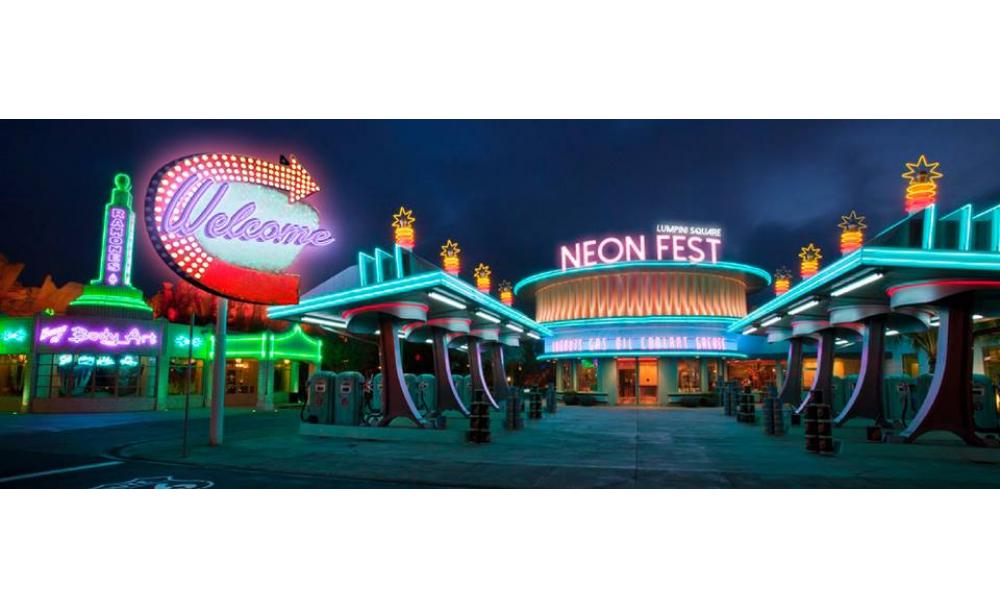
    Eating, drinking and shopping along with live music – that is what to expect at Bangkok’s unofficial container festival, Neon Fest Market BKK, in the heart of the Thai capital.

    Neon Fest Bangkok 2

    With 931 booths, the new container market will feature concerts by Thai acts Lipta, Nakarin “Pang” Kingsak, Singto Namchok and Tattoo Colour, as well as surprise events.

    Neon Fest Bangkok 1


    Covering more than 9000 sqm of the Lumpini area, the neon-lit flea market will be open Thursdays to Sundays from February 11 until July 1. It includes food trucks as well as fashion and craft stalls.

    Next to MRT Lumpini station, the Bangkok event will be in Lumpini Square, which previously housed the Suan-Lum Night Bazaar. Entry is free.

    Neon Fest Bangkok copy

  • 50 year Valentine’s Day pledge

    50 year Valentine’s Day pledge

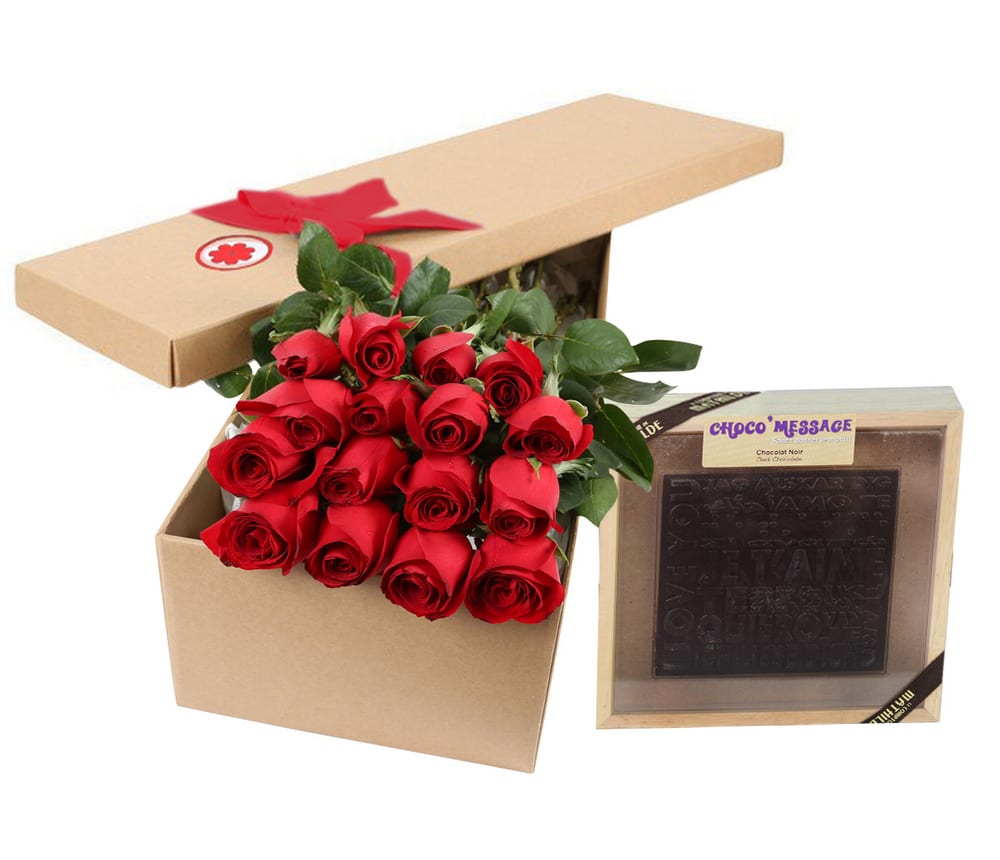
    In a bizarre retail initiative, Gift Flowers Hong Kong is willing to plan the next 50 Valentine’s Days in advance for everyone.

    The Hong Kong online florist says it will deliver roses to their loved ones “for the rest of their lives, even when they are not around”.

    “Each year, they will receive roses ordered from deceased loved ones. It will serve as a reminder of the love that has not died, even after all this time has passed.”

    The service comes at a price – all paid in advance, of course: Ranging between $10,000 (for a single rose each year) and $100,000 (for a dozen).

    Gift Flowers HK describes the initiative as a first for Hong Kong, saying it gives peace of mind to customers who want to ensure their loved ones receive flowers each year for the rest of their lives.

    “Just like the movie ‘P.S. I Love You’, romantics will be able to send personalised messages to their lovers for ‘almost’ forever,” the company explains.

    “True romantics will find comfort in Gift Flowers HK’s new service. Even for those who cannot spend Valentine’s Day with their significant other, Gift Flowers HK will allow those romantics to make an impression that shows the absent be present in spirit.

  • Masan Group solidifies strategic partnership with Singha

    Masan Group solidifies strategic partnership with Singha

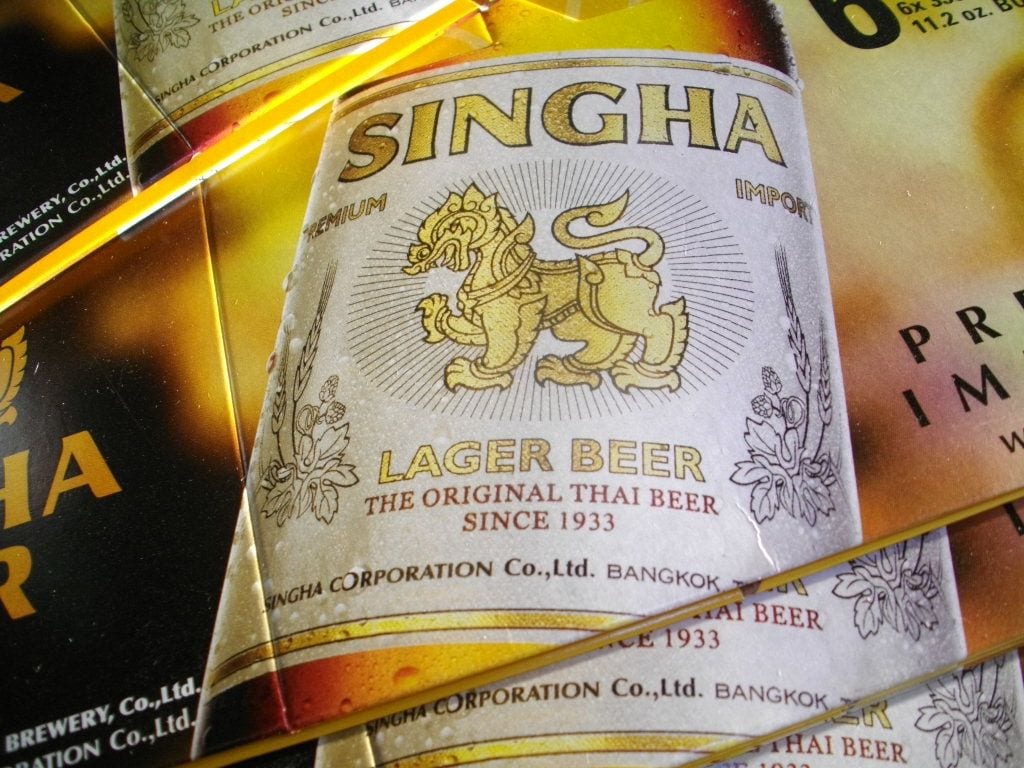
    Masan Group Corporation closed the first round of funding of its strategic partnership with Singha Asia Holding last month.

    Singha contributed US$650 million (Bt23.2 billion), comprising $50 million for a 33.3-per-cent equity interest in Masan Brewery and $600 million for a 14.3-per-cent equity interest in Masan Consumer Holdings.

    Proceeds of the $600-million into Masan Consumer Holdings facilitated the purchase of additional shares in Masan Consumer, the non-alcoholic branded food and beverage platform of Masan.

    As a result, Masan Consumer Holdings’ direct ownership in Masan Consumer increased from 77.8 per cent to 96.7 per cent.

    The first closing is a strong validation of Masan’s strategic value, platform and growth potential as the company further develops its business not only in Vietnam but inland Asean alongside Singha.

    Closing of the remaining $450-million increase in Singha’s equity interests in Masan Consumer Holdings to 25 per cent is subject to customary regulatory and corporate approvals. 

  • Ministry of Industry Reluctant to Monitor Ford

    Ministry of Industry Reluctant to Monitor Ford

    I Gusti Putu Surya Wirawan, Director General of Metal, Machinery and Means of Transportation Industry (under Ministry of Industry) said that the Ministry is reluctant to monitor PT Ford Motor Indonesia after its exit from Indonesia. “Ford is not an industry. We are not obliged to monitor them,” said Putu at Bunga Rampai Restaurant, Tuesday, February 2, 2016.

    According to Putu, the Ministry of Trade is the one responsible for monitoring Ford’s operation as it was only operated in selling. When asked about a consumer’s lawsuit against Ford, Putu said that the Ministry has yet to receive the letter.

    “Consumers may file lawsuit to (Ministry) of Trade. It’s in the Consumer Protection Law,” said Putu.

    Putu said that Ford is allowed to sell their products in Indonesia even without industry. According to her, Ferrari and Lamborgini has been operating that way in Indonesia.

    Putu underlined that Ford is entitled to exit Indonesian market. “Ford is free to sell their products. There is no pressure. If the operation is not profitable, it (Ford) will no longer operate here.”

    The decision of Ford Motor Indonesia (FMI) to leave Indonesia dissapoints consumers. One of them is David Tobing. He has officially filed a lawsuit against Ford Motor Indonesia (FMI) to the South Jakarta District Court. Ford is deemed to have violated Article 7 paragraph b of the Consumer Protection Law which states that businesses must provide true, clear and honest information regarding the state of their products as well as to provide explanation on its usage, repair and maintenance.

  • Pranda Group expands in Vietnam and Indonesia

    Pranda Group expands in Vietnam and Indonesia

    Reporting from Pranda Group, the progress of its retail business expansion throughout the year 2015 in Vietnam and Indonesia; the country members of AEC has strengthened PRIMA GOLD brand by creating impressive experience to the target customers such as product perception, marketing activities, brand reinforcement, etc. Particularly in Vietnam, the marketing activities using brand ambassador made the output in Vietnam meet the company’s target. Moreover, Pranda Vietnam Retail recently increased new branches “Lotte Center” and “Vincom Center Nguyen Chi Thanh” in Hanoy to support the needs of consumers as well as extended distribution channels especially in the economic center of Vietnam. Presently, there are 8 branches located in the shopping malls of economic cities covering 5 branches in Ho Chi Minh and 3 branches in Hanoy.

    In 2016, the Company plans to expand one more branch at Saigon Center Department Store in Ho Chi Minh City, as  new Department Style of Viet Nam that the mix between the Plaza and Takashimaya from Japan. Over 57 square mates, Prima Gold sets a goal to make the Flagship store to create brand experiences and support to consumer needs.

    For the retail business in Vietnam where the rate of economic growth is attractive among AEC, Pranda Marketing Indonesia plan to increase channel and to expand its retail business in various brands. Recently, a new branch managed by Central Thailand in cooperation with PT Grand Indonesia was officially opened in Central Grand Indonesia. Pranda Marketing Indonesia aims to push forward PRIMA GOLD and Julia Brand to support consumers’ needs which have increasingly purchasing power. Currently, PRIMA GOLD has 3 branches, Julia 19 branches, and Lovelinks 8 branches. By the year 2016, the Company plan to expand 4 more PRIMA GOLD branches and 20 more Julia branches in order to accommodate a growing customer base and future growth.

    Pranda Group plan to expand in Asian jewelry market for leading to AEC 2016. The company is clearly to aim and extend to the retail network of Asian Economic Community or AEC. That integrates market to be a center of the region. Certainly, it will have a population more than 600 million people in this market. Pranda Group has consider in this market that sufficient to forward product, service, labor and open free market investment in this year. This is a chance to push forward ours brand to be recognized and opportunity to build our retail marketing channel to grow up.