Author: Mei Ling Tan

  • Korean, Singaporean investors also want to buy Big C Vietnam

    Korean, Singaporean investors also want to buy Big C Vietnam

    The analysts said that the auction is a unique opportunity for foreign corporations to pour capital into the two retail markets of the highest profit in Southeast Asia.

    Both the two new potential investors are appreciated for financial strength. Dairy Farm Group is the 2nd largest retailer in Singapore and Hong Kong, which owns a series brands like 7-Eleven, Cold Storage, Guardian, Wellcome Giant, Hero … Its revenue in 2014 is about $13 billion.

    Meanwhile, Lotte Shopping is Korea’s largest mall chain with turnover of $23 billion and $509 million of profit in 2014.

    Another source said that Japanese retail group Aeon Co Ltd is also considering to join the race.

    Earlier, the two retail giants of Thailand – Berli Jucker and Central Group – said they wanted to buy the property.

    Central Group, the largest retailer of Thailand, owned by billionaire Tos Chirathivat is said to have upper advantage because it holds a 25% stake of Big C Thailand.

    This group wants to buy an additional 58.6% of shares, equivalent to $3.1 billion. In addition, Central Group also expects to pay from $800 million to $1 billion to own the whole Big C Vietnam system.

  • Fitch Thailands Liberalisation of NGV Price Positive for Industry

    Fitch Thailands Liberalisation of NGV Price Positive for Industry

    Thailand’s plan to remove the cap on the retail price of natural gas for vehicles (NGV) is positive for Thailand’s oil and gas sector. Prices of all types of fuel in Thailand will reflect actual costs once the latest NGV reforms are effective, after liquefied petroleum gas (LPG) price reforms were implemented in February 2015 and an NGV price hike was imposed in 4Q14.

    The further reduction of losses from NGV sales, as a consequence of the latest reforms, is positive for PTT Public Company Limited’s (PTT, BBB+/AAA(tha)/Stable) cash generation. PTT’s profits have been significantly reduced by the weaknesses in its core upstream division amid low oil prices.

    Thailand’s Energy Policy Administrative Committee has said that the NGV retail prices will be liberalised in 2016. The NGV price will be set based on the natural gas cost in Thailand (pool gas price). Prices will be updated on a monthly basis. However, the NGV retail price will be capped at THB13.5 per kilogram (kg) from 21 January to 15 July 2016, after which the cap will be lifted. The NGV price for public vehicles, which account for only around 25% of total NGV volume consumed in Thailand, will continue to remain unchanged at THB10 per kg. However, the government is in the process of reviewing the law to let the country’s Oil Fund subsidise this cap on the NGV price for public vehicles.

    PTT incurred heavy losses in its NGV business in 2011-2014. The company reported negative EBITDA of THB20.0bn in 2014 (compared with total consolidated EBITDA of THB251.0bn for the year) and THB8.3bn in 9M15. The smaller EBITDA loss in 9M15 was due mainly to the increase in the NGV retail price in 4Q14. We expect the losses to narrow substantially in 2016.

    Demand for NGV in Thailand has been historically distorted by the regulated pricing – particularly during periods of high oil prices, due to its low fixed retail price, resulting in large losses for operators like PTT. Demand for NGV increased substantially during 2011-2013, but growth moderated to 3% in 2014 when the NGV retail price was increased. The increase in NGV retail price plus the lower refined oil prices have sapped demand for NGV in 2015. NGV consumption for 9M15 decreased by about 2% yoy, while consumption of gasoline and diesel increased by 13% yoy and 3% yoy, respectively. A similar trend was observed for LPG after prices were reformed in the beginning of 2015. LPG consumption for 9M15 dropped by 12% yoy.


  • KFC wins China payout over mutant chicken rumours

    KFC wins China payout over mutant chicken rumours

    A Shanghai court has fined three local tech firms for helping spread rumours about Yum Brands Inc’s KFC fast food chain that included doctored photos of deformed chickens and allegations the birds had six wings and eight legs.

    In a statement on its official microblog, the Xuhui District People’s Court said Yingchenanzhi Success and Culture Communication, Taiyuan Zero Point Technology and Shanxi Weilukuang Technology had “damaged KFC’s reputation” and “caused it economic losses” by permitting the allegations to be posted on their social messaging accounts.

    The companies were ordered to make an official apology and fined a combined 600,000 yuan ($91,191), an amount that fell far short of the 1.5 million yuan ($227,977) Yum had asked each company to pay in damages.

    “We brought suit against these individuals for making false statements about the quality of our food and we are pleased with the outcome,” China-based Yum spokeswoman Cindy Wei said in emailed comments sent to Reuters.

    Reuters was unable to find contact numbers or websites for the three companies fined by the court.

    Yum is battling to turn around its fortunes in China, its largest market, where its sales have taken a serious hit after a series of food safety scares since the end of 2012. The firm is planning to spin off its China unit by the end of this year.

    KFC China brought the suit against the firms in June last year for using ten accounts on Tencent Holdings Ltd’s popular messaging platform WeChat to spread the defamatory posts.

    Food safety is a major concern in China, with frequent scandals ranging from recycled “gutter oil” and years-old “zombie meat”, to dairy laced with industrial chemicals.

    A food scandal in 2014 that dented Yum and rival McDonald’s Corp came to a close earlier this week when a Chinese court fined US food supplier OSI Group and handed jail terms to ten of its executives over allegations it had reused returned food products to avoid losses.

  • Hong Kong sees worst retail sales since 2003

    Hong Kong sees worst retail sales since 2003

    Retail sales fell 3.7 percent in value last year, the biggest decline since the SARS outbreak in 2003, Hong Kong Retail Management Association chairman Thomson Cheng said.

    Cheng also said the value of retail sales this year is forecast to fall by at least 3 percent, the Hong Kong Economic Journal reported on Wednesday.

    Last year’s figure was further dragged down by the abnormally warm weather in December when sales slipped back to the level four years ago, Cheng said.

    Sales in 2015 reached HK$475.2 billion, with the figure for December down 8.5 percent year on year to HK$43.7 billion, government data showed.

    For last year, sales of luxury items, including jewelry and watches, posted the biggest drop of 15.6 percent among all categories while consumer durables recorded the highest gain of 6.1 percent.

    Cheng also said Lunar New Year sales could see a high single-digit fall over a year ago.

    Nonetheless, downsizing, wage cuts and shop closures are not expected to be widespread after the holidays, he said.

  • Philosophy to work skincare miracles in Asia

    Philosophy to work skincare miracles in Asia

    Coty-owned skincare brand, Philosophy, has launched the new Ultimate Miracle Worker collection of products, which include ‘multi-rejuvenating’ day and night creams, a lightweight emulsion and an eye cream.

    The new products will hit travel retail counters in Asia Pacific in April.

    The Ultimate Miracle Worker night and eye creams are said to make the skin firmer, smoother and more radiant, with less-visible wrinkles and pores.

    The ingredients contain
    a ‘high performance’ bi-retinoid and anti-ageing active plant cells from the iris flower that is said to stimulate skin regeneration, while helping your skin rebuild its natural collagen.

    The serum is contained in “a patented ‘mix-in pearl’ delivery system that enables us to protect the active ingredient until first use for maximum skin performance,” says Coty.

    The nourishing creams ‘high performance’ bi-retinoid boasts release technology helping deliver active and stable retinol directly to skin cells.
    For enhanced nighttime repair the Ultimate Miracle Worker Night product contains a 2x more concentrated dose of active plant cell then our Ultimate Miracle Worker products for daytime use.

    Muriel Pujos, head of scientific communication at philosophy comments: “80% of the signs of ageing can be attributed to the environment, particularly the sun.

    “The sun’s spectrum is a continuum of UV rays, visible light and infrared rays, and our exclusive technology is the ideal way to protect against this light spectrum, while activating the skin-rejuvenation process for the appearance of younger-looking skin. Now skin can repair itself better.”


  • Lotte founder appears in court to prove his health

    Lotte founder appears in court to prove his health

    The 93-year-old founder of South Korean retail giant Lotte Group walked into a court hearing on Wednesday to prove that he still remains healthy, which has emerged as a critical factor in the bitter family feud between his two sons.

    Shin Kyuk-ho appeared at the Seoul Family Court after his younger sister claimed her aging brother is no longer capable of making consistent decisions, requesting the court to pick her as his legal guardian.

    The gaunt tycoon claimed his mental competency is the same as in his 50s during an hour-long hearing and exited the court in a wheelchair, his lawyer told reporters, without elaborating on details.

    Shin Kyuk-ho, a 93-year-old founder of South Korean retail giant Lotte Group, enters a Seoul court on Feb. 3, 2015, for a hearing on his legal guardian. (Yonhap)

    Shin Kyuk-ho, a 93-year-old founder of South Korean retail giant Lotte Group, enters a Seoul court on Feb. 3, 2015, for a hearing on his legal guardian. (Yonhap)

    His lawyer said Shin will go through physical check-ups and ask for the court’s decision on whether he needs a legal guardian.

    After a months-long succession feud, Shin’s second son, Dong-bin, took control of the nation’s fifth-largest conglomerate last year. His older brother, Dong-joo, was stripped from the company’s senior posts, but he has claimed that his father chose himself as the legitimate successor for the group.

    Dong-bin has claimed that his father is unable to make reasonable judgments due to mental health problems.

    The founder and his family members have come under fire for exerting uncontrolled power over the business empire with a meager stake, tarnishing the corporate image with the nasty succession fight.

    South Korea’s antitrust watchdog said Monday that the founder and immediate family members of Lotte Group own just 2.4 percent of a stake in the businesses they run, which include food, leisure, construction and chemical businesses.

    The group initially began as a small confectionery business in Japan before it built up operations in South Korea. At present, the bulk of the group’s business comes from South Korea, with Shin and key family members all holding South Korean citizenship.

  • Lawsgroup’s journey from Hong Kong to Myanmar

    Lawsgroup’s journey from Hong Kong to Myanmar

    ‘I run the business just like a hobby’: says Bosco Law, Lawsgroup chief executive. Before his death in 1996, the Hong Kong textile tycoon Law Ting-pong handwrote a letter of wishes in which he expressed the hope that “those who are careful at the beginning would also be careful to the end”.

    Unfortunately, the lack of careful wording in the informal will sparked a court battle between his six children over his HK$1bn estate that dragged on until 2011.

    Now, with the row settled, his 37-year-old grandson Bosco Law is trying to live out the exhortation to cautious living in his role as chief executive of Lawsgroup, the family’s mini-conglomerate, which spans clothes manufacturing, retail and property.

    'I run the business just like a hobby': Bosco Law, Lawsgroup CEO

    “My grandfather had a saying that we should be very conservative but also aggressive,” says Mr Law, speaking at the company’s headquarters in a busy commercial area of the Kowloon district in Hong Kong.

    He explains the apparent conflict: the phrase means eschewing complicated financial products such as currency derivatives but taking an adventurous approach to expanding the core business of sewing T-shirts and knitting sweatshirts for retail customers including Gap, JC Penney and Uniqlo. “The manufacturing environment is ever changing so you always have to have a changing mindset to survive,” he says.

    He declines to release any figures indicating the size of the company but as evidence of its ambitions, cites its recent expansion into Myanmar, which has attracted much attention but where few investors are willing to take the plunge.

    Always searching for cheaper labour, Lawsgroup opened its first factory there last year and employs more than 2,000 people making T-shirts two hours’ drive north of Yangon, the commercial capital. “Opening a new factory is always tough,” says Mr Law. “Everything is new in Myanmar. Even if you talk to the [government’s] commerce department, they don’t really know the policy . . .  everything is a guess, everything is grey.”

    Politics is a further uncertainty, with talks about forming a new government taking place between opposition leader Aung San Suu Kyi and the ruling military after her party won November’s election. “Who knows what will happen? But still, if we have a 70 per cent chance [of success] we will go for it.”

    While the business is much smaller than the conglomerates built by Hong Kong tycoons such as Li Ka-shing and Lee Shau-kee, Lawsgroup’s combination of entrepreneurial endeavour and conservatism is typical of the approach that built the city’s dominant family businesses. Many started with humdrum businesses such as small-scale factories or retail stores before parlaying profits and connections into diversified business empires.

    You can make decisions faster and you can follow your will and passion, but you have to take full responsibility because it’s also your money

    Lawsgroup, which employs about 20,000 people in Bangladesh, China, Hong Kong, Myanmar and Vietnam, was founded as a textile manufacturer by Law Ting-pong in 1975 in the heyday of the “made in Hong Kong” boom. Like other Hong Kong clothes makers, it soon moved into the mainland to take advantage of low wages, a huge workforce and the opening-up of China from the late 1970s.

    Its expansion there took off only after 2005, when quotas on imported textiles in Canada, the EU and the US finally ended. That year, Mr Law joined the family business after studying architecture in Toronto and working for an architects’ firm and a bank.

    Lawsgroup was listed in Hong Kong in 1987 and a separate property and retail arm spun off into their own listings before the main holding group was taken private in 1998.

    Mr Law, who describes his management style as “firefighting” when necessary, rather than micromanaging, says his main interest is fashion. That much is clear from his quirky outfit of flowery sneakers, grey trousers and a green blazer with a robot-shaped brooch.

    A laid-back figure who rarely gives interviews, Mr Law insists he was not parachuted into his job by dint of some family succession plan but he notes that running a family-owned company has advantages.

    “You can make your decisions faster and you can follow your will and passion, but you have to take full responsibility because it’s also your money.” Yet, pushed on whether he feels pressure to maintain and enhance a rich legacy, as in many Chinese family-owned companies, he brushes off the question. “I run the business just like a hobby,” he says. “I’m pushing my vision and I like doing branding and marketing.”

    Perhaps he does not feel the weight of family expectations so heavily because his father’s siblings run their own businesses, from Crystal Group, a leading clothing manufacturer, to the Park Hotel group and Bossini, the low-cost clothing retailer that made his grandfather famous in Hong Kong.

    Mr Law’s focus is on managing Lawsgroup’s moves into new markets. With factory workers in the manufacturing heartland of Guangdong taking home more than $500 a month, Lawsgroup is expanding in countries where wages are less than half the cost, such as Myanmar, Vietnam and Bangladesh.

    Mr Law’s responses are sometimes so relaxed it is hard to tell if he is blasé, unflappable or evasive

    The death of basic manufacturing in China has long been prophesied, but Mr Law believes big producers will keep a presence there because of the scale and infrastructure advantages, as well as technical expertise.

    “Most of our research and development is in China, where we do our industrial engineering and have developed our own IT system for quality control,” he says. “We do our factory line planning and training videos in China and then have the whole package sent overseas for them to follow.”

    Mr Law’s responses are sometimes so relaxed it is hard to tell if he is blasé, unflappable or evasive.

    Asked if he worries about his safety after his cousin Queenie Law was kidnapped for ransom last year, he says “it’s just a single case”. Is he concerned about the disappearance of five Hong Kong booksellers whose store sold works critical of China’s top leaders? “It’s just a single case”.

    Like most Hong Kong businessmen with interests in mainland China, he is reluctant to be drawn into discussions about politics but his attitude might also point to a deeper self-confidence. Free from the vicissitudes and pressures of equity markets, conservative family companies such as his find it easier to endure difficult times.

    On the day of the interview, Chinese stock and currency markets were again ridden with turbulence, and global investors were jittery about the prospects for the world’s second-biggest economy. Unlike some other manufacturers, Lawsgroup has not taken out hedges against renminbi volatility but Mr Law prefers to concentrate on the fundamental business.

    “We’ve been doing this for 40 years. It’s a downtrend right now so we have to buckle up. I’m still confident about Hong Kong and China in the long term.”

  • Moody’s continues to review for downgrade ratings of Standard Chartered Bank Korea

    Moody’s continues to review for downgrade ratings of Standard Chartered Bank Korea

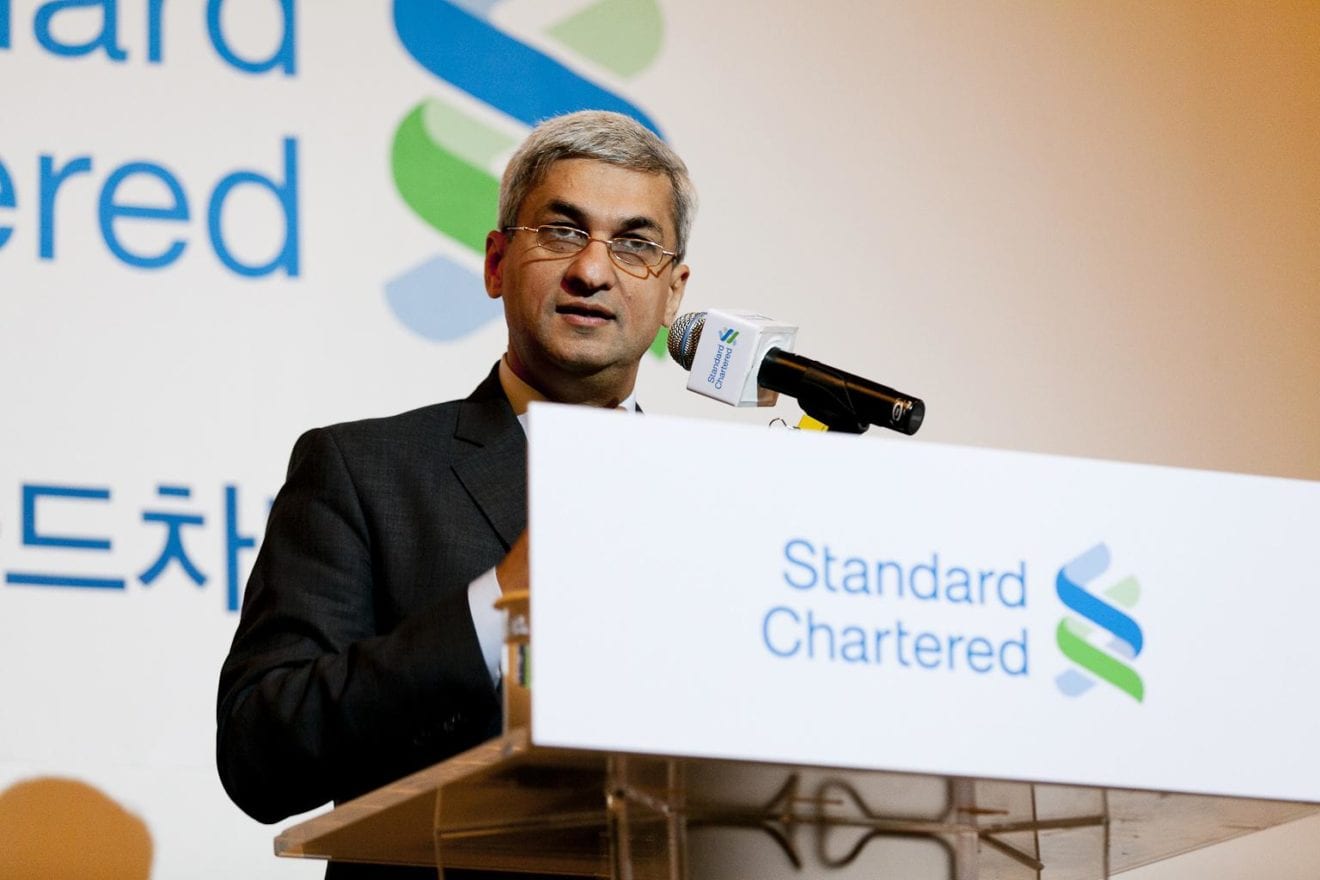
    Moody’s expects to conclude the review in March 2016, after incorporating SCB’s efforts to turn around SCBK’s performance, as well as the detailed results of SCBK’s parent, Standard Chartered Bank’s (SCB, FC deposits Aa2 rating under review for downgrade, BCA a2 rating under review for downgrade) performance for 2015.

    These results will be available in late February.

    Moody’s had originally placed the long-term ratings of SCBK on review on 9 November 2015. Please refer to “Moody’s reviews for downgrade Standard Chartered Bank Korea’s ratings” published on 9 November 2015.

    Moody’s notes that SCB is restructuring its poorly performing Korean retail and commercial banking businesses, introducing some uncertainty as to the future of SCBK’s operations.

    The ratings review of SCBK will consider whether: (1) these initiatives have the potential to change SCBK’s stand-alone credit profile, as expressed by its BCA; and/or (2) to change the strategic importance of SCBK to SCB and therefore potentially to affect the strength of support from SCB.

    The following ratings are on review for downgrade:

    – Local- and foreign-currency long-term deposit ratings of A1

    – Foreign currency senior unsecured MTN rating of (P)A1

    – Local- and foreign-currency short-term deposit ratings of P-1

    – Foreign currency commercial paper and other short-term ratings of P-1/(P)P-1

    – Long-term and short-term counterparty risk assessment of A1(cr) and P-1(cr)

    – BCA of baa2, and adjusted BCA of a3

    The principal methodology used in these ratings/analysis was Banks published in January 2016. Please see the Ratings Methodologies page on www.moodys.com for a copy of this methodology.

    SCBK is headquartered in Seoul, with total assets of KRW61.7 trillion or USD54 billion as of June 2015.

  • Tanjong Pagar Centre — GuocoLand’s crowning glory

    Tanjong Pagar Centre — GuocoLand’s crowning glory

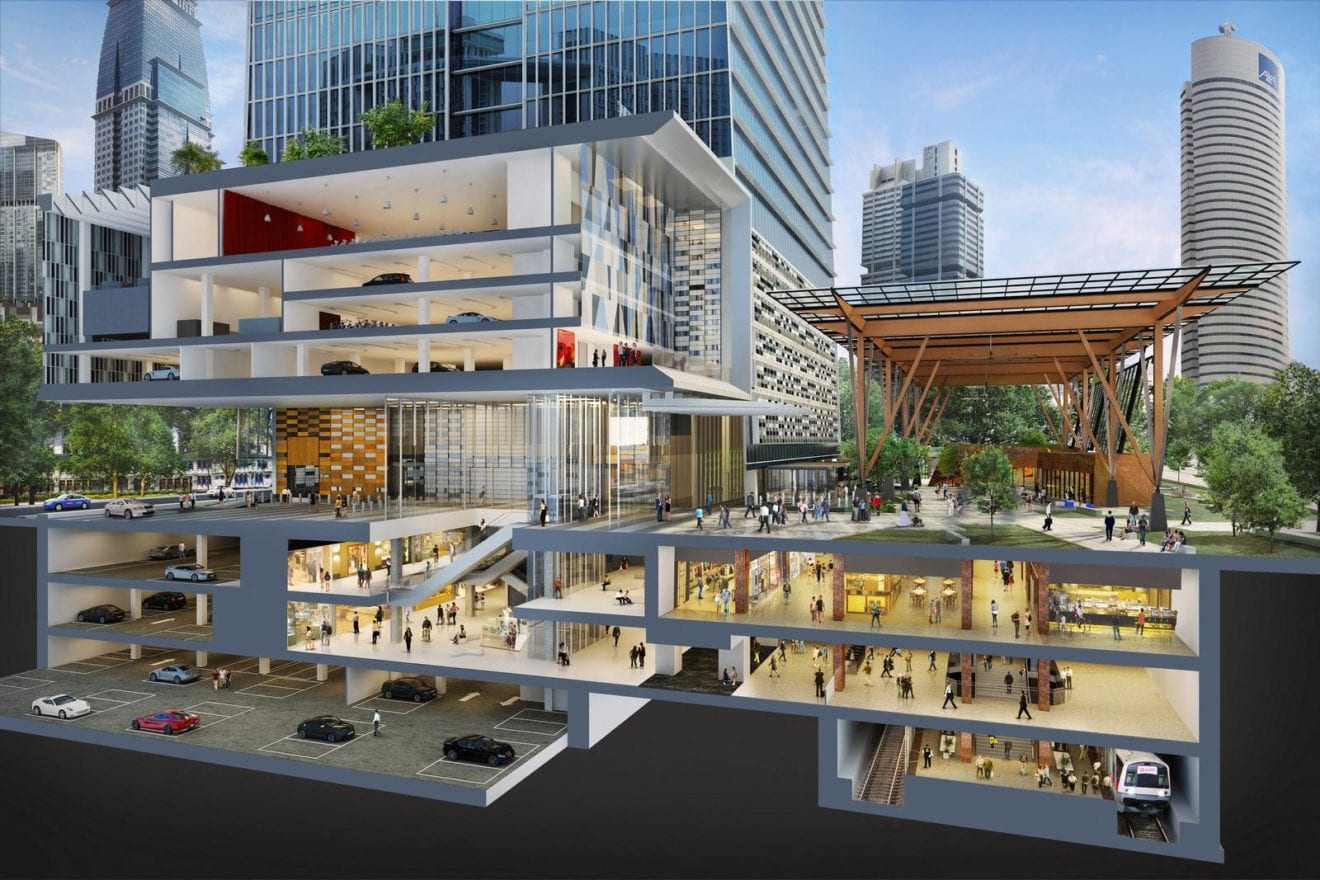
    GuocoLand held the topping-out ceremony of its $3.2 billion Tanjong Pagar Centre on Jan 13. Standing at 290m, it is Singapore’s tallest tower and the latest landmark at Tanjong Pagar.

    The mixed-use scheme will have a total of 1.7 million sq ft when completed and will be integrated with the Tanjong Pagar MRT interchange station. The development will have 890,000 sq ft of office space (Guoco Tower); 100,000 sq ft of retail space; 181 luxury apartments — Wallich Resi dence; the 222-room Sofitel Singapore City Centre; and a 150,000 sq ft landscaped urban park.

    Malaysia’s Employees Provident Fund took a 20% stake in Tanjong Pagar Centre five years ago. Shahril Ridza Ridzuan, CEO of EPF, attended the ceremony, along with Singapore’s Minister for National Development Lawrence Wong.

    The giant mixed-use scheme will be completed in phases. The office and retail components are expected to be completed in 2H2016, followed by the hotel, which is scheduled to open towards year-end. The residential block will be the last phase to be completed.

    Slow take-up of office space
    According to GuocoLand, tenants that have signed up for office space at Tanjong Pagar Centre include DNB Asia (subsidiary of Norway’s largest financial services group DNB Bank ASA), Hong Leong Bank, GuocoLand Group, trading and risk management solutions provider Open Link and serviced office provider Regus, resulting in a take-up rate of 10%.

    “The days of a mega tenant taking up 50% to 70% in a building are gone,” says Cheng Hsing Yao, managing director of GuocoLand (Singapore). In the current economic climate, office landlords prefer to have a diversified tenant base. The office space at Guoco Tower is seeing interest from occupiers looking at half a floor to two whole floors. Such tenants are more likely to commit closer to completion, he adds. Guoco Tower’s premium office floor plates measure 27,000 to 30,000 sq ft.

    “A 10% office space pre-commitment six months before TOP is quite normal,” says Chris Fossick, JLL’s managing director for Singapore and Southeast Asia. Serious discussions are underway for another 40% of the space.

    By contrast, the retail space at Tanjong Pagar Centre has achieved a 60% pre-commitment level. Fitness club Virgin Active is the anchor tenant and will take up 31,000 sq ft (31%) of the retail space.

    Rebranding of hotel, residences

    The hotel and residences at Tanjong Pagar Centre were previously branded Clermont, an extension of The Clermont Club, a members-only casino in Mayfair, London. The club is owned and operated by Clermont Leisure (UK) Ltd, a wholly-owned subsidiary of GuocoLeisure, a sister company of GuocoLand.

    The rebranding of the hotel to Sofitel and the residences to Wallich Residence took place last November. “Both companies [GuocoLand and Guoco- Leisure] felt that it may be too early to bring the Clermont brand to Asia,” explains Cheng. “We wanted a strong hotel group with a strong international network.” That led to its appointment of AccorGroup as the hotel management company and the re-branding of the hotel to Sofitel a week ago.

    The residential component was renamed Wallich Residence, as it sits on Wallich Street. This is in line with GuocoLand’s approach to turn its luxury residences into place makers — for instance Goodwood Residence on Bukit Timah Road, which overlooks Goodwood Hill, and Leedon Residence on Leedon Heights.

    So far, 16 of 54 units released at Wallich Residence have been sold at an average of $3,100 psf. The units are a mix of one- to four-bedroom apartments measuring 614 to 2,034 sq ft. The residential block takes up the 39th to 64th floors, and is crowned by a triplex super penthouse of 21,108 sq ft. GuocoLand’s Cheng says the price of the super penthouse has yet to be finalised. Two years ago, it was tagged at $30 million.

    GuocoLand will launch the residences closer to completion so that potential buyers can appreciate the quality of the final product, says Cheng. “We saw that happen with Goodwood Residence and Leedon Residence.” Both Goodwood Residence and Leedon Residence were launched when they were completed and they emerged the best-selling high-end condos in 2014 and 2015 respectively. Cheng is confident that Wallich Residence will draw a similar response upon completion.

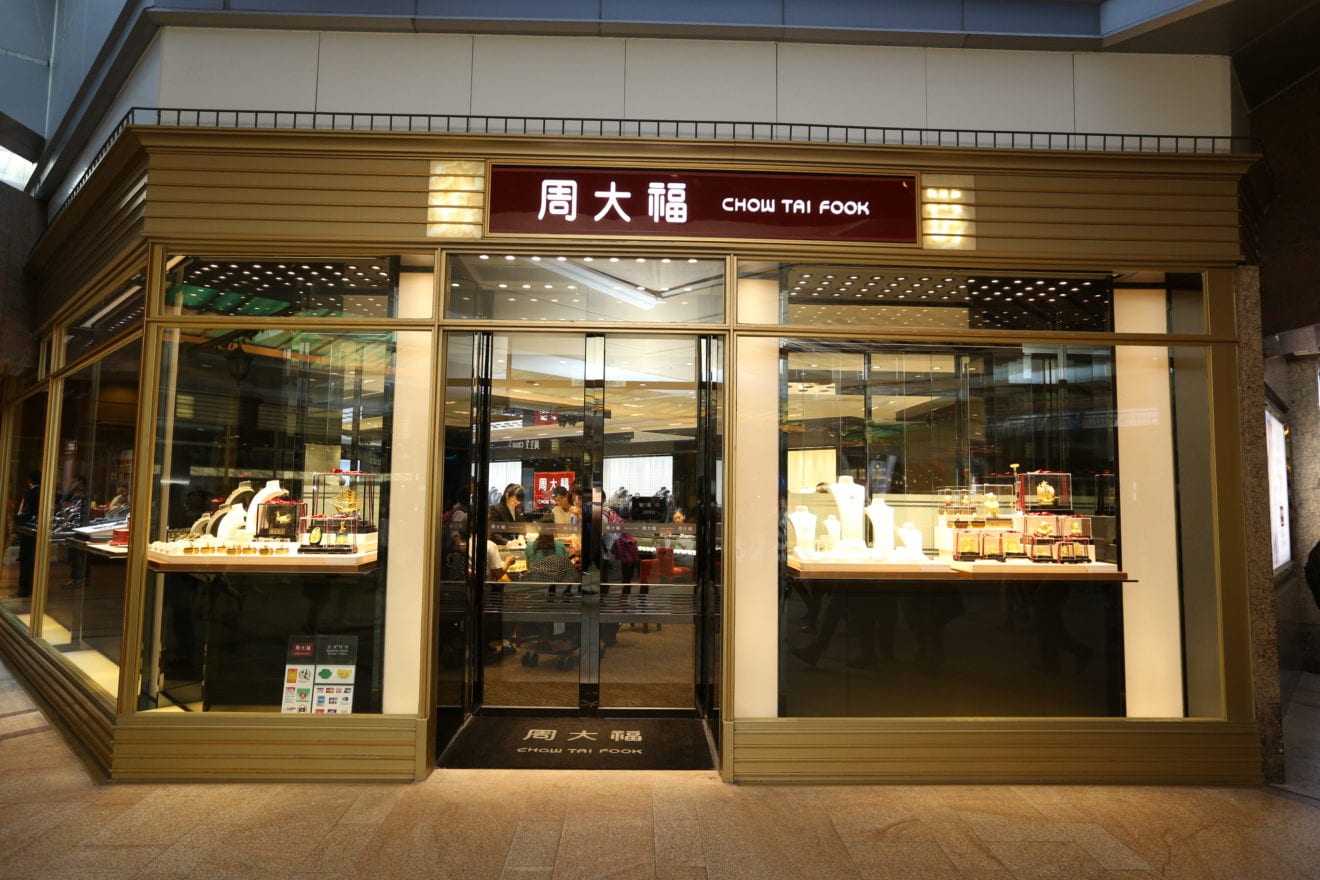
  • Chow Tai Fook invited to open second shopping mall in Shanghai Free Trade Zone

    Chow Tai Fook invited to open second shopping mall in Shanghai Free Trade Zone

    Two months after jeweller Chow Tai Fook set up its first shopping mall selling Hong Kong products in the Qianhai free-trade zone, it was offered opportunities by several mainland cities, including Shanghai, inviting it to build such malls in their free-trade zones, a senior management official at the company said.

    Chan Sai-Cheong, Executive Director of Chow Tai Fook and who overlooks the company’s mainland operation, told the Post in a phone interview that “ [officials of] several free-trade zones of mainland cities have approached us, asking us to open a shopping mall there.”

    This fulfilled the wish made by Adrian Cheng Chi-Kong, the third-generation heir of billionaire Cheng Yu-tung’s family, at the opening ceremony of its Qianhai shopping mall – HOKO, when he said if Shanghai offered an opportunity, he will consider opening such malls in their free-trade zone.

    Unlike other traditional shopping malls, CTF’s HOKO mall provides two ways for customers to check out – the traditional “grab pay and go” model or and the online channel, under which customers order through a smartphone app and have the goods delivered to their home.

    Hong Kong retailers, such as Sasa, Chow Tai Fook, ISA, G2000 are among the 21 tenants.

    Retail prices of the online channel are typically cheaper than the traditional channel, as the Chinese government only applies a special “postal tax” for imported goods brought from the so-called cross-border e-commerce channel.

    Otherwise, customers need to pay three types of taxes if they purchase imported goods from traditional channels, which are usually higher.

    Despite the olive branch extended by the mainland free-trade zones, Chan said CTF will take its time before it decides on opening a second mall in other cities.

    The business performance of its second phrase mall in Qianhai, which is set to launch before May, will be a testing ground, said Chan.

    “We won’t rush in a hurry,” Chan said, adding the company didn’t have a timetable at the current stage.

    Located in the same area in Qianhai, the second phase HOKO mall will double the size of its first one, occupying a 12,000 sq m area.

    Chan said tenants would be more diversified compared to those in phase one as restaurants, supermarkets, automobile parts, electronics and furniture stores could be expected there.

    But only 50 per cent of the spaces would be used for retail, Chan said. The other half would be reserved for projects that enhance customers’ experience.

    He emphasised that the company won’t let too many milk powder retainers in just because their sales performances were among the best in its phase one mall.

    Beside, a bauhinia garden featuring Hong Kong characteristics will be added to CTF’s Qianhai complex, outside its shopping mall, with a group of selected art pieces on display. He said the idea was initiated by Adrian Cheng Chi-Kong, who also added art pieces to Hong Kong’s K11 mall.

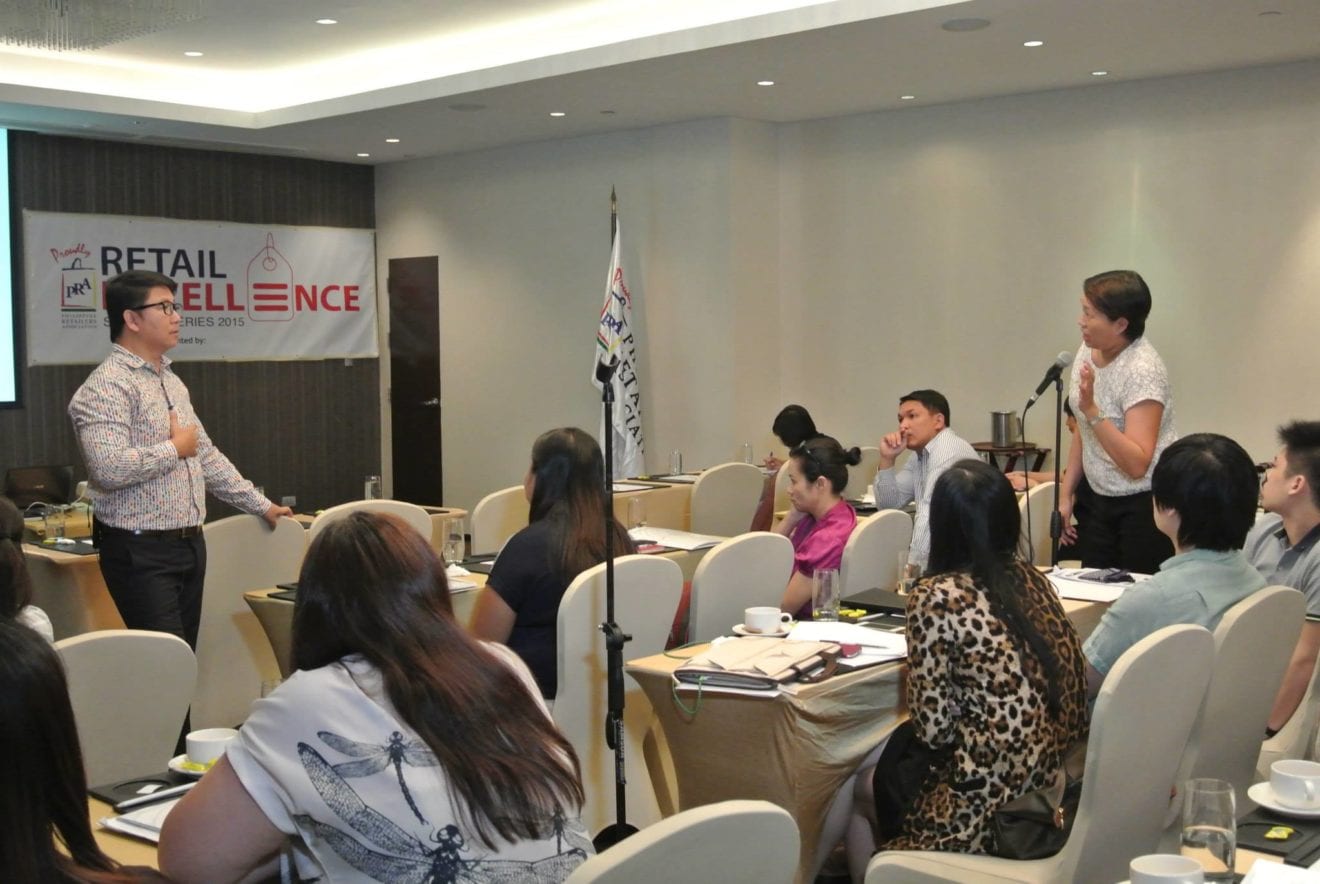
  • Philippines’s Formoso new chairman of Asia-Pacific retail organization

    Philippines’s Formoso new chairman of Asia-Pacific retail organization

    The Philippines now takes the leadership role in charting the development direction of the Federation of Asia Pacific Retailers Associations (Fapra) in the next two years with the recent assumption of the Philippine Retailers Association (PRA) President Lorenzo C. Formoso as chairman of the Fapra.

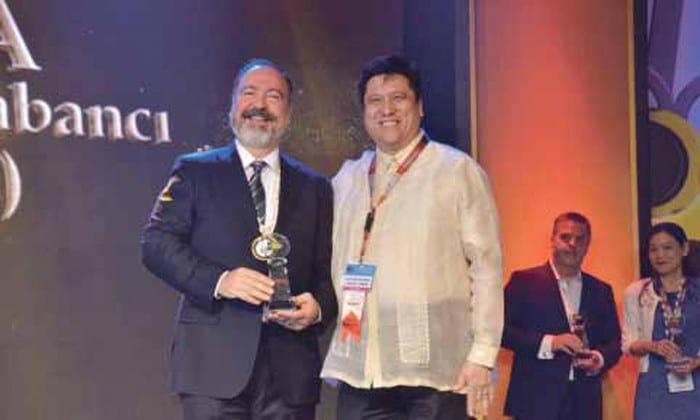
    Formoso, COO of Duty Free Philippines, has assumed the Fapra chairmanship from Mehmet T. Nane, chairman of Turkish Council of Shopping Centers and Retailers, who formally turned over the federation’s leadership to him during ceremonies at the recently concluded Asia Pacific Retailers Convention and Exhibition (APRCE) 2015 that Manila hosted last October. The APRCE is the biggest and longest-running retail industry event in the region.

    The Fapra consists of the recognized national retail trade organizations in 18 member-economies—Australia, China, Chinese Taipei, Fiji, Hong Kong, India, Indonesia, Japan, Korea, Malaysia, Mongolia, Myanmar, New Zealand, the Philippines, Singapore, Thailand, Turkey and Vietnam.

    “As a veteran in the retail industry and being the concurrent president of PRA, we are confident Formoso’s chairmanship of Fapra would be very productive. We are sure he will guide the Fapra in the same way he ably shepherded the PRA,” the PRA Board said.

    Turkey held the Fapra chairmanship for two years—from 2013, the year it hosted the APRCE, to 2015, the year the Philippines hosted it.  The chairmanship of Fapra devolves to the immediate past host of
    the APRCE.

    The Philippines chairs the Fapra until 2017.

    The Fapra was founded in 1989. It has implemented various initiatives and programs designed to develop itself and promote information exchanges and sharing experiences and concerns toward the development of the retail industry and improving the retailers’ status and the welfare of their clients in the region.

    As new Fapra chairman, Formoso now presides over the federation’s policies and programs aimed at helping promote the growth and development of retailing in the Asia- Pacific region.

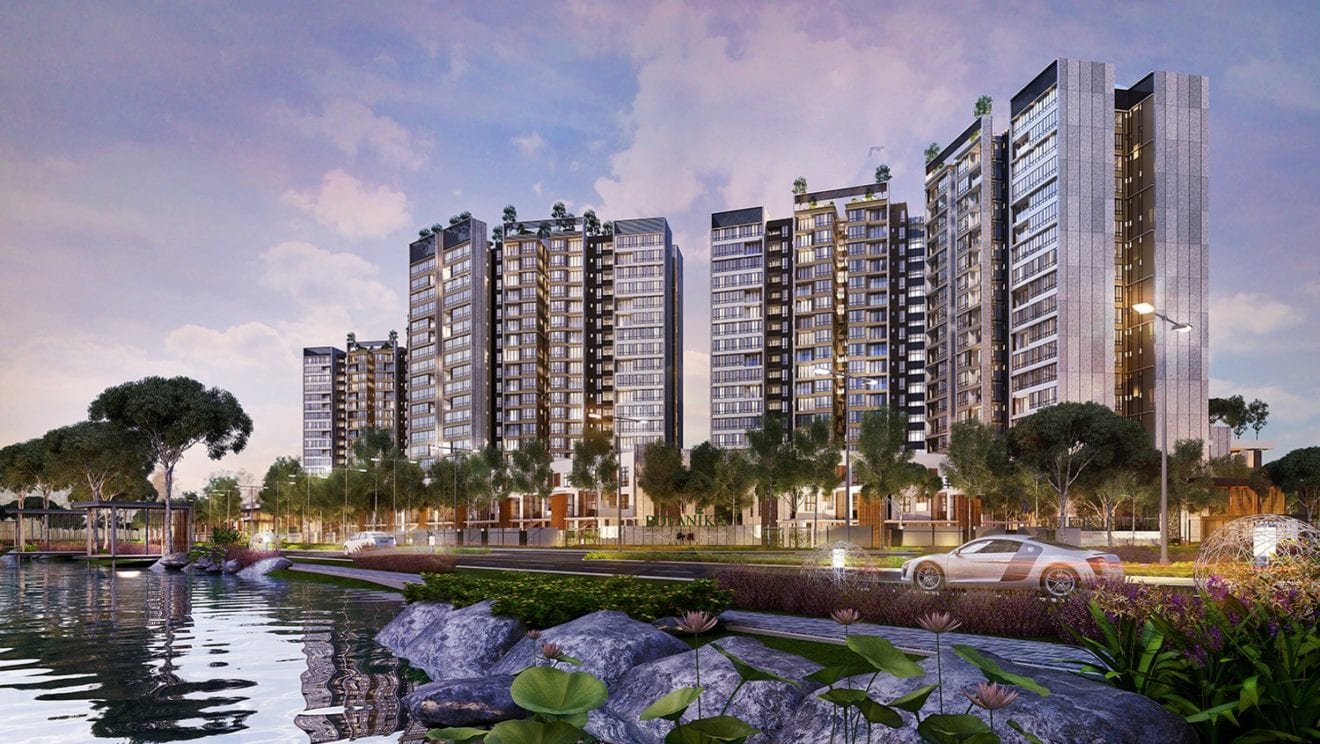
  • The Golden Rules to Buying the Best Resale Value Condo

    The Golden Rules to Buying the Best Resale Value Condo

    As you look into the condo market in Malaysia, always keep in mind that you should exercise utmost care. Remember, that although a condominium may appear aesthetically stunning and neat from the outside, some condo buildings are dens of problems arising from poor construction to mismanagement and unexpected repairs left unattended due to a lack of reserve funds. To avoid buying into such a property, here are a few golden rules if you are looking to invest in a condo as an investment vehicle or residence.

    Do Not be Rushed to Buy a Condo

    Buying on impulse is part of human nature, especially when people see something that look good. They will usually make a purchase before making a thorough inspection of the item they are buying, later to discover defects the seller was not aware of or failed to mention. Likewise, if you are an overeager condo buyer, you are likely to run into problems when you rush to complete the transaction without thoroughly examining the unit.

    People rushing to buy a condo are more likely tempted by:

    • The allure of becoming homeowners
    • Sales pitches pressure and developer promises that are too lofty
    • Not realizing that owning an apartment does have its problems
    • Not understanding what communal ownership entails

    Beware; There are Condo Bargains that Come With High Fees 

    If you find a condo unit selling at rock bottom price, but with unusually high fees, think twice before negotiations start. Some troubled condo complexes will sell their units for cheap rates due to poor construction or mismanagement, often also due to real-estate market drop. Such complexes deplete their reserve fund to cover repairs and maintenance. They will compensate for their low selling prices by charging higher than usual monthly maintenance fees.

    Avoid Low Down Payments

    To enjoy lower mortgage and associated monthly payments and enjoy greater chances of refinancing in the future, put more money in as down payment. Avoid advertisements that allow you to make down payments as low as 3 percent. Low down payments require that borrowers pay an extra fee for mortgage insurance which can add up to thousands of ringgits making the purchase that much more expensive.

    The best down payment should be of about 25 percent the value of the condo, and this will not attract private insurance fees. In addition, this will protect you from mortgage renewal should interest rates increase or your unit’s value decreases on the market. If a unit value drop during mortgage renewal, your only choice is to apply for a high-ratio mortgage using equity in your property – your initial down payment.

    No matter the size of your down payment, make sure it is not borrowed. Ideally, it should be from your savings. Borrowing cash for a down payment is risky since it create inequity in your budget and can place you in a risky position, much like those buying condos at low down payments. Remember the following:

    • If you do not have a solid down payment, do not commit to buy
    • Money should not be borrowed for down payment
    • A solid down payment should be from your savings, wait till you have enough
    • There are always great opportunities to own property at Property Guru. The longer you wait, the better you choice will be

    Verify the Physical Facts 

    Inspect your prospective condo unit carefully, especially the well-being of the complex. Each complex is different depending on its builder and developer. Construction quality also varies. Verify the reputation and experience of the complex builder. When buying into an existing property at Property Guru, find out from the residents if there have been any unexpected repair problems recently and whether they anticipate future repairs.

    Take note of utility billing. If each unit is billed separately, you will have more control over the energy you consume and monthly expenses. While some complexes are self-managed, others are run by contracted management companies. If the latter is true in your case, investigate the management company to establish their reputation.

    To conduct checks, hire a qualified home inspector and an attorney. If the complex is poorly constructed or managed, you will be glad that you spent the money.

    You have to consider all the facts carefully before you make any form of commitment in what may be the biggest investment you make. Take a deep breath, if necessary; sleep over your decision for a few days. Otherwise, you might succumb to developer or real estate broker pressure as they seek to make a sale for a commission.

    In addition, do not let others make the decision for you. Read the rules above for days and even weeks. When you adhere to them, you will develop the buying skills that will enable you make educated decisions before putting your signature to paper.

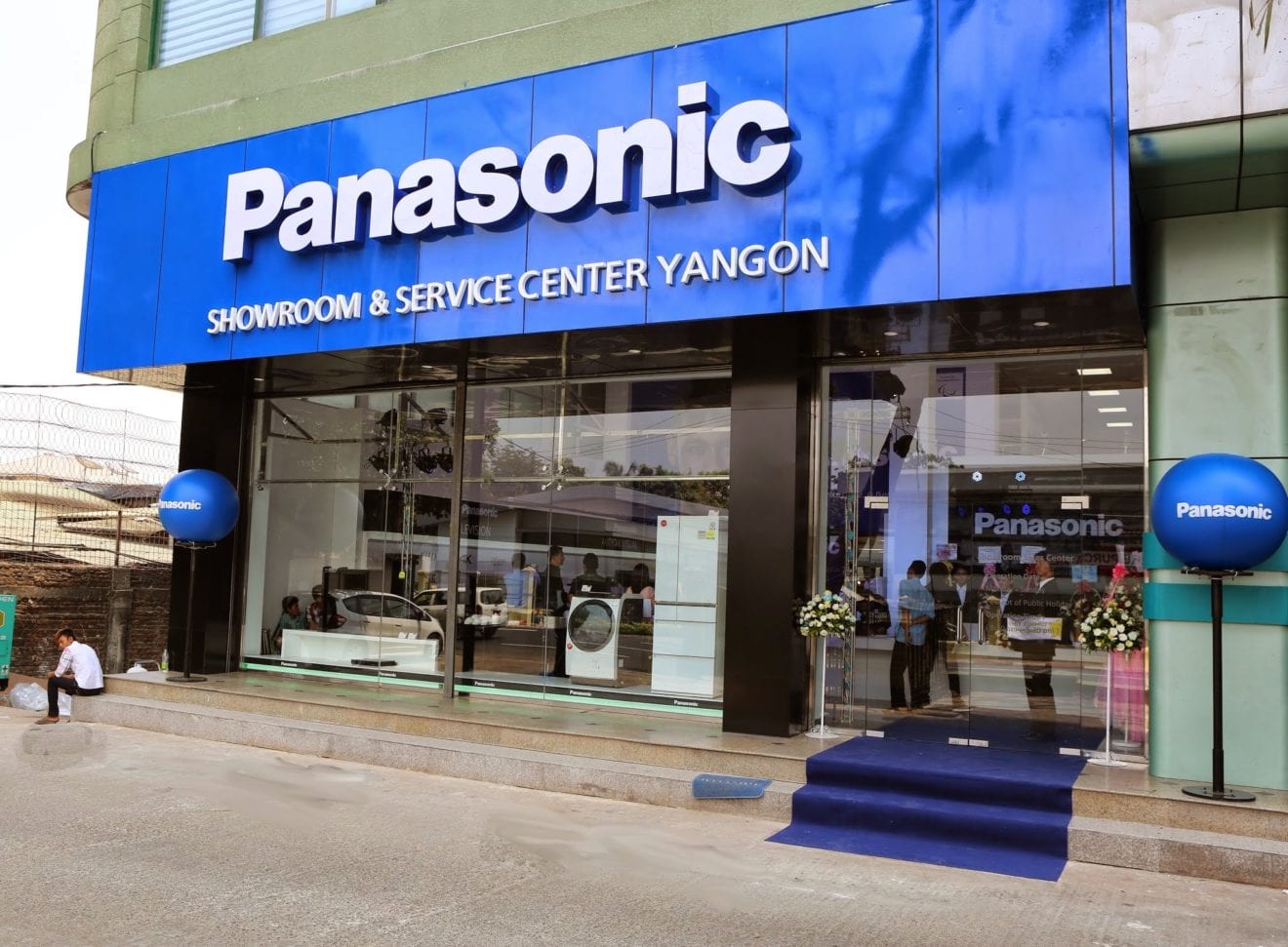
  • Panasonic cuts full-year operating profit outlook on China slowdown

    Panasonic cuts full-year operating profit outlook on China slowdown

    Japanese electronics firm Panasonic Corp cut its full-year outlook for operating profit on Wednesday due to concerns over weaker home appliances sales in China amid an economic slowdown.

    Panasonic forecast group operating profit of 410 billion yen ($3.42 billion) for the year through March, down from a previous estimate of 430 billion yen.

    Panasonic said October-December operating profit increased to 119.8 billion yen from 113.3 billion yen a year earlier. That missed an average forecast of 122.9 billion yen in a Thomson Reuters survey of six analysts.

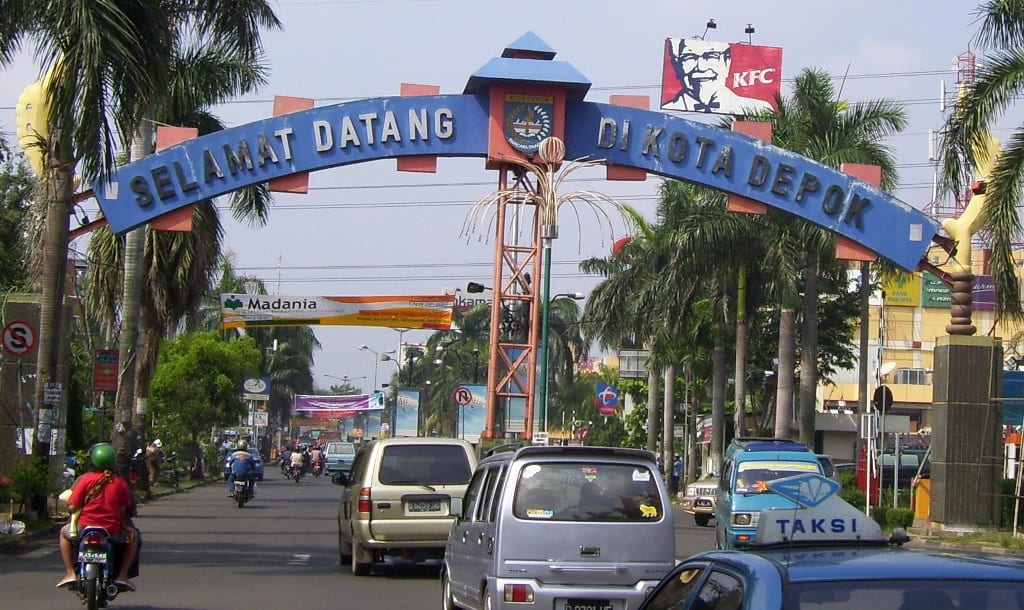
  • Selling Your Depok Home for the Best Price in a Tough Market

    Selling Your Depok Home for the Best Price in a Tough Market

    Your home is more than just where you live, it’s an investment – especially in a city with a University like Depok. Just as with any other investment, when you go to sell, you want to make sure you are getting the best return that you can. This can be difficult, especially in a tough real estate market. Here are a few tips to get you started as you work on selling your home in Depok.

    Stay Realistic

    The market dictates the selling price of your home, so you have to prepare yourself by understanding what you home is worth and how much you can get for it. When the market is softer you cannot expect to get the price you could have a year or two earlier. You can save yourself a big headache by beginning with a price that is best for you home and best for the market at the time you plan to sell. This will save you time and ultimately money. Understandably, sellers are often reluctant to undercut the market, but it’s a guaranteed way to sell your home fast and for more money than you would probably get by keeping it on the market for an extended amount of time.

    A good rule of thumb is to list your home in a soft market for 10 to 15 percent less than the other houses for sale in your area. This is bring a lot of attention to your home and may just end up with two or more people in a bidding war – and that means more money for you!

    Give It a Facelift

    You need to the put the best face of your home forward if you want to sell it fast and get the most money you can out of it. Think about what you would look for in a home you were buying. Would you be more reluctant to buy a shabby home in need of repairs or a home that is in good condition? When the market is good this may not be as much of a problem in Depok since most properties will sell no matter the condition. However, it is always a good idea from an investment standpoint to present an attractive product to potential buyers.

    You will get the most return for you investment when you put money into updating kitchens and bathrooms. They tend to be the most expensive rooms in a home to update, but they also will attract the most interest of the people who are looking to buy. Make sure if you do attempt updates, however, you take the time to do them right. If new materials aren’t installed correctly, people can tell and this will not end up making your updates an attractive feature.

    For the kitchen, stainless steel appliances are a must, and potential buyers are also looking for granite countertops. If a slab of granite is out of your budget, try granite tiles to get the look of granite without the large cost. If you cabinets are in good shape you don’t need to replace them, simply refinish them or paint them to give them a facelift.

    Market the Property Well

    Marketing is one of the most important things to do if you want to sell your house quickly and for the most money. The best person to help you with marketing is a certified real estate agent. They have the connections and the know-how to market your property correctly and to the right people. Aside from placing ads, open houses are also very popular. This allows potential buyers to see your property for themselves and to see if they can envision themselves living there.

    If you do have an open house, make sure you make your property look as appealing as you possibly can. So, clean every nook and cranny. Another great tactic, though a lesser known one, is to advertise the open house well to make sure there are many people there. This has the psychological impact on people viewing the property because they see it as a demand for the home.

    Buyer Incentives

    If the market is slow then you need something that will attract buyers to your particular property, so incentives are a great tactic. Buyers want to feel as if they are getting a good deal and incentives are a way to create that feeling for them.

    You can throw in a free home inspection with the sale of your house or offer to pay a portion of the closing costs. There’s no hard and fast rule for this one, and you can get creative with it if you want to. The bottom line is that if your buyer feels they are getting favorable terms, they’ll be happy.

    If All Else Fails

    If you have tried everything to sell your home in a slow market and have had no luck then renting is always an option. In fact, in a city like Depok you may be able to make a nice income from the population of students or young people commuting to Jakarta.

    These are just a few of the things you should know to make sure your home sells fast and for the most money it an in a slow market. If you have other questions, you should contact a real estate agent.

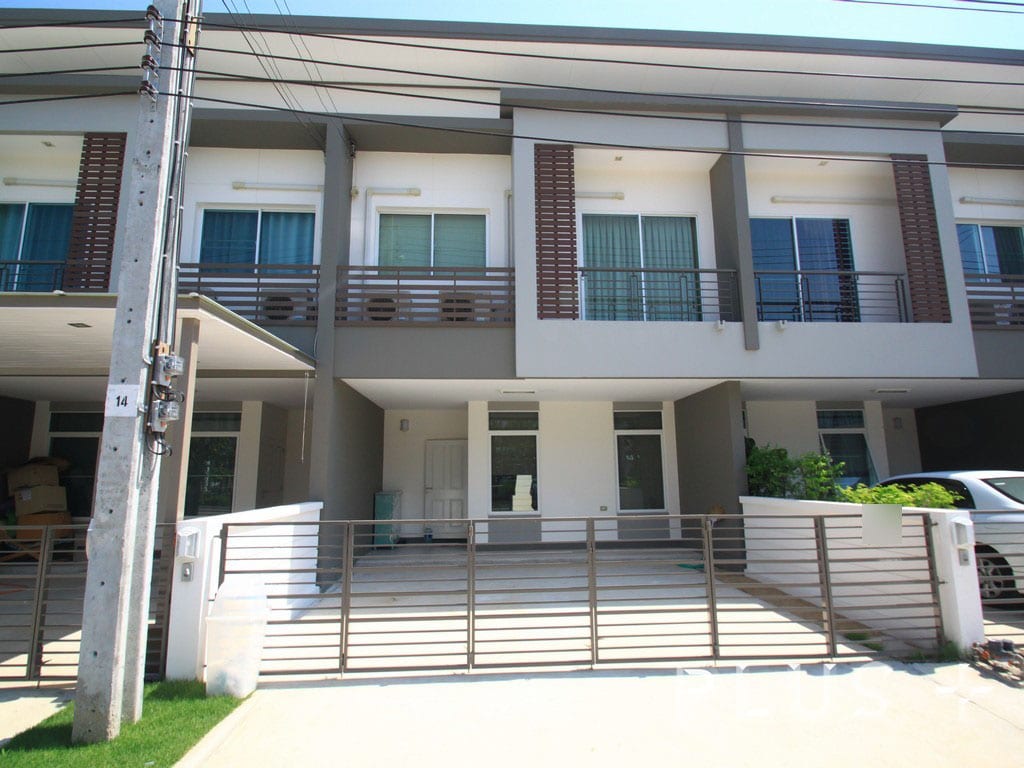
  • Home Purchasing Tips: What to Look for in a Townhouse

    Home Purchasing Tips: What to Look for in a Townhouse

    You’ve reached a point in your life where you are now thinking about buying a property that you can live in well into the conceivable future. After a few days of internal debate, you believe that a townhouse in the city would be an adequate purchase since you don’t really need a lot of space and you want to be close to where you work and the different malls. However, before you start visiting DD Property and typing in “townhouse” in the search bar, there are several different factors that you need to take into consideration.

    What Can You Reasonably Afford?

    Before you even start looking for a townhouse, you need to determine what sort of payment scheme you would be able to afford in the long term. For example, if you make 35,000 baht per month yet the payments for the house amount to 30,000 baht per month, this just leaves you with 5,000 baht which is far too small to be able to buy enough food for the rest of the month, this doesn’t even take into consideration other expenses such as electricity, water, etc.

    As such, it is highly advisable that you contact the bank that you have an account with, determine how much money you can reasonably borrow for a home purchase loan and examine the interest rates and the number of years to pay a particular loan has. While it might be tempting to pick loans that allow you to pay the entire amount within 20 years, these often have extremely high rates of interest. It is advisable that you select loan terms that allow you to pay the entire amount in 10 years with stipulations that allow you to increase the amount you pay in order to reduce the interest rates.

    Once you have a budget outlined based on the loan terms that were presented, that’s when you can begin searching since, at this point, you know what you can afford.

    Examining Potential Locations

    Another factor is the general location that you want to start living in and its proximity to different services. Just because a townhouse may seem affordable in an online listing doesn’t ensure that it is located in an area that is actually nice. The value of land tends to increase significantly the greater its proximity to certain services and locations such as malls, hospitals or business centers.

    This has a corresponding impact on the price of the townhouse itself resulting in situations where two townhouses are exactly alike yet one costs two times more because it is located a short walk away from a mall. While it is tempting to get a townhouse close to where you work, since this helps to cut down on the amount of time you spend commuting, you have to ask yourself whether you’re going to be working for the same company 5 years down the line.

    If not, then your purchase of a townhouse in that location would be a complete waste since the office of the new company that you would work for could be located much farther away. The best method of selecting a good location is to consider which areas you are familiar with, which locations you frequent for fun (i.e. which malls, bars, etc.) and make your choice based on these areas. You should not choose a location just because it’s close to where you work, you should choose based on where you will be spending most of your time when you’re not at work and where you can relax.

    Gated Community or Not?

    The last decision you should make is to determine whether you want to purchase a townhouse in a gated community or not. Within Thailand, gated communities have become increasingly popular over the years due to the amount of crime within the city. With their amenities and security, gated communities seem to be an ideal choice; however, there are some factors that do detract from their appeal.

    One of the first issues is connected to the monthly association dues that you have to pay. While on the surface this may seem to be reasonable, you have to consider that the amount paid often reaches 3,000 baht or more a month which is an additional added cost on top of the amount that you will be paying the bank for the loan. Not only that, the price of townhouses within gated communities is far higher than those that are located outside of them.

    Conclusion

    Once you have gone over the steps outline in this article, that is when you can start searching for a townhouse online since at this point you will know what you can afford, where you want it and whether or not a gated community appeals to you.