Author: Mei Ling Tan

  • Lalamove delivers good luck during Chinese New Year

    Lalamove delivers good luck during Chinese New Year

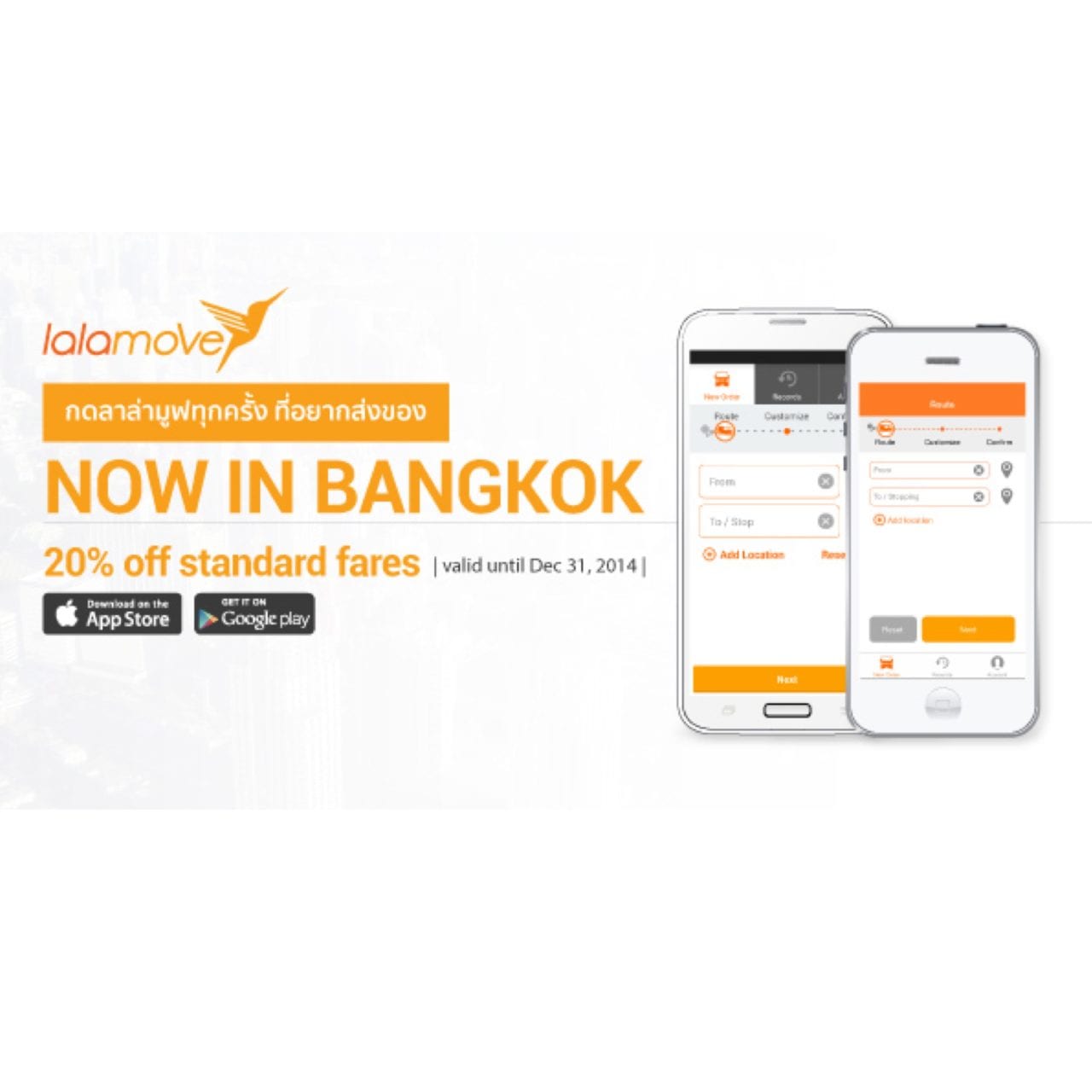
    Hong Kong based logistics app provider, lalamove is going bananas over the Year of the Monkey with delivery discounts for new and existing customers in Thailand. The number eight symbolizes good luck and prosperity in Chinese culture and lalamove is bringing eight days of delivery discounts leading up to Chinese New Year.

    From today, Monday, February 1st until Monday, 8th February, 2016, inclusive, first-time lalamove customers are being gifted with a good-fortune THB 88 discount off their first delivery fee.

    To claim their Chinese New Year gift, newbie customers simply download the free android and iOS app and enter the promo code: CNY88 while making the booking.

    Loyalty is being rewarded by lalamove too, with free credit for lucky customers who already use the 24-7 delivery service. The first 100 lalamove customers who request eight deliveries in one day, during the promotion period, will be gifted with a THB 200 delivery credit for that day.

    2653554c-6a5b-4849-a5e2-727f2137dbe6

    The reliable Bangkok-wide express courier and delivery service is expecting greater demand over the Chinese festive period and its fleet is ready for a prosperous new year. Businesses and individuals find lalamove services an ideal way to send special gifts to corporate customers and partners, as well as good wishes, wealth and happiness for the future to family and friends during the week-long Chinese New Year celebrations.

  • The Crystal opens new mall ‘Crystal Veranda’ behind its old mall

    The Crystal opens new mall ‘Crystal Veranda’ behind its old mall

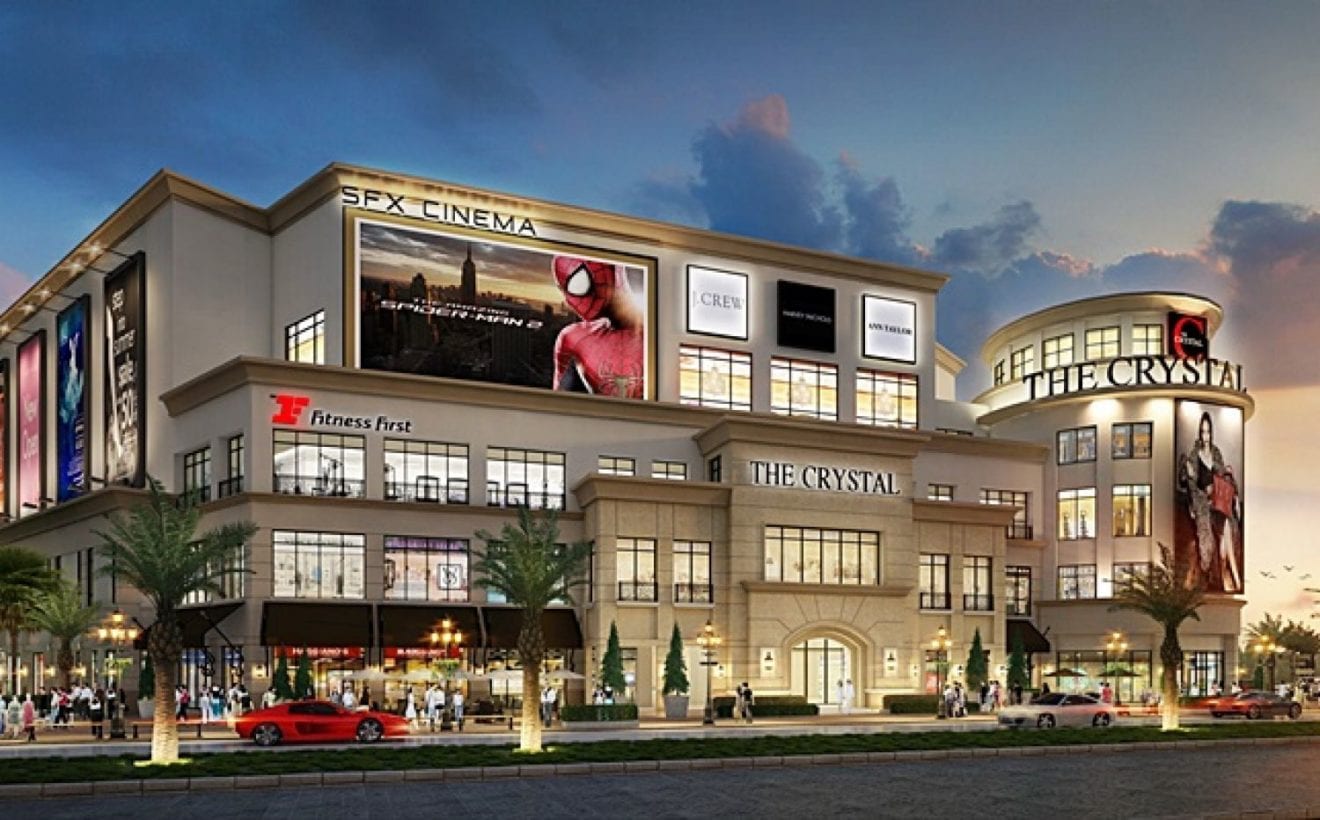
    The Crystal, the community mall near the Ramintra expressway, has just opened a new mall “Crystal Veranda” right behind it on Friday, because why not?

    Following the opening of the first mall which consists mostly of restaurants, the new Crystal Veranda sets to serve suburban customers with high purchasing power. It features a SF cinema, Fitness First (with the best view, they said) and its own children’s playground, along with a flagship Lego store.

    Taking over 25,000 sq m of space, the THB6 billion mall was built under the concept of “Five Facets of Crystal”: fun, food, fitness, fashion, and the “Full of Fascination” — which means a luxurious lobby lounge and Italian marble bathrooms.

    For food, there are the familiar franchise restaurants missing from the old mall including Dean & Deluca, Peppina, Coffee Bean by Dao, Water Library, Wine Connection, and another Starbucks.

    There may be a little something special for fashion lovers at the Crystal Boutique Store, supposedly the first ever store in Thailand to incorporate clothing and accessories from both Thai and international designers in one place including Michael Kors, ARAMIS, DKNY, Tommy Hilfiger and Tory Burch.

    As expected, the mall was already crowded when it opened on Saturday. Obviously, it drew some customers from Central Eastville, the new mall that opened in November and is located only five kilometers away.

    central-east-ville

  • President urges to accelerate development of tourism sector in 2016

    President urges to accelerate development of tourism sector in 2016

    President Joko Widodo has called on his officials to expedite the development of Indonesias tourism sector in 2016 in a bid to boost the countrys economic growth.

    President Widodo noted in his opening remarks during a limited meeting held to discuss the Lake Toba Tourism Destinations Development Plan at the presidential office in Jakarta on Tuesday.

    “I have urged the tourism minister to speed up development activities in the top ten tourist destinations,” he noted.

    The top ten tourist destinations to be developed based on the “single destination, single management” concept are the Borobudur temple, Mandalika resort, Labuhan Bajo beaches, Mount Bromo-Tengger-Semeru, Thousand Islands, Lake Toba, Wakatobi diving spot, Tanjung Lesung beaches, Morotai Islands, and Cape Tanjung Kelayang.

    President Widodo is optimistic that by developing the tourism destinations, the local small and medium enterprises (SMEs) would also boost their productivity and absorb more manpower.

    “We need a quick breakthrough in terms of regulation and work in other areas to deliver results at the earliest,” he emphasized.

    In particular, the president has called to boost connectivity and accessibility in Lake Toba by improving the airport and road infrastructure.

    “I am aware that two or three weeks ago, Coordinating Minister of Economy (Darmin Nasution), Public Works Minister (Basuki Hadimuljono), and Tourism Minister (Arief Yahya) had visited Lake Toba,” he remarked.

    President Widodo hoped that the visit would be followed up by a concrete action plan to be rolled out in the area, including organizing marketing activities, implementing international service standards, and holding cultural and art performances.

  • Thais battle over limited Adidas trainers

    Thais battle over limited Adidas trainers

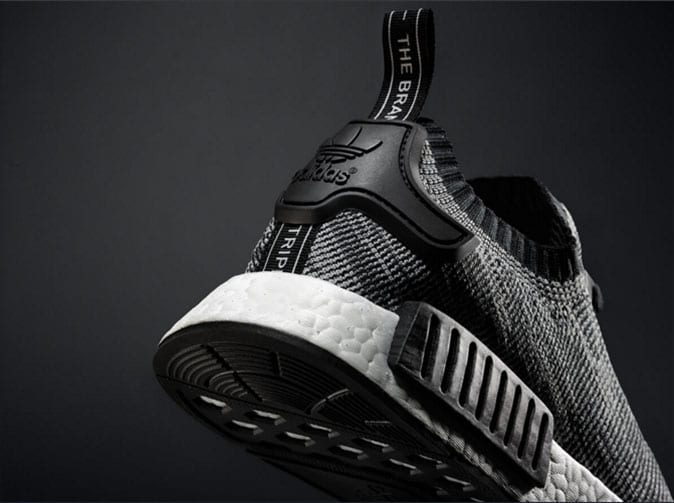
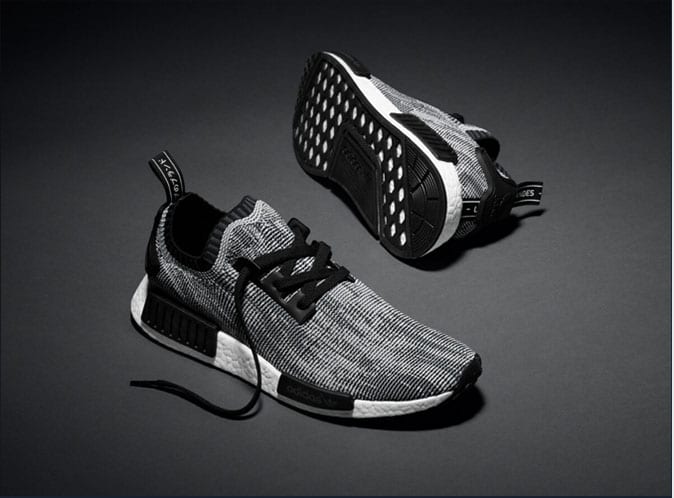
    One person fainted and a shop door was damaged after hundreds of Adidas fans tried to push into its Siam Center store on Saturday morning to get their hands on the limited NMD R1 sneakers.

    The photos and videos, which went viral over the weekend, show Adidas fans crowding in front of the Siam Center store as the employees desperately yelled at customers to step away and refused to open the doors.

    adidas3

    Some of them had reportedly camped out in front of Siam Center overnight as the store only had 51 pairs of NMD R1 in stock.

    One customer at the front reportedly fainted as the shop door was damaged. On the Adidas Facebook page, some users also left comments that they had seen a few people getting injured in the mad event.

    Some customers had their shirts ripped, others had their eye glasses broken, and some even lost their shoes in the scuffle.

    The shoes cost THB6,990.

    “We’re not gonna sell them today! Please don’t push forward. Our shop is now damaged. We can’t open the shop now!” she continued.

    The chaos ended with the store refusing to open, likely to prevent people from stomping each other to death.

    adidas2

    The shop decided it would choose who could buy the shoes by drawing lots. It is unclear if the lucky draw has taken place yet.

    The NMD R1, or “Nomad,” is described as a “gem of the Adidas design team,” combining design and functionalities in its three models Micro Pacer, Rising Star and Boston Super.

    We admit, the shoes are pretty sexy.

    Adidas Thailand has not issued an official statement after several fans went home disappointed. It only replied to angry comments on its Facebook page apologizing for the “inconvenience.”

  • Bangkok gets set for Chinese New Year

    Bangkok gets set for Chinese New Year

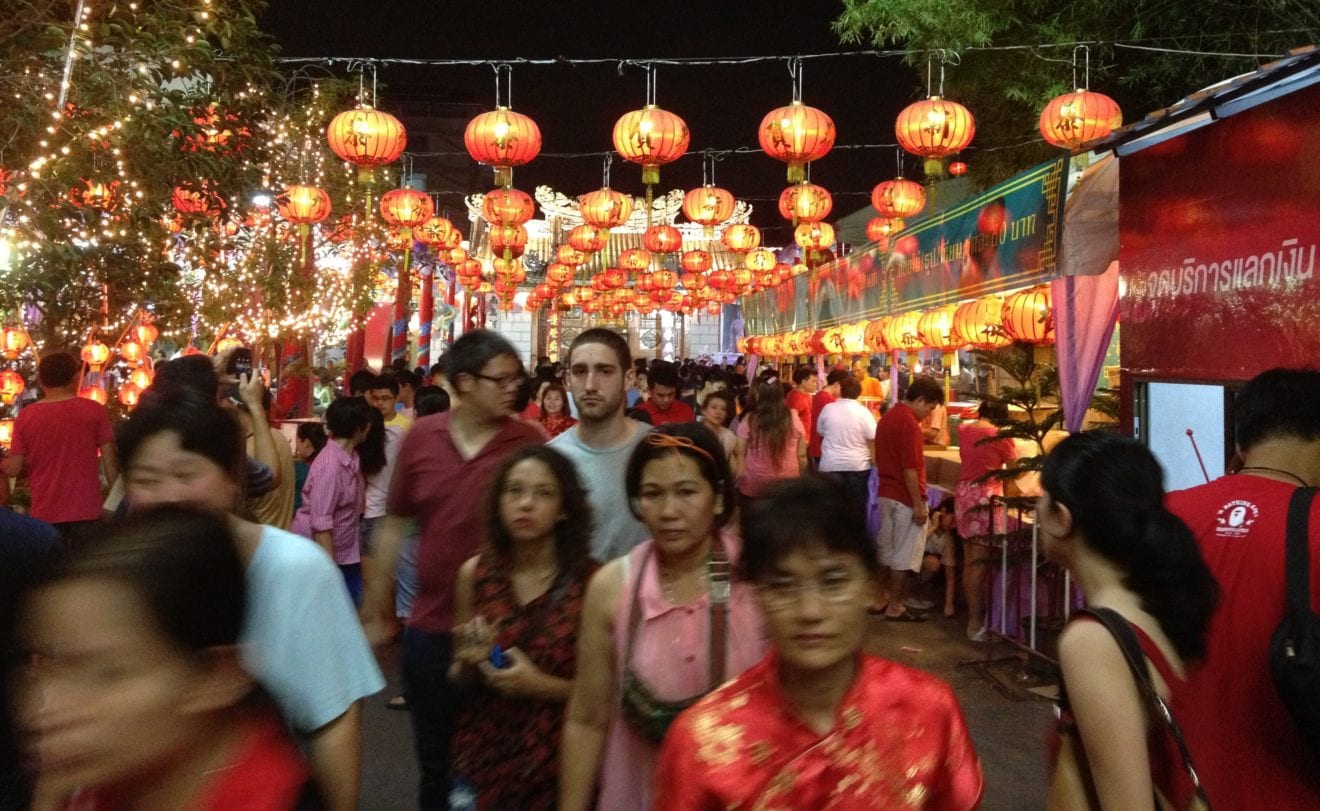
    Dig out your red clothes, hang up paper lanterns and pick up some firecrackers — Chinese New Year is returning to Bangkok.

    The biggest celebrations will take place on Yaowarat Road in the heart of Chinatown, with cultural displays, dance and musical performances to usher in the Year of the Monkey.

    Kicking off on Feb. 7, the Chinatown festivities will also feature lantern decorations, dragon parades and lion dances, street stalls selling Chinese cuisine and souvenirs, and entertainment from famous artists, including troupes and performers from China.

    Visanu Jaroensilp, Tourism Authority of Thailand (TAT) deputy governor for Tourism Products and Business said: “Thailand’s celebrations to mark the 2016 Chinese New Year will be even more special, as this is a significant year for the country. 

    “This year marks the 41st year of Sino-Thai diplomatic relations, and the 12th anniversary of cooperation between TAT and the Chinese Ministry of Culture in co-hosting the Chinese New Year celebrations in Thailand.”

    TAT estimates a boost in tourism revenue from the celebrations,  with about 1.01 million international tourists are expected to visit from Feb. 6-14. 

    Of those vistorss, an estimated 476,000 are expected to come from countries with Chinese communities including China, Hong Kong, Taiwan, Singapore and Malaysia.

    For more details on Chinese New Year celebrations throughout the country, visit the TAT website.

  • Thai Airways offers discount fares for couples

    Thai Airways offers discount fares for couples

    Lovebirds can fly away on the cheap as Thai Airways is offering discount fares for couples to mark Valentine’s Day.

    The promotional fares are being offered for couples traveling together in economy class during Feb.1- July 31.

    The routes include round-trip tickets from Bangkok to Vietnam, Hong Kong, Singapore, South Korea, China, Japan, Australia, London, and Paris.

    Check promotion details on the Thai Airways website.

  • Metro Holdings group MD, Jopie Ong, dies

    Metro Holdings group MD, Jopie Ong, dies

    The group managing director of retailer and property firm Metro Holdings, Mr Jopie Ong Hie Koan, died last night.

    Mr Ong, who was in his 70s, had helmed Metro Holdings since 1973.

    He was the son of the late Ong Tjoe Kim, who founded the Metro chain of department stores. He was also a member of the nominating and investment committees.

    When contacted by The Straits Times, Metro Holdings confirmed that Mr Ong had died yesterday.

    Mr Ong joined Metro in 1964 and helped to grow the retail division, introducing into Singapore luxury brands such as Cartier and Piaget, and guiding Metro to its listing in 1973.

    He had also held board positions in the retail, property development, construction, hotel and leisure industries.

    Under Mr Ong’s leadership, Metro Holdings, founded in 1957 by his father as a textile store, has grown to become a property development and investment group.

    The firm has a turnover of $145.8 million and net assets of $1.4 billion as at March 31 last year.

    Mr Ong was instrumental in the setting up of Transmarco, a group that dealt in luxury brands, watches and computers, and was previously its chairman.

    He also acted as director of Metrojaya, which operated the Metro retail arm in Malaysia, prior to its divestment.

  • Mobile World crossing borders

    Mobile World crossing borders

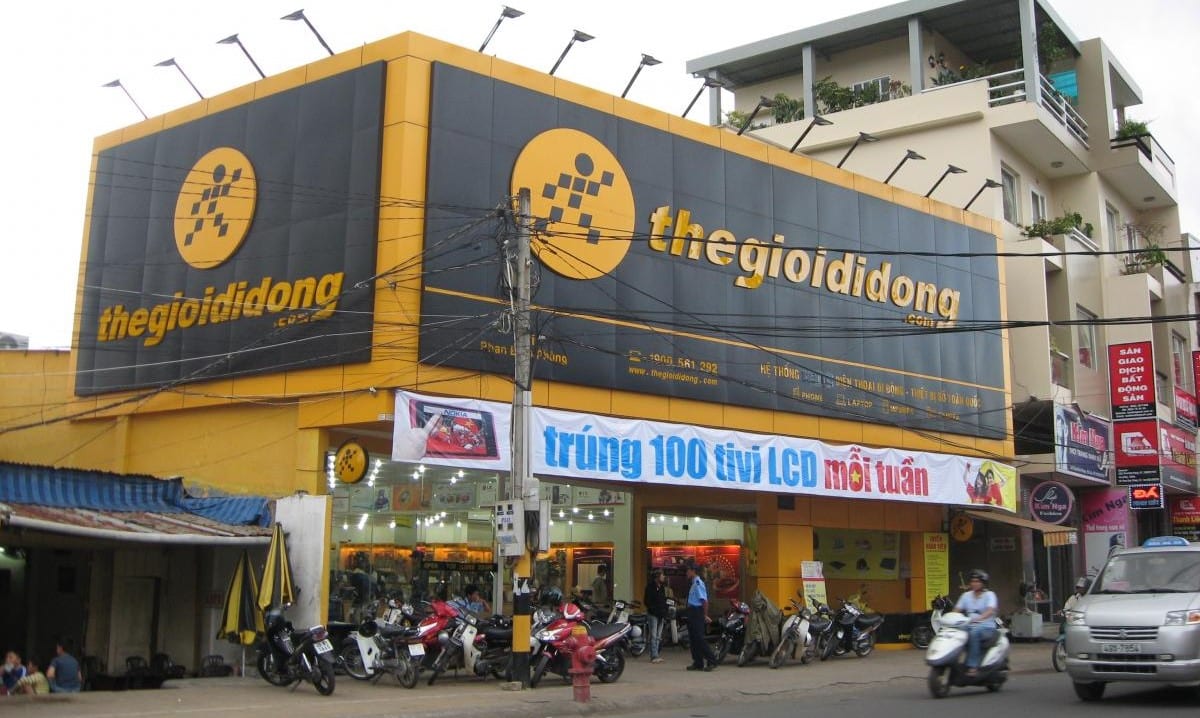
    As well as electronics and mobile phones, its usual products, Vietnamese chain Mobile World is planning to distribute groceries in its first stores in Cambodia, Laos and Myanmar.

    CEO Tran Kinh Doanh says the stores will open early next year.

    Meanwhile, he has revealed two goals – to become one of the biggest eCommerce firms in Vietnam, and to bring in revenue of about VND34,000 billion (US$1.51 billion) this year. This would provide an after-tax profit of VND1400 billion – up VND400 billion on the past financial year.

    With 70 stores and a distribution network covering 42 provinces and cities, Mobile World last year earned VND25,000 billion, giving an after-tax profit of VND1000 billion. Both revenue and profit grew by 60 to 70 per cent. Online sales contributed less than 10 per cent of total revenue.

    Mobile World opened more than 200 cellphone stores last year, taking its total to 550, and this year it plans to expand its network to all 63 provinces and cities in Vietnam to become the second-largest electronic and mobile phone retail chain in the nation.

    It decision to join the food market with 13 stores was announced late last year. The corporation has 17,000 employees, expecting to grow this to about 26,000 people.

  • Banks take up Visa Token Service

    Banks take up Visa Token Service

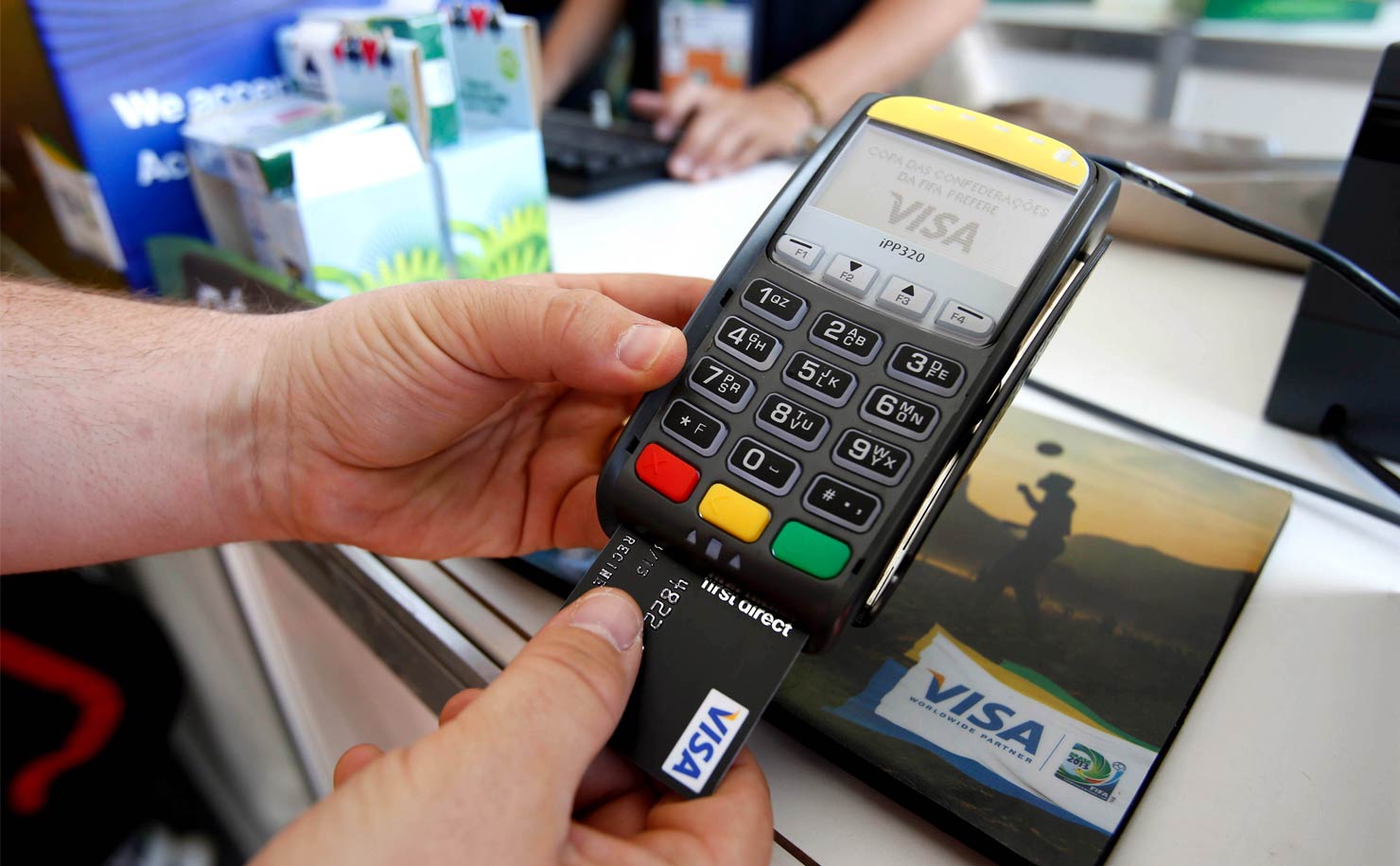
    An extra layer of security for mobile and digital payments has been introduced by Singapore’s United Overseas Bank (UOB) and Australia’s National Australia Bank (NAB).

    As well as making transactions safer, the new Visa Token Service also makes instore shopping easier.

    Credit or debit cards are no longer necessary under the Australian bank’s new mobile payment service,NAB Pay, which lets customers use their mobile phone for purchases.

    For UOB customers, the Visa Token Service has been integrated into the UOB Mighty digital wallet. It allows UOB Visa credit or debit card users to make contactless payments via an app on NFC-enabled Android smartphones at selected outlets in Singapore and overseas.

    Visa’s new technology replaces sensitive account information found on payment cards with a unique digital identifier or “token” that does not expose account details during the payment process. Tokenised cards are also domain controlled, meaning they link to the user’s phone or wallet application and are validated in real time by the global payment-processing platform VisaNet.

    Launched in the US, the Visa Token Service is being rolled out in several markets across Asia Pacific over the coming months. As payments shift from plastic to digital, Visa is working with financial institutions, merchants and technology partners to offer consumers a secure and easy way to buy.

    A key benefit of the service is that tokens do not carry the user’s primary account number, so there is less risk of storing them on mobile devices, online (eCommerce merchants) or in cloud-based mobile applications.

    Using ISO standards, the tokens can be processed and routed by merchants, acquirers and issues in the same was a traditional card payments.

    Tokens tied to lost or stolen mobile devices can be instantly reissued, and multiple tokens can be used for a single primary account, each tied to a specific device or service. Tokens can also be exclusive to specific merchants, mobile devices, transactions or transaction categories.

    VisaNet is capable of handling more than 65,000 transaction messages a second, with fraud protection for consumers and assured payment for merchants.

  • Berrybenka beefing up eCommerce

    Berrybenka beefing up eCommerce

    With demand from Hong Kong, Brunei and Malaysia, Indonesian fashion brand Berrybenka is taking steps to beef up its eCommerce services.

    It will also be opening more pop-up stores outside Jakarta, its main stronghold, The Jakarta Postreports.

    CEO Jason Lamuda says the brand is also aiming improve customer relations through digital media. It aims to step up customer interaction this year through messaging apps, improve its mobile app, and partner with convenience store ChainIndomaret on a possible new payment mechanism.

    He says this will help promote Berrybenka as a national fashion eCommerce platform. “Our goal in the end is to not only become the most notable fashion brand in Indonesia, but to also help promote the creation of local brands.”

    Berrybenka has 1.5 million subscribers in its database, with demand from Hong Kong, Brunei and Malaysia through sister company Hijabenka. Berrybenka has partnered with around 1000 small and medium enterprises.

    In Indonesia, the company plans pop-up stores in Medan, North Sumatra, Makassar in South Sulawesi, Yogyakarta, Semarang in Central Java, Manado in North Sulawesi and Balikpapan in East Kalimantan. Medan will have the first of the new outlets, opening on Thursday.

    Also being considered are eCommerce hubs for Surabaya, East Java and Bandung, West Java.

    About 90 per cent of Berrybenka sales comprise local products. Between 2013 and 2014, the company had 150 to 200 per cent revenue growth, with a further 200 per cent growth between 2014 and 2015.

  • Premium SMS Scam in Thailand by Foreign Content Providers

    Premium SMS Scam in Thailand by Foreign Content Providers

    Scammers create SMS competitions or trivia scams to trick you into paying extremely high call or text rates when replying to an unsolicited text message on your mobile or smart phone. Over the last few months mobile operators in Thailand managed to close some sms gateways from frauduleus foreign content providers like Mexcomm.

    A Malaysian company, with offices in Thailand who’s tricking mobile users offering free gifts and promises to win numerous prizes. All fake. True Move together with AIS and DTAC are doing everything they can and even created mobile scam teams to reveal the companies behind these marketing techniques. Shortcode 4741777 was used by one of them, to trick unwilling clients and let them pay high mobile fees. Mobile operators have shut down the companies shortcode and is on the look for other companies who’r running similar marketing campaigns.

    According to their website, Mexcomm has won several mobile content prizes. You can question this, as most of the events were sponsored direct or indirectly by the company over the last decade.

    How this scam works

    An unsolicited text message may invite you to enter a competition for a great prize—for example, a smart phone or tablet or gift vouchers for a well-known retailer. You will be required to send a text message back. You may also receive an email or encounter a pop-up window online asking you to enter your mobile number in order to claim a prize you’ve supposedly won. Sometimes these come in the guise of a ‘customer survey’ in which you are prompted to provide your mobile number.

    Alternatively the message may invite you to take part in a trivia contest with a great prize on offer if you answer a certain number of questions correctly. The first lot of questions will be very easy – scammers do this intentionally to encourage you to keep playing. However, the last one or two questions that you need to answer to claim your ‘prize’ could be very difficult or impossible to answer correctly and may even require you to guess a random number.

    The scammers make money by charging extremely high rates for the text messages you send, and any further messages they send to you. These charges will not be made clear to you, and could be as high as $4 for each message sent and/or received. You may also be automatically subscribed to ongoing charges. You will not discover these charges until you see your next itemised phone bill.

    Warning signs

    • You receive a text message, which may look like an advertisement, offering you the chance to win a great prize by sending a return text to enter a competition.
    • A text message tells you that you could win a great prize by participating in a trivia competition over SMS. The first message may even contain a very easy question to tempt you.
    • The text message (or advertisement) does not contain all the terms and conditions, or an ‘opt out’ to stop receiving more messages.

    Protect yourself

    • Do not respond to text messages or missed calls that come from numbers you don’t recognise.
    • Look out for SMS and MMS numbers that start with 19 or phone numbers beginning with 190. These are charged at a premium rate, even sometimes for receiving a message, and can be very expensive.
    • Contact your mobile phone service provider to ask about the number—they will know if it comes from a premium rate service. Ask your telephone company to put a bar on premium rate services (190 numbers) to and from your phone.
    • If you did not want to participate and you receive more messages, contact your mobile phone service provider and explain that the charges are being made without your permission.
    • Do not provide your mobile number to websites or in response to unsolicited emails claiming you can win a prize without very carefully checking the terms and conditions. If there are no terms and conditions or they seem to be hidden from plain view, don’t risk it.
    • Read all terms and conditions of any offer very carefully. Claims of ‘free’ or ‘very cheap’ offers often have hidden costs. Before you sign up to a subscription service check that there is an option to ‘unsubscribe’.

    Retail News will hold a close watch and will monitor this more the next few weeks and months.

  • Smartphones outpace tablets in Asian eCommerce

    Smartphones outpace tablets in Asian eCommerce

    For the first time, 34 per cent of browser-based online transactions globally are now made on a mobile device, compared to slightly more than 30 per cent last quarter.

    And smartphones are starting to outpace tablets.

    These were key findings of the fourth quarter edition of the Mobile Payments Index by Global payments technology company Adyen, which tracks mobile payment data from browser-based transactions across its client base and monitors Asian eCommerce shopping patterns.

    It also found that many consumers in Asia are increasingly using mobile devices to shop online. This is being driven particularly by such major payments methods as Alipay, JCB and UnionPay. JCB had the highest share (54 per cent) of mobile payments on the Adjen platform, up from 47 per cent the previous quarter. Alipay increased to 44 per cent (up from 35 per cent) while UnionPay reached 31 per cent (from 23 per cent).

    “The checkout stage of the shopper journey is not the end, but the beginning of an on-going relationship with the consumer,” says Adyen Asia Pacific president Warren Hayashi. “Merchants with a frictionless mobile checkout experience are driving repeat traffic, especially in Asia.”

    For the first time, the index shows that smartphones have overtaken tablets as the preferred device for online shopping – 17.5 per cent on smartphone against 16 per cent on tablet, compared to 14 per cent and 17 per cent respectively the previous quarter.

    When it comes to mobile payments globally, the trend to use smartphones rather than tablets continues for the 10th consecutive quarter. Last quarter this share was up 2 per cent to 68 per cent on smartphone versus 32 per cent on tablet.

    Smartphone use far outweighed tablet in Asia, with 29.5 per cent of online payments on a smartphone compared to 4.5 per cent on a tablet.

    In terms of average transaction value, iPad led the way for the first time at $107, edging out not just smartphones but also desktop/laptop, the traditional leader (at $106). Following were Android tablets at $86, iPhone at $83 then Android smartphones at $73.

    Adyen has been tracking the evolution of mobile payments since June 2013. The index is based on its global browser-based mobile payment transaction data. It does not track in-app mobile payments. With its headquarters in Amsterdam and San Francisco, Adyen serves more than 4500 businesses, customers including Airbnb, Booking.com, Crocs, Dropbox, Facebook, KLM, Mango, Netflix, Spotify and Yelp.

  • Korea’s Hotping fashion mall goes global

    Korea’s Hotping fashion mall goes global

    Korean women’s clothing mall Hotping entered the global market just six months ago – and already cross-border sales account for 10 per cent of its turnover.

    Monthly sales to customers outside Korea have now surpassed the 100 million won (US$84,000) mark.

    “We believed that winning new markets quickly would secure future competitiveness after we started up in 2014 and we launched the English, Chinese, and Japanese versions of our online mall through the global eCommerce platform of cafe24,” explained CEO Kim Yeo-jin.

    “We received orders from international customers even when we had the Korean site only, which also quickened our entry into the global market.”

    Established in 2014, Hotping is a Korean women’s clothing specialty mall that carries trendy products popular in the world of fashion. Like its name suggests, Hotping is a ‘portmanteau’ word mixing hot trend and lovely pink. Another notable characteristic is that Hotping satisfies customers of various body types since it carries sizes from 44 (equivalent to XS in the US) to 105 (equivalent to XXL) for most of its products.

    As a result of the company’s continued sponsorship of the wardrobes used by Korean costume dramas, Hotping has been enjoying great brand awareness, particularly in countries swept by the Hallyu, or ‘Korean Wave’, notably the US, China, and Japan. In addition, as it carries a number of elegant and exclusive clothing lines, news anchors have also been inquiring about sponsorship.

    Hotping is also winning immense popularity with its line of highly elastic Magic Pants, whcih are proving popular globally thanks to a fun marketing campaign that sees dancers posing in a number of positions that highlight their extreme elasticity.

    Kim adds: “We will continue to make efforts to win new markets and will also continue offering beautiful clothes to our customers at reasonable prices like we do now.”

  • More space, lower rents in Singapore

    More space, lower rents in Singapore

    More retail space is available in the city, with a slight dip in prices and a decrease in rental costs.

    Singapore retail vacancy rates rose to 7.2 per cent at the end of the fourth quarter last year from 7 per cent at the end of the third quarter, according to the Singapore Urban Redevelopment Authority.

    During the quarter, there was a 0.1 per cent dip in the prices of retail space, compared to a decrease of 0.3 per cent the previous quarter. Rental rates fell 1.3 per cent, following a 2 per cent drop in the third quarter.

    For the year overall, prices for retail space were down 0.8 per cent while rentals fell by 4.1 per cent.

    At the end of the fourth quarter, there were 808,000 sqm of retail space in projects in the pipeline.

    Occupied retail space grew 8000 sqm in the fourth quarter of last year, compared to a drop of 13,000 sqm in the previous quarter. In the same period, the stock of retail space increased by 22,000 sqm compared to a 24,000 sqm decrease.

  • McDonald’s is back

    McDonald’s is back

    Turnaround efforts are paying dividends for McDonald’s.

    The fast food giant’s latest results show continued progress with global comparable sales up 5 per cent, while the US had a very strong quarter with comparable sales rising 5.7 per cent.

    This momentum is important as it signals McDonald’s is reconnecting with consumers which is driving both customer traffic and sales. This has been the result of a number of changes, especially in the core US market.

    The first of these is the reengineering of the menu, including the introduction of all day breakfasts. While this has added to operational complexity, it has been a vital step in providing more choice and variety – which, according to our research, are two of the main things that lapsed McDonald’s customers mentioned as reasons for their defection. The early signs are that this step change has been successful in attracting back lost customers, especially over the important lunchtime period.

    Menu enhancement has also resulted in the addition of more premium and healthy options; something that will continue into this year as McDonald’s tries out new items like kale salads. While these changes are unlikely to attract highly health conscious consumers, and arguably will never be the mainstay of McDonald’s menu, offering them is an important positioning statement. It will help the company compete more successfully against some of its more premium rivals, as well as ensuring that the needs of all members of families or groups who visit are satisfied.

    Making menus more premium is all well and good but this forms part of a difficult balancing act – not least because low prices and good value remain key motivating factors for trips to McDonald’s. Here we are encouraged by the company’s decision to roll out the new McPick2 menu (in the US), which allows a choice of two options for $2. After the abandonment of of the popular Dollar Menu, and the bungled attempts at replacing it with unsatisfactory alternatives like the Dollar Menu & More, this gives McDonald’s US the firepower to compete against rivals like Wendy’s and Chik-fil-A.

    The final positive shift is the demonstration of greater flexibility in menu options through things like digital menu boards, which allow changes to be made according to weather and other conditions. This has helped to increase conversion rate and average spend per customer.

    Naturally, the downside of all this greater flexibility is that it adds to complexity, cost and makes operations somewhat slower than they once were. This has, in fact, been the main source of complaint from some franchisees. However, in our view this is very much a case of there being no alternative: the market has changed and the customer has slightly different priorities now to 10 years ago. McDonald’s had to move with the times or face continued deterioration.

    At a corporate level, the decision to convert more stores to the franchise model is savvy. The next few years are likely to see more operational complexity and higher costs for developments like store enhancements. These things will be easier and faster to manage, both operationally and financially, via the franchised model.