Author: Mei Ling Tan

  • Courts opens second Indonesia megastore

    Courts opens second Indonesia megastore

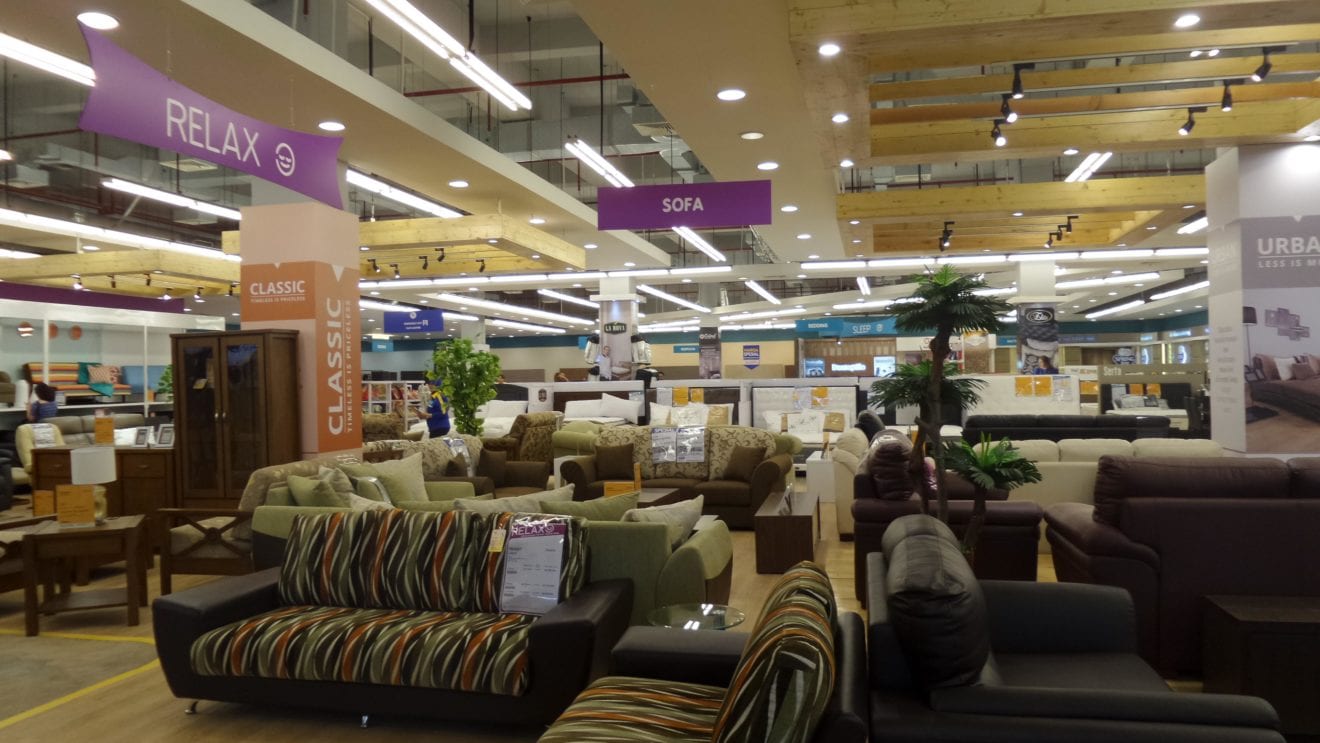
    Courts Indonesia has opened its second megastore – inside BSD City, about 42 km west of Jakarta.

    The new store is part of a strategy by Singapore-listed Courts Asia to expand its footprint beyond its core Singapore and Malaysia markets.

    Billed as the largest Courts Megastore in Asia, the new outlet covers 22,694 sqm of land and boasts a shopping area of about 20,400 sqm.

    “Indonesia is currently the driver of Courts’ growth,” said Roy Santoso, Courts Retail Indonesia CEO in a statement.

    “Since we first entered Indonesia in 2014, we now operate two megastores and three regular outlets. We aim to open 12 more outlets by 2018. This is our commitment in catering to the demands of Indonesians,” he said.

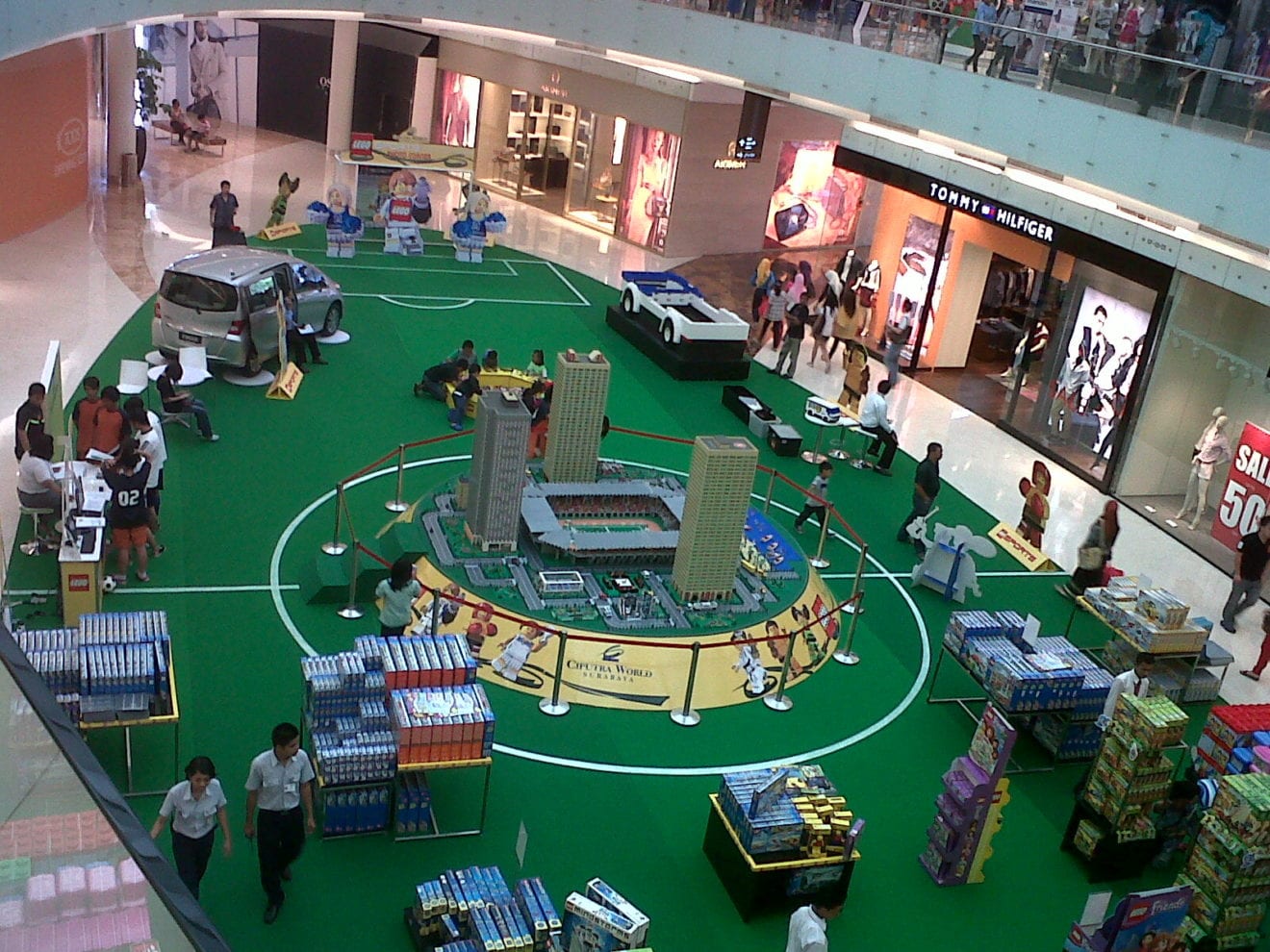
    The first Courts megastore, pictured above, opened at Bekasi, in Kota Harapan Indah, on the eastern side of Jakarta.

    Courts Asia said that as of November 2015, Indonesia accounted for 1.7 per cent of the company’s total sales of S$186.1 million – up 4.2 per cent year-on-year.

    Indonesia is expecting retail growth of between 11 and 12 per cent this calendar year, after a modest 8 per cent growth in 2015.

  • Apple to Open a New Store in China’s Largest Luxury Shopping Mall

    Apple to Open a New Store in China’s Largest Luxury Shopping Mall

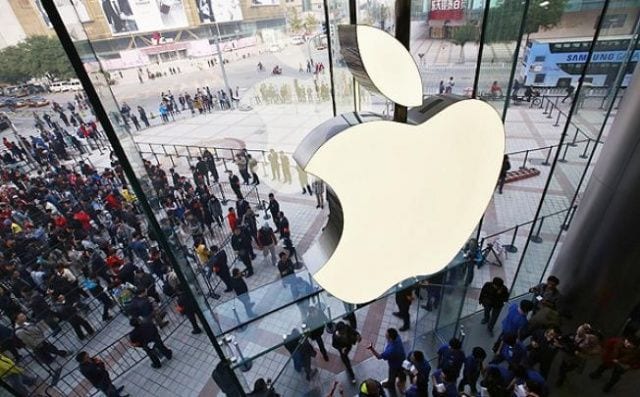
    Apple Inc.  announced on Saturday that it would soon open its 31st outlet in Qingdao, China. The retail outlet will be located in China’s biggest shopping complex, MixC luxury shopping mall, according to the reports. The new store is expected to open between 10AM to 10 PM local time on weekdays and weekends.

    China has always been a lucrative market for the tech giant and in recent years, Apple has aggressively expanded its franchise operation in the world’s largest smartphone market under the leadership of Angela Ahrendts, senior VP of retail and online stores at Apple.

    Previously, the tech giant has also effectively carried out its operations in the leading Chinese cities and provinces, which includes Chengdu, Beijing, Nanning, Shenyang, and Xiamen. As of now, there are five stores operating in Beijing.

    Apple is one of the leading foreign smartphone manufacturers operating in China, and generates billions of dollars in revenues from the country. In the last quarter, Apple’s sales in China, including Hong Kong and Taiwan surged 99% to $12.5 billion year-over-year (YoY), while iPhone sales in the region rose 120% YoY. Amid increasing demand, the tech giant also aims to open more than 40 stores in China in the next few years. China is the company’s fastest growing market in recent years, and it plans to take full advantage of the potential growth opportunities in it.

    In addition, the smartphone manufacturer is making continuous efforts to increase its market share in the world’s second largest economy. On the other hand, growing trend of online shopping has significantly increased demand for the mobile users in the mainland territory.

    china apple user

    Based on month-over-month results, the number of Chinese mobile consumers has increased tremendously in the past one year. This number is mainly attributed to the boom in the movie industry, resulting in the increasing online ticket booking. Similarly, the boom in the e-commerce industry also raised the number of smartphone users in recent years. According to a report, as traffic issues in the country prevails, an increasing portion of population is using their smartphones to book movie tickets or for online shopping.

    China is considered to be the second largest revenue-generating country for Apple after the US. The company’s sales have grown to $12.5 billion from $5.7 billion last year. If the growth continues at such an increasing rate, it is expected that China will surpass the US and becomes the company’s largest market by 2017.

    According to a claim made by 9to5Mac’s analyst Mark Gurman, the California-based company plans to come up with a new iPhone in March 2016. The new device will be called the “iPhone 5se.” In addition, Mr. Gurman also indicated that iPhone’s latest version will also contain an upgraded 8 megapixel rear camera, a curved glass design, and Live Photos feature. Given the previous track record, the product will likely become a success in China.

  • Lotte World Tower wins awards in challenging times

    Lotte World Tower wins awards in challenging times

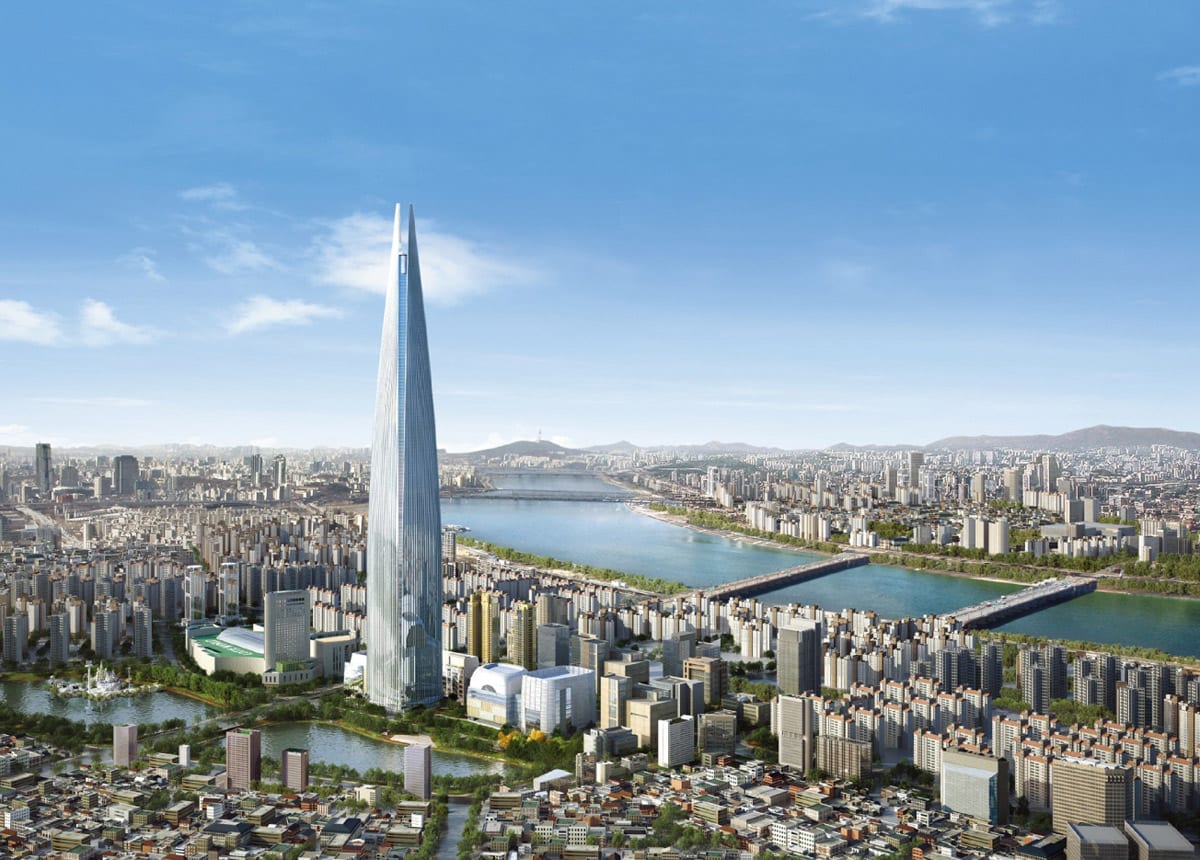
    Lotte Duty Free’s $3bn 555m World Tower duty free store in Seoul has won three globally recognised and prestigious design awards for the first time in the Korean duty free business.

    Besides winning the ‘2015 Good Design Awards’ in the Environments category, the retailer also swept the board with three world-class prestigious design awards in the USA.

    Sun-wook Jang, President of Lotte Duty Free said: “Lotte Duty Free World Tower has contributed a lot in promoting the new duty free shopping environment. I’m so glad that we won the prestigious global design awards for the first time as a Korean duty free shop.”

    The retailer says it is the first duty free shop in Korea to win the Good Designs Awards prize, although it should be said that celebrations related to this high recognition are doubtless a little less than normal, considering Lotte actually lost its duty free licence back in November of last year.

    [Lotte Duty Free] Interior of the Worldtower store (3)

    [Lotte Duty Free] Interior of the Worldtower store (2)

    Lotte Duty Free opened its $3bn World Tower branch in the southern Seoul Chamshil area of Gangnam on October 16, 2015

    The duty free industry in Seoul was shocked at the time, although we understands that Lotte has since been investigating whether it will be possible to transfer one of its other Seoul duty free retail licences to the World Tower 11,000sq m operation to maintain its ‘downtown duty free’ status which it still holds at this time.

    But this aside, few could argue that the building itself is not a huge achievement and this has been recognised with these latest awards. South Korea’s largest duty free retailer says that the interior design was optimised for shopping right from the very beginning, with high ceilings to allow brands to express offers and cultures.

    In addition, the retailer has installed ‘world-class’ LED screens to support the environmental design in harmony with the digital era.

    In a statement, the retailer said: “The Media Wall (large LED screens), the Column (cylindrical LED screens surrounding the columns) and the Cylinder (LED screens hanging on the ceiling) make the place new and trendy.

    [Lotte Duty Free] Interior of the Worldtower store (1)

    [Lotte Duty Free] Interior of the Worldtower store (4)

    Within the store, chiffon and indirect lighting has been used to create an effect of ‘the sun shining through white clouds’. Other features include a large number of HD TV screens located around the store, providing details of products and special promotions. At the opening these featured exclusive promotional advertisements featuring the top model Su Hyun Kim.

    “The company has invested more than three thousand million Won ($2.4m) for installation [and] six hundred million Won ($498,174) for the initial stage of content development, which needs a steady investment.”

    Lotte adds that the three LED installations are integrated throughout the shop space, with the video content alternating throughout the day to offer entertainment, local heritage and natural environmental content.

    The company concluded: “The distinct shopping experience of [the] Lotte Duty Free World Tower store which presents the new cultural experience beyond shopping has been highly valued in terms of design by the awards.

    “Besides, the company has won the Bronze prize of HUB Prize (USA) in [the] Brand Experience category and [the] Merit award of Graphis Competition (USA) in Innovative Environment category.”

  • Starhill Global Reit’s Q2 distribution per unit rises 2.3%

    Starhill Global Reit’s Q2 distribution per unit rises 2.3%

    YTL Starhill Global REIT (SGReit) said its second quarter distribution per unit rose by 2.3 per cent to 1.32 cents.

    Revenue for the three months ended Dec 31 grew by 13.8 per cent to S$55.6 million while net property income (NPI) rose by 10.4 per cent to S$43.7 million.

    The growth in revenue and NPI was mainly driven by the contribution from Myer Centre Adelaide which was acquired in May 2015 and the resilience of the Singapore portfolio performance.

    This was partially offset by lower contributions from China and net foreign currency movements. Income distributable to unitholders was S$28.8 million, up 3.7 per cent. On an annualised basis, the second quarter distribution represents a yield of 6.94 per cent, based on the unit closing price of 75.5 cents as at Dec 31. Unitholders can expect to receive their distribution on Feb 29.

    YTL Starhill Global chairman Francis Yeoh said the Reit delivered another strong earnings growth in the second quarter, underpinned by the resilience of the Singapore portfolio and contribution from its latest acquisition.

    “While Asia’s economic growth is expected to ease, we are confident our prime assets in key Asia-Pacific cities will remain resilient in an evolving retail landscape,” he noted.

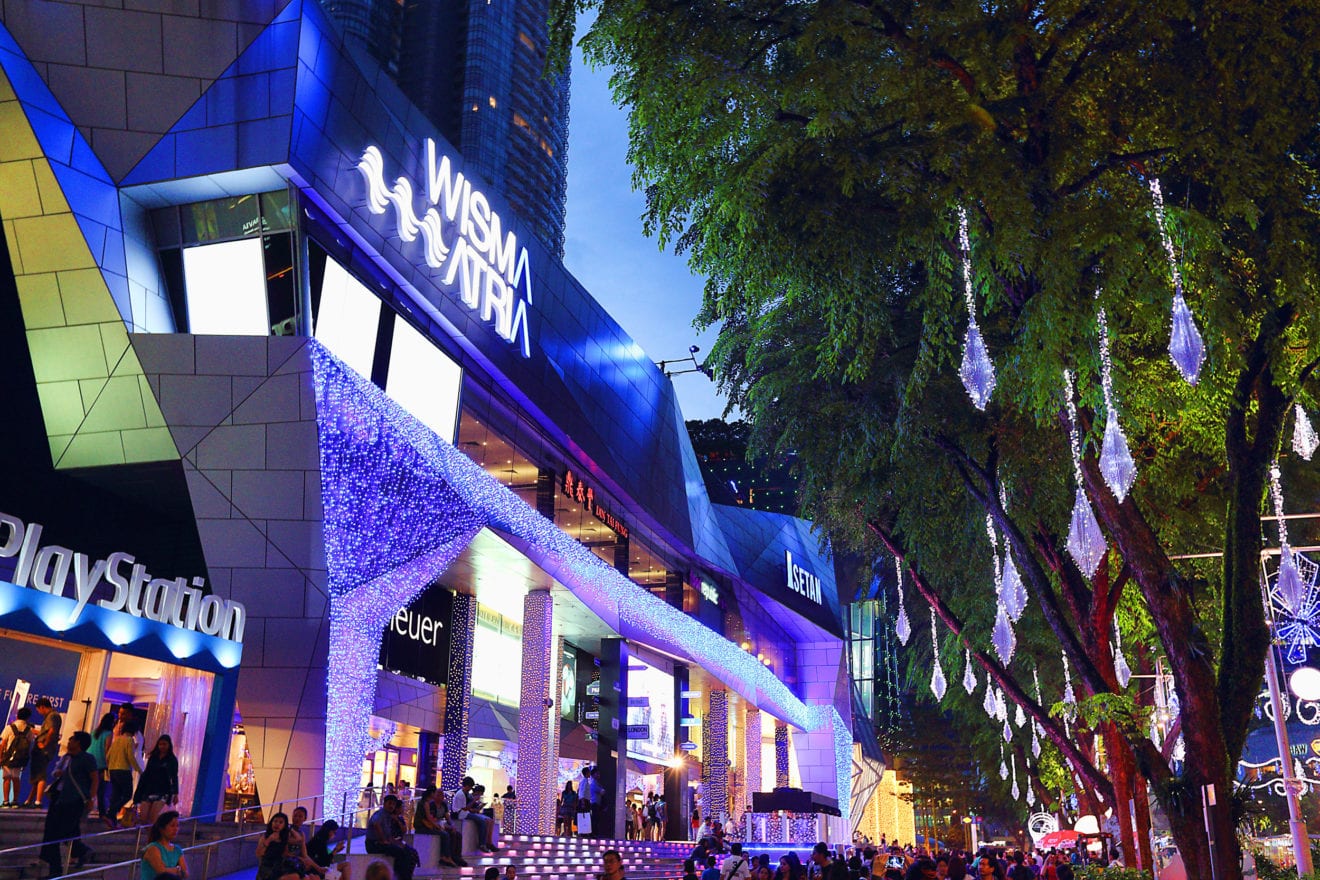
    SGReit’s Singapore portfolio, comprising interests in Wisma Atria and Ngee Ann City on Orchard Road, contributed 60.8 per cent of total revenue or S$33.8 million.

    Its NPI increased by 2.7 per cent to S$27.3 million, led by positive rental reversions achieved in previous quarters. Singapore retail portfolio recorded flat rental reversions for leases committed during the quarter.

    Wisma Atria retail revenue increased 1.7 per cent and its NPI grew 3 per cent over the previous corresponding period on the back of higher revenue and lower operating expenses.

    On the flip side, tenant sales at Wisma Atria declined 1 per cent, mainly due to lower committed occupancies at the mall and tenant transitions during the quarter. Shopper traffic was down 2.5 per cent as the majority of Isetan’s strata-owned space remained closed for renovations since April 2015.

    Wisma Atria retail recorded lower committed occupancy of 94.9 per cent as at Dec 31, largely due to tenant mix reconfiguration at level 1. Ngee Ann City retail revenue gained 1 per cent while NPI increased 2 per cent. The next rent review for the Toshin master lease is due in June 2016.

    Meanwhile, the Singapore office portfolio continues to be supported by leasing demand as office supply pipeline in Orchard Road remains limited. The Singapore office portfolio revenue and NPI increased 3.9 per cent and 3.4 per cent respectively, on the back of 1.7 per cent positive rental reversions for leases committed in the second quarter.

    As at Dec 31, full occupancies were achieved for both Wisma Atria and Ngee Ann City offices. Some 40 per cent of the office leases due for expiry this financial year by gross rent have been either renewed or newly leased out as at Dec 31. SGReit units today ended half a cent higher at 73 cents.

  • Strong Resale Market for iPhones Boosts Apple in China

    Strong Resale Market for iPhones Boosts Apple in China

    The Journal is detailing Apple Inc.’s remarkable success in China, particularly with the iPhone, and questions about Apple’s future as China’s economy slows.

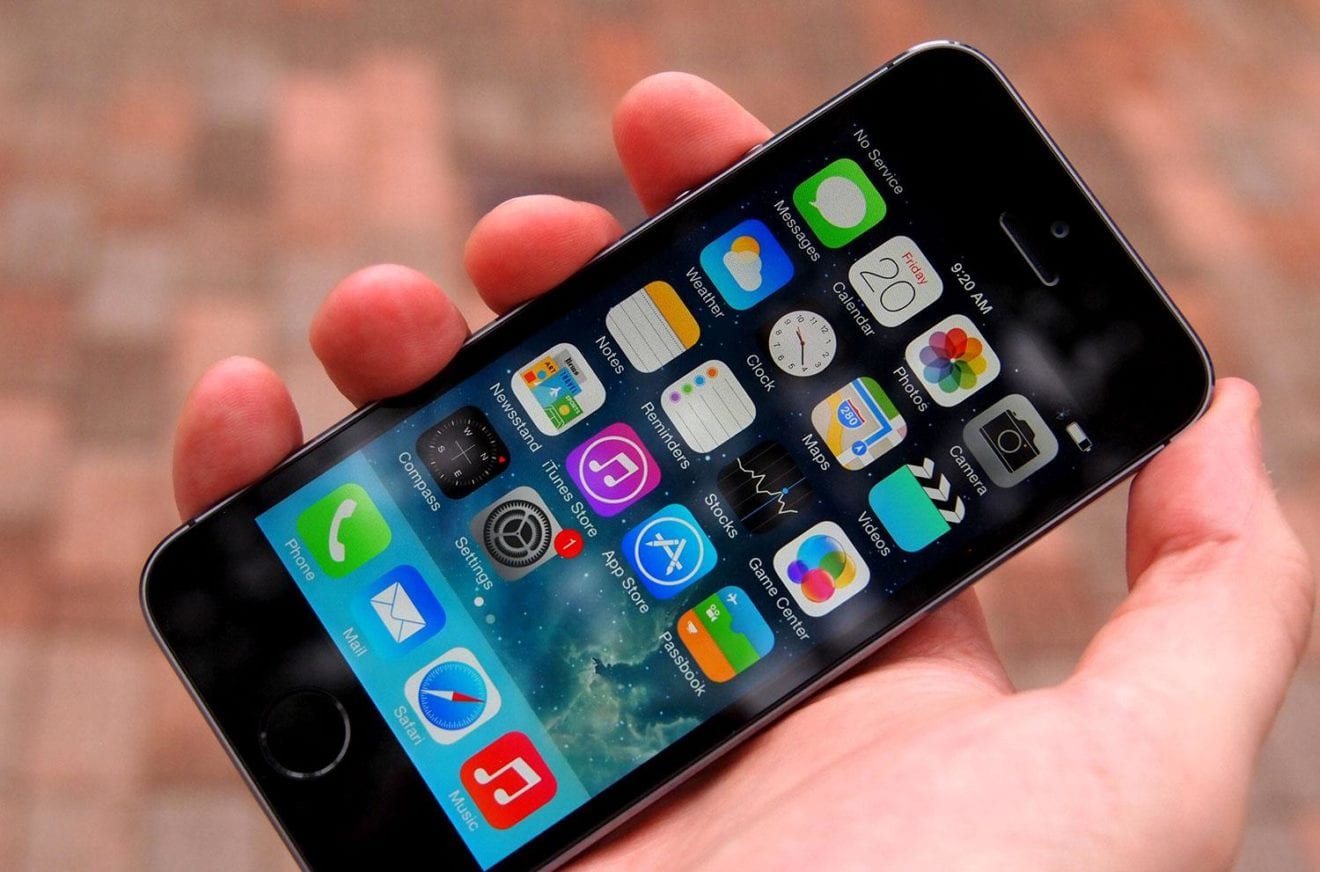
    Part of that success stems from the strong resale value of used iPhones, which many consumers view as a way to narrow Apple’s price premium, compared with most other smartphones. Unlike in the U.S., most Chinese purchasers pay for the iPhone in full up front.

    Apple offers its own trade-in program at its retail stores in China, where it offers store credit for used iPhones. But there’s also a massive network of small shops that buy and sell used iPhones.

    In Chongqing, the biggest city in southwestern China, Luo Lishan operates a stall in the basement of an electronics market only steps from an Apple store. She sells new and used iPhones and says that a year-old iPhone in good condition can fetch 3,000 yuan ($450) depending on the model, while other brands’ phones usually go for less than 1,000 yuan.

    “The iPhone keeps its value better than other phones,” she says, as she puts a SIM card into a new iPhone 6S Plus for a customer.

    To protect the resale value, Chinese consumers use their phones differently than many in the West. For example, they make more use of Apple’s “Assistive Touch” feature, which is intended for people with disabilities who have trouble pushing the home button to control the phone.

    Chinese users who worry about wearing out the home button instead tap Assistive Touch, which appears among other apps as a dimly lit gray square containing a white circle surrounded by two rings. Enabling the feature offers on-screen shortcuts to access Siri, raise the volume and other actions.

    To protect the screen, many Chinese iPhone owners also affix a screen cover. It’s so common that many electronics retailers affix the cover in the store at the time of purchase. Screen-cover vendors also set up booths outside Apple stores.

    Last October, a few weeks after Apple introduced the iPhone 6S and 6S Plus, hawkers waited outside Apple’s Sanlitun store in Beijing. Inside, Apple had sold out of metallic pink iPhones – a color Apple calls rose gold. Hawkers sold the hard-to-get phone outside at a mark-up.

    Prospective customers were directed to a man sitting on the steps next to the store. His job was to inspect the condition of an old phone offered for trade. If it was an iPhone, he’d check the screen for nicks and dings and look inside the phone software to verify details such as storage size and country of origin.

    After the inspection, he offered a price for the old phone. If the customer agreed to the price, the customer paid the difference between the cost of the new iPhone and the resale price of the old phone.

    After one trade, the man added the cash to thick bundle in his hand and tossed the old phone with other handsets purchased that day.


  • Government operating marine vessel power plant in North Sulawesi

    Government operating marine vessel power plant in North Sulawesi

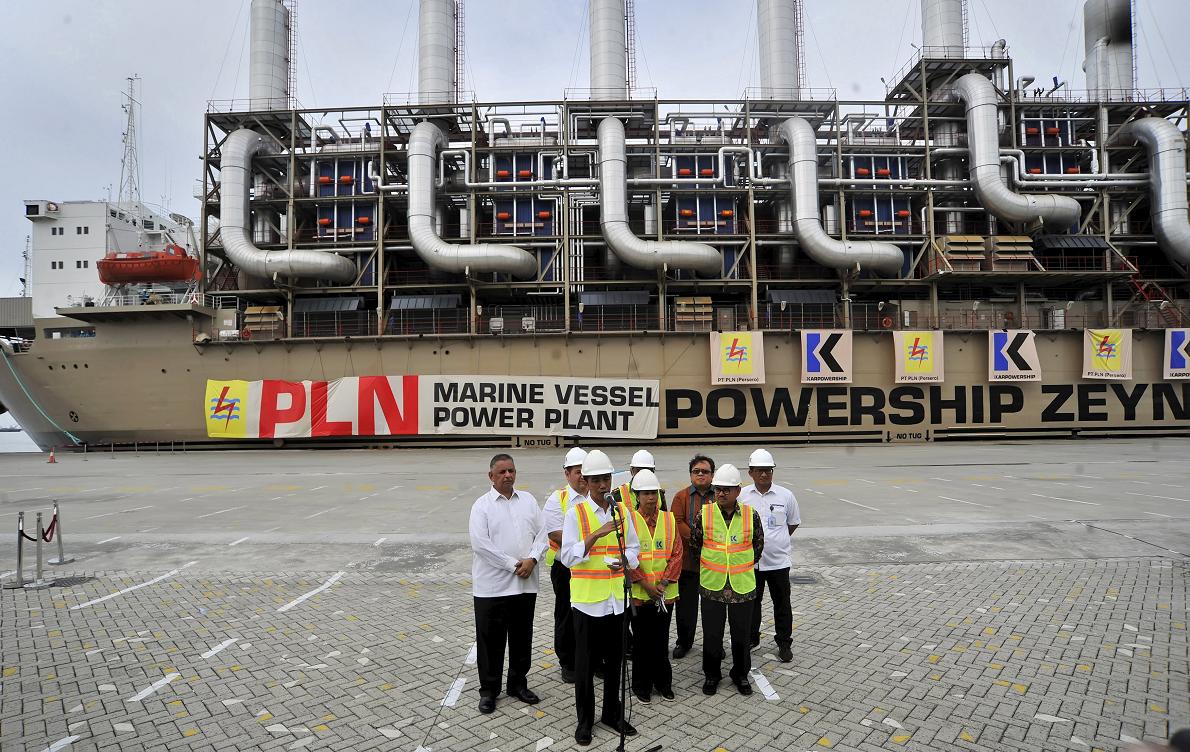
    The Indonesian government is operating a marine vessel power plant (MVVP) called Zeynep Sultan to deal with electrical power deficit in North Sulawesi province.

    “The presence of this vessel is part of the governments attention to the current electrical power deficit affecting various areas (in the country),” acting North Sulawesi governor Sono Sumarsono said while inaugurating the operation of the electrical power supplying vessel in South Minahasa on Sunday.

    The operation of the marine vessel power plant is part of the governments program to develop power plants with a combined capacity of 30 thousand megawatts to overcome electrical power deficit in several regions in the country.

    “Hopefully, this national program will be successful so all areas in Indonesia will have electricity in the future,” he said.

    Sumarsono, who is also director general of regional autonomy at the Home Affairs Ministry asked South Minahasa district head Rene Hosang to help secure the vessel while it is in the district.

    The Santiago military district command 131 will also deploy its personnel everyday to safeguard the vessel, he said.

    He expressed the hope the operation of the vessel will deal with electrical power crisis in the provinces of North Sulawesi and Gorontalo.

    “The power crisis has become cause for major concern in the two neighboring provinces. Mr Habibie (Gorontalo Governor Rusli Habibie) and I have been protested almost everyday in case of power blackout,” he said.

  • Indonesia lures Indians with free visas

    Indonesia lures Indians with free visas

    Indonesia may be attracting almost double the number of global tourists than India but visitors from here are few and the southeast Asian country has decided to grant free visas to Indians to attract more travelers from India which is a “big market” for them.

    Vinsensius Jemadu, Indonesia’s tourism director, was in India to promote Indonesian tourism and attract more Indians. He says Indonesia and India enjoy very good relations which will help in attracting more tourists. Indonesia is also participating in the South Asian Tourism and Travel Expo (SATTE) 2016.

    Jemadu said that more than 10 million people from across the globe visit Indonesia every year – but only 270,000 from India. Indonesia attracts the highest number of tourists from Singapore, followed by Malaysia, Australia, China, Japan, South Korea and then India.

    “Realising that India is a big market, the Indonesian government decided to grant free visas to Indians. We have set a target to attract 350,000 tourists from India this year, which is a big challenge for us,” he said. “Most of the people from India visit Bali. May be it is because they do not know about other places there. We want them to explore other places of the country as well,” he said.

    Indonesia’s tourism industry contributes nine percent to the country’s GDP. “Our plans are to boost tourism industry and increase it to 15 percent of the GDP by the end of 2019.”

    “As many as 60 percent of the total tourists visit Indonesia because of its rich cultural heritage while 35 percent come to the country to see its natural beauty. Five percent tourists come here to enjoy manmade activities,” Jemadu told IANS.

    Expressing concern over lack of direct connectivity between India and Indonesia, Jemadu said: “So far there is no direct flight between the two countries. People from India reach Indonesia via Singapore or Malaysia which is not good for tourism because people have to spend more time and money in travelling.”

    He, however, added that this issue will be sorted out soon as both the governments have agreed to start direct flight between the two nations.

    “I am hopeful that the direct flight between Mumbai and Bali will start by March or April. Garuda Indonesian airline had agreed to operate flights between the two countries,” he said.

  • Indonesia’s ex-President Habibie to build billion-dollar apartment project in Batam

    Indonesia’s ex-President Habibie to build billion-dollar apartment project in Batam

    The company of former president BJ Habibie, who ruled Indonesia from 1998-1999, is set to built luxury apartments worth a total of US$1 billion (S$1.42 billion) in Batam.

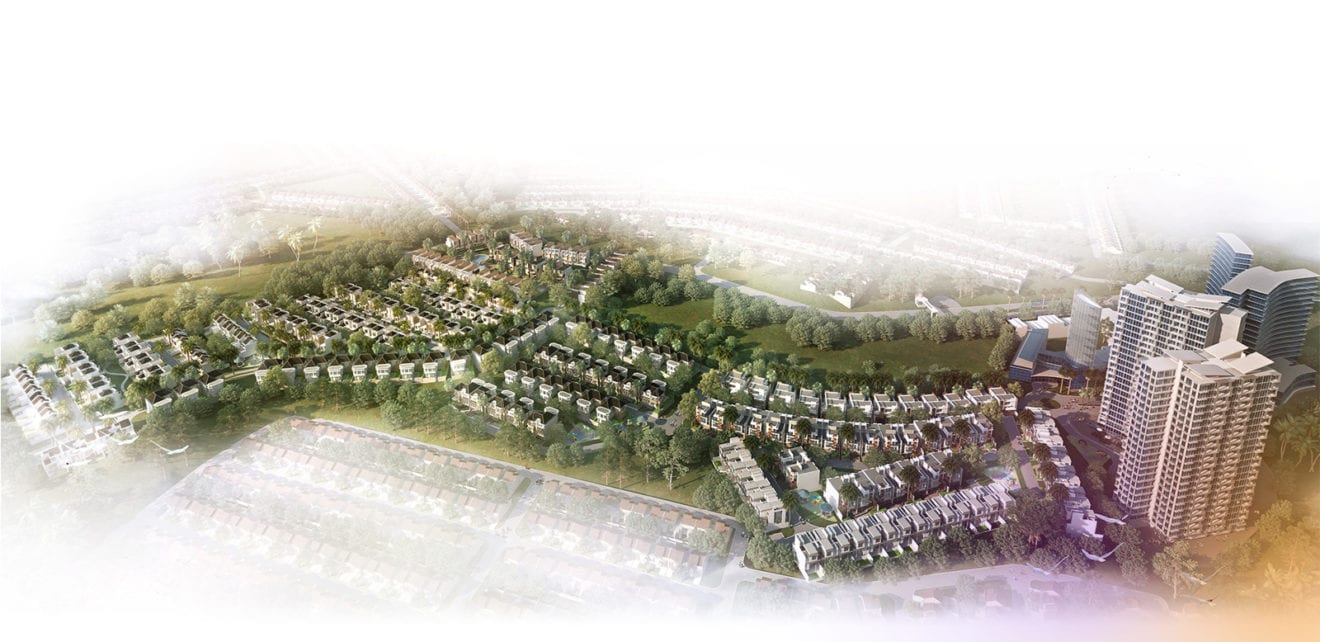
    The project, which features 11 towers of apartments, offices, hotel rooms and a hospital on a nine-hectare plot of land, aims to attract buyers from Indonesia’s neighboring countries, particularly Singapore.

    Work on the project, called Meisterstadt, will start in the middle of this year, Ilham Akbar Habibie, President Habibie’s son and commissioner of his company, Pollux Habibie International, told thejakartapost.com at the project’s launch in Batam on Saturday that the Meisterstadt superblock would be built in four stages.

    “Initially, the plan to construct a hospital in the superblock was in the last will and testament of my mum (the late Ainun Habibie) it will be implemented in the third stage of this superblock’s construction,” said Ilham.

    Pollux Properties Indonesia president commissioner Muladi, who was known as Habibie’s right-hand man during the latter’s presidential term, Batam Free Trade Zone Authority (BPK FTZ) head Mustofa Widjaja, Batam mayor Ahmad Dahlan and Meisterstadt Batam operational general manager Yosef Eduardus attended the ceremony.

    Ilham said the property business in Batam was promising because the area was quite close to Singapore. The developer hoped Singaporeans would be the main buyers of the apartments.

    “Singapore now has 5 million residents and it has continued to grow. We hope that we can benefit the country’s population, particularly in the property sector,” said Ilham.

    He added: “It happened in Hong Kong in the 1950s, during which the region’s population had flown to several provinces of the Chinese mainland near Hong Kong. We’ve now seen a similar situation in Guangdong, in which industries and businesses from Hong Kong have flown to the city.

    “Such an effect will happen between Singapore and Batam.”

    Ilham said the company hoped that a third of the apartments in the superblock complex would be bought by foreigners while the remainder would be marketed to local buyers.

    As many as 1,575 apartments in two of the towers, which will be built in the first stage of the construction project, have been booked by potential buyers with VVIP pass cards who attended the launch. In total, 1,874 VVIP pass cards were issued for the event.

    Three sizes of apartments, namely 24.82 sq m, 42.51 sq m and 51.59 sq m, will be built in the first stage of construction from 2016 to 2019. Prices for the units start at Rp 400 million (S$41,618).

    Batam mayor Ahmad said it was time for Batam to shift from landed to vertical housing due to its limited land.

    “The land in Batam is very limited. For our urban planning, we have recommended residences with the tower or vertical building concept. From the business aspect, it is very prospective because many noted developers have built their projects here. It means they see a huge market potential here,” said the Batam mayor.

    Mustofa said the authorities need to accommodate the need for premium residential compounds in Batam.

    “The growth of the number of Batam residents is the fastest in the world because of migration. To anticipate such a rapid growth, the Batam administration will also complement this city with toll roads and overpasses, which have been included in the national strategic project,” he said.

    “The toll roads and overpasses are aimed at anticipating traffic congestion in the next 10 years.”

  • Expatriates Start Acquiring Properties in Surabaya

    Expatriates Start Acquiring Properties in Surabaya

    About 10 percent of 450 apartments and Small Office Home Office (SOHO) developed by Operational Cooperation (KSO) PT Darmo Permai and PT Waskita Karya in the 88 Avenue Surabaya Project had been purchased by expatriates.

    KSO Wskita Darmo Permai managing director Kevin Sanjoto said that 65 percent of the 450 units had been sold. About 50 percent of the buyers were from Surabaya, 10 percent were expatriates, 15 percent from Jakarta and the rest of them were buyers from East Indonesia.

    “The expatriate buyers are from Japan, Singapore, and Korea. Some of them need places during their stay in Surabaya, including as preparations to face the ASEAN Economic Community (AEC),”Kevin said during the ground breaking ceremony of the project on Saturday, January 30, 2016.

    Waskita Karya Realty president director Didit Oemar Prihadi said that KSO Waskita Darmo Permai would hold road shows in big cities to boost the sales.

    “With such a strategy, we believe that we will gain new buyers, because many investors outside Java are interested in investing in Surabaya,” Kevin added.

    The apartment and SOHO project was a part of a superblock project developed on a 3.4-hectare land in West Surabaya. It was planned that the project would have eight towers consisting of SOHO, The Residence, The Suites, The Sky, The View, The Terrace, The Heritage and The Infinity. SOHO and The Residence would be the first towers to be completed.

    “By looking at the sales figure, and since the development project has been started, we expect to complete the project by 2018, and the handover can be conducted on August 8, 2018,” Didit said.

  • Indonesia becomes favorite destination for Chinese new year 2016

    Indonesia becomes favorite destination for Chinese new year 2016

    Chinas largest online travel agency, Ctrip.com, has revealed that Indonesia is one of the ten favorite destinations for Chinese tourists who want to celebrate Chinese New Year 2016 abroad.

    The ten favorite destinations based on the bookings made by the customers since mid January 2016 are Thailand, Japan, South Korea, Taiwan, Singapore, Hong Kong, United States of America, Indonesia, Malaysia, and Australia.

    Easy access in obtaining visas is one of the strong reasons they chose such countries, one of local media quoted the Publicity Manager of Ctrip, Yan Xin as saying here on Sunday.

    Indonesia ranked eighth of the ten countries that became the favorite destinations of Chinese tourists.

    Deputy of Sales affairs Director for the Asia Pacific Mission of the Indonesian Ministry of Tourism, Jordi Paliama said it was a good news to consider Indonesia as one of the Chinese tourists favorite destinations.

    “We would continue to improve our a variety and innovative promotions to attract more and more Chinese tourists,” he said in the event of “Indonesia Direct Promotion”, Beijing.

    The Ministry of Tourism has set a target of 200 visits of Chinese tourists for January-February 2016. It increased around 50 percent from the amount of 137,181 Chinese tourists visiting Indonesia at the same period in 2015.

    To increase the number of Chinese visits, the Ministry of Tourism also conducted a promotion programs in Wuhan, Shanghai, and Beijing.

    Ctrip.com estimated around six million Chinese people would spend their Chinese New Year holiday in foreign countries, starting from 7 February, with some 100 countries to be visited including Antarctic.

    East Asian countries such as Japan and South Korea remained the most popular destinations, while Singapore and Thailand became two Southeast Asian countries which attracted a lot of Chinese tourists during the celebration of the Year of Monkey.

    Around ten thousand Chinese tourists have been making reservations for holidays in Thailand, while some other preferred to choose Universal Studio, Singapore, to enjoy the warmth of tropical breeze.

    For a cruise tourism, around 90 percent of Chinese people chose to go to Okinawa and Kagoshima in Japan, and Jeju Island in South Korea.

    The Office of China National Tourism Administration (CNTA) reported that in 2015 there were 5.2 million Chinese people spent their Chinese New Year holiday abroad. The number was increased around 10 percent compared to the same holidays in 2014.

  • Why red-packet retailers are popping up in prime locations

    Why red-packet retailers are popping up in prime locations

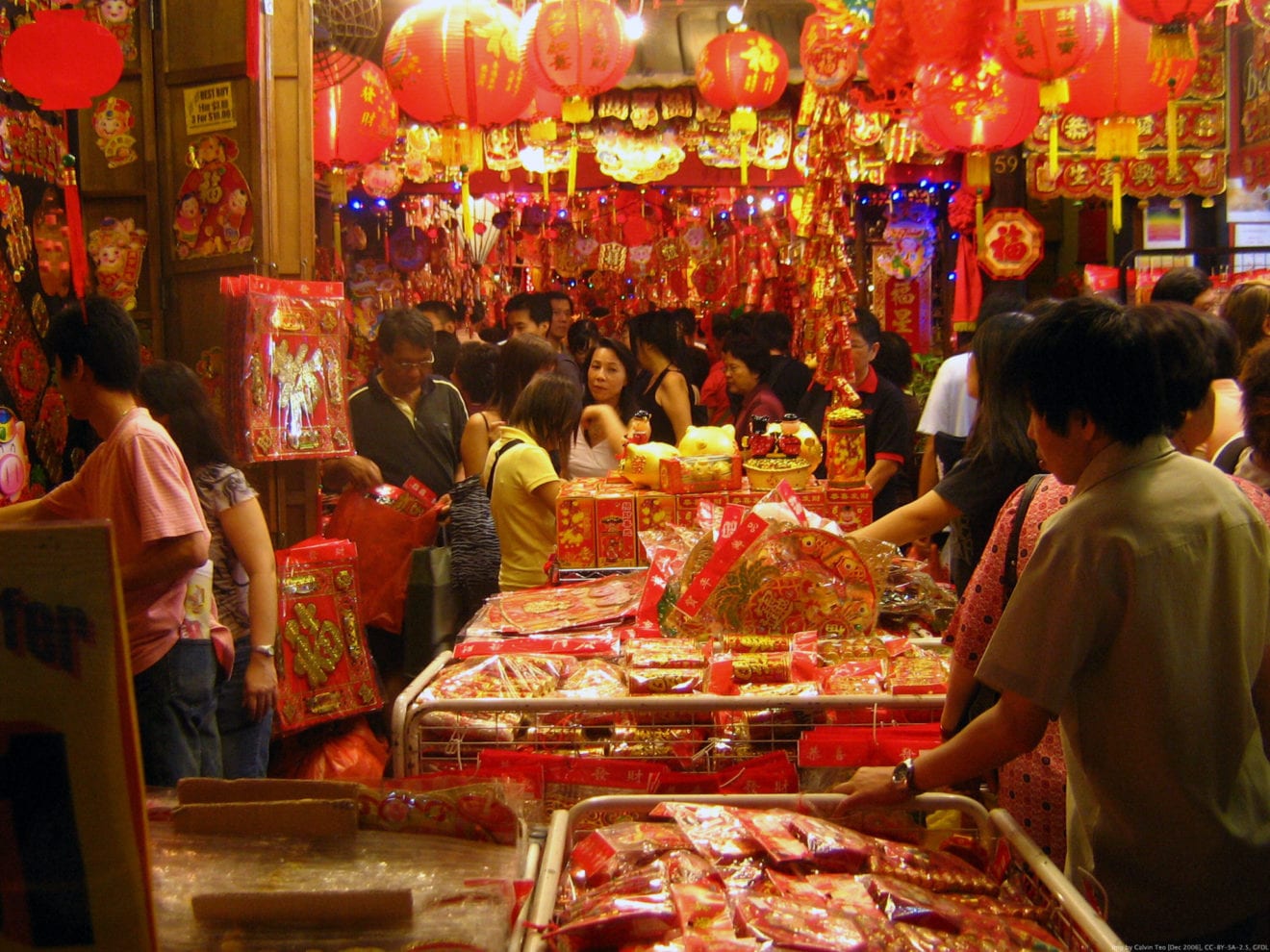
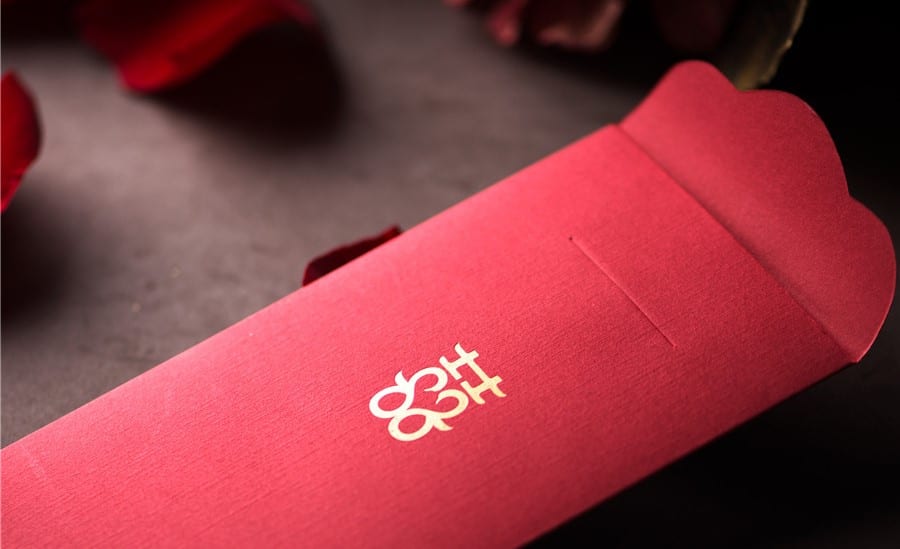
    During the Lunar New Year period, most Hongkongers would need some red envelopes to put in lucky money for kids, for young unmarried colleagues or for doormen.

    The envelopes are often obtained free as they are given away by banks, corporate houses or business counterparties. Hence, not many people would actually want to, or need to, pay for the items.

    So, it’s a bit surprising that in prime districts such as Tsim Sha Tsui, Causeway Bay and Mongkok, we have seen some new red packet outlets opened by a specialist retailer, Chinese Red Packet.

    The Tsim Sha Tsui outlet is located on premises where a Chow Tai Fook store once stood. The jewelry shop, which used to pay HK$2.6 million a month as rent, decided not to extend the lease due to a general slowdown in Hong Kong’s luxury retail segment.

    The Hong Kong Economic Journal talked to some real-estate agents to find out how the red packet vendor is able to afford that premium retail space.

    The truth is that there have been rising vacancies in street-level shops due to the lackluster sales. Landlords are more willing to accept short leases while waiting for long-term tenants.

    While some spots have been successfully leased out to long-term tenants, there is still a time lag before the new lease starts. Owners don’t mind offering the shops for a month or two on the cheap to at least get some income during the period.

    Still, we are talking something like HK$200,000 monthly rental. Are sales enough to cover that?

    Locals who want their red packets printed with unique or funny blessing words don’t mind forking out a small sum. There are also locals who want their surname on the envelopes to differentiate the gift packets from those of others.

    Meanwhile, the items are also said to be very popular with visitors who buy them as souvenirs, as the products come in all kinds of designs and colors including gold, pink, and purple.

    Going for about HK$100 a small pack of 50, the pricing is actually quite high and the profit margin pretty fat.

  • Is Time Running Out For Luxury in China?

    Is Time Running Out For Luxury in China?

    In 1992 Louis Vuitton made its debut in China with a store in Beijing’s bustling shopping district of Wangfujing, becoming the first luxury brand to set foot in the Middle Kingdom. The timing was perfect. The Chinese economy was just coming into its own, embarking on a spectacular journey of double-digit economic growth. This was the start of the consumerist boom that would shape the fortunes of many Western brands in China.

    Louis Vuitton’s signature monogram soon became ubiquitous in China as the company expanded its footprint across the country, first in all the major cities like Beijing, Shenzhen and Guangzhou, and then in second and third-tier cities. Gradually China became a big contributor to Louis Vuitton’s revenues globally. In a 2009 interview with Reuters, Jean-Marc Lacave, the then North Asia chief executive for LVMH Watches & Jewelry, said that the company aimed to strengthen its presence in China’s third- and forth-tier cities and gain market share.

    Several years have gone by, and now the legendary Louis Vuitton monogram seems to be losing some of its sheen in China.

    In 2015, Louis Vuitton closed three of its stores in China, including its flagship store in Guangzhou. Rumor has it that the Paris-headquartered company will continue to shutter more stores in the country.

    Louis Vuitton is not the only luxury brand that has run into rough weather. For most luxury brands, China is no longer the cash cow it once was. Multiple reports suggest that the luxury retail business in China is shrinking, leaving several big brands in a quandary.

    Two decades ago, when the likes of Louis Vuitton and Prada entered China, they had the much-coveted first-mover advantage in a market that was just starting to come into its own. Data from Euromonitor shows that the retail luxury market in China has grown from a very low base to $135 billion by 2013. But the tide seems to be turning. The size of the retail luxury market in China contracted slightly to $134 billion in 2014. And by all indications, this is just the beginning of a bigger slump.

    The top 10 global luxury brands as per market research company Millward Brown’s latest BrandZ report—a list that includes names like Louis Vuitton, Hermes, Gucci and Chanel—saw 6% of their total brand valuation evaporate in 2015. “Following a strong recovery from the global financial crisis, the pace of sales flattened for several reasons, including the economic slowdown in China, Brazil and Russia. In addition, China’s anti-corruption regulations trimmed luxury gift giving in that country,” the report said.

    In the first quarter of 2015, Italian luxury brand Prada experienced a 19% slump in sales from the Greater China region. The group also reported a 23% plunge in net profit in the first half of 2015. Similarly Burberry has hit upon hard times. According to a Financial Times report, the Greater China area contributes 25% to the classic English luxury brand’s sales numbers. But in 2015, demand in China (and from China) has been hit. “Burberry’s like-for-like sales in Hong Kong fell by more than 20 per cent in the three months to the end of September as fewer Chinese shoppers travelled to the region. Like-for-like sales in China fell by a mid single-digit percentage in the quarter,” said the report. The company blames the overall disappointing performance to an “increasingly challenging environment for luxury, particularly Chinese customers”.

    Confronted with an unstable market performance, several luxury companies have started shrinking their store numbers. In the past two years Burberry, Armani and Prada have reportedly shut down four, five and 16 stores respectively. Hugo Boss shut seven stores in China and Chanel is down to 11 stores in China, half the number it had during the good days.

    End of a Dream Run?

    Some of the reasons for China’s luxury slowdown are obvious, such as the Chinese government’s crackdown on corruption under President Xi Jinping’s regime. Cases of bribery, gifting, lavish purchases and ostentatious show of wealth have come under the scanner hurting luxury good manufacturers. The overall slowdown in the Chinese economy is also leading to belt-tightening measures further slowing luxury sales.

    But there’s another less obvious reason for the slowdown in China’s luxury market, according to Benoit Garbe, Senior Partner at Millward Brown. Till the slowdown hit China, this was a market on steroids and brands were expanding like crazy resulting in oversupply. “It’s been an easy ride for many luxury brands over the past 5-10 years when there was fast growing demand. [For brands] it was all about growing their distribution footprint, opening new stores. Now the market is a real market with more intense competition, more sophisticated demand,” says Garbe. “The best brands would think strategically in terms of differentiation and building relevance, and will be the brands that win.”

    As Chinese luxury buyers become more sophisticated, they don’t want to have the same luxury brand being used by every second person on the street. They are looking for more exclusivity. Adds Timothy Coghlan, Associate Director of Luxury Retail at Savills, “There’s a lot of evidence that the Chinese customer isn’t loyal. They will change between brands depending on which brand is trendy.”

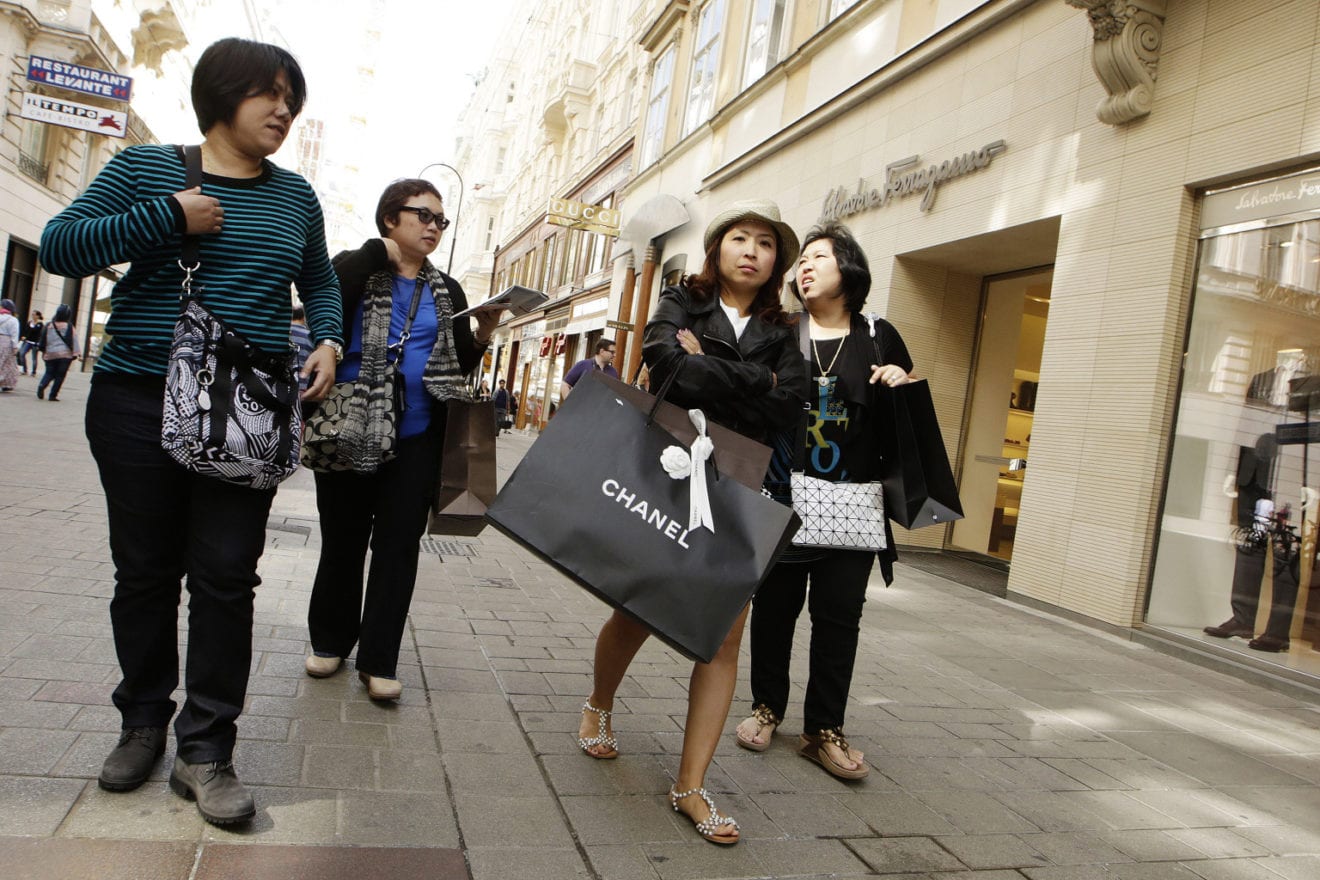
    Another big factor that has been denting the China sales numbers is the trend of consumers shopping for luxury overseas in order to avoid paying high import taxes in China. “High import taxes within China are a big incentive for shopping abroad—the same luxury handbag can often cost a third more in Beijing than in Paris, for example. But, holidays also encourage more extravagant spending habits,” writes Fflur Roberts, Head of Luxury Goods at Euromonitor, in an email response. If you look at the annual reports of several luxury brands, you may find weakened sales performance in China, but improved performance in neighboring countries like Japan and Korea, or even the brands’ countries of origin, such as France. Some of this is due to demand from Chinese travellers. Roberts adds that “wealthy Chinese tourists have been key drivers of global luxury goods sales for more than a decade. According to Euromonitor International, the Chinese made over two million trips to the US in 2014, an increase of almost 12% on 2013 and a massive 286% increase since 2009….”

    However, getting a good bargain doesn’t always require travel. Thanks to China’s e-commerce revolution, haitaos and daigous, or cross-border buying agents, have become popular. In the case of daigous (literally translated as “substitute buyers”), individual professional buyers usually stationed abroad can fulfill customized orders for consumers in China. Usually the daigous are Chinese students studying overseas, tour guides or air hostesses, in short, people who fly in and out the country frequently. Professional daigous will usually first take orders from customers and then procure and send the goods to China. In the case of haitaos, instead of individuals, companies do the buying. According to a report from Bain & Company, luxury purchases through daigous amounts to up to 15% of Chinese consumers’ total spending on luxury.

    Daigous and haitaos exist in a legal grey area as they skirt the government’s tariff regulations. The goods they ship to China somehow skirt Chinese import tax regulations. Daigous are not licensed sellers, which leaves issues of consumer rights in a grey area as well. While the Chinese government is starting to crack down on daigous, it will be a while before it has any serious impact on luxury sales via the proper channels.

    Luxury market infographoic

    Engineering a Bounceback

    Clearly, the problems luxury brands are facing in the Chinese market aren’t going away anytime soon. So what can brands possibly do to ease the pain? A few suggestions:

    Narrow the Price Differential:

    In March 2015, Chanel shocked onlookers by announcing its decision to increase prices in Europe by 20% and reducing them by a similar percentage in China. Prada was quick to follow suit by lowering prices in China. While it is hard to predict the impact this will have, it can be safely assumed that it will undo some of the damage done by high import taxes in China, and hence, help brands narrow the price differential between China and overseas. After all, in some cases, goods are 60% more expensive in China than they are in Europe. This will also help brands counter daigous who have been undercutting them with a vengeance.

    Customized Offerings:

    For the super rich price may not matter all that much. Some Chinese customers probably don’t feel that they are being overcharged: as long as they enjoy good customer service here, they won’t bother going overseas for a better bargain. “Buying a luxury product is more emotional than functional,” says Millward Brown’s Garbe. As Chinese customers become mature, they want exclusivity, privacy and service, and it’s not so much about price anymore. This is where brands need to think in terms of tailoring the experience accordingly. As Garbe puts it: “How do you make sure you know the customer very well, and then you deploy strategy and operations that allow you to, in-store, instantly recognize them? So they walk in the stores, [and] automatically on your iPad you know them, you know what they’ve bought, and you can really tailor your offer.”

    Adds Coghlan from Savills, “One of the things that I think is very important for brands is to set up a CRM program so they can track their customers globally. They can do it to some degree through WeChat or things like that.”

    Abroad at least, some brands are going out of the way to make important customers feel special. In some US stores, brands like Gucci, Prada and Louis Vuitton have created a special space for important customers. One of the Louis Vuitton outlets has “a rooftop area where guests can sun themselves and enjoy Champagne”.

    ‘Affordable’ Luxury:

    High net worth individuals are a very small group of people but the biggest consumers of luxury brands. There’s another demographic that cannot be categorized as super rich but is affluent nevertheless and aspires for luxury. Luxury brands can think of catering to this target group by rethinking their portfolio. The big three luxury groups, LVMH (owner of Louis Vuitton and Moët & Chandon Champagne), Richemont Group (owner of Cartier and Chloe) and Kering Group (owner of Gucci and Yves Saint Laurent) have all created or acquired lower profile brands for those who still want luxury, but a little more affordable and understated. Affordable luxury brands include the likes of Baume & Mercier (Richemont), Pomellato (Kering) and Loewe (LVMH). Another benefit of having a diversified portfolio, apart from profits coming from different streams, is offering the customer greater exclusivity. A Miu Miu, after all, can be far more exclusive than a Prada.

    Aligned Businesses:

    Some brands are going a step further and tapping into new categories altogether. Gucci, for instance, opened a full-service restaurant  in Shanghai. 1921 Gucci Café, as the restaurant is called, is connected to the Gucci store in the mall by an elevator. After browsing in the store, customers can stop by for an Italian lunch or dinner. Globally, Prada and Chanel have tapped into food as a category too. In 2014, Prada bought a stake in iconic Milan cafe Pasticceria Marchesi. The café “serves everything form breakfast and lunch to aperitifs, with custom-made fine china, it aims at creating a very luxurious experience for its customers.” Restaurants and cafes might help improve the customer experience or add to the brand, though not everyone agrees with this view.

    Tapping E-Commerce:

    A couple of years back the widespread notion was that e-commerce is not for luxury, mostly because e-commerce was associated with discounts, something that doesn’t go with the idea of luxury. “For many years there was this belief that digital was not for luxury brands… and there [was] a lot of resistance to it,” says Garbe. Also, shopping online almost certainly meant sacrificing the customer experience. As Garbe puts it, for lots of luxury brands “digital and e-commerce was all about price and discounts, it [was] not experiential as a store experience”. The tide, however, is starting to turn.

    The reality is that given Chinese customers penchant for shopping online, luxury brands can no longer afford to ignore e-commerce. According to a Bain study on luxury behavior, 73% of luxury buyers search online before they purchase. “If you think of Tmall or how consumers actually behave, they really seek for peer inducement or they seek for recommendation or reviews. In a way e-commerce is very important because consumers now shop based on the reading or what is being said on the brand. You need to start those conversations as well to be able to get the positive review from people.” says Garbe.

    The e-commerce or digital space also give brands opportunities to experiment with different scenarios. “I think Tmall or any online platform allows you to try different things, some of which will be added value offers, some of it will be experiential offers, maybe pricing. But again you try multiple ones and you see what works and you adapt and you change. That’s the beauty of online platforms: that you can really learn and experiment,” says Garbe.

    Once a luxury brand sets up an online shop, the physical and online stores will play separate roles in tandem with each other. “One of the opportunities is making your retail (physical store) as a full experiential center, where consumers get to touch, feel, be transported,…. Maybe you don’t need to have as much inventory in the store, you use the store as a brand building platform where people can go and buy online, but it should be the same price (as the physical store), and vice versa people could go screen [the] shop [online], but they still want to touch the product and then they can go and pick it up at a store and make sure this is what they want.”

    Tailor to China:

    For some brands, tailoring their products or experiences to China might work wonders for their sales. Tiffany has a “tailor for China” strategy. “The Tiffany Keys Collection, a jewelry collection tailored for China, [has] been one of their fastest growing items [here]. Again it’s tapping into that Chinese value of the key representing the possibility to unlock which is very relevant to many women who want to wear the keys for what it means and what it stands for in the mind of Chinese consumers.”

    Relating your products to Chinese culture is another way to get Chinese customers interested. Dolce and Gabbana (D&G) did this in their 2016 Spring & Summer collection, which was inspired by Chinese motifs from the 17th century. “They were using all those visual Chinoiserie or Chinese motifs to really bring into the DNA of D&G. In a way it’s a European brand saying: ‘How do we win in China?’” Designers of Burberry were also inspired by Chinese culture, and customized their products especially for the Chinese consumers. During the 2015 Spring Festival, they launched a scarf collection with the Chinese character for ‘prosperity’ embroidered on it. That move, however, backfired as Chinese consumers felt it made the scarf look like a knockoff. So while tailoring for China is great in theory, it needs to be done carefully.

    The bottomline is that the Chinese market is too big for luxury brands to ignore. They just need to find new ways to tap the opportunity here.
  • Changi Airport hits record high in retail sales

    Changi Airport hits record high in retail sales

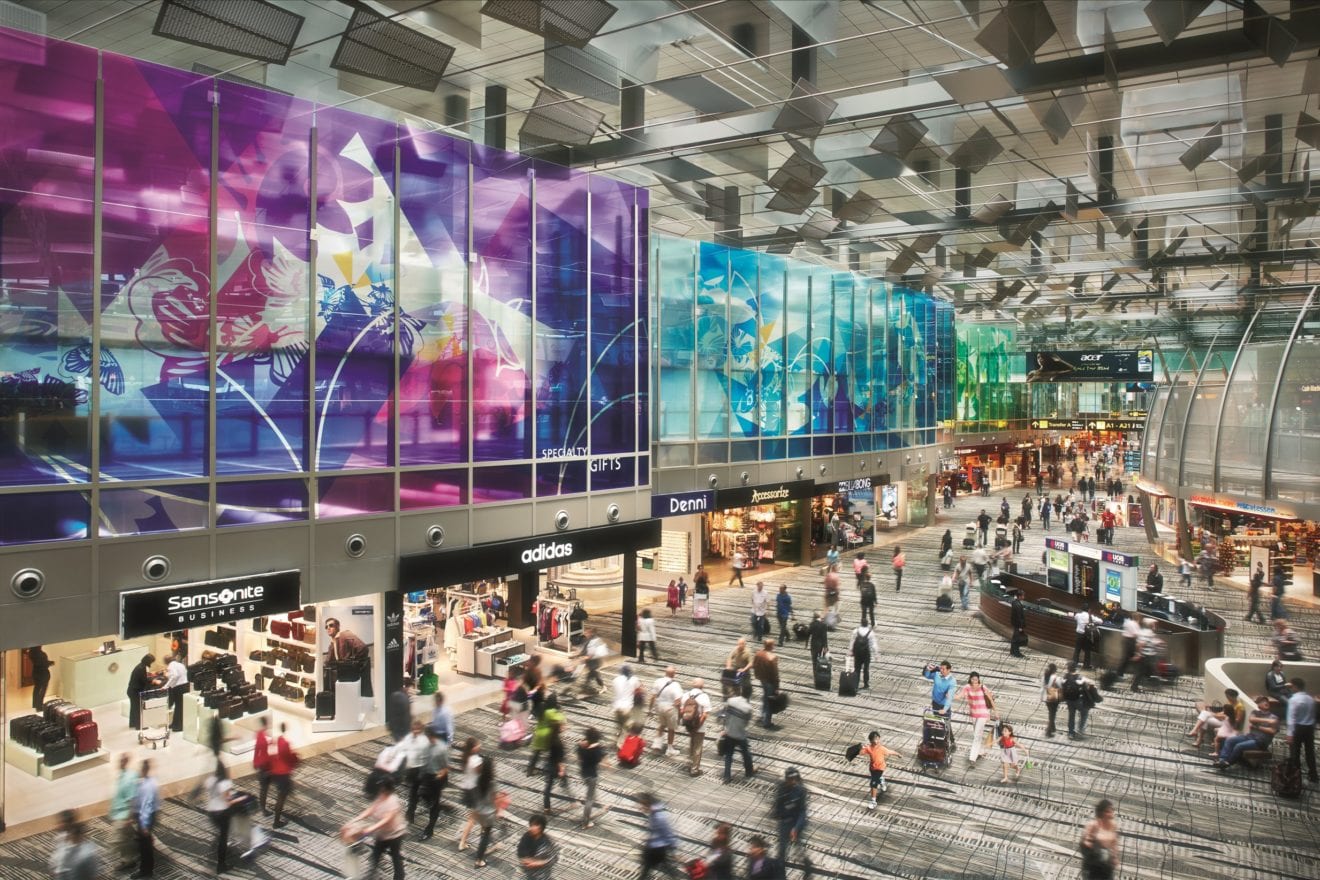
    Sales at Changi Airport hit a record high of $2.2 billion last year, on the back of growing passenger numbers.

    Spending at the airport’s retail and food stores grew by 8 per cent year on year, it was revealed yesterday.

    Travellers from China accounted for a third of the airport’s retail market and Singapore consumers, a fifth. The other top spenders were from Indonesia, India and Australia.

    Passenger traffic figures are expected to be released next week.

    In 2014, Changi Airport was among the top three airports in the world in terms of retail business performance. Last year’s ranking is not available yet.

    Ms Lim Peck Hoon, executive vice-president (commercial) at Changi Airport Group (CAG), said yesterday: “We are delighted to achieve yet another record high for concession sales at Changi Airport in 2015. This is positive for the Singapore air hub as profits from our retail business help to offset the cost of our aeronautical operations.”

    Despite the depressed market conditions, Ms Teo Chew Hoon, senior vice-president of airside concessions, said CAG is gunning for an even better sales target this year.

    Shoppers’ favourite buys are liquor, tobacco, cosmetics and perfumes. These are followed by luxury goods, electronics and equipment and chocolates and sweets.

    Ms Lim said last year’s retail performance was down to a successful commercial strategy, which saw the introduction of three liquor, beauty and fashion duplex stores, the first of their kind in the world. They even have their own bar lounges and wine-tasting corners.

    Well-known brands such as Zara and Samsung also launched their first stores at Changi Airport.

    Other promotions, such as one for Star Wars soft toys during the year-end holidays and the “Be a Changi Millionaire” draw, contributed to the retail buzz.

    British administrator Linda Tobin walked away a million dollars richer yesterday, after she won the Changi Millionaire draw.

    The 52-year-old took the top prize after her niece suggested that she pick boarding ticket No. 3, which fitted into a jigsaw puzzle of a picture of a boarding pass.

    Ms Tobin, one of the seven finalists picked for the grand draw, was on her third flight through the airport. She qualified after buying a $412 bottle of whisky.

    “I am on top of the world,” said Ms Tobin, who plans to use the money to spruce up her home and garden and buy a car. She also promised her niece a trip back to Singapore.

  • Nakheel to showcase USD4.6bn real estate in Dubai Property Show in Hong Kong

    Nakheel to showcase USD4.6bn real estate in Dubai Property Show in Hong Kong

    Dubai-based real estate master developer Nakheel , creator of some of the world’s most famous landmarks including Palm Jumeirah, is heading east to showcase new projects with construction values of over US$4.6 billion at the Dubai Property Show in Hong Kong this week.

    Nakheel , whose projects already span more than 15,000 hectares and provide homes for over 200,000 people, is the biggest developer at the show, which will highlight Dubai’s unrivalled opportunities for real estate investment. Nakheel will exhibit a diverse range of new master developments, residential properties and retail and hospitality projects at the three-day event.

    Investors from Hong Kong and other parts of the Far East and South-east Asia have already bought around 500 villas, apartments or land plots from Nakheel , spending a combined US$245 million in the process. Chinese investors account for nearly 80 per cent of these purchases: 390 properties worth US$212 million. The biggest group of overseas investors with Nakheel is Indians (4,400 properties worth US$2.5 billion).

    Thousands more Chinese people have invested in Dragon Mart, Nakheel ‘s sprawling, recently-expanded retail and trading complex in Dubai. Dragon Mart is the world’s biggest Chinese trading hub outside mainland China, with more than 4,000 shops, restaurants and entertainment outlets welcoming an average 80,000 visitors daily.

    Nakheel Chairman, Ali Rashid Lootah, said: “The Dubai Property Show is the ideal platform from which to highlight how investors in Hong Kong can be part of the Dubai real estate success story, as end-users or with a view to renting out.

    “Dubai’s excellent transport, education, trade and leisure facilities act as a magnet for people to live and work in the emirate. These people need accommodation, meaning a huge demand for rental properties, which offer substantial investment returns. We look forward to further strengthening our relationship with investors in this part of the world through this exciting event.”

    Nakheel ‘s projects on show in Hong Kong include the 15.3 square kilometre Deira Islands coastal city; luxury high-rise apartments in the 52-storey Palm Tower and high-end waterfront units at Azure Residences at Palm Jumeirah; and spacious three-bedroom townhouses at Warsan Village, a new, gated community located near Dragon Mart and Nakheel ‘s biggest master community, International City. Warsan Village and International City are already home to 300 investors from China and the Far East.

    Deira Islands

    Deira Islands, Nakheel ‘s new, 15.3 sq km waterfront city, is set to transform Dubai’s Deira district into a world-class hub for tourism, retail and entertainment, adding 40 km, including 21 km of beachfront, to Dubai’s coastline in the process.

    The project will contribute significantly to the Government of Dubai’s tourism vision by paving the way for the development of hundreds of new hotels, serviced apartments, mixed-use buildings and residential waterside developments.

    Nakheel itself is developing a significant amount of the 4.5 million square metre south island, creating a unique creek side destination with an array of retail, entertainment and hospitality attractions including Deira Mall; Deira Towers and Boulevard and Deira Islands Night Souk. Nakheel is also developing five hotels at Deira Islands, with planned joint ventures already announced for three of them with Spain’s RIU Hotels & Resorts, Thailand’s Minor Hotel Group and Thailand-based Centara Hotels & Resorts.

    The Palm Tower Residences, Palm Jumeirah

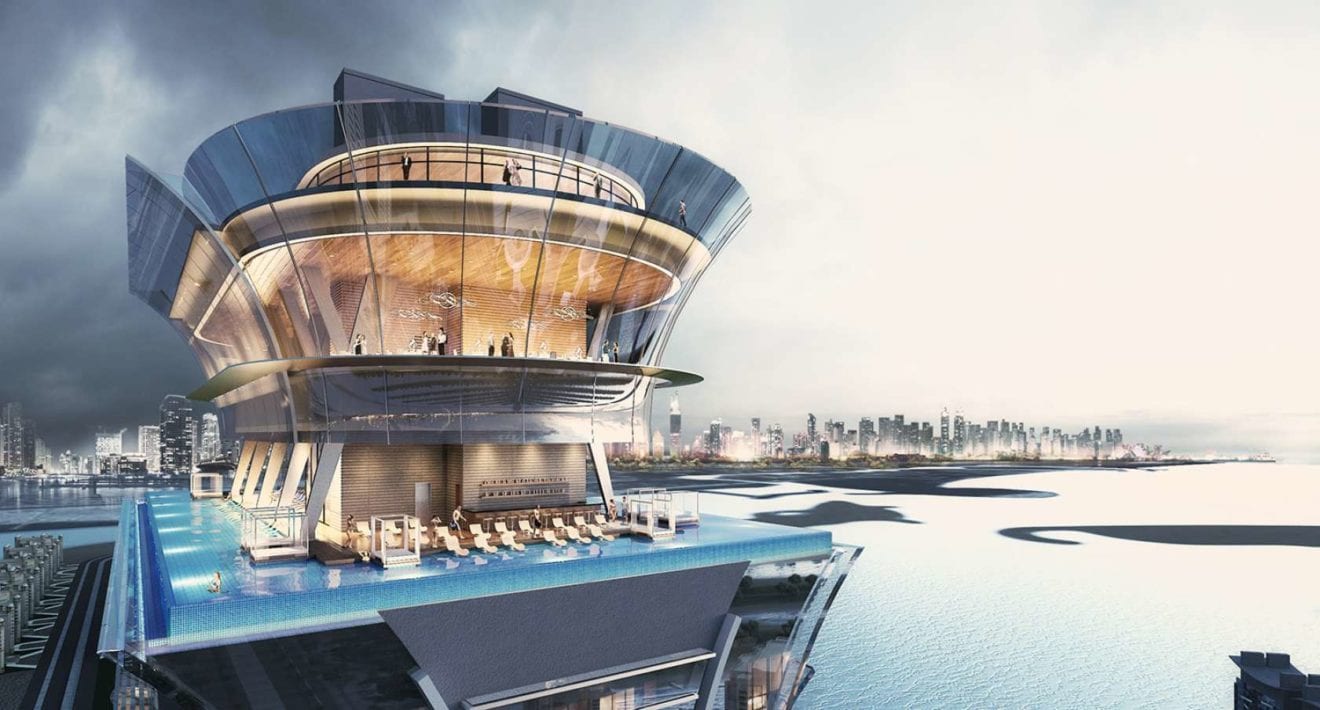
    The 52-storey Palm Tower, currently under construction at the heart of Palm Jumeirah, is a landmark development with 504 luxury residences and a five star, 290-room hotel – to be managed by Starwood Hotels & Resorts under the luxury St Regis brand – with an array of dining and leisure facilities, including a rooftop infinity pool, restaurant and viewing deck

    The Residences, on sale from around US$460,000, comprise furnished studios and one, two and three bedroom apartments with uninterrupted, panoramic views of Palm Jumeirah, the Arabian Gulf and the Dubai skyline.

    The Palm Tower is adjacent and linked to Nakheel Mall, also under construction, meaning residents will have more than 300 shops, cinemas, medical facilities, fitness centres and a roof terrace with fine dining outlets on their doorstep. Palm Jumeirah’s beach clubs and other retail and entertainment outlets are within easy reach, too.

    Azure Residences, Palm Jumeirah

    Azure Residences is a new collection of beachfront apartments and dining outlets on Palm Jumeirah’s eastern shoreline. With spectacular views of the Arabian Gulf and Dubai’s skyline, Azure Residences includes 170 one and two bedroom apartments – which will ready for occupation by summer – and nine restaurants, including the Breakwater signature restaurant with 360 degree water and city views. There is also a sea-facing infinity pool, rooftop gym, 266 car parking spaces and mooring facilities for water taxis.

    Apartments come with an equipped kitchen and private terrace. Prices start from approximately US$690,000 for one bedroom units and US$1.28 million for the two bed option. All two bedroom units have a maid’s room. Azure Residences is close to a wide range of Nakheel retail, dining and entertainment developments on the island, including the newly-opened Golden Mile Galleria and the upcoming Nakheel Mall, The Pointe, Palm Tower, Boardwalk and Palm Promenade.

    Warsan Village

    Warsan Village is a new gated, mixed-use community with over 1,300 quality, three-bedroom townhouses, a sprawling souk with 1,170 shops, a mosque and a sports and recreation centre.

    Currently under construction, Warsan Village is set on a 47.5 hectare site close to the recently expanded Dragon Mart retail hub.

    Each town house covers 2,000 square feet and comes with a maid’s room, three bathrooms, powder room, two balconies, private garden and parking for two cars. Prices start at around US$480,000.

    At the heart of Warsan Village will be a recreation centre with swimming pool, sports courts and gymnasium; a mosque with car parking; and extensive shaded, green space including a large park with a 1.7km jogging track. The community also features Warsan Souk, a vibrant retail and dining hub with 1,170 shops, two department stores and 30 cafes and restaurants with indoor and outdoor dining. The souk, designed as a modern take on a traditional Arabic souk is already fully leased.

    Nakheel is also offering investment opportunities at a diverse selection of large-scale retail, dining and entertainment hubs in Dubai. Among them are Nakheel Mall and The Pointe on Palm Jumeirah; Deira Mall on Deira Islands and Al Khail Avenue and the Circle Mall at Jumeirah Village.

    Nakheel and its projects,was in stand D8 at the Dubai Property Show, Hong Kong Convention and Exhibition Centre, 28-30 January 2015.

  • Aquazzura’s First Asian Store Opens In Hong Kong End Of 2016

    Aquazzura’s First Asian Store Opens In Hong Kong End Of 2016

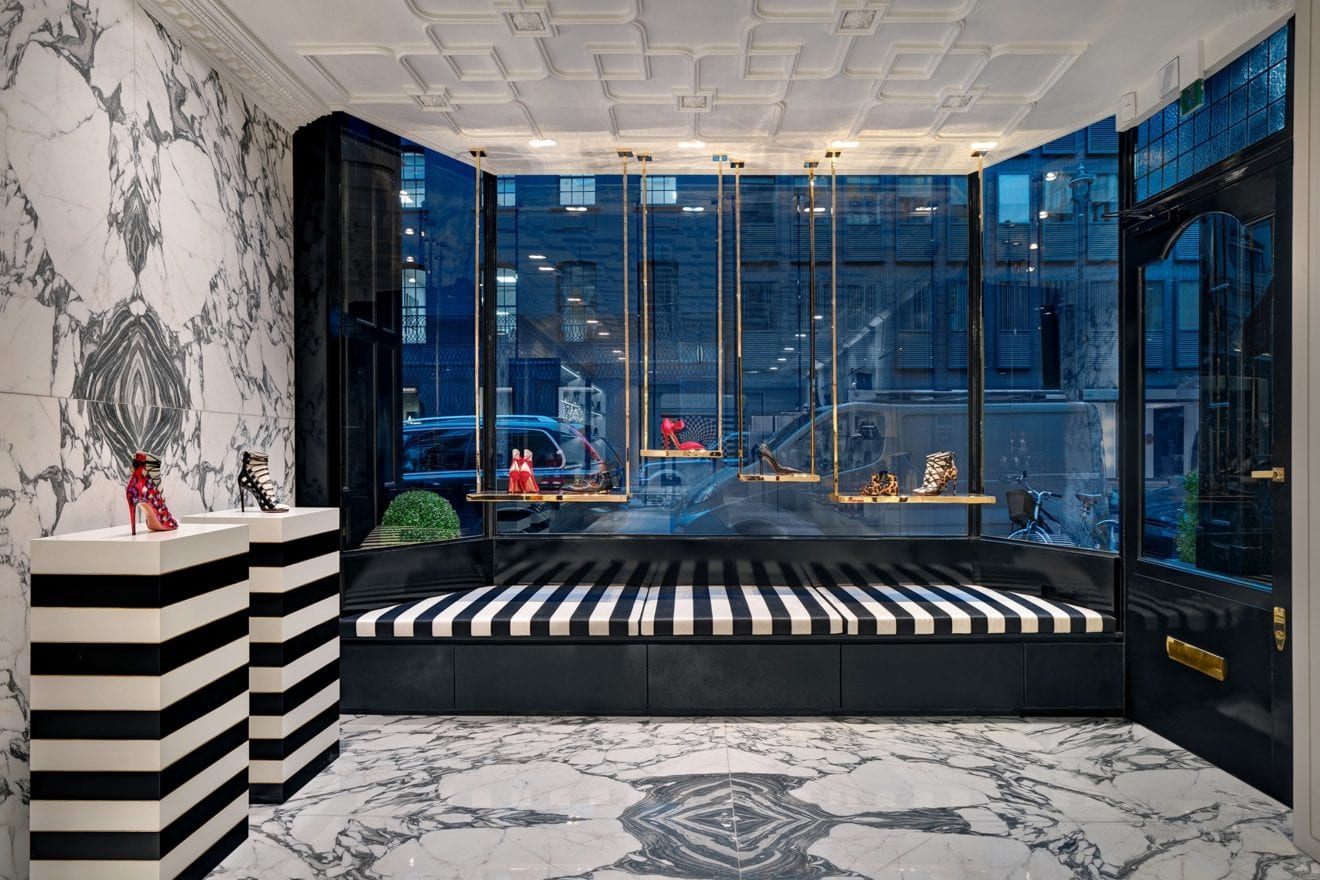
    Florence-headquartered luxury shoe brand Aquazzura plans to open its first Asian store in Hong Kong at the end of 2016.

    Edgardo Osorio, co-founder and creative director of Aquazzura, said that Hong Kong is a window to Asia and an excellent place to start the brand’s business expansion in Asia. Though Osorio refused to provide a detailed sales figure, he said that the brand is doing amazing things in the Asian market already.

    He added that they have been expanding and their stores maintain good sales performance.

    The luxury shoe brand Aquazzura was founded by designer Edgardo Osorio in 2011. Its products combine Italy’s traditional craftsmanship with luxury designs, which are popular among fashionable women.