Author: Mei Ling Tan

  • Xiaomi to take its time on deciding on single brand retail licence

    Xiaomi to take its time on deciding on single brand retail licence

    Xiaomi is keen on applying for a single-brand retail licence in India and will take a final call on the matter in a couple of weeks after more consultations as the Chinese company strives to deepen its presence in the world’s fastest-growing smartphone market, where it just recorded its best-ever quarter by sales.

    As part of its India strategy for 2016, Xiaomi will locally manufacture most of the phones it will sell in the country, begin investing in startups and expand its offline presence, Manu Jain, the company’s head of India operations, told ET.

    “We would be very keen (on applying for single-brand retail) but we would want to understand this better. We are talking to multiple people who are subject matter experts on this to understand everything about it before we go ahead,” Jain said. “Overall, this looks very positive from our perspective.”

    Once it applies, Xiaomi would join Apple as among the top foreign brands opting for a direct presence in India, which eased foreign direct investment rules for single-brand retailing in November. The South Asian nation relaxed mandatory local procurement conditions for high-tech companies and allowed single-brand licence holders to sell their products directly online.

    Xiaomi currently sells 90% of its products through online portals Flipkart, Amazon, Snapdeal and its own store, Mi.com, and has ventured into the offline market with outlets of Airtel and The Mobile Store selling about 10% of its devices. The company will forge more partnerships to expand its offline presence in 2016 and will focus equally on revving up sales through its own portal.

    Jain said the aim would be to achieve a balance between online and offline sales, similar to what it has in China, where one-third of its sales comes from offline channels.

    Through a combination of online and offline sales in India, Xiaomi clocked its best-ever three months yet, selling between 1 million and 1.5 million smartphones in the quarter ended December. “This is the second consecutive quarter that we’ve crossed 1 million…despite the competition, we continue to grow aggressively,” Jain said. In the September-ended quarter, sales were up 45% on-quarter.

    “One of our targets for 2016 is to invest in startups,” Jain said, which would replicate the model followed by the company in China. Though Jain didn’t specify the amount, he said the company would be flexible and investments would depend on the startup and the stage it has reached.

    India will continue to be a critical market and Xiaomi will reduce the time gap between China and India product launches and also introduce more models in 2016. Separately, it will scale up local manufacturing to make a majority of the phones that it sells in the country.

    Jain did not share the present manufacturing capacity at Sri City in Andhra Pradesh, where Foxconn manufactures phones for Xiaomi, but said that the scale-up will be “significant.”

  • Singapore’s retail sector receives boost in talent development

    Singapore’s retail sector receives boost in talent development

    This initiative sees the integration of Enhanced Internship with SkillsFuture Earn and Learn Programme; whereby five local retailers will invest in talent management and retention programmes during students’ internships.

    Singapore’s five polytechnics – Nanyang Polytechnic (NYP), Temasek Polytechnic (TP), Ngee Ann Polytechnic (NP), Singapore Polytechnic (SP) and Republic Polytechnic (RP) – together with the Institute of Technical Education (ITE) and five local retailers signed on Tuesday (26 Jan 2016) a Memorandum of Understanding (MoU) to integrate the Enhanced Internship with the SkillsFuture Earn and Learn Programme.

    The signing took place at an Industry Practitioner Seminar organised by the Singapore Institute of Retail Studies (SIRS), and was witnessed by Mr Ong Ye Kung, Acting Minister for Education (Higher Education and Skills).

    The MoU were coordinated by NYP, which leads the Retail Sector Coordination Team (SCT) in support of the national SkillsFuture movement. The Retail SCT also comprises the other four polytechnics, ITE and SIRS.

    Under this partnership, the five retailers – Charles & Keith (Singapore) Pte Ltd, Cold Storage Singapore Pte Ltd, Isetan (Singapore) Limited, StarHub Ltd and Wing Tai Retail Pte Ltd – will invest in talent management and retention programmes during students’ internships.

    Students who successfully complete at least 20 weeks of the Enhanced Internship with these firms may have a chance to be offered employment through the SkillsFuture Earn and Learn Programme.

    The duration of the SkillsFuture Earn and Learn Programme will be reduced to 12 months instead of the usual 18 months, and will culminate in a Singapore Workforce Skills Qualifications (WSQ) Specialist Diploma or WSQ Advanced Certificate in Retail Supervision. Supported by the Singapore Workforce Development Agency (WDA), this fast-track route enables a seamless integration of Enhanced Internship and the SkillsFuture Earn and Learn Programme.

    Another 11 retailers signed a separate MoU to offer Enhanced Internships to retail students. It was announced last year that Enhanced Internships would be offered to second- or third-year polytechnic or ITE students; and by 2020, all polytechnic and ITE courses will offer this.

    “As the sectoral lead for retail – an industry which is ever-changing and high in manpower demands – Nanyang Polytechnic aims to continue encouraging organisations to play a stronger role in talent growth and retention. The partnerships today will see more students getting a deeper knowledge of retail operations, and more importantly, allow companies to retain high-potential talents from the time they are interns,” said Jeanne Liew, Principal & Chief Executive Officer, Nanyang Polytechnic.

    “Integrating the Enhanced Internship with the SkillsFuture Earn and Learn Programme provides a seamless learning experience for students as they transit from school to the workplace. At the same time, the integration will boost employers’ efforts in identifying, attracting and developing skilled local talent. Both initiatives will work in tandem to better match polytechnic and ITE students with employers in their fields of study,” added Ng Cher Pong, Chief Executive of WDA.

  • Burma’s Gasoline Retailers Urged to Cut Prices

    Burma’s Gasoline Retailers Urged to Cut Prices

    With world oil prices sinking, the Myanmar Petroleum Traders Association (MPTA)has urged the country’s gasoline retailers to slash prices.

    In a letter to the association, the Ministry of Energy said that although the retail price at Rangoon gas stations has seen a small decline—from about 50 to 80 kyat (US$0.04 to 0.06) per liter—the gap between world and domestic prices has yet to be sufficiently bridged.

    “While importers can easily reduce the wholesale price, it’s more difficult to reduce the retail prices at gas stations because there are costs for running these stations,” said Win Myint, chairman of the MPTA.

    “Some stations in other cities haven’t reduced their retail price. That’s why now we’re encouraging them to cut the price as much as they can,” he added.

    Distribution at gas stations has proliferated since the Burmese government eased restrictions on importing gasoline in 2011. More than 50 companies now import from Singapore alone.

    Burma imports some 80,000 tons of octane and 200,000 tons of diesel each day, according to the MPTA. In Burma, one liter of octane is about 550 kyats, down from 600 kyats, while diesel prices have fallen from 570 to 500 kyat over the last week.

    In the world market, one barrel of oil runs for approximately $30 to $50.

  • South Korea’s industrial production rebounds

    South Korea’s industrial production rebounds

    South Korea’s industrial production rose 1.2 percent in December from a month earlier, posting the first rebound in three months, a government report showed on Friday.

    The production in all industries declined 1.3 percent in October and 0.4 percent in November each before gaining 1.2 percent in December on a month basis, Xinhua cited Statistics Korea as showing.

    The rebound came on the back of improvement in both production and investment among manufacturers.

    Production in the manufacturing and mining industries grew 1.2 percent in December from the previous month. It was attributable to the resumption of operations in oil refiners and petrochemical companies after the end of the regular maintenance period.

    Output in chemical products increased 4.7 percent, with oil-refining activity expanding 7.3 percent.

    Inventory among manufacturers reduced three percent, and the factory utilisation rate in the manufacturing industry averaged 73.8 percent in December, up one percent from the previous month due to a year-end demand.

    Production among service companies were steady last month due to slump in finance, insurance and wholesale & retail sectors that offset growth in transport and leisure sectors.

    Retail sales, which reflect private consumption, reduced 0.1 percent in December from the previous month, falling for two straight months.

    The private consumption jumped in October thanks to massive promotion events, called Korea Black Friday, and consumption tax cuts for cars, but it turned downward for two months through December.

    Sales of semi-durable goods like clothing tumbled five percent as the average temperature of the winter season was higher than usual despite a temporary cold wave.

    Durable goods sales increased 3.8 percent on demand for cars.

    Facility investment declined 6.1 percent in December on a monthly basis as machinery and transport companies spent less on equipment.

    Construction works completed expanded 7.4 percent as a large number of apartments went on sale and social overhead capital (SOC) was spent much last month.

    For the whole year of 2015, industrial production increased 1.5 percent, up from a 1.3 percent expansion in 2014.

    Production in the manufacturing and mining industries reduced 0.6 percent last year as sluggish exports dragged down the demand for production of ships and electronic devices such as handsets.

    It marked the first reduction in manufacturing production since 2009 when the global financial crisis peaked.

    Manufacturers posted a capacity utilisation rate of 74.2 percent in 2015, down 1.9 percent from a year earlier.

    It was the lowest in 32 years since 1998 when the Asian foreign exchange crisis hit South Korea.

    Production in the service industry grew 2.9 percent in 2015, recording the biggest yearly expansion in four years.

    Retail sales increased 3.4 percent last year, with facility investment growing 6.2 percent.

  • Maitland Smith Philippines Designer Exquisite Vase Pottery, retail$349

    Maitland Smith Philippines Designer Exquisite Vase Pottery, retail$349

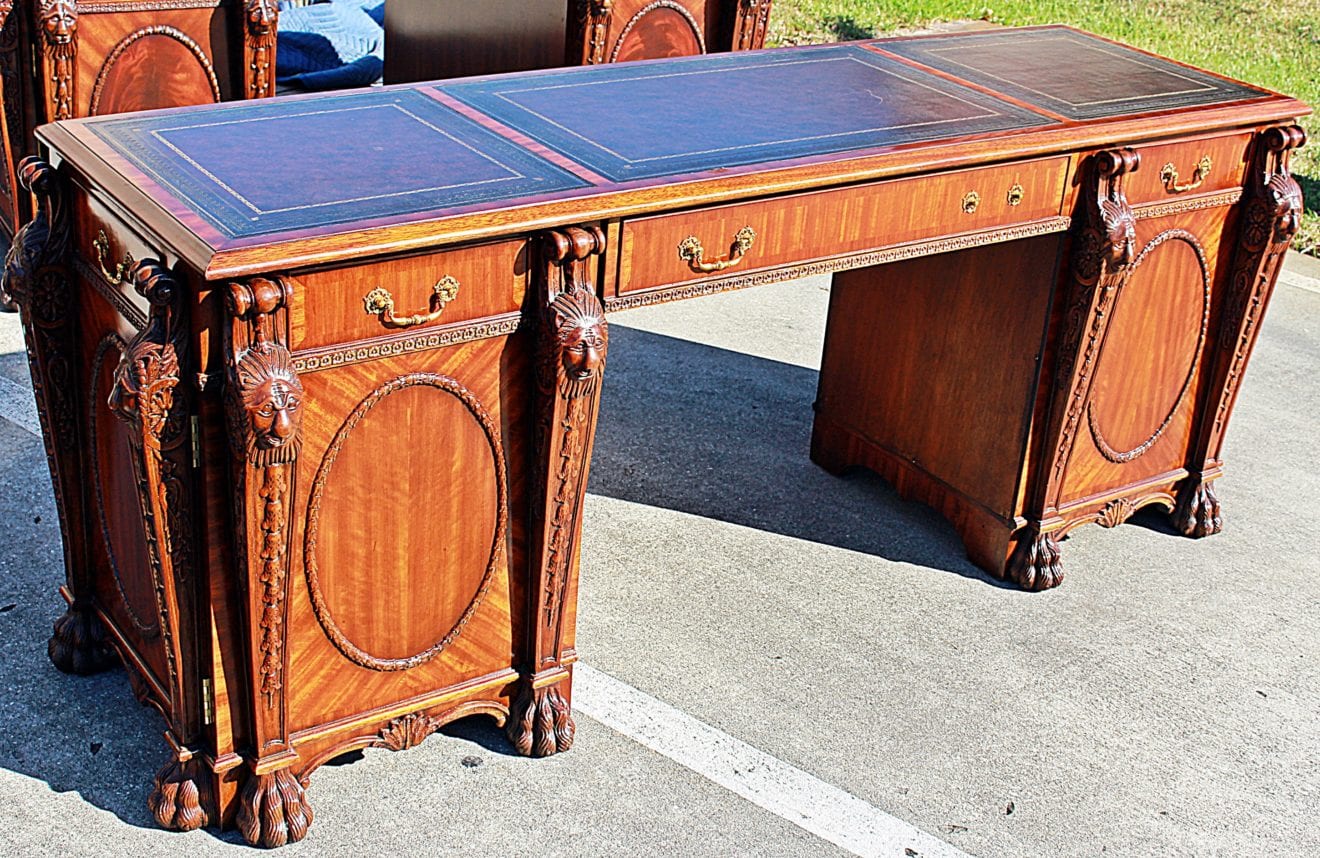
    Beautiful hand made designer artistic vase pottery designed by Maitland Smith Ltd. in Philippines, selling for $150, cash only. Retail price is $349.95 plus tax, reduced to sell quickly, original tags from purchase on bottom of vase

    Maitland-Smith specialises in fine home furnishings and accessories that are made to become treasured family heirlooms. The company is a leader in manufacturing premium and antique-inspired furniture, wall décor accessories, lighting, and many more items for luxury home furnishing. To ensure your home furnishing is indeed unique, Maitland-Smith furniture often comes out with limited editions of its products.

    Paying meticulous attention to intricate details, Maitland-Smith signifies luxury in its one-of-a-kind elegance in terms of designs, exemplary quality, impeccable craftsmanship and extensive choice of materials. The products are handcrafted by expert craftsmen and skilled artisans and showcase beautiful design sense and creative interpretation over a wide variety of traditions and styles.

    Maitland-Smith creates high quality furniture that promises to be unique additions to any home. Their eclectic use of bronze, penshell inlays and lacquer techniques highlights their devotion to quality and styling. Hence, whether you are looking for fine living room furniture, dining room lighting, or pedestal tables; Maitland-Smith furniture promises to be one of the safest bets!

  • A New Breed of Museum Retail in Singapore

    A New Breed of Museum Retail in Singapore

    Collecting things, it can be said, is the bane of modern living. So it is refreshing to see just how Gallery & Co. boldly eschews the easy materialism of museum retail. Modeled to offer visitors a curated experience of its bookstore, bar, cafeteria, café and museum store in one continuous space, the new design merchandise and dining venue opened at National Gallery Singapore on Thursday, taking up 8,800 sq ft space on the first floor of the Southeast Asian art-centric museum’s City Hall Wing.

    As a museum store, Gallery & Co. is quite unlike any other in Singapore to date, and understandably so, being the result of a partnership between the National Gallery Singapore and interdisciplinary collective & Co. The latter comprises industry movers and shakers in the form of hotelier and restaurateur Loh Lik Peng; creative designers Yah-Leng Yu and Arthur Chin, and Luxasia managing director Alwyn Chong.

    Heading the retail strategy is Chong, who worked with Yu to drive merchandising, brand curation and exclusive collaborations. The culinary direction is helmed by Loh; Yu and Chin lead the branding, space and product design.

    Across the varied categories of fashion, design collectibles, home decor, publications and more, all the objects elected as part of the store selection come with creative appeal. Brands carried in-store include Maison Kitsune, Smile Q&Q, Garance Dore, Marou, Supermama, General Object and Matter Prints. As Chong commented, nothing in this “living and evolving space” is permanent. “We do not want to be a museum store that just accumulates, but rather one that truly curates our offerings.”

    With the museum’s Southeast Asian art focus, the space will merge artisanal design with artistic encounters in the museum itself. Products inspired by current artworks on display, as well as of the heritage building’s architectural features, will be part of the retail offerings. Collaborations between regional and international creatives are in the pipelines; in the works are a capsule collection by Matter Prints and artwork-inspired candles by Mud Rock and Candles of Light.

    There are also plans to introduce limited run menus inspired by the museum’s blockbuster exhibitions at the all-day dining cafeteria. Not that the contemporary Southeast Asian menu by Restaurant Ember chef Sufian Zain — including the Green Curry Seafood Pasta and the Otah Stack, a sandwich with grilled mackerel fish cake — is lacking at all.

  • Why Should Alibaba Be A China Macro Play? Nomura Sees 30% Upside

    Why Should Alibaba Be A China Macro Play? Nomura Sees 30% Upside

    Alibaba Group lost about a third of its value in the last year mainly because it is “deemed as a China proxy due to its size and high profile,” according to Nomura Securities in a new China Internet anchor report.
    But Alibaba is by no means Bank of China. Nomura sees China’s e-commerce to grow at an impressive annualized 33% over the next two years, far outpacing China’s sub-7% “crawl.”

    First, China’s retail sector is a lot resilient thanks to the growing middle class. Consulting firm BCG estimates China’s domestic consumption will grow by an annualized 9% through 2020.

    Second, and more importantly, e-commerce will grow a lot faster than physical retail, thanks to China’s vast rural population coming online. Currently, China’s online shoppers are still concentrated in the more affluent tier-1 and tier-2 cities, accounting for more than 80% of the 500 million online shoppers.

    But the rural population is huge. As of June last year, China’s rural population was 619 million, or 45% of the total. Just imagine them starting to shop on Taobao! And the rural population is getting richer, especially now that Beijing allows them to sell their land. Rural consumption expenditure rose from 32.5% of the urban total in 2013 to 42% in 2015.

    Alibaba Group knows where the growth is:

    Ali’s rural e-commerce solution is a two-way model, ie, selling to and by farmers. On the one hand, farmers are also selling local produce or handmade crafts via Taobao to customer nationwide.

    The Taobao-based entrepreneurship is thriving in some rural areas. The number of socalled “Taobao Villages” or clusters of rural online entrepreneurs who have opened shops on Taobao Marketplace has increased from three in 2009 to 211 by end- 2014, according to Alibaba.

    Alibaba will report its December quarter earnings next week, before the US market opens on January 28. Nomura’s Jialong Shi is more bullish than the street, expecting the e-commerce to report 30% revenue growth, versus the street consensus of 26%. It has a price target of $91, implying 28.7% upside to yesterday’s close.

  • Standard Chartered Korea puts wealth at center of vision

    Standard Chartered Korea puts wealth at center of vision

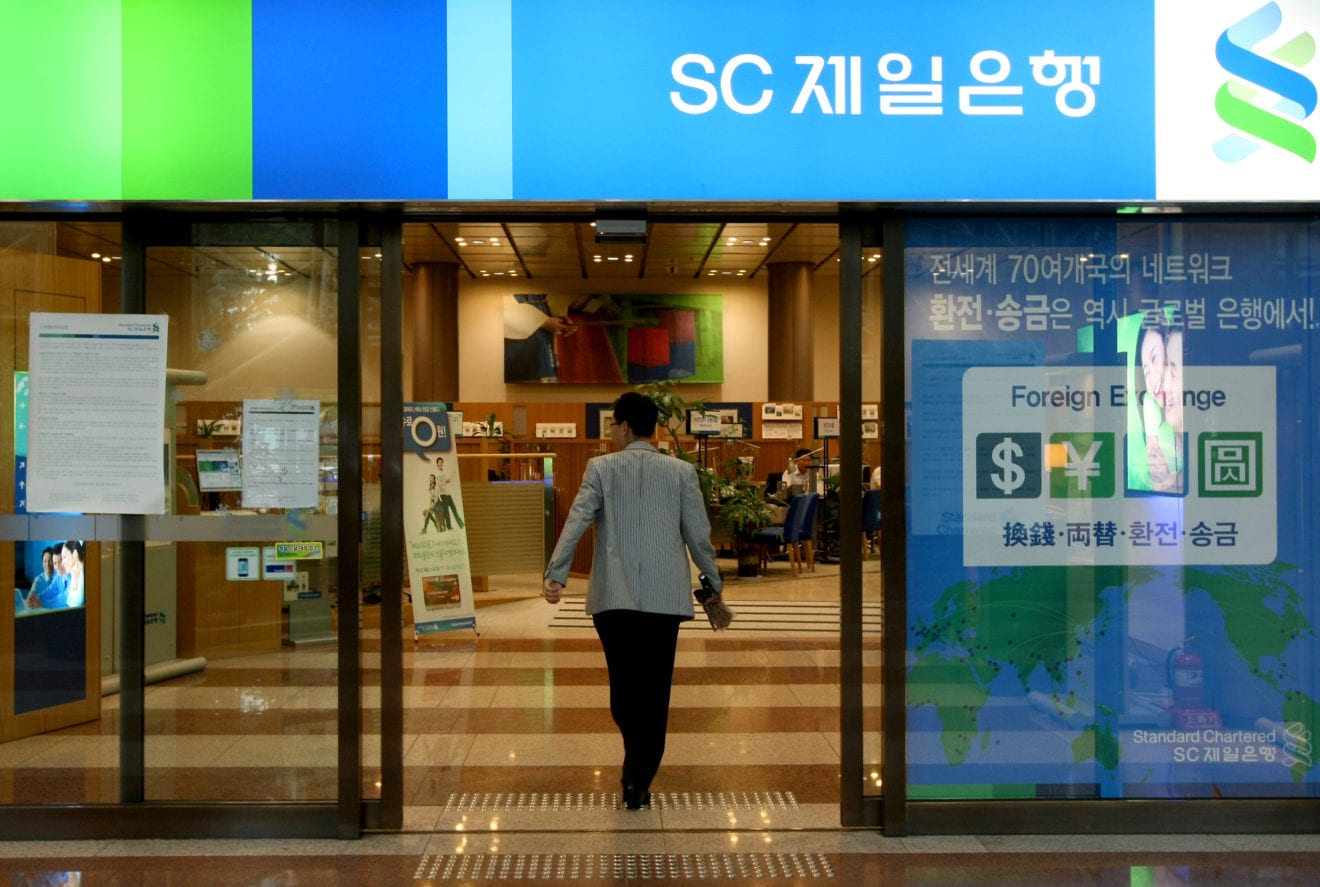
    Standard Chartered Bank Korea plans to invest 10 billion won ($8.24 million) in its wealth management, aiming to double the size of operations over the next five years, a top company executive said Thursday.

    “We have set a target of 100 percent growth in the number of clients, revenue and assets under management at our wealth business by 2020,” Chang Ho-june, head of wealth management at SC Bank Korea, said at a press conference in Seoul.

    The London-based bank has about 5 trillion won of assets under management.

    To realize the goal, the bank will invest 10 billion won to hire more specialized managers and financial experts as well as strengthen information technology infrastructure and platforms over the next two years. He said the key to this year’s wealth management business strategy lies in making strides toward greater accessibility for customers.

    The announcement comes as banks around the world are increasingly relying on wealth management as a stable revenue generator that could offset potentially volatile businesses such as trading.

    Listing the details, Chang said the bank would expand the number of mini-branches, which offer seven-day banking services at retail stores, to 62 by the end of January from the current 52.

    Last year, the bank signed a deal with Shinsegae to implant sales and marketing channels at the retail giant’s outlets including department store and discount store E-Mart.

    The bank will adopt a video consulting service in the second half of 2016 to enable Korean customers to get advice from SC Group’s global investment experts in Singapore and Hong Kong.

  • Indonesia’s Best Honored at the 2016 Frost & Sullivan Indonesia Automotive Awards

    Indonesia’s Best Honored at the 2016 Frost & Sullivan Indonesia Automotive Awards

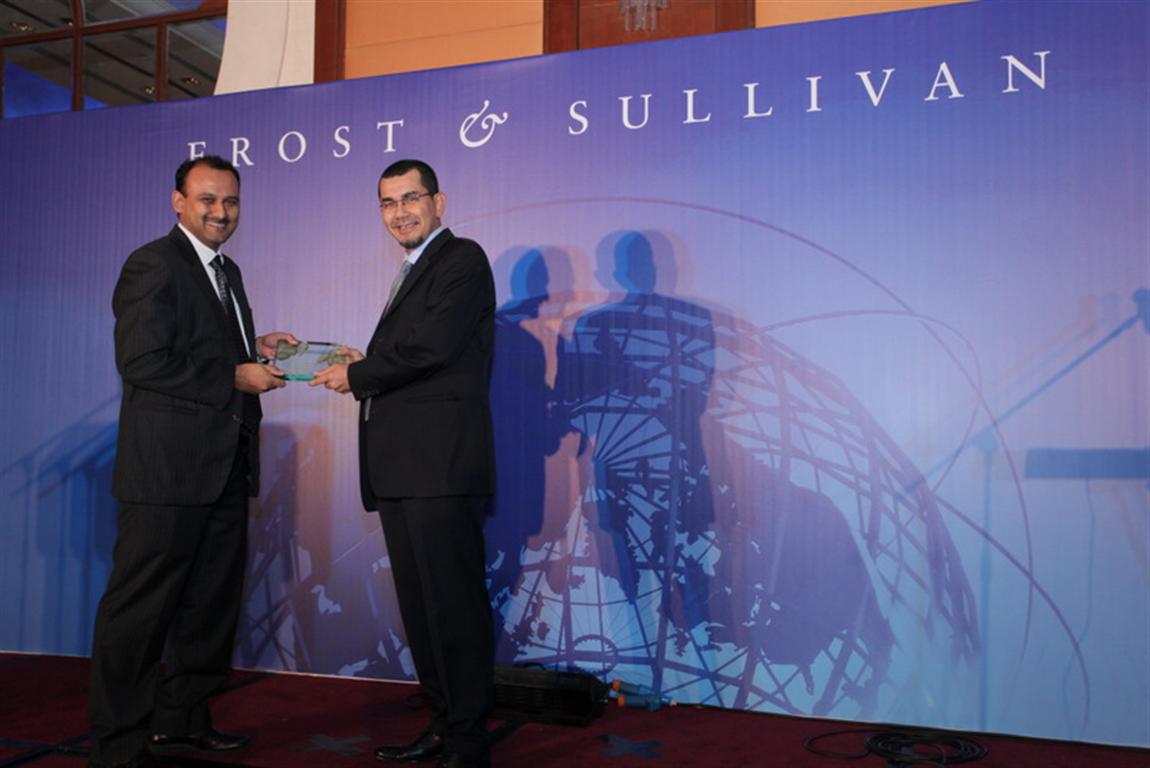
    Frost & Sullivan today honored Indonesia’s best Automotive companies at the 2016 Frost & Sullivan Indonesia Automotive Awards, held in Jakarta.

    Now in its 9th year, the Indonesia Awards program has identified many outstanding companies in Indonesia across various industries.The Indonesia Excellence Awards are a timely and fitting acknowledgement of the progress within best practices in these industry segments and the companies that have demonstrated growth leadership. Award recipients are those with the diligence, perseverance, innovation and dedication required to develop a successful business plan and excel in the increasingly competitive global marketplace.

    Spike Choo, Country Director, Frost & Sullivan Indonesia said that the Indonesia Excellence Awards, in its nine year running now, have identified and honored best-in-class companies that have demonstrated excellence in their respective industries.

    Spike Choo said that he hopes the awards will serve as an inspiration and a source of encouragement for Indonesian companies to continue striving hard to grow and expand their business.

    “We are extremely proud and happy to host the 9th annual Indonesia Excellence Awards to celebrate best practices in Indonesian companies. I am confident that the Award recipients will put Indonesian companies on the global map of Excellence,” said Vivek Vaidya, Vice President of Automotive & Transportation, Frost & Sullivan Asia Pacific.

    The recipients of the 2016 Frost & Sullivan Indonesia Automotive Awards were identified based on an in-depth research conducted by Frost & Sullivan’s analysts. The short-listed companies were evaluated on a variety of actual market performance indicators which include revenue growth; market share and growth in market share; leadership in product innovation; marketing strategy and business development strategy.

    Frost & Sullivan congratulates all the outstanding recipients of the 2016 Frost & Sullivan Indonesia Automotive Awards

  • Indonesia’s central bank forecasted 4.8% economic growth in 2015

    Indonesia’s central bank forecasted 4.8% economic growth in 2015

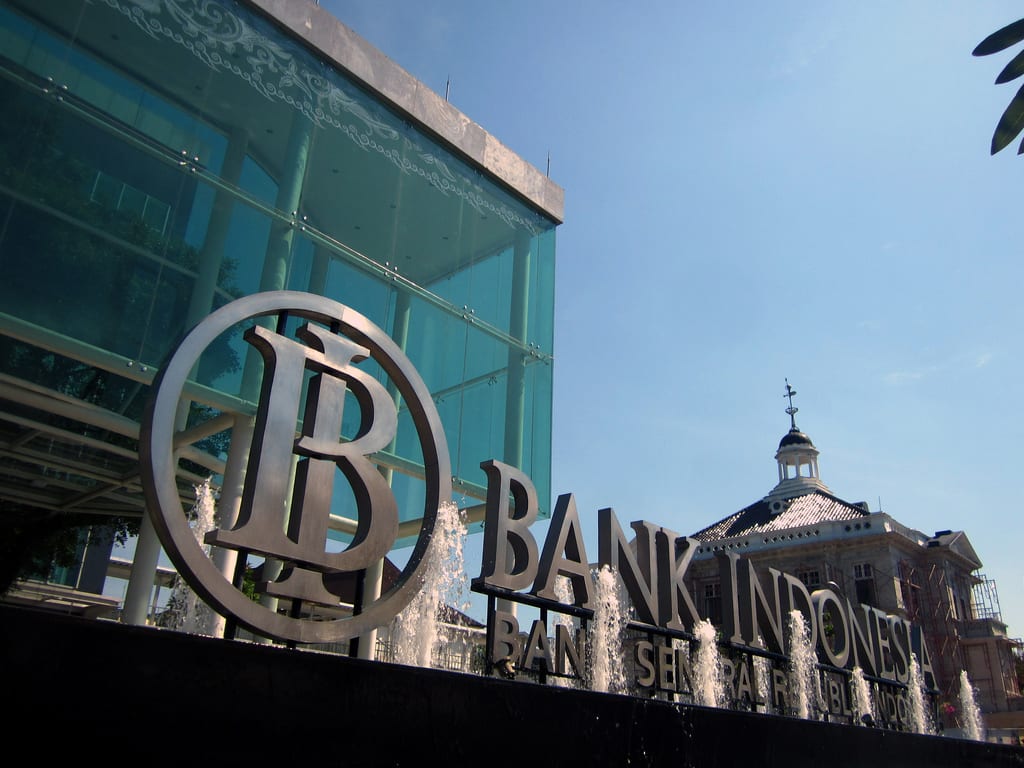
    Bank Indonesia (BI), Indonesias central bank, had estimated the economy to grow by 4.8 percent in 2015, slightly higher than the Finance Ministrys forecast of 4.74 percent.

    “The central bank had estimated a 4.8 percent growth throughout 2015,” BIs Deputy Governor, Perry Warjiyo, stated here on Friday.

    Despite last years economic growth being far from the revised budget assumption of 5.7 percent in 2015, the economy is believed to grow at a better pace in 2016, Perry affirmed.

    “This year, the economy could grow at 5.2 percent,” remarked Perry.

    Domestic economic growth is being supported by several factors, such as the global economic growth, which is believed to improve though not that strongly.

    Besides this, the government has implemented the fiscal stimulus in the first quarter of 2016 in addition to BI relaxing the macroprudential policy to boost liquidity, thereby helping banks in lending.

    “And finally, of course, yesterday, the central bank had given a signal of monetary easing by scaling down the BI rate by 25 basis points, which will give a positive perception to the business community to buy government securities,” Perry remarked.

    Currently, the BI rate is at the level of 7.25 percent, with the deposit facility rate at 5.25 percent and lending facility rate at 7.75 percent.

  • ADB offers new loan scheme to Indonesia

    ADB offers new loan scheme to Indonesia

    The Asian Development Bank (ADB) has offered a new loan scheme to the Indonesian government, and currently, both parties are still reviewing the potential financing that can be availed through it.

    Development Financing Deputy of the Indonesian National Development Planning Agency (Bappenas) Wismana Adi Suryabrata stated that the newly offered scheme is different from the earlier three schemes of result-based lending, direct lending, and conventional loans.

    “They are offering the loan based on the need to fund projects in the state budget. So, it is not similar to procurement, but when the project is completed and there is still a shortage of funding, then they can cover it,” Wismana explained here on Friday.

    Wismana noted that the loan scheme is directly based on the matrix of infrastructure projects in the state budget, and it is a new scheme that has not yet been offered to other multilateral or bilateral financing institutions and partners.

    Indonesia will benefit from the governments criteria for the projects under this new scheme. Moreover, the government has received assurance for additional sources of funding if there is a shortage of funds to finance any government infrastructure projects.

    “This new scheme is only for infrastructure projects,” Wismana stated while referring to the ADB, which is also expanding its role to finance social and environmental projects.

    However, the Indonesian government and ADB are still formulating other provisions in this new scheme, Wismana added.

    Currently, the ADB is offering a lending rate of 1.2 percent, with a five-year grace period and a repayment tenor of 20 years.

    Previously, the ADB had increased the loan limit to Indonesia in 2014, when it had disbursed funding worth US$710 million.

    The loan was then increased to US$1.5 billion.

    In 2016, the ADB has committed to lend US$2 billion to Indonesia.

  • 3M Indonesia eyes increased market share

    3M Indonesia eyes increased market share

    Diversified technology company PT 3M Indonesia aims to gain a bigger market share by targeting specific markets to better meet demand from various industries.

    The company, whose market share is now less than 5 percent, did not disclose its market share growth target, but globally it aims to boost sales by around 2-3 percent.

    3M Indonesia president director Karina Chaves Rodriguez said the company had divided its market into four groups: industrial and original equipment manufacturer (OEM); infrastructure, construction and energy; health care and consumer retail.

    “This market-focus [strategy] is also in line with the country’s strategic plan to achieve growth by providing better infrastructure to the population, better healthcare solutions and diversifying itself from the commodity based economy to industrial based. All of that will increase people’s purchasing power,” she told a media gathering on Thursday.

    The company, a subsidiary of the US-listed Minnesota, Mining and Manufacturing (3M) Co., is known for its wide array of products, from Post-it sticky notes to 3M window film.

    Karina added that the company initially marketed its products based on the 46 technology platforms they are made of, such as abrasive and adhesive. However, starting 2015, it compressed them into four market centers.

    3M Indonesia, which entered the local market in 1975, sells 10,000 products, ranging from Scotch Brite kitchen sponges, Nexcare masks, oil-absorbing facial sheets, stethoscopes, industrial tape, cleaning liquid, vehicle sound absorbers, machine filters, cable joints to reflective sheeting for road signs, to businesses, individuals as well as the government for infrastructure projects.

    The company is optimistic about sales growth in the country despite slowing demand, especially from the automotive sector last year. Local car production saw a decline from 1.2 million vehicles in 2014 to 1 million in 2015.

    It believes that the government’s goal to build 15 new airports, 172 seaports and 35,000 megawatt (MW) power plants by 2019 will help boost its industrial product sales and enliven other sectors.

    The new strategy is also applied worldwide to achieve its 2 to 3 percent sales growth this year after booking US$30.3 billion sales, mostly from industrial products followed by infrastructure, consumer retail and health care, from the 200 countries in which it operates and sells 80,000 products.

    For Indonesia itself, 3M refuses to disclose the firm’s domestic target but said that it would comply with the government’s local component regulation.

    3M Indonesia country technical leader Audist Subekti said the state obliged the automotive sector to have 20 to 40 percent local content and a minimum of 40 percent for infrastructure.

    “With such policy, the company will either outsource more local producers or prioritize marketing specific products,” she said.

    The company’s wide playing fields also face huge competition from present players, including thousands of Chinese products, ACE, Llumar, Solar Gard, Nexgard and Voksel Electric.

    Audist said the company had one diversified manufacturing plant in Tambun, Bekasi, West Java that fabricated various goods, from automotive-related products to consumer retail. 3M Indonesia employs around 300 people.

    “The rest of the items are imported from different countries but this year we’re planning to make one of the countries in ASEAN our fabrication hub for consumer retail products. The choice depends on which country offers the proper incentives that will help save costs,” she said.

  • Indonesian telecom minister slams operator inefficiency

    Indonesian telecom minister slams operator inefficiency

    Operators in Indonesia have been warned by the country’s telecoms minister that their licences could be revoked unless they consolidate or improve their build-out efforts.

    Minister Rudiantara – who follows the Indonesian tradition of using a single name – has set out the consolidation goal of no more than four operators by the end of his term in 2019. To achieve this, he has advised smaller operators to either merge with rivals or leave the market.

    Rudiantara worked at two of the largest operators in Indonesia prior to his appointment to the government. “My background is in the private sector, so I’m pragmatic. I will suggest they consolidate to have the capability to invest and retain their permits”, he said. “Each permit has requirements for the operator to invest and to build, so if they don’t build anything, I can revoke their permit.”

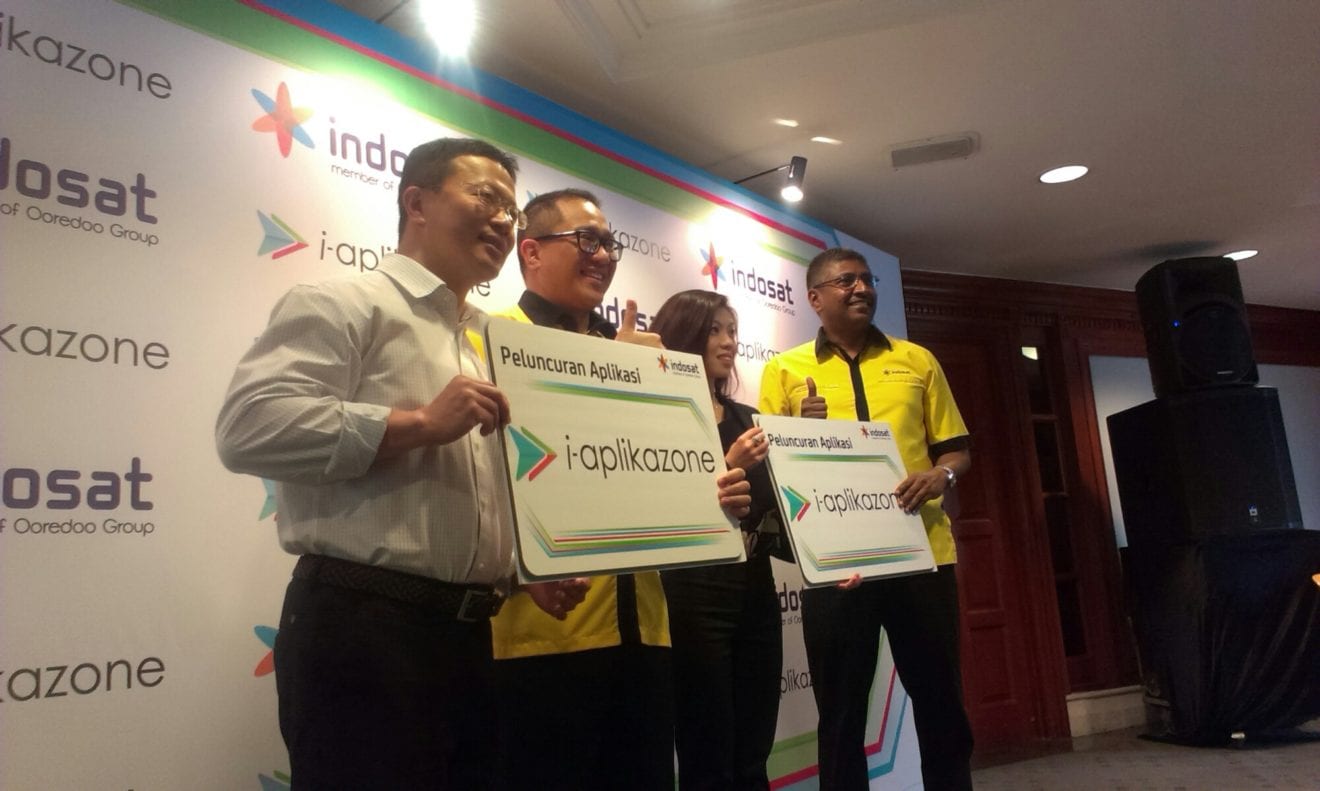
    There are currently seven players in the Indonesian market; at the end of Q4 15 Telkomsel took the lead with around 153.3 million connections. It is tailed by Indosat with 69 million, 3 Hutchison with 51.2 million, and XL Axiata with 40.8 million. At the lower end of the scale are Smartfren with 12.5 million connections, Bolt with 2.4 million, and Ceria with 68,688.

    Rudiantara’s frustration with the inefficient coverage in Indonesia is widespread throughout the upper echelons of government. Without identifying specific companies, the minster has hit out at operators for not delivering on promises to develop and build out infrastructure, adding that the government had already fined some firms for this transgression.

    “So far we’ve handed them fines and penalties, but my job isn’t to accumulate funds for the government,” he said. “I only need to enforce the permits and I’m prepared to do that, but I’d rather take a friendly approach and suggest they merge to keep operating.”

    Indonesia has over 300 million mobile connections. The country’s five largest operators have stated that they will begin offering 4G services over 1.8GHz spectrum following investment in the technology.

  • Kipling launches exclusive collection for Asia

    Kipling launches exclusive collection for Asia

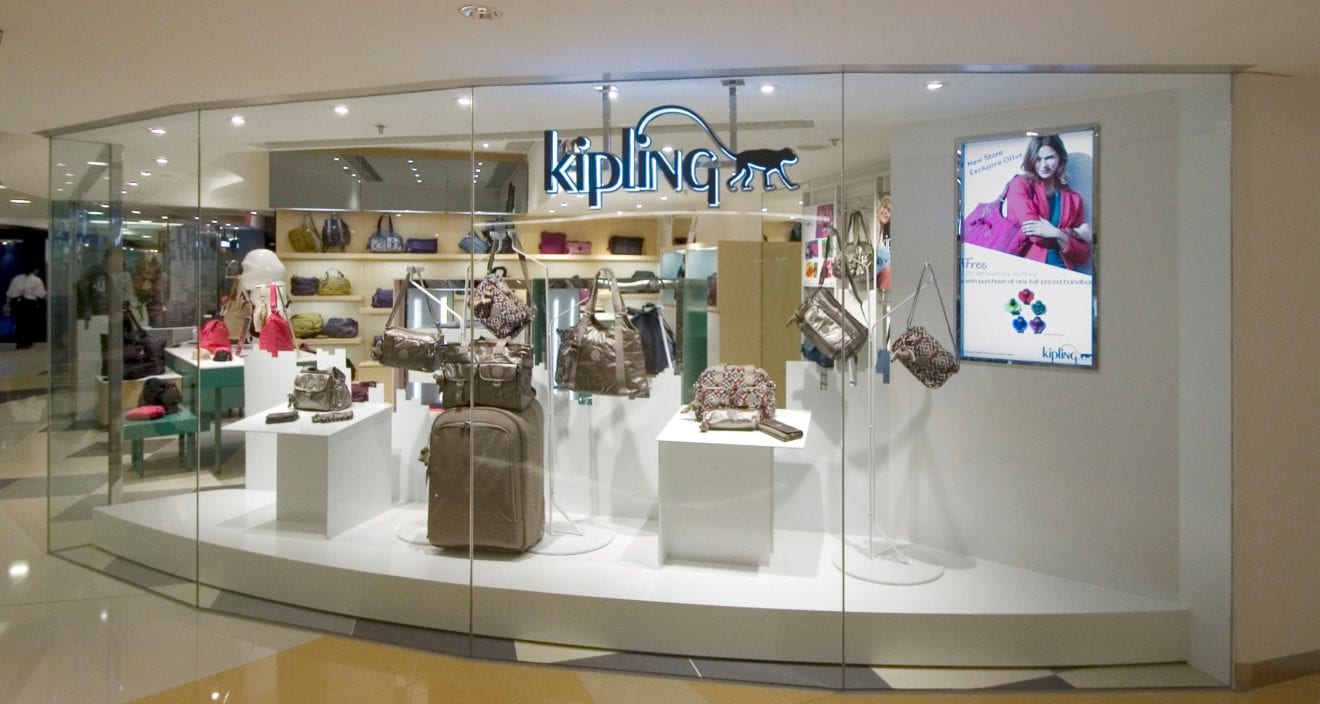
    Kipling-Asia-range-lead Kipling has introduced an Asia exclusive collection, which celebrates individual style with ‘optimism and functionality’ and has been specially designed for the Chinese Zodiac’s Year of the Monkey.

    The monkey plays a key role in the Kipling accessories, as it is said to represent the smart, adventurous and playful spirit of the brand.

    Kipling-Asia-range-pinkThis season, Kipling’s Asia limited edition range offers ‘classic’ handbags and ‘functional’ backpacks, to ‘small and fun’ purses.


    Made for the ‘modern day’ woman the Monkey print collection showcases a collection of carry-ons that features monkey designs in shades of purple and hot pink.

    Kipling’s Monkey Print Collection has been launched exclusively in China, Hong Kong, Taiwan and Singapore, and is currently available in stores.

  • China ‘Get Mobile’ event set to cover travel retail

    China ‘Get Mobile’ event set to cover travel retail

    The travel retail industry is ‘among the most concerned’ with addressing the huge shift toward ‘unrivalled consumer engagement and sales growth through mobile devices’ within China during 2015, according to the European conference organisers of China Connect.

    The company is currently drumming up support for its sixth ’Get Mobile’ European Conference on China’s Digital and Mobile Marketing, due to be held in Paris between 6-7 April, 2016.

    The organisers are promising that ‘China’s Internet Giants’ will be present at what it describes as ‘the largest European gathering of experts on Chinese consumer trends, digital and mobile marketing and tech innovation’, following on from the event’s initial launch back in June 2011 by Laure de Carayon.

    This will compirse four main sessions which will include Inbound/Outbound Tourism and Travel Retail; Commerce and cross-border; Content/Social Media/CRM; and Tech Innovation.

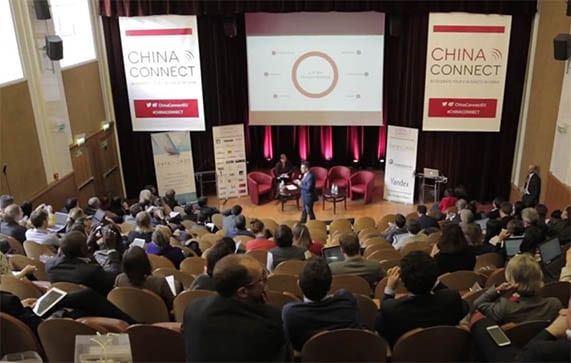
    China Connect previous event

    The event is now said to be in its sixth year.

    The Inbound/Outbound Tourism and Travel Retail session will apparently cover ‘the Smart Travel boom’ and stiffer competition in worldwide destinations and the 90% of overseas expenditure by Chinese travellers abroad which is still spent on shopping. The conference also promises to tell brands  what they need to know ‘to hook the Chinese tourists’.

    The organisers say that the Commerce and cross-border session will also cover information of the third  of Chinese online shoppers who acquired goods through cross border purchasing in 2015 and how these online shopping options are expected to diversify in future.

    UNLOCKING A ‘NEW MOBILE ECONOMY’…

    Commenting on the upcoming event, founder and CEO Laure de Carayon said: “China is driving the huge acceleration in mobile adoption worldwide, unlocking a new mobile economy.

    “2015 in China has seen unrivalled consumer engagement and sales growth through mobile devices, making it the must-be place, more than anywhere else in the world, to reach and do business with Chinese consumers, in and outside China.

    “Retail tech through social shopping, omni channel, cross border and mobile payments, Tourism, Travel retail are among the most concerned industries to (have to) tackle this huge mobile shift and opportunity.

    “More than ever it’s critical for brands to adapt and offer a seamless consumer journey to the very demanding and tech savvy Chinese consumers.”

    The organisers are promising that more than 40 speakers/companies will participate, including: Tuniu (Leading online Leisure Travel website & mobile platform); WeChat International; UnionPay International; Zanadu (Luxury, Travel, Lifestyle online&mobile platform); Sensoro (iBeacon); Clarins APAC; Herborist (Jahwa Group); EL Corte Ingles; China-Britain Business Council; We Are Social China; China Luxury Advisors; Datawords; Yandex; CDNetworks; and Cathay Capital.

    FACTS ON THE CHINA E-COMMERCE SECTOR…

    In the meantime, the event company has also released some facts and figures on the China market, claiming that the internet population in 2014 was estimated at +630m, representing a 50% penetration, compared with the average 82% in the US, 61% in Europe and +83% France.

    In terms of e-commerce, online shoppers were said to have reached +400m, with the online shopping turnover totalling CY754.2bn ($123.2bn), based on a year-on-year growth of 47.3%. As of December 2013, the organisation claims that e-commerce represented 6.8% of total consumer goods retail sales.

    The organisers add that the online shopping market is estimated to have reached CY1.74 trillion ($278.4bn) in 2014.

    The China Connect audience at a previously held event.

    By 2016, the organisers say that China’s total online retail will reach CY5 trillion, accounting for 12% of total sales and then double again by 2020 to CY10 trillion accounting for 16%. At the same time, China’s e-commerce (including online B2B transactions) are expected toreach CY30 trillion.