Author: Mei Ling Tan

  • Wuling to Build Factory in Indonesia

    Wuling to Build Factory in Indonesia

    Chinese-bases automotive company PT SAIC General Motor Wuling (SGMW) is preparing investment of US$700 million or around RP9.7 trillion to open up business in Indonesia.

    PT SGMW Motor Indonesia President Feiyun said the company is building its first factory in Indonesia. The factory is located in Greenland International Industrial Center, Cikarang, West Java, and is built on land of 600,000 square meters.

    “Besides factory, the company will also build supplier park,” said Xu Feiyun on Thursday, January 28, 2016.

    The factory is scheduled to begin the operation in 2017 and will become production basis to expand the company’s business to ASEAN countries. The first product that will be launched is multi-purposes vehicle (MPV). “We are optimistic that the people of Indonesian can accept our products,” said Feiyun.

    The factory is also planned to produce 150,000 vehicles per year so that Indonesia will become the main export basis of Wuling vehicles in Southeast Asia. Through this project, SGMW is expected to create 3,000 job fields.

    PT SGMW Motor Indonesia is a part of global expansion of SAIC, General Motors and Wuling Automobile in China. “We will utilize capital, technology and system from stakeholders, SAIC, General Motors and Wuling to give the best services,” said Xu Feiyun.

  • DHL Signs EMS Deal with Pos Indonesia

    DHL Signs EMS Deal with Pos Indonesia

    International logistics service provider DHL Express has signed an addendum to the  cooperation agreement with PT Pos Indonesia (Persero) for an Express Mail Service (EMS) to overseas destinations.

    The agreement was signed on Wednesday, January 20 by DHL Express Indonesia’s senior technical advisor Ahmad Mohamad and PT Pos’ president director Gilarsi Wahyu Setijono.

    The collaboration is aimed at supporting the growth of small and medium enterprises (SMEs) in Indonesia, through the provision of a reliable international express delivery service to more than 220 countries and territories within DHL’s global network; facilitating the growth of SMEs on a global scale.

    The partnership was first developed in 2005, and has since provided significant benefits for SMEs through the opening of access to global markets. Pos Indonesia can learn best practices in handling international express delivery service through this cooperation.

    “The most important thing is that, through this cooperation, Pos Indonesia and DHL Express Indonesia can grow and advance together to serve the people of Indonesia,” Gilarsi said.

  • Peruri expands operation to digital security business area

    Peruri expands operation to digital security business area

    The Indonesia state-owned money printing company Peruri has expanded operation to digital security business area in preparation to enter the era of integrated smart security to be competitive and able to keep pace with the modernization.

    “In order to have greater competitiveness in digital era we are expanding our wings to digital security that we could provide an integrated smart security service,” President Director of Peruri, Prasetio, said here, Thursday.

    The expansion is prompted by the rapid advancing technology that necessitated change in the world economic system that forces Peruri to continue to expand from service to business model, he said.

    “We are not only strengthening our core business of money printing , but we are also expanding operation to digital security business area through our subsidiary Peruri Digital Security by providing solution such as Certificate Authentication and Smart Card,” he said.

    Peruri also has a strategy in entering the era of integrated smart security, which is centered in transformation of company including transformation of human resources, business , structure and system as well as culture, according to him.

    “With the transformation we hope Peruri could continue to chalk up positive growth in the coming years,” he said.

    In a bid to achieve the positive growth, this year Peruri will be focused on market expansion, promoting reputation and strengthening competitiveness, he added.

    The strategic steps include reorientation of market from formerly focused only on domestic market to global market, and restructuring parent and subsidiaries to be more effective in marketing, he said.

    “Another strategic step is reorganization to be in line with the 2016 company budget working plan and long term business road map,” Prasetio said.

    With the strategic steps and preparation made ahead of the era of integrated smart security, the company is set to contribute significantly to the countrys economic development, he said.

    Peruri chalked up around Rp3.051 trillion in income in 2015 or more than doubling income of Rp1.39 trillion in the previous year.

    Its net profit rose to Rp284 billion or an increase of more than ten times from Rp23.49 billion in 2014.

    The company signed a memorandum of understanding to improve synergy with a number of state construction companies including construction companies — Adhi Karya, Amarta Karya, Brantas Abipraya, Hutama Karya, Istaka Karya, Pembangunan Perumahan, Nindya Karya, Perum Perumnas, Waskita Karya and Wijaya Karya.

    It also signed MoU with state-owned telecommunication company to develop digital business.

  • Garuda to launch non-stop Heathrow-Jakarta service

    Garuda to launch non-stop Heathrow-Jakarta service

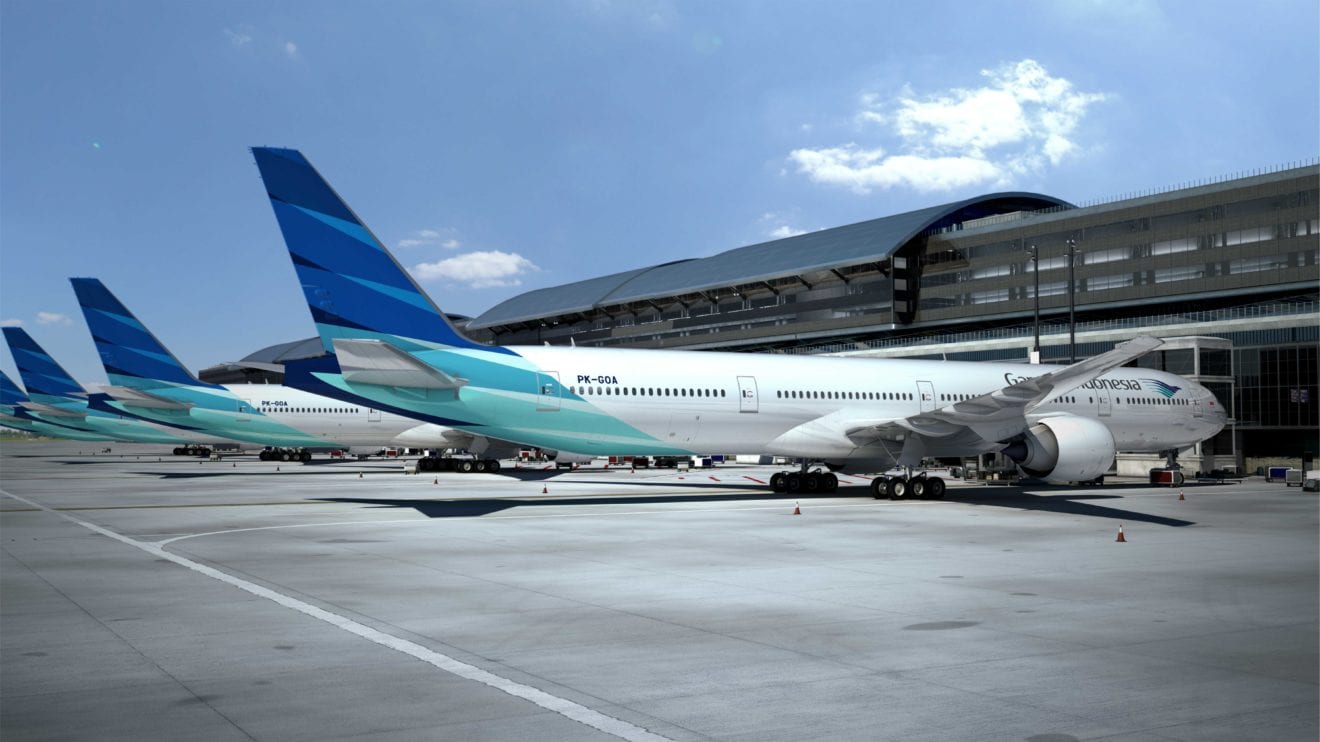
    Garuda Indonesia has confirmed it’s leaving Gatwick to launch a direct service to Jakarta from Heathrow.

    From March 31, the airline will use its fleet of B777-300ERs to operate a five-times weekly service to the Indonesian capital, an increase from the three-times weekly service it operates from Gatwick.

    Flights to Jakarta will also no-longer stop at Amsterdam, creating the UK’s first non-stop flight to Indonesia.

    Heathrow CEO John Holland-Kaye said the deal shows how important Heathrow is to British business.

    “As the UK’s only hub, Heathrow is able to support regular direct flights to 75 long haul destinations not served by any other UK airport,” said Holland-Kaye.

    “With expansion, we can bring the world to Britain’s doorstep by adding up to 40 more long haul routes to high growth markets and more than doubling the number of UK cities served.”

    Jubi Prasetyo, general manager UK & Ireland said: “Making the move to Heathrow Airport has been an ambition of ours since joining Sky Team in March 2014.

    “Heathrow’s pivotal role in servicing the alliance’s 1,052 destinations makes it an ideal departure airport for our passengers. Flying non-stop direct to Jakarta means we will truly be the most efficient way to reach Indonesia from the UK.”

  • Middle East Eyes Indonesian Beaches

    Middle East Eyes Indonesian Beaches

    Alwi Shihab, the Presidential envoy to the Middle East and the Organization of Islamic Coopeation (OIC), said that several Middle Eastern countries had expressed their interests to develop Indonesian beaches.

    Alwi revealed the Middle Eastern countries planned to build bigger exclusive resorts in order to compete with the famous Maldives.

    “Many Middle Eastern countries want to make bigger [tourist destinations] than Maldives. But they’re having difficulties to find a 300-hectare land,” Alwi said in Bandung on Thursday, January 28, 2016.

    Alwi explained that investors from Middle East wanted to develop accessible beaches, such as Pelabuhan Ratu in Sukabumi, West Java.

    “They want beaches with mounts located near Jakarta. We suggested investing in Sukabumi,” Alwi added.

    Since it was hard to find a sizable land in Pelabuhan Ratu, Alwi proposed other locations outside Java, such as those in Tanjung Lesung, Belitung, Padang, Selayar and Lombok. Alwi revealed that most of the investors were members of the Gulf Cooperation Council (GCC), such as the United Arab Emirates, Saudi Arabia, and Qatar.

    “Saudi Arabia has invested in Maldives,” Alwi said.

    Alwi explained that the Middle Eastern countries were more than willing to provide fund to develop beaches in Indonesia. The United Arab Emirates, for example, books an annual state revenue up to Rp 2,000 trillion (US$144.9 billion) per year.

    “I can’t say the exact number. You can do the math. It means they have money,” Alwi said.

    Alwi added that one of the reasons behind their interest to invest in Indonesian tourism was that Indonesia is open to Middle Eastern tourists. In addition, Europe and the United States had been paranoid when they see people with Islamic names spend their holidays in the two regions.

    “It’s related to the political dynamics in the Middle East. There’s Islamophobia and suspicion that make them uncomfortable when students or tourists from Middle East come to the United States or Europe. Therefore, the alternative is Indonesia, one of their friendly countries because there is no suspicion here. In addition, the majority of the population is Muslim. However, we’re not ready yet,” Alwi said.

  • Stelux sales slide in third quarter

    Stelux sales slide in third quarter

    Stelux Holdings International has reported a 12.7 per cent slide in sales in the three months to December 31.

    A large component of the decline was the exchange rate – on a fiscally neutral basis, sales fell a more modest 8.8 per cent, the company has reported to the Hong Kong stock exchange.

    Turnover totalled HK$850.8 million for the quarter, down from the $974.6 million of the same period last year.

    “Our Mainland Optical 88 operations saw turnover growth of around 8 per cent in local currency terms, and the growth momentum from our eGG business in Greater China was sustained, but other business units within the group generally saw turnover decline,” the company reported.

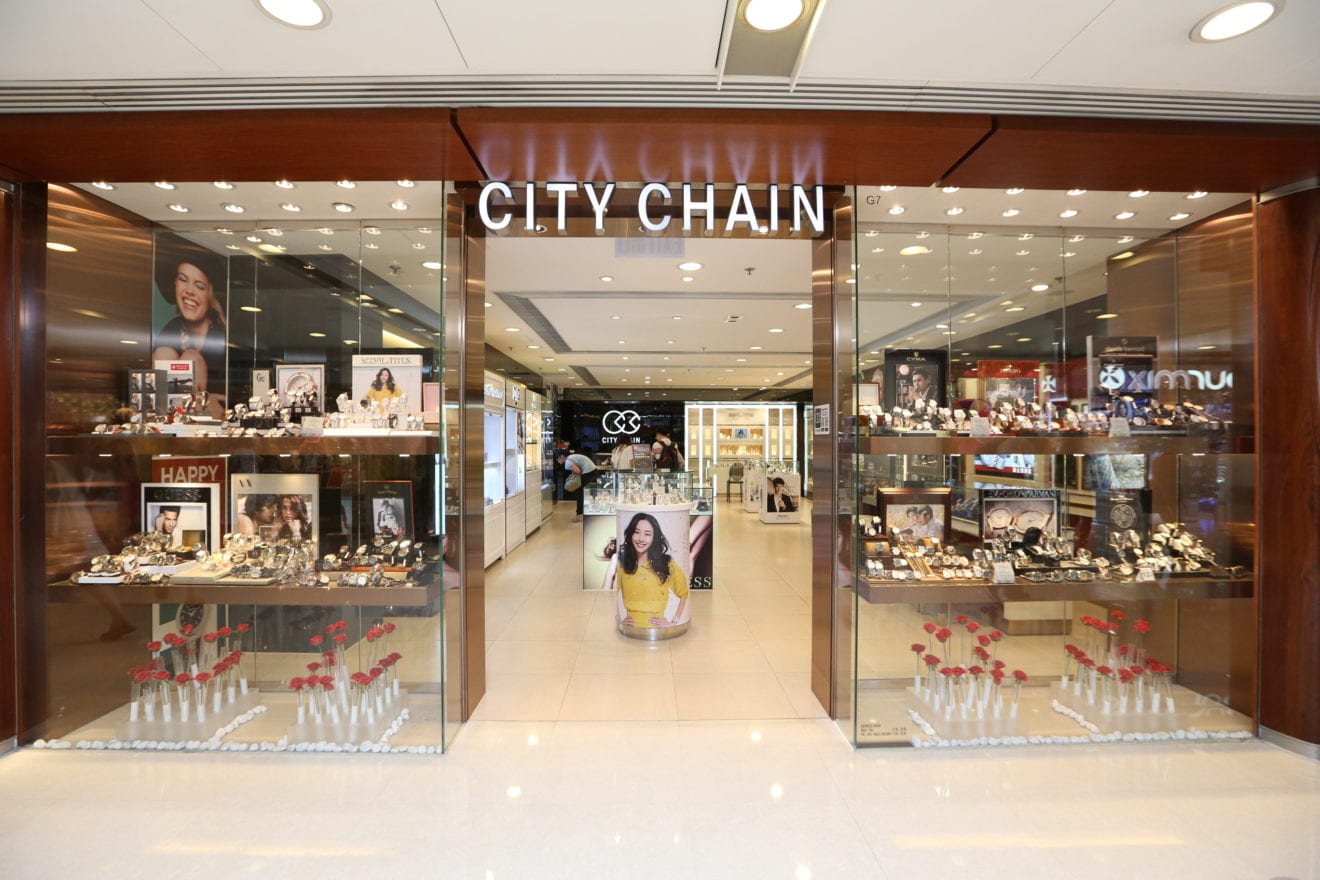
    The main contributor of the decline would appear to be the City Chain jewellery and watch operation which has been hit by changing tourist spending patterns in Hong Kong and weak consumer sentiment in Malaysia, Singapore and Thailand. Stelux did not release figures for that subsidiary.

    The unaudited consolidated turnover of the Group for the nine months to December 31 was HK$2.637 billion, a decrease of 11.4 per cent, or 8 per cent on a foreign exchange neutral basis.

    “The group maintains stable liquidity with reduction of inventory by around 7 per cent and 15 per cent against that as at the end of September 2015 and March 2015 respectively,” the statement concluded.

  • Korea’s CJ Group launches Malaysia shopping channel

    Korea’s CJ Group launches Malaysia shopping channel

    CJ O Shopping Co, a home shopping unit of CJ Group, said Thursday it will launch a new channel in Malaysia in a joint venture with Media Prima TV Networks, a major Malaysian media group.

    CJ O Shopping plans to start airing the new shopping channel in the first half of the year to target rising middle-class consumers in the Southeast Asian nation.

    CJ O Shopping will shoulder 51 per cent of the bill for the 19 billion-won (US$15.7 million) investment, while Media Prima TV Networks will make up the remaining 49 per cent.

    CJ will be in charge of operating the shopping channel, and Media Prima will provide media infrastructure.

    Media Prima TV Networks operates Malaysia’s four leading free-to-air television stations, as well as radio stations and online channels.

    Since launching a Chinese shopping channel in 2004, CJ O Shopping has expanded its global presence in India, Thailand, Turkey, Mexico and four other nations.

  • South Korea to Promote Indonesian SME

    South Korea to Promote Indonesian SME

    Agus Mahram, secretary of the Cooperatives and Small and Medium Enterprises Minister, said that the his institution has set a cooperation with the Busan-Indonesia Center (BIC) in South Korea to promote Indonesian small and medium enterprises (SME).

    “100 Indonesian SMEs will partner with South Korean’s,” Agus said in Jakarta on Thursday, January 28, 2016.

    Agus said that Busan has prepared a place for Indonesian SMEs to display their products in South Korea while the BIC will prepare marketing personnel to promote Indonesian products.

    “SMEs to be selected are those operating in the manufacturing sector, such as metal, mechanical, information technology components, software and food,” Agus explained. Agus revealed that the South Korean government realized the importance of the Cooperative and Small and Medium Enterprises Ministry to develop local businesses. The Cooperation, Agus added, was aimed at boosting South Korean investments in Indonesia.

    In addition to boost investments, Agus said that the ministry would also promote technology transfer between South Korea and Indonesia. Similar cooperation had been established between the Indonesian government and the Korean Trade Investment Promotion Agency.

    “The cooperation was aimed to develop regional signature products by crafting a program called the ‘One Village One Product’ through cooperatives,” Agus added.

    Agus also encouraged local products to be displayed at Smesco building in Jakarta. He had prepared spots for local products to increase their competitiveness at the national and international levels.

    “South Korea can buy products at Smesco to be promoted in the country,” he said.

  • China retail consumption to jump 50%

    China retail consumption to jump 50%

    China’s total retail consumption will jump 50 per cent to $6.5 trillion by 2020, with online transactions accounting for half of that growth, according to new research.

    Seventy per cent of those e-tail purchases will be conducted via mobile devices. Over that same five-year period, cross-border eCommerce will have grown so high – to $152.1 billion – that it will represent one-third of the country’s total foreign trade.

    So say think tanks and research firms watching the world’s second-largest economy as it transitions from its former manufacturing base to one driven by consumption. The predictions were issued by Alibaba Research Institute, the research arm of Chinese eCommerce giant Alibaba Group, as part of its inaugural “Think Tank Summit on the New Economy” held last weekend in Beijing.

    The new annual event brought together over 600 thought leaders to look at ahead at the next five years in Chinese commerce. A panel of judges surveyed research from the 40 participating organisations and picked “10 Forecasts for the New Economy,” which focused not only on the importance of eCommerce but also the impact the internet will have China’s manufacturing, logistics, rural economy and society.

    The use of data, culled from billions of transactions as Chinese consumers buy and sell goods and services online, will also play a key role.

    “China today is in the midst of transforming from an industrial-driven economy to a data-driven economy,” Gao Hongbing, dean of AliResearch and vice president of Alibaba Group, said in a statement.

    “These 10 forecasts are a small part of our observation and thinking, and we hope they can play a part in stimulating further deliberation on the society’s future development.”

    Bain & Company predicted that China’s online retail market would reach $1.52 trillion, accounting for 22 per cent of the country’s retail industry, with maternity and baby products being the strongest category and third-and fourth-tier cities driving a significant part of the growth. The Boston-based management consultancy also said that mobile Internet would make up 70 per cent of all online sales.

    Bain put the total figure for cross-border eCommerce in China at $152 billion, with AliResearch in a separate prediction saying it expects cross-border eCommerce to make up one-third of China’s foreign trade in five years. The China Center for International Economic Exchanges said “e-international trade” will change how trade overall is done and that it will account for account for 30 per cent to 40 per cent of total world trade by 2025.

    Boston Consulting Group estimated that China’s consumer market will climb $2.3 trillion, or 50 per cent, to $6.5 trillion by the close of the decade. Online will account for 42 per cent of that growth, the management consultancy said.

    The internet would also penetrate all rural areas of China, according to Zhejiang University’s China Academy for Rural Development. As a result, the Information Research Department of the State Information Center of China said the sharing economy will rise to full prominence given this full penetration of broadband coverage in China. The Institute of Information Society Studies said China would have a “soft law” system providing a framework for Internet governance by 2020 as well.

    The other predictions included one from the Information Society 50 Forum & Department of Sociology and Anthropology at Peking University, which said that data will digitise how consumers are assessed, say, in providing individual recommendations. The Information Society also noted that the vast reams of data collected as consumers buy and sell goods online will as a result erode some of their privacy.

    ZenCoo, meanwhile, predicted that social measurement and cognitive experiments will replace statistical sampling, revolutionising the fundamental theories of many disciplines including psychology, sociology, economics, and communications.

    And finally, according to the Data Center of China Internet, the 3D printing market will reach $15.2 billion, with households using them the most.

  • Top art dealer David Zwirner looking to open gallery in Hong Kong

    Top art dealer David Zwirner looking to open gallery in Hong Kong

    David Zwirner, one of the most powerful art dealers in the world, is looking for a place in Hong Kong to open his first Asia gallery.

    “A couple of years ago, we thought we would just come to the art fair. Now, I’m convinced we need a gallery here,” said the founder of the eponymous New York and London gallery during a whirlwind visit to meet local clients.

    Christopher D’Amelio, senior partner in the gallery, said it wanted to have a permanent presence in Hong Kong “as soon as possible” after witnessing a steady growth in its Asian business.

    To cultivate awareness of the 51 artists it represents, and demand for their works, the David Zwirner Galllery wants to be able to put on exhibitions in Hong Kong and engage in dialogue with Asian clients outside of the art fairs.

    The arrival of Zwirner, named the third most influential person in the contemporary art world by ArtReview magazine, would be a big vote of confidence in the long-term prospects of the Hong Kong art market amid economic uncertainty and growing competition from other cities in the region. Among the artists he represents are Jeff Koons, Yayoi Kusama and Richard Serra.

    The years 2011 and 2012 saw a flurry of major international galleries, such as Gagosian Gallery and White Cube, open in Hong Kong after auction sales in the city doubled from 2009 to 2010. But there have been few additions since Pace Gallery opened in 2014.

    One reason is the dearth of good gallery space, especially compared with what Zwirner is used to. In New York, for example, he had a new, five-storey building with 30,000 square feet of floor space put up in 20th Street three years ago so that he could put on museum-quality shows.

    “We are spoilt. We have large galleries that in some instances we’ve built from the ground up. What I’d like to have is a space that inspires artists. But that is difficult in Hong Kong, so we might start with something modest,” Zwirner said.

    He said he had yet to find a suitable space and was prepared to wait for Hong Kong’s retail rents to fall further.

    It is only because Hong Kong is by far the easiest place to trade that he would put up with the high cost of opening a gallery in the city and the space restrictions. The gallery believes it can find much better properties in Beijing and Shanghai, with the latter becoming more attractive in recent years because of the proliferation of private museums and the establishment in 2013 of a tax-free zone. But opening a branch in China is less urgent than setting up shop in Hong Kong.

    “For now, both us and our clients find it much easier to transact in Hong Kong than in mainland China. But for us, I know we’d like the sort of space that we can find in the mainland,” said Zwirner.

    Singapore, another Asian city where there’s been a proliferation of art market activities, is not yet on Zwirner’s radar. “It’s a perfectly interesting market but to us, it’s a secondary market,” he said.

    The art market veteran predicts 2016 will be “complicated”.

    “America has an election – that’s not good, there’s instability there. The auction houses are very weak right now. Chinese economy is decelerating. All kinds of external pointers suggest we will have a rougher year,” he said.

    This was a good time for the art market to focus on quality again, he said. “One problem in the art market is too much art that maybe is not of the greatest quality, but fetches too high a price,” Zwirner said.

    Artists who had relied on the support of auction results alone would see their works become less popular compared with those who had “real careers”, he said. “If you get a show at the Museum of Modern Art in New York or the Tate Gallery in London, and they acquire your work, then one can assume that your career is real. That’s an objective criteria,” he said.

    As an example, he cited Ai Weiwei as an artist who has a “real” career. “He really hit international fame as a dissident. When he was put into prison he became a worldwide celebrity and then people discovered his art. Be that as it may. He is widely collected by major museums and he just had a major show at the Royal Academy. I think it’s a healthy career,” he said.

    Zwirner will bring a wide selection of works by their artists to this year’s Art Basel Hong Kong. The gallery is presenting a group of artworks by Isa Genzken, a major name in Germany, in the “Encounters” section of the art fair. The works are free-standing sculptures she made in 2015 for her Schauspieler (Actors) series.

    The gallery’s booth will feature, among others, new works by Belgian artist Michaël Borremans, who will also visit Hong Kong during the fair.
  • Korean grocery prices among world’s highest

    Korean grocery prices among world’s highest

    A recent report from a Korean consumer protection agency reveals that the prices of imported fruit, wine, beer and Starbucks coffee in Korea are much more expensive than in other countries.

    According to Consumers Korea, the domestic prices of imported grapes, wine, and domestic pork belly were among the highest levels in the world. The prices of groceries in the major cities of 13 countries were compared.

    The report indicated that 800 grams of American grapes cost 7009 won in Korea, which was twice as high as the price in the U.S. (4069 won), and wine was being sold for an average of 38,875 won, which was 71 per cent higher than the price of wine in the Netherlands (22,681 won), which has the fifth-highest wine prices in the world.

    The price for a kilogram of domestic pork belly (27,930 won) was almost twice as high as the comparable price in China (14,679 won), which was the second-highest among the 13 countries compared.

    The cost of coffee at Starbucks (Americano tall size), domestic beef sirloin (one kilogram, steak), imported sirloin (one kilogram, steak), bananas (Philippines, one bunch), American oranges (one), American grapefruit (one), Coca Cola (1.5l), Heineken (330ml), and Miller (355ml) in Korea were the second highest among the 13 countries compared.

    Of note, the price of Heineken in Korea (2016 won) was 2.9 times higher than the price in the Netherlands (729 won), and the price of Miller in Korea (2203 won) was 2.3 times higher than the price in the US. (960 won).

    Officials from Consumers Korea commented that among the 35 products compared across the 13 cities, the Korean grocery prices of 31 products ranked in the top five.

    “Prices of Korean agricultural products were expensive compared to prices in other countries. Since customs tariffs are being lowered due to different free trade agreements, regulations should be established so that the financial benefits of free trade can be passed on to consumers,” said the officials.

  • DHL eCommerce Eyes Thailand’s Fast-Growing Online Retail Sector

    DHL eCommerce Eyes Thailand’s Fast-Growing Online Retail Sector

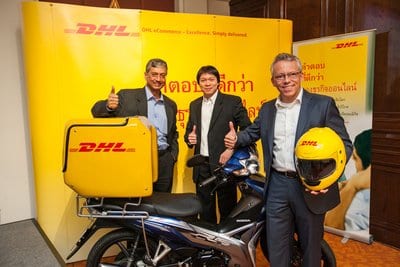
    DHL eCommerce, a division of the world’s leading logistics company, Deutsche Post DHL Group, has expanded its operations into Thailand and is offering end-to-end domestic delivery service for Thai e-commerce merchants. With its new service, DHL eCommerce is offering a range of unique service options that caters to Thailand’s burgeoning e-commerce market.

    Understanding that a strong backbone for e-commerce growth lies in a good logistics system, DHL eCommerce aims to enable a better e-commerce experience for both consumers and merchants through efficient logistics and a seamless online shopping experience. Major additions will be made to DHL’s delivery infrastructure in the country, including a 3,000 sqm central distribution center in Bangkok and a network of over 20 depots located throughout Thailand ensuring full coverage across the entire country. To meet increasing business demands, DHL plans to more than double the number of depots in Thailand by 2017 and expand its fleet primarily in two-wheel vehicles that can operate more efficiently in the traffic situations in Thailand’s major cities.

    As part of its service offerings, DHL eCommerce’s fleet of two- and four-wheel vehicles will provide next-day delivery to all urban areas, and a 2-3 day delivery to all other locations. All merchants have access to Cash on Delivery (COD) with daily remittance and access to a multilingual call center.

    DHL eCommerce launches in Thailand

    The launch of DHL eCommerce in Thailand is a great showcase for Strategy 2020, the corporate strategy of Deutsche Post DHL Group, which has seen a rename of its Mail division to “Post – eCommerce – Parcel” to better reflect the focus on products and services offered for the high-growth e-commerce market. DHL has been operating in Thailand since 1973, through its other business units – DHL Express, DHL Global Forwarding and DHL Supply Chain.

    “Thailand, with its tremendous growth potential, fast e-commerce adoption and high smartphone penetration rates, has been identified as the first Southeast Asian country to launch DHL eCommerce’s domestic delivery service in line with our group’s Strategy 2020,” said Thomas Kipp, CEO, DHL eCommerce. “The Thai e-commerce market is expected to more than triple in size to EUR 3.6 billion between now and 2020[1] and with this investment, we are well positioned to support the growth of e-commerce businesses in Thailand.” 

    “We see major strategic opportunities for e-commerce growth in Thailand, particularly with the Asean Economic Community which is expected to increase the movement of goods within the region. Despite e-commerce already being a billion-dollar sector with extremely rapid adoption, Thailand’s e-commerce share of the retail market is still relatively low compared to other high-growth economies. Only 1.7% of total sales in Thailand are obtained from e-commerce, compared to more than 10% in China,” said Malcolm Monteiro, CEO, Asia Pacific, DHL eCommerce. “Thailand is ranked as one of our top priority markets in Southeast Asia: its expected annual market growth of more than 20% (from 2014 to 2020) is likely to be largely driven by significant numbers of SMEs beginning to extend their business models into online marketplaces.”[2]

    “In order to fulfill Thai consumers’ expectations of seamless and simple e-commerce, businesses need logistics services that keep up with extremely rapid changes in consumers’ expectations while providing high operational excellence,” said Kiattichai Pitpreecha, Managing Director, DHL eCommerce Thailand. “This makes the need for a tailored e-commerce delivery service greater than ever before – so that merchants, especially SMEs, can focus on their core business and grow faster based on a high performing logistical backbone.”

    “Our successful offerings in India and China have proven that exceptional customer service bolstered by robust and scalable end-to-end delivery networks are the two essential ingredients needed to win e-commerce market share. That applies to all players, from small businesses to multinational retail conglomerates,” added Malcolm Monteiro, CEO, Asia Pacific, DHL eCommerce. “As Thai consumers continue to come online and join the region’s appetite for e-commerce, we are confident that our services will give customers both a first-mover advantage and a unique competitive edge.”

  • 2C2P helps Myanmar revolution

    2C2P helps Myanmar revolution

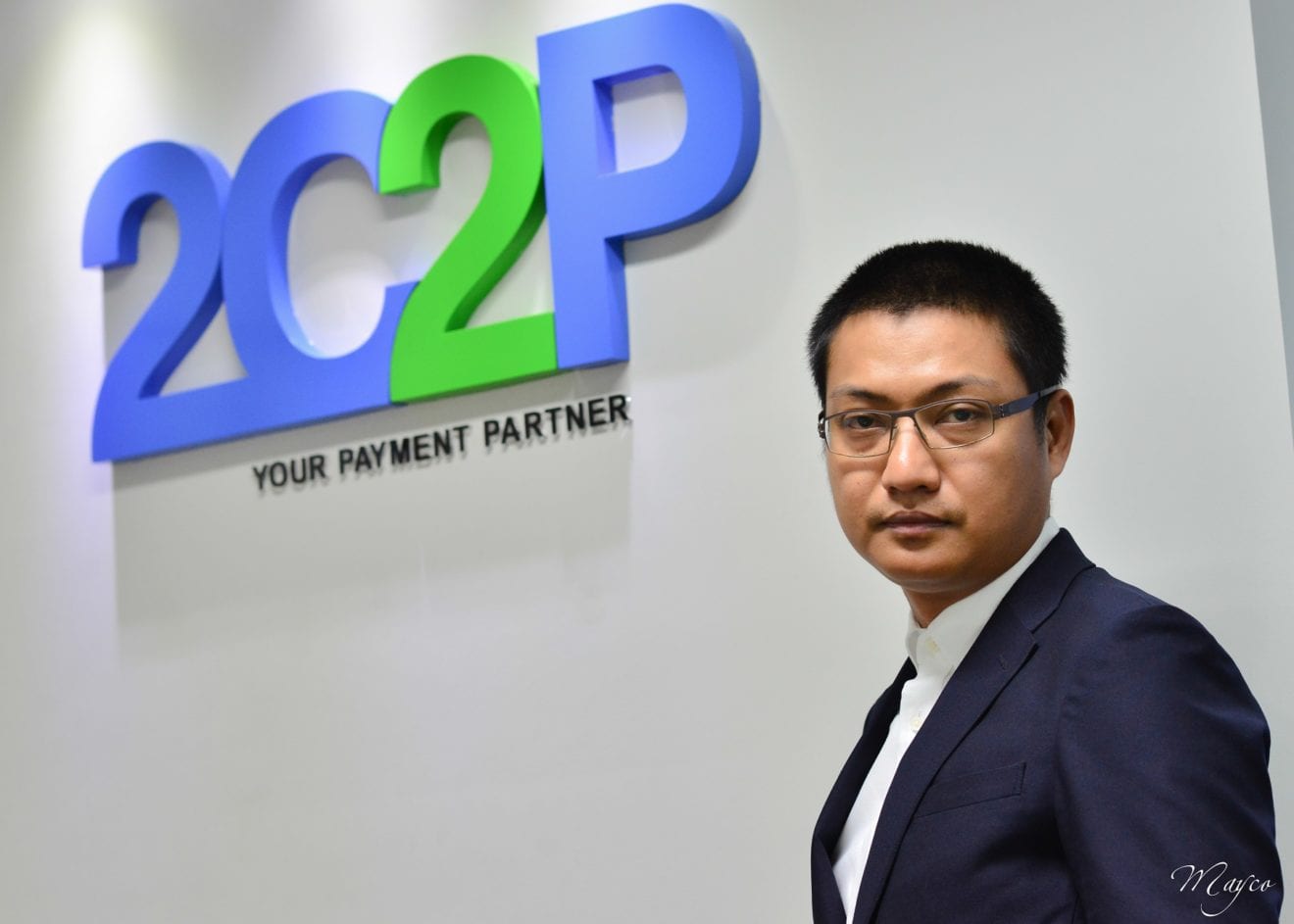
    Southeast Asia payments company 2C2P of Singapore, with its Burmese founder and CEO Aung Kyaw Moe, has taken a step to modernise Myanmar’s economy with the country’s first co-branded debit card so its citizens can shop with international merchants.

    The new UnionPay and Myanmar Payments Union (MPU) co-branded debit card is being introduced along with the launch of 1-Stop, a cash acceptance network of sellers and buyers, bringing digital commerce to Myanmar, especially helpful for its rural communities. Also a partner of the debit card is Myanmar’s Asia Green Development Bank (AGD Bank).

    Anyone in Myanmar can now set up a microbusiness to sell goods and services online. Domestic transactions are processed by MPU, while international transactions go through UnionPay International, which is recognised by more than 4000 merchants domestically and more than 26 million across 150 countries, as well as at 1.8 million ATMs internationally.

    MPU is Myanmar’s national payment network, authorising the issuance and acceptance of all payment cards within the country, of which there are more than 1.2 million. With UnionPay International, a subsidiary of China UnionPay, cardholders can shop with international merchants for the first time. UnionPay is the largest global payment card company with more than five billion cards issued.

    Myanmar is expected to quadruple the size of its economy from $45 billion in 2014 to $200 billion by 2030 (McKinsey), with a reboot of its cash-based economy seen as the key to growth. This will be driven by Myanmar’s young population (47 per cent of its 51.4 million citizens are 24 years old or younger). The World Bank pegs Myanmar’s annual growth rate as leading Asia at 8.3 per cent annually between 2014 and 2017.

    Myanmar’s millennials are also responsible for the country’s spike in outbound tourism. This sector grew from $29 million in 2002 to $257 million in 2012, a rise of 24 per cent, according to the World Trade Organisation.

    “2C2P is committed to support Myanmar’s financial institutions,” says CEO and founder Aung Kyaw Moe. “We do this by bridging the gap between local and international infrastructure.

    “We bring our robust platform, as well as our experience and knowledge in international payments, making it possible for Myanmar’s banking and financial institutions to innovate – offering new services that leapfrog legacy financial technologies.”

    AGD Bank customers can download an app to manage card transactions in real time with online support. A loyalty program offers discounts and privileges from more than 4000 merchants domestically, across food and beverage, retail, hospitality, and travel and tourism.

    “We are committed to innovate, offering Myanmar’s young, fast-growing and connected population the financial services that meet their evolving needs,” says AGD Bank chairman U Than Ye.

    Meanwhile, 1-Stop’s network has more than 3000 locations through 2C2P’s strategic partnerships with the country’s largest distribution network for the agriculture sector Myanmar AWBA Group, retail and convenience store chains Capital Hyper Mart and Grab & Go, mobile stores eCity, Lu Gyi Min andMr.Fone, as well as independent stores.

    It is aiming to contribute to modernising the economy through its online-to-offline commerce approach in a market with relatively high smartphone penetration but limited e-payment infrastructure.

    Myanmar is the fourth-fastest growing mobile market globally, according to Ericsson. In the third quarter of last year, it accounted for nearly 6 per cent of the world’s 87 million new mobile subscribers. Research firm Ovum estimates mobile subscriptions in Myanmar grew by 87.4 per cent in 2014 to 10.7 million. This is forecast to grow at a 21 per cent compounded annual growth rate to reach 38.5 million by the end of 2019 as networks expand to rural areas.

    Last year, 2C2P also launched easyBills, the country’s first online bill-payment system. Previously, along with Myanmar Citizens Bank, 2C2P launched the Citizen Card, a reloadable prepaid card accepted by MasterCard and merchants globally.

    2C2P has offices across Southeast Asia, including Cambodia, Indonesia, Laos, Malaysia, Myanmar, Singapore, Thailand and The Philippines, as well as in Hong Kong.

  • Indonesian Steel Breaks through Malaysian Market

    Indonesian Steel Breaks through Malaysian Market

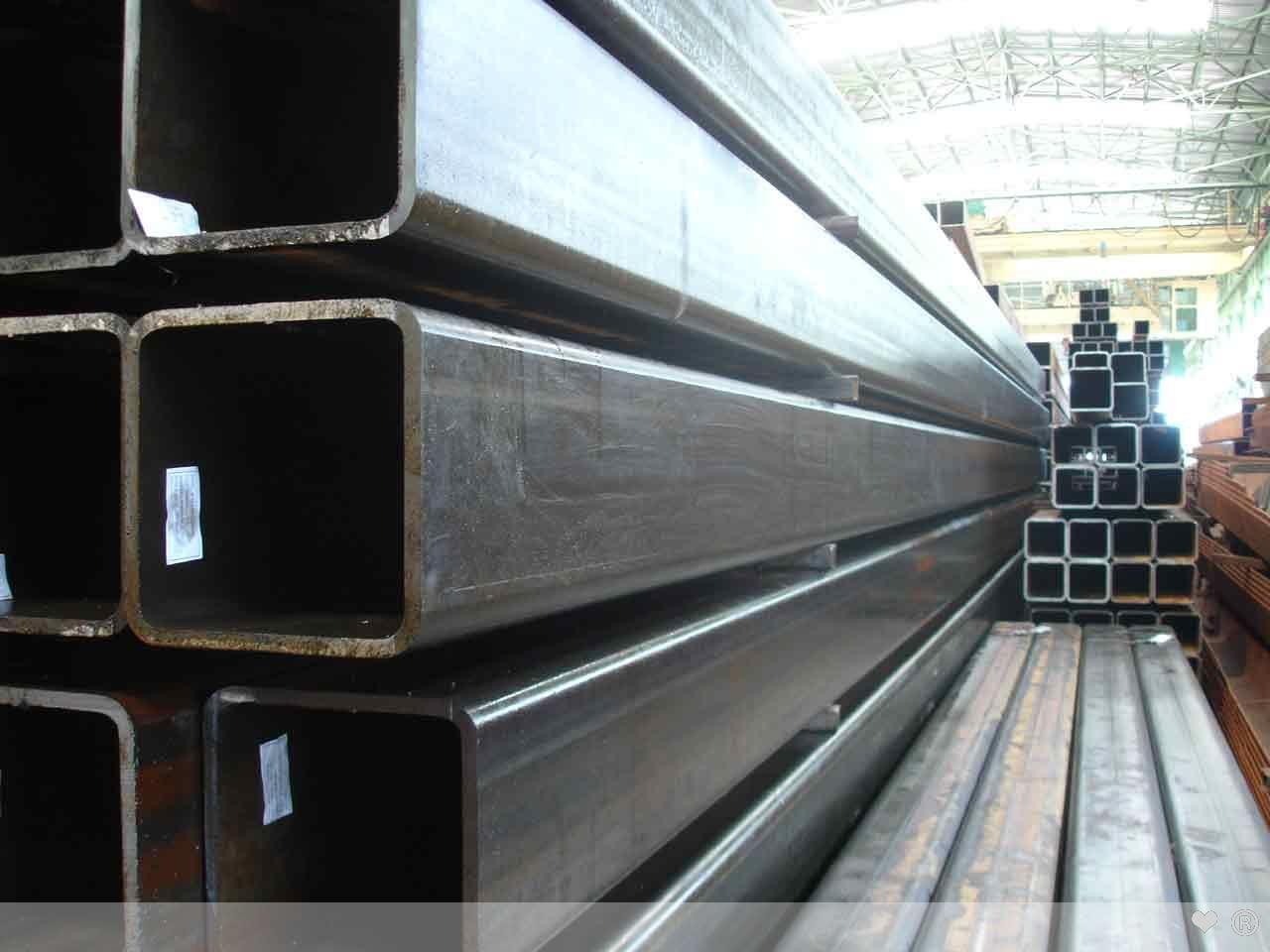
    Indonesian hot rolled coils (HRC), which is a type of steel product, can now enter the Malaysian market. The coils managed to tap Malaysia’s market following their government’s decision to stop the investigation on safeguards after assessing that Indonesian steel will not jeopardize the sales of Malaysia’s local products.

    Karyanto Suprih, acting director general of foreign trade at the Trade Ministry, said that the Malaysian Ministry of International Trade and Industry (MITI)—the authority that handles the safeguard investigation—has completed its studies.

    “They did not find indications for possible losses or threats of loss resulting from importing products,”Karyanto said in Jakarta on Tuesday, January 26.

    According to Karyanto, the decision was announced in the Notice of Negative Preliminary Determination on January 6.

    The safeguard investigation over Indonesian HRC began on September 7, 2015 at the request of one of Malaysia’s largest steel producers, Megasteel Sdn. Bhd.

    The investigation was based on allegations of domestic industry losses due to an imports surge of HRC products.

    Karyanto hopes that the termination of the safeguard investigation can help expand Indonesia’s export share for HRC product to Malaysia. In 2014, Indonesian HRC had a 6.1-percent share of Malaysia’s total imports.

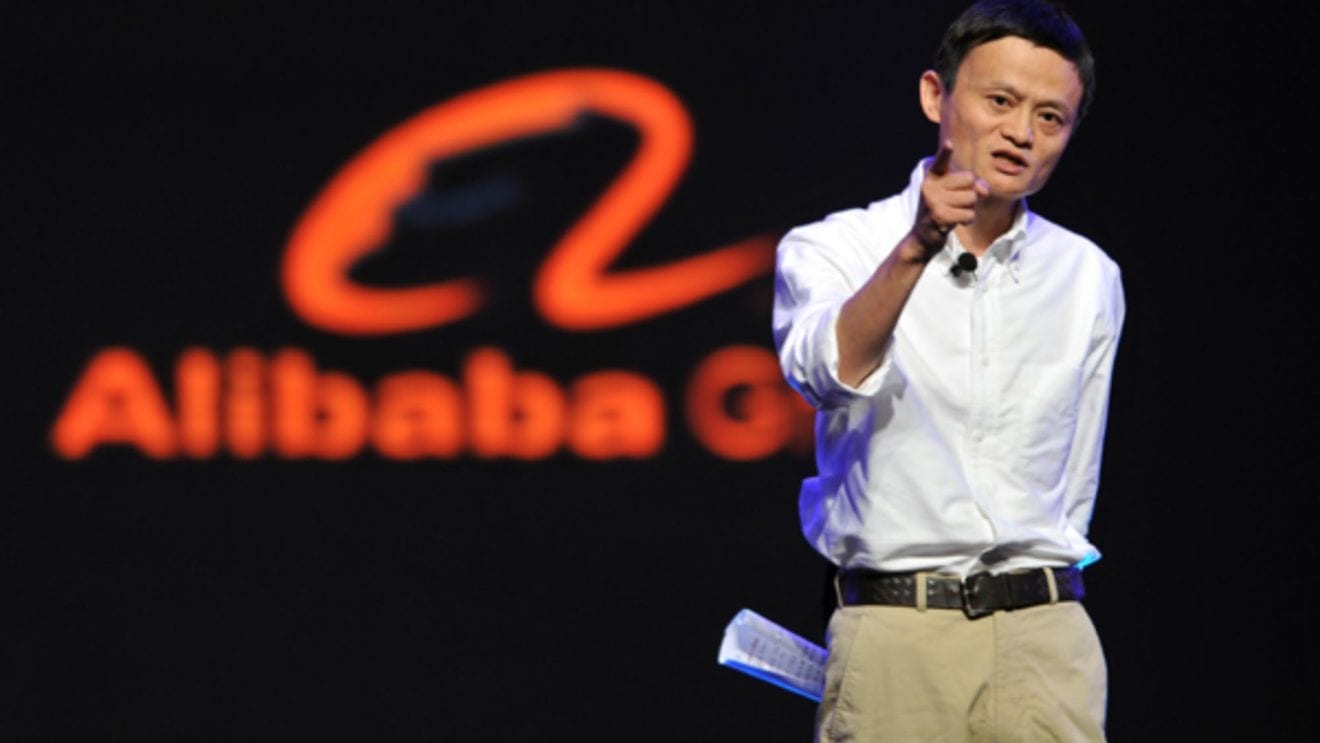
  • Jack Ma versus George Soros: who do you trust on China’s economy

    Jack Ma versus George Soros: who do you trust on China’s economy

    No one really trusts China’s official statistics. In the past ten days since the government announced the economy grew at the much-slower-but-still-solid pace of 6.9 per cent last year, a roll-up of economists and money managers have been putting forward their own best estimates for growth.

    Billionaire investor George Soros raised Beijing’s ire by claiming last week the current growth rate was probably around half the official figure at 3.5 per cent and said a hard landing was “unavoidable.”

    Other economists say growth is somewhere between four and six per cent, which leaves investors looking around for alternative measures of the economy.

    When it comes to a gauge for consumption, it’s hard to go past the profit result for China’s biggest e-commerce company, Alibaba, which now accounts for about 80 per cent of the online retail market.

    And there was much to cheer about in Alibaba’s better-than-expected third-quarter results, released on Thursday in the United States.

    Revenue jumped 32 per cent to 34.5 billion yuan ($7.4 billion) compared to the same period a year earlier, while profit more than doubled to 12.5 billion yuan, largely driven by consumers shopping on their mobile devices.

    Despite the strong result, there were some signs of China’s slowdown.

    The value of overall product sold across Alibaba’s retail platforms – the so-called gross merchandise revenue (GMV) — rose 23 per cent to 964 billion yuan, much slower than this time last year.

    Still, it’s a strong result and the smaller increase in GMV might be partly due to the company’s efforts to crackdown on the sale of counterfeit goods on its platforms.

    Alibaba said China’s growing middle-class was driving sales especially to younger people, who are more likely than their parents and grandparents to spend money rather than save.

    Alibaba’s founder Jack Ma set up the company in his Hangzhou apartment, an hour’s train trip from Shanghai, in 1999. At the time, it was an online listings service, connecting Chinese manufacturers to potential customers. But four years later he launched Taobao, revolutionising China’s online retail market. He followed Taobao with Tmall, which allows global brands such as Nike and Gap to sell direct to consumers and the company listed on the New York Stock Exchange in 2014.

    More than 400 million people are now active buyers on Alibaba’s retail marketplaces.

    The company is also investing in financial services, video and media content and cloud-computing to diversify its earnings.

    Investors had been betting against Alibaba this year because of China’s economic woes, pushing its shares down 14 per cent before the result came out. Alibaba fell 3.8 per cent to $US66.92 in New York on Thursday.