Author: Mei Ling Tan

  • Philippine growth short of target at 5.8 percent in 2015

    Philippine growth short of target at 5.8 percent in 2015

    The government initially forecast growth of 7-8 percent for 2015 but later lowered its projection to 6-6.5 percent.

    “Though this is lower than what we targeted for the year, this growth is respectable given the difficult external environment,” Economic Planning Secretary Arsenio Balisacan said Thursday.

    The Philippines has been one of the fastest growing economies in Asia for several years. Despite increased government efforts to raise living standards, the country of more than 100 million still faces considerable challenges including its vulnerability to typhoons and other natural disasters, poverty, corruption and poor infrastructure.

    The economy expanded 6.3 percent in the last quarter of the year, the fastest for 2015. It was up from 6.1 percent the previous quarter but down from 6.6 percent in the same period of 2014.

    Balisacan said growth has averaged 6.2 percent in the past six years, which is the best performance since the late 1970s. The growth has not been due to unsustainable borrowings like in the 1970s and short-lived portfolio capital but fueled by investments that create jobs and increase incomes, he said.

    He said last year’s growth was driven by much stronger domestic demand and government spending that grew 9.4 percent compared to the previous year’s 1.7 percent. Growth in public and private investments more than doubled, primarily led by public construction.

    Service industries were also robust, growing 6.7 percent in 2015 from 5.9 percent in 2014. Industry expanded 6.0 percent while agriculture grew a tepid 0.2 percent.

    Finance Secretary Cesar Purisima said the Philippines was well-positioned to withstand turbulence in financial markets caused by uncertainty about the strength of the global economy.

    He said foreign exchange reserves are more than healthy at $80.6 billion as of the end of last year, enough to cover 10.3 months of imports and equivalent to more than six times the country’s external short-term funding requirements.

  • UC browser grabs over 50 percent market share in Indonesia

    UC browser grabs over 50 percent market share in Indonesia

    Coinciding with its consistent rise in overseas markets, UCWebInc, the global leading provider of mobile Internet software and services and maker behind UC Browser, has hit a new milestone in Indonesia.

    The browser has clocked in 55.27 percent monthly page-view market share as of 2015 year-end, as per StatCounter. The announcement comes on the heels of another feat, where UC Browser became the world’s second most popular mobile browser with 18.6 percent monthly page-view market share in December 2015. UC Browser is already the undisputed leader in the Indian market with over 55 percent market share, according to StatCounter.

    Looking ahead, Kenny Ye, Director of UCWeb International Business, said: “We’re going to sustain our development by enlarging our network of local partners besides keeping innovating our product. All those learnings from partnerships with e-tailers, content providers, etc. last year have made us remain steadfast in increasing our commitment to the local community.”

    As of today, one of every two mobile pages viewed in Indonesia is processed by UC Browser, and it has become the crucial artery in the country’s mobile traffic. The achievement comes about half year after UC Browser secured first place in the local industry.

    Looking back at Indonesia’s mobile browser market in 2015, StatCounter shows that only UC Browser continued a growth trajectory to climb 3 percentage points per month on an average throughout the year. The browser closed out the year 2015 by doubling its market share compared with its share in early 2015 when it took the championship.

    UCWeb Inc. (UCWeb) is a business within Alibaba Group’s mobile business division and a leading provider of mobile internet software and services. Since its inception in 2004, UCWeb’s mission has been to provide better mobile internet experience to people around the world.

  • Gunnebo looks to expand above inflation

    Gunnebo looks to expand above inflation

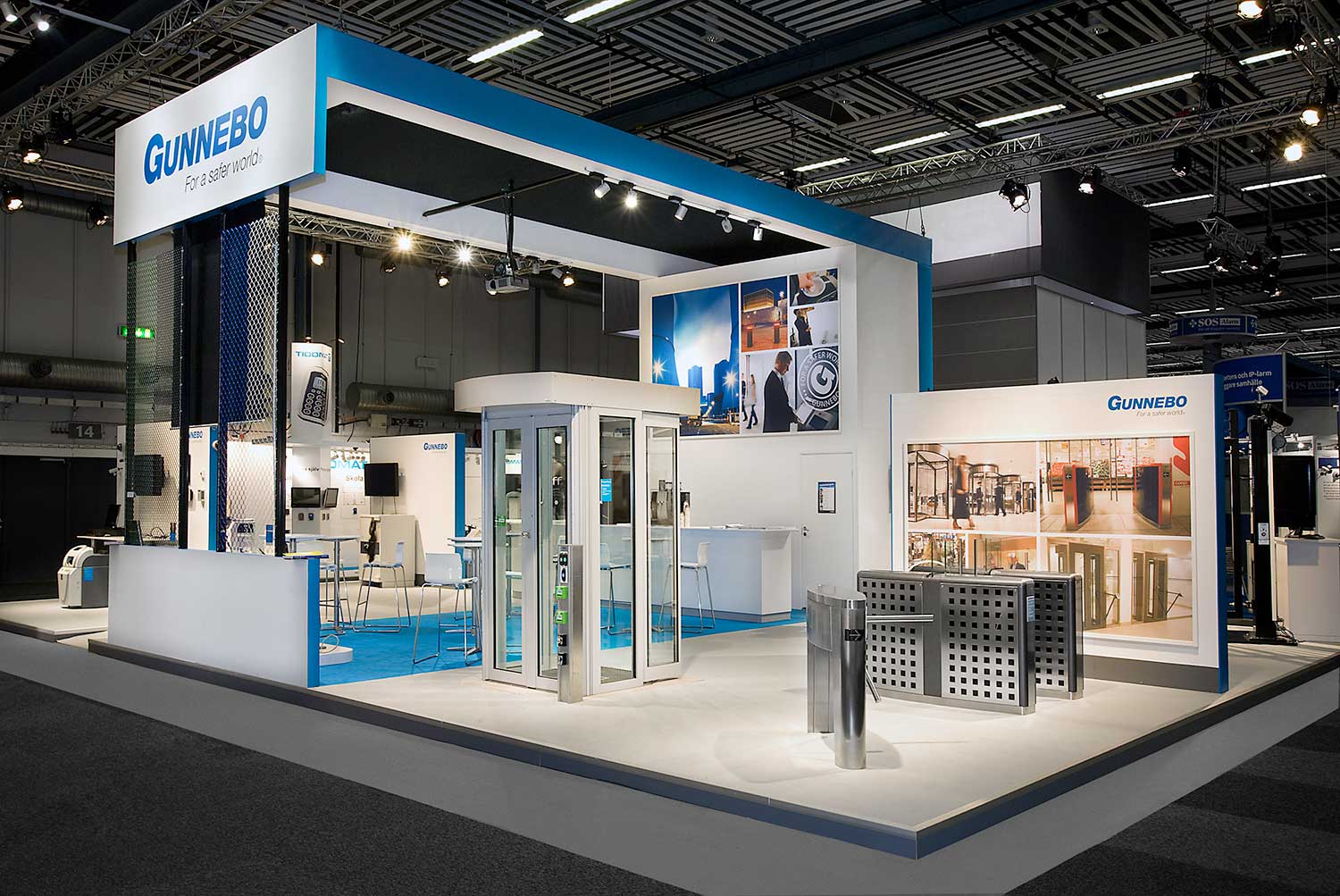
    Sweden-based security service provider Gunnebo Security Group is looking to see its Indonesian business grow by better than inflation, especially with support from infrastructure projects and its newly installed cash-management facility, the company’s regional executive says.

    Senior vice president for Gunnebo’s Asia-Pacific region, Sacha de La Noe, said on Tuesday that his company would keep its investment focus on cash-management products, one of the group’s backbone businesses, while at the same time he expected growth from other lines, such as from its fire-system services.

    De La Noe said the presence of a local production facility in the country was also expected to have a significant impact on regional sales, with about 70 percent of the local production being shipped to other countries, he added.

    “With more cash to handle in society, we need to find more effective ways to manage that cash. In Indonesia, I see a high number of notes in circulation, and retailers are looking for better ways to handle the cash and that will increase,” he said.

    The group announced in a press statement dated Jan. 15 that it would optimize its cash management manufacturing footprint by transferring production from its Trier plant in Germany to manufacturing units in Binefar, Spain and in Indonesia, to improve customer service levels and manufacturing efficiency. The Trier plant has turnover of around 9 million.

    Indonesia is the second-largest market for Gunnebo in Asia Pacific, with the largest being India. Indonesia contributes around 20 percent to regional sales.

    Gunnebo Indonesia country manager Hindra C. Kurniawan said his company’s revenue normally grew by around 10 percent annually. He added that his company expected that local cash-handling facilities would be its backbone in five years.

    Among its attempts to boost its cash-handling business in Indonesia, Gunnebo has cooperated with taxi operator Express Transindo Utama (Express Group) since 2014 to provide cash-handling equipment in taxi pools in the greater Jakarta area.

    Besides focusing on the cash-handling business, Gunnebo is also looking to see growth in other businesses, such as fire systems, which will be supported by a number of infrastructure projects in the country.

    Among the company’s key projects is providing a fire system for a major power plant in Cirebon, West Java, and with the government’s massive 35-gigawatt power-generation expansion, De La Noe said the group expected an increase in future demand.

    He also said that his company would work with state-run airport operator Angkasa Pura to provide security services in 32 airports that were being built and expanded across the nation. He said that a discussion with the airport operator was scheduled in March.

    The company is also involved in Jakarta’s Mass Rapid Transport (MRT) project, providing, among other facilities, entrance security and ticketing, with De La Noe stating that the MRT’s security system was among the group’s key businesses.

    According to a previous report, Gunnebo produces 30,000 safety deposit boxes annually; 60,000 fire extinguishers and 5,000 to 10,000 cash-handling machines at its factory in Cibitung, West Java.

    Gunnebo had annual turnover of around 610 million in 2014. It has 32 sales companies worldwide, 11 factories across the globe and around 100 additional networks. Its businesses include cash management, safes and vaults, entrance security, electronic security and specifically in Indonesia, fire security.

  • Indonesia’s Low Internet Penetration Rate Curbs Economic Growth

    Indonesia’s Low Internet Penetration Rate Curbs Economic Growth

    Each day the world’s Internet users watch an average of 8.8 billion YouTube videos, share 186 million photos on Instagram, make 152 million Skype calls, purchase 36 million products through Amazon, send 207 billion emails, post 803 million Tweets, and make 4.2 billion searches on Google.

    Although digital technologies have spread rapidly across the globe, the World Bank says digital dividends have lagged behind for part of the global population. The Washington-based financial institution defines digital dividends as “the broader development benefits from using these technologies”. For example, the business community can use digital technologies to expand their business, people can use these technologies to find jobs and the government can use it to enhance services. In other words, digital technologies support financial inclusion, job creation, and overall economic growth.

    However, the fruits of these dividends are unevenly distributed. One of the key solutions in order to let all people enjoy the benefit of digital technologies is to enhance Internet connectivity. But the World Bank also states that well developed Internet access alone is not enough. “Countries also need to work on the ‘analog complements’ by strengthening regulations that ensure competition among businesses, by adapting workers’ skills to the demands of the new economy, and by ensuring that institutions are accountable.

    In essence, two factors are the cause that digital dividends cannot be enjoyed by part of the world population. Firstly, almost 60 percent of the world population still lacks Internet access, hence cannot participate in the digital economy in a meaningful way. Secondly, some of the perceived benefits of digital technologies are offset by emerging risks.

    The first factor should be combated by governments by encouraging (affordable) access to the Internet (and other digital technologies) for its citizens, while creating conducive regulations for the Internet and mobile operators.

    After India and China, Indonesia has the highest amount of people who are not connected to the Internet. The World Bank report stated that the Indonesian government is on the right track to address these aforementioned issues. For example, the Indonesian government is currently finalizing an e-commerce road-map that aims to improve and develop the country’s e-commerce industry. Previously, the Indonesian government said it may allow foreign investors to own a 100 percent stake in Indonesian e-commerce companies in this road-map.

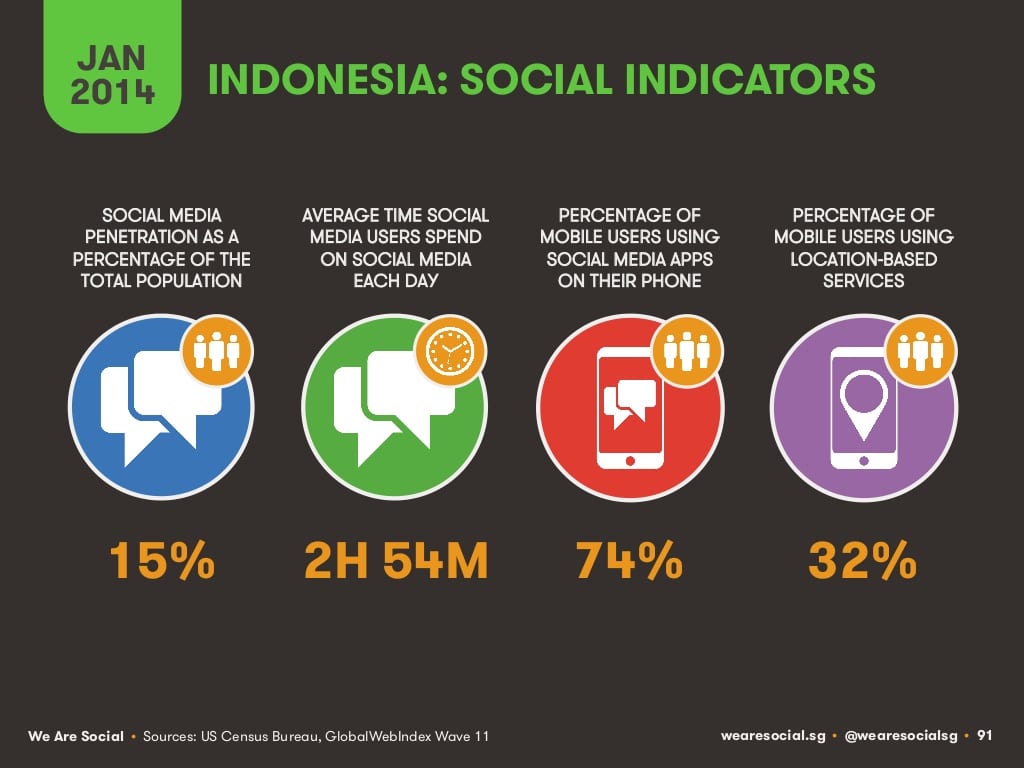
    According to the Association of Internet Service Providers in Indonesia (APJII), Indonesia had around 88.1 million Internet users in 2014, up 22 percent (y/y) from 71.9 million in the preceding year. Given that the total population of Indonesia numbers more than 250 million individuals, Indonesia’s Internet penetration ratio stood at around 35 percent in 2014. This low rate implies there is still ample room for growth in the online business industry.

  • Netflix blocked by Indonesia’s biggest telecom

    Netflix blocked by Indonesia’s biggest telecom

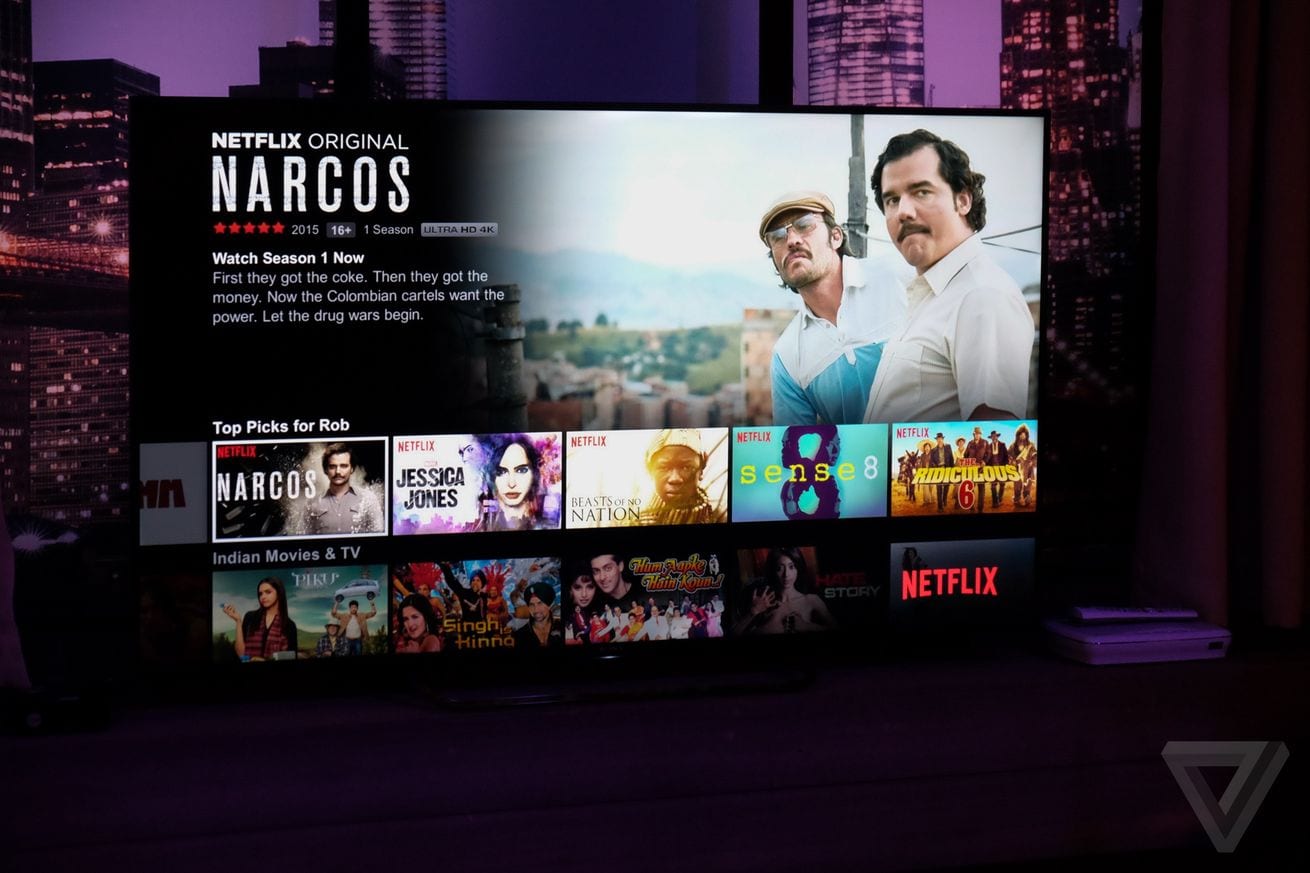
    Netflix hit a snafu during its expansion today, with the biggest telecom in Indonesia, PT Telekomuniksai Indonesia Tbk, blocking access to the service. The blockage is said to be over Netflix’s lack of a content provider permit, as well as objections to some content made available through Netflix. Concerns about adult and violent shows were cited as part of the reason for the banhammer.

    Earlier this month, Netflix’s CEO Reed Hastings announced that 130 new countries would be getting access to the streaming service, something that would hugely bump the number of regions where Netflix is available (from 60 to 190). The announcement came a short while ahead of the company’s crackdown against VPN users, a business move largely criticized.

    One of those 130 news countries is Indonesia, but rolling out there won’t go as smoothly as the company may have hoped. The nation’s Censor Board had made it clear earlier this month that it objects to some content made available on Netflix; furthermore, cable operators in the nation had expressed upset about the business move, likely due to the competition Netflix would pose.

    Telkom’s Netflix block is a big one, as the telecom controls both ISPs Wi-Fi.id and IndiHome, covering a large number of Internet users in Indonesia. Telekom also happens to be the company behind a local VOD service called UseeTV.

    Telekom’s VP Arif Prabowo said in a statement today, “Netflix’s content should adjust to regulations in Indonesia,” claiming the block is for the good of the people. It isn’t clear how Netflix will proceed, though it has said it will comply with whatever laws in the region it must.

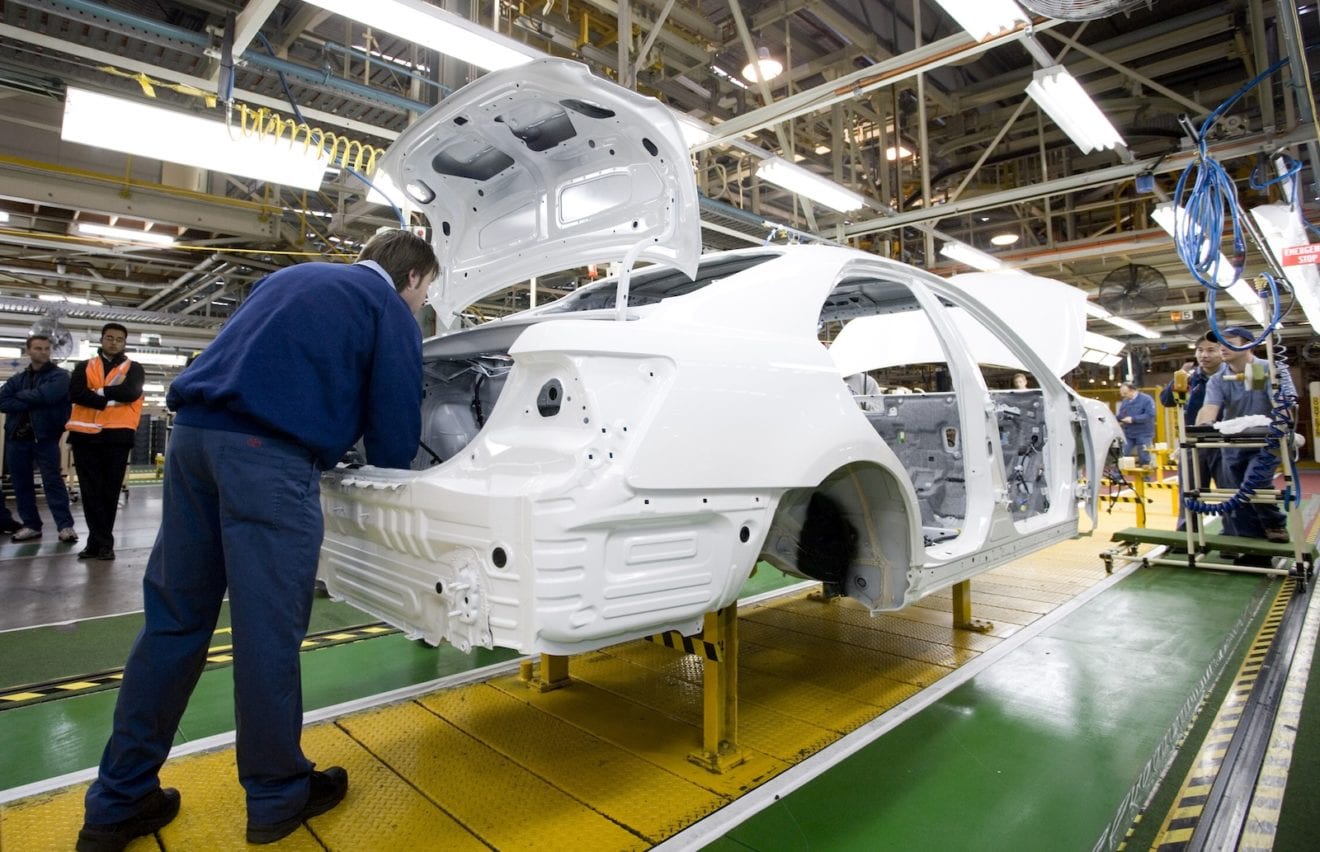
  • Toyota’s Daihatsu Buyout May Widen Global Lead Over Volkswagen

    Toyota’s Daihatsu Buyout May Widen Global Lead Over Volkswagen

    Toyota Motor Corp. is staying on the offensive after besting Volkswagen AG for bragging rights as the world’s biggest automaker. Now, it’s weighing a deal that might widen its lead, especially in Southeast Asia.

    In buying the rest of its 51 percent-owned Daihatsu Motor Co. unit, a move Toyota confirmed Wednesday that it’s considering, the automaker would gain full control of a company that’s a sales leader for Japanese minicars and compact vehicles in Indonesia and Malaysia. Daihatsu said it’s cooperating with Toyota in buyout discussions and its shares surged by the most since 1999.

    Toyota continues to bound from strength to strength and has grabbed the industry’s sales crown for the fourth straight year. It was also the only automaker to sell more than 10 million vehicles, with Volkswagen falling back amid the diesel-emissions scandal that has tainted its image with consumers and regulators. The potential Daihatsu purchase points to another acquisition option at Toyota’s disposal: It has an almost identical stake in truck maker Hino Motors Ltd.

    “Daihatsu needed support,” Koji Endo, an analyst at Advanced Research Japan, said by phone. “It could not make business in China, the Indonesian market is not doing as well as expected, especially for the last two years, and their domestic minicar business is in harsh competition with Suzuki.”

    Shares of Daihatsu climbed 16 percent, their biggest gain since November 1999, at the close Wednesday in Tokyo. Toyota rose 3.8 percent after confirming it was considering a deal, which was first reported by the Nikkei newspaper.

    At Daihatsu’s current market value, the portion of the company Toyota doesn’t already own is worth about 360.8 billion yen ($3 billion). The deal would give Toyota full say over a company that competes with Suzuki Motor Corp. in Japan’s minicar segment, which has expanded even as the overall domestic auto market has shrunk.

    The Nikkei reported separately Wednesday that Toyota had begun talks with Suzuki to form an alliance and better compete in emerging markets including India, without citing a source. Toyota and Suzuki denied the Nikkei report in filings with the Tokyo exchange.

    Although Daihatsu is a force in Japan’s minicar segment and in Indonesia and Malaysia, the company struggled last year. Sales in its domestic market fell 14 percent, the result of a price war with Suzuki for sales leadership in the fiscal year ended in March 2015.

    Daihatsu sales have been slumping in Indonesia, with deliveries dropping 10 percent through the first half of its fiscal year. Owning all of the carmaker could help Toyota to better navigate these challenges, said Matt Stover, a Boston-based analyst at Susquehanna International Group.

    ‘More Latitude’

    “There are certain things that you can’t get at when it’s an independent company versus when it’s something that you totally own,” Stover said by phone. “There are some duplicate expenses you can get rid of and you have a lot more latitude to pursue your strategy.”

    Global sales for Toyota, including Hino and Daihatsu, slipped 0.8 percent to 10.15 million vehicles last year, the company said Wednesday in a statement. Volkswagen earlier this month reported a 2 percent drop to 9.9 million, while General Motors Co.’s deliveries rose 0.2 percent to 9.8 million.

    “Toyota’s hegemony will probably not be challenged for the next few years after the big setback for VW,” said Zhou Jincheng, a Nagoya-based analyst at researcher Fourin Inc. “The gap will only get wider and wider because VW will take time to adjust its strategies for markets such as the U.S. and Europe.”

    Toyota first tied up with Daihatsu in 1967 and has owned its majority stake since 1998. Daihatsu started making Toyota-branded minicars in 2011 and also builds vehicles for its parent in Indonesia. The company was the top-selling automaker in Malaysia for nine straight years through 2014.

    Daihatsu traces its beginnings to March 1907, when two academics and a group of businessmen set up a company in Osaka, Japan’s second-largest city, to produce internal combustion engines. The company changed its name to Daihatsu Motor in December 1951.

  • Chin Teck Q1 earnings halved on losses in Indonesia

    Chin Teck Q1 earnings halved on losses in Indonesia

    Chin Teck Plantations Bhd earnings fell 43.5% to RM5.98mil in the first quarter ended Nov 30, 2015 from RM10.61mil a year ago, partly because its associates sustained losses in their Indonesian oil palm plantations.

    It said on Thursday its revenue was slightly higher at RM27.81mil from RM27.72mil a year ago due to slightly higher prices for the fresh fruit bunches (FFB).

    However, the average selling price of crude palm oil (CPO) was lower despite higher prices for the FFB. It also said that a year ago, there was a gain from the sale of investment.

    Also overall operating expenses were higher due to the increase in replanting expenses.

    Its oil palm plantations in Lampung Province, Indonesia had to suspend harvesting due to unrest in the nearby villages.

    “The plantations have commence harvesting. At end-November, the total harvested area was about 13% of the total area planted,” it said.

    Earnings per share were 6.55 sen versus 11.61 sen. It declared an interim dividend of eight sen, which was similar to a year ago.

  • Singapore designer Sabrina Goh is creating a new fashion vision

    Singapore designer Sabrina Goh is creating a new fashion vision

    The petite designer has launched her new concept store at the boutique-centric Capitol Piazza

    Local fashion had a tough year in 2015, what with the high-profile shuttering of well-known labels such as Hansel by Jo Soh, the long-standing M)phosis and multi-label boutique Inhabit at Mandarin Gallery.

    The influx of fast fashion brands and e-commerce, rising rents and a murky economic outlook have all resulted in a particularly challenging retail environment here, with smaller labels taking the brunt of the impact.

    Yet, there have been a few bright sparks in recent months. There was the opening of local fashion label In Good Company’s first stand alone store in ION Orchard; and the sprawling 5,000 sqf Mporium, which champions Asian designers and indie labels, that took root at Suntec City. This week, local fashion designer Sabrina Goh officially launched her new flagship store at Capitol Piazza.

    sabrinagoh

    Simply called SABRINAGOH, the launch also coincides with the seventh anniversary of her label ELOHIM by Sabrina Goh. The petite designer spearheads two of her own labels — Light by Sabrina Goh, and the more conceptual, premium label, ELOHIM — both of which are stocked on the 870 sqf store at the second level of the boutique-centric mall.

    However, unlike her previous boutique at Orchard Central, which closed in August last year, this flagship store boasts a new retail concept. Apart from Goh’s own designs, it also features offerings from other independent Singaporean and Asian labels that, according to Goh, share a similar DNA with her designs.

    The in-store offerings range from skincare, courtesy of Singaporean beauty labels FrankSkincare and Rough Beauty; to handmade cookies infused with local flavours from Spatula & Whisk. Handcrafted accessories such as snap-cases for iPhone 6 (by Fabrix), cool and quirky handbags (from Woodview) and whimsical stationary from local brand The Paper Bunny also make up the indie vibe at the boutique.

    “I was looking to shift from our previous location at Orchard Central as it was undergoing major revamp and renovation, and I felt that Capitol was very suitable for a new-to-market concept store like this,” said Goh. “My team and I wanted to develop a different kind of retail concept that is more about a complete lifestyle — but also showcasing many more Singaporean and international labels that people may not be familiar with.”

    Still, it’s interesting that, at a time when retailers are either downsizing their brick-and-mortar businesses or closing shop altogether, Goh has decided to take this leap of faith at this particular juncture in her designing career. Here, she explains why she made such a move.

    Q: What was behind the decision to open a flagship store at this point in time?

    A: I’ve always felt that having a physical space is very important. When we started in 2009, we were stocked in different concept stores where it was difficult to communicate our story. A stand alone store will be better able to have more interaction and receive feedback from our customers, which helps the brand to shape and grow. Plus, a store where people can try on your clothes is crucial to recruiting new customers to your brand, especially for one with our unique aesthetic.

    Q: Many local brands are going online. What do you think of the current retail environment for niche brick-and-mortar stores such as yours?

    A: After five years of running the boutique at Orchard Central, I realised that retail is very dry, very transactional — I feel challenged when it comes to retail. It’s very cold and there’s not much conversation about the creative process, or two-way communication between the designers and the customers. I feel that as a local designer, I cannot compete with big brands with big budgets, but I can share my feelings and my inspirations and brand identity; and this is the strength of the indie designer.

    Q: How is this translated in the store?

    A: There’s a need for designers to share and communicate the stories of their brands to their customers, something which we emphasise in the store. We trained our staff to share the story of all the different brands we carry: How they started, the inspirations (behind the designs or products), the unique stories — in order to create a more intimate retail experience. We also conduct workshops in-store where we invite customers and our partner brands to come and share their stories. We’ve done two for FrankSkincare and Amuse Projects Tea, and they have both been very well-received.

    Q: But why open a multi-label, lifestyle concept store?

    A: I wanted a more diverse range of products that have the same DNA as my labels, and we wanted to showcase other labels made in Singapore. We want to build a community in the creative industry here as retail is so transactional and it’s hard to find stockists here (for indie labels). We also find that Singaporean shoppers are now more open to hearing about the stories of the brands. They are looking for more meaningful products, in fashion and everywhere else in their lives.

    Q: What’s your advice to young designers looking to break into the local fashion scene?

    A: For new local designers, it’s definitely more challenging than when we started in 2009. There weren’t as many brands and variety for customers to choose from then; now, it’s more crowded. It’s essential to have a very strong unique point of view, otherwise you won’t stand out.

    We try not to compare ourselves to other local labels — we wanted to focus more on creativity with fashion design, conceptual clothing, playing around with cuts, materials and silhouettes. And we are fortunate to also have gotten international interest (ELOHIM is currently retailing in selected stores in the United States and Japan); and this year, we are also focused on moving into department stores such as Tangs and Takashimaya to try and capture a 
wider audience.

    The SABRINAGOH flagship store 
is at #02-14 Capitol Piazza.

  • Online retail Visa offers new payment method to deal with abandoned carts

    Online retail Visa offers new payment method to deal with abandoned carts

    Visa has launched a new payment service that simplifies the payment process for online shoppers in a bid to address the high percentage of abandoned online shopping carts caused by inconvenient payment methods.

    The service, Visa Checkout, captures and saves customers’ payment details. Registered users can pay for their online shopping at several merchants that have partnered with Visa through just one payment point. Users simply enter a username and password to pay for items, instead of filling up credit card information and shipping address for every transaction. The service can be used via a smartphone, tablet, laptop or PC.

    Visa Checkout is available in 16 markets worldwide, including China, Malaysia and Singapore. The company plans to extend this service to other parts of Southeast Asia in the near future.

    Ooi Huey Tyng, Visa country manager for Singapore and Brunei said that as more consumers spend more time and money on ecommerce, they are also “demanding a fast, secure and frictionless way to shop online.”

    “Two in three Singaporean shoppers have abandoned a purchase because it took them too much time to complete the payment process or it was too cumbersome to enter their personal details,” the company said in a press release on Wednesday.

    According to a recent Visa study, Singapore is among the top online shopping countries in Southeast Asia. At 88%, the city-state has the highest smartphone penetration of any country in the world, and 71% of Singaporeans shop online at least once a month, an increase from 59% last year.

  • Soilbuild bags US$9.4m Myanmar contract

    Soilbuild bags US$9.4m Myanmar contract

    It’s for a shopping center’s addition, alteration works. Soilbuild Construction has nabbed a build and design contract worth about US$9.4m, or $13.4m.

    According to the company’s media release, as Soilbuild’s second contract in Myanmar, the US$9.4m deal is for the addition and alteration works of St. John Shopping Center in Yangon. It was awarded by a joint venture between two reputable companies in Myanmar, which have activities in retail and real estate development.

    The work for St. John Shopping Center is expected to begin in the first quarter of 2016, and is to be completed within 8.5 months from the commencement.

    Soilbuild notes that this project is not expected to materially impact the company’s net tangible assets and earnings per share for FY16.

  • Singapore supermarket lost $120000 on trolleys

    Singapore supermarket lost $120000 on trolleys

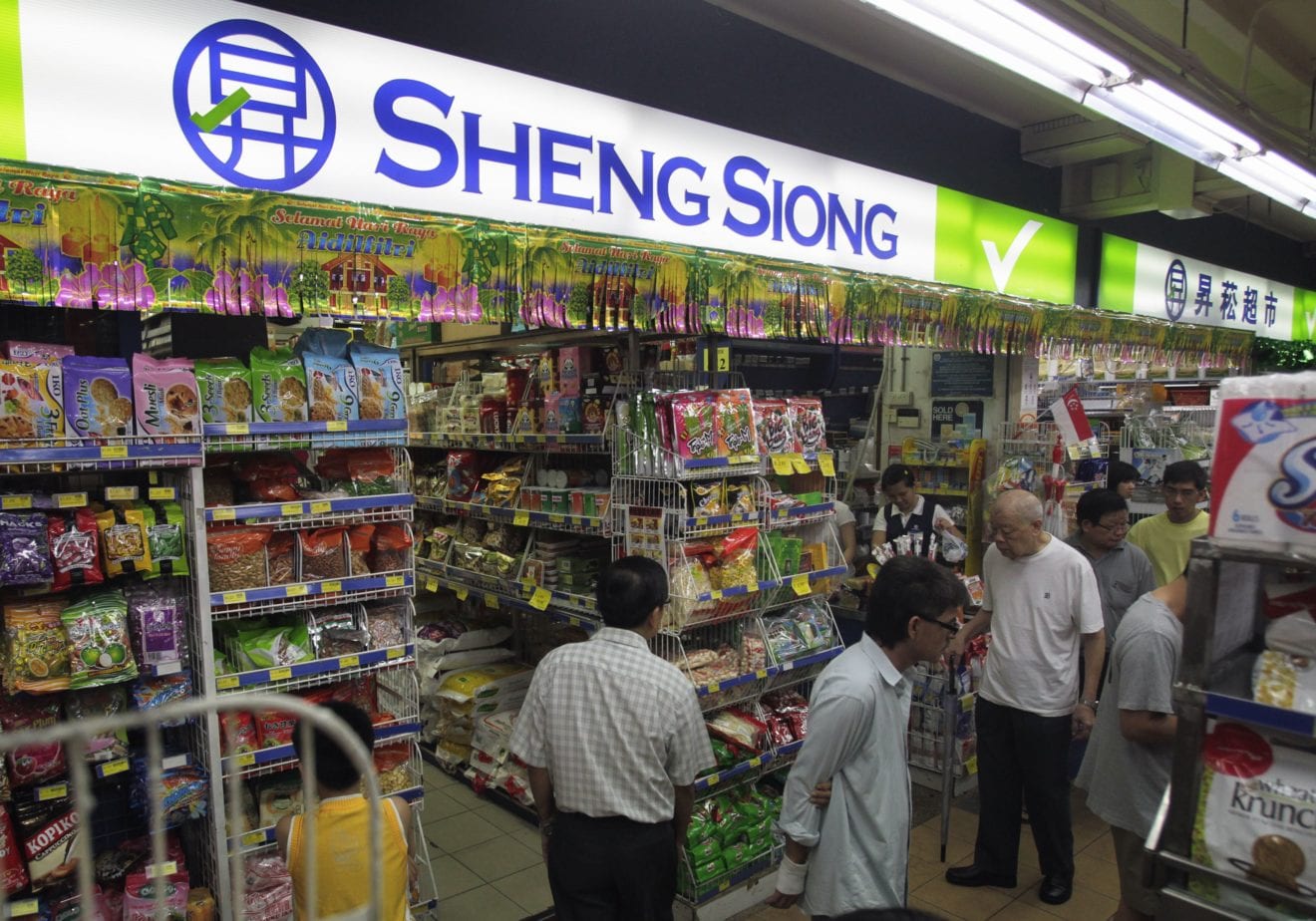
    The third largest chain of supermarkets in Singapore Sheng Siong loses 90 metal trolleys and 180 plastic ones over its outlets each month.  That interprets into a stunning $120,000 loss on just trolleys. Furthermore, this supermarket chain is not the only one. In the previous two years, NTUC FairPrice lost around 1,000 trolleys every year over more than 90 stores they operate in.

    The grocery store chain said it spends around $150,000 every year on repairing, supplanting and recovering abandoned trolleys. Sheng Siong said a few clients do return the trolleys, however not promptly, after use.  Be that as it may, in 2012, NTUC FairPrice lost just around 800 trolleys crosswise over more than 80 stores, proposing an ascent in the quantity of unreturned trolleys when contrasted to 2014 and 2015.

    For the supermarkets, store workers recover the trolleys from adjacent housing estates, asphalts and taxi stands now and then. Clients are required to store a one-dollar coin into the metal trolley when they acquire one from Sheng Siong general store, yet plastic ones don’t require any store. Similarly, NTUC FairPrice grocery stores’ trolleys require a deposite of either a one-dollar coin from the old coin series or a 50-penny coin from the new coin series. In spite of the series of un returned trolleys, Sheng Siong has not yet made any police reports in this regard.

  • India And Southeast Asia Could Be The ‘New China’ For Apple

    India And Southeast Asia Could Be The ‘New China’ For Apple

    I first wrote about the potential of Asia for Apple in September 2014. My article, titled “Asian Growth sends strong bull message for Apple” met with a lot of critical comments that the Apple brand would never catch on in China. The people were too poor, the local competition was too strong, the political and legal hurdles were an insurmountable barrier, etc. Of course, such critics have been proved very wrong. In the company’s 2012 annual report, China was not even listed as a specific operating segment. China is now second behind the US in terms of operating income. Now everyone writes articles about how vital China is to the company.

    Apple’s Q1 2016 results showed the importance of international sales (66% of revenue) to Apple, and specifically the importance of Asia.

    The Americas: revenue decline of 4% to US$29.3 billion.

    Europe: revenue increase of 4% to US$17.9 billion.

    Japan: revenue decline of 12% to US$4.8 billion.

    Asia-Pacific: revenue increase of 4% to US$5.4 billion.

    Greater China: revenue increase of 14% to US$18.4 billion (and + 47% sequentially).

    India specifically, and Asia in general, now offer the same future potential for Apple as did China. Indeed, Asia is already realizing that potential for the company.

    India

    Of course, India is not exactly the same challenge as was China, but the similarities are very apparent. Again, the naysayers state the people are too poor, the local competition is too strong, and the political and legal hurdles (including rampant corruption at every level of society) are insurmountable. For the same reason this was a false argument in regard to China, it is a false argument in regard to India.

    China’s economic growth is indeed slowing. However, consumer demand is strong as China transitions from an industrial economy to a consumer-driven one. Apple will continue to grow there, but more slowly than the 84% growth in revenue it enjoyed last year. Despite all the talk of gloom and doom, in Q1 2016 iPhone unit sales in China did increase by 19%. Mac sales increased 27% year-on-year as the Apple “ecosystem” increasingly embeds itself in the country.

    The country forecast by the IMF to have the fastest growth of any major economy this year is India, at 7.5%.

    Of course India has the negative of a much lower GDP per head than China or of many other Asian countries. The IMF assesses Chinese GDP per head in 2015 at US$8,280. For India it has a figure of US$1,688. What this misses out though is the incredible wealth inequality in India. The middle class there is growing fast and has a strong culture of showing off brand affordability. General estimates are that by 2025 the country will have over 500 million people who can be called “middle class.” As Tim Cook commented in the Q1 2016 conference call, the median age of the country is only 27, the kind of demographic that economists love.

    As my October 2015 article pointed out, India is forecast to have 314 million mobile users by 2017, which would be the second-highest total of any country.

    Retail in India

    Despite the headlining and highly-paid Angela Ahrendts coming on board, Apple has been slow to ramp up its retail presence in Asia. Only about 10% of Apple’s worldwide total of stores are in Asia and Australia. Only in China has the pace of new stores been quickened. In total, 26 new stores are planned for China this year, doubling their current number. The latest of these, the 33rd, opened in Qingdao this week. Apple targets to have 40 stores open in China by the middle of this year. This still compares poorly with the 53 retail stores, for instance, in California alone.

    In India, retail could be vital for success. So far Apple has been handling the retail market in India through sub-distributors, but this has put their brand image in the hands of often not very competent third parties. Historically, retail has been difficult for foreign companies in India, but the Modi Government is relaxing the rules.

    Previously, single-brand retailers which were foreign-owned had to source 30% of their product locally. Additionally, there were heavy restrictions on the use by such companies of e-commerce. With these restrictions being loosened, in mid-January, Apple filed an application to open the first real Apple Store in the country. Just as Tim Cook personally led the political dance to get Apple established in China, so he has reportedly met twice with Indian Prime Minister Modi in the past six months.

    The India Market

    Almost identically to when Apple entered the China market, the smartphone market in India is dominated at present by Samsung (OTC:SSNLF) and by local manufacturers. We all know what happened in China when that was the case a couple of years ago.

    IDC estimates that in the third quarter of 2015, Samsung had 24% of the market and Lenovo held second place among imported phones. Apart from them, it was local manufacturers such as Micromax, Lava and Intex. This is ripe for Apple to follow their China strategy. That means supplying current new models to the wealthier middle-classes and their older models at a strongly discounted price to those who cannot afford the current model. Apple is already doing this in fact. As an example, the 6S originally sold for 62,000 rupees, while the 5S price was cut in early December to 24,999 rupees. This put it in a similar price bracket to the Samsung “A” and “E” series phones. Now the 16GB 6S has been further reduced to 48,499 rupees.

    Up to March 2015, Apple increased sales by 44% to over US$1 billion. It is expected that this figure will double in the year to March 2016. In Q1 2016, revenue increased 38% (or 48% in constant currency terms). iPhone unit sales increased 76%.

    Sales are growing from a small base, but retail expansion and a new concentration on India by Tim Cook should see sales take off in the next couple of years. An accelerated planned roll-out of 4G in India, just as we saw in China, will also help the company’s expansion. Interestingly in the Q1 2016 conference call, Tim Cook made specific reference to rising 4G penetration in China as a boost to Apple sales. No doubt the same is equally true of India.

    He also stressed the importance of emerging markets in general and LTE penetration to the future. He commented:

    “If you go outside of China into the other emerging markets, our share is much lower and the LTE penetration is so low…. it indicates to me that there is still a lot of people, a tremendous number of people in the world, that will buy smartphones.”

    The GDP per head differential with China will mean that India takes longer to reach the stratospheric sales figures we saw in China. Equally, the Apple ecosystem is not as strong in India and it will take time for iTunes and the App Store to become a way of life there.

    One potentially very bullish factor for Apple is the fact that their biggest manufacturing partner, Foxconn, has applied for manufacturing approvals in the country. This has led to obvious speculation that iPhones will be manufactured in the country, with all the myriad advantages that would bring. Foxconn is proposing to have 20 facilities operating in India by 2020 at an investment cost of US$5 billion.

    Elsewhere in Asia

    China may have a population of 1.4 billion and India 1.25 billion, but elsewhere in Asia the sheer mass of the addressable market is substantial. Figures of population of other Asian countries for 2015 and World Bank details of GDP per capita for 2014 illustrate the often-overlooked potential in Asia outside of China and India. In the Q4 2015 conference call, the company had stated that revenue increased 27% in that period for this region.

    There are over 1.8 billion people in Asia outside the behemoths of China and India. This potential is reinforced by the fact that these countries have the demographics that economists look for. That is to say, young growing populations with improving educational levels in countries with strong growth rates. This group of countries alone far exceeds the populations of US or of Western Europe.

    Below, I summarize just a few of the Asian countries where Apple’s footprint has grown strongly.

    Japan (population 127 million and GDP per capita of US$36,194) is the market in the world where the Apple ecosystem is generally considered at its strongest. In the Q4 2015 conference call, Apple had stated that Japan revenue increased 9%, not bad for a mature market. However in Q1 2016, revenue declined 12%, although in constant currency terms it was a decline of only 4%. This is still of some concern for Apple, and the figures seem to reinforce market rumors that the iPhone 6 and 6S were not so well received there in what is already a mature market for Apple.

    Indonesia (population 255 million and GDP per capita of US$3,491) and the Philippines (population 101 million and GDP per capita of US$2,872) are both seeing Apple sales grow strongly. Both have very young populations and the Philippines was the strongest growing economy in Asia last year. Apple is planning to invest in R & D facilities in Indonesia following new government regulations to come into effect in 2017. These will require overseas suppliers to include 30% of import value in their products from either local manufacturing or from software input. Official figures show that Indonesia imported US$5 billion worth of mobile phones in 2015. The real figure would be higher as it does not include parallel imports through Singapore.

    In Korea (population 49 million and GDP per capita of US$27,970), Apple has made significant inroads. This is despite Korea being the home market of the formerly all-powerful Samsung. At the Q1 2016 conference call, it was reported that iPhone sales increased 45% there.

    Thailand (population 67 million and GDP per capita of US$5,977) and Malaysia (population 30 million and GDP per capita of US$11,307) are seeing significant growth for Apple. Exact growth rates have not though been released by Apple.

    Vietnam (population 93 million and GDP per capita of 2,052) is an interesting study. The country was a long-time foe of the US and has a low GDP per capita of US$2,052. Yet, Apple opened a subsidiary there in October last year on the back of sales that had tripled in the first half of 2015. This will allow them to open their own store and sell directly to Vietnamese consumers. There are a startling 124 million cellphone subscribers in the country which shows the fast development in the country.

    Singapore (population of 5.6 million and GDP per head of US$56,284) will be seeing its first Apple store opening in 2016. With a GDP per capita higher than the US and a large re-export business, this is a strong market for the company. Apple Pay will be launched here in 2016. The other Asian destinations for Apple Pay this year will be China and Hong Kong.

    Different commentators may argue as to what extent these countries can have a substantial effect on Apple’s bottom line. There seems little doubt to me as to the strongly accretive effect on the company in the medium to long term.

    For 2016, the ADB (Asian Development Bank) has forecast GDP growth of 7.3% for South Asia, 4.9% for S-E Asia and 6.7% for China. Though lower than in some previous years, this is a lot stronger than likely growth rates in developed countries and will further narrow the gap between the two.

    Conclusion

    It should be only a matter of time before China is the single biggest market for Apple in terms of revenue. As Tim Cook said on the earnings call, the company is “maintaining our investment plans for China.”

    It is probably only a matter of time and demographics before the rest of Asia is Apple’s third biggest market in terms of revenue. This makes it false to argue that growth for the iPhone and other Apple products is limited because of the company’s high market share in its mature markets. Short term, currency fluctuations somewhat tempered Apple’s still healthy growth in the region, but that will not be a continuing long-term issue.

    These immature markets signify that Apple has very significant growth opportunities for years to come, as Tim Cook pointed out. The company may have been somewhat slow to roll out its retail footprint around Asia, but this now seems to be on the way. At the Q1 2016 results call, it was revealed that the company has US$215.7 billion in cash. US$200 billion of this is stashed off-shore. Retail expansion in Asia could well be the best use Apple has for a portion of this huge cash pile. This will help set up Apple’s long-term continuing growth in the region.


  • Toyota Thailand industry auto sales seen down 10 pct in 2016

    Toyota Thailand industry auto sales seen down 10 pct in 2016

    Thailand’s total domestic car sales are expected at 720,000 in 2016, down 10 percent from 2015, Toyota Motor Corp’s Thai unit said on Thursday.

    Toyota, which commands about a third of the Thai market, sees a 9.8 percent fall from 2015 in its annual automotive sales in the Southeast Asian nation to 240,000 in 2016, it said at a news conference.

    Kyoichi Tanada, president of the Toyota Thai unit, said the reason for the fall in both domestic car sales and Toyota’s own car sales were a weak global economy and a new Thai excise tax which would increase the retail prices of vehicles in 2016.


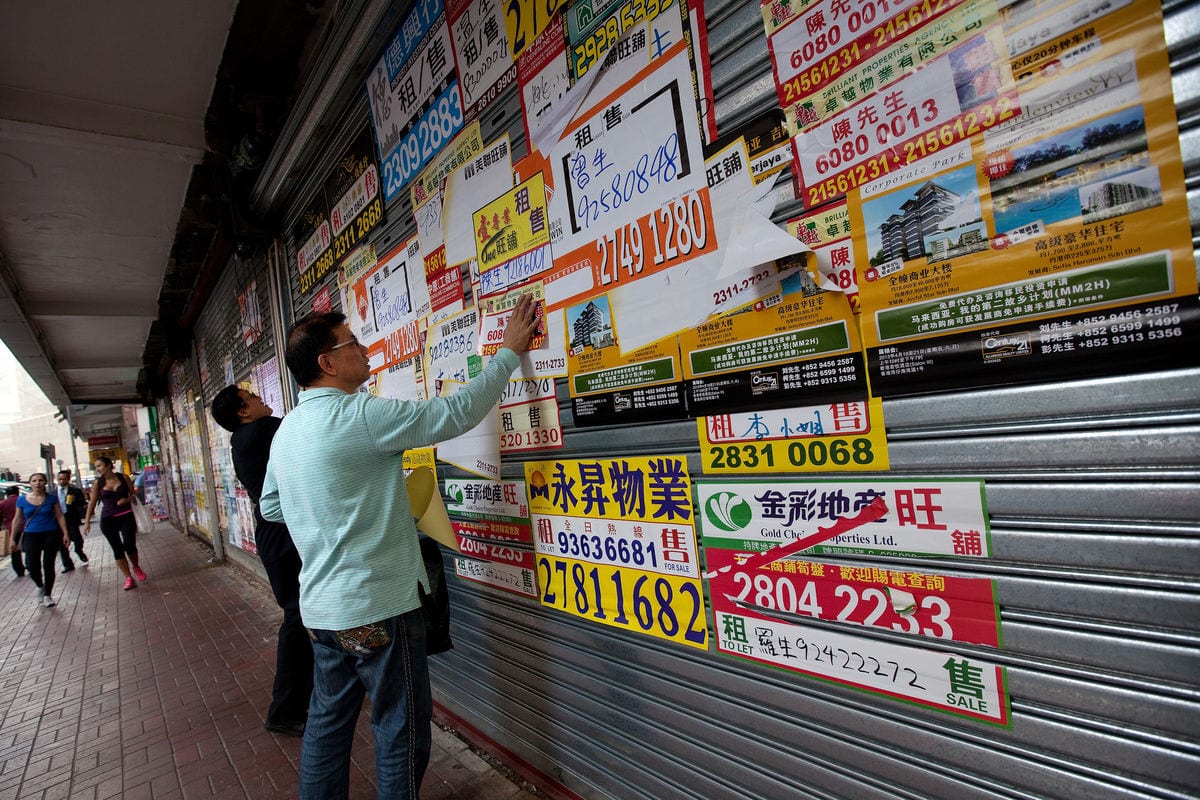
  • Hong Kong bets on Chinese demand to drive property market

    Hong Kong bets on Chinese demand to drive property market

    Mainland China’s influence continues to grow across the four core sectors of the Hong Kong property market, according to the latest research from JLL.

    Demand for office space is increasingly being underpinned by mainland corporates, while a persistent slowdown in inbound tourism from China has put a large dent in retail sales growth of late.

    Cross-border trade remains the lynchpin of the city’s warehouse sector, while mainland participation in the residential market is slowly transitioning from a buyer to that of a developer.

    Office market

    New mainland policy initiatives, including the development of the offshore renminbi market, the expansion of CEPA and the roll-out of the Stock-Connect Pilot Programme, have played a leading role in driving demand for Hong Kong office space.

    In 2015, mainland Chinese firms were among the most active in the market, accounting for about 36 per cent of all new leasing transactions in Central. Their share of new lettings in the Grade A office market has doubled over the past five years and today accounts for about 21 per cent of all floor space leased in Central.

    Denis Ma, Head of Research at JLL, said, “With China’s economy starting to slow and its financial markets showing increased volatility, there is growing concern whether demand from the mainland will be sustained. But looking ahead we remain confident that mainland companies will continue to play a pivotal role in the short- and long-term growth of the city’s office market.

    “Government policies will play a large part in growth and help to attract more foreign companies to establish or grow operations in Hong Kong. We estimate that up to 28 per cent or 7 million sq ft of the tenant base in the Central Grade A office market will be mainland corporates by 2021.”

    Retail market

    Hong Kong’s retail sector flourished at the same time mainland tourist arrivals increased three-fold between 2006 and 2015, accounting for more than three quarters of all tourist arrivals last year.

    Latest figures show mainland tourists spent an estimated HKD 178 billion on shopping in Hong Kong last year, accounting for about a third of all retail sales and spending an average of HKD 3,900 per visit. Despite the growth of mainland arrivals slowing since their peak in 2014, some of the causes that have led to a retail sales slump of late can be reversed through policy changes.

    “If the restrictions placed on multi-entry visas were eased and the Individual Visit Scheme (IVS) programme was expanded as proposed in 2012, up to HKD 21 billion in sales could be added to Hong Kong’s retail market. But the type of tourists would likely be more focused on mass market goods rather than luxury items,” said Mr Ma.

    Industrial market

    Since China’s economy has slowed, Hong Kong’s logistics market has shown signs of vulnerability. In 2015, trade with China retreated for the first time since the Global Financial Crisis, dropping 1 per cent y-o-y through the first 11 months. With external trade accounting for about 70 per cent of all warehousing demand in the city, the slowdown has led to an easing of new warehousing demand.

    But as Pearl River Delta (PRD) industries move up the value chain, they have increasingly turned to Hong Kong’s logistics market to move their goods, taking advantage of the higher quality provisions and security offered by warehouse in the city.

    Other positives for the sector include the completion of new infrastructure that will bring the Western PRD within a 3-hour commute of Hong Kong and permit cargo flowing from the Western PRD to be moved through export facilities at Hong Kong International Airport (HKIA) and the Kwai Chung Container Port.

    Mr Ma said, “According to HKIA Master Plan 2030, cargo handled by HKIA will increase at an average of 4.2 per cent per year, with the bulk of growth being driven by the movement of goods in and out of mainland China.

    “Based on our estimates, the increase in cargo volumes at HKIA translates to about 300,000 sq ft of additional warehousing demand per year. Hong Kong’s status as a key logistics and trading hub will further be cemented by the ‘One Belt, One Road’ policy initiative, while the demand for warehouse will increase.”

    Residential market

    Mainland homebuyers had accounted for as much as 40 per cent of all sales in individual projects in the primary market before retreating to 10 per cent in 2015, largely as a result of the government’s stiff Buyer’s Stamp Duty introduced in 2012.

    Today, attention has shifted to the growing participation of mainland developers. Mainland developers have bid on over half of all residential land sales tendered by the government in 2015, winning about a quarter of awarded tenders and elbowing aside local developers that had long enjoyed an entrenched position.

    They are also setting new benchmarks for the market. The bid prices of mainland developers exceeded market expectations in 73 out of 100 instances between 2013 and 2015, compared with 59 out of 100 for local developers.

    Mr Ma said, “We expect mainland developers will continue to expand in the city. Hong Kong’s traditional developers are still expected to dominate the market but will face increasing competition in acquiring residential plots from a larger pool of bidders.

    “Based on JLL’s supply forecasts, residential units built by mainland developers will account for up to 8 per cent of the overall private housing supply between 2016 and 2019, with the majority delivered in the New Territories (56 per cent) and Kowloon (35 per cent).

    “With around 119,000 new households expected to be formed between 2016 and 2019, about one in ten new families opting for primary homes in the private market could end up living in properties developed by mainland developers.

    “Whether mainland developers are able to grow their business in the city to a point where they can influence market direction remains to be seen and will be dependent on the response to the first wave of their units that come to the market.”

  • Drone Giant DJI Opens Flagship Store In South Korea

    Drone Giant DJI Opens Flagship Store In South Korea

    The Seoul store will open in March. It features five stories and 9,364 square feet showcasing the entirety of DJI’s consumer products. That includes its line of Phantom drones, as well as its Inspire, Matrice, and Spreading Wing drones. Also on display will be DJI’s aerial cameras and its Osmo handheld camera. The store has a theater offering visitors films and other visual content shot using DJI gear, as well as an “experience zone” where DJI pilots will perform demos of the company’s drones.

    A DJI spokesperson said the company has no list of future retail locations. “For us, getting the retail experience right is far more important than the rapid opening of retail stores,” the spokesperson said. “For now, we’ve selected two locations—Shenzhen and Seoul—where we see both opportunity to grow and to offer a hands-on, immersive experience for customers.”

    DJI store in Shenzhen, China

    DJI currently has a 70% share of the global consumer drone market, the company said, with the United States its largest market, followed by Europe.

    In the United States, the federal government now requires owners of most consumer drones to register them or face potentially substantial fines or even imprisonment. As of earlier this month, more than 180,000 people had signed up.