Author: Mei Ling Tan

  • Thailand Plans to Boost Northeastern Economy

    Thailand Plans to Boost Northeastern Economy

    Thailand’s northeastern economy, among the poorest in the country, is looking to expand trade with neighboring Laos and business in the Greater Mekong Subregion (GMS) as it recovers from a two-year recession.

    The downturn was triggered by an end of populist programs heralded by the former government of Yingluck Shinawatra. The May 2014 coup ended her almost three year administration and brought an end to programs led by a rice price pledging scheme.

    Under the program, farmers were paid at rates some 50 percent above the global market before the effort collapsed, costing Thai taxpayers more than $14 billion and leaving farmers across the region deeply in debt.

    While the good times lasted, funds triggered a boom in retail and commercial investment and spending. Major department stores sprang up in towns such as Ubon Ratchathani and Udon Thani.

    A rice farmer collects snails and cleans the rice field near Udon Thani, Thailand, Sep. 15, 2015.

    A rice farmer collects snails and cleans the rice field near Udon Thani, Thailand, Sep. 15, 2015.

    But now retailers report sluggish sales and the Thai central bank warns of growing indebtedness among farmers as rice prices fall to their lowest in six years.

    Agriculture accounts for some 20 percent of the region’s economy, followed by trade. Household incomes in the Northeast are the lowest in Thailand, at close to $550 a month, well short of the nearly $1,200 earned per month in the Bangkok region.

    Border trade

    But Athikarn Ringcharoen, president of the Chamber of Commerce in Amnat Charoen province, bordering Laos, said the local economy was starting to pick up although still below levels of two years ago.

    Athikarn said government policy support and increased cross border trade with Laos, was helping the recovery. He added that despite the poor state of the global economy, the provincial outlook was “OK”.

    Infrastructure spending is also set to come to the aid of the region.

    Athikarn said plans to upgrade a Royal Thai Airforce airstrip to a regional airport less than 30 kilometers from Amnat Charoen town were also welcome.

    Long term infrastructure set to benefit the region includes the $10 billion China-Thai 870 kilometer rail-line from Nong Khai, bordering with Laos, to Bangkok. On the horizon is the Japan-Thailand rail-line from Tak province, bordering Myanmar, to Mukdahan, bordering Laos.

    Ubon Ratchathani University political scientist, Titipol Phakdeewanich, said cross border trade ties have helped eased the downturn.

    “Many businesses are now more open to customers from Laos. If you go to different malls – they have signs in Lao [language] and when the market is more connected – to some extent – it helps to provide a cushion to the local economy. So the local economy in the area I don’t think it’s entirely dependent on the global market,” said Phakdeewanich.

    Government spending

    The military government’s economic czar, Deputy Prime Minister Somkid Jatusripitak, has announced spending of over $970 million in projects directed to 70,000 villages nationwide.

    Analysts say the program mirrors similar initiatives under previous governments of so-called “village funds” to boost rural consumption.

    The Federation of Thai Industries, while welcoming the programs, say more measures are needed to ensure growth is sustained.

    The Federation warns the rural sector remains vulnerable to falling commodity prices that may impact some 30 million people in the farm sector – almost half the national population.

  • Singapore investors buy record US$26.3b of overseas properties in 2015

    Singapore investors buy record US$26.3b of overseas properties in 2015

    Singapore-based investors purchased a record US$26.31 billion (S$37.83 billion) in overseas real estate in 2015, up 49 per cent from US$17.63 billion in 2014, going by preliminary data compiled by real-estate data and analytics firm Real Capital Analytics (RCA) as at Jan 12.

    The increase reflects Singapore investors’ strategy of targeting the world’s most liquid markets to diversify and grow their portfolios in the low-interest-rate environment.

    Last year’s record level of deals was boosted by big-ticket purchases by heavyweights such as GIC and Global Logistic Properties (GLP); however, mid-sized and smaller property purchases were also made by Singapore developers and family offices increasingly turning overseas in the face of a dour outlook for real estate at home, with the imposition of property cooling measures.

    RCA’s numbers may be updated as more transactions come to light.

    Globally, Singapore ranked as the fourth-largest cross-border property investor in 2015, the same as in 2014.

    US buyers were the most active in 2015, pouring US$58.74 billion in capital outside their borders; they were followed by their counterparts in Canada (US$32.17 billion) and Hong Kong (US$31.44 billion). China was in fifth position, at US$23.35 billion.

    Marc Giuffrida, executive director of global capital markets (Asia) at CBRE, said it was not surprising that Singapore-based investors emerged the fourth largest cross-border investors of real estate: “Singapore is a relatively small country, but has a relatively large wealth pool to invest – not just sovereign wealth, but corporates, families and private wealth. So there are only so many opportunities for them to put that money to work in Singapore.”

    The overseas property investment brigade from Singapore last year was led by bigwigs GIC, GLP, Temasek Holdings, Mapletree, ARA Asset Management Group and Ascendas Real Estate Investment Trust.

    RCA’s database covers only transactions above US$10 million in various asset classes, including development sites, office, industrial, retail, apartment, hotel and serviced apartments.

    The US$26.31 billion that Singapore investors ploughed into overseas real estate last year was six times the US$4.24 billion figure for 2009, when central banks embarked on the first round of quantitative easing, noted Petra Blazkova, senior director of analytics for the Asia-Pacific at RCA.

    The firm’s analysis also showed that the US$26.31 billion comprised 126 completed transactions, compared with 139 deals in 2014 and 26 in 2009. RCA also noted that there were 68 Singapore-based investors active overseas in 2015, almost double the 33 five years ago.

    Ms Blazkova said: “As more Singaporean investors look abroad to diversify a growing pool of domestic wealth, they have been drawn to offshore opportunities in real-estate markets that offer stable fundamentals, regulatory support and market transparency.”

    Historically, Singapore investors have been interested in the familiar Chinese property market. It was the top destination for Singaporean capital, attracting about US$25.87 billion of investment from 2009 to 2015. The next most popular destination was the US, which drew US$20.29 billion from the island-state’s investors during the same period, followed by Australia (US$15.35 billion), the UK (US$10.80 billion) and Japan (nearly US$7.1 billion).

    For 2015 itself, the US was the top investment destination for Singapore investors in search of overseas property; the US$14.76 billion they invested there was boosted by mega acquisitions by the likes of GIC and GLP in the industrial property sector. This resulted in industrial property being the most sought-after property class overseas among Singapore investors, drawing US$13.92 billion last year.

    A joint venture between GLP and GIC purchased Blackstone’s Indcor portfolio of 117 million sq ft across the US for slightly over US$8 billion; GLP also paid US$4.52 billion for a portfolio of industrial properties in the US which it acquired from Industrial Income Trust.

    In Australia, Ascendas Real Estate Investment Trust picked up a portfolio of 26 logistics properties for A$1.01 billion from GIC and Frasers Property Australia.

    Office and retail property remained popular among Singapore investors; they bought US$5.45 billion worth of office property and US$3.15 billion in retail property overseas last year.

    Of note was GIC’s purchase of a US retail portfolio comprising five malls from Macerich, said RCA.

    While Singapore’s overseas property investments have expanded over the past few years, the inflow of foreign capital into the Singapore property market remained stable at US$3.51 billion last year. This was in line with most of the previous years, with the exception of 2014, when the figure fell to US$1.22 billion.

    Ms Blazkova said: “Chinese investors maintained their lead as the largest source of foreign capital investing in Singapore property, accounting for US$1.03 billion of properties and development sites purchased in 2015.

    “That said, one of the largest sales of Singapore property to a foreign entity also took place in 2015, when a development site in Paya Lebar was acquired for total of US$1.28 billion by a joint venture between Abu Dhabi’s sovereign wealth fund Abu Dhabi Investment Authority and the Australian developer Lend Lease.”

    Apart from this transaction, China’s MCC (China Metallurgical) and Hao Yuan Investment group were the most active foreign investors in Singapore’s real estate market last year.

    Ms Blazkova noted that between 2011 and last year, the preferred route for foreign investors looking to access real estate in Singapore was by purchasing a development site. During the period, they picked up almost US$8 billion of development sites, accounting for 58 per cent of inward investment into Singapore real estate.

    Market watchers said this is partly due to the ease and transparency of the tender process when it comes to buying land at state tenders as well as a dearth of completed investment-grade properties available for sale, as most owners are long-term holders. Moreover, profit margins from property development are typically higher than rental yields.

    Mr Giuffrida of CBRE highlighted a recent trend of more transactions in the lower price bracket of, say, below US$100 million. This segment is starting to attract keen interest from smaller developers, family offices and private wealth on the lookout for opportunities, particularly for yield plays.

    For this year, he predicts two key trends for global cross-border property investments:

    The first is heightened interest in smaller-ticket deals from Asian investors, including Singaporean investors. The second trend is that more investors will move outside core locations. “In the Australian context, if they were previously looking at downtown CBD office buildings, now they are prepared to look at city-fringe locations.

    “In Europe, they might have previously focused on Central London office buildings, development sites and hotels; now they are looking at regional UK and branching into continental Europe.”

    Greg Hyland, head of capital markets, Singapore at JLL, said: “London is still a very important market, but there is an element of caution because of price appreciation; so investors may see better value in continental Europe – for example, Germany, Portugal, Italy, Spain and France.”

  • Philippines leader welcomes Japan’s Emperor as ties blossom

    Philippines leader welcomes Japan’s Emperor as ties blossom

    Philippines President Benigno Aquino III gave a red-carpet welcome to Japan’s Emperor Akihito on Wednesday in a sign of blossoming ties between the two nations, both mired in territorial disputes with China, while further moving past painful memories of Japan’s World War II aggression.

    Mr. Aquino and Emperor Akihito held talks at Manila’s Malacanang presidential palace, where Philippines and Japanese flags were displayed side by side and Filipino troops fired cannons in a traditional salute.

    Mr. Aquino is to host a state banquet later for Emperor Akihito, whose visit marks 60 years of diplomatic relations between the two nations.

    Mr. Aquino and Emperor Akihito briefly discussed robust sales of Japanese-made cars that have contributed to Manila’s heavy traffic and the entry of Japanese retail store Uniqlo, presidential spokesman Herminio Coloma Jr. said.

    Emperor Akihito, a revered symbol of Japanese unity who plays no political role in his country, does not plan to discuss contentious security issues such as the territorial disputes or demands for an apology by Filipino women who accuse Japan’s wartime army of forcing them into sexual slavery, according to the Emperor’s press secretary, Hatsuhisa Takashima.

    During the meeting with Mr. Aquino, “there was no mention of the war,” he told reporters.

    But Mr. Takashima said it was well known to Mr. Aquino that the Emperor had earlier expressed his “profound remorse for the loss of lives of many Filipinos” during the war and that “the Japanese people must remember the agony and difficulty suffered, experienced by Filipino people.

    Asked if an apology could put an ending to the issue of wartime sex slaves, Mr. Takashima said it was not the Emperor’s role to address individual subjects related to the war, but that Emperor Akihito “always mentions the necessity of peace and the stability of the international relations as well as [to] never forget the war and never forget the victims of the war.”

    Relations between Japan and the Philippines have improved dramatically in the seven decades since the war, with Japan becoming a major trading partner and aid donor for the Philippines. Emperor Akihito’s visit is seen as a strong sign of a further deepening of ties as the countries, both close American allies, confront China over long-contested maritime territories.

    Japan’s Self-Defence Forces have staged joint search and rescue exercises with the Philippine Navy near the disputed South China Sea and are providing the Philippines with coast guard patrol boats.

    Still, six elderly Filipino women led a protest outside the presidential palace Wednesday asking the Japanese government to formally apologiSe and compensate them and other sex slaves abused by Japanese forces during the war. They carried placards reading, “No to rising Japanese militarism.”

    “Emperor Akihito’s foreign trips conveying a pacifist message are important because they ease concerns over perceptions that Japanese political leaders are trying to flex the country’s military muscles once again,” said Richard Heydarian, a political science professor at Manila’s De La Salle University.

    “We should forgive but we should not forget the past. That will also help Japan,” Mr. Heydarian said.

    Emperor Akihito is to pay his respects at memorials for both Philippine and Japanese war dead during his visit, which ends Saturday.

  • A bigger shoe may yet drop for Apple stock

    A bigger shoe may yet drop for Apple stock

    As analysts and investors eye prospects for Apple stock, many are drilling down on the company’s sales and earnings prospects in China, its biggest overseas market.

    On Wednesday, the company’s stock was down as much as 5 percent, a day after the tech giant reported disappointing sales of the iPhone and the slowest year-over-year growth ever for the blockbuster device. That news raised a red flag, since those sales account for two-thirds of Apple’s total revenue.

    In response, Apple CEO Tim Cook remained confident on the outlook for China. He noted that Chinese incomes are rising and their savings rate is among the highest on the planet. China’s consumers sent retail sales up 11 percent year-over-year in December — not very ruffled, for now, by the nation’s market turmoil.

    The question, for Apple, is whether that confidence can last: Cook noted in a conference call after Apple’s earnings announcement Tuesday that sales in Greater China, especially Hong Kong, began to “soften” in January. But for now, China’s consumers are the reason why Apple execs rattled off a list of eight nations and regions they were worried about, from Canada to Turkey, without mentioning China.

    “Young urban Chinese elites have savings, so they can afford it,” said Todd Lee, senior director of economic consulting firm IHS Global Insight.

    The damage was less for the simple reason that China’s consumers are relatively flush, even as the nation’s investment and export sectors are enduring shocks. Their savings rate is about 38.5 percent of income, and average per capita disposable income rose 7.4 percent in 2015, even as China’s financial markets whipsawed throughout the second half of the year.

    That’s also a reason why expectations are fairly high for the Jan. 28 report from Chinese e-commerce giant Alibaba, which RBC Capital Markets analyst Mark Mahaney said will boost adjusted profit per share by 31 percent. Consensus estimates are lower, calling for a 25 percent gain.

    Apple said its overall profit for the first quarter of its 2016 fiscal year rose 1.9 percent, to $18.4 billion, or $3.28 per share, from $18 billion and $3.06 a share last year. (The 7.2 percent gain in per-share earnings reflects stock buybacks that reduced Apple’s share count.)

    Sales rose 1.7 percent, to $75.9 billion, but would have been up 8 percent if the value of the world’s different currencies had stayed the same as last year, Apple said. “The difference is about the size of an average Fortune 500 company,” Cook said.

    iPhones’ average price was reduced by $49, to $691, by the rise in the U.S. dollar, which makes each sale in local currency abroad less valuable to U.S.-based shareholders. Currency is also the reason for about a third of the drop in revenue that Apple projected for the March quarter.

    By contrast, Apple’s Brazil sales fell because of a 40 percent drop in the Brazilian real that required Apple to raise iPhone prices there, dragging overall sales in the Americas 1 percent lower. Japan was down 12 percent, sales in Russia were hurt by the collapsing price of oil and the ruble, and the falling euro combined with Russia’s woes to turn an 18 percent European sales gain in constant currency into only a 4 percent as-reported gain. Apple now gets two-thirds of its revenue from outside the U.S.

    “Major currencies, such as the Canadian dollar, Australian dollar, Mexican peso and Turkish lira have declined 20 percent or more,” Cook said, adding that “$100 of Apple’s non-U.S. dollar revenue in Q4 of 2014 translated to only $85 last quarter due to the weakening currencies in our international markets.”

    Analysts had expected Apple to earn $3.23 a share on $76.6 billion in revenue.

    Shares of Apple rose modestly after the earnings were announced, then sagged as Cook and other executives talked on the post-earnings conference call with analysts. Having closed at $99.99, they slumped under $95 on Wednesday morning. The stock was above $120 as recently as November.

    “[The] negative reaction after hours reflect[ed] … a huge shift in tone as AAPL sounded more susceptible to China macro versus 90 days ago,” RBC Capital Markets analyst Amit Daryanani wrote.

    Apple’s relatively strong China performance isn’t an anomaly or tied to any Asian enthusiasm for a quintessentially American brand. China’s retail sales gains all last year were nearly five times the rate in the United States, where consumer spending has also been growing faster than the economy as a whole. According to Moody’s Analytics, China’s retail sales were up by double digits in every month of 2015.

    According to Lee of IHS Global Insight, China’s consumers have increased their spending at a fairly predictable pace in recent years, behaving much the same way when the investment side of the economy is growing faster than 10 percent as they are now, with overall growth reported at just under 7 percent in official statistics. Investors have openly questioned whether the official statistics exaggerate the health of China’s economy.

    The price of an iPhone is still stiff for Chinese consumers who make an average income of about $10,000 per three-person household, Lee said. But the average income of the top 20 percent of the population is about $23,000, making them the primary target of Apple’s continued push into China. And consumers in China still have enough savings to keep consuming — though that could change if markets there keep gyrating, he said.

    “It depends on the severity and the type of the slowdown,” Lee said. A slow, steady decline in growth wouldn’t be likely to spook consumers, but “if there’s a banking crisis that crushes the economy, all bets are off.”

    Not all bets. Long-term prospects are bullish enough that Apple isn’t planning to pull back on investing heavily in China, Cook said.

    “The middle class in China was less than 50 million people in 2010, and by 2020 it’s projected to be about half a billion,” he said.

    But in a possible sign that even Apple is hedging its bet on China, Cook’s quickly changed the topic to India — which has a younger population and lower smartphone penetration than China, and where Apple boosted sales 38 percent.

    “India is incredibly exciting,” Cook said. “It’s quickly becoming the fastest-growing BRIC country.”

  • Kingsdown Vietnam opens first store

    Kingsdown Vietnam opens first store

    American bedding producer Kingsdown has opened its first branded retail showroom in Vietnam, in Ho Chi Minh City, heralding a push into Asia.

    The company has also announced it plans to open more than 100 branded showrooms in Asia within the next 12 months.

    Based in Mebane, North Carolina, Kingsdown claims to be the largest independent, employee-owned mattress manufacturer in the US. The Kingsdown Vietnam showroom carries bedding and furniture products made by long-time licensee Far East Foam.

    “We have enjoyed a fantastic reception in Asia over the past few years with its growing middle and upper classes,” says Kingsdown president/CEO Frank Hood.

    “As wealth spreads throughout the region, it made sense to expand our presence with our good partner Far East Foam. American products are held in high regard in this region.”

    Kingsdown entered the Chinese market with its My Side and BedMatch brands in 2012, and following “significant” growth is set to open 46 more branded retail stores across the mainland. These Kingsdown stores will sell its popular collections, as well as products specifically designed and developed for the Chinese marketplace, the company says.

  • Thailand Lingerie Sales Rise As Temperatures Fall

    Thailand Lingerie Sales Rise As Temperatures Fall

    WearYouWant, Thailand’s leading online fashion marketplace and beauty platform reports that far from adding on extra layers to guard against the sudden chilly weather, Thais could be doing the opposite – staying indoors more and wearing less!  With temperatures dropping the site has seen a sudden rise in lingerie traffic and sale in Thailand.

    It seems that instead of digging out an old sweater or cardigan, the cold weather is inspiring more cuddle-time with couples. Of course Thailand’s/Bangkok’s fashion conscious want to look great whether they are stepping out and about or snuggling up with a loved one at home…in their underwear.

    WearYouWant recorded a 70% increase in the sales of lingerie since the temperature plunged early this week.

    There are no doubt many who are hoping that the cold-blast continues for a little longer yet.  Many others are also now realizing that their undergarments need an upgrade and are logging on to WearYouWant to get their lingerie delivered straight to their door so they do not have to go out in the cold!

    WearYouWant’s CEO, Julien Chalté, finds the development amusing.

    “We cannot state whether this is related to the weather or not, but it is not difficult to imagine that the chilly temperatures may encourage certain indoor activities for which the lingerie would certainly be useful,” says the CEO with a smile.

  • Starbucks Asia performance concerns

    Starbucks Asia performance concerns

    Starbucks’ latest overall figures look impressive- but this first set of results of its new fiscal year show a marked polarisation in performance around the globe.

    In the Americas, the company’s largest market, sales and profits powered ahead. However, the same cannot be said of both Europe and China, where the results were far more subdued.

    Turning first to China and Asia Pacific, at first glance the results do not look too bad, with revenues up by a very solid 32 per cent. However, most of this increase is attributable to incremental revenues from the acquisition of Starbucks Japan early in the last fiscal year.

    A significant 885 net new store openings across the region also helped to boost top line growth.

    Despite this there are two areas for concern. The first is underlying sales growth, which at 5 per cent has come in below expectations; the concern is that some of this is related to a general slowdown in China which, if part of a longer term trend, could harm company earnings.

    The second is the margin position which has deteriorated because of higher wage costs and the change of ownership of the Japanese operation.

    Turning to the Americas: Despite having been accused of “declaring war on Christmas”,  Starbucks’ results showed much more holiday cheer than its generic red cups. Across the region revenue rose by a very respectable 11 per cent, underpinned by 9 per cent comparable growth.

    Operating income also rose by 14 per cent. Tweaks to the menu which saw the inclusion of some more expensive drinks options and an enhanced range of food helped to drive up average ticket across the period.

    The American results were particularly impressive given the warmer weather across most of the holiday period. That this did not deplete sales underscores the habitual nature of Starbucks and its importance as a small indulgence for many of its regular customers. This loyalty has, in our view, been further strengthen by strong take-up of the mobile app which encourages and stimulates regular buying.

    Within Europe and the wider EMEA region, the net addition of 79 stores did little to bolster overall revenue which declined by 6 per cent on a year-over-year basis. Admittedly much of this was related to unfavorable exchange rates but some is also attributable to weak underlying sales growth at existing shops. The impact on profits has been negative, something further exacerbated by the shift to developing more licensed stores which operate at a lower margin than company-owned outlets.

    Looking ahead, initiatives such as the evening sale of alcoholic beverages and an enhanced food menu, will help to further drive productivity in US stores.

    However, Starbucks will need to work harder to ensure that these gains are not diminished by the deteriorating environment in Asia and the lackluster performance in Europe.

  • Jetro helping convenience stores

    Jetro helping convenience stores

    Four major convenience store chains in Japan are teaming up with a government-related body to work on expanding their businesses overseas.

    FamilyMart, Lawson, Ministop and 7-Eleven Japan have formed a council with the Japan External Trade Organization (Jetro) to accelerate their establishment of branches overseas after the Trans-Pacific Partnership (TPP) goes into effect, reports the Sankei Shimbun.

    With the TPP easing restrictions on foreign distributors entering into the markets of partner countries such as Vietnam and Malaysia, the convenience stores hope to devise a system that will enable them to sell Japanese processed food products and commodities in overseas markets.

    Jetro’s task will be to work with foreign governments to resolve problems and collect relevant retail information. It will also help the convenience store chains find partner companies in Asian countries.

  • Pos Indonesia eyes eCommerce boom

    Pos Indonesia eyes eCommerce boom

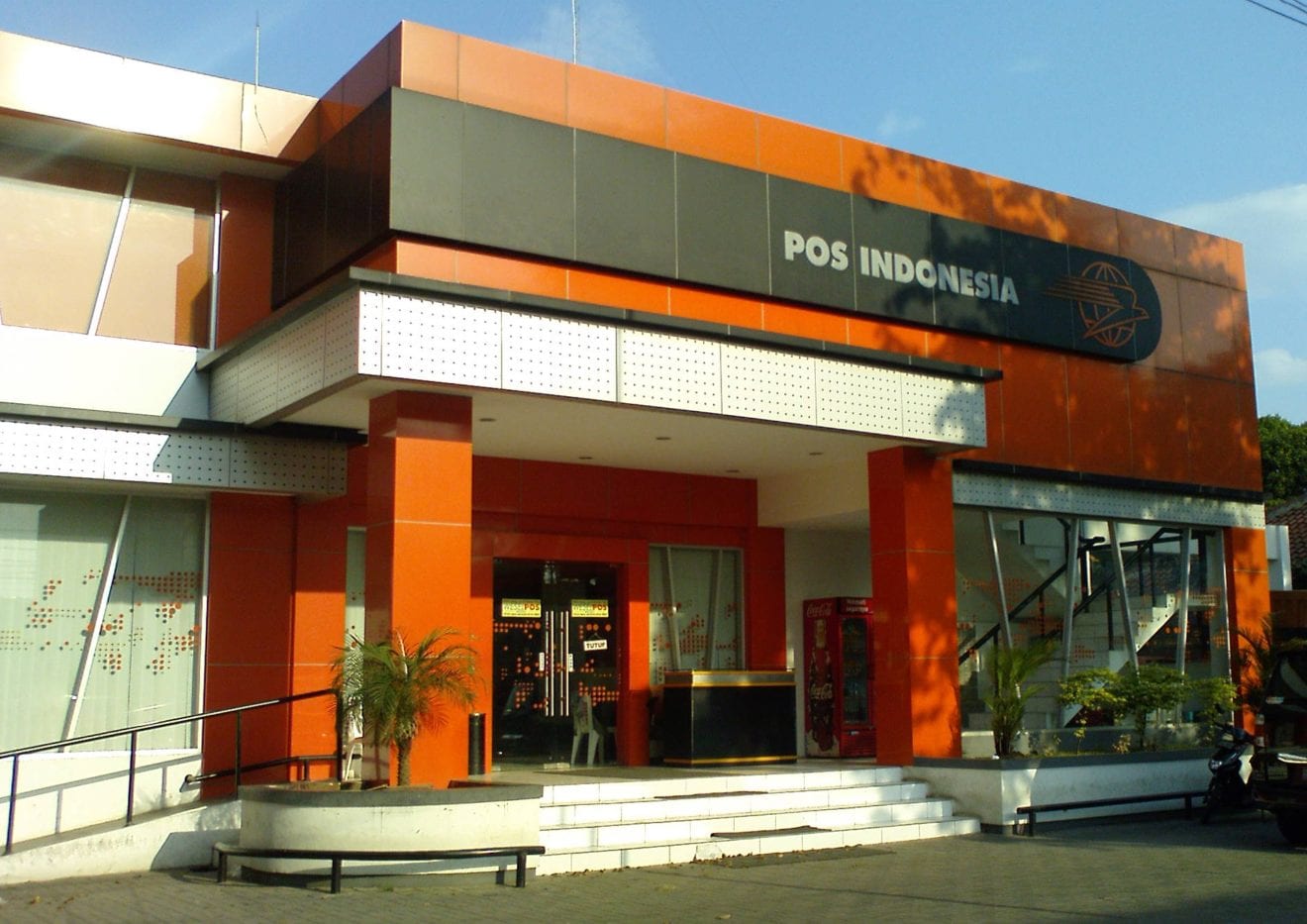
    Indonesia’s national postal service, Pos Indonesia, is mulling a spin-off its logistics arm in 2019 an IPO to capitalise on the online shopping boom.

    Pos Indonesia is aiming for Rp 11 trillion ($796 million) in revenue within the next two years, according to its director of technology and financial services, Indyruwani Asikin Natanegara. One third of this would come from its logistics arm, Pos Logistik Indonesia.

    This would more than double Pos Indonesia’s estimated revenue of about Rp 4 trillion last year, and be a nearly eightfold increase (about Rp 500 billion) for Pos Logistik Indonesia.

    Established four years ago, Pos Logistik Indonesia may make its trading debut before its holding company. It is something Pos Indonesia has been discussing for three years. With a network of 4367 offices and more than 28,000 agents, Pos Indonesia has established ties with such eCommerce companies as MatahariMall and Zalora Indonesia, in providing pickup and delivery services.

    Pos Logistik Indonesia’s business solutions director Yan Hendry Jauwena says the idea is to provide logistics for eCommerce companies. It has formed a partnership with Singapore-based technology firm Anchanto, which will be offering its services for warehousing and inventory, processing orders and delivery.

  • Inflation May Accelerate to 4.38% in January

    Inflation May Accelerate to 4.38% in January

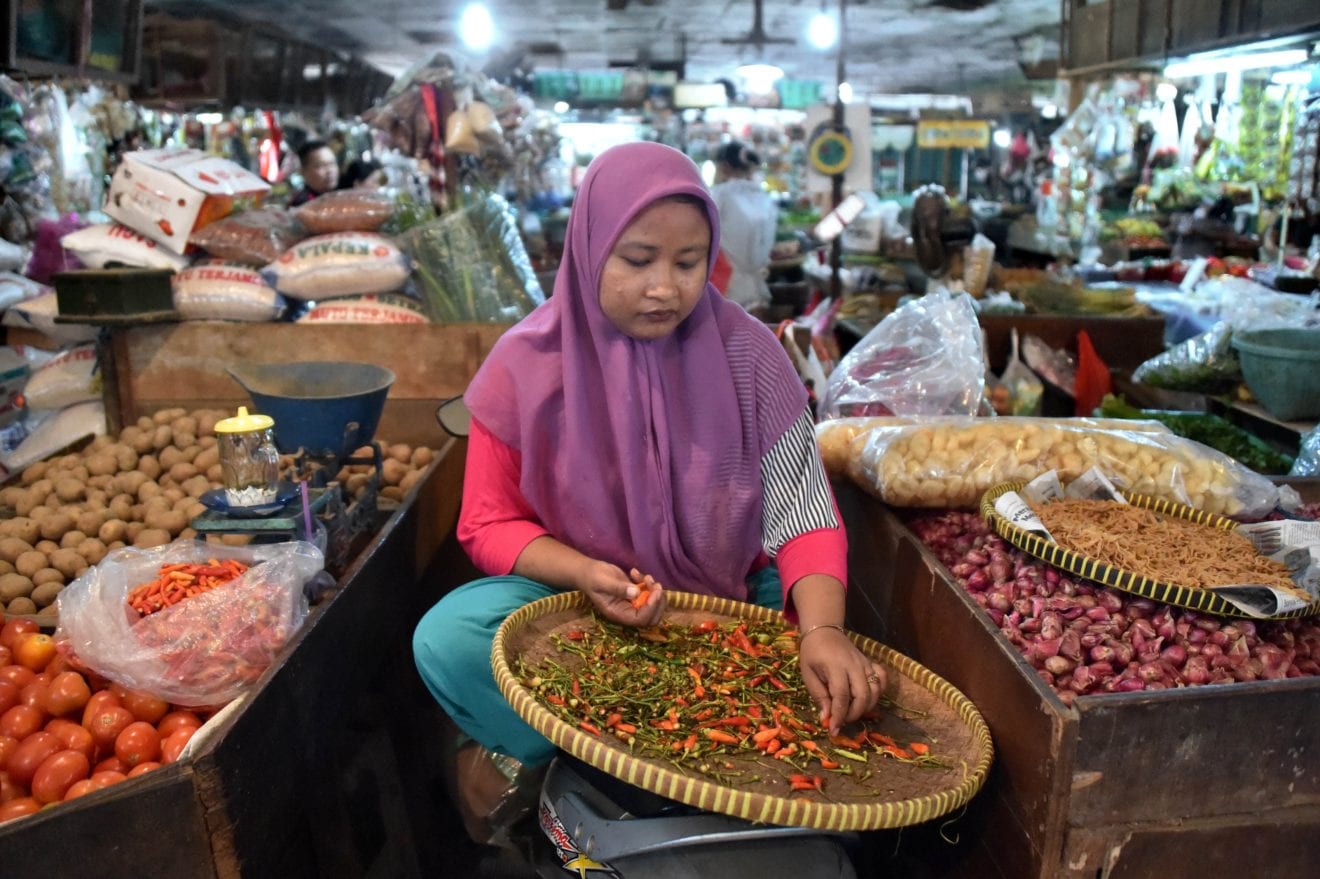
    Supplies of shallots and chili, staple ingredients in Indonesian meals, are often low during the rainy season, propping up the prices index, said Sasmito Hadi Wibowo, the deputy of goods and services distribution at the Central Statistics Agency (BPS).

    Beef prices are also on the rise, increasing by 1 percent alone this month after the government slapped a 10 percent value added tax on beef trade and import in the beginning of this year. Officials reversed the policy on Friday.

    Bank Indonesia has targeted an inflation rate of between 3 percent and 5 percent this year.

    The central bank just cut its benchmark interest rate to 7.25 percent last week as it seeks to stimulate bank lending and boost growth, but an accelerating inflation would undermine its ability to trim the interest rate further.

    The government aims to expand Southeast Asia’s largest economy by 5.3 percent this year, rebounding from an estimated 4.7 percent last year, its slowest pace since 2009.

  • Creative Industry Positive in Digital Era

    Creative Industry Positive in Digital Era

    Cooperation and SME Minister, Anak Agung Gede Ngurah Puspayoga, visited Marketers Creativity Day expo of creative products in Smesco building, Jakarta. He emphasized that creative industry has a big chance in the digital economy era.

    “The chance is open for anyone, be it internet users or women,” he said.

    Moreover, economy expert, Sri Adiningsih, said that Indonesia owns many creative products in the Asean Economic Community, only the marketing is still the problem. She even boosts women to create business and promote their products through social media in internet. Sri also calls on the people to use Indonesian origin products.

    Initiator of Galeri Indonesia WOW, Hermawan Kertajaya, said that Marketers Creativity event will be held on monthly basis. The expo is expected to inspire creative business in Indonesia, in the wake of Asean Economic Community.

  • The New PasarBella Gourmet foodcourt, Singapore

    The New PasarBella Gourmet foodcourt, Singapore

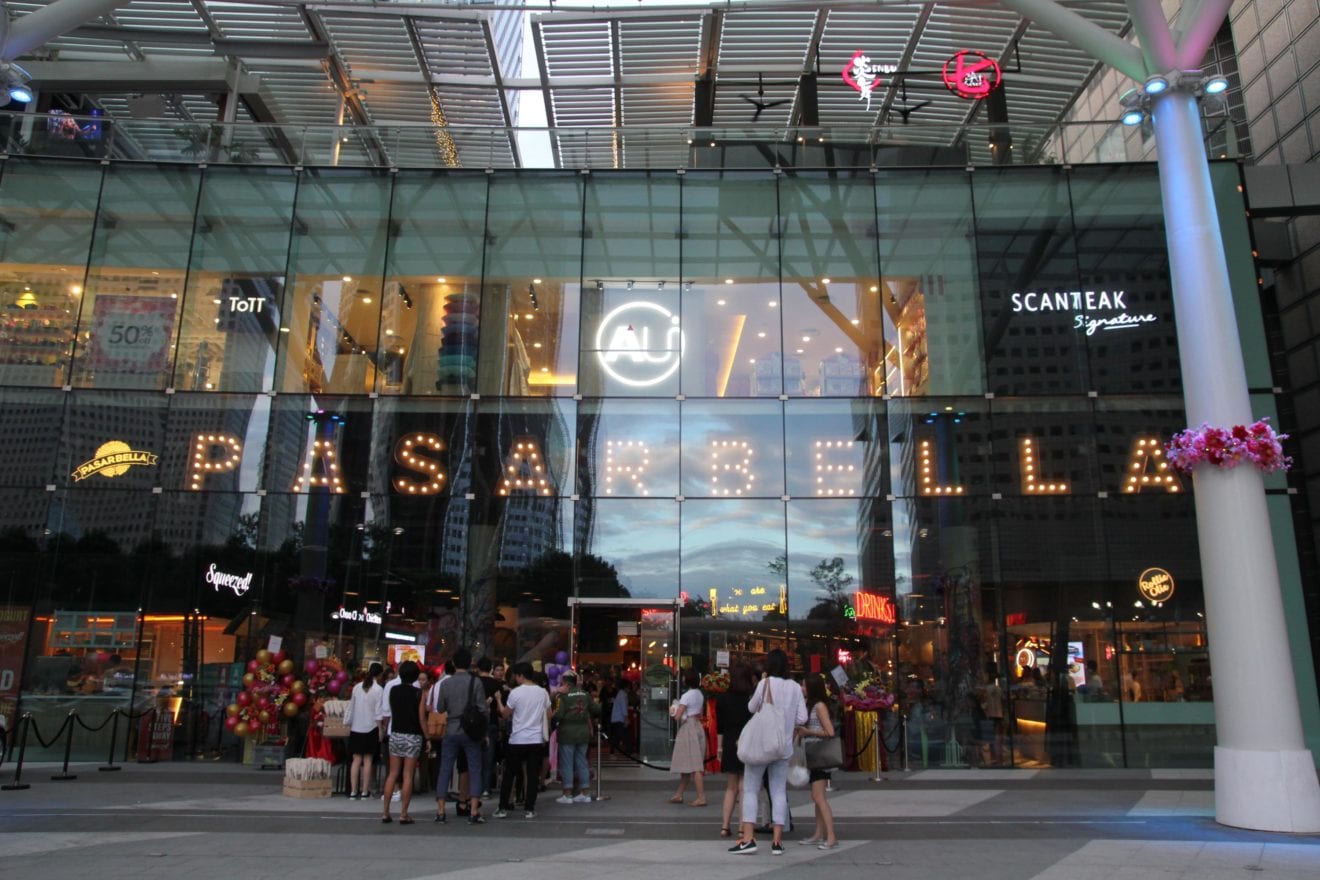
    Singapore design firm, Greymatters recently completed the interior design for PasarBella’s second outlet, at Suntec City.

    The design has been described as “an enclave of enchantment” with diverse food and beverage and retail offerings.

    The new space houses 15 gourmet concept stalls in its 7000 sqft (650 sqm) space, each of which was designed by the boutique firm.

    PASARBELLA INTERIOR2

    Greymatters says it took inspiration for the design from the streets of Lower East Side New York City, the enchanting one-of-a-kind marketplace features, graffitied walls and street art illustrations of happy food and familiar cartoon caricatures, hanging fruit crates and urban paved walkways “that resemble a bustling streetscape littered with vibrant stalls that will send you on a captivating marketing experience”.

    “It was an extremely exciting project, not only to give PasarBella@Suntec a new identity, but also to conceptualise each trader’s store design in a manner that would complement the overall theme of the space,” explains Alan Barr, founder and MD of Greymatters.

    PASARBELLA INTERIOR

    “This is our fourth collaboration with PasarBella and truly allowed us to express our creative ideas and solutions, in order to create a dynamic space that emulated the ethos of PasarBella, yet manifesting it in a unique way.”

    The eclectic space features painted roadways and zebra crossings on the floor, directory signage inspired by NYC’s subway map allow customers to follow their favourite coloured line from the directory to the trader of choice. Cobble tiles are also used for the flooring, which is a relic of NYC street paving of the past.

    The tabletops are made of recycled hardwood timber and salvages street and construction signage, adding to the overall vibe of the space.

    PASARBELLA INTERIOR5

    Each of the vendors in the space have their own distinct identity, all of which reflect the loud, organised chaos of the bustling streets of Barr’s hometown, New York City. In the streets of New York, caffeine is a staple, and serving up its infamous coffees and sweet treats at PasarBella@Suntec is well-loved brand Sarnies, nestled in a storefront that was designed to emulate that of the takeaway coffee joints along the streets of the Big Apple.

    PASARBELLA INTERIOR DETAIL1

    Pimp My Salad is another of the star contenders at PasarBella@Suntec, focusing on healthy food-togo; the compact kiosk is designed with visual impact in mind, featuring a glass display for the different meats, fish, vegetables and grains to be displayed allowing diners a feast of the senses as they select their ingredients in customising their salads.

    Other favourites include Porsena that adopted a New York City Deli vernacular for the stall, and stands proud at one of the main entry points. Wolf Burger is nestled in a loud and proud glistening space of glossy red tile, with a seductive female wolf head pieced together in red and white mosaic tile.

    PASARBELLA INTERIOR DETAIL2.

    Drinks was designed as an interpretation of an upcycled shipping container that can be seen all over the storage lots in the Lower East Side of New York City.

    PASARBELLA INTERIOR8

    Overall 14 choices of different cuisines in an extremely unique environment make for a dining experience unlike any other in Singapore. Designed at a world-class level, with no detail left untouched, PasarBella Suntec City traverses cultures, cuisines, and design styles with its diverse offerings, providing a one-of-a-kind dining experience for all foodies in Singapore.

    Earlier in October, the hospitality design firm was ranked #68 in Interior Design magazine’s annual industry rankings under “Hospitality Giants”, making it the only Singapore-based firm to make the list this year, and one of the only two firms headquartered in Asia.

    PASARBELLA INTERIOR9

    Greymatters recently celebrated its third anniversary in August 2015. The firm is set to complete its first full hotel project, the Amari Hotel & Resort in Galle, Sri Lanka, followed by a string of other accommodation venues across the region; Elbow Room, a bespoke cocktail bar in Phnom Penh, Cambodia that will launch early 2016; and Skin+bones restaurant slated to launch in Bangkok, in March.

    Greymatters’ next project with PasarBella, which is already in design, is the PasarBella iLights 2016 venue at Marina Bay Sands.

  • Balenciaga Malaysia opens second store

    Balenciaga Malaysia opens second store

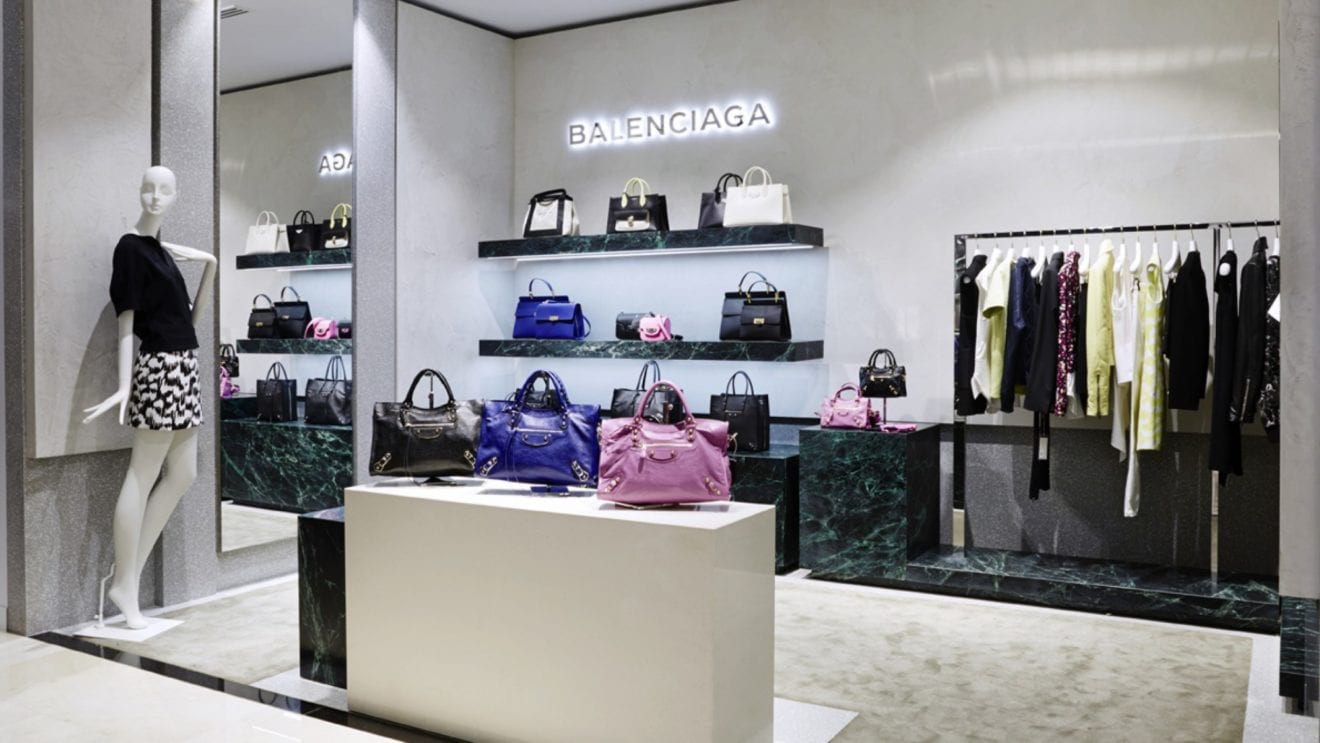
    Balenciaga Malaysia has opened its second boutique – located in The Gardens Mall.

    It is the brand’s first store to stock both the women’s and men’s collection. The brand’s original boutique, in Suria KLCC stocks only the women’s.

    Balenciaga Malaysia 5


    Balenciaga Malaysia 3


    The design and fitout of the new store was inspired by the brand’s Parisian flagship. It features marble, terrazzo, marmorino, limestone and chrome, with contrasting suede carpets and sofas.

    Balenciaga Malaysia 1


    Balenciaga Malaysia 4

    The store has opened with the Autumn Winter 2015 collection, the second to last collection by Alexander Wang, whose last offer if the Spring Summer 2016 range.

    Balenciaga Malaysia 2


    The Spanish-founded luxury fashion brand Balenciaga is now owned by France’s Kering.

  • Papua to use e-tender for goods and service procurement

    Papua to use e-tender for goods and service procurement

    The district of Biak Numfor would use online system of electronic tender for the procurement of goods and service in the 2016 fiscal year for efficiency .

    “Online system of e-tender would soon be applied to help accelerate the utilization of district budget fund,” assistant II of Biak district administration Mahasunu said here on Wednesday.

    Mahasunu said the mechanism of offering packages of project for the procurement of government goods and service would be socialized through website of the district administration.

    He said with the only system in project tender, it is hoped that there would be no misunderstanding between the providers of goods and services and the business players taking part in the tender.

    Another important benefit is that the system would allow less room for malfeasance and corruption, he said.

    “I hope that the process of implementing the online tender would be properly carried out,” he said.

  • Ford to exit Japan, Indonesia on poor sales outlook

    Ford to exit Japan, Indonesia on poor sales outlook

    Ford Motor will close down all operations by the end of this year in Japan and Indonesia, where the United States carmaker says it has no path to boost sales or earn profits.

    The step is being taken “after pursuing every possible option”, Ms Karen Hampton, Ford’s Asia-Pacific spokesman, said in an e-mailed statement. The company will provide ongoing support to customers for service, spare parts and warranties, she said.

    “It has become clear that there is no path to sustained profitability, nor will there be an acceptable return over time from our investments in Japan or Indonesia,” Ms Hampton said. Ford is committed to restructuring parts of its business that “have no reasonable path to achieve sales growth”, she said.

    The exits by Ford are the latest examples of a carmaker losing patience in struggling car markets in parts of Asia that are dominated by Japanese manufacturers.

    General Motors last year closed down its factory in Indonesia, the largest car market in South-east Asia. For 16 straight months, four- wheeler sales on the archipelago have shrunk. If the decline continues, the country will soon lose the distinction of being a one-million-cars-a-year market.

    NO PATH TO GROWTH

    It has become clear that there is no path to sustained profitability, nor will there be an acceptable return over time from our investments in Japan or Indonesia.”

    MS KAREN HAMPTON, Ford’s Asia-Pacific spokesman

    Industrywide sales in both Indonesia and Japan slumped in each of the last two years.

    While Indonesia is the largest economy in South-east Asia, Toyota Motor and its affiliate Daihatsu Motor dominate by accounting for about half of all vehicles sold, according to LMC Automotive. Including Honda Motor and Suzuki Motor, the companies have market share of about 80 per cent.

    Japan’s more developed car market peaked in 1996 with almost 7.3 million vehicles sold and has declined during much of the last two decades. Carmakers sold about five million vehicles in Japan last year, and foreign brands had less than 6 per cent market share.

    Ford is not alone in struggling in Indonesia or Japan. Hyundai Motor and Kia Motors combined to sell fewer vehicles than Ford in Indonesia last year. Each of GM’s brands also trailed Ford by registrations in Japan last year.