Author: Mei Ling Tan

  • Imported salted fish flooding Sukabumi market

    Imported salted fish flooding Sukabumi market

    Imported salted fish products have flooded the traditional markets and attracted consumers in Sukabumi, West Java, because of its low pricing.

    “Imported fish products, including from Thailand and Taiwan, dominated salted fish stalls in Sukabumi,” trader Dani Supriyadi said at Cisaat Market, Sukabumi, on Monday.

    According to him, the imported salted fish products remained the main attraction at the local traditional market due to scarcity of local fish supplies.

    Traders opted for imported products to meet the market demand for salted fish, and stocked them. Another reason for the popularity of the imported salted fish is its low price, compared to the fish produced domestically.

    Sadly, domestic salted fish has been difficult to find lately, because of its limited stock.

    The quality of local salted fish products in the country is better than the imported stock, yet it cannot last long because it is processed traditionally. It does not use chemical preservatives.

    “The local salted fish products should dominate the domestic markets because Indonesia has access to vast water resources in the form of Indian Ocean and Pacific Ocean, in comparison to Taiwan and Thailand which have rare Sepat fish species and anchovies,” he added.

    Meanwhile, Chairman of Palabuhan Ratu Community Collectors and Fish Processing Palabuhanratu, Telly Supriatna said too little catch of anchovies ios now found in Indonesia due to inappropriate weather. It is believed that since December 2015 and till April this year, the supply will continue to decrease.

    When entering the rainy season, salted fish processing declines due to the fact that drying process takes a long time. As a result, next April, fish production will decrease and supply will fall as well.

    “Salted fish processing in Indonesia is mostly done traditionally, relying on nature for its drying process. Compared to imported products that are already using modern tools, our products become less competitive in the market,” he said.

  • Indonesia to speed up EU CEPA negotiation

    Indonesia to speed up EU CEPA negotiation

    Indonesia will speed up negotiations on the Indonesia-European Union (EU) Comprehensive Economic Partnership Agreement (CEPA), aiming to have an agreement with the EU come into effect within two years.

    The two parties had discussed the implementation of the CEPA in a meeting with EU trade ministers during the World Economic Forum (WEF) in Davos last week, Trade Minister Thomas Lembong said.

    “It has been decided in a Cabinet meeting that we will have a trade agreement with the EU. We must start it immediately because the President gave us two years to complete the agreement,” Thomas said in Jakarta on Tuesday.

    In contrast to the discussion of trade agreements in the Trans Pacific Partnership (TTP), which still required time for assessment to solve the challenges, Thomas underlined that there were no special constraints on the Indonesia-EU CEPA discussion.

    The planned Indonesia-EU CEPA has been stagnant since 2013. Vietnam, which started free trade agreement negotiations with the 28-member trading bloc in the same year reached an agreement in August last year.

    The EU CEPA covers issues of trade and business, including the reduction of trade barriers and liberalization of government procurement. The two points are also included in the TPP framework.

    Aside from the two agreements, Thomas continued, the ministry also held meetings with trade ministers from several countries to discuss bilateral trade agreements.

    “We are exploring bilateral trade agreements with Australia. Also with the EFTA [European Free Trade Association] which consists of Norway, Switzerland, Iceland and Liechtenstein,” Thomas said.

  • US e-commerce giant eBay plans to open office in Indonesia

    US e-commerce giant eBay plans to open office in Indonesia

    According to information on eBay’s Linkedin link, the head will also be representative and spokesperson for the company.

    eBay already has an existing joint venture company named PT MetraPlasa with a unit of state-owned telecommunication operator PT Telekomunikasi Indonesia Tbk (Telkom). In 2012, eBay and Telkom partnered to increase e-commerce business in Indonesia through Plasa.com, now known as Blanja.com.

    One of the primary objectives of eBay’s new head will be to find local products that can be sold in the global market and to support Indonesian retail exporters.

    Telkom expects the partnership with eBay will enable small and medium enterprises (SME) in Indonesia to tap the global market.

    Blanja.com, a trading site that is in the same space as the likes of Tokopedia, Lazada, Blibli, has more than one million products listed of which 90 per cent would be locally made and sourced.

    This site operates several categories: fashion & accessories, health & beauty, gadgets, toys, home, computer, movies, music, automotive, photography, sports equipment, travel and food.

    The US-based eBay, set up in 1995, currently has branches in more than 30 countries. The site implements consumer to consumer (C2C) and business to consumer (B2C) trade. It can be accessed freely by buyers. However, the seller should pay to put their products on eBay.

    EBay’s move comes at a time when the Indonesian government is planning to launch a roadmap for e-commerce business in February to boost foreign direct investment.

    The government is warming up to the idea of allowing foreign ownership of up to 100 per cent for marketplace platforms with assets of over Rp10 billion.

    At present, Indonesia does not allow foreign ownership in local (business to customer (B2C) retail e-commerce companies, but this restriction does not apply to online marketplaces that mediate between buyers and sellers (C2C).

  • Printed Media Enters Twilight Period

    Printed Media Enters Twilight Period

    In line with the increasing popularity and knowledge of internet in the society, many online media have successfully attract readers and printed media advertisers. “This is what we call the twilight of print media,” said Communications and Informatics Minister Rudiantara on Tuesday, January 26, 2016.

    According to Rudiantara, the progress of online media can be seen from the constantly improving financial performance of the companies. “Just look at their balance sheets in the stock market,” said Rudiantara.

    Rudiantara added that compared to printed media, online media can be considered to have the upper hand in presenting information. By accessing a digital news website, consumers can read texts, see pictures and watch videos almost at the same time. In addition, readers who wish to interact with writers can just leave a comment and immediately receive responses.

    Such advantages also attract advertisers. Rudiantara predicted that more advertisers will prefer to advertise through online media. “For advertisers, online media offer advantages, ranging from placement to payment,” Rudiantara said.Ari Fadyl, head of transformation and innovation at AXA Indonesia, also said that it is easier to attract consumers through online media. Only by clicking links, prospective consumers can enter a company’s homepage or mobile app. “This is important because to buy an insurance, for example, people need to be assured with explanations or ‘experiences’,” said Ari.

    Ari explained that ‘experiences’ can be in the forms of online test to identify a children’s talent in relation to finding the right school, which will eventually attract parents to apply for an educational insurance. Such method, Ari claimed, is proven to be effective in gathering customers. “We just started using digital platform two years ago, and now we have around eight million customers from [online platform],” Ari said

  • Tight market hits Watches & Wonders

    Tight market hits Watches & Wonders

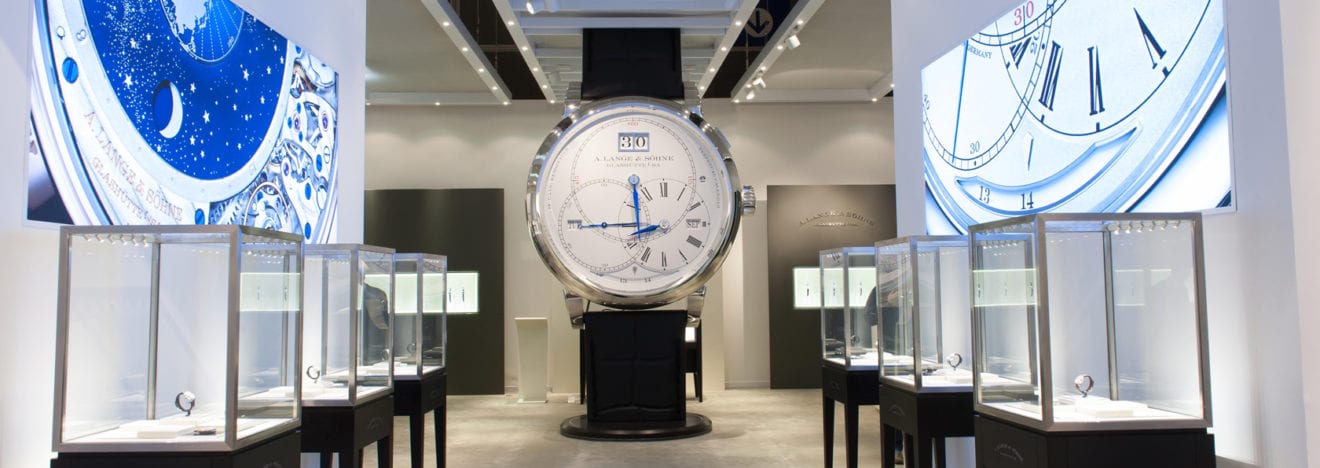
    With sales slipping in the industry’s largest market, the annual Watches & Wonders exhibition in Hong Kong may be cut back to every two years.

    High-end watchmakers are looking at a shift in strategy in Hong Kong in the face of the most severe downturn the industry has faced since the 2008-09 financial crisis, reports Reuters.

    Branching out from the two biggest trade shows in Switzerland, the Salon International de la Haute Horlogerie (SIHH) in Geneva and Baselworld, Watches & Wonders was launched in 2013 by theFondation de la Haute Horlogerie, which is now talking with exhibitors about the show’s future format, according to Richard Mille, CEO of independent watchmaker Richard Mille.

    Watches & Wonders mainly showcases Richemont-owned brands like Cartier, Montblanc and Vacheron Constantin, as well as some independents, reports Bloomberg.

    “Some brands have been fighting to get out, completely out, to stop Watches & Wonders,” Mille said at this week’s SIHH in Geneva, the industry’s first event of the year.

    “Some of the brands want to do it every two years, some say every year. It’s a negotiation.”

    A decision will be made after this week’s show, according to foundation chairwoman Fabienne Lupo.

    The event also competes with the annual Hong Kong Watch & Clock Fair, which had nearly 800 exhibitors last year.

    China’s crackdown on extravagant spending plus currency fluctuations have hit the demand for expensive timepieces in Hong Kong, with Swiss watch exports to the island city plunging 23 per cent in the first 11 months of 2015, and facing the first annual decline since 2009. TAG Heuer closed one of its Hong Kong stores in August.

    Mille, whose watches sell from about 70,000 Swiss francs ($70,000) upward, says the objective of exhibiting in Watches & Wonders is to make contact with clients who are unable to attend the boutique shows. “It’s not cheap, but it’s worthwhile.”

    Meanwhile, high-end watchmakers are considering expanding their range of more affordable products. Executives at the Geneva event say the industry is having to adapt to a market with fewer Chinese, Middle Eastern and Russian buyers than a year ago, an outcome of record low oil prices and signs of economic weakness in China.

    Cartier, Richemont’s leading brand and main source of profit, is presenting more models than ever at more accessible prices at this week’s SIHH. Among them is Cartier’s new Drive model, a steel-cased men’s watch priced at a little more than 5000 euros ($5430). Previously, Cartier would offer only new models in gold and leather, with prices starting at more than 10,000 euros.

    Sister brand Piaget, generally starting no lower than 10,000 euros, has re-launched a women’s line starting at about 7000 euros, while Richemont stablemate Montblanc has introduced a wide range of lower-priced models.

    Montblanc CEO Jerome Lambert says that whatever happens, his company will stay active in Hong Kong with major exhibitions.

    “There is a different price awareness among customers now… and less price elasticity,” Piaget chief executive Philippe Leopold-Metzger told Reuters at the fair. “Times are difficult.”

    Several watchmakers have cut staff numbers in recent months, including Kering‘s newly acquired Ulysse Nardin and privately owned Parimigiani and Christophe Claret. Piaget closed a boutique in Shanghai last month, and Parmigiani plants to cut back its global outlets to about 250 from around 300 by the end of the year.

    Van Cleef & Arpels, one of the fastest-growing brands within the Richemont group, has also seen a slowdown in Hong Kong, Macao and the US. It is looking at new growth opportunities in such markets as Australia, Canada and Thailand, where it has just opened a store.

  • Malaysian banks in Indonesia to gain from BI rate cut

    Malaysian banks in Indonesia to gain from BI rate cut

    The interest rate cut by Bank Indonesia (BI) last week and further anticipated rate cuts in that country could be a game changer for Malaysian banks in Indonesia as they could see an uplift in their loan growth and earnings amid a challenging economic environment following weaker commodity prices and slower economic growth.

    Malayan Banking Bhd (Maybank) and CIMB Group Holdings Bhd’s units had been bogged down by provisions due to pressure on their asset quality but this scenario is set to change amid signs of further rate cuts by the Indonesian central bank.

    Maybank operates in Indonesia via PT Bank Maybank Indonesia Tbk and has about 80% shareholding in Maybank Indonesia Tbk while CIMB Group has 97.94% stake in PT Bank CIMB Niaga Tbk.

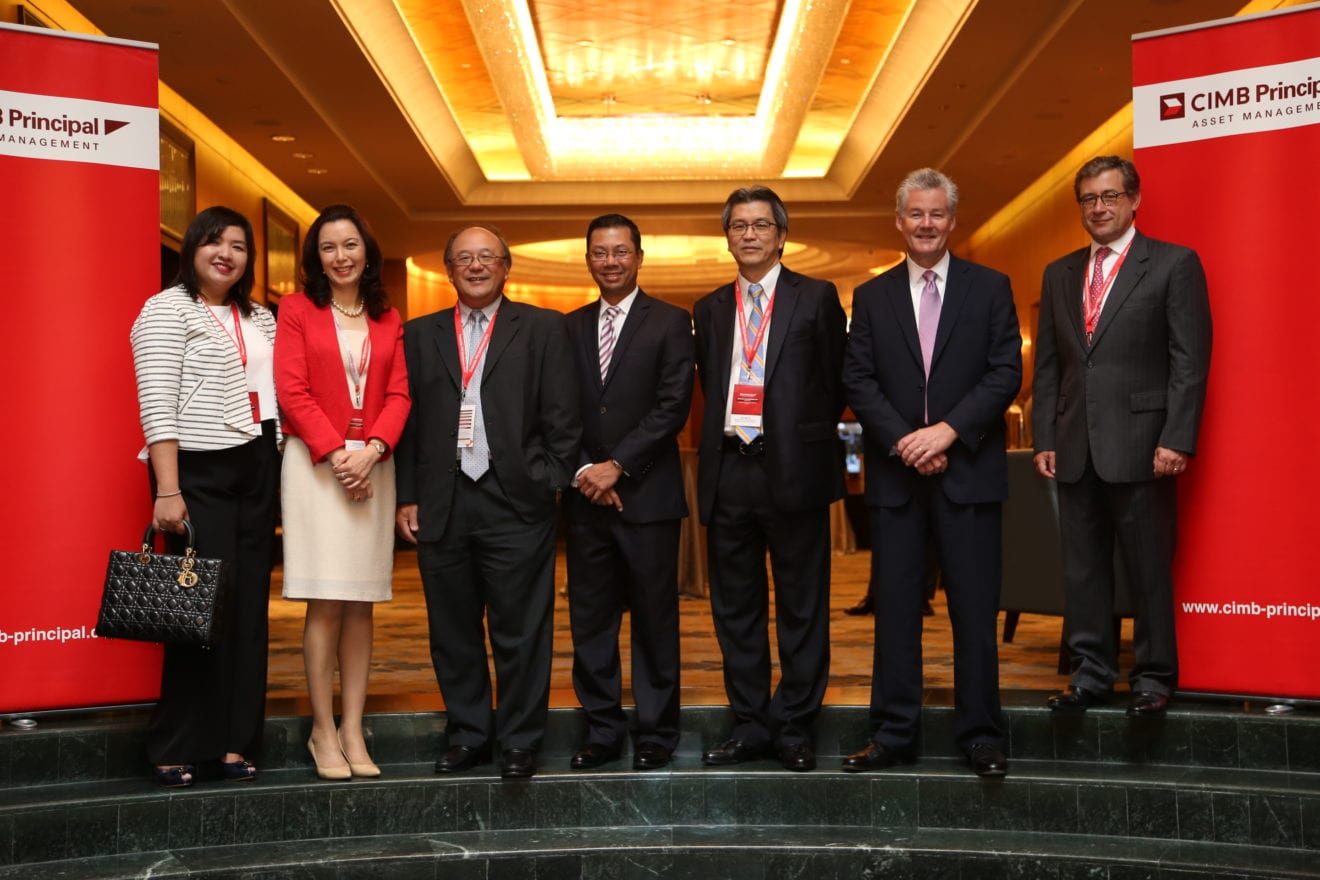
    CIMB Group chief executive Tengku Datuk Seri Zafrul Aziz, via an e-mail, told StarBiz the move to cut interest rates by BI would see further uplift in CIMB Niaga’s loan growth this year.

    “BI is adopting a growth strategy for its 2016 monetary policy. As such, we believe there will be further interest rate cuts this year. We expect CIMB Niaga earnings to improve this year on the back of sustained net interest income, improved non-interest income as well as lower loan provisions,” he said.

    He said the group was still positive on the longer-term growth and opportunities in Indonesia and were placing added focus on the consumer and small-medium enterprise (SME) segments in a bid to boost earnings growth.

    “With the government’s economic policy packages that aim to boost the economic growth in Indonesia, we are cautiously optimistic of our business growth there.

    “On the direction of the gross non-performing loans (NPL) of the industry, it is highly dependent on the macroeconomic shifts from commodity prices, the currency and consumer consumption. For CIMB Niaga, we expect gross NPLs to gradually reduce, going forward, from the high of 2015,” Zafrul added.

    For the third quarter ended Sept 30, 2015, CIMB Niaga’s gross NPL ratio improved to 3.17% compared with 3.35% in the same period a year ago as a result of sales of asset to an affiliated company of CIMB Group. Its loan loss coverage during the period increased to 120.96% from 82.89% a year ago.

    The group’s Indonesian arm posted a net profit of 442 billion rupiah (RM137.4mil) for the third quarter. Comparatively, it recorded 93 billion rupiah a quarter ago.

    The bank kept its position as Indonesia’s fifth largest bank by assets, with total assets standing at 244.29 trillion rupiah, representing a 7.3% increase year-on-year.

    Total gross loans rose 7.2% year-on-year to 178.89 trillion rupiah, driven largely by growth in corporate loans, consumer loans and in micro small-medium enterprise banking, while commercial loans remained flat.

    BI, on Jan 14, announced a 25-basis-point cut in its benchmark policy rate to 7.25% in a bid to lift an economy growing at its slowest rate in six years.

    Zafrul said CIMB Niaga would follow suit with the rate reduction and also make adjustments to its lending interest rate accordingly as the cost of funds would be correspondingly lower.

    He said the banking group has also identified a few key priorities for CIMB Niaga this year. These include looking at ways to optimise its SME franchise, further developing its treasury and market capabilities and growing the consumer banking business while focusing efforts to increase CASA (current account/savings account), improve asset quality and continuing with its stringent cost management initiatives.

    Additionally, Zafrul said CIMB Niaga would play a more active role as the leading digital bank in Indonesia with the support of a new core banking infrastructure.

    Meanwhile, despite weakening asset quality, Maybank Indonesia’s net profit for the nine months ended Sept 30, 2015 increased by 70.7% to 592 billion rupiah (RM187.1mil) from 347 billion rupiah a year ago. Its gross NPL stood at 4.34% in the third quarter from 2.55% last year. The bank posted loans growth of 6.6% to 111.5 trillion rupiah in the nine months from 104.6 trillion rupiah in the same period in 2014.

    On the loan growth for CIMB Niaga and Maybank Indonesia as a result of the interest rate cut, Malaysian Rating Corp Bhd head of banking Sharidan Salleh said: “During the nine months of last year, the two banks’ loans grew by about 7% year-on-year. We expect the banks’ loan growth could be higher in 2016 at about 9%-10% in tandem with the expected higher GDP growth at 5.3% in 2016 from 4.73% in 2015.

    “The economic growth is expected to be supported by Indonesian government-driven infrastructure projects. However, banks’ profits from Indonesian operations could be pressured by provisions and compressed margin. Given the current challenges in the economy, we expect the asset quality of these banks would remain under pressure in 2016.”

    UOB Kay Hian analyst Alexander Margaronis said that based on historical data, significant loan growth in Indonesia might take three quarters to pick up after the first rate hike.

    Furthermore, he said the relationship between time-deposit (TD) rate cuts to BI reference rate cut was 1:1 in the short term with no lag time.

    “As we expect further BI rate cuts down the road, cost of funds could come down further as time deposit rates decrease. This should keep the industry’s net interest margin relatively stable or even higher.

    “In the last major round of rate cuts by the BI (2009-2013), BI reference rates came down by a total of 350 basis points (bps) versus TD rates declining by about 500 bps whereas lending rates came down by about 300 bps,” Margaronis noted.

  • Singapore’s Anchanto in MoU with Pos Logistik Indonesia

    Singapore’s Anchanto in MoU with Pos Logistik Indonesia

    Singapore-headquartered e-commerce fulfillment company Anchanto said it has signed a Memorandum of Understanding (MoU) with Pos Logistik Indonesia to bring its technology, expertise and regional network to the fast-growing Indonesian market.

    Indonesia is the largest e-commerce market in South-East Asia, and growing rapidly as local consumers shift to online purchasing, Anchanto said in a statement.

    However, one barrier is that logistics providers continue to use processes built for B2B (business-to-business), and not purpose-built technology. This results in a lack of end-to-end visibility of orders, errors and delays in deliveries, and higher costs, the company argued.

    Anchanto was founded in June 2011, and last November landed an undisclosed Series B round from Japan’s Transcosmos Inc.

    The MoU between Anchanto and Pos Logistik Indonesia, a subsidiary of PT Post Indonesia, will bring Anchanto’s e-commerce-focused technology to Indonesia, it added.

    This will offer both local and cross-border companies fulfillment services that are developed from the ground-up.

    “This MoU allows us to build the biggest e-commerce fulfillment and logistics offering for the Indonesian market,” said Anchanto cofounder and chief executive officer Vaibhav Dabhade.

    “Our mission is to let e-commerce companies, sellers and brands focus on what they do best, while we take care of providing world-class fulfillment technology and infrastructure with 3PL (third-party logistics) partners in the region to them at scale, on demand,” he added.

    Once implemented by March, Anchanto and Pos Logistik Indonesia will carve out a dedicated e-commerce team to offer a complete suite of services.

    This will include real-time order visibility, picking and packing, channel sales management, persistent inventory listing across local and regional marketplaces, and customer support.

    “We have a robust plan to capture e-commerce logistics and cross-border e-commerce market share for the Indonesian market by helping SMEs (small and medium enterprises), local businesses and brands,” said Pos Logistik Indonesia director Hariyanto.

  • CapitaLand Malls ‘resilient’ to tough times

    CapitaLand Malls ‘resilient’ to tough times

    CapitaLand Mall Trust says its portfolio of “necessity malls” has proven resilient to the challenging economic and retail period of the last year.

    CapitaLand Mall Trust Management (CMTML), the manager of CapitaLand Mall Trust (CMT), has reported a distributable income for 2015 of S$392.0 million, up 4.4 per cent on 2014.

    Danny Teoh, Chairman of CMTML, said CMT has delivered a good set of financial results in 2015.

    “Distribution per unit to unitholders for 2015 increased 3.8 per cent to 11.25 cents, underscoring the underlying strength of our portfolio – made up of predominantly necessity shopping malls connected to or near transportation hubs serving large catchment areas.”

    Teoh says the trust reinforced its leadership position as Singapore’s largest real estate investment trust with the acquisition of Bedok Mall on October 1.

    “In addition, we unlocked value for unitholders with the sale of Rivervale Mall on December 15, where we recognised a gain of about S$72.7 million. Going forward, CMT’s established track record in proactive mall and asset management will ensure that we remain well-positioned to continually create value for our unitholders.”

    Wilson Tan, CEO of CMTML, said tenants’ sales per square foot and shopper traffic increased by 5.3 per cent and 4.9 per cent respectively last year.

    “Portfolio occupancy remained high, registering 97.6 per cent at December 31.”

    Clarke Quay achieved more than 90 per cent committed occupancy for the reconfigured space in Block C. Anchored by Zouk, a world-class dance club, Block C also comprises popular food and beverage (F&B) and entertainment outlets such as DV8 Club, a top notch live Mandopop concert club; Warehouse, a restaurant and bar with live music; Privé Clarke Quay, a new bar concept by lifestyle group Privé Group; Maziga Café & Bollywood Club, an Indian restaurant helmed by the team behind the Punjab Grill; and the highly anticipated Ramen Keisuke Lobster King, the latest offshoot of the well-known ramen chain Ramen Keisuke.

    “Singapore’s largest outlet mall IMM Building further enhanced its shopping experience and increased its total number of outlet stores to 85 with new designer brands such as Outlet by Club 21, Juicy Couture and Cole Haan. It also boosted its F&B offerings with additions such as Dôme Café. We will continue to transform our malls through asset enhancement initiatives and reinforce our relevance to the communities that we operate in,” said Tan.

    CapitaLand Mall Trust owns 16 shopping malls, strategically located in the suburban areas and downtown core of Singapore, comprise Tampines Mall, Junction 8, Funan DigitaLife Mall, IMM Building, Plaza Singapura, Bugis Junction, Sembawang Shopping Centre, JCube, Raffles City Singapore (40.0% interest), Lot One Shoppers’ Mall, 90 out of 91 strata lots in Bukit Panjang Plaza, The Atrium@Orchard, Clarke Quay, Bugis+, Westgate (30 per cent interest) and Bedok Mall.

    CMT also owns 122.7 million units in CapitaLand Retail China Trust, the first China shopping mall REIT listed on SGX-ST in December 2006.

  • GE sells appliance business to China’s Haier for $5.4 bn

    GE sells appliance business to China’s Haier for $5.4 bn

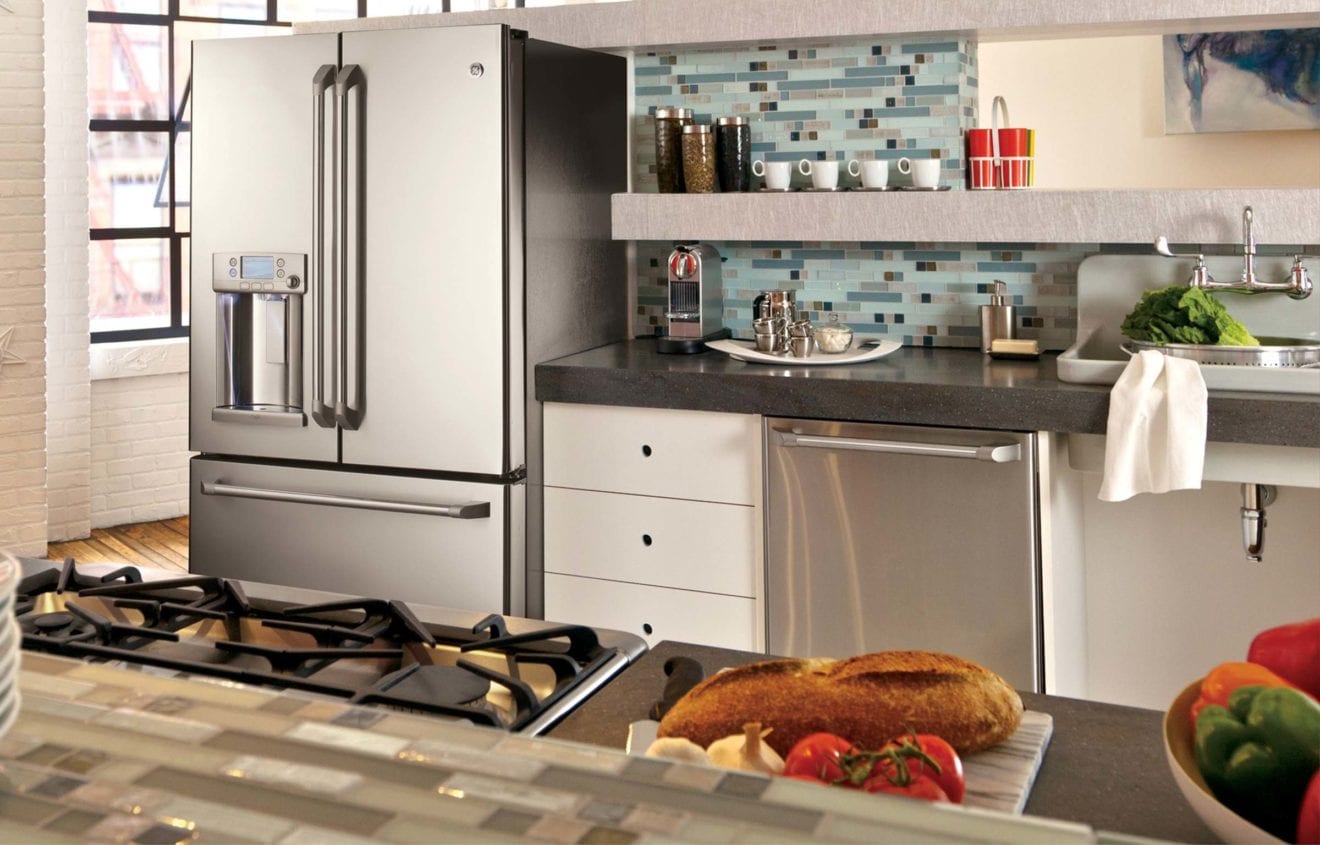
    US industrial giant General Electric will sell its appliances business to China’s Haier Group for USD 5.4 billion, it said today, in one of the largest Chinese acquisitions of an American firm yet.

    The transaction epitomises the changing nature of the global economy, with a 100-year-old US company selling what was once one of its core units to a Chinese upstart that emerged from a refrigerator factory that was nearly bankrupt 30 years ago.

    Haier is seeking to establish itself as a global brand, while China is looking to re-balance its economy more towards consumption and away from the infrastructure and investment-driven model of the past.

    The Chinese firm was “committed to growing the business globally”, GE chairman and CEO Jeff Immelt said in a statement, calling the agreement “a good deal which will benefit our investors, customers and employees”.

    GE had previously been due to sell the unit to Swedish rival manufacturer Electrolux for USD 3.3 billion, but the deal ran into opposition from US competition authorities.

    Haier Group is China’s second largest electronics manufacturer, and emerged from the Qingdao Refrigerator Factory, in the eastern port of the same name, which its CEO Zhang Ruimin was appointed to run in the mid-1980s.

    Zhang is renowned for his reaction to a customer complaint, when he examined the firm’s warehouse and found 76 fridges out of more than 400 in stock were substandard.

    He ordered the personnel to smash them to pieces, personally leading the destruction with a hammer.

    “If I allow the 76 fridges to be sold, it would imply that I would allow 760 or even 7,600 such substandard fridges to be produced tomorrow,” he was quoted as saying by the official news agency Xinhua.

    The tool Zhang wielded is now in a national museum, Xinhua said.

    Haier’s methods have been studied in business schools including Harvard, but its exact ownership structure remains opaque.

    Officially, the group is divided into several units which are collectively owned. It has two quoted subsidiaries, Haier Electronics in Hong Kong and Qingdao Haier in Shanghai — which is the vehicle for the GE acquisition.

    Haier has close ties to the ruling Communist Party, and Zhang is an alternate member of the party’s elite central committee.

    The deal is the latest major Chinese acquisition of a US company, and comes in the same week that Wanda Group, founded by China’s richest man Wang Jianlin, acquired Hollywood studio Legendary Entertainment for USD 3.5 billion.

    Previous major acquisitions have included 2013’s USD 7 billion purchase of Smithfield Foods by Shuanghui, and Lenovo buying IBM’s PC business for USD 1.75 billion.

    Haier says it is the world’s biggest large household appliance brand, with a 10.2 percent global market share, and also has businesses in communications, logistics, finance and real estate.

    It had a global turnover of 200.7 billion yuan ($30.47 billion) and total profit of 15 billion yuan in 2014, according to its website, with activities and customers across 100 countries and regions.

    Haier bought the white goods operations of Japanese company Sanyo in 2011, the first time a Chinese firm has bought major business segments from a large Japanese manufacturer.

    But it had just a one percent share of the US consumer appliance market in 2015, the state-run China Daily cited market analysts Euromonitor as saying.

  • China, e-commerce bolster Burberry’s sales growth

    China, e-commerce bolster Burberry’s sales growth

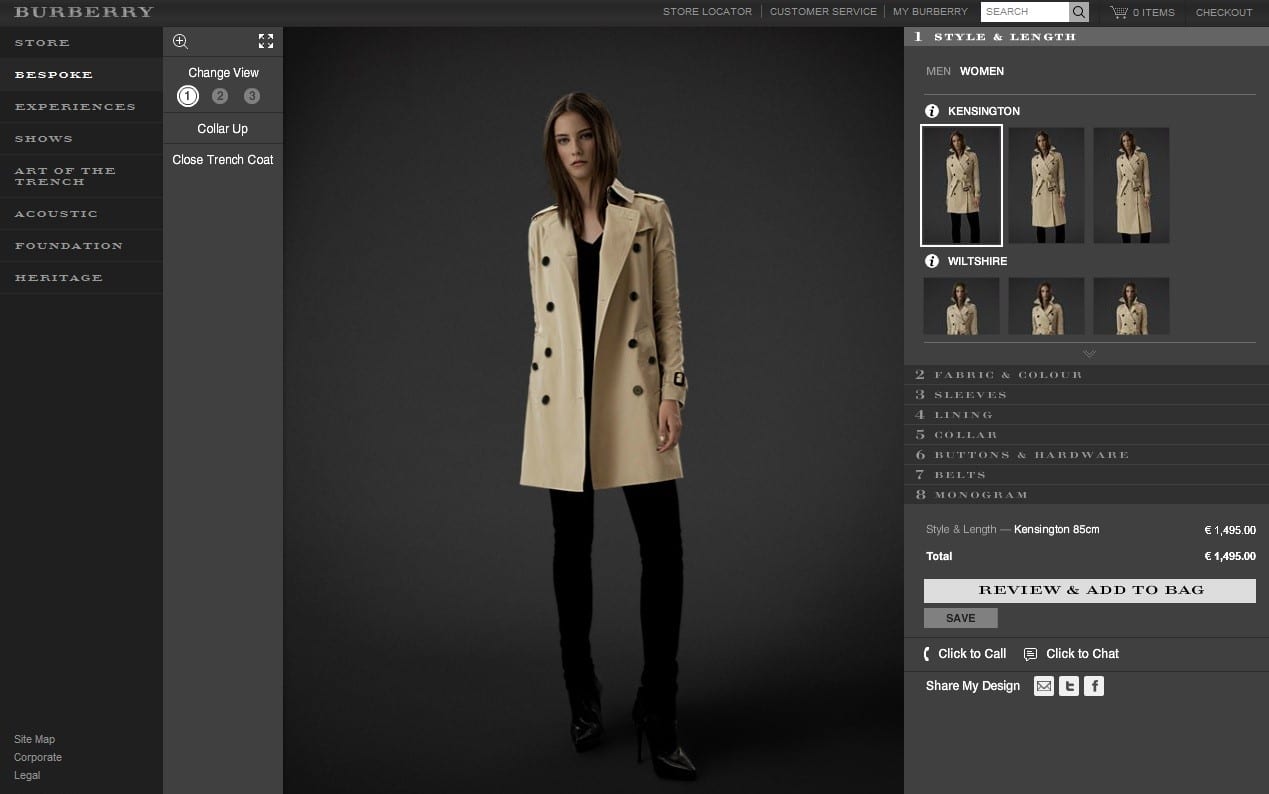
    The mobile and e-commerce news from Burberry is an indication that luxury fashion brands can succeed in the space, despite initially struggling to do so. Luxury brands have historically avoided e-commerce due to the demands of building and managing online operations, preferring to outsource those functions whenever possible.

    However, Burberry’s movements show that these high-end brands can successfully build a strong digital presence. Fellow luxury brands such as Hugo Boss and LVMH’s Fendi and Dior are starting to develop their own e-commerce capabilities as growth in China becomes sluggish, according to a report.

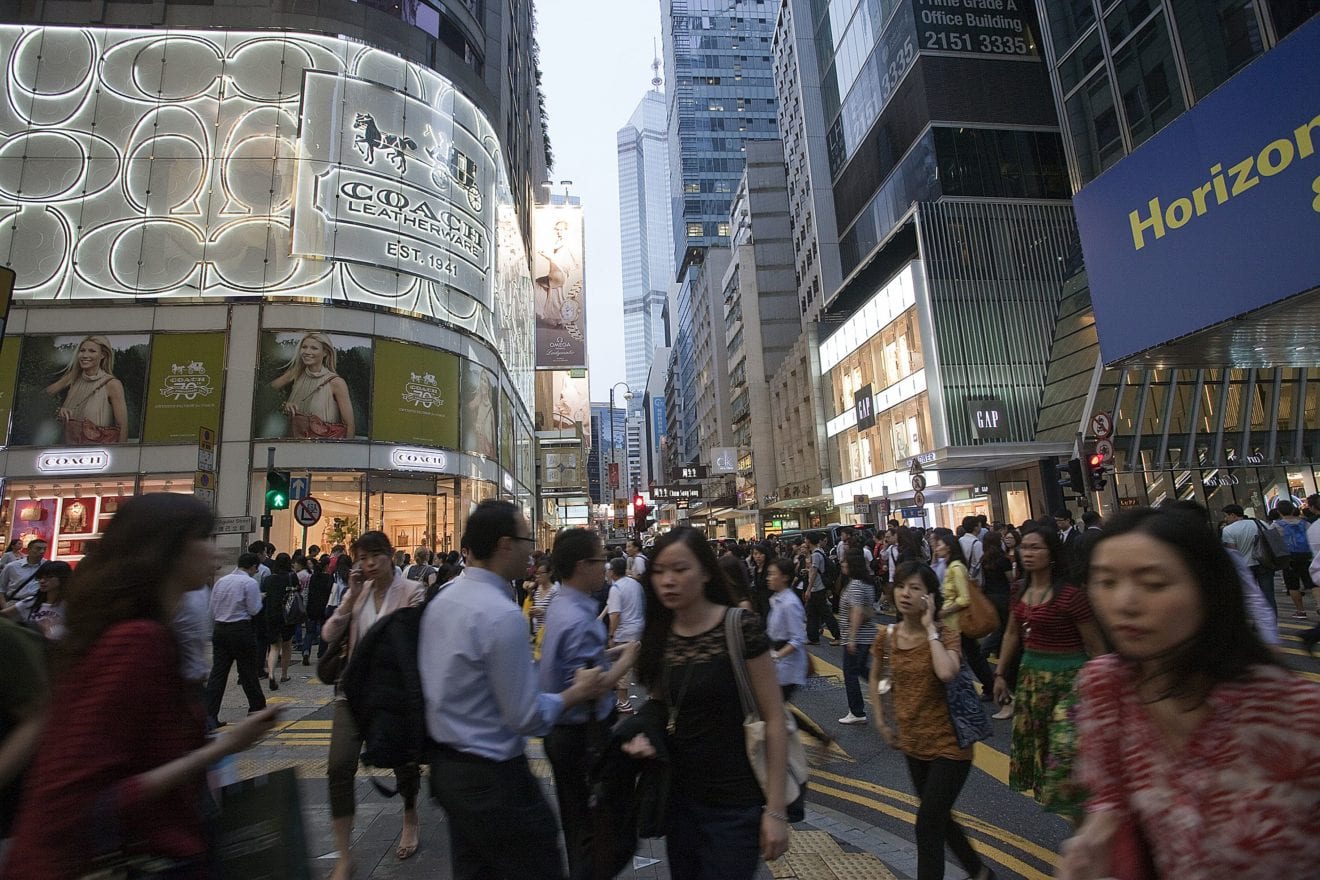
    Meanwhile, China’s economic uncertainties haven’t hit Burberry too hard, but the brand was not immune to the slowdown. While traffic at its bricks-and-mortar stores slowed significantly (20%) in the former protectorates of Hong Kong and Macau due to a decrease in tourism, consumers in Mainland China continued to buy outerwear, scarves and apparel from the luxury brand. China accounts for about one-third of Burberry’s global revenues, according to estimates.

    Burberry will find out if that renewed momentum in Asia can spread to Hong Kong and Macau during the upcoming Lunar New Year celebrations. Burberry will focus on cost controls and mobile to meet analyst expectations.

  • China is facing into a period of painful economic adjustments

    China is facing into a period of painful economic adjustments

    On February 8th, China will celebrate the Year of the Monkey. The monkey is famously a smart, naughty, wily and vigilant animal, and anybody trying to make money in the rest of 2016 will have to learn how to outsmart the animal.

    A useful barometer of the Chinese economy is always to look on the streets and see what cars are clogging up the dual carriageways and main roads of the big cities like Beijing, Shanghai and Guangzhou.

    By this measure, the world’s second largest economy is doing pretty well.

    Sentiment is not good as far as monkeys go – it has remained below 90 since June 2014, far below the 100 breakeven level. According to the China Auto Purchase Sentiment Report, people are buying cars, but they are buying smaller, cheaper vehicles. Despite the fall in sentiment, this sees more Chinese households reporting that they currently own a vehicle.

    The Car Purchase Indicator is a composite indicator designed to gauge future demand for cars and it fell 4.5 per cent to 83.2 in December from 87.1 in November, the lowest reading since April 2012.

    But yet there is still obvious strength in the market. Despite a damaging emissions scandal, Volkswagen continues to lead the passenger car market in China, with deliveries of 2.63 million units from January to December. And while this is down 4.6 per cent, the fourth quarter of 2015 was a very successful one for the carmaker.

    But then you look at the stock market.

    With the nightmare of summer 2015 still fresh in the minds of badly burned retail investors, China’s stock market opened 2016 with a stark reminder that the fundamental situation in the markets remained deeply unstable.

    China was forced to twice deploy its “circuit breaker” mechanism to halt trading as stock markets nose-dived by 10 per cent in the first week of the year.

    After the second time, Beijing scrambled to abandon the mechanism, which the markets, especially overseas, had always considered a weak and useless measure. By abandoning the “circuit breaker”, the regulators appeared clueless on how to stabilise the market and the situation appeared to go back to square one.

    Unlike many western economies, the stock market in China does not offer a bellwether of the overall health of the economy and even a massive slide on the stock market would be tolerable were the data coming out of the world’s second largest economy inspiring confidence on the future outlook.

    New normal

    However, these are the days of the “new normal” when the Chinese government is trying to sell the idea of slower, consumption and services-based growth and move away from the heady days of double-digit expansion which defined the economy for the past two decades.

    Gross domestic product growth fell to a six-year low of 6.9 per cent in the July-September quarter and is forecast by the International Monetary Fund to decline further to 6.3 per cent in 2016. This level of growth is not enough to keep generating new jobs – there are more than 7.5 million graduates expected to enter the labour market later this year and robust growth is needed to keep the economy expanding at a rate that will maintain stability for the ruling Communist Party.

    Cheng Shi from ICBC international research group expects growth to continue to slow in 2016.

    “Firstly, the global economic recovery means weaker external factors for China’s economic growth. Secondly, for the last 30 years, China has accumulated massive capacity and the difficulty of keep on growing is increased and the growth rate declines naturally. Thirdly, it is affected by the ageing population and the labour cost has been growing for a long time. Fourth, the real estate market is going through an adjustment period,” said Cheng.

    In the short term, the risks caused by structural economic adjustments will keep on showing and the pain is unavoidable, said Cheng.

    “In the long run, the opportunities brought by deepening economic reform will gradually start to appear and the rise won’t stop,” he said.

    “I think at the bottom of this is a fundamental story about a slowdown in China,” Peter Oppenheimer, chief global equity strategist at Goldman Sachs told CNBC. “The focus at the moment is the ongoing weakness in the manufacturing sector but also the lack of evidence that traditional policy easing is really stabilising the economy.”

    He underlined concerns about further weakness in exchange rates, and the possibility for that to flow through the broader markets.

    The collapse in growth shows that investors are reluctant to buy into the government vision of the “new normal”.

    China’s stock market more than doubled between late 2014 and June, then dived by 30 per cent, an event that caused deep pain among retail investors.

    “We expect growth momentum to slow in the first half of 2016, and for headline growth to fall to 6.4 per cent in the second quarter of 2016, before recovering in the second half of 2016 as more easing measures kick in,” HSBC said in a research note.

    “Policymakers need to strike a balance between financial and SOE reforms and the need to reflate the economy,” HSBC said.

    To this heady brew, add in the slide in the Chinese yuan currency to a five-year low against the dollar, which has forced the government to spend tens of millions of dollars from its foreign currency stockpile to defend it, and you can see a perfect storm of negative factors clouding the outlook for the Monkey Year.

    Overall it was the worst beginning to the year for the Chinese yuan since 1994, on growing concerns that the economy is weakening further.

    The government last week guided the yuan 1.5 per cent lower to give a boost to the country’s export sector, which is bearing the brunt of China’s goods becoming expensive overseas compared to other Asian neighbours. The move to lower the yuan was not deftly done, and the resulting nervous reaction further weighed on share prices.

    “Upbeat trade data could go some way to reassure global investors that China’s economy is stabilising,” said Tom Rafferty, lead China analyst at the Economist Intelligence Unit. “The data is in line with other indicators that suggest China’s economy is stabilising on the back of sustained stimulus measures, some of which have been targeted at the external sector.”

    “There will be some qualms expressed about the reliability of the data, given the weaker performance in December of other major Asian exporters. However, China has consistently outperformed the region in what was a difficult year for global trade,” he said.

    Then you have other anomalies.

    During 2015, seven property developers reported annual sales of more than 100 billion yuan (€14 billion) as the property market continued to perform strongly, despite a slowdown, while a total of 104 developers reported annual sales of over 100 billion (€1.4 billion) in the same period.

    The top three by sales were Vanke, with 261 billion yuan (€36.6 billion), Greenland with 230 billion (€32.3 billion) and Evergrande with 200 billion yuan (€28 billion). All involved will be hoping they can outsmart the monkey again in 2016.


  • French retail giant AuchanSuper about to enter Vietnam

    French retail giant AuchanSuper about to enter Vietnam

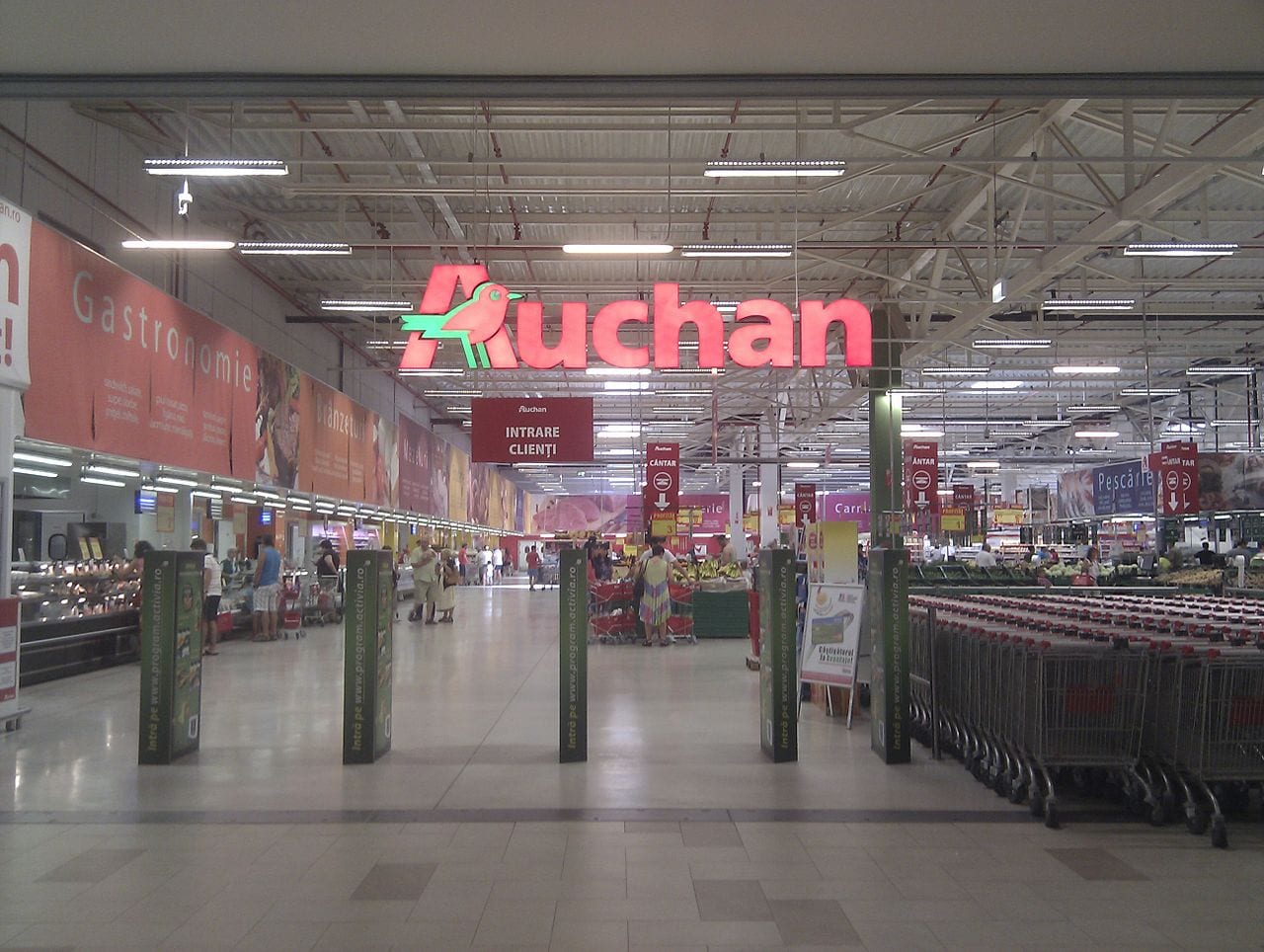
    AuchanSuper, a major retail brand of France, is planning to enter Vietnam with the opening of the first store in 2016, according to a recent report on Ho Chi Minh City’s retailing landscape for this year of the Vietnamese arm of U.S.-based realty consultant firm CBRE.

    CBRE Vietnam said in the report last week that Ho Chi Minh City will be home to 15 AuchanSuper convenience stores, reinforcing the presence of foreign retailing brands in the southern economic hub.

    As of 2015, only one foreign retailer, which is French-owned Big C, had been on the list of the top five players in Vietnam alongside such local competitors as Saigon Co.op, Mobile World, Nguyen Kim Trading Joint Stock Company, and Saigon Jewelry Company Limited.

    Following the trend of other Asia-Pacific countries, operators of convenience stores will possibly gain a much larger market share, according to the report.

    Established since 1960, Auchan, the largest retail brand of France, currently owns nearly 900 hypermarkets, 370 supermarkets and more than 860 shopping centers worldwide.

    In Vietnam, Auchan has been present since 2014 through the Simply Mart supermarket chain, which is expected to grow to about 20 stores in Vietnam until 2020.

    Big C, on the other hand, may be sold to other investors after Casino Group, the owner of the retail chain, issued a memorandum last month stating that it may seek a new owner for its supermarket chain in Vietnam, as the company plans to strengthen its financial flexibility by selling assets in the country, as well as Thailand and Colombia.

    Despite a sustainable growth rate, earnings from the Vietnamese arm are miniscule in comparison with other foreign businesses of Big C.

    In 2016 Casino Group is expected to enact what it calls a ‘deleveraging plan’ of more than two billion euros (US$2.2 billion), mainly through real estate transactions and the disposal of non-core assets, according to the memo.

    The French group currently owns 10 retail brands across the globe, with a concentration in Asia. The Big C brand is used for the supermarket chain in Vietnam and Thailand.

    Regarding the wholesale business in Vietnam, the sole foreign player, German-owned Metro Group, last week announced it had officially been transferred to Thailand’s TCC Holding Co.

    TCC acquired all of Metro Cash & Carry Vietnam’s operations, including 19 wholesale stores and related real estate portfolios for an enterprise value of 655 million euros ($712.14 million), according to a Metro press release.

    Metro said the deal resulted in a cash inflow of around 400 million euros ($434.9 million), adding that payment had already been made.


  • Davidoff thinks big as it exercises Bluebell option

    Davidoff thinks big as it exercises Bluebell option

    As expected, Oettinger Davidoff AG has acquired the majority interest in Bluebell Cigars (Asia) Ltd – its long-time Asian distributor – in what is a highly significant strategic move.

    Bluebell is a family-owned company that is one of the largest brand luxury distributors in Asia, representing over 50 luxury and lifestyle brands in 10 countries, operating 500 retail stores, and employing over 2,500 dedicated staff. It has also been associated with Davidoff cigars for more than 50 years.

    Davidoff’s majority share investment in Bluebell follows the 25% stake taken by the leading premium cigar company a year ago and this new ownership has been effective from January 1, 2016.

    As part of the new structure, Davidoff says that Bluebell Cigars (Asia) Ltd will be renamed Davidoff of Geneva (Asia) Ltd. and will continue to be led by Laurent de Rougemont as Managing Director.

    Davidoff CEO Hans-Kristian Hoejsgaard and Laurent de Rougemont Senior Vice President Asia

    Left to right: Davidoff CEO Hans-Kristian Hoejsgaard and Laurent de Rougemont, new Senior Vice President Asia.

    He will report directly to Oettinger Davidoff CEO Hans-Kristian Hoejsgaard in his new role as Senior Vice President Asia and  Rougemont will also be a member of Oettinger Davidoff’s global management group.

    In addition, Gerhard Anderlohr, Oettinger Davidoff’s current Head of Asia, will take up a new role as Vice President Business Development with a particular focus on China and the Chinese consumer.

    Commenting, Hans-Kristian Hoejsgaard, CEO Oettinger Davidoff AG, said: “The 2015 Agreement with Bluebell Cigars (Asia) Ltd provided us with a right over time to acquire a majority interest in our long-standing Asian partner and the time was now right to make that move.

    “The JV will continue to operate in the spirit of equal partnership and Bluebell and Oettinger Davidoff will be equally represented on the company’s Board of Directors. I am delighted in this way to cement our relationship with Bluebell and further deepen our commitment to the Asia Region, which continues to represent significant future potential for the Davidoff business.”

    Ashley Micklewright, CEO Bluebell (Asia) Ltd. stated: “We are delighted Oettinger Davidoff exercised their right to increase their interest in our joint venture and that we can now operate the business in the spirit both parties initially intended over a year ago.

    “In today’s market, the impact of digital technologies and the harmonisation of markets across the globe has meant legacy relationships have had to be revisited and adapted so that the interest of parties remain aligned for the greater good of the brand.

    “We have been particularly proud to have been associated with Davidoff for the past fifty years and of course its success in Asia, and we believe we have a foundation which will allow us to remain as proud for many more years to come.”

  • CEO stresses value of physical stores, not just e-commerce

    CEO stresses value of physical stores, not just e-commerce

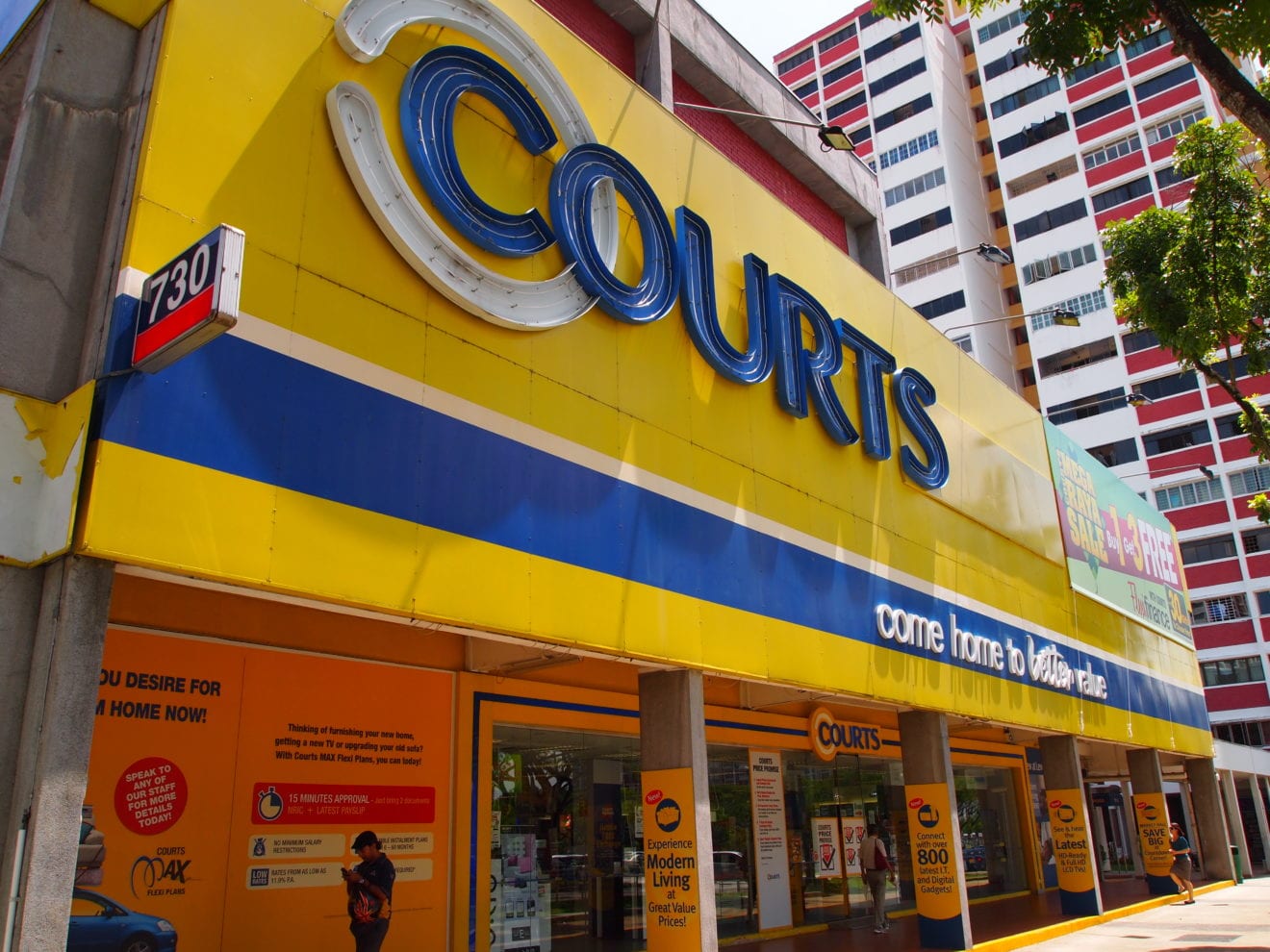
    Electrical goods, information technology and furniture retailer Courts Asia believes that while e-commerce has been gaining popularity, retailers should not neglect their brick-and-mortar operations. The Singapore-based company also sees technology and renting in suburban areas as important revenue sources.

    Terry O’Connor, Group CEO of Courts Asia (Photo by Courts Asia)

    Terry O’Connor, group CEO of the Singapore-based retailer, said that physical stores still play an important role for retailers. “Especially in the case of high-demand products like the latest smartphone, customers want to make sure they get one, rather than waiting for it to be delivered another day,” he said. O’Connor noted that online shoppers do not necessarily prefer delivery, as they may not be home to receive the goods when they arrive. “About half of our customers buy online and then collect (the goods) from the store,” he said.

    Investing in technology is also crucial for retailers to grow their business. Courts Asia recently implemented a queuing system recommended by Google for their online peak periods. “The system stops the website from crashing by having a slightly moderated waiting time of one to two minutes, so everyone effectively ends up transacting faster,” he said. “It has really helped in terms of the conversion rate and reduced some of the abandoned online shopping carts,” he observed. Courts Asia saw higher sales on 2015’s Black Friday and Cyber Monday peak shopping days compared with a year earlier.

    For retailers entering a new market, renting space in suburban areas can reduce costs and gain access to more customers. O’Connor warned that new retailers “will have to pay high rent from day one” if they instead start their business by renting space in the central business district or prime areas. He added that this in turn increases costs significantly and result in the retailer losing out on customers who live outside the city.

    He also suggested that investing in areas that complement the core business is an important step in a company’s expansion. “A lot of retailers that have gone into a completely different field have failed, as it is not their core skill set,” he said. Retailers should go to “the most adjacent category which has a synergy to what they already sell.”

    Courts Asia has grown into one of the largest retailers in Southeast Asia, with 80 stores totaling over 148,600 sq. meters of retail space. Originally named Courts, the company began as a furniture retailer in the U.K. It was established in Singapore and Malaysia in 1974 and 1987, respectively. In 2012, it was renamed Courts Asia and listed on the main board of the Singapore Exchange. In 2014, Courts Asia entered the Indonesian market.

  • Edrington brands shine at DFS Masters event

    Edrington brands shine at DFS Masters event

    Edrington Asia Travel Retail has sold more than $1.7m-worth of fine and rare bottlings of The Macallan and Highland Park Scotch malt whiskies at DFS Group’s Masters of Wine & Spirits’ (MOWS) events, since its launch in 2011.

    Edrington has also welcomed the latest new ‘revamped format’ of the event in Singapore, which Ryan Hill, Managing Director says has ‘opened up this unique experience to an even broader set of consumers’.

    This latest edition of the prestigious annual event was held over four floors of the DFS’ T Galleria Singapore on Scott’s Road in downtown Singapore, featuring a collection of rare wines, spirits and Champagne.

    What was previously an invitation-only event for top-tier VIPs was opened up to all DFS’ customers this year, featuring tastings from leading brands across a four-week period where Edrington showcased its travel retail exclusive range of The Macallan and Highland Park whiskies, with the recently released Macallan Rare Cask Black taking centre-stage.

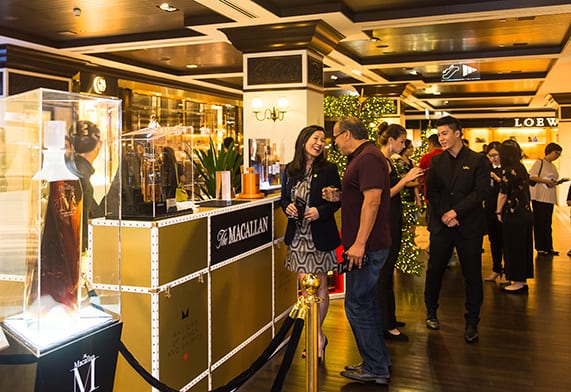
    DFS MOWS MACALLAN VINTAGES

    DFS MOWS 2016 Macallan

    Opening up this year’s MOWS event was a positive move, according to Edrington. Very rare ‘vintages’ were also on show with The Macallan.

    EXCLUSIVE RARE TASTINGS

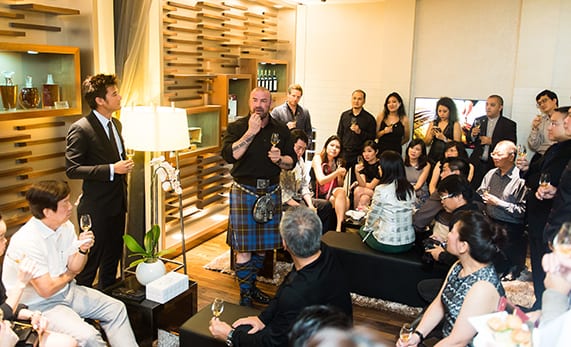
    The company said: “Taking over the LOYAL T lounge for two nights, Edrington also hosted a series of exclusive invite-only tastings with members of DFS’ LOYAL T program and VIPs. The highlight of these educational sessions was an exclusive tasting of the Macallan Fine & Rare 1946 – one of the whiskies comprising the Five Decades Collection.

    “The tasting was led by Darryl Haldane, The Macallan’s Head of Education, who told the unique story of the 1946 – one of very few peated Macallans ever produced due to a post-war coal shortage. Guests were also able to taste The Macallan No.6 – part of the 1824 Series and another product of The Macallan’s longstanding partnership with Lalique.”

    The second night of the event saw featured The Macallan Fine & Rare 1949 and Highland Park Ragnvald and was co-hosted by Darryl Haldane and Martin Markvardsen, the Highland Park Brand Ambassador.

    Interestingly, the company said this was the first time a Highland Park Brand Ambassador has hosted a private tasting with VIPs from DFS, with feedback from guests highlighting a ‘significant new found interest in the brand’.

    Edrington’s Ryan Hill commented: “What has set this year’s event apart is the new, revamped format which has opened up this unique experience to an even broader set of consumers, providing an excellent opportunity to educate the next generation of connoisseurs.

    Edrington tasting at MOWS Singapore

    DFS ‘THRILLED’ WITH ‘INCREDIBLE PROGRAMME’

    “Alongside this, the private setting of the LOYAL T bar gave us an opportunity to conduct intimate group-tastings of some particularly rare expressions of The Macallan with a carefully selected group of DFS’ most loyal customers.”

    Adding her comments, DFS Group’s Brooke Supernaw, Senior Vice President Spirits, Wines and Tobacco said: “We’re thrilled that The Macallan has joined us for the fifth year at Masters of Wines and Spirits held at our own T Galleria by DFS store for the first time. Daryl and his team created an incredible programme, surprising and delighting our customers with their fantastic product offering and an unforgettable tasting experience.”

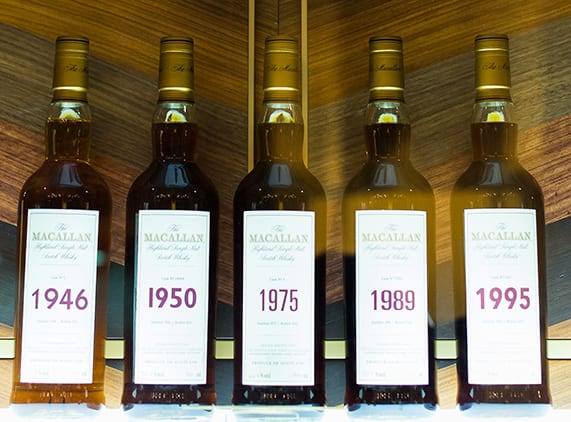
    Created exclusively for DFS, The Macallan 5 Decades Collection, features five Fine & Rare vintages from 1946, 1950, 1975, 1989 and 1995, each drawn from a single unique cask representing a different decade, to commemorate SG50 [Singapore’s independence jubilee-Ed], alongside this year’s DFS Masters of Wines and Spirits.

    The company added: “Exceptionally rare are the Fine & Rare 1946 and 1950, which are a couple of the oldest expressions that have ever been released to the public in the history of The Macallan. A truly iconic showpiece of liquid history, the 5 Decades Collection is presented in a specially designed bespoke cabinet.”