Author: Mei Ling Tan

  • Thai Central says keen to bid for Casino’s units in Thailand, Vietnam

    Thai Central says keen to bid for Casino’s units in Thailand, Vietnam

    Thailand’s largest retail conglomerate Central Group is keen to bid for Casino Group’s Thai and Vietnam operations, a company executive said.

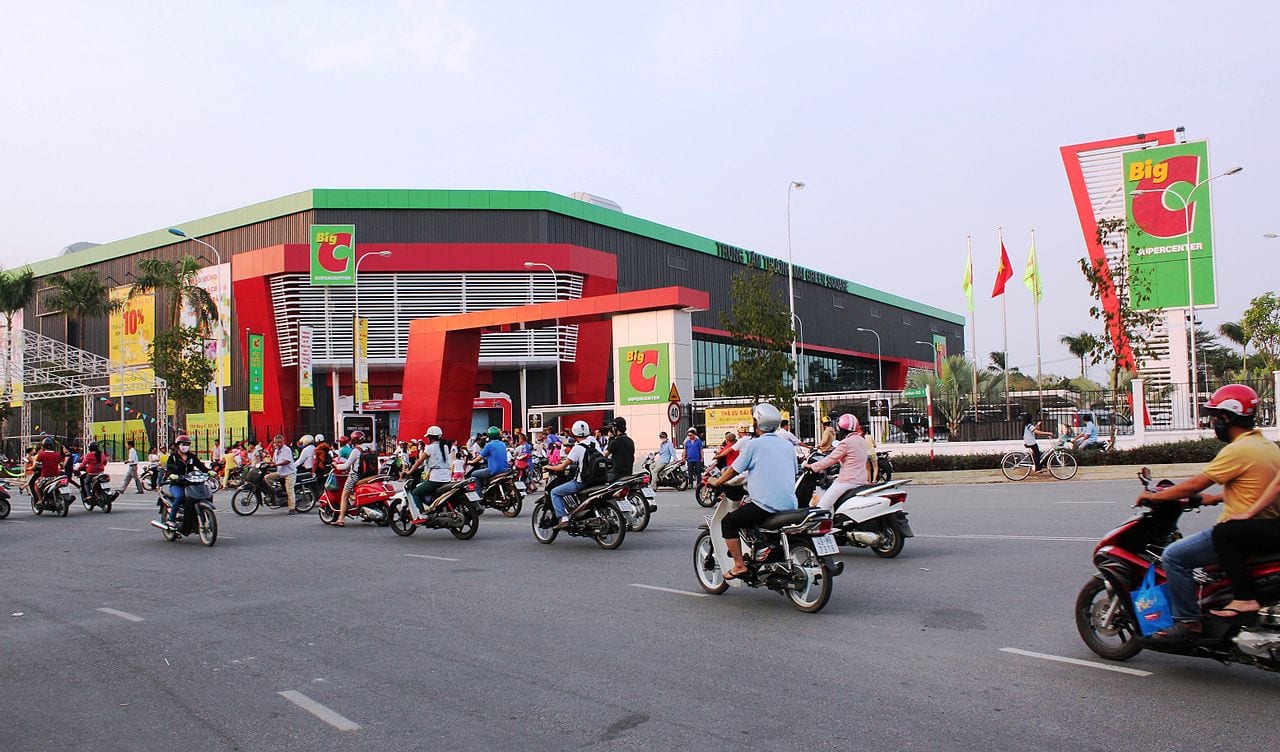
    Casino owns 58.6 percent of Big C Supercenter Pcl, which has a total a market value of $5.5 billion. Casino said last week it was keen to sell this stake after announcing it would sell its Vietnam unit in the first quarter.

    “We are interested in both Big C in Thailand and Vietnam,” Prin Chirathivat, deputy chief executive officer told Reuters.

    “If the prices are not too expensive, we will be keen to bid,” Prin said adding his family, the Chirathivats, has a combined 25 percent stake in Big C. Central has been actively looking to buy assets overseas as it wants to expand into Southeast Asia and Europe.


  • China on track for a more sustainable economic expansion

    China on track for a more sustainable economic expansion

    Investors world-over fear that China could record another worse-than-expected slowdown this year. Over the past two decades, annual GDP growth in China has averaged around an impressive 10 percent, underpinned mostly by investments, as well as exports. The IMF expects China to account for almost 18 per cent of world economic activity in 2016. Hence a bump in China’s economy can definitely not be ignored. A drop in China’s growth rate from an expansion of more than 10 per cent in 2010 to 6.3 per cent expected this year could directly knock-off about 0.75 percentage points off the global growth rate.

    The recent week’s turmoil in China has hit both stocks and currency markets, sending shock-waves through global financial markets. Stock indexes around the world have seen massive sell-offs, global markets have fallen by 7.1% since January 1st, their worst ever start to a year. The instability brings back to light China’s stock market crash and a surprise Yuan devaluation by Beijing in August 2015 which sparked a global rout, and wiped out trillions of U.S. dollars in value from Chinese equities.

    Some of China’s leading economic indicators, such as its manufacturing index and factory output, are indeed slowing. This is a rational slowdown which would deliver a healthier and more sustainable growth path. The emerging markets and the rest of the world may just have to the deal with the “new normal” of global growth as the Asian giant seeks a slower, but more sustainable, economic expansion.

    Markets will keep focus on China data-deluge, including the GDP, industrial production and retail sales due tomorrow. Expectations are for data to remain weak. Barclays forecasts Q4 GDP growth data to have slowed further to 6.6 % y/y (consensus: 6.9%) from 6.9% in Q3. Industrial production is likely to have moderated, (Barclays: +5.9%y/y; consensus: 6.0%), retail sales (+11%y/y) and fixed asset investment (+10.1%y/y).

    PBoC has strongly signaled a desire for near-term stability by keeping its USD/CNY fixings stable at about 6.56 over the past week. On Monday, the PBoC said they will start implementing RRR to some banks involved in the offshore yuan market, in a move that seemed intended to soak up additional liquidity. The spot market opened at 6.5800 per dollar on Monday and was trading at 6.5792 in early trade, 48 pips below the previous close and 0.31 percent away from the midpoint, which was set at 6.559. The offshore yuan was trading -0.18 percent away from the onshore spot at 6.591 per dollar, firmer than the previous day’s close of 6.6165.


  • Pavilion REIT Malaysia scores second mall in 2016

    Pavilion REIT Malaysia scores second mall in 2016

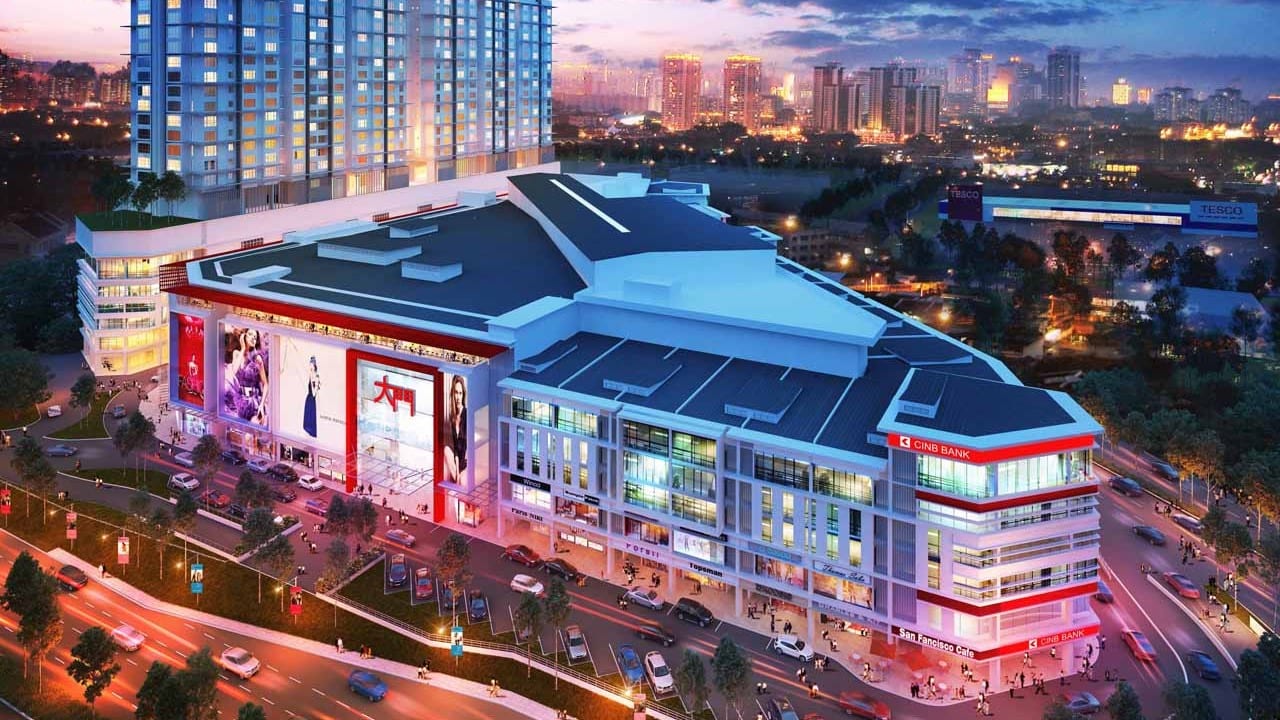
    Pavilion Real Estate Investment Trust’s manager Pavilion REIT Management has agreed to buy the da:men USJ shopping mall from Equine Park Country Resort and Revenue Concept.

    The RM488 million (US$111.6 million) deal includes the five-storey shopping mall with a lower ground floor of about 420,920 sqft (39,100 sqm) of net lettable area and a two-level basement car park. Both plots are situated on a piece of freehold land that measures 3.499 ha.

    This is the second acquisition by Pavilion REIT already this year. As reported by Inside Retail Asia on January 4, the trust has entered into an agreement to buy the six-storey Intermark retail building from US equity investor BlackRock.

    The da:men mall, still under construction, is located northeast of Kuala Lumpur City Centre, along Jalan Kewajipan, within the locality of USJ 1, Subang Jaya. It is scheduled to open in November.

    The mall is between two major highways, that is the Shah Alam Highway to the north and Damansara – Puchong Highway to its south.

    “The acquisition is expected to be completed by the first quarter of 2016 and is consistent with the investment objective and strategy of Pavilion REIT,” Pavilion said in a statement.

    “It is intended to be fully funded by debt, which will increase Pavilion REIT’s gearing ratio to 23 per cent, which is below the gearing limit of 50 per cent prescribed by the REIT guidelines,” it added.

    When this year’s two new deals are settled, the REIT’s portfolio will reach RM4.9 billion.

  • Bossini profit decimated

    Bossini profit decimated

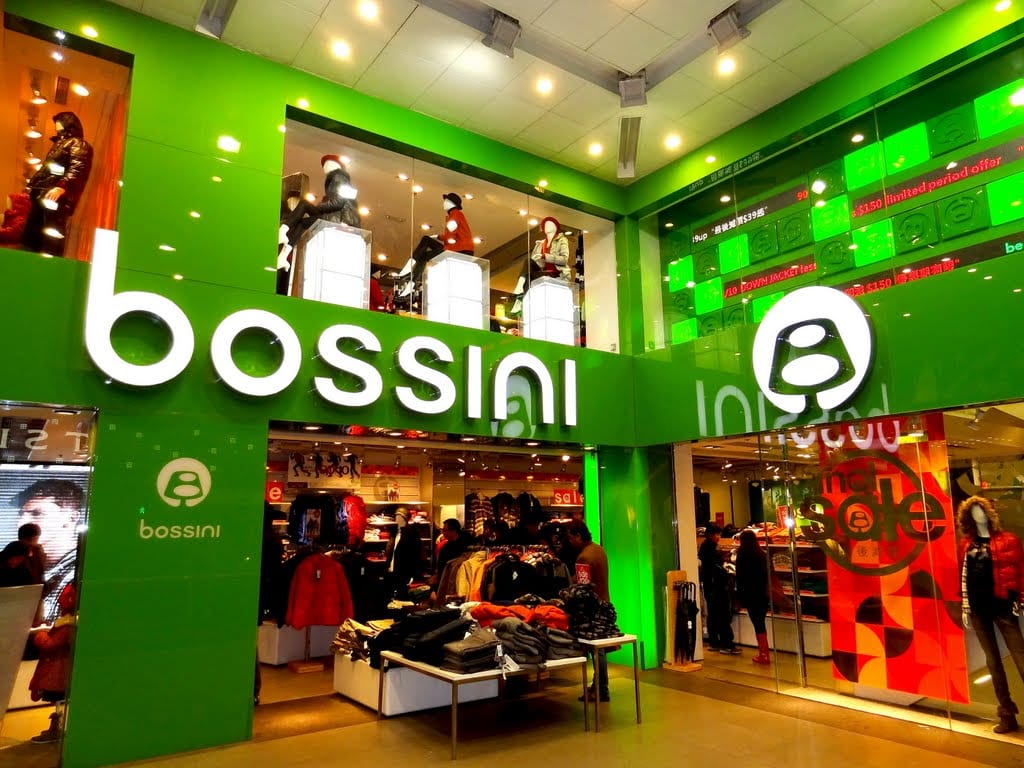
    Fast fashion retailer Bossini has warned shareholders its profit for the six months to December 31 will be down by between 80 and 90 per cent.

    Based on the comparable trading period to December 31, 2014, when Bossini reported a profit  of HK$665 million, that suggests a profit in the range of $66.5 million to $133 million.

    In a profit warning issued to the Hong Kong stock exchange, the company says the profit plunge “was mainly caused by the significant decrease in revenue and gross profit attributable to (i) less visitors and strong Hong Kong dollar which led to less consumption from them in Hong Kong and Macau, and (ii) weak local consumer sentiment, unseasonal warm winter weather and intensified competition in several core markets where the group operates”.

    “As the company is still in the course of preparing and finalising its interim results for the six months… the information… is only based on a preliminary assessment on the information currently available.”

    The full financial details, including the final Bossini profit, will be revealed in late February.

    While Bossini is not the first Hong Kong based retailer to warn of or report profit declines, most of the others are operating in the luxury end of the market, where sales of watches, jewellery and luxury fashion goods and apparel are down by up to 20 per cent year on year.

    But Bossini has no exposure to that market – its business is based on selling t-shirts and casual clothing at low price points.

    Data from GfK shows the number of Mainland Chinese visitors to Hong Kong in 2015 – up until November, at least – rose by 37 per cent. As previosuly reported by Inside Retail Asia, the issue for Hong Kong retailers is not that there are fewer tourists visiting the city – but there are fewer wealthy tourists visiting the city. So Bossini, and other retailers targeting the lower end of the market, are not managing to capture the imagination of the more profilgate shoppers now coming to the territory.

    Even more puzzling is that Bossini has been one of the few retail brands to stand out over the last 12 to 18 months as bucking the broader retail trend.

    In September, the company revealed its results for the year to June 30, reporting a mere one per cent decline in sales to HK$2.523 billion, and a three per cent decline in gross profit to HK$1.264 billion with gross margin down one per cent to 50 per cent. Profit attributable to shareholders fell nine per cent.

    “During the fiscal year 2014/15, despite facing challenging retail conditions in Hong Kong and Macau, its segmental business, which includes the export franchising operations, registered record-high sales with flat same-store sales growth for the directly managed stores,” the company said at the time.

    “The operations in mainland China, Taiwan and Singapore all experienced improvements in segment results, resulting from the continuously improving shop productivity and stringent cost control measures. Mainland China segment achieved six per cent same-store sales growth and also recorded nine consecutive quarters of positive same-store gross profit growth. Taiwan segment saw a same-store sales growth of seven per cent, representing seven consecutive quarters of positive same-store sales growth.”

    In the half year to December 31, 2014, Bossini reported a revenue increase of four per cent year-on-year to HK$1,319 million (then US$170,056,190) and gross profit for the period under review was HK$665 million (then US$85,737,200).

  • Jalux opens duty-free outlets in Hanoi

    Jalux opens duty-free outlets in Hanoi

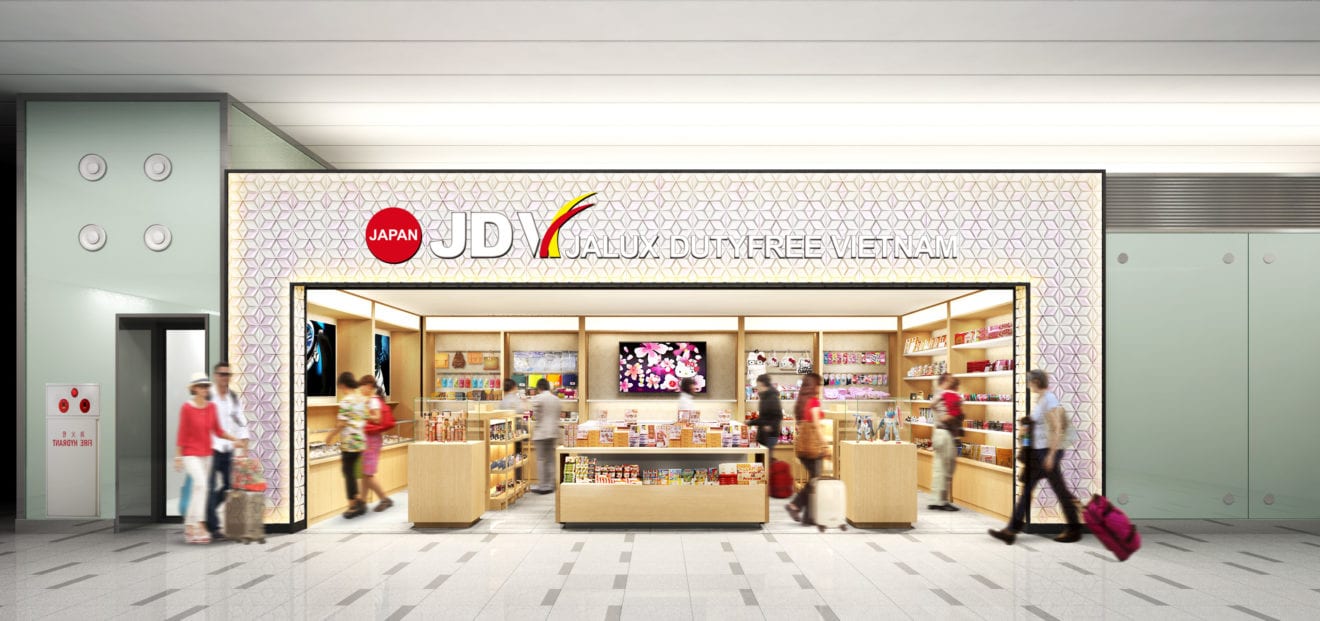
    Japanese travel retailer Jalux has launched its first airport outlets outside Japan, with three stores at Hanoi Noi Bai International Airport in Vietnam.

    Located in Terminal 2, the stores are trading as Jalux Duty Free Vietnam, with two in the Departures area and one in Arrivals. The stores focus on introducing Japanese brands to travellers, picking up on growing demand across Asia for genuine Japanese goods.

    Jalux Duty Free is a joint venture between Jalux (51 per cent) and Vietnamese company Thang Long Air Services (Taseco).

    Jalux has airport stores across Japan, including JAL Duty Free and Blue Sky stores.

    Taseco is engaged in retailing both on and off airport, as well as having interests in wholesale, beverages, hotels and restaurants.

  • Tiffany struggles as Mainlanders baulk

    Tiffany struggles as Mainlanders baulk

    If Tiffany was hoping for some holiday respite following a year of negative numbers it will be sorely disappointed by its latest results.

    Indeed, the pace of decline has actually accelerated since the third quarter, which covered the three months up until the end of October. Given the significant opportunity that the holiday season affords this is a worrying outcome.

    Reported in US dollars, worldwide net sales of $961 million were 6 per cent lower than the prior year.

    Despite some solid growth in China and Japan – the latter coming off weak comparatives – the poor numbers out of Hong Kong, which has suffered from a decline in visitors from the Chinese mainland, pulled down the regional result.

    In the Asia-Pacific region, on a constant-exchange-rate basis total sales and comparable store sales declined 6 per cent and 9 per cent, respectively. A continuation of strong sales growth in China was more than offset by significant weakness in Hong Kong and Singapore, with varying performance in other markets. Reported in US dollars, total sales of $187 million were 11 per cent below the prior year.

    In Japan, on a constant-exchange-rate basis total sales increased 12 per cent and comparable store sales rose 10 per cent, reflecting higher sales to local customers and foreign tourists. Reported in US dollars, total sales rose 9 per cent to $123 million.

    Globally, as it did throughout 2015, Tiffany has pinned the blame for its sales declines on the strong dollar. There is truth in such an assertion, although it is not the whole truth. This is evidenced by the fact that even on a constant currency basis worldwide sales still fell by 3 per cent in total and by 5 per cent in comparable terms. Clearly, there are forces other than fluctuating exchange rates at play.

    The Americas is a case in point. Although the magnitude of the sales decline in the region was broadly similar to that posted last quarter, it still represents a marked deterioration in trade. The claim that tourist spending on jewellery in key locations like New York was down thanks to an unfavorable exchange rate has some validity, even if it sits somewhat uncomfortably with MasterCard data that shows 2015 was a record year for international visitor spending in the Big Apple. However, sales were not just down at Tiffany’s stores in tourist destinations, they were down across most of the US.

    One of the factors at play, at least in the US, is a shift in holiday purchasing. Prior to the economic downturn of 2008 the period between Thanksgiving and Christmas was key for jewellery buying. Today, while it remains the most important single period for purchasing, it accounts for a much smaller share of annual sales than it once did. Jewellery is no longer at the top of the Christmas list. For a brand like Tiffany, where lavish gifting is an important driver of buying, such a trend is distinctly unhelpful.

    As important as this factor may be, it is exacerbated by the more competitive environment for jewellery and the rise of other brands. Against this backdrop Tiffany has lost some of its relevance, especially to more moderate spending shoppers. The company has tried to arrest this development with new collections such as Tiffany T, but the results to date have been lacklustre.

    These brand issues are somewhat less relevant to the Asian markets where Tiffany is still seen as a hallmark of fine jewellery.

    The consequence of a weak holiday period is that final quarter profits will now come in lower than previous guidance.

    Tiffany is ending its fiscal year with very little sparkle.

  • H&M Hong Kong plans new flagship

    H&M Hong Kong plans new flagship

    A newly built full-concept flagship store for H&M (Hennes & Mauritz) will officially open in Mongkok on January 29.

    The new H&M Hong Kong store spans three floors at Gala Place, a shopping destination known for young and trendy fashion. It will be the largest H&M store in Kowloon, offering a wide range of items for women, men, teenagers and children, as well as a home collection featuring Scandinavian designed bed linen, tableware, cushions and decorations.

    It is the second H&M home store for Hong Kong, and its LED facade will echo the neon lights of Mongkok.

    On its grand opening day, the first 100 customers in line will be rewarded with $100 gift cards and a limited-edition giveaway. Shopping hours will be extended until midnight, with normal hours (11am to 11pm) resuming from February 1.

  • Hong Kong McDonald’s Next delivers world first

    Hong Kong McDonald’s Next delivers world first

    Forty years after the franchise entered Hong Kong, a taste of the future is offered by the new McDonald’s Next concept store – a world first.

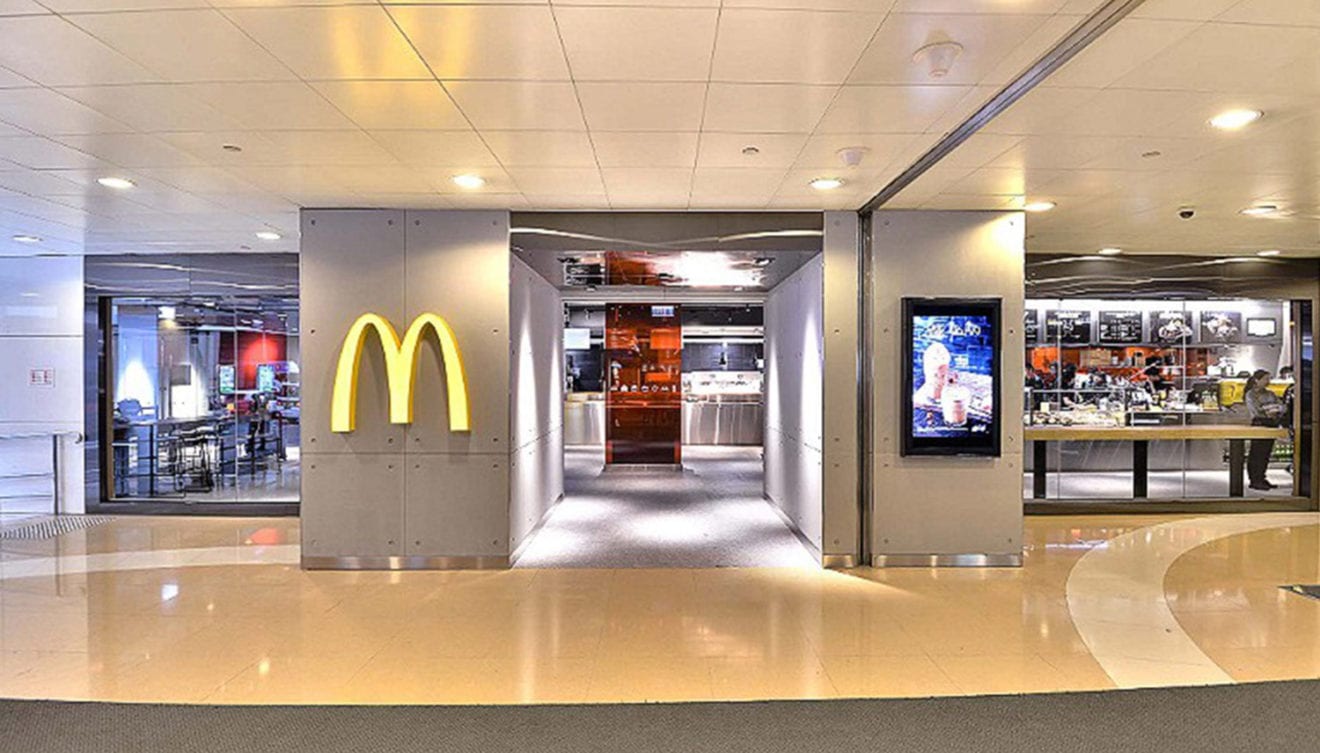
    In Admiralty Centre, the store has replaced the red-and-yellow colour palette with a black-and-white logo, ambient lighting, and glass and metallic interiors. There is not a clown to be seen – and the biggest surprise is a salad bar with 19 ingredient options including two choices of base greens, two types of cheese and three sauces.

    Also new for McDonald’s is table service after 6pm and premium coffee blends. Customers can also charge their mobile devices, use free Wi-Fi and can use self-ordering kiosks. For diehards, the regular menu is still available, plus there is the brand’s new Create Your Taste (CYT) concept, allowing touch-screen customisation of burgers. Launched last year, CYT has been rolled out in locations in Australia, China, Hong Kong (nine outlets), the UAE and the US.

    McDonald's Next Hong Kong salad

    McDonald’s Next combines the restaurant, CYT and McCafe all in one, offering a variety of exclusive products, says the company in a press release.

    Since CYT was introduced in Hong Kong in July, it was noticed that customers increasingly opted for healthy options, which led the brand to extend the concept to salads. Salads can also be matched with grilled chicken, chopped eggs, crayfish and cous cous or quinoa. The burgers are served on wooden boards.

    Also in response to local tastes, both coffee and desserts have been upgraded. Its new McCafe Premium House Blend single-origin beans are being packaged for customers to take home, and the restaurant serves traditional Belgian berry waffles.

    McDonald's Next Hong Kong burger on board

    A new “theatre kitchen” features bright lights and glass counters displaying ingredients. Customers may also watch the food preparation process. The restaurant decor includes a large screen displaying continually changing “interesting food patterns”, while there is “carefully selected” background music and adjustable LED lights to create atmosphere.

    McDonalds Next Hong Kong people eating

    As well as having new uniforms, the staff have had 720 hours’ of training for table service, offered from 6pm until the restaurant closes at 1am.

    “It’s friendlier, and feels more like a cafe than a McDonald’s,” French businessman Nicolas Cottard has told CNN. “I think it’s increased the value of the brand.”

    McDonald's next Hong Kong counter

    The introduction of the new concept follows McDonald’s announcing a major turnaround plan in May after both revenues and customer numbers tumbled internationally. CFO Kevin Ozan said the restaurant’s performance reflected the ongoing pressures of the business – not only competition in the fast-food market, but also the growing awareness of health issues around the world. Half of the global respondents to a Nielsen Global Health & Wellness survey last year said they were trying to lose weight, while 75 cent of them said they were changing their diets to focus on more natural, fresh foods.

    The McDonald’s Next restaurant was designed by Australian company Landini Associates, which told Dezeen magazine the grey-walled restaurant is “an experiment in non-design”.

    McDonald's Next Hong Kong interior

    “The colourful graphic environments that became the signature for McDonald’s internationally are replaced with a more simple, quieter and more classic approach,” said the Sydney-based architectural practice.

    “The intention is to hero the food, the service and the people who come to enjoy it, and to create a ‘recognisable neutrality’ that allows this to happen.”

    Landini Associates is now working on similar stores in Australia, China and Singapore.

    McDonald's Next Hong Kong bagged coffee

  • Netflix on brink of being global TV powerhouse

    Netflix on brink of being global TV powerhouse

    Netflix has added a record 5.59 million subscribers across the fourth and final quarter of its fiscal year, putting it within touching distance of 75 million subscribers.

    Such impressive growth is, primarily, the result of a global rollout that has seen international subscriptions almost double over the past two years.

    That global drive has, however, taken its toll on the company’s bottom line. Associated development, marketing and expansion costs have taken a chunk out of profits, pushing the international segment to a $333 million loss for the full fiscal year –  one of the worst ever performances. This, in turn, deflated final year net income by 54 per cent over the prior year.

    Despite the lower profit outcome, we concur with Netflix’s view that such a deterioration should be seen as an investment that will, over the longer term, pay dividends. The fact that the company now has a global footprint in all countries bar China is a significant achievement, and one that provides it with enormous potential for growth.

    Such a global focus is especially necessary given the slowdown in Netflix’s home market, where subscription growth in the fourth quarter was at its lowest for several years. This is hardly surprising given the company’s past success and its relative maturity, but it does underline the necessity to look firmly beyond the shores of the US for future growth.

    Despite the slowdown, the US operation remains the prime driver of profit and for the first time ever made a contribution of over a billion for the full fiscal year. While it is unlikely that this profit will be diluted in the near term, increased competition in the market does mean Netflix will have to fight increasingly hard to maintain its share.

    On this front there are three reasons to be optimistic. The first is the growing trend among consumers to ‘cut the cable’ and stop subscribing to cable TV packages; this represents a significant saving that can more than cover the costs of Netflix and other streaming services.

    The second is that the threat from Amazon is, in our view, overplayed. Many consumers will happily subscribe to both Amazon and Netflix because the former is seen as a more rounded service with a range of benefits, rather than as just another streaming service.

    The third factor is the high quality content development in which Netflix is engaging. Series like House of Cards and Making a Murderer are key to persuading existing customers to maintain their subscriptions and new customers to buy into the service.

    If Netflix can hold its US position and grow its international operations into profitable territory it will become a truly global powerhouse of the modern age of television.

  • 100th store for Toys R Us China

    100th store for Toys R Us China

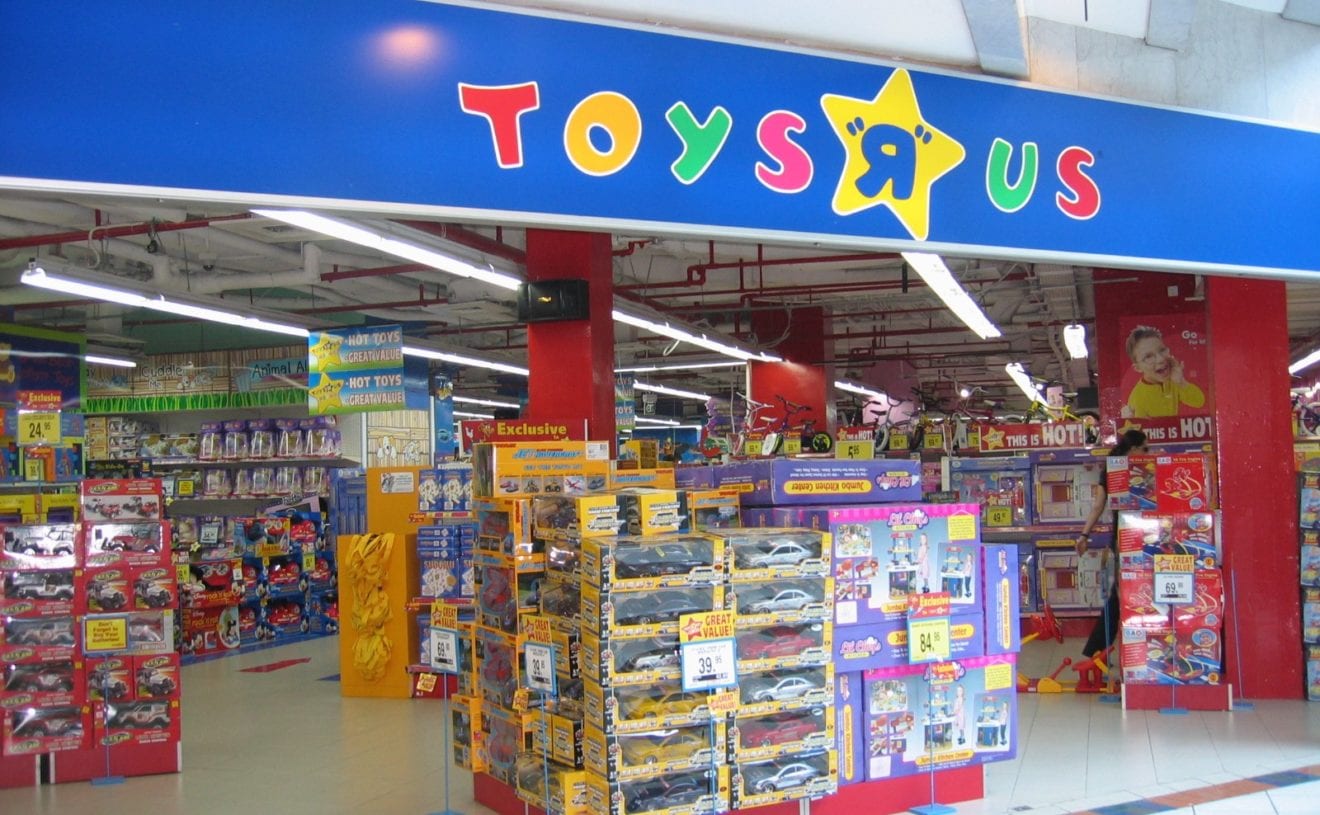
    Toy and baby products retailer Toys R Us has opened its 100th store in China.

    Ten years after entering the market, the US-based chain has its milestone outlet in the APM Shopping Mall in Wang Fu Jing, Beijing.

    During the past year, Toys R Us China has opened 27 stores across the nation.

    “International expansion, particularly throughout China and Southeast Asia, continues to be an important part of our long-term growth strategy,” says chairman/CEO Dave Brandon, who was at the Beijing opening ceremony. He notes an increasing demand in this market for quality children’s products and family entertainment experiences.

    Opening its first store in China in 2006, the company now has outlets in 44 cities, and plans to open another 30 stores this year.

    As part of the grand opening in Beijing, families were invited to meet such popular mascots as Balala Emma, Barbie, Geoffrey the Giraffe, Ninjago Kai and Ultraman. The store showcases the latest in “retailtainment”, digital technology and customer interaction. Customers can use a 70in. digital screen at the store entrance to browse through promotional items, make purchases, take “selfies” with special photo frames, play games and join the company’s Star Card loyalty program.

    Beijing’s store also features exclusive products not available elsewhere in the market, and throughout the APM mall are several new features sponsored by Toys R Us.

    Founded more than 65 years ago with headquarters in Wayne, New Jersey, Toys R Us formed a joint venture in 2011 with its licence partner in China and Southeast Asia, Fung Retailing. It took a 70 per cent interest in Fung Retailing’s stores in Brunei, China, Hong Kong, Malaysia, Singapore, Taiwan and Thailand.

    Toys R Us also has a T-mall Store in China, launching its eCommerce website in 2012. It also has a mobile-optimised website in China. Toys R Us has 1 million WeChat followers, with 80 per cent of them joining the Star Card membership program.

    As well as 863 outlets in the US and Puerto Rico, the company has more than 755 international stores and more than 250 licensed stores in 38 countries. In Asia, there are more than 400 stores in Brunei, Hong Kong, Japan, Malaysia, Singapore, Thailand, Taiwan as well as mainland China. There are also licensed stores in Korea, Macau and The Philippines.

  • Chengdu IFS challenge to Hong Kong

    Chengdu IFS challenge to Hong Kong

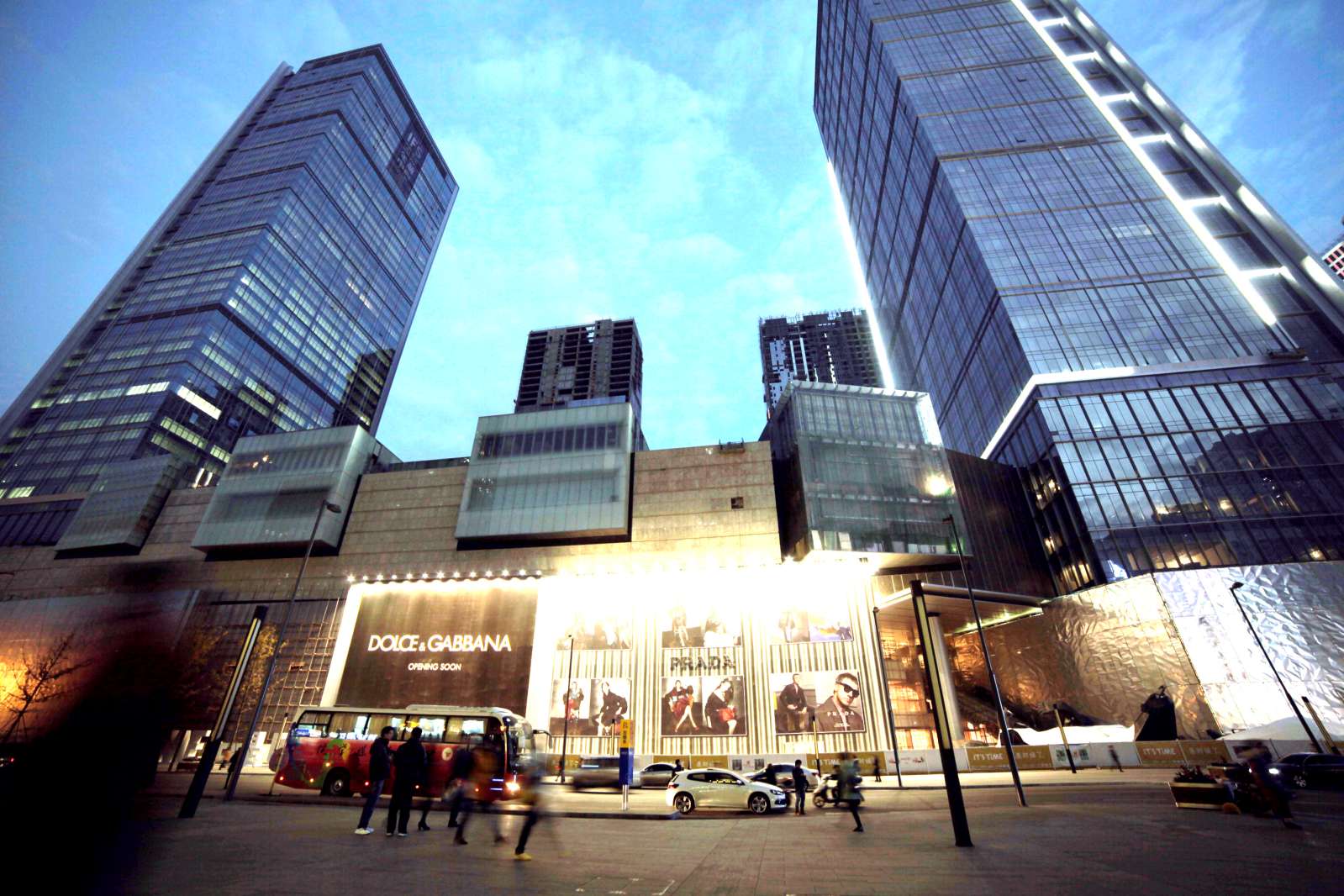
    To mark its second anniversary, Chengdu IFS has launched the “All In Here – World Fashion Tour” to introduce the south-west China city’s latest initiative to be part of the global fashion scene – and a direct challenge to Hong Kong’s Harbour City on Canton Rd.

    A key event of the Jinjiang Shopping Festival, the tour was organised by the Chengdu municipal government and Jinjiang district government in a move toward transforming the city into an international travel and shopping destination. It has been supported by trade representatives from France, Italy and Switzerland as well as Elle magazine.

    Chengdu IFS opened in 2014, and with its architecture, brand collections and international-standard management has become a landmark in the city. As the first major world-class, high-end mixed development in urban Chengdu, it brings together about 300 top brands, 90 of which are new to the region. Multi-level flagship stores featuring international brands line Hongxing Road as part of the 530 metre. ‘International Fashion Walk’”.

    Chengdu’s city fathers announced an action plan in July to build Chengdu into an international shoppers’ paradise as a key element of its development as a new first-tier city. Officiating at the launch ceremony of the “All In Here – World Fashion Tour” were Chengu Business Committee deputy-director Wen Feng, Jinjiang district deputy-head Wu Wenhui, Wharf Holdings vice-chairman Doreen Lee Yuk Fong and Wharf China Estates GM Christina Hau.

    Speakers also included Italy’s consul-general Sergio Maffettone, France’s consul-general Olivier Vaysset, Milan’s general director of creative programs Alessandro Pollio Salimbeni, Swiss Chinese Chamber of Commerce GM Rolf Studer, and Elle China publisher Chris Hu.

    Taking on a carnival atmosphere, the opening brought together art, fashion, tradition and style with performances including a mid-air fashion show, a parade of orchestral musicians and a VIP gala dinner at the Niccolo by Marco Polo. Guests at the dinner were surprised when Hong Kong artiste Carina Lau wore her own Anirac creations to present the brand’s first-ever catwalk show.

    Since its “I Am Here” promotion in 2014, Chengdu IFS has increased its turnover and traffic flow by 50 per cent. The number of VIP members doubles last year, with sales up 50 per cent. As the first of five IFS projects in which Wharf Holdings has invested RMB 46 billion (US$6.9 billion), Chengdu IFS has set a solid foundation for the development of Chongqing IFS, scheduled to open next year as a boutique version of Harbour City, and also Changsha IFS, which will be the largest of the group.

    Featuring panda sculptures as an external feature, Chengdu IFS has become a benchmark for urban fashion as well as a favourite spot for young people to meet.

  • Nakheel to showcase portfolio in Hong Kong

    Nakheel to showcase portfolio in Hong Kong

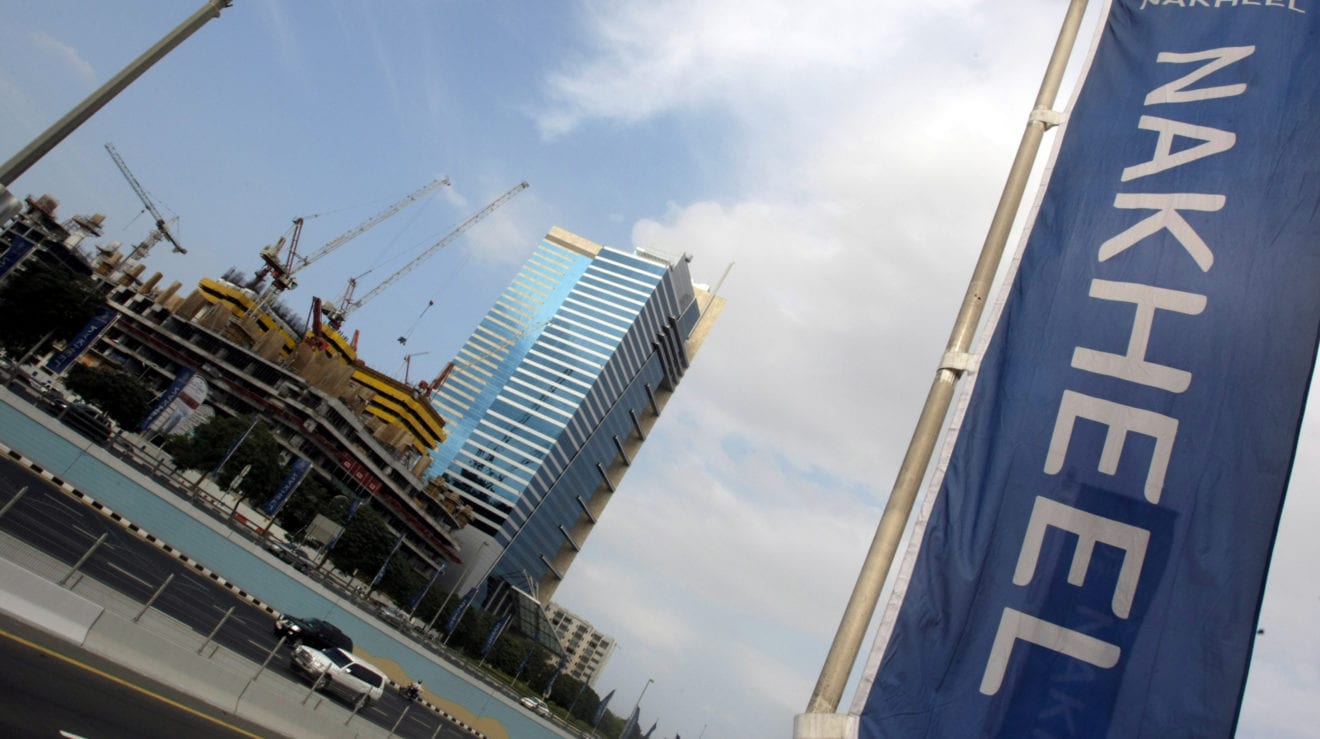
    Nakheel will exhibit a diverse range of new master developments, residential properties and retail and hospitality projects at Dubai Property Show in Hong Kong.

    Dubai-based real estate master developer Nakheel is heading east to showcase new projects with construction values of over $4.6 billion at the Dubai Property Show in Hong Kong this week.

    Nakheel, whose projects already span more than 15,000 hectares and provide homes for over 200,000 people, is the biggest developer at the show, which will highlight Dubai’s unrivalled opportunities for real estate investment.

    Nakheel will exhibit a diverse range of new master developments, residential properties and retail and hospitality projects at the three-day event.

    Investors from Hong Kong and other parts of the Far East and Southeast Asia have already bought around 500 villas, apartments or land plots from Nakheel, spending a combined $245 million in the process.

    Chinese investors account for nearly 80 per cent of these purchases, with 390 properties worth $212 million.

  • Spending at Changi Airport hits record high to reach $2.2 billion in 2015

    Spending at Changi Airport hits record high to reach $2.2 billion in 2015

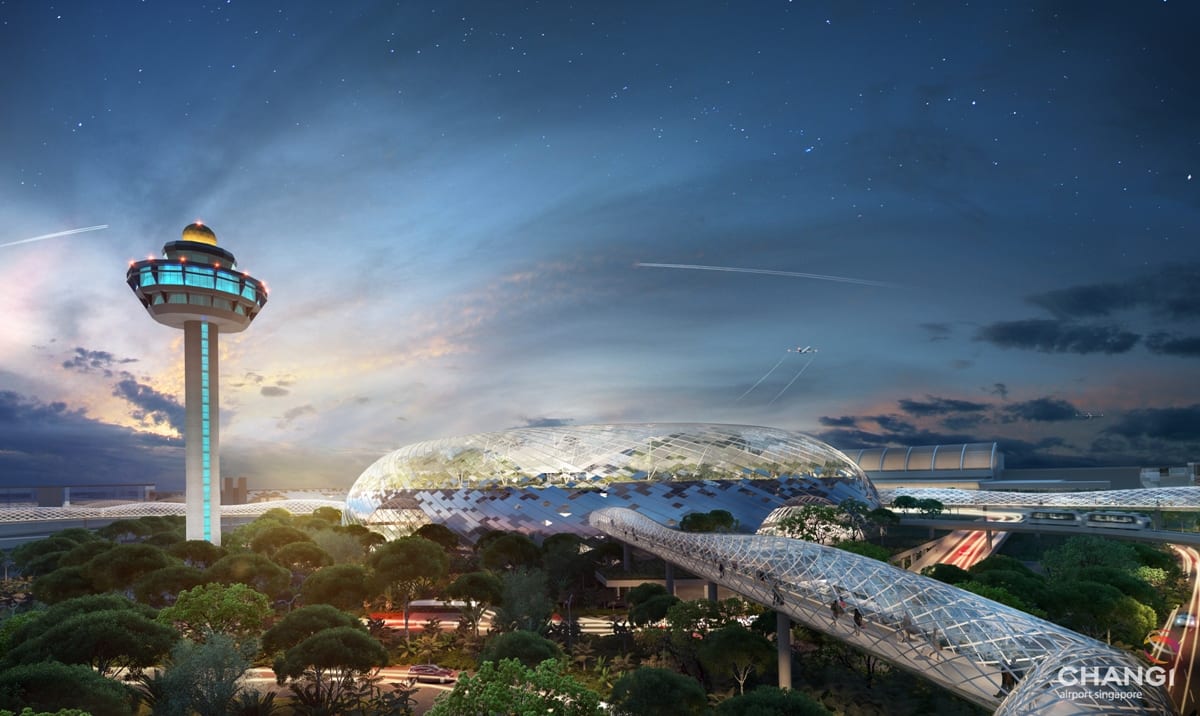
    Sales at Changi Airport has hit another record high of $2.2 billion last year, placing it along the top three airports in the world in terms of retail business performance.

    Spending at the airport’s retail and food stores grew by 8 per cent year on year, on the back of a growing number of passengers using the airport. Passenger traffic figures are expected to be released next week.

    Travellers from China accounted for a third of the airport’s retail market, followed by Singapore consumers, who made up one-fifth. The other top spenders were from Indonesia, India and Australia.

    Ms Lim Peck Hoon, executive vice-president of commercial at Changi Airport Group, said on Sunday (Jan 24): “We are delighted to achieve yet another record high for concession sales at Changi Airport in 2015. This is positive for the Singapore air hub as profits from our retail business help to offset the cost of our aeronautical operations.”

    At Changi, shoppers’ favourite buys are liquor, tobacco, cosmetics and perfumes. They are followed by luxury goods, electronics and equipment and chocolates and candies.

    Ms Lim said last year’s retail performance was due to a successful commercial strategy, which saw the introduction of liquor and beauty duplex stores that are the first in the world. These two-storey stores have their own bar lounges and wine tasting corners.

    Last year also saw well-known brands such as Zara and Samsung launching their first stores at Changi Airport.

    Other promotions such as the Star Wars soft toys promotion during the year-end holidays and the “Be a Changi Millionaire” draw also contributed to the retail buzz.

    This afternoon, one traveller would walk away a million dollars richer from the sixth annual Changi Millionaire contest.

  • Jakarta index closes higher on Friday

    Jakarta index closes higher on Friday

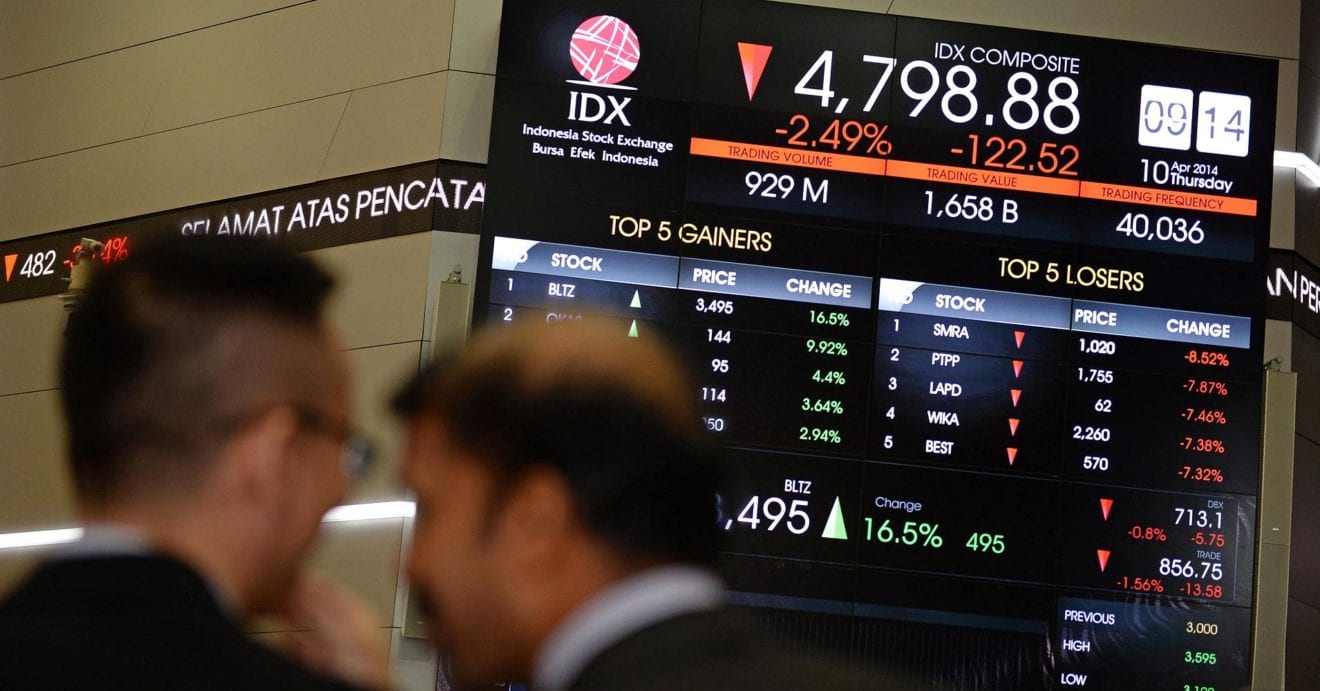
    The Jakarta composite index (JCI) closed 42.61 points higher on Friday on selective buying by market players.

    The index of the Indonesian Stock Exchange rose 0.96 percent to 4,456.74 points with index of 45 blue chips up 1.48 percent to 779.31 points.

    Selective buying of big capitalization shares pushed up the JCI slightly, HD Capital analyst Yuganur Wijanarko said.

    “In addition, share prices in foreign markets generally rose on oil prices being on the increase lately , prompting market players on the domestic market to buy shares< he said.

    The price of WTI on Friday afternoon rose 4.3 percent to S$30.80 per barrel and Brent pri9ce was up 5.09 percent to US$30.74 dollar.

    Satisfaction expressed by the Capital Investment Coordinating Board (BKPM) with the achievement in direct investment to Rp545.4 trillion in 2015 gave positive sentiment to the market.

    In 2016, BKPM set growth target at 9.3 percent for direct investment to Rp594.8 trillion .

    There were 213,493 transactions in the market on Friday with 4.07 billion shares valued at Rp5.25 trillion changing hands .

    Regional markets such as Hang Seng, Nikkei and Straits Times recorded gain in index.

    Meanwhile the national currency rupiah closed stronger trading at 13,834 per U.S. dollar gaining from the previous level of 13,906 per dollar.

    “Rising trend of oil prices propped up the currencies of emerging countries ,” financial market observer from Bank Himpunan Saudara, Rully Nova, said.

  • Indonesia wins three Aseanta 2016 awards

    Indonesia wins three Aseanta 2016 awards

    Indonesia has won awards in three out of the six categories of the ASEAN Tourism Awards (ASEANTA) 2016 at an event held in Manila, the Philippines, a minister said.

    “Wonderful Indonesia” won awards in three of the six categories of the ASEAN Awards, Tourism Minister Arief Yahya said in a press statement on Friday.

    “We have beaten some competing countries, including Malaysia,” Arief Yahya said.

    The three awards were in the categories of the Best ASEAN Tourism Photo, the Best ASEAN Cultural Preservation Effort, and the Best ASEAN Travel Article.

    “Morning in Bromo” by Agung Parameswara grabbed the award in the Best ASEAN Tourism Photo category.

    “Mang Udjo,” the Angklung bamboo musical instrument center in Bandung, Indonesia, was the winner of the Best ASEAN Cultural Preservation Effort category.

    And for the Best ASEAN Travel Article category, the winner was “The Perfect Wave,” published in Garuda Indonesia Color Magazine.

    “Meanwhile, Malaysia won two awards and Singapore only one award,” the minister said.

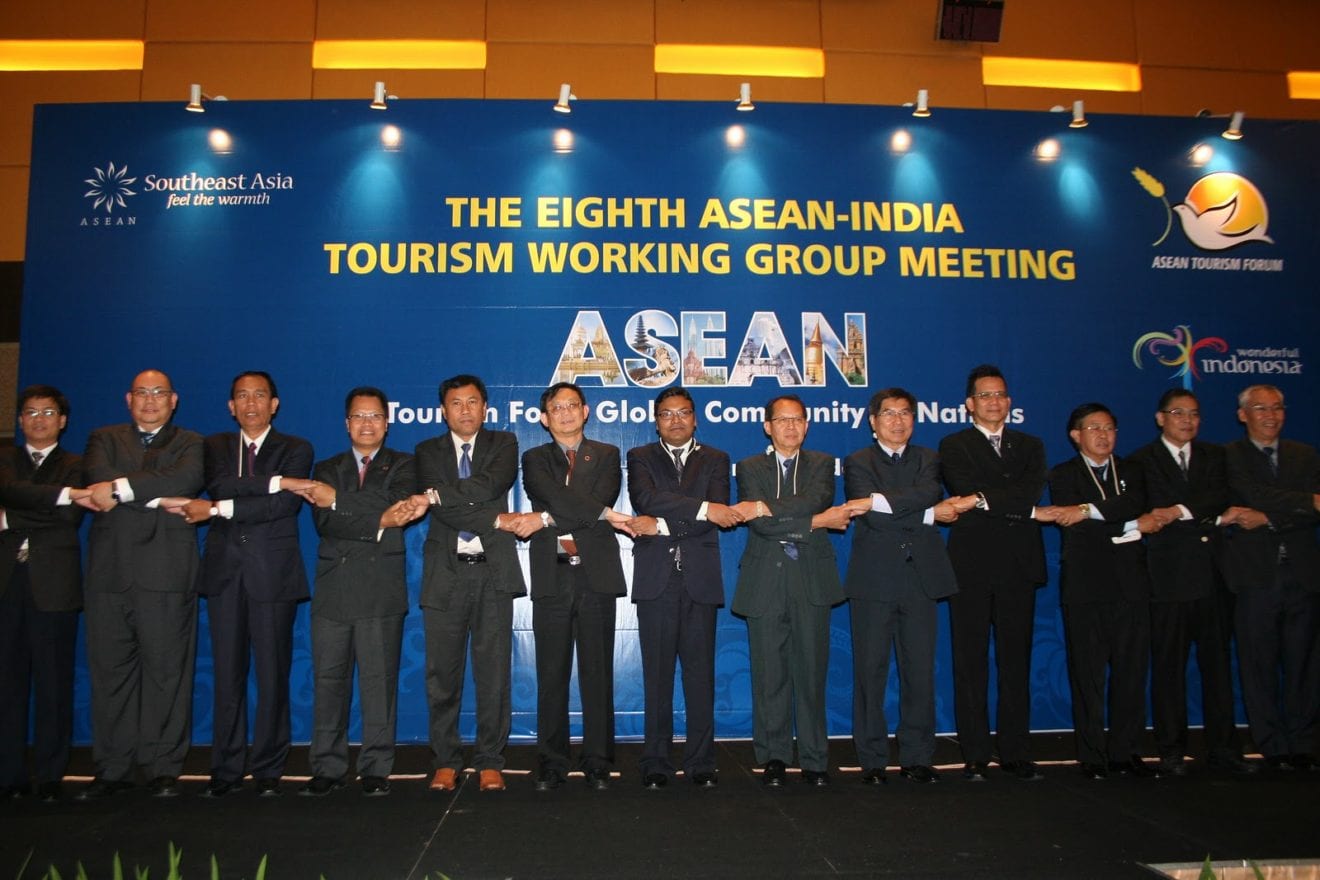
    Minister Arief Yahya was in Manila to attend the 35th ASEAN Tourism Forum (ATF), held from January 18 to 22, 2016.

    The ASEAN Tourism Forum is very strategic to Indonesia because the ASEAN market is the largest contributor to tourist arrivals, he noted.

    In the ATF held in Manila, tourism ministers from all ten member countries of ASEAN – Indonesia, Brunei Darussalam, Malaysia, Cambodia, Singapore, Thailand, the Philippines, Vietnam, Myanmar and Laos participated.

    He believed that the ASEANTA Awards would help promote Indonesian tourist destinations internationally.

    The three other ASEAN Award categories were the Best ASEAN Marketing and Promotion Campaign, the Best ASEAN New Tourism Attraction, and the Best ASEAN Airline Program.

    Filipino President Benigno S. Aquino III spoke before the ASEAN tourism ministers on Wednesday.

    He said that the number of tourist arrivals in ASEAN reached 105.1 million in 2014, a staggering 42.4 percent increase from 73.8 million tourist arrivals in 2010.

    Of those 105.1 million visitors, he said, 49.22 million came from within the ASEAN itself.

    “We belong to a region that holds vast potential in terms of tourism,” President Benigno was quoted as saying by the Philippine Information Agency (PIA).