Author: Mei Ling Tan

  • Retail-tech start-up SnapBizz raises $7.2 million

    Retail-tech start-up SnapBizz raises $7.2 million

    SnapBizz Cloudtech Pvt Ltd, a start-up that devises technology for corner grocery stores, has raised $7.2 million in an investment round led by venture capital firms Jungle Ventures, Taurus Value Creation, Konly Venture and Blume Ventures to expand across cities.

    The Bengaluru-based company, which was started in 2013, had earlier received seed funding of $1.7 million from Qualcomm, Jungle Ventures, National Research Foundation of Singapore, Taurus Value Creation and Blume Ventures.

    SnapBizz provides grocery stores an Android-based, cloud-connected business platform in the form of a tablet, barcode scanner, printer and a consumer-facing LED display, with the technology enabling merchants to manage their billing, inventory and customer engagement.

    “We are convinced with the SnapBizz business model, which brings a tailored technology solution to kirana stores and believe that it will play a large role in India’s retail growth story,” said David Gowdey, managing partner, Jungle Ventures.

    SnapBizz is one of a small but growing number of start-ups like IPay Tech India Pvt. and StoreKing that aim to help small businesses like grocery stores to bridge the digital gap by targeting specific uses like payments or enabling e-commerce.

    “We are thrilled that all ecosystem players have shown confidence in our solution and that our existing investors have reiterated their support to us,” Prem Kumar, chief executive officer, SnapBizz, said in a statement.

    “Large retail and online players account for only 10-15% of any brand’s business. The remaining 90% happens through traditional trade and there is zero or minimal last mile connectivity between brands, consumers and retailers. We are on a mission to address this big gap while addressing the pain points of the kirana stores,” he added.

  • Keppel Land acquires 22.4% interest in 112 Katong

    Keppel Land acquires 22.4% interest in 112 Katong

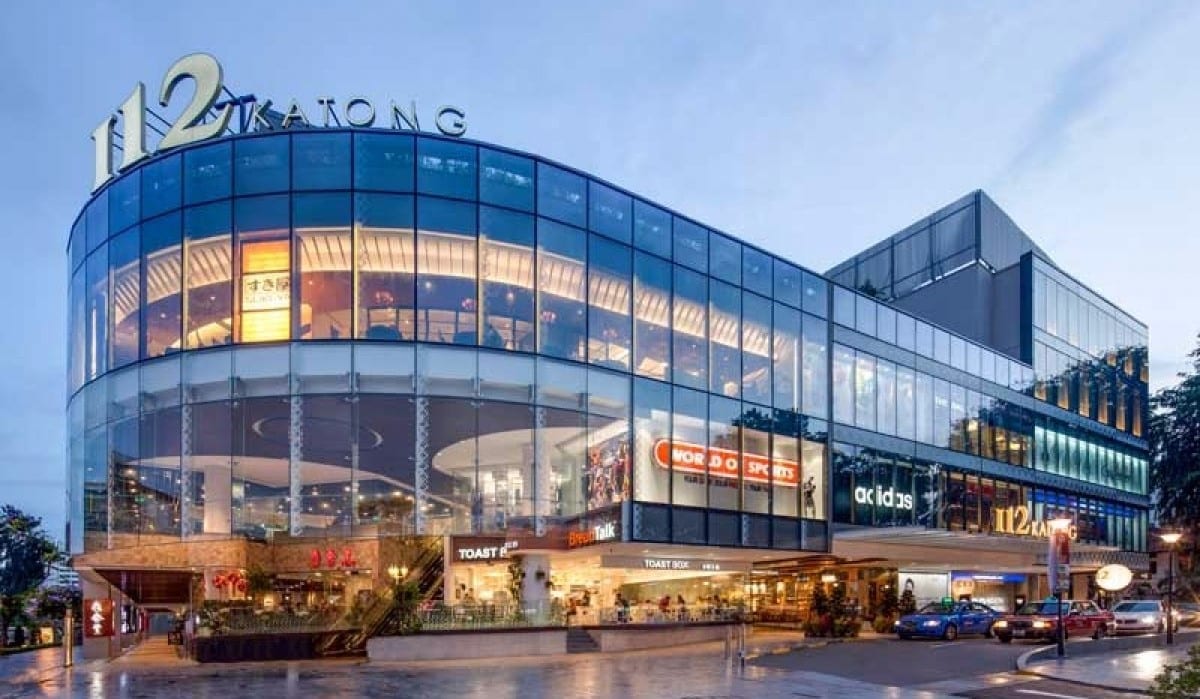
    Keppel Corp’s property arm Keppel Land has acquired a 22.4% interest in 112 Katong Mall from BHG Holdings, Imagine Properties and Perennial Singapore Investment Holdings for $51.4 million in cash. The remaining 77.6% stake is held by a fund managed by Alpha Investment Partners, Keppel Land’s property fund management vehicle.

    Perennial Real Estate’s stake in the mall amounts to 1.46% or $3.4 million. Along with the divestment of its stake in the asset, Perennial Real Estate is also selling its 23% stake in the trust manager of I12 Katong Mall for $1 a share. A Perennial-led consortium had purchased the former Katong Mall for $247.55 million in November 2009. The mall underwent a $70 million asset enhancement exercise that increased its net lettable area by 20% to 206,000 sq ft today.

    “The investment in 112 Katong will add to our quality portfolio of retail and mixed use developments,” said Ang Wee Gee, CEO of Keppel Land in a statement. “We will focus on strengthening the mall’s positioning as a lifestyle and dining destination in the East.”

    Following the acquisition, the mall will be managed by Keppel Land Retail Management headed by Michael Leong, a property veteran with 30 years’ experience in the retail sector. Leong was the former CEO of Array Real Estate, in which Keppel Land acquired a 75% stake in December 2014. Array’s Leong was previously executive director of Guthrie GTS, and over the years, has been instrumental in the development and mall management of 3 million sq ft of retail properties in Singapore such as Jurong Point Shopping Centre, Heartland Mall, Century Square, Tampines One and Tiong Bahru Plaza.

  • Technology bringing more personalised experience to shopping

    Technology bringing more personalised experience to shopping

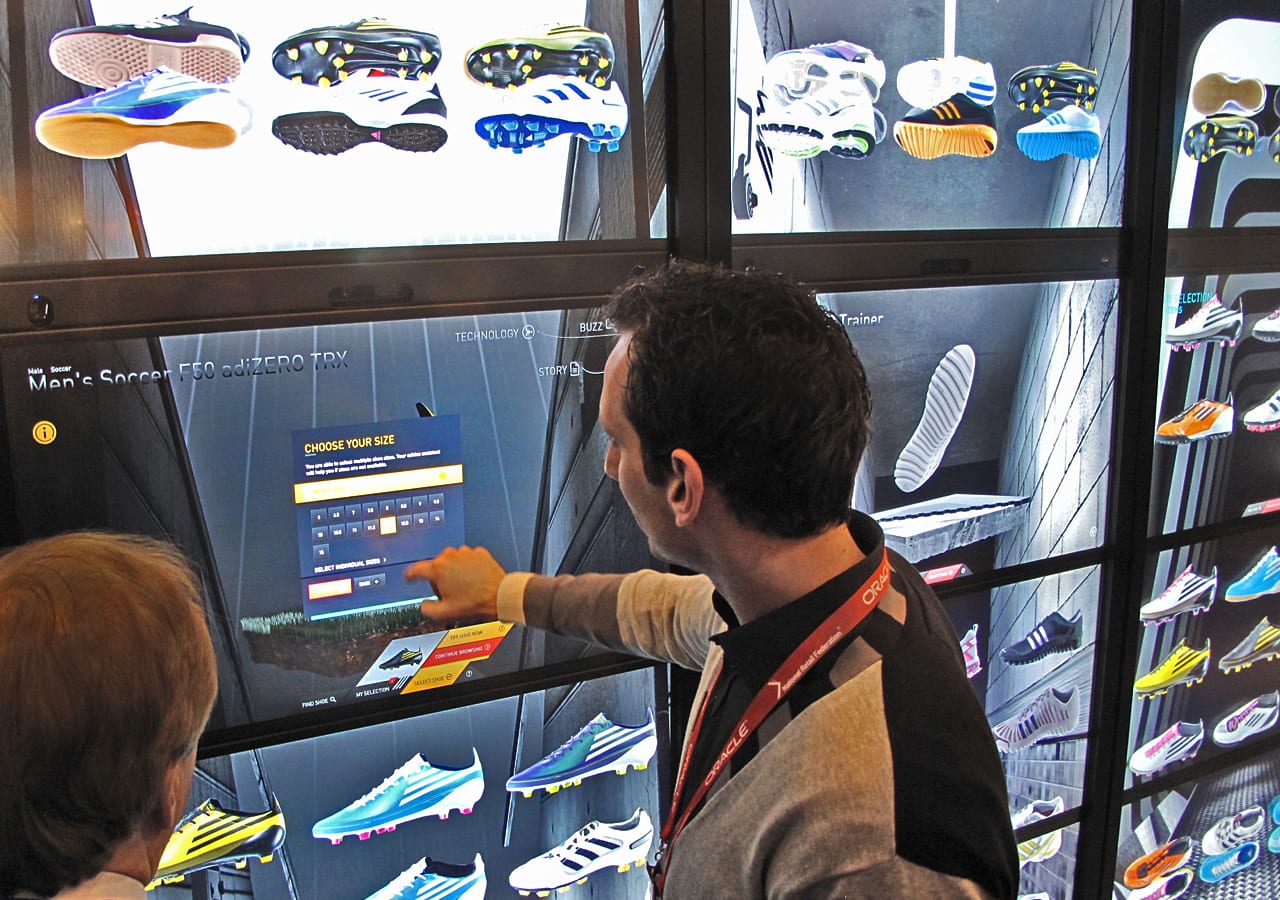
    The launch of the second plan aims to build on the same momentum – helping retailers with manpower-saving technologies. But beyond resolving the industry’s manpower crunch, technology is also changing the way retailers sell.

    Stock-taking is the bane of retailers, as it is typically an arduous task that takes hours. But with radio frequency identification (RFID), the same job can now be done in under an hour.

    Home-grown retailer Decks has managed to save more than 2,300 man-hours a month, since it started using the technology for inventory management.

    “In the future we know that the manpower issue will become more serious than it is now. In order to be more attractive to employ better workers, I think we should engage all this technology to help to lighten the workload of every employee,” said Mr Kelvyn Chee, managing director of Decks.

    RFID is just one of the many technologies available to the retail sector, even though they may not be widely adopted.

    PLAYING CATCH-UP

    Industry players and market researchers have said that retailers in Singapore are behind their international peers in technology adoption. Besides cost, another reason is that they have not seen the need to innovate until now, with the e-commerce sector nipping at their heels.

    “The development of e-commerce in Singapore has been at the lower level than many other parts of the world. But that’s changing very dramatically. I think that’s what’s sort of giving rise to some of this tension where the retailers have not needed to change quite as quickly, when e-commerce was falling behind, but it is really taking up,” said PwC Singapore’s digital business leader Greg Unsworth.

    The innovation arm of the Singapore Institute of Retail Studies is helping retailers to play catch-up. It showcases and advises retailers on the various technologies available.

    “Companies want to embark on data analytics because these are things that will help the business going forward,” said Mr James Fong, deputy manager of programme development at Singapore Institute of Retail Studies. “With knowledge, it does help the business to be more agile, it helps the business to be more able to predict the trend and so forth. So data analytics, having said that, is one of the new areas will take some time for this to evolve.”

    Pushing the frontier of data mining is the use of video analytics, a move that Decks has embarked on. The technology solutions company behind the in-store CCTV camera is able to interpret the images and provide critical business intelligence.

    “Examples of what we can provide them in terms of data and insights would be how many people come to the store, when they come to the store what do they do, how they spend their time going through the store,” explained Mr Tan Liong Hai, sales director of Kai Square.

    With this information, Decks has been able to come up with more targeted marketing campaigns, which it says have helped to boost sales by 10 per cent.

    The retailer continues to look at new innovations, for example, having a smart dressing room to enhance in-store experience, or incorporating the Automated Retrieval and Storage System to streamline backend operations.

    Said Mr Chee: “Everybody thinks that all these technology implemented is to replace the human beings but I think otherwise. We just want the staff or the sales assistant to focus more on customer rather than spend time on unnecessary tasks. So we want to make the shopping experience more personalised, more service-oriented.”

    Mr Unsworth added that technology could result in a convergence of physical and online retailers.

    He explained: “I think retail at the moment – you sort of have the established large retailers, who tend to have a mainly physical presence, you have e-commerce companies who tend to have an online presence. I think everything is going to merge in the middle. So you have this sort of convergence of the two coming together where increasingly, it will be a multi-platform approach that consumers are looking for and that retailers will have to provide.”

    While some retailers in Singapore on both sides of the spectrum have started moving in that direction, experts have said they are still in the early stages.

  • Thai Tycoons Said to Compete for Casino’s Southeast Asia Units

    Thai Tycoons Said to Compete for Casino’s Southeast Asia Units

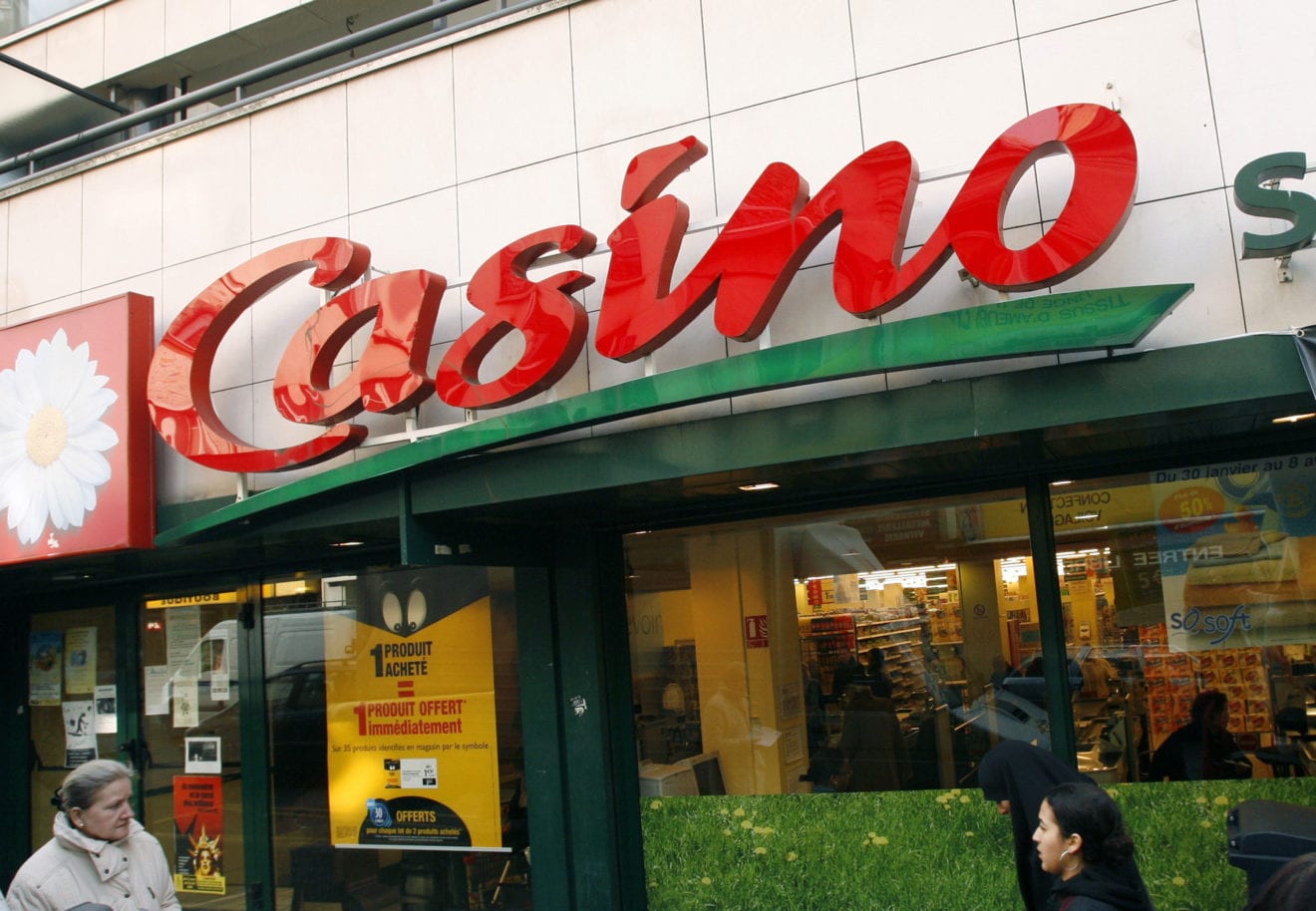
    Some of Thailand’s richest families are preparing to compete for the Southeast Asian operations of French supermarket operator Casino Guichard-Perrachon SA, according to people with knowledge of the matter.

    Billionaire Charoen Sirivadhanabhakdi’s TCC Holding Co. and the Chirathivat family’s Central Group are weighing first-round bids for the Big C Supercenter chains in Thailand and Vietnam, which are due Feb. 5, the people said. The companies have been speaking with banks about advisory roles and financing options, according to the people, who asked not to be named as the process is private.

    The prospect of a competitive auction for the assets spurred Casino shares Friday, lifting the stock as much as 7.5 percent in Paris. Casino’s controlling stake in Bangkok-listed unit Big C Supercenter Pcl could fetch more than $3 billion, while a sale of its Vietnam business could raise as much as $800 million, the people said. The Vietnamese operations have also drawn interest from Tokyo-based retailer Aeon Co., two of the people said.

    A deal would add to the $54.9 billion of acquisitions in Southeast Asia over the past 12 months, data compiled by Bloomberg show. The proposed disposals are part of Casino’s plan to cut debt by more than 4 billion euros ($4.3 billion) this year, after its share price slumped 45 percent in 2015. Attacks on the grocer’s accounting by short-seller Carson Block’s Muddy Waters LLC have accelerated that drop in the past month.

    Department Stores

    Casino may sell its businesses in the two countries together or separately, depending on the offers it receives, the people said. The French company owns 58.6 percent of Bangkok-listed Big C Supercenter.

    A person who answered the phone at Charoen’s office in Bangkok said he wasn’t available for comment. Spokesmen for Aeon and Big C Supercenter declined to comment, while representatives for Casino, Central Group and TCC didn’t answer phone calls seeking comment. An investor-relations official for Berli Jucker Pcl, the Bangkok-listed consumer goods distributor controlled by TCC, also didn’t answer a phone call seeking comment.

    Central Group is among Thailand’s biggest conglomerates, employing over 70,000 people in businesses from retail to real estate, according to its website. It bought Italian luxury department store La Rinascente in 2011 and Danish department store Illum in 2013.

    Richest Man

    TCC, led by Thailand’s richest man, agreed last year to buy Metro AG’s Cash & Carry wholesale business in Vietnam for 655 million euros. The conglomerate acquired control of Singapore food and beverage maker Fraser & Neave Ltd. in 2013.

    Big C Supercenter, founded by the Chirathivat family, opened its first store in Bangkok in 1994. Casino took control of the Thai-listed company five years later.

    Shares of Big C Supercenter have gained 15 percent this year, giving it a market value of 191.4 billion baht ($5.3 billion). The company had 580 stores in Thailand at the end of March 2014, ranging from hypermarkets to convenience stores, according to its website.

  • BlackRock’s Laurence Fink sees buying opportunity

    BlackRock’s Laurence Fink sees buying opportunity

    Laurence D Fink, who runs the world’s largest asset manager, said the recent stock market decline presents a buying opportunity because markets are poised to gain over the course of the next year.

    “You can’t walk away from these movements,” Fink, chief executive officer of BlackRock, said Friday in an interview from the World Economic Forum in Davos. “Use these as an opportunity.”

    Fink said while markets have currently capitulated amid slumping oil and inconsistent messages coming from China, he doesn’t expect a bear market in equities. BlackRock, which oversees $US4.6 trillion for clients, saw institutional investors starting to come back into markets on Wednesday, when US stocks briefly fell as much as 3.7 per cent before recovering most of the losses.

    Top investors such as George Soros and Jeffrey Gundlach have advised investors to use short-term market rebounds to sell assets. Soros said Thursday that China’s economy is headed for a hard landing, a slump that will worsen global deflationary pressures, drag down stocks and boost US government bonds. Other investment managers, including Guggenheim Partners’ Scott Minerd and Bridgewater Associates’ Ray Dalio, have warned that the market likely has further to fall.

    Soros, who shorted the Standard & Poor’s 500 Index, said it is still too early to buy equities, while Gundlach said he expects a “protracted decline in the S&P 500”. Dalio cautioned that global markets face risks to the downside as economies near the end of a long-term debt cycle.

    The warnings come as oil prices have plunged and China’s growth has slowed.

    Fink said China needs to expand its international markets faster and allow more foreign investors, which would create a more stable, less volatile market, he said. “What China struggles with is an immature capital market that is heavily dependent on leverage retail,” he said.

    Fink said it would “be horrible” if China devalues its currency because it would have a huge global deflationary impact and would mean the country is moving back to an export-driven economy.

    His views diverge from others, including hedge fund manager Mark Hart and Goldman Sachs Group president Gary Cohn. Hart, who is betting against the yuan, said China should weaken its currency by more than 50 per cent this year. A one-off devaluation would ease pressure on China’s foreign exchange reserves and remove an incentive for capital outflows, he said. Cohn said that China will likely have to devalue its currency in the next six months to address slowing growth.

  • ‘Maintenance Fee’ for All Foreign Tourists Proposed by Tourism Governor

    ‘Maintenance Fee’ for All Foreign Tourists Proposed by Tourism Governor

    A plan to charge foreign tourists 360 baht each time they enter the kingdom as a fee to maintain and improve tourist attractions has been proposed by the head of the tourism authority.

    Yuthasak Supasorn, governor of the Tourism Authority of Thailand, suggested in an interview that money collected from the fees could be reinvested in the tourism throughout the kingdom, but almost as soon as the idea was suggested, it was played down by his own organization.

    In an interview with Voice TV, Yuthasak said foreign tourists would be charged USD$10 (360 baht) each time they enter Thailand, whether by air, land or sea. Among its uses, he said, would be enhancing security measures.

    “It will be collected under the name of a tourist attraction administration fee,” Yuthasak said. “We will use the money to maintain and improve security systems of tourist attractions across the country, in order to support the tourism sector, which has been growing steadily.” 

    He also did the math for its potential windfall. 

    “If there are 30 million tourists, Thailand will earn 10.8 billion baht per year from this fee, and it will help each province earn around 142 million baht to improve its tourism,” he said.

    The plan’s prospects were unclear, however. Hours after the Voice TV published the interview, an official at the tourism authority said the idea was only Yuthasak’s personal idea.

    “This is not an official policy. It still needs additional study,” said authority spokeswoman Sunantha Montri. “It’s only an idea.”

    She said Yuthasak is attending a summit in the Philippines and not available for comment.

    In the Voice TV article, Yuthasak dismissed any concern the fee would adversely affect tourism, saying many countries already had similar policies.

    “I believe it won’t affect tourism that much, because at the present time many countries already collect this fee in subtle ways,” he said without elaborating. 

  • Where Chinese tourists are spending their shopping dollar

    Where Chinese tourists are spending their shopping dollar

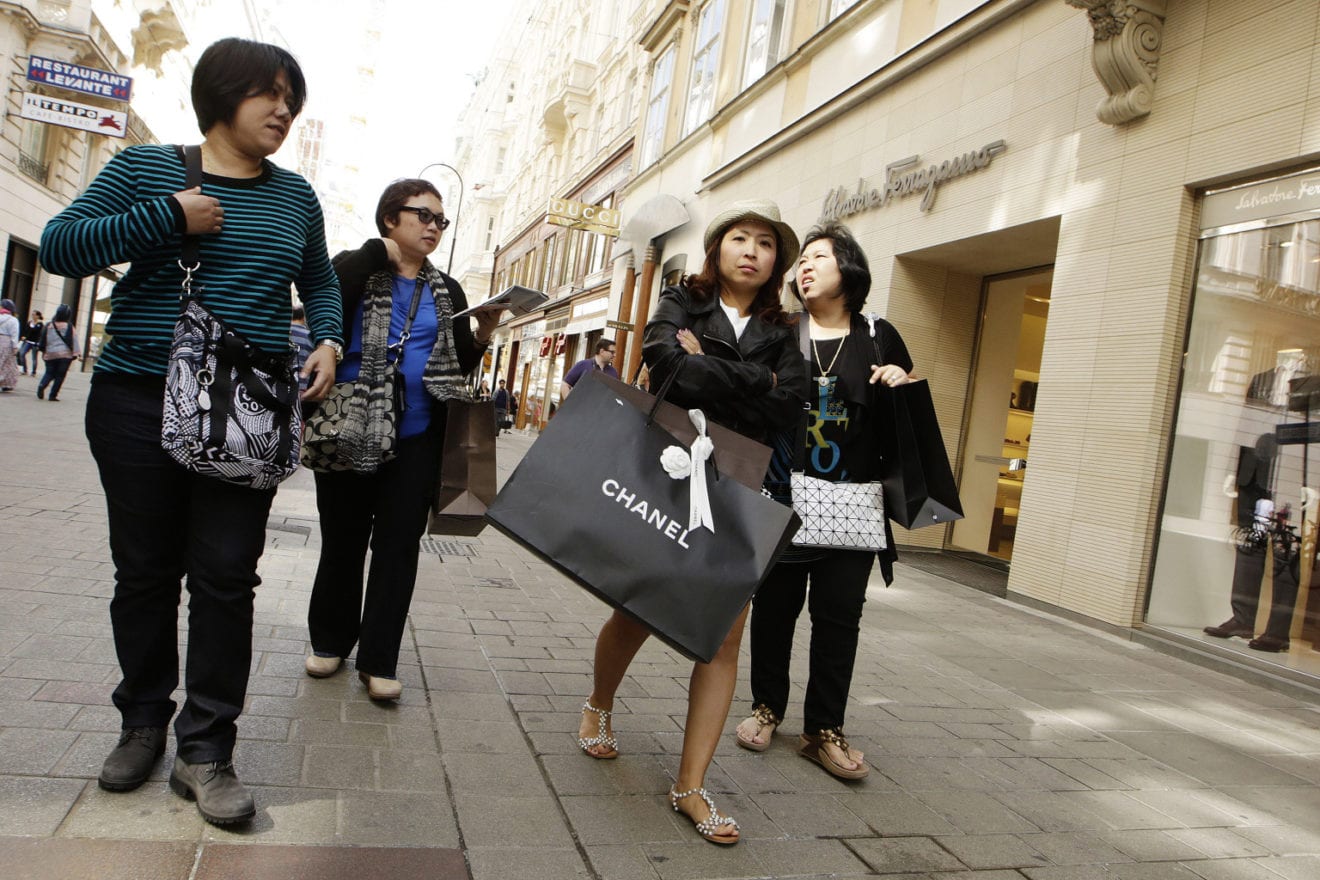
    Mainland China has become one of the main global suppliers of tourists, and that has been paying dividends for retailers globally.

    But as the Chinese are roaming further afield, Hong Kong and Macau retails have seen their sales dropping.

    A fresh analysis from international market research company GFK shows China had 109 million outbound tourists last year… and they spent US$229 billion in retail stores. These statistics consolidate China as one of the main global sources of tourists, both in terms of number of trips and money spent while travelling internationally.

    “At the same time, there have been profound changes in the behaviour of the typical Chinese traveller, with millennials firmly established as the core drivers of spending,” says GFK.

    Because of its cultural similarity, accessibility and lower travel costs, Hong Hong was the preferred destination for Chinese tourists up until 2013. Shopping was a big motivation for visiting. However, since 2014, says the report, more Chinese tourists have been opting for other destinations offering historical and cultural experiences – as well as shopping.

    Air travel and accommodation statistics show that at the start of November, the top five favourite destinations for Chinese travellers were South Korea (visits up 112 per cent since 2011), Thailand (up 263 per cent), Japan (up 157 per cent) and Taiwan (up 54 per cent. Surprisingly, given its loss of retail sales, Hong Kong had 37 per cent more Chinese visitors. This is explained by the new emerging middle class – consumers who do not have enough disposable income to travel further abroad, nor to spend on high-end purchases.

    Europe is the most popular destination outside Asia for Chinese tourists, with 97 per cent more visits in the past four years. This is followed by North America (up 151 per cent) and the Middle East (up 177 per cent).

    “China’s tourists remain strategic to Hong Kong and its businesses, as other destinations are jumping ahead in winning their favour,” says GFK global head of travel and hospitality Laurens van den Oever.

  • H&M India plans largest store yet

    H&M India plans largest store yet

    H&M India says it will soon open its first flagship store in the country – its largest yet.

    The new shop is under construction at the DLF Mall of India, the company said in a statement. It will comprise 37,000 sqft (3440 sqm) spanning four floors in the mall, and is expected to open in Spring.

    This year, the Swedish retailer also plans to open stores in Bengaluru, Gurgaon and Mumbai.

    H&M opened its first store in India on October 2  last year in New Delhi’s Select Citywalk mall.

    “After successful store launches last year, we continue the trend by expanding to some of the most exciting retail destinations across the country with H&M’s business concept of fashion and quality at the best price in a sustainable way.” said Janne Einola, country manager, H&M India.

    The company says it plans to open 50 stores in India after  gaining Foreign Investment Promotion Board approval to open mono brand stores in december 2013.

  • Tesco Thailand wins record market share

    Tesco Thailand wins record market share

    Embattled Tesco achieved a record market share in Thailand in the latest quarter – as Asia shined in a mixed set of financials.

    Analysts appeared in agreement that the UK’s largest supermarket operator delivered patchy results overnight, despite the solid Asian performance.

    “Foreign adventuring hasn’t been all bad,” observed David Gray, retail analyst at Planet Retail.

    “Asian expansion did deliver a big windfall last autumn with a sale raising some £4 billion,” he said, referring to the divestment of the Korean business

    “And Tesco still holds valuable assets in Asia – the Tesco Thailand business (which has long-term growth potential), plus Malaysia (though potential here is less obvious), while India (though not valuable at the moment) is set to receive more attention,” Gray concluded.

    Conlumino senior consultant George Scott added: “In Asia, improvement in its food offer helped Tesco achieved positive like for likes across the region.”

    But the majority of Tesco’s business is still the UK, where its market share is under attack by super discounters Aldi and Lidl from Germany. Like-for-like sales in the UK slipped 1.5 per cent, despite a 1.3 per cent increase in the Christmas period.

    “Tesco showed signs of a fightback against discounters Aldi and Lidl over the festive period, delivering a UK Christmas like-for-like performance well ahead of market expectations and comfortably beating the comparable trading of rivals Morrisons (+0.2 per cent) and Waitrose (down 1.4 per cent),” said Scott.

    Planet Retail said it saw the third quarter domestic decline as indicative of the wider challenges hitting the UK grocery market.

    “With growth of Aldi/Lidl at the value end, M&S Food lording over the premium segment and Sainsbury’s holding its own in the mid-market, this comes as little surprise,” said Gray.

    “As anticipated, Tesco’s Q3 domestic recovery has slowed, with like-for-like declines widening on Q2, even if the shorter Christmas period delivered a more positive number,” said Gray

    “This was to be expected considering Dave Lewis has always said recovery would be choppy. Even so, a slowdown is a slowdown. The difficulty for Tesco is that, by being the UK’s largest retailer, it has most to lose from wider food price deflation and structural shifts.

    “With Aldi/Lidl gaining share at the value end, M&S Food ruling premium and Sainsbury’s holding the middle ground, Tesco is stuck between a rock and a hard place,” Gray concluded.

    Scott says despite the patchy figures, Tesco has shown a marked improvement in putting the customer back at the heart of its proposition, particularly over Christmas.

    “To this end, a further shift away from give-away promotions to deeper investment in base price cuts and its brand match, coupled with improved availability were particularly key. The introduction of 4000 additional ‘Here to Help’ in-store colleagues, will have undoubtedly boosted in-store standards. Elsewhere, demand for online grocery home grocery shopping led to a record number of orders on December 22, which was certainly helped by an improved price and service reputation.”

    Tesco CEO Dave Lewis was upbeat about the figures, especially for the festive trading season.

    “Our Christmas performance was strong, benefiting from lower prices on an outstanding range of products. Our customer service improved materially and our colleagues went the extra mile.  Put simply, we put customers at the heart of everything we did and they responded by buying more of what they needed at Tesco.”

    Lewis said Tesco would continue to focus its efforts to serve its customers “a little better every day”.

    “There is plenty more to do, but we are making good progress and are trading in line with profit expectations for the full year.”  

  • Bina Puri rebuffs offers for Main Place mall

    Bina Puri rebuffs offers for Main Place mall

    Despite its orphan status on the asset register of Malaysian energy company Bina Puri, the Main Place mall in Selangor will not be sold any time soon.

    The Subang Jaya shopping centre has renowned retailers including Uniqlo, Cotton On, Brand Outlet, Starbucks, McDonald’s and Toys R Us on its tenant list, which has a heavy skew to food and beverage.

    In time with an announcement of the company’s latest trading results, group executive director Matthew Tee declared the group had “no plans” to sell the shopping centre.

    “Since the mall opened its door last year, we have received three [acquisition] offers, but we have rejected them all. We are still enjoying the benefit of the retail mall and [we believe] it is too early for us to sell it,” he said at a press conference.

    Bina Puri Holdings Bhd expects its net profit to grow by 20 per cent in the year to December 31, 2016, driven by its construction and power business segments.

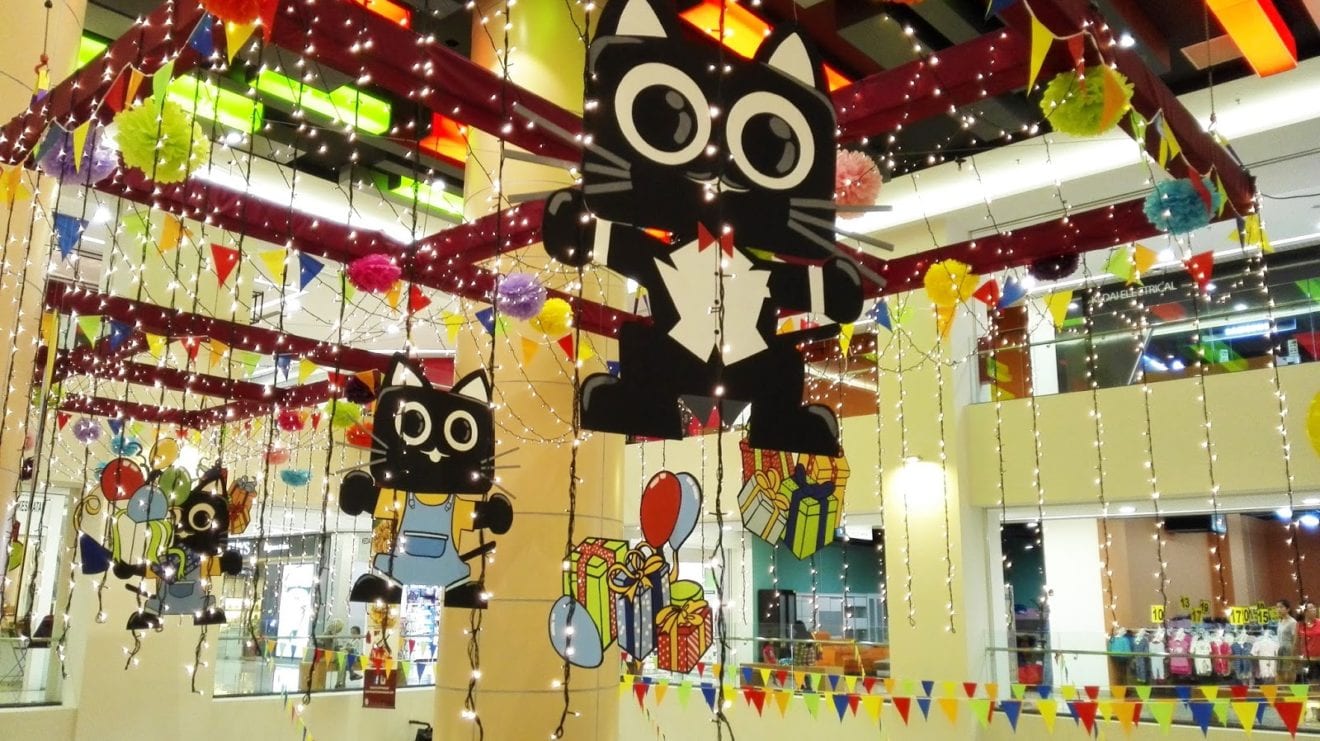
    Main Place Mall is recognised in marketing in Malaysia by its distinctive cat logo and character (pictured above). Centre management explains cats have long been revered as “a mythical creature across cultures and traditions”.

    “They are regarded as the guardian of the home and embody domestic goodness. Being ‘Your Neighbourhood Mall’, we want you to feel at home when you’re here and we assure that you will be well taken care of.”

  • Alibaba Lunar New Year retail blitz planned

    Alibaba Lunar New Year retail blitz planned

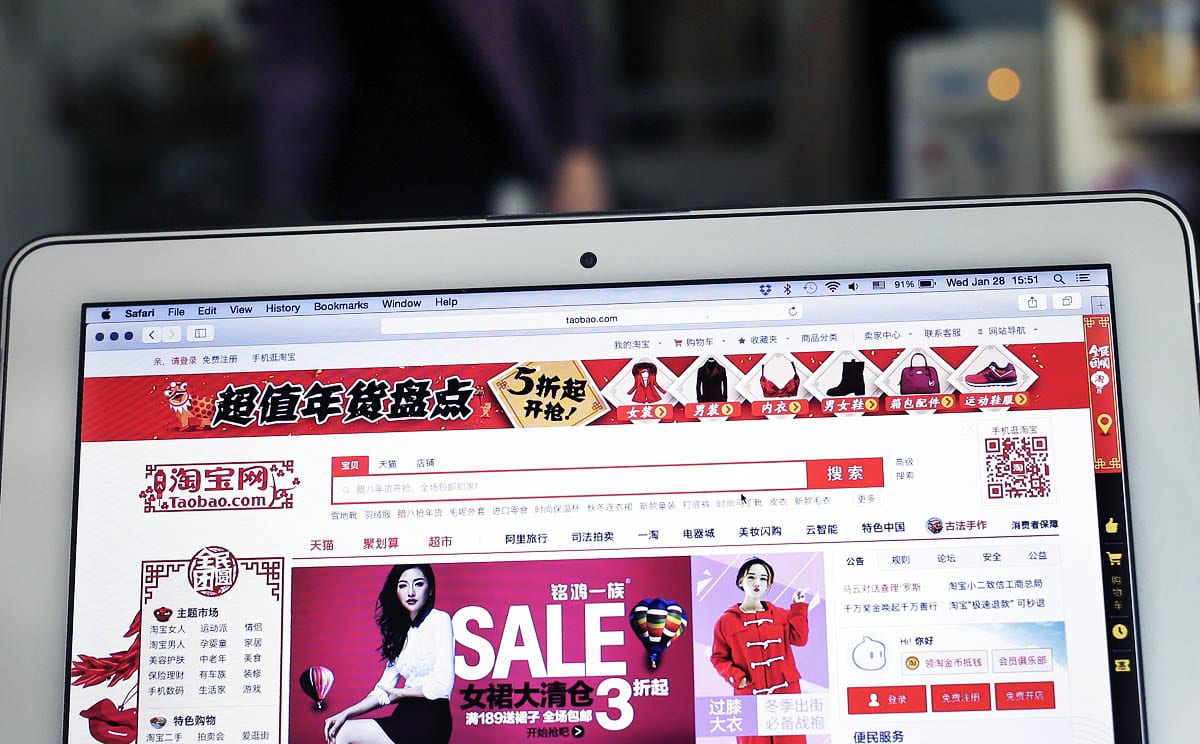
    Alibaba plans to piggyback on the biggest celebration on the Chinese calendar – Lunar New Year – in the hopes of establishing another e-shopping tradition.

    Set to start in mid-January in the run-up to Chinese New Year, which falls on February 8 this year, theAlibaba Lunar New Year blitz – dubbed Ali Chinese New Year Shopping Festival – will have a different (and arguably less feverish) feel to it compared with the sprawling and competitive 11.11 sale, according to Alibaba.

    The company says its goal for the event is to use eCommerce to encourage two-way trade between China’s urban and rural areas, featuring discounted holiday products for the home, gifts, clothing and particularly food and agricultural products, in keeping with the spirit of a time when family members come together once a year for a celebratory feast.

    “Chinese New Year is the most significant celebration through the year and is a time to maintain traditions,” said Alibaba Group CEO Daniel Zhang at a recent kick-off event.

    By hosting the sale, “we aim to enable rural customers to access an extensive range of New Year goods from home and abroad, while making agriculture products from rural China more available among urban customers.”

    To that end, the event will be promoted heavily by Rural Taobao, an arm of Alibaba Group which focuses on rural eCommerce, as well as main Alibaba shopping marketplaces Taobao Marketplace,Tmall.com and Juhuasuan. During the sale, Alibaba will for the first time bring more than 500 premium overseas brands to China’s hinterlands via Rural Taobao, which facilitates online shopping and home delivery through more than 10,000 rural service centers in villages across China. Rural customers in some villages will be able to buy foods from 25 countries, including American crawfish, Alaska black cod, Russian king crab, Canadian lobster, Australian beefsteak, French wine and British tea.

    Meanwhile, Alibaba’s cross-border shopping channel, Tmall Global, will work with eight country pavilions (online shops offering national specialty products) and eight major supermarkets, department stores and duty-free shops to provide quality goods from around the world. International retailers including Macy’s, Costco, Metro and King Power will join the promotion.

    Alibaba Group executive chairman Jack Ma said the festival is geared not only to offer rural Chinese a chance to buy merchandise that is unavailable in their local shops. It is also meant to boost regional economies by helping farmers generate more income by selling their produce directly to consumers over the Internet.

    “The 11.11 Shopping Festival is designed for netizens,” Ma explained, “while the Chinese New Year Shopping Festival is created for farmers.”

    During the sale, Alibaba will promote local specialties from farmlands and pastures to urban online shoppers looking for healthy foods. Juhuasuan, Alibaba’s flash sales platform, has stored 150 tons of Jinhua ham, 100 tons of beef from Inner Mongolia, four million organic eggs, 10 million packs of Cantonese sausages, 50,000 kilograms of pork from the Dabie Mountains, and 30,000 grain-fed hens from Shuanglian in Hubei province.

    In addition to facilitating rural-urban commerce, Alibaba is using the sale to showcase innovations in O2O eCommerce and financial technology. For example, Rural Taobao developed a mobile app so that migrant workers unable to return home for the holiday can use their smartphones to purchase gifts for faraway parents and loved ones.

    Tmall Global recently partnered with the Tianjin Free-trade Zone to open a brick-and-mortar store near Beijing where customers can check out a wide range of products, from snacks to cosmetics, available from overseas merchants and order them by scanning QR codes using their phones. Built to facilitate cross-border eCommerce, the “Alibaba experience center” will offer special discounts during the CNY sale.

    Alibaba e-payments affiliate Alipay is again putting a high-tech spin on the Chinese New Year practice of giving red envelopes stuffed with cash to friends and family. Alipay this year is the exclusive partner of China’s Spring Festival Gala, an annual TV program hosted by CCTV that is watched by millions. During the show, viewers armed with the Alipay app will be able to receive virtual red packets distributed by Alipay and participating merchants. Alipay said it has landed more than 100 corporate sponsors, including taxi-hailing firm Didi and handset maker Huawei.

    Advance sales for the Ali Chinese New Year Shopping Festival are set to start January 14. The actual shopping festival will begin January 17 and will last for five days.

    Other Festival initiatives include:

    • Alibaba in cooperation with local governments has chartered trains to provide free transportation to migrant workers to return home for the holiday. The trains will run from Guangzhou to Guiyang and from Shanghai to Xi’an.
    • Alibaba will organize free Chinese opera performances in rural communities.
    • The company will provide assistance to 13,000 rural service center managers so they can host 10,000 New Year’s Eve dinners for the elderly, left-behind children and disabled people.
    • Taobao Marketplace is featuring “time-honored brands” that are widely recognized in China for their connection to Chinese New Year and staying power through generations. Mobile Taobao plans to launch related location-based services to help users find nearby stores carrying these brands.
    • Alitrip, Alibaba’s online travel service platform, has designed several tour routes along which tourists can experience folk customs such as floating lotus-shaped lanterns on rivers in the city of Lijiang in Yunnan Province.

  • Visa claims more Filipinos using contactless payments

    Visa claims more Filipinos using contactless payments

    More consumers in The Philippines are using contactless payments, according to the Visa Consumer Payment Attitudes Study 2015.

    It shows that 29 per cent of Filipinos have used contactless payments for transactions over the past year, up from 21 per cent in 2014. Cardholders cited the convenience of the system, security and ease of use among reasons for using contactless payments.

    Trends in payments behaviour and openness to using contactless payments were identified by the study which surveyed consumers in six Southeast Asian markets. Contactless payments are made by waving a credit or debit card or smartphone over a point-of-sale terminal, eliminating the need for cash, PIN number or signature.

    “As more Filipinos learn about the convenience, security and speed that contactless payments, such as Visa PayWave, bring to their lives, they are more willing to use them regularly,” says Visa country manager for The Philippines and Guam, Stuart Tomlinson.

    Filipinos’ awareness for contactless payments has risen 62 per cent in 2014 to 66 per cent last year. This has led to usage growing from 21 per cent last year to 29 per cent.

    Using contactless payments help save time, report 78 per cent of respondents (up from 58 per cent in 2014). The same percentage said system means they don’t need to carry cash (also up from 58 per cent), and 55 per cent said contactless payments are easier than using cash – a leap from 9 per cent in 2014.

    It was also revealed that Filipinos recognise contactless payments as being less hassle to use (41 per cent) and safer (36 per cent), while freeing them from queueing (34 per cent) and giving them a more enjoyable shopping experience (22 per cent).

    In The Philippines, contactless payments are mainly used for groceries plus food and beverage – 57 per cent for groceries, 37 per cent for F&B, 28 per cent for fashion and accessories, 27 per cent for beauty and cosmetics, 25 per cent for health and wellness services, 23 per cent for movie tickets, and 22 per cent for household electronics. Another revelation was that women are buying across all categories, however men use these payments more than women for transportation (8 per cent of total purchases). Other expenditures include books, CDs and DVDs (18 per cent), personal electronics (18 per cent), financial services (17 per cent), and events and concerts (10 per cent).

    Most respondents (80 per cent) said they prefer to buy products and services from retailers who offer contactless payments, and 84 per cent are interested in making payments with contactless wearables, such as smartwatches. Women would like to make such payments for groceries (67 per cent) while men prefer them for buying food and drinks (62 per cent).

    Users said security is also important, which is addressed by contactless cards having multiple layers of security including EMV chip technology and dynamic encryption. As they have a short read range, they are claimed to be virtually impossible to compromise. Financial institutions and credit card companies also monitor transactions to identify suspicious and unusual transactions.

    “Given growing awareness, use and openness to contactless payments among Filipinos over the past year, there is an immense opportunity for businesses to grow their market share by adopting the technology,” says Tomlinson.

  • Tumi Japan buys out partner

    Tumi Japan buys out partner

    Luxury travel goods retailer Tumi has bought out its local Tumi Japan partner to gain full control of its retail and wholesale activities in what is one of the world’s largest luxury markets.

    Tumi Japan runs a network of 13 stores and an eCommerce website, as well as distributing Tumi product across an extra 150 points of sale across the country.

    CEO/president Jerome Griffith says the acquisition of the partner’s 50 per cent stake is aimed at strengthening the company’s position within the Japanese and Asia Pacific region.

    “We have been pleased with the strong acceptance of our brand among Japanese consumers, and remain excited about the long-term growth prospects of this region. We look forward to welcoming the Tumi Japan team into the family and look forward to integrating this region into the business, sharing our expertise, brand power and retail strategy to drive it to the next level,” Griffith said in a statement.

    Tumi expects the acquisition will be earnings neutral to its consolidated financial results this year, and accretive to earnings thereafter.

  • Starbucks Indonesia reopens stores after attack

    Starbucks Indonesia reopens stores after attack

    Starbucks Indonesia has reopened stores today after yesterday’s terror attack on one cafe in downtown Jakarta.

    In a statement, Starbucks head office in Seattle said it was “deeply saddened by the senseless act” that took place in Jakarta.

    “Our hearts are with the people of Indonesia. Amidst the attack in Jakarta, initial reports are that an explosion took place close to our store in the Skyline building. One customer sustained injuries; our partners (employees) are all confirmed to be safe.”

    The company said it would be business as usual today (Friday) as it works closely with local authorities and looks to them to provide further updates on what transpired as they learn more details.

    “While this store will remain closed, based on the stabilisation of the situation being conveyed by local authorities, we will open all other stores in Jakarta and across Indonesia.”

    The Starbucks cafe was one of three targets by Isis-linked terrorists in Indonesia’s capital city on Thursday. Two people lost their lives in the attacks, along with five suspected terrorists who either blew themselves up or were shot by police.

  • Asia weighs on Richemont

    Asia weighs on Richemont

    Luxury goods retailer Richemont has reported its first drop in Christmas retail sales in seven years, citing a downturn in Asia and fallout from the Paris terror attacks.

    And worse may be in store in the fourth quarter for the Geneva-based owner of luxury brands including Montblanc, Cartier, IWC Schaffhausen, Net-a-Porter and Alfred Dunhill – especially in the watches category.

    According to data from the Swiss watch industry, stock shipments to Hong Kong, Richemont’s single largest market, are down 28 per cent.

    The company said demand for luxury watches and fashion was significantly down in Hong Kong and Macau in the three months to December 31. Sales in the territories fell by 9 per cent, but that rate was less than the 15 per cent decline for the first nine months of the year, suggesting the decline was levelling out.

    In contrast, Richemont said sales growth in Mainland China “continued to improve”.

    In Europe, sales fell 3 per cent in the quarter after Europeans were spooked by the Paris terror attacks in November, reducing the ranks of tourists to the French capital. That followed “very strong sales growth” in the first half of the financial year, which ends next March 31.

    Richemont’s global sales rose 3 per cent to 2.93 billion euros (US$3.2 billion), but on a constant currency basis fell 4 per cent, one per cent further than analysts were forecasting.