Author: Mei Ling Tan

  • Thailand industry auto sales seen down 10pc in 2016

    Thailand industry auto sales seen down 10pc in 2016

    Thailand’s total domestic car sales are expected at 720,000 in 2016, down 10 percent from 2015, Toyota Motor Corp’s Thai unit said on Thursday.

    Toyota, which commands about a third of the Thai market, sees a 9.8 percent fall from 2015 in its annual automotive sales in the Southeast Asian nation to 240,000 in 2016, it said at a news conference.

    Kyoichi Tanada, president of the Toyota Thai unit, said the reason for the fall in both domestic car sales and Toyota’s own car sales were a weak global economy and a new Thai excise tax which would increase the retail prices of vehicles in 2016.

  • Lewis Road Creamery eyes China as potential export market

    Lewis Road Creamery eyes China as potential export market

    Lewis Road Creamery will make a final decision this year whether to export fresh organic milk into China’s Shanghai.

    The premium dairy brand company is also planning to release a number of product extensions and has already moved beyond dairy products into baked goods.

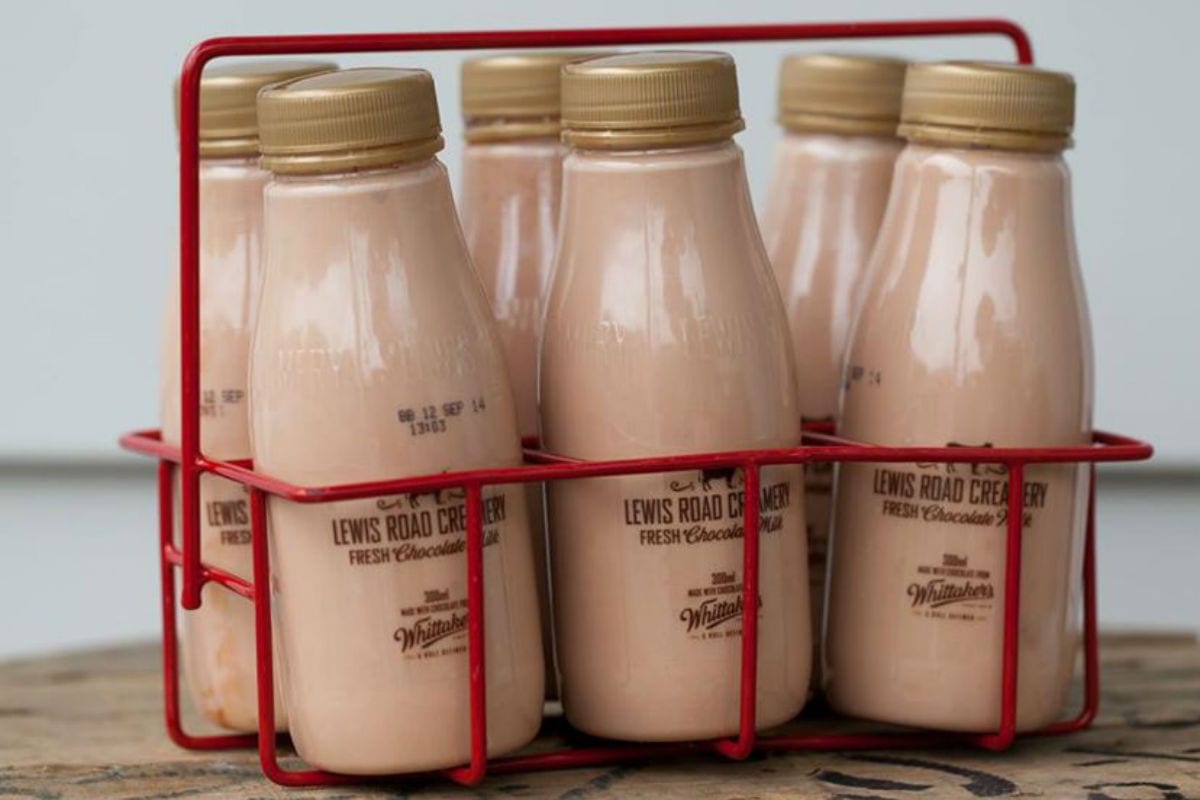
    Lewis Road had 340% growth in retail sales to $40 million of its butter, cream, organic milk, and flavoured milk products during 2015 – the year founder Peter Cullinane calls “the chocolate milk frenzy.”

    His big decisions this year include whether to get serious about exporting and how far to extend the product range beyond dairy. For the past couple of months the company has been trialling sales of Lewis Road Bakery premium kibbled grain bread in 12 Auckland retail outlets.

    Mr Cullinane says the company is exporting small amounts of butter to Australia and has been investigating a wider move, in particular fresh organic milk to Shanghai. Other markets under consideration include Australia, the UK, and the US, though he thinks the latter may be beyond the company’s current reach.

    One of the advantages of being a small operator under a majority owner is the company he founded in 2011 can make decisions more quickly than some of its larger rivals, Mr Cullinane says. “When we do [export], we will do it quickly.”

    But he thinks New Zealand companies are too focused on export, forgetting the local market.

    “We will export when we are doing New Zealand really well,” he says.

    The company’s phenomenal growth in chocolate milk sales, which on launch in 2014 saw queues in supermarkets and security guards overseeing allocation, has abated from 48% between the last quarter of 2014 and the first quarter of 2015 to more normal levels.

    “It was a once-in-a-blue-moon phenomenon,” he says. “But it was an extraordinary boost to the business.”

    Two million litres of chocolate milk were sold last year, with retail sales still a respectable $5.5 million in the fourth quarter of 2015. Discounted bottles have been spotted on sale of late, which Mr Cullinane attributes to an ordering glitch.

    Vanilla and coffee flavours were introduced when it extended flavoured milk into the South Island in October and he says other flavours will be added this year: think strawberry with real fruit.

    Other dairy brand extensions are planned in coming months, which Mr Cullinane prefers to keep under wraps for now but the cream range will have sour cream and crème fraiche added at some point.

    The company’s organic milk sales continue to grow despite increased competition, with Goodman Fielder releasing its own range of three premium organic milks under the Puhoi Valley brand last year and Fonterra launching Anchor Organic last May.

    At the time, Mr Cullinane labelled Goodman’s move “pathetic plagiarism” but has now mellowed to “all competition is good.”

    “The impact it will have is more a slowing down of growth,” he says. “It took us a long while to get well-established and others will struggle to catch up. We have a good head start.”

    Lewis Road holds half of the domestic organic dairy market, which has seen significant growth in the past two years, providing the bulk of increases in fresh milk sales.

    Problems with lack of supply during the dry season mid-2014 were avoided last year following the setting up of the Organic Dairy Hub farmer collective, which has long-term supply contracts at a premium price with the brand’s processor, Green Valley Dairies.

    Mr Cullinane says two key things he was mulling this year were “bringing the farmers market to the supermarket” with fresh premium products such as bread and honey, and meeting “customer demand for products that have more and better ingredients put back in.”

    He received a staff gift this Christmas – a bell that will sit on his desk. It’s an idea originating from the Guinness brewery company where staff ring the bell when things start going off track, he says.

    “Some products we will get wrong…that’s the price of experimentation, you just have to do it and hopefully nothing will be too wrong.”

    (BusinessDesk)

  • French Manufacturer to Release Smartphone in Indonesia

    French Manufacturer to Release Smartphone in Indonesia

    French smartphone vendor, Wiko Mobile, will release its latest product in Indonesia this Friday. The product dubbed Pulp Fab is expected to enliven smartphone sales competition at the beginning of the year.

    Chief Sales Officer Wiko Mobile Indonesia Sung Khiun said the product has various advanced features.  “To enjoy its various applications through a 2GB RAM,” he said in Solo on Tuesday, Jan. 19.

    Pulp Fab features an octa-core processor, allowing maximum performance when running game apps and high resolution HD films.  Its believe to be able to optimize multitasking performance when switching from one app to another.

    One of the advantages of Pulp Fab is the Floating Video Player feature.  Through this feature, users can enjoy watching video while doing other activities simultaneously.  In other words, users can minimize the video display when displaying other apps on the smartphone screen.

    Pulp Fab will come with a 13MP rear camera and 5MP front camera.  Its camera resolution will be able to satisfy users in capturing important moments.  “Including selfie lovers,” said Sung Khiun.

    For game lovers, Wiko has added a USB On The Go (OTG) feature for on the handset, which is compatible with a mouse.

    Pulp Fab sport a 5.5-inch HD display with 1280×720 pixels.  Its design is a combination of premium metallic frame effect and soft leather on the back.

    Unfortunately, Sung Khiun is still reluctant to leak its price which is scheduled to make its roll out in Bandung.  “It will definitely be under Rp2 million,” he said.  With the relatively cheap price, Wiko hopes  to expand its market segment, starting from entrepreneurs, office workers, and teenagers.

  • Mihaibao Brings Luxury Brands to China

    Mihaibao Brings Luxury Brands to China

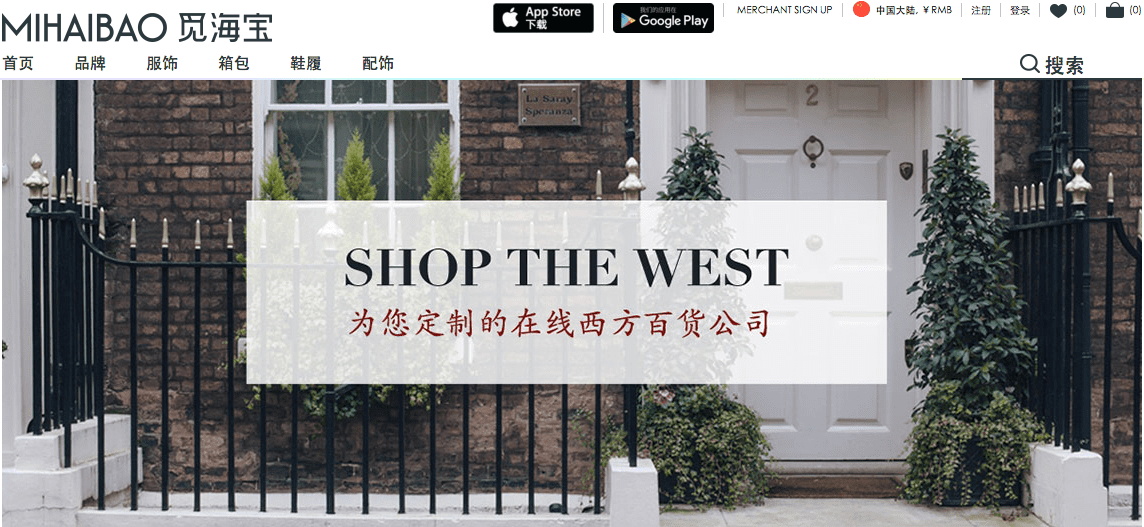
    Luxury retail tech start-up Mihaibao is looking to disrupt how Chinese consumers shop for luxury goods and how Western brands reach Chinese markets. And investors are certainly taking notice.

    Although still in a beta testing phase, the company is making waves due in part to the big-name participants in its $1.6 million seed round. Investors at this stage include Alibaba angel investor and former CTO John Wu, the UK Government and Royal Family, PayPal and more.

    “Chinese people are obsessed with Western luxury goods,” said Mihaibao co-founder Jacqueline Lam. “But on international websites, Chinese customers are dealing with language barriers, multiple shipping fees, and foreign currencies and payments.”

    Mihaibao co-founder Jacqueline Lam.Mihaibao co-founder Jacqueline Lam.

    Furthermore, while Western brands are eager to tap the Chinese market, “many do not understand the Chinese culture, shopping behaviour and trends, making China a high-risk investment,” said Lam.

    While many luxury brands have launched bricks-and-mortar stores in China, the taxes and mark-ups are high and the ranges often limited. Many such stores have been forced to slash prices, according to Bloomberg, due in part to online competition. China also has a massive ‘grey market’ for luxury goods fuelled by shopping agents who make a living moving Western luxury goods into China and reselling them.

    All of this means that there is massive demand in China for luxury goods but no real simple or satisfactory way of connecting consumers with the brands they want. And that is what Lam and Mihaibao are trying to do.

    Mihaibao is essentially a tech company. It has partnered with more than 200 Western luxury brands — including the likes of Chanel, Dolce & Gabbana, Gucci, Jimmy Choo, Valentino and many more — which are featured on the Mihaibao website. Shoppers pick what they want from the website and Mihaibao calculates prices and shipping costs via live currency conversion and deals with any tax or customs issues, for a percentage of the sale.

    As a tech company, Mihaibao is also focusing on its data capabilities, which it’s using to analyse key trends in the Chinese market to help its brands bring the right products to Chinese consumers.

    “Not only can we tailor the Chinese shopper’s experience but we can also help brands target the people that have created demand for a particular product — we know how the Chinese shopper thinks,” Lam told CNN.

    Together with streamlining the shopping process for Chinese consumers, Mihaibao is also working to establish consumer trust with buying luxury Western goods online. Many consumers have trust issues with major marketplaces, like China’s Tmall, which often sell counterfeit luxury goods side-by-side with the real thing.

    Whether Mihaibao can bridge the gap between Western luxury brands and eager Chinese consumers remains to be seen. But this young start-up’s powerful backers are certainly making people sit up and take notice.

  • Burberry sales edge up after improvements in China

    Burberry sales edge up after improvements in China

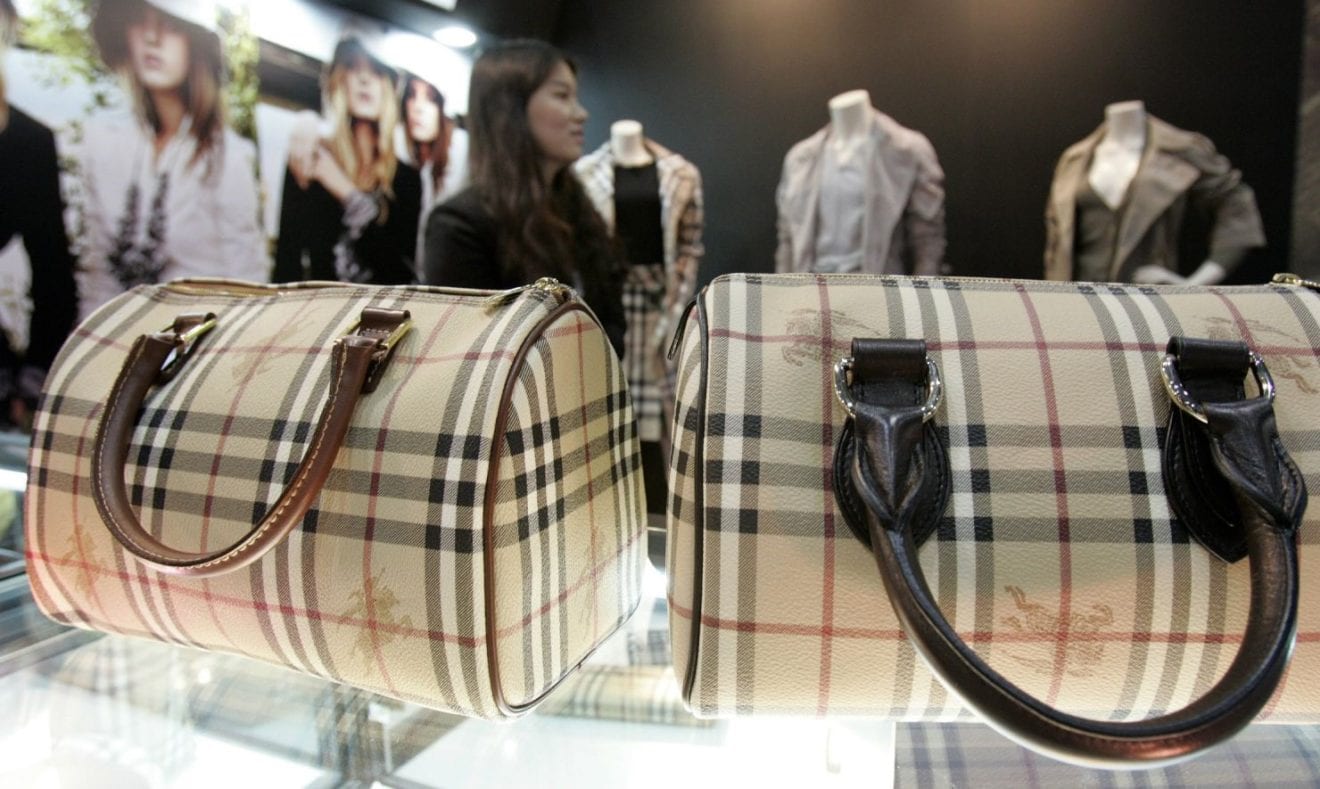
    Luxury goods maker Burberry says its retail revenue rose 1 percent in the last three months of 2015, as its critical market in mainland China returned to growth.

    Shares in the company rose on the London stock exchange on Thursday, possibly due to investor relief that demand in mainland China held up.

    The revenue growth was nevertheless far below the double-digit increase enjoyed a year earlier. Sales in Hong Kong declined by over 20 percent, hurting results for the Asia-Pacific region.

    Christopher Bailey, chief creative and chief executive officer, says headwinds in Hong Kong and Macau “masked an otherwise stronger performance in many markets.”

    Anusha Couttigane, a senior consultant at retail analyst Conlumino, says “for all Burberry’s investment in experiential retailing, its Q3 performance has enjoyed little Christmas cheer.”

  • Cigarette sales to minors: Shop’s licence revoked

    Cigarette sales to minors: Shop’s licence revoked

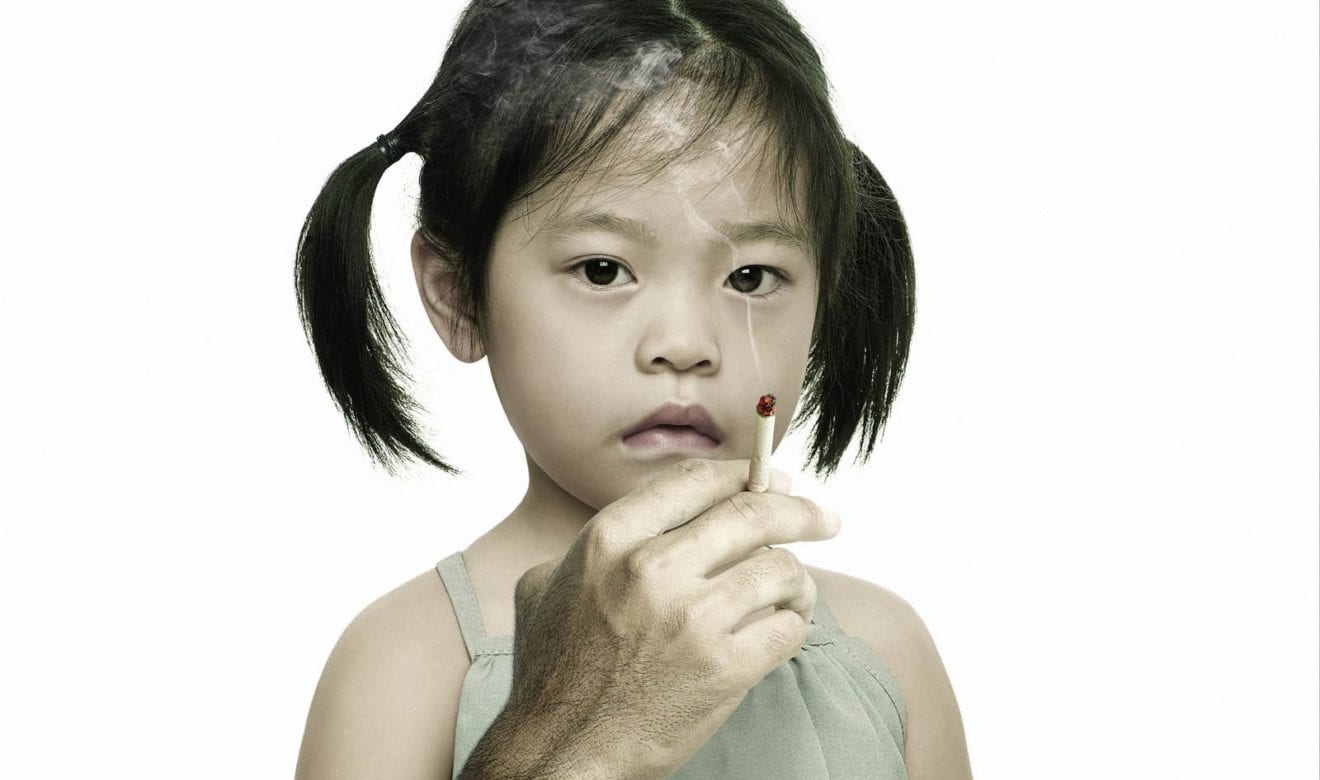
    A shop in Bedok has had its tobacco retail licence revoked after it was found to have repeatedly sold tobacco products to minors.

    Two other shops – a 7-Eleven outlet at 523, Bukit Batok Street 52 and Blu Jaz at 11, Bali Lane – have had their licences suspended by the Health Sciences Authority (HSA) for six months for the same offence. Both sold tobacco products to those aged under 18 for the first time.

    The shop whose licence has been revoked, Bedok Goodwill Store – located at 79, Bedok North Road – had already seen its licence suspended for six months in 2012 for the offence.

    Despite that, the outlet continued to sell tobacco products to the underaged, with the most recent case involving three minors in school uniform in two separate incidents on the same day, the HSA said in a press release yesterday .

    The seller also took the opportunity to profit from the sales by selling the cigarettes at a higher price than the actual retail price, it added.

    The shop’s licence was revoked on Dec 10 last year, meaning it is no longer allowed to sell tobacco products, the release said.

    The HSA said the three sellers, all employees of the three respective shops, failed to check the ages of the minors before selling them the tobacco products.

    They were caught following the HSA’s ground surveillance and enforcement activities.

    The authority has reminded licensees that they are responsible for all transactions of tobacco products at their outlets, and for the actions of their employ-ees.

    Anyone convicted of selling tobacco products to those aged under 18 faces a fine of up to $5,000 on the first offence, and a fine of up to $10,000 for subsequent offences.

    In addition, the tobacco retail licence will be suspended for six months for the first offence, and revoked for the second.

    However, any outlet found selling tobacco products to anyone aged under 18 in a school uniform, or anyone below 12 years of age, will have its licence revoked, even for the first offence.

    Twenty-five licences have been suspended and 22 revoked in the last three years, the HSA said.

    A list of these retailers can be found on the HSA’s website (www.hsa.gov.sg) under Health Products Regulation.

    Anyone with information on the illegal sales of tobacco products to minors can call the Tobacco Regulation Branch on 6684-2036 or 6684-2037 during office hours.


  • Tanjong Pagar Centre: New tallest building in Singapore after 20 years

    Tanjong Pagar Centre: New tallest building in Singapore after 20 years

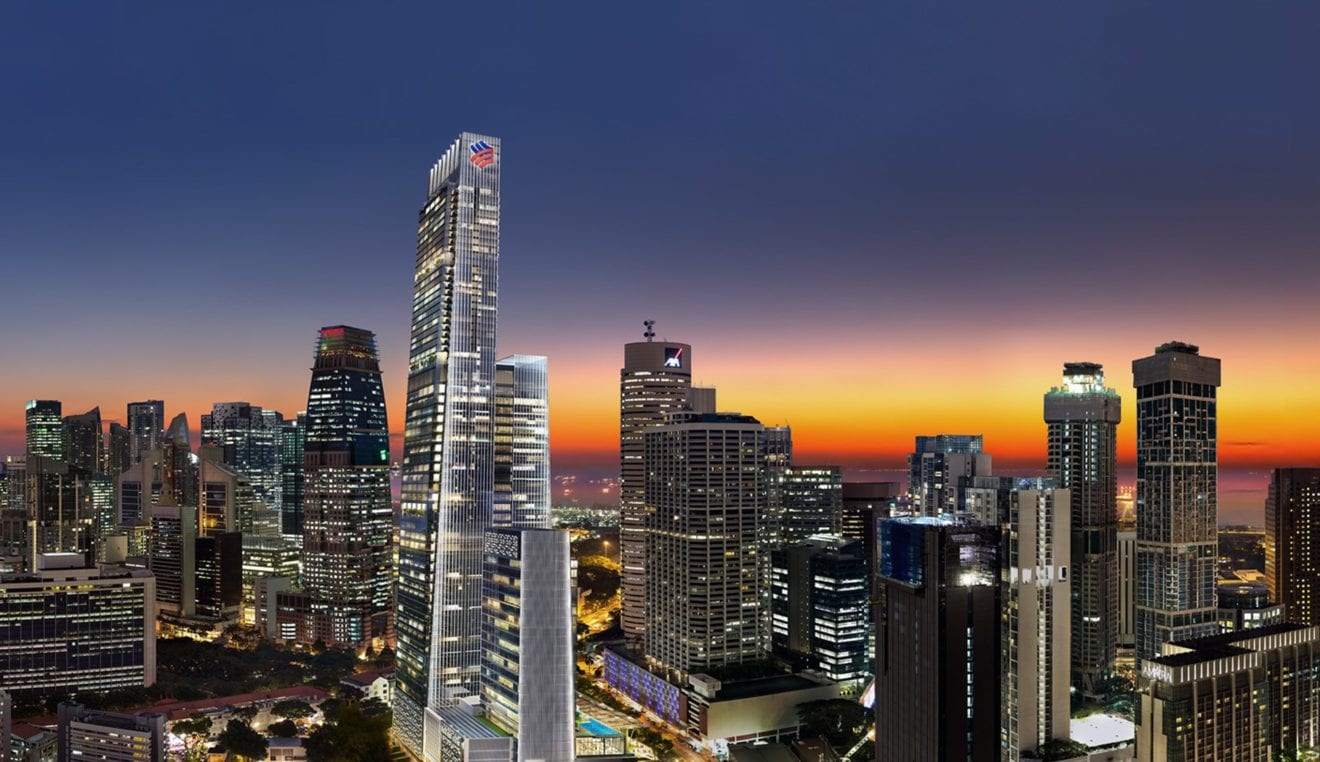
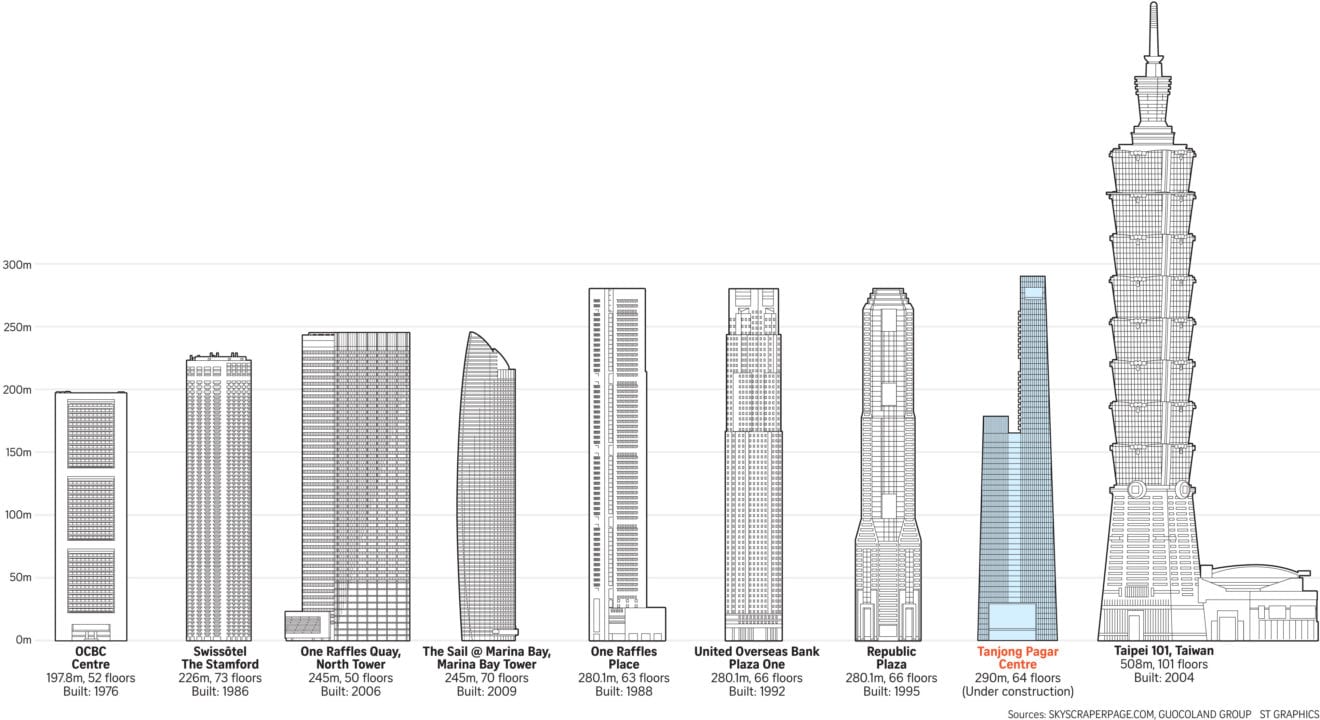
    It’s a record that has held for more than 20 years but by the middle of the year, Tanjong Pagar Centre will claim the title of the tallest building in Singapore – even if it is by just 10m.

    At 290m, Tanjong Pagar Centre will tower over the central business district, displacing UOB Plaza One, One Raffles Place and Republic Plaza, which had jointly held the title.

    The three buildings are about 280m tall – One Raffles Place was completed in 1988, UOB Plaza One in 1992 and Republic Plaza in 1995.

    But the buildings here pale in comparison to some of their overseas counterparts. The tallest building in the world is the 829.8m Burj Khalifa in Dubai; nearer home in Taiwan, Taipei 101 reaches 508m, almost double the height of Tanjong Pagar Centre.

    Last week, Tanjong Pagar Centre’s developer GuocoLand held a topping out ceremony, with National Development Minister Lawrence Wong as guest of honour.


    Sources: SKYSCRAPERPAGE.COM, GUOCOLAND GROUP ST GRAPHICS

    The 64-storey development, which cost $3.2 billion, comprises Guoco Tower, or 890,000 sq ft of Grade A office space; 100,000 sq ft of retail and food and beverage space; a 100,000 sq ft urban park; a 181-unit luxury residential component Wallich Residence; and the 222-room Sofitel Singapore City Centre hotel.

    The take-up rate at Guoco Tower is about 10 per cent. Tenants who have signed on include DNB Asia, Hong Leong Bank, Open Link and Regus. The company is in advanced discussions with tenants who could potentially form another 40 per cent of demand.

    While the office leasing market is not as exuberant as several years ago, there is still activity – from companies looking to upgrade, contract or expand, GuocoLand Singapore managing director Cheng Hsing Yao told reporters yesterday.

    Many interested parties are looking for half a floor, or a floor or two, and they tend to sign on closer to when the building is completed and they can see the product, he said.

    The retail component is 60 per cent committed, with gym operator Virgin Active as the anchor tenant.

    As for Wallich Residence – which was recently renamed from Clermont Residence, to honour its street address – 16 units have been sold since its soft launch at an average price of about $3,200 per sq ft.

    But while the building is the tallest in Singapore, Mr Cheng said it was not given a lofty name because GuocoLand wanted the building to reflect its surroundings.

    “It goes back to why we were interested in this piece of land… It is geographically in the heart of the district, which has offices, residences and hotels, and heritage shophouses… The name will grow and we are confident that we will create a transformation in Tanjong Pagar,” he said.

    And now that the building is close to completion, Mr Cheng said he had seen the view from the top and “it was really amazing”.

  • Singapore’s hip enclave Dempsey stays fresh with bigger, better offerings

    Singapore’s hip enclave Dempsey stays fresh with bigger, better offerings

    The new Loewen cluster by Dempsey Hills. — TODAY pic

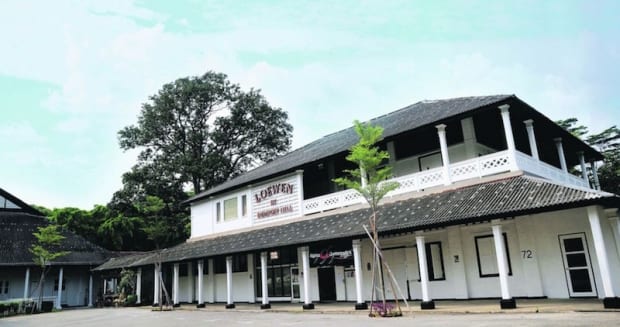
    The new Loewen cluster by Dempsey Hills.

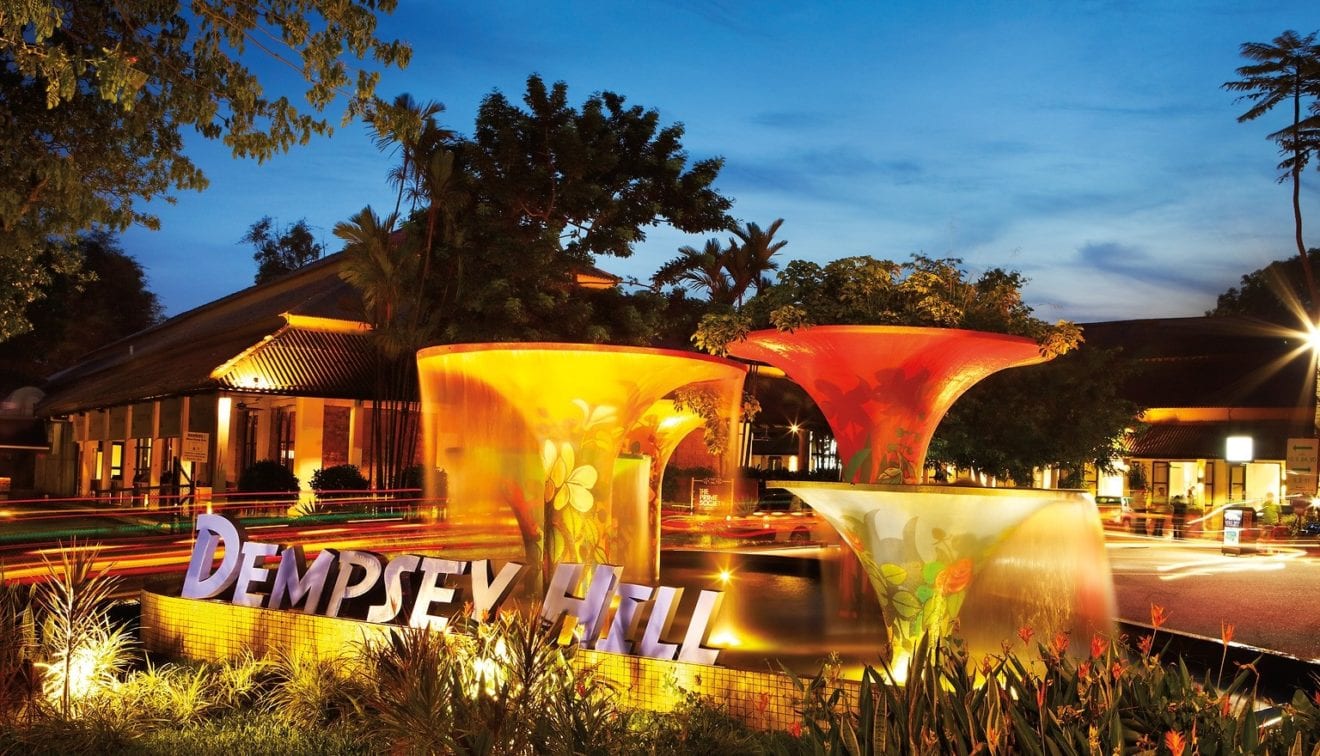
    Quick, name us the coolest hot spots in Singapore. Chances are, you’ll be rattling off places such as Telok Ayer, Keong Saik and even Tiong Bahru. But what about the Dempsey area? Well, while it has become more of a leisurely family weekend destination in recent years, further transformation is in the pipeline and Dempsey is beginning to have a buzz again.

    Last month, it was announced that COMO Lifestyle by Club 21 fashion doyenne Christina Ong won the bid to develop two blocks in Dempsey with its proposal to open fashion concept store Dover Street Market, a Jean-Georges Vongerichten restaurant and bar, and COMO Cuisine, a new restaurant concept.

    This comes hard on the heels of a string of other high-profile developments in the neighbourhood: In November, Loewen by Dempsey Hill, a new cluster best known for being the venue for Chanel’s first Cruise collection show in Asia in 2013, opened. It now houses 13 new tenants with an emphasis on family and educational offerings such as Tanderra, a clubhouse for families with facilities for both kids and adults, as well as Impressions Art Studio, Alpha Gymnastics and Little Mandarins. Events held there have also taken a family-friendly slant, such as a Christmas market and an upcoming Chinese New Year kids’ fashion show and fair, from January 21 to 23.

    Meanwhile, Huber’s Butchery relocated to Block 22 in October. Its new two-storey 13,000sqft home is twice the size of its former address at Block 9, allowing Huber’s to have an outdoor playground for kids, a demonstration kitchen for cooking classes, a staggering selection of 150 varieties of cheese — said to be the largest in town — as well as the longest meat and sausages counter in Singapore at more than 40m long. Portico launched its second outlet Portico Prime at Block 10 in November featuring a more upmarket repertoire of dishes and a Chef’s Table. One Michelin-starred chef Carles Gaig from Barcelona also quietly opened an outpost at Block 16A called La Ventana in June.
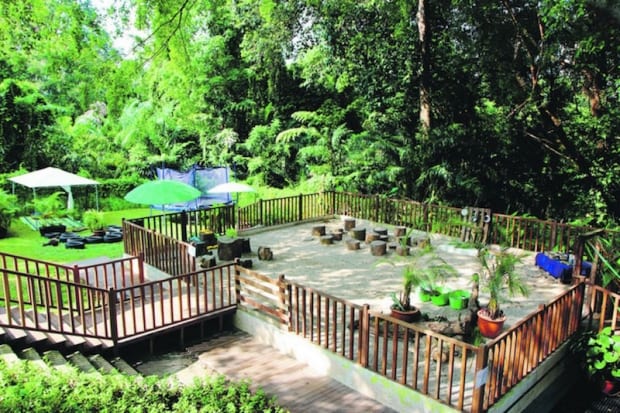
    Think of Tanderra as a clubhouse for families with everything you need for a fun, relaxing day out. — TODAY picThink of Tanderra as a clubhouse for families with everything you need for a fun, relaxing day out. — TODAY picAnother new entrant is Open Farm Community. This latest baby from the Spa Esprit Group is not simply a restaurant — it is, as its name suggest, a farm and a community hub educating diners about the origins of food. The restaurant is popular with the brunch crowd since it opened in July, and has since organised several events such as ice cream and sauce masterclasses, as well as its popular Social Market held every second weekend of the month.

    Discovering more

    For a Dempsey stalwart such as the Spa Esprit Group, which has been here since establishing House in 2007, these changes are a sign of how the area has matured. Lifestyle maven and founder of the group Cynthia Chua recalled how Dempsey was like “a big isolated enclave in the middle of the city” when she made her foray here. “When Dempsey first started, the F&B scene here was still at its infancy stage; indie cafe culture was just beginning. I love (how Dempsey has) the seafood mass hall concept juxtaposed with creative cafes and kid-friendly places, ice cream parlours and spas. The variety of brands reached out to the diversity of the crowd. This diversity made Dempsey a success. It was original,” she said.

    Executive director of Huber’s, Andre Huber, concurred. Having been in Dempsey since October 2008, Huber said the area has definitely changed over the years from “a quiet laidback place to a more vibrant shopping and F&B area with unique concepts”.

    Of course, housing these concepts in colonial buildings amid lush greenery helps tremendously. “This created a unique and delightful urban sanctuary that cannot be found anywhere else in Singapore,” added Nicholas Ng, general manager of Country City Investments, which manages Dempsey Hill and Loewen by Dempsey Hill.
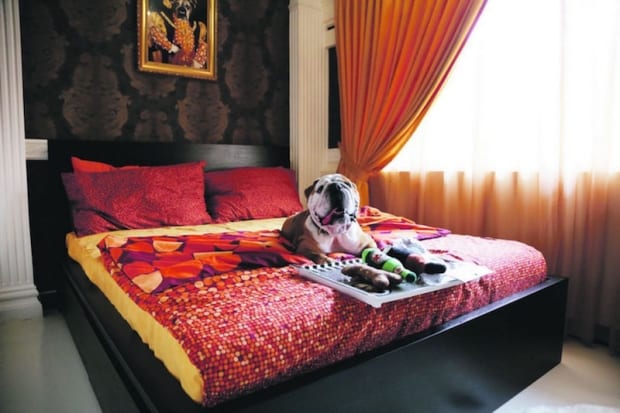
    The Royal Suite of The Wagginton Pet Hotel. — TODAY picThe Royal Suite of The Wagginton Pet Hotel. — TODAY picAnd it’s not just locals who appreciate this charming diversity. Ranita Sundramoorthy, director, Attractions, Dining and Retail, Singapore Tourism Board, said visitors enjoy Dempsey Village as a tranquil hideaway with a distinct character and nearby attractions such as the Orchard Road shopping belt and Singapore Botanic Gardens.

    This is why Country City Investment has taken the opportunity to get Singaporeans and travellers more familiar with the enclave by launching Dempsey Walking Trails. The four trails aim to take visitors through its nature and heritage as well as its food, lifestyle and kid-friendly options. Downloadable maps also offer interesting factoids such as how Loewen by Dempsey Hill used to be the Tanglin Military Hospital and was once also the home of the SAF Music and Drama Company.

    Coming attractions

    Still, there’s no denying the huge boost that comes from having internationally renowned names such as COMO and Dover Street Market. Sundramoorthy expects the COMO Lifestyle Cluster to “significantly contribute to the vibrancy of Dempsey and Singapore’s tourism scene”, especially since brands such as that of the Jean-Georges Vongerichten restaurant are not available in South-east Asia.

    Dempsey’s tenants welcomed news of the COMO Lifestyle cluster. Country City Investment, which is the biggest player in the enclave, doesn’t foresee COMO’s upmarket and fashionable positioning affecting the family-friendly destination. Instead Ng feels this is “win-win situation” as the tenant mix is complementary.
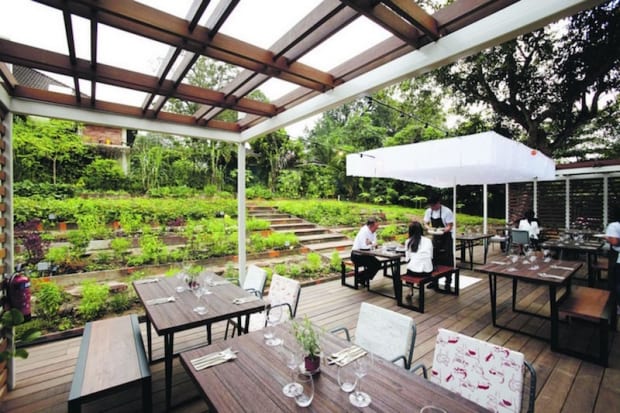
    Live out your farmer fantasies at Open Farm Community. — TODAY picLive out your farmer fantasies at Open Farm Community. — TODAY picAnd even though the well-loved House is a similar lifestyle hub with a spa and beauty emporium in the same building, Chua feels there won’t be any competition with the COMO Lifestyle cluster. “House is about familiarity, comfort food reinvented and a laidback green space that is unique, while COMO targets the high-end luxury crowd,” she pointed out. To keep guests intrigued as House turns 10 next year, Chua’s team recently introduced a revamped high tea offering while a new menu of comfort foods with a distinct Singaporean spin is currently in the works.

    Fans of Dempsey don’t expect the area to transform too much with the addition of the COMO Lifestyle Cluster. “Each restaurant and block in the Dempsey area is pretty self-contained. I’d probably check out Dover Street Market when it opens, but I don’t think it will change the vibe of Dempsey,” said Shirlie Tang, an events manager. “I’d still hang out at my usual familiar places, like PS.Cafe and RedDot BrewHouse.”

    A spokesperson from COMO Lifestyle declined to comment when the COMO Lifestyle Cluster will be ready. In the meantime, there is more than enough indulgences to keep consumers glutted.
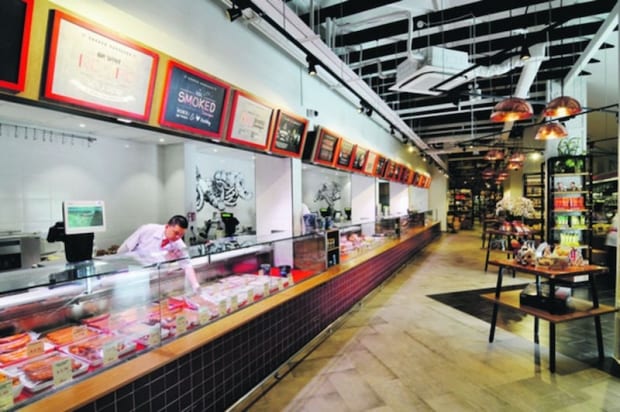
    Huber’s Butchery has the longest meat and sausage counter in Singapore at 40m. — TODAY pic

    Huber’s Butchery has the longest meat and sausage counter in Singapore at 40m.


    New fun outlets to check out at Dempsey:

    Tanderra (73 Loewen Road, #01-21. Tel: +65 6509 3468)

    Its name is an Aboriginal word for “resting place”, and what a resting place it is. This family clubhouse has pretty much everything you want to while away the day with the family. Besides catering to kids with play ateliers and swimming pools, Tanderra boasts a spa, a cosy cafe and multi-purpose rooms for yoga and Zumba lessons.

    Anjali Chocolate (73 Loewen Road, #01-15/16. Tel: +65 6509 6800)

    Craving for handmade chocolates? Besides picking up a gift of chocolatey goodness, you can sign up for workshops and learn how to make truffles and other chocolate treats. Birthday parties and baby showers can also be held here.

    Swish! Swimming School (72 Loewen Road, #01-08. Tel: +65 9832 2522)

    Three words: Temperature-controlled pools. Yes, the pools here are designed to be shiver-free at 32 degrees Celsius, ideal for little ones learning to take to the water. SWISH! Swimming is also a gold-accredited AUSTSWIM school (Australia’s national organisation for the teaching of swimming and water safety) and founder Kristen Romain is an AUSTSWIM Assessor for coaches.
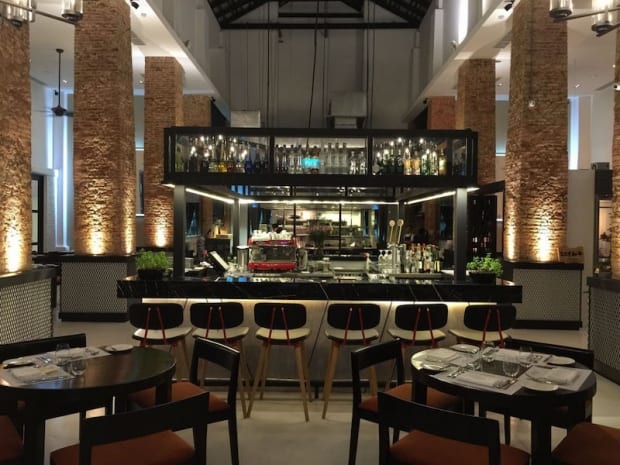
    Portico Prime features a more upmarket repertoire of dishes and a Chef’s Table. — TODAY picPortico Prime features a more upmarket repertoire of dishes and a Chef’s Table. — TODAY picThe Wagington Luxury Pet Hotel (27B Loewen Road. Tel: +65 6471 1689)

    Wagington isn’t kidding when it says it’s a luxury hotel for furry friends. There is a bone-shaped pool with cabanas and parasols for dogs and an outdoor garden with a high-speed air-cooler system to ensure pampered pooches remain cool. Rooms are also equipped with CCTV so pet owners can check in with their beloved anytime. Demand is off the charts so book early.

    Open Farm Community (130E Minden Road. Tel: +65 6471 0306)

    Part farm, part social project, Open Farm Community aims to educate the community about the origins of its food while promoting urban farming and local produce in a delicious setting. Food aside, the restaurant plays host to markets and workshops, and has a dedicated kids’ area.

    Huber’s Butchery (22 Dempsey Road. Tel: +65 6737 1588)

    Huber’s expansive new space now boasts a shady playground for tykes in tow when you’re dining at its 50-seater bistro. It has become more of a gourmet superstore, stocking exclusive craft beers such as Chopfab from Switzerland and Bruce Cost ginger ale from the United States. There are also veggies, fruits and herbs flown in from Australia and cooking classes such as a shabu shabu session at its kitchen studio Tanderra. — TODAY

  • Ted Baker shines over Holiday Season

    Ted Baker shines over Holiday Season

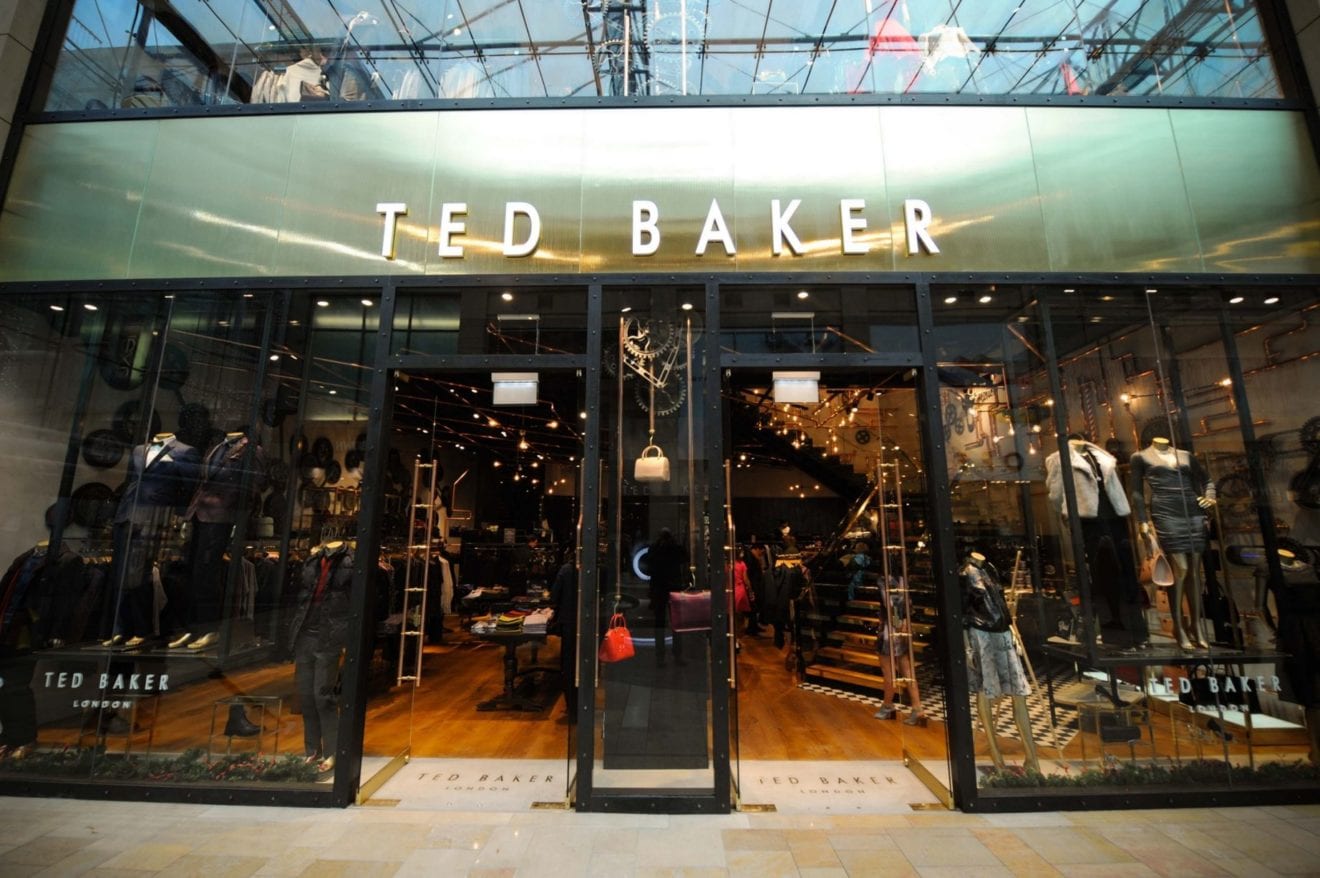
    Quirky fashion and lifestyle label Ted Baker has announced enviable Christmas trading results, with retail sales rising 10.1 per cent (10.6 per cent at constant currency) for the eight weeks to January 9.

    Over the period, the group added 355,907 sqft to its selling space. This helped to augment sales opportunities in the run-up to Christmas, but also highlights that trading during the busiest time of the year did not hold back Ted Baker’s rapid expansion plans.

    The group added concessions in the UK, France, Spain and California, in addition to licensed openings in the form of a new full-line store in Saudi Arabia, a concession in Mexico and outlets in Melbourne and Sydney.

    This geographical spread once again highlights not only Ted Baker’s ambitions to be a truly global brand, but also its willingness to be flexible in its approach as it enters new markets.

    Customer engagement was supported by the success of its ‘Wonders Never Cease’ video campaign, which showcased the brand’s Autumn/Winter range in typical Ted Baker story-telling fashion.

    Despite tough trading conditions and a highly competitive landscape, the company managed to avoid significant discounting, ensuring that expectations around gross margins were met. Furthermore, its eCommerce business witnessed dazzling results, with a 39.1 per cent increase in sales signifying strong performance across all of the group’s sites.

    A winning Christmas will help the company to secure a strong set of full-year results when the year closes on 30 January.

  • Hong Kong foreign trade undergoes structural change

    Hong Kong foreign trade undergoes structural change

    Growth in Hong Kong’s import and export trade exceeded the world average for a long time.

    However, things started to change early last year.

    There is a “new normal” in the city’s foreign trade, which may have a far-reaching impact on its future economic growth.

    Hong Kong’s trade maintained an annual growth rate of 9 percent between 1990 and 2008, compared with an average of 6 percent in world trade.

    The city’s trade managed to grow 3.6 percent even in 2014, versus a 2.8 percent rise around the world.

    However, Hong Kong’s trade volume dropped 3 percent in the first 11 months of last year, and it’s heading for its second annual decline since the financial crisis.

    By contrast, global trade is expected to have grown 2.8 percent last year, World Trade Organization figures show.

    Hong Kong registered a contraction in trade only during the Asian financial crisis.

    What’s the underlying reason for the recent decline in trade?

    Over the last 15 years, the city’s exports to Asian cities jumped threefold, compared with 170 percent growth in the city’s overall exports.

    However, Hong Kong’s exports to other Asian cities dropped 1.7 percent between January and October last year.

    That dragged down overall export growth by 1.56 percentage points.

    Also, it’s a sign that the city’s export destinations are undergoing a structural shift.

    That is closely related to the relocation of the processing trade of multinational companies.

    These firms built a processing trade manufacturing chain in Asia centered around China for several decades.

    Hong Kong benefited from the model of “stores in front and factories behind”.

    However, many multinational companies have moved their factories to low-cost countries because of surging labor costs in China.

    It’s a persistent and structural change. That’s the key reason behind Hong Kong’s falling exports.

    Meanwhile, China is shifting from an export-led economy to a consumption-driven model.

    The country won’t maintain the rapid growth in import and export trade of the past.

    Instead, it will emphasize the service sector.

    As a result, trade between the mainland and Hong Kong will also suffer.

    In addition, the number of inbound travelers to Hong Kong is growing more slowly, and their consumption habits have changed.

    That would exert a huge impact on the city’s retail sales.

    Hong Kong’s exports to the mainland soared 3.4 times over the last 15 years, representing 76.8 percent of the city’s export growth to Asia and 65.8 percent of its overall export growth.

    Now, the city will face challenges in maintaining its role as a trade hub, since the region’s processing trade chain has gone through structural changes.

    Also, Hong Kong’s trade-related service exports surpassed HK$500 billion (US$63.9 billion) in 2014, accounting for half the city’s total exports of services.

    Slower growth in trade will therefore weigh on the exports of services.

    Declining trade growth will also affect economic growth and employment.

    In 2013, the trade and logistics sectors contributed 23.9 percent of the city’s gross domestic product, or nearly 30 percent if related services are included.

    The trade and logistics industries have created 770,000 jobs, or nearly 1 million jobs, including related services.

    Easing trade growth will mean the creation of fewer jobs.

    Nevertheless, the “One Belt One Road” strategy is expected to create several hundred billion dollars of incremental trade for the city.

    And Hong Kong is also involved in regional trade talks in an attempt to open up new markets.

  • DFP upgrades Manila T2 duty free shop offering

    DFP upgrades Manila T2 duty free shop offering

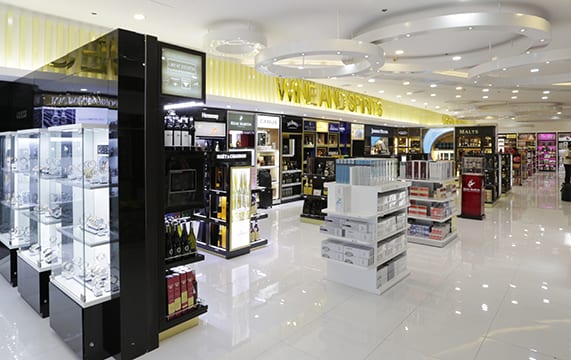
    Duty Free Philippines has recently completed work on upgrading its duty free offer in Manila Airport Terminal 2, which is used exclusively by national carrier, Philippines Airlines.

    The T2 duty free shops currently record the second largest share of duty free sales at Manila Airport, generating a 30% slice of DFP’s total Manila Airport revenue. Arrivals sales in T2 are larger than departures, with the two stores selling liquor, tobacco and chocolates mainly to Filipino workers and travellers.

    “We did an upgrade of our T2 departure store in 2014. We used a Hong Kong designer,” said Duty Free Philippines Merchandising Division Manager Jennifer Start, talking exclusively to TRBusiness. “We have a cute store with boutiques for Chanel, Salvatore Ferragamo, Pandora, Lancôme and Longchamp.

    DFP at Manila Airport T3 departure 3

    This image actually shows the newly refurbished Duty Free Philippines shop in Terminal 3 at Manila Airport – a standard the retailer has set for all of its new shops – including those in Terminal 2.

    “T2 departure hall has one long open shop with liquor, tobacco and confectionery on one side, while the other side is perfume, cosmetics and fashion.”

    DFP’s Internet shopping is also another new service that is planned to boost sales in future, allowing customers to collect pre-purchased goods on departure from the Philippines, or buy goods for collection in airport arrivals or at the downtown Fiesta Mall.

    “We have a website showing our products on offer,” Start said. “Our online shopping platform site is being developed. We are still talking to vendors and hopefully we can get this up soon. We are working on details with the Bureau of Customs.”


  • Tokyo Milk Cheese popup at Hysan Place

    Tokyo Milk Cheese popup at Hysan Place

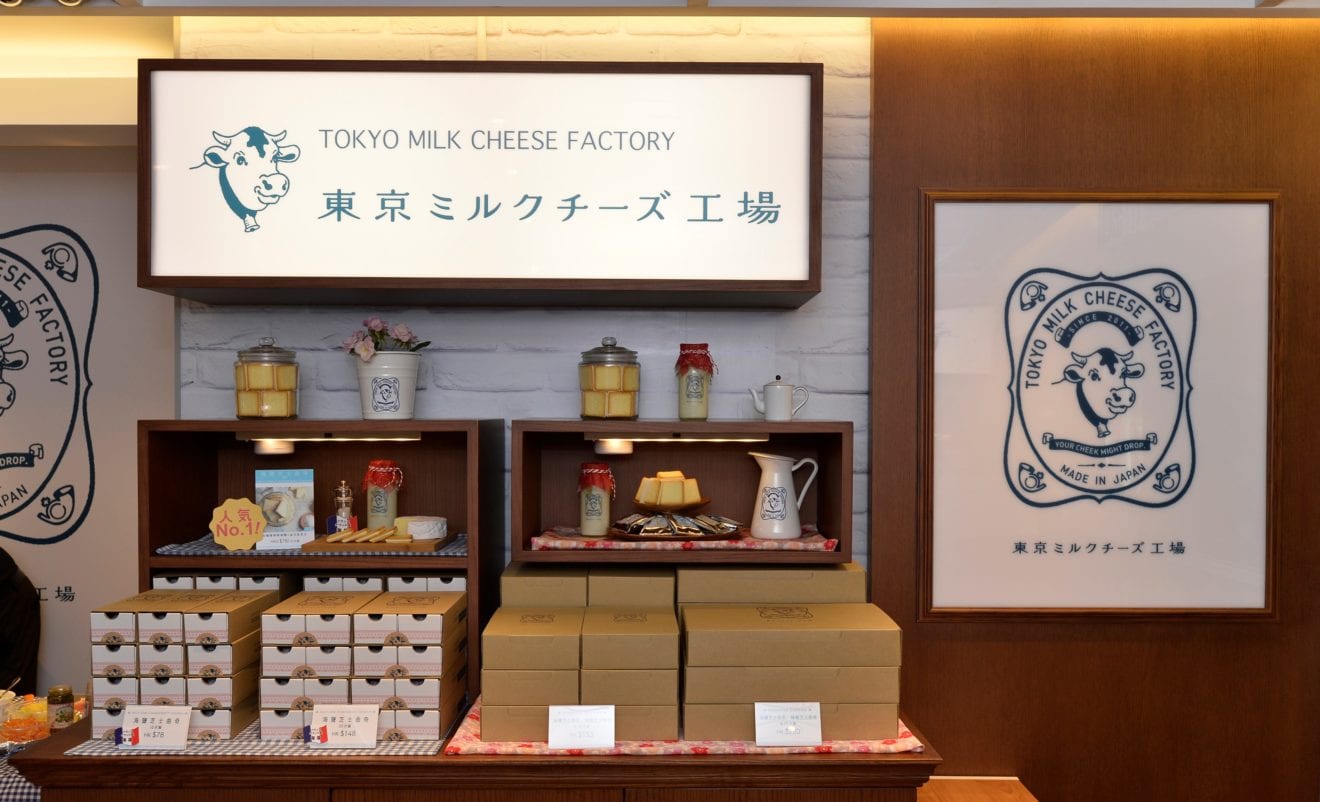
    Japanese dessert concept Tokyo Milk Cheese opened a one day popup store at Hysan Place on Saturday (January 16).

    Tokyo Milk Cheese uses Hokkaido milk to create sweets which it describes as like “no one has ever made”, using carefully selected milk and high quality cheese, combined with ingredients from not only Japan, but also around the world.

    Tokyo Milk Cheese 1

    The concept of Tokyo Milk Cheese Factory is the factory filled with creativity and innovation, the company explains. “We combine the new with nostalgic, the unexpected with the flavorful.”

    Saturday’s popup will feature the company’s Strawberry Milk Roll, combining fresh strawberries with Hokkaido milk and white chocolate mousse.

    Supplies will be flown in from Japan in time for the popup’s opening.

    Tokyo Milk Cheese has a regular store at Hysan Place, at Level 1/F.

  • Apple seeks nod to open India stores amid concerns of slowing sales growth

    Apple seeks nod to open India stores amid concerns of slowing sales growth

    Apple sells its iPhones, iPads and Macs in India through third party resellers, and industry analysts estimate that the Cupertino, California-based company has less than a 2 percent share in India’s smartphone market, dominated by cheaper brands.

    The company has filed an application with India’s Department of Industrial Policy and Promotion to open its own stores, Amitabh Kant, secretary at the federal trade ministry unit told Reuters.

    Apple also confirmed the application filing, but declined to give details.

    Its expansion plans in India come at a time when concerns about slowing growth in the United States and China, the world’s most important market for smartphones, have weighed on the company’s stock in the last few months.

    Shares in Apple, the world’s most valuable company by market value, are down 28 percent from their peak in April last year.

    The company operates more than 450 stores in 18 countries. Chief Financial Officer Luca Maestri told Reuters in October that Apple had 25 stores in China and was opening a new one roughly every month.

    Its plans for India have been held back due to restrictions on foreign investment in the retail industry, which require single brand overseas retailers to buy close to a third of the goods sold at their stores from local producers.

    Apple representatives held talks with Indian government officials about a relaxation of the 30 percent local-sourcing norms before filing the application, said a source familiar with the company’s plans.

    Apple’s plans come against the backdrop of initiatives unveiled by Indian Prime Minister Narendra Modi, who met with Apple chief Tim Cook during his U.S. visit last year, to boost foreign investments in India.

    In November, the government eased foreign investment norms in 15 major sectors, including relaxing the mandatory local-sourcing rule for foreign single-brand retailers in the case of “cutting-edge technology” products.

    Kant said his department would examine Apple’s application in view of the changes made for local sourcing.

    For years, India has been a low priority market for Apple as spending power is weaker than in China, where the company’s iPhones swiftly became must-have devices after their 2007 launch.

    But Apple is now looking to boost its market share in India’s rapidly growing market, and the company’s recent growing spend on advertising in the country has indicated an aggressive campaign to sell more.

    India is likely to overtake the United States to become the world’s No. 2 smartphone market in 2017, according to research firm Strategy Analytics. The local smartphone segment is dominated by Samsung Electronics and India’s Micromax.

  • Divestment of Big C stake to shake up retail industry

    Divestment of Big C stake to shake up retail industry

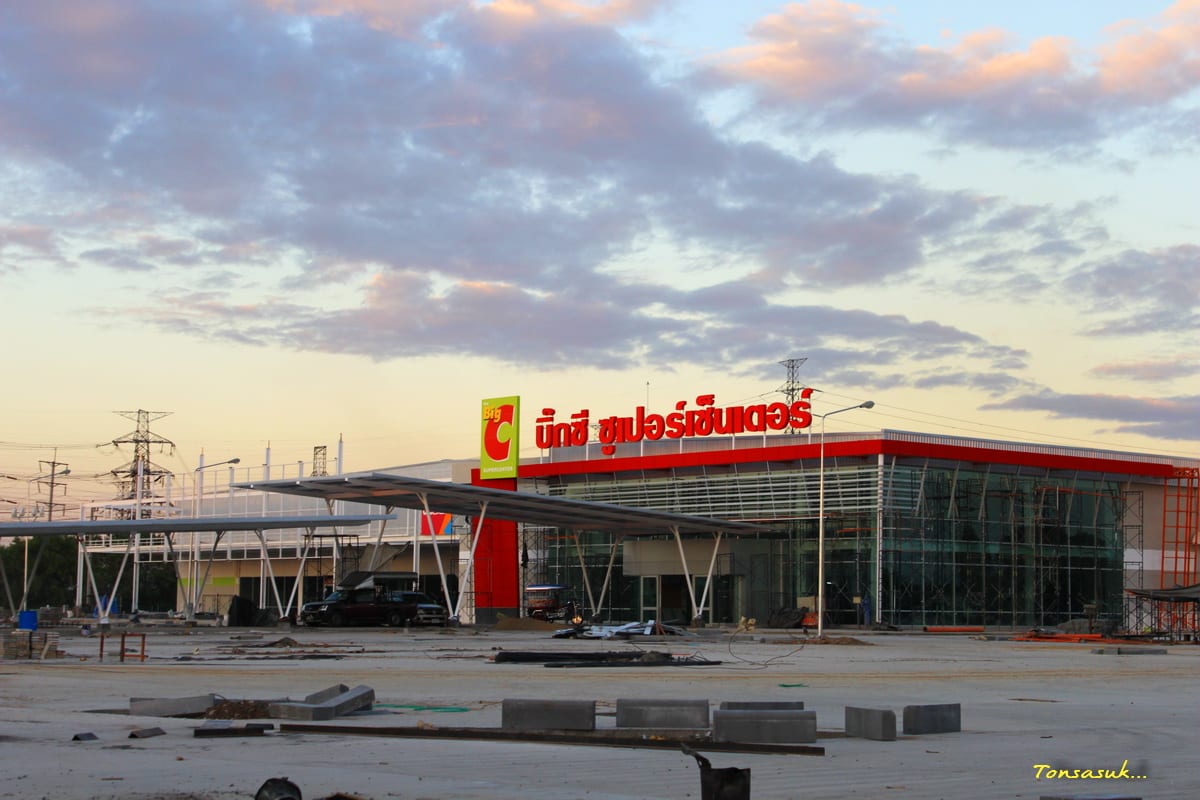
    Big C was at the centre of the previous shake-up when it bought the Thai arm of Carrefour, another French retailer, in 2011. Carrefour Thailand’s network of 42 stores helped make Big C the No 2 player in the hypermarket segment, second only to Tesco Lotus.

    This time, Big C is also at the centre, as the target of big names like the Chirathivat family, Charoen Pokphand Group and Berli Jucker – a business unit owned majority by the Sirivadhanabhakdi family.

    The Chirathivat family seems to be the most likely suitor. Big C was established as a joint venture of that family and Casino Group. But the family sold its stake in Big C to Casino Group after the 1997 financial crisis.

    The family’s operations in the retail industry would be complete with the inclusion of the hypermarket format.

    Another suitor is CP Group. Sitting on piles of cash and rich in experience in retail business, it is the founder of Ek-Chai Distribution System, which operates Tesco Lotus. Also owning Siam Makro, its control in the market would be strengthened.

    However, CP Group’s bid to buy back shares in Ek-Chai Distribution from embattled UK retailer Tesco has reportedly been rejected. Tesco last year sold the assets in South Korea for 4 billion pounds (Bt208 billion). In September, it assured shareholders that it would not sell other overseas assets, including in Thailand. In October, it instead sold 14 land plots for 250 million pounds.

    Berli Jucker has recently expanded into the retail industry. After acquiring the retail chain Family Mart (renamed B’s Mart) in Vietnam in mid-2014, it acquired Metro Cash & Carry Vietnam from its German owners. It is not beyond imagination that it would want to make its presence felt in the Thai retailing industry.

    Among the three, whoever turns out to be the winner of this race may need to pay would surely need not to concern with financial matters.

    Yesterday, Big C’s share price ended at Bt226, gaining Bt28.50 or 14.43 per cent from the previous closing. If the transaction is executed at that price, the buyer will need to pay at least Bt109 billion for the 483.45 million shares or a 58.6-per-cent stake currently owned by Casino.

    The price is about 23 times its prospective earnings. More than 1 million shares were traded yesterday, the highest in recent months when the number of shares changing hands on a daily basis ranged widely from below 20,000 to more than 900,000.

    On December 15, Casino Group announced a plan to strengthen its balance sheet and enhance its financial flexibility with by deleveraging more than 2 billion euros (Bt79 billion) through real-estate transactions and disposal of non-core assets.

    It was confident that the proceeds from the deleveraging plan would reduce its consolidated debt. More than half of the total proceeds of the plan are expected to be generated by the disposal of assets fully owned by Casino. It also announced that in the last 10 years, Casino had always achieved its deleveraging plans.

    In a statement dated January 14 concerning the sale of Big C in Thailand, Casino Group said: “In the context of the ongoing process for the sale of its operations in Vietnam, Casino Group has received expressions of interest for its publicly listed subsidiary Big C in Thailand. The group is taking steps towards the sale of this asset, which will be implemented in the best interest of the company and its shareholders.”

    Big C is now waiting for the new shareholder, while proceeding with business plans. Among them, it plans to open six hypermarkets this year.

    “As Casino is receiving a number of expressions of interest to acquire its shares of Big C Thailand, it clearly demonstrates the great company that Big C is and the strong relationships between customers and Big C itself,” said Warunee Kitjaroenpoonsin, director of corporate affairs at Big C.

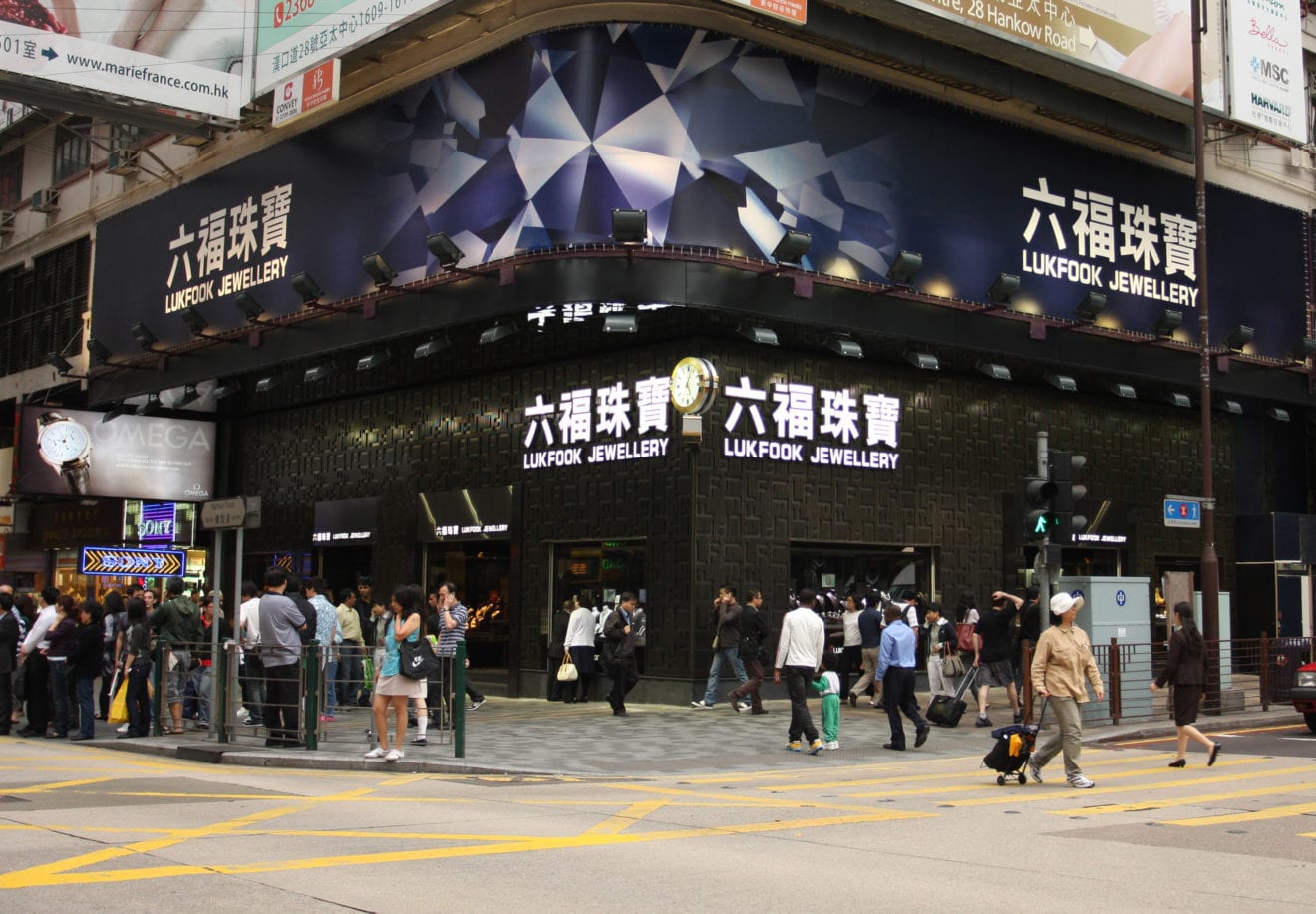
  • Sales lose sparkle for Luk Fook

    Sales lose sparkle for Luk Fook

    In the face of a continuing sluggish market, Hong Kong-based Luk Fook Jewellery posted a 25 per cent drop in overall sales in the three months to December 31 against the previous two quarters.

    Its same-store sales growth (SSSG) for mainland China was down 10 per cent, despite its gemset jewellery products gaining 2 per cent grown. The SSSG of the Hong Kong and Macau market dropped 26 per cent.

    As at December 31, the group had 159 self-managed shops – 96 in China, 47 in Hong Kong, 10 in Macau and six overseas, one being established in Toronto, Canada, in the current quarter. There were 1260 licensed shops in China with one in Korea. Altogether, there were 1420 Luk Fook shops worldwide, including 1356 in China and outlets in Australia and the US.