Author: Mei Ling Tan

  • Auto market flooded with imports from Thailand, Indonesia

    Auto market flooded with imports from Thailand, Indonesia

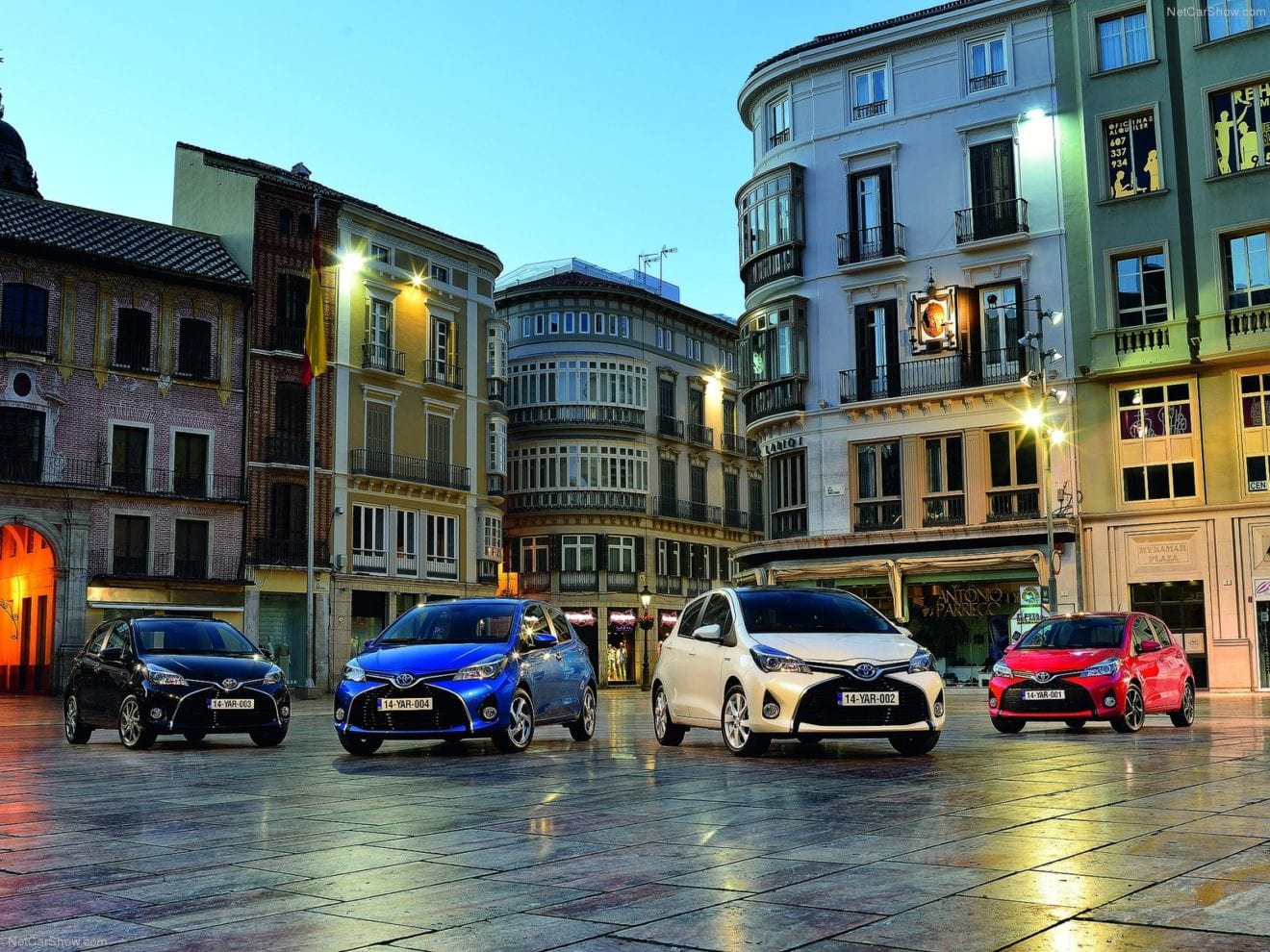
    A report of the General Statistics Office (GSO) showed a high car import growth rate in the last year. Vietnam imported $6 billion worth of cars in 2015, an increase of 59 percent in comparison with 2014.

    These include 125,000 CBU cars (complete built unit) worth $3 billion, an increase of 77 percent in quantity and 88 percent in value in comparison with the year before.

    Of the imports, transport vehicles were worth $1.2 billion, less-than-9-seater cars $507 million and large-size cars $34 million.

    Analysts noted that of the 10 largest markets from which Vietnam imports cars, including China, Japan, South Korea, Germany, the UK, France and India, imports from Thailand and Indonesia have seen sharp increase in the last months of the year.

    According to the General Department of Customs (GDC), in the first 11 months of 2015, Vietnam imported 23,516 CBU cars from Thailand, worth $406.1 million. The figures were much higher than 14,416 cars and $243 million in the same period of the year before.Both of them are ASEAN members.

    The car imports from Indonesia were lower than from Thailand, but have also seen a high growth rate. In 2014, Vietnam imported 1,686 cars from the market with the value of $16.9 million. Meanwhile, in 2015, the figure rose to 3.277 and $32.6 million.

    Analysts pointed out that Vietnam also imports vehicles in a large quantity from China, but the imports from the market are mostly trucks and specialized vehicles, while the imports from Thailand and Indonesia are mostly those with less than nine seaters.

    Vietnam not only imports CBU cars from Thailand and Indonesia, but car components as well, $542 million and $105 million, respectively, in 2015, which were even higher than the CBU import turnover.

    Analysts commented that large imports from two ASEAN countries are predictable, especially since the car price decreased by 40-42 percent recently.

    They believe that the imports from ASEAN would dominate the domestic market thanks to their more reasonable prices, compared with imports from developed countries and domestically made products.

    According to the Strategy Research Institute, the car price in Vietnam is much higher than Indonesia because taxes and fees make up 40-50 percent of the cars’ value.

    Toyota Camry in Vietnam, for example, is priced at $50,000, while it is just $40,000 in Indonesia. Similarly, the price of Honda CR-V is $45,000 in Vietnam and $29,000 in Indonesia.

    The Ministry of Finance estimated that from 2019 when the import tariff and luxury tax are cut, cars with cylinder capacity of less than 1,000 cm3 would see prices drop by 42 percent.

    Car owners complain about regulations on equipping their cars with fire extinguisher

    • Renault eyes Vietnam expansion
    • Vietnam buys many Chinese goods, from onions to cars
  • Baewan Airport Ready to be Operated

    Baewan Airport Ready to be Operated

    Harun Thohir airport in Bawean, East Java province, is ready to be operated in early 2016. The construction of the airport began in 2008.

    “The airport is ready and now we’re waiting for the readiness of Transportation Minister Ignasius Jonan to come to Bawean (to inaugurate the airport),” said Head of East Java Transportation Agency Wahid Wahyudi on Saturday (23/1).

    According to Wahid, the airport is 100 percent ready to be used.

    The airport is expected to be used by DHC 6 Twin Otter Series 3000 planes owned by airline PT Airfast Indonesia and the plane has the capacity of 18 passengers.

    Meanwhile, Surabaya-Bawean route flight will receive transportation subsidy. However, Wahyudi admitted that the discussion of the subsidized price of ticket has not been settled but it is estimated that the price would be around Rp350,000.

  • Astino to market agro-house products in Vietnam and Indonesia

    Astino to market agro-house products in Vietnam and Indonesia

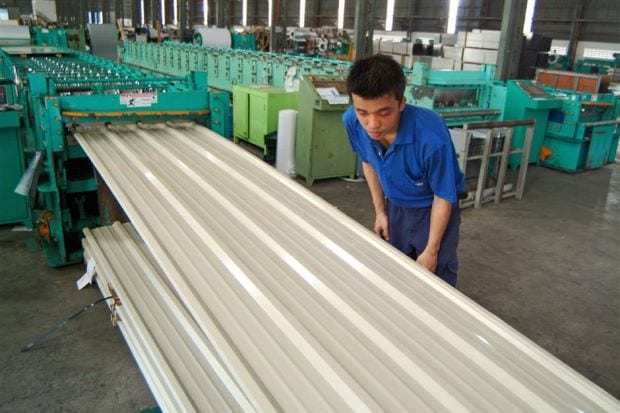
    Building material and roofing product manufacturer Astino Bhd plans to tap new markets overseas in two years selling its agro-house and green-house structure products. Group chief executive officer Ng Back Teng said the group was now selling the products only in Malaysia. “We want to strengthen our presence in the country first before going overseas,” he said after the company’s AGM on Friday.

    “We have in mind the markets in Vietnam and Indonesia.” At present, the products contribute less than 10% to the group’s revenue. “In the future, the contribution is expected to increase significantly,” he said. For the second financial quarter, the group’s business continued to be weak, due primarily to the slowdown in the construction sector, according to Ng. “The first quarter ended Oct 31, 2015 saw the group registering an 8%-9% drop in revenue. We expect the business for the second quarter to remain flat,” he said. Ng said the group had also reduced the import of steel-based materials due to the weakened ringgit.

    The group has seven facilities in the country, with three in Penang, two in Bukit Beruntung (Selangor), one in Pahang, and another in Malacca. “There are no plans for expansion this year,” he said. Ng said the group would focus on improving operational efficiencies and explore the possibility of producing new metal building material products to penetrate into new local and overseas markets. He added that the second facility in Bukit Beruntung started operations in late 2015. “The new plant should help the group to strengthen its foothold in the central and southern regions,” he said. Astino shares shed 2.5 sen to close at 66.5 sen on Friday.

  • Singapore-Based Courts Retail Opens Second Megastore in Indonesia

    Singapore-Based Courts Retail Opens Second Megastore in Indonesia

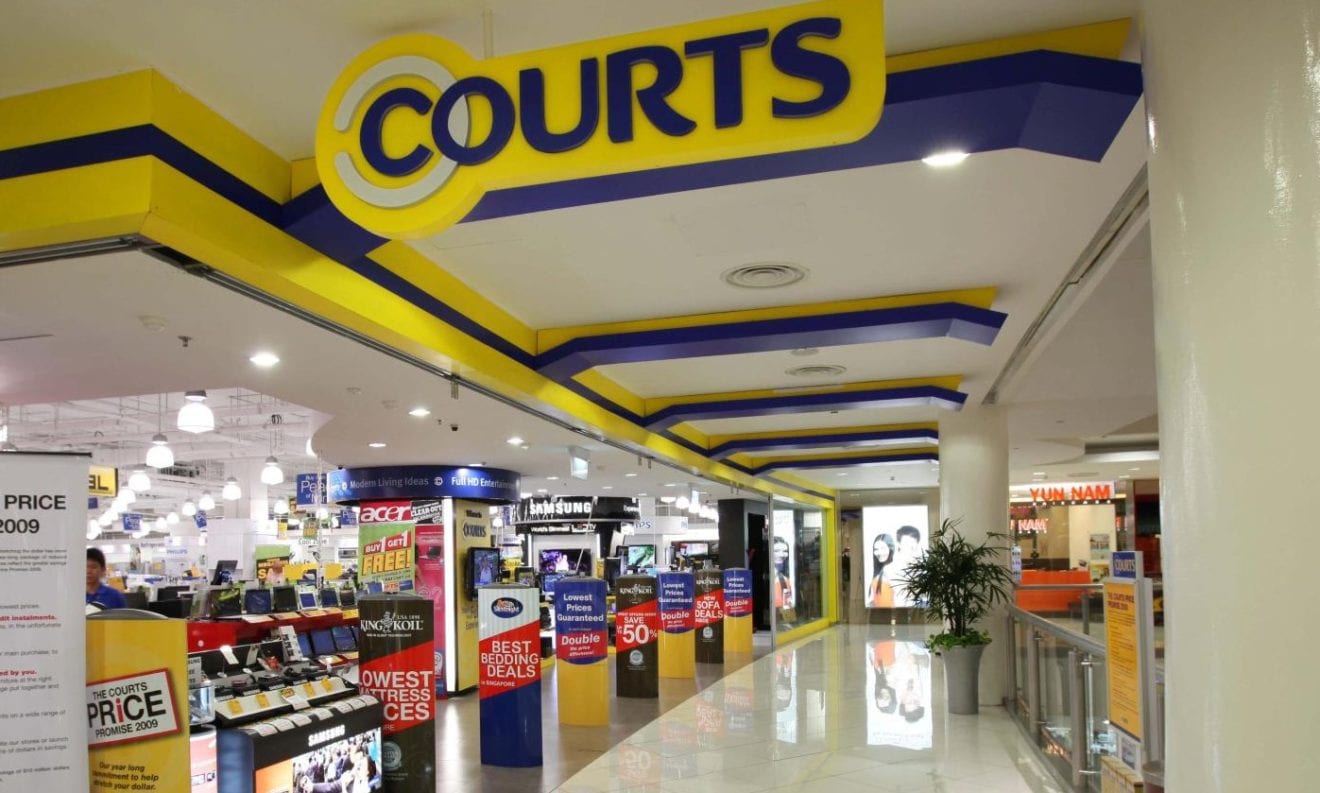
    “Indonesia is currently the driver of Courts’ growth. Since we first entered Indonesia in 2014, we now operate two megastores and three regular outlets. We aim to open twelve more outlets by 2018. This is our commitment in catering to the demands of Indonesians,” Roy Santoso, Courts Retial Indonesia country chief executive officer, said in a statement over the weekend.

    Courts opened its first big-box store in Indonesia last year in the Kota Harapan Indah township of Bekasi, on the eastern outskirts of the capital, before expanding with smaller stores in Bogor, West Java. Its Singapore-based headquarters currently operates 80 stores with over 1.6 million square meters of retail space in Southeast Asia.

    As of November last year, sales from Indonesia contributed to 1.7 percent of Courts Asia’s sales of S$186.1 million ($130.17 million), up 4.2 percent year-on-year, according to a listing on the Singapore Exchange.

    Retailers, both local and foreign-owned, have long touted Indonesia as an attractive market, thanks to its expanding middle class and young consumers.

    The country’s retail industry is projected to grow between 11 percent and 12 percent this year, after a modest 8 percent growth last year, as purchasing power across the country is expected to rebound alongside improving economic growth, according to Indonesia’s Retailers Association chairman Roy Mendey.

    “There was some cooling down in [purchasing power] last year because of slowing growth but we started to see an upward trend in sales during the fourth quarter,” he said recently.

  • 200m Chinese to travel by 2020 as HK/Macau slow

    200m Chinese to travel by 2020 as HK/Macau slow

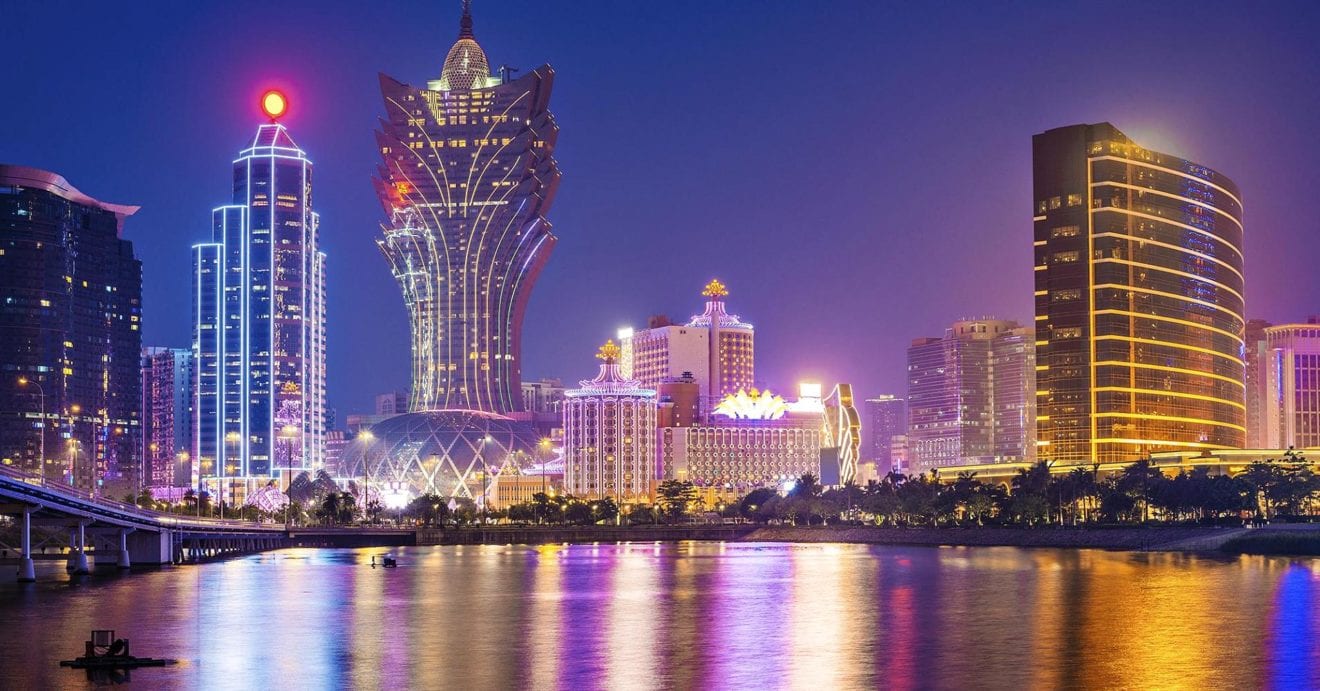
    Credit Lyonnais Securities Asia (CLSA) is maintaining its long-standing forecast of 200m Chinese overseas trips by 2020. However, it warns that mainland Chinese travel to Hong Kong and Macau is likely to average only 3% growth in future, while Chinese trips to other locations will grow much more strongly by an estimated 16%.

    CLSA’s latest report says Hong Kong simply has too few new attractions, increased competition, capacity constraints, a strengthening HK$, tension against mainlanders and it also faces a reduction in import tariffs in China.

    This unpalatable cocktail resulted in inbound Chinese tourist numbers to Hong Kong declining by -2% between January and November 2015, compared to the much healthier 16% to 26% annual growth rates experienced in better years between 2010-2014.

    Hong Kong airport large

    CLSA’s highly-anticipated report – ‘2016 Chinese Tourists: Expanding Cultural Horizons’– is the independent brokerage and investment group’s third annual appraisal of the key growth drivers to Chinese outbound travel, as well as the destinations, sectors and stocks set to benefit the most.

    As part of its central Chinese tourist theme it remains bullish on its long-standing forecast of 200m Chinese overseas trips by 2020, despite its prediction that Chinese outbound tourist growth will slow to 9% over the next five years from 17% over the past five.

    Of this 9%, the authors say that travel to Hong Kong and Macau will average 3% growth, whereas trips to other locations will grow on average by 16%. Improved affordability, easing travel restrictions and the increasing desire to travel remain the key drivers underpinning Chinese outbound tourism growth, says CLSA.

    Within its proprietary survey of more than 400 outbound Chinese travellers it found that experiencing foreign cultures, enjoying nice environments, relaxing, and broadening horizons are increasingly more important goals for Chinese tourists compared to shopping. This also supports CLSA’s general structural negative on the future for Hong Kong’s tourism and retail sectors.

    001 aa Chinese Tourism Research Australia

    “…IF MONEY WAS NO OBJECT, THE MOST HIGHLY DESIRED DESTINATIONS FOR CHINESE TOURISTS ARE ACTUALLY THE USA, FRANCE, MALDIVES AND AUSTRALIA – IN THAT ORDER.”–CLSA REPORT.

    Chinese travellers looking for ‘unique cultural experiences’ are most likely to head to South Korea, Japan, Thailand, or the USA in the next three years, says CLSA. South Korea is attractive for its relatively cheap luxury goods and cosmetics, whereas Thailand offers beaches and other cultural destinations.

    CLSA also reveals that if money was no object, the most highly desired destinations for Chinese tourists are actually the USA, France, Maldives and Australia – in that order.

    The report adds that ‘the key risks to growth of outbound Chinese travel figures’ are safety, lower income growth and a weaker Yuan. Within its survey, CLSA said that 75% of survey participants confirmed that safety was the clear number one factor influencing their choice of destination in 2015 – up from 63% in 2014 and 41% in 2013.

    By contrast, mainland Chinese respondents said that lower income growth in China this year could also impact upon their travel plans. Some 60% admitted that they would reduce their outbound trips and 68% adding that they will cut back their travel-related shopping if family income drops.

    Chinese shoppers. Source Global Blue

    “…A WEAKER YUAN WILL ALSO AFFECT TRAVEL PLANS, WITH 43% INDICATING THEY MAY REDUCE THE NUMBER OF TRIPS THEY TAKE IF THE YUAN DEPRECIATES BY 10% IN THE NEXT YEAR. MEANWHILE, 35% SAID THEY WOULD CUT SHOPPING SPENDING…” CLSA REPORT.

    The research also confirmed that a weaker Yuan will also affect travel plans, with 43% indicating they may reduce the number of trips they take if the Yuan depreciates by 10% in the next year. While 35% said they would cut shopping spending. Only 14% said there would be no impact to their travel plans.

    More positively, the report adds that China is the number one contributor to global outbound travel with a worldwide share of 10% and CLSA predicts that this share will reach 14% by 2020. In the current report, it also expects this tidal wave of Chinese tourists to drive major structural growth in the airline, gaming, luggage, retail and internet industries over the next few decades.

    Melbourne Chinese NY activation

    THE OUTLOOK FOR TOP FOUR CHINESE/ASIAN DESTINATIONS:

    AUSTRALIA: In Australia, mainland Chinese visitor numbers are soaring, with this nationality of tourists now accounting for the second-largest source of inbound arrivals to Australia. There were more than one million Chinese tourists visiting Australia between Jan-Nov 2015, surpassing the one million mark for the first time – an increase of 21.6% over the same 12-month period in 2014.

    This has been aided by the removal of constraints to airline-seat capacity growth and the easing of visa requirements (‘albeit on a regional basis that they still appear relatively strict’, says CLSA).

    Chinese tourists spent A$7.7bn ($5.4bn) in Australia over the 12 months to September 2015, more than double the A$3.5bn ($2.4bn) level two years ago, according to Tourism Australia’s estimation. China is Australia’s biggest spending inbound nationality, with expenditure more than double that of the UK – the next most important country.

    Interestingly, the CLSA survey found that Australia ranks as a ‘top-four destination’ for Chinese tourists ‘if money was no object’.

    JAPAN: Chinese visitors to Japan doubled in 2015. Inbound arrivals soared from 2.4m in 2014 to 5m and CLSA is predicting this number will more than double again by 2020 to 11.4m Chinese became the biggest contributor of all foreign tourists in Japan last year, aided by the fact that three out of five of the world’s most popular theme parks are located in Japan.

    Average spending per tourist in 2015 was JPY187,165 ($1,583) but Chinese were the biggest spenders, with an average of more than JPY280,000 ($2,368).

    King Power International Group's downtown Bangkok Srivaree Complex ©

    SOUTH KOREA: According to the research, South Korea is still regarded by Chinese as both a shopping and cultural heaven and CLSA now expects Chinese inbound traffic growth to rise by 28% year-on-year in 2016 due to natural organic growth following the eradication of the Mers virus.

    South Korea is one of the top three destinations for Chinese tourists for the next three years according to CLSA since it meets one of Chinese tourists’ major interests – shopping. CLSA also adds that its appeal to Chinese tourists is considerable, since it is safe, with moderate travel costs and rich in culture and sightseeing.

    THAILAND: One in four tourists visiting Thailand is Chinese, as inbound tourist numbers continue to grow, with visitors from China having grown at an annualised rate of 47.7% over the past five years, outpacing the non-Chinese tourist annualised growth of 7.6%.

    Bangkok continues to be the most popular destination, followed by Phuket, Chonburi, Chiang Mai and Krabi. Thailand is also one of the top three destinations for future outbound trips, according to CLSA’s survey.
  • China’s overseas luxury spending shifting to the web

    China’s overseas luxury spending shifting to the web

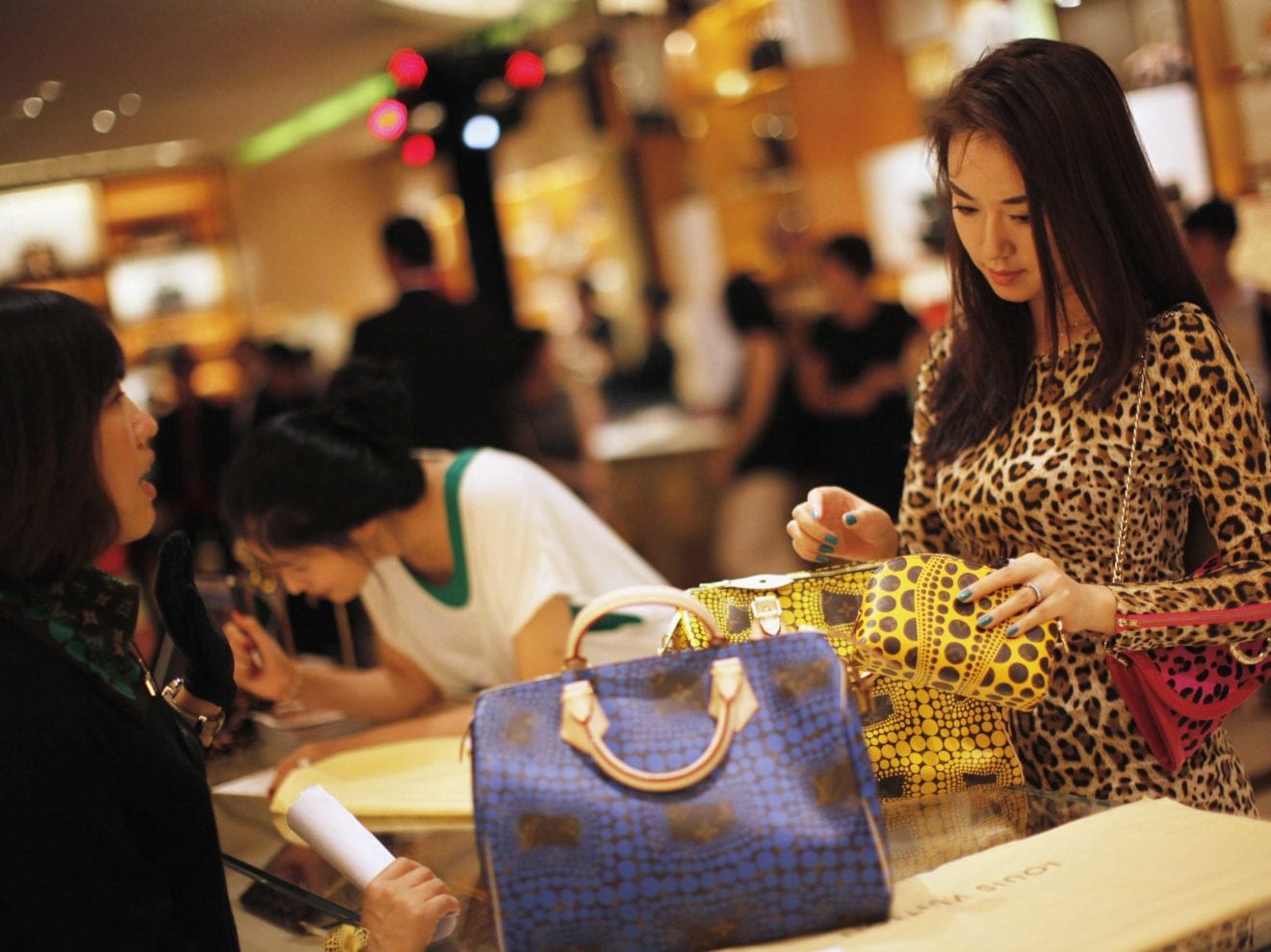
    Changes in spending on luxury goods by mainland Chinese consumers might dictate a revamp in how luxury retailers do business in that market. More shoppers than ever are buying overseas because items are more expensive in China, according to Bain’s 2015 China Luxury Market Study.

    Overall luxury spending by Chinese consumers in 2015 fell 2% to 113 billion yuan ($17.2 billion), driven by falling sales of watches, men’s wear and leather goods. Overseas luxury purchases grew 10%, especially in Japan, where their spending increased more than 200%, but also in South Korea, Europe and Australia, thanks to favorable exchange rates and competitive pricing. Meanwhile, luxury spending of mainland Chinese in Hong Kong and Macau fell 25%.

    Because of crackdowns by the Chinese government designed to tighten imports and bring spending back, including new rules discouraging the use of personal shoppers, or “Daigou” who make duty-free purchases overseas for their Chinese customers, more Chinese are buying their luxury goods via websites and mobile sites instead. “Buying overseas has been a trend for years, but destinations have changed,” Bain partner and report author Bruno Lannes said in a statement.

    In 2014 and 2015, brands with strong fashion heritage and track record of original designs did better in the Chinese market. And, while transitions in China’s economy are causing some turmoil in markets and worry among investors, the general environment for luxury retailers will remain more or less the same—though the still-rising middle class will continue to become more sophisticated about luxury brands, Bain says. Global pricing will become more important, the report notes.

    Luxury brands should strengthen digital platform building and digital content creation, with an emphasis on localization to reflect local market preferences, Bain says. Nearly 80% of survey respondents said they get their luxury brand information from the internet or apps, and 60% said social media sites Weibo and WeChat are their source for that information. That’s why brands on average spend 35%—and growing—of their marketing budget on digital.

    Luxury brands must also emphasize youth and fashion to turn the heads of the next generation of luxury customers in China, Bain said. This year and forward, there will be even more of a focus on “exclusivity” in product design and store footprint, according to the report.

    Some changes are already underway. Luxury retailers in China, for example, have begun streamlining their approach to brick-and-mortar in the country, with a greater focus on fewer, larger and better located stores. Many brands have realized the need to regain a sense of exclusivity, which was marred by too many stores, according to the report.

    “Despite persistent macro, economic and industry challenges in China, all hope is not lost for luxury brands,” said Lannes. “There are plenty of growth opportunities for those with more exclusive and fashion collections, digital platform engagement and digital content creation, as well as with pricing that encourages Chinese consumers to spend locally.”

  • BMW Thailand bully for big-bike boom

    BMW Thailand bully for big-bike boom

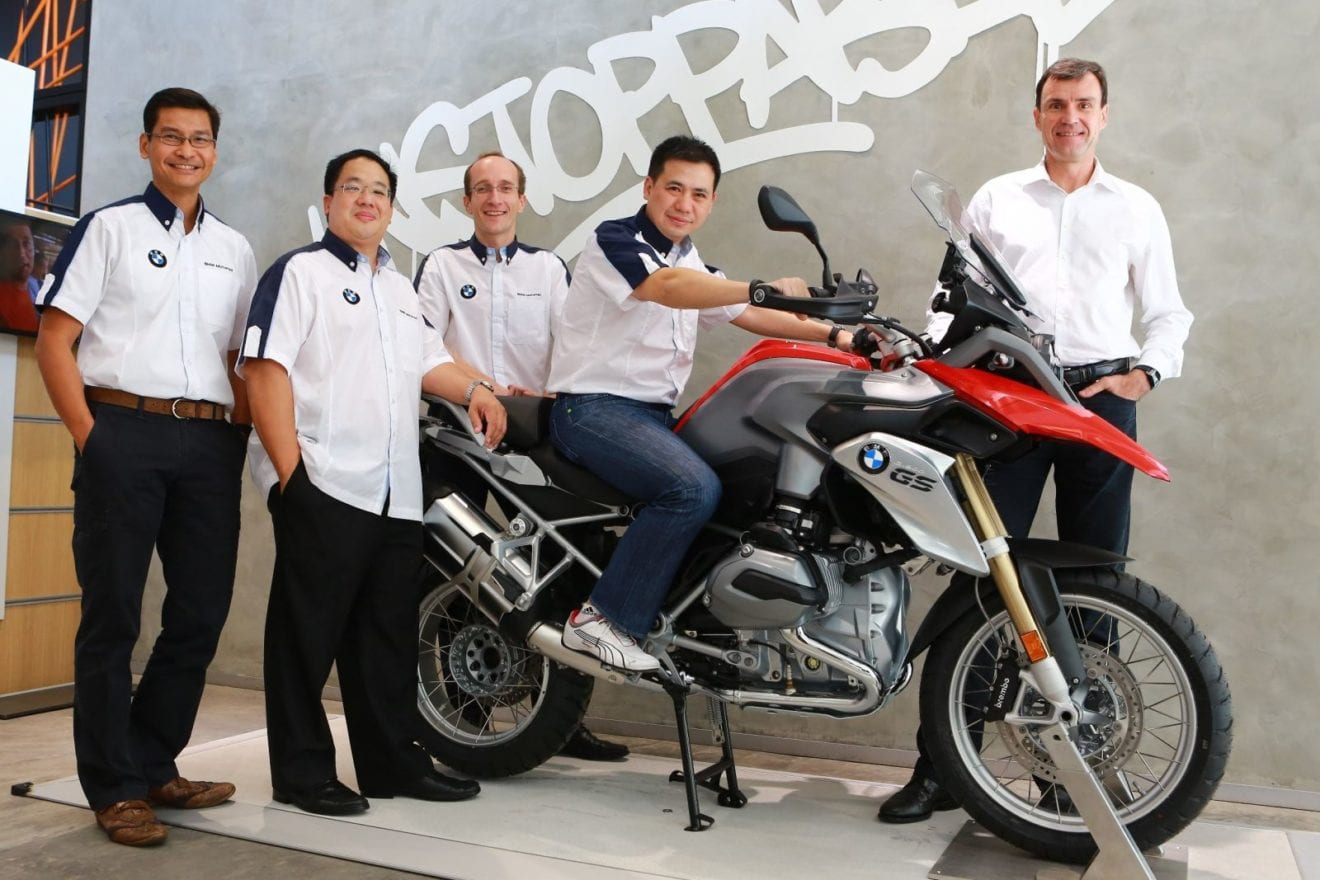
    German luxury car maker BMW Group Thailand is bullish about the prospects of the big-bike market, expecting double-digit growth this year.

    Markus Glaeser, head of BMW Motorrad Thailand, said the market had developed over several years, with many brands and manufacturers making the Thai big-bike market more interesting.

    “As most Thai bikers want to own a second motorcycle, the market will remain very attractive and continue growing going forward,” he said.

    Some 18,000 motorcycles above 500cc were sold here last year, up by 20% from 2014, bucking the bearish overall market, where sales fell by 3.67% to 1.64 million units.

    BMW Motorrad Thailand sold a record 1,280 motorcycles last year, up by 83%, in the top three for sales worldwide last year along with China and Malaysia.

    The group is keen on the local big-bike market because it localised its assembly production at Rayong’s Amata City Industrial Estate in 2014, making BMW Motorrad’s retail prices 30-40% cheaper than imported models.

    Last year, the company spent 1.1 billion baht to double annual production of BMW and Mini models to 20,000 cars and raise production of BMW motorcycles to 10,000 a year from 1,000. New production is due to start this year.

    The Rayong facility makes eight models for BMW and one for Mini, while the eight for BMW Motorrad are the F700GS, F800R, F800GS, F800GT, S1000R, S1000RR, R1200GS and R1200GS Adventure. This is the only site in BMW’s global network with full operations for all three brands.

    Mr Glaeser said BMW Motorrad produced 2,700 motorcycles at its Rayong factory last year, with 1,000 shipped to China and Malaysia. The group is studying the feasibility of exporting more motorcycles to Asian markets this year, as these markets are growing quickly.

    In Thailand the company will introduce the mid-sized G310R motorcycle in the first quarter but has not said whether it would be built locally or imported from India. Mr Glaeser said the mid-sized market was very attractive, with 20,000 sales last year for 250-500cc engines.

  • Vegetables prices increases threefold in China

    Vegetables prices increases threefold in China

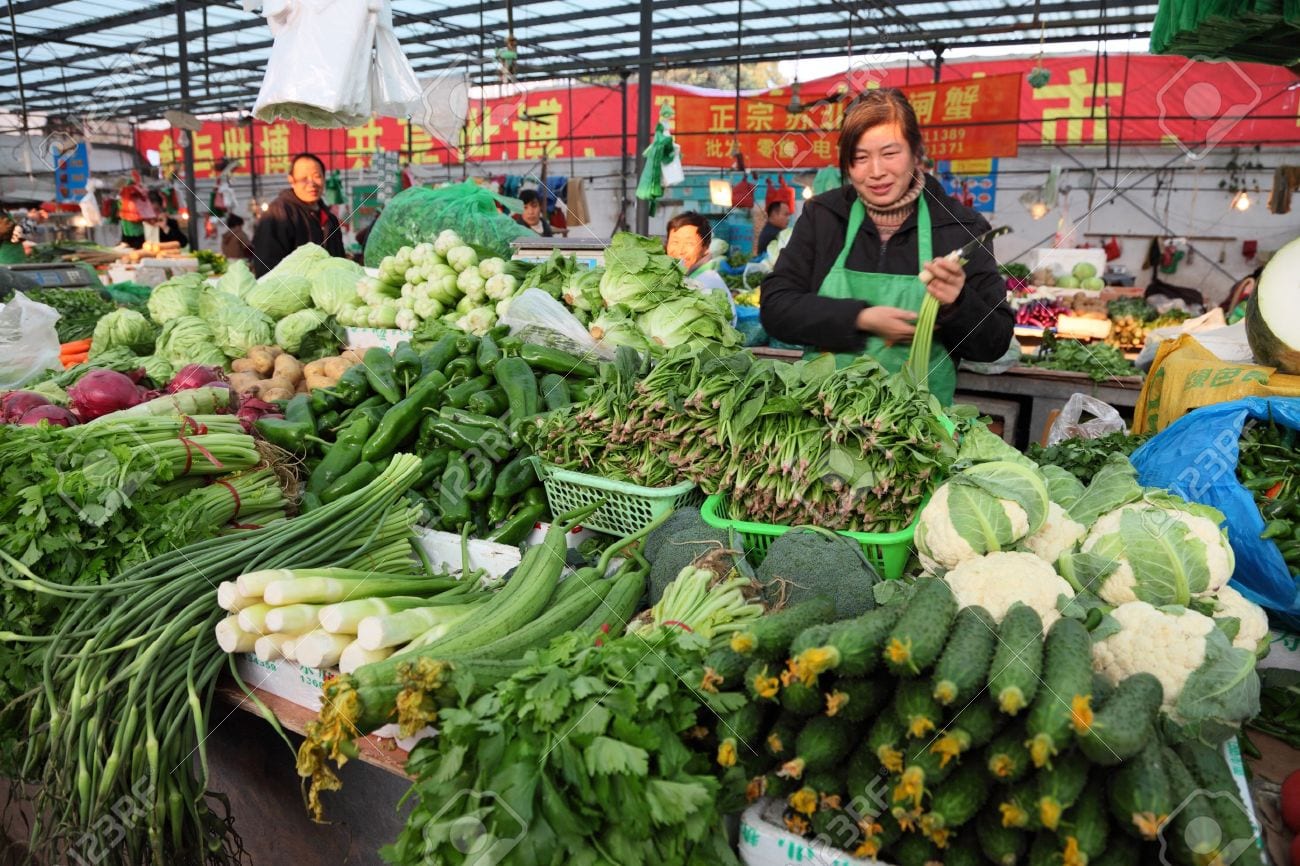
    Severe cold weather affecting in Southern China throughout the weekend as residents are racing to stock up on the essential foods and vegetables so they’ll have the capacity to stay at home in the following couple of days, causing some chaos to local authorities. Pictures from stores across the nation appeared in social media that shows big crowd and empty shelves.

    Ahead of snowmageddon, the price of essentials tripled at supermarket stores.  In some part of the country the cost of pork has surged from 14 yuan for each 600 grams to 19 yuan, while the costs of vegetables have tripled from 5 yuan for every 500 grams to 15 yuan.

    The Local Authorities called residents to relax and stop hoarding. But to little benefit with the coming days forecasted to be the coldest winter in 35 years with the temperature in Shanghai’s urban territories will plunged to minus 7 while it could get as low as less 10 in rural regions.

    The National Meteorological Center forecasts that temperatures will soon dive by as much as 13 degrees across the nation. Even Hainan isn’t getting away from this cool wave with temperatures anticipated that would go down to a comfortable 13 degrees.

    As of now, the frosty climate is bringing about a few issues in Shanghai where two water channels have braked and many long- distance transports have been canceled. Shanghai occupants are reminded to store some water in basins and wrap up outside water channels with fabric.

  • First Internet Retailing Expo in Asia Took Place in Jakarta

    First Internet Retailing Expo in Asia Took Place in Jakarta

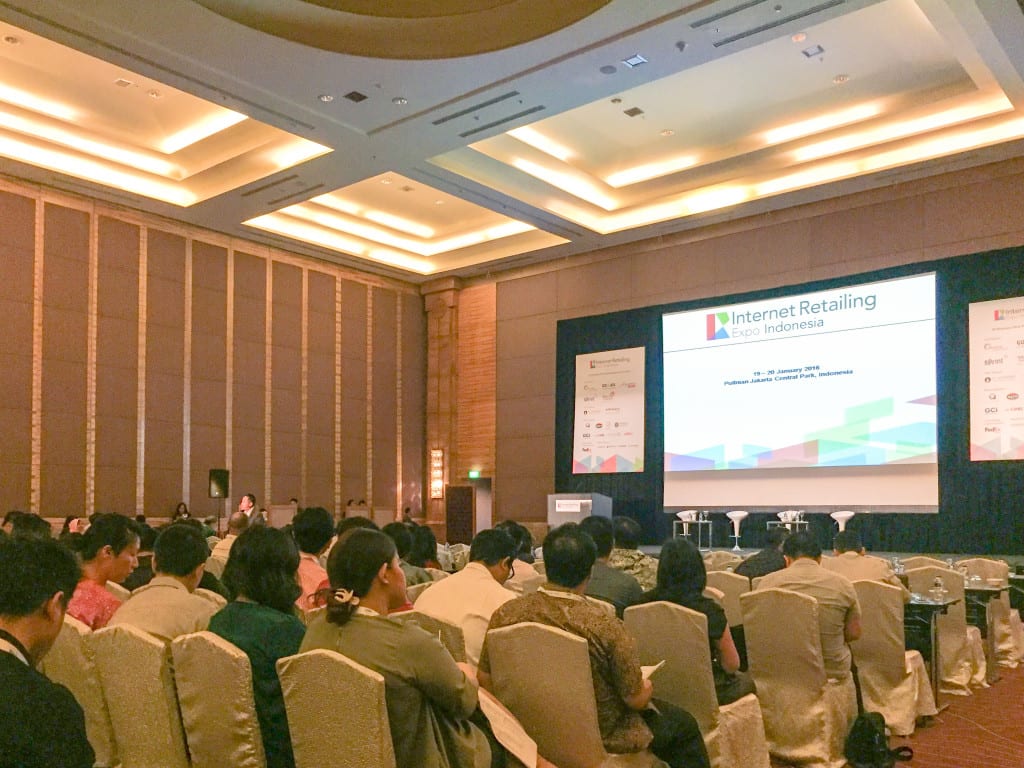
    On 19-20 January 2016, Internet Retailing Expo successfully launched its first edition in Jakarta. Indonesia was chosen to host the event due to the potential of country’s consumer market and an online market that is ready to take-off.

    The two-day conference happened in Pullman Hotel at Central Park, Jakarta, with focuses on both learning and the evaluation of technologies, products and services to help retailers looking to establish and grow their online retails strategies.

    IRX Indonesia 2016 was a roaring success with more than 700 industry professionals and 500 retailers attending the event. It aims to be the meeting place for the multichannel industry where retailers meet key suppliers and together will learn through best practice implementation case studies from a mature market.

    “That’s the power of mobile. Purchasing becomes easy for customers,” said Khrishnan during his interview session for IRX 2016.Throughout the event, 40 expert speakers shared their views on online retail business in Indonesia; many also touched upon the importance of having omni-channel retailing strategy. They include notable names such as Nadiem Makarim (CEO and Founder of GO-JEK Indonesia), Hadi Wenas (CEO, MatahariMall.com) and Krishnan Menon (CEO and Founder of Fabelio).

    The online retail business in Indonesia is definitely still in its developing stage and there are many challenges ahead, such as: lack of relevant talents, concentration of internet users in Jabodetabek, and inadequate infrastructure. However, it holds a tremendous potential as mobile is becoming a key role for any business who wants to be big in the country.

    Global Indonesian Voices is a proud media partner of IRX 2016.

  • China’s LeEco to enter Indian market with flagship Le Max and Le 1s smartphones

    China’s LeEco to enter Indian market with flagship Le Max and Le 1s smartphones

    LeEco, the Chinese entertainment giant formerly known as Letv, is bidding to become a top brand in India’s fast-growing smartphone market with the release of two handsets next month through leading online retail partner Flipkart.

    Its 6.3-inch flagship Le Max will go on sale on February 16, two weeks after the 5.5-inch mid-range Le 1s becomes available to whet consumers’ appetites. LeEco said that due to limited supply it will initially provide just 60,000 units of the Le 1s. Both will only be available online.

    “India is our new destination, our top priority and new home to all our smart products,” said Mok Tsui-tin, chief executive for LeEco Asia-Pacific, at a launch event in Gurgaon in Haryana state earlier this week.

    Addressing a crowd of about 1,000 in the city, located just south of New Delhi, Mok said India has the largest young population in the world, which will drive the switch from traditional feature phones to smartphones.

    Atul Jain, chief operating officer of smart electronics business for LeEco India, presented the two handsets to the enthusiastic crowd.

    Jain is a former senior vice president at Samsung Electronics’ South West Asia regional headquarters.

    Both phones will be sold exclusively at leading online retailer Flipkart, which it claimed to be the largest online retailer in India.

    “Every one in five smartphones sold in India today is from Flipkart,” said Ankit Nagori, chief business officer of Flipkart.

    LeEco announced deals with Eros International, a major Indian film production and distribution company that posted annual revenue of more than US$230 million in 2014, to run its content on LeEco’s website.

    It also partnered with US-based streaming content provider YuppTV, which mainly provides local Indian content.

    LeEco said content from both companies would be available during the second quarter of 2016.

    Le Max and Le 1s were both released in China in 2015. LeEco said it sells smartphones at prices below cost, a tactic to attract more subscribers to its streaming service.

    The retail prices in India are close to those in China. The Le Max will cost 32,999 rupees (US$485) for a model with 64GB memory and 35,999 rupess for the 128GB version. The Le 1s will retail for 10,999 rupees.

    The company will also build a research centre in Bangalore, India’s technology centre, later this year. Mok said LeEco plans to recruit around 1,000 local staff to support the localization of LeEco’s product.

    “As our businesses and operations are landing in the country, [this] will require a large number of talented staff,” said Mok.

    LeEco will also bring its smart television to India this year along with a wide array of products such as a virtual reality headset, smart bicycle and other accessories , according to its spokesperson.

    LeEco is one of many Chinese smartphone makers entering the emerging South Asian market and is likely to face competition with its peers. China’s computer maker Lenovo and popular smartphone maker Xiaomi are already top brands in India.

    According to Flipkart, Motorola’s Moto G is the most popular smartphone on the shopping site. The brand is owned by China’s Lenovo Group. Xiaomi’s Redmi Prime and Lenovo brand’s K3 note occupy second and third place.

    LeEco runs a major streaming website in China and also sells smartphones and TVs. It earned nearly 4 billion yuan (US$607.7 million) in the third quarter of 2015, representing more than 100 per cent growth from the same period last year.

    The company announced this month another partnership with electric car start-up Faraday Future, which is building a US$10 billion factory in the US, its home market.

  • Online sellers turn Southeast Asia retail industry upside down

    Online sellers turn Southeast Asia retail industry upside down

    Here’s how bad it is in Southeast Asia’s retail industry for sellers. 

    They are paying more to borrow money to keep their business going than consumers do to keep buying from them.

    Courts Asia Ltd., which offers shoppers zero percent long-term credit on higher-end products, has seen its Singapore dollar bond yields rise 28 basis points to 4.34 percent in the past six months and is trying to refinance the note ahead of its May repayment, Bloomberg reports.

    The yield on US currency bonds of Parkson Retail Group Ltd., part of a Malaysian retailer which operates across Southeast Asia, has soared 320 basis points to 10.21 percent.

    Sagging global growth and rising household debt is knocking consumer demand across Southeast Asia, with Indonesian phone seller PT Trikomsel Oke in November becoming the first company to default on Singapore dollar bonds since 2009.

    Retailers that borrowed to finance growth are also losing ground to online market places like Alibaba Group Holding Ltd.

    The median debt load of the region’s retailers rose to 1.75 times operating profit in latest filings compared with 1.3 at the end of fiscal 2014.

    “I have been very careful about some local currency corporate bonds,” said Singapore-based Desmond Soon, co-head of investment management for Asia at Western Asset Management Co., which had US$446 billion under management at Sept. 30 and held Courts Asia bonds as of Nov. 30.

    “Bricks and mortar retailers do have an issue,” Soon said.

    Retail store sales in Singapore dropped for a third month in November, falling 2 percent from a year earlier, Department of Statistics data show.

    Meanwhile, online transactions in the region are growing.

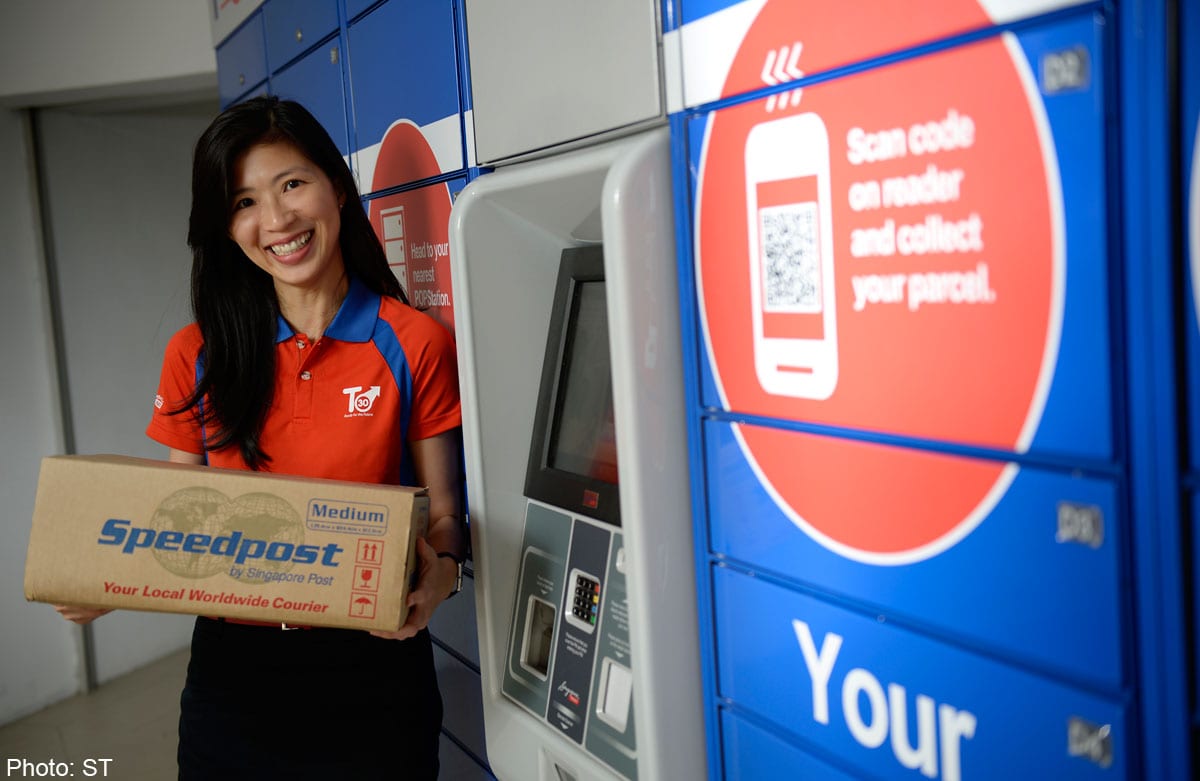
    Singapore Post Ltd.’s domestic e-commerce orders in Southeast Asia and Australia rose 384 percent in the 12 months through November, according to a company presentation.

    Courts Asia, which sells goods from electronics to home furniture in Singapore, Malaysia and Indonesia, began meeting investors last week ahead of its scheduled S$125 million (US$87.1 million) repayment of notes in May. It’s looking to raise funds to help refinance and repay the bond, Courts’s Singapore-based spokeswoman Tammy Teo said.


  • SingPost fuses e-commerce businesses to form global commerce enabler

    SingPost fuses e-commerce businesses to form global commerce enabler

    It plans to further widen its US logistics footprint.

    The Postman is putting its eCommerce business on laser focus as it integrates its logistics limbs TradeGlobal and Jagged Peak to further expand its eCommerce logistics footprint in the US, the largest retail market in the world.

    According to a press release by Singapore Post, the resulting product from the integration would be SP Commerce, a global commerce enabler for brands and retailers.

    SingPost says SP Commerce is a pioneering project in omni-channel enablement for global brands and retailers, and will provide customers easy access to eCommerce markets around the world.

    “The solutions that SP Commerce offer include end-to-end services spanning webstore development and operations, global fulfilment, omni-channel order management, cross-border commerce, performance marketing, and customer care services,” SingPost said.

    Additionally, SingPost said it now provides end-to-end eCommerce logistics solutions to more than 100 mono-brands including Adidas and Calvin Klein.


  • Martell embarks on Legendary Journeys in Asia Travel Retail

    Martell embarks on Legendary Journeys in Asia Travel Retail

    Martell has designed a limited edition gift box which contains Martell Cordon Bleu and a complimentary Martell XO miniature.

    The Martell Legendary Journeys gift box features a design which celebrates Martell Cordon Bleu’s heritage and will be available exclusively in Asia travel retail throughout January and February.

    Martell all around the world: the gift pack is available exclusively in Asia travel retail

    Created by graphic designer Neil Stevens, the gift pack features a map of the cities and countries linked with Martell Cordon Bleu’s history since its creation in 1912. Officially launched at Monte-Carlo’s grand Hotel de Paris, Martell Cordon Bleu is said to have proved an “immediate success”. Memorable moments in the product’s history include being served aboard the Queen Mary II on its maiden voyage in May 1936 and making its debut on Concorde in 1977 and the Orient Express in 1986.

    Key product showcases of Martell Legendary Journeys, priced at US$229, will take place in Hong Kong International Airport, Hong Kong Anway border shops, Singapore Changi Airport, Bangkok International Airport, Kuala Lumpur International Airport, Taipei Taoyuang Airport, Tokyo Narita Airport, Beijing Airport and Shanghai Airport.

  • Keppel Land FY2015 net profit jumps 45% yoy to $701 million

    Keppel Land FY2015 net profit jumps 45% yoy to $701 million

    Keppel Land’s full year net profit jumped 45% to $701 million from $482 million a year ago. Full year revenue for FY2015 rose 11% to $1.9 billion from $1.7 billion a year ago.

    The group sold about 4,570 homes, double the units taken up in 2014. About 3,280 of the units sold in FY2015 were in China, with another 930 in Vietnam, 190 in Singapore, and 130 in Indonesia. Property prices in China’s first-tier cities continue to rise strongly with high absorption rate and falling stock.

    Keppel Land says it will continue to tap demand in recovering property markets across Asia. It currently has about 20,000 launch-ready homes in its portfolio, mostly in China. It will also develop its commercial portfolio which has increased to 9.04 million sq ft of gross floor area (GFA), with some coming on stream over the next two years. In Vietnam, Keppel Land’s Saigon Centre Phase 2 retail mall in Ho Chi Minh City has achieved pre-commitment of 97.5% and will open in 3Q2016. The anchor tenant is Takashimaya Department Store. In Myanmar, Keppel Land’s new 29-storey Inya Wing hotel has opened, adding another 431 guest rooms and suites, along with an exclusive retail gallery at Hotel Sedona Yangon.

    In Singapore, Keppel Land just added 112 Katong to its commercial property portfolio with its acquisition of a 22.4% interest announced last week. The remaining 77.6% interest in 112 Katong is held by its property fund management arm, Alpha Investment Partners (AIP). Keppel Land Retail Management has been appointed as the retail manager. The property fund portfolio managed by Keppel Reit and AIP rose 10% y-o-y to $20.5 billion in FY2015 from $18.7 billion in FY2014.

    Keppel REIT’s portfolio of office buildings in Singapore and Australia continues to maintain a high occupancy of 99.3%. Meanwhile, Alpha’s Asia Macro Trends Fund II has invested in three prime office properties with City Developments Ltd. With the success of the first two Asia Macro Trends Funds, it will be embarking on its third fund in the series.

  • Korea eyes nationwide sales event to boost consumption

    Korea eyes nationwide sales event to boost consumption

    South Korea will start another round of nationwide discount events later this month in a bid to boost domestic consumption around the Lunar New Year’s holiday, the finance ministry said Tuesday.

    The so-called Korea Grand Sale will begin on Jan. 25 and run through Feb. 7 across the nation before the holiday, with the participation of 300 local traditional markets, according to the Ministry of Strategy and Finance.

    For foreign tourists, the event will take place from Feb. 1 in duty-free shops and other retail stores to celebrate the start of the Visit Korea Year 2016-2018.

    The Lunar New Year, which shifts year to year, falls on Feb. 8 this year, with a five-day break.

    The ministry said the sales event is aimed at maintaining an uptrend in consumption that was seen in the third quarter of last year.

    Last year, the country hosted such events three times, including the K-Sale Day and Korea Black Friday, and saw local retailers post sharp sales increases, along with the government’s excise tax cut programs.

    The rise in sales helped push up the country growth to a five-year high of 1.2 percent in the third quarter, successfully escaping the sluggish mode stemming from the Middle East Respiratory Syndrome outbreak.

    “We’ve come up with plans to keep the pace of private consumption alive and revitalize domestic demand as a whole,” the finance ministry said in a release. (Yonhap)