Author: Mei Ling Tan

  • Hang Lung Properties China woes hit developer’s 2015 earnings

    Hang Lung Properties China woes hit developer’s 2015 earnings

    China’s slowing economy has claimed another victim, as Hang Lung Properties reported on Thursday a 56% fall in 2015 net profit from a year ago.

    The property developer said its net income declined to 5.09 billion Hong Kong dollars ($653 million) for the financial year ended on Dec. 31. Total revenue shrank by 47% to HK$8.94 billion from a year ago. Property sales in Hong Kong fell 88% to HK$1.2 billion.

    Over the year, only 63 apartments and a few car parks were sold — a dramatic downturn from 2014’s sales of 412 residential units that generated a turnover of HK$9.81 billion.

    Although the company’s rental income from commercial properties in both Hong Kong and the mainland rose by 7%, total operating profit of its mainland China portfolio — comprising eight shopping malls and three office towers — dipped 3% year-on-year to HK$2.72 billion. Overall rental margin fell by 7 percentage points to 65%.

    “The [property] market in mainland China is in the doldrums, if not deteriorating,” said Hang Lung Chairman Ronnie Chan. He said that turnover in the second half of the year typically outperformed the first half, but that was not the case in 2015. “I can’t see how it is going to improve in the short run,” said Chan.

    Such distress was most palpably felt in cities outside of Shanghai. Occupancy rates in Hang Lung’s malls in Shenyang and Wuxi fell 87% and 72% respectively, while retail sales, excluding autos, dropped 3%.

    “If the market is not there, we may have no choice but to lower rent,” said Chan, adding that negative rent reversion is a pressure.

    Hang Lung’s commercial and office complexes are built for the high-end, premium market. But China’s slowing economic growth is eroding sentiment and demand for luxury goods in Hong Kong. International brands are worried about opening in China and Hong Kong.

    Hang Lung said the weakness in retail supply, rental growth and high-end spending will continue in 2016. But Chan said the company had no plans to refashion its establishments for the mid-market, or to suspend construction projects in China, given their still bullish outlook for China in the long run.

    “It is the only country that can maintain a higher-than-6% GDP growth in the next few years,” said Chan.

    In line with its lackluster annual results, dividend payout for the year will be slightly trimmed to HK$0.75 per share. “The cut is less about maintaining cashflow, but a reflection of our bearish outlook on the [property] market strained by China’s slowing economy. I don’t have a clue when spring will return,” said Chan, adding that the company is still holding plenty of cash at around HK$31.3 billion.

    Hang Lung’s shares have shed 17.8% to HK$21.25 year-to-date. Citibank analysts see no upside for the stock.

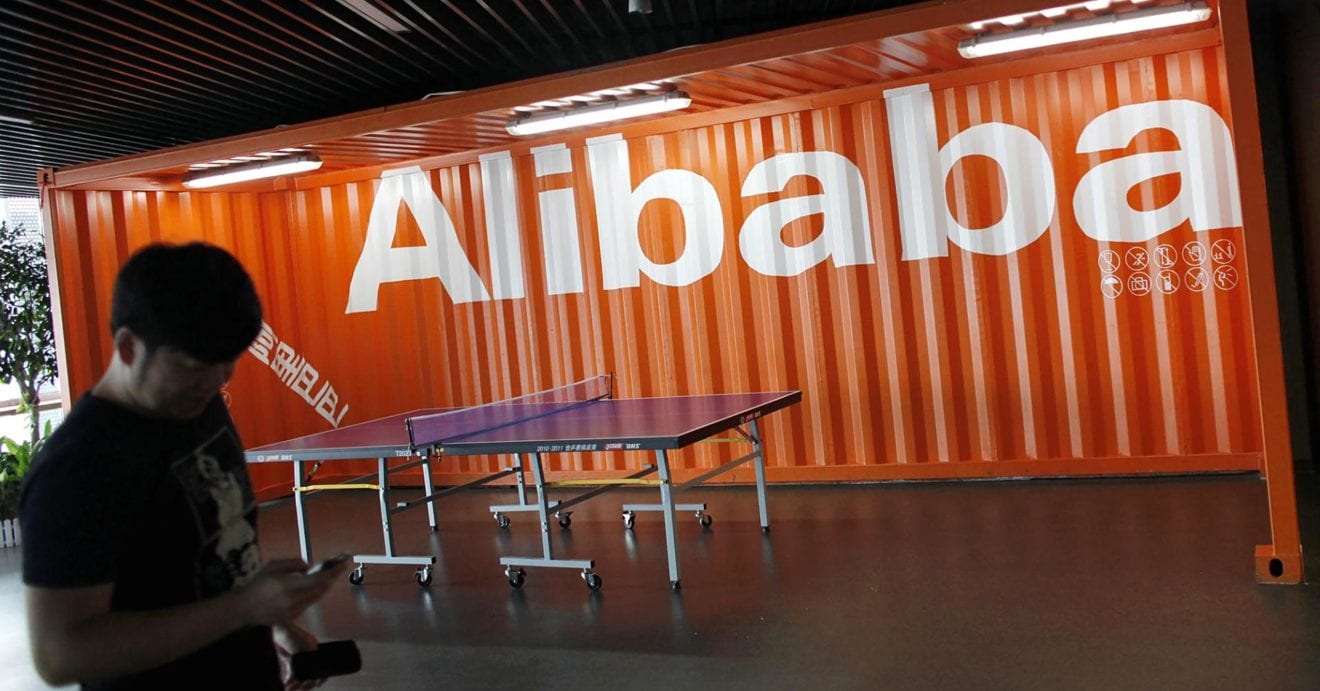
  • Alibaba’s Q3 sales grow 23% and profits double

    Alibaba’s Q3 sales grow 23% and profits double

    Alibaba reported consumers bought 964 billion yuan ($149 billion) worth of goods on its Chinese online marketplaces in the quarter ended Dec. 31, an increase of 23% from the gross merchandise value, or GMV, of sales in the same quarter of 2014. Shoppers made 68% of those purchases on mobile devices.

    The value of purchases on Alibaba’s China marketplaces during the 12 months ended Dec. 31 totaled just under $449 billion, well above anticipated U.S. e-retail volume for 2015 of around $350 billion. Alibaba’s China sites accounted for about 76% of the $589 billion in China 2015 online retail purchases reported recently by China’s National Bureau of Statistics.

    “We had excellent results this quarter. We achieved impressive revenue growth as we are increasingly monetizing the user activity on our marketplaces, particularly on mobile devices. In this quarter, revenue grew 32% year over year and China retail marketplace revenue grew 35% year-over-year,” says Maggie Wu, chief financial officer of Alibaba Group. “Meanwhile, we generated strong free cash flow of US$3.7 billion this quarter. The fundamental strength of our core business gives us the confidence to invest in our strategic priorities.”

    Alibaba attributes the growth mainly to more consumers shopping its online shopping sites. Alibaba said active buyers, those who purchased in the past year, increased to 407 million in this quarter, a 22% increase from 334 million a year ago. Mobile active users who shop every month in December reached 393 million, up 48% from the prior-year period.

    While Alibaba derives most of its revenue from its big China web marketplaces—Taobao, Tmall and Juhuasuan—it also reported growth in international ventures.

    One of those is the Tmall Global marketplace, launched last year to allow foreign companies without a business license in China to sell online to Chinese consumers. Sales on Tmall Global increased 179% in the recent quarter, though Alibaba did not report the actual sales. Plus, more foreign companies that have obtained China business licenses opened branded stores on the main Tmall.com site. Among the more than 200 international brands opening flagship stores on Tmall during the quarter were Coca-Cola, Starbucks and Lululemon, Alibaba says.

    Alibaba also sells to online shoppers around the world through its AliExpress.com retail marketplace. Revenue from selling products to overseas consumers, mainly on Alixpress.com, totaled 632 million yuan ($97 million) in the quarter, an increase of 14% from 554 million yuan in the same quarter of 2014.

    Like U.S. e-retail powerhouse Amazon.com Inc., Alibaba’s fastest-growing business is its cloud computing service. AliCloud, which grew its sales to 819 million yuan ($126 million), representing a year-over-year increase of 126%, Alibaba said.

    “Alibaba reported results mostly above expectations, highlighted by strong revenue growth and impressive mobile monetization improvement,” Colin Sebastian, a senior research analyst at investment firm Robert W. Baird & Co., said in a note to investors today. “While slowing GMV growth is a potential yellow flag, we believe concerns about the effects of China’s macro conditions on Alibaba are largely overblown. Overall, we view these results as largely reinforcing a positive view of Alibaba, even in the face of a transitioning China economy.”

    For the fiscal third quarter ended Dec. 31, Alibaba also reported:

    • Revenue was 34.543 billion yuan ($5.333 billion), an increase of 32% year-over-year from 26.179 billion yuan in same period 2014.
    • Mobile revenue was 18.746 billion yuan ($2.89 billion), an increase of 192% from 6.42 billion yuan in same quarter of 2014.
    • Net income of 12.456 billion ($1.923 billion), a 108% increase compared to 5.983 billion yuan in the same quarter of 2014

    For the 12 months ended Dec. 31, Alibaba reported:

    • Chinese retail transactions increased 29.4% year over year to 2.95 trillion yuan ($448.71 billion) from 2.28 trillion yuan in 2014.
    • Revenue grew 33.3% year over year to 94.39 billion yuan ($14.35 billion) from 70.81 billion yuan in 2014.
    • Net income reached 66.44 billion yuan billion ($10.10 billion), a 146% increase from 27.05 billion yuan in 2014.
  • Indonesia makes strides in fight against corruption

    Indonesia makes strides in fight against corruption

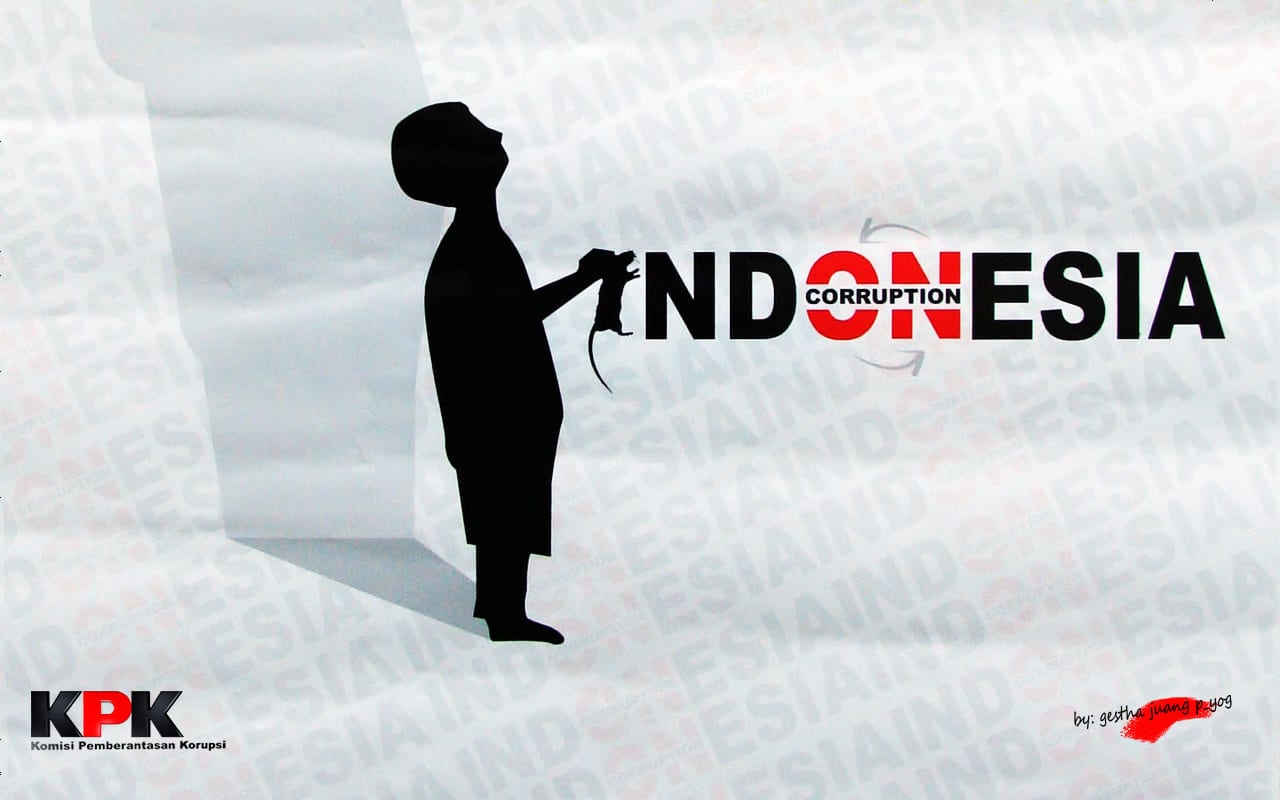
    A researcher for Transparency International Indonesia (TII) elaborates on findings in the Corruption Perception Index 2015 on Monday. Indonesia ranked 88th out of 168 countries, a better position than a year earlier when it ranked 107.(JP/Wendra Ajistyatama)

    Indonesia has shown improvement in the 2015 global Corruption Perception Index (CPI) survey, released by Berlin-based Transparency International (TI) on Wednesday, appearing in 88th position out of 168 countries surveyed and scoring 36 points compared to 34 in 2014.

    The survey, which measures private sector perceptions of public services, recognizes a score of 0 as highly corrupt and 100 as very clean. The agency released results from the survey in 174 countries on Wednesday.

    Although Indonesia only scored two points higher than last year, the feat helped the country to move up 19 notches in the 2015 CPI from 107th position in 2014.

    TI Indonesia’s program director Ilham Saenong said President Joko “Jokowi” Widodo’s extensive efforts to conduct reforms in state institutions had contributed greatly to Indonesia’s good performance in the 2015 CPI.

    “There has been a sense of confidence measured by the survey in the field of public services, for example in driving licenses and passport-making processes,” Saenong told a press briefing on Wednesday.

    The survey revealed that in 2015 Indonesia performed better than neighboring Singapore, Malaysia, Thailand and the Philippines, which saw their CPI scores and ranks drop compared to last year.

    In the study, Indonesia was the only Asia-Pacific country that saw its score and rank increase.

    In 2012, the country ranked 118th with 32 points, while in 2013 it achieved the same score but appeared in a higher position at 114. In addition, 2014 saw Indonesia score two points higher at 32 and appear in 107th position.

    With a current score of 34, Indonesia only needs six and nine points to achieve the ASEAN regional average score of 40 and the Asia-Pacific average score of 43.

    “We need to work harder in the future because our current score is still far from G20 countries’ CPI average of 54,” TI Indonesia secretary-general Dadang Tri Sasongko said.

    Dadang said that in previous surveys Indonesia’s CPI score had fluctuated as the Corruption Eradication Commission (KPK) was engaged in a standoff with the National Police, but its dustup with the police did not prevent the country from achieving a higher CPI score.

    “Jokowi’s image as a businessman and his good track record very much give hope for business sector actors, in addition to the already good management of the current state of affairs in public services,” he said.

    Dadang added that Indonesia could achieve a higher score if it managed to crack down on corrupt practices involving law enforcement agencies and political corruption.

    “Despite the business community’s confidence in public services now, they also want to see good progress in law enforcement and politics because what they want is legal certainty should they be involved in legal matters in the future,” Dadang said.

    KPK gratuity director Giri Suprapdiono said Indonesia could have earned a better CPI score in 2015 if former KPK commissioners Abraham Samad and Bambang Widjojanto as well as KPK investigator Novel Baswedan had not faced police prosecution.

    He added that politics had also hindered the fight against graft.

    “I can say that we are already on the right track but we still need to work harder and harder. Because it is difficult to see this country free from graft because our politics costs a lot of money,” Giri said.

    In the survey, Denmark came in first position with 92 points, followed by New Zealand with 91, Finland with 90, Sweden with 89, Switzerland with 86 and the Netherlands with 87.

    At the bottom of the list were war-torn Somalia and isolated North Korea with eight points each as well as Afghanistan with 11 points.

  • Lane Crawford Fetes Lunar New Year With Visual Art Installations

    Lane Crawford Fetes Lunar New Year With Visual Art Installations

    Lane Crawford has big plans to celebrate the upcoming Lunar New Year — also called the Chinese New Year — which kicks off in early February.

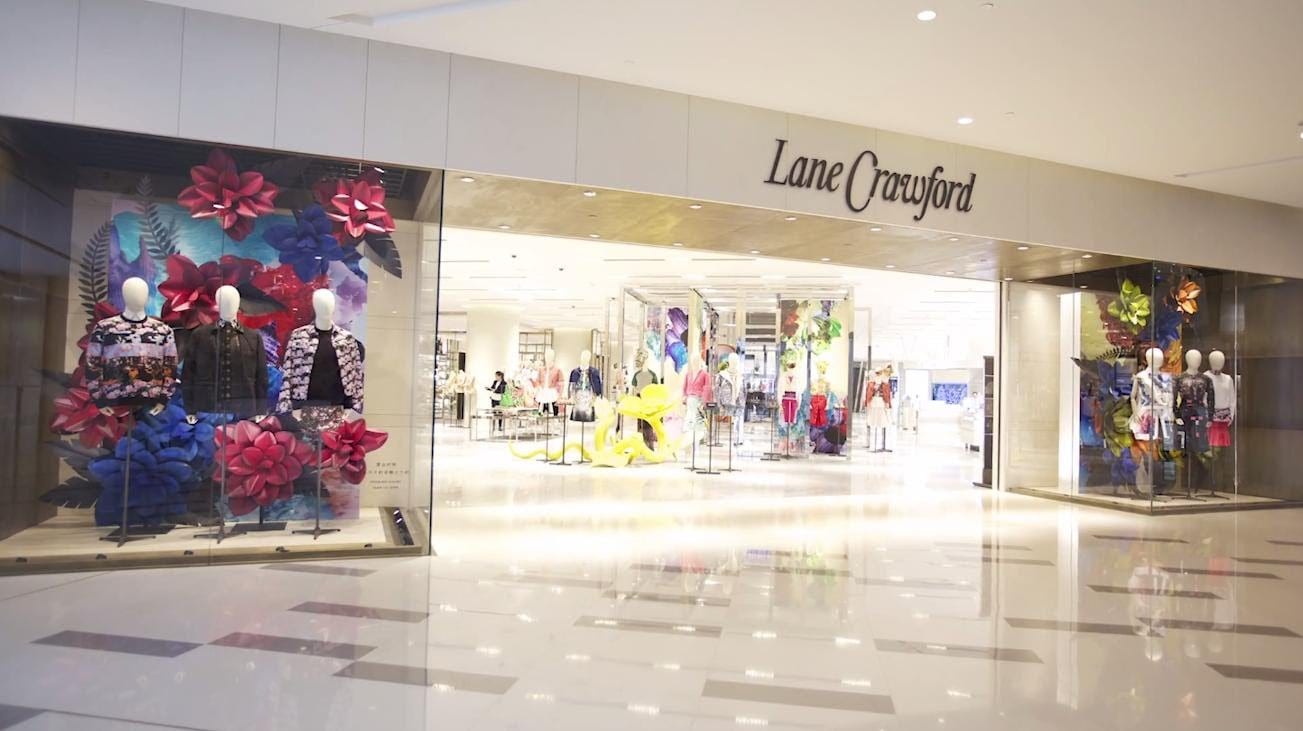
    According to the Chinese zodiac tradition, this will be the year of the monkey. Lane Crawford has tapped nine artists to create a series of visual installations for the luxury retail company’s stores in Hong Kong and China. 

    Participating artists include Andrea Minini, Angel Chen, Desmond Leung, Hui Hoi Kiu, Huijun Guan, Mosaic Art Projects (which is led by visual artists Karen Pow and Chao Harn Kae), Jan Zhou and Yeli Gu — WWD reported. 

    Pow and Kae created a massive, papier-mâché sculpture of a monkey, which references the traditional Chinese art of paper-cutting. 

    In related news, British luxury brand Burberry is also celebrating the Lunar New Year in February.

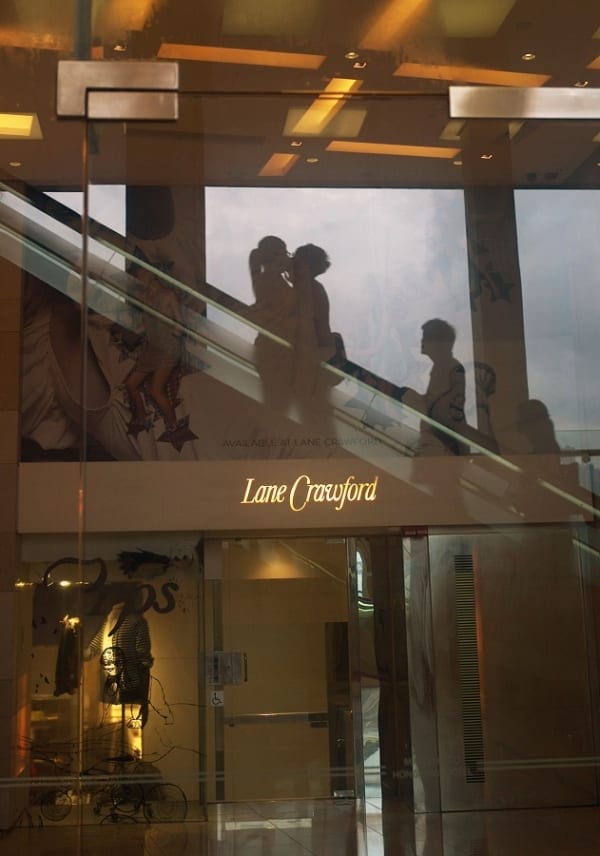
    Shoppers viewed through a window of the Lane Crawford store in Hong Kong

    Beginning at the start of the Chinese New Year, Burberry fans will be able to use WeChat, a popular Chinese social messaging platform, to reveal gifts from the label and send personalized celebratory envelopes to family and friends.

    Additionally, users in China will have the opportunity to win limited edition physical Burberry Lunar New Year envelopes.


  • Xiaomi keen on single brand retail license

    Xiaomi keen on single brand retail license

    Xiaomi is keen on applying for a single-brand retail licence in India and will take a final call on the matter in a couple of weeks after more consultations as the Chinese company strives to deepen its presence in the world’s fastest-growing smartphone market, where it just recorded its best-ever quarter by sales.

    As part of its India strategy for 2016, Xiaomi will locally manufacture most of the phones it will sell in the country, begin investing in startups and expand its offline presence, Manu Jain, the company’s head of India operations.

    “We would be very keen (on applying for single-brand retail) but we would want to understand this better. We are talking to multiple people who are subject matter experts on this to understand everything about it before we go ahead,” Jain said. “Overall, this looks very positive from our perspective.”

    Once it applies, Xiaomi would join Apple as among the top foreign brands opting for a direct presence in India, which eased foreign direct investment rules for single-brand retailing in November. The South Asian nation relaxed mandatory local procurement conditions for high-tech companies and allowed single-brand licence holders to sell their products directly online.

    Xiaomi currently sells 90% of its products through online portals Flipkart, Amazon, Snapdeal and its own store, Mi.com, and has ventured into the offline market with outlets of Airtel and The Mobile Store selling about 10% of its devices. The company will forge more partnerships to expand its offline presence in 2016 and will focus equally on revving up sales through its own portal.

    Jain said the aim would be to achieve a balance between online and offline sales, similar to what it has in China, where one-third of its sales comes from offline channels.

    Through a combination of online and offline sales in India, Xiaomi clocked its best-ever three months yet, selling between 1 million and 1.5 million smartphones in the quarter ended December. “This is the second consecutive quarter that we’ve crossed 1 million…despite the competition, we continue to grow aggressively,” Jain said. In the September-ended quarter, sales were up 45% on-quarter.

    “One of our targets for 2016 is to invest in startups,” Jain said, which would replicate the model followed by the company in China. Though Jain didn’t specify the amount, he said the company would be flexible and investments would depend on the startup and the stage it has reached.

    India will continue to be a critical market and Xiaomi will reduce the time gap between China and India product launches and also introduce more models in 2016. Separately, it will scale up local manufacturing to make a majority of the phones that it sells in the country.

    Jain did not share the present manufacturing capacity at Sri City in Andhra Pradesh, where Foxconn manufactures phones for Xiaomi, but said that the scale-up will be “significant.”

  • Siam Piwat mounts “The Siam Prosperous Chinese New Year 2016”

    Siam Piwat mounts “The Siam Prosperous Chinese New Year 2016”

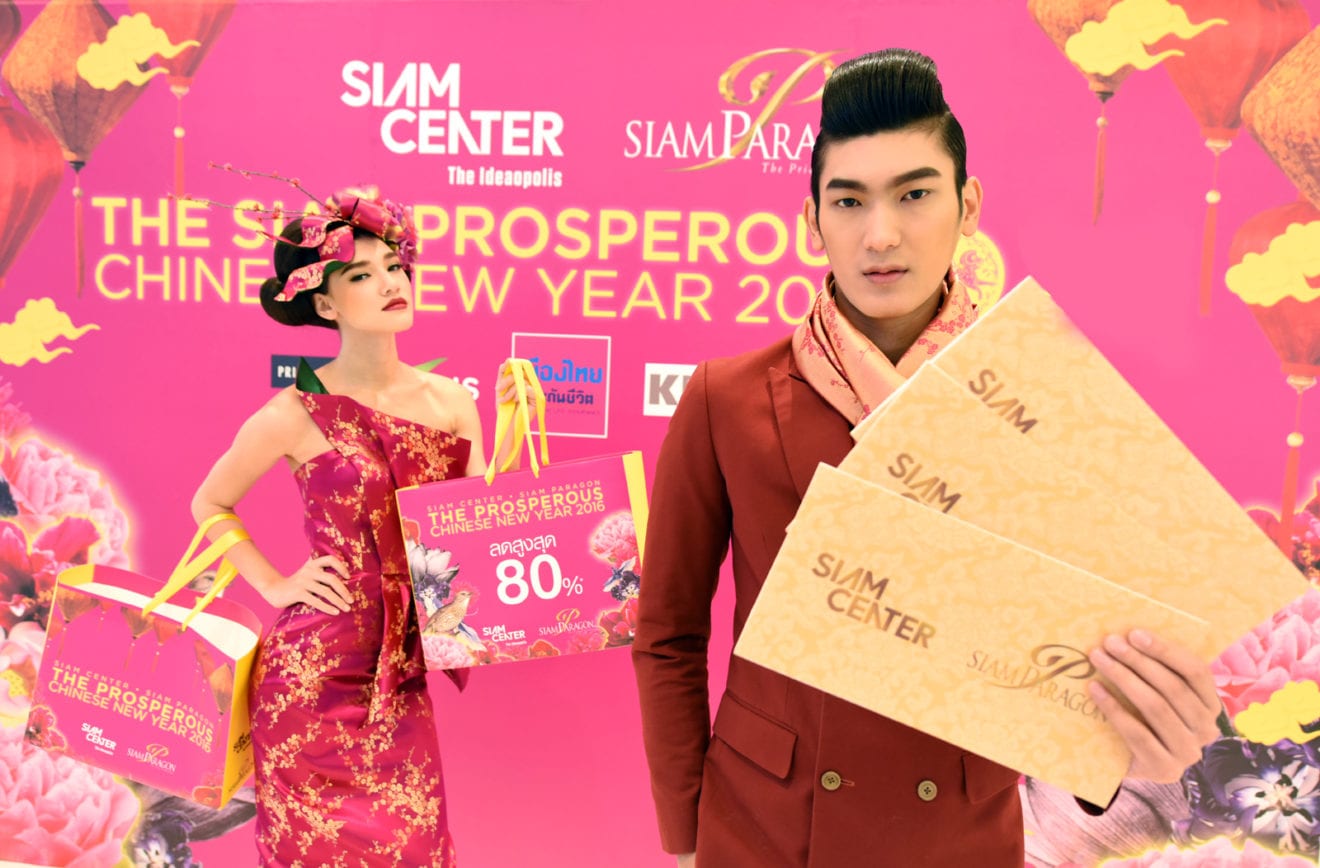
    Siam Piwat Company Limited—the operator of Siam Paragon and Siam Center—together with Muang Thai Life Assurance Public Company Limited, Kasikornbank, and Advanced Info Service Public Company Limited, sends happiness during Chinese New Year to welcome the lucky year by launching a special campaign “The Siam Prosperous Chinese New Year 2016” to boost spending during the festival and to attract local shoppers and international tourists to the shopping centers where they enjoy shopping for propitious items as well as fashion and lifestyle ones from leading brands in Siam Paragon and Siam Center. Moreover, the two shopping centers are offering a blow-out sale with up to 80% discount while giving customers a chance to win Siam Ang Pao (red envelope) and many other prizes totaling over 7.5 million baht.

    These special promotions are available from 3 February to 13 March 2016. Siam Paragon also holds a special activity “Siam Paragon The Prosperous Chinese New Year 2016”, allowing its visitors to witness the magnificence of a Hong Kong-based rare-to-see performance “The Magic of Seven Animals of the Gods” by “Lok Chee Fu”—the old performance troupe renowned for over eighty years. The official opening of the event is schedule on Thursday, 4 February 2016 at 17.30 hrs at Parc Paragon. The performance is open to the public with free of charge from 5 to 8 this February, one session a day at Parc Paragon from 17.00 hrs onward.

    Miss Chanisa Kaewruen, Deputy Managing Director for Marketing Events and Business Relations, Siam Piwat Co., Ltd., says, “Every year during the Chinese New Year festival sees a big increase in spending. Siam Piwat has been investing in activities and promotions in order to boost sales in the first quarter. As seen previously, we are constantly holding activities to celebrate many occasions from the New Year festival to Children’s Day and upcoming Chinese New Year and Valentine’s Day. Each of the previous activities attracted the attention of many Thai shoppers and foreigners, allowing the lively economic atmosphere and boosting sales.”

    Chanisa Kaewruen, Deputy Managing Director for Marketing Events and Business Relations, Siam Piwat (center) and models

    Chanisa continues, “The Chinese New Year festival marks the celebrations of Chinese New Year and the ASEAN Economic Community (AEC). Siam Paragon and Siam Center consequently mount “The Siam Prosperous Chinese New Year 2016”, the first campaign with a budget of over 7.5 million baht to have special activities and promotions. This is to create atmosphere which will then persuade consumers, both Thai shoppers and foreign tourists into spending more—making the economy flow—on fashion products, clothes, accessories, gold jewelry, IT products, food products to name but a few. The Chinese New Year festival is the festival which has the biggest spending of the year, allowing an immense amount of money spent each year. This festival manages to attract more tourists—especially the ones from China, Hong Kong, Taiwan, Singapore and South Korea—to the shopping centers than ever. These tourists of Chinese descent are almost 50 percent of the number of foreign tourists who enjoy visiting the two shopping centers. At the same time, this Chinese New Year marks the first year when the ASEAN Economic Community has been officially effective. More Asian people of Chinese descent from different countries joining in the AEC are expected to travel and spend in Thailand.”

    The promotional campaign to welcome this Chinese New Year includes a parade of full-on promotions that feature a chance to win grand prizes. Simply spend every 2,000 baht in the two shopping centers, get one lucky-draw coupon to have a chance to win several special prizes worth over 7.5 million baht. The biggest prizes include gold bullion worth 1 million baht with a quota of one, Royal Barge Suphannahong’s propitious piece of craftsmanship made of 99.9% yellow gold by Prima Art, with a quota of two, as well as eight propitious trees made of 99.9% yellow gold by Prima Art with a quota of twenty. Customers with top spending of the week instantly win The Scarlett Clinic’s Golden Ratio Body Contouring course worth 100,000 baht with a quota of twenty four. Plus many privileges from the participating credit cards.

    Last but not least, the campaign allows customers to go on shopping thanks to “Siam Chinese New Year Sale”—the sale which offers up to 80% discount on items from leading brands from 3 to 14 February 2016. Special Siam Ang Pao, aka Siam red envelopes, are also given away to win many prizes such as gift vouchers from shops, discount cards and complimentary vouchers from service shops in the two shopping centers. These Ang Pao are available from 6 to 8 February 2016 for any customer who shops in Siam Paragon and Siam Center. Very special to Siam Paragon’s customers only on 8 February, spending of 300,000 baht instantly gets TWG Hamper Set worth 10,000 baht with a quota of ten.

    Enjoy shopping with the promotion “The Siam Prosperous Chinese New Year 2016” in celebration of Chinese New Year from 3 February to 13 March 2016 in Siam Paragon and Siam Center.


  • Al Futtaim in joint venture to launch Robinsons

    Al Futtaim in joint venture to launch Robinsons

    Ties up with Chalhoub Group to bring in the Singapore-based fashion department store

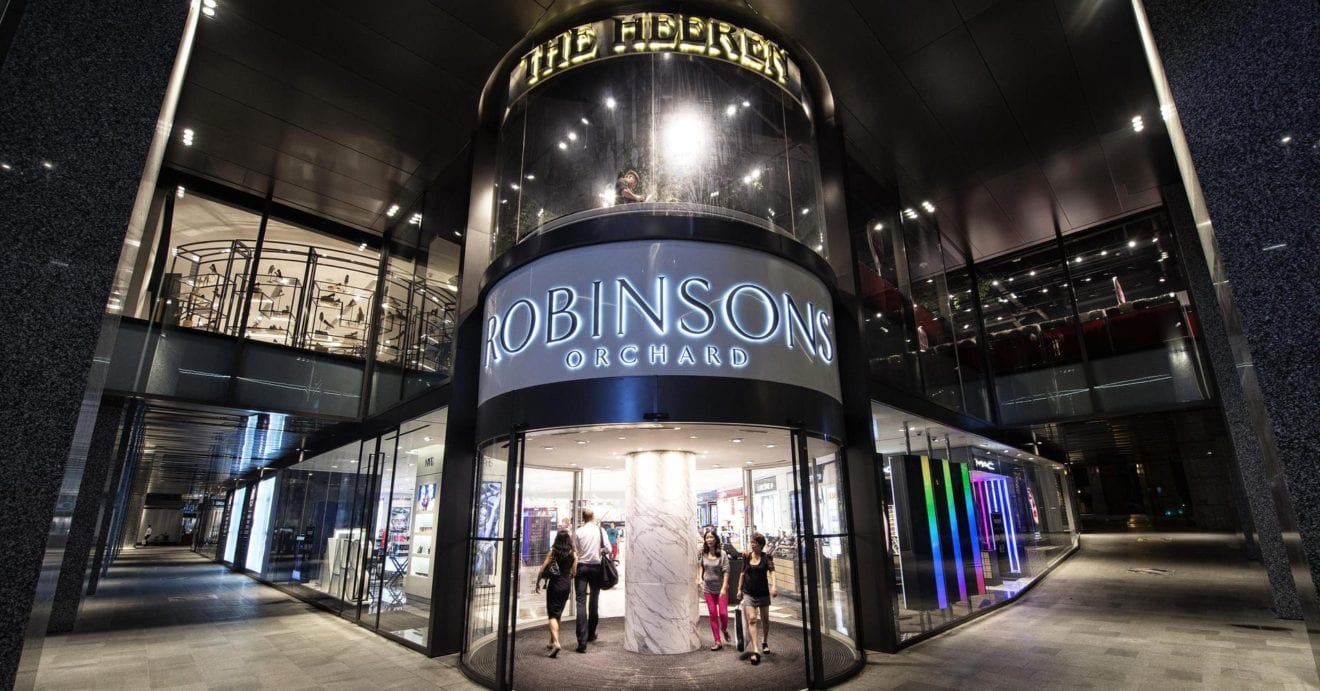
    Dubai: Two UAE based retail groups have come together to launch the first Robinsons fashion department store in the region. The first of the Singapore-based brand will open in the Spring of 2017 at the Dubai Festival City Mall, currently in a major expansion mode. The store will spread over 18,000 square metres across three levels.

    “Al-Futtaim has already been operating four Robinsons department stores in Singapore and Malaysia,” said Paul Delaoutre, President — Retail, Al-Futtaim. “Through our partnership with the Chalhoub Group we will bring this unique format department store to the Middle East expanding the brand’s footprint and strengthening its international appeal.”

    It was in 2008 that Al-Futtaim acquired the Robinsons Group, regarded as Singapore’s legacy retailer having been in existence now for 150 years. The Group currently operates three Robinsons stores in Singapore and one in Malaysia.

    According to Patrick Chalhoub, Chief Executive of Chalhoub Group, “We are excited about this partnership as we will be combining Al Futtaim’s vast experience of operating over 200 companies with our intimate knowledge of the Middle East luxury market, to deliver the most relevant offer of the department store adapted to the Middle East customer.”

  • Brookstone Opens First Overseas Stores in China

    Brookstone Opens First Overseas Stores in China

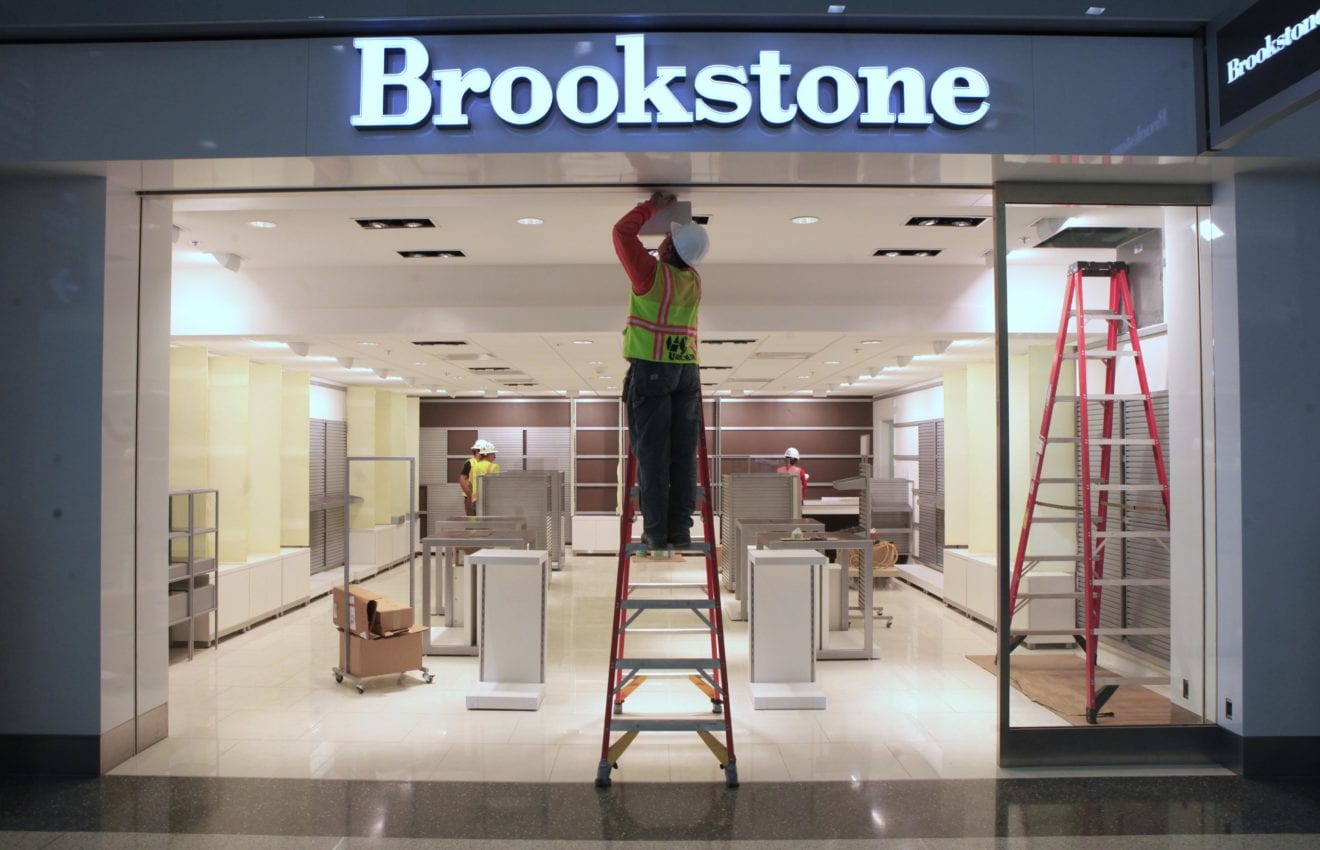
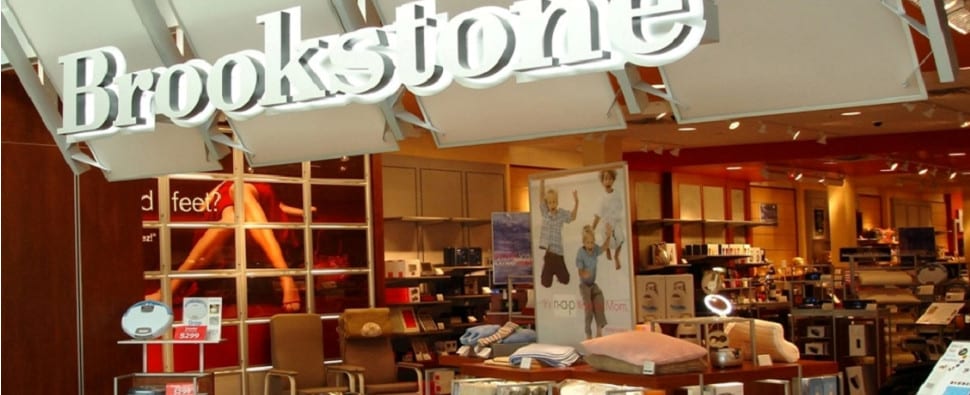
    First Step Includes One Walk-In Retail and Three Store-in-Store Location. The company’s strategy is “to bring premium American lifestyle products to shoppers in China while providing China-based makers access to American and international retail markets.” (Image: sargarch.com)

    • Brookstone’s new retail store is located in one of China’s largest retail shopping centers in Nanjing.
    • Brookstone, founded in Massachusetts in 1965, was acquired in 2014 by the China-based Sanpower Group.
    • Brookstone’s goal in China is to offer shoppers “Easy Surprises…premium, unique and innovative products.”

    Innovative product developer and specialty retailer Brookstone has taken its first step into the global arena with the opening of one walk-in retail and three store-in-store locations in China.

    The retail store is located in one of China’s largest retail shopping centers in Nanjing with the three store-in-stores in Funtalk Telecommunication’s stores in Beijing and Shanghai.

    Brookstone company strategy will generate more shipments of export cargo and import cargo in international trade.

    “We’re thrilled with how enthusiastically customers are embracing their first Brookstone China store experience,” said Brookstone CEO Tom Via. “They love being able to try out our massagers, wear the Cat Ear Headphones and see the drones in action.”

    Brookstone, founded in Massachusetts in 1965, was acquired in 2014 by the China-based Sanpower Group, a multi-national conglomerate, and “is fulfilling its corporate mission to bring premium American lifestyle products to shoppers in China while providing China-based makers access to American and international retail markets,” the company said in a statement.

    Known in the U.S. for its memory foam pillows, sleep sound machines, massagers and checkpoint-friendly luggage, the company’s goal in China is to offer shoppers “Easy Surprises…premium, unique and innovative products” and position it “as a destination for people to find surprising innovations that make life easier,” said Brookstone China CEO Xin Kexia.

    In time, Brookstone China “will adopt a sales model that features a hands-on interactive shopping experience with stores transitioning from being simply sales channels to platforms for hands-on and interactive experiences,” the company said.

    “Store associates will be not so much salespersons as friendly guides that let customers experience products on their own. Associates will show the customers how to operate the wildly successful Brookstone cat ear headphones, massagers, and sleep machines,” it said.

    According to the Sanpower Group, plans call for Brookstone to open independent shops in airports and high-speed railway stations, and continue to launch store-in-stores in its offline retail brands, including Hisap and Smart Funtalk Telecommunications, “so as to synergize with the business resources of the Group.”

  • Hong Kong airport launches Chinese New Year promotions

    Hong Kong airport launches Chinese New Year promotions

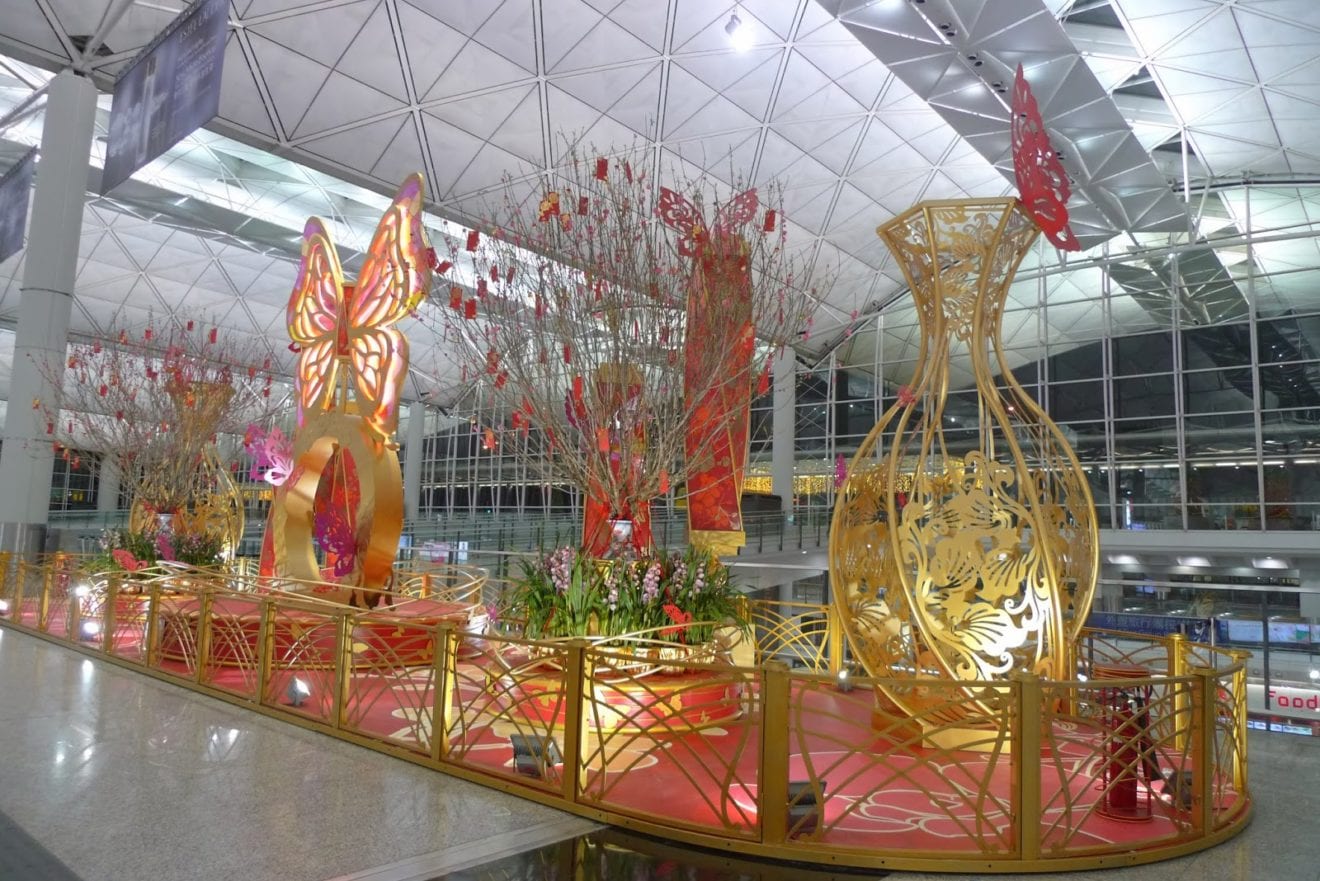
    Hong Kong International airport (HKIA) is to offer various promotions including cash redemptions of up to HK$5,000 ($640)  in celebration of the upcoming Chinese New Year.

    From February 4 to February 15, travellers spending over HK$2,000, HK$5,000, HK$10,000 and HK$50,000 by electronic payment can redeem HKIA cash-coupons of HK$100, HK$300, HK$700 and HK$5,000 respectively. During the campaign period, designated retailers at HKIA will also offer free red packet redemption on a first-come-first-served basis.

    HKIA’s mascot will dress in the Year of the Monkey costume at T1 and distribute specially designed Fai Chuns for free.

    In departures east hall level six, travellers will find a grand display box with a selection of Chinese New Year products and an interactive-game booth. Passengers with boarding passes and any purchase receipt from HKIA can participate in the game. Among the 12,000 prizes are suitcases, massagers and necklaces, along with HKIA cash-coupons and HKIA red packets.

    Travellers spending over HK$1,000 in a single transaction at HKIA can enjoy free local delivery service. Free delivery service to Mainland China, Macao and Taiwan is also offered to travellers spending over HK$2,500 on clothing bags and accessories in a single transaction.

    Those interested in Chinese New Year traditions will also be treated to various music performances during the festive period including the lion dance.

  • E-commerce will boost smaller South Korean brands

    E-commerce will boost smaller South Korean brands

    As growth indicators such as commodities and oil test their lowest price levels for more than 10 years, the fear of deflation that gripped Japan for many decades is quickly becoming a global phenomenon. Even in the U.S., where economic growth is relatively strong, there is a noticeable lack of wage inflation in the face of strong employment reports over the past 12 months.

    While we can blame part of this problem on the aftermath of the global financial crisis of 2008, I place at least some of the blame on the rapid proliferation of Internet technology. A clear example is the loss of traditional retail jobs to ballooning online sales.

    South Korea is a good leading indicator on this issue because of its heavy Internet penetration and dense population, making it a good market sample for other economies to track. South Korea’s retail industry is also an interesting case of being both a victim and beneficiary of the creative destruction of traditional retail channels caused by the onset of e-commerce.

    South Korean retail businesses are dominated by large corporations, often part of one of the country’s huge conglomerates known as chaebols. The scale these corporations enjoy at the group level gives them a huge cost advantage over small to medium sized enterprises, which need to build from the ground up. Right now, e-commerce is killing retail businesses through intense price competition that is driving down margins.

    In South Korea, traditional retailers are hurt not just by domestic online sales but also overseas Internet purchases. In 2014, the value of purchases from overseas websites delivered to South Korean homes reached more than $1.5 billion, from $274 million five years earlier. This figure slipped slightly in 2015 because of government restrictions on purchases, but will continue to rise in the coming years at the expense of traditional retailers and their workers.

    For decades, chaebols operating in domestic retail and consumption industries enjoyed outsized margins due to protectionism against imported goods. In the last decade, however, the South Korean government has forged trade agreements with 52 nations far and wide, including one with China just last year.

    The combination of e-commerce and trade deals has driven the rapid rise of overseas online purchases, especially from the U.S., where a much broader selection of products is available, often at huge discounts to local prices. South Korean shoppers have become so successful at arbitraging this pricing gap that the South Korean government has placed an unofficial limit on cross-border online transactions that qualify for exemption from customs duties.

    Viable competitor

    Another driver of online imports is cheap and efficient delivery, made possible by a growing logistics industry. Strong growth in e-commerce has allowed for rising efficiency in deliveries, which now makes it a viable competitor to offline retailers.

    Overseas online purchases hurt all South Korean retail and consumer brands, but they hurt the large corporations most. For two decades, the chaebols have enjoyed government support through import protection and distribution networks built over many decades of lobbying and cooperating with myriad regulatory hurdles.

    South Korean SMEs never benefited from this because they were usually niche players in crowded markets. As a result, the flood of foreign brands coming into South Korea through online purchases threatens the profitability of large corporations more than the SMEs. A good example is Samsung Electronics’ 60 inch LED TVs, which South Korean shoppers have been buying from U.S. e-commerce shopping sites. Even after delivery and customs duties, prices are up to 20% cheaper than in South Korea.

    But these developments are not all bad news for South Korean retailers. The advent of technology will also allow South Korean SMEs to penetrate a much bigger market: China.

    Historically, when South Korean companies wanted to expand overseas, they would spend years investing in distribution channels and learning how to deal with customs and local regulations. As a result, expansion outside South Korea was a high-risk strategy that yielded patchy results for smaller companies. But the rapid development of e-commerce in China is making the expensive and time-intensive task of establishing distribution channels as quick as the click of a mouse. Already we are seeing companies that have rocketing China revenues, driven by online sales that would previously have taken years of investment and experience to achieve.

    The speed at which China’s online giants are making e-commerce accessible to outsiders will help companies from South Korea that have a good following at home but lack the scale to expand overseas. As South Korea continues to attract millions of mainland tourists annually, recognition of domestic-oriented brands will spread through China and create follow up demand.

    Right now, investors seeking to benefit from Chinese interest in South Korea are focusing on duty free stores. But the next phase of investor attention will be consumer brands that attract attention from Chinese customers seeking to buy outside duty-free channels. E-commerce and information distribution via the Internet will accelerate that process.

    As China tries to promote domestic consumption to compensate for the declining economic growth coming from falling investments, the tax incentives that duty free stores attract will have to decline. That will put brand owners in pole position in the China market rather than traditional retailers such as department stores, hypermarkets and duty free channels.

    Peter S. Kim 

  • Should We Worry About The Hong Kong Dollar?

    Should We Worry About The Hong Kong Dollar?

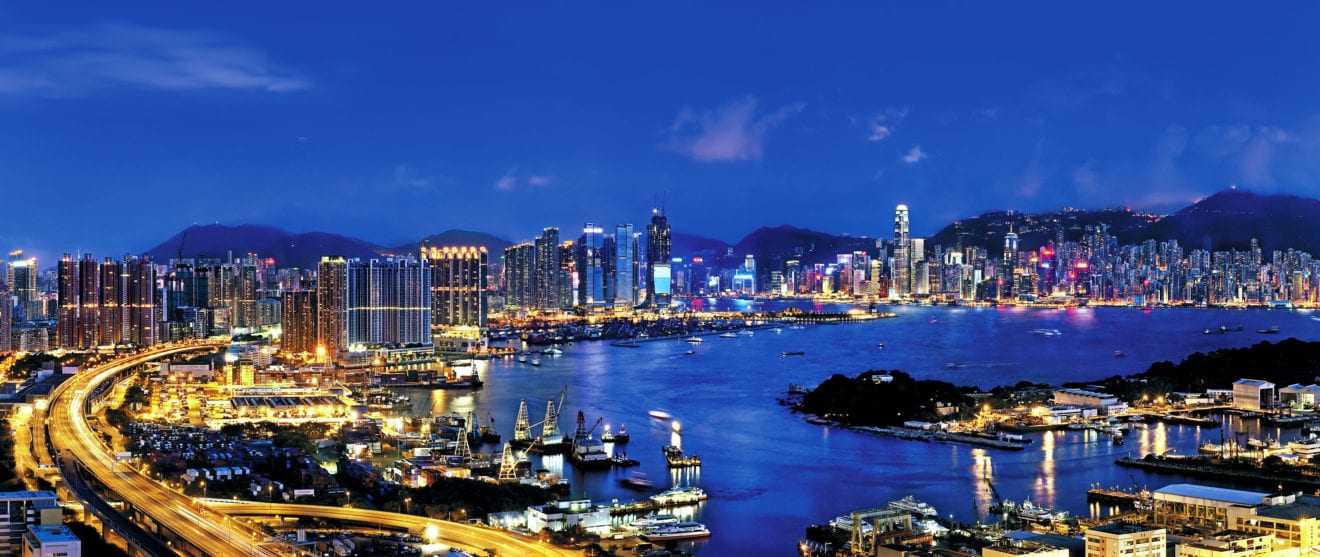
    Winter is coming to Hong Kong. The Hong Kong dollar breached its 2007 low today, down to as low as 7.8226, just haircuts away from the 7.85 level that would prompt the Hong Kong Monetary Authority to intervene.
    After China decoupled its loosely pegged yuan from the dollar last August, we Hong Kong residents are understandably worried Hong Kong may de-peg its currency as well.

    But really, rather than the Hong Kong dollar, we should worry about the Hong Kong economy instead.

    First of all, it is highly unlikely Hong Kong would want to rock the boat even though Hong Kong’s economy is more closely tied to China (and so should its monetary policy be). After all, this is the government that lets its citizens kidnapped across the border without consequences.

    Second, HKMA has enough gun power to defend its currency when it comes to it. Hong Kong’s foreign reserve is currently at $359 billion, which covers 1.75 times its monetary base. See my last week’s blog for Credit Suisse‘s commentary on the possibility of Hong Kong de-pegging.

    But what this means is that Hong Kong has to raise its interest rates to compensate for the Hong Kong dollar outflow, estimated to be around 300 billion Hong Kong dollars, or $38 billion. This certainly is not good news for the Hong Kong economy, especially when it is already in the downturn. In 2015, Hong Kong retail sales, a growth engine in recent years, is expected to slump over 5%, even worse than the SARs epidemic in 2003.

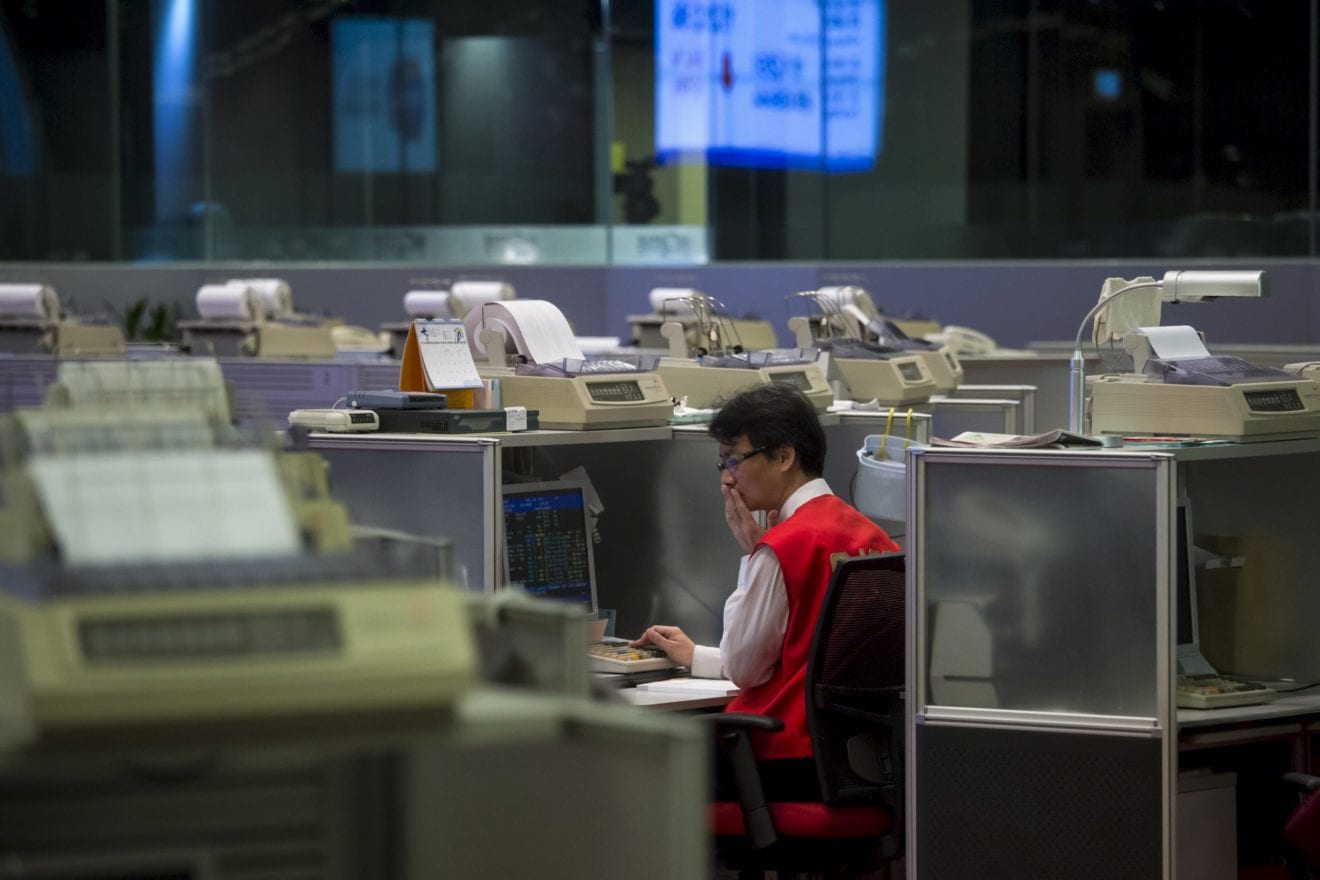
    Hong Kong investors are catching up to reality today, sending the Hang Seng Index down 3.1% a new 40-month low. No surprise, Hong Kong property developers tumbled today. Cheung Kong Property fell 5.6%, Wheelock dropped 4.8%, Wharf Holding was down 3.7%.

    Year-to-date, the iShares China Large-Cap ETF (FXI) fell 13.5%, the iShares MSCI China ETF (MCHI) fell 13.4%, the iShares MSCI Hong Kong ETF (EWH) was down 10%.

  • Is It expensive to enjoy Rambler Channel?

    Is It expensive to enjoy Rambler Channel?

    How much would you be willing to pay for a stay at a Li Ka-shing hotel? Well, how about just a tad over HK$90?

    No, we’re not kidding! This is exactly what some mainland tourists are paying this month for a night at a Tsing Yi hotel owned by the Hong Kong billionaire. 

    According to rates quoted by Qunar, a popular mainland travel portal whose name means “Where to go?”, one can get a double bedroom at the Rambler Garden Hotel for as little as 73 yuan (HK$86.7).

    Adding the tax, you get an all-in price of 76.65 yuan (HK$91.1) for a night’s stay at the Cheung Kong Group property. That was price offered for January 28, a date that falls less than two weeks before the Lunar New Year.

    Who says Hong Kong is an expensive destination? Of course, not everyone can get a room with a splendid view of the Rambler Channel and the nearby container terminal.

    To be eligible for the offer, you have to be a mainlander. So, if you hold a passport of any other country or region — even those of Taiwan or Macau — count yourself out.

    Next, you can only check in after 5pm. Meanwhile, you would also have to put up with another problem: there won’t be in-room wi-fi.

    All these point to a typical mainland group tour package as Hong Kong’s hospitality and retail sectors grapple with a decline in visitor numbers from across the border.

    Tourism workers, meanwhile, are also faced with tougher rules as the Travel Industry Council has unveiled measures such as refund protection scheme for visitors and curbs on “forced shopping”.

    As new regulations have basically killed “zero fee” tours, travel operators and related firms have been forced to readjust their marketing strategies.

    It is possible that mainland operators are securing extra-low rates from hotels by offering firm commitments on the occupancy volume.

    As for the hotels, guaranteed bookings for a portion of their inventory, even it means selling the rooms at cost, will help them remain on the radar of cross-border tourists.

    A sub-HK$100 rate per room puts the clock back to the 70s when a breakfast at Cafe de Coral used to cost less than HK$10 and the Hang Seng Index was around 1,000.

    This makes it a screaming bargain for visitors, helping them forget the outdated TV sets in the rooms and the absence of modern communication facilities.

    Well, we should also bear in mind that January is a non-peak travel season this year given the gap between Christmas and the Lunar New Year.

    Seizing the low-season fares and hotel room rates, many people have booked trips to Hong Kong this month.

    A friend who came to Hong Kong this week for medical check-up paid merely HK$500 per night in a four-star Causeway Bay business hotel.

    He kept saying it was a bargain – although the yuan devaluation made him pay slightly more than what he used to earlier – because he remembered the same hotel was charging over HK$3,000 yuan per night during a Lunar New Year season previously.

    Mainland visitor arrivals were down 1.7 percent to 42.1 million in the first eleven months of 2015, according to Hong Kong Tourism Board data.

    Things could get more challenging this year as the weaker exchange rate will make mainlanders think twice before making their usual trips across the border.

    But if more Hong Kong hotels step up discounts and offer rooms at bargain-basement prices, the story could well turn out different.


  • China quarter feeblest since ’09

    China quarter feeblest since ’09

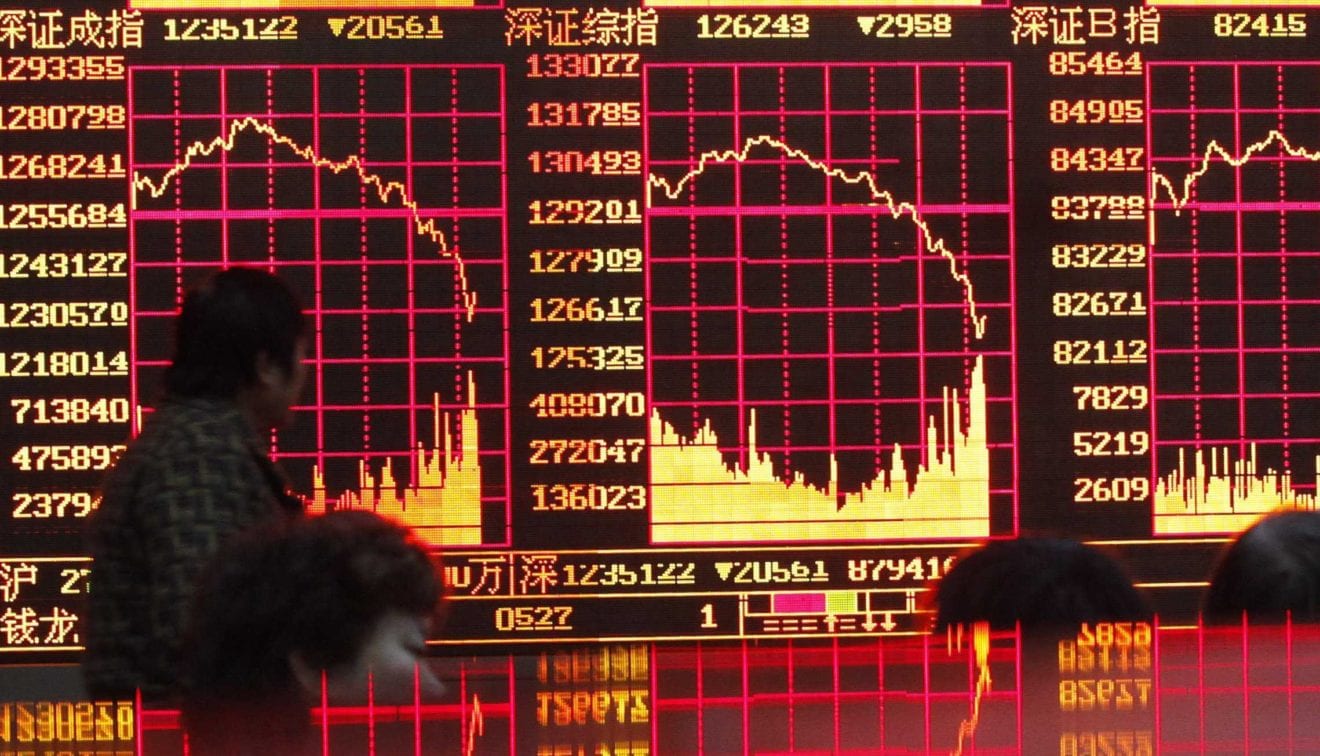
    China’s economy slowed in December, capping the weakest quarter of growth since the 2009 global recession, as the Communist leadership grapples with a transition to consumer-led expansion.

    Industrial production, retail sales and fixed-asset investment all slowed at the end of the year, while gross domestic product rose 6.8 percent in the fourth quarter from a year earlier. Full-year growth of 6.9 percent, the least since 1990, was near the government’s target of about 7 percent.

    Policymakers must weigh the need for further monetary easing with the risk it would spur more weakness in the yuan and additional capital outflows. Arguing against major stimulus: A rise in services, which became more than half of the economy for the first time, cushioned the slowdown and underpinned employment.

    “2016 will be another challenging year as the old capital-intensive, highly levered industrial sector continues to be placed under severe strain,” said Kenneth Courtis, former Asia vice chairman at Goldman Sachs Group Inc. and now chairman of Starfort Holdings. “But we remain constructive on the outlook for the period ahead,” he said, citing steady job gains and retail sales that are rising faster than GDP.

    Industrial production posted one of the weakest gains in the past quarter century, increasing 5.9 percent in December from a year earlier, compared with a 6 percent median estimate of analysts and November’s 6.2 percent.

    Retail sales increased 11.1 percent from a year earlier, compared with the 11.3 percent projected by economists. Fixed-asset investment excluding rural areas expanded 10 percent last year, the slowest pace since 2000.

    The Shanghai Composite Index closed 3.2 percent higher as the data fueled speculation of increased stimulus and industrial shares rallied on prospects of state-fund buying.

    In an update to its annual outlook published Tuesday, the International Monetary Fund left its estimate for China’s growth this year unchanged at 6.3 percent even as it lowered the global projection to 3.4 percent. The fund said risks to the global outlook remain tilted to the downside, with the world facing three big adjustments: the emerging-market slowdown, China’s shift to growth driven less by exports and manufacturing, and the Federal Reserve’s gradual exit from ultra-low interest rates.

    China’s top leadership has signaled in recent months it may allow some additional slowness as officials tackle delicate tasks such as reducing excess capacity, but nothing that could threaten President Xi Jinping’s goal of at least 6.5 percent growth through 2020. The world’s second-largest economy will slow to 6.5 percent this year and 6.3 percent next year, according to the median of economist estimates.

    Reaching the official 6.5 percent target “is fast becoming a challenge,” Shen Jianguang, chief Asia economist at Mizuho Securities Asia Ltd. in Hong Kong, said in a note.

    China’s economy is going through a “tough transition to make, but critical if growth is to be sustainable,” former Fed Chairman Ben Bernanke said at a forum Tuesday in Hong Kong. “You have to have a transition to more services if you want to keep the economy growing and providing jobs.”

    China’s economy is growing at two speeds, with old rust-belt industries from steel to coal and cement in decline while consumption, services and technology do better. Services accounted for 50.5 percent of output last year.

    The policy response to last year’s slowdown included accelerated monetary easing with six interest-rate cuts since late 2014 and increased fiscal spending. Through market turbulence, the central bank forged ahead with interest-rate liberalization by removing a cap on deposit rates and won the IMF’s approval for the yuan to enter its Special Drawing Rights basket of reserve currencies.

    This year, attention is likely to turn more to a new focus on supply-side tactics such as cutting excess industrial capacity and labor in state enterprises, lowering taxes and increasing productivity.

    Information for this article was contributed by Xiaoqing Pi, Ailing Tan, Jeff Kearns, Enda Curran and Christopher Anstey of Bloomberg News.

    Business on 01/20/2016

  • Keppel Reit divests Sydney property for $160 million

    Keppel Reit divests Sydney property for $160 million

    Keppel Reit has divested its 100% interest in 77 King Street in Sydney, Australia to ARE Noble Pty Ltd, a wholly-owned subsidiary of Invesco Asia Core Fund for A$160 million (S$160 million), resulting in a divestment gain of A$28 million (S$28 million).

    77 King Street is located within Sydney’s CBD, and has 147,000 sq ft of net lettable area over 18 levels of offices and two basement levels of retail space. The sale price is 40% above Keppel Reit’s original purchase price of A$116 million at end 2010, and a 27% premium over the property’s latest valuation of A$126 million.

    Following the divestment of 77 King Street, Keppel Reit will still have four premium grade office buildings in Australia, comprising a 50% interest in 8 Chifley Square in Sydney; 275 George Street in Brisbane; the office towe and annex at the Old Treasury Building site in Perth; as well as 8 Exhibition Street, with two retail units and a 100% interest in its three adjoining retail units in Melbourne.

  • Charoen said to also compete for Big C in Thailand, Vietnam

    Charoen said to also compete for Big C in Thailand, Vietnam

    Some of Thailand’s richest families are preparing to compete for the Southeast Asian operations of French supermarket operator Casino Guichard-Perrachon SA, according to people with knowledge of the matter.

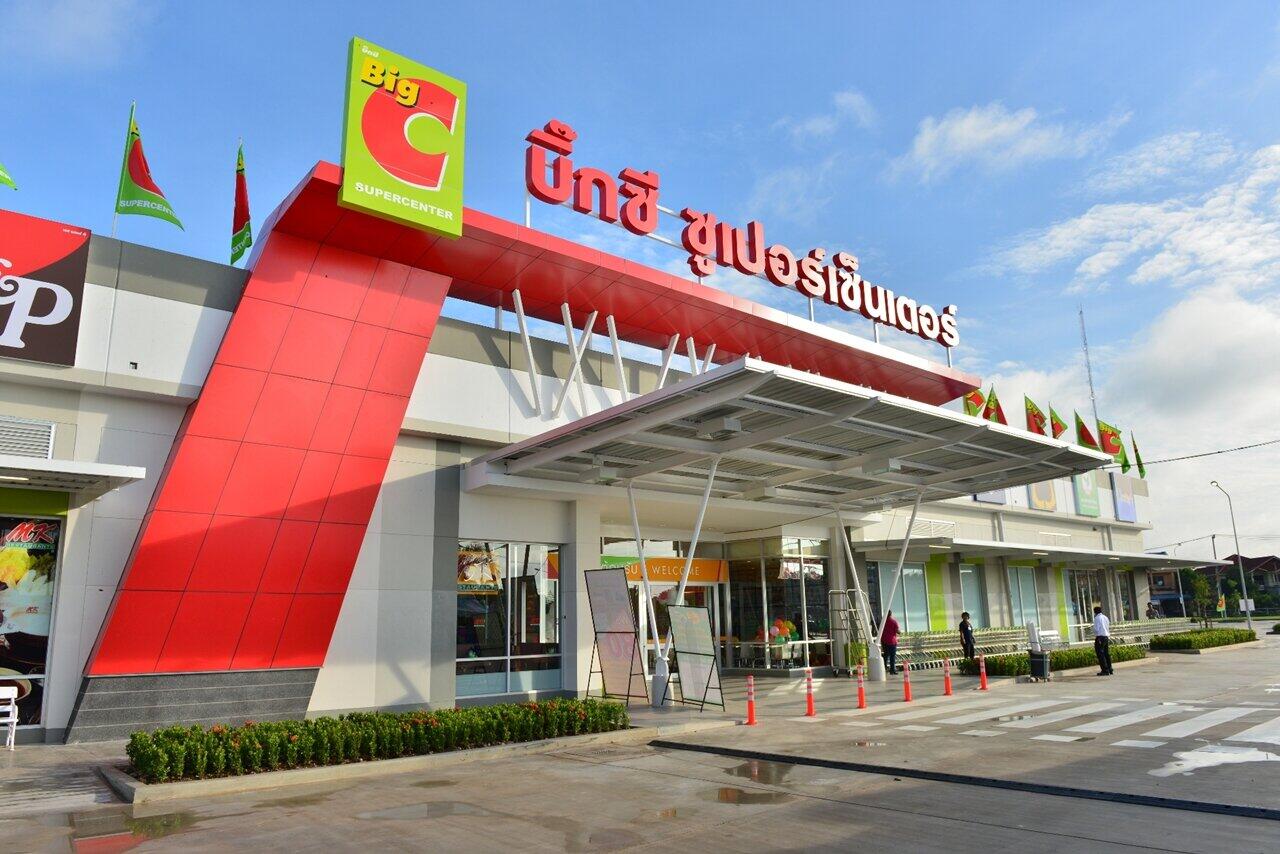
    Billionaire Charoen Sirivadhanabhakdi’s TCC Holding Co and the Chirathivat family’s Central Group are weighing first-round bids for the Big C Supercenter chains in Thailand and Vietnam, which are due Feb 5, the people said.

    The companies have been speaking with banks about advisory roles and financing options, according to the people, who asked not to be named as the process is private.

    Casino’s controlling stake in Bangkok-listed unit Big C Supercenter Plc could fetch more than $3 billion (108.4 billion baht), while a sale of its Vietnam business could raise as much as $800 million, the people said. The Vietnamese operations have also drawn interest from Tokyo-based retailer Aeon Co, two of the people said.

    A deal would add to the $54.9-billion of acquisitions in Southeast Asia over the past 12 months, data compiled by Bloomberg show. The proposed disposals are part of Casino’s plan to cut debt by more than €4 billion ($4.3 billion) this year, after its share price slumped more than 50% in the past 12 months.

    Casino may sell its businesses in the two countries together or separately, depending on the offers it receives, the people said. The French company owns 58.6% of SET-listed Big C Supercenter.

    A person who answered the phone at Mr Charoen’s office in Bangkok said he wasn’t available for comment. Spokesmen for Aeon and Big C Supercenter declined to comment, while representatives for Casino, Central Group and TCC didn’t answer phone calls seeking comment. An investor-relations official for Berli Jucker Plc, the Bangkok-listed consumer goods distributor controlled by TCC, also didn’t answer a phone call seeking comment.

    Central Group is among Thailand’s biggest conglomerates, employing over 70,000 people in businesses from retail to real estate, according to its website. It bought Italian luxury department store La Rinascente in 2011 and Danish department store Illum in 2013.

    TCC, led by Thailand’s richest man, agreed last year to buy Metro AG’s Cash & Carry wholesale business in Vietnam for €655 million. The conglomerate acquired control of Singapore food and beverage maker Fraser & Neave Ltd in 2013.

    Big C Supercenter, founded by the Chirathivat family, opened its first store in Bangkok in 1994, according to its website. Casino took control of the Thai-listed company five years later.

    Shares of Big C Supercenter have gained 15% this year, giving it a market value of 191.4 billion baht ($5.3 billion). The company has 580 stores in Thailand at the end of March 2014, ranging from hypermarkets to convenience stores, according to its website.